
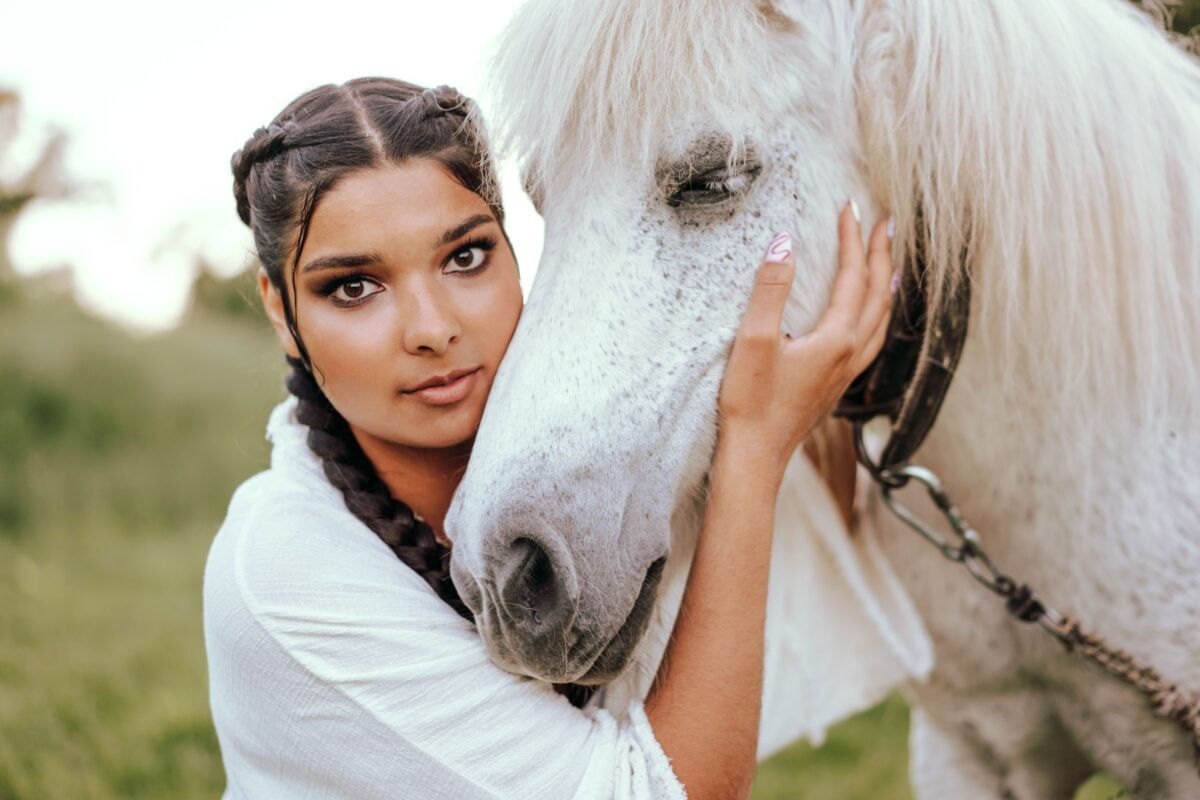
Most people roll their eyes at the idea of a horse “choosing” someone. It sounds like barn folklore, the kind of thing riders say right after handing over a peppermint. But trainers who’ve spent decades around horses will quietly tell you something different: certain horses genuinely fixate on one human, and the proof shows up long before the owner, the instructor, or the barn’s resident gossip ever catches on.
The signs are small at first. Easy to wave off as coincidence, feed-time excitement, or “just his personality.” Then you start lining them up side by side, and the pattern becomes impossible to unsee. If you’ve ever caught yourself wondering whether a horse is into you specifically, not just people in general, these are the sixteen behaviors worth watching for.
#1 – They Clock You the Second You Step Onto the Property
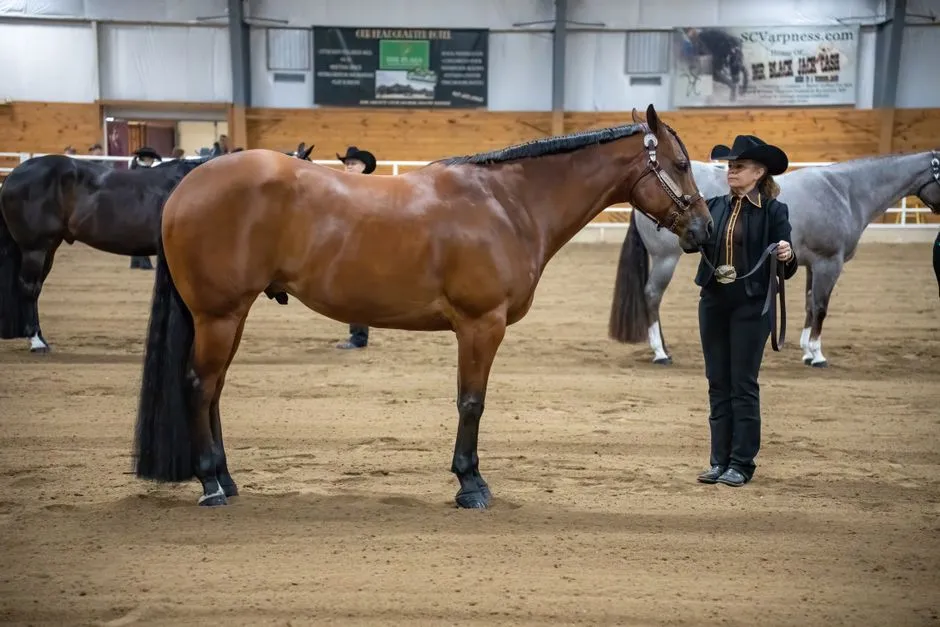
When a horse has chosen you, they don’t just notice you at the stall – they lock onto you the second your car door shuts. The head pops up in the pasture, ears flick toward the parking lot, and there’s that unmistakable “there they are” stare. People write it off as “oh, he knows it’s feeding time,” but look closer: they’re tracking you, not the grain bucket.
Over time it gets weirdly specific. You’ll walk up with three other people, and that horse still follows your movement, even when someone else is holding the treats. Some will pace the fence line the moment they recognize your particular footsteps or voice. Conditioning explains part of it. It doesn’t explain why their attention stays glued to you and no one else.
Fast Facts
- Horses have a field of vision spanning roughly 350 degrees, letting them track movement across almost their entire surroundings without turning their head.
- In controlled tests, horses correctly picked out a photo of their own keeper over a stranger’s face at a rate well above chance.
- Some horses still preferred a photo of a former caretaker they hadn’t seen in six months over an unfamiliar face.
- Equine memory is famously long-lasting – many horses remember specific people, places, and routines for years.
#2 – They Break the “Buddy Bond” Rules Just to Be Near You
Herd-bound horses normally panic when separated from their favorite pasture mate. Yet when a horse bonds deeply with a human, they’ll sometimes break that rule entirely. You’ll see them peel off from their buddy, or even the herd’s alpha, and walk straight toward you – even while the rest of the group is heading the opposite direction.
This isn’t casual interest. Horses are prey animals; safety in numbers is hardwired into them. So when one calmly chooses the fence line next to you over the herd, that’s a big deal. They may linger there, breathing on your hands, hip cocked, more relaxed than they ever get with anyone else. Herd or human, and they picked you – most people at the barn never clock how huge that decision actually is.
#3 – Their Entire Body Softens the Moment You Engage
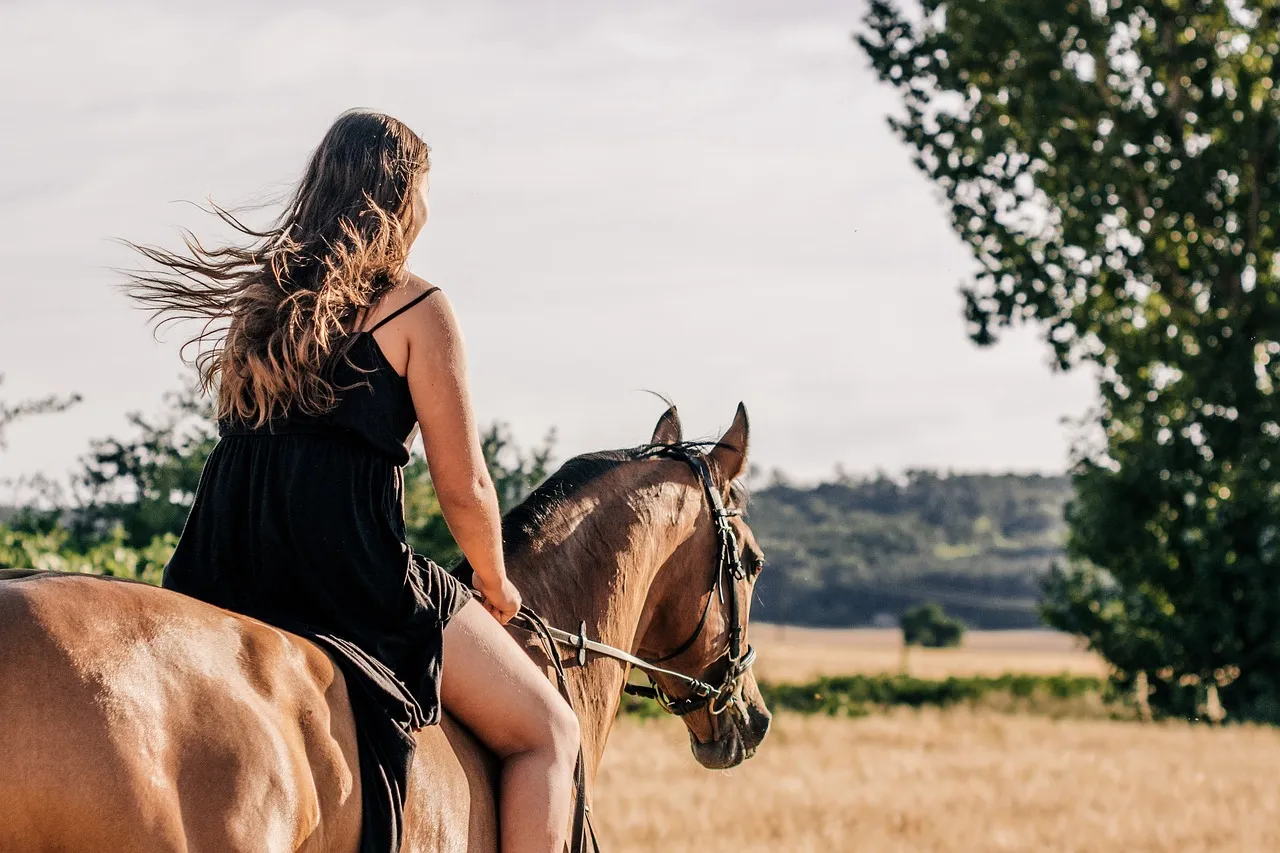
Plenty of horses enjoy being petted. That’s not special. What’s different is when their whole nervous system seems to exhale the second your hand touches them. Tight lips loosen, eyelids droop, breathing slows, one hind leg cocks to rest. It’s the equivalent of watching someone go from “on guard” to “finally, I can relax.”
Pay attention to the contrast. Maybe they’re fidgety with the trainer, stiff for the farrier, tense when another rider approaches with a saddle. Then you step in, speak, or lay a hand on their neck, and they melt. It isn’t about scratching the right spot – it’s about who they trust enough to hand over “watch duty.” Horses only fully soften around beings they trust to handle the danger for them.
#4 – They Keep You in Their “Safety Bubble” Instead of Pushing You Out
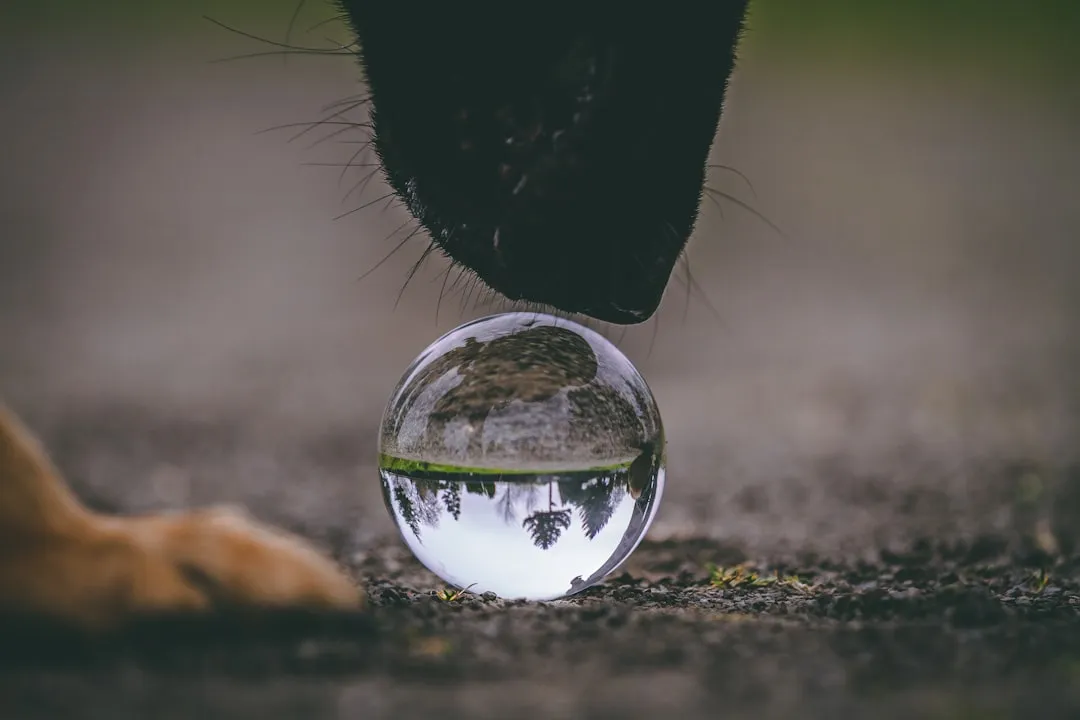
Most people assume a horse stepping into their space is disrespect. Sometimes it is. But when a horse has chosen you, they do something subtler: they quietly make you part of their safety bubble. They don’t slam into you; they orbit you, tracking where you are like you’re part of their personal forcefield.
Out in the field, they might graze just close enough to keep you in peripheral vision. In the arena, they drift toward you on the rail or park themselves nearby, even while someone else is riding. Watch the pattern over a few weeks and it stops looking random. They aren’t trying to dominate you. They’re trying to include you – you’ve become a core piece of how they feel secure in the world.
#5 – They Show You “Baby Brain” While Acting Stoic for Everyone Else
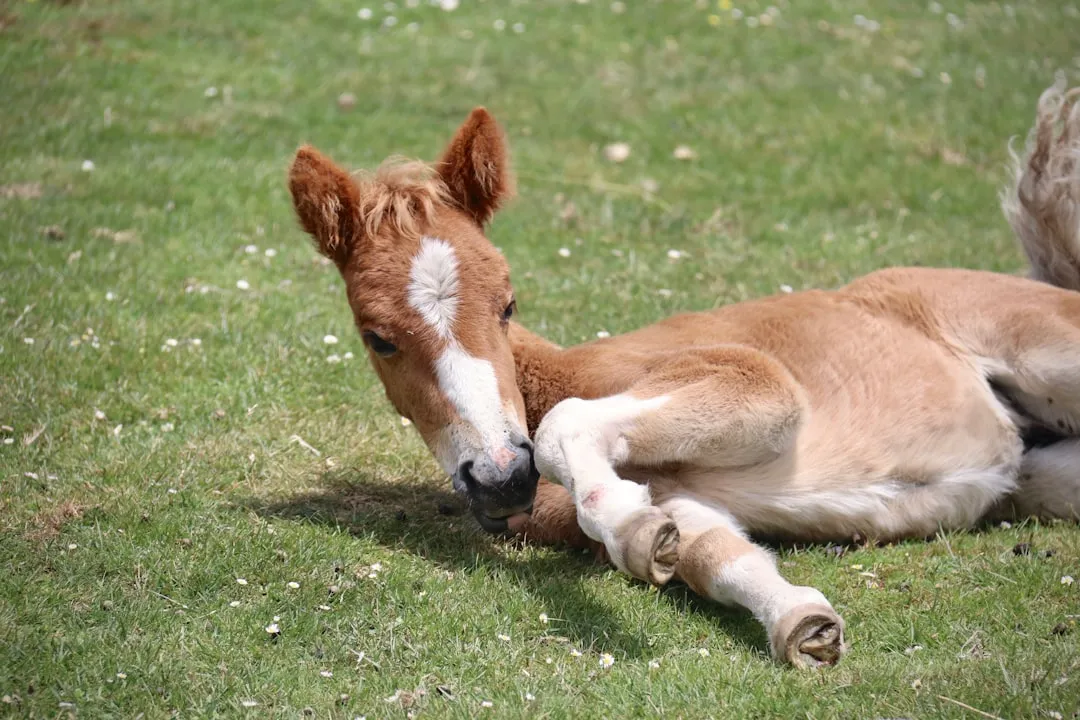
Chosen humans often get the version of the horse nobody else sees: playful, goofy, occasionally pushy in a young-horse way. A horse that behaves like a soldier in lessons might suddenly play with your zipper, tug your sleeve, or nuzzle your pockets like an oversized Labrador. That regression into baby behavior isn’t disrespect – it’s trust.
Prey animals don’t dare act silly around beings they don’t fully believe are safe. Rubbing their head on you, blowing air in your hair, trailing you like a foal follows its dam – it all says the same thing. You still need boundaries, this isn’t a Disney movie, but the split personality is glaring: professional with everyone else, annoyingly adorable with you. People call it “spoiled.” More often, it’s a horse finally letting its guard down.
#6 – They Listen to Your Voice Over the Whip, Spurs, or Lead Rope
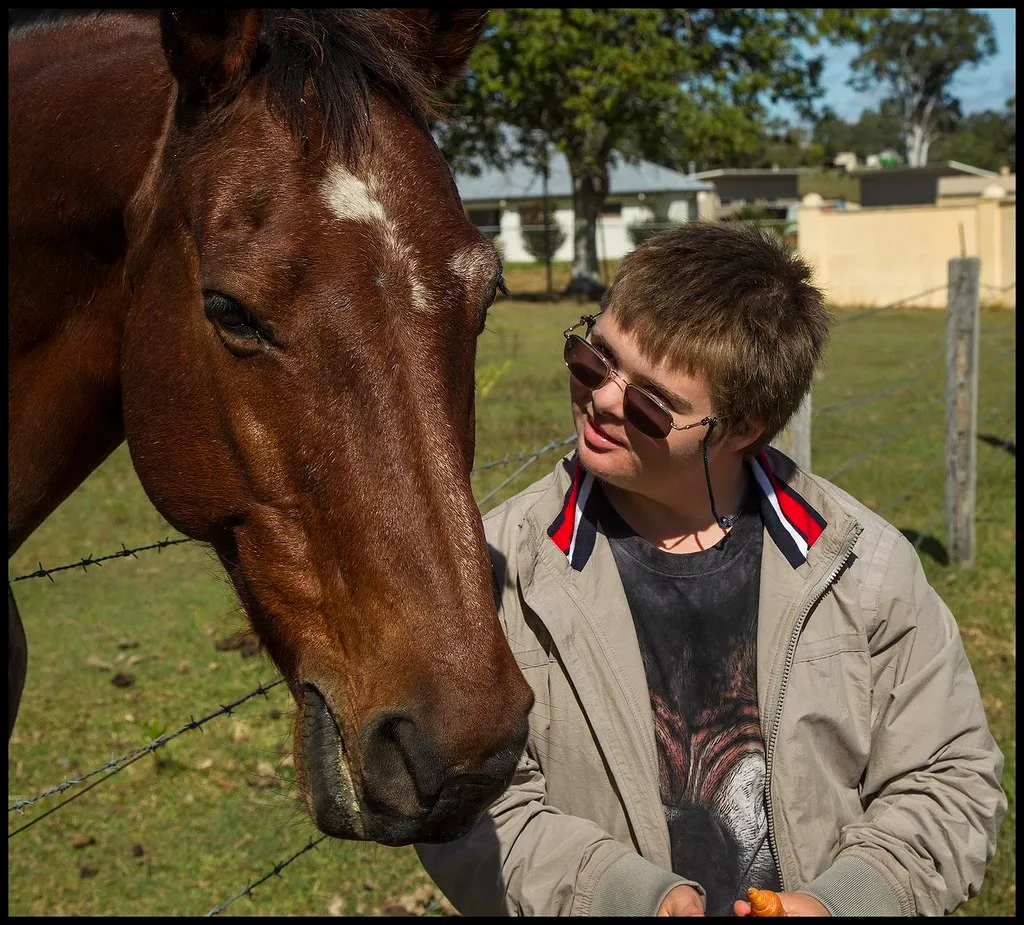
You’ll notice it one day, and then you can’t unsee it: they respond more to your voice and energy than to physical aids. A soft “easy” from you drops their speed faster than a firm half-halt from someone else. Your “whoa” lands where another rider’s hard rein pull barely registers.
On the ground, they might step forward off a quiet cluck when others require real pressure on the halter. This doesn’t mean your cues are technically perfect – it means they’re trying for you in a way they don’t bother trying for anyone else. Their ears flick back to catch your words even in a noisy arena. That kind of selective listening is a giant, flashing sign of emotional investment. Most barns just shrug and call it “odd.”
#7 – Their Spooks Shrink Dramatically When You’re in the Picture
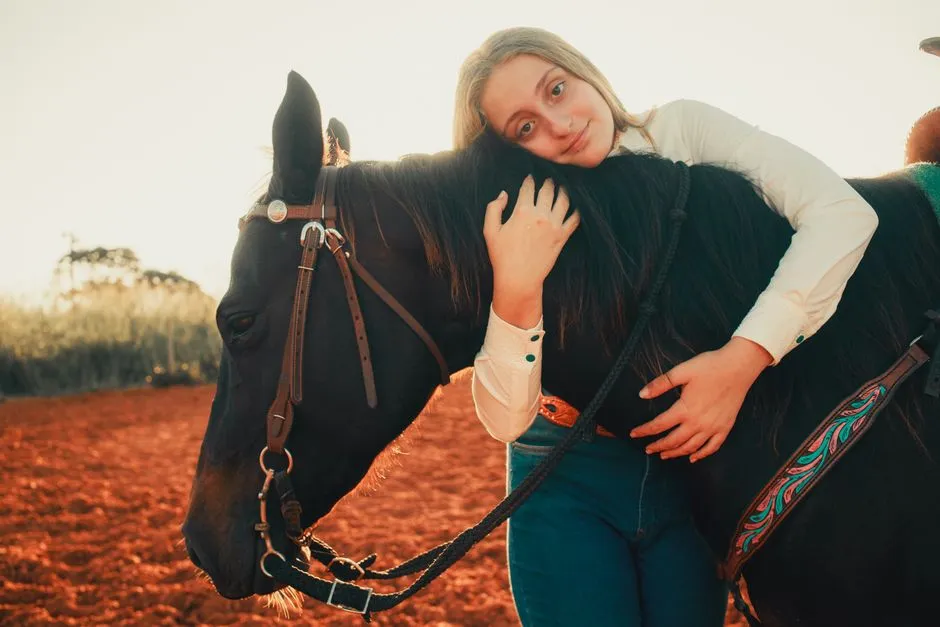
Spooky horses don’t magically become brave. But when a horse has chosen you, their response to scary things shifts around you specifically. A horse that normally launches at every plastic bag will suddenly pause, snort, and then look to you for the answer instead of bolting.
That look is everything. They might still shy, but watch how fast they recover in your presence, or how they step behind you when something rattles, as if you’re the one they’re hiding behind. That’s not weakness – that’s a hierarchy of trust, an animal outsourcing its threat assessment. The “fire-breathing dragon” another rider dreads can become manageable, if imperfect, for you. People call it a magic touch. Really, you’re just the one this horse decided was worth believing.
#8 – They Search for You When You Disappear, and You’re Not Their Feeder
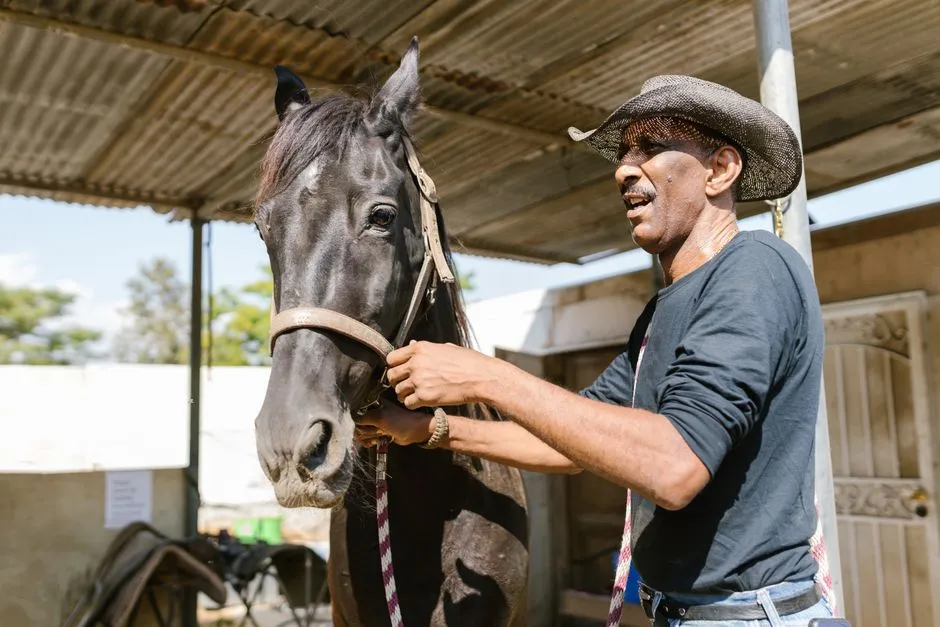
A lot of horses nicker for whoever feeds them. That’s normal. The real signal that you’ve been chosen shows up when they start looking for you even when food has nothing to do with it. You leave the arena, and they keep glancing at the gate. You walk behind the barn, and they crane their neck to see where you went.
Some vocalize softly – a nicker, a questioning whinny – when they hear your footsteps but can’t see you. Others just get antsy mid-groom or mid-lesson if you step away, even when someone “better” takes over. It isn’t separation anxiety; it’s targeted curiosity. They aren’t upset about being alone. They’re unsettled that you specifically vanished, and it shows up quietly, long before anyone connects the dots that this horse’s emotional anchor was never the stall or the herd. It was you.
Worth Knowing
- Horses can read and remember human facial expressions, then adjust how they act around that specific person the next time they meet.
- Researchers have found horses use this facial memory to judge whether a person might be a threat, not just whether they’re carrying food.
- Scientists studying this behavior noted it was the first time this particular memory-for-emotion ability had been clearly documented in a mammal.
#9 – Their Manners Are Strangely Better With You Than With “Experts”
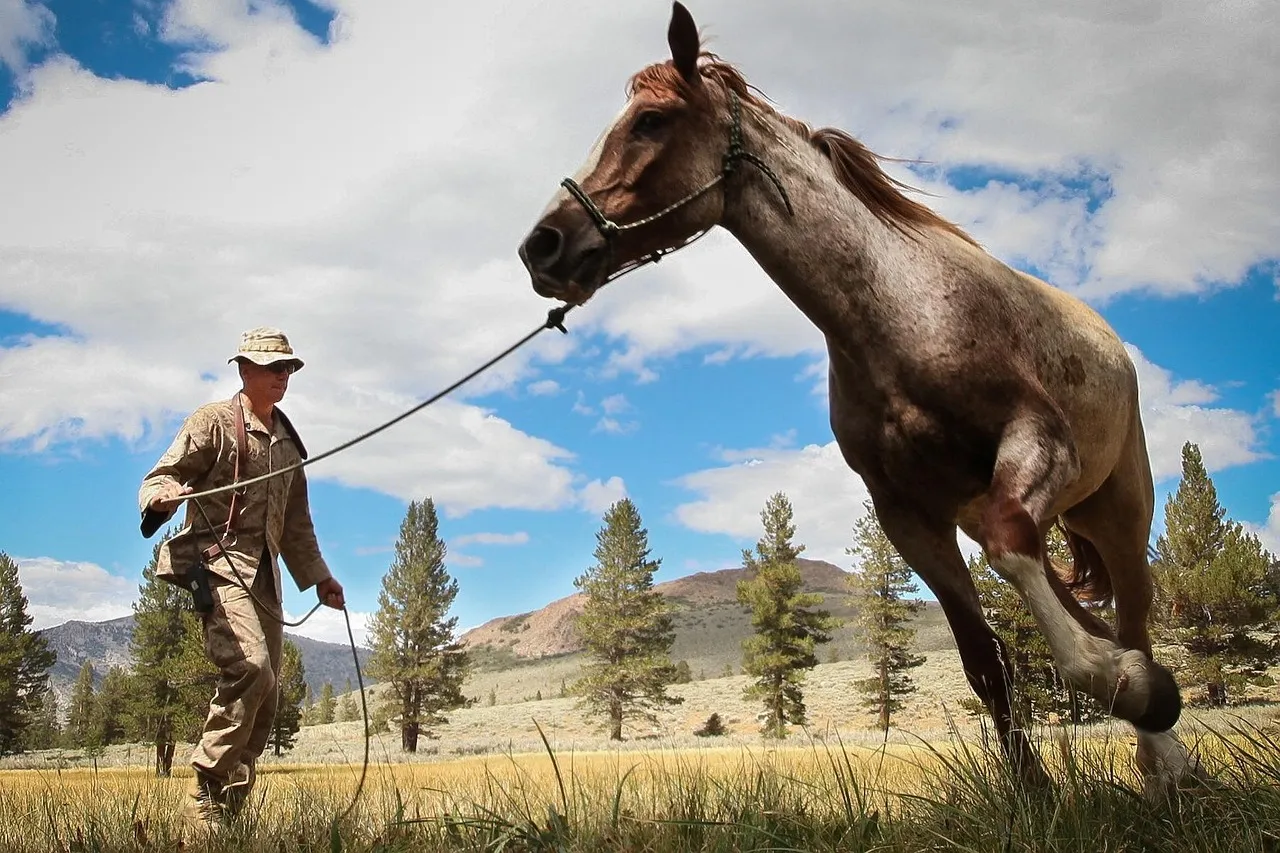
Here’s where arguments start. You’ll hear, “he’s just testing you less,” or, “he respects strong riders more.” Sometimes that’s true. But sometimes the horse simply chooses to cooperate more with you, even if your technique is objectively rougher or greener. That’s an uncomfortable thing for professionals to admit.
You might lead them without drama while the experienced groom gets dragged across the aisle. You tack up quietly while they fidget for the trainer. Farriers often notice it first: “he’s so much easier when you’re the one holding him.” That’s not a fluke after the third or fourth time. Horses aren’t blindly obedient – they’re constantly evaluating who’s worth cooperating with. When they’ve chosen you, they try harder to meet you halfway, even when your ask isn’t perfectly timed, because the relationship is what they’re actually investing in.
#10 – They Mirror Your Mood in Real Time, For Better or Worse
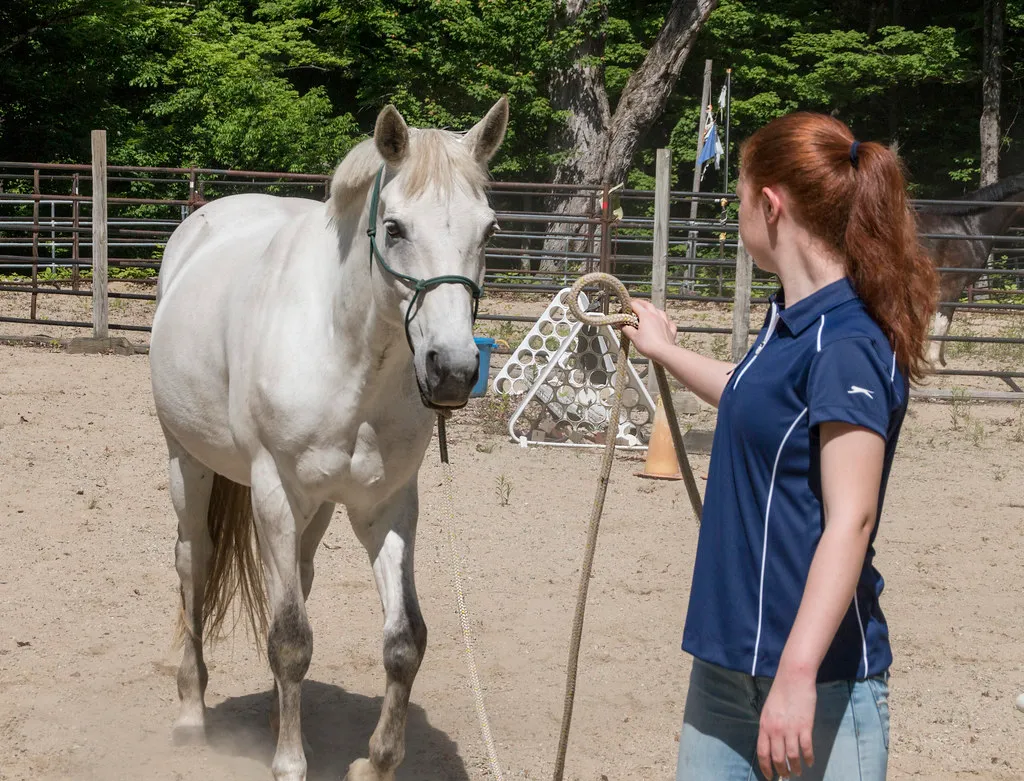
This is the sign people romanticize and misunderstand. A horse that’s chosen you becomes a brutal emotional mirror. Show up tight, distracted, or angry, and they often turn reactive, fussy, or downright unrideable. Show up grounded, and they soften instantly.
With other people, they might look basically the same day to day – a hot horse stays hot, a lazy horse stays lazy. With you, there’s a direct, almost embarrassing correlation to your internal state. Bad day, and they act “difficult.” Peaceful arrival, and suddenly they’re an angel. It isn’t mystical – prey animals read micro-tension as danger – but when they’re bonded to you, your static weighs more heavily on their decisions than anyone else’s. Many riders call the horse moody. More accurately, the horse is saying your nervous system has become its weather report.
Horses can read your body language before you’re even aware of what your body is saying.
Monty Roberts
#11 – They Offer You “Try” Even When They’re Physically or Mentally Done
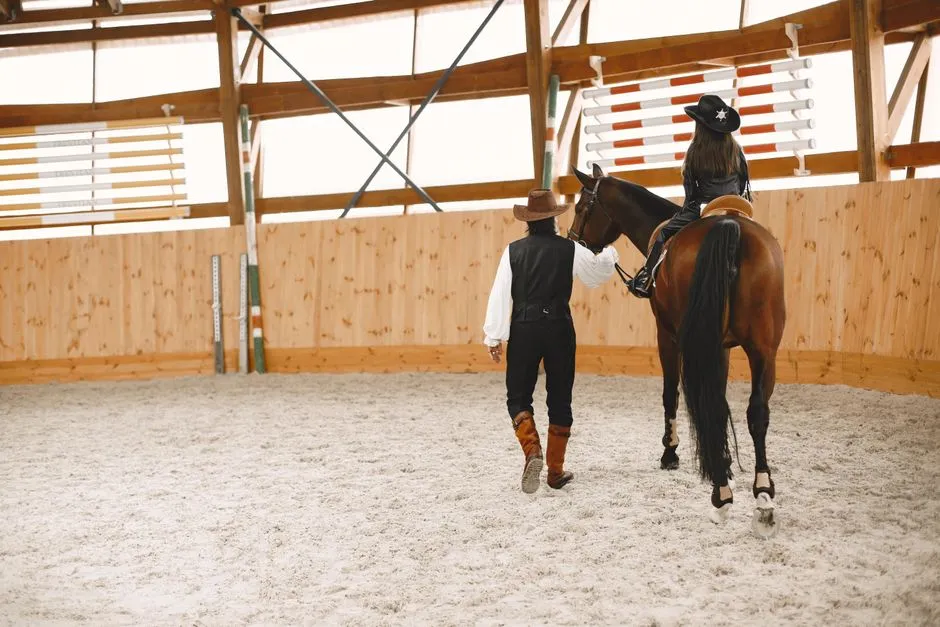
Every horse has a limit. The chosen human sees something different right at that limit: not shut-down resistance, but small, honest effort when they could realistically just quit. Maybe they’re sweating, exhausted, clearly overwhelmed by a new exercise. Yet when you ask for one more step, they dig in and give a tiny, sincere attempt instead of exploding or checking out.
With other riders, the same horse might just plant its feet or start acting up the second things feel hard. With you, they blow out, hesitate, then try. That micro-try is sacred – it’s where the relationship actually lives. It doesn’t excuse overworking them, and too many people exploit exactly this kind of loyalty. But if you consistently get that extra ounce of effort in stressful moments, it isn’t because you’re tough. It’s because they’ve decided you’re worth stretching for.
#12 – They Show You Their Vulnerable Spots Without a Fight
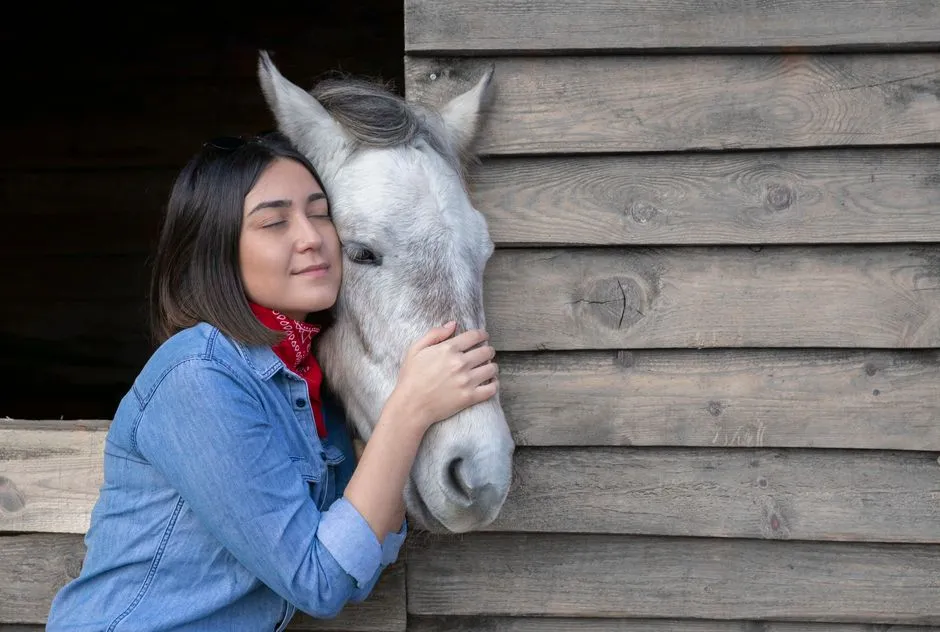
Every horse has body parts and procedures it hates: ears touched, hind legs handled, fly spray, clippers, wound care. The average response is resistance – moving away, tossing the head, threatening to kick. What’s different when a horse chooses you is that over time, they let you handle those “no-go” zones with noticeably less drama than they give anyone else.
It starts small. They tolerate your hand on the sore spot a second longer. They lower their head an inch more for you than for the vet. They let you pick up the foot they snatch away from everyone else. This isn’t magical horse whispering – it’s a decision made inside them: if anyone’s going to mess with my vulnerable parts, let it be this person. They still might not love it, but the resistance melts earlier and faster in your hands than in anyone else’s.
At a Glance: Trust Signals
- Soft eye: blinking, relaxed lids instead of a hard, fixed stare
- Licking and chewing: often surfaces right after releasing built-up tension
- Lowered head: a horse’s version of standing down from alert mode
- Cocked hind leg: a resting stance that says the danger job has been handed off
#13 – They Wait for Your Reaction Before Deciding How Scared to Be
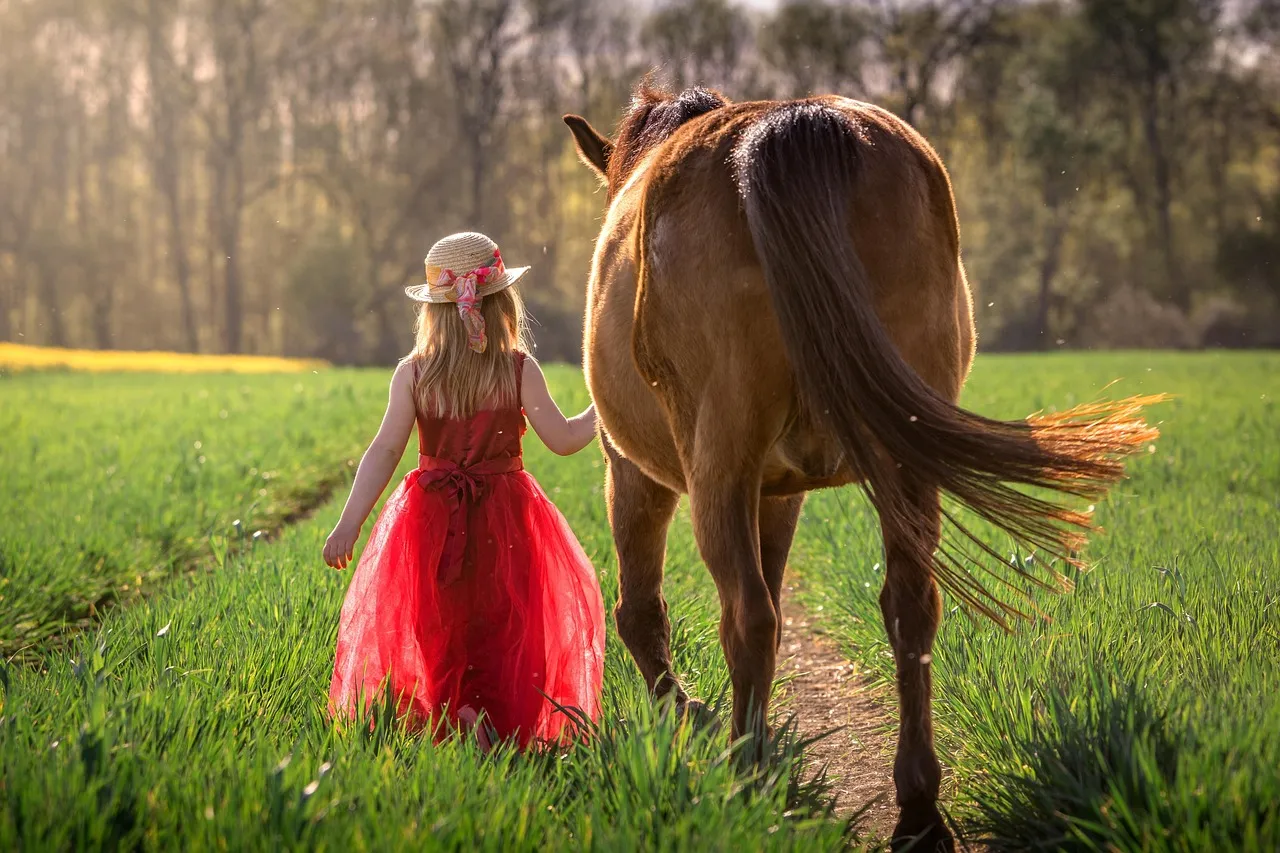
A truly bonded horse outsources more than safety – it outsources its interpretation of the world. Something startling happens – a loud bang, a flapping tarp, a new object – and instead of an automatic freakout, they freeze, glance at you, and adjust their reaction based on your face and posture.
Stay relaxed, and they snort and move on. Tense up, and they escalate. The timing matters most: the look to you happens before the decision is made. That’s a sign of high-level social trust, the same behavior herd members show a lead horse. Trainers love calling this “good desensitization,” but it’s more personal than that. Once a horse starts using you as its reality check, you realize exactly how much weight your presence carries.
#14 – They Break the “Rules” to Stay Closer Than They’re Supposed To
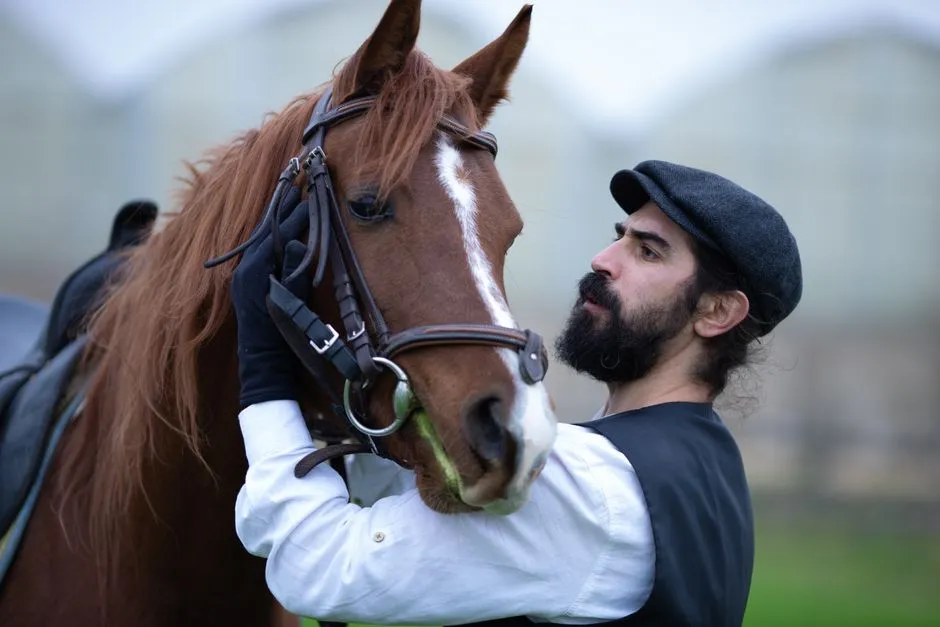
Well-trained horses understand personal space, because we drill it into them constantly. So when a schooled horse repeatedly bends that rule only with you, it’s worth paying attention. You might notice them creep a step closer, angle their body toward you, or park their head over your shoulder just past what’s technically allowed.
This isn’t pushiness or barging – the movements are small, almost apologetic, like they’re testing whether this much closeness is still okay. You correct it, they respect the correction, and a minute later they’re subtly back within arm’s reach. Watch how they behave around others. If everyone else gets a textbook distance and only you get the slow magnetic pull, that’s not an accident. That’s an animal quietly overriding its training to satisfy a need for proximity to its chosen person.
#15 – They “Groom” You Back, and Not Just for the Salt
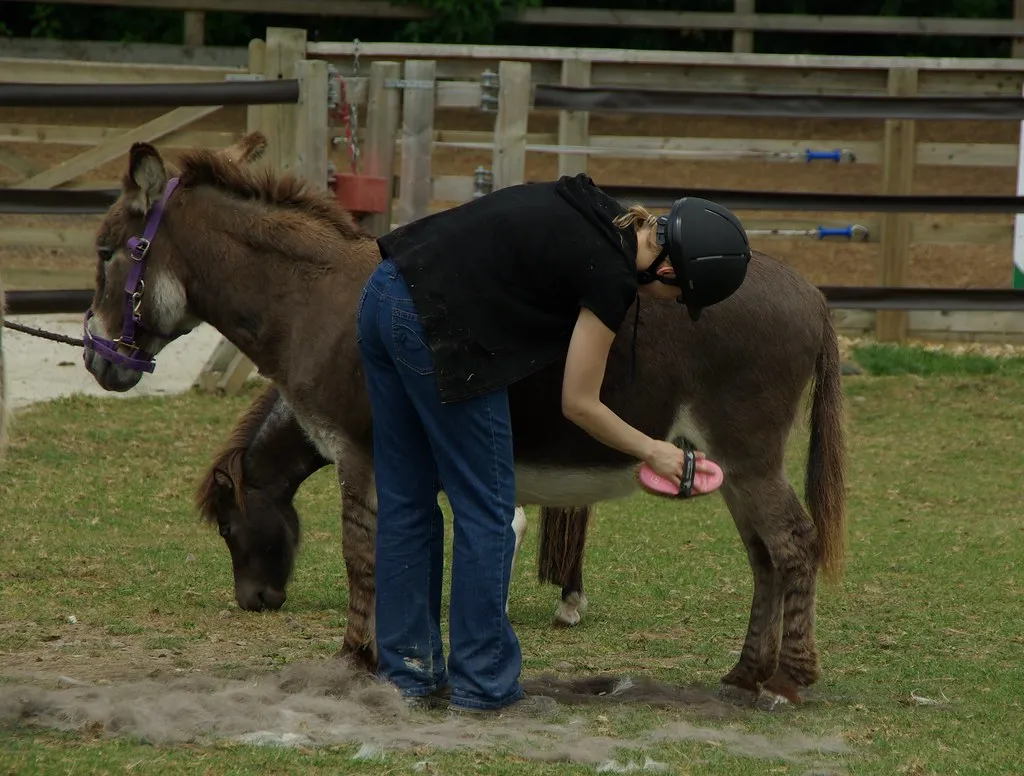
Mutual grooming is a huge social behavior in horses. One scratches another’s withers, the partner leans in and scratches back. When a horse has picked you as herd, that instinct sometimes spills over onto you. They’ll gently lip your sleeve, nuzzle your back, or press their mouth where you’re scratching them, as if returning the favor.
Sometimes they just want your salty skin, sure. But watch the context. If it consistently happens while you’re giving them deep scratches in their favorite spot, and if they’re slow and careful rather than grabby, that’s grooming behavior, not mugging. Many people immediately correct it as “nippy,” which is fair for safety. But it’s also one of the highest compliments a horse can give – social grooming is usually reserved for trusted herd mates, and now it includes you.
#16 – They Grieve Your Absence More Than Anyone Wants to Admit
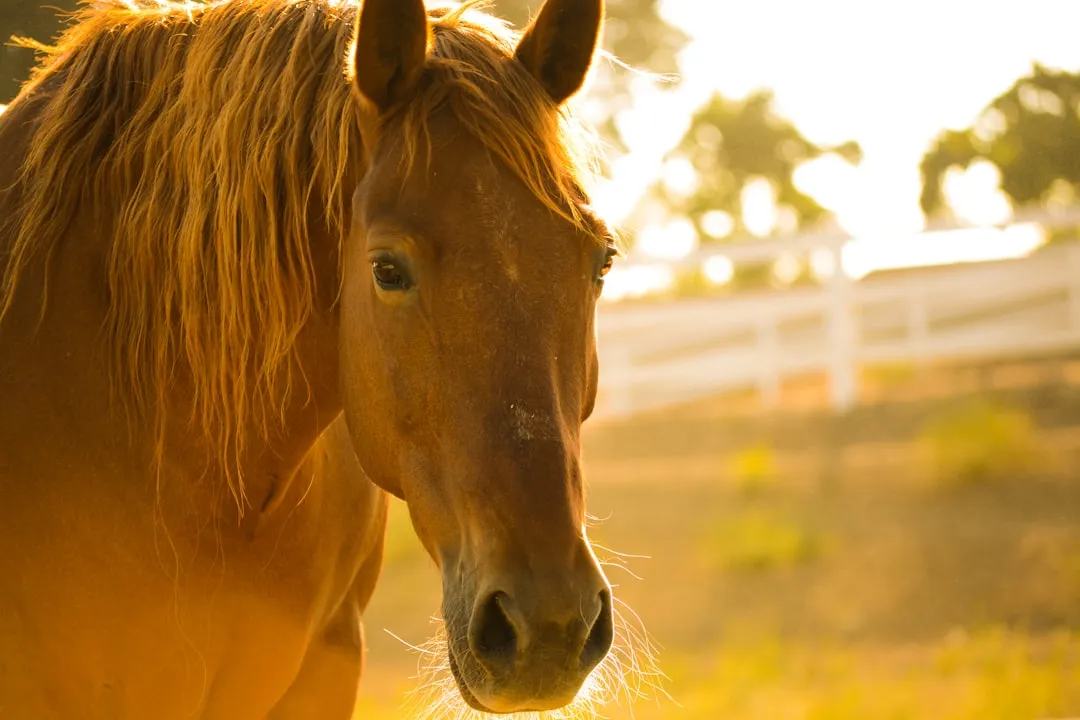
This is the one nobody likes talking about, because it’s uncomfortable. When a horse has chosen you, your extended absence hits them harder than the barn wants to believe. They might go off their feed a little, pace more, call more, or seem suddenly dull or difficult for other riders once you stop showing up regularly.
The barn will have a hundred explanations ready – schedule changes, weather, training, ulcers. Sometimes they’re right. But watch the timing. Do the shifts line up eerily well with when you stopped coming, whether from injury, life changes, or selling them? Some horses adapt quickly. Others don’t, and yes, they can experience something like grief when their chosen human vanishes. They’ll still eat, still work, still get through the day. But that extra softness, that spark when they saw you specifically? It fades. And that fading is often the final, painful confirmation that they’d picked you long before anyone was willing to say it out loud.
The Bottom Line
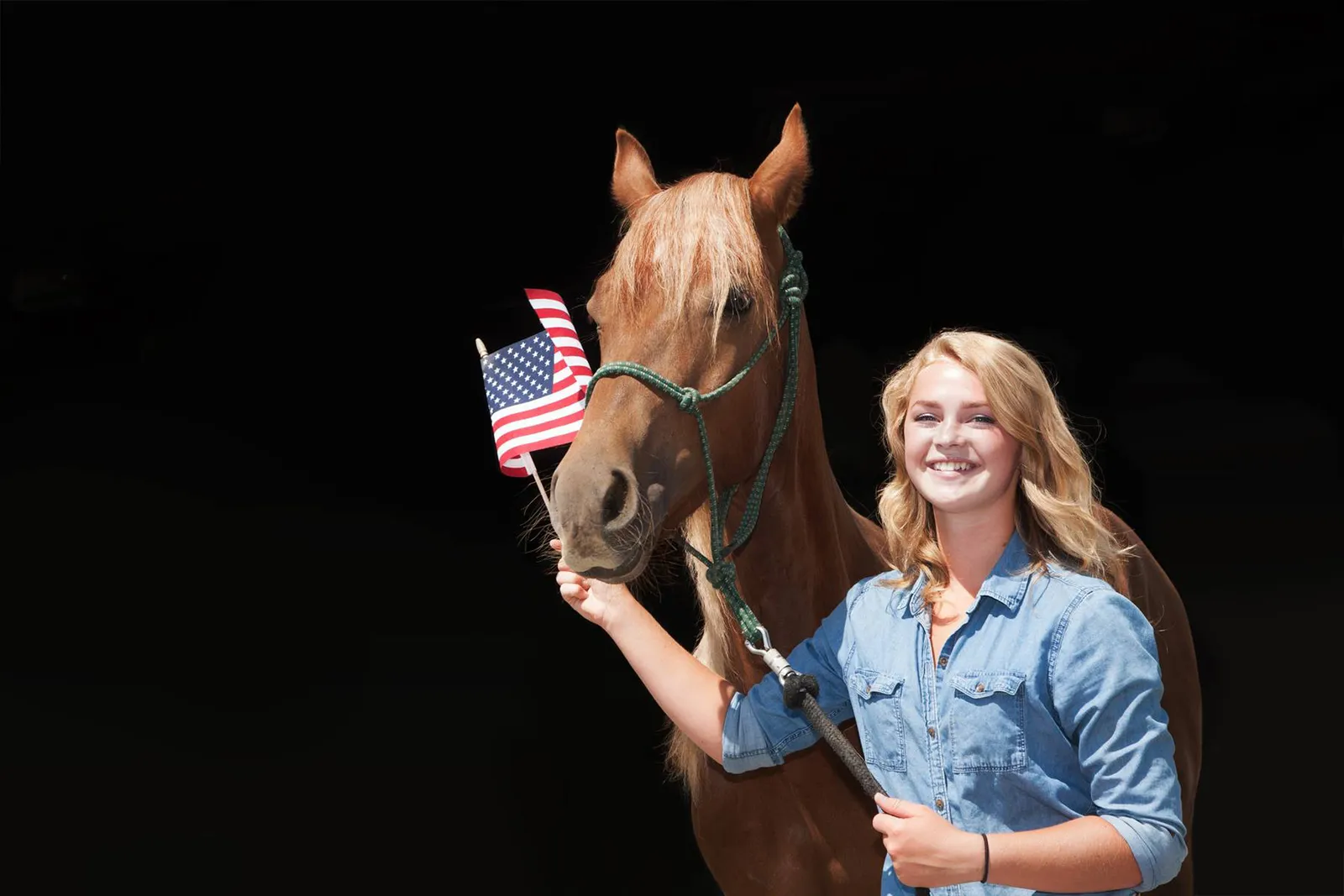
We love to pretend horses are interchangeable – just tack, train, and ride. But the patterns above tell a different story: some horses make an unapologetically personal choice. They lock onto one human, rearrange their own instincts, and start bending the usual rules of herd behavior, spook patterns, and training compliance around that single bond.
That isn’t fantasy. It’s observable, if you actually watch the horse instead of the lesson plan. If you’re seeing even a handful of these signs, you’re not imagining things – your horse may have chosen you long before you felt experienced enough to deserve it. The harder question is what you do with that information: honor it, or exploit it. Be honest – have you seen these signs in your own barn, and did anyone believe you when you pointed them out?

- 16 Family Dog Breeds That Were Everywhere a Generation Ago and Are Now Almost Gone - August 2, 2026
- If a Horse Has Chosen You, These 16 Signs Show Up Long Before Anyone Else Notices Them - August 2, 2026
- 19 Ways a Horse Shows It Has Picked Its Person That Experienced Equestrians Say Beginners Miss - August 2, 2026