

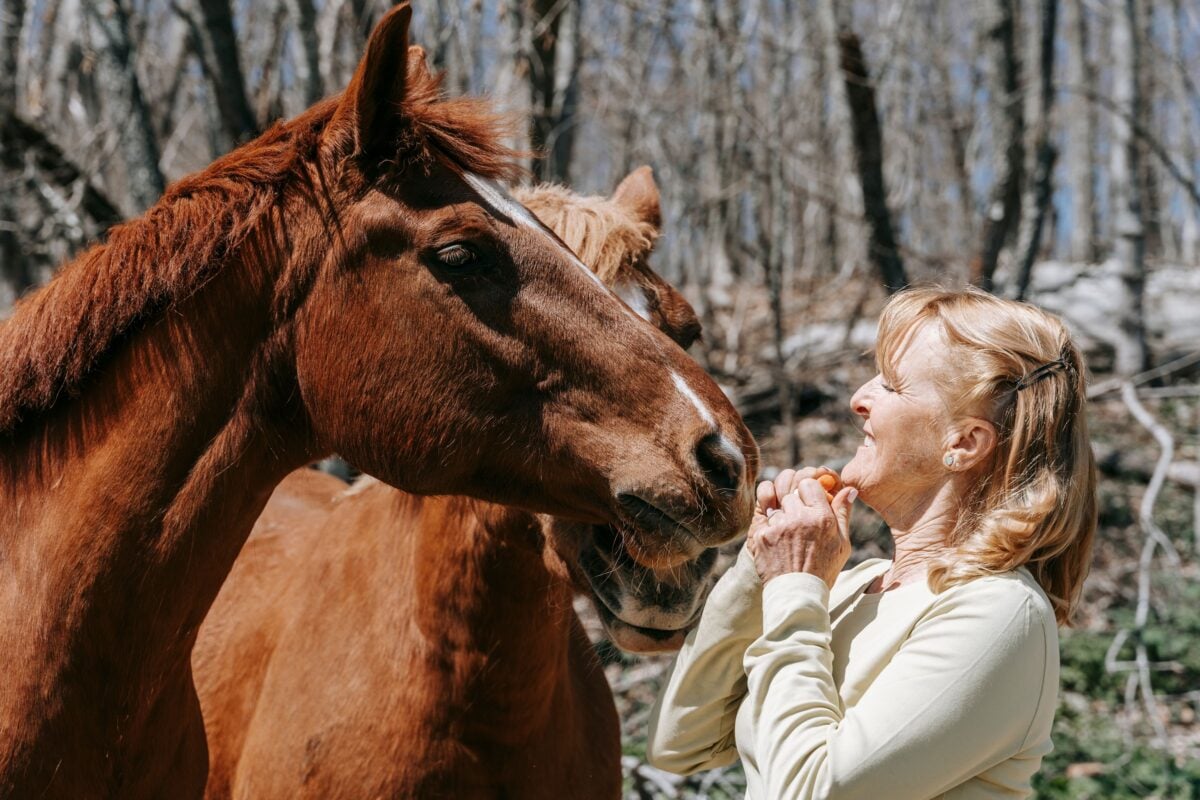
Most people assume an old horse just fades into the background of the barn – slower, duller, checked out. But riders who’ve had the same partner for 15, 20, even 25 years know something quietly radical: some horses don’t mentally retire at all. They just shift into a different, deeper kind of devotion.
These seniors memorize your routines, read your body language before you even open the gate, and keep showing up for you long after the ribbons stop coming home. Their loyalty stops being about athleticism and starts being about attachment – and once you see the pattern, you can’t unsee it. Here’s what longtime riders and horse behavior watchers actually notice, one quiet habit at a time.
#1 – The Old Horse That Still Comes Trotting When It Hears Your Voice
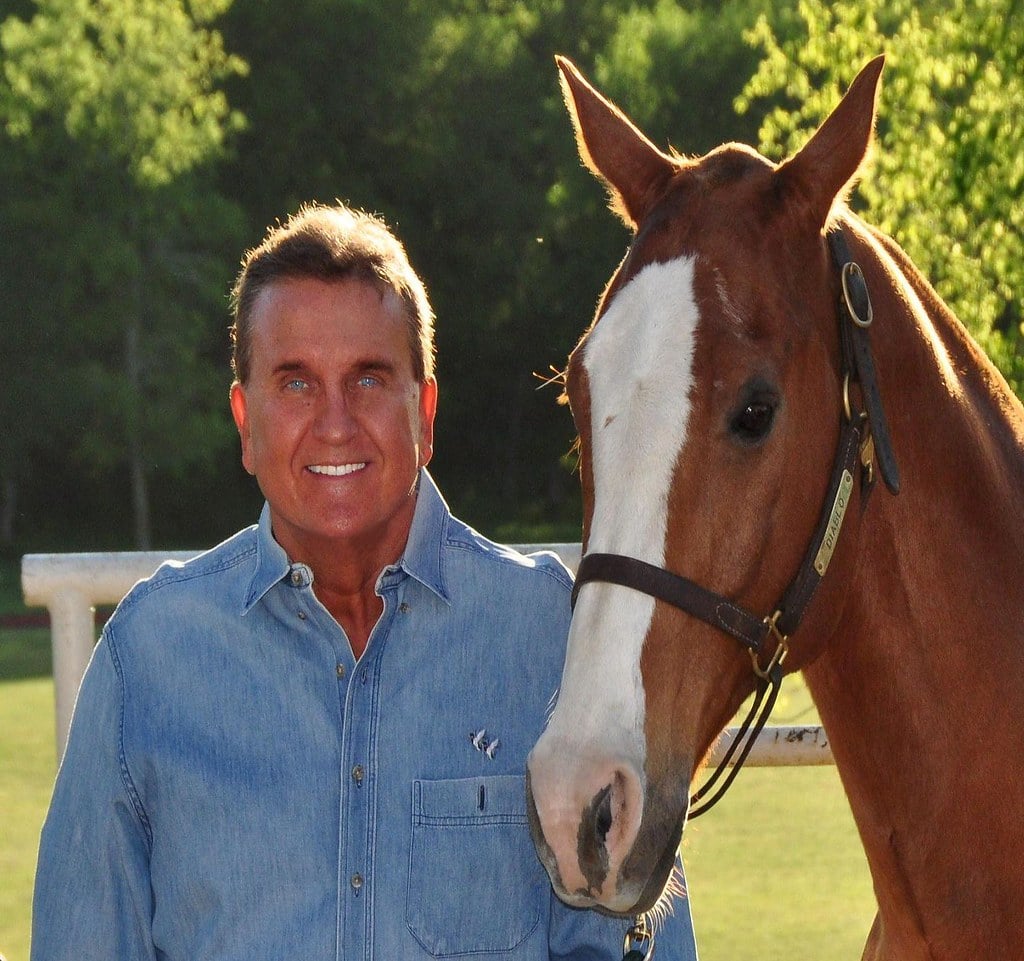
It looks simple: you call, they come. But an older horse that still pricks its ears, lifts its head, and walks – or even trots – to the gate when it hears your voice is doing something powerful. It’s choosing you, again, on purpose.
Senior horses get stiffer, slower, sometimes arthritic. So any extra effort is deliberate, not automatic. They’re not running to the bucket. They’re running to the one person who’s always been their safest place.
- The way they track you with one eye as you cross the paddock.
- How they rumble out a low nicker only when it’s you, never for a random human.
Riders often report that as horses age, they become more people-oriented, not less. That “I heard you, I’m coming” habit doesn’t fade with time – it usually gets stronger.
#2 – Remembering Tiny Routines No One Else Even Notices
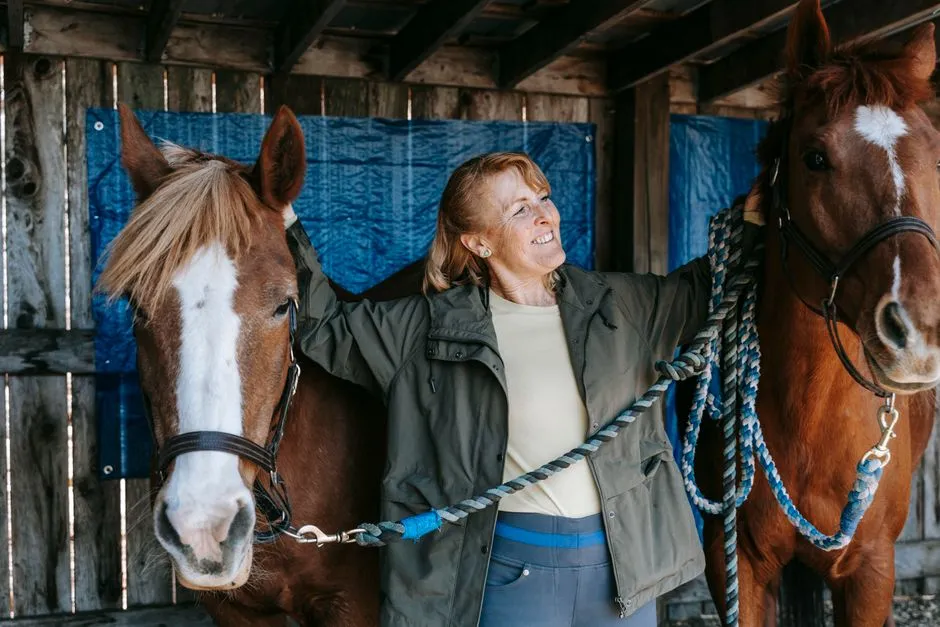
Most people think horses forget things fast. Older horses do the opposite – they’re frighteningly good at remembering patterns tied to one specific person. The gelding who stops dead at the exact mounting block you’ve used for 15 years, the mare who swings her head toward the same pocket for treats – you didn’t train that last week.
That’s years of shared ritual burned into a brain that never let go of you. Senior horses anticipate their person so precisely that strangers assume the horse is reading minds.
- Pausing at the exact spot on the trail where you always adjust your stirrups.
- Turning their head for the halter the way you do it – and getting annoyed when someone else fumbles it.
Some riders shrug this off as “just habit.” But behaviorists increasingly link it to something deeper: emotional security. This isn’t a robot running code. It’s an old partner replaying the script you two wrote together.
Fast Facts
- Horses are generally considered “senior” starting around age 15-18, though many stay active well into their 20s.
- Long-term memory in horses is strongly tied to repeated, positive associations with a specific handler.
- A horse’s average lifespan runs 25-30 years, giving lifelong pairs decades to build these micro-routines.
#3 – Standing Like a Statue So You Don’t Have to Struggle
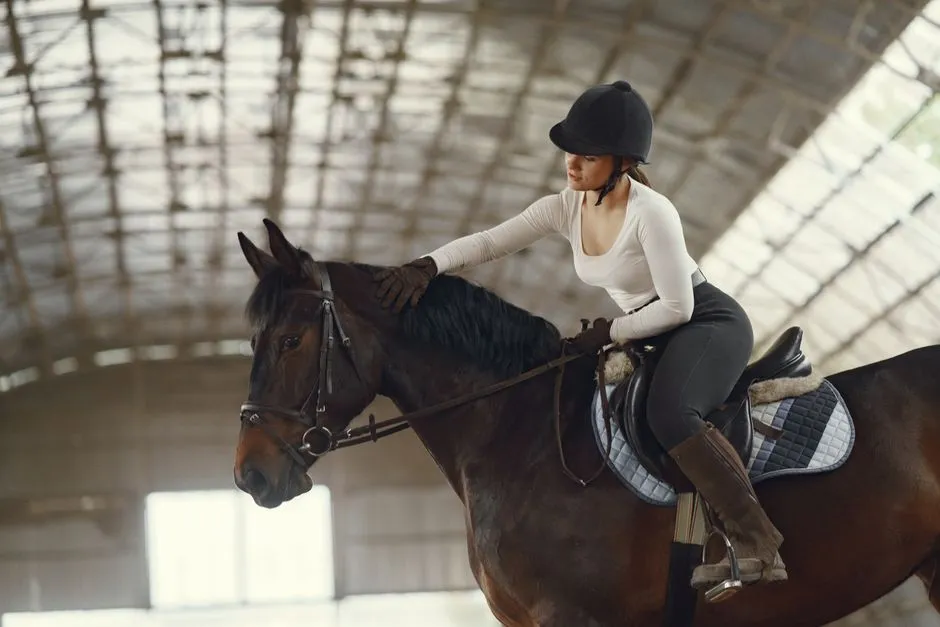
Here’s a controversial take: many “perfect gentleman” senior horses aren’t naturally saintly. They’ve consciously adjusted to protect an aging rider. Watch an older horse with its lifelong person versus a random lesson kid, and the difference is stark.
With their rider, they’ll stand rock-still at the mounting block, brace subtly under a wobbly leg, or drop their neck just enough to make the bridle easy. That’s not obedience. That’s accommodation, built from noticing exactly where you’re vulnerable.
- They won’t step off until you’re fully settled, even with no cue given.
- They shift their weight so you can swing a leg over without catching your boot.
Young riders often insist it’s “just schooling.” Older riders know better. The horse has clocked your bad hip, your weak knee, your shaky balance – and instead of exploiting it, they shrink themselves around it.
#4 – Softening Their Power Without Ever Being Asked
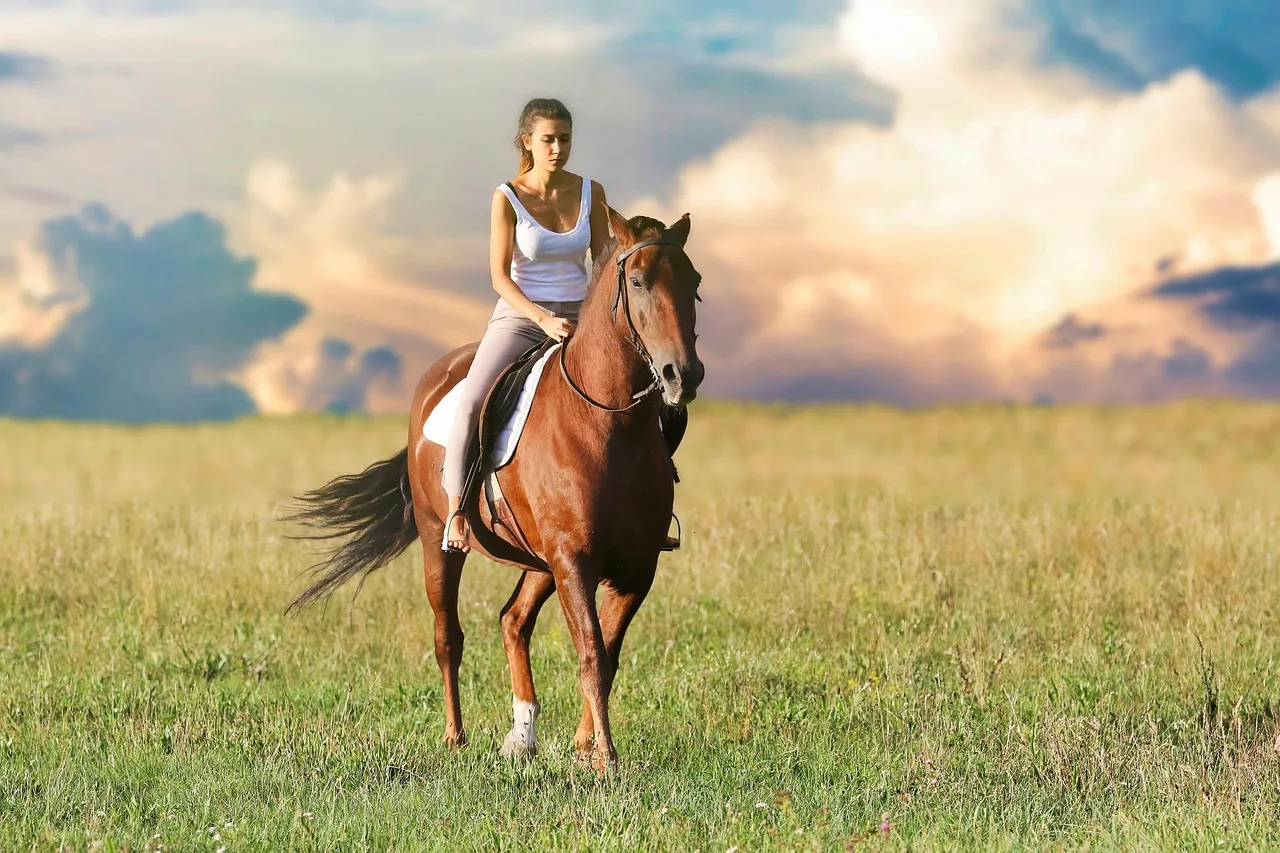
Most people assume an old horse is quiet because it’s “too tired to misbehave.” That’s lazy thinking. A still-sound senior who once had plenty of go often chooses to dial it back – for one specific person.
They offer sixty percent of their engine instead of a hundred, because they’ve clocked your reflexes, your confidence today, even your mood. On a windy day with spooky shadows, they’ll tuck in behind your leg instead of spinning the way they did at nine.
- Transitions that get smoother, more cushioned, less jarring with age.
- Jumps taken with a careful arc instead of the big showy launch that used to unseat riders.
Fans of hot, forward horses like to call these seniors “boring.” The truth is simpler: they’re choosing stewardship over spectacle. They could give more. For you, they ration it down to something you can actually handle.
#5 – Guarding Your Space in the Herd Without Making a Scene
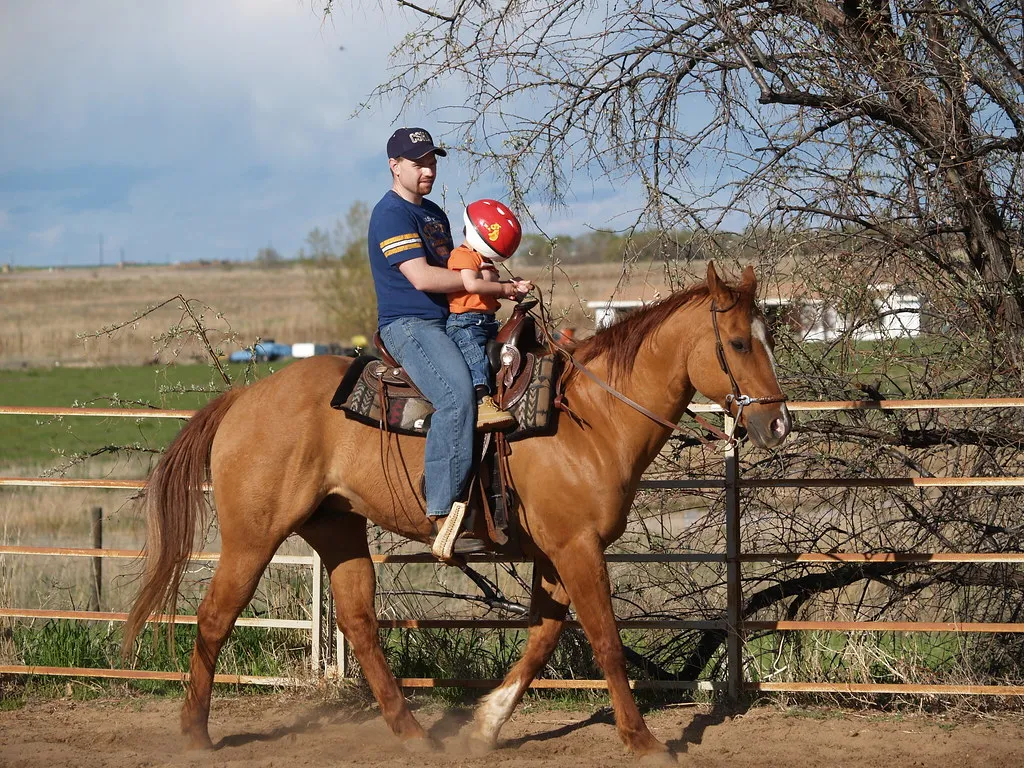
Here’s something most non-horse people miss completely: the way an old horse quietly positions itself between you and chaos. In a busy paddock, a lifelong partner often slides into a barrier role, placing its body between you and a pushy youngster, or boxing you gently inside its own shoulder when another horse crowds in.
It looks like casual movement. It’s actually tactical. They’re managing traffic so you never have to.
- Ears barely tilt, a hindquarter shifts, and suddenly the rude gelding thinks twice.
- The senior steps in just enough to keep your arm clear of teeth and hooves.
Some trainers wave it off as pecking order. Maybe. But an old horse that only does this when you’re standing there isn’t just defending status. It’s protecting the fragile, slow, two-legged creature it decided to keep.
#6 – Reading Your Bad Days Before You Even Touch the Lead Rope
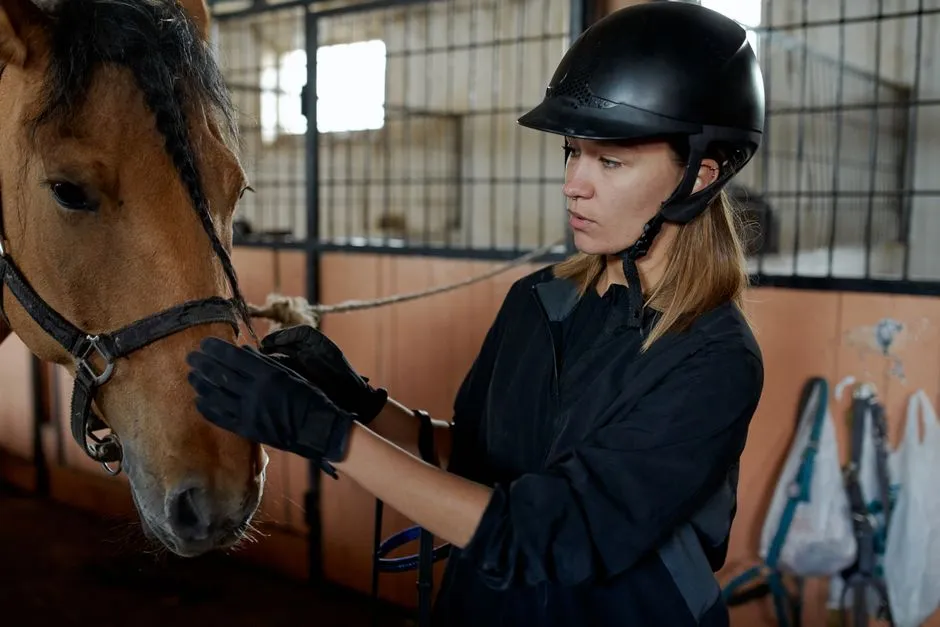
Ask riders who’ve survived divorces, deaths, or illness, and they’ll tell you: the old horse usually knew first. Before you burst into tears or sit alone in the tack room, they’re already quieter, more still, more locked onto you.
Science is starting to catch up, but horse people have known for years that equines respond to human heart rate, posture, and breathing. Senior horses are masters of it, because they’ve had a lifetime to calibrate to one specific person.
- The usually chatty gelding rests his head over your shoulder, breathing slow and heavy until your own breathing matches his.
- The mare famous for “opinions” stops fussing and simply waits while you groom in silence.
Skeptics call this projection. Riders call it a pattern: your emotional baseline shifts, and the old horse adjusts instantly. Devotion in old age often looks exactly like this – quiet presence on the days you’re no fun to be around at all.
Worth Knowing
- Horses are prey animals with a heightened sensitivity to human posture, breathing, and micro-movements.
- Long-bonded horses often calibrate their own behavior specifically to one familiar person’s emotional state.
- Slower breathing and a lowered head in a horse are widely recognized signs of a calm, settled nervous system.
#7 – Accepting Softer, Shorter Rides Without Losing Interest in You
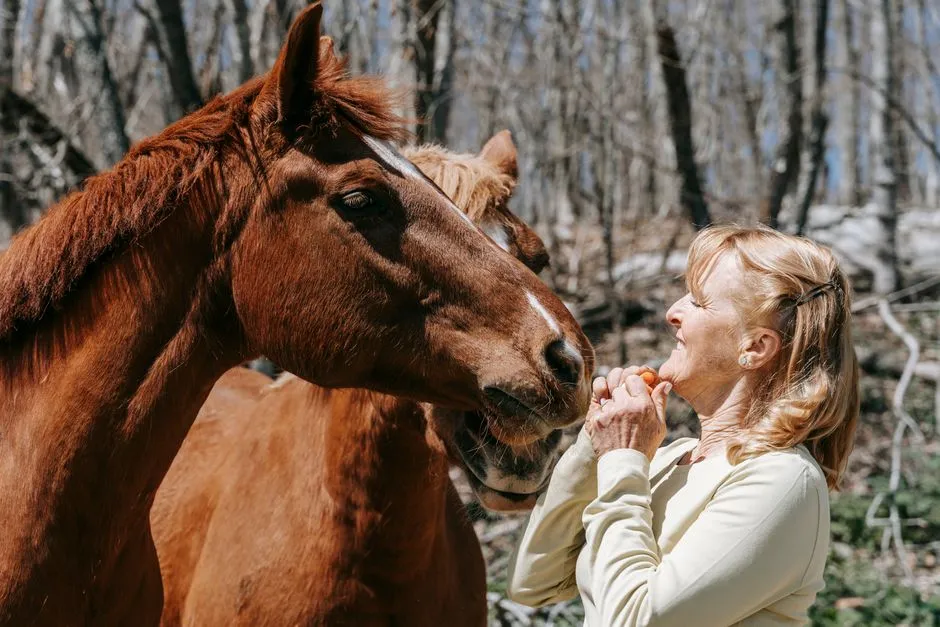
Here’s a harsh reality: at some point, the twenty-mile trail rides shrink to fifteen minutes at a walk. Plenty of people panic, assuming the bond will fade once the work does. The most devoted old horses do the opposite. They don’t check out when the job shrinks – they just repurpose the time.
They learn the ride might be short and slow, and they still meet you at the gate like you’re headed somewhere important.
- Instead of jigging down the driveway, they stroll with a low head, happy just to be out with you.
- They stop asking “what’s the job today” and start asking where the two of you are going, even if it’s nowhere.
High-performance circles sometimes dismiss this as “just a pet now.” But plenty of riders quietly admit these low-demand years are the most emotionally intense of the whole partnership. The horse isn’t working for you anymore. It’s simply being with you.
#8 – Trusting You With Their Weaknesses Instead of Hiding Them
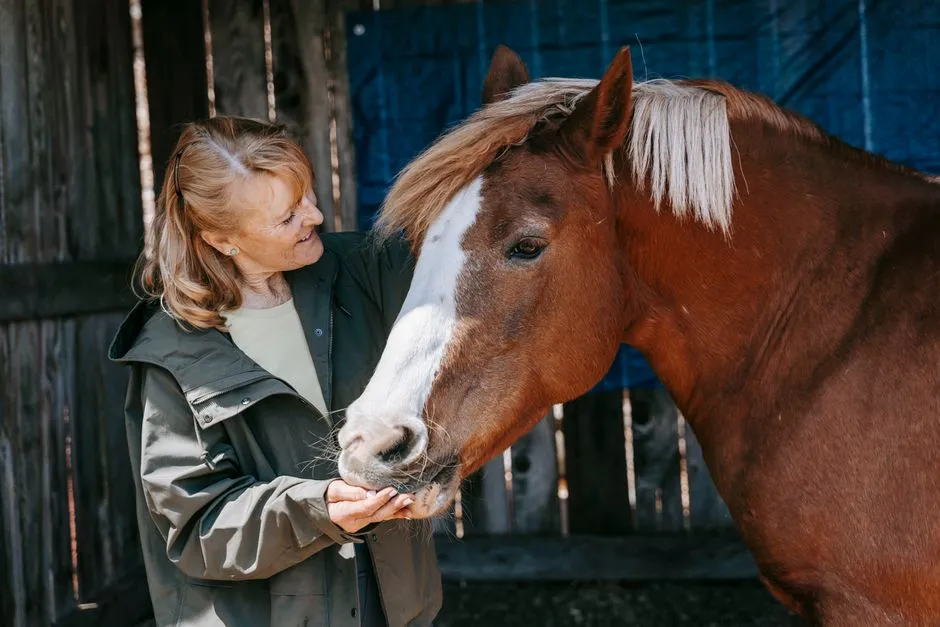
In the wild, weakness gets you killed. Horses are wired to mask pain and hide vulnerability at almost any cost. So when an old horse finally shows you stiffness, fatigue, or discomfort instead of powering through, it isn’t just age talking. It’s a massive act of trust.
They’re gambling that you, specifically, will protect them instead of punishing them when they can’t give a hundred percent.
- They hesitate at the mounting block, then look back at you as if to say, “this hurts today.”
- They stop halfway down the long side, sigh, and lean into your leg, quietly asking for a break.
Riders who’ve had several horses know how rare this is. Plenty of horses work until they physically break down. The old partner who tells you the truth, knowing you’ll actually listen, is devoted in a way that borders on reckless. They’ve handed you the keys to their own survival.
#9 – Letting You Meddle With Every Ache, Sore Spot, and Vet Visit
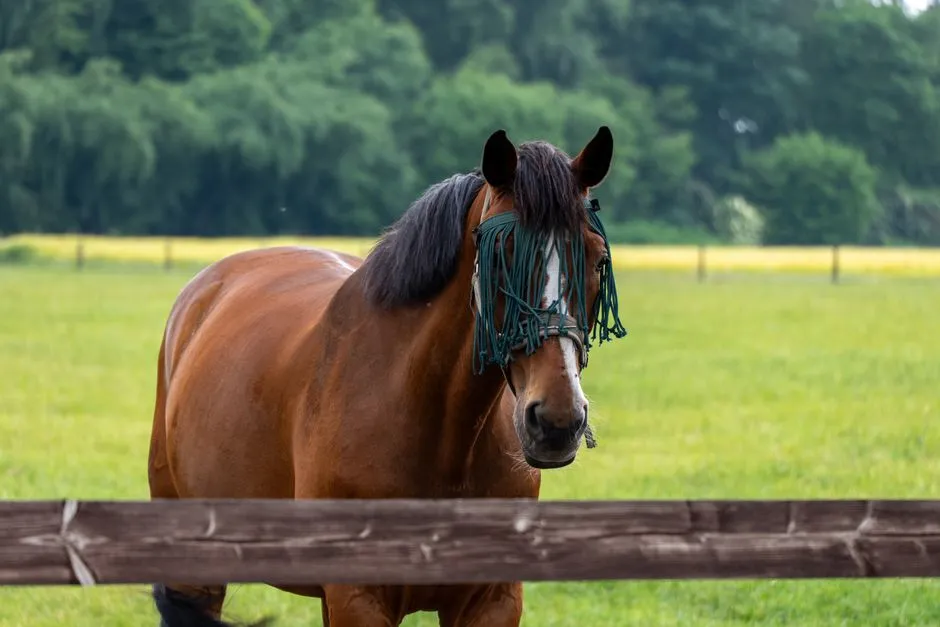
Most people underestimate how invasive our “care” feels to a prey animal. Needles, strange vets, cold-hosing, poultices, machines whirring near sore joints – it’s a lot to tolerate. Yet watch a long-bonded senior with its rider during treatment, and the horse drops its head, blows out, and lets you do almost anything.
They tolerate the discomfort because your presence has become the cue for safety, not fear.
- A horse that snorts and dances for the vet alone will stand quietly the second your hand lands on its neck.
- They may nudge your chest softly during an injection – not to push you away, but to anchor themselves on you.
Critics say it’s just desensitization. Maybe. But when a horse only tolerates painful procedures if you’re standing there, and tenses the moment you step away, that’s not training anymore. That’s an old animal deciding your touch is worth enduring pain for.
At a Glance
- Senior horses typically need more frequent dental checks, joint monitoring, and bloodwork than younger horses.
- A calm, trusted handler present during treatment can noticeably ease a horse’s stress response.
- Lower stress during procedures is generally linked to easier handling and smoother recovery.
#10 – Following You Into Places They’d Refuse for Anyone Else
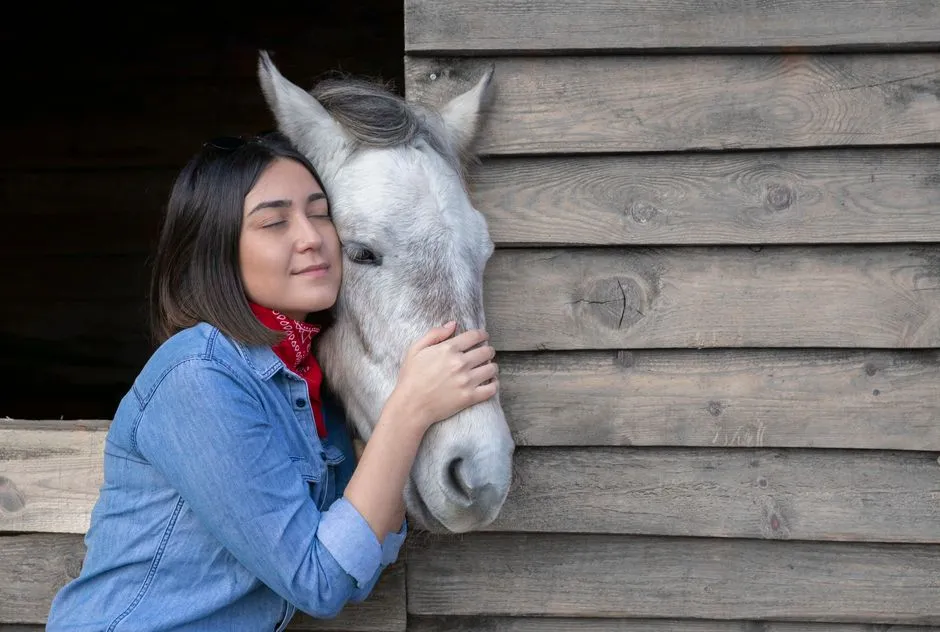
Every horse eventually has a “nope” place – the new trailer, the echoing clinic aisle, the dark wash rack, an unfamiliar pasture. What’s striking about a devoted senior is how often they override their own fear if it’s you asking. The same horse that plants its feet for a barn worker will load for you with one deep breath and a soft cluck.
They’re not suddenly braver. They’re borrowing your courage.
- Crossing a sketchy bridge on trail because you lean forward, talk low, and they decide that’s good enough.
- Walking into a vet hospital stall, ears flicking nervously, then relaxing the instant your hand touches their shoulder.
“Obedience” doesn’t explain this well. An animal wired for self-preservation choosing to override its own instinct because it trusts your judgment more than its own gut – that’s devotion, not just training.
#11 – Forgiving Every Rusty Cue You Throw at Them
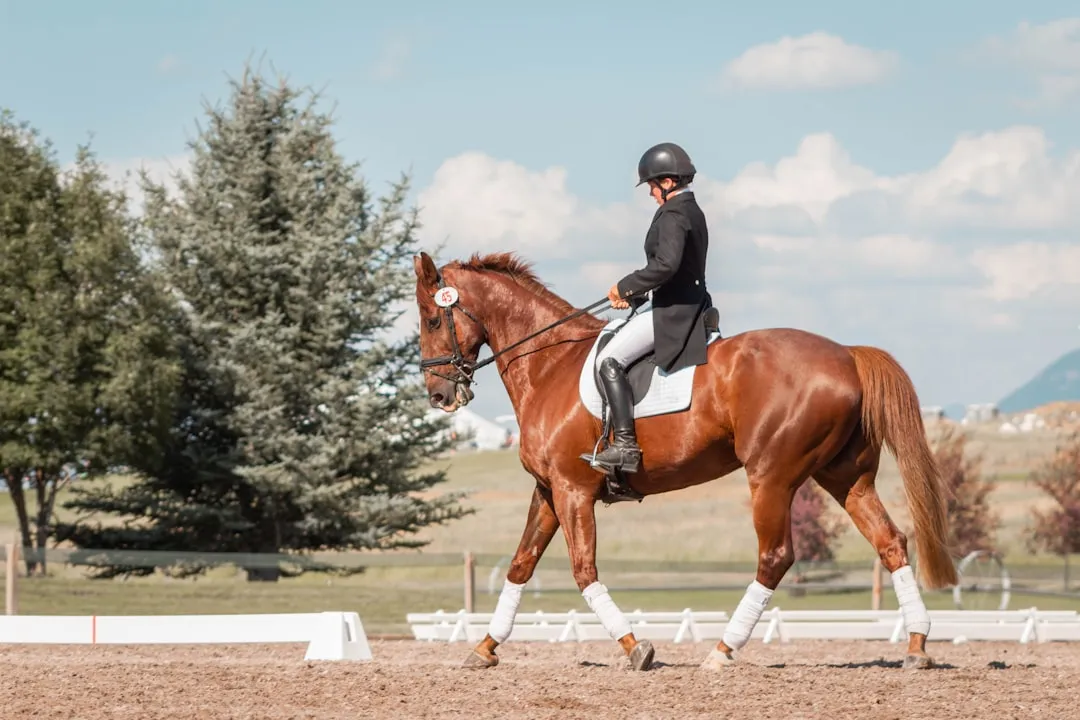
As riders age, or just get busy, injured, or out of practice, timing slips. Legs go late, hands get inconsistent, balance isn’t what it used to be. Plenty of horses would get frustrated, confused, even resistant. The older horse that truly knows you takes a completely different approach: they start filling in the blanks.
They offer the transition you meant, not the one you accidentally cued.
- You think “trot,” your leg barely twitches, and they trot anyway.
- Your hands are a mess and your balance shifts wrong, and they still carve a balanced circle because that’s what usually comes next.
Purists sometimes call these rides “autopilot.” From a relationship standpoint, it’s the highest compliment a horse can pay. They’re ignoring your technical mistakes to follow your intention instead. That’s not laziness. That’s loyalty in motion.
#12 – Staying Glued to You Even When the Herd Walks Away
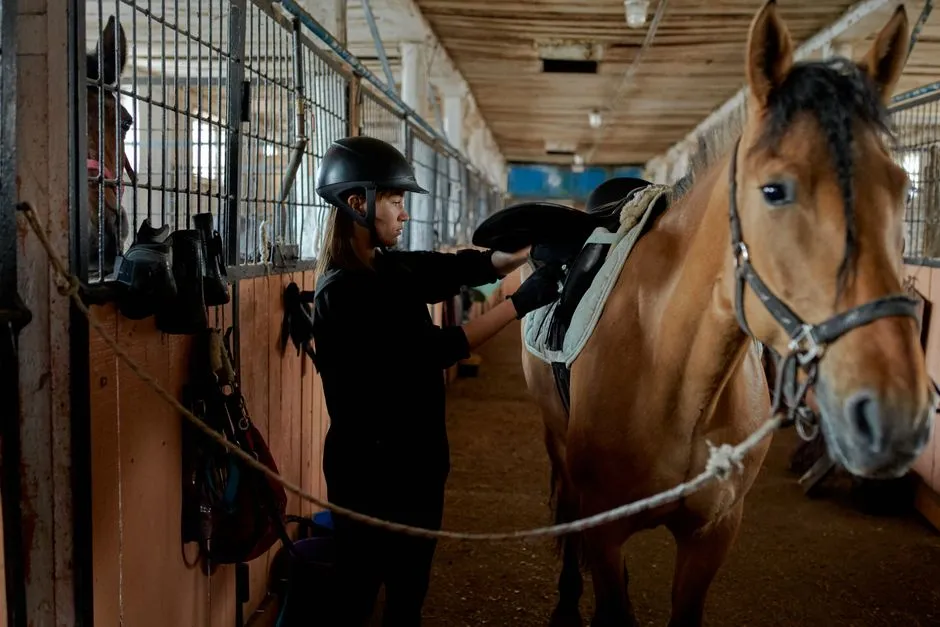
For a prey animal, the herd is safety. Walking away from it on purpose is, on a biological level, borderline insane. That’s why it’s so striking when an old horse stands calm with you in the barn aisle or arena while the rest of the herd wanders off without a backward glance.
They’re choosing your company over the ultimate security blanket.
- Standing loose in a grooming bay while turnout buddies thunder past, without a single anxious step.
- Grazing calmly on a lead rope beside you while the herd drifts to another part of the field, ignoring the pull to follow.
There are exceptions, sure. But when a species that survived by sticking together decides you’re enough of a herd all on your own, that’s not clingy behavior. That’s the clearest vote of loyalty a horse can cast.
Quick Compare
- Typical herd-bound horse: grows anxious and calls out the moment the group moves out of sight.
- Devoted senior with rider: stays relaxed and grounded even as the whole herd walks away.
#13 – Letting You Be There for Their Final Goodbye
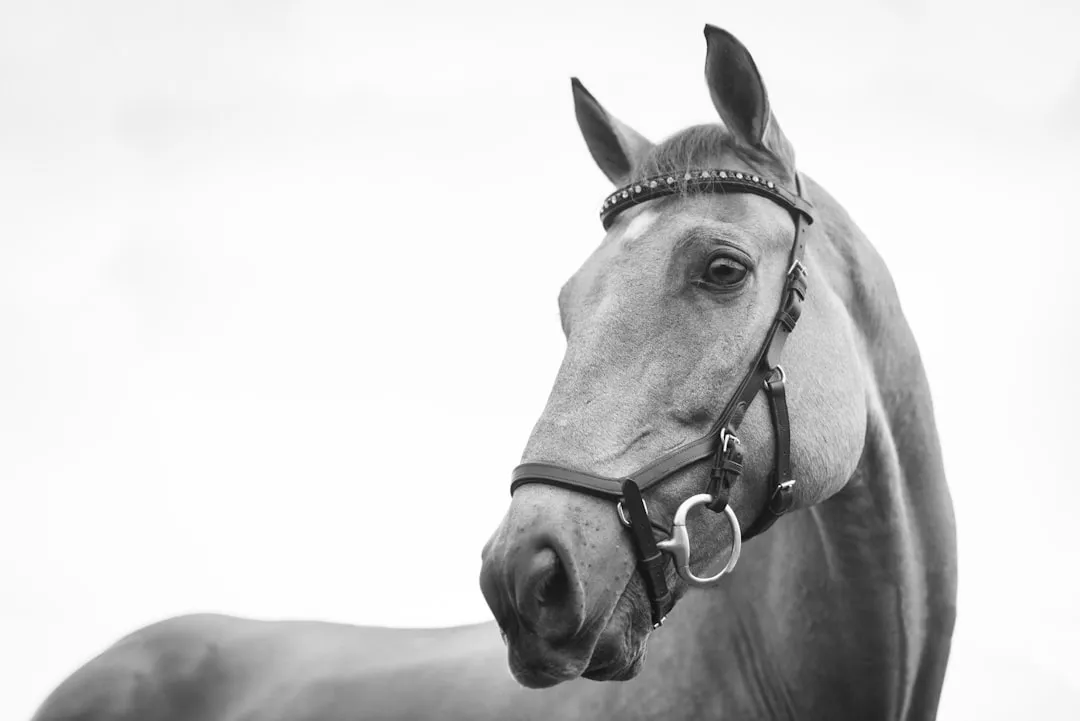
This is the part nobody wants to talk about – and the part that proves the devotion was real all along. In the last chapter, when breathing is hard or joints ache constantly or a sudden crisis hits, many old horses still soften the moment you arrive. They’ll nicker weakly, lean into your chest, or simply let you hold their head without flinching.
For a prey animal, surrendering at the most vulnerable moment possible is the ultimate act of trust.
Riders quietly admit something controversial: sometimes the horse seems to wait. A decline stalls for days until you finally arrive, and only then does the horse lie down and let go. Or, during euthanasia, the horse drops its guard completely, relaxing into your touch as the sedation takes hold.
Outsiders call this projection. Maybe. But the people who’ve lived it know the truth: that final choice to rest in your hands is the last, loudest way an old horse says, “I was yours, right until the end.”
The Bottom Line
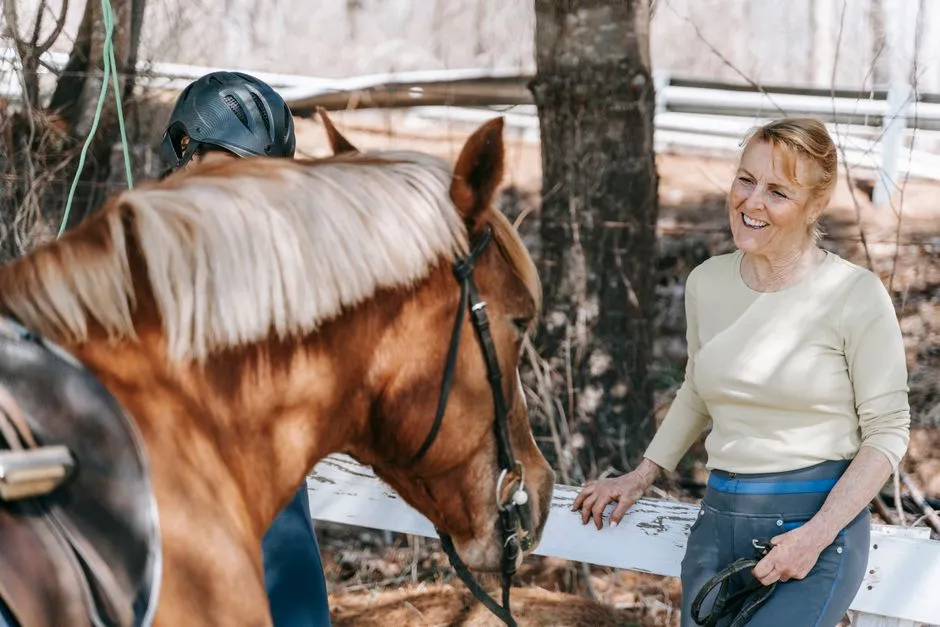
An old horse’s devotion rarely looks like a movie moment or a perfect show round. It shows up in the boring, daily micro-decisions – walking toward your voice, softening its power for your aging body, tolerating needles because your hand is on its neck, staying calm when the herd leaves, and, eventually, allowing you to stand with it at the very end.
There is something about the outside of a horse that is good for the inside of a man.
Winston Churchill
The career shrinks. The body falters. But the attachment, more often than not, gets sharper instead of softer. Some riders treat seniors as disposable once the ribbons stop. Others insist the real partnership doesn’t even begin until the gray hairs show up around the eyes.
The evidence sits quietly in barns all over the world, in old horses who keep choosing their person long after the job is gone. So ask yourself honestly: which kind of rider does that kind of loyalty actually deserve – the one who walks away when the work ends, or the one who stays exactly as devoted as the horse always was?

- 13 Ways an Old Horse Stays Devoted to Its Lifelong Rider Until the End - July 30, 2026
- 8 Mysterious Spirit Animals Associated with the Zodiac Sign Scorpio - July 29, 2026
- 23 Dog Breeds Trainers Say First-Time Owners Regret - July 29, 2026