

There’s a particular stillness that settles over a Pacific Northwest trail just before something moves in the brush. Maybe it’s the snap of a branch, a shadow crossing the path, or a sound that doesn’t quite match the wind. For hikers in this region, those moments are part of the experience.
The Pacific Northwest Trail alone traverses the habitat of over 110 species of mammals, and that’s before you factor in the forests, alpine meadows, and river valleys that spread across Washington, Oregon, and Idaho. The wildlife here is genuinely wild. Some of it is breathtaking. Some of it demands respect. All of it is worth knowing about before you lace up your boots.
1. Black Bear
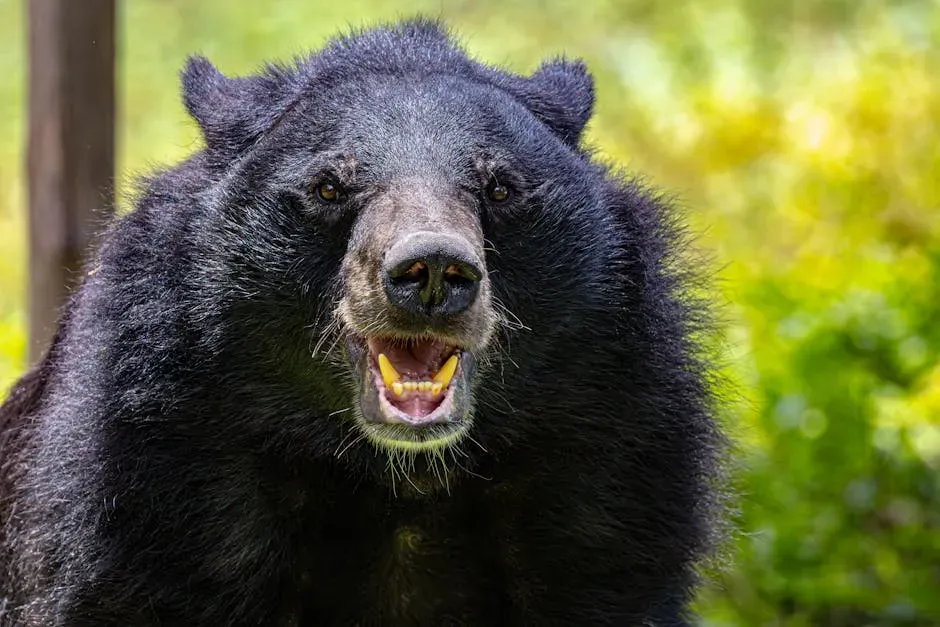
Black bears are among the most formidable animals in the Pacific Northwest, with adults weighing anywhere between 200 and 600 pounds. Despite their name, they can appear brown, cinnamon, or even blonde in color.
The Pacific Northwest Trail travels through some of the wildest lands in the US, home to both grizzly and black bears, and hikers can expect to see bears or bear sign across nearly the entire trail corridor. That’s not a warning designed to alarm. It’s a reminder of how healthy this ecosystem still is.
While they generally avoid humans, black bears can become dangerous if surprised, threatened, or if they’re protecting cubs. They’re also attracted to human food and garbage, which can lead to problematic encounters in campgrounds and recreational areas.
When hiking in bear country, make noise to announce your presence, travel in groups, and properly store food and garbage. If you do encounter a black bear, don’t run. Instead, make yourself look large, speak in a calm but firm voice, and slowly back away.
2. Cougar (Mountain Lion)
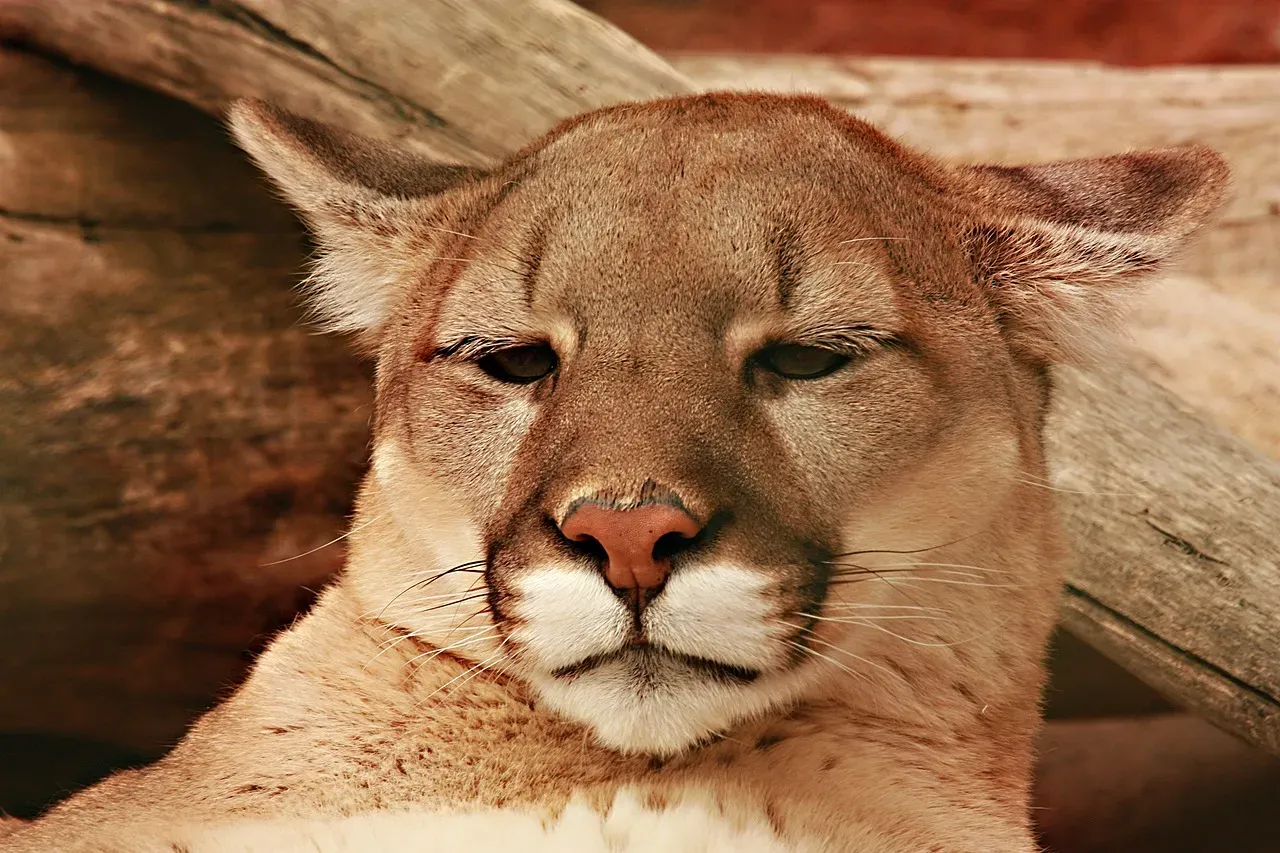
The cougar, also known as the mountain lion or puma, is the largest wild cat in the Pacific Northwest. These solitary, stealthy predators can weigh up to 200 pounds and are capable of taking down prey much larger than themselves.
Cougars are most active at dawn, dusk, and night, making them difficult to spot. Their preferred habitat includes mountainous terrain, forests, and areas with adequate cover and prey, particularly deer.
While cougar attacks on humans are extremely rare, they do occur. Children and solitary individuals are at higher risk. Hiking in groups and avoiding solo trips at dusk goes a long way toward reducing any meaningful risk.
If you encounter a cougar, maintain eye contact, appear large by raising your arms or opening your jacket, make noise, and never run or turn your back. In the unlikely event of an attack, fight back aggressively. Cougars typically avoid human interaction, but development encroaching on their habitat has increased the potential for encounters.
3. Roosevelt Elk
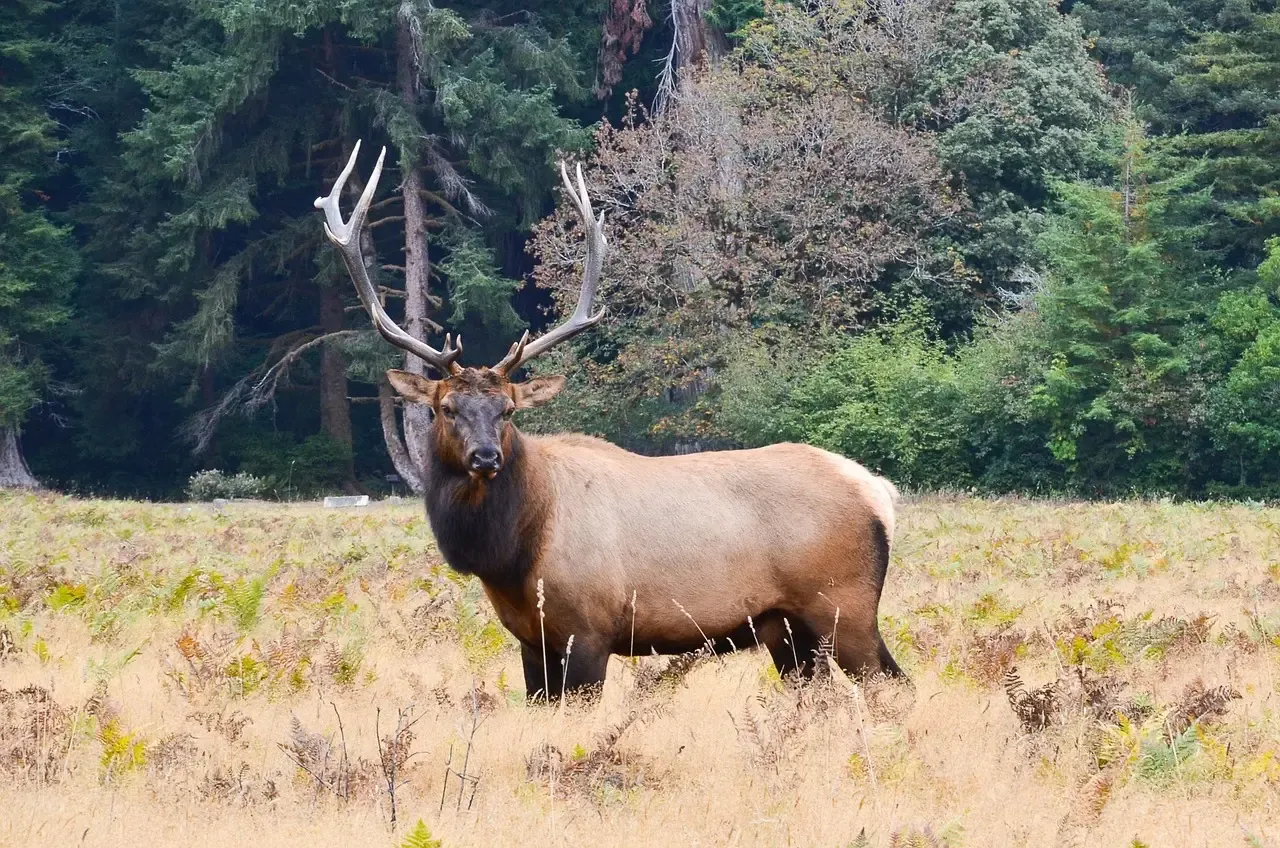
Elk are larger than black or white-tailed deer, weighing up to roughly 1,000 pounds. A bull elk towers nearly nine feet tall including his antlers, which can add up to four feet of height and grow anew each year.
Roosevelt elk are social, polygamous members of the deer family that can form very large herds. They migrate from lowland ranges in winter to higher elevations in summer, and they’re very vocal, producing squeals, grunts, and whistles. Hearing them call through a foggy forest at dawn is something you won’t forget.
Elk are extremely large and powerful, and most human injuries result from defensive or provoked charges, especially from moose-like behavior during rut or when mothers are with calves. Approaching too close for photos or surprising an animal in thick cover are the most common scenarios. Give a wide berth of at least 50 to 100 yards, never approach calves, leash dogs, and slowly back away if the animal shows signs of agitation.
4. Moose
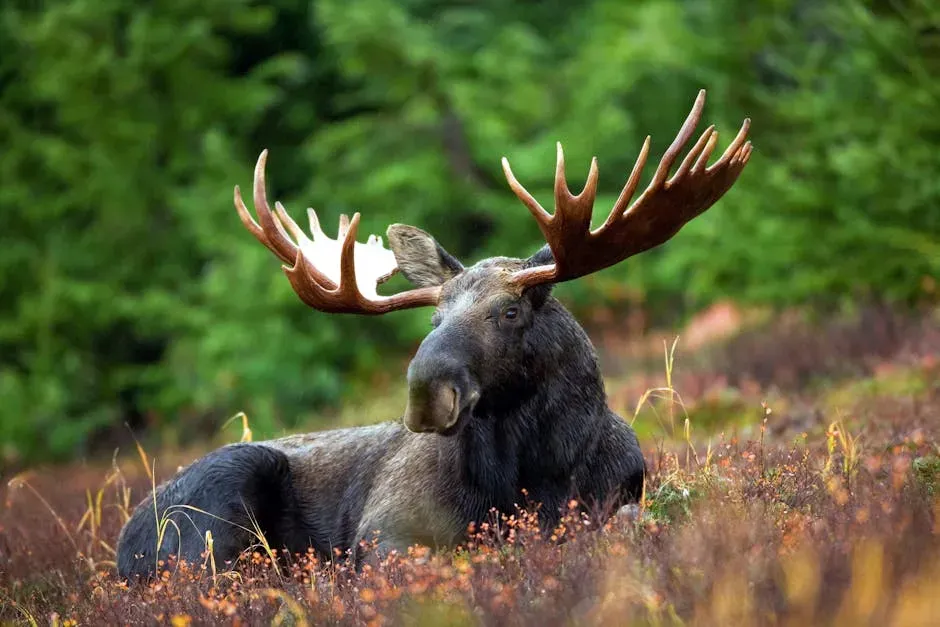
The North American moose is the largest member of the deer family, with long legs, a short neck, broad antlers, a prehensile muzzle, and a dewlap on the throat. They range through Alaska, Canada, and the northern tier of the US, south into the Rocky Mountains, and live in forested or mountainous areas near water and in swamps.
Moose may not have the same fearsome reputation as some other wild animals, but they injure more people than bears and wolves combined. Moose can be found in Canada and Alaska, the Rocky Mountains, and the northern states from Washington to Maine. That reputation for calm is misleading.
Because moose are so massive, you’ll probably notice them before they notice you. If that’s the case, keep quiet and move away slowly. If the moose sees you, speak to it calmly and softly so it knows where you are and does not feel threatened. Slowly back up.
5. Gray Wolf
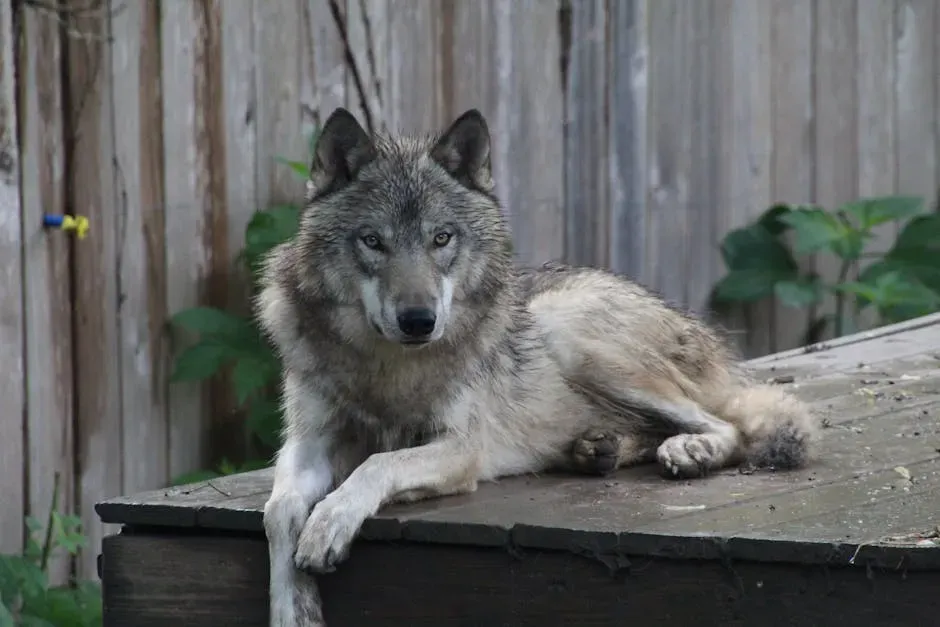
Gray wolves have made a remarkable comeback in parts of the Pacific Northwest after being nearly extirpated in the early 20th century. Today, wolf packs can be found in Washington, Oregon, and Idaho, primarily in remote wilderness areas.
In the lower 48 states, there are an estimated 425 gray wolves in the Pacific Northwest. These numbers reflect decades of slow, contested recovery. Wildlife enthusiasts hoping to spot these elusive predators should know that while wolves have been sighted throughout the Cascade Range, they tend to stick to remote areas away from human activity.
Gray wolves are highly intelligent animals that typically live in family groups called packs. These packs usually consist of a breeding pair and their offspring from multiple years. Spotting one on a trail is vanishingly rare and genuinely special. They pose virtually no threat to healthy adult hikers.
6. Columbian Black-Tailed Deer
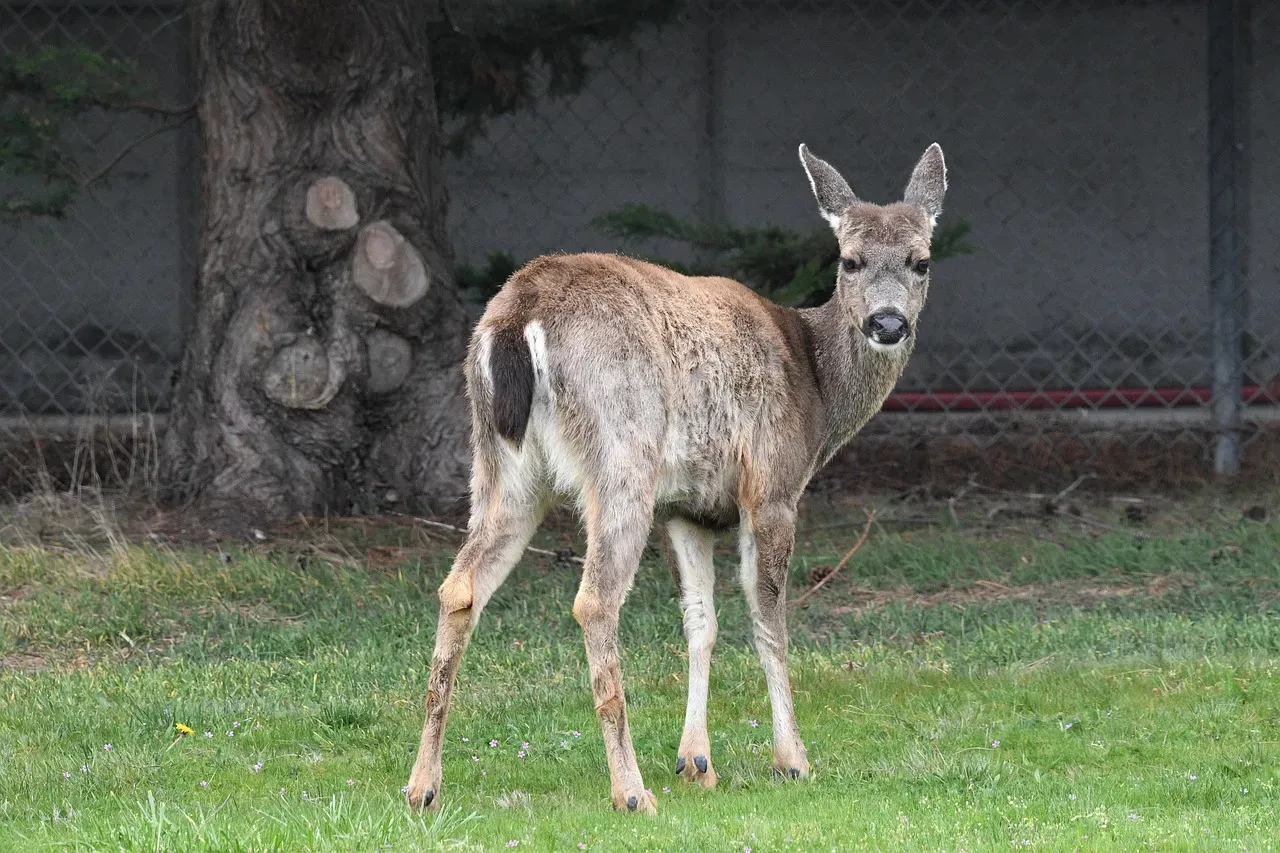
Columbian black-tailed deer are the most common deer subspecies in the Pacific Northwest. They occur from the crest of the Cascades west to the ocean, preferring brushy, logged lands and coniferous forests.
Black-tailed deer serve as ecosystem gardeners. Their selective browsing influences plant growth and composition, encouraging biodiversity and shaping forest succession. They also feed predators such as mountain lions, wolves, and eagles, anchoring the local food web.
Oregon’s black-tailed deer occur throughout the state west of the Cascade Range. They tend to be secretive and often rely on stealth or concealment rather than speed as a means of escape. You’ll frequently cross paths with them near forest edges, especially at dawn and dusk.
7. Northern Pacific Rattlesnake
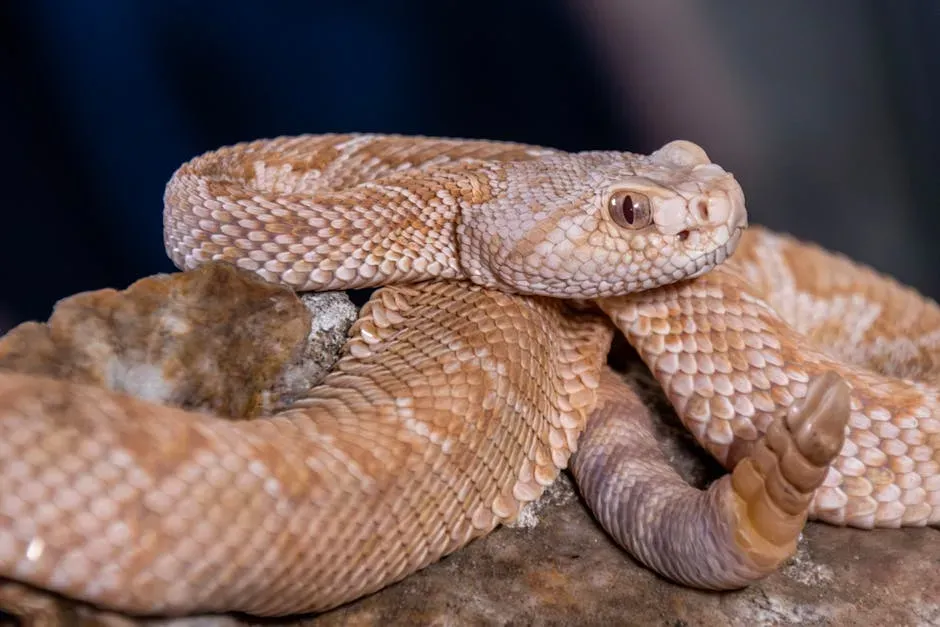
The venom of the Northern Pacific Rattlesnake contains hemotoxins that destroy tissue and disrupt blood clotting. While their venom is potent, these snakes typically inject only a small amount when biting defensively. Bites are painful and require medical attention, but fatalities are rare with prompt treatment.
They are most active during warmer months, especially in the morning and evening when temperatures are moderate. During the hottest part of summer days, they seek shade to avoid overheating. Rocky, sun-warmed ledges and dry eastern slopes of the Cascades are prime habitat.
Watch where you place your hands and feet around rock piles and brush. The snake almost always rattles before striking. Giving it space to retreat is nearly always enough to end the encounter peacefully. In winter, they hibernate in communal dens, sometimes with hundreds of other snakes. Understanding their patterns can help outdoor enthusiasts avoid dangerous encounters while appreciating these important predators from a safe distance.
8. Mountain Goat
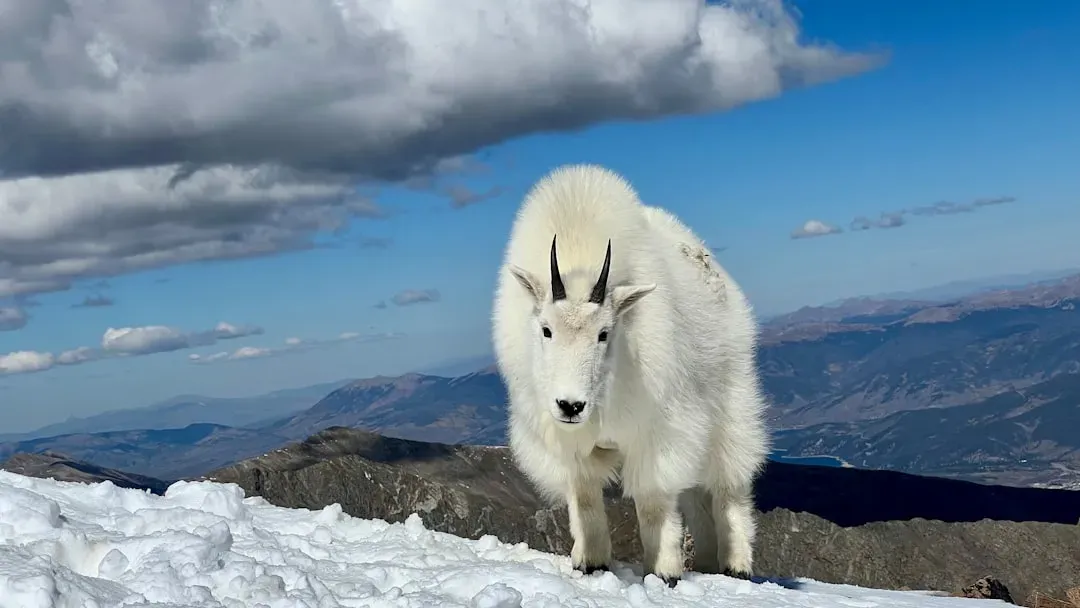
Mountain goats are one of the more spectacular sights on high-elevation trails in the Pacific Northwest. They inhabit the steep, rocky slopes of the Cascades and Olympics, and their sure-footedness on terrain that would send most hikers scrambling is genuinely impressive.
Mountain goats seek out cool, shady spots in the heat of a summer day, creating dust wallows to bed down in. They’re often spotted near ridge lines and talus fields where they can survey their surroundings without much effort.
Though they appear placid, mountain goats can be surprisingly aggressive, particularly during the fall rut or when feeling cornered on a narrow trail. They’re attracted to the salt in human sweat and urine, which draws them unusually close to hikers. Keeping your distance and not offering any temptation is the smart approach.
9. Bobcat
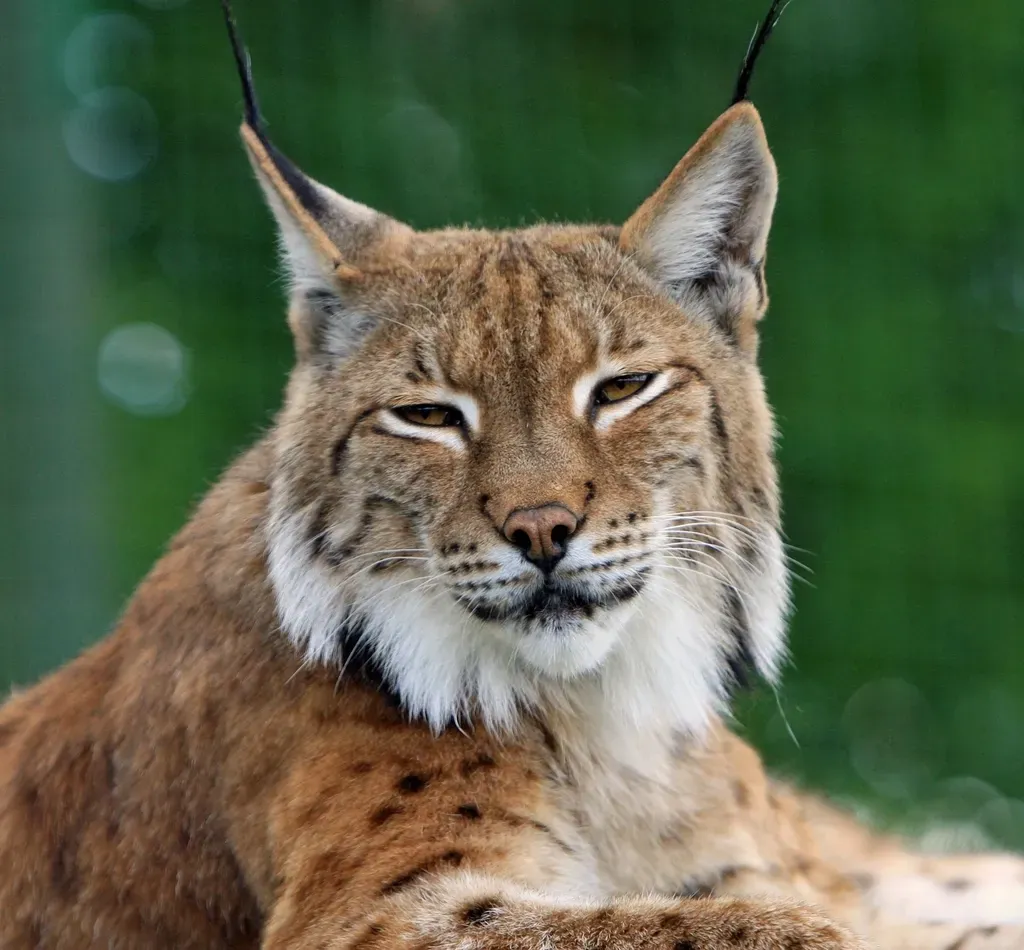
Bobcats are among the wild cat species that range across the Cascades and surrounding wilderness areas of the Pacific Northwest. They’re rarely seen, but their presence is consistent across a broad range of habitats, from dense coastal forest to drier interior terrain.
Roughly twice the size of a domestic cat, bobcats are solitary and largely nocturnal. They rely almost entirely on stealth and patience for hunting, which makes them nearly impossible to detect in thick cover. Most hikers who encounter one do so by accident, catching a glimpse before the animal vanishes.
Bobcats are not a danger to adult humans under any ordinary circumstances. They may occasionally shadow a hiker out of curiosity. If you spot one, stay still and appreciate the moment. It won’t last long.
10. Porcupine
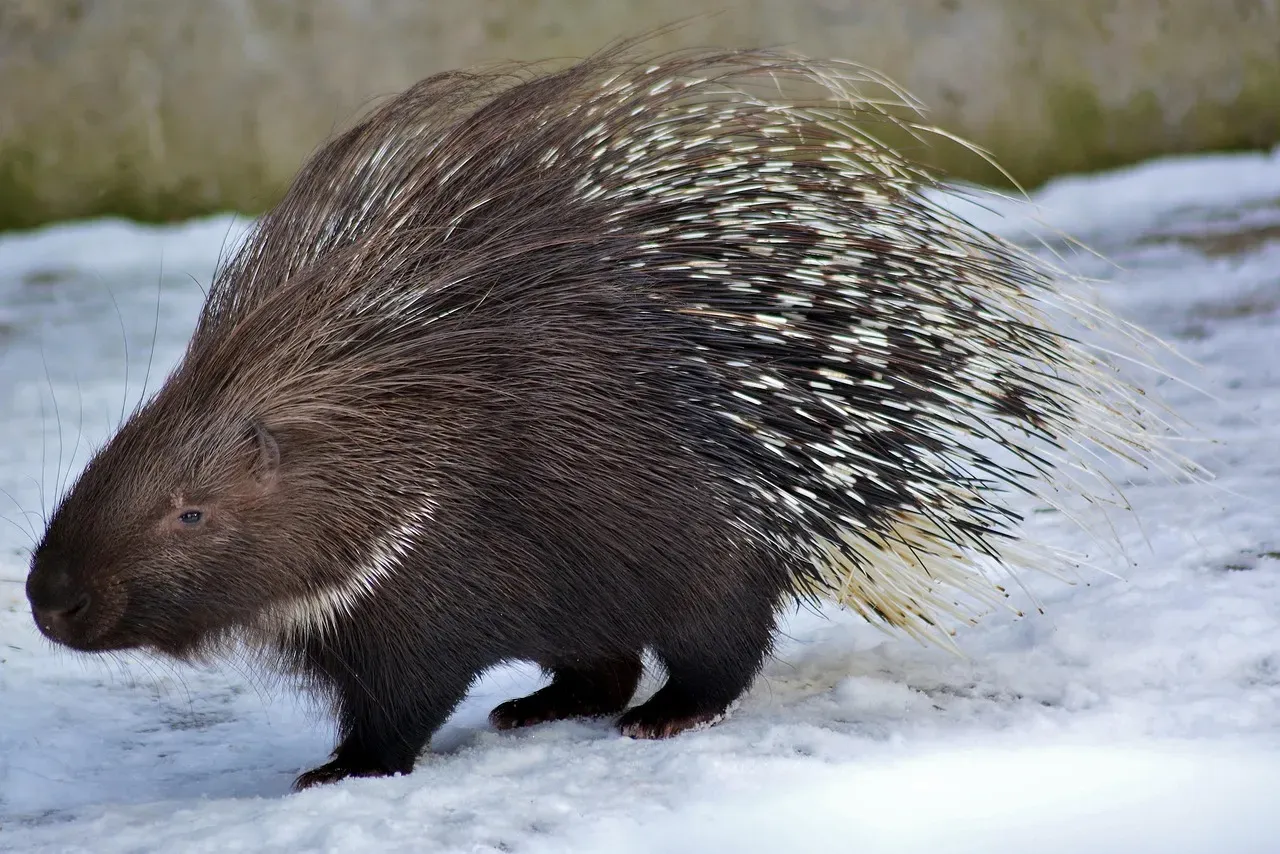
Porcupines are common throughout the forested regions of the Pacific Northwest, though their slow, deliberate movements and nocturnal habits mean they often go unnoticed. Spotting one waddling across a trail or wedged in a tree is a quiet delight.
Porcupines are listed among the notable wildlife species ranging across the Cascade Loop area of the Pacific Northwest. They’re herbivores and spend much of their time feeding on bark, needles, and leaves. Their quills are not thrown, a common misconception. They detach on contact with skin and are difficult to remove due to their barbed tips.
Dogs are far more frequently quilled than humans, so a leashed trail partner is a smart precaution. For humans, keeping a comfortable distance is entirely sufficient. Porcupines have no interest in confrontation and will simply roll into a defensive posture and wait for the threat to pass.
11. Wolverine
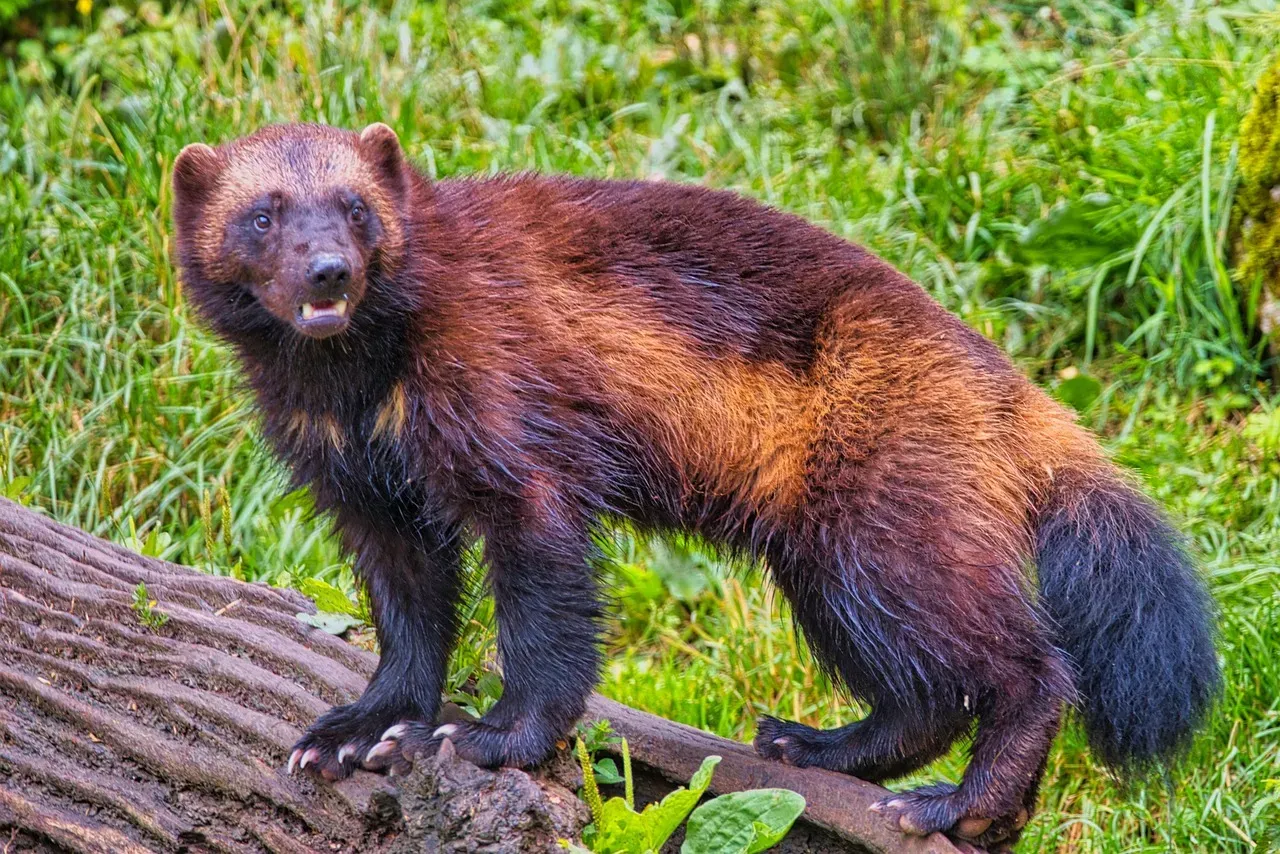
Wolverines can travel over a huge range in a single day. They take difficult routes over mountains, often skipping game trails and going straight up and over the crest of mountains. They love the cold, so look for them bounding among glaciers and on mountaintops.
Seeing a wolverine on a hike in the Pacific Northwest is extraordinarily rare. They are considered very rare in the Northwest, and all sightings should be reported to the Washington Department of Fish and Wildlife. That rarity is precisely what makes an encounter so memorable for those lucky enough to have one.
Wolverines are the largest terrestrial members of the weasel family and are known for remarkable strength relative to their size. They pose no meaningful threat to humans and will retreat long before any confrontation develops. Good locations to watch for them include the Glacier Peak Wilderness and the Anderson and Watson Lakes Trail near Mount Baker.
12. Canada Lynx
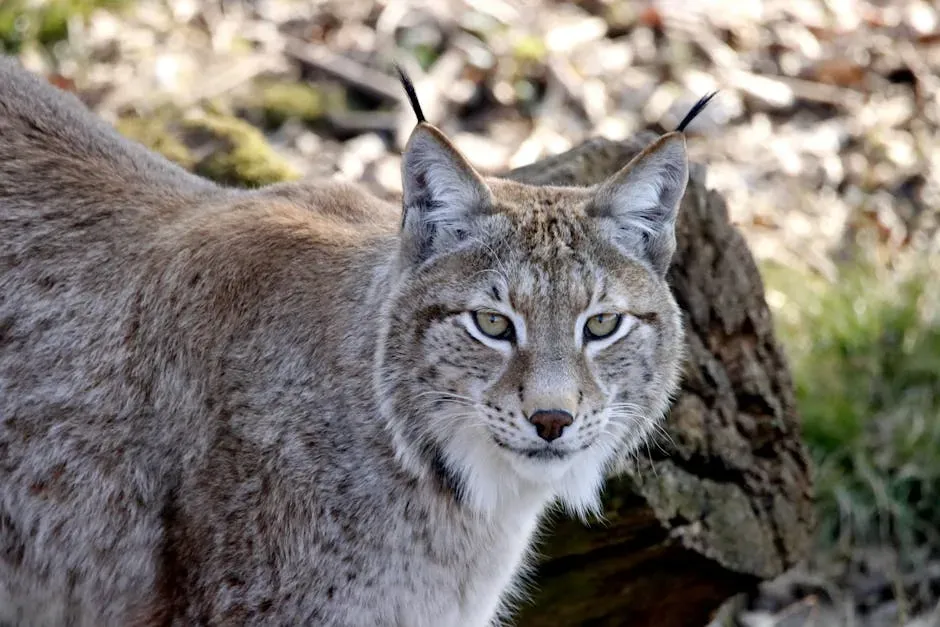
The Canada lynx is a medium-size member of the cat family, larger than bobcats but smaller than cougars, with long legs, a black-tipped tail, and tufts of fur on the ends of their ears. They have oversized paws that allow them to travel in snow, and they specialize in hunting snowshoe hare, so their numbers rise and fall with the hare population.
Lynx live in high-elevation forests, especially in areas that receive plenty of snow. There must be an adequate snowshoe hare population to support them. These habitat requirements make them highly specialized and, ultimately, quite vulnerable to changes in their environment.
Like wolverines, lynx sightings are genuinely uncommon. They are considered very rare in the Northwest, and all sightings should be reported. If you’re hiking high-country trails in winter or early spring, particularly in the North Cascades, you’re in the right territory to at least have a chance.
13. Bald Eagle
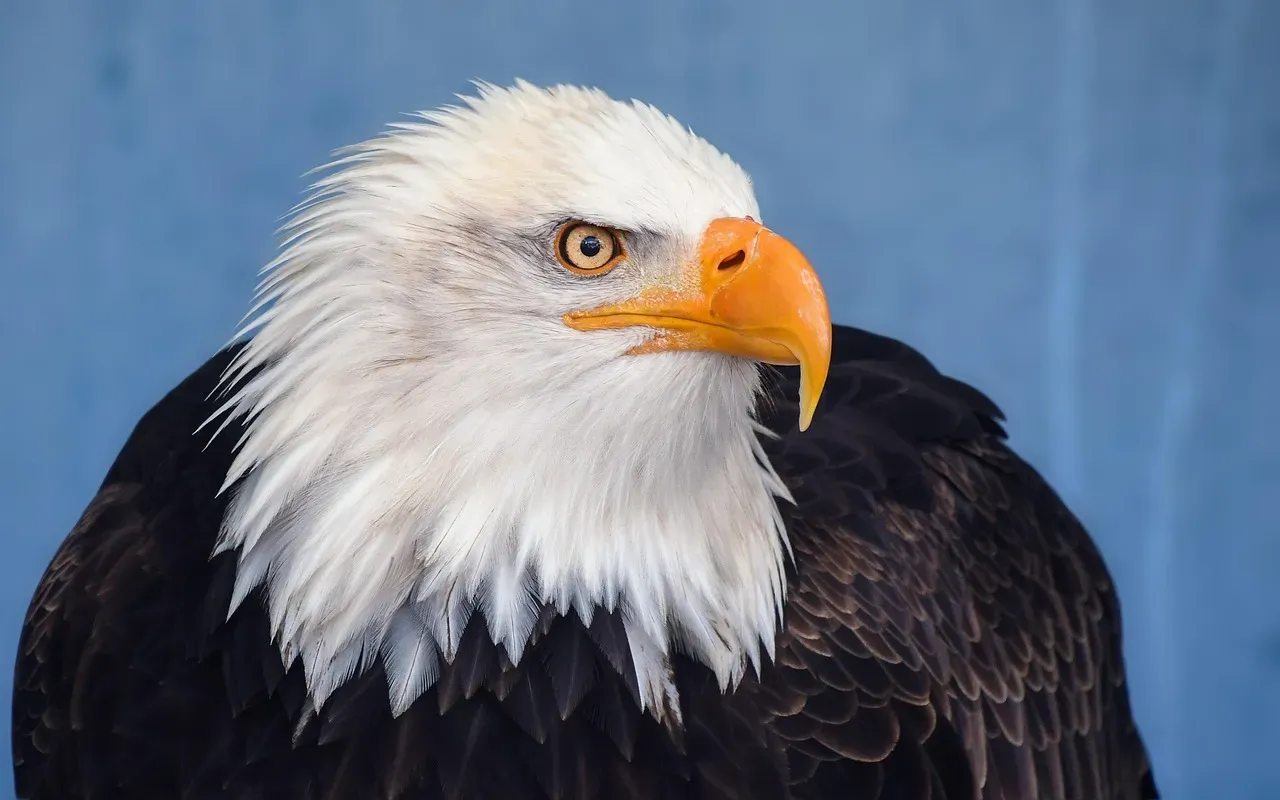
Bald eagles are native wild species to the Pacific Northwest, and if you’re exploring one of the region’s river valleys or lake routes, you already have a good chance of spotting one. Their populations have rebounded substantially over recent decades following protections put in place in the latter half of the twentieth century.
Bald eagles are most reliably spotted near rivers and large lakes, particularly where salmon runs draw them in to feed. Watching one pull a fish from the surface of a river is about as Pacific Northwest as it gets. They’re also frequently seen perched high in old-growth Douglas firs, scanning the landscape below.
From a hiker’s perspective, bald eagles present no risk whatsoever. They’re an unmistakable sign of a healthy ecosystem. Their white heads and dark wingspans, sometimes stretching nearly eight feet, make them easy to identify once spotted overhead.
Conclusion: Know What Shares the Trail With You
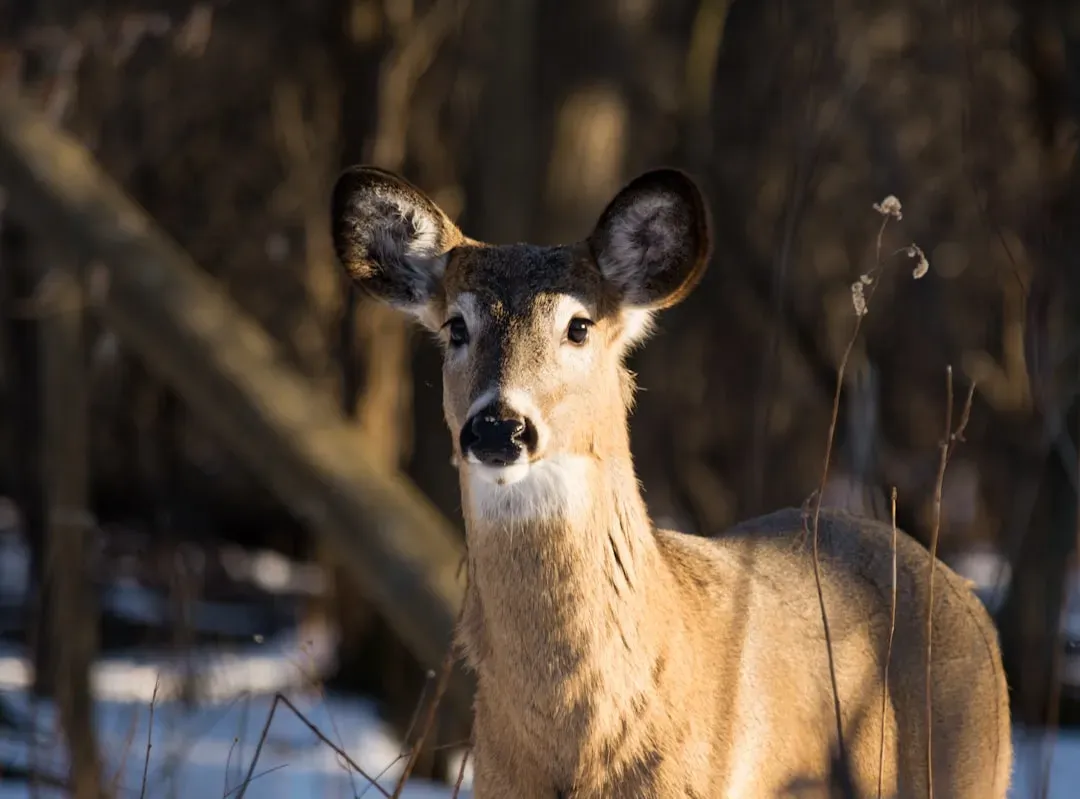
The Pacific Northwest is one of the most ecologically rich hiking destinations in North America. Fortunately, most animals in the Pacific Northwest aren’t aggressive, and if you’re lucky enough to see something rare, it will likely be a highlight of your season.
Unexpected run-ins with wild animals can be unnerving, but knowing important wildlife safety tips about what to do if you come into contact with wild animals will help keep you and the animals safe. That knowledge doesn’t diminish the wonder. It actually deepens it, because you can observe with confidence rather than anxiety.
The real takeaway is simple. Most wildlife avoids people, and fatal attacks are rare. The greatest real-world hazards in the Pacific Northwest are often accidental encounters caused by attractants or approaching animals. Proper behavior reduces risk dramatically. Go prepared, stay curious, and let the wildlife be wild. That’s the whole point of going out there in the first place.

- 13 Backyard Secrets Wildlife Biologists Wish More Homeowners Knew - July 12, 2026
- These Poisonous Plants Could Wreak Havoc In Your Yard - July 12, 2026
- 6 US States Where Wild Horses Still Roam Free - July 12, 2026