
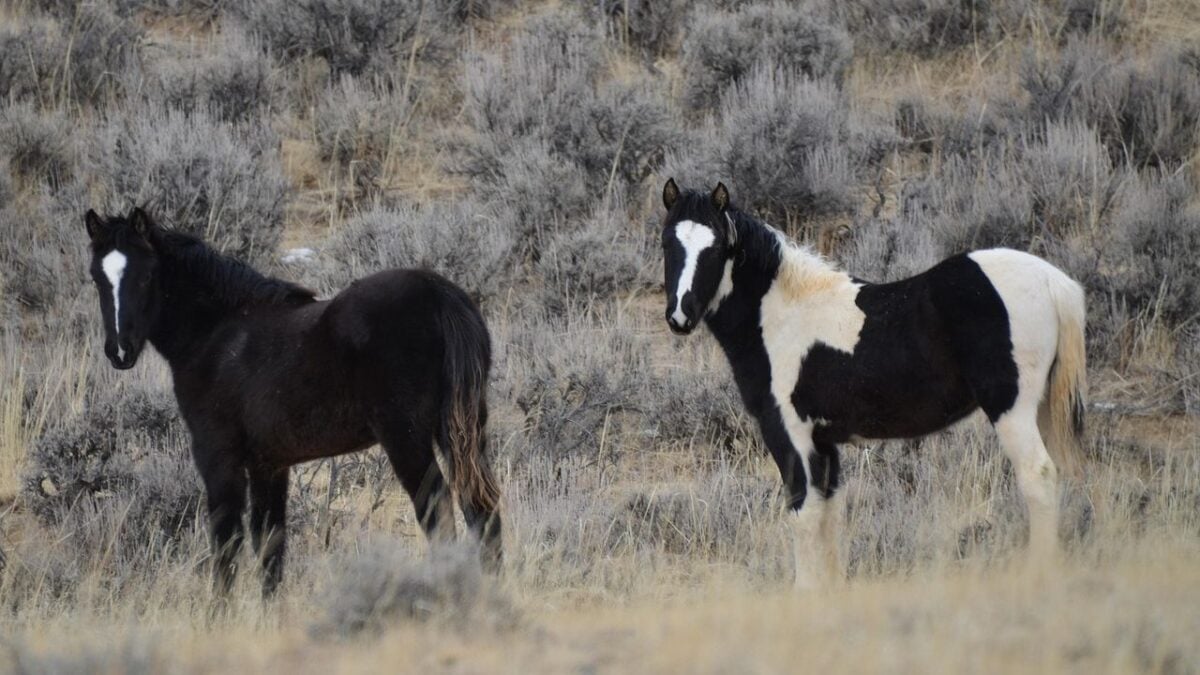
Picture wild horses thundering across endless plains, their manes flowing in the wind as they run free across landscapes that seem almost untouched by time. These magnificent creatures represent something we’ve nearly lost in our modern world: true wildness. Let’s be real, finding places where wild horses actually roam free has become increasingly rare, making each encounter feel like discovering buried treasure.
The Bureau of Land Management manages wild horses and burros on 178 herd management areas covering 26.9 million acres of public land in 10 Western states. Yet even with this vast area, as of March 2024, the on-range population of wild horses and burros was estimated at 73,520 animals, which might sound like a lot until you realize how spread out they are. Honestly, it’s thrilling to know these living symbols of freedom still exist in our increasingly connected world.
Nevada: The Wild Horse Capital of America
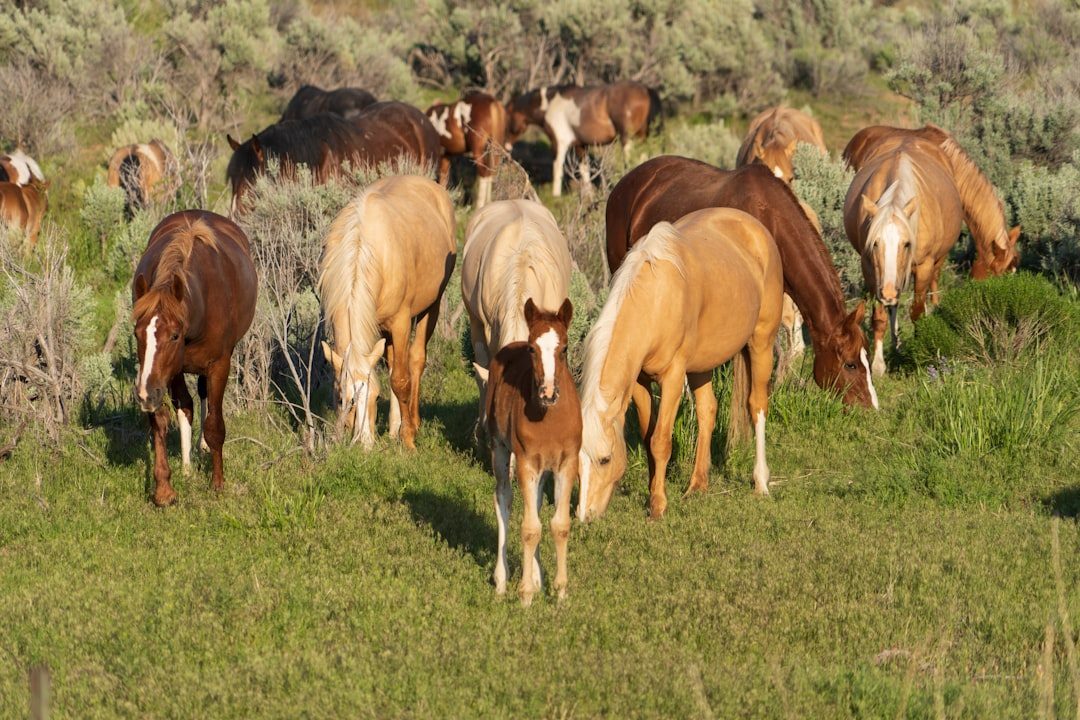
Nevada stands as the ultimate destination for wild horse enthusiasts, and honestly, it’s not even close. The most reliable place to view wild horses is in the Virginia range, which is located between Reno and Virginia City. The range is home to several hundred wild mustangs that come in all shapes and sizes. This isn’t just a random number of horses; we’re talking about a thriving population that has captured hearts worldwide.
Much of the state of Nevada is wide open with a desert-like climate. This means that you can find wild animals everywhere throughout the states, but it can be difficult to pinpoint migrating herds at any given time given the sheer volume of space throughout the 17 counties. The Virginia Range became famous partly because the large mustangs fueled the Free-Roaming Wild Horses and Burros Act of 1971 as a result of the protest made by Velma Johnston. The horses were previously captured, hunted, or disturbed to take them as trophies, sell them, or put them to work. Currently, the horses have been left to roam free and multiply as it is illegal to disturb them in their natural state of being.
Wyoming: Home to the Rare Curly-Haired Mustangs
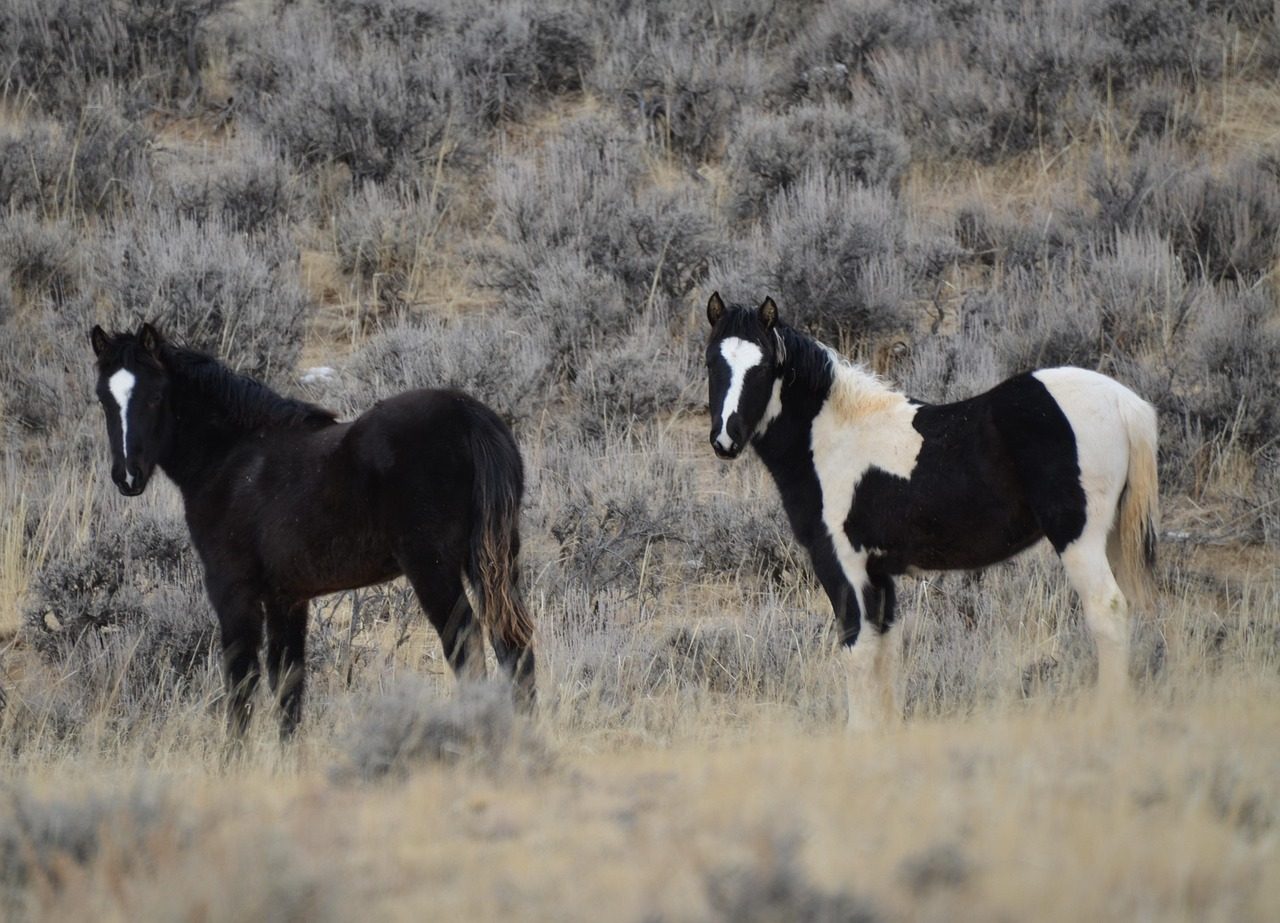
Wyoming offers something truly extraordinary that you won’t find anywhere else in the country. That herd is thought to include several hundred horses, about 100 of which are of the unusual curly-haired variety. That’s the largest known population of “curlies” in the country. These aren’t your ordinary mustangs; they’re genetic treasures that have adapted unique characteristics over generations.
Wyoming hosts approximately 6,000-7,000 wild mustangs. The state’s landscapes, including grasslands and mountains, provide great grazing opportunities. The BLM manages several herd management areas here to ensure the health and sustainability of the populations. “Salt Wells Creek is one of the most beloved horse herds in Wyoming. People come from all over the world to see them,” according to mustang advocate Carol Walker. Though, it’s worth noting that these incredible horses face ongoing legal challenges regarding their future management.
Colorado: Western Slope Mustang Haven
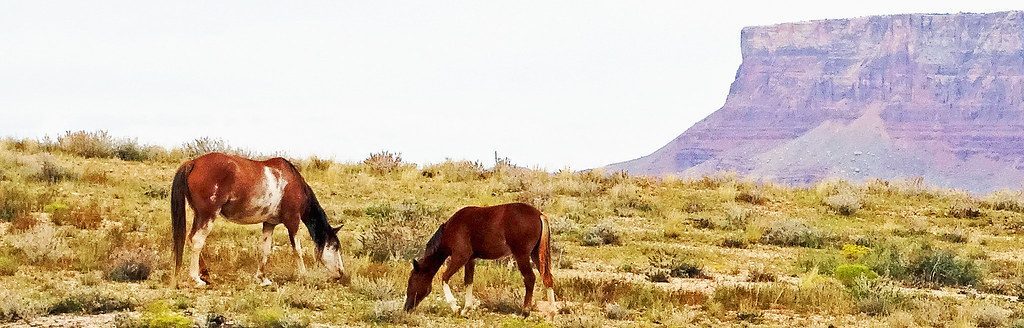
Colorado’s wild horse story is both fascinating and somewhat heartbreaking. Federal and state officials have concentrated instead on fertility control options that would help maintain herd sizes of the remaining 1,300 wild horses roaming free in Colorado. That number represents a significant decrease from historical populations, but these horses are survivors in every sense of the word.
Within Colorado, wild horses can only be found on the western slope of the Rocky Mountains. Currently, the Bureau of Land Management (BLM) manages the existing herds in four specific Herd Management Areas (HMAs). Covering 157,730 acres of northwest Colorado (98% of which is public land), the Sand Wash Basin HMA is the largest area to find wild horses in the state. While previous estimates found that the HMA was home to nearly 900 stangs, mares, and foals, the ongoing Sand Wash Basin HMA Wild Horse Gather is planning to transport over 700 excess horses from the area. I think what’s happening in Colorado perfectly illustrates the complex balance between conservation and management that these horses face everywhere.
Utah: Desert Beauty and Wild Spirit
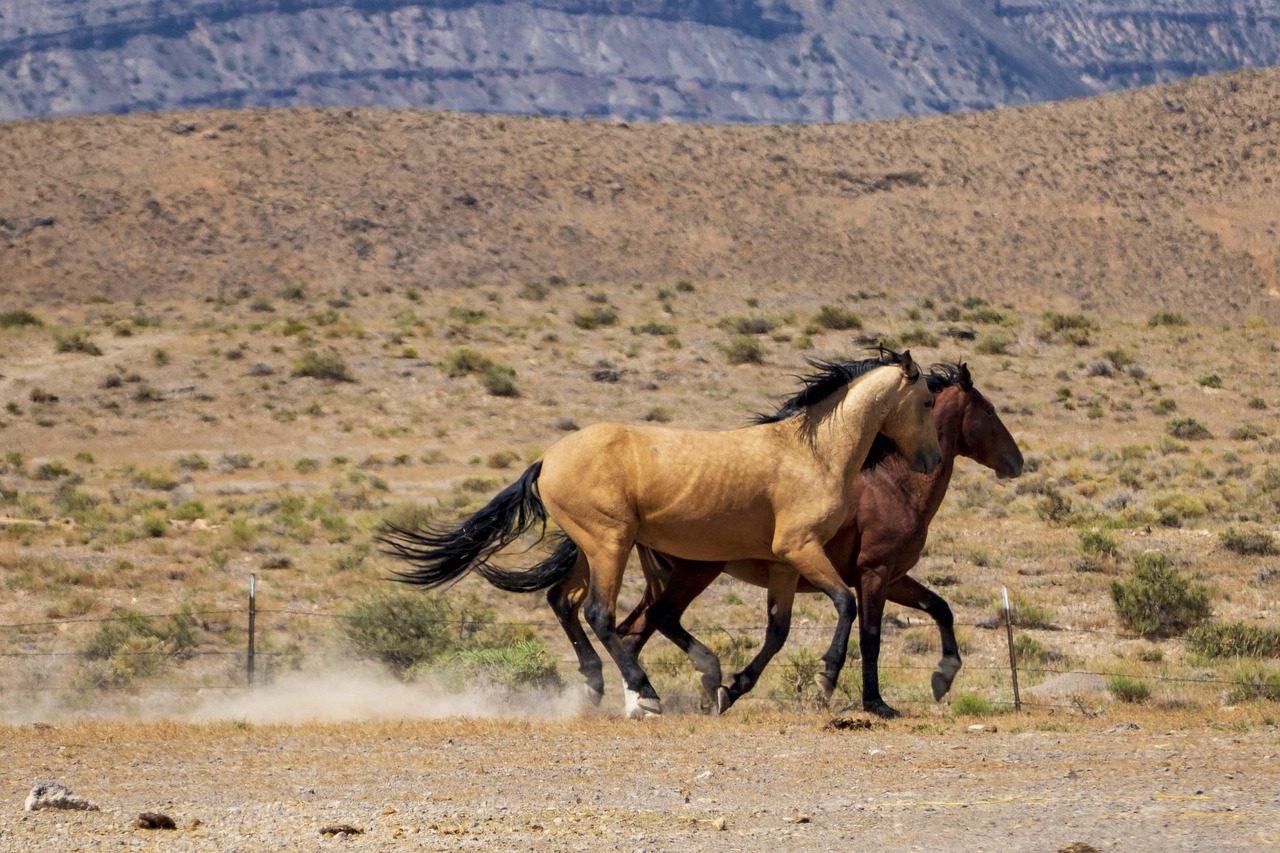
Utah’s wild horses thrive in some of the most stunning yet challenging terrain you can imagine. Utah is another state where wild mustangs thrive, with a population of approximately 4,500-5,000. The state’s rugged terrain and wide-open spaces support healthy herds. Utah’s mustangs are known for their strength and endurance. These aren’t pampered animals; they’re tough survivors who’ve mastered the art of living in harsh desert conditions.
Utah boasts a significant population of wild mustangs, with the iconic herd at the Onaqui Mountains standing out as one of the most photographed in the world. The landscape here creates some of the most dramatic backdrops you’ll ever see for wild horse photography. These horses have become Instagram famous for good reason; their silhouettes against Utah’s red rocks and endless skies create moments that stick with you forever. From horseback riding tours to wildlife viewing areas, Utah provides multiple ways to connect with its wild horse heritage.
Montana: The Pryor Mountain Legacy
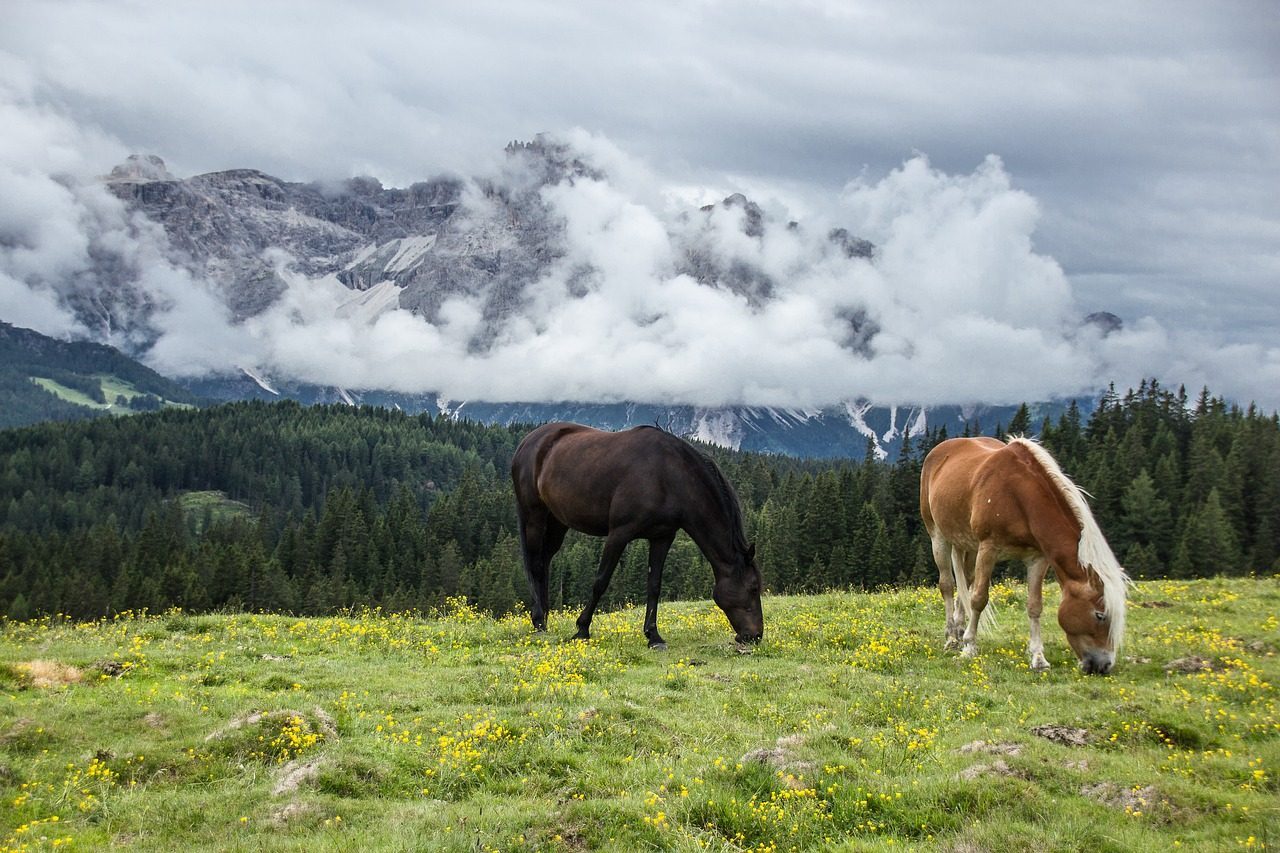
Montana’s wild horse story centers around one legendary location that feels almost mythical. About 60 miles south of Billings, Montana, are the Pryor Mountain wild horses, Montana’s only large herd of free-roaming wild horses. This herd of 120-160 animals is reputed to be of Spanish ancestry, of which very few are in existence today. When you see these horses, you’re literally looking at living history.
Montana is home to the Pryor Mountain Wild Horse Range, one of the most famous mustang habitats in the United States. Located along the Montana-Wyoming border, this range covers rugged terrain, including cliffs, forests, and grasslands. The Pryor Mountain mustangs are particularly unique, as they are believed to be descendants of Spanish colonial horses brought to the Americas centuries ago. These horses are known for their distinctive features, including strong, compact builds and striking colors. Managed carefully to preserve their lineage, the Pryor Mountain herd is a significant part of Montana’s natural heritage. There’s something almost spiritual about encountering these horses; they carry centuries of wild genetics in their bloodlines.
Idaho: Small Herds, Big Impact
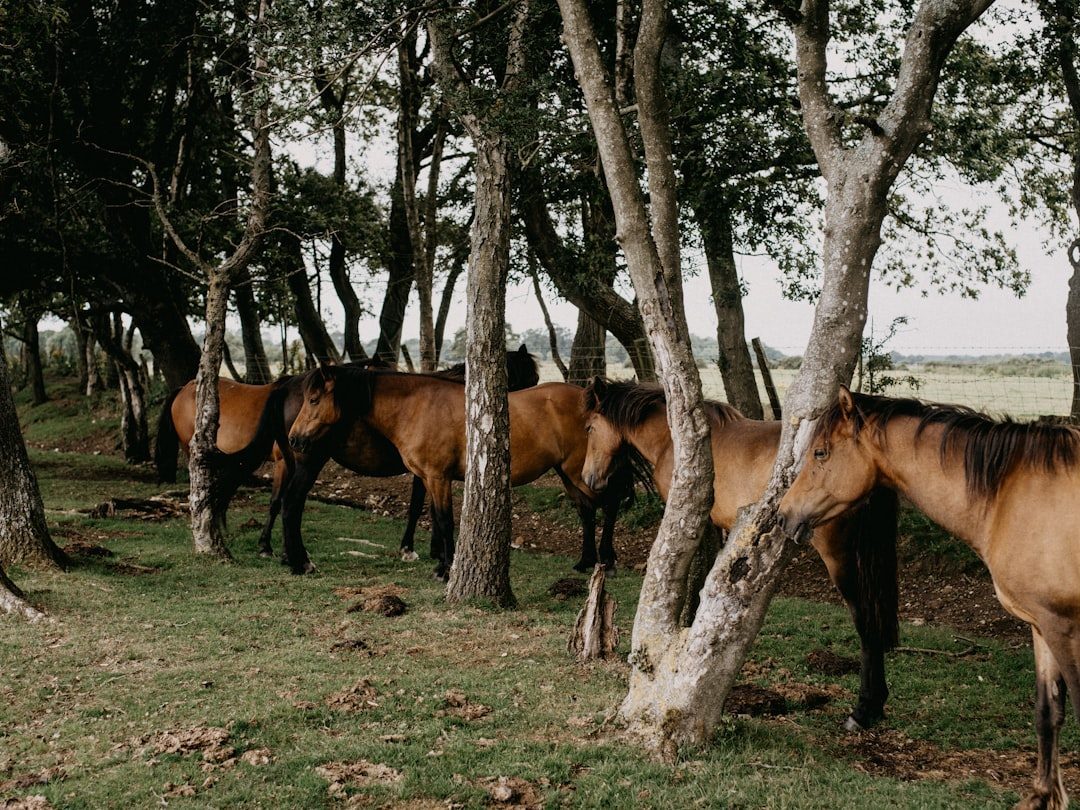
Idaho might not have the largest wild horse populations, but what it lacks in numbers, it makes up for in accessibility and charm. There are 6 wild horse herds remaining in Idaho: Black Mountain southwest of Homedale near the Oregon border, Boise Wild Horse Corrals in Boise, Challis near the town of Challis in central Idaho, Four Mile about 15 miles north of Emmett, Hardtrigger southwest of Homedale near the Oregon border, Saylor Creek south of Glenns Ferry, Sands Basin southwest of Homedale near the Oregon border.
Unfortunately, UPDATE 2024: This area as well as other ID HMAs experienced wildfires in Summer/Fall of 2024. All of the wild horses in this HMA were removed under an emergency roundup. BLM says they will return some horses when the land has had a chance to recover from the fires. It’s a stark reminder of how fragile these populations are and how quickly circumstances can change. The Sands Basin herd area is one of the smallest herd areas and one of my favorites. It’s a beautiful little valley with gorgeous wild horses, though currently empty while the land recovers from recent wildfires.
The truth is, seeing wild horses roam free represents more than just wildlife viewing; it’s witnessing a piece of American heritage that’s becoming increasingly rare. These six states offer your best chances of experiencing this magic, though each comes with its own unique story of survival, challenge, and hope. What strikes me most is how these animals continue to embody freedom in a world where true wildness becomes more precious every day.
Have you ever encountered wild horses in their natural habitat? The experience changes you in ways you don’t expect. What would you think if these magnificent creatures disappeared entirely from our landscapes?
