
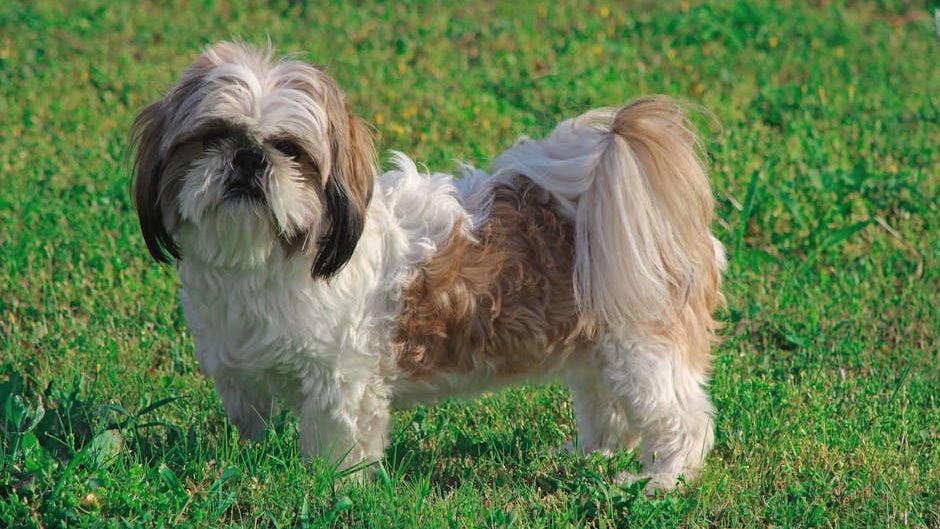
Losing a dog is one of the hardest things any pet owner goes through. It never feels like enough time. That’s part of why so many people find themselves researching breeds before they commit, hoping to find a companion who’ll stick around a little longer. The good news is that science genuinely supports what many dog owners have suspected for years: certain breeds age at a noticeably slower pace than others.
A 2024 study published in the journal Scientific Reports, involving more than 584,000 British dogs across over 150 breeds, found that larger breeds and those with flattened faces tended to have shorter average lifespans compared to smaller dogs and breeds with elongated snouts. The implication for prospective dog owners is clear: breed matters, and it matters quite a bit.
Although large mammals tend to live the longest in the animal kingdom, small body size within a species is associated with longer life and slower aging. Dogs flip this general rule on its head, and the 19 breeds below are among the most compelling examples of canine longevity.
1. Lancashire Heeler

If there’s a reigning champion of canine longevity, this little herding dog has a strong claim to the title. Among the 155 purebred breeds included in the 2024 Scientific Reports dataset, Lancashire Heelers tended to live the longest, with a median life expectancy of 15.4 years.
This small herding breed is descended from the Welsh Corgi and Manchester Terrier, and like their parent breeds, Lancashire Heelers are generally friendly and affectionate. They’re compact, alert, and remarkably sturdy for their size.
The most common health problems affecting the breed are eye issues like Collie eye anomaly and primary lens luxation, which rarely affect lifespan. That’s an important distinction: a breed whose typical health concerns don’t cut life short tends to live long and well.
2. Tibetan Spaniel

Spaniels in name only, these assertive little dogs were bred for companionship in the home, not on the hunt. With an average lifespan of 15.2 years, the Tibetan Spaniel is intelligent and assertive, which makes them popular picks for agility and scent work.
They’re a breed that carries an air of quiet confidence. Small, low-maintenance in terms of exercise, and genuinely devoted to their people. Tibetan Spaniels are generally healthy but prone to eye problems and patellar luxation, neither of which typically shortens their impressive lifespan.
3. Bolognese
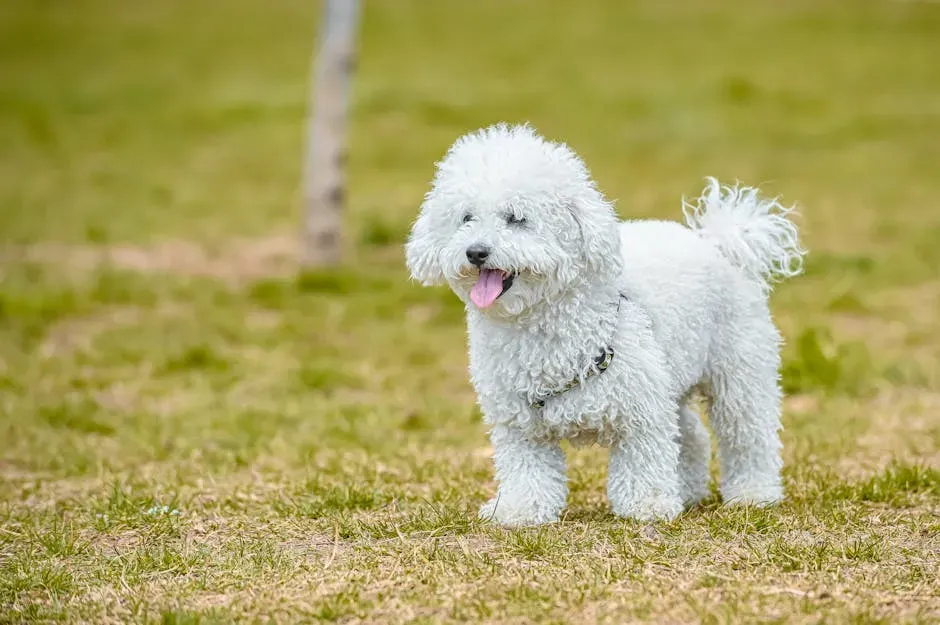
Behind the Lancashire Heeler and Tibetan Spaniel in the longevity rankings sits the Bolognese, with a median life expectancy of 14.9 years. This fluffy white Italian companion dog is relatively rare outside of Europe, which makes it an underappreciated gem among long-lived breeds.
The Bolognese is calm, devoted, and thrives on close human contact. Their modest exercise needs and generally robust health make them well-suited to a quiet lifestyle, which may itself contribute to their longer years.
4. Shiba Inu
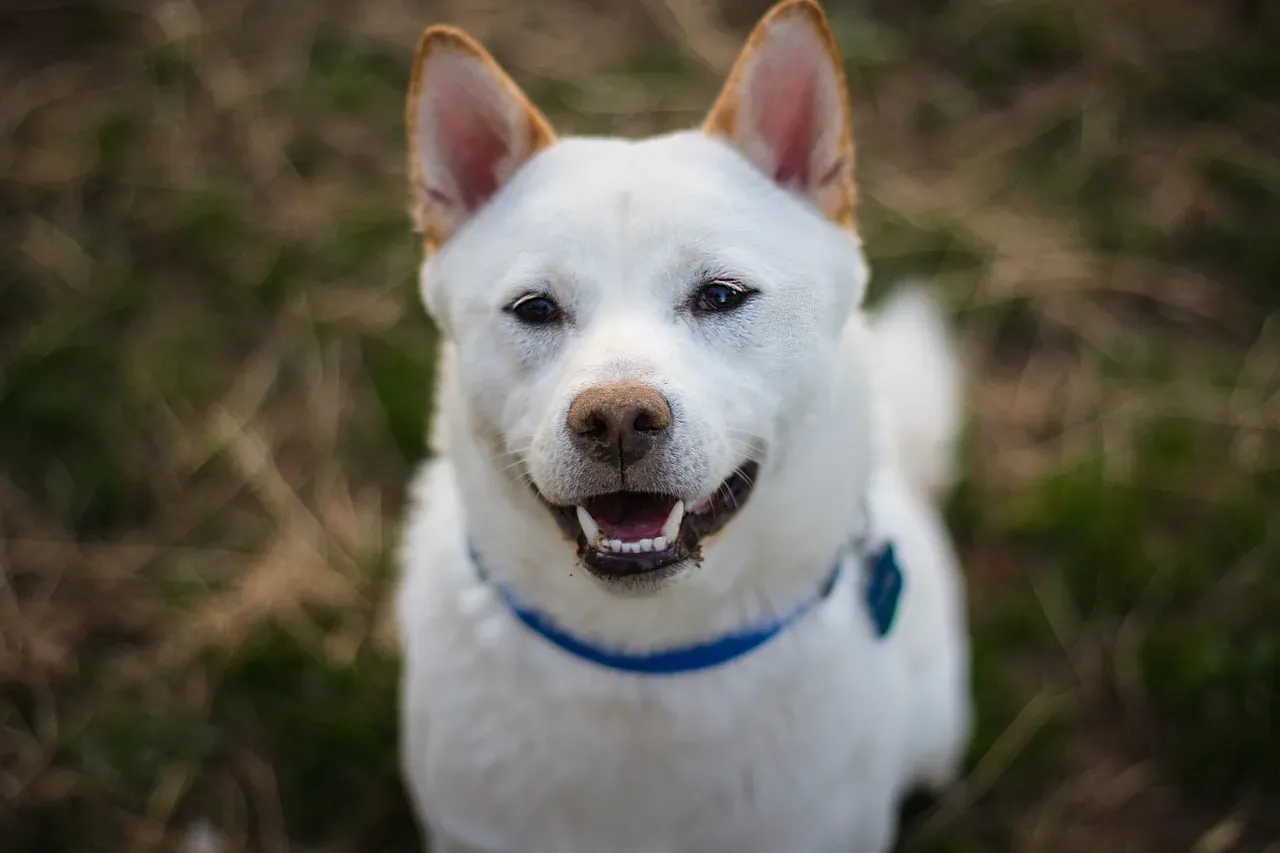
The Shiba Inu is an ancient breed that originated in Japan, originally bred to hunt birds and small game. Shiba Inus are generally a very healthy and long-living breed. The average life expectancy of a Shiba Inu is 13 to 16 years.
The Shiba Inu is an ancient breed, and as pets, they are alert, active, and intelligent. They are also independent dogs who have strong opinions and communicate them through their famous “Shiba scream.”
With proper training, routine veterinary care, and plenty of physical and mental stimulation, Shiba Inus thrive and often enjoy long, vibrant lives. Their natural cleanliness and cat-like self-sufficiency seem to work in their favor over the long run.
5. Papillon
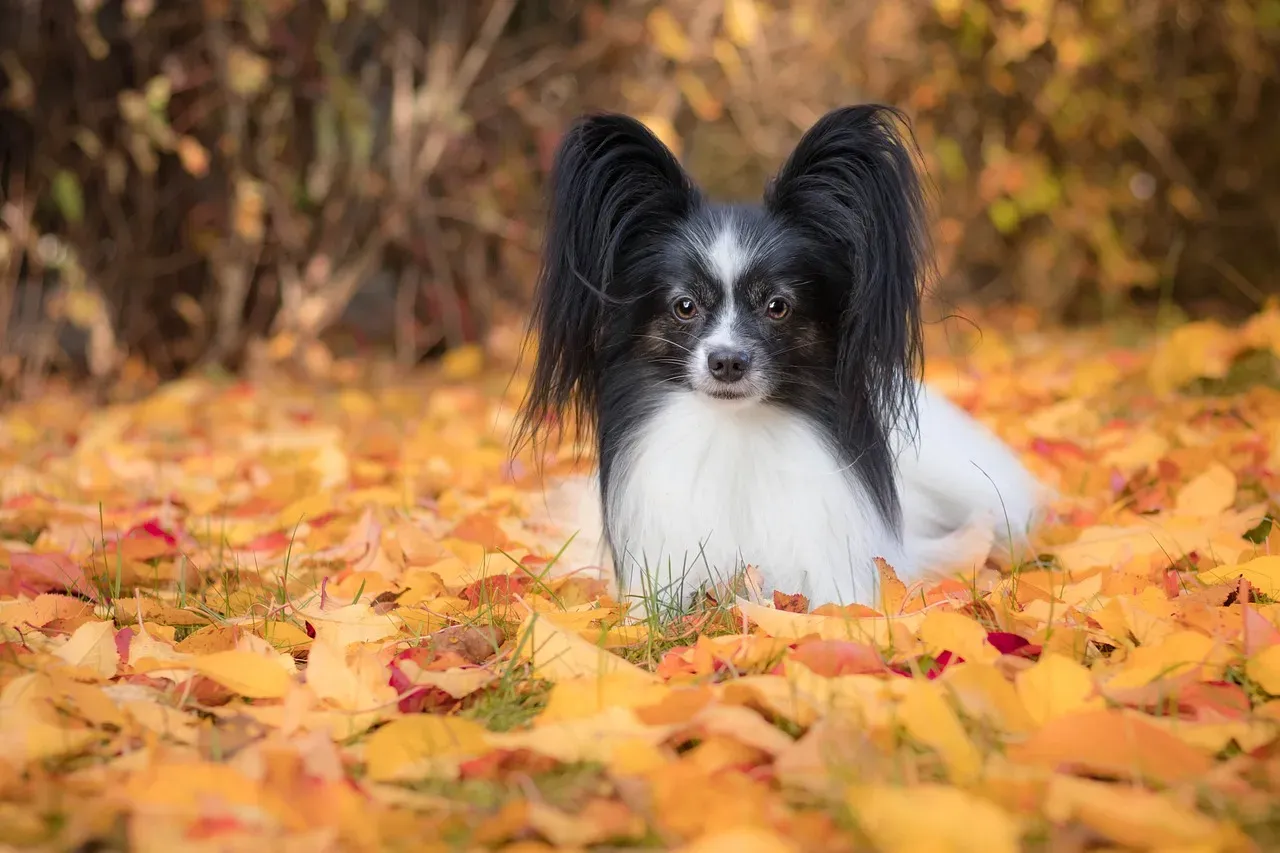
The name “Papillon” is French for “butterfly,” and these pretty dogs get their name from their wispy ear fur that resembles a butterfly’s wings. Papillons are more than a pretty face – they’re energetic and eager to please the humans they love, which makes them a joy to train.
Papillons rank among the top five longest-lived breeds in the 2024 Scientific Reports study, with a median lifespan of 14.5 years. Their good health record is remarkable given how delicate they appear.
Some Papillons don’t just meet expectations, they completely outshine them. A Papillon named Chanel famously lived to 21 years old, while another named Scolly reached 20 years. These are extraordinary examples, but they hint at what this breed is capable of with good care.
6. Chihuahua
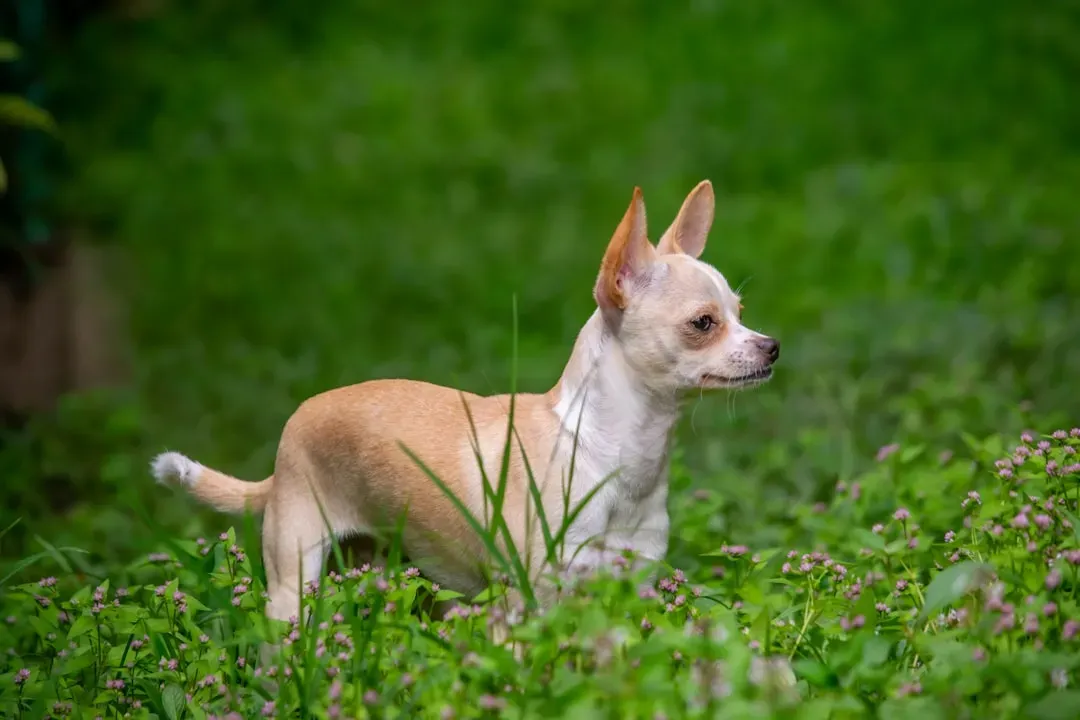
The Chihuahua might be the smallest dog in the world, but it has an outsized relationship with time. The smart, lovable Chihuahua is one of the longest-living breeds, as well as one of the oldest, likely having originated in ancient Mexico. The longest-living Chihuahua on record, Spike, turned 23 in 2022. The average life expectancy of a Chihuahua is usually around 14 to 16 years.
During their happy lives, Chihuahuas don’t typically let their small size get in the way of playtime. They love walks, trips to the park, and winding down next to their favorite human, and the breed is known for becoming particularly attached to one person.
7. Toy Poodle
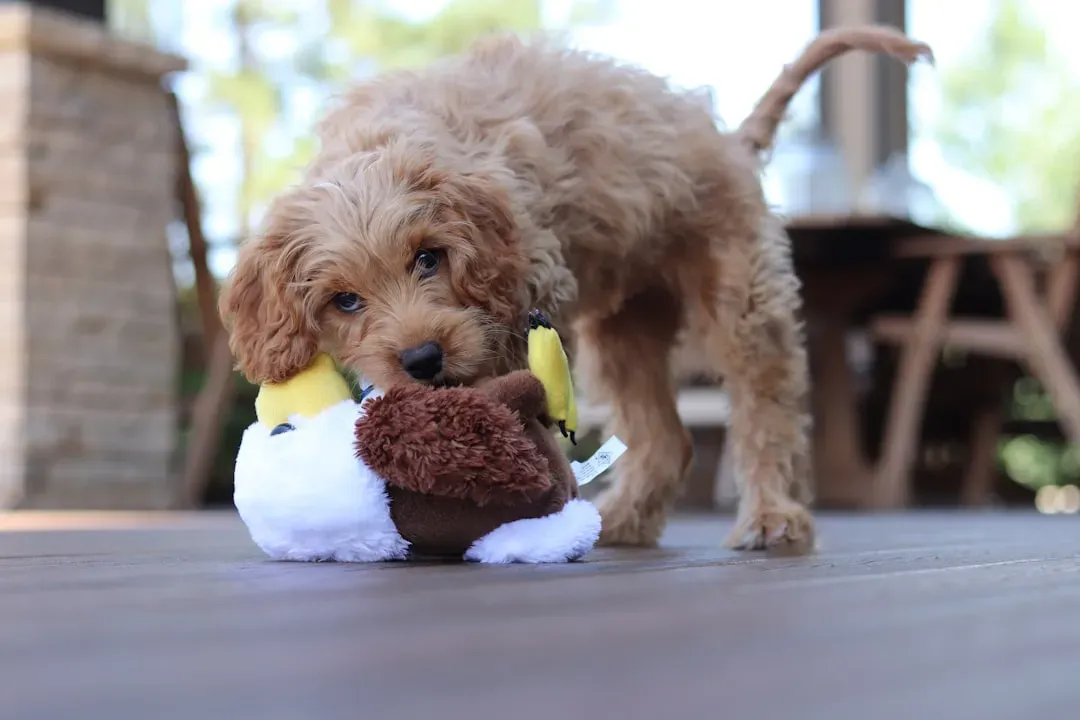
Toy Poodles are the smallest of the three Poodle sizes, and therefore the dogs with the longest lifespan among all Poodle varieties. Though small, Toy Poodles have a big personality and an even bigger brain – they are so smart that basic training and complicated tricks can be taught relatively easily.
Toy Poodles have an average lifespan of 15 to 17 years, placing them comfortably among the longest-lived breeds on the planet. Poodles tend to live 10 to 18 years, with smaller varieties tending to live longer than larger ones.
Their intelligence keeps them mentally sharp well into old age. Poodles in all sizes are highly intelligent and often genetically resilient, with the Toy and Miniature variations benefiting from their small stature, coupled with fewer inherited health problems than many other breeds.
8. Dachshund
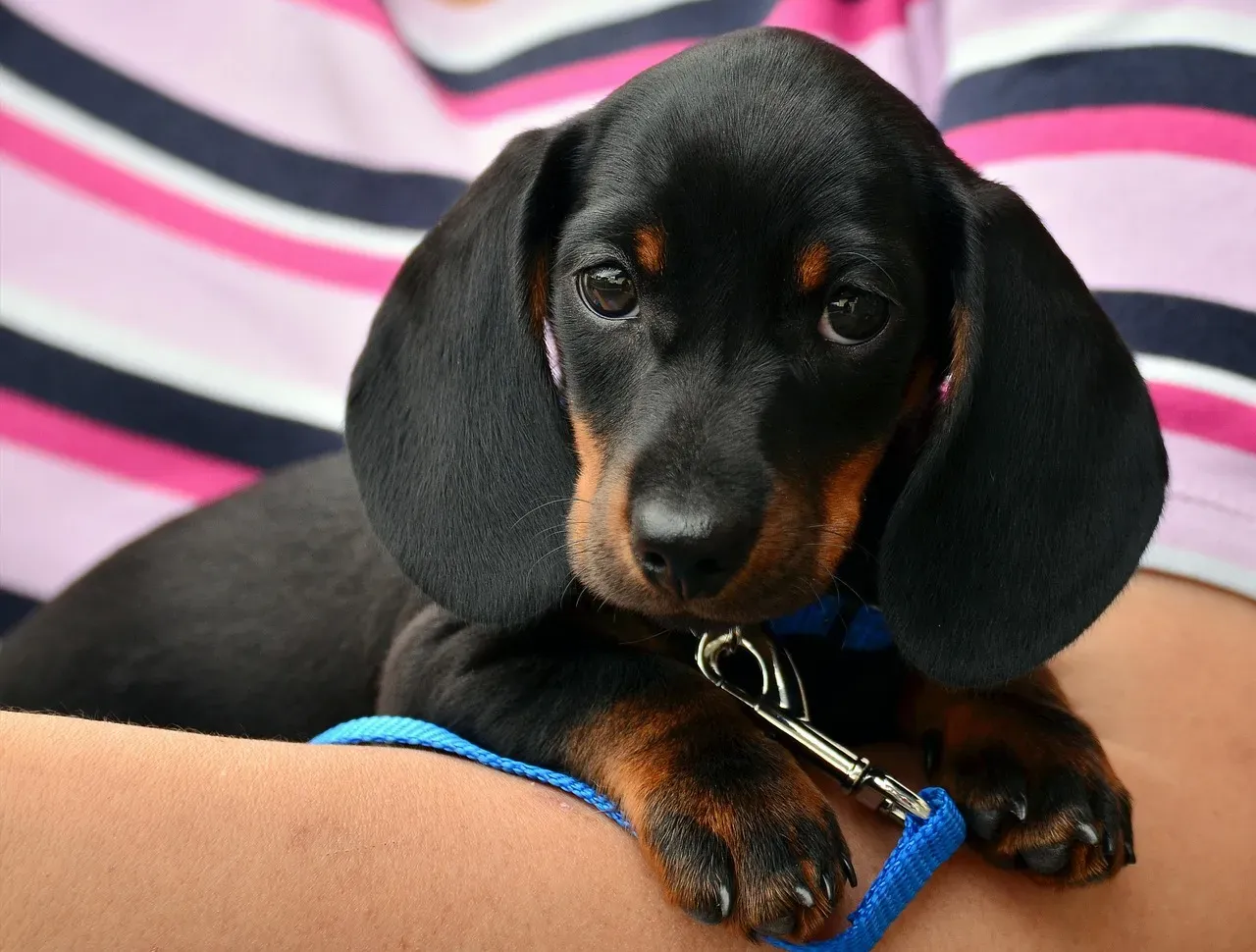
Few breeds pack as much personality into such a small frame. These playful “wiener dogs” are small but hardy, often living until around age 15. A miniature Dachshund named Funny became, at the time, the oldest-living dog at the age of 21 years and 169 days in November 2020. Dachshunds have big personalities, known to be smart, loyal, and a little wary of strangers.
Miniature Dachshunds have a median lifespan of 14 years, compared to just 9.8 years for French Bulldogs, which are medium-sized dogs with flat noses. That gap illustrates just how dramatically breed type influences longevity.
The most critical factor for a Dachshund’s long life is maintaining a healthy weight and preventing jumping. Obesity puts immense strain on their long backs, leading to Intervertebral Disc Disease. Keeping them lean is the single best preventative measure.
9. Yorkshire Terrier
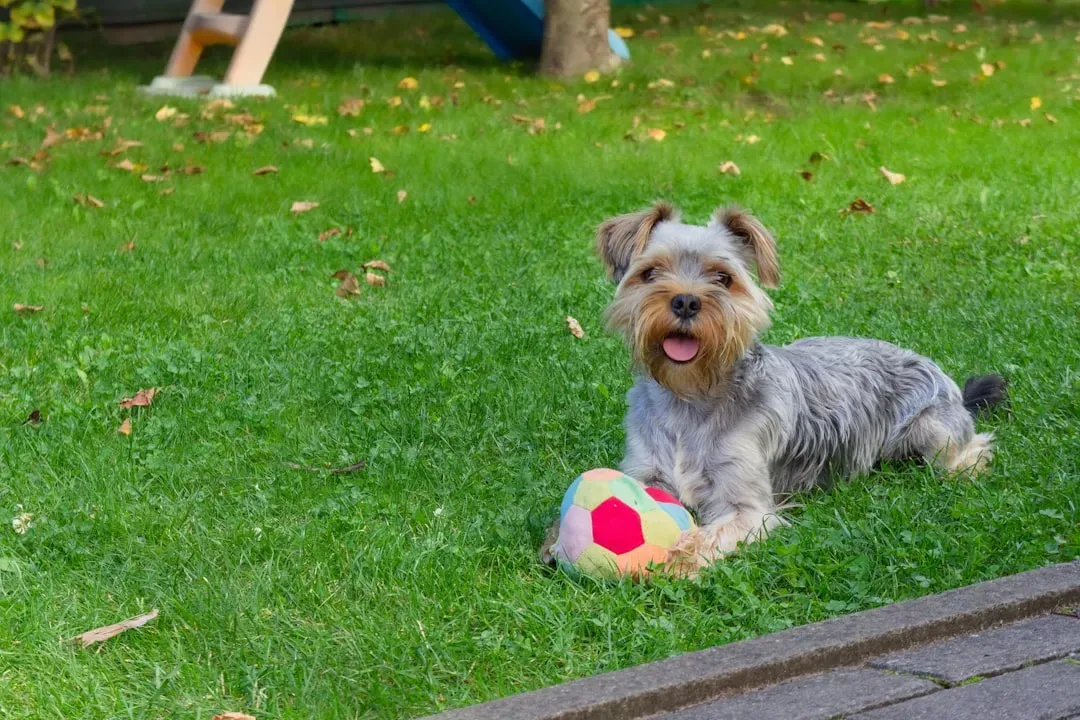
The smallest dog in the terrier group, Yorkshire Terriers are known for their longevity. These playful and affectionate dogs with long, silky hair can live to be 15 years old or older. For a breed that barely tips the scale past a few pounds, that’s a remarkable run.
Affectionate, bold, and curious, Yorkshire Terriers are always ready for an adventure, though they can be stubborn and aren’t shy about raising their voice. These tiny terriers are known to be a fairly healthy breed, but they are prone to some health problems, such as patellar luxation and tracheal collapse.
Despite those concerns, the Yorkie regularly appears at the top of longevity charts. Yorkshire Terriers average 13 to 16 years, and many reach or exceed the higher end of that range with attentive care.
10. Pomeranian
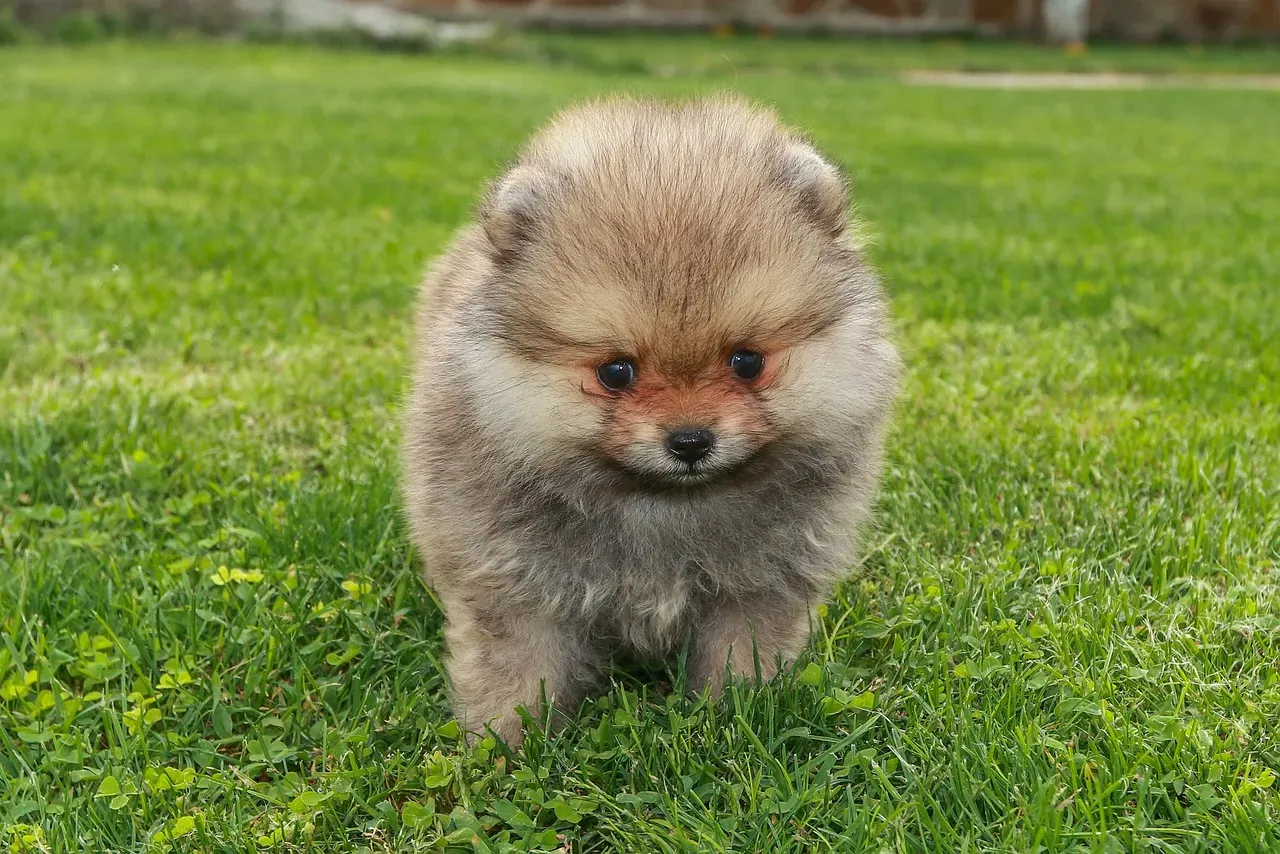
There’s something almost defiant about how long Pomeranians tend to live. All that confidence and fluff, wrapped up in a dog that routinely reaches the mid-teens. Pomeranians are not only the life of the party anywhere you go, but they’ll be partying with you, on average, for 14 to 16 years.
Pomeranians are a good fit for pet parents who want a small dog with a confident, outgoing personality. They enjoy short walks and playtime but don’t require intense exercise. Their modest physical demands appear to work in their favor over time.
11. Beagle
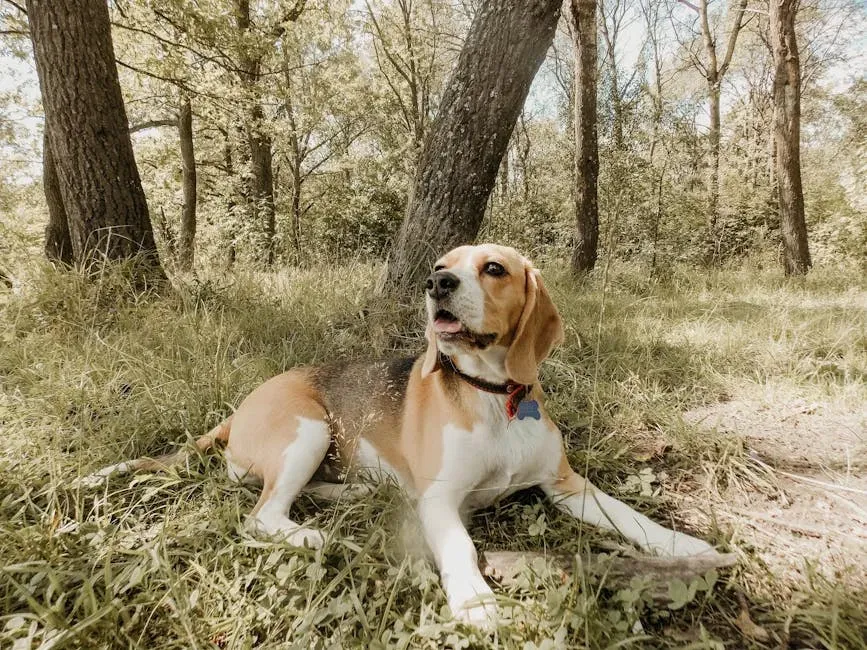
The Beagle sits in a slightly different category than many on this list: it’s a medium-sized scent hound, not a tiny companion breed. Yet it consistently defies the size-to-lifespan expectations. Beagles are amazing scent hounds with a nose for good fun. They are a breed with relatively few severe health issues, which keeps them living long into their golden years. Expect the typical Beagle to live an average of 14 years or more.
Curious and friendly Beagles love to be outside. When you take them out for an adventure, these hounds need to stay on a leash or within a fenced yard because their high prey drive means they might dart off after a neighborhood squirrel. Beagles are prone to a few health conditions, including ear infections. Keeping those floppy ears clean is one of the more straightforward maintenance tasks for this breed.
12. Jack Russell Terrier
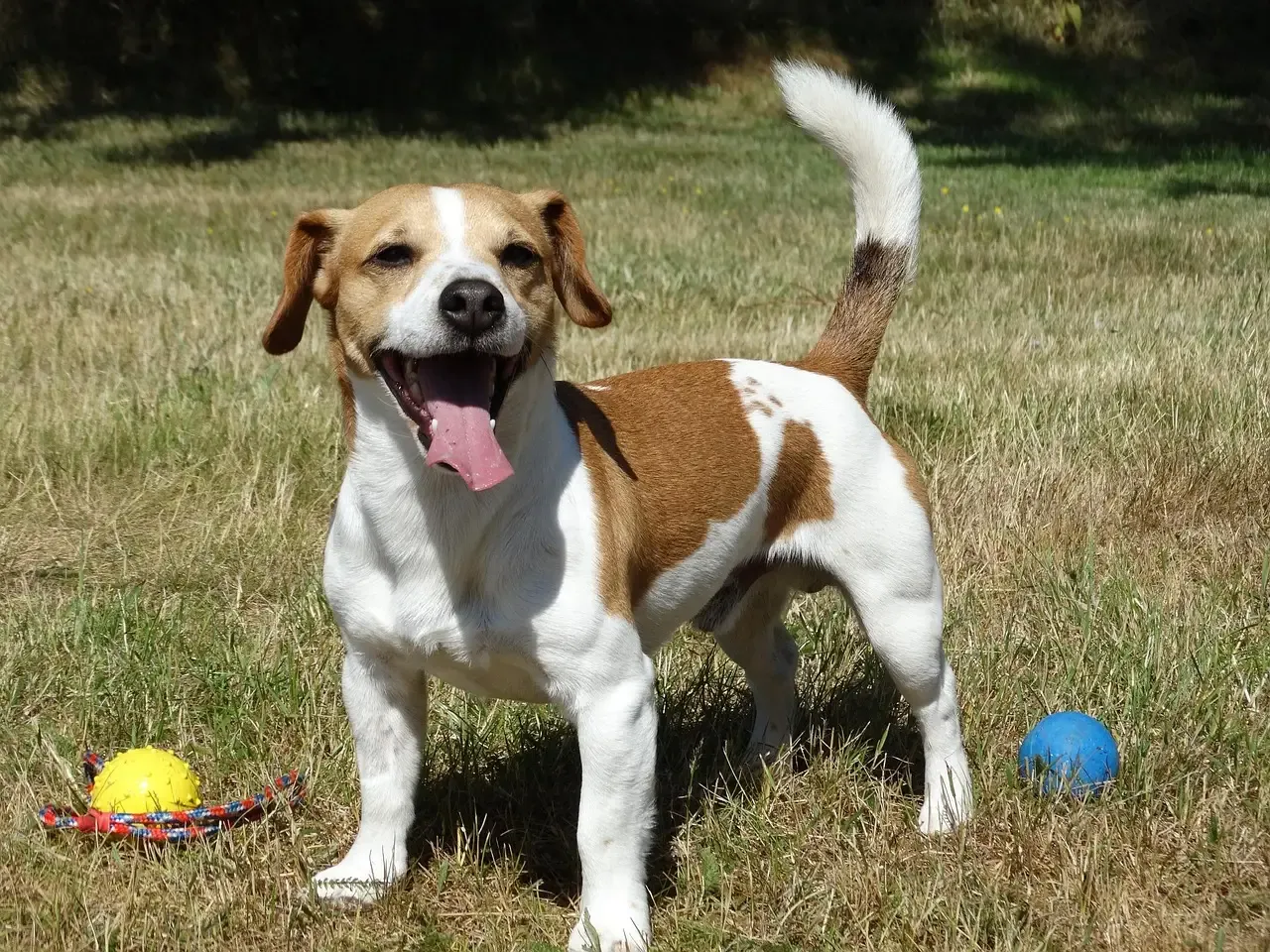
Jack Russells are one of those breeds that seem to run on a different energy source than everyone else. They’re fast, fearless, and as it turns out, remarkably long-lived. A Jack Russell Terrier can live until the age of 15 years old or even beyond.
Chihuahuas, Dachshunds, Toy Poodles, and Jack Russell Terriers often live 14 to 18 years, placing this terrier firmly in elite company. Their high energy levels, lean build, and generally hardy genetics all contribute to their staying power.
They need significant daily exercise and mental stimulation to stay out of trouble. A bored Jack Russell can become a creative and occasionally destructive one. Keep them busy, and they’ll likely stay healthier and happier well into their senior years.
13. Miniature Pinscher
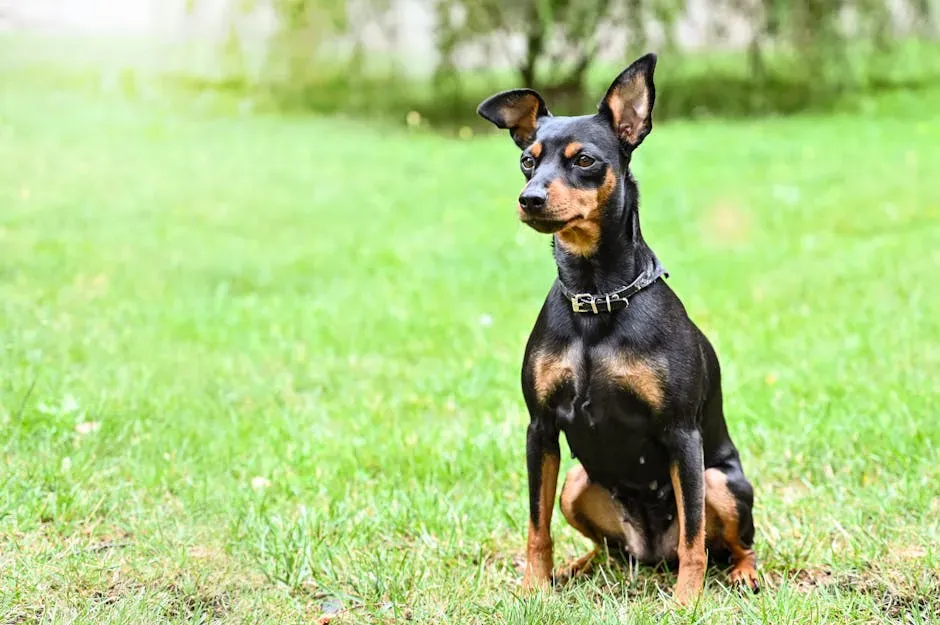
Often nicknamed the “King of Toy Breeds,” this confident little powerhouse walks with purpose and pride. Miniature Pinschers are among the longer-living small breeds. These dogs are typically robust and healthy, bringing years of bold companionship and nonstop curiosity into your home.
Affectionately called “Min Pins” by their pet parents, Miniature Pinschers are petite pups with a big spirit. Though they look like small-scale Doberman Pinschers, Min Pins are most likely created by crossing Dachshunds with Italian Greyhounds.
Though they look like a mini Doberman, the Miniature Pinscher is a separate breed with its own unique quirks. Min Pins love joining their pet parents on walks and playing in the backyard. They tend to bark, but patient training can help curb excessive noise. Their compact, athletic frame keeps them agile and energetic for much of their life.
14. Shih Tzu
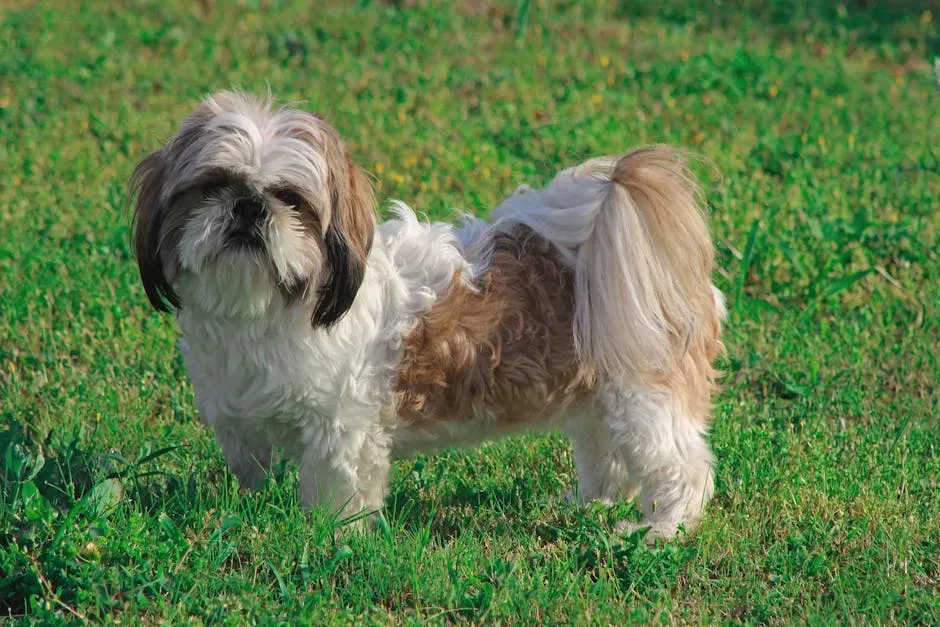
Shih Tzus have some of the longest life expectancies for any dog. On the high end, these dogs can live 18 years. That figure is exceptional for any breed, let alone one with a famously flat face.
Shih Tzus are affectionate, outgoing, and gentle companions. They enjoy playing with their pet parents and have a cheerful attitude, but they also love being lap dogs once playtime is over. Though they can live to reach their 18th birthday, Shih Tzus have a brachycephalic face that can cause some health concerns throughout their life, including breathing issues and overheating.
Keeping them cool in hot weather and monitoring their breathing are important parts of caring for this breed long term. Shih Tzus are generally healthy little dogs but can be prone to some health issues like cataracts and patellar luxation. Managed carefully, these are largely livable conditions that don’t rob them of years.
15. Australian Cattle Dog
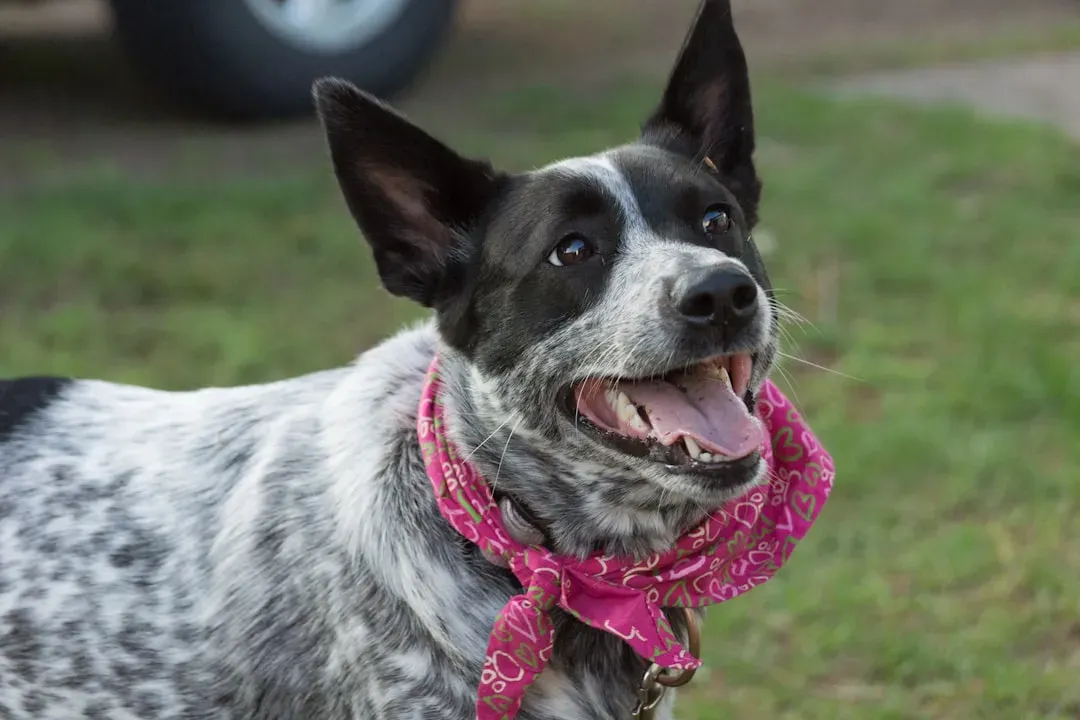
Here’s the surprise entry on this list. Most of the slow-aging breeds are small or toy-sized, but the Australian Cattle Dog is a medium-sized working breed that regularly outlives the expectations for its weight class. Also known as the ACD or Blue Heeler, Australian Cattle Dogs can live long lives, typically between 12 to 16 years old. Although generally healthy dogs, ACDs are susceptible to conditions like hip dysplasia and patellar luxation. Australian Cattle Dogs are a high-energy breed that thrives in homes able to give them the physical and mental stimulation they need.
The oldest dog on record is an Australian Cattle Dog named Bluey, who lived 29 years and 5 months. That extraordinary case aside, the breed consistently outperforms larger dogs in longevity studies, likely due to their lean, muscular build and active lifestyle.
16. Maltese
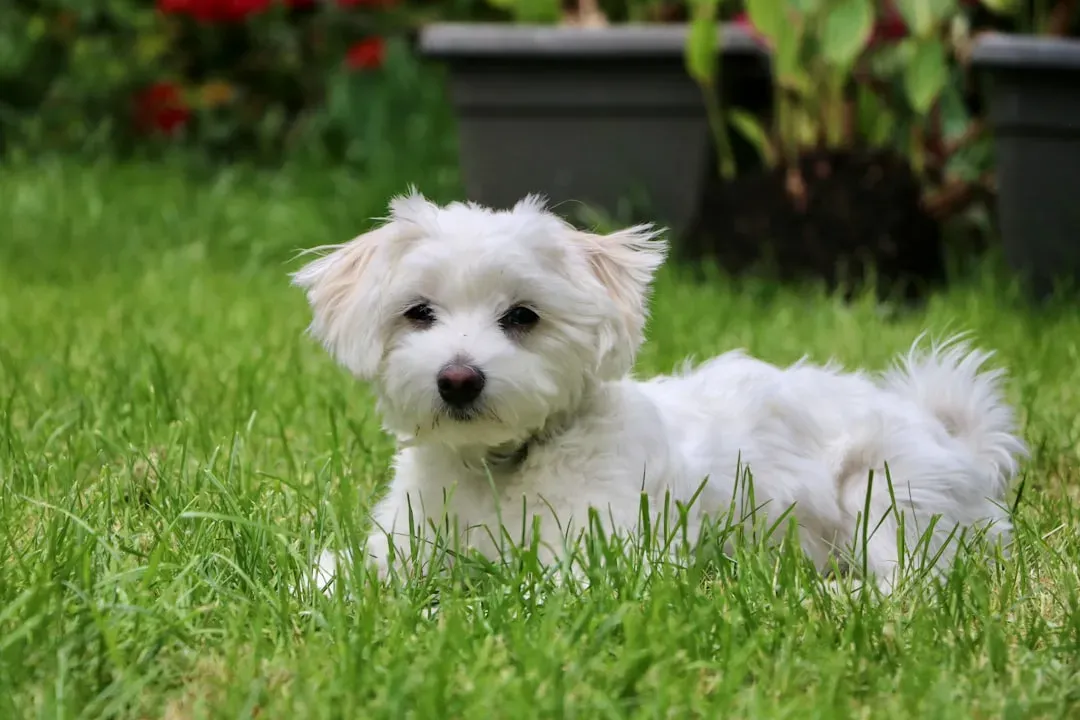
The Maltese is one of the oldest toy breeds in recorded history, and its longevity has been noted for centuries. These silky white dogs carry a gentle demeanor that belies surprising resilience. These compact companions benefit from slower aging processes. With proper dental care and weight management, small dogs like the Maltese often become long-term family members who witness children grow up.
Maltese dogs typically live well into their mid-teens. Their small frames put minimal strain on their joints and cardiovascular system, and they tend to remain playful and bright-eyed long after other breeds have started to slow down significantly.
17. Bichon Frisé
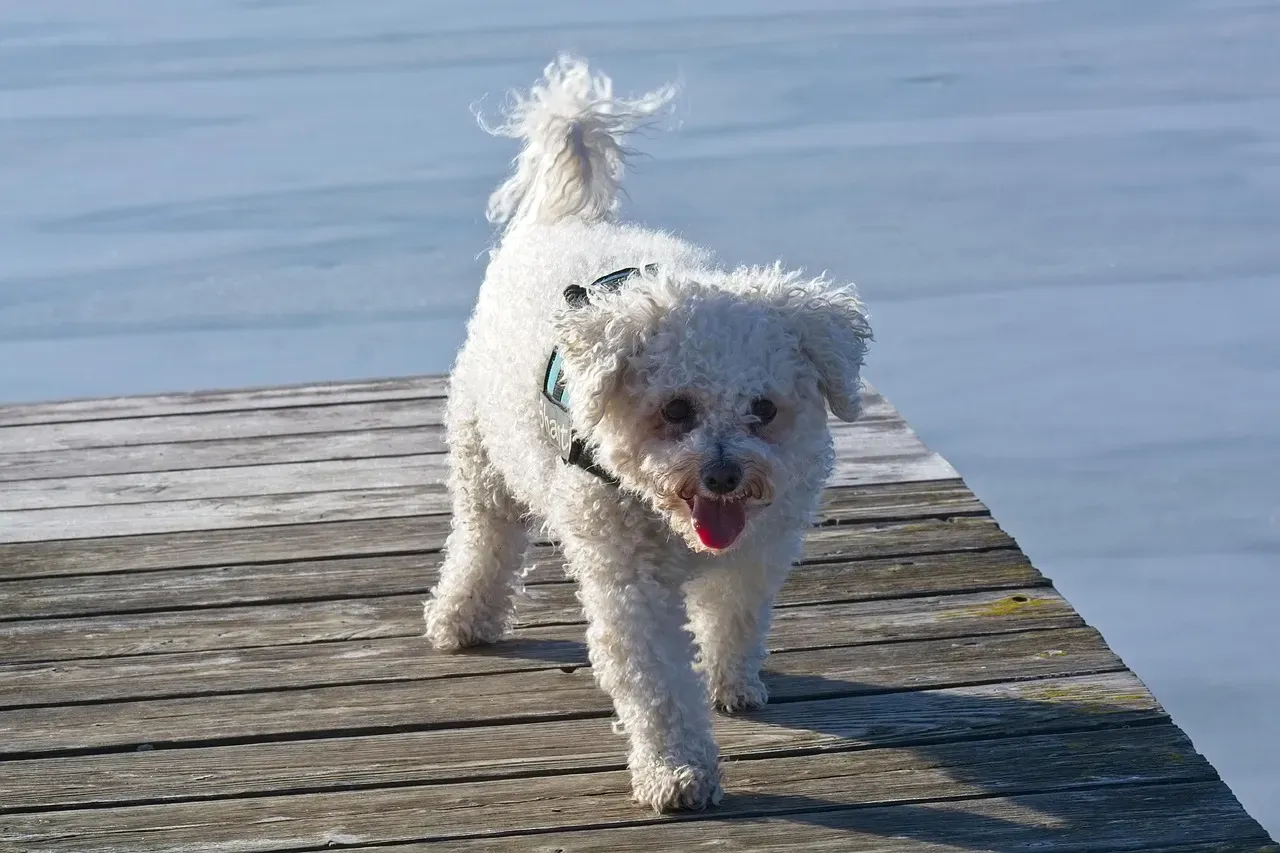
Bichon Frisés are happy little dogs who can fit happily into almost any family. Their curly white fur needs extensive grooming, both at home and from a professional. Along with daily brushing and frequent baths and haircuts, you’ll need to keep this bright, friendly dog lavished with attention.
The payoff is a companion that routinely lives well into its teens. Small dog breeds like the Bichon Frisé are known for their longer lifespans and relatively slower aging process. Their cheerful temperament and adaptability to various living situations may themselves support a longer, lower-stress life.
They tend to be good with other pets and children, and their low-shedding coat makes them a practical option for households that want minimal mess. Regular grooming appointments are really the main commitment this breed asks of you in exchange for its devotion.
18. Coton de Tuléar
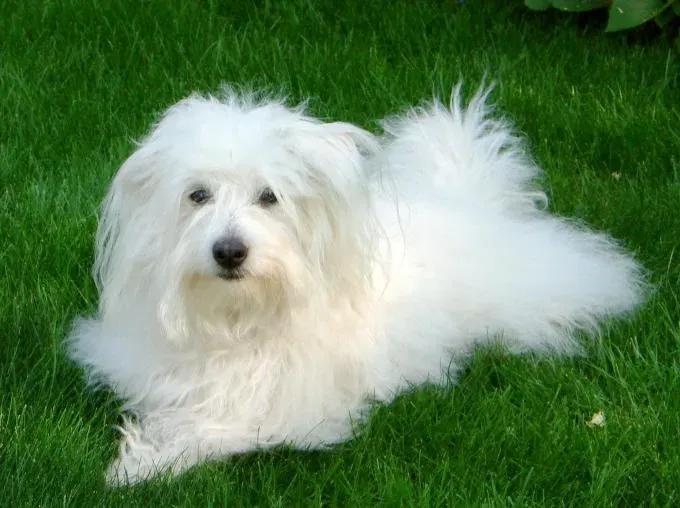
The adaptable Coton de Tuléar fits well into many lifestyles, from busy families to retirees. Though the breed’s exercise needs are modest, their white coat needs to be brushed every day to prevent matting and tangles. If you don’t mind sticking with this grooming routine for nearly two decades, Cotons make great companions.
Named for the port city of Tuléar in Madagascar, the Coton is playful, gentle, and unusually sociable. Their historically small gene pool means choosing from a responsible breeder is particularly important with this breed. Some of the longest-living dog breeds include Cotons de Tuléar, Chihuahuas, Toy Poodles, and Chinese Cresteds.
19. Chinese Crested
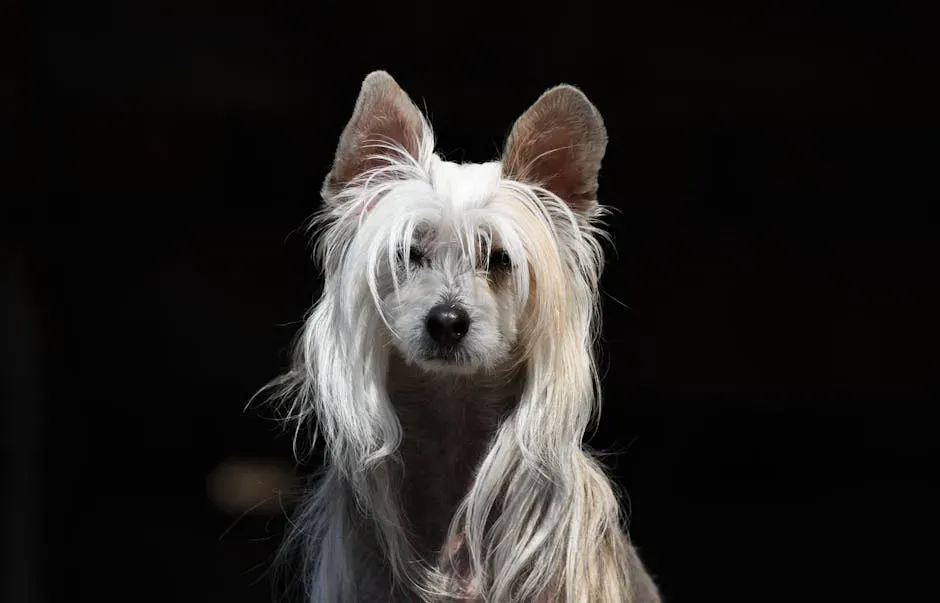
Chinese Cresteds are one of the most unique-looking and longest-living dog breeds around. Their tiny frames are almost completely hairless, though they typically have long, silky locks on top of their head, on their paws, and on their tails. There are also “Powderpuff” Chinese Cresteds, born with hair all over.
Chinese Crested dogs have been known to live into their 20s, but can develop eye problems, dental disease, and Legg-Calvé-Perthes disease, among other ailments. The absence of a dense coat actually reduces the risk of certain skin infections that plague other breeds in warm climates.
Chinese Cresteds are affectionate, people-oriented dogs who form strong bonds with their families. They love cuddling, lap time, and being included in daily life. They’re playful without being overly demanding. Short walks, indoor games, and mental stimulation keep them happy.
Why Small Dogs Age Slower: The Science Behind It
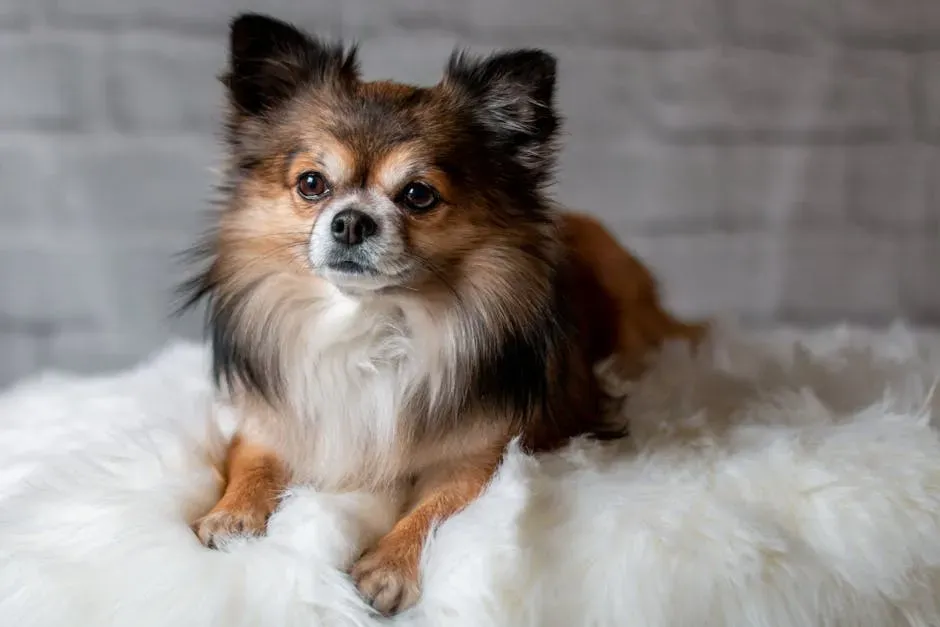
The aging process in dogs is not linear, and smaller dogs tend to mature more slowly after their initial growth spurt. This slower maturation process contributes to their extended lifespan. Additionally, smaller dogs are less prone to certain age-related health issues that larger dogs face, such as joint problems and heart conditions, which can further extend their life expectancy.
Cornelia Kraus, an evolutionary biologist at the University of Göttingen in Germany, was the lead researcher of a major study of 74 breeds and more than 56,000 dogs. Kraus reported that large dogs age at an accelerated pace, and in the study, large breeds died more often from cancer than small breeds.
Researchers suggest that dog age depends on DNA methylation, which is an epigenetic process. This emerging line of research is helping scientists understand not just how long dogs live, but why some bodies seem to resist the passage of time far more stubbornly than others.
What You Can Do to Help Any Breed Age Well
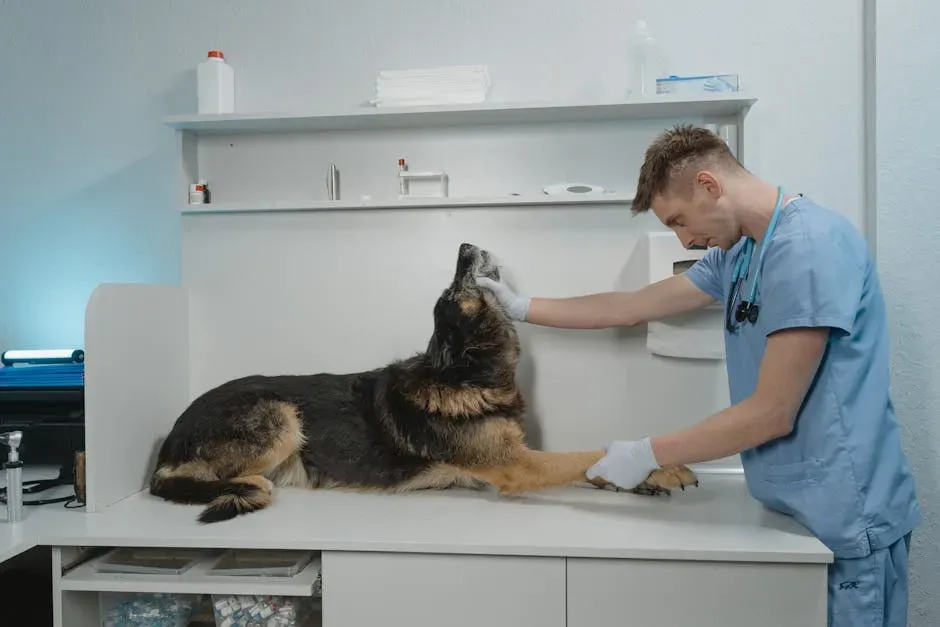
Every dog breed is predisposed to certain health issues, like eye problems, heart defects, or hip and joint diseases. The dogs that live the longest are often from breeds whose most common health problems tend not to impact longevity. For example, eye issues might reduce a dog’s quality of life, but they generally aren’t life-threatening.
Research from Dr. Urfer found that annual dental cleanings conducted by a veterinarian reduced risk of death by almost 20 percent. There could be a direct association between good dental health and good general health, but it might also be that dog owners who take good care of their dog’s teeth would also be more likely to provide the preventive and veterinary care that contribute to longevity.
What your dog eats has a direct impact on their overall health and lifespan. A balanced, high-quality diet supports immune function, organ health, and energy levels throughout life. Dietary needs can change over time, so adjusting your dog’s nutrition based on age, size, and health status is essential.
Conclusion
Breed is one of the most reliable predictors of how long a dog will live, but it’s never the whole story. Breed alone doesn’t guarantee a long life. Even if most dogs reach their breed’s average life expectancy, there will be others who exceed or fall short of it. Individual genetics and quality of care will always play a role.
The breeds on this list offer a meaningful head start. Whether it’s the record-breaking Lancashire Heeler, the famously tenacious Chihuahua, or the surprisingly robust Australian Cattle Dog, each of these animals has proven, across thousands of individual lives, that some dogs simply hold on longer.
Choosing a slow-aging breed is one piece of the puzzle. Giving them good food, consistent veterinary care, daily activity, and genuine companionship is the rest of it. Some of the oldest dogs on record weren’t outliers by accident – they were loved carefully, over a very long time.

- 19 Dog Breeds That Age Slower Than the Rest - July 12, 2026
- 13 Wild Animals You Might Encounter on a Hike in the Pacific Northwest - July 12, 2026
- 13 Cat Breeds That Attach to One Human So Hard a New Home Breaks Them - July 12, 2026