

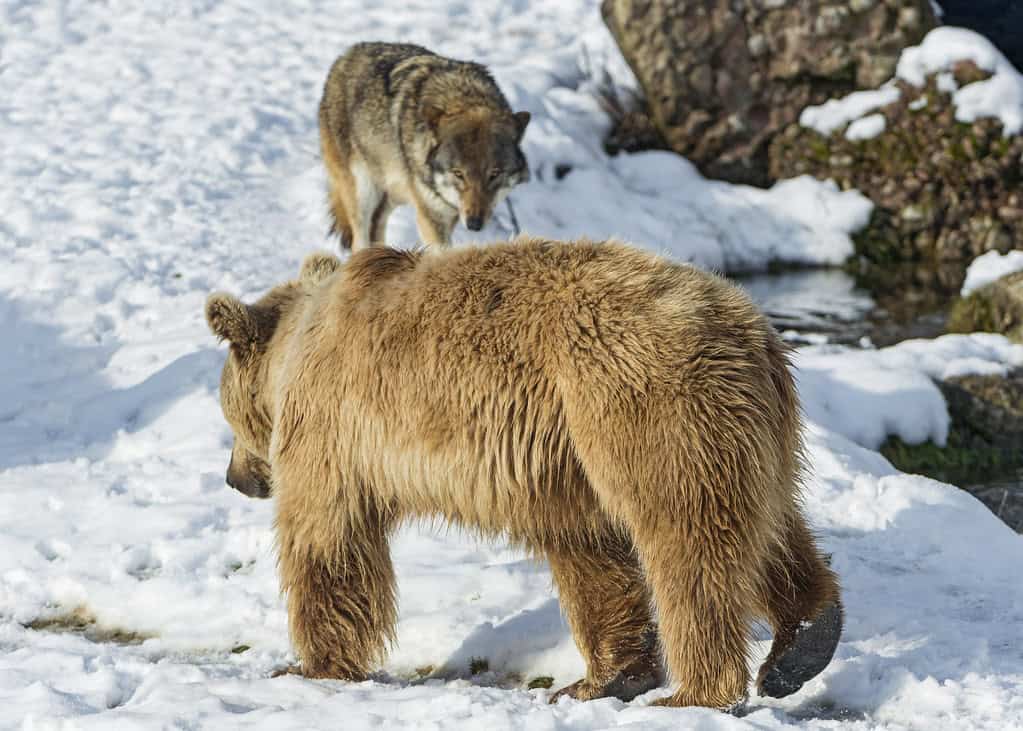
The United States houses an extraordinary array of wildlife experiences that rival international safari destinations. From swimming with manatees in crystal-clear Florida springs to witnessing the ancient ritual of sea turtle nesting, remarkable animal encounters await within America’s borders. What makes these experiences special isn’t just their accessibility but the opportunity to witness magnificent creatures in their natural habitats. Whether you’re an avid wildlife enthusiast or simply seeking unforgettable natural experiences, these 17 wild encounters showcase the incredible biodiversity found across the American landscape—all without needing a passport.
Swimming with Manatees in Crystal River, Florida

Crystal River, Florida offers one of the most gentle and magical wildlife encounters available in North America—swimming alongside West Indian manatees. These peaceful marine mammals, often called “sea cows,” congregate in the warm, spring-fed waters of Crystal River during winter months when Gulf temperatures drop. From November through March, the clear 72-degree springs become a sanctuary for approximately 600 manatees seeking thermal refuge.
Unlike many wildlife experiences that require observation from a distance, Crystal River allows for respectful in-water encounters with these endangered creatures. Licensed tour operators provide guidance on proper interaction protocol, emphasizing passive observation—letting the curious manatees initiate any contact. The crystal-clear waters offer exceptional visibility, allowing swimmers to observe the manatees’ graceful movements, gentle nature, and distinctive whiskered faces up close. This rare opportunity to connect with these gentle giants in their natural environment creates a profound appreciation for these vulnerable marine mammals.
Witnessing the Monarch Butterfly Migration in California
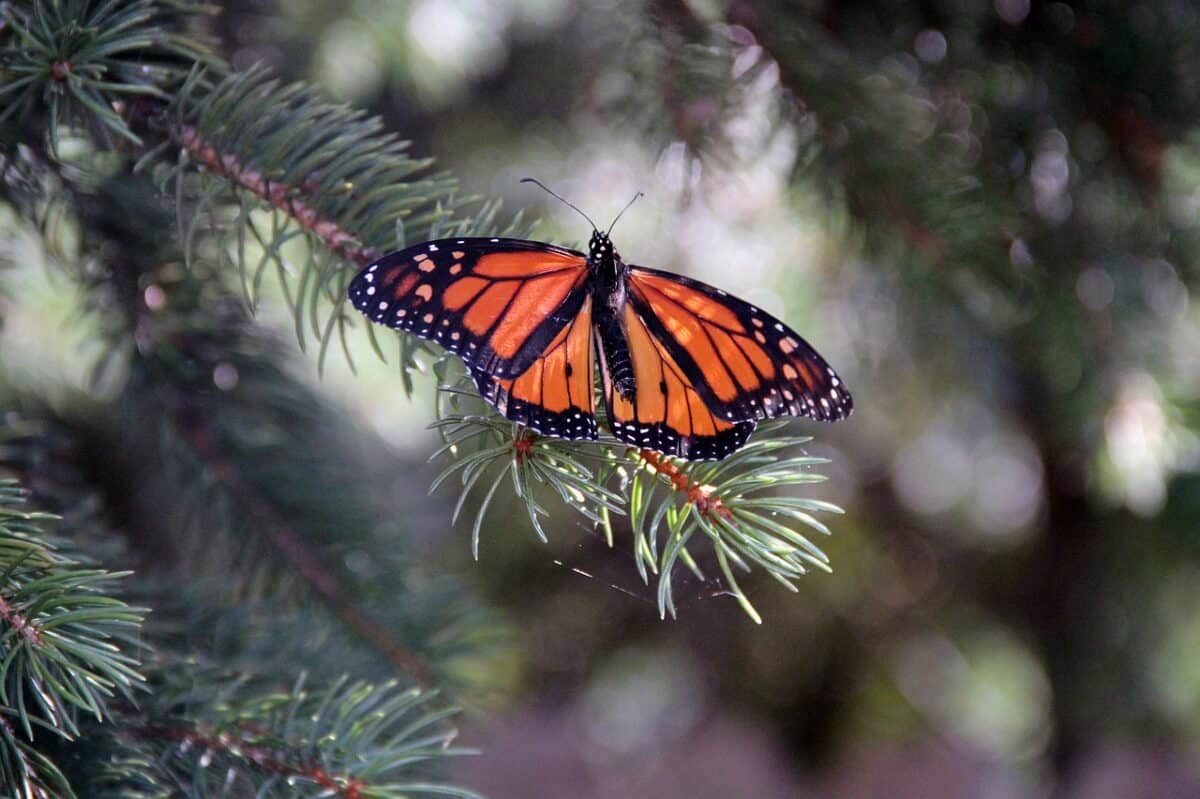
Each winter, one of nature’s most spectacular phenomena unfolds along California’s central coast when thousands of monarch butterflies arrive at their overwintering sites. Places like Pacific Grove, Santa Cruz, and Pismo Beach become temporary homes to these delicate orange and black insects from October through February. The Monarch Grove Sanctuary in Pacific Grove and Natural Bridges State Beach in Santa Cruz are particularly renowned viewing locations.
Unlike any other butterfly species in North America, monarchs undertake a multi-generational migration spanning thousands of miles. The butterflies arriving in California represent the great-grandchildren of those that left the previous spring. When temperatures drop, the monarchs cluster together on eucalyptus, pine, and cypress trees, creating breathtaking orange masses that resemble living, breathing foliage. Morning visits often provide the best viewing opportunity as the butterflies warm themselves in the sunlight before taking flight. This extraordinary biological phenomenon connects visitors to one of nature’s most remarkable life cycles and highlights the importance of preserving these critical overwintering habitats.
Kayaking with Bioluminescent Dinoflagellates in Puerto Rico

Puerto Rico’s three bioluminescent bays offer one of the most magical natural light shows on U.S. soil. Mosquito Bay on Vieques Island, La Parguera in Lajas, and Laguna Grande in Fajardo contain high concentrations of microscopic dinoflagellates—single-celled organisms that emit a blue-green light when disturbed. This natural phenomenon, relatively rare globally, exists in exceptional concentration in Puerto Rico’s protected bays.
Nighttime kayak tours provide the ultimate way to experience this living light show. As paddles dip into the water or fish dart beneath the surface, the water illuminates with ethereal blue light that seems otherworldly. The experience reaches its peak during the new moon phase when darkness enhances visibility of the bioluminescence. While gliding through these glowing waters, visitors experience a rare communion with one of nature’s most enchanting microscopic creatures. The bioluminescent dinoflagellates create a starry universe beneath your boat, with every movement painting ephemeral patterns of light across the dark water—a truly unforgettable encounter with one of nature’s most magical displays.
Observing Alligators in the Everglades, Florida

The Florida Everglades provides sanctuary to America’s largest reptile, the American alligator. This vast subtropical wilderness—the largest of its kind in the United States—harbors an estimated 200,000 alligators across its 1.5 million acres. Visitors can safely observe these prehistoric creatures from airboats, along boardwalks, or during guided tram tours at sites like Shark Valley in Everglades National Park.
Alligator viewing reaches its prime during winter’s dry season (December through April) when lower water levels concentrate wildlife around remaining water sources. During this period, visitors might witness dozens of alligators basking along canal banks or floating in marsh waters with only their eyes and nostrils breaking the surface. Beyond their imposing presence—adult males can reach 13 feet in length—alligators display fascinating behaviors, from territorial bellows that make the water dance around them to the tender care mothers provide their hatchlings. Seeing these ancient reptiles in their natural habitat offers perspective on their ecological importance as keystone species that help maintain the Everglades’ delicate ecosystem through their nesting and feeding activities.
Whale Watching in Alaska’s Inside Passage

Alaska’s Inside Passage represents one of the world’s premier whale-watching destinations, particularly during the summer months when humpback whales return from Hawaiian breeding grounds to feed in the nutrient-rich northern waters. From May through September, these magnificent marine mammals engage in spectacular feeding behaviors including bubble-net feeding—a sophisticated cooperative hunting technique where a group of whales swim in circles while blowing bubbles to concentrate prey before lunging upward with open mouths.
Beyond humpbacks, the Inside Passage hosts orcas (killer whales), minke whales, and occasionally blue whales—the largest animals ever to have existed on Earth. Tours departing from Juneau, Sitka, and Ketchikan provide front-row seats to witness these giants in action. When a 40-ton humpback breaches, completely clearing the water before crashing back with a thunderous splash, or an orca pod moves in synchronized harmony through the still waters, visitors experience a profound connection to these intelligent marine mammals. The backdrop of glacier-carved fjords, forested islands, and snow-capped mountains enhances this quintessential Alaskan wildlife encounter, making it not just about the whales but also about experiencing one of America’s last great wilderness areas.
Wild Horse Viewing on Assateague Island, Maryland/Virginia

The wild horses of Assateague Island National Seashore embody one of America’s most enduring wildlife legends. These small but hardy feral horses have adapted to survive the harsh coastal environment, developing specialized behaviors like drinking from freshwater ponds and consuming saltmarsh cordgrass that domestic horses typically avoid. Split between Maryland and Virginia portions of the island, approximately 300 horses roam freely across beaches, salt marshes, and maritime forests.
While their exact origins remain debated—with some favoring the romantic shipwreck theory and others suggesting they descended from horses belonging to early colonial settlers—their presence creates an unforgettable scene as they gallop along windswept beaches or graze among coastal dunes. The Maryland herd, managed by the National Park Service, roams freely throughout the island, while the Virginia herd (known as Chincoteague ponies) is owned by the Chincoteague Volunteer Fire Company and contained within fenced areas. The famous annual Pony Swim and auction helps manage the Virginia herd’s population. Visitors can observe these iconic symbols of freedom year-round, though summer brings both peak viewing opportunities and larger crowds. While their beauty captivates visitors, rangers emphasize maintaining a minimum distance of 40 feet—these are wild animals that kick, bite, and should never be fed or approached.
Sea Turtle Nesting in Florida

From May through October, Florida’s Atlantic and Gulf coastlines host one of nature’s most ancient rituals—sea turtle nesting. Five of the world’s seven sea turtle species come ashore on Florida beaches to lay eggs, with loggerheads being the most common. This remarkable spectacle begins at night when female turtles, who may have traveled thousands of miles, haul their 300-pound bodies across the sand to dig nests and deposit approximately 100 ping-pong ball-sized eggs before returning to the sea.
Several locations offer supervised turtle walks during nesting season, including the Archie Carr National Wildlife Refuge in Melbourne Beach, John D. MacArthur Beach State Park in North Palm Beach, and various sites along Florida’s “Treasure Coast.” These guided experiences typically begin with educational presentations before moving to the beach where participants might witness a nesting loggerhead—a species that has followed this same reproductive ritual for over 100 million years. Even more accessible are hatchling release events, where visitors can observe as tiny turtles, just hours old, make their perilous journey from nest to ocean under the protective watch of conservation organizations. These encounters connect visitors to an ancient life cycle that predates human existence and highlight ongoing conservation efforts to protect these endangered and threatened species.
Wolf Watching in Yellowstone National Park, Wyoming

The reintroduction of gray wolves to Yellowstone National Park in 1995 represents one of America’s most successful wildlife restoration efforts. Today, approximately 100 wolves in about 10 packs roam the park’s 2.2 million acres, offering visitors rare opportunities to observe these apex predators in their natural habitat. The Lamar Valley, often called “America’s Serengeti,” provides the premier wolf-watching location, particularly during winter months when white wolves become visible against snowy landscapes and leafless trees improve visibility.
Early mornings and evenings offer the best viewing opportunities as wolves are most active during these crepuscular hours. Patient observers might witness fascinating pack behaviors including coordinated hunting strategies, territorial displays, or playful interactions among pack members. Many dedicated wolf watchers bring spotting scopes or powerful binoculars, as wolves typically remain at a distance. The Yellowstone Association offers wolf-focused educational programs including multi-day “Wolf Weeks” guided by naturalists who help track and interpret wolf behavior. Beyond the thrill of seeing these elusive predators, witnessing Yellowstone’s wolves connects visitors to one of conservation’s most compelling narratives—how the return of this keystone species triggered a trophic cascade that transformed the entire ecosystem, demonstrating nature’s remarkable capacity for restoration when ecological balance is restored.
Snorkeling with Sea Lions in La Jolla, California

La Jolla Cove, nestled within San Diego’s city limits, offers one of the most accessible marine mammal encounters in the United States. Here, California sea lions have established a year-round colony, creating opportunities for swimmers and snorkelers to observe these charismatic pinnipeds underwater. The protected cove features calm, clear waters within the San Diego-La Jolla Underwater Park Ecological Reserve, ensuring ideal conditions for wildlife viewing.
Unlike many wildlife experiences requiring guided tours, La Jolla’s sea lion encounter can be self-directed—simply rent snorkeling equipment from nearby shops and enter the water at the cove. The curious and playful nature of sea lions often leads to close encounters as they swim circles around visitors, performing underwater acrobatics that showcase their remarkable agility. The best viewing occurs during morning hours before beaches become crowded. While sea lions remain year-round, visitors should avoid the summer pupping season (June through October) when protective mothers become more territorial. The experience of having these intelligent marine mammals—some weighing over 600 pounds—glide effortlessly past you in their underwater domain creates a powerful connection to California’s marine ecosystem. Beyond sea lions, snorkelers often encounter harbor seals, garibaldi fish, rays, and leopard sharks, making this accessible adventure a window into southern California’s rich marine biodiversity.
Spotting Moose in Isle Royale National Park, Michigan

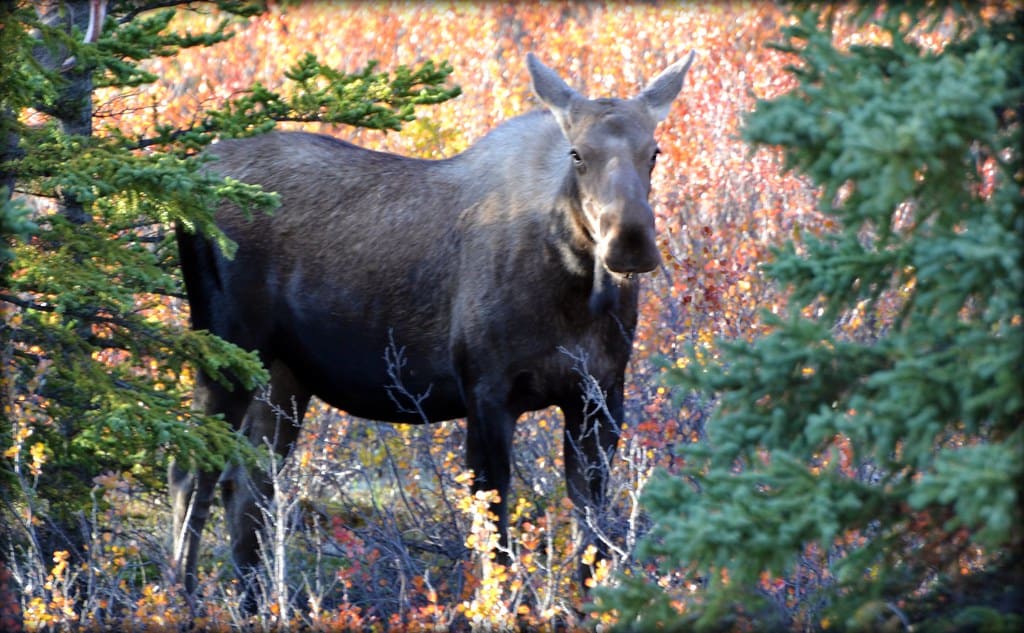
Isle Royale National Park offers one of America’s most immersive wilderness experiences—a remote island archipelago in Lake Superior accessible only by boat or seaplane. This isolation has created a living laboratory where wolves and moose interact in a predator-prey relationship that scientists have studied continuously since 1958, representing the longest-running predator-prey study in the world. The island’s approximately 1,600 moose constitute one of North America’s densest moose populations.
Visitors willing to make the journey to America’s least-visited national park find unparalleled opportunities to observe these massive mammals—adult bulls can weigh over 1,500 pounds and stand 6 feet tall at the shoulder. Hiking trails around inland lakes and wetlands provide prime viewing locations, especially at dawn and dusk when moose emerge to feed on aquatic vegetation. During summer months, visitors might witness moose wading chest-deep in water, their massive antlers dripping with vegetation. The absence of human development on Isle Royale means these encounters occur in pristine wilderness, offering a glimpse of North America as it existed centuries ago. Beyond the thrill of seeing these magnificent animals, visitors gain insight into the complex ecological relationships that maintain natural systems when left undisturbed by human interference—a increasingly rare opportunity in our modern world.
Bear Viewing at Brooks Falls, Alaska

Katmai National Park’s Brooks Falls provides one of the world’s most remarkable wildlife spectacles when brown bears gather to feast on migrating salmon. From late June through July, dozens of massive bears converge at this waterfall to intercept sockeye salmon as they leap upstream to spawning grounds. The park’s elevated viewing platforms allow visitors to safely observe as bears employ various fishing techniques—some waiting patiently at the falls’ edge to catch leaping fish in their jaws, others diving completely underwater in pursuit of their prey.
The concentration of bears at Brooks Falls is extraordinary, with visitors sometimes witnessing 25 or more bears fishing simultaneously during peak salmon runs. These Alaskan brown bears rank among the world’s largest terrestrial predators, with adult males weighing up to 1,200 pounds after fattening up for winter hibernation. The Brooks Camp area provides structured viewing opportunities with limited daily permits, ensuring sustainable tourism while maximizing visitor safety. For those unable to visit in person, the park’s famous “bear cams” offer live streaming views during summer months. Beyond the dramatic fishing behavior, visitors might observe fascinating social interactions—dominant bears claiming prime fishing spots, mothers teaching cubs survival skills, or younger bears developing hunting techniques through trial and error. This unique convergence of predator and prey illustrates nature’s cycles in their most primal and powerful form.
Prairie Dog Towns in Theodore Roosevelt National Park, North Dakota

The rolling grasslands of Theodore Roosevelt National Park harbor extensive black-tailed prairie dog colonies that offer insight into one of North America’s most complex social structures. These highly vocal rodents create elaborate underground towns comprising interconnected burrows, with some colonies spanning hundreds of acres and housing thousands of individuals. The park’s prairie dog towns, visible from scenic drives and hiking trails, provide excellent opportunities to observe these creatures’ sophisticated social behaviors.
Prairie dogs maintain a hierarchical social organization within family groups called coteries, with complex vocalizations that include specific alarm calls identifying different predator types—whether aerial threats like hawks or ground predators like coyotes. Visitors witnessing these colonies in action observe sentries standing vigilant on mound lookouts, adults greeting each other with “kisses” (actually a form of recognition), and juveniles engaged in playful wrestling matches that develop important social skills. Beyond their entertaining antics, prairie dogs serve as ecosystem engineers whose burrowing activities aerate soil, create habitat for other species including burrowing owls and black-footed ferrets, and maintain grassland health by preventing woody plant encroachment. Once covering an estimated 100 million acres across the Great Plains, prairie dog towns have declined by approximately 98% due to habitat loss, making Theodore Roosevelt National Park an important refuge for experiencing this critical component of America’s prairie ecosystem.
Spotting Bighorn Sheep in Badlands National Park, South Dakota
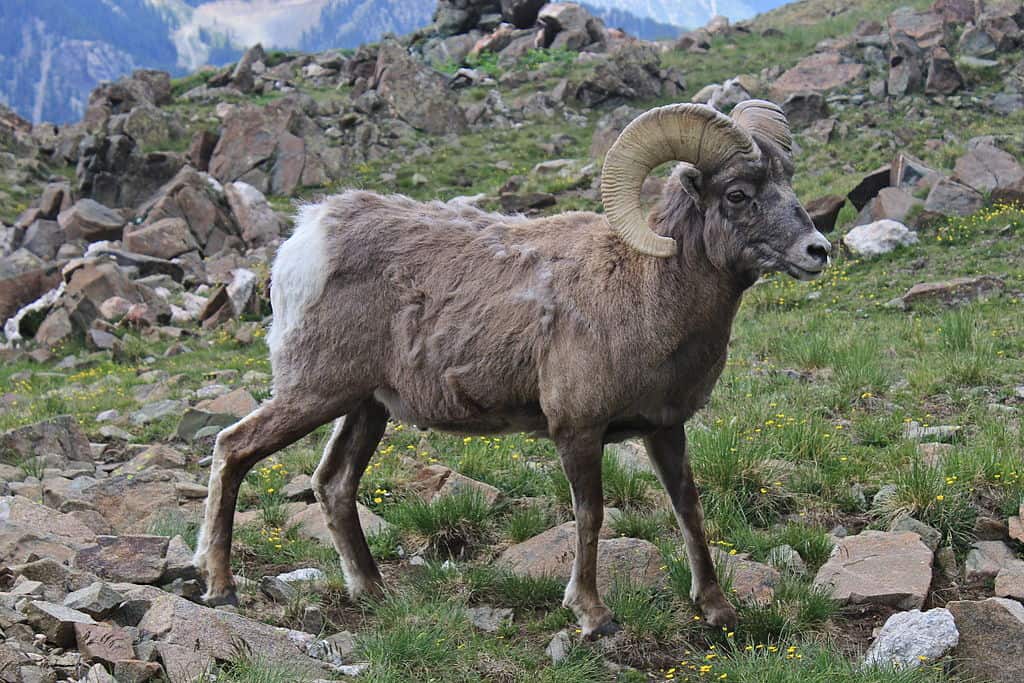
The rugged terrain of Badlands National Park provides ideal habitat for one of North America’s most iconic mammals—the bighorn sheep. These remarkable animals navigate nearly vertical cliff faces with astonishing agility thanks to specialized hooves featuring soft, grippy centers surrounded by hard, sharp edges that catch the smallest rock projections. Reintroduced to the park in the 1960s after local extinction, the Badlands’ bighorn population now numbers approximately 200 individuals.
The park’s Pinnacles Overlook and Cliff Shelf areas offer reliable viewing opportunities, particularly during morning and evening hours. Fall brings the dramatic spectacle of the rut (mating season), when massive rams engage in spectacular.
Conclusion:
The United States proves that unforgettable wildlife encounters don’t require international travel. From the glowing waters of Puerto Rico to the snowy valleys of Yellowstone, the nation’s diverse ecosystems offer world-class animal experiences that rival any global safari. These encounters not only provide rare glimpses into the lives of majestic creatures—from sea turtles and wolves to whales and wild horses—but also inspire deeper appreciation for the natural world and the importance of conservation. Whether you’re kayaking through bioluminescent bays or watching bears catch salmon mid-leap, these moments remind us that awe-inspiring wilderness still exists close to home—often just a road trip or short flight away.

As a little kid, I fell in love with nature, wildlife, and animals. Living in the USA, South Africa, Italy, China and Germany gave me the opportunity to discover the world's Wildlife. My favorite animals are Mountain Gorillas, Siberian Tigers, and Great White Sharks.
I'm a certified PADI Open Water Diver, went to Everest Base Camp and Trekked Gorillas in Uganda. I hold a Master of Science in Economics and Finance.
Please send any feedback to feedback@animalsaroundtheglobe.com
- 15 Creepiest Spider Species Living Right in Your U.S. Backyard - July 22, 2026
- 10 Fish Breeds That Love Company And 3 That Turn Aggressive - July 22, 2026
- 13 Animals That Call the Great Lakes Home - July 22, 2026