


Nature is full of wonders, and nowhere is this more evident than in the animal kingdom’s unique methods of reproduction. From the depths of the ocean to the tropical forests, animals have evolved fascinating and often bizarre ways to ensure the continuation of their species. This diversity in reproduction not only maintains the balance of ecosystems but also provides insight into the adaptability and complexity of life on Earth. Let’s explore 14 animals that reproduce in unusually captivating manners.
14. The Black Lace-Weaver

The black lace-weaver, a small European spider, exhibits a rather grim approach to parenthood. After laying her eggs, the female produces a nutrient-rich silk blanket beneath which the eggs develop. Upon hatching, the spiderlings consume this silk. Fascinatingly, if food becomes scarce, the mother will offer her own body as sustenance, ensuring her young have the best start to life. This act of matriphagy emphasizes the spider’s extreme maternal sacrifice for the success of her offspring.
13. Male Seahorses Carry the Babies
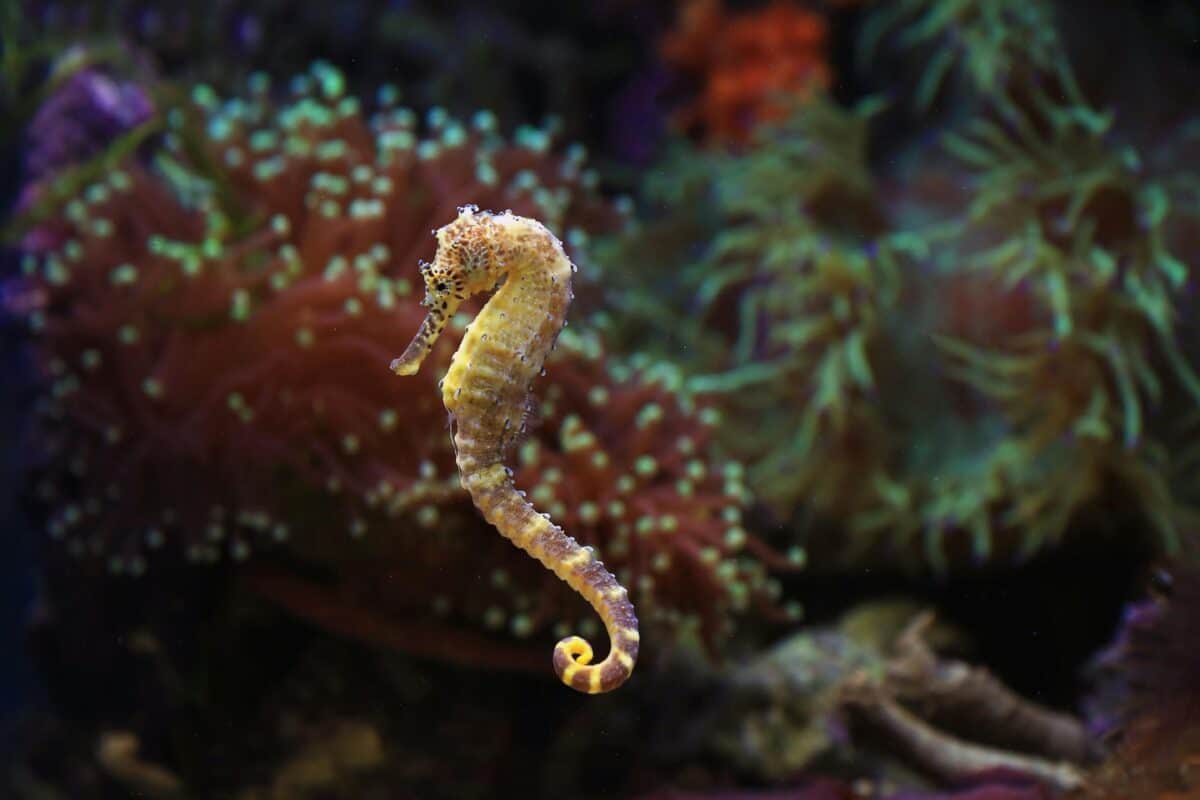
Seahorses defy the typical reproductive roles, as it is the males who bear the young. Female seahorses deposit their eggs into the male’s brood pouch, where he fertilizes and carries them until they hatch. This unique role reversal not only highlights an intriguing form of parental care but also showcases the diverse strategies evolution has implemented in marine environments.
12. The Ingenious Clownfish
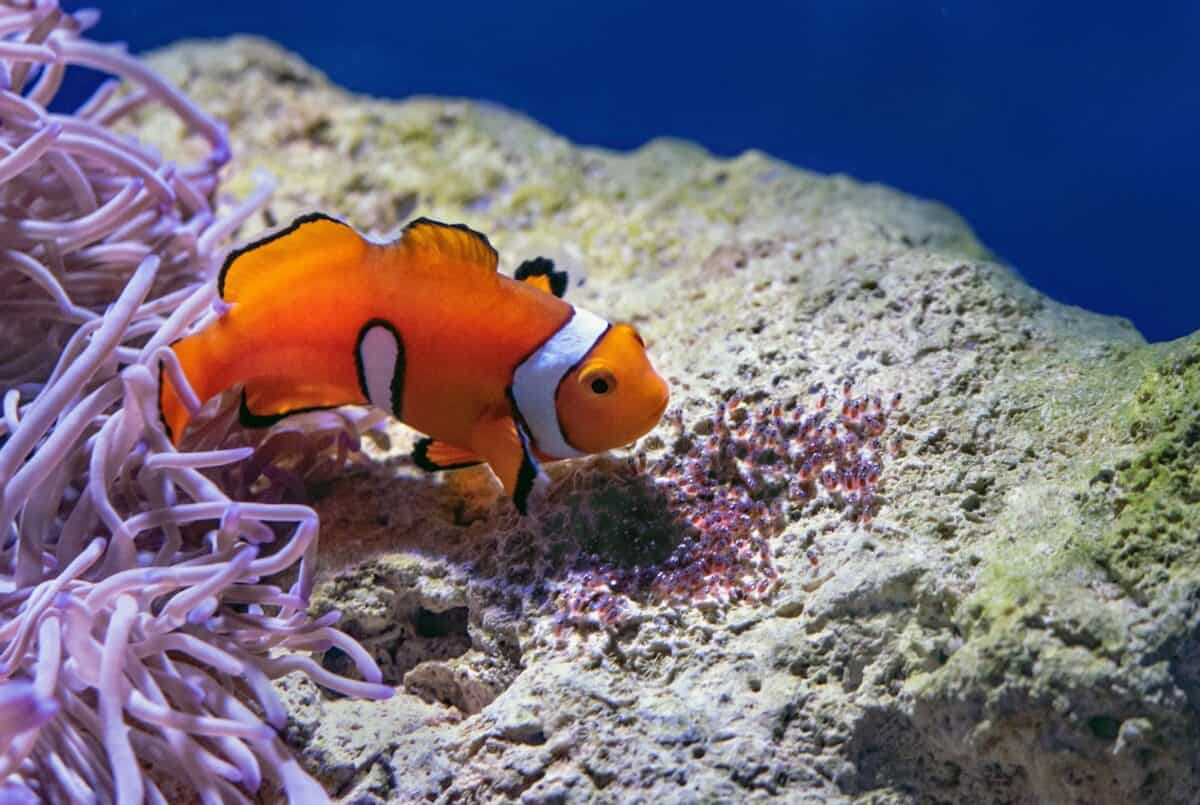
Clownfish exhibit a fascinating reproductive strategy where they are sequential hermaphrodites. Born male, they have the ability to change into females. This change is triggered by the absence of a dominant female in their social group. Such flexibility ensures the continuity of reproduction despite population imbalances and forms the basis of their highly structured social hierarchy.
11. Parasitic Reproduction of the Tongue-Eating Louse
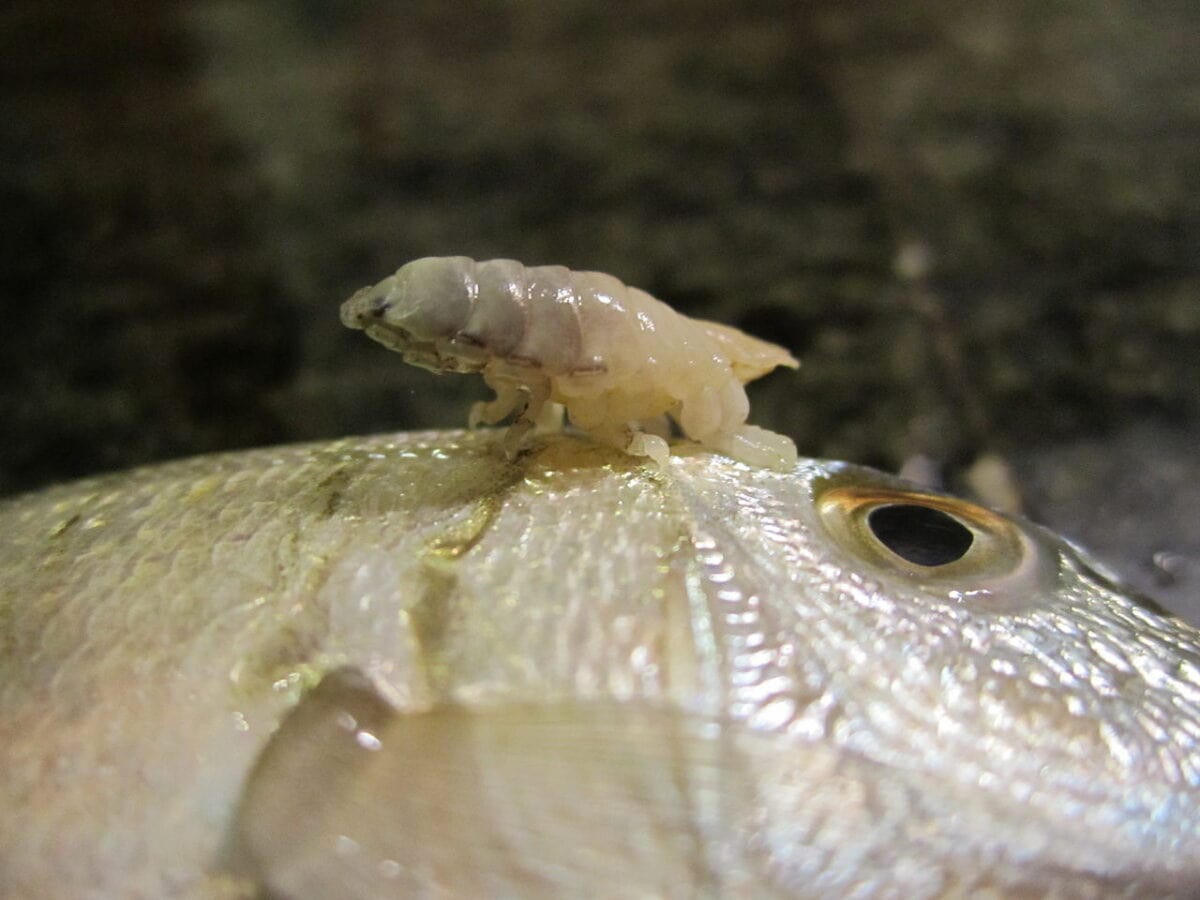
The tongue-eating louse takes parasitic reproduction to a new level. This tiny creature invades fish, attaching itself to the tongue of its host and feeding on its blood. Over time, it essentially replaces the fish’s tongue. Importantly, females can reproduce asexually, ensuring that even if no mates are available, the species can continue to thrive.
10. The Bizarre Case of Bed Bugs

Bed bugs employ a traumatic reproduction technique known as traumatic insemination. Males pierce the female’s abdomen with their hypodermic genitalia to inject sperm directly. While this may seem brutal, it is highly effective in ensuring that eggs are fertilized. This unique method reflects the intense evolutionary pressures these pests endure in their quest to survive.
9. Flatworms Battle of the Sexes
Flatworms engage in a peculiar mating duel called “penis fencing.” Two flatworms duel with their stylets, attempting to inseminate the other by stabbing it. The first to inseminate the other becomes the father, while the receiver bears the offspring. This method underscores the competitive nature of flatworm reproduction and the evolutionary drive to pass on genetic material.
8. Aphids and Their Cloning Ability

Aphids possess a remarkable reproductive strategy, known as parthenogenesis, allowing them to clone themselves. This asexual reproduction occurs in favorable conditions, enabling rapid population growth. When environments become challenging, they can switch to sexual reproduction to increase genetic diversity, showcasing their adaptability.
7. The Sacrifice of the Pacific Salmon

Pacific salmon undertake a treacherous journey from the ocean to freshwater spawning grounds. After laying and fertilizing eggs, both males and females typically die, providing a nutrient-rich environment for their offspring. This sacrificial act ensures the continuation of the species and contributes significantly to the ecosystem’s nutrient cycle.
6. The Brooding Male Midwife Toad
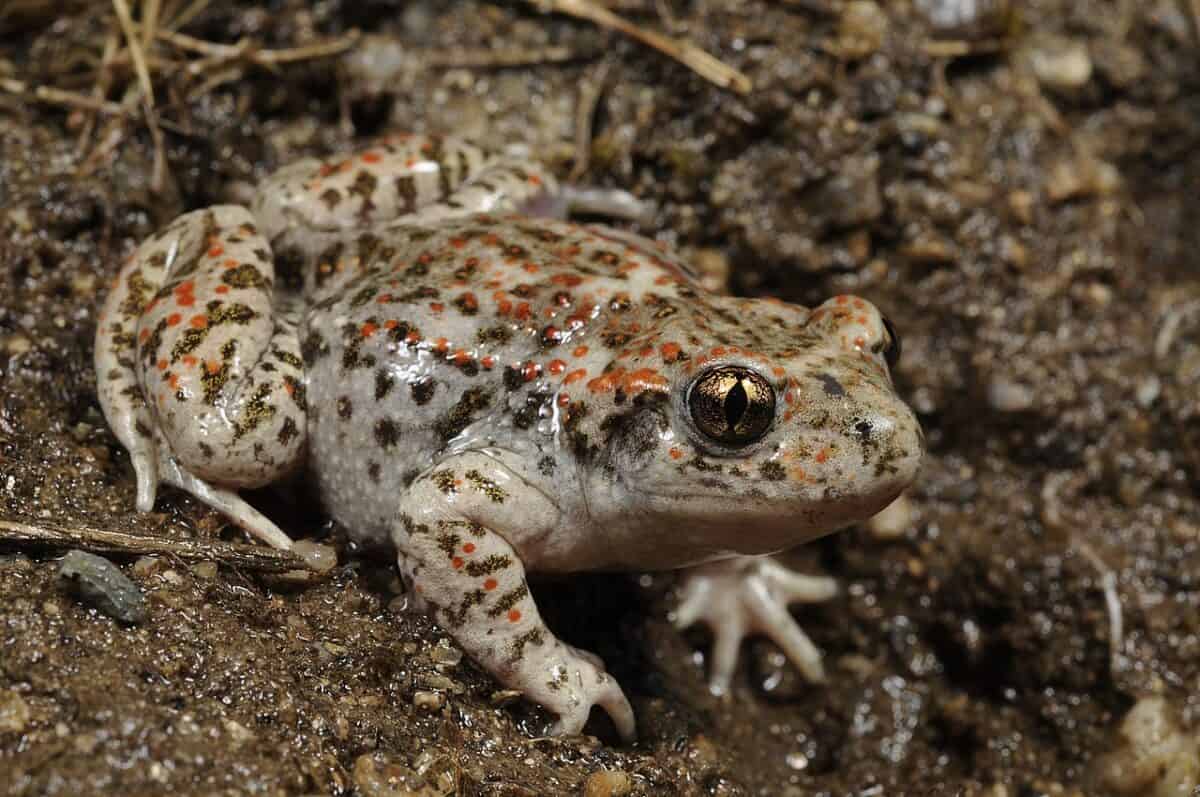
Male midwife toads engage in an extraordinary act of parental care by carrying fertilized eggs wrapped around their hind legs. They keep the eggs moist by periodically soaking in water until hatching. This dedication to offspring reflects a higher parental investment that enhances the young’s survival chances.
5. Bananas of the Sea The Banana Slug
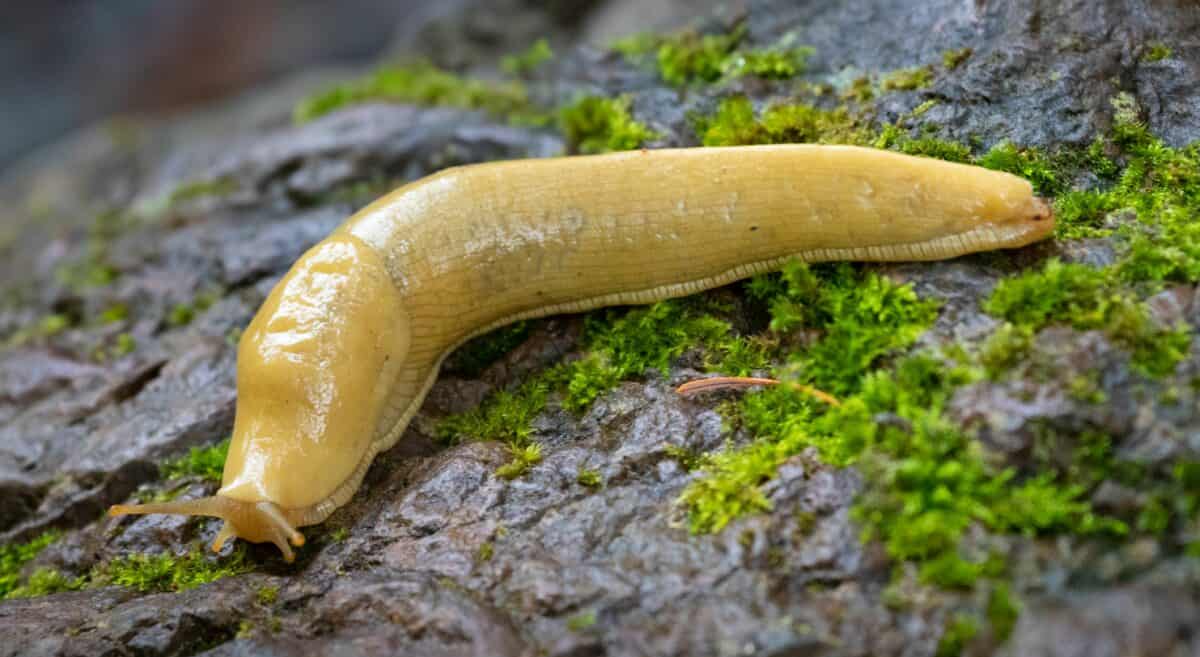
The banana slug, a hermaphroditic species, carries both male and female reproductive organs. Mating often involves both slugs fertilizing each other’s eggs. This dual role increases the chance of successful reproduction and highlights an intriguing solution to partner scarcity in their moist forest habitats.
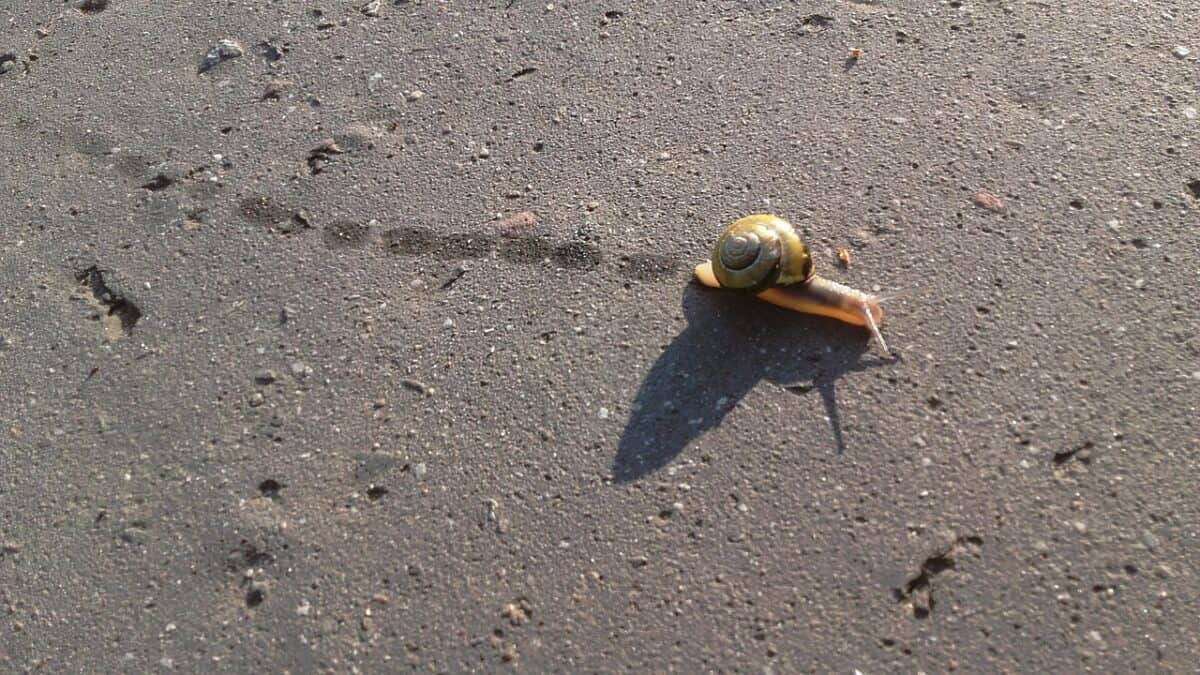
4. Snail Love Darts

Certain hermaphroditic snail species use “love darts” during courtship, stabbing their mate to hormonally increase the chances of successful reproduction. Prior to mating, these darts act as a delivery system for chemicals that affect the recipient’s reproductive system, demonstrating the unexpected complexity in simple organisms.
3. Komodo Dragons Masters of Parthenogenesis

Komodo dragons, the giant lizards of Indonesia, have the rare ability to reproduce through parthenogenesis. This means females can lay viable eggs without mating, allowing them to reproduce in isolation. This process maintains population levels when mates are scarce and highlights the adaptability of these apex predators.
2. The Tempting Orchid Mantis

The orchid mantis uses mimicry to attract both prey and potential mates by resembling a beautiful orchid flower. In a dangerous twist, post-mating, the female may consume the male, especially under conditions of stress or hunger. This cannibalistic behavior is believed to enhance reproductive success by providing the female with critical nutrients for egg development.
1. The Regenerative Abilities of Starfish

Starfish, with their regenerative prowess, can reproduce asexually by fission. A single starfish can regenerate an entirely new individual from a severed limb. This remarkable ability ensures population resilience, particularly in environments where mating partners are sparse.
Conclusion:

The animal kingdom’s reproductive strategies are as varied and intricate as the creatures themselves. These unusual methods serve as a testament to the ingenuity of evolution in the face of environmental challenges. By studying these fascinating reproductive behaviors, we gain deeper insights into the delicate balance of life and the extraordinary strategies that ensure its continuity. Whether it’s through self-sacrifice, role reversal, or astonishing feats of nature’s creativity, these animals demonstrate that when it comes to survival, ingenuity knows no bounds.

As a little kid, I fell in love with nature, wildlife, and animals. Living in the USA, South Africa, Italy, China and Germany gave me the opportunity to discover the world's Wildlife. My favorite animals are Mountain Gorillas, Siberian Tigers, and Great White Sharks.
I'm a certified PADI Open Water Diver, went to Everest Base Camp and Trekked Gorillas in Uganda. I hold a Master of Science in Economics and Finance.
Please send any feedback to feedback@animalsaroundtheglobe.com
- Tackling Canine Misbehaviors: Essential Advice from Behavior Experts - June 12, 2026
- What the Crow as a Spirit Animal Can Teach You About Mystery and Magic - June 12, 2026
- 14 Safety Tips for Viewing Bison in the Wild - June 12, 2026