

If you’ve ever owned a hedgehog or seen videos of these spiny mammals online, you might have witnessed one of their strangest behaviors: self-anointing. During this peculiar ritual, a hedgehog encounters an interesting smell, begins to lick or chew the source, produces frothy saliva, and then proceeds to contort its body to spread this foam across its quills. This behavior, while appearing bizarre to human observers, serves several important biological functions and has fascinated scientists and pet owners alike. Self-anointing remains one of the most distinctive and curious behaviors in the animal kingdom, and understanding it provides fascinating insights into hedgehog biology, evolution, and survival strategies.
What Exactly Is Self-Anointing?
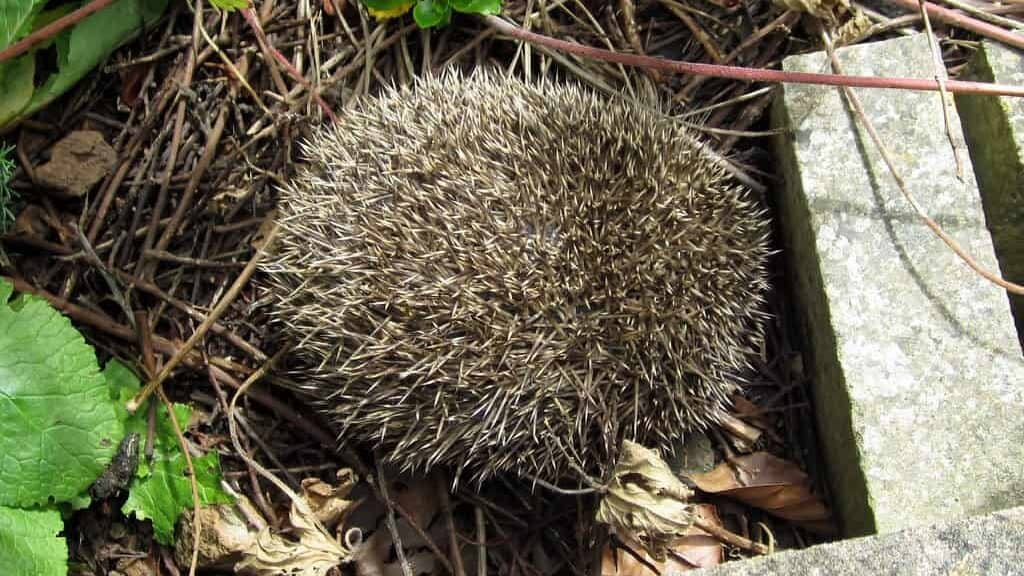
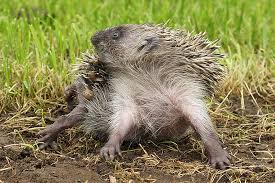
Self-anointing, also called anting, is a distinctive behavior where hedgehogs create a frothy saliva and spread it over their quills. The process typically begins when a hedgehog encounters a new or interesting scent. They first investigate by sniffing, then proceed to lick or chew the object. As they do this, they produce excessive amounts of saliva that forms a frothy foam in their mouth. What happens next is truly remarkable – the hedgehog contorts its body, sometimes appearing to have a seizure to human observers, and uses its tongue to deposit this foam onto its quills.
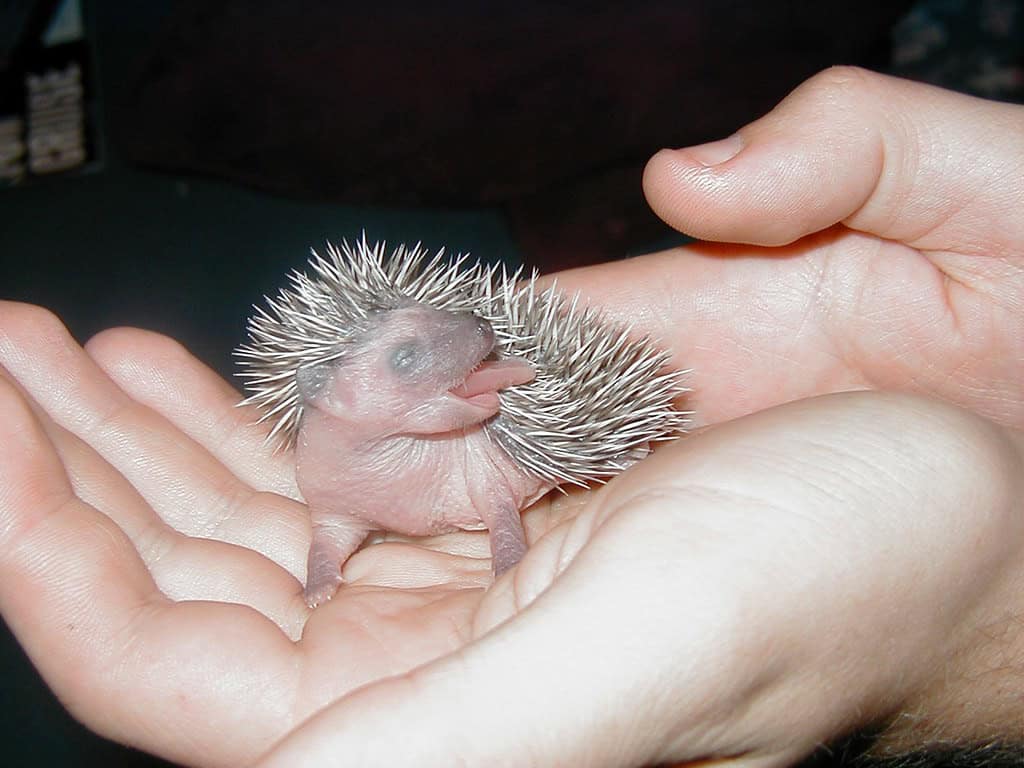
The entire ritual can last anywhere from a few minutes to half an hour, depending on how stimulated the hedgehog becomes. During self-anointing, hedgehogs can reach almost every part of their body except for their face and the center of their back. Young hedgehogs begin self-anointing from a very early age, typically starting around two weeks old when they’re still blind and dependent on their mothers, suggesting this behavior is innate rather than learned.
Triggers for Self-Anointing Behavior

Hedgehogs don’t self-anoint randomly—specific stimuli trigger this behavior. New or unusual scents are the primary catalysts, particularly those with strong or complex odor profiles. Common triggers include certain foods (especially citrus fruits, onions, and spices), tobacco, perfumes, soaps, leather, and even the scent of other animals. Interestingly, what triggers one hedgehog may not affect another, suggesting individual preferences and sensitivities play a role in determining what stimulates self-anointing.
Environmental changes can also prompt this behavior. When introduced to new surroundings, hedgehogs often engage in self-anointing as they encounter unfamiliar scents. Pet owners frequently report their hedgehogs self-anointing after being handled with scented lotions or when new bedding is placed in their enclosure. Researchers believe the hedgehog’s sensitivity to these smells relates to their evolutionary adaptation to process and respond to environmental stimuli that might indicate danger, food, or mating opportunities.
The Chemical Composition of Hedgehog Foam
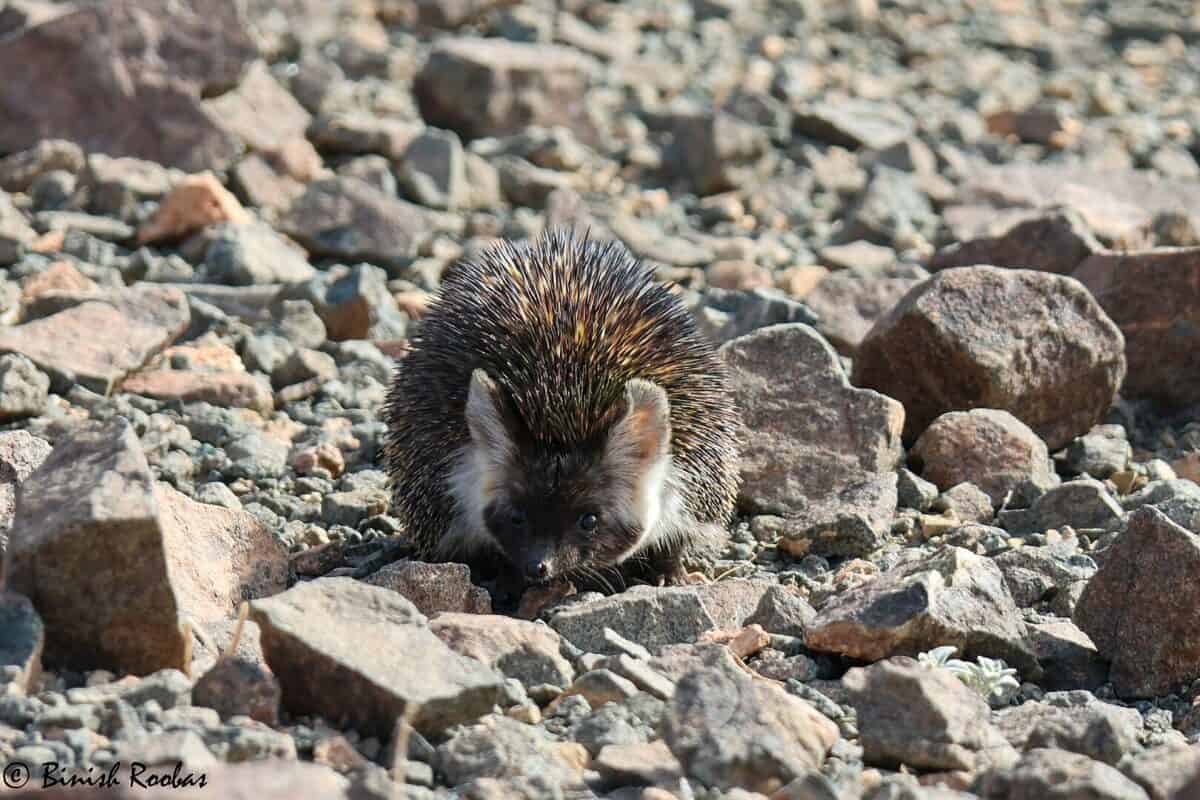
The frothy mixture that hedgehogs spread across their quills isn’t just ordinary saliva. Scientific analysis has revealed that this foam contains a complex blend of chemicals derived both from the hedgehog’s own secretions and from the substances they’re reacting to. The base component is saliva produced by specialized glands that activate during the self-anointing process. These submaxillary and parotid glands secrete proteins and enzymes that interact with the compounds from the triggering substance.
When a hedgehog chews on certain plants or other aromatic materials, compounds from these sources mix with the saliva to create the distinctive foam. Research suggests this mixture may contain antimicrobial compounds that provide protective benefits. The foam’s composition varies depending on what triggered the self-anointing, which explains why the behavior and resulting foam can differ in appearance and consistency. Some scientists hypothesize that the hedgehog’s saliva contains enzymes capable of breaking down certain toxins, which would support the theory that self-anointing serves as a protective mechanism.
Self-Defense Theory

One of the most widely accepted explanations for self-anointing behavior is that it serves as a defense mechanism. By coating their quills with substances that taste unpleasant or are toxic to predators, hedgehogs may be creating an additional deterrent beyond their physical spines. This theory is supported by observations that hedgehogs often self-anoint when encountering substances with known defensive properties, such as certain toads, toxic plants, or strong-smelling materials that might repel predators.
When a predator attempts to bite a hedgehog, it must contend not only with sharp quills but potentially also with distasteful or harmful substances. Some researchers suggest that the contorting movements hedgehogs make during self-anointing help ensure maximum coverage of their quills, particularly focusing on areas most likely to come into contact with a predator’s mouth. This behavior may have evolved as a way to enhance the hedgehog’s already formidable physical defenses, creating a multi-layered protection system that combines mechanical (quills) and chemical deterrents.
Parasite Control Function

Another compelling theory behind self-anointing suggests it plays a role in parasite control. Hedgehogs, like many wild animals, are susceptible to various parasites, including ticks, fleas, and mites that can cause discomfort and spread disease. The saliva foam they produce during self-anointing may contain compounds with insecticidal or repellent properties that help ward off these unwanted hitchhikers. This explanation aligns with observations that hedgehogs sometimes self-anoint after encountering the scent of other animals, potentially as a way to protect themselves from any parasites those animals might carry.
Furthermore, certain plants and substances that trigger self-anointing behavior are known to have natural insecticidal properties. For example, citrus oils, which commonly elicit this behavior in hedgehogs, contain limonene, a compound used in many natural insect repellents. By incorporating these compounds into their foam and spreading it across their bodies, hedgehogs may be creating a natural parasite repellent. Studies have shown reduced parasite loads in hedgehogs that regularly self-anoint compared to those that engage in the behavior less frequently, lending credence to this theory.
Scent Camouflage Purpose

Self-anointing may also serve as a form of olfactory camouflage, helping hedgehogs blend into their environment by masking their natural scent. Predators often rely on their sense of smell to locate prey, so by coating themselves with environmental odors, hedgehogs might be reducing their detectability. This theory is supported by observations that wild hedgehogs often self-anoint with materials from their surroundings, potentially adopting the chemical signature of their habitat to avoid detection.
Additionally, this behavior might help hedgehogs remain undetected when entering new territories or areas inhabited by other animals. By taking on the scent profile of the local environment, they may reduce aggressive encounters with territorial residents. Some researchers have noted that hedgehogs seem particularly likely to self-anoint with scents from other animals, suggesting they might be attempting to disguise themselves as non-threatening or familiar to potential competitors or predators. This “chemical mimicry” represents a sophisticated survival strategy that complements their physical defenses.
Social Communication Hypothesis
While hedgehogs are generally solitary creatures, some scientists propose that self-anointing may serve a social communication function. By covering themselves with distinctive scents, hedgehogs might be sending signals to others of their species about territory, reproductive status, or individual identity. This hypothesis is more difficult to test than others, but observations of increased self-anointing behavior during breeding seasons provide some supporting evidence.
The foam created during self-anointing could potentially serve as a form of scent-marking, allowing hedgehogs to leave chemical messages for others. Female hedgehogs may use certain scents to indicate receptivity to mating, while males might use self-anointing to advertise their presence to potential mates. Some researchers have noted that hedgehogs appear more likely to self-anoint with novel scents when other hedgehogs are nearby, suggesting an element of display or communication in the behavior. Though less substantiated than other explanations, this social dimension adds another fascinating layer to our understanding of this complex behavior.
Self-Anointing in Different Hedgehog Species

Self-anointing behavior has been observed across virtually all 17 recognized species of hedgehogs, from the European hedgehog (Erinaceus europaeus) to the African pygmy hedgehog (Atelerix albiventris) commonly kept as pets, suggesting it’s a deeply ingrained evolutionary adaptation. However, the frequency and intensity of self-anointing can vary significantly between species. Desert-dwelling species like the Ethiopian hedgehog (Paraechinus aethiopicus) tend to self-anoint less frequently than their forest-dwelling counterparts, possibly due to differences in parasite pressure or predator profiles in their respective habitats.
Interestingly, differences also exist in the specific triggers that stimulate self-anointing across species. European hedgehogs show strong reactions to toad secretions and certain fungal scents, while African pygmy hedgehogs appear more responsive to citrus and manufactured scents like perfumes and soaps. These variations likely reflect adaptations to different environmental challenges and available resources. The universality of this behavior across the hedgehog family, despite these variations, underscores its evolutionary importance and suggests it provides significant survival advantages regardless of habitat or lifestyle.
Self-Anointing in Pet Hedgehogs

Pet hedgehogs engage in self-anointing just as enthusiastically as their wild counterparts, often to the surprise and concern of their owners. First-time hedgehog owners frequently mistake this behavior for a seizure or medical emergency due to the intense contortions and unusual postures their pet assumes during the process. However, this is entirely normal behavior and should not be a cause for alarm. Pet hedgehogs typically self-anoint in response to new foods, changes in their environment, or after being handled by someone wearing scented products.
While self-anointing is natural and generally harmless, pet owners should be mindful of what substances trigger this behavior in their hedgehogs. Some materials that prompt self-anointing might be toxic if ingested or absorbed through the skin. Owners should avoid exposing their hedgehogs to potentially harmful substances like essential oils, tobacco, or certain cleaning products that might prompt self-anointing. After a self-anointing session, hedgehogs may appear slightly disheveled or have foam residue on their quills, but they typically groom themselves clean over time, and no intervention is necessary unless the substance is known to be harmful.
Scientific Research on Self-Anointing

Scientific investigation into hedgehog self-anointing has intensified in recent decades, though it remains a challenging behavior to study systematically. Laboratory studies have attempted to categorize the types of substances that most reliably trigger the behavior, with researchers presenting hedgehogs with controlled exposures to various scents and materials. These studies have revealed patterns in what stimulates self-anointing, with substances containing certain aldehydes, ketones, and esters being particularly effective triggers. Chemical analysis of the resulting foam has identified complex mixtures of compounds, some derived from the hedgehog’s saliva and others from the triggering substance.
Field research has focused on observing the frequency and context of self-anointing in wild hedgehog populations, seeking correlations with environmental factors, seasonal changes, and health indicators. Some studies have tracked changes in parasite loads before and after self-anointing episodes, finding preliminary evidence for the parasite-control hypothesis. Modern research techniques, including video analysis of the precise movements involved and genetic studies examining the evolution of associated behaviors across species, continue to shed new light on this fascinating adaptation. Despite these advances, much remains unknown about the complex interplay of factors that drive and shape self-anointing behavior.
Evolutionary Origins of Self-Anointing
Self-anointing behavior likely evolved millions of years ago in ancestral insectivores, with hedgehogs refining and specializing the behavior over evolutionary time. Similar behaviors can be observed in other mammals, particularly within the order Eulipotyphla, which includes hedgehogs, shrews, and moles. These related species sometimes engage in comparable forms of scent application, suggesting the behavior may have originated in a common ancestor. The sophisticated nature of self-anointing in modern hedgehogs indicates it has been shaped by strong selective pressures, conferring significant survival advantages.
The development of specialized salivary glands capable of producing the distinctive foam represents a remarkable evolutionary adaptation. These glands produce enzymes that can break down and incorporate compounds from the environment, allowing hedgehogs to effectively “weaponize” or utilize substances they encounter. The evolution of the contorting body movements necessary to apply the foam efficiently to their quills shows how behavior and physiology have co-evolved to create this unique defense system. Some evolutionary biologists suggest that self-anointing may have initially evolved for one purpose (perhaps parasite control) before being adapted for additional functions (such as predator defense), illustrating how natural selection can repurpose and elaborate on successful adaptations.
Conclusion: The Adaptive Brilliance of Hedgehog Self-Anointing

Self-anointing stands as one of nature’s most fascinating behavioral adaptations, demonstrating how hedgehogs have evolved sophisticated survival strategies beyond their obvious physical defenses. This behavior likely serves multiple purposes simultaneously, from enhancing protection against predators to controlling parasites, camouflaging scent, and possibly facilitating social communication. The universality of self-anointing across hedgehog species, despite variations in specific triggers and techniques, underscores its fundamental importance to hedgehog biology and survival. As we continue to study this remarkable behavior, we gain not only greater insight into hedgehog ecology but also broader understanding of how complex behaviors evolve in response to environmental challenges.
For hedgehog owners, recognizing and appreciating self-anointing as a normal, healthy behavior can enhance the bond with their spiny companions and provide fascinating glimpses into their natural instincts. Far from being a quirky oddity, self-anointing represents an elegant solution to multiple survival challenges, integrating sensory perception, chemical processing, and physical adaptations into a unified defense system. In the end, the sight of a hedgehog contorting to spread foamy saliva across its quills—bizarre as it may seem to human observers—is a window into the remarkable adaptive brilliance that characterizes these resilient, resourceful creatures and their evolutionary journey.

- What Happens If You Lock Eyes With a Wild Leopard? - July 19, 2026
- 10 Fastest Racing Dog Breeds You Must Know - July 19, 2026
- The Story of the Arctic Fox’s Incredible Seasonal Transformation - July 18, 2026