

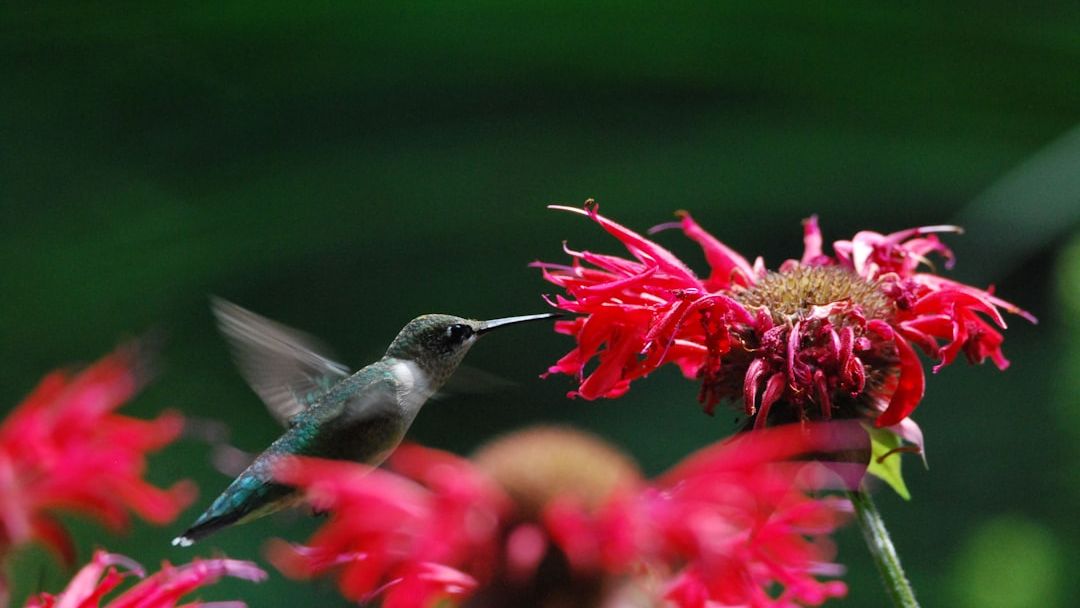
You’ve had the feeder hanging for three summers. You’ve mixed the sugar water, cleaned the ports, chased off ants, and still – most days – nothing. Meanwhile, your neighbor hasn’t touched a feeder in years, and her backyard looks like a hummingbird convention every single afternoon. The difference isn’t luck. It’s plants. Specific ones.
Experienced gardeners who’ve spent decades watching hummingbirds have quietly figured out what the feeder industry doesn’t advertise: the right flowers produce fresher, more complex nectar, signal safety and habitat, and keep birds coming back on their own terms. Here’s something that puts the whole thing in perspective – hummingbirds visit somewhere between 1,000 and 2,000 flowers per day in the wild. They’re not waiting around for a plastic port. Some of these plants will pull more daily visits in a single season than most feeders see in three years. The ones toward the top of this list genuinely surprised us.
#1 – Coral Honeysuckle Builds Loyalty No Feeder Can Match
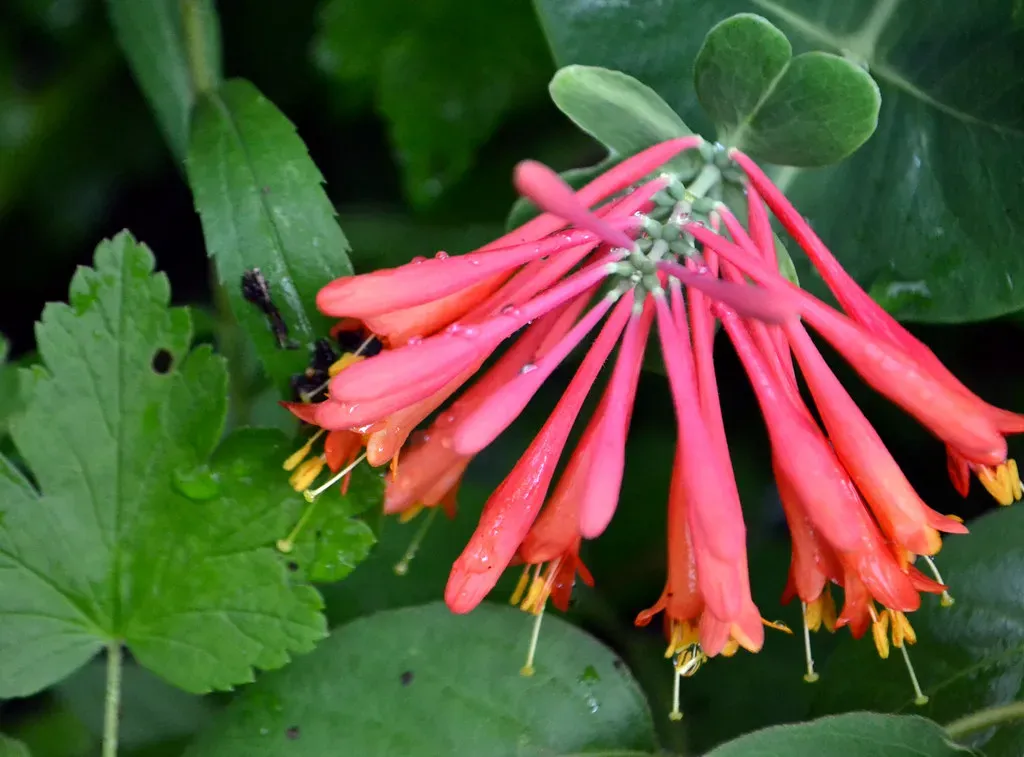
If there’s one plant that comes up again and again in conversations with serious hummingbird gardeners, it’s native coral honeysuckle. The tubular red-and-yellow flowers are essentially designed by evolution for a hummingbird’s beak – long, narrow, and dripping with accessible nectar. Once a vine establishes and starts climbing a fence or trellis, the daily visits become almost clockwork. Gardeners who’ve grown it for years describe watching the same birds return to the same vine at the same hour, day after day.
What separates it from feeders isn’t just convenience – it’s trust. Hummingbirds learn that this plant is always producing, always clean, always reliable. It handles sun to part shade, climbs 10–20 feet without much help, and blooms over an impressively long season – sometimes from March all the way into November in warmer regions. Native to much of the eastern and central U.S., it also supports the insects hummingbirds depend on for protein. Plant it once near a sunny wall and it rewards you for years with almost zero maintenance.
Fast Facts: Coral Honeysuckle
- Native range: Eastern and central U.S., hardy in USDA zones 4–9
- Vine length: 10–20 feet; well-behaved and not aggressively invasive
- Bloom season: Late spring through fall; re-blooms after light pruning
- Also attracts: Bees, butterflies, and spring azure butterfly larvae
- Bonus: Produces bright red berries that songbirds eat in late summer
#2 – Trumpet Vine Turns Any Fence Into a Hummingbird Highway
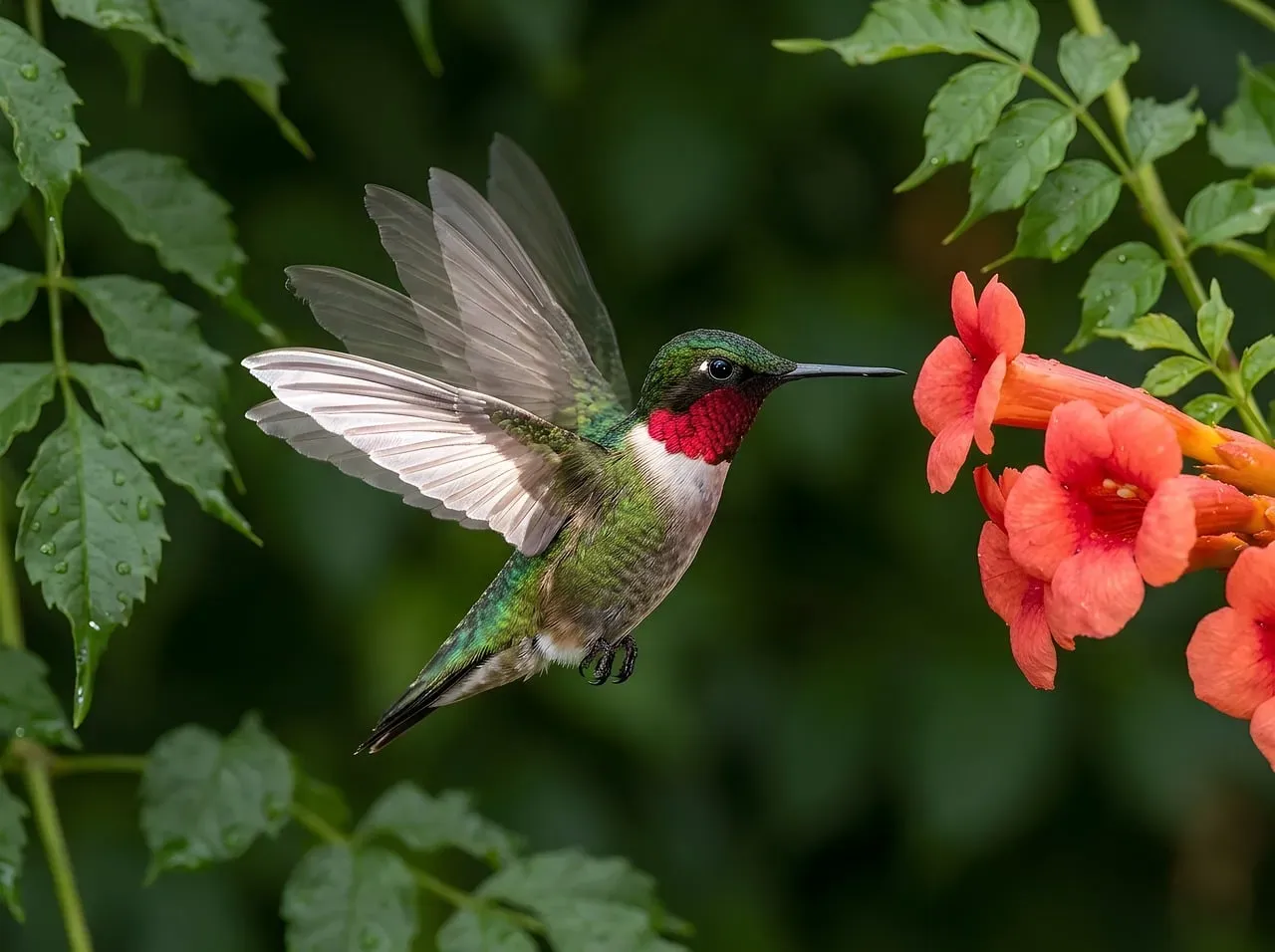
Trumpet vine is not subtle. It grows 20–40 feet, swallows fences whole, and produces clusters of flaring orange-red tubes so packed with nectar that birds will hover at them for minutes at a time. In zones 4–9, it’s one of the hardiest and most aggressively rewarding plants you can put in the ground for hummingbirds. Experienced growers often laugh about neglecting it for years only to find it blooming harder than ever, covered in birds.
The thing most people don’t expect is how completely hummingbirds will abandon nearby feeders once trumpet vine hits peak bloom in midsummer. It’s not that the feeder disappears – they just stop caring about it. According to Birds and Blooms, trumpet vine can offer hummingbirds up to 10 times more nectar than most plants. Fair warning: give it room and something sturdy to climb, because it will fill whatever space you give it and then negotiate for more.
#3 – Bee Balm Creates a Rolling Feast from Midsummer Into Fall
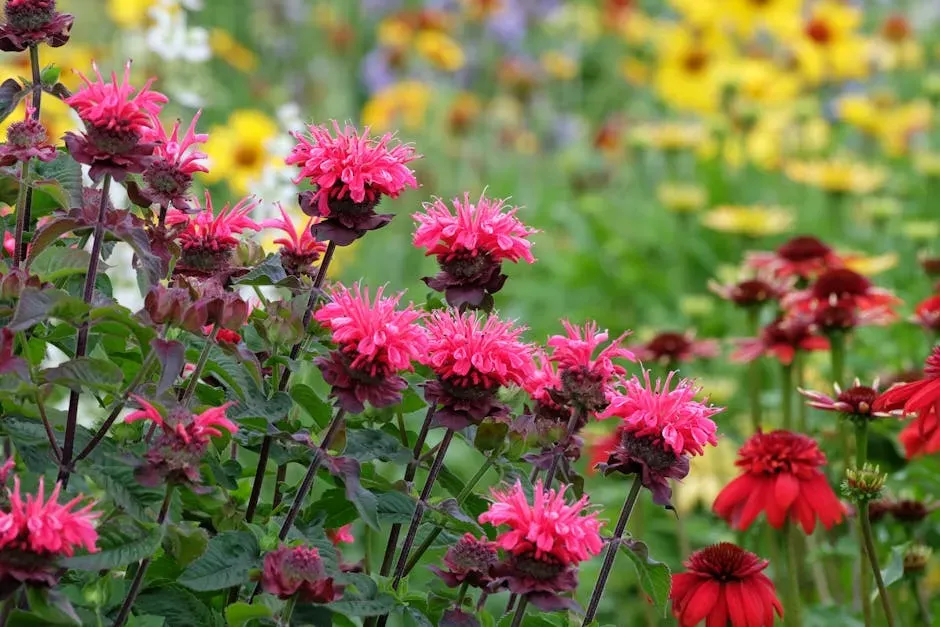
Bee balm earns its reputation because it doesn’t just bloom – it blooms in waves. Native Monarda species push out shaggy, brilliant flower heads in reds and pinks, and just when one flush starts to fade, another follows. For hummingbirds, this means a reliable food source that keeps refreshing itself through the hottest, longest stretch of summer. Gardeners who grow it in decent-sized patches describe a near-constant rotation of birds working through the flowers.
Beyond the nectar, bee balm supports the beetles, gnats, and small insects hummingbirds need to round out their diet – something no feeder can offer. It prefers moist, well-drained soil in full sun, reaches 3–4 feet, and varieties with good air circulation stay cleaner through powdery mildew season. One established patch in the right spot genuinely outperforms years of inconsistent feeder maintenance.
#4 – Salvia Keeps Hummingbirds Hooked Even During Droughts
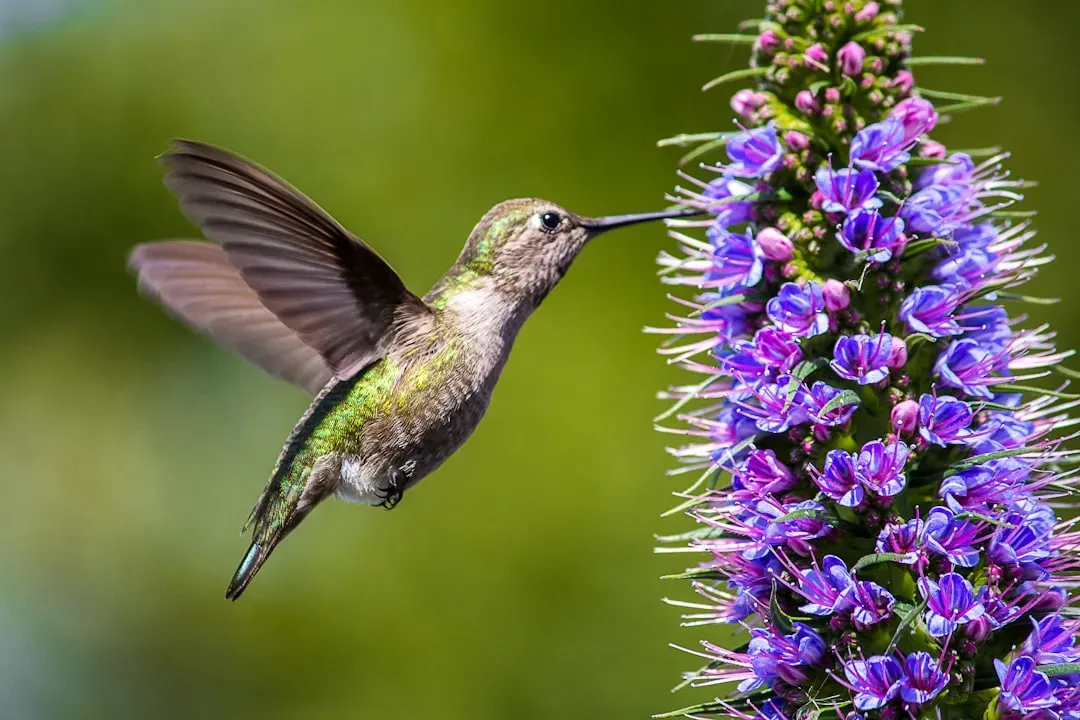
Salvia is one of those plants that earns real devotion from experienced growers because it just keeps going. Heat-tolerant varieties like ‘Amistad’ push up tall spikes of deep violet or red blooms that hummingbirds will actively defend as feeding territory – which tells you something about how valuable they find it. When summer gets punishing and other nectar sources dry up, salvias often keep producing, becoming the one reliable stop on a hummingbird’s daily circuit.
The tubular blooms match hummingbird beak geometry almost perfectly, making feeding efficient and fast – the birds can load up and go without the awkward hovering they sometimes do at flat or wide flowers. Salvias come in perennial and annual forms, rebloom steadily with minimal deadheading, and handle poor soil better than most plants on this list. Grow a few together and you’ll have hummingbird activity from late spring well into October.
Quick Compare: Plants vs. Feeders at a Glance
- Nectar freshness: Plants replenish continuously; feeders ferment in heat within 24–48 hours
- Insect support: Native plants feed hummingbirds protein they need; feeders offer none
- Maintenance: Established perennials need little care; feeders need weekly cleaning
- Seasonal range: A curated plant mix can cover March through October; feeders depend on you
- Wildlife value: Plants support dozens of species; feeders serve one at a time
#5 – Cardinal Flower Blazes Red When Everything Else Fades
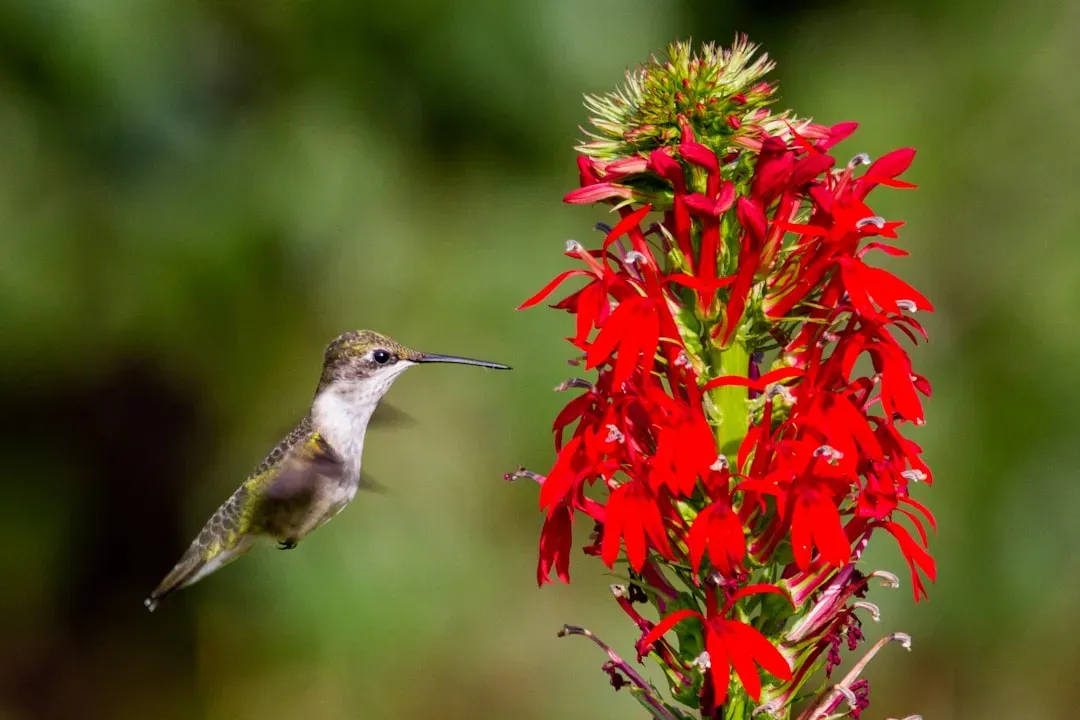
Cardinal flower has one particular superpower: it blooms late. When the early summer crowd – columbines, penstemons, early salvias – starts winding down in August, cardinal flower is just hitting its stride with intense scarlet spikes that hummingbirds can spot from remarkable distances. Native to moist areas across North America, it slots beautifully into rain gardens, stream edges, or any consistently damp corner of the yard where a feeder would rust and mold.
The timing is no coincidence – cardinal flower’s bloom period corresponds almost perfectly with the southbound migration of Ruby-throated Hummingbirds, giving fuel-hungry birds a critical late-season resource. The Brooklyn Botanic Garden notes that cardinal flowers are said to “pull hummingbirds from the sky,” which is about as high praise as a plant can get. It grows 2–4 feet tall, self-seeds in happy conditions, and pairs naturally with other natives for layered, low-maintenance habitat. For extending the hummingbird season past what any feeder could manage, nothing beats it.
#6 – Eastern Columbine Rewards the Birds That Arrive First
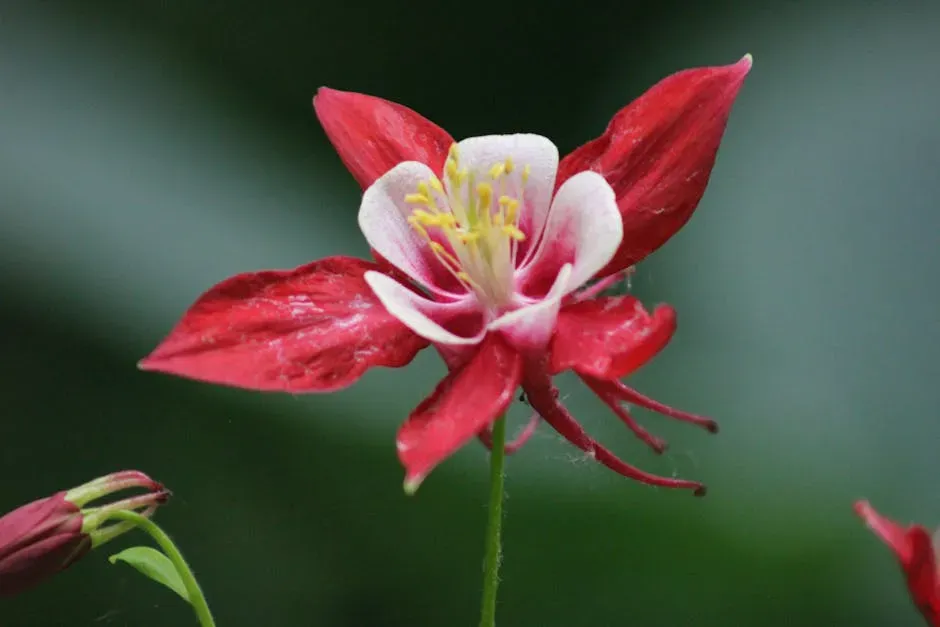
Spring migration is a hungry moment. Hummingbirds return north burning energy they’ve been conserving for thousands of miles, and if your yard has nothing ready, they’ll keep moving. Eastern columbine solves this problem by blooming earlier than almost anything else on this list – sometimes as early as April – with nodding red-and-yellow flowers that hit the exact frequency hummingbirds are tuned to. Gardeners who grow it consistently say it’s the plant that builds first-visit loyalty before the summer crowd even wakes up.
It thrives in dappled woodland edges or partially shaded garden beds, grows 1–2 feet tall, and self-seeds readily once established. You plant it once and it quietly multiplies into a colony. The early timing isn’t just a nice bonus – it’s strategically critical. Birds that find reliable food early in a location remember it and return. Eastern columbine is essentially the welcome mat that tells a hummingbird your yard is worth a season-long relationship.
#7 – Penstemon Delivers Drought-Proof Tubular Goldmines
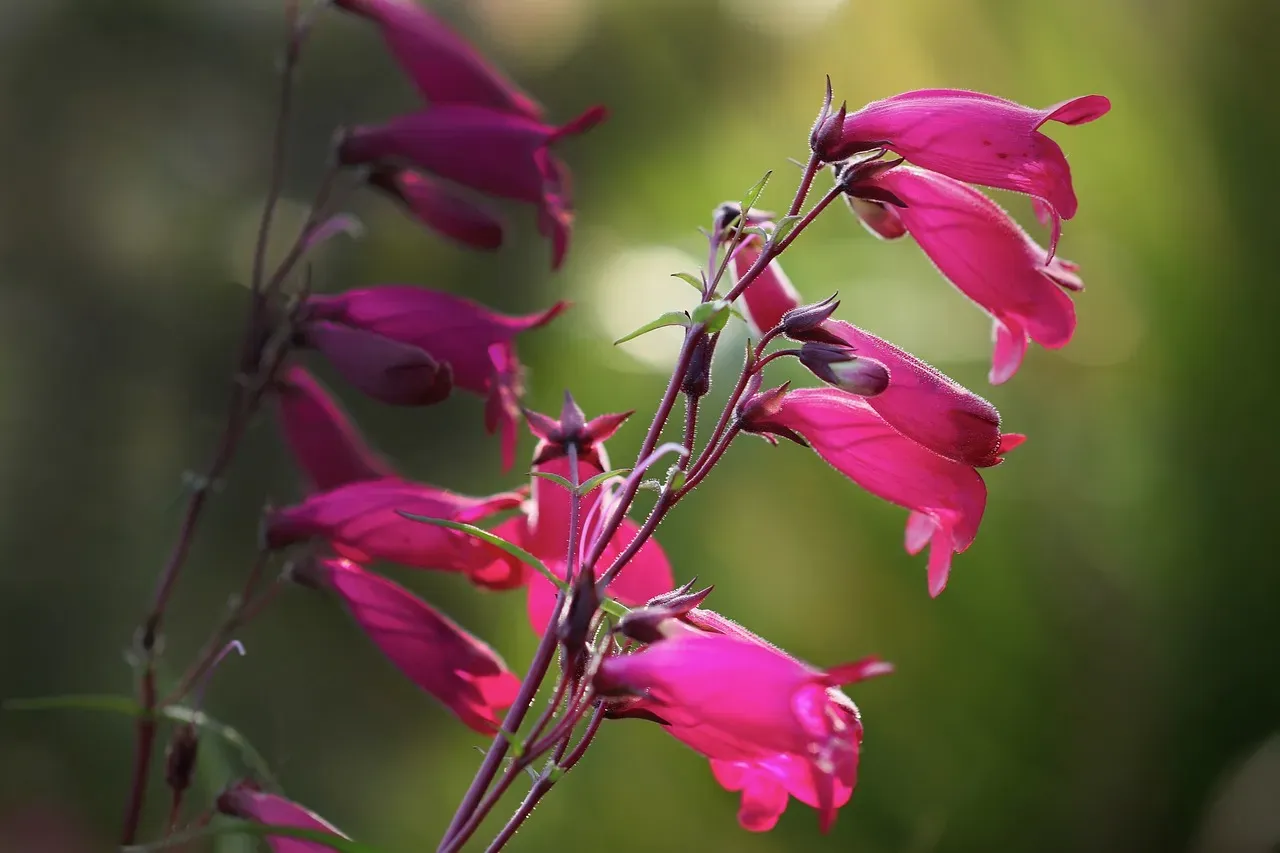
Penstemon – commonly called beardtongue – doesn’t get the attention it deserves outside of native plant circles, but ask a gardener in the dry Southwest or the Rocky Mountain West and they’ll tell you it’s indispensable. Native species produce upright spikes packed with narrow tubular flowers in pinks, reds, and purples, and they do it in rocky, dry, difficult soil where most other hummingbird plants give up. The combination of drought tolerance and high nectar production makes them uniquely valuable during the hot dry spells that cause feeder water to evaporate or ferment.
Different species bloom at different points in the season, which means a thoughtful selection of two or three penstemons can give you rolling nectar production from spring through midsummer. Heights vary from compact 1-foot ground-huggers to bold 3-foot centerpieces. They’re also strikingly beautiful – underused in mainstream gardening for no good reason. If your yard tends toward dry and sunny, penstemons may outperform everything else on this list for your specific conditions.
#8 – Crocosmia ‘Lucifer’ Lights Up the Garden Like a Signal Flare
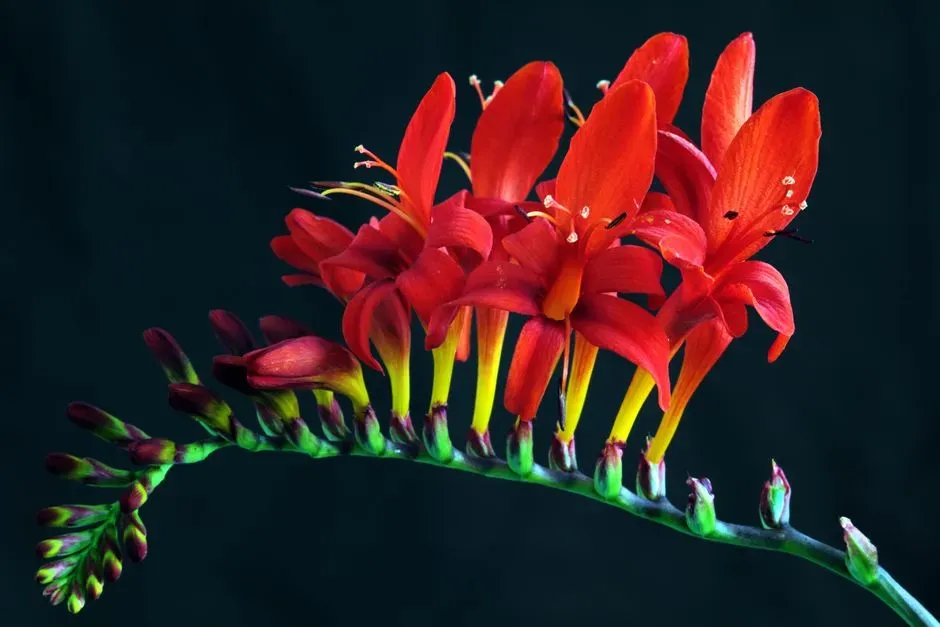
There’s a reason growers named this one ‘Lucifer.’ The arching sprays of hot scarlet flowers are borderline theatrical – bold, dramatic, and utterly irresistible to hummingbirds. Crocosmia spreads from corms that multiply each year, meaning a small starting clump eventually becomes a generous sweep of color that produces abundant nectar through the height of summer. Multiple experienced growers report that once ‘Lucifer’ establishes, birds show a clear preference for it over nearby feeders.
It needs full sun and well-drained soil and reaches 3–4 feet tall with those signature arching stems that catch the breeze beautifully. It’s also deer-resistant, which is more than most feeders can claim. In colder zones it benefits from a light mulch over winter, but it comes back reliably and spreads a little more each year. The fact that it gets more impressive with age while a feeder just gets older is not a small thing.
Worth Knowing: Building a Season-Long Hummingbird Garden
- Early spring (April–May): Eastern Columbine and Coral Honeysuckle greet returning migrants
- Late spring–early summer (May–July): Penstemon, Salvia, and Bee Balm carry the main season
- Midsummer peak (July–August): Trumpet Vine, Crocosmia ‘Lucifer,’ Canna Lily, and Lantana hit maximum production
- Late summer–fall (August–October): Cardinal Flower and Wild Bergamot fuel southbound migrants
- Overlap at least 2 plants per window to prevent gaps that push birds elsewhere
#9 – Fuchsia Solves the Shady Spot Problem Feeders Can’t Fix
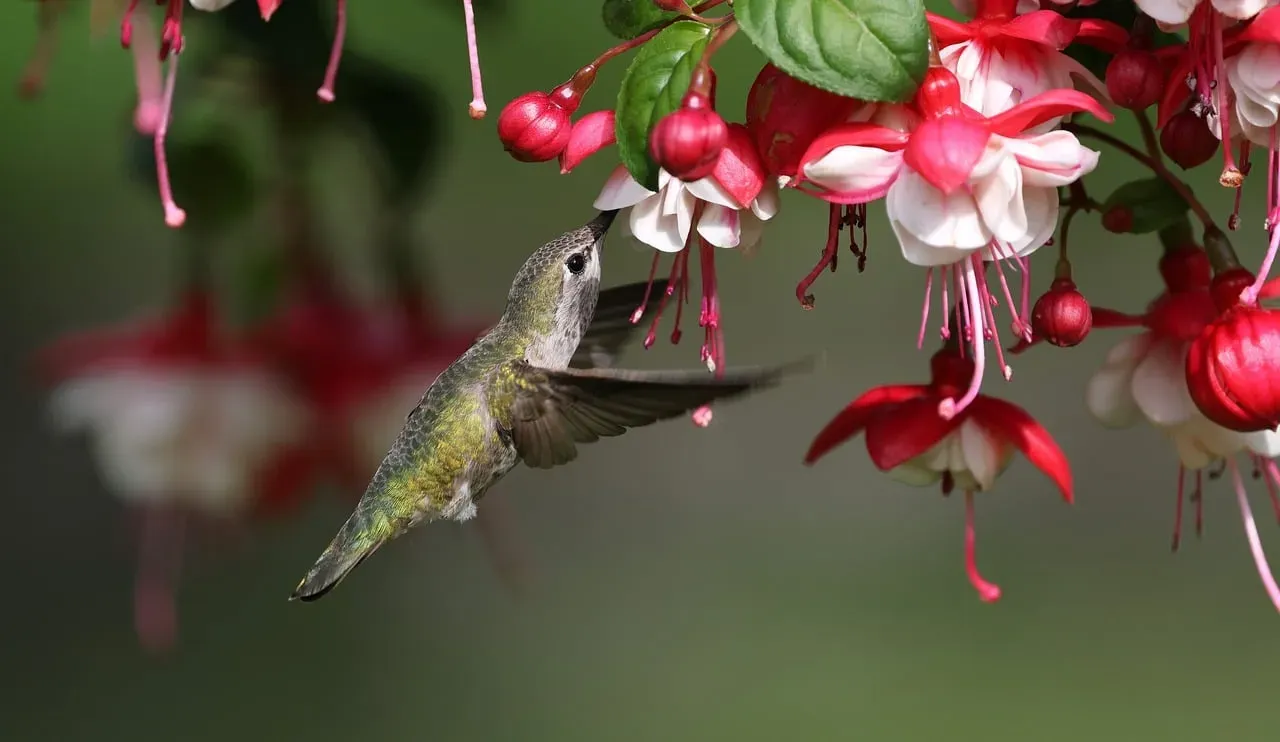
Most high-performing hummingbird plants want full sun. Fuchsia doesn’t. Those dangling, jewel-toned flowers – bicolored in pinks, purples, and reds – hang in partial shade and keep producing nectar through the season in conditions where a feeder would attract fewer birds and require just as much maintenance. Gardeners in the Pacific Northwest and other cool-summer regions treat fuchsia as a cornerstone plant specifically because it performs where others won’t.
The pendulous flowers are perfectly shaped for hummingbirds to access from below in that characteristic hover-and-reach motion that makes watching them so satisfying. In warm climates fuchsia can be grown as a perennial; elsewhere it performs beautifully as a container or hanging basket plant that gets moved indoors for winter. It demands consistent moisture, but in return it offers continuous bloom and daily hummingbird visits that no shaded feeder station can reliably produce.
#10 – Lantana Refuses to Quit When Summer Gets Brutal
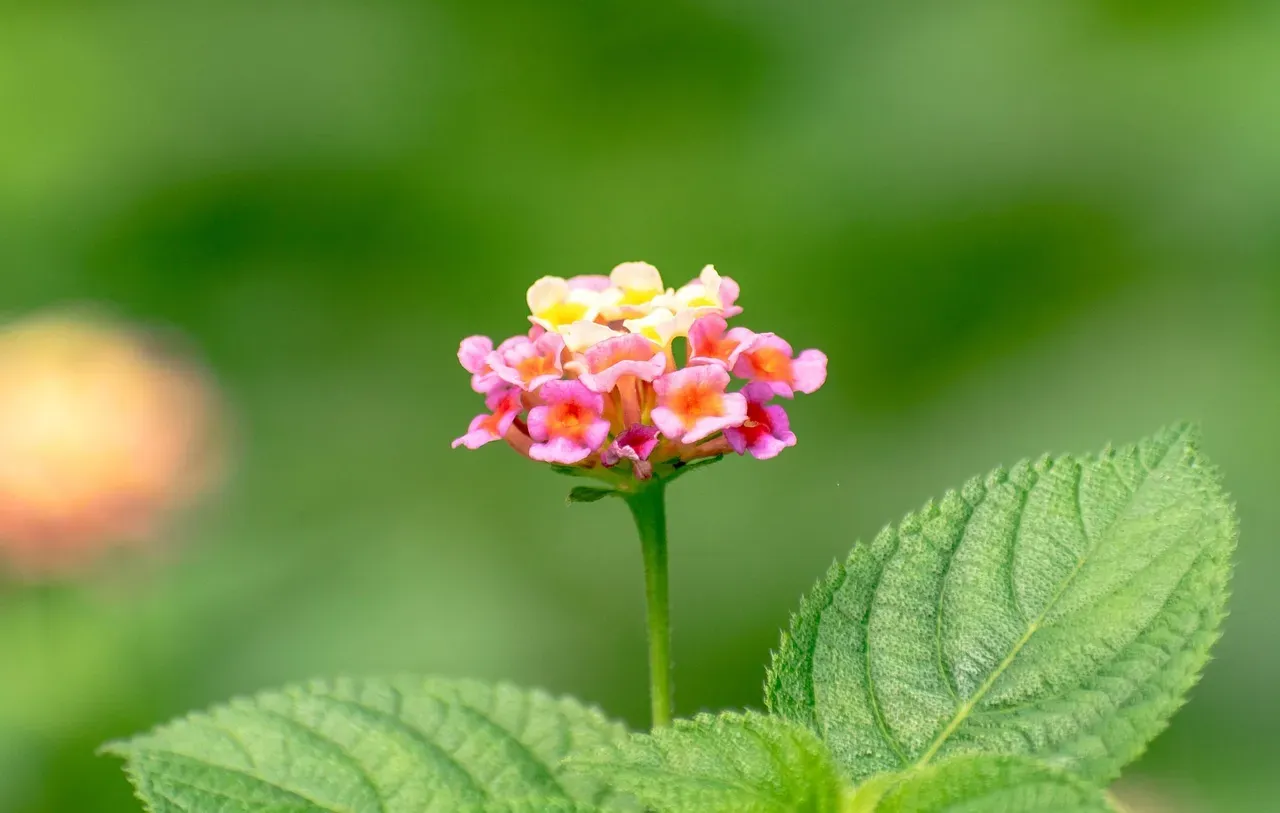
Lantana might be the most heat-defiant plant on this entire list. During the kind of sustained triple-digit heat that causes feeder water to ferment within 24 hours and forces gardeners into a constant refill cycle, lantana just blooms harder. The clusters of small tubular flowers – often multicolored in oranges, yellows, and reds on the same head – produce steady nectar that hummingbirds keep returning to throughout the day. In zones where it overwinters as a perennial, established plants become enormous and attract multiple species simultaneously.
It handles poor soil, drought, and neglect with a cheerfulness that borders on stubborn. Gardeners in hot southern and western climates frequently rank it as their single most productive hummingbird plant specifically because it performs exactly when conditions make feeder maintenance most burdensome. As an annual in cooler zones it still delivers a full summer of consistent traffic. For sheer reliability in heat, nothing on this list compares.
#11 – Cuphea ‘Vermillionaire’ Punches Way Above Its Size
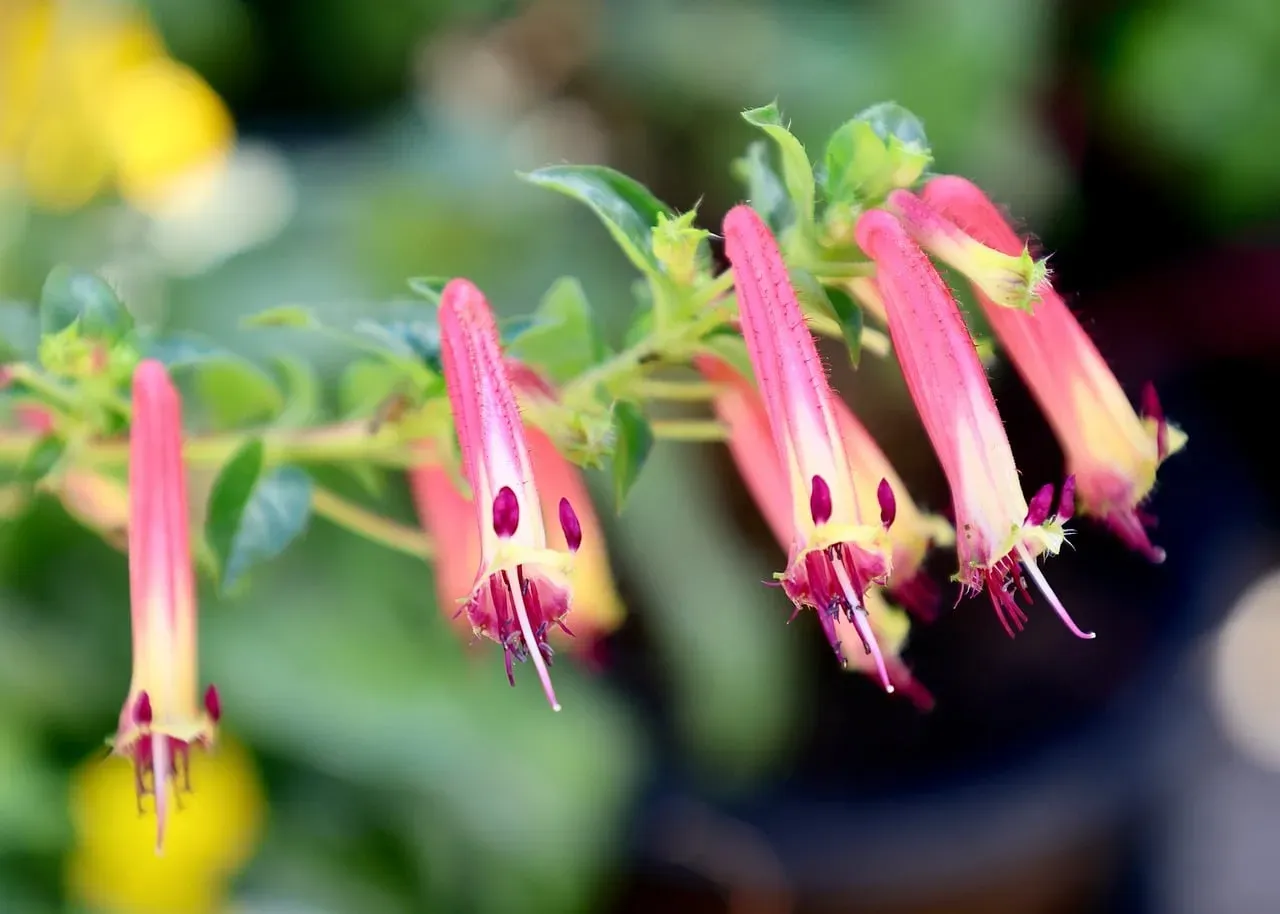
Cuphea doesn’t look like much in a small pot at the garden center. Then you put it in the ground, give it a warm sunny spot, and watch what happens. ‘Vermillionaire’ in particular earns almost cult-level praise from hummingbird gardeners for its nonstop production of narrow orange-red tubular blooms that seem to be in a constant state of renewal from early summer through frost. Reports of birds visiting ‘Vermillionaire’ more frequently than feeders placed right next to it are common enough to be a running theme in gardening communities.
The plants stay compact – typically under two feet – which makes them genuinely useful in smaller gardens, containers, and front borders where a trumpet vine or canna would be overwhelming. Heat tolerance is exceptional, and the bloom season outlasts most other annuals by weeks. For gardeners working with limited space who still want serious hummingbird traffic, ‘Vermillionaire’ is arguably the most efficient plant on this list per square foot of garden real estate.
#12 – Agastache Offers Fragrant Spikes When Feeders Sit Ignored
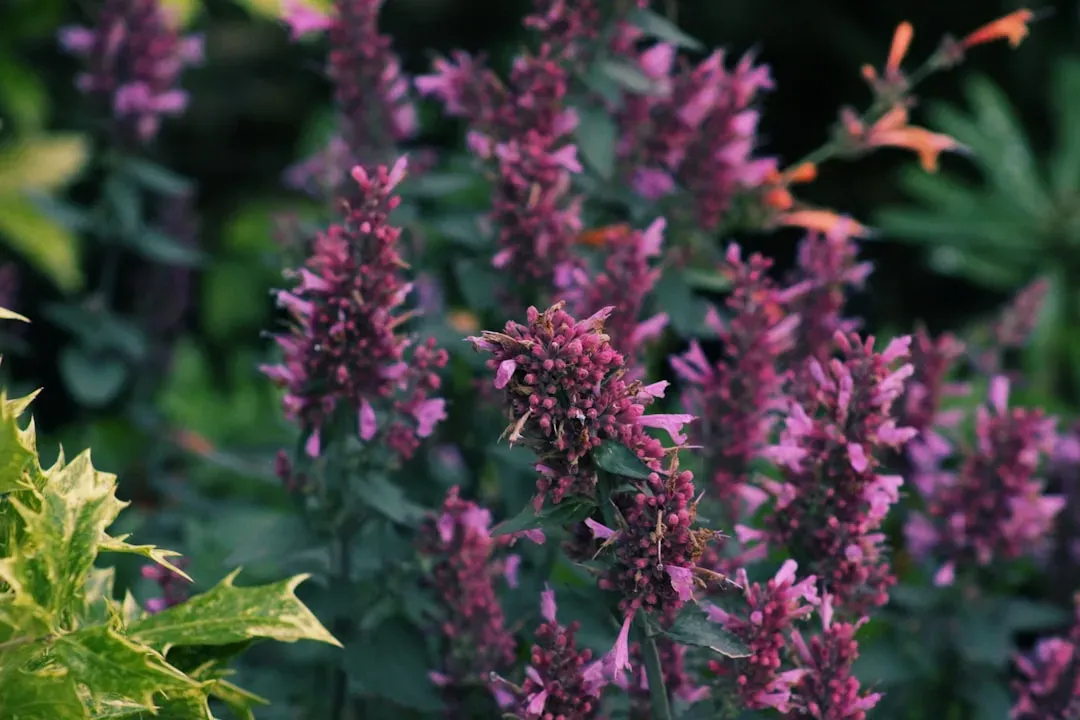
Agastache – sold under names like hummingbird mint, hyssop, or hummingbird sage depending on the species – is one of those plants that seems almost too good. Tall spikes of tubular blooms in lavender, orange, or coral rise above fragrant, minty foliage and draw hummingbirds even when nearby feeders go untouched for days. Experienced growers in dry sunny climates treat it as a backbone plant precisely because it thrives in the same challenging conditions that make feeder maintenance miserable.
Most species bloom for months, reaching 2–3 feet with minimal care. They’re also strikingly beautiful in a naturalistic planting – the kind of plant that earns compliments from visitors who don’t even particularly care about birds. The fragrance alone makes the garden more pleasant to spend time in, which is a benefit no feeder provides. If you grow only one plant from this list in a hot, dry garden, make it agastache.
At a Glance: Best Picks for Specific Garden Challenges
- Shade or part shade: Fuchsia, Cardinal Flower, Eastern Columbine
- Dry or drought-prone soil: Agastache, Penstemon, Lantana, Salvia
- Small spaces or containers: Cuphea ‘Vermillionaire,’ Salvia, Fuchsia
- Bold, dramatic impact: Trumpet Vine, Canna Lily, Crocosmia ‘Lucifer,’ Hollyhocks
- Best for late-season migrants: Cardinal Flower, Wild Bergamot, Phlox
#13 – Phlox Bridges the Gaps When Other Plants Take a Breath
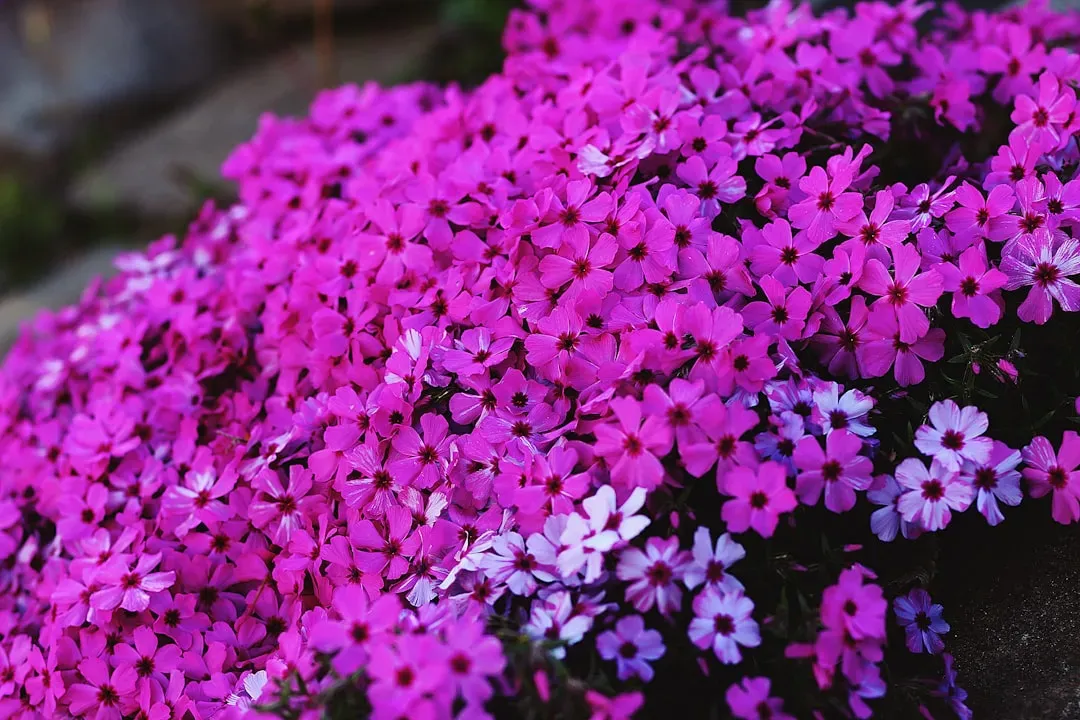
One of the underappreciated challenges of hummingbird gardening is managing the gaps – those stretches between bloom cycles when your garden goes quiet and the birds drift elsewhere. Native phlox species are one of the best tools for filling those gaps. They produce dense clusters of tubular flowers in pinks, reds, and whites that hummingbirds work through methodically, flower by flower, in a way that suggests genuine satisfaction rather than a quick pit stop.
Gardeners who use phlox strategically – choosing varieties with different bloom times to overlap with early and late-season plants – describe a more continuous hummingbird presence throughout the whole summer rather than the feast-and-famine pattern that plagues feeder-only setups. Native types are especially reliable, require less babysitting than the showier cultivars, and support native insects as a bonus. It’s not the flashiest plant on this list, but in a well-designed garden it’s quietly essential.
#14 – Canna Lilies Bring Tropical Drama and Unexpected Nectar Depth
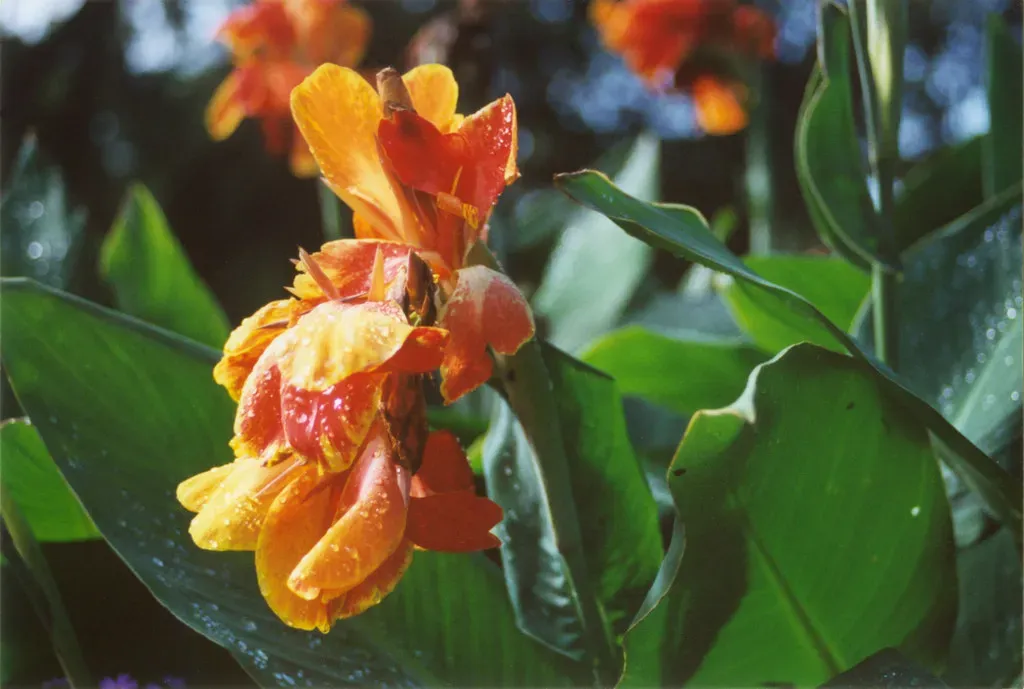
Canna lilies bring a boldness that most hummingbird plants can’t match – some varieties push 6 feet tall with paddle-shaped leaves and flowers in electric oranges, reds, and yellows that make the rest of the garden look politely reserved. The blooms produce nectar tucked deep in structures that hummingbirds navigate confidently, and growers consistently note birds lingering at cannas longer than at feeders positioned just feet away. There’s something about the depth and richness of canna nectar that seems to hold their attention.
They thrive in moist soil and full sun, performing beautifully near water features or in the back of a border where their height reads as intentional rather than accidental. In frost-free climates they’re perennial; elsewhere the rhizomes can be dug and stored for replanting. The drama they bring to a garden – combined with genuine hummingbird utility – makes them one of the most satisfying doubles on this list. You plant them for the looks. You keep planting them for the birds.
#15 – Hollyhocks Stack Vertical Nectar From Ground to Roofline
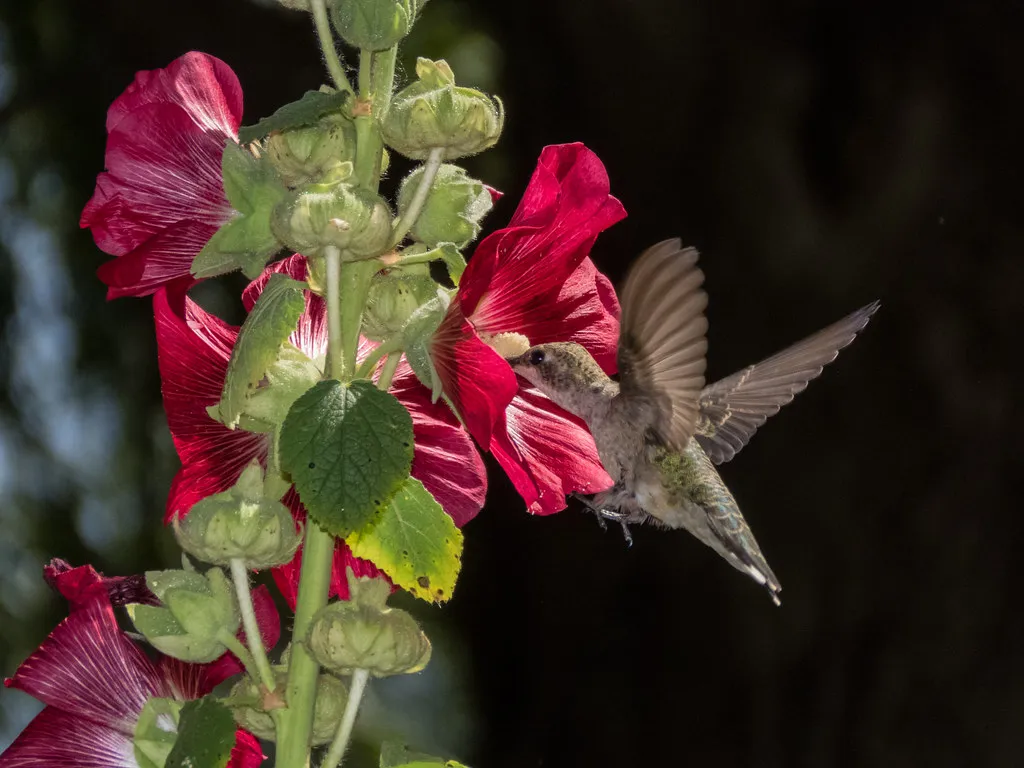
Hollyhocks do something most garden plants can’t: they bloom from the bottom up, offering a continuous vertical progression of open flowers over weeks. Hummingbirds work these towering spikes from flower to flower in a slow, deliberate climb that looks almost lazy compared to their usual frantic pace – a sign that the nectar is abundant enough that they don’t need to rush. Classic cottage garden stalwarts, hollyhocks grow 5–8 feet tall and create a vertical presence that makes feeders mounted on 5-foot poles look like an afterthought.
Experienced gardeners who’ve grown hollyhocks for years appreciate the low-maintenance reality: plant them, let them self-seed, and they quietly perpetuate themselves in a sunny spot with decent drainage. The single-flowered varieties offer better nectar access than the heavily ruffled doubles, and birds clearly prefer them. There’s also something undeniably satisfying about a 7-foot spike of pink or red blooms against a garden fence – a reminder that the most beautiful hummingbird solutions are often the ones that make the whole garden better.
#16 – Bee Balm’s Wild Cousin, Wild Bergamot, Deserves Its Own Moment
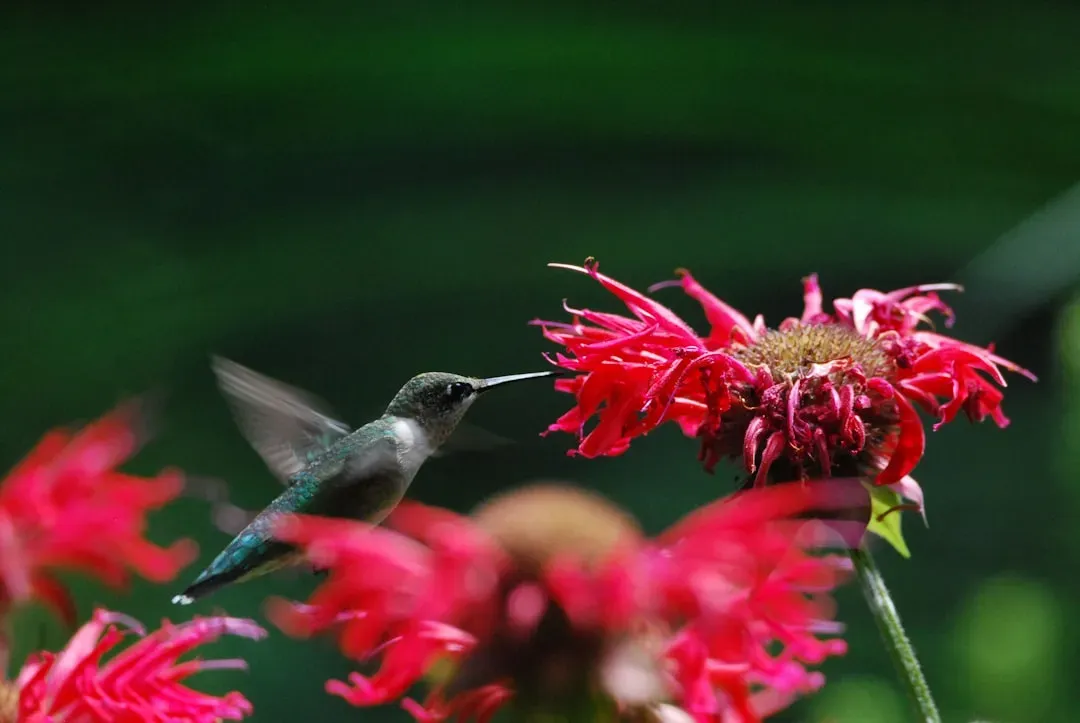
Wild bergamot – Monarda fistulosa – is the pale lavender prairie cousin of the showier bee balm varieties, and it is relentlessly underused. It blooms in the heat of midsummer when pollinators are desperate for reliable sources, produces nectar-rich tubular flowers in those shaggy characteristic heads, and does it all in dry, lean soil that would stress out most of the other plants on this list. Gardeners who’ve added it to sunny meadow-style plantings or dry borders describe it as a surprise performer – the plant nobody expects much from that quietly becomes one of the busiest spots in the yard.
It spreads slowly by rhizome to form a naturalistic colony, reaches 2–4 feet, and reseeds modestly without becoming invasive. The fragrance is outstanding – clean, herbal, genuinely pleasant in a way that makes it worth growing even if hummingbirds weren’t part of the equation. But they are, reliably and consistently, which makes wild bergamot one of the most honest value propositions in native plant gardening: zero fuss, zero maintenance, and a steady stream of tiny green-and-ruby visitors that never gets old.
Why It Stands Out: The Case for Going Native
- Native plants co-evolved with hummingbirds over millions of years – their nectar chemistry, tube shape, and bloom timing are not coincidences
- A single native plant supports dozens of insect species that hummingbirds need for protein – no feeder does this
- Many natives like Wild Bergamot, Cardinal Flower, and Coral Honeysuckle are self-sustaining once established
- Native plantings qualify your yard for certification programs like the National Wildlife Federation’s Certified Wildlife Habitat
- They were drawing hummingbirds to this continent long before the first plastic feeder was ever manufactured
The Honest Conclusion: Ditch the Guilt, Plant the Garden
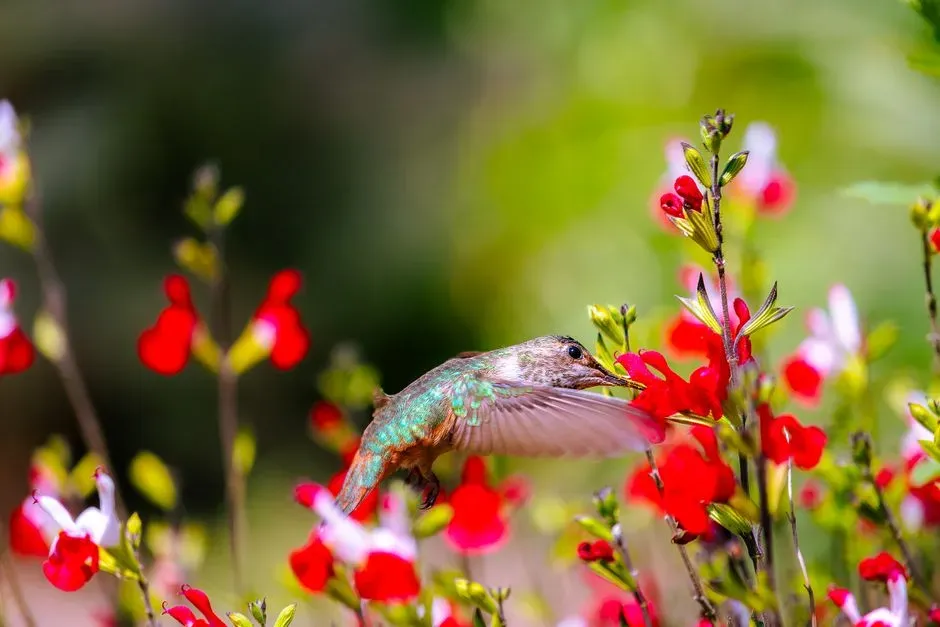
Here’s the opinion nobody in the feeder industry wants you to have: for most gardeners in most climates, well-chosen plants will outperform feeders for hummingbird attraction, and they’ll do it while making the garden more beautiful, supporting more wildlife, and demanding less daily effort. Feeders aren’t evil – they’re genuinely useful in early spring before plants bloom, during cold snaps, and for attracting birds to a new property. But leaning on them as the primary strategy while ignoring what experienced growers have quietly known for decades is leaving an enormous amount of joy on the table.
The plants on this list aren’t obscure or hard to find. Most are available at any decent garden center, and several are native species that were drawing hummingbirds to this continent long before the first plastic feeder was manufactured. Plant even three or four of them with overlapping bloom times and you will likely see more hummingbird activity than you’ve ever managed with a feeder alone. Plant a dozen and your backyard becomes the kind of place people slow down to look at from the sidewalk – which, honestly, is the whole point.

- 12 Powerful Dog Breeds that Can Take Down a Wolf - July 24, 2026
- The Most Powerful Tornado To Threaten The US This Century - July 24, 2026
- The Zodiac Signs That Would Bond Best With a Labrador Retriever - July 24, 2026