

Most people assume moving stress hits every dog the same way. It doesn’t. You can pack every box, label every room, and carry the favorite blanket in your own arms, and some dogs will still be pacing at 2 a.m. in a house that’s supposed to feel like home.
These 14 breeds are the ones most often flagged as slow to settle, and the reasons go well beyond “they’re nervous.” Some were shaped over generations to stay glued to one person. Others were built to notice every change in their surroundings. Breed isn’t destiny, and a dog’s own history matters a lot. Still, one breed on this list has a famously easygoing reputation, one is celebrated as the smartest dog alive, and the one at #1 may not be who you’d guess.
#14 – French Bulldog: The “Easygoing” Breed That Isn’t
🔥 Would you like to save this?
We'll email this post to you, so you can come back to it later!
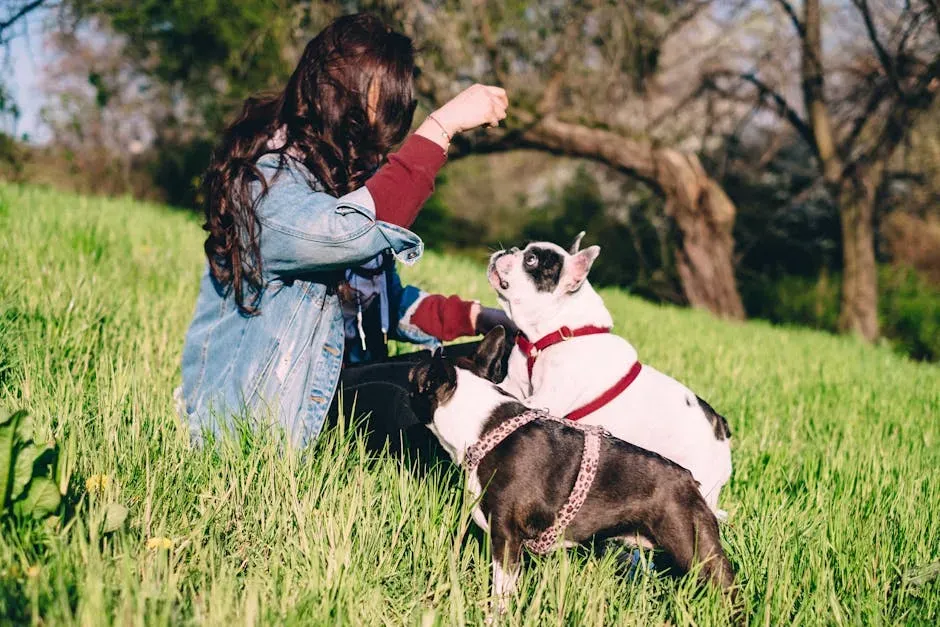
Frenchies look unbothered by everything. They snore through dinner parties and flop onto any couch within reach. That reputation hides a real problem.
French Bulldogs are brachycephalic, or flat-faced. One source notes that brachycephalic breeds can have stress responses complicated by their physiology. Stress panting is harder to manage when the airways are already narrow.
They also appear on lists of breeds that tend to handle time alone reasonably well. That’s exactly why owners underestimate move stress. A dog that copes with solitude can still struggle with an unfamiliar house.
A calm face isn’t proof of a calm dog. Watch for these early signs:
- Heavy panting that doesn’t settle once the dog is resting
- Skipping meals for the first few days
- Following you from room to room
But that’s nothing compared to the nose-driven chaos of #13…
#13 – Beagle: Overwhelmed by a House Full of Strange Smells
🔥 Would you like to save this?
We'll email this post to you, so you can come back to it later!
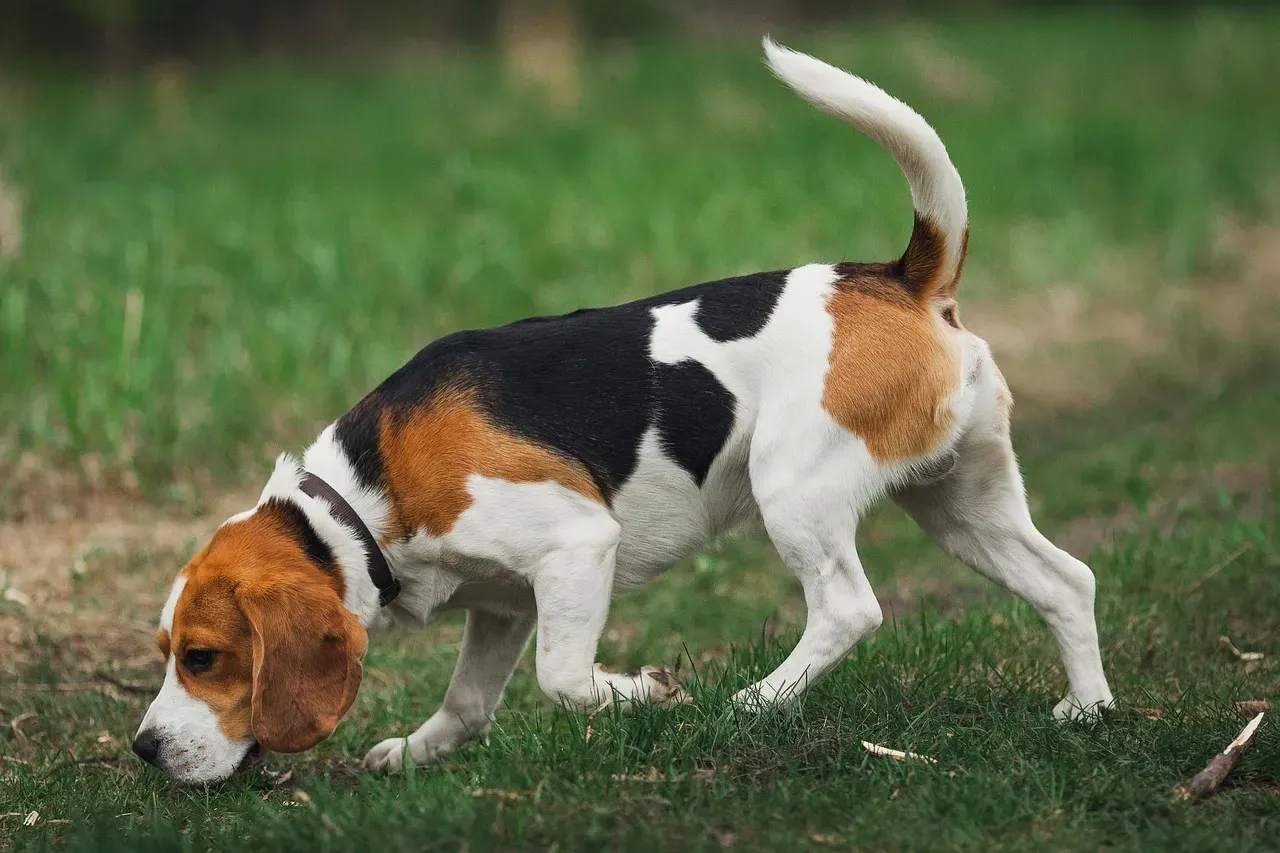
A Beagle doesn’t just see a new home. It reads it, one scent at a time.
Researchers and behavior writers point out that scent hounds may be more disoriented by olfactory novelty than other dogs. A new house carries the scent trails of previous owners, other pets, and cleaning products. For a breed built to follow odors, that’s a library with no index.
The “settling in” phase can look more like nonstop investigation than relaxation. Your Beagle isn’t being restless for the sake of it. It’s working through a flood of information.
Escape risk is the practical danger. A Beagle that catches an interesting trail in an unfamiliar yard may follow it right past the fence line. Many owners never check for small gaps before letting the dog out.
Check the whole fence before the first off-leash minute. Keep a leash on in any yard you haven’t tested yet.
Next up is a tiny dog with a very big opinion about change…
#12 – Pomeranian: Bred for Company, Not Change

🔥 Would you like to save this?
We'll email this post to you, so you can come back to it later!
Small size makes owners assume small stress. That’s a mistake.
Pomeranians were bred as companion dogs, which makes them more likely to suffer from separation anxiety than some other breeds. Move-day chaos pulls you away from them more than usual. That’s prime time for anxiety to take hold.
Housetraining often slips too. Experts note that accidents when unsupervised can emerge or intensify after a move, even in dogs with no history of distress. A reliable dog suddenly leaving puddles isn’t regressing out of spite. It’s reacting to a world that changed overnight.
Here’s the controversial part. Many owners carry their small dogs everywhere in a new place. It feels protective, but it may delay the dog’s own exploration and confidence-building.
Let the Pom walk on a leash through each room. Let it set the pace.
Quick Compare
- Carrying everywhere: Feels comforting to you, but the dog never maps the new space on its own.
- Leashed room-by-room walks: Slower at first, but builds confidence and shows you where the dog hesitates.
- Best mix: Carry only for stairs or noisy moments, and let the dog walk the rest.
Pomeranians settle slowly, but the next breed has a very different problem…
#11 – Jack Russell Terrier: Too Smart to Sit Still
🔥 Would you like to save this?
We'll email this post to you, so you can come back to it later!
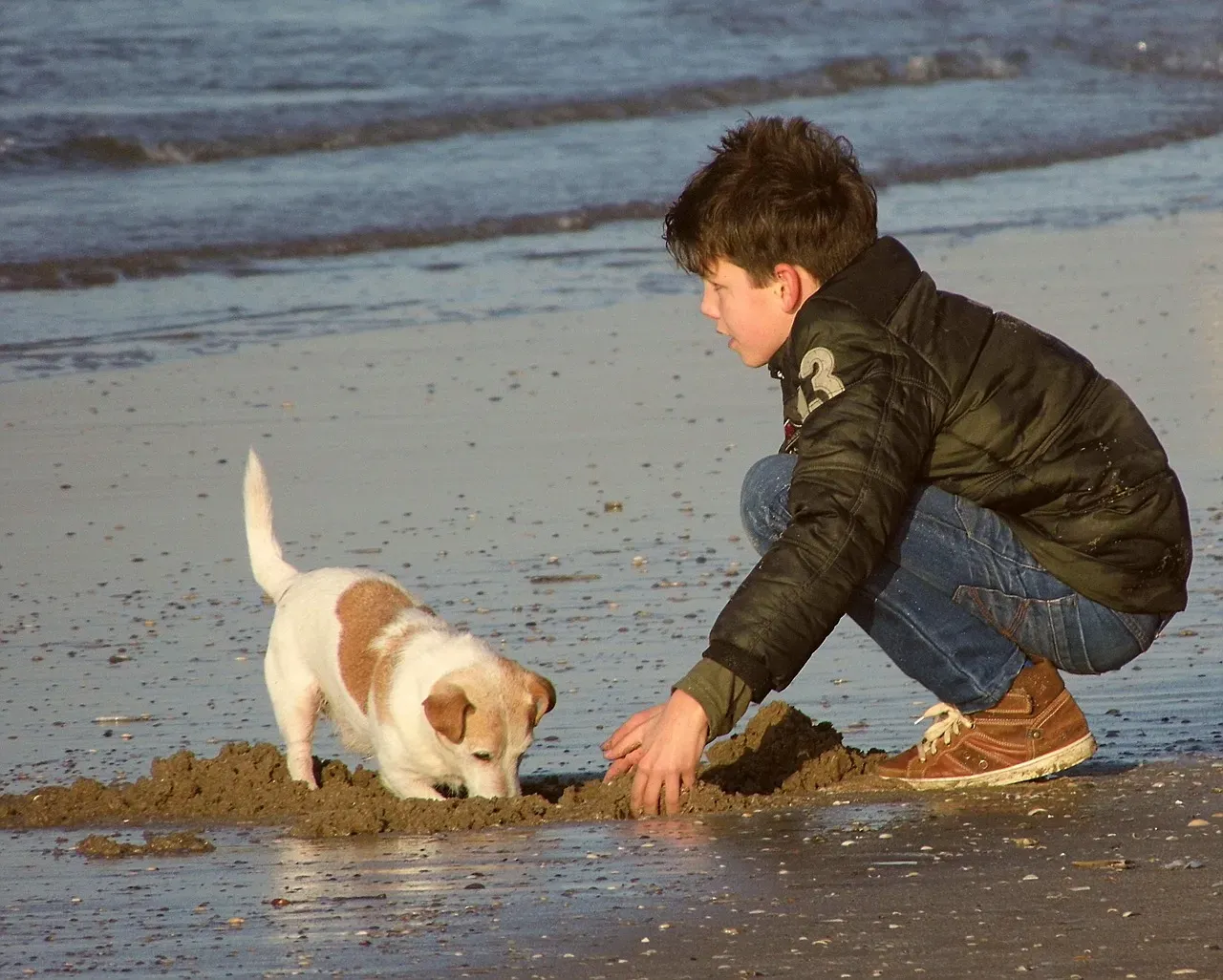
This breed doesn’t get anxious quietly. It redecorates.
Jack Russell Terriers appear on research-based lists of breeds prone to separation anxiety. They’re also high-energy diggers and problem-solvers by design.
In a new home, that energy meets unfamiliar doors, unfamiliar yards, and unfamiliar boundaries. A bored, unsettled terrier can test every one of them. Chewing and digging often spike in the first weeks.
Exercise helps, but many trainers argue it’s only half the answer. A tired terrier with nothing to think about can still feel unsettled. Mental work counts too.
Good options include:
- Food puzzles at each meal
- Short training sessions in new rooms
- A designated digging spot in the yard
The next breed has the friendliest reputation on the list, which is exactly the problem…
#10 – Labrador Retriever: The Friendly Dog Everyone Underestimates
🔥 Would you like to save this?
We'll email this post to you, so you can come back to it later!
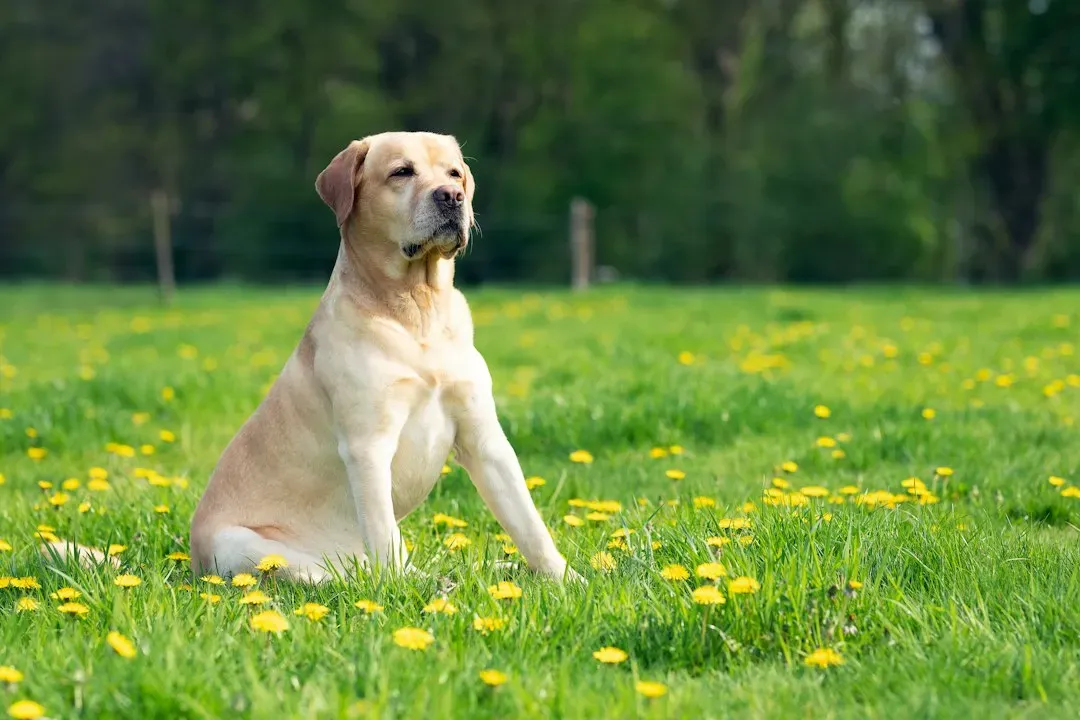
Labs are famous for being easygoing. That reputation hides real stress.
Labrador Retrievers appear on lists of large breeds that commonly experience separation anxiety. Their friendliness is the very reason owners miss the warning signs. A wagging tail can sit right on top of a worried dog.
A Lab that chews a door frame the first week isn’t being naughty. It may be signaling that the new environment feels unpredictable. Their social nature means they lean hard on their people for reassurance.
Here’s the opinion that gets people talking: calling Labs “easy” sets owners up for a rough month. The breed is sociable, but sociable dogs often feel isolation more sharply.
Stay close during the first days. Keep early alone time short and boring.
Worth Knowing
- A wagging tail doesn’t rule out worry underneath.
- Chewing door frames or exits can be a stress signal, not misbehavior.
- Social dogs often feel isolation more sharply than independent ones.
- Short, uneventful departures teach the new house is safe.
Labs are loyal, but the next breed takes sensitivity to a different level…
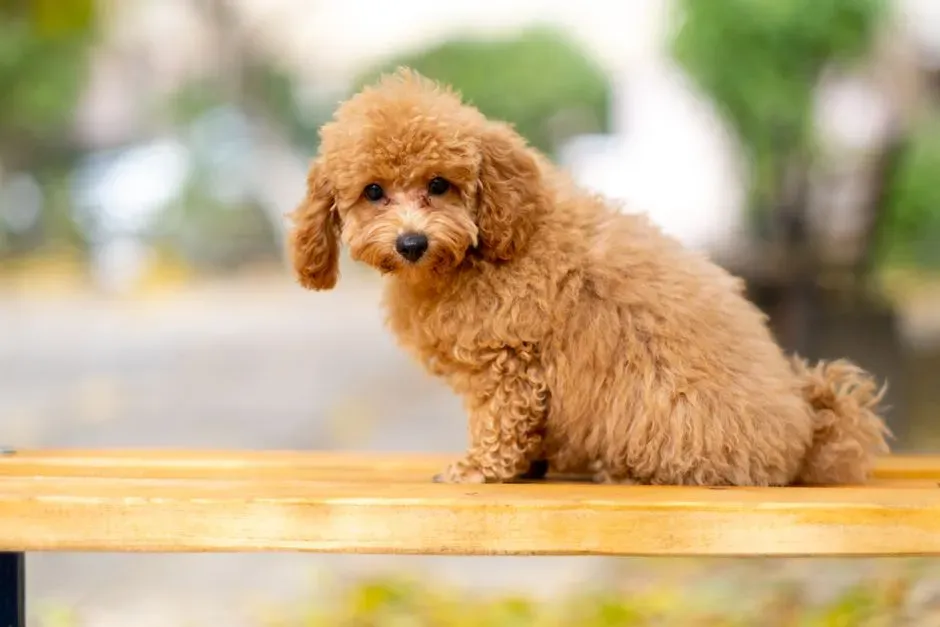
#9 – Poodle: Smart, Sensitive, and Routine-Dependent
🔥 Would you like to save this?
We'll email this post to you, so you can come back to it later!
Poodles notice everything, including the tiny details you forgot you changed.
Research-based lists name the Poodle, especially the Toy and Miniature, among breeds prone to separation anxiety. Their intelligence is a double-edged sword in a new home.
A clever dog picks up on every unfamiliar sound, smell, and shift in your routine. Poodles can read a changed schedule almost as clearly as a changed address.
That’s why consistency can matter more than comfort items. Feed, walk, and sleep on the old schedule from day one. The clock can anchor them even when the walls can’t.
The next breed will pick up on your mood before you even realize you have one…

PetSafe Oasys Pet Fountain, 1/2 Gallon (64 oz), Small Dogs & Cats
Check Price on AmazonAs an Amazon Associate, we earn from qualifying purchases.
10/8/2026 8:14 am GMTi

Halloween Dog Collar with Bow, Orange Cute Ghost Collar,
Check Price on AmazonAs an Amazon Associate, we earn from qualifying purchases.
10/9/2026 2:43 pm GMTi

Portable Dog Water Bottle Foldable Dog Travel Water Bottle
Check Price on AmazonAs an Amazon Associate, we earn from qualifying purchases.
10/7/2026 1:29 pm GMTi

Smart Bird Feeder with Camera Solar Powered, 2K HD Live Video, 10,000+ Bird Species AI Identification
Check Price on AmazonAs an Amazon Associate, we earn from qualifying purchases.
10/7/2026 1:22 pm GMTi

Orthopedic Extra Large Dog Bed, Waterproof Washable XL Pet Bed 44"
Check Price on AmazonAs an Amazon Associate, we earn from qualifying purchases.
10/7/2026 1:32 pm GMTi
#8 – Cocker Spaniel: The Emotional Sponge

🔥 Would you like to save this?
We'll email this post to you, so you can come back to it later!
Cocker Spaniels don’t just live with you. They tune in to you.
Behavior writers describe them as social dogs that can develop separation anxiety and are incredibly loyal and devoted to their owners. During a move, that devotion cuts both ways.
One source even claims that if you feel guilty as you leave the house, your Cocker will sense it. The science behind that is debated. Still, a stressed household clearly isn’t a calm backdrop for a sensitive dog.
Moving is stressful for people too. Rushed voices, boxes everywhere, and tense schedules all add up. A calm owner can be the single most useful tool a Cocker has.
The next breed takes “attached” to a whole new level…
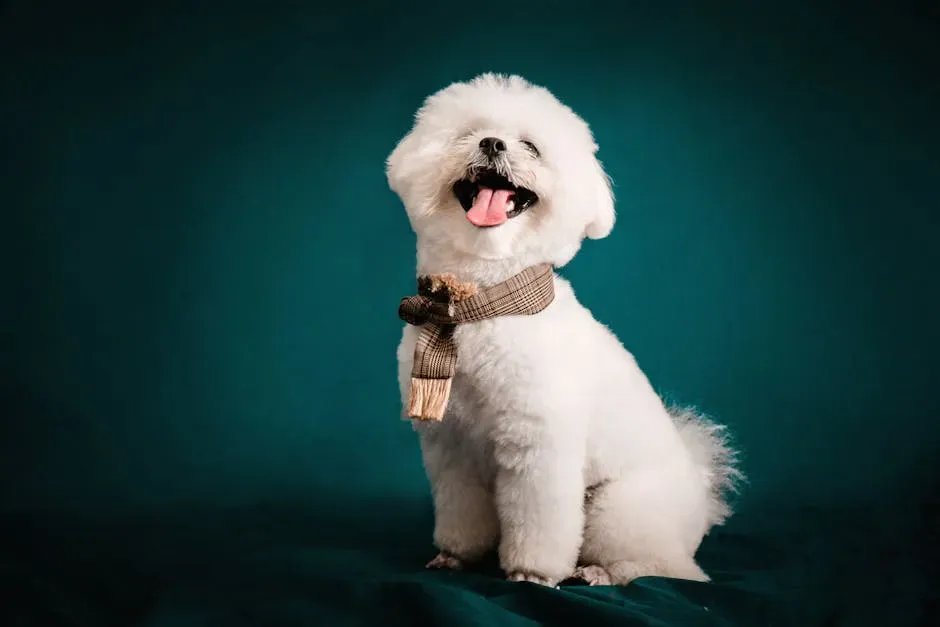
#7 – Bichon Frise: The Shadow That Never Leaves
🔥 Would you like to save this?
We'll email this post to you, so you can come back to it later!
Bichons don’t follow you around. They practically audit your day.
One veterinary source notes that Bichon Frise are the type of dog that will follow you around all day. That level of attachment makes any disruption harder.
When you’re out of sight, trouble can start. Another source warns that as soon as you leave them alone, they can become aggressive and destructive. Left unaddressed, that stress can look like deeper withdrawal.
Many owners respond by never leaving the dog alone at all. That feels kind, but it can backfire, because the dog never learns the new house is safe when you’re gone.
Practice short, calm absences early:
- Step out for a minute or two
- Return without fuss
- Extend the time gradually
Ahead is a breed that proves small dogs can have the loudest reactions…
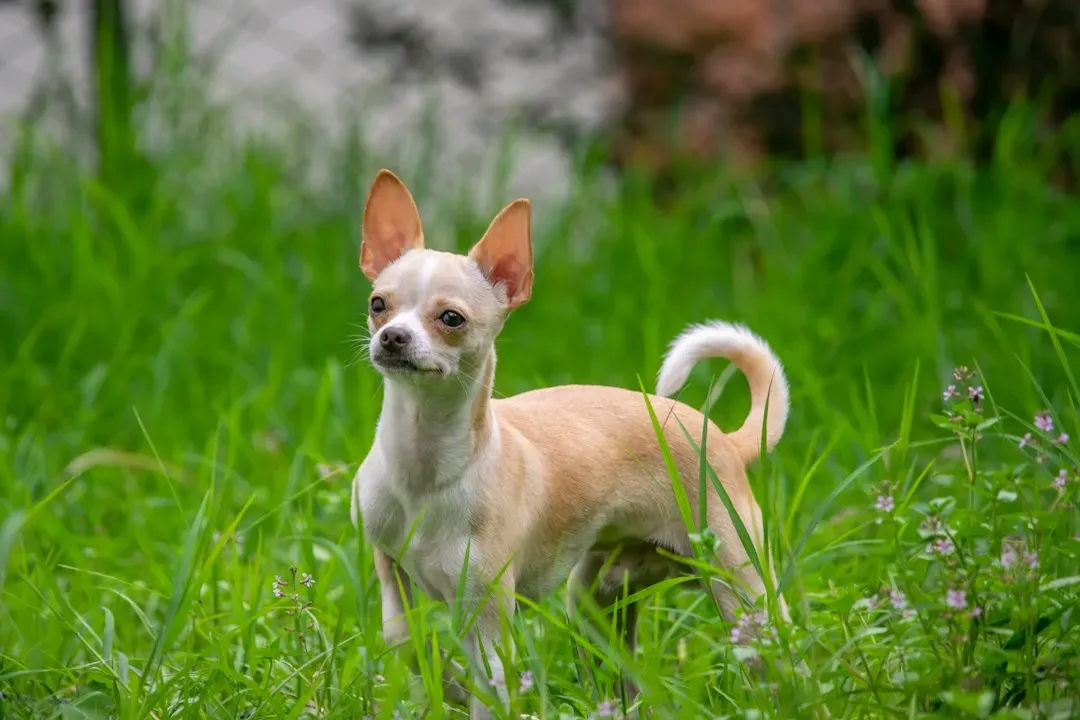
#6 – Chihuahua: Tiny Dog, Enormous Reaction
🔥 Would you like to save this?
We'll email this post to you, so you can come back to it later!
Chihuahuas aren’t being dramatic. They’re being honest.
Behavior sources list sensitive breeds like Border Collies and Chihuahuas as more affected by change, needing extra reassurance and time to settle. Chihuahuas also show up on lists of small breeds prone to separation anxiety.
New floors, echoing rooms, and unfamiliar footsteps can all feel huge at their size. A Chihuahua’s whole world is closer to the floor than yours.
Many owners treat these dogs like portable accessories. That’s the hot take: tiny breeds are the most overlooked in move planning, because their stress seems cute rather than serious.
The next breed has a reputation that sources can’t agree on…
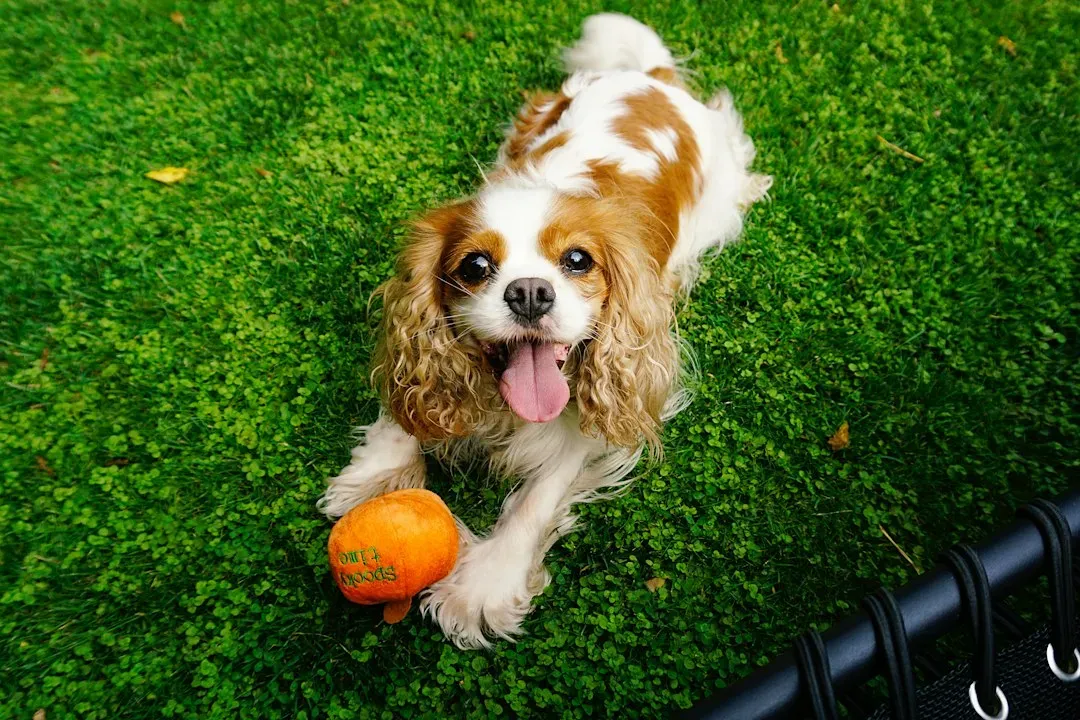
#5 – Cavalier King Charles Spaniel: A Lap Dog With Mixed Reviews
🔥 Would you like to save this?
We'll email this post to you, so you can come back to it later!
Few breeds divide opinion on stress as sharply as the Cavalier.
One veterinary source says the breed has a reputation for suffering from extreme separation anxiety. Another lists it among dogs with a low tendency for separation anxiety, able to tolerate several hours alone.
Both can be true, because individual dogs vary enormously. Cavaliers are affectionate and people-focused, so a move can swing them either way depending on their history.
The safest approach is to assume your Cavalier needs you close until it proves otherwise. Treat it as an individual, not a stereotype.
Now we reach the breeds built for work, and they take settling seriously…
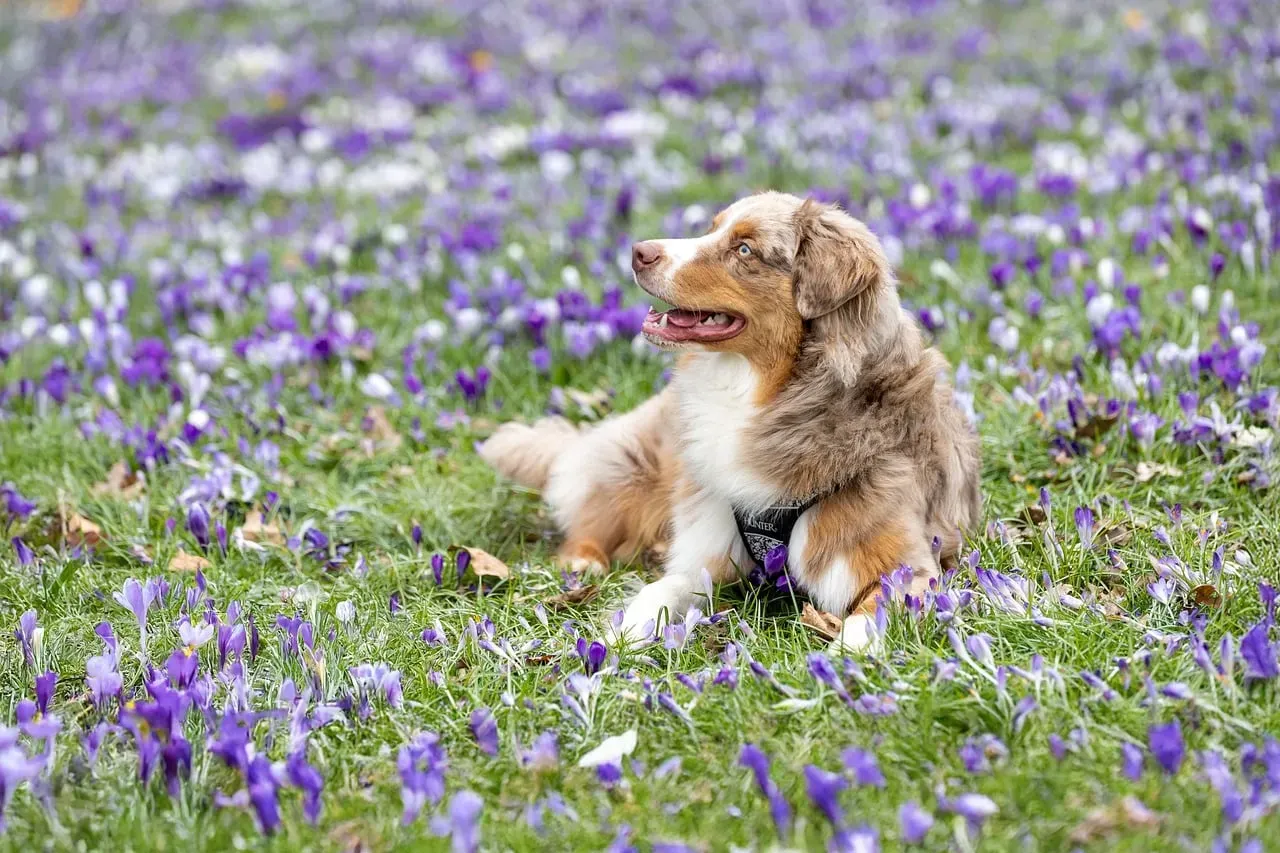
#4 – Australian Shepherd: A Worker With No Job in a New House
🔥 Would you like to save this?
We'll email this post to you, so you can come back to it later!
Aussies don’t relax just because the boxes are unpacked.
Australian Shepherds are a very active breed that was created to work all day long. A veterinary source adds that herding breeds tend to have a propensity toward separation anxiety.
In a new home, they have no established patrol route, no set spot, and no sense of what’s “theirs” to monitor. Many Aussies fill that gap by pacing, barking, or herding family members.
Another source adds that herding breeds are often more sensitive to environmental change. High energy plus high sensitivity makes the transition harder.
Give your Aussie a job right away:
- Short training sessions each day
- Structured walks through the new neighborhood
- A scent game or puzzle toy
The next breed is the one most owners say they’d never expect to struggle…

Air Purifiers for Home Pets Large Room Up to 3000 Ft²,HEPA Air Cleaner with Washable Double-Side Filter, PM2.5 Air Quality Monitor,15dB Sleep Mode for Bedroom Odor Dust Pollen,White
Check Price on AmazonAs an Amazon Associate, we earn from qualifying purchases.
10/8/2026 8:23 am GMTi

Hand Blown Glass Hummingbird Feeders for Outdoors Hanging, 24oz Wild Bird Nectar Feeder
Check Price on AmazonAs an Amazon Associate, we earn from qualifying purchases.
10/7/2026 1:23 pm GMTi

Halloween Cat Costume Cloak Witch Hat Pet Accessories
Check Price on AmazonAs an Amazon Associate, we earn from qualifying purchases.
10/9/2026 2:44 pm GMTi

Glass Hummingbird Feeder for Outdoors Hanging
Check Price on AmazonAs an Amazon Associate, we earn from qualifying purchases.
10/7/2026 1:21 pm GMTi

2 Pcs Halloween Pet Hat Bandana Set, Witch Pumpkin Costumes for Dogs
Check Price on AmazonAs an Amazon Associate, we earn from qualifying purchases.
10/9/2026 2:45 pm GMTi
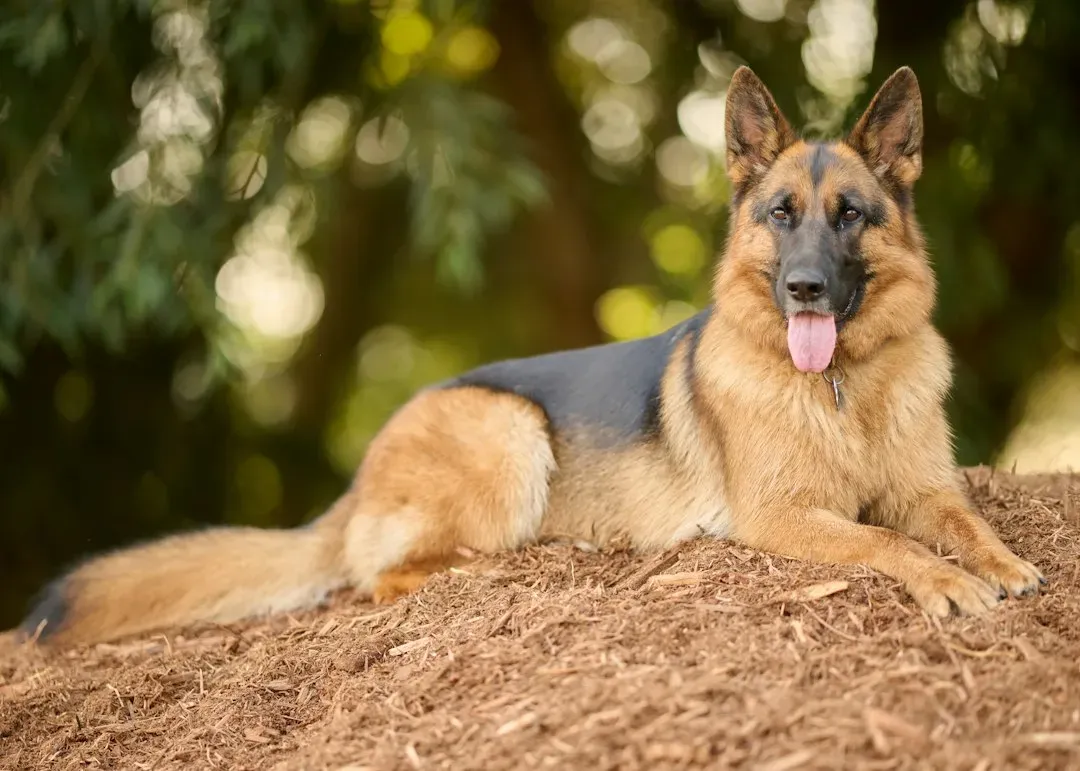
#3 – German Shepherd: The Loyal Shadow With a Sensitive Side
🔥 Would you like to save this?
We'll email this post to you, so you can come back to it later!
German Shepherds look tough, yet they depend on their people more than most.
One veterinary source says the breed loves to be wherever the action is. Another notes that prolonged separation times and a lack of adequate physical activity can cause anxiety in the breed.
A move disrupts both. Your schedule is chaotic, walks get skipped, and attention drifts to boxes. For a dog who tracks your every move, that can feel like the pack falling apart.
The breed also does best with engagement. To prevent anxiety, they need people or other dogs around them to stay occupied. Keep walks and training going through the chaos, even in short bursts.
Only two breeds remain, and both are famous for refusing to let go…
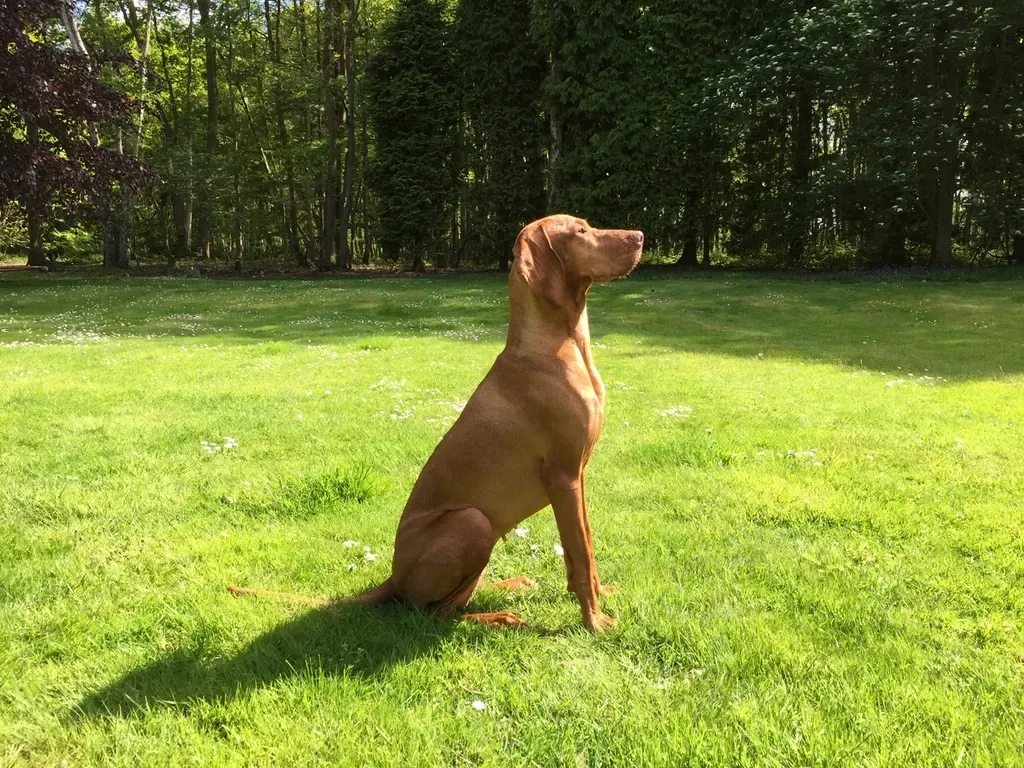
#2 – Vizsla: The Original Velcro Dog
🔥 Would you like to save this?
We'll email this post to you, so you can come back to it later!
If any breed takes “stuck to you” literally, it’s this one.
The Vizsla has the unofficial nickname “Velcro dog.” This Hungarian hunting breed was developed to work in close contact with the hunter. Closeness isn’t a quirk. It’s the whole design.
One source adds that clinical studies have repeatedly flagged this breed as particularly prone to separation anxiety. Take away familiar surroundings, and the one constant left is you.
That’s why a Vizsla can seem fine in your presence and fall apart the moment you step out. The new house hasn’t earned any trust yet. Only you have.
Plan on building independence slowly. Use short absences, calm returns, and plenty of activity on either side.
Why It Stands Out
- Hungarian hunting roots mean it was built to work near its person.
- The “Velcro dog” nickname describes its design, not a bad habit.
- Without familiar surroundings, you become its only constant.
- It may look settled with you home and unravel when you leave.
The final breed has been called the most intelligent dog of all, and that’s exactly the problem…

Dog Stairs for Bed 18" H, 4-Step Dog Steps for High Bed
Check Price on AmazonAs an Amazon Associate, we earn from qualifying purchases.
10/9/2026 2:42 pm GMTi

Earth Rated XL Dog & Puppy Pee Pads, Discreet Top, Max Absorbency
Check Price on AmazonAs an Amazon Associate, we earn from qualifying purchases.
10/7/2026 1:28 pm GMTi

Glass Hummingbird Feeder for Outdoors Hanging, 16 oz Leak-Proof Nectar Feeder with Bee Guards & Ant Moat
Check Price on AmazonAs an Amazon Associate, we earn from qualifying purchases.
10/7/2026 1:22 pm GMTi

Professional 7 in 1 Dog Paw Cleaner for Dogs & Cats - Includes 1 Portable Paw Washer, 1 Bath Brush
Check Price on AmazonAs an Amazon Associate, we earn from qualifying purchases.
10/7/2026 1:26 pm GMTi
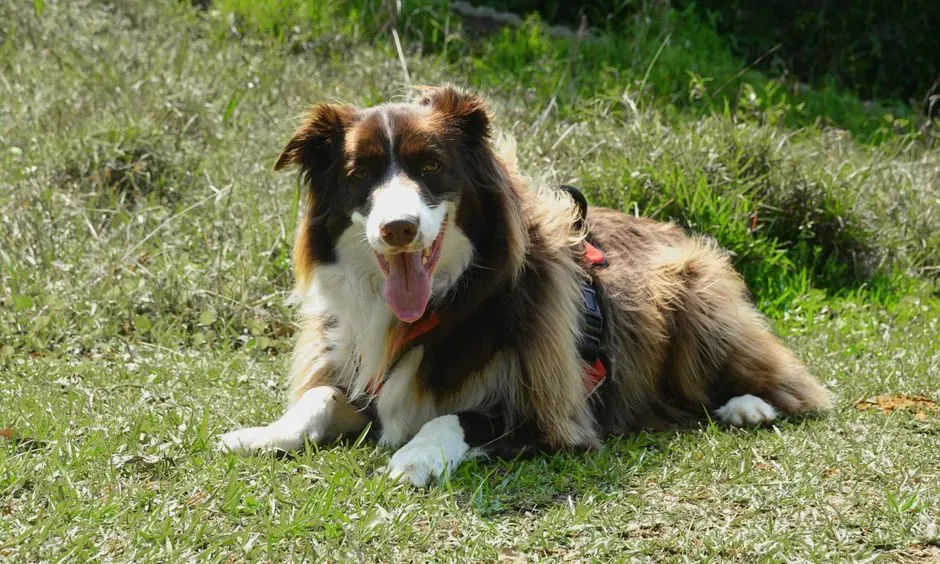
#1 – Border Collie: Too Intelligent to Settle Quickly
🔥 Would you like to save this?
We'll email this post to you, so you can come back to it later!
The smartest dog on this list is often the slowest to feel at home.
The Border Collie consistently ranks as the most intelligent dog, but that means they’re more likely than other breeds to become bored when they have no stimulation. A new home is stimulating, just not in a settling way.
Sources also flag Border Collies as sensitive breeds more affected by change. Unaddressed, that anxiety can lead to destructive behavior and even depression-like withdrawal. One source says that if ignored for long, they can suffer from depression.
Here’s the controversial take: the real danger for this breed isn’t the move itself. It’s the first few weeks afterward, when owners get back to normal life and forget the dog hasn’t.
So what does all of this add up to? Here’s the verdict…
Breed is a clue, not a verdict. Experts say a dog’s prior stress history and individual coping style are the more reliable predictors. But every breed here shares at least one trait: strong attachment, high sensitivity, or both.
My opinion? Owners spend months planning the move and almost no time planning the dog’s adjustment. That’s backward. Start the new routine on day one. Take time off if you can. Stop treating a quiet dog as a settled dog.
Which breed took the longest to settle in your home, and what finally worked?

- 14 Breeds That Take Longest to Settle After a Move - November 8, 2026
- You walk through the door after a long day, and your cat doesn’t sprint to meet you. - November 8, 2026
- 14 Things a Dog Learns About One Person Within Two Weeks - November 8, 2026