
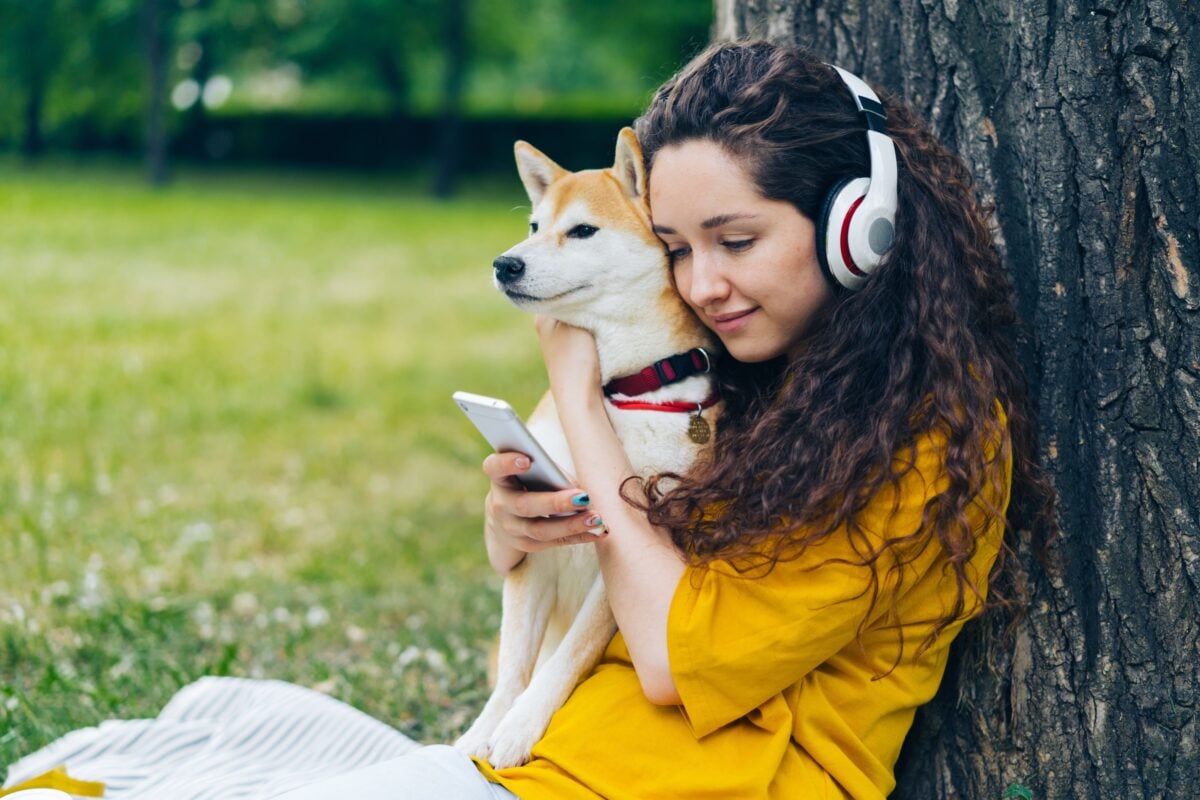
Most people assume a new dog needs months to figure out who you are. The surprising part is how fast the filing starts. Nobody has put a stopwatch on an exact 14-day window, but research on canine senses and social learning shows your dog is sorting you into a detailed mental file almost from the first sniff.
Your smell, voice, timing, mood and even your reputation all get logged. A few of these will change how you read that long stare from the couch. One of them suggests your dog may be keeping score of how you treat other people. Here’s what the science actually says, counting down from the bottom.
#14 – Your Personal Scent Signature
🔥 Would you like to save this?
We'll email this post to you, so you can come back to it later!
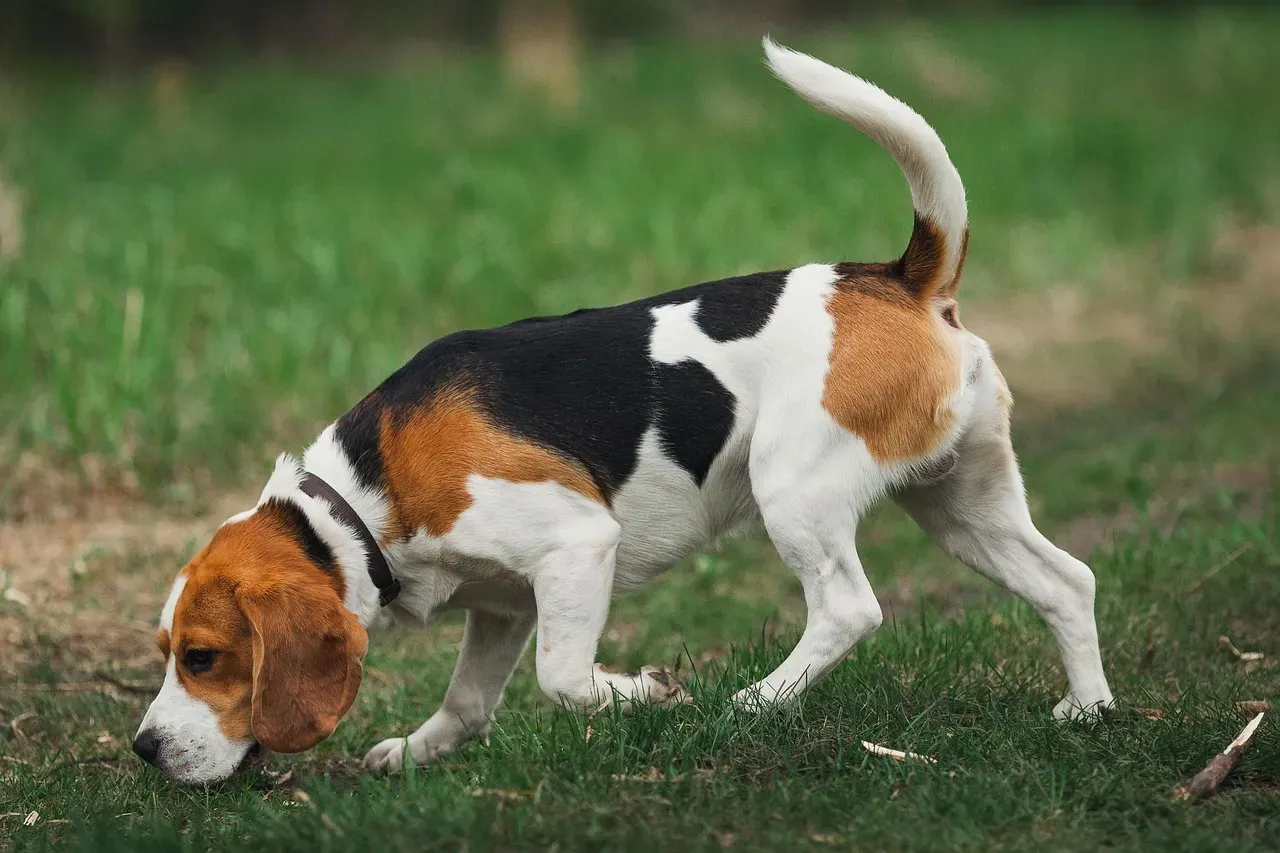
Your dog can identify you by smell alone.
Your scent is the first thing a dog files. Every person gives off a distinct chemical profile shaped by genetics, diet, skin bacteria and the products you use. To a dog, you are a layered, one-of-a-kind signature.
Dogs read that profile far better than we ever could. In one brain-imaging study, a familiar human’s scent lit up the reward-related caudate region in dogs. The researchers compared it with the scent of unfamiliar people and other dogs. Your smell can register as something good, not just something known.
What this means in daily life:
- Your worn T-shirt is genuinely comforting to a dog.
- Your scent on the sofa says “safe zone.”
- A new perfume or detergent doesn’t erase you, because your base profile stays put.
Your dog also “reads” your home while you’re out. Every room carries layers of you, with fresher traces where you’ve just been. When your dog sniffs your shoes at the door, it’s catching up on your whole day.
But that’s nothing compared to what your dog picks up from your voice at #13…
#13 – The Sound of Your Voice
🔥 Would you like to save this?
We'll email this post to you, so you can come back to it later!
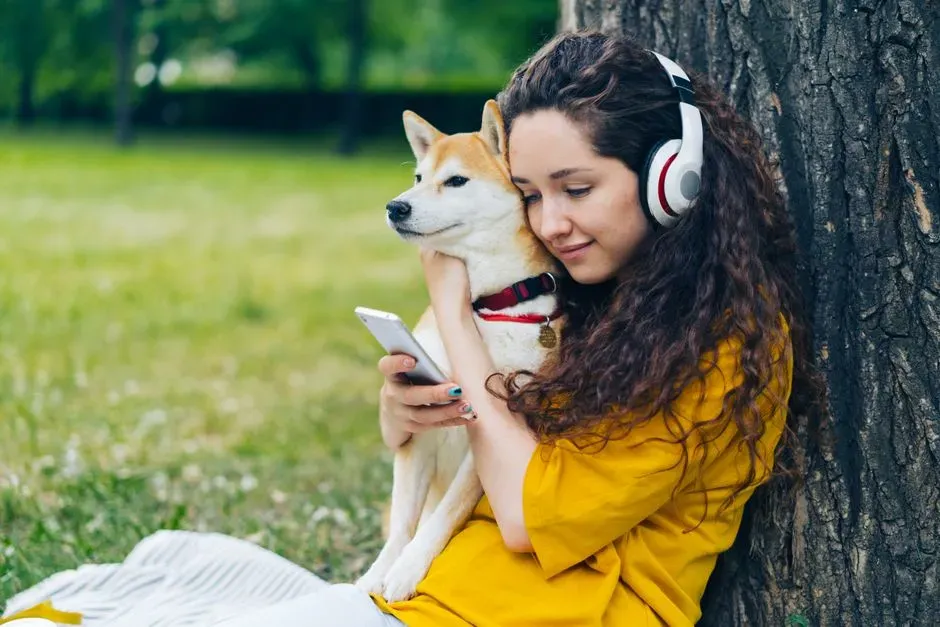
Your dog has brain regions that process voices, and yours quickly becomes the one that matters.
Dogs have voice-sensitive areas in the brain, much like humans do. Brain-imaging research found that dog brains respond to the emotional tone of human voices in ways that resemble our own. That’s not just noise recognition. It’s emotional processing.
A dog learns your pitch, your pace and your volume. It learns the difference between your “phone voice” and your “I’m talking to you” voice, and it learns which one usually comes before something good.
Tone seems to matter as much as the words. A later study found that praise lit up the reward system most strongly when the words and the intonation matched. Praise words in a flat voice, or neutral words in a happy voice, didn’t do the same.
So when you say “good dog” in a monotone while scrolling your phone, your dog is not fooled. The research points to a common mistake: assuming the words alone carry the message.
Warm, cheerful and slightly higher pitched is the combination dogs seem to read most clearly.
Worth Knowing
- Match your words to your tone. Praise works best when both say the same thing.
- Save your “happy voice” for moments you actually want to reward.
- Keep corrections calm and short. A raised, unpredictable voice can muddy the message.
- Your dog is learning your voice patterns, so a consistent tone helps it learn faster.
And your dog isn’t just listening. It’s watching your face too, as #12 shows…
#12 – What Your Face Is Saying

🔥 Would you like to save this?
We'll email this post to you, so you can come back to it later!
Your dog reads your expressions better than you’d expect.
Studies show dogs can tell happy faces from angry ones. Some research suggests they combine what they see and hear to read emotion. A dog hearing a cheerful voice while looking at a smiling face processes it differently from mismatched cues.
Within days, your dog learns your “baseline” face. It also learns what changes: the furrowed brow before a scolding, the relaxed face before a walk.
Now for the controversial part. That “guilty look” your dog gives you is probably not guilt. Dog-cognition researcher Alexandra Horowitz found the look appeared more when owners scolded, whether or not the dog had actually misbehaved. Many experts now argue the dog is reacting to your body language, not confessing to a crime.
If you think your dog knows exactly what it did wrong, you may be reading a human emotion into a dog’s reaction to your mood.
Even more surprising is what your dog learns about your schedule at #11…
#11 – Your Daily Routine
🔥 Would you like to save this?
We'll email this post to you, so you can come back to it later!
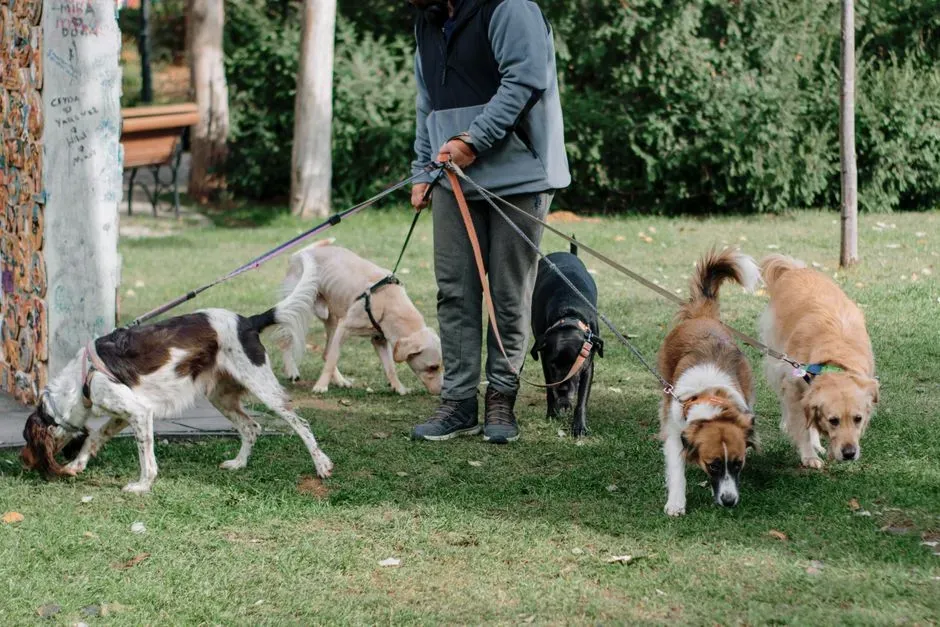
Your dog quietly builds a timetable of your day.
Dogs are fast pattern-learners. Wake-up time, breakfast, the moment you reach for the leash: each becomes a predictable sequence.
Within a couple of weeks, many dogs start to anticipate these events. They wait by the door before you leave. They get restless as dinner time approaches. They show up in the kitchen before you’ve even opened a cupboard.
How dogs track time is still debated. Researchers point to a mix of cues:
- Light changes through the day
- Your habits and the order you do things
- Changes in the household’s scent as the day goes on
One study found dogs greeted owners more intensely after longer absences than after short ones. That suggests dogs have at least a rough sense of how long you’ve been gone. The exact mechanism isn’t settled, so treat the “dogs smell time” idea as a popular theory, not a proven fact.
What is clear is that predictability matters. A dog that can forecast its day tends to feel more settled.
But the cues your dog uses to predict you go further than clocks, as #10 reveals…
#10 – The Sounds That Mean “You’re Home”
🔥 Would you like to save this?
We'll email this post to you, so you can come back to it later!
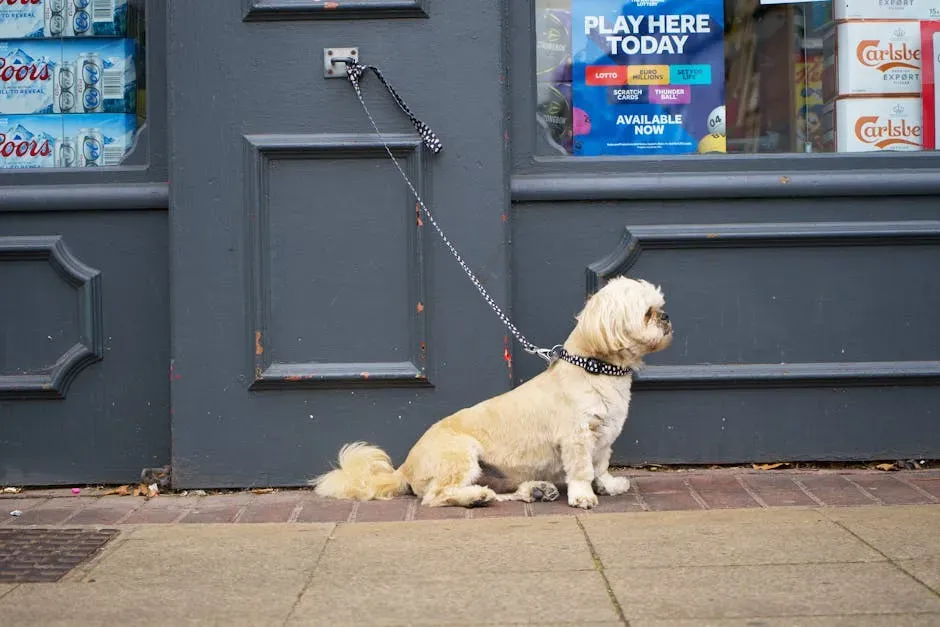
Your dog may know you’re coming before you reach the door.
Many owners report their dog waiting at the door minutes before they arrive. No mystery is needed. It comes from classical conditioning, the same kind of learning Pavlov described.
Your car engine, your key in the lock, your particular footsteps, the rattle of the gate: each one gets linked to you. After enough repetitions, the sound alone predicts your arrival.
Dogs hear a wider range of frequencies than people do, so they can pick up these cues earlier. The sound of your car can become a signal that dinner, play and company are on the way. The dog isn’t psychic. It’s just very good at attaching meaning to repeated sounds.
It works for the bad cues too. The suitcase coming out can trigger anxiety. So can your morning alarm on workdays.
And your dog is watching more than just what you do. It’s watching where you look, as #9 shows…
#9 – Where Your Attention Is
🔥 Would you like to save this?
We'll email this post to you, so you can come back to it later!
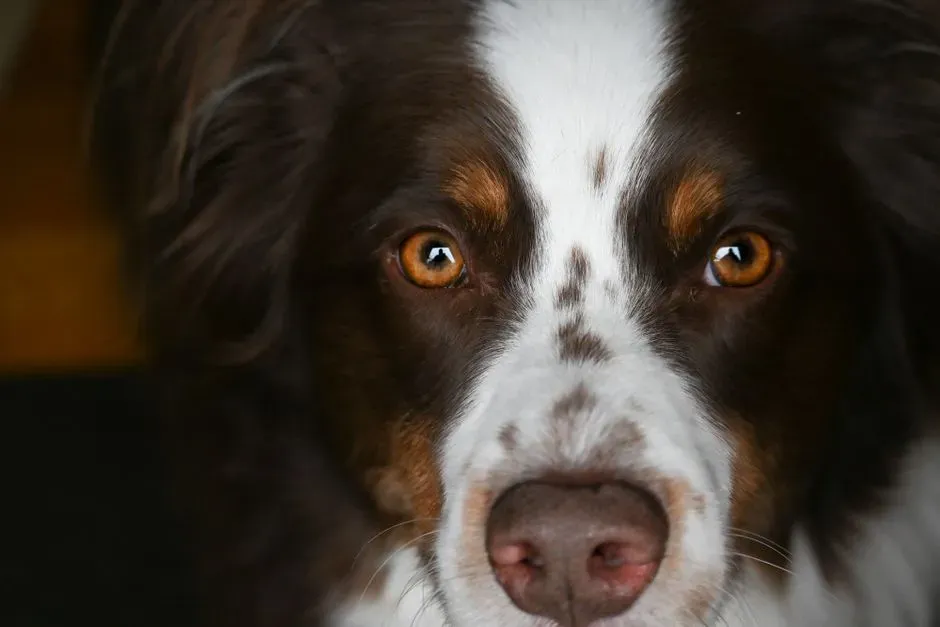
Your dog knows when you’re watching, and adjusts.
Dogs are sensitive to human attention. In classic experiments, dogs were more likely to beg from a person facing them than from one with their back turned. They also tended to be more willing to take forbidden food when the person’s eyes were closed or the room was dark.
That doesn’t mean your dog is “sneaky” in a human sense. It means the dog has learned that your visible attention predicts what happens next.
Within two weeks, a dog can learn quite specific things about you:
- Whether you notice when it grabs a sock
- Whether you react to begging at the table
- Whether you respond to a stare, a nudge or a bark
Dogs follow a human’s gaze direction far more readily than most animals do. Researchers link that to thousands of years of living alongside us.
This is why one person in a household can seem to have a “well-behaved” dog while another doesn’t. The dog has learned each person’s rules.
Quick Compare
- You’re facing the dog: it is more likely to beg and to work for your attention.
- Your back is turned: begging tends to drop off.
- Your eyes are closed or the room is dark: dogs tended to be more willing to take forbidden food.
Next, the signal your dog follows better than even some of our closest relatives: your hand…
#8 – Your Gestures and Pointing
🔥 Would you like to save this?
We'll email this post to you, so you can come back to it later!
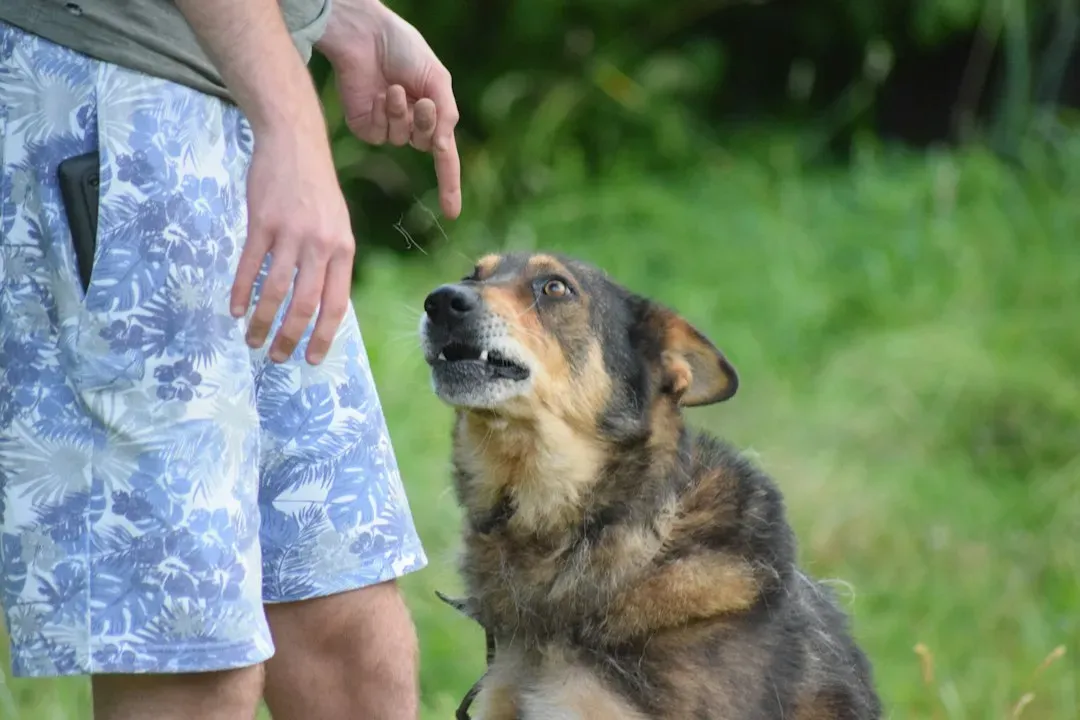
Dogs read your pointing finger in a way even our closest relatives struggle with.
Pointing is a basic human gesture, yet many animals ignore it. Dogs don’t. In comparison studies, dogs typically followed a human point to find hidden food more reliably than wolves raised alongside people did.
Researchers see this as evidence that domestication shaped dogs to read our signals. Puppies show the skill at a young age, which suggests it isn’t learned entirely from experience.
Still, your dog has to learn your version. A head tilt, an open palm, a quick glance at the treat jar: each person gestures differently.
Most of us don’t realize we’re giving our dogs dozens of body cues every day. Dogs notice the smallest ones, like a shift of weight before you stand or a glance toward the door.
That’s why a dog can seem to read your mind. It’s really tracking tiny movements you don’t know you make.
But your dog doesn’t only notice your movements. It also smells how you feel, as #7 reveals…

2 Pcs Halloween Pet Hat Bandana Set, Witch Pumpkin Costumes for Dogs
Check Price on AmazonAs an Amazon Associate, we earn from qualifying purchases.
10/9/2026 2:45 pm GMTi

Glass Hummingbird Feeder for Outdoors Hanging
Check Price on AmazonAs an Amazon Associate, we earn from qualifying purchases.
10/7/2026 1:21 pm GMTi

Halloween Cat Costume Cloak Witch Hat Pet Accessories
Check Price on AmazonAs an Amazon Associate, we earn from qualifying purchases.
10/9/2026 2:44 pm GMTi

Halloween Dog Collar with Bow, Orange Cute Ghost Collar,
Check Price on AmazonAs an Amazon Associate, we earn from qualifying purchases.
10/9/2026 2:43 pm GMTi

Orthopedic Extra Large Dog Bed, Waterproof Washable XL Pet Bed 44"
Check Price on AmazonAs an Amazon Associate, we earn from qualifying purchases.
10/7/2026 1:32 pm GMTi
#7 – Your Stress Levels

🔥 Would you like to save this?
We'll email this post to you, so you can come back to it later!
Your dog can smell the difference between a calm you and a stressed you.
Stress changes body chemistry. Sweat and breath carry different volatile compounds when you’re anxious, and a dog’s nose is built to pick up that kind of shift.
A study in PLOS ONE found that dogs could be trained to tell apart samples taken from people before and after a stressful task. They did it with high accuracy, by scent alone. So your dog may not need to see you frown to know your day went badly.
Some research on owners and dogs also finds that stress can move between them. Stressed owners may have stressed dogs, and the reverse can be true. The direction of that influence is still being studied.
What your dog does with the information varies:
- Some stay close
- Some get restless or clingy
- Some withdraw
It’s tempting to assume your dog is “comforting” you. It may simply be reacting to the change in you.
Your stress is only part of what shapes your dog’s behavior. Your rules matter just as much at #6…
#6 – How Consistent You Are
🔥 Would you like to save this?
We'll email this post to you, so you can come back to it later!
Your dog learns very quickly whether your rules are real.
Dogs learn through consequences. What gets rewarded happens more often. What doesn’t gets dropped.
That means every interaction is a tiny lesson. If jumping up earns attention one day and a scolding the next, the dog learns that jumping is a gamble. A behavior rewarded only now and then can be harder to extinguish than one rewarded every time. That’s a well-known finding in learning science, and it’s why “sometimes” is the most expensive word in dog training.
Here’s an opinion that annoys some old-school trainers. The idea that you must be the “alpha” is largely rejected by modern behavior experts. The wolf-pack model it came from was based on captive wolves that weren’t related, which isn’t how wild packs work.
What your dog actually wants to know is simple. Are you predictable? Are you fair? Do you follow through?
A dog that can answer yes to all three tends to settle faster. A dog in a household of mixed signals usually just tries more things.
At a Glance
- Predictable: the same cue gets the same response, every time.
- Fair: rewards and corrections match what the dog actually did.
- Follows through: a rule you state is a rule you enforce.
- The cost of “sometimes”: occasional rewards keep a habit alive longest.
Next up is the person your dog decides is a soft touch at #5…
#5 – Who Hands Out the Food

🔥 Would you like to save this?
We'll email this post to you, so you can come back to it later!
Your dog has figured out exactly how much you’ll give in.
Food is the strongest teaching tool in dog life, and your dog uses it on you as well. It notices who drops crumbs, who shares toast, and who caves to a long stare.
Dogs learn this by trial and error. If begging works with you but not with your partner, the dog files that away. Then it tailors its behavior to each of you.
Many households end up with a dog that behaves differently with every family member. That isn’t disloyalty. It’s learning. Different people produce different outcomes, so the dog responds differently.
Signs your dog has profiled you as a soft touch:
- It parks itself next to your chair, not someone else’s
- It escalates from a stare to a paw to a whine
- It checks your face before it checks the bowl
Trainers often say the fix is agreement. If one person feeds from the table and another doesn’t, the dog has little reason to give up.
But being a soft touch is one thing. Whether you feel safe to your dog is another, as #4 reveals…
#4 – Whether You’re a “Safe Base”
🔥 Would you like to save this?
We'll email this post to you, so you can come back to it later!
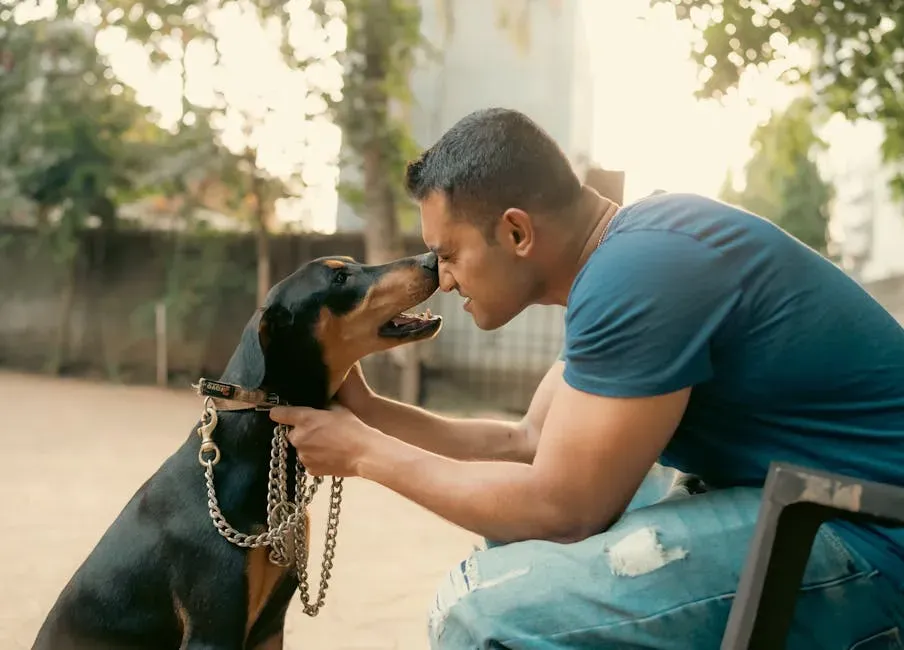
Your dog checks in with you when the world gets unfamiliar.
In a well-known experiment adapted from child psychology, researchers watched how dogs behaved with their owner in an unfamiliar room. Dogs tended to explore more when their owner was present. They showed more stress when left with a stranger or alone.
That pattern is described as using a person as a “secure base.” Dogs also look to their owner’s reaction when something new appears. This is called social referencing, and it has been observed in dogs.
In practice, a dog that is still deciding about you will test the waters. It may stay near you at the park, or glance back during a walk to make sure you’re still there.
Many shelter workers use a “3-3-3” rule of thumb: 3 days to decompress, 3 weeks to learn the routine, 3 months to feel at home. It’s a popular guide, not a scientific law, and dogs vary a lot.
That brings us to the words your dog is already learning at #3…

Professional 7 in 1 Dog Paw Cleaner for Dogs & Cats - Includes 1 Portable Paw Washer, 1 Bath Brush
Check Price on AmazonAs an Amazon Associate, we earn from qualifying purchases.
10/7/2026 1:26 pm GMTi

PetSafe Oasys Pet Fountain, 1/2 Gallon (64 oz), Small Dogs & Cats
Check Price on AmazonAs an Amazon Associate, we earn from qualifying purchases.
10/8/2026 8:14 am GMTi

Dog Stairs for Bed 18" H, 4-Step Dog Steps for High Bed
Check Price on AmazonAs an Amazon Associate, we earn from qualifying purchases.
10/9/2026 2:42 pm GMTi

Portable Dog Water Bottle Foldable Dog Travel Water Bottle
Check Price on AmazonAs an Amazon Associate, we earn from qualifying purchases.
10/7/2026 1:29 pm GMTi

Glass Hummingbird Feeder for Outdoors Hanging, 16 oz Leak-Proof Nectar Feeder with Bee Guards & Ant Moat
Check Price on AmazonAs an Amazon Associate, we earn from qualifying purchases.
10/7/2026 1:22 pm GMTi
#3 – The Words You Use
🔥 Would you like to save this?
We'll email this post to you, so you can come back to it later!
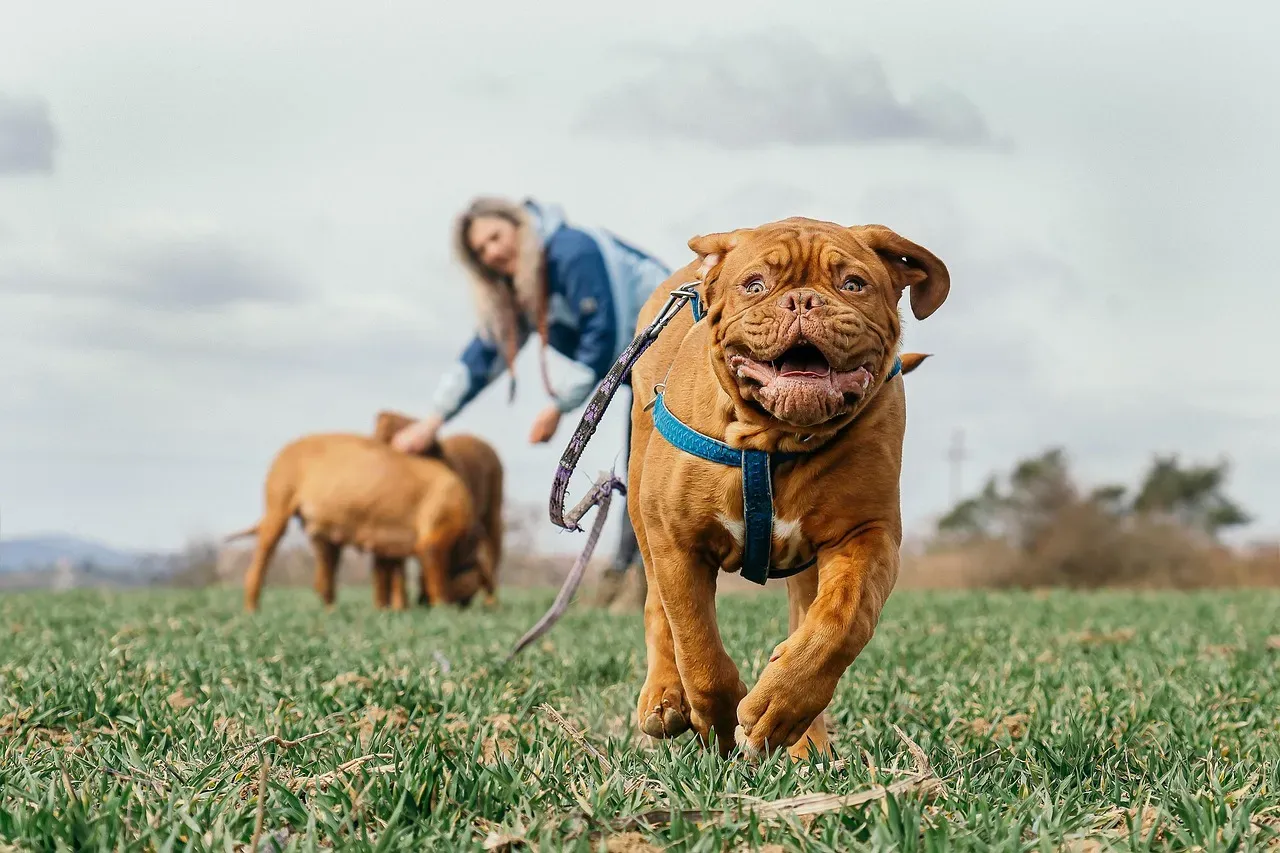
Your dog is already building a vocabulary from you.
Dogs link sounds to outcomes quickly. Say “walk” before the leash comes out a few times, and the word starts to mean something.
The upper limit is higher than most people think. A border collie named Chaser was taught the names of more than 1,000 objects in a well-known study. She could also pick out items by name. That’s an extreme case, but it shows the capacity is there.
Most dogs won’t reach that level. Still, within a couple of weeks, a typical dog can pick up a handful of words that matter to it, such as:
- Its own name
- “Walk,” “dinner” or “treat”
- “Come” and “sit,” if you’ve trained them
The truth is that dogs rely on more than words. They use your tone, your body and the context. A dog that “understands every word” is often reading your posture and routine too.
Short, consistent words tend to work best. Using the same cue every time is far more useful than inventing a new phrase each time.
Fast Facts
- Chaser’s trainer was John Pilley, a retired psychology professor.
- Her vocabulary reached about 1,022 toys, each with its own name.
- Her training took years of daily sessions, not a couple of weeks.
- Her study was published in 2011.
And words are only one channel. The next one starts with a stare, at #2…
#2 – Your Eye Contact
🔥 Would you like to save this?
We'll email this post to you, so you can come back to it later!
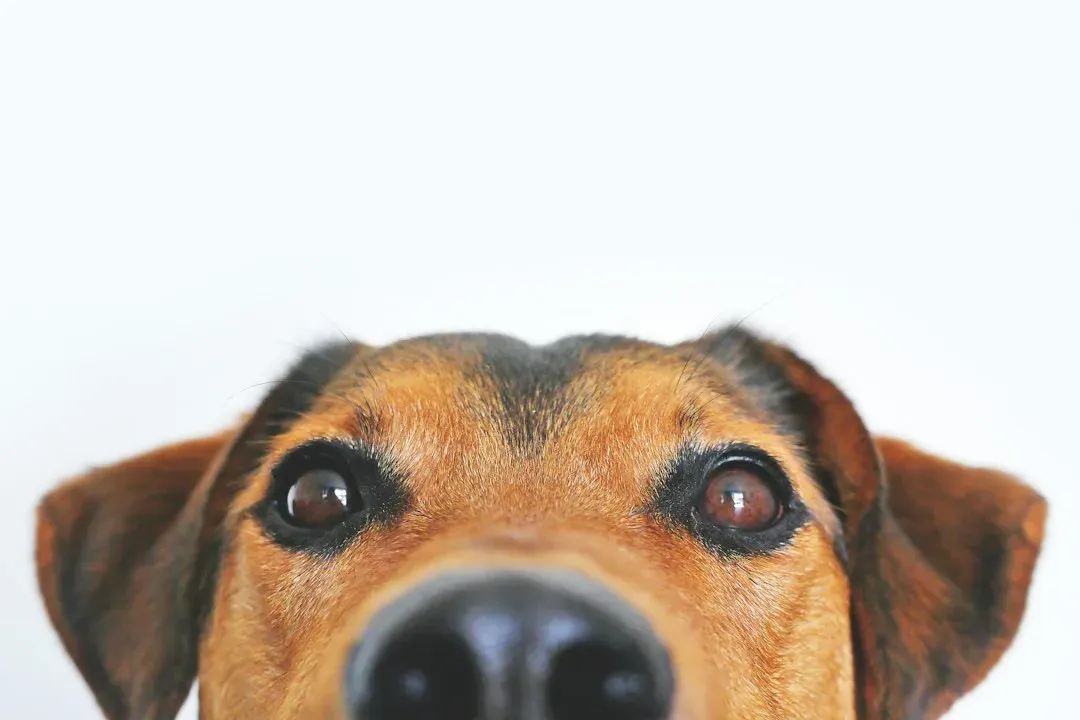
Staring at you is a bonding behavior your dog has learned works.
In wolves, a prolonged stare is often a threat. In dogs, it’s something else entirely. Dogs have learned that looking at humans gets results.
A Japanese study found that when dogs gazed at their owners, oxytocin levels rose in both the dog and the owner. Oxytocin is often linked with bonding. The researchers suggested a feedback loop between the two.
Dogs also appear to use looks to ask for help. In tests where a task was impossible, dogs looked back toward humans, whereas wolves tended to keep trying on their own.
Within two weeks, your dog learns what your eye contact does:
- Does a soft look from you bring a pat?
- Does a direct gaze mean play, or “stop”?
- Does your gaze follow its gaze toward a toy?
Not all dogs love a direct stare. Some, especially newly adopted ones, may find it uncomfortable at first. A relaxed, brief glance is a safer start.
But the biggest thing your dog works out about you is something it decides almost silently, at #1…

Hand Blown Glass Hummingbird Feeders for Outdoors Hanging, 24oz Wild Bird Nectar Feeder
Check Price on AmazonAs an Amazon Associate, we earn from qualifying purchases.
10/7/2026 1:23 pm GMTi

Air Purifiers for Home Pets Large Room Up to 3000 Ft²,HEPA Air Cleaner with Washable Double-Side Filter, PM2.5 Air Quality Monitor,15dB Sleep Mode for Bedroom Odor Dust Pollen,White
Check Price on AmazonAs an Amazon Associate, we earn from qualifying purchases.
10/8/2026 8:23 am GMTi

Smart Bird Feeder with Camera Solar Powered, 2K HD Live Video, 10,000+ Bird Species AI Identification
Check Price on AmazonAs an Amazon Associate, we earn from qualifying purchases.
10/7/2026 1:22 pm GMTi

Earth Rated XL Dog & Puppy Pee Pads, Discreet Top, Max Absorbency
Check Price on AmazonAs an Amazon Associate, we earn from qualifying purchases.
10/7/2026 1:28 pm GMTi
#1 – Whether You Can Be Trusted
🔥 Would you like to save this?
We'll email this post to you, so you can come back to it later!
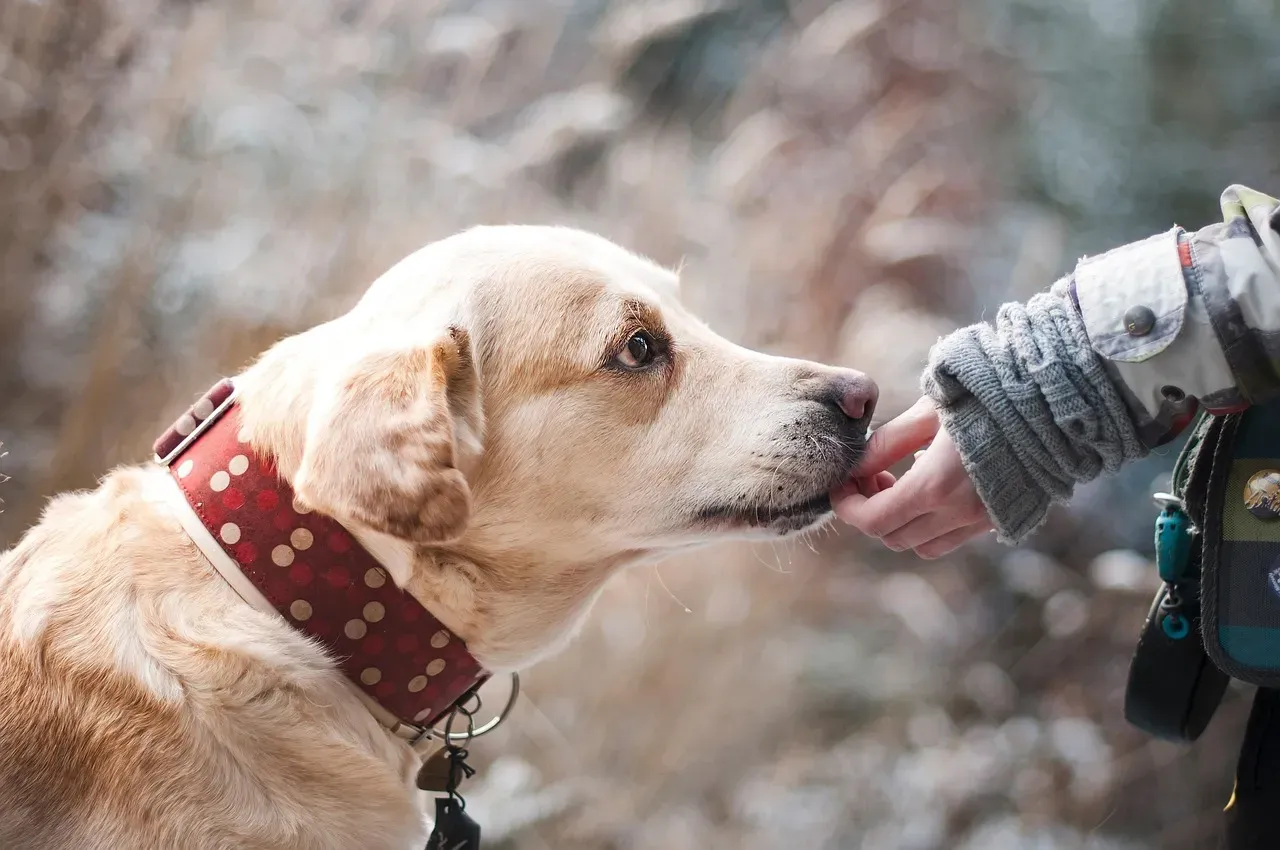
Your dog may be judging how you treat other people.
This is the most debated item on the list. Some research suggests dogs can form opinions about people from watching how they treat others.
In one Japanese study, dogs tended to avoid accepting food from a person who had refused to help their owner. The dogs seemed to hold a person’s behavior toward their owner against them. That’s a striking result.
Other studies on this have been mixed. Some found dogs less sensitive to this kind of social evaluation, so scientists don’t yet agree on how far it goes.
What’s much more certain is that your dog keeps a running record of how you act toward it. Rough handling, loud outbursts and unpredictable moods are all remembered. So are patience, calm and fair treatment.
This is the file that matters most. Scent, voice, schedule and gestures all get filed under one question: Is this person good for me?
The shocking part isn’t that dogs learn fast. It’s how much of you they pick up without you ever teaching it. Within a couple of weeks, your dog can know your smell, your voice, your routine, your mood tells and your rules.
Here’s my opinion: the “make sure your dog knows who’s boss” advice has it backwards. Your dog isn’t trying to rank you. It’s studying you for consistency, calm and fairness, and it’s taking notes the whole time.
The fastest route to a good bond is to be the person your dog can predict. So which of these 14 do you think you’re teaching your dog without realizing it?

- 14 Things a Dog Learns About One Person Within Two Weeks - November 8, 2026
- 9 Things a Senior Pass Gets You Beyond Park Entry Gates - November 8, 2026
- 9 Ways a Cat Ranks Everybody Living in a House - November 8, 2026