
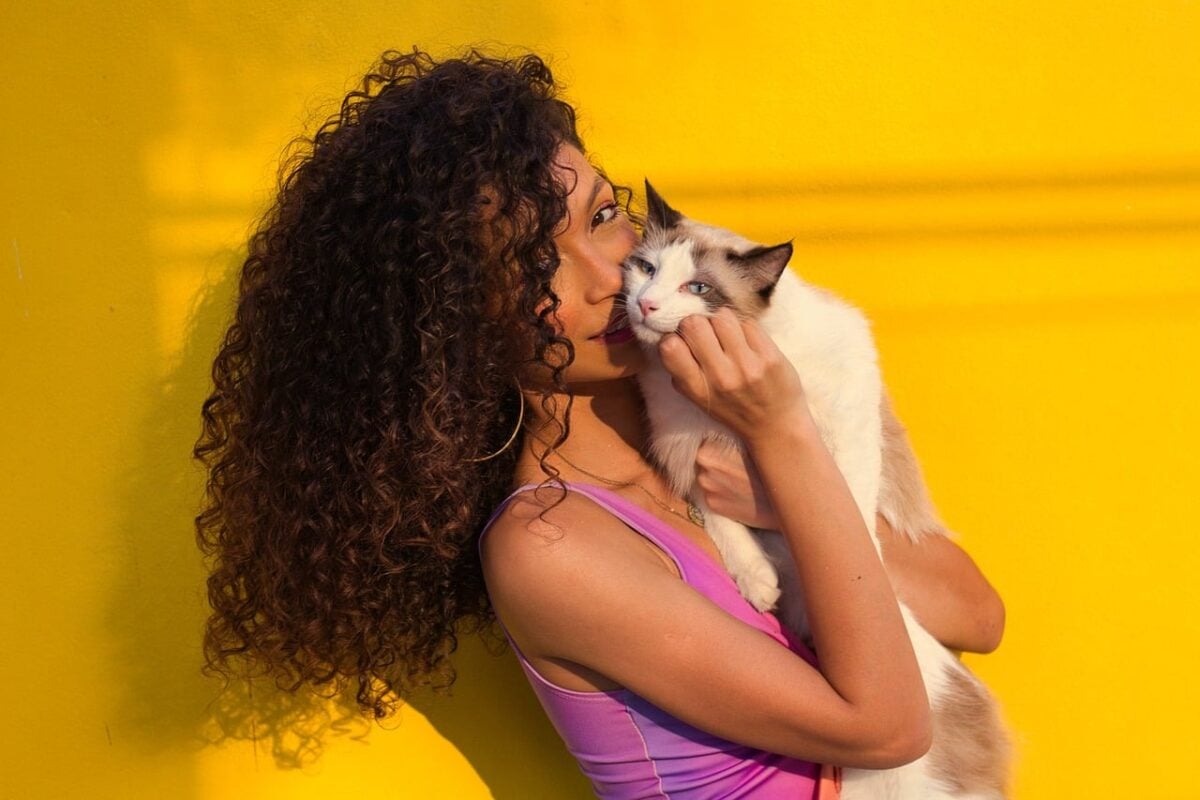
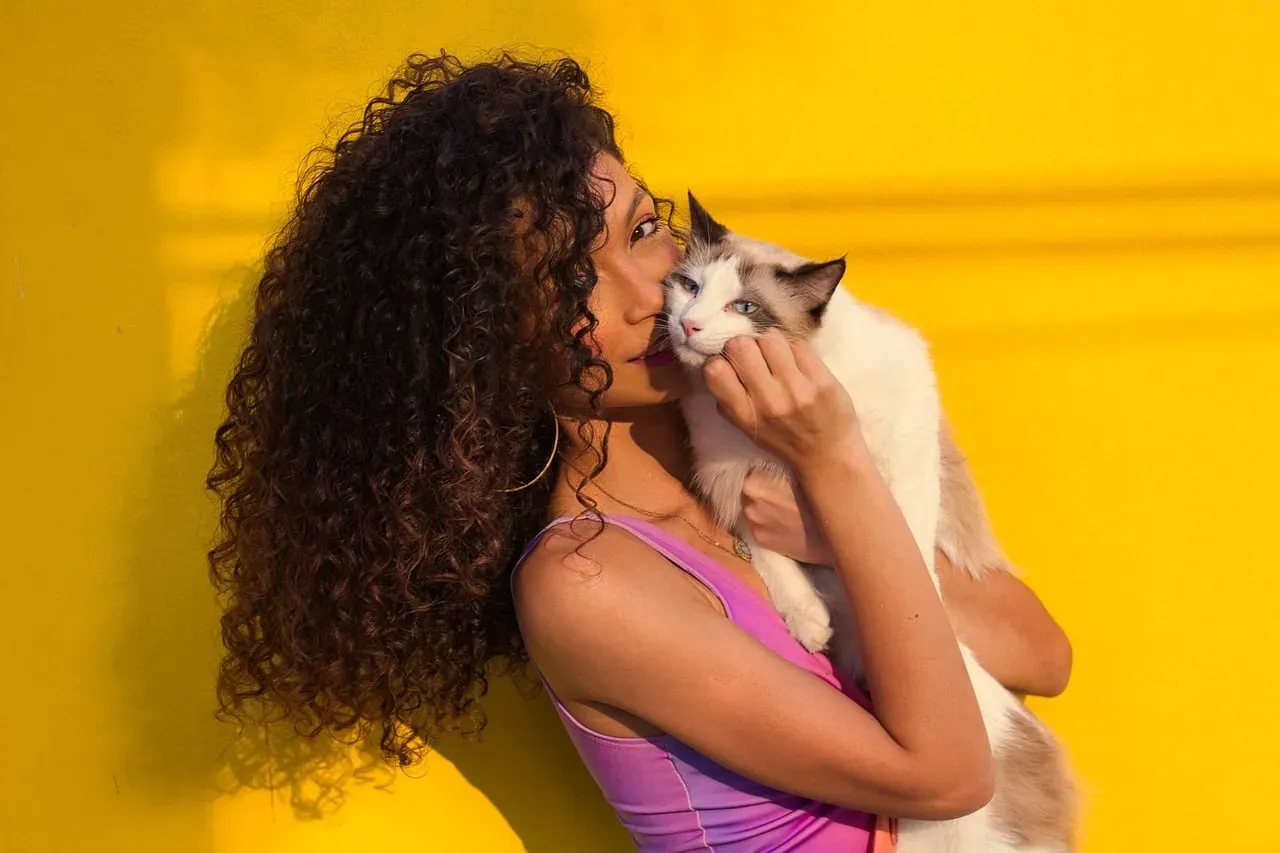
Ouch. Most people take that as proof the cat doesn’t care, and most people are wrong. In a widely cited 2019 study, roughly two-thirds of the cats tested showed a secure bond with their owner, a split that closely matched what researchers see in human infants.
The gap between a cat that tolerates you and one that is truly attached is rarely loud. It hides in small habits most owners overlook, and a few of the most beloved “love signs” may not mean what you think they do. Here’s what the research and behaviour experts actually say, starting with a greeting you’ve probably seen a hundred times.
#16 – The Upright Tail Hello
🔥 Would you like to save this?
We'll email this post to you, so you can come back to it later!
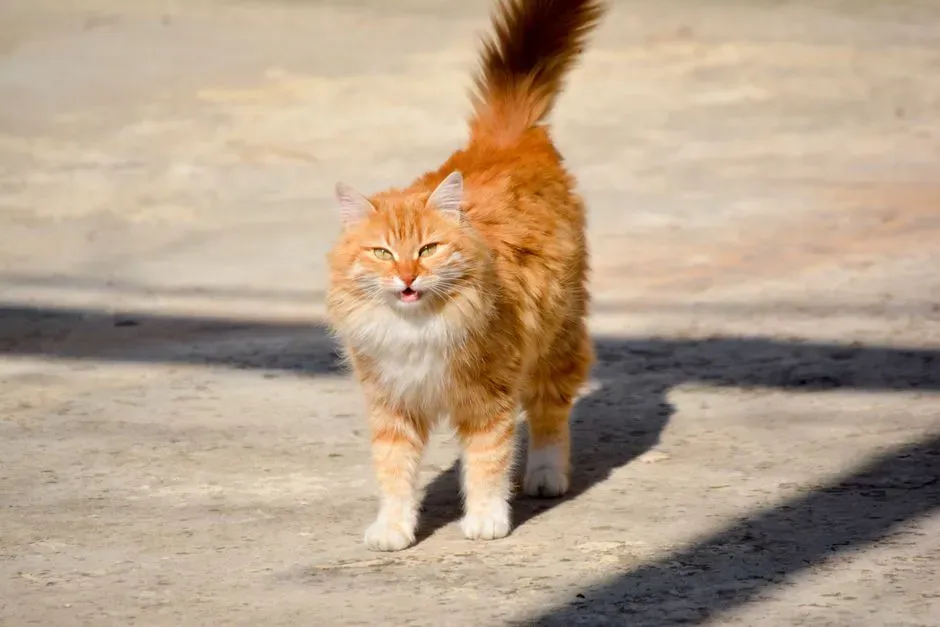
An upright tail is a deliberate greeting, not a random flick.
A comfortable cat may drift past you with its tail low or neutral. A bonded cat often walks straight toward you with its tail held vertical, sometimes with a small quiver or curl at the tip. Picture a tiny flagpole crossing the room, and the flag is you.
Researchers think the posture is borrowed from kittenhood, when kittens approach their mothers tail-up. Cats also use it with other cats they’re friendly with. Most people don’t realize an adult cat may be using a kitten’s greeting on you.
- Comfortable cat: tail low or neutral, passes by without a glance.
- Bonded cat: tail high, direct approach, often a small tip curl.
Context still matters. A puffed tail combined with a sideways, arched stance means the opposite of a welcome. Read the whole body, not just the tail.
But the next move is even more telling, and most owners misread it completely at #15…
#15 – Headbutts and Cheek Rubs
🔥 Would you like to save this?
We'll email this post to you, so you can come back to it later!
When a cat bumps its head into you, it is doing far more than asking for attention.
Cats have scent glands around the face. Rubbing your hand, leg, or chin leaves a trace of their scent on you. A comfortable cat mostly rubs furniture and door frames. A bonded cat often chooses you.
The behaviour is often called bunting. Experts generally read it as a way of blending scents and marking you as familiar and safe. Think of it as your cat signing its name on you. Some cats will rub the same person dozens of times a day while ignoring visitors.
The pattern to watch is what happens next. A cat that rubs, then pushes back into your hand when you pet it, is asking for more, not just marking.
But the most overrated sign of affection is coming up next, at #14…
#14 – Sleeping On or Beside You
🔥 Would you like to save this?
We'll email this post to you, so you can come back to it later!
A cat on your bed isn’t automatically a bonded cat.
Here’s the unpopular truth. Many cats pick the warmest, softest spot in the house, and sometimes that spot happens to be you. A merely comfortable cat will do this too.
What separates the two is the details. A bonded cat tends to choose you over an empty, equally warm cushion. It also settles in close contact, such as pressed against your side, on your chest, or curled at your legs.
Sleeping is the most defenseless state a cat has. Cats spend a huge part of the day asleep, so choosing to do it in contact with a person suggests real trust.
- Warm-spot sleeper: leaves as soon as you move.
- Bonded sleeper: picks you even when other spots are free.
Many experts argue that “sleeps on the bed” is the most over-credited bonding signal there is. Look at the choice, not the location.
Next up is a habit that gets mistaken for neediness, at #13…
#13 – Following You Room to Room

🔥 Would you like to save this?
We'll email this post to you, so you can come back to it later!
Your shadow in the hallway is secretly a social decision.
Cats are often described as independent. Yet cat behaviour guides note that cats tend to follow their owners from room to room, sometimes at a distance. That last part matters.
A comfortable cat moves around the house on its own schedule. A bonded cat adjusts its schedule to yours. You head to the kitchen and it appears. You go to the bathroom and it waits outside the door.
Many cats don’t follow closely. They trail at a few paces and settle in the doorway, within sight. Most people don’t realize that counts, and it’s a quiet way of keeping you in their world.
Not every follower is attached, though. A cat that follows only near feeding time may be tracking the bowl, not the person. Check whether the shadowing continues at other times of day.
At a Glance
- Close shadowing: the cat trails right behind you.
- Distance shadowing: a few paces back, settled in a doorway within sight.
- Bowl tracking: the cat appears only around mealtimes.
- The best test: does the following continue at other times of day?
Then there’s the sound your cat makes when you walk in, which is the next clue at #12…
#12 – Chirps, Trills, and Greeting Calls
🔥 Would you like to save this?
We'll email this post to you, so you can come back to it later!
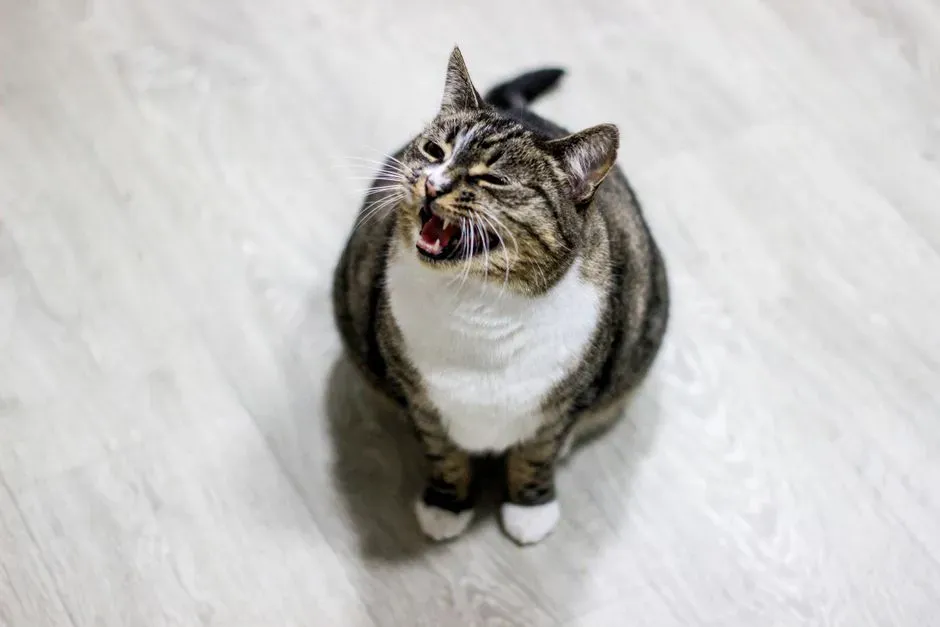
The little sound your cat makes when you walk in is aimed at you.
A chirp or meow is a common greeting. Cat behaviour guides note that a vocal cat may greet you with a chirp or meow when you enter a room or talk to her.
A comfortable cat may give you a glance and nothing more. A bonded cat often answers when spoken to, producing short trills or chirps that sound almost like conversation. Many owners say their cat has a signature sound just for them.
Cats have developed a sound repertoire that seems aimed mostly at humans. Plenty of cats are quiet by nature, so silence doesn’t mean low attachment.
- Short trill or chirp: usually a friendly hello.
- Long, loud, repeated yowl: more likely a demand, a worry, or a medical issue.
And that brings us to the one signal science has actually tested, at #11…
#11 – The Slow Blink
🔥 Would you like to save this?
We'll email this post to you, so you can come back to it later!
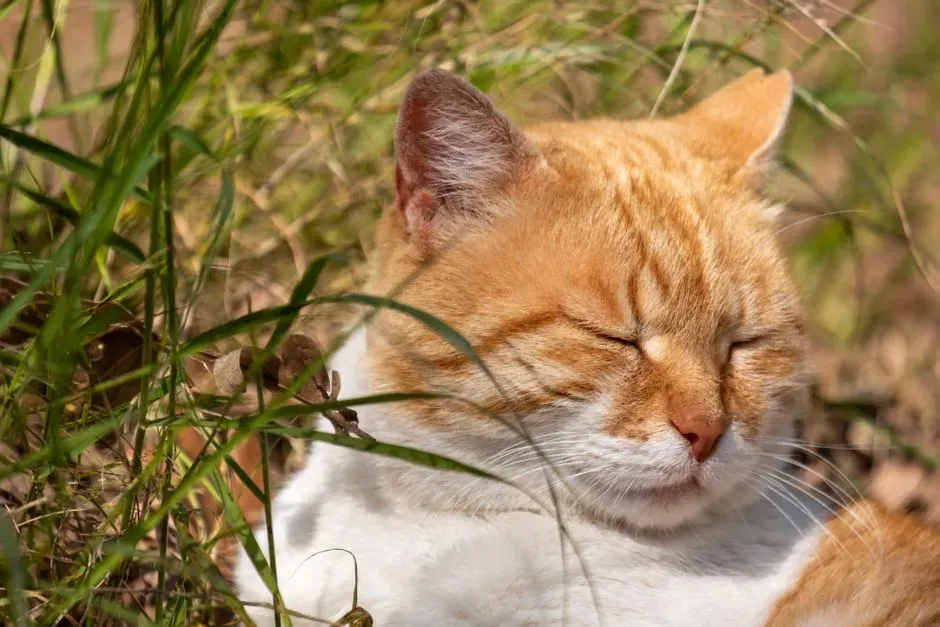
A slow blink may be the closest thing cats have to a smile.
In a 2020 study, cats were more likely to approach an experimenter who had slow-blinked at them than one who kept a neutral face. Cats also tended to return the slow blink when their owners did it first.
A comfortable cat may simply stare at you. A bonded cat softens its eyes, narrows them, and often closes them slowly. Cats rarely close their eyes near something they consider a threat, which is why the gesture reads as trust.
One caution from the research: the effect was shown in a limited set of tests. It is a promising sign, not a lie detector.
Your cat may also be tracking something you say every day, which brings us to #10…
#10 – Responding to Your Voice and Name
🔥 Would you like to save this?
We'll email this post to you, so you can come back to it later!
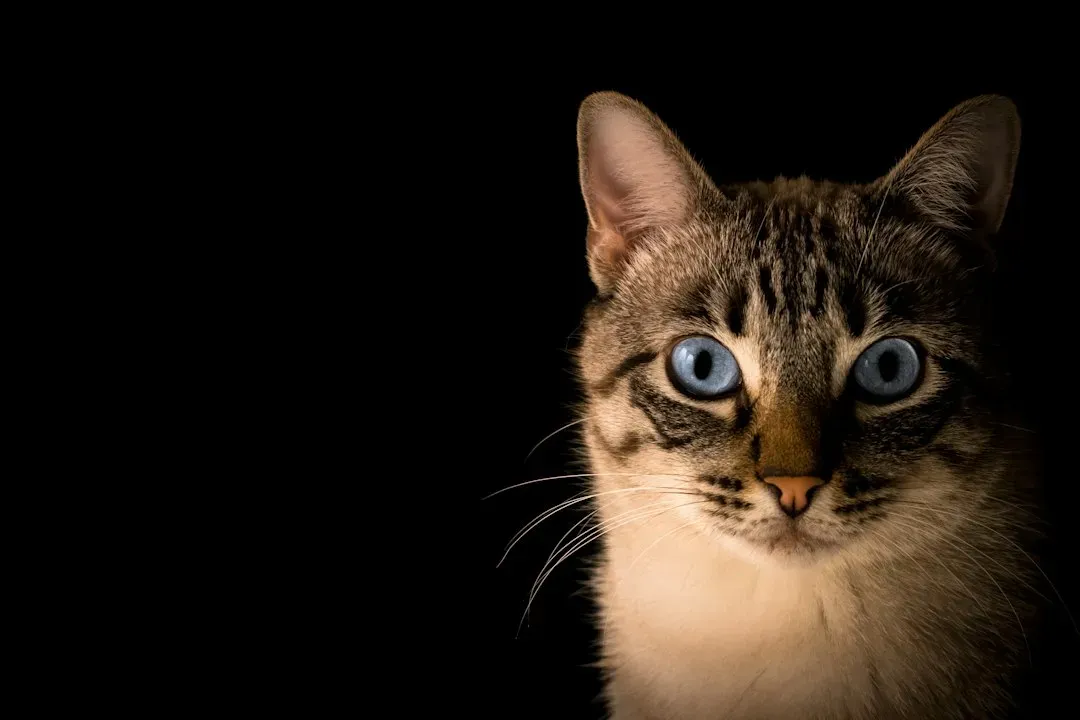
Your cat knows exactly who is talking, even when it pretends not to.
Research suggests cats can tell their owner’s voice from a stranger’s. They don’t always show it. A comfortable cat may ignore you entirely. A bonded cat often shows tiny reactions, such as an ear swivel, a head turn, or a tail twitch.
Most cats that ignore their name aren’t failing to hear it. They’re choosing not to answer. Researchers have found that cats can distinguish their own names from other words, though that doesn’t mean they’ll come running.
- Ear flick: heard you, still deciding.
- Head turn or soft chirp: heard you and cares.
- Walking over: you’ve earned it.
That choice is often what gives the bond away. A cat that reacts to a calm voice, even from another room, has learned that your voice predicts good things.
Then there’s a posture that looks like an invitation but often isn’t, at #9…
#9 – The Exposed Belly
🔥 Would you like to save this?
We'll email this post to you, so you can come back to it later!
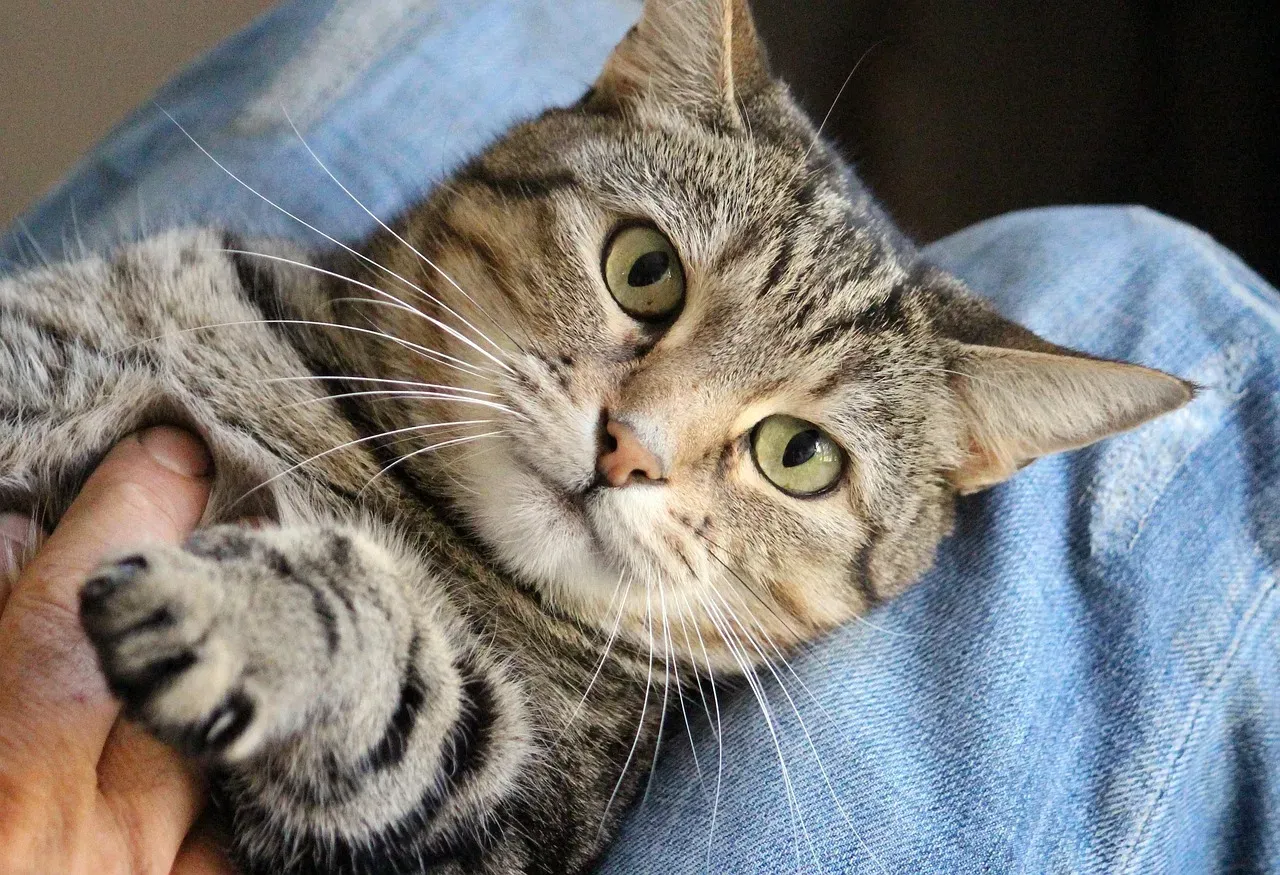
A belly-up cat is saying “I trust you,” not “rub me.”
The belly is a cat’s most vulnerable area. A comfortable cat will sprawl on its side in a relaxed room. A bonded cat may roll over specifically in front of you, sometimes while holding your gaze.
For many cats, a hand on the belly triggers a defensive grab. The cat’s body is protecting vital organs, not accepting a pet. The exposed belly is often a trust display, and the rub that follows is where owners lose the point.
Some cats do love belly rubs, and you’ll know because they stay relaxed and lean into your hand. Others clamp on with claws and teeth. The same posture can mean both, so watch the face and tail first.
But the next habit goes all the way back to kittenhood, at #8…

Halloween Dog Collar with Bow, Orange Cute Ghost Collar,
Check Price on AmazonAs an Amazon Associate, we earn from qualifying purchases.
10/9/2026 2:43 pm GMTi

Orthopedic Extra Large Dog Bed, Waterproof Washable XL Pet Bed 44"
Check Price on AmazonAs an Amazon Associate, we earn from qualifying purchases.
10/7/2026 1:32 pm GMTi

Halloween Cat Costume Cloak Witch Hat Pet Accessories
Check Price on AmazonAs an Amazon Associate, we earn from qualifying purchases.
10/9/2026 2:44 pm GMTi

PetSafe Oasys Pet Fountain, 1/2 Gallon (64 oz), Small Dogs & Cats
Check Price on AmazonAs an Amazon Associate, we earn from qualifying purchases.
10/8/2026 8:14 am GMTi

Portable Dog Water Bottle Foldable Dog Travel Water Bottle
Check Price on AmazonAs an Amazon Associate, we earn from qualifying purchases.
10/7/2026 1:29 pm GMTi
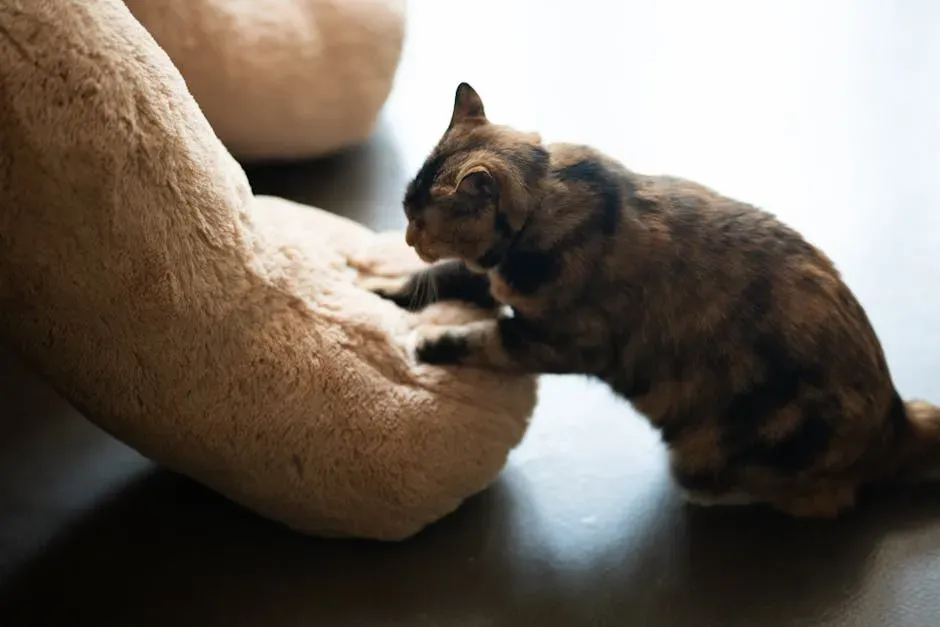
#8 – Kneading
🔥 Would you like to save this?
We'll email this post to you, so you can come back to it later!
Those rhythmic paws are a leftover from the first week of life.
Kittens press their paws against their mother to stimulate milk flow. Many adult cats keep the habit, usually when they feel relaxed. A comfortable cat might knead a blanket. A bonded cat often kneads you.
Some cats purr, drool, or half-close their eyes while kneading. The whole body looks blissed out, which is a good hint at the emotional state behind it.
- Kneading with soft eyes and purring: contentment.
- Kneading with a tense body or frequent clawing: may need a blanket barrier or a nail trim.
Kneading isn’t universal. Some bonded cats never do it, and some cats knead only on soft fabric. Its absence says nothing negative.
And that comfort-seeking explains something odd about your laundry, at #7…
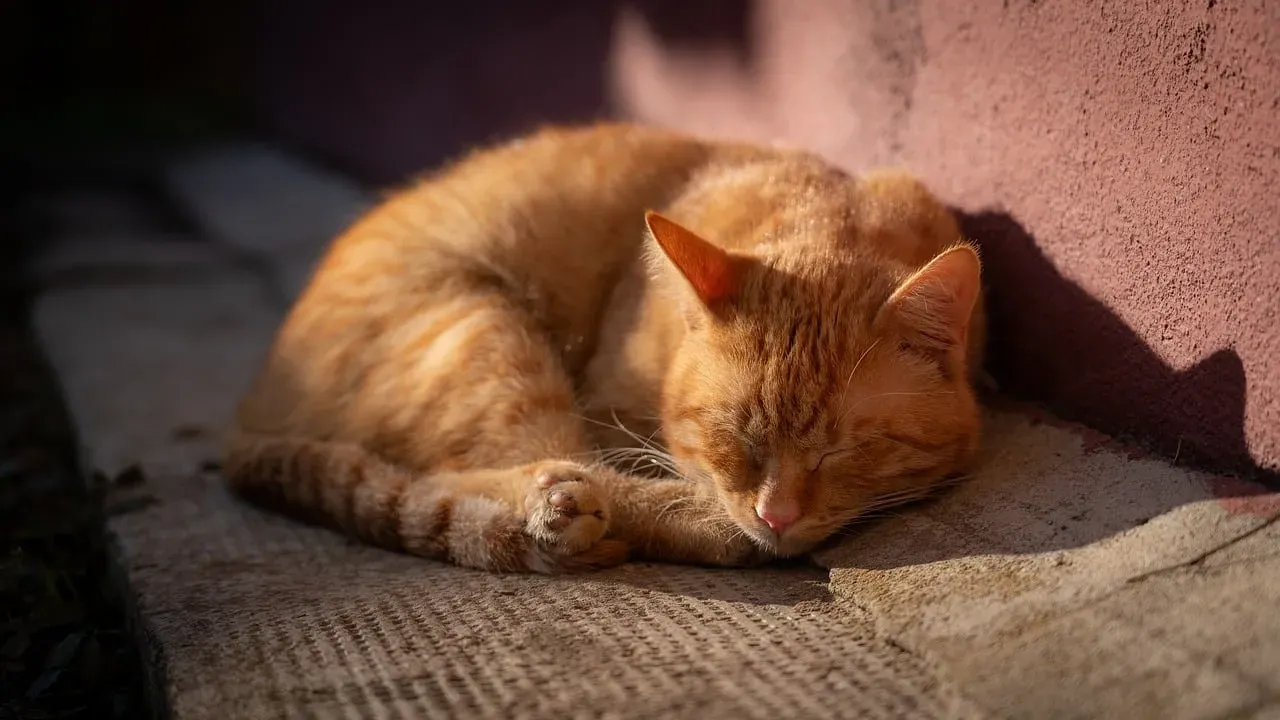
#7 – Sleeping on Your Clothes
🔥 Would you like to save this?
We'll email this post to you, so you can come back to it later!
Your unwashed sweater is a love letter your cat can actually read.
Cats rely heavily on scent. A comfortable cat sleeps wherever is soft. A bonded cat often seeks out items that smell strongly of you, such as worn clothes, towels, or your side of the bed.
Some cats will pick your jumper over a brand-new cat bed. Experts generally interpret this as scent-based comfort. Your smell is familiar and associated with safety.
This is also why some cats settle more easily when you’re away if they have an item of yours nearby. It is a small trick, but it can help during travel or vet visits.
Worth Knowing
- Scent is central to how cats judge what feels safe.
- Worn clothes, towels, and your side of the bed are the usual favourites.
- An item that smells like you can help during travel or vet visits.
- The evidence so far is mostly observation, not controlled experiments.
Treat this one as a reasonable interpretation, not a proven rule.
Next comes a gesture that’s more intimate than it looks, at #6…
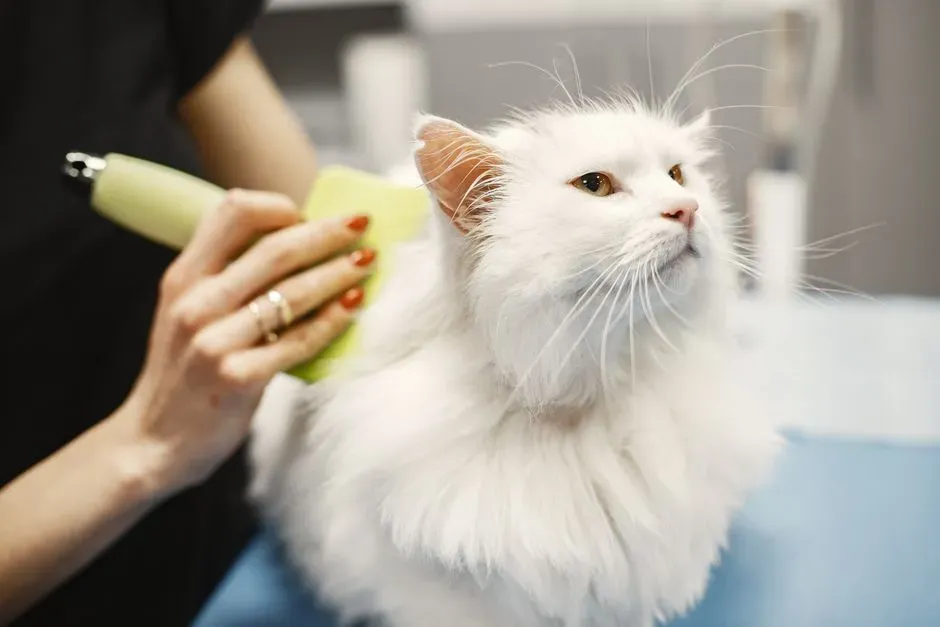
#6 – Grooming You Back
🔥 Would you like to save this?
We'll email this post to you, so you can come back to it later!
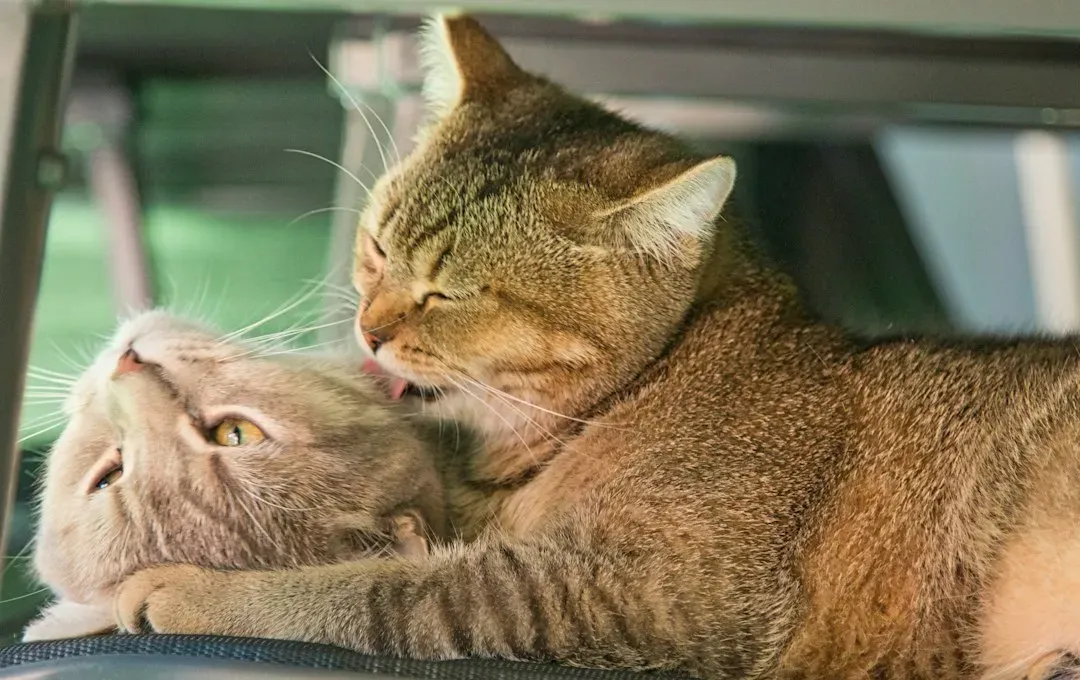
When a cat licks you, it may be treating you like family.
Cats groom each other, called allogrooming, mainly with cats they’re close to. A comfortable cat may sniff your hand and move on. A bonded cat may lick your fingers, hair, or arm with focus.
Cats usually groom only those they are bonded with. Whether they see you as another cat is unknown, but the behaviour looks similar to what they’d do for a close companion.
Occasionally, grooming ends with a gentle nibble. That’s usually part of the same routine, not aggression, as long as the body language stays soft.
Of course, not every close moment is calm, and the next one is surprisingly gentle, at #5…
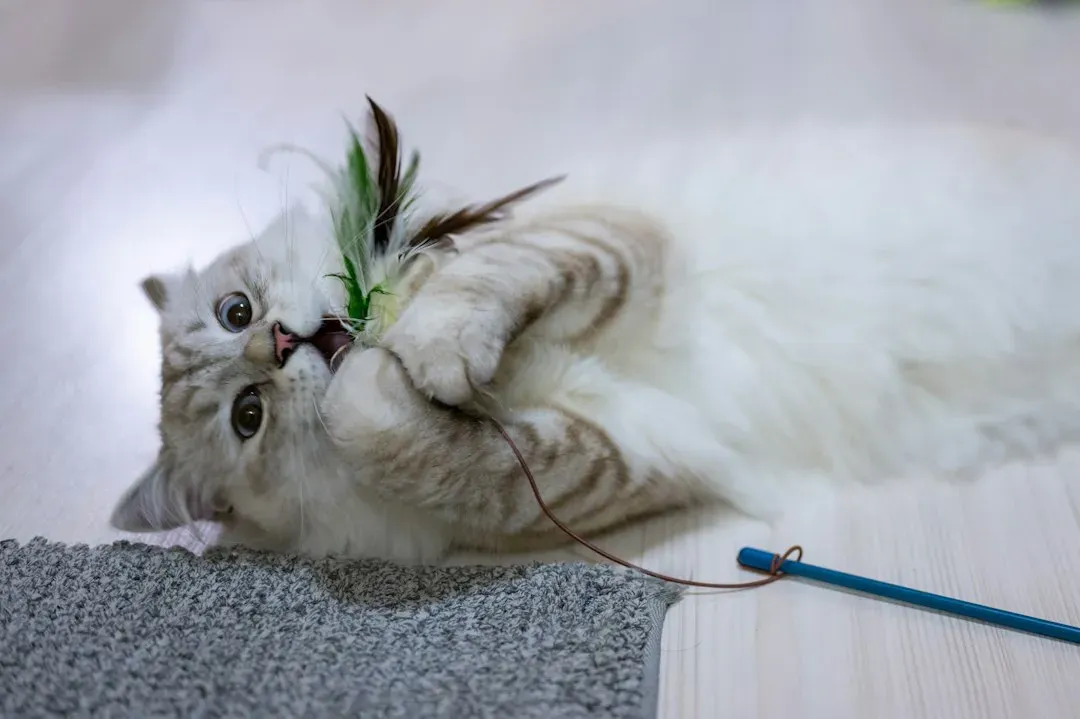
#5 – Gentle, Controlled Play
🔥 Would you like to save this?
We'll email this post to you, so you can come back to it later!
A bonded cat plays rough with its mind, not its teeth.
Kittens learn bite control by playing with their littermates. In a well-bonded relationship, many adult cats show the same restraint with their people. They mouth your hand without breaking the skin, or swat with claws sheathed.
A comfortable cat may play too, but often stops at the first sign of stress. A bonded cat tends to stay engaged and softens its play to match yours.
- Soft mouthing, claws in: relaxed play.
- Flattened ears, tail lash, hard bites: overstimulated. Stop and let it settle.
Play also builds the relationship. Short, regular sessions with a wand toy can turn a hands-off cat into a more confident one. Avoid using your hands as toys, because it teaches rougher habits.
Then there’s the test of whether your cat trusts you with the awkward stuff, at #4…

Earth Rated XL Dog & Puppy Pee Pads, Discreet Top, Max Absorbency
Check Price on AmazonAs an Amazon Associate, we earn from qualifying purchases.
10/7/2026 1:28 pm GMTi

Hand Blown Glass Hummingbird Feeders for Outdoors Hanging, 24oz Wild Bird Nectar Feeder
Check Price on AmazonAs an Amazon Associate, we earn from qualifying purchases.
10/7/2026 1:23 pm GMTi

Air Purifiers for Home Pets Large Room Up to 3000 Ft²,HEPA Air Cleaner with Washable Double-Side Filter, PM2.5 Air Quality Monitor,15dB Sleep Mode for Bedroom Odor Dust Pollen,White
Check Price on AmazonAs an Amazon Associate, we earn from qualifying purchases.
10/8/2026 8:23 am GMTi

Smart Bird Feeder with Camera Solar Powered, 2K HD Live Video, 10,000+ Bird Species AI Identification
Check Price on AmazonAs an Amazon Associate, we earn from qualifying purchases.
10/7/2026 1:22 pm GMTi

Professional 7 in 1 Dog Paw Cleaner for Dogs & Cats - Includes 1 Portable Paw Washer, 1 Bath Brush
Check Price on AmazonAs an Amazon Associate, we earn from qualifying purchases.
10/7/2026 1:26 pm GMTi
#4 – Tolerating Handling and Care
🔥 Would you like to save this?
We'll email this post to you, so you can come back to it later!
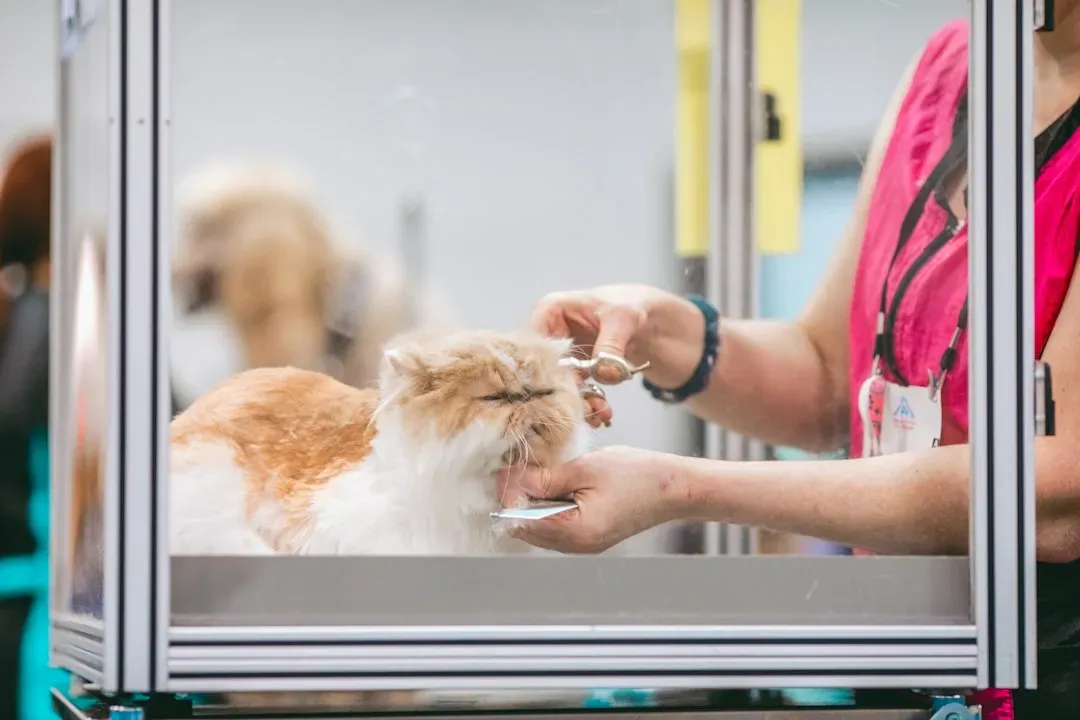
A cat that lets you trim its nails has made a bigger decision than it looks.
Cats don’t like being restrained. A comfortable cat may allow brief petting but vanishes when you reach for a brush or carrier. A bonded cat often puts up with grooming, being picked up, or a quick health check without a fight.
Tolerance is built through predictable, positive routines, not force. Cats that were handled gently as kittens often cope better, but adult cats can learn too.
- Keep sessions short.
- End before the cat is upset.
- Offer a treat or quiet praise afterwards.
Some bonded cats still dislike being picked up. That’s a personality trait, not a failure of the relationship.
But the most revealing test of all is what your cat chooses when it has options, at #3…
#3 – Choosing You Over Food
🔥 Would you like to save this?
We'll email this post to you, so you can come back to it later!
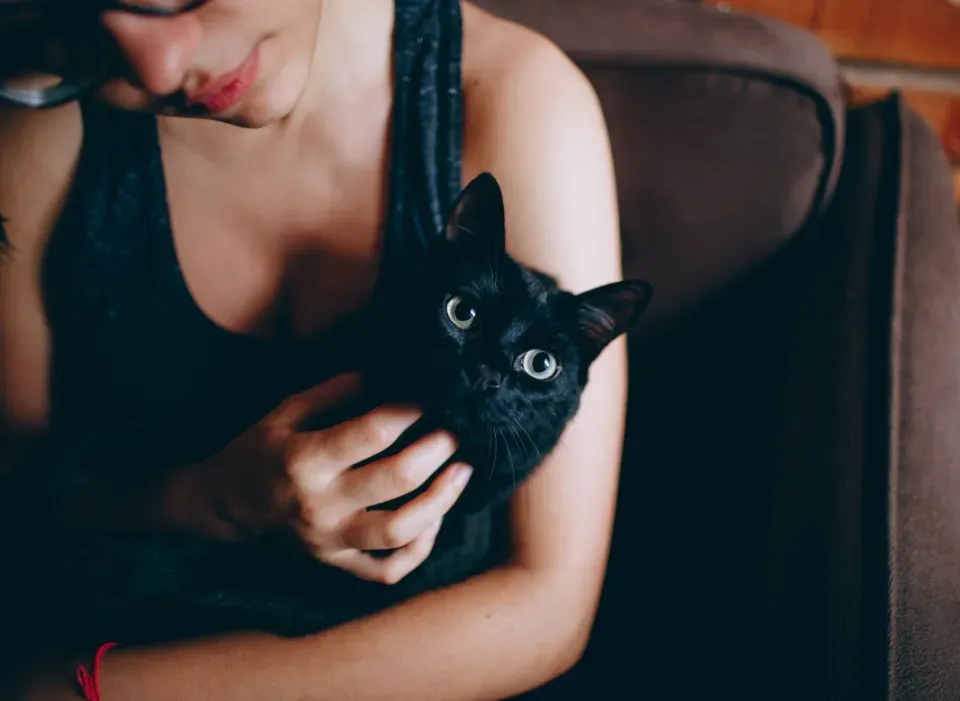
Some cats pick people over food, and that’s the real surprise.
Researchers have tested whether cats prefer food, toys, scents, or human interaction. A round-up of attachment research notes that the evidence points to real attachment, including a preference for people over food in some cats.
A comfortable cat comes when it’s hungry. A bonded cat will often come when it isn’t. It may walk past a full bowl to reach you.
Individual differences are huge. Some cats choose food every time, and that doesn’t automatically mean a weak bond. Food-motivated cats can still be deeply attached.
Pay attention to quiet moments too. A cat that walks over, sits next to you, and does nothing at all is making a similar choice.
And what happens when you leave is the next piece of the puzzle, at #2…
#2 – How Your Cat Handles Your Absence
🔥 Would you like to save this?
We'll email this post to you, so you can come back to it later!
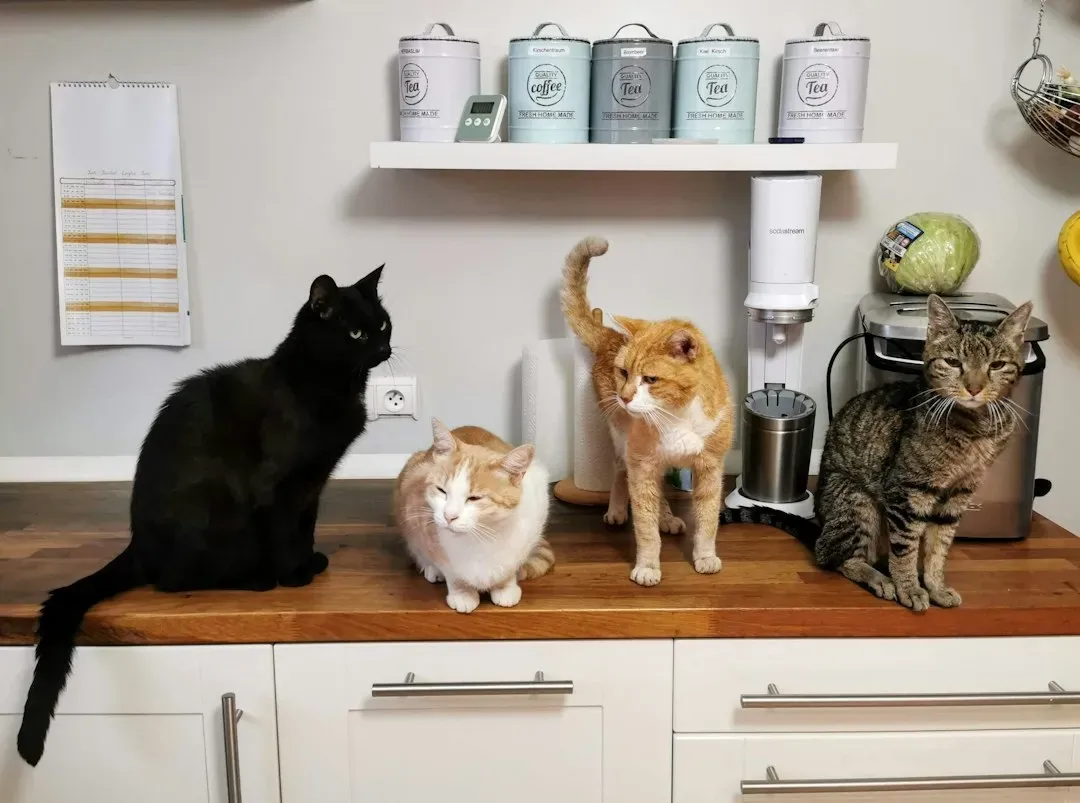
The reunion says more than the goodbye.
Researchers define secure attachment in part by this pattern. A secure cat shows signs of distress when the owner is out of the room but recovers quickly when the owner returns. In the 2019 test, cat and owner were together for two minutes, then the owner left for two minutes.
A comfortable cat barely notices your absence. A bonded cat often seeks you out on your return, perhaps with a trill, rub, or tail-up greeting, then settles down.
Of the adult cats tested, 65.8% were classed as securely attached. The rest, 34.2%, were insecure.
The science isn’t settled, though. An earlier study of 20 cat-owner pairs found no evidence consistent with a secure attachment, and one expert noted that it is hard to know whether cats were responding to their own owner or just to human presence.
Which leads to the clearest sign of all, at #1…

2 Pcs Halloween Pet Hat Bandana Set, Witch Pumpkin Costumes for Dogs
Check Price on AmazonAs an Amazon Associate, we earn from qualifying purchases.
10/9/2026 2:45 pm GMTi

Glass Hummingbird Feeder for Outdoors Hanging
Check Price on AmazonAs an Amazon Associate, we earn from qualifying purchases.
10/7/2026 1:21 pm GMTi

Dog Stairs for Bed 18" H, 4-Step Dog Steps for High Bed
Check Price on AmazonAs an Amazon Associate, we earn from qualifying purchases.
10/9/2026 2:42 pm GMTi

Glass Hummingbird Feeder for Outdoors Hanging, 16 oz Leak-Proof Nectar Feeder with Bee Guards & Ant Moat
Check Price on AmazonAs an Amazon Associate, we earn from qualifying purchases.
10/7/2026 1:22 pm GMTi
#1 – Using You as a Safe Base
🔥 Would you like to save this?
We'll email this post to you, so you can come back to it later!
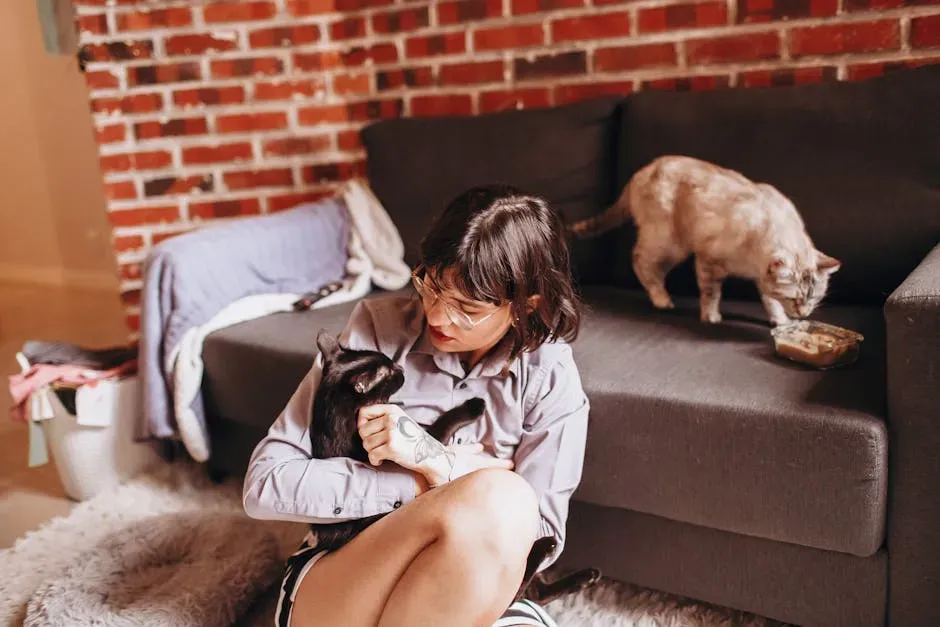
When a cat is scared, it runs to you.
This is the core of attachment science. In the Oregon State research, cats took part in a secure base test, similar to the one given to infants and dogs. A lead researcher said that when cats live in a state of dependency with a human, the majority use humans as a source of comfort.
A comfortable cat hides under the bed when a loud noise hits. A bonded cat may hide too, but it often checks in with you, sits closer, or comes out sooner when you’re nearby.
Your cat is depending on you to feel secure when it’s stressed. That’s how the researcher put it.
The style also seems durable. According to the same researcher, an established attachment style appears to remain relatively stable over time.
Why It Stands Out
- It borrows the same kind of test used to study infants and dogs.
- It shows up under stress, when a cat can’t easily fake comfort.
- A bonded cat checks in, sits closer, or emerges sooner with you nearby.
- The attachment style appears fairly stable over time.
So what does all of this actually add up to?
The “aloof cat” is mostly a myth we keep alive because it’s easier than learning a new language. The signs in this list are quiet, but they are real: tail-up greetings, slow blinks, choosing you over food, and running to you when frightened.
A comfortable cat shares your home. A bonded cat shares its safety with you. The science is still young, and one early study found no evidence of secure attachment, so be cautious about overreading any single sign.
Still, I’d argue that a cat doing five or six of these has already told you where it stands. Which behaviour on this list did you used to mistake for indifference?

- You walk through the door after a long day, and your cat doesn’t sprint to meet you. - November 8, 2026
- 14 Things a Dog Learns About One Person Within Two Weeks - November 8, 2026
- 9 Things a Senior Pass Gets You Beyond Park Entry Gates - November 8, 2026