

There’s something undeniably heartwarming about the idea of a puppy under a Christmas tree or a squirming little dog poking out of a gift bag on a birthday morning. The impulse is easy to understand. The reality, though, tends to set in fast. Every January, veterinary clinics, shelters, and rescues see the fallout as animals purchased impulsively from pet stores, breeders, online sellers, or informal sources start showing up once the reality of care sinks in.
While veterinarians would never tell you directly, there are certain breeds that consistently show up with the same preventable health problems, expensive treatments, and shortened lifespans. These aren’t random genetic accidents – they’re the predictable result of decades of breeding for appearance over health. The 14 breeds listed here aren’t unlovable. They simply deserve far more thought than a last-minute gift purchase allows.
1. French Bulldog
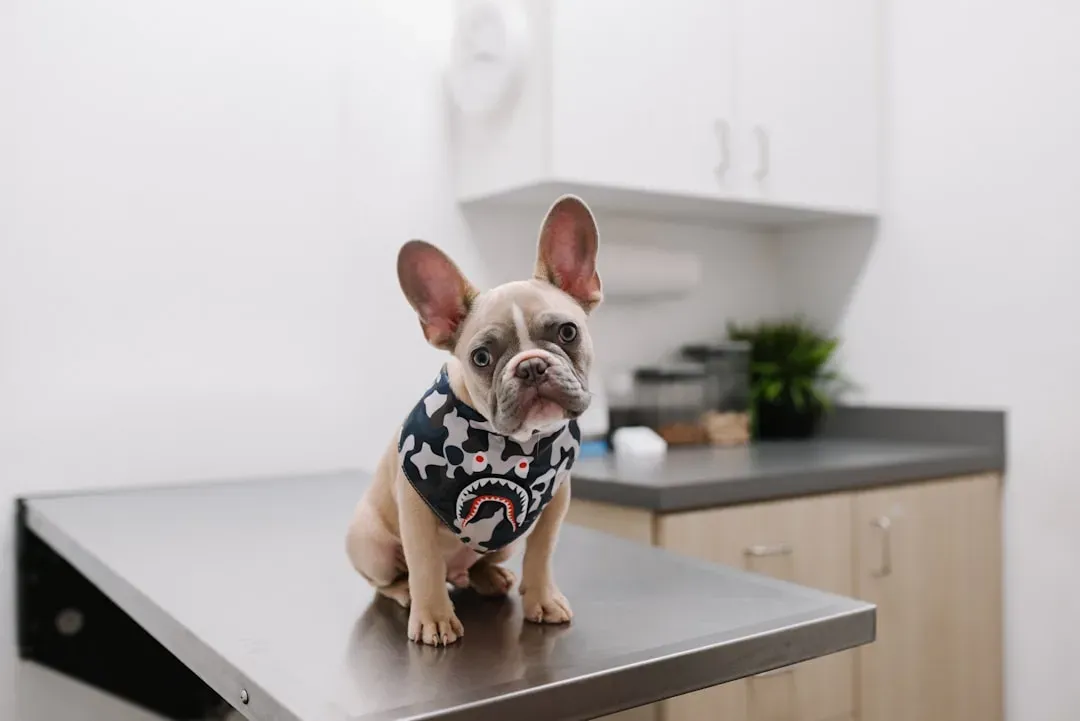
French Bulldogs, with their adorable bat ears and snub noses, have skyrocketed in popularity. Their charming looks, however, come with a cost. These dogs are prone to brachycephalic obstructive airway syndrome, causing significant breathing difficulties.
Many require surgeries to alleviate their respiratory issues, which can be financially and emotionally taxing for owners. Despite their affectionate nature, the health challenges faced by French Bulldogs make them a breed that vets often advise against purchasing.
Frenchies are impossibly cute and strong for their petite size, but vets warn they’re not a tough competitor when it comes to respiratory complications. Like all flat-faced breeds, Frenchies are prone to breathing problems and do poorly in hot or humid weather. As a gift, this breed is almost a guaranteed introduction to a lifetime of vet appointments the recipient never budgeted for.
2. English Bulldog

According to a 2022 study in Canine Medicine and Genetics, English Bulldogs are twice as likely to suffer from health problems compared to other dogs. That’s a striking figure for a breed so frequently purchased on impulse.
The medical conditions afflicting bulldogs are so severe that Norway banned the breeding of British bulldogs after a court ruled that the dogs could never be considered healthy, in large part because of their status as a breathing-impaired breed. As a result of selective breeding, bulldogs can often only breed via artificial insemination and cesarean section because their heads are too large and their hips too small to give birth naturally.
Bulldogs frequently face skin infections and joint problems. Vets wish you’d think twice before choosing this breed, prioritizing health over aesthetics. Giving one as a gift essentially hands someone a very expensive medical commitment without their consent.
3. Pug

Because pugs are a breathing-impaired breed, they are 54 times more likely to suffer from brachycephalic obstructive airway syndrome – a condition that greatly limits their ability to breathe – than other types of dogs. That statistic alone is sobering.
Pugs are notorious for their brachycephalic features, leading to breathing issues. It’s not just about snoring cutely; it’s about serious health risks. Overheating and difficulty breathing are common concerns.
Vets often caution against them, urging potential owners to consider the breed’s well-being first. Pugs have long been popular as novelty pets and gift choices, which makes the gap between their cute image and their medical reality all the more troubling.
4. Cavalier King Charles Spaniel

Perhaps most heartbreaking is the Cavalier’s predisposition to mitral valve disease, affecting nearly every dog in the breed by age ten. This isn’t a rare outlier. It’s a near-certainty.
These spaniels are affectionate and gentle, but their hearts may break yours. A significant number suffer from mitral valve disease, affecting their longevity. Along with heart issues, they may face syringomyelia, a painful neurological condition.
Despite their sweet nature, vets caution against them due to these serious health concerns, advising potential owners to be prepared for ongoing medical needs. Buying one as a gift means handing someone a dog they’ll fall in love with, and then a series of difficult medical decisions they weren’t prepared to make.
5. Dachshund

The very traits that make Dachshunds so cute can land many of them in a world of hurt. Because their bodies are so out of proportion, they’re prone to getting back injuries that can lead to paralysis and in the worst cases, death.
Dachshunds face a host of health problems. Their long backs and short legs lead to a higher risk of lifelong spinal, knee, and other joint problems. Intervertebral disc disease is one of the most commonly treated orthopedic conditions in the breed.
Intervertebral Disk Disease sends thousands of Dachshunds to the vet each year, so if you have one, it’s important to never let them jump on and off furniture and only let them use stairs when it’s absolutely necessary. This level of daily management is rarely what someone imagines when they unwrap a sausage-shaped puppy as a surprise gift.
6. Shih Tzu

Shih Tzus, with their flowing coats, are the epitome of cute. Those luscious locks, however, require constant grooming to avoid painful tangles and skin problems. Their brachycephalic faces can lead to breathing difficulties, making them prone to overheating.
Shih Tzus suffer from many of the same health ailments as other short-muzzled breeds, such as respiratory issues and susceptibility to heat stroke. They also suffer from a variety of eye issues due to their bulgy eyes, including infections, corneal ulcers, entropion, and epiphoria.
Vets often suggest reconsidering this breed, particularly for potential owners unprepared for the level of care required. Grooming costs alone can add up to several hundred dollars a year, and that’s before the vet visits begin.
7. Chow Chow
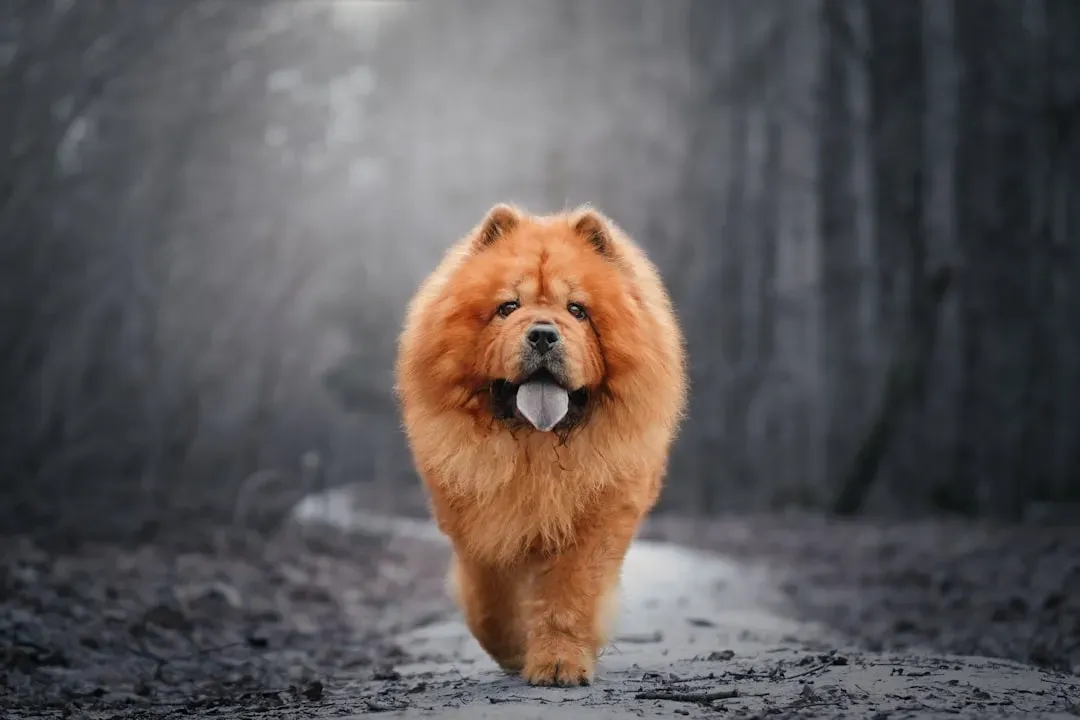
Chow Chows are known for their aloof and stubborn behavior, requiring experienced handlers. Their health challenges include hip dysplasia and entropion. Vets warn potential owners about the commitment needed to care for this breed.
The Chow Chow is widely considered to be one of the most challenging breeds in the world to manage. They can sometimes turn on their owners, a trait many other breeds do not exhibit. This isn’t the right fit for someone who didn’t choose the dog themselves.
Those familiar with this breed say that their aggression usually stems from boredom. It is especially important to properly exercise and socialize a Chow Chow. They require a confident handler who can assert themselves over this dominant breed. Gifting a Chow Chow to an unprepared owner is a recipe for frustration on both sides.
8. Great Dane
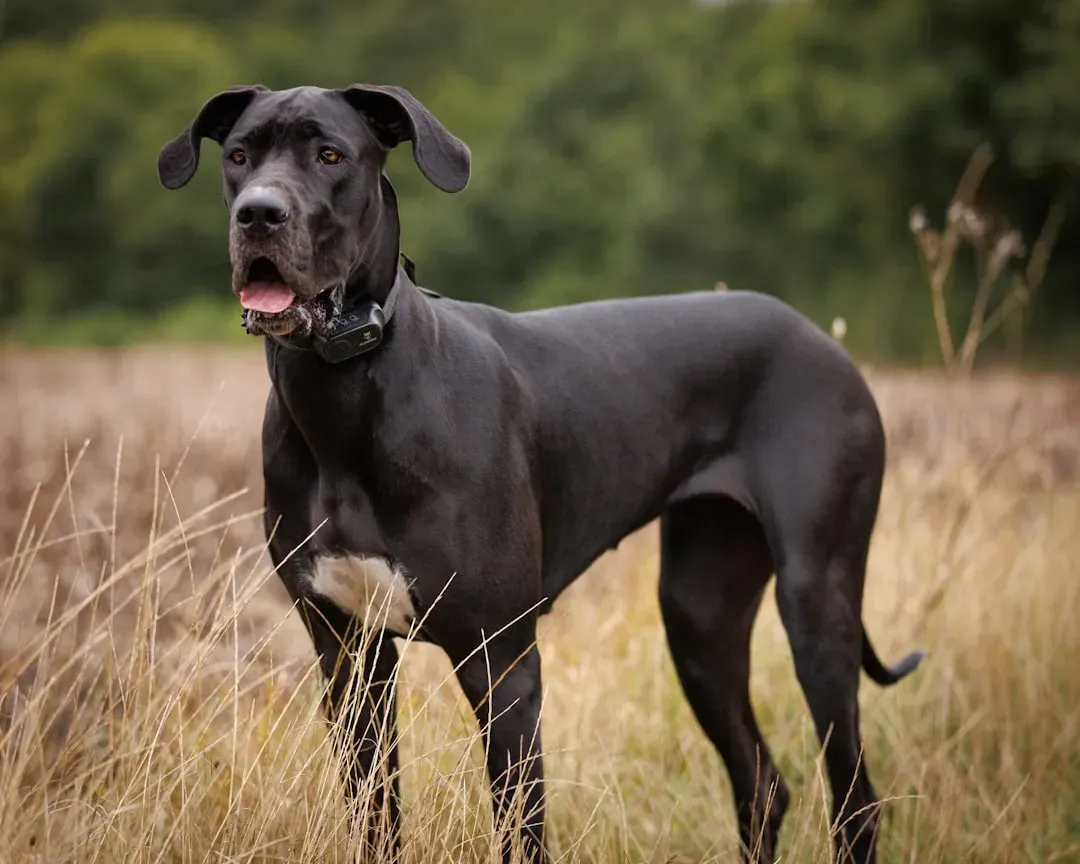
Known for its graceful appearance, large size, and hunting skills, Great Danes make well-mannered family companions but are also among those breeds with higher rates of cancer. With an average lifespan of 7 to 10 years, Great Danes may suffer from health conditions including osteosarcoma, cardiomyopathy, and gastric torsion. Great Danes are also prone to hip dysplasia, a genetic condition that causes the hip’s ball and socket to run and grind.
Great Danes are prone to GDV, or gastric dilatation-volvulus, which according to the American College of Veterinary Surgeons is “a rapidly progressive life-threatening condition of dogs that requires immediate medical attention.”
The sheer cost of feeding, housing, and medically maintaining a dog this large is staggering. Large and giant dog breeds such as Great Danes often experience the most serious health problems due to their size and genetics. A dog with a lifespan under a decade who requires emergency surgery is not an appropriate surprise gift for anyone.
9. Siberian Husky
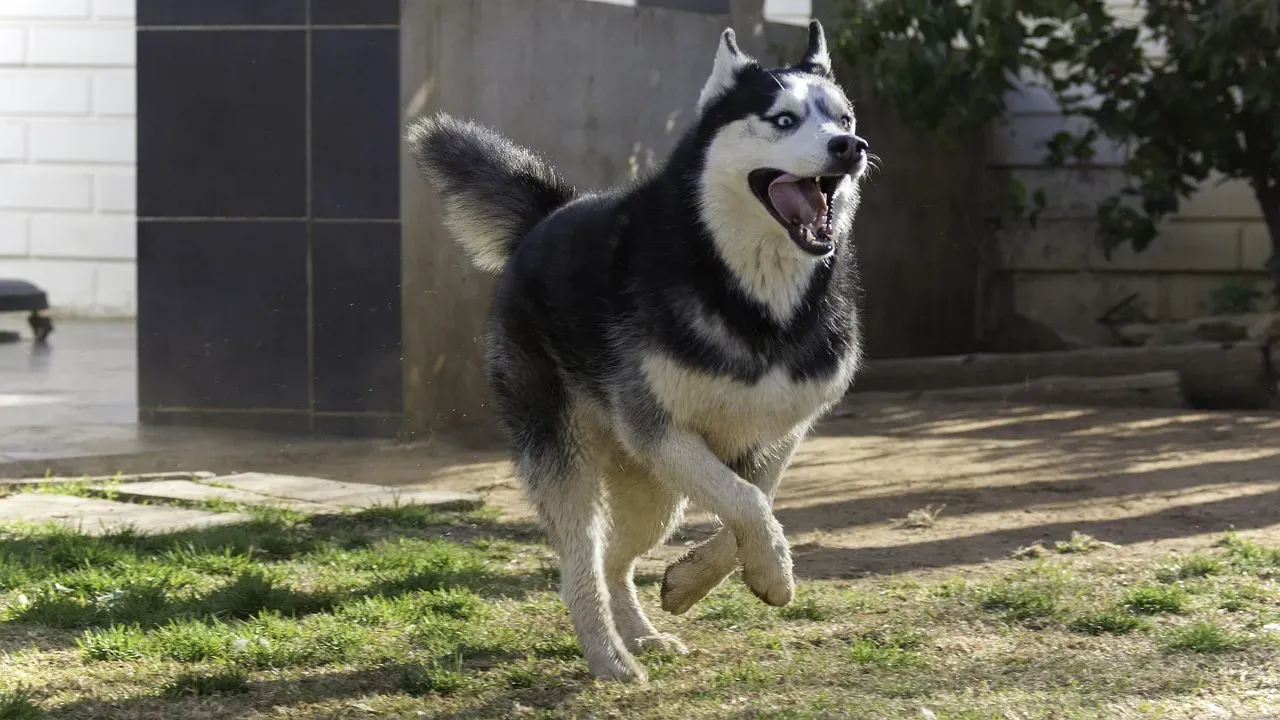
One of the most beautiful traits of Siberian Huskies is also the one most prone to health issues: their blue eyes. Siberian Huskies’ eyes are prone to juvenile cataracts, corneal dystrophy, and progressive retinal atrophy.
Huskies also became victims of a cultural trend. When trends arise around particular breeds – such as the craze for huskies fueled by HBO’s Game of Thrones – breeders churn out dogs to make money, and many animals purchased on a whim end up neglected or abandoned after their novelty wears off and the people who bought them realize how much work, time, and expense is involved.
Huskies need intense daily exercise, have a strong prey drive, and are notorious escape artists. Breeds such as the Siberian Husky are known for their independent spirits and high energy levels, and may be more likely to wander off in search of excitement or stimulation. That’s a significant commitment to land on someone’s doorstep as a surprise.
10. Dalmatian

Dalmatians might be Disney-famous, but their real-life temperament is anything but cartoonish. Originally bred as carriage dogs and guard animals, Dalmatians are athletic, intelligent, and naturally protective. They’re high-energy dogs with strong opinions, and if their needs aren’t met, they’re not shy about letting everyone know.
The most common defect you’d see in a Dalmatian is deafness. They also tend to develop kidney or bladder stones. These are medical realities that significantly affect daily management and long-term care costs.
Despite their stylish looks, Dalmatians can be stubborn, territorial, and prone to reactivity, especially in overstimulating environments. Many behavior issues in Dalmatians stem from underestimating just how much structure and exercise they require. They don’t do well with boredom, inconsistency, or chaotic home conditions. This breed has a long history of being purchased impulsively after a movie, and a long history of turning up in shelters shortly after.
11. Maltese
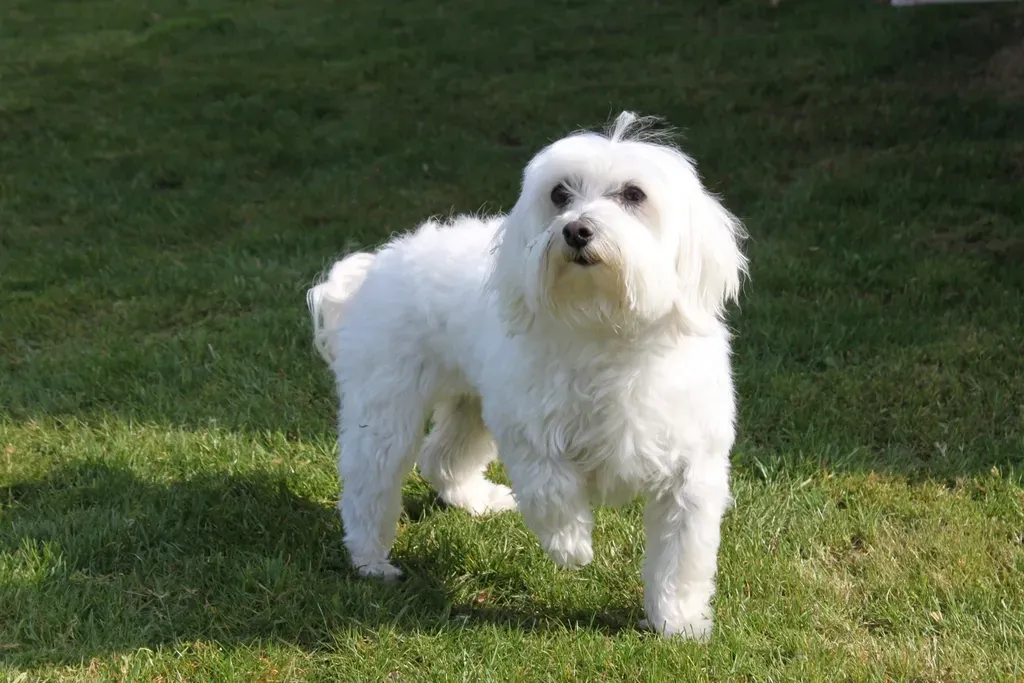
Don’t be fooled by the Maltese’s delicate appearance. Their small size can hide potential health problems, such as dental issues and luxating patellas. These elegant dogs require regular grooming and dental care to maintain their well-being.
Maltese are also sometimes plagued by little white shaker syndrome, an inflammation of the cerebellum that causes shaking bad enough that the dog cannot walk. The condition is seen in dogs that have a white-colored coat. It’s a startling diagnosis for owners who assumed they were getting a low-maintenance lap dog.
Vets caution that owning a Maltese means committing to vigilant health maintenance, making them less ideal for those unprepared for such responsibilities. Their petite size and pretty appearance make them popular gift choices, which is precisely what concerns veterinarians.
12. Boxer

Cancer is a notable concern for Boxers, with a higher incidence compared to many other breeds. Vets advise being aware of these risks and recommend regular check-ups to ensure a healthy, happy life.
Dilated cardiomyopathy is seen in Boxers, Dobermans, Saint Bernards, and Newfoundlands – a heart condition that causes inefficient pumping. Heart disease combined with a cancer predisposition makes the Boxer a high-maintenance medical proposition that owners deserve to understand fully before committing.
Boxers are energetic, loyal, and deeply affectionate, which makes them appealing to families. Still, their health profile requires both financial readiness and emotional preparedness. It’s important to know that some dog breeds are more prone to health issues than others, and that can mean a shorter life span, higher vet bills, and a lot of stress and grief for you as an owner.
13. German Shepherd
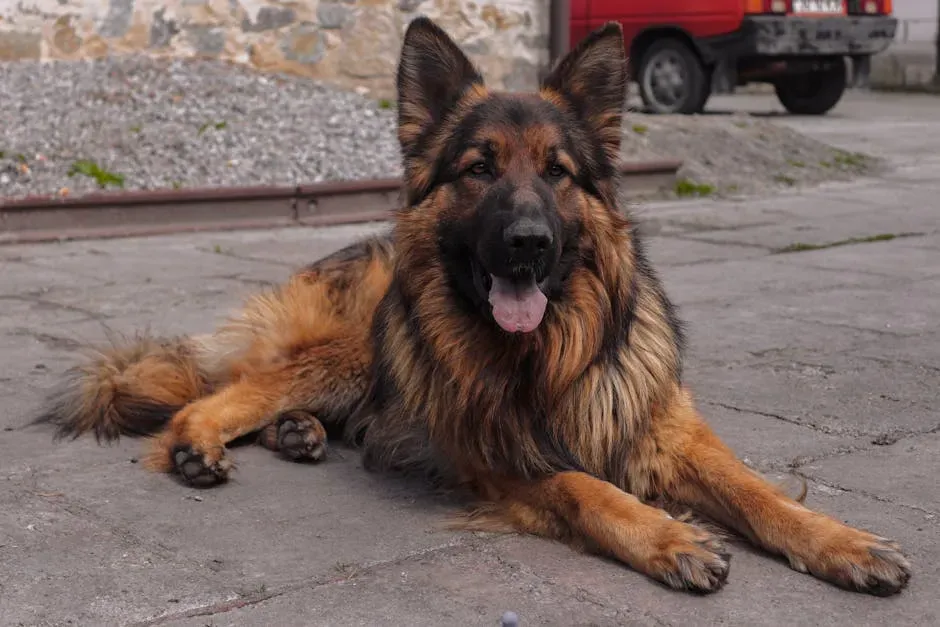
Being a large breed, the German Shepherd is at risk of hip dysplasia, which causes walking problems, pain, and arthritis. Another disease commonly found in German Shepherds is degenerative myelopathy, a progressive neurological condition.
German Shepherds are brilliant, loyal dogs, but they were bred to work. Without adequate mental stimulation and structured training, they can become anxious, destructive, and difficult to manage. Veterinarians can advise on health and breed-specific issues, and trainers can guide on behavior and training requirements for demanding breeds like the German Shepherd.
The breed’s intelligence is one of its greatest qualities and, in the wrong hands, one of its biggest challenges. Buying a German Shepherd as a gift for someone who hasn’t researched the breed is a mismatch that often ends badly. Lack of research before getting a pet means many owners have an incomplete understanding of what their pets need for a healthy, happy life, which leads to serious pet welfare problems.
14. Yorkshire Terrier

Yorkshire Terriers suffer from luxating patella, where the kneecap dislocates frequently, causing pain and mobility issues. Their tiny size makes them vulnerable to trauma from seemingly harmless activities like jumping off furniture.
The combination of liver shunts, joint problems, and dental issues creates ongoing veterinary expenses that can quickly add up to tens of thousands over the dog’s lifetime. That’s a significant financial reality that’s easy to overlook when you’re looking at a tiny, silky-coated pup in a store window.
Yorkies are also feisty, stubborn, and far more spirited than their size suggests. They need consistent training and socialization from an early age. According to research collating information from the British Veterinary Association, one in four pet owners carry out absolutely no research before taking on a new pet. That statistic is particularly alarming when the breed in question carries the health risks of a Yorkshire Terrier.
Why Vets Keep Having This Conversation
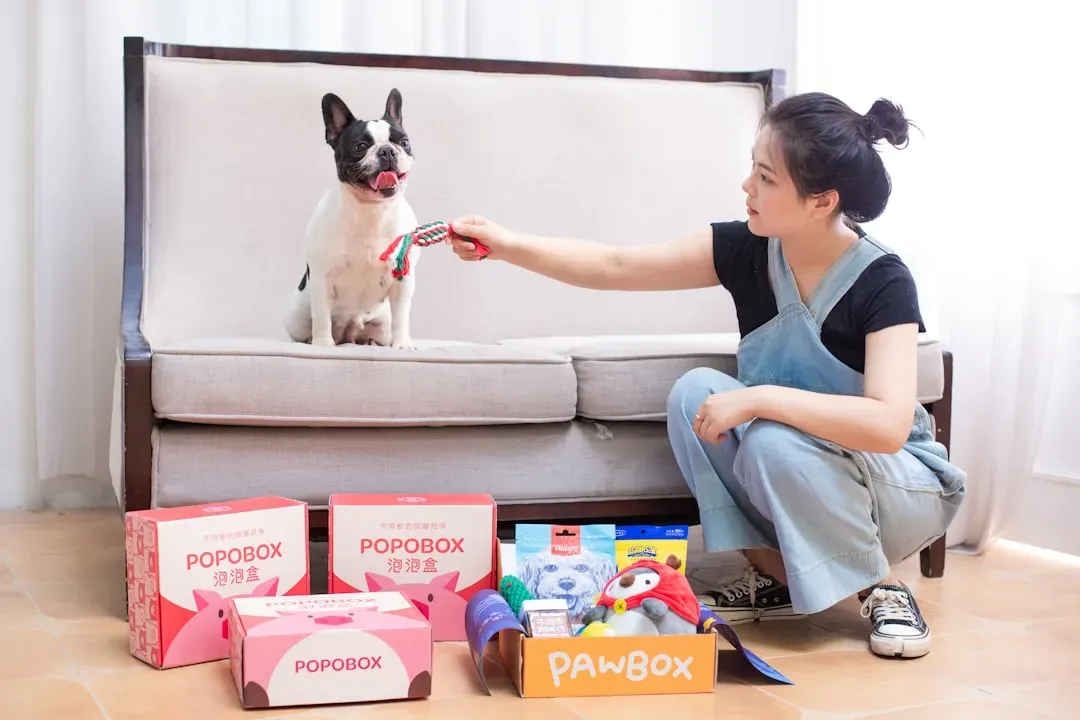
Animals aren’t toys. They’re living beings who require daily care, training, veterinary visits, and time. Dogs and cats can live 10 to 20 years or more, and giving one as an impulse gift ignores the recipient’s ability or willingness to take on that long-term commitment.
Impulse pet purchases, especially when made from a breeder or pet store, can ultimately support inhumane breeding practices and the overbreeding of animals while millions in shelters still need homes. The demand created by gift purchases has real consequences for both the individual animal and the wider dog population.
Many owners also underestimate the cost of ownership. Around 2.6 million owners believe their pet would only cost up to £500 over their entire lifetime. In fact, a dog typically costs between £21,000 and £33,000 over their lifetime. For high-maintenance breeds with significant health issues, that number can climb even higher.
What to Do Instead
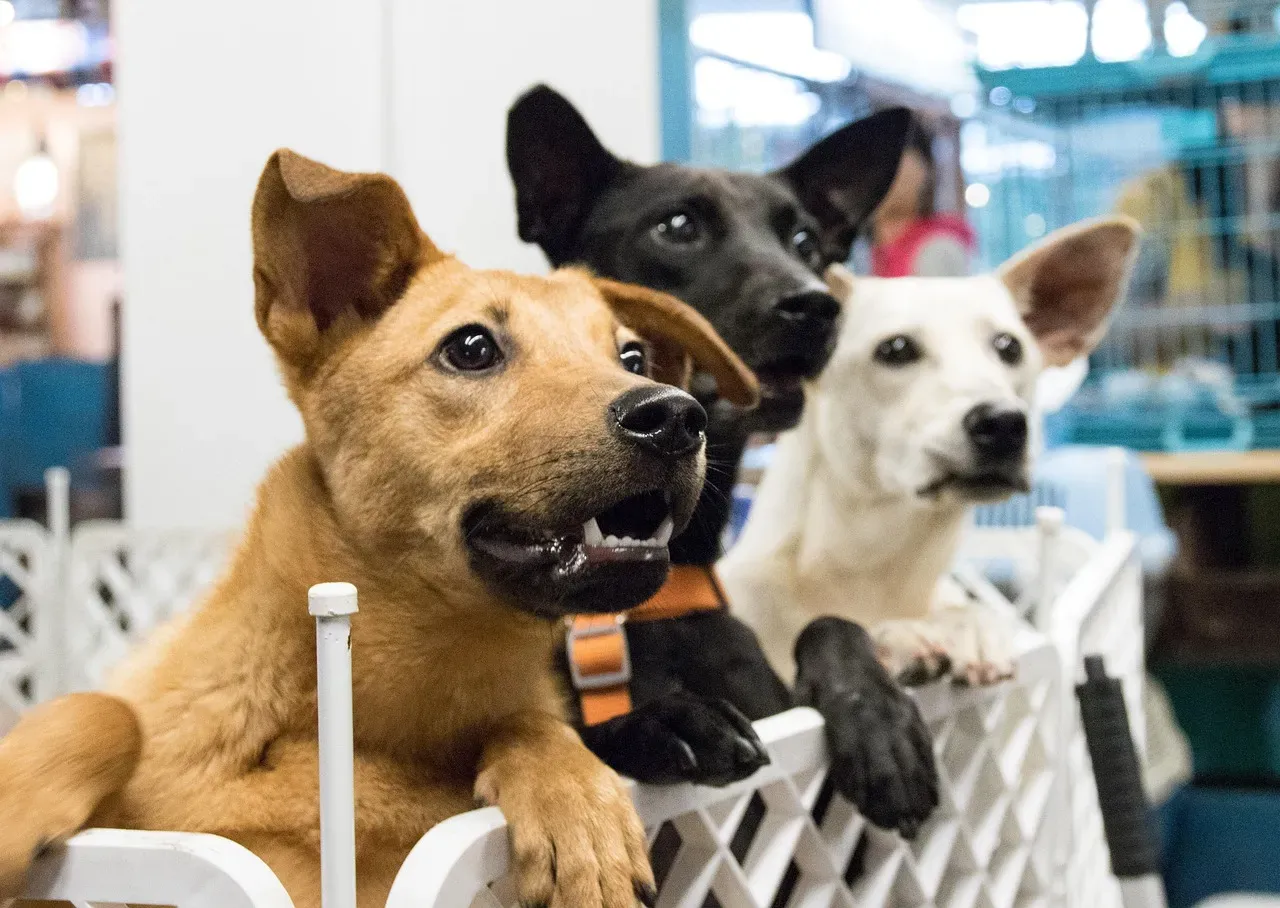
Pets should only be given to people who have expressed serious interest and are fully prepared for adoption. Even then, it’s best if they’re part of the selection process, as the individual animal might otherwise not be a good match for their personality or lifestyle.
Donations made in someone’s name, sponsoring veterinary care, providing supplies with the understanding that adoption comes later, or supporting responsible adoption when the recipient is truly ready all help animals without putting them at risk.
Responsible animal care is built over time, not given as a surprise. Choosing not to gift an animal is not unkind. It might actually be the most thoughtful thing you can do for both the dog and the person you care about.
A Final Thought

Every dog on this list is capable of being a wonderful companion. The breeds aren’t the problem. The impulse is. The gap between a dog’s adorable exterior and the genuine commitment required to care for it properly is where welfare breaks down, where shelters fill up, and where both animals and owners suffer.
The best gift you can give someone who truly wants a dog isn’t a puppy in a box. It’s time, information, and the freedom to choose their own match. A dog chosen thoughtfully by someone who is fully ready tends to stay home, get proper care, and live a better life. That outcome is worth more than any surprise.

- What It Means When Deer Stop Coming to an Area They Have Visited for Years – and What Wildlife Biologists Say They Are Detecting - July 19, 2026
- 10 Cat Breeds That Love Following Their Owners Everywhere - July 19, 2026
- The Only Place in North America Where You Can Legally Watch a Wild Jaguar From the Roadside – and Why Almost No One Makes the Trip - July 19, 2026