
Worried about unexpected vet bills?
Pet insurance can cover thousands in unexpected vet costs. Get a free quote from Lemonade in under 2 minutes.
Get My Free Quote →Sponsored · Opens Lemonade.com
The ocean has always been one of humanity’s great obsessions. It covers nearly three quarters of our planet’s surface, yet most of it remains a total mystery to us. We have sent rovers to Mars, mapped distant galaxies, and even drilled into the Earth’s crust, yet the deepest reaches of our own oceans remain largely unseen, unexplored, and utterly wild.
Think about that for a moment. The ocean floor is right here, on our own planet, and we still barely know what is down there. What lives in those crushing, lightless depths? What strange geological forces are at work miles beneath the surface? The answers might surprise you, disturb you, and honestly fill you with wonder. Let’s dive in.
1. The Deepest Point on Earth Would Swallow Mount Everest Whole
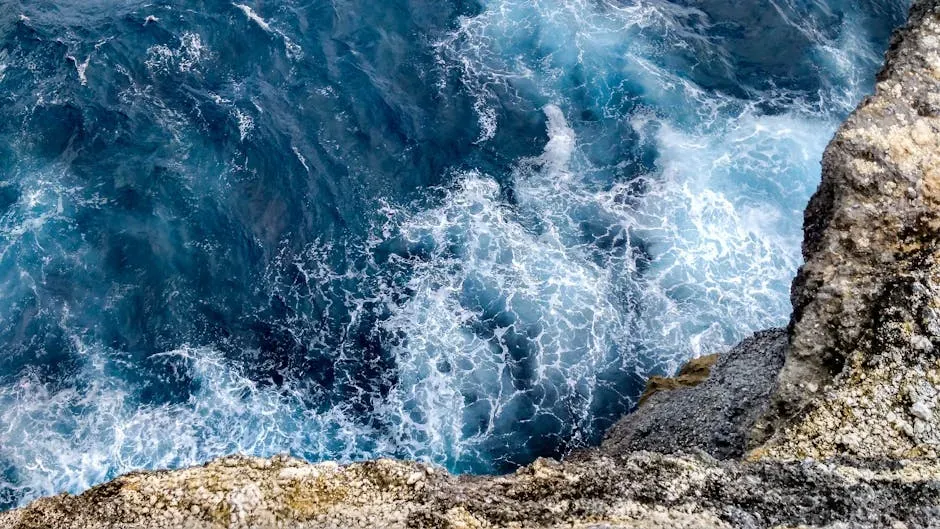
Here is a fact that still blows my mind every time I think about it. The Mariana Trench is so deep that if Mount Everest were placed inside it upside down, the peak would still be completely submerged. That is not a metaphor. That is the actual math.
The deepest point, known as the Challenger Deep, reaches approximately 10,984 meters, or roughly 36,037 feet, below sea level, making it the deepest known point on Earth. To put that in perspective, if you drove a car straight down at highway speed, it would take you well over an hour to reach the bottom.
At its deepest point, the Pacific Ocean can comfortably fit about 13 Burj Khalifas stacked one on top of the other – a depth that only a handful of people across history have ever seen. The sheer scale of it is almost beyond comprehension.
2. The Pacific Ocean Dominates the Depths
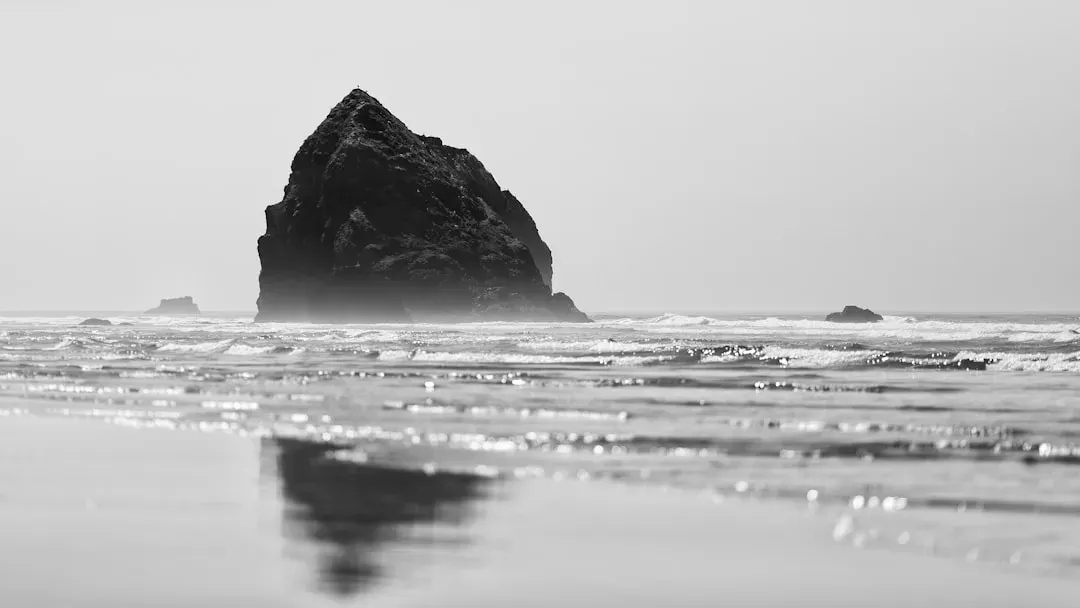
The Pacific Ocean is home to some of the deepest points on the planet. In fact, four of the top six deepest spots in the world can be found in the Pacific. It is like the ocean equivalent of a record-breaking athlete.
The Pacific Ocean averages approximately 4,280 meters in depth and contains the deepest known part of any ocean, the Mariana Trench. That average depth alone is staggering when you consider how vast the ocean is from edge to edge.
The Pacific’s basin is uniquely low, which is one of the reasons this ocean produces some of the world’s greatest surf zones. This is because deeper water allows waves to travel faster and with longer wavelengths, or greater distance between waves. So the same extreme depths that make the Pacific so mysterious also make it a surfer’s paradise. Wild, right?
3. The Pressure Down There Would Crush You Instantly
The weight of the ocean above the Mariana Trench creates pressure of around 15,750 pounds per square inch, which is more than a thousand times what we experience on land. Imagine having the weight of thousands of cars pressing down on every inch of your body simultaneously.
The Mariana Trench is a subduction zone, where one tectonic plate is forced beneath another. In this case, the Pacific Plate dives under the Mariana Plate, creating immense pressure and geological activity. It is not just a hole in the ground. It is a place where the very structure of the Earth is actively folding in on itself.
Honestly, the engineering required to build a vessel that can survive these conditions is extraordinary. In some ways, it is easier to put humans into space than to send them to the crushing pressures of the planet’s watery depths. Space, in a strange sense, is the easier frontier.
4. Temperatures Near the Bottom Are Just Above Freezing
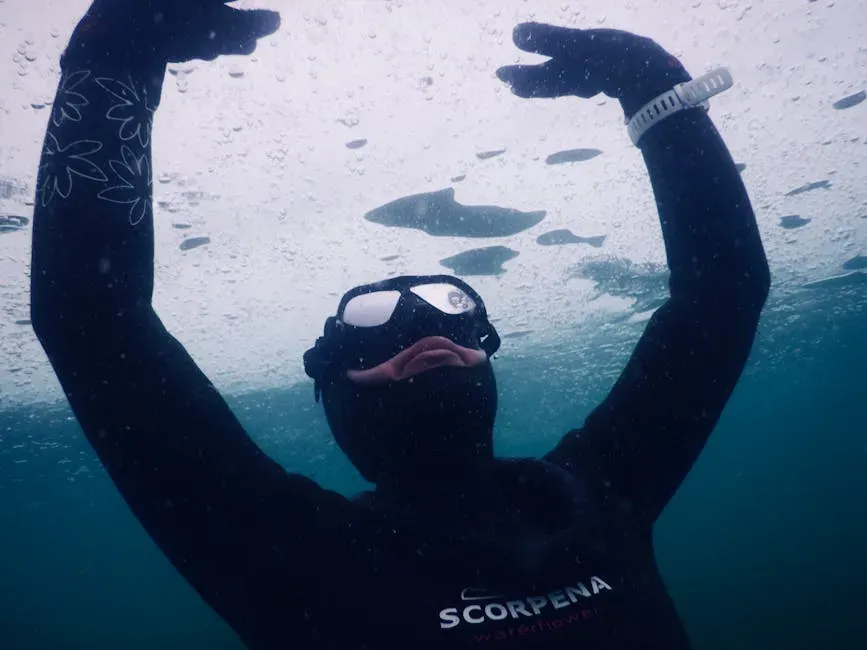
Typical water temperatures at the deepest parts of the Mariana Trench hover just a few degrees above freezing. We are talking about a place that is perpetually cold, dark, and under enormous pressure. It sounds like a nightmare. Yet life still thrives there.
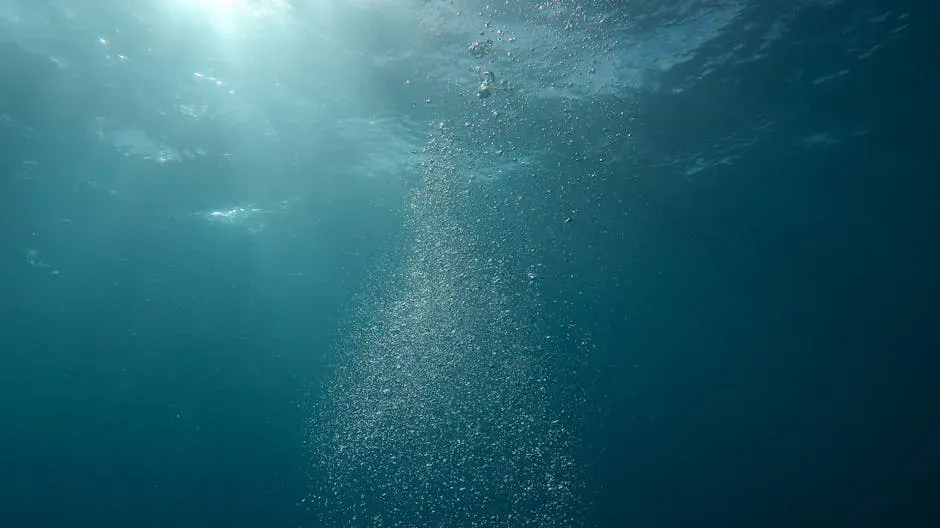
Beginning with the bathypelagic zone, the ocean is completely void of light from the sun, moon, and stars. Animals create their own bioluminescent light and, if they haven’t lost them, have highly light-sensitive eyes to see the light produced by other animals. The water temperature is near freezing.
Think of it like living inside a walk-in freezer, in total darkness, with the weight of a skyscraper pressing down on you. The fact that anything survives at all is one of biology’s greatest miracles.
5. Life Exists Even in the Most Extreme Depths
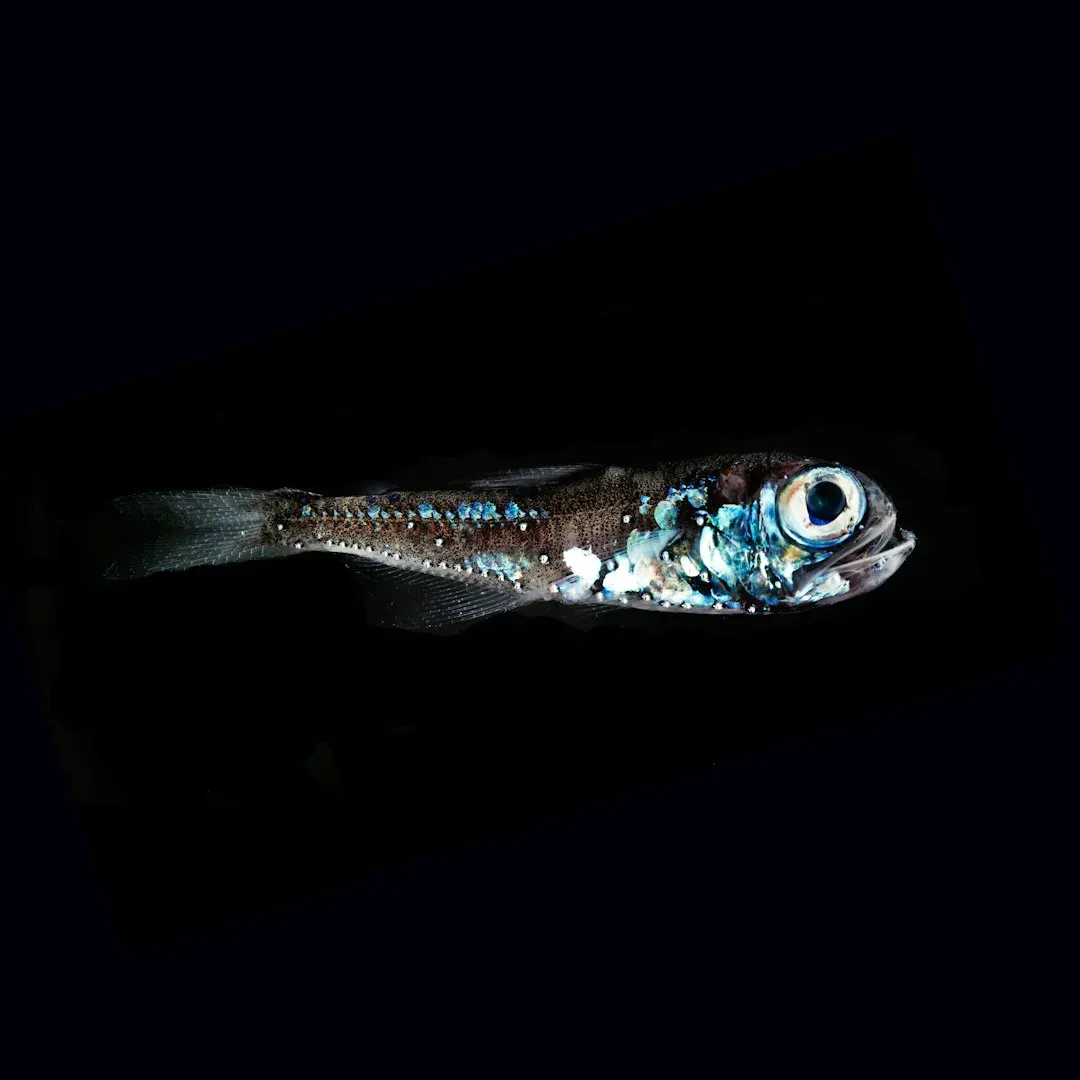
Despite the extreme pressure, lack of light, and frigid temperatures, the Mariana Trench hosts a variety of life forms. These include microorganisms as well as larger organisms like amphipods and fish adapted to the extreme conditions. Life, it turns out, is incredibly stubborn.
In 2018, scientists officially described a snailfish at 27,000 feet below sea level, the deepest living fish ever found. The snailfish lacks scales, has large teeth, and does not bioluminesce, a departure from what many people envision in a deep-sea fish.
Snailfish hold the record for the deepest-dwelling fish of any species on Earth, with one found 8,338 metres deep. These pale, ghostly little creatures are about as far from a tropical fish as you can imagine. Yet they have found a way to make it work at depths that would destroy almost anything else.
6. Marine Snow: The Deep Ocean’s Only Food Source
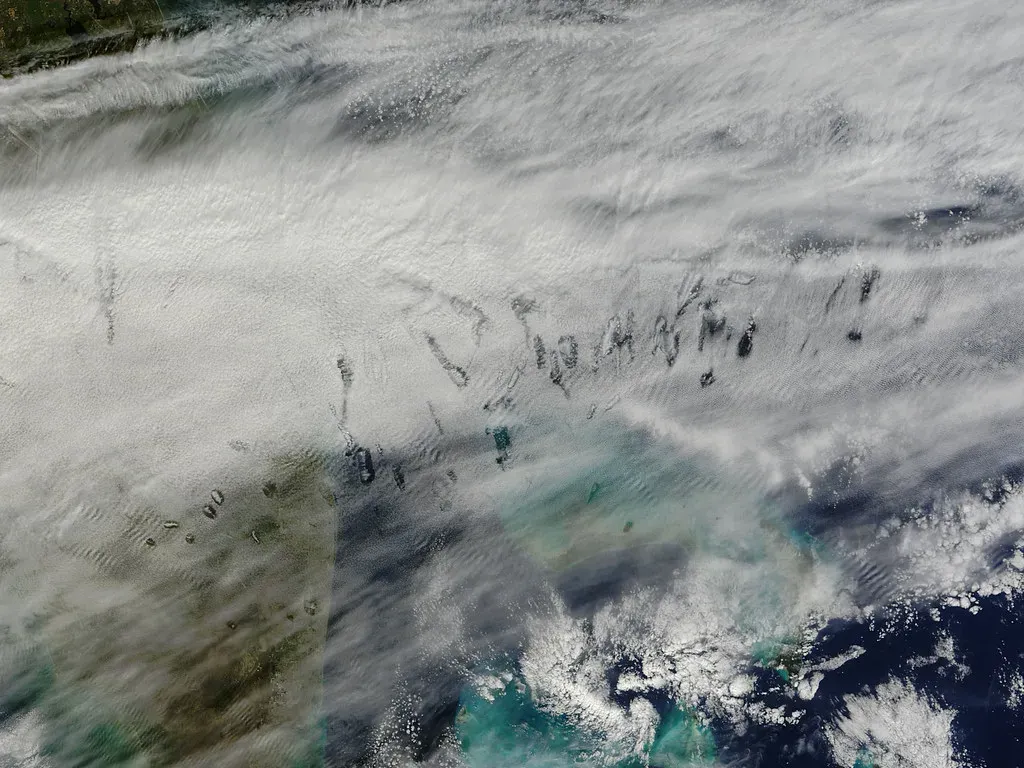
For much of the deep ocean, food rains down from above in the form of marine snow. The term “marine snow” is used for all sorts of things in the ocean that start at the top or middle layers of water and slowly drift to the seafloor. This mostly includes waste, such as dead and decomposing animals, poop, silt, and other organic items washed into the sea from land.
It sounds unpleasant, and honestly, it kind of is. But this biological fallout is essentially a slow, constant snowstorm of nutrients that keeps entire deep-sea ecosystems alive. Imagine your only food source being whatever drifts down from miles above you.
This marine snow is a major food source for many invertebrates. Larvaceans create mucus nets to trap marine snow drifting from above. Nature never wastes a thing, even at the bottom of the world.
7. Bioluminescence Lights Up the Darkness
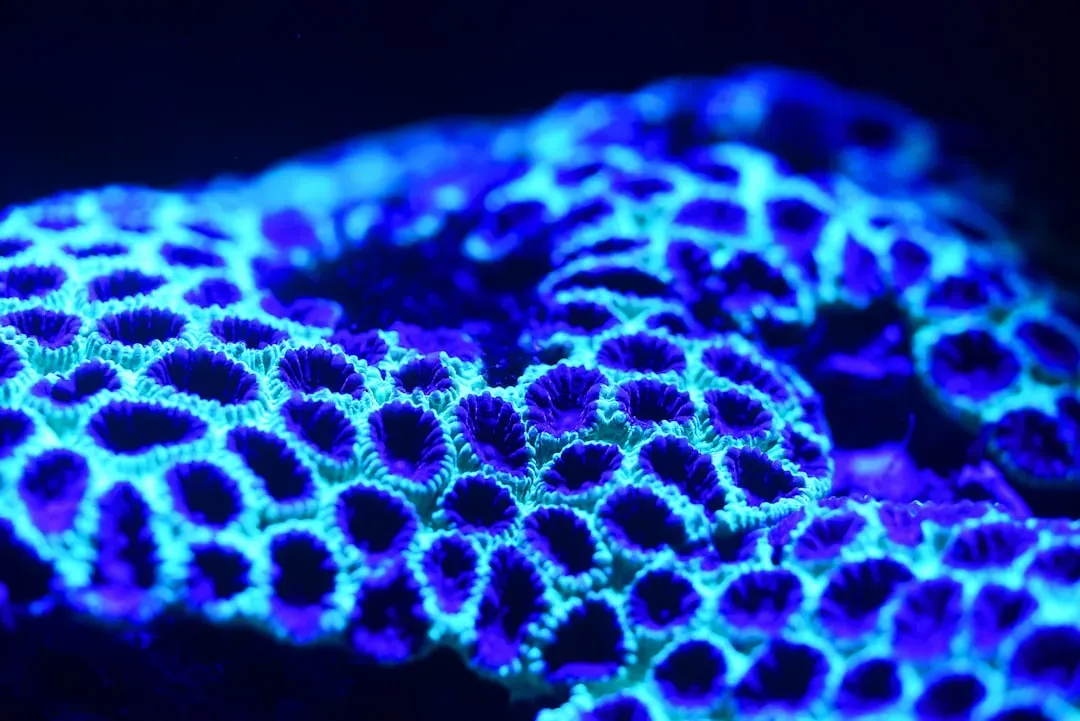
In a place with zero sunlight, darkness is total and complete. So how do animals see, hunt, and communicate? They make their own light. Deep-sea animals use bioluminescence for communicating, finding mates, and evading predators.
Scientists at MBARI estimate that roughly three-quarters of the animals in the deep midwater habitat are bioluminescent. That is an astonishing proportion. The deep sea is, in fact, flickering and glowing with biological light all the time. It is like a living light show down there.
I think this is one of the most poetic facts in all of nature. In the place furthest from the sun, life has invented its own version of light. If that is not inspiring, I honestly do not know what is.
8. Only a Handful of Humans Have Ever Visited the Deepest Points
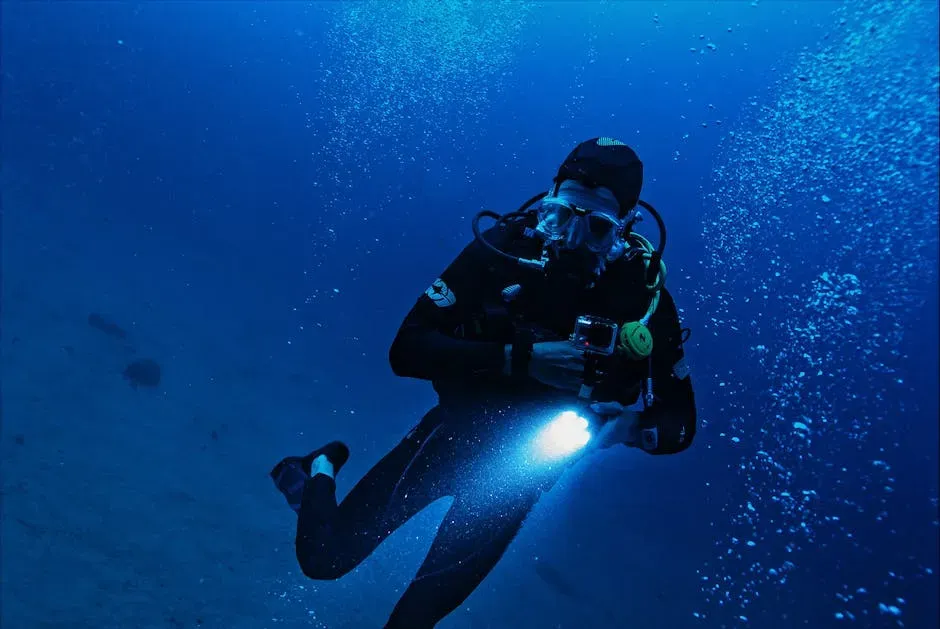
Very few people have descended to the Challenger Deep, the deepest part of the Mariana Trench. This includes the historic trip by Jacques Piccard and Don Walsh in the Trieste in 1960, James Cameron’s solo dive in 2012, and several dives by Victor Vescovo and his team in 2019.
To put this in perspective, far more humans have traveled to space than have ever visited the deepest ocean floor. These locations venture into the hadalpelagic zone, places so deep only a handful of humans have ever traveled there so far.
It is hard not to feel a sense of awe about that. The bottom of our own ocean is, in some ways, more remote and inaccessible than the surface of the Moon.
9. The Deep Ocean Floor Is Barely Mapped
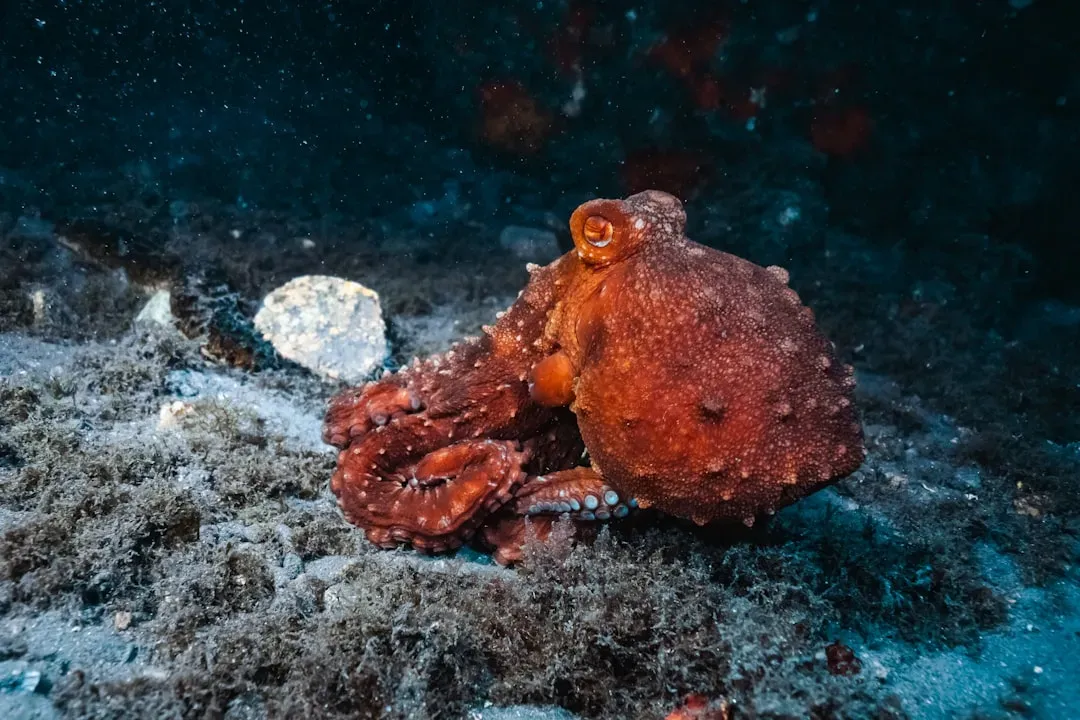
Here is something that might genuinely shock you. While the entire seabed has been mapped using data collected from satellites, these images only provide a general, sketchy picture of what is going on down there. Whole topographical features such as seamounts are missing, while intriguing relics like shipwrecks also cannot be seen.
There is currently a global effort underway, as part of the Seabed 2030 project, to map the seafloor using modern high-resolution technology. As of June 2024, just roughly a quarter of the seafloor had been mapped with high-resolution technology. We are, in 2026, still in the very early stages of understanding our own ocean floor.
According to Seabed 2030, a properly imaged seabed could help boost our knowledge of ocean circulation and climate change, and even assist with tsunami forecasting. The stakes could not be higher, and yet the work is barely begun.
10. Dark Oxygen: The Ocean Makes Oxygen in Total Darkness
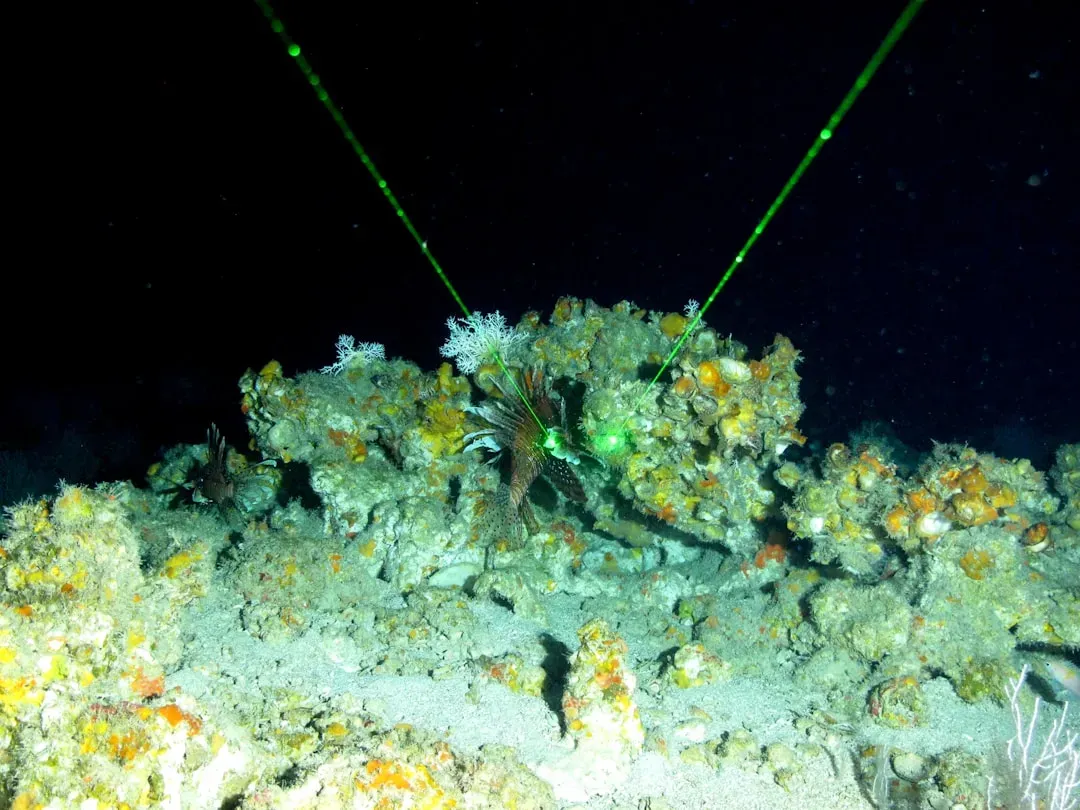
This one genuinely surprised me when I first read it. A fascinating discovery was made in 2024. New research conducted in the Pacific Ocean revealed that oxygen production occurs in complete darkness at the seafloor by metallic nodules, almost two and a half miles below the ocean surface where no light can reach.
Scientists recently discovered a mind-blowing phenomenon: the deep sea makes oxygen in the absence of sunlight. This is a significant finding because it raises important questions about the role of dark oxygen in the deep ocean where oxygen is naturally scarce.
Scientists theorize that this oxygen is likely to support a plethora of life underwater, but deep-sea mining companies are already eyeing up the nodules since they contain valuable metals like lithium and copper, used in battery production. So just as we discover one of the ocean’s most remarkable secrets, we are already at risk of destroying it.
11. Microplastics Have Reached the Very Bottom
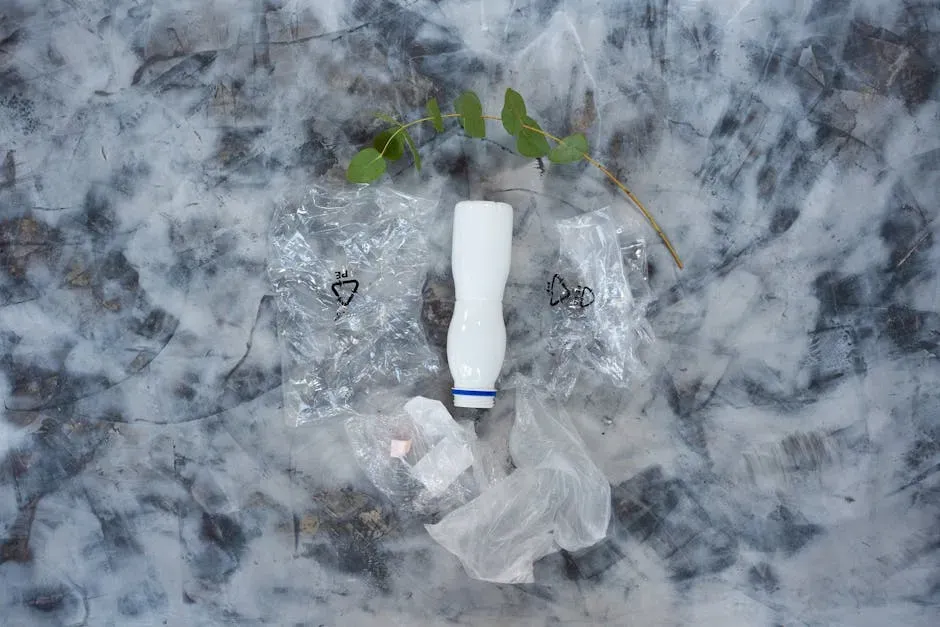
If there was a glimmer of hope that the deepest, most unreachable parts of our ocean were untouched by human activity, this fact shatters it. Despite the remoteness of the hadalpelagic zone, humanity has found a way to interfere: plastic debris has been found at the bottom of the Mariana Trench.
In a 2019 paper published in Royal Society Open Science, British researchers gathered samples of crustaceans called amphipods from six different deep ocean trenches, and found that nearly three quarters of the ninety individuals examined had at least one microplastic particle in their guts.
In 2018, scientists documented the presence of a plastic bag at the bottom of the Mariana Trench. This discovery was made by scanning through thousands of photos and videos from multiple dives. While it may not be the strangest thing found at the bottom of the ocean, it may well be the scariest, illustrating just how deep the problem of plastic debris really is.
12. The Deep Ocean Has Entire Ecosystems We Knew Nothing About
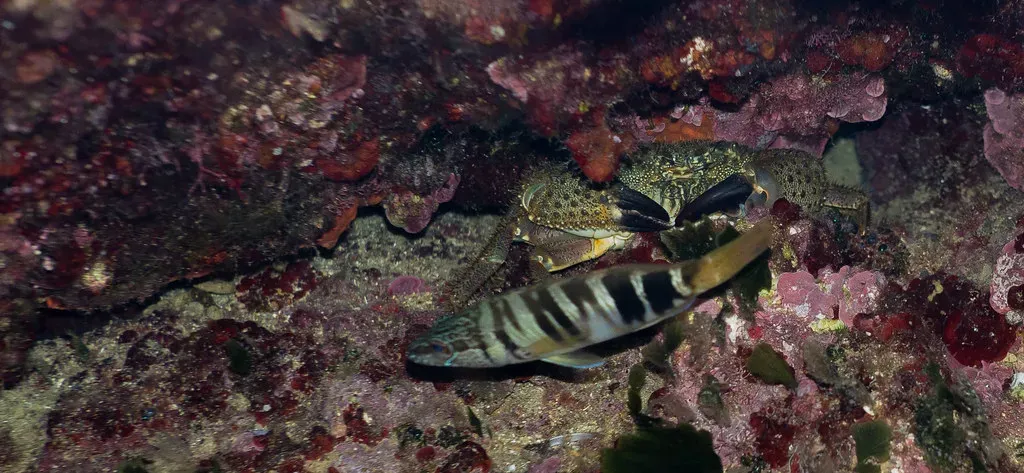
In 2024, researchers onboard the Chinese submersible “Fendouzhe” went down to the Mariana Trench 23 times and discovered thousands of worms and mollusks, the deepest colony ever observed, at depths ranging from 8,200 feet to 31,000 feet deep. Entire thriving communities had been hiding there, completely unknown to science.
A Chinese-led research team captured pictures of life at depths of more than 9 kilometres below the ocean surface. At these depths, scientists spotted what appeared to be fields of marine life, including various types of tube worms and molluscs that had never been studied before. Such findings are challenging scientists’ assumptions that these communities of animals are actually common, not rare sightings.
The deeper we look, the more we find. It is like discovering an entire city underground that nobody knew existed. Each expedition rewrites the textbooks.
13. The Arctic Ocean Has Its Own Astonishing Deep Trench
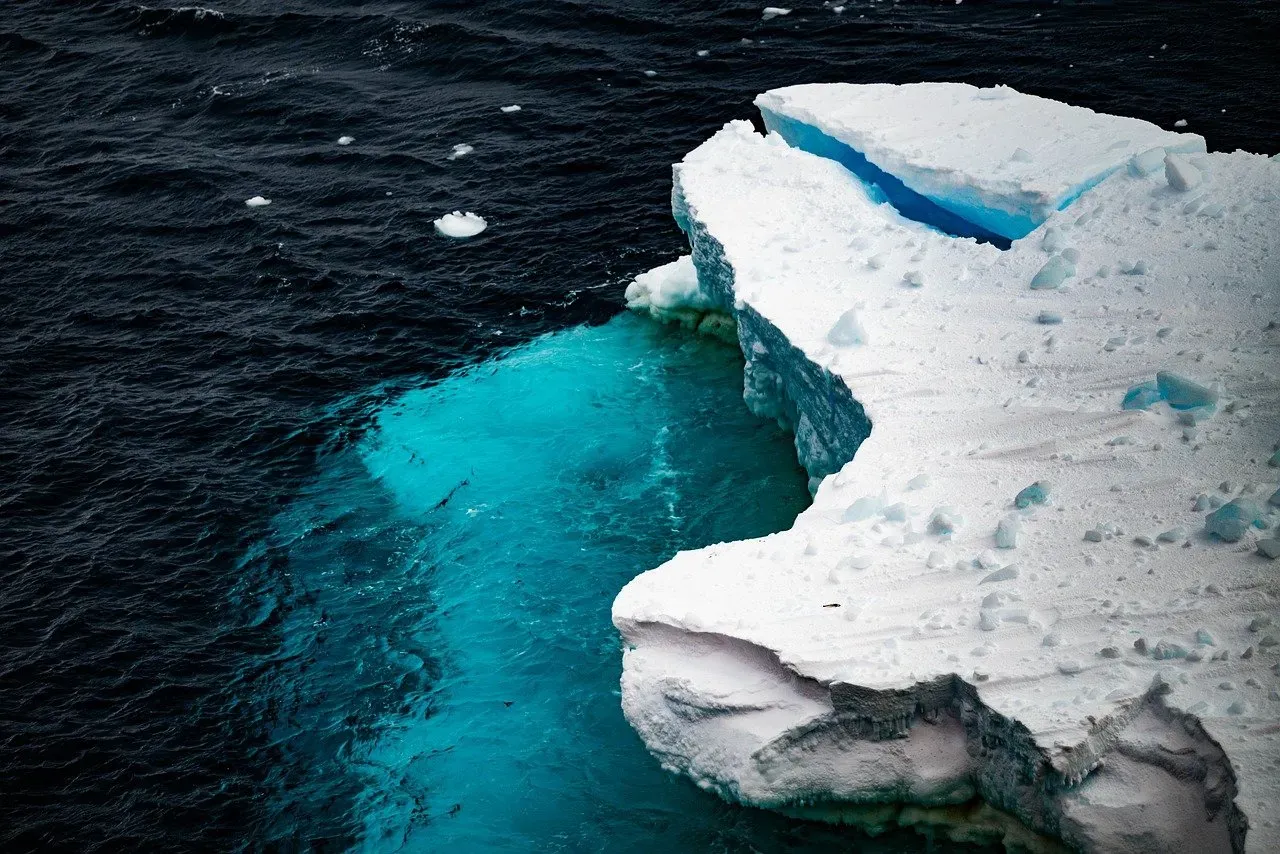
Most people think of the Pacific when they think of ocean depth. But the Arctic has a remarkable deep point of its own. In September 1972, a research vessel called the USNS Hayes discovered the deepest part of the Arctic Ocean and named it after Arthur E. Molloy, the research scientist who first observed this deep, underwater chasm. The Molloy Deep is located in the Fram Strait, between Greenland and Svalbard, about 100 miles to the west of the Svalbard archipelago.
According to geologists, the Molloy Deep has existed for more than 30 million years. It is located where the Mid-Atlantic Ocean ridge system takes a sharp plunge. Thirty million years is hard to wrap your head around. Our earliest ape-like ancestors were barely walking upright when this trench was already ancient.
A few years ago, Norwegian researchers created a visual of what it would look like if the country’s national mountain, Stetind, were dropped inside the hole. Only the very tip would be left peeking up. Even the Arctic’s lesser-known deep is absolutely humbling in scale.
14. The Deep Ocean Is Still Delivering New Species in 2025 and 2026
Just when you might think we have found most of what is down there, the ocean keeps surprising us. In 2023, the Nippon Foundation-Nekton Ocean Census was launched as the world’s largest effort to accelerate the discovery of new marine life. After ten ocean expeditions, the team revealed in 2025 that it had discovered more than 800 new species since its inception.
Scientists discovered a remarkable crustacean species, a large, ghostly white amphipod, lurking nearly 8,000 meters beneath the ocean’s surface in the Atacama Trench. A ghostly white predator at the edge of the known world. You honestly could not make it up.
In the Ross Sea, researchers discovered more than 40 new methane seep sites in 2025, locations on the seabed floor where methane gas can escape. Using remotely operated vehicles and divers under the ice, the research team found dozens of these sites at Cape Evans on the west side of Antarctica’s Ross Island. The deep ocean is not a static, silent graveyard. It is alive, churning, and full of secrets still waiting to be told.
A Final Thought on the Last Frontier Beneath Our Feet
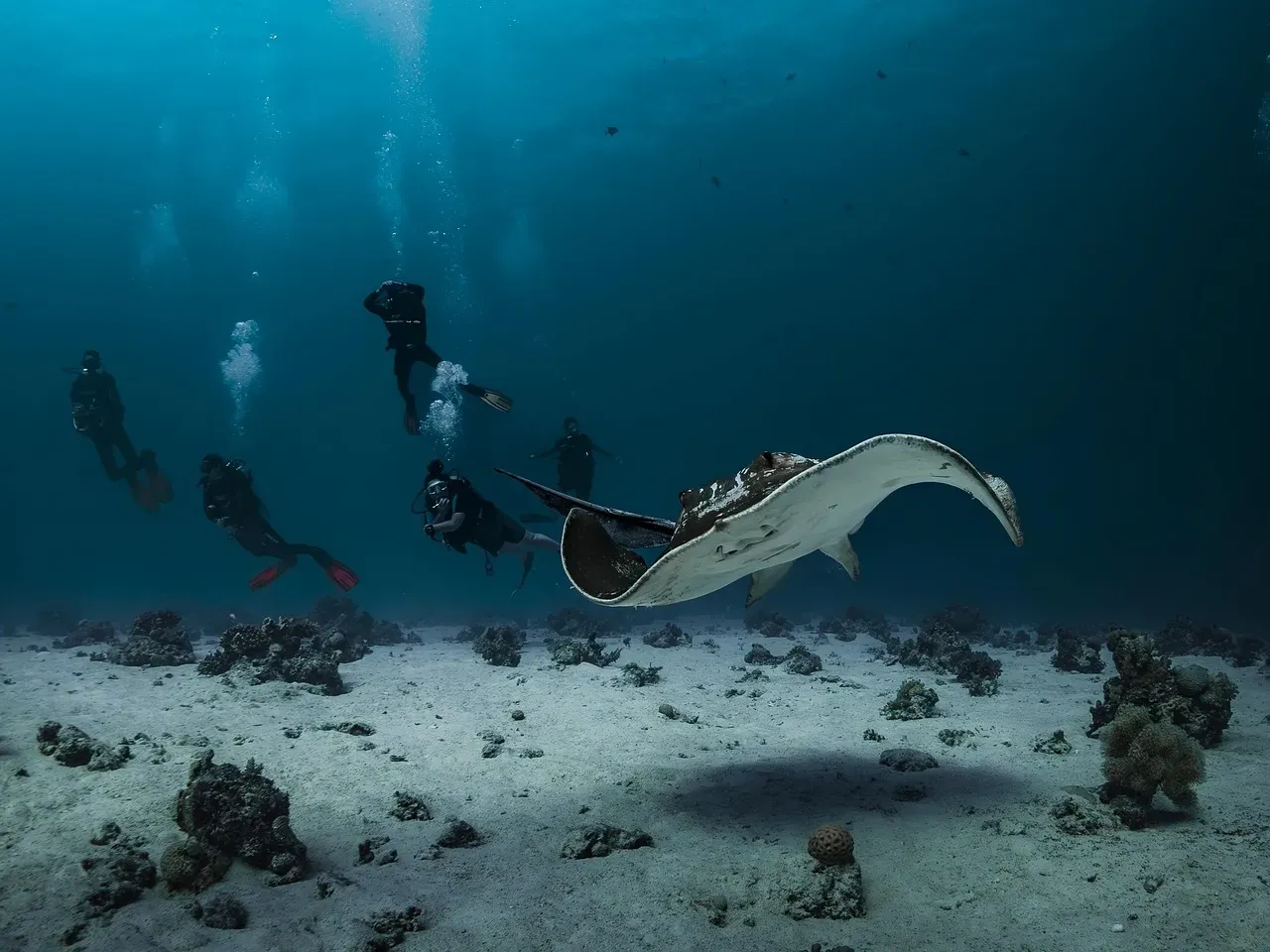
are, without question, the most underexplored places on the surface of our planet. They are colder, darker, and stranger than almost anywhere else in the known universe. Yet they are right here, beneath every ship that has ever sailed, beneath every coastline we call home.
We have explored less of our ocean floor than we have of the surface of Mars. We are still discovering species, geological features, and chemical processes that completely rewrite what we thought we knew. The deep ocean is not a dead place. It is teeming, dynamic, and stubbornly alive even under conditions that would destroy anything we could build.
Let’s be real: the deepest oceans are a reminder of how young our understanding of this planet truly is. Every dive is a first step into territory barely touched by human eyes. So the next time you stand at the water’s edge and stare out at the sea, just remember: the most extraordinary things are not floating on the surface. They are miles below it, waiting to be found. What do you think is still lurking down there? Drop your thoughts in the comments.
Worried about unexpected vet bills?
Pet insurance can cover thousands in unexpected vet costs. Get a free quote from Lemonade in under 2 minutes.
Get My Free Quote →Sponsored · Opens Lemonade.com
