
Worried about unexpected vet bills?
Pet insurance can cover thousands in unexpected vet costs. Get a free quote from Lemonade in under 2 minutes.
Get My Free Quote →Sponsored · Opens Lemonade.com
Picture this. You walk into your Florida kitchen one evening for a glass of water and flip on the light, only to witness a dozen cockroaches scurrying for cover. It’s enough to make your skin crawl and your stomach turn. Here’s the thing: living in the Sunshine State comes with some serious perks, like year-round warmth and gorgeous beaches. That same subtropical climate also creates paradise for pests.
These uninvited guests don’t take a vacation, and neither should your defenses. Florida’s humidity, consistent warmth, and abundance of greenery essentially roll out the red carpet for bugs and critters looking for food, water, and shelter. Whether you’re a longtime resident or just moved here, understanding what you’re up against is the first step in reclaiming your home.
1. The Relentless Cockroach
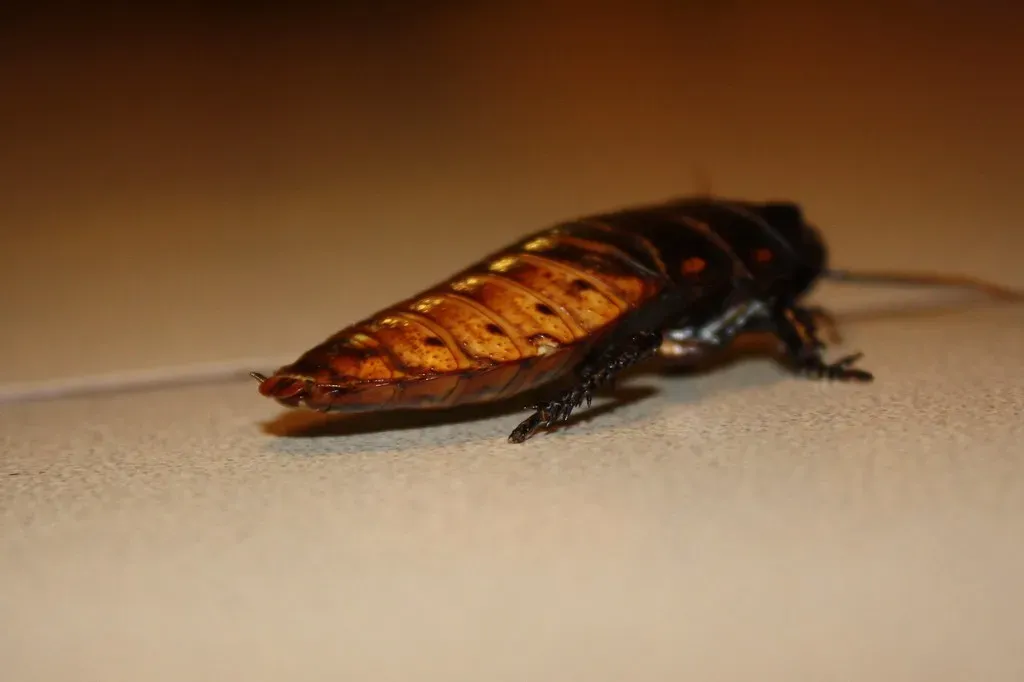
Cockroaches are among the most popular pests across Florida, affecting up to ninety percent of homes and carrying dangerous bacteria like Salmonella or E. Coli. Florida residents will likely encounter the American cockroach, which travels indoors in search of food and water, as well as the German cockroach, which prefers warm and humid places, such as the bathroom.
The American cockroach, also affectionately called the palmetto bug, is bigger and tends to fly short distances when feeling threatened. They’re reddish-brown, roughly two inches long, and absolutely love dark, damp spaces like basements and crawl spaces. Meanwhile, the smaller German cockroach is about half an inch and has two black stripes behind its head. It reproduces rapidly and hides inside appliances, cabinets, and drawers.
To prevent these unsightly insects from taking over your home, keep your kitchen clean and free of crumbs, seal any cracks or crevices around windows and doors, and regularly empty your trash cans and keep them tightly sealed. Honestly, cleanliness is your strongest weapon here. Wipe down counters nightly, sweep up those invisible crumbs, and store food in sealed containers.
Repair any plumbing leaks to reduce moisture, and consider using a dehumidifier in damp areas. Cockroaches adore water sources, so fixing that dripping faucet or leaky pipe isn’t just about your water bill. It’s about eliminating their drinking fountain.
Don’t underestimate the seriousness of a roach problem. Cockroaches pose significant health risks as they can spread disease-causing organisms like E.coli and Salmonella and also trigger allergies and asthma with their shed skin and excrement. If you spot more than a few roaches or notice droppings and egg casings, it’s time to call in professionals who can deliver targeted treatments.
Let’s be real, DIY sprays might kill one or two, but roaches breed fast and hide well. Sometimes you need the big guns.
2. The Silent Termite Destroyer
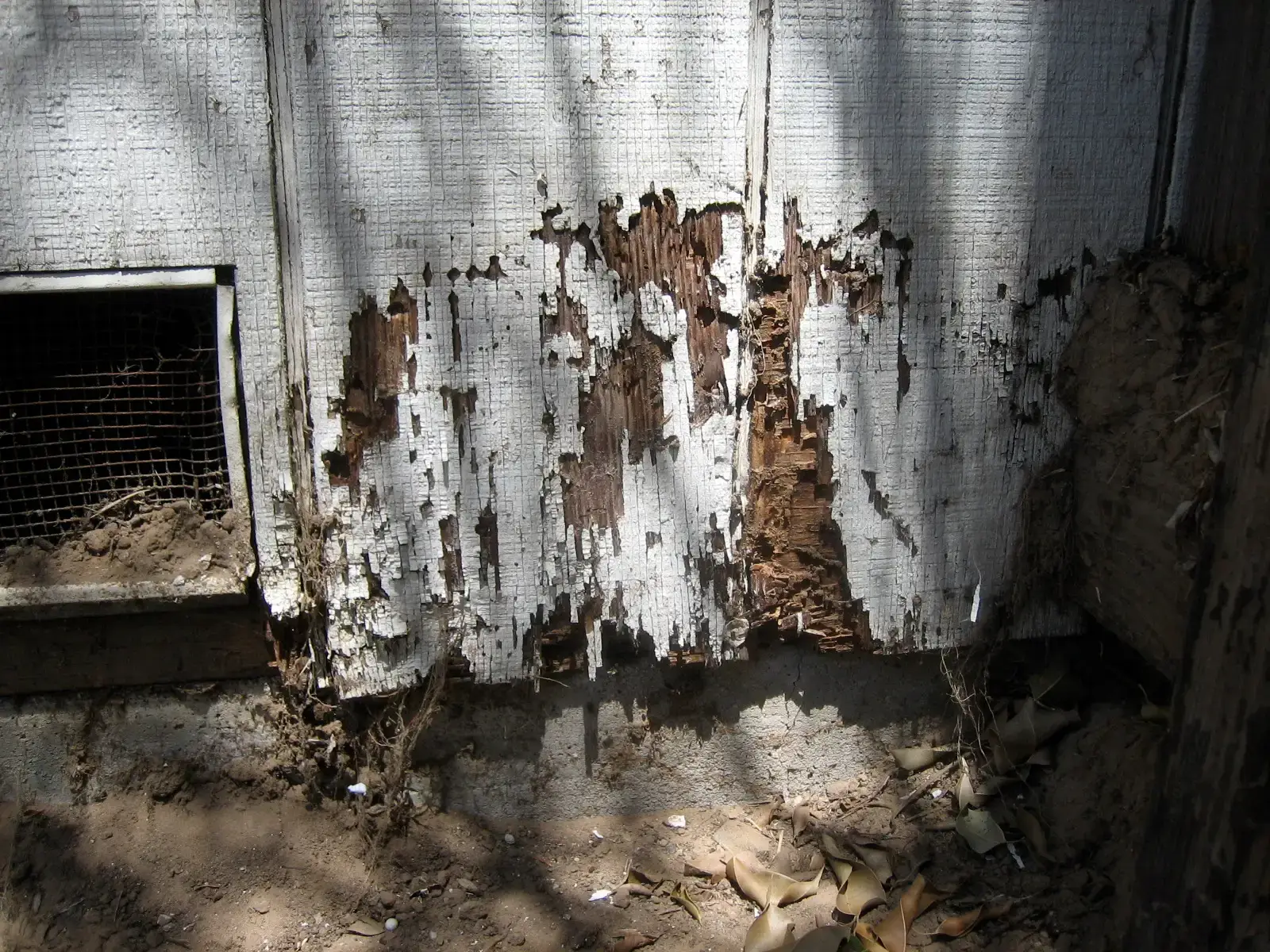
Subterranean termites are one of the biggest threats to Florida homes, often causing damage for months before you even know they’re there. These insects are basically invisible until the damage becomes severe. They eat wood from the inside out, leaving structures hollow and weak.
Florida is home to both Drywood and Subterranean species of termites, which infest wood structures and foundations, often causing unseen damage until it is severe. Subterranean termites build mud tubes to travel from the soil to your home’s wooden structures. Drywood termites, on the other hand, live directly in the wood they consume and don’t need soil contact.
You might notice peeling paint, a hollow sound when you tap on wood, or tiny holes drilled into wooden surfaces. Sometimes you’ll find discarded wings near windowsills or small piles of sawdust-like material. These are all red flags.
Once termites invade your home, they can often go undetected and do considerable damage, so it is critical to get your home inspected for termite activity annually, and if activity is found, a treatment should be done as soon as possible. The truth is, termites aren’t a question of “if” in Florida, but “when.” Prevention is everything.
Ensure proper drainage around your property and fix any leaks immediately, and use gutters and downspouts to direct water away from your foundation. Keep firewood, mulch, and wooden pallets away from your home’s foundation. Make sure tree branches and shrubs aren’t directly touching your house.
Professional termite inspections are your safety net. Many companies offer annual monitoring services that catch infestations early, saving you thousands in repair costs. I think it’s one of those things you don’t skip, like getting your car’s oil changed.
3. The Invading Ant Army
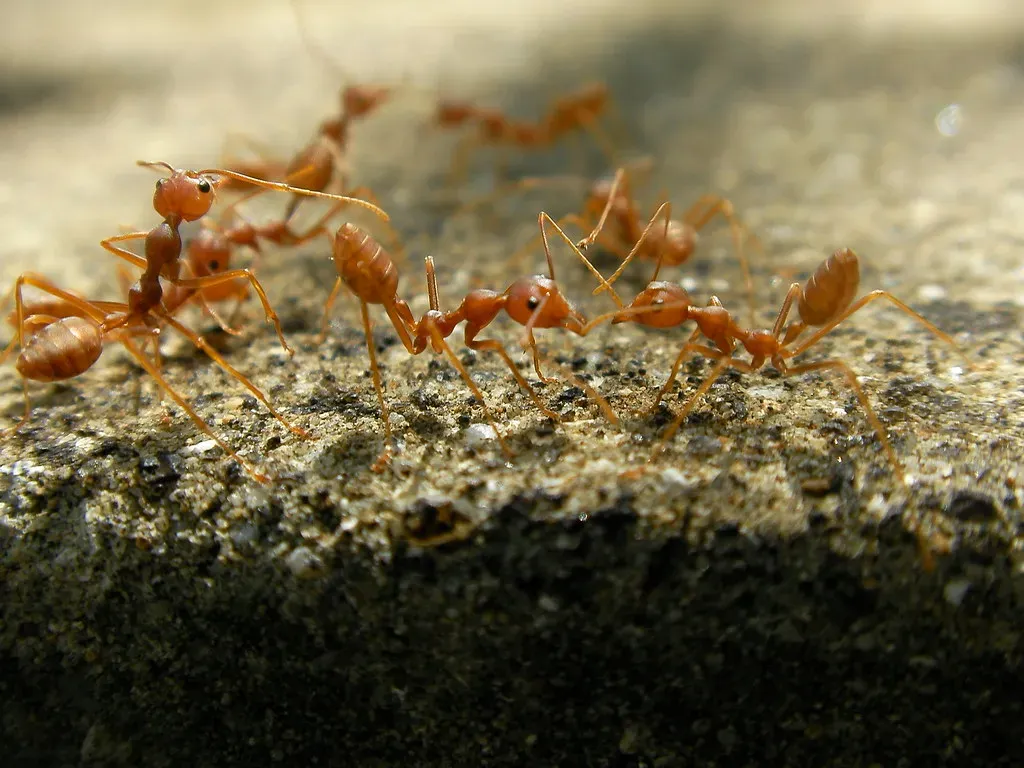
Home to over 32 ant species, almost every Florida homeowner has had to deal with ants at some point, with fire ants being perhaps the most problematic ant species in Florida. Common ant species in Florida include Carpenter, Acrobat, Red imported fire, Ghost and Argentine ants, among others.
Fire ants are notorious for their painful stings that can cause severe allergic reactions in some people. They build large mounds in sunny, open areas like lawns and driveways. Carpenter ants tunnel through wood to create nests, potentially causing structural damage similar to termites. Ghost ants and Argentine ants are smaller but invade homes in massive numbers, particularly kitchens and bathrooms.
Ants are attracted to food, especially sugary substances and moisture, and a single ant can leave a scent trail for others to follow, leading to a full-scale infestation if not addressed. That’s why you see one ant in the morning and fifty by evening. They’re calling their friends.
Store food in airtight containers, clean up spills and crumbs promptly, and seal any cracks in your foundation and around windows and doors. Pet food bowls are ant magnets, so don’t leave them sitting out all day. Even the smallest crack can serve as an entryway.
For outdoor control, keep your yard tidy by removing fallen fruit, trimming vegetation away from your home, and eliminating standing water where ants might nest. Inside your house, wipe down surfaces with vinegar and water after cooking. Natural deterrents like cinnamon or peppermint oil can help, though they’re not foolproof.
If carpenter ants or fire ants have established colonies, professional pest control becomes essential. These species require targeted treatments that go beyond what you can buy at the hardware store. The goal is to eliminate the entire colony, not just the scouts you see marching across your counter.
4. The Disease-Carrying Rodent
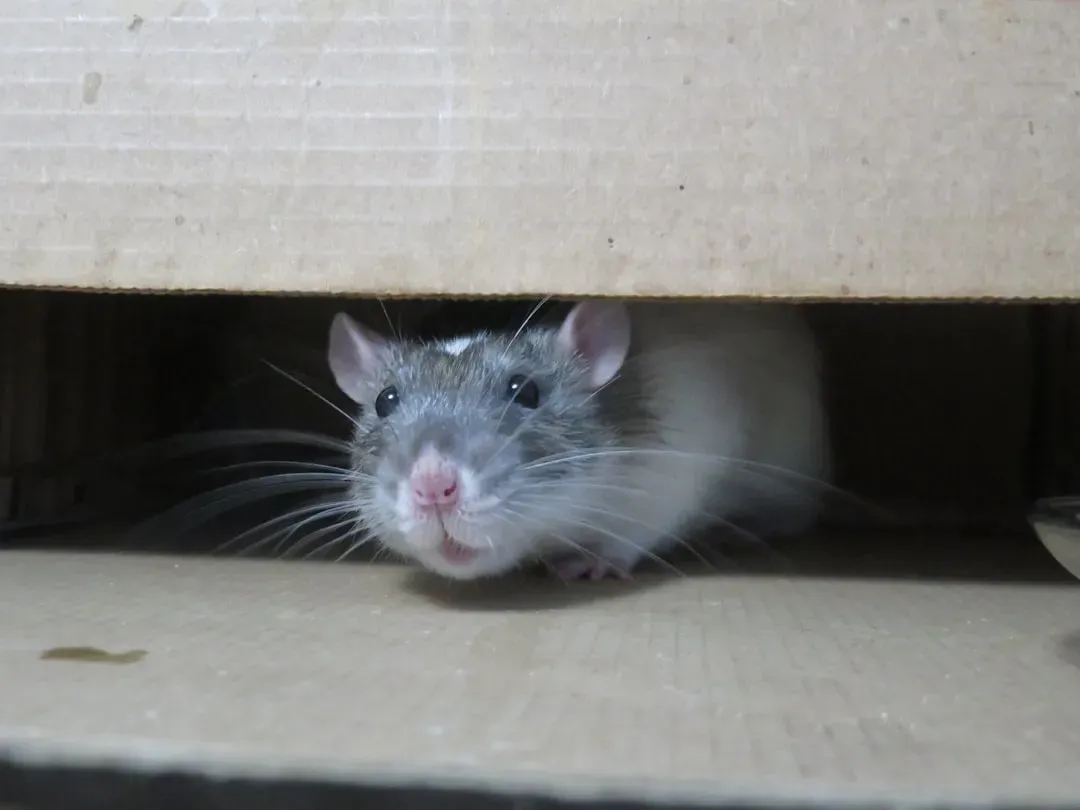
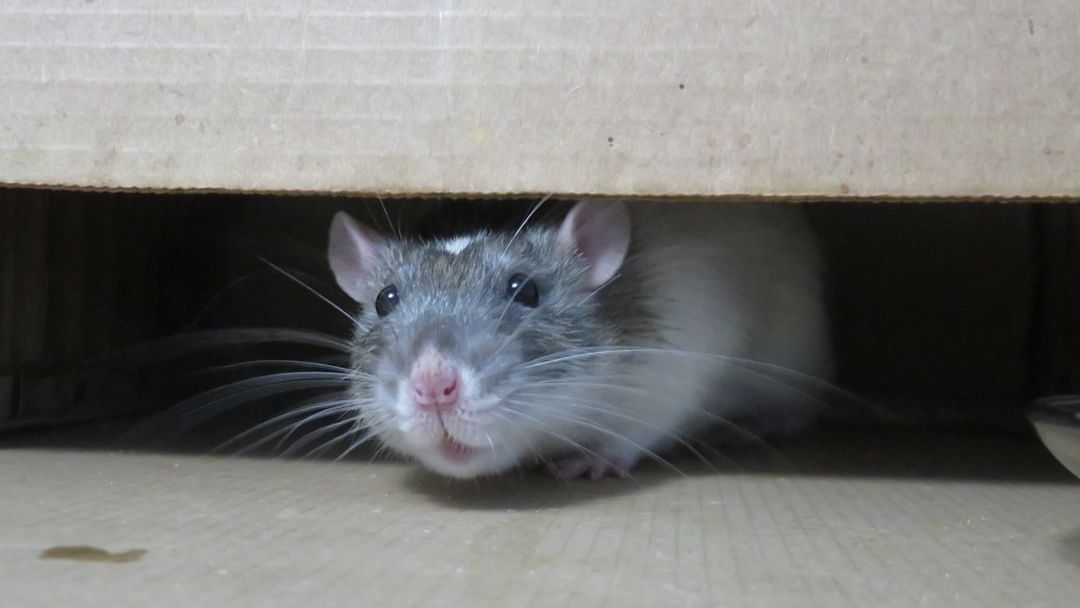
House mice and rats are fairly common in Florida, with two types of rats that are not only common but also known for their destructive tendencies in homes: the Norway rat and black rat. Rodents, including mice and rats, are common in Florida homes, and their ability to chew through electrical wires and insulation poses a significant risk of fire and property damage, and additionally, rodents carry diseases such as hantavirus and leptospirosis, which can be harmful to humans.
Let me tell you, rodents are no joke. They contaminate food, spread disease, and gnaw on everything from wires to wooden beams. The Norway rat is larger and prefers ground-level spaces like basements. The black rat, also called the roof rat, is an excellent climber and often nests in attics or upper levels of homes.
Rodents such as rats and squirrels will use tree limbs as a highway to gain entrance to your home, and rats, such as the roof rat, can jump three feet in the air vertically and more than four feet horizontally. This means those overhanging branches aren’t just a landscaping issue. They’re literal bridges for pests.
Prevent them from entering your home by sealing any gaps or holes in your home’s exterior, storing food in secure containers, and regularly inspecting your attic and crawlspaces. Check for gaps around pipes, vents, and utility lines. Mice can squeeze through openings as small as a dime. Use steel wool or wire mesh to block entry points since rodents can’t chew through those materials.
Do not place firewood, landscape timbers, wooden pallets, or any other wood near your house. These provide perfect hiding spots for rodents to nest. Remove any empty pots, buckets, plant saucers, or other containers that may hold water, as some mosquitoes can breed in spaces as tiny as the lid of a soda bottle.
Inside your home, store pantry items in glass or hard plastic containers. Rodents will chew right through cardboard and thin plastic bags. Clean up food spills immediately and avoid leaving pet food out overnight. If you hear scratching sounds in your walls or ceiling, spot droppings, or notice chewed wires, call a professional immediately. Rodent problems escalate quickly.
5. The Bloodsucking Mosquito
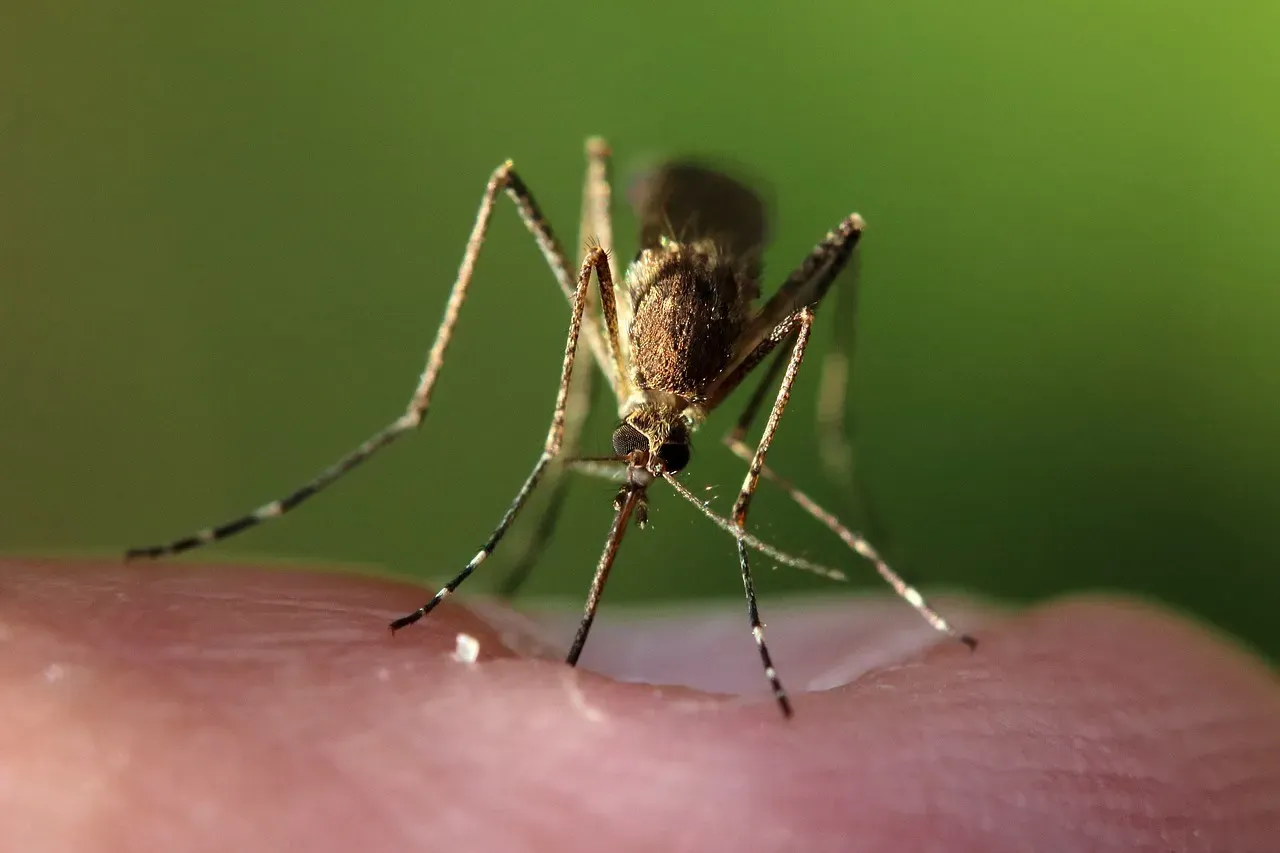
Mosquitoes are one of the most dangerous household pests as they can transmit diseases like the West Nile virus and malaria. In Florida’s warm, humid environment, mosquitoes thrive year-round. Unlike most pests that simply annoy you, mosquitoes pose genuine health threats to your family and pets.
Female mosquitoes need blood to reproduce, which is why they bite. They’re attracted to carbon dioxide, body heat, and certain body odors. Standing water is their breeding ground. Even the tiniest puddle in a flower pot saucer or clogged gutter can host hundreds of mosquito larvae.
To stay ahead, increase mosquito control efforts by eliminating standing water and using repellents. Walk around your property weekly and dump out any containers holding water. Clean birdbaths and pet water bowls regularly. Make sure your gutters drain properly and don’t have stagnant pools.
If you have bird feeders, bird fountains, or water features in your yard, make sure they’re free of standing water, which can be a breeding ground for a variety of unwanted pests. Adding a fountain or aerator to ponds keeps water moving, which discourages mosquito breeding.
Screens on windows and doors are your first line of defense indoors. Check them regularly for tears or holes. If you’re spending time outside, especially during dawn and dusk when mosquitoes are most active, use EPA-approved repellents containing DEET or picaridin.
For serious mosquito problems, professional treatments that target breeding sites and adult populations offer the most effective relief. Some companies offer barrier sprays that protect your yard for weeks at a time. Mosquito traps and foggers can help, but eliminating standing water remains the most critical step you can take on your own.
Conclusion
Florida’s warm, humid climate is a paradise for more than just beachgoers, as it’s also a haven for pests, and the state’s subtropical environment provides the perfect conditions for bugs to thrive year-round, with the combination of high humidity, consistent warmth, and lush vegetation creating an ideal breeding ground for a wide variety of pests. Living here means accepting that pest prevention isn’t optional. It’s part of homeownership.
The five pests we’ve covered – cockroaches, termites, ants, rodents, and mosquitoes – represent the most common invaders Florida homeowners face. Each requires specific prevention strategies, from sealing entry points and eliminating food sources to reducing moisture and scheduling professional inspections. Small actions like wiping down counters, fixing leaks, and removing standing water make a real difference.
Honestly, staying vigilant is your best defense. Regular home inspections, proper sanitation, and professional pest control when needed will protect your family’s health and your property’s value. Don’t wait until you’re facing a full-blown infestation to take action.
So what’s your biggest pest concern right now? Are you dealing with any of these unwelcome guests? Share your experiences in the comments below.
Worried about unexpected vet bills?
Pet insurance can cover thousands in unexpected vet costs. Get a free quote from Lemonade in under 2 minutes.
Get My Free Quote →Sponsored · Opens Lemonade.com
