

Plenty of gardeners set out feeders and plant a few bright blooms hoping to draw in hummingbirds. Yet the birds often stay away or visit only briefly despite the effort. Experienced hands have learned through trial and error what actually works and what quietly undermines success year after year.
Those quiet adjustments add up to gardens that hum with activity from spring through fall. The differences come down to small but consistent choices rather than dramatic overhauls. Here are fourteen common missteps that seasoned gardeners have moved past.
#1 Relying on Red Dyed Nectar
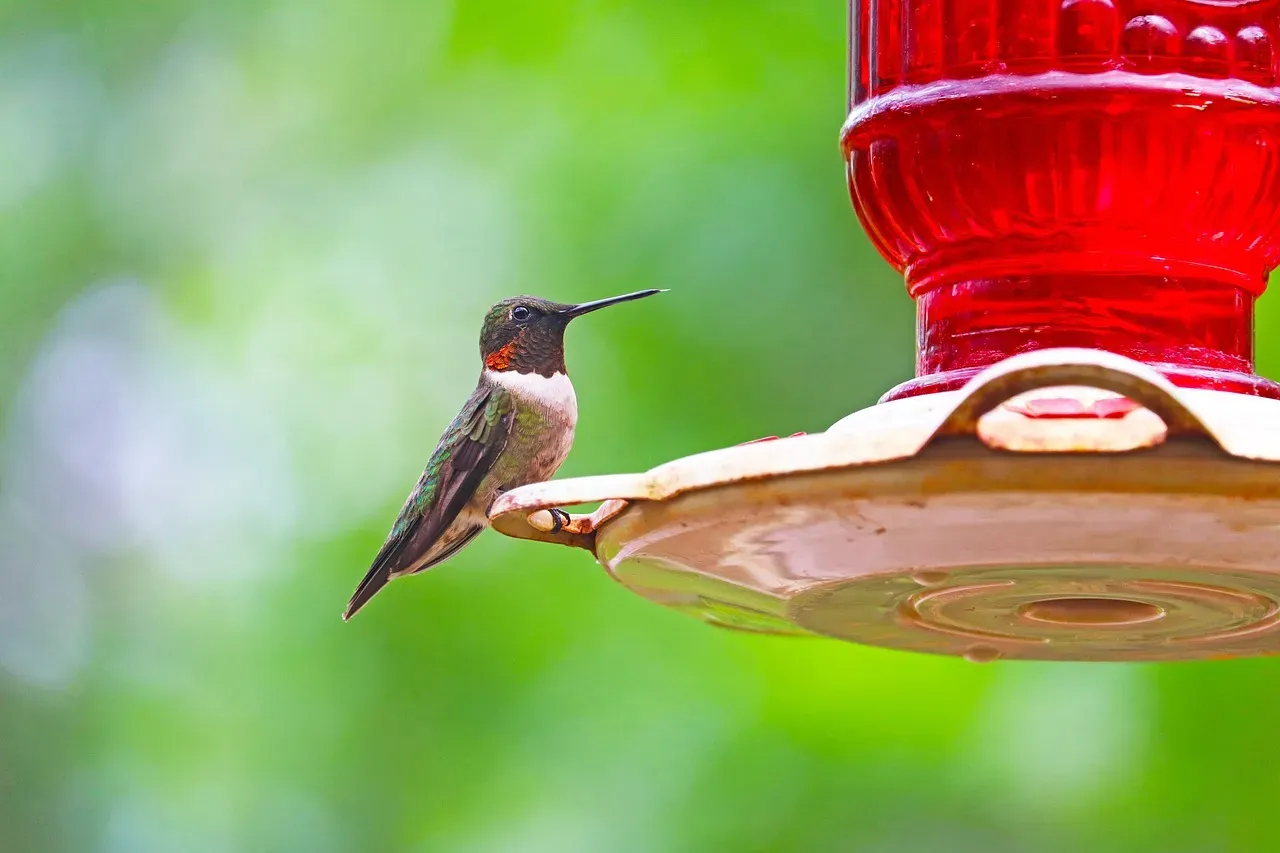
Many people still reach for the bright red mixes sold in stores. Those dyes offer no benefit to the birds and can even cause health issues over time. Master gardeners switched to plain sugar water years ago and noticed steadier visits as a result.
The color of the feeder itself draws attention well enough. Clear or simple designs let the natural red of certain flowers do the rest of the work. This small change keeps the focus on real nutrition instead of unnecessary additives.
#2 Skipping Regular Feeder Cleanings
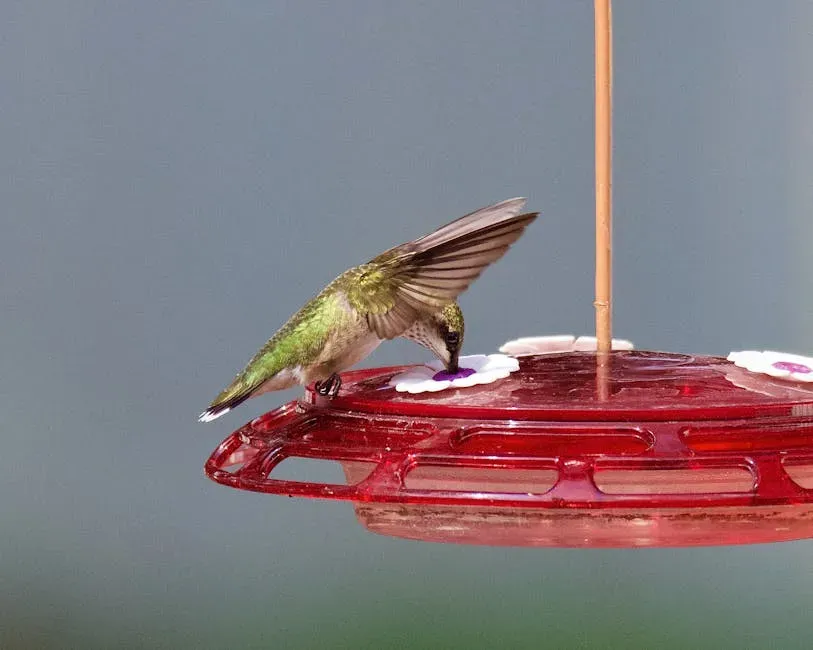
Feeders left untouched for weeks develop mold and bacteria that harm the birds. A quick rinse every few days prevents fermentation and keeps the nectar fresh. Gardeners who adopted this habit saw fewer sick or absent hummingbirds around their yards.
Hot water and a bottle brush handle most buildup without harsh chemicals. Some add a vinegar solution once a month for extra safety. The routine takes minutes yet protects the very visitors the garden aims to support.
#3 Planting Only Non Native Blooms
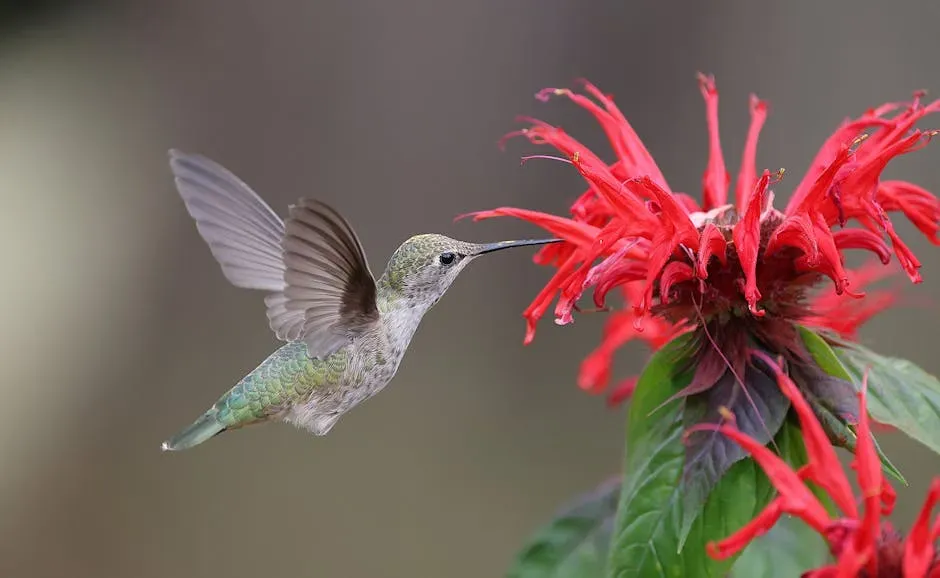
Exotic flowers may look striking in catalogs yet often fail to match local hummingbird preferences. Native tubular plants provide better nectar volume and bloom timing. Those who shifted their beds toward regional species reported more consistent daily traffic.
Native choices also support the insects that hummingbirds sometimes eat. The overall ecosystem stays healthier without extra inputs. Over a season or two the difference in activity becomes obvious.
#4 Using Pesticides Near Feeding Areas
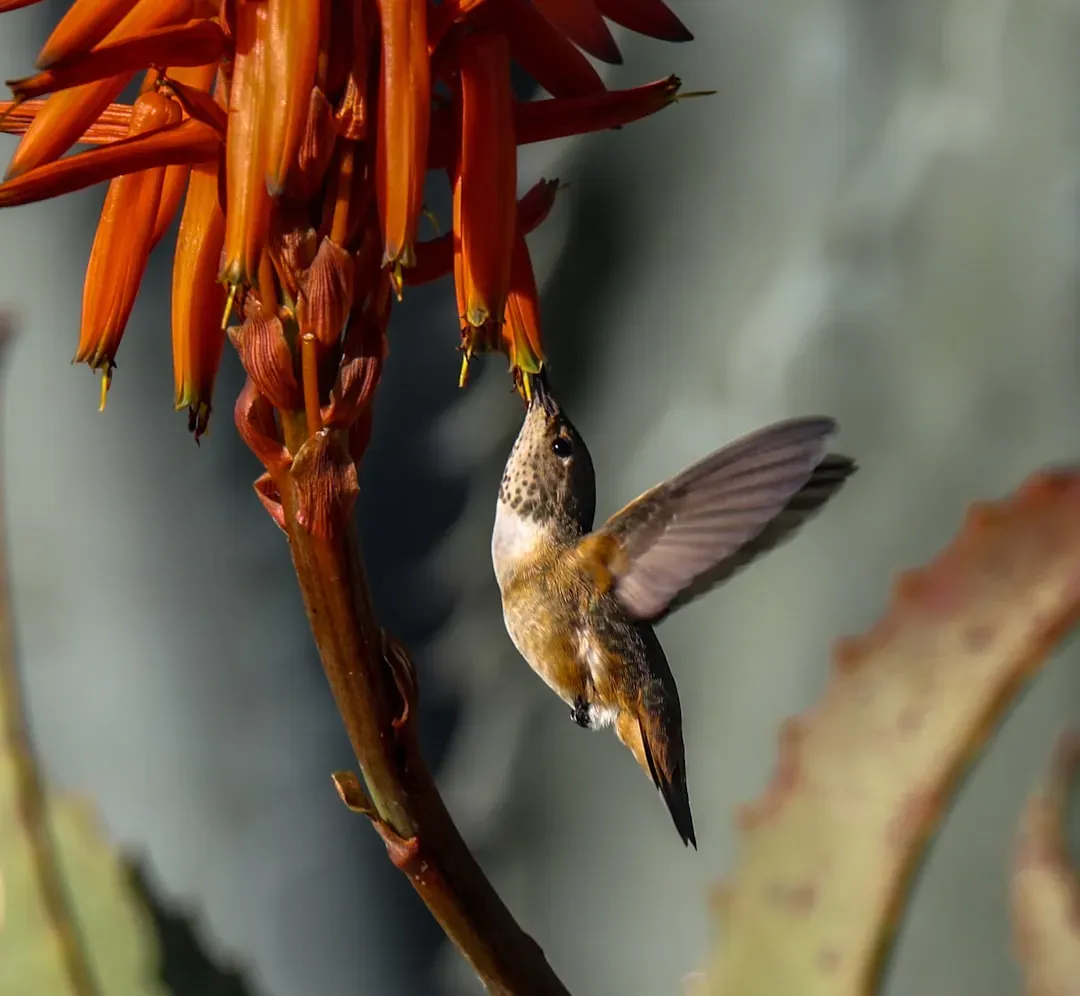
Chemical sprays reduce the tiny insects that form part of a hummingbird diet. They can also leave residues on nectar sources. Gardeners who stopped treating nearby plants noticed both more insects and more birds returning.
Hand weeding and companion planting handle most issues without broad applications. The birds themselves help control certain pests once they feel safe. This hands off approach creates a more balanced space.
#5 Forgetting a Water Source
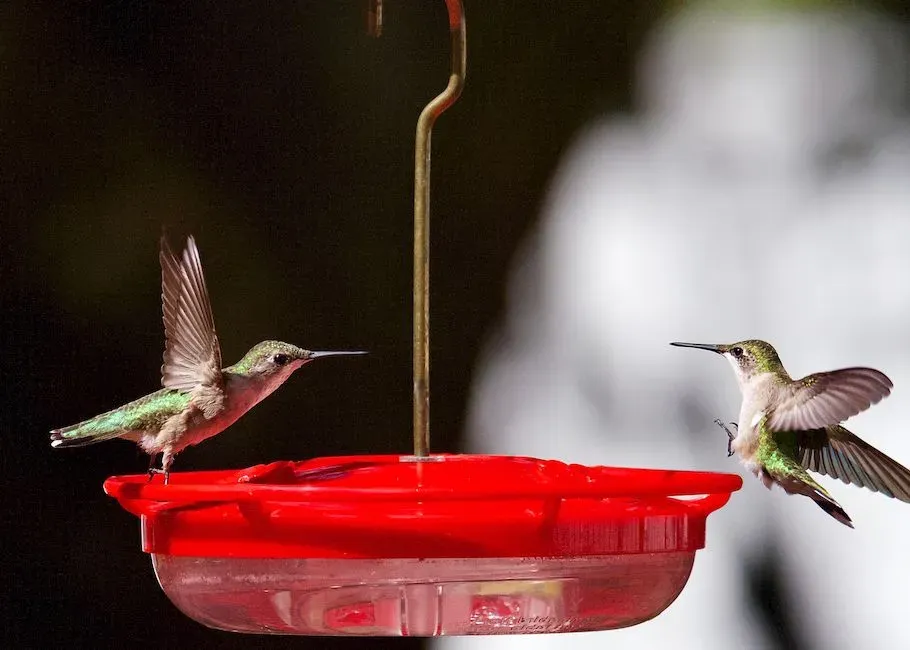
Feeders supply energy but hummingbirds still need water for bathing and drinking. Shallow dishes or misters placed nearby fill that gap. Those who added simple water features watched the birds linger longer in the garden.
Moving water catches their attention from a distance. Even a dripping hose or small fountain works in tight spaces. The addition turns a quick stop into a regular routine for the birds.
#6 Placing Feeders in Full Sun All Day
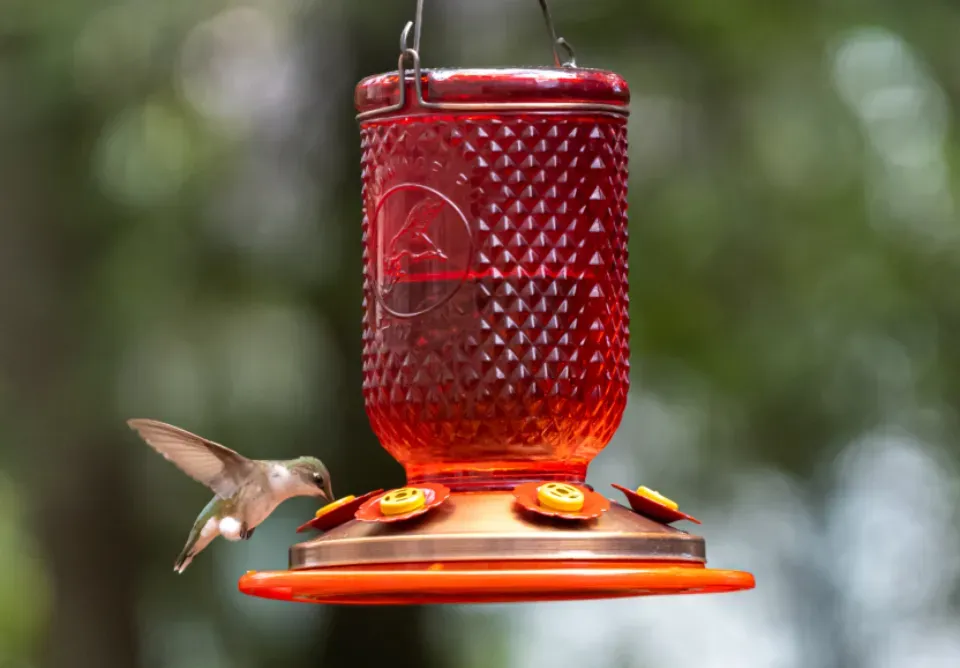
Constant heat speeds up nectar spoilage and makes the area uncomfortable. Partial shade keeps the solution fresher and gives birds a cooler perch. Gardeners who relocated feeders reported fewer replacements needed each week.
Early morning sun still draws attention while afternoon shade protects the mix. Trial placements over a few seasons reveal the best spots. The birds respond with more frequent stops once conditions improve.
#7 Skipping Perches Near Feeders
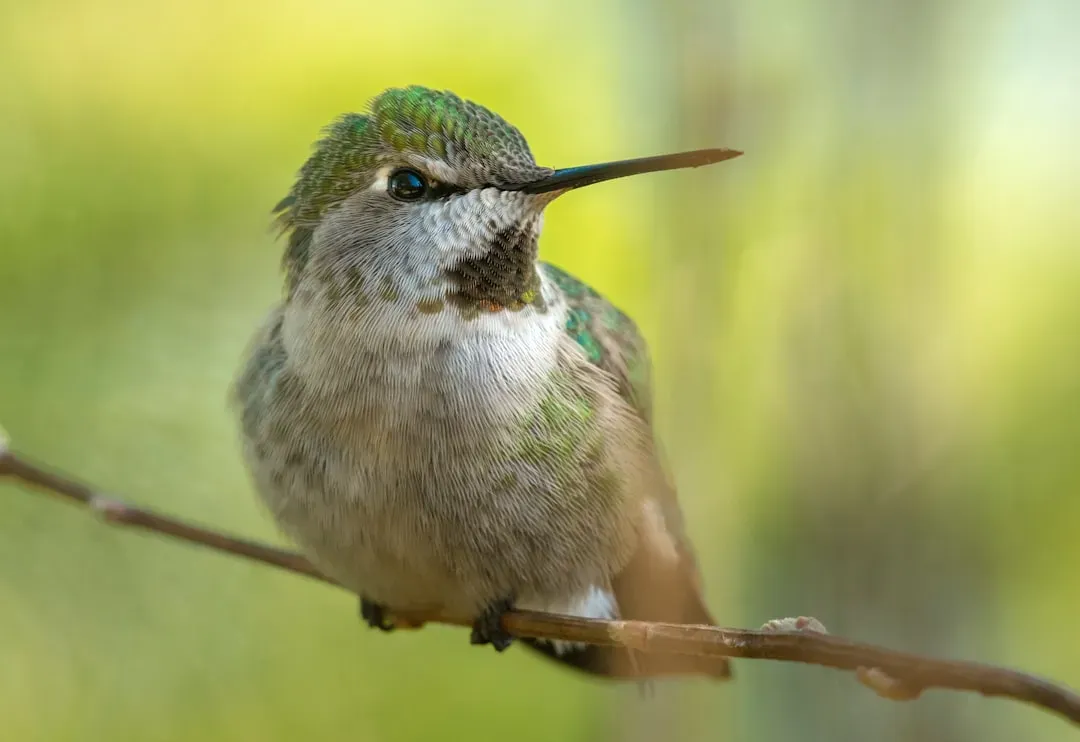
Hummingbirds rest between sips yet many setups leave them hovering the whole time. Small branches or wires nearby give them a place to pause. Those who added simple perches noticed the birds staying longer and returning more often.
Perches also reduce energy use so the birds can feed more efficiently. Natural twigs blend into the garden better than obvious additions. The change feels minor until the activity level rises.
#8 Ignoring Bloom Timing Across Seasons
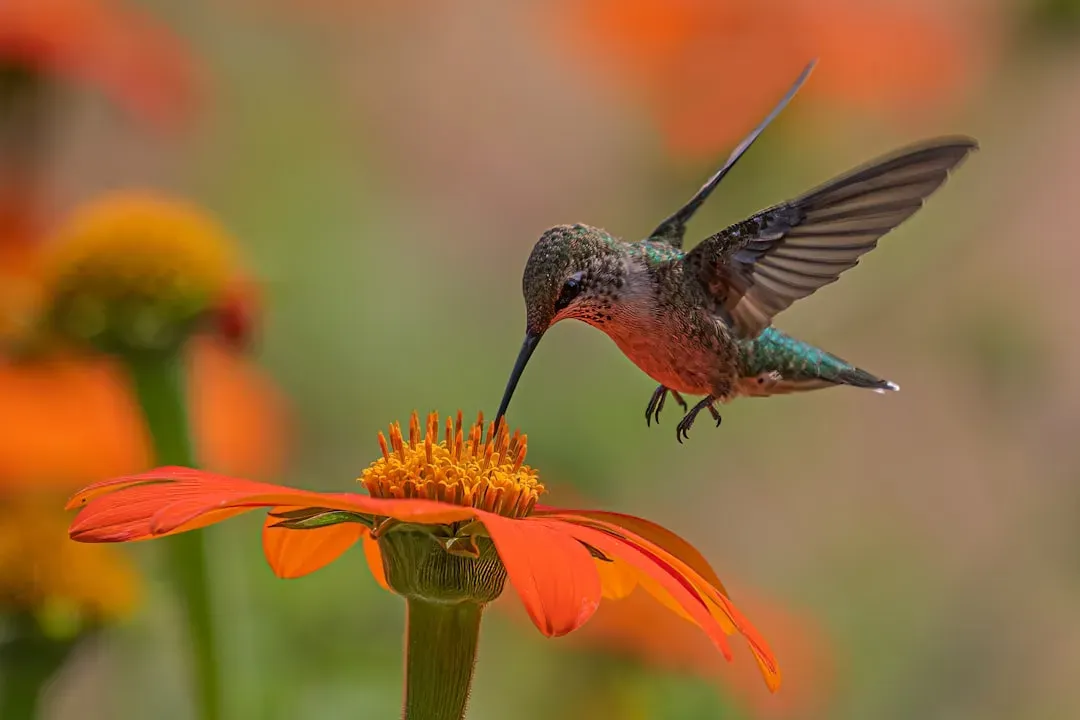
A spring burst followed by nothing leaves gaps when migrants pass through. Overlapping bloom periods keep nectar available from arrival to departure. Gardeners who planned for succession saw steady visitors instead of feast or famine patterns.
Early columbines, mid summer bee balm, and late salvias cover the calendar nicely. Checking local bloom charts helps match the garden to regional timing. The result is a reliable stopover rather than occasional luck.
#9 Choosing Cheap Plastic Feeders
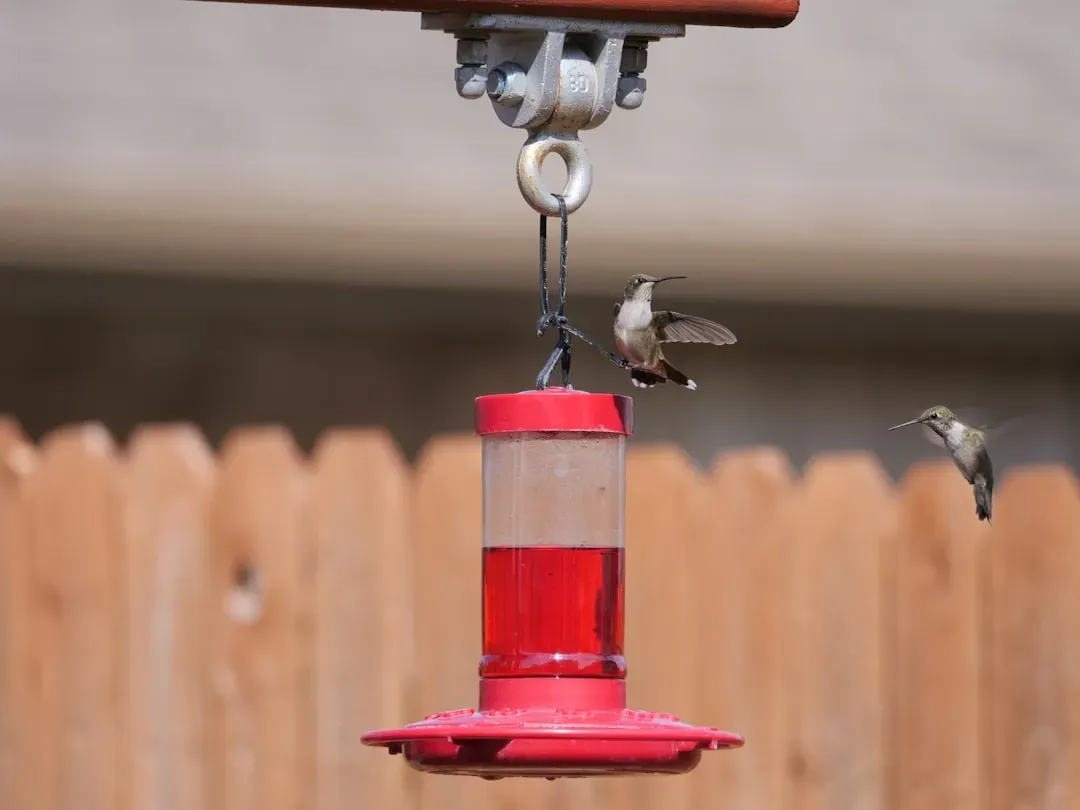
Low cost models often leak or crack quickly under weather exposure. Better built glass or sturdy designs hold up and clean more easily. Those who upgraded noticed less waste and fewer maintenance headaches.
Quality feeders also resist warping that can create hidden mold spots. The initial cost pays off through fewer replacements over several seasons. Birds seem to favor stable setups that do not drip constantly.
#10 Overcrowding Plants Without Spacing
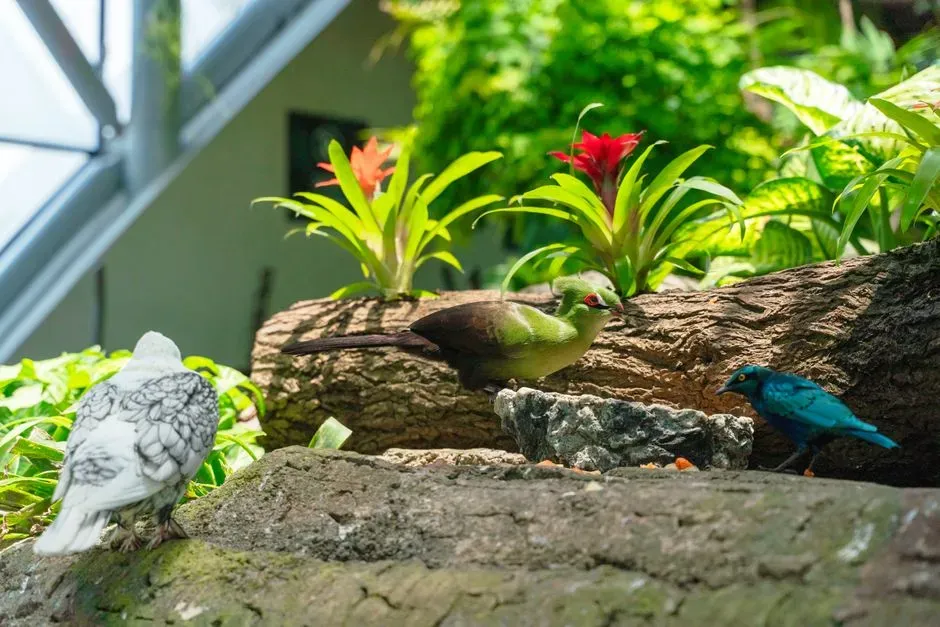
Dense planting blocks flight paths and hides flowers from view. Leaving room for movement lets the birds approach safely and spot nectar sources. Gardeners who thinned sections found the space felt more inviting within one season.
Air circulation also reduces disease that can affect blooms. Thoughtful gaps create visual layers without sacrificing access. The garden looks fuller while functioning better for the birds.
#11 Overlooking Local Hummingbird Species
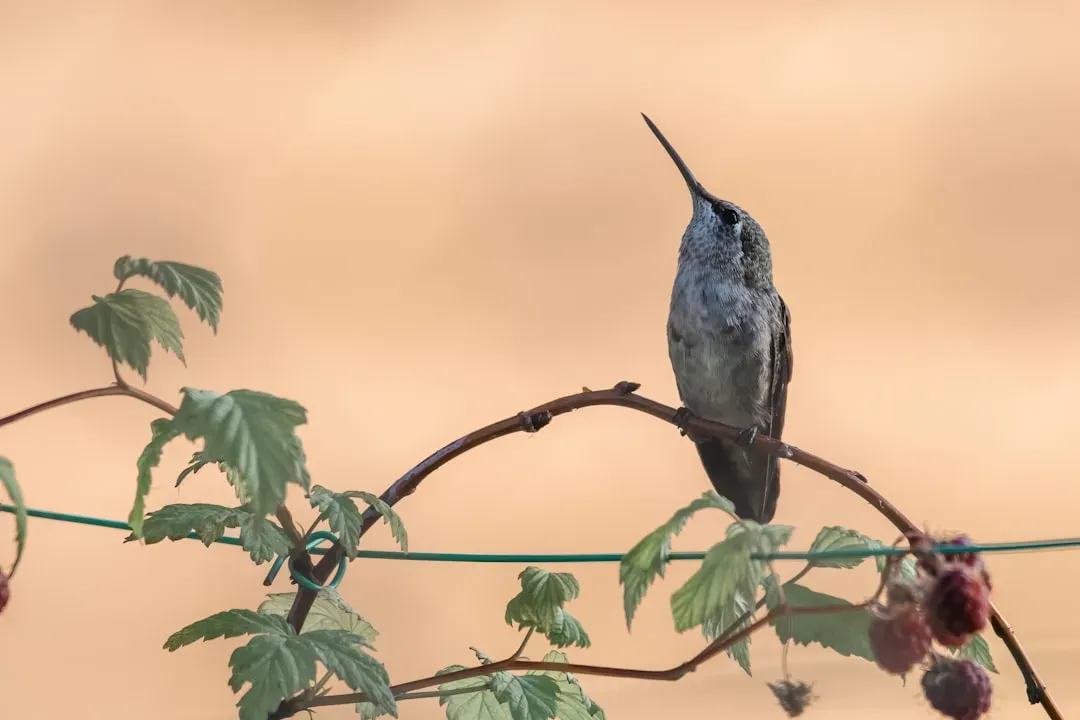
General advice does not always match the needs of specific regional birds. Some prefer certain heights or flower shapes over others. Those who observed their local visitors adjusted placements and plant choices accordingly.
Small differences in bill length or migration habits matter more than expected. Watching activity for a season reveals patterns worth following. The tailored approach brings steadier results than one size fits all methods.
#12 Leaving Feeders Up in Harsh Winters
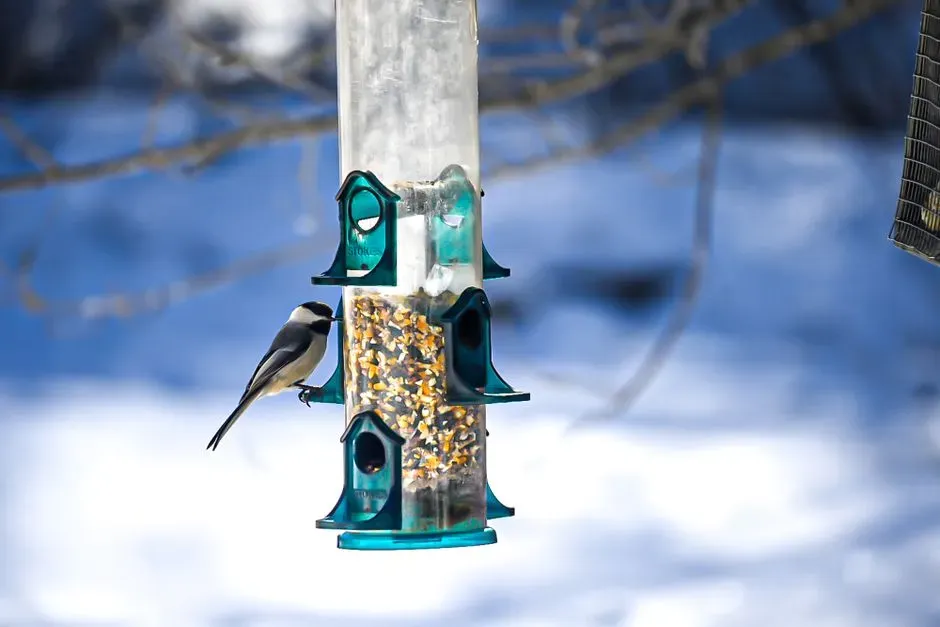
In cold climates lingering feeders can freeze or attract the wrong wildlife. Taking them down at the right time prevents problems while still supporting migrants. Gardeners who timed removal carefully avoided both waste and conflicts.
Knowing local departure dates helps set a clear schedule. Some switch to winter feeding only in milder areas. The adjustment keeps the focus on helpful rather than harmful practices.
#13 Using Honey or Other Sweeteners
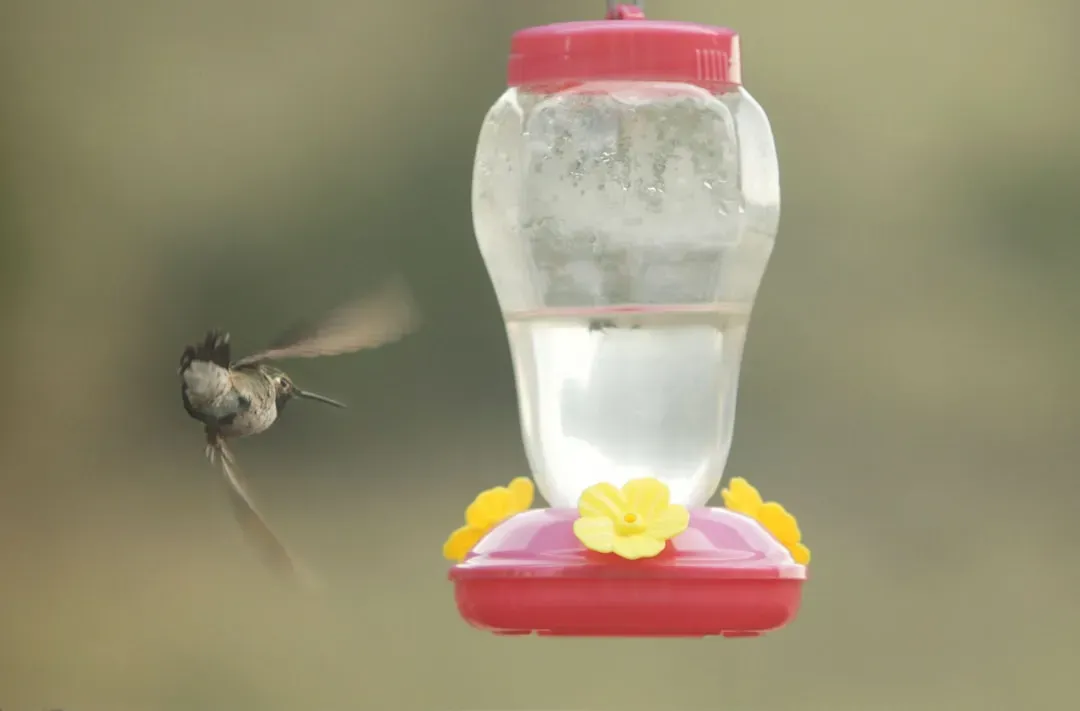
Honey ferments faster and can cause digestive trouble for the birds. Plain white sugar dissolved in water remains the safest option. Those who switched away from alternatives saw healthier looking visitors over time.
Other sweeteners often contain additives that offer no advantage. The simple recipe has stood the test of decades of observation. Sticking with it avoids unnecessary risks in the garden.
#14 Neglecting to Watch for Mold or Fermentation
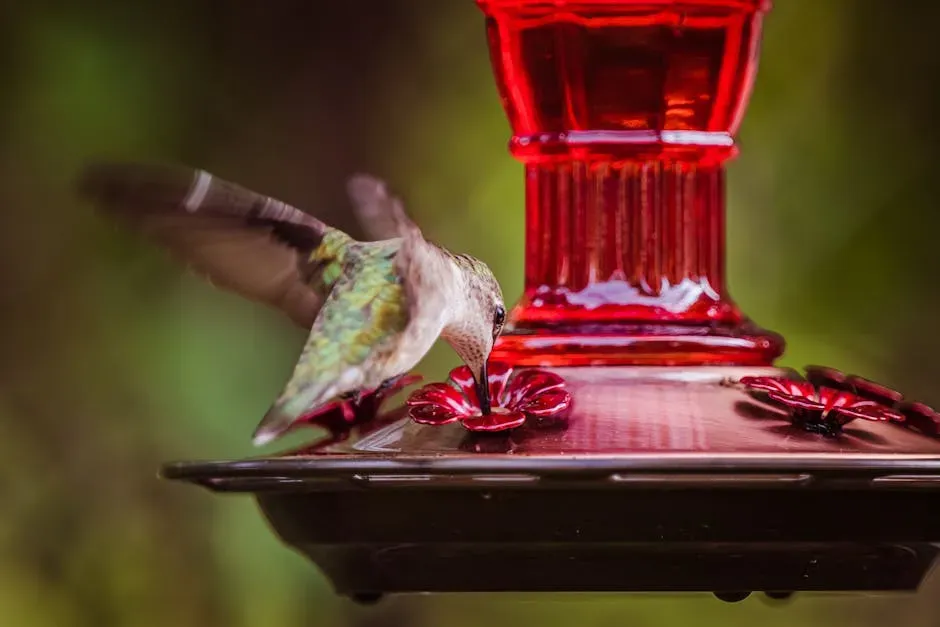
Even clean feeders can develop issues if nectar sits too long in heat. Daily checks during warm spells catch problems early. Gardeners who stayed attentive replaced batches before they turned harmful.
Smell and cloudiness serve as quick warning signs. Adjusting volume to match daily use reduces waste and risk. The habit keeps the entire setup working smoothly through peak season.
Small consistent changes like these turn ordinary yards into reliable hummingbird destinations. The birds respond to thoughtful details far more than to flashy displays. Over time the garden feels alive in a way that rewards the quiet adjustments.
Master gardeners rarely talk about these shifts because they seem ordinary once adopted. Yet the cumulative effect creates spaces that support the birds season after season. The real satisfaction comes from watching the activity unfold without constant fixes.

- 10 Cat Breeds That Love Following Their Owners Everywhere - July 19, 2026
- The Only Place in North America Where You Can Legally Watch a Wild Jaguar From the Roadside – and Why Almost No One Makes the Trip - July 19, 2026
- Which Deep-Sea Creature You Are According to Your Zodiac Sign – and What It Reveals About How You Process Fear - July 19, 2026