
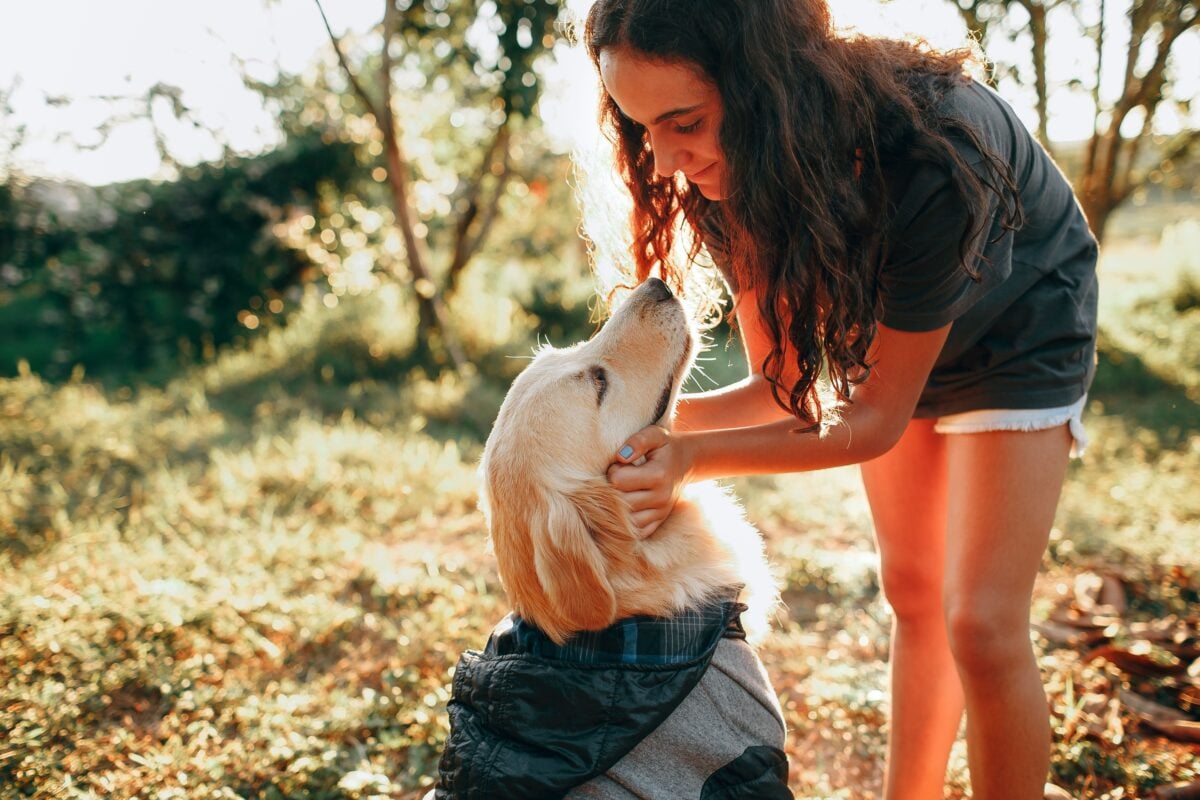
Most people believe a rescued dog “forgets” the past the moment it walks through your front door. It’s a comforting idea, and it’s mostly wrong. Here are may carry, counted down from the quiet ones to the one that matters most, and they explain the flinch, the midnight pacing and the corner your dog always runs to.
Scientists still debate whether dogs replay their pasts like home movies. The evidence does show that dogs hold on to emotional and associative memories, and those can shape behavior for years. A smell, a sound or a certain kind of doorway can flip a switch. Some of what follows is backed by solid research, and some will challenge a story you may love to tell about your dog.
#14 – The Smell of the Place They Came From
🔥 Would you like to save this?
We'll email this post to you, so you can come back to it later!
Your dog’s strongest link to its past may be a scent, not a picture.
Dogs read the world through their noses. Research suggests dogs remember people primarily by smell, which is tied to long-term memory. That makes scent a powerful memory trigger, one you can’t detect and your dog can’t ignore.
Every shelter, kennel and foster home has its own chemical signature. It’s a mix of cleaning products, other animals and stress. Your dog doesn’t need to “recall” the building. A familiar whiff of disinfectant may be enough to bring back the feeling attached to it.
Common scent triggers owners report include:
- Strong floor cleaners
- Veterinary clinic smells
- Strangers who smell of other animals
No one can read a dog’s mind, so treat this as a well-supported guess, not a proven fact. Still, anything similar to the shelter setting can cause severe anxiety in some dogs. A dog who balks at a clinic lobby isn’t being stubborn. It may be smelling something you can’t.
If a smell clearly rattles your dog, don’t drag them toward it. Keep a comfortable distance and pair the scent with something wonderful, like a favorite treat.
But that’s nothing compared to the sound that haunts many dogs, which we cover in #13…
#13 – The Hum of the Engine
🔥 Would you like to save this?
We'll email this post to you, so you can come back to it later!
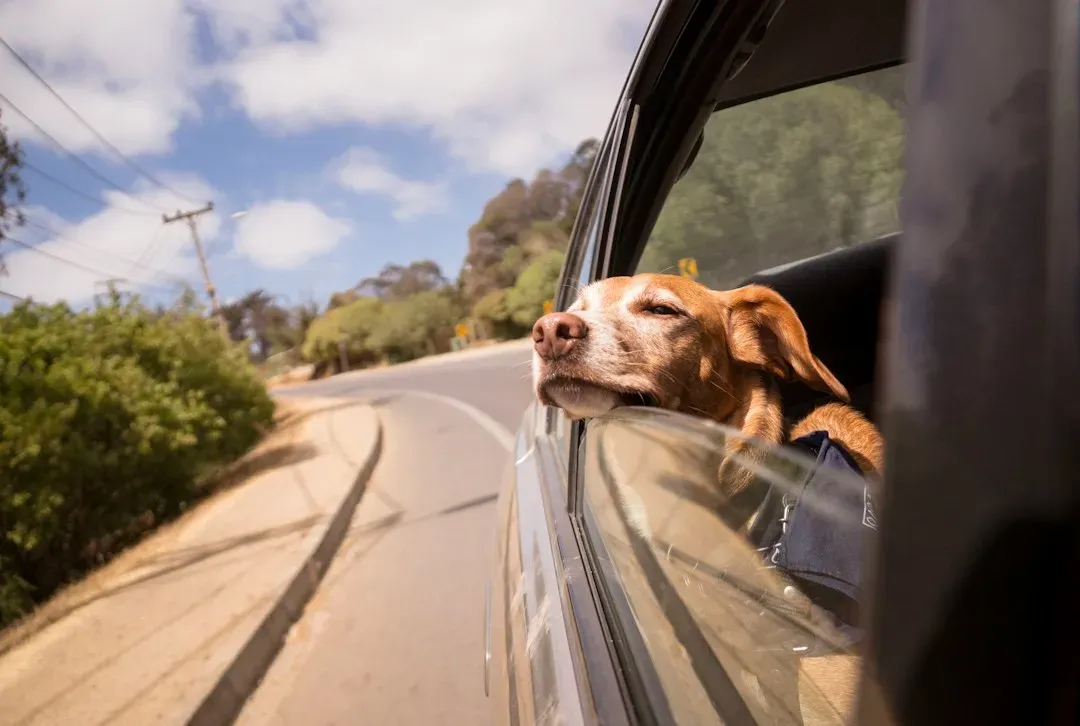
That car ride to your house may be one of the first things your dog ever learned to fear.
For many rescues, the first car trip meant leaving everything familiar behind. The dog didn’t know where it was going. It just knew the world was moving, loud and unpredictable.
Behavior scientists describe how this works. A body that links “engine hum” with “stress” can react before any thinking happens. The dog isn’t being dramatic. Its body is reacting before its brain has weighed in.
Some dogs start drooling or trembling the moment a car door opens, long after the rescue is over. Others get wildly excited, because by now the car also means walks and adventures.
Quick Compare
- Car means “danger”: drooling, trembling, refusing to jump in
- Car means “adventure”: whining with excitement, bouncing at the door
- What decides it: which ride your dog gets most often
Most trainers agree on the fix: change what the car predicts.
- Sit in the parked car with treats
- Take short trips to fun places
- Save the vet for later
The same dog can hold both memories. Which one wins depends on what you repeat.
Wait until you see what happens during those first 72 hours, though, in #12…
#12 – The First Night Away From Everything Familiar
🔥 Would you like to save this?
We'll email this post to you, so you can come back to it later!
Your dog’s first night with you may have been its hardest, even if it looked calm.
Stress hormones don’t switch off at the front door. One classic shelter study found cortisol stayed high through the first three days, with no significant decline until day four or five.
Then add the setting. Darkness, unfamiliar sounds and an unfamiliar bed are a rough combination for a dog already running on stress hormones. A dog that sleeps quietly may be shut down, not settled.
Here’s a take some trainers will push back on. Popular “rules” about how long adjustment takes, like the 3-3-3 rule, are rough guides at best. Dogs vary widely, and some bounce back in days while others need much longer.
Don’t treat a calendar as a verdict on your dog.
In the meantime, boring is beautiful. A quiet space, few visitors and a predictable routine give a stressed body room to come down.
And the next memory is one most owners misread completely, as we reveal in #11…
#11 – The Feeling of Not Knowing When the Next Meal Is Coming

🔥 Would you like to save this?
We'll email this post to you, so you can come back to it later!
Some rescued dogs guard a bowl of kibble like it’s the last food on earth.
For dogs that went hungry, food was never guaranteed. That experience can leave a lasting mark. Many trainers see food guarding most often in dogs with unstable pasts, though plenty of dogs raised in loving homes guard too.
Genetics, early life and temperament all play a part. It’s rarely about one event.
Taking the bowl away to “show who’s boss” is the most common mistake owners make. It tends to teach the dog that people approaching the bowl means loss. That raises the stakes instead of lowering them.
Behavior professionals usually suggest the opposite:
- Feed in a quiet, low-traffic spot
- Never reach into the bowl
- Toss in a better treat as you walk by, so approach means “bonus”
If guarding is intense, a qualified trainer or veterinary behaviorist is worth the money. Growling is a warning, so don’t punish it away. A dog who growls is telling you the truth, and you want that honesty to continue.
But food isn’t the only thing that triggers a flinch. Check what’s next in #10…
#10 – The Way a Leash or Hand Used to Feel
🔥 Would you like to save this?
We'll email this post to you, so you can come back to it later!
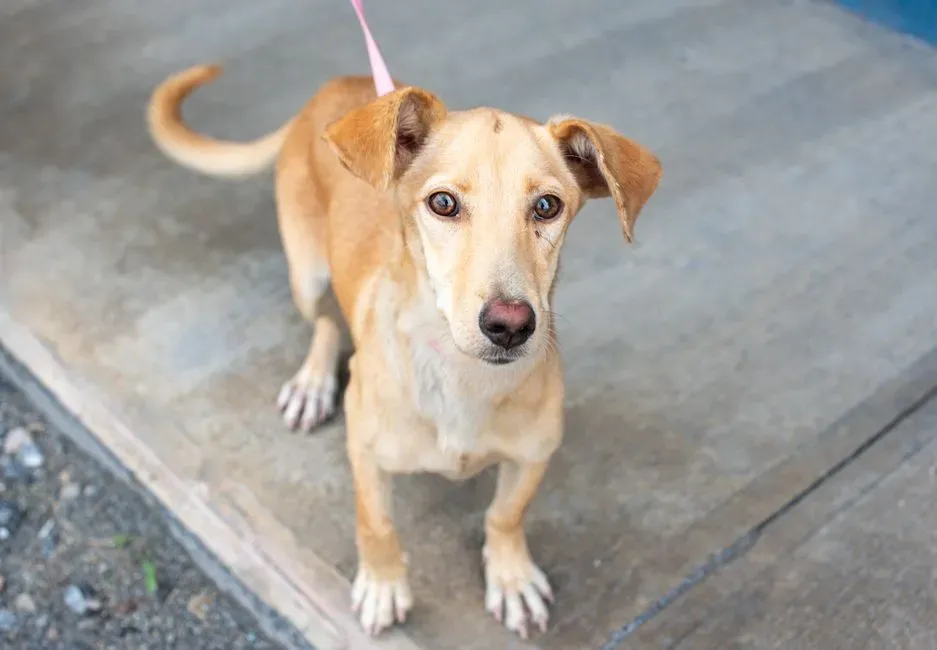
A flinch at the harness may say more than any vet record.
Dogs form associations with gear and handling. If a leash was once used harshly, or a raised hand meant trouble, the object itself can carry that meaning. Researchers describe this as associative memory. Dogs excel at linking specific stimuli with outcomes, which can be positive or negative.
A dog that ducks away from a harmless hand may be reacting to a stimulus, not to you. Common signs include:
- Freezing when you reach over the head
- Shying from the leash or collar
- Refusing to walk once the harness comes out
Don’t assume abuse, though. Dogs can also fear gear because of poor fit, rough grooming or an unpleasant vet visit. The cause is often unknowable, and you don’t need it to help.
The next trigger is something you can hear from three rooms away, in #9…
#9 – The Echo of a Noisy Kennel
🔥 Would you like to save this?
We'll email this post to you, so you can come back to it later!
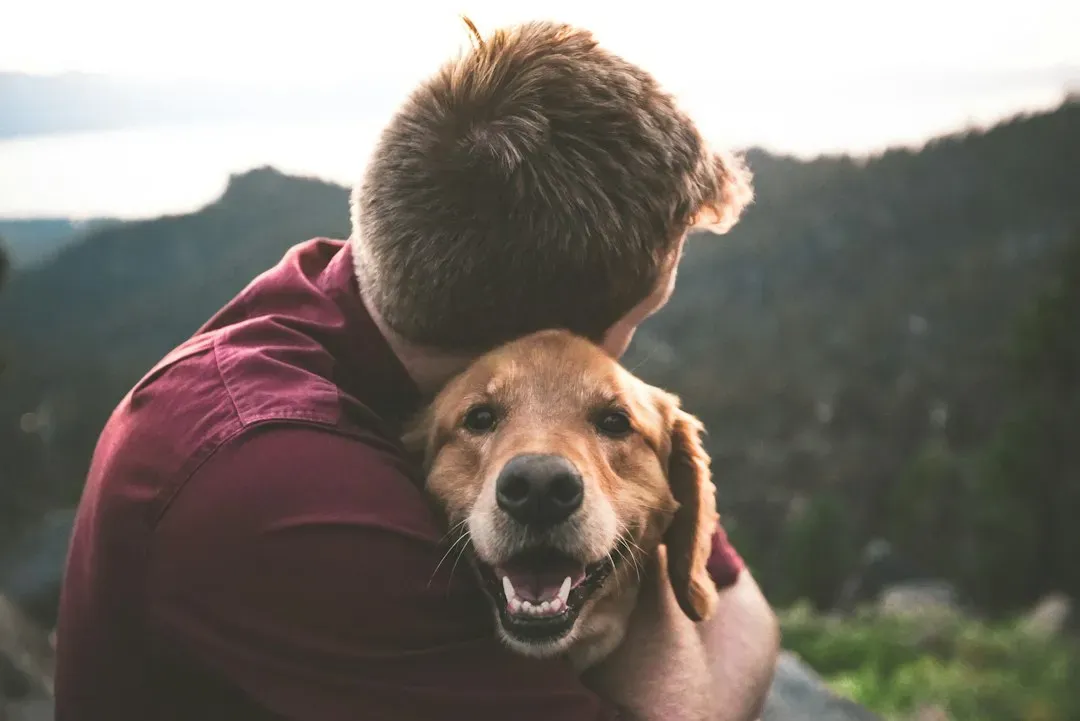
Some rescued dogs lose their cool at a sound you barely notice.
Kennels are loud. Barking bounces off concrete, metal doors clang and cleaning crews run hoses. For a dog that can’t leave, that’s constant noise with no escape.
The result can last. A group of barking dogs, or a building that reminds them of the shelter, can trigger severe anxiety. Even a dog that never seemed bothered in the shelter can react later to a similar sound.
Researchers also point out that dogs that have been rescued, relocated or lived in shelters can suffer from both acute and long-term stress. Noise is one of the obvious reasons.
Practical steps owners use:
- Give the dog a quiet room with a door it can retreat behind
- Play steady background sound, like soft music or a fan
- Skip loud places for the first few weeks
But the strangest trigger of all isn’t a sound. It’s a type of person, in #8…
#8 – A Particular Kind of Person
🔥 Would you like to save this?
We'll email this post to you, so you can come back to it later!
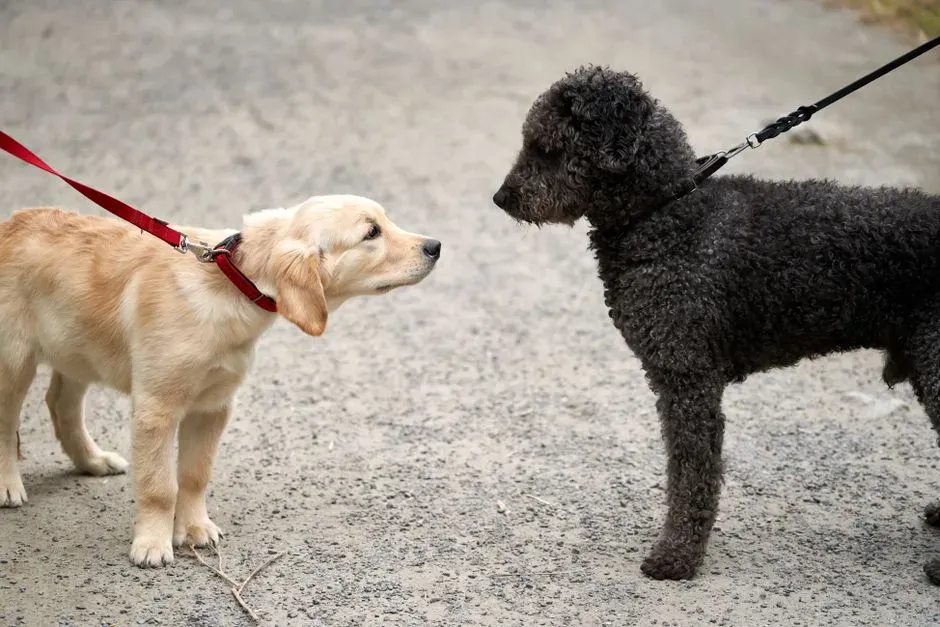
Your dog may be wary of one type of person for reasons you’ll never know.
Dogs generalize. If one person with a hat, beard or deep voice was frightening, a dog may react to anyone with those features. It’s pattern-matching, not judgment.
Owners often say their dog is “bad with men” or “scared of kids.” Many trainers argue that label is lazy, because it skips the real question of which specific feature sets the dog off.
It could be:
- A loud voice
- Fast movement
- Someone looming over the dog
- Direct staring
Here’s a controversial opinion. Forcing a nervous dog to “get over it” by pushing greetings from strangers does more harm than good. Dogs should choose whether to approach.
Let the dog set the pace. Ask visitors to ignore the dog and let it come over on its own terms.

Glass Hummingbird Feeder for Outdoors Hanging
Check Price on AmazonAs an Amazon Associate, we earn from qualifying purchases.
10/7/2026 1:21 pm GMTi

Earth Rated XL Dog & Puppy Pee Pads, Discreet Top, Max Absorbency
Check Price on AmazonAs an Amazon Associate, we earn from qualifying purchases.
10/7/2026 1:28 pm GMTi

PetSafe Oasys Pet Fountain, 1/2 Gallon (64 oz), Small Dogs & Cats
Check Price on AmazonAs an Amazon Associate, we earn from qualifying purchases.
10/8/2026 8:14 am GMTi

Air Purifiers for Home Pets Large Room Up to 3000 Ft²,HEPA Air Cleaner with Washable Double-Side Filter, PM2.5 Air Quality Monitor,15dB Sleep Mode for Bedroom Odor Dust Pollen,White
Check Price on AmazonAs an Amazon Associate, we earn from qualifying purchases.
10/8/2026 8:23 am GMTi

Glass Hummingbird Feeder for Outdoors Hanging, 16 oz Leak-Proof Nectar Feeder with Bee Guards & Ant Moat
Check Price on AmazonAs an Amazon Associate, we earn from qualifying purchases.
10/7/2026 1:22 pm GMTi
Worth Knowing
- A dog’s wariness is usually about a feature, not a whole group of people
- Spotting the exact trigger beats slapping on a label
- Choice is calming: a dog that can walk away is more likely to walk closer
- Visitors who stay low-key and avoid staring make the easiest first impressions
The same logic applies to four-legged strangers, which brings us to #7…
#7 – A Bad Encounter With Another Dog
🔥 Would you like to save this?
We'll email this post to you, so you can come back to it later!
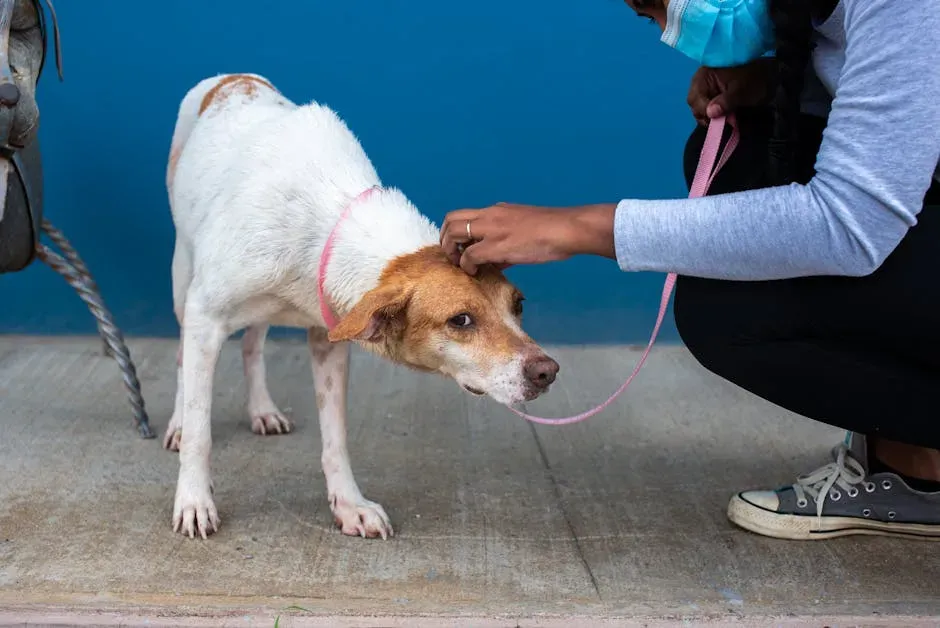
One bad scuffle can echo for years.
Many rescues come from places where dogs are packed together. Fights, bullying and competition for resources happen. A dog that took a bad hit may remember the feeling even if it can’t recall the details.
Researchers put it carefully. Dogs don’t play back a scene-by-scene memory, but they can react to triggers from a previous bad experience. A rescue dog attacked by other dogs will likely feel fear and anxiety around them.
Many dogs that look “aggressive” on a lead are actually scared, and lunging is their way of making the scary thing go away.
Signs of a dog that’s struggling:
- Stiff body and hard stare
- Lunging or barking from a distance
- Frozen stance when another dog gets close
Skip the dog park. Many behaviorists say it’s one of the worst places to rehabilitate a fearful dog.
The next memory might be the quietest one, and the one that hurts most, in #6…
#6 – Being Left Behind
🔥 Would you like to save this?
We'll email this post to you, so you can come back to it later!
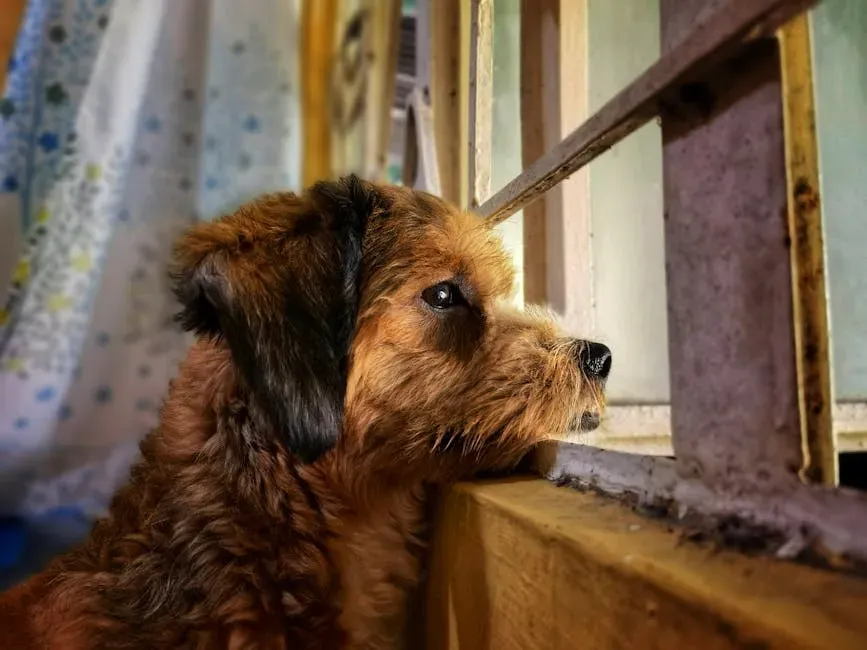
For some dogs, the sound of keys isn’t a routine. It’s a warning.
A dog that was surrendered, abandoned or left alone for long stretches may link departures with loss. That doesn’t mean it understands what happened. It means the pattern of being left can feel threatening.
Separation distress isn’t always linked to a dog’s past, and plenty of dogs with perfect histories develop it. Causes vary, and the research on rescue status and separation problems is mixed. That’s why rushing to assign a cause is a mistake.
Look for these signs:
- Pacing, drooling or panting when you get ready to leave
- Destroying things near doors
- Howling for long stretches after you go
If it’s severe, a veterinarian can rule out medical causes and help with a plan.
But the dogs that do well share one thing in common, which we reveal in #5…
#5 – The First Time Someone Was Gentle
🔥 Would you like to save this?
We'll email this post to you, so you can come back to it later!
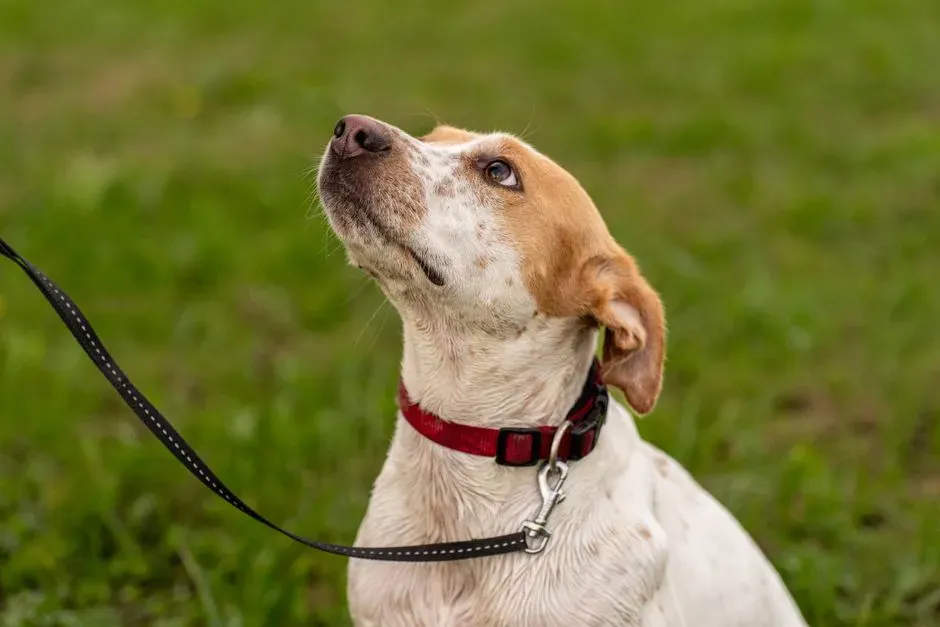
Bad memories get the headlines, but good ones count just as much.
Associative memory works in both directions. The same system that links a sound with fear can link a person with comfort. Dogs associate stimuli with outcomes, and those outcomes can be positive.
That’s why small moments matter. A calm voice, a slow hand and a treat offered without pressure can form the memories a dog leans on later.
Here’s another opinion that gets argued. Some owners worry that comforting a scared dog “rewards” fear. Many behaviorists dispute that, because fear is an emotion, not a trick the dog performs. Calm support generally helps.
What builds trust, according to most trainers:
- Predictable reactions
- Letting the dog opt out
- Rewarding calm moments, however brief
That leads to a memory that’s easy to overlook, and it’s hiding in your hallway in #4…
#4 – The Layout of Every Place They’ve Lived

🔥 Would you like to save this?
We'll email this post to you, so you can come back to it later!
Your dog knows your house better than you think.
Dogs have strong spatial memory. They remember locations and routes, which suggests long-term retention of environmental cues. That includes places they’ve only been a few times.
For a rescue, that map matters. A dog who learned where the exits, hiding spots and safe corners were can carry that habit into a new home. It may head for the same type of spot, like under a table or behind a couch.
Dogs also memorize routines, and a sudden change can undo weeks of progress.
Some owners notice their dog:
- Hides in the same spot when stressed
- Waits at the door at the same time each day
- Gets upset when furniture moves
Don’t tear down the hiding spot. A retreat is a coping tool, not a problem. Keep it available and quiet.
Consistency does the heavy lifting here. Feeding, walks and bedtime at similar times tell a dog what to expect.

Professional 7 in 1 Dog Paw Cleaner for Dogs & Cats - Includes 1 Portable Paw Washer, 1 Bath Brush
Check Price on AmazonAs an Amazon Associate, we earn from qualifying purchases.
10/7/2026 1:26 pm GMTi

Smart Bird Feeder with Camera Solar Powered, 2K HD Live Video, 10,000+ Bird Species AI Identification
Check Price on AmazonAs an Amazon Associate, we earn from qualifying purchases.
10/7/2026 1:22 pm GMTi

Dog Stairs for Bed 18" H, 4-Step Dog Steps for High Bed
Check Price on AmazonAs an Amazon Associate, we earn from qualifying purchases.
10/9/2026 2:42 pm GMTi

Halloween Dog Collar with Bow, Orange Cute Ghost Collar,
Check Price on AmazonAs an Amazon Associate, we earn from qualifying purchases.
10/9/2026 2:43 pm GMTi

Hand Blown Glass Hummingbird Feeders for Outdoors Hanging, 24oz Wild Bird Nectar Feeder
Check Price on AmazonAs an Amazon Associate, we earn from qualifying purchases.
10/7/2026 1:23 pm GMTi
Fast Facts
- Dogs can remember places they’ve visited only a few times
- Safe corners and exits are often the first things a rescue maps out
- A hiding spot is a coping tool, so leave it alone
- Three anchors build predictability: meals, walks and bedtime
Next comes the research that surprised scientists the most, in #3…
#3 – What They Did, and What Happened Next
🔥 Would you like to save this?
We'll email this post to you, so you can come back to it later!
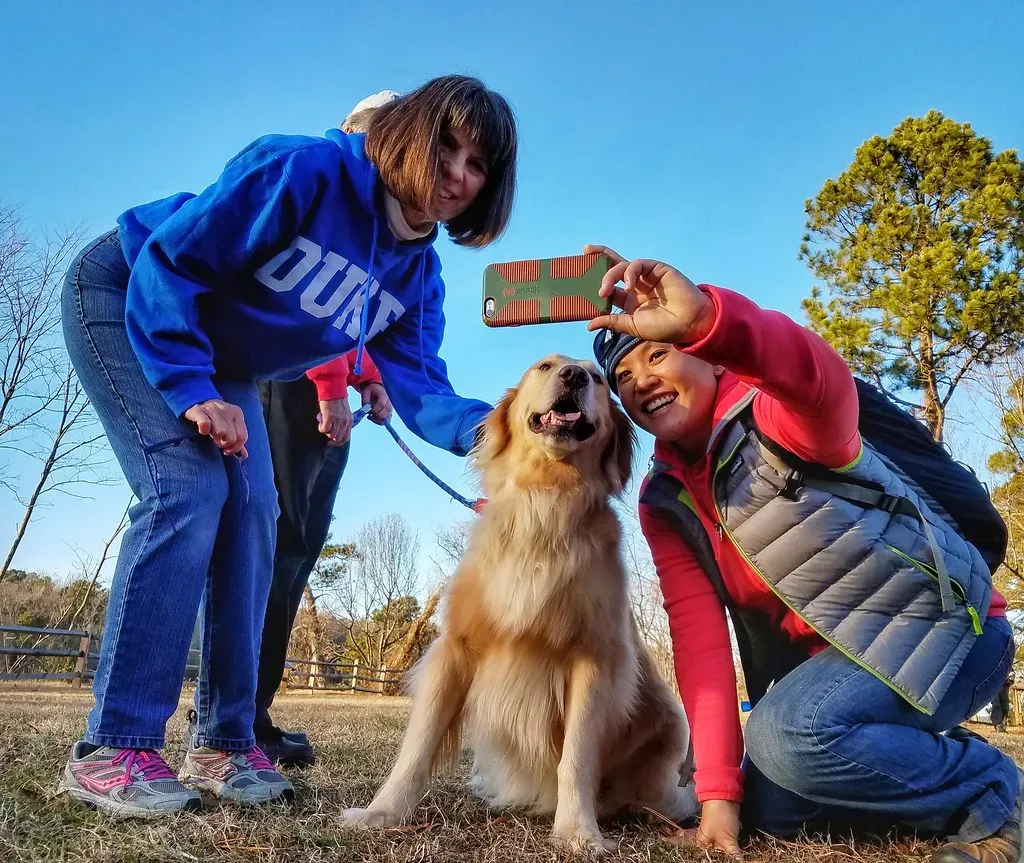
Your dog may remember its own actions, not just what happened to it.
The science here is still developing. In 2016, researchers led by Claudia Fugazza reported results suggesting dogs have something close to episodic memory. The dogs succeeded in 33 of 35 trials.
A later study went further. Dogs repeated their own actions after delays from a few seconds to 1 hour, and their performance showed a decay typical of episodic memory.
That means a dog’s own behavior may leave a memory trace that lasts, at least over short periods.
Be careful, though. Whether dogs have episodic memory is still highly debated. Scientists use “episodic-like” on purpose, because they can’t ask a dog what it recalls.
The practical lesson is simple. What a dog learns to do, like begging, hiding or lunging, tends to stick if it works.
The next one divides experts, and it’s a story many owners love to tell, in #2…
#2 – The Person Who Used to Be Theirs
🔥 Would you like to save this?
We'll email this post to you, so you can come back to it later!
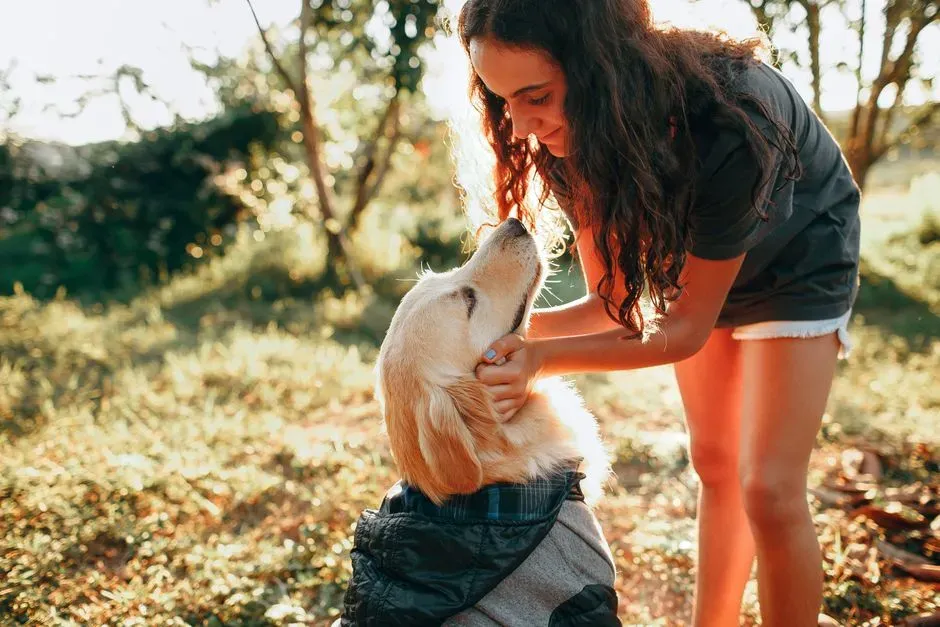
Does your dog miss its old person? The honest answer is complicated.
Dogs can recognize familiar people, and scent plays a big role. That’s why reunions can look so emotional. But how a dog feels about a former owner is hard to measure.
Here’s the claim that many experts reject. Your rescue dog doesn’t actually know it was “rescued.” They don’t know what the animal shelter was, or that you rescued them.
The “grateful rescue” story is comforting, but it gets the science backwards. Your dog doesn’t owe you. It’s responding to how you treat it today.
That may be better news than it sounds. Your dog’s bond with you is built on daily experience, not a debt.
What matters more:
- How predictable you are
- How safe your dog feels around you
- How often good things happen when you’re near
Last, there’s a memory that outlasts all the others, in #1…

Orthopedic Extra Large Dog Bed, Waterproof Washable XL Pet Bed 44"
Check Price on AmazonAs an Amazon Associate, we earn from qualifying purchases.
10/7/2026 1:32 pm GMTi

Halloween Cat Costume Cloak Witch Hat Pet Accessories
Check Price on AmazonAs an Amazon Associate, we earn from qualifying purchases.
10/9/2026 2:44 pm GMTi

2 Pcs Halloween Pet Hat Bandana Set, Witch Pumpkin Costumes for Dogs
Check Price on AmazonAs an Amazon Associate, we earn from qualifying purchases.
10/9/2026 2:45 pm GMTi

Portable Dog Water Bottle Foldable Dog Travel Water Bottle
Check Price on AmazonAs an Amazon Associate, we earn from qualifying purchases.
10/7/2026 1:29 pm GMTi
#1 – The Moment They Finally Felt Safe
🔥 Would you like to save this?
We'll email this post to you, so you can come back to it later!
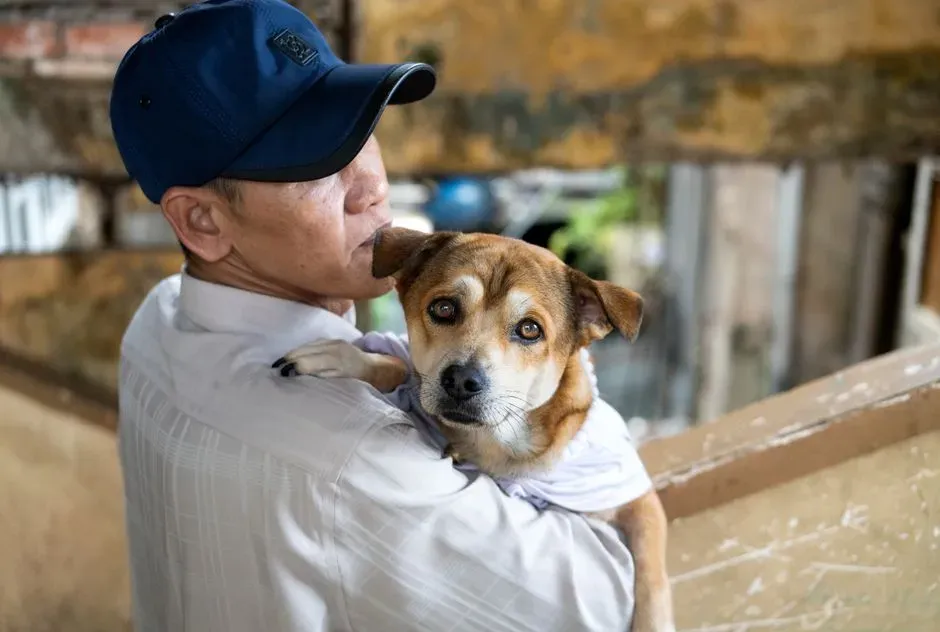
The most powerful memory a rescued dog carries may not be bad at all.
Here’s what the research suggests. Rescue dogs aren’t “damaged goods.” One study found rescue dogs tended to display a higher level of stress-related behaviors than non-rescue dogs. Yet the same paper’s title reports few differences in behavior, cognitive ability and personality between the two groups.
That’s the real takeaway. The gap between rescue and non-rescue dogs is far smaller than most people assume.
Every calm walk, safe night and gentle hand adds up. A dog’s emotional memory is built from repetition. Safe patterns, repeated over weeks and months, can quietly outweigh the old ones.
Some dogs relax in days. Others take many months. Both are normal, and neither tells you how much your dog trusts you.
Your dog may never forget where it came from. It can still learn that where it is now is safe.
Your rescued dog probably doesn’t replay its past like a movie. It does carry emotional and associative memories, and those show up as flinches, fears and habits. Smells, sounds and routines can all trigger them.
Here’s my opinion: stop trying to work out your dog’s backstory. You’ll never know it, and the guessing makes people treat dogs like victims instead of individuals. Focus on what your dog is telling you today, and build safe, repeatable days.
Which of these 14 memories did you spot in your own dog?

- 14 Memories a Rescued Dog Carries for Life - November 8, 2026
- 9 Things a Dog Remembers About a Person It Rarely Sees Now - November 8, 2026
- 14 Things a Cat Does at Night That Nobody Ever Sees - November 8, 2026