

Picture a dog who hasn’t seen you in two years. Most people assume you’ve been wiped from its memory, replaced by newer faces and fresher routines. The truth is stranger. Dogs don’t keep people like photo albums. They file them under smell, sound, routine and feeling, and those files are surprisingly hard to delete.
Here are nine things a dog may still hold onto about someone who has drifted out of daily life, counted down from #9 to #1. Researchers admit the science on long separations is thin, so we’ll be upfront about what’s solid and what’s still a guess. And the one clue most of us count on to be “remembered” turns out to be the shakiest of them all.
#9 – Your Scent Signature
🔥 Would you like to save this?
We'll email this post to you, so you can come back to it later!
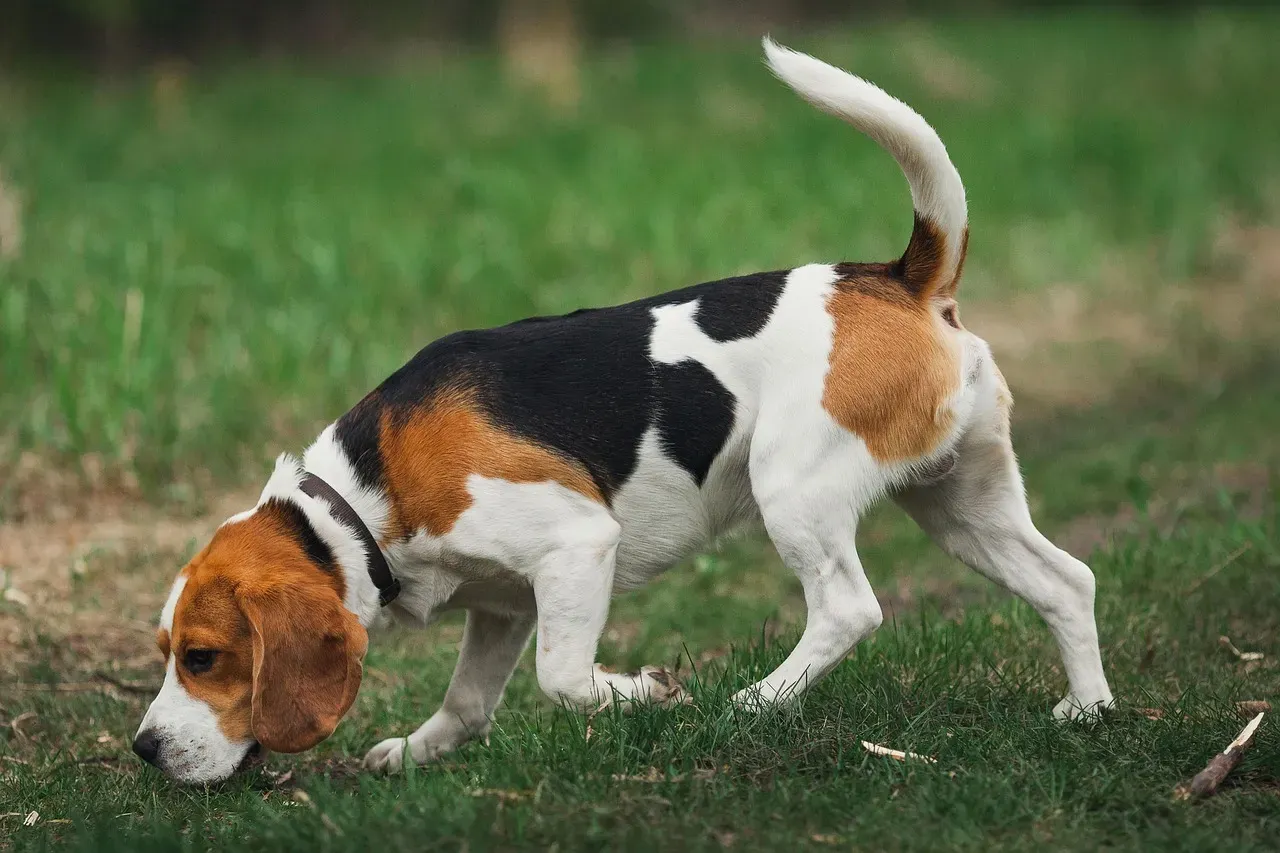
Long before your dog sees your face, its nose has already decided who you are. Walk through a door after years away, and the verdict may be in before your dog’s eyes finish focusing.
Pet researchers say a dog’s long-term bonds are anchored by the olfactory system. That’s how a dog can “remember” a favorite person even after years apart. Some behavior specialists go further and describe scent as a dog’s primary filing system for memory.
Brain-imaging work backs up the idea that smell carries emotional weight. In a 2015 study led by Gregory Berns at Emory University, dogs lay still in an MRI scanner while researchers presented different odors. The caudate nucleus, a region linked to reward and positive anticipation, responded to the scent of familiar people.
Why smell? Individual body odor is distinct and stable over time. That’s why scent-based recognition can persist long after visual or auditory memory might fade. A dog may recognize you by smell before it ever sees your face.
Here’s the part nobody advertises. Systematic research on how dogs treat people who leave for a long time is, by one account, close to non-existent. Much of what we know comes from reunion stories and general memory science.
- Your scent is unique and stays consistent over time
- It’s often the first signal that confirms who you are
But your scent is only the opening act, and what a dog does with your voice is even more revealing in #8…
#8 – Your Voice
🔥 Would you like to save this?
We'll email this post to you, so you can come back to it later!
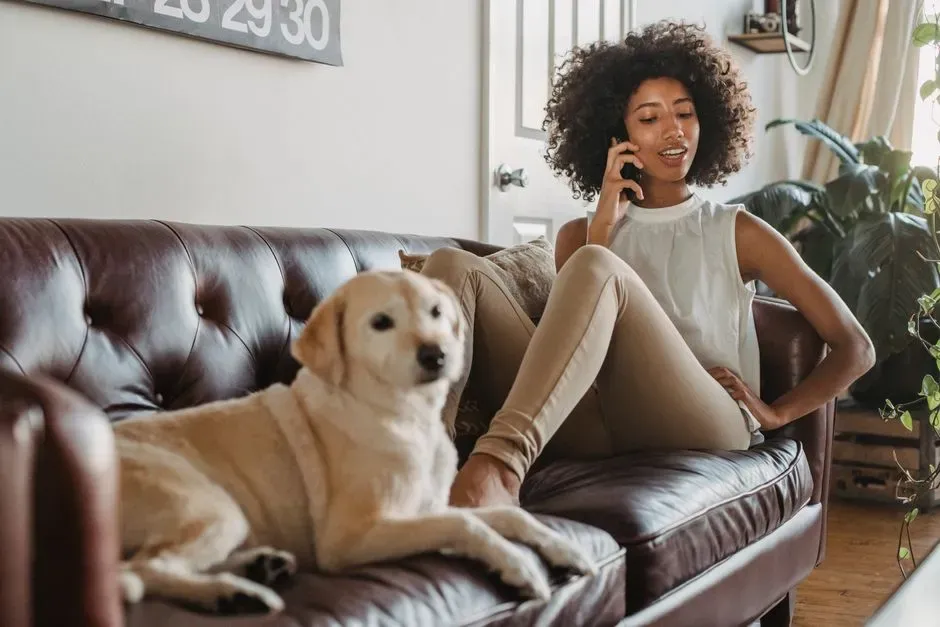
Your voice may be the one thing a dog can still pick out years later. It’s a signal that travels across a room, around a corner, and through a closed door.
Research suggests dogs can tell familiar voices from unfamiliar ones, and they link those voices to particular people. A Hungarian brain-imaging study led by Attila Andics found that dogs have voice-sensitive regions that look a lot like the ones people use to process voices. A dog may recall an owner’s voice, and even old commands, after long periods apart.
Tone seems to matter as much as words. Andics’s team later found that a dog’s reward centers lit up most when praise words were delivered in a praising tone. Words alone, or tone alone, didn’t do the same job. So the warm, goofy voice you used to use may be doing a lot of the remembering.
Quick Compare
- Praise words + praising tone: the strongest reward response
- Praise words in a flat tone: a weaker reaction
- Neutral words in a praising tone: also weaker than the full combination
Researcher Mark Spivak says a dog’s own voice is one of its most powerful tools for expressing long-term recognition. Think of the whining, the barking and the excited yodeling at a reunion. That isn’t random noise. It’s a greeting aimed at one specific person.
Here’s a twist. A dog can seem to forget a command taught once years ago, yet still light up at a familiar person’s voice. One source explains this as the gap between short-term task memory and long-term relational memory.
Your dog may not remember “heel.” It can still remember you.
- Tone matters as much as words
- Voices tie into emotion, not just recognition
But the sense most owners trust the most turns out to be the shakiest, as #7 shows…
#7 – Your Face
🔥 Would you like to save this?
We'll email this post to you, so you can come back to it later!
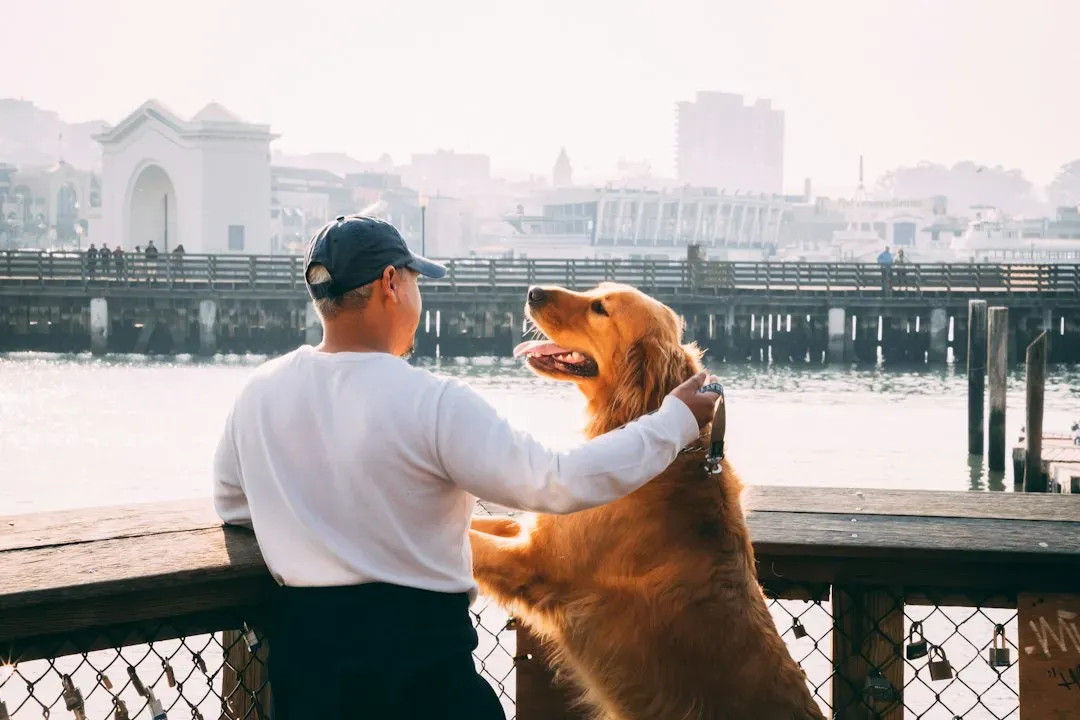
Here’s the unpopular truth: your face is probably the weakest clue your dog has about you.
Dogs do recognize faces. Experiments have shown they can pick out their owners in photographs as well as in person. But a face is one signal among several, and it may not be the most durable one.
Because scent can outlast visual memory, the face may be the last piece to click. Dogs also lean on associative memory. They remember people through experiences and emotions rather than detailed visual images.
Your dog likely stores a feeling attached to you, not a portrait. That’s why a new haircut, beard or pair of glasses rarely derails a reunion. The face is only part of the file, and the rest of the file is doing the heavy lifting.
- Faces: recognized, but a supporting clue
- Scent and voice: the sources point to these as the heavier lifters
But the next memory has nothing to do with how you look, and it explains the toy at your feet in #6…
#6 – The Games You Used to Play
🔥 Would you like to save this?
We'll email this post to you, so you can come back to it later!
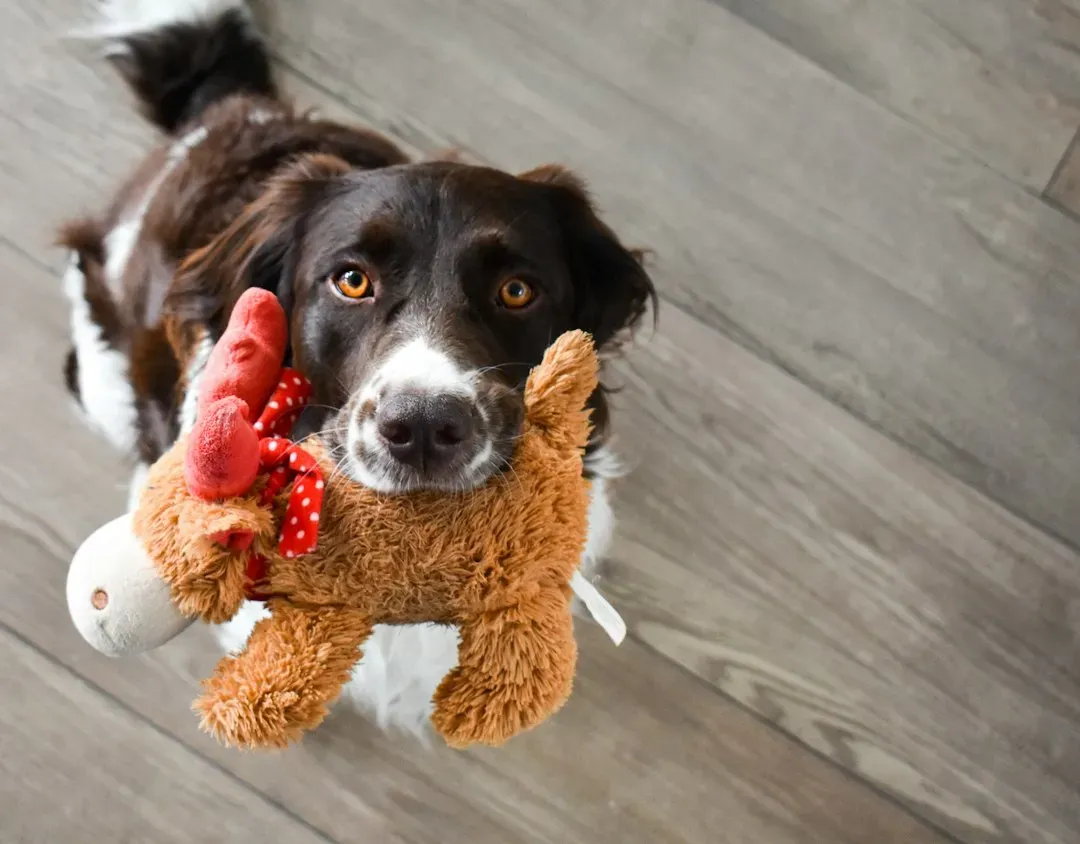
That toy your dog drops at your feet isn’t random.
Spivak says a dog that immediately hands you a toy is showing long-term recognition of the specific activities you used to share. He notes it can happen when an owner returns from an extended absence. In other words, the dog is saying “you’re the one who plays this game with me.”
Dogs connect you to what you bring into their lives. That means walks, meals, play, comfort and safety. You’re less a face and more a bundle of experiences, and play is one of the brightest items in the bundle.
A dog may forget where a toy was hidden five minutes ago, yet still remember a beloved owner for years. One source puts it as a short memory for objects but a long one for people. People are simply higher priority.
Signs to watch for on a reunion:
- A toy delivered within seconds
- Your old game restarting as if no time had passed
But a game is only one kind of habit, and the everyday ones run deeper in #5…
#5 – Your Old Routines
🔥 Would you like to save this?
We'll email this post to you, so you can come back to it later!
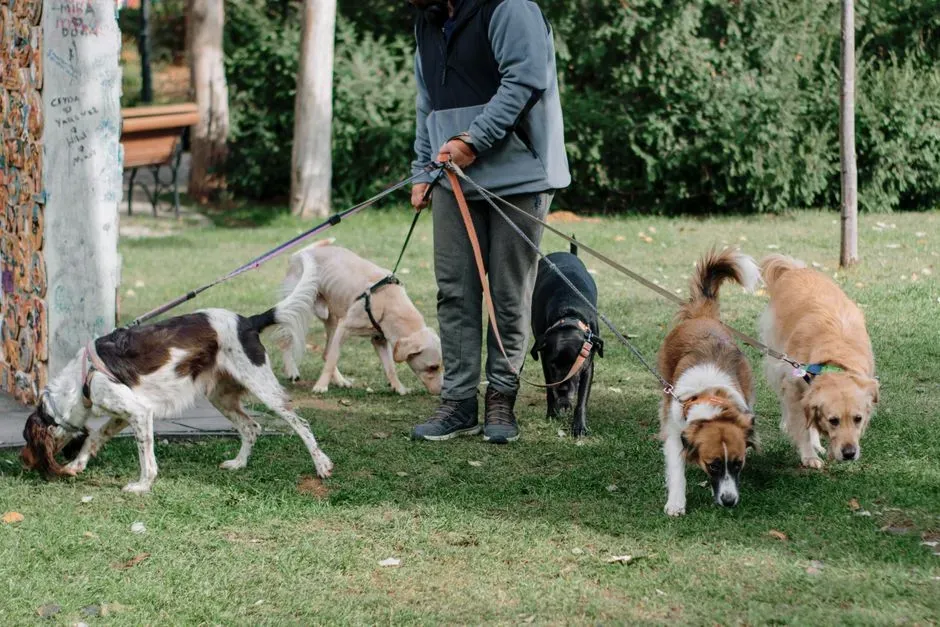
Your old schedule may still be ticking away inside your dog’s head. The 6 p.m. dinner, the jingle of keys and the particular way you laced up your shoes can all be part of how you’re stored.
Dogs build memory out of repeated experience. According to one pet-care source, if you repeat an experience enough times, the memory passes into long-term storage. That’s why the small, boring, daily stuff can outlast the big, memorable stuff.

Dog Stairs for Bed 18" H, 4-Step Dog Steps for High Bed
Check Price on AmazonAs an Amazon Associate, we earn from qualifying purchases.
10/9/2026 2:42 pm GMTi

Professional 7 in 1 Dog Paw Cleaner for Dogs & Cats - Includes 1 Portable Paw Washer, 1 Bath Brush
Check Price on AmazonAs an Amazon Associate, we earn from qualifying purchases.
10/7/2026 1:26 pm GMTi

Air Purifiers for Home Pets Large Room Up to 3000 Ft²,HEPA Air Cleaner with Washable Double-Side Filter, PM2.5 Air Quality Monitor,15dB Sleep Mode for Bedroom Odor Dust Pollen,White
Check Price on AmazonAs an Amazon Associate, we earn from qualifying purchases.
10/8/2026 8:23 am GMTi

Smart Bird Feeder with Camera Solar Powered, 2K HD Live Video, 10,000+ Bird Species AI Identification
Check Price on AmazonAs an Amazon Associate, we earn from qualifying purchases.
10/7/2026 1:22 pm GMTi

Glass Hummingbird Feeder for Outdoors Hanging
Check Price on AmazonAs an Amazon Associate, we earn from qualifying purchases.
10/7/2026 1:21 pm GMTi
At a Glance
- Time cues: the dinner hour, the evening walk, the usual wake-up
- Sound cues: keys, the front door, your particular footsteps
- Movement cues: grabbing a leash, lacing up shoes, reaching for a bag
- Why they stick: repetition pushes experiences into long-term storage
Dogs also have biological clocks. One source notes they have circadian rhythms just like we do. That helps explain why routines feel so anchored to certain people and certain times of day.
You can see the same mechanism in training. A dog that still knows “sit” and “stay” after weeks without practice is showing long-term associative learning. The habit is still there, waiting for the right person to switch it back on.
Even experts haven’t pinned down exactly how long a dog can remember a person. One source states plainly that experts haven’t yet determined just how long that is. Treat any exact number you see online with caution.
That’s the routine side of memory, but some research suggests your dog may recall specific moments too, as #4 shows…
#4 – Specific Things You Did

🔥 Would you like to save this?
We'll email this post to you, so you can come back to it later!
Dogs may remember not just who you are, but what you actually did.
In a widely covered 2016 study in Current Biology, researchers led by Claudia Fugazza tested whether dogs could recall a human’s actions they hadn’t been told to remember. The dogs had first learned a “do as I do” game. Then they were tested without warning, and many repeated the person’s action even after a delay. The team concluded that dogs have something similar to episodic memory.
Dog cognition researcher Brian Hare, who wasn’t involved, said the results showed that dogs’ memories aren’t based simply on repetition and reward. That challenged a long-held view of animal memory.
Not everyone agrees on how far this goes. Some sources argue dogs rely primarily on associative memory rather than episodic memory. The broader idea of animal episodic memory remains controversial.
The fair summary is that dog memories of events are probably fuzzier than ours. Whether they replay you like a movie is still an open question.
But memory isn’t only about facts, and the next one explains why some reunions go badly in #3…
#3 – How You Treated Them

🔥 Would you like to save this?
We'll email this post to you, so you can come back to it later!
Your dog doesn’t just remember you. It remembers how you made it feel.
Long-term memory stores important information like people, places, routines, and emotional experiences. That means treatment gets filed alongside identity. Strong emotional ties built through regular affection, consistent care, and shared routines reinforce recall.
The flip side is uncomfortable. One source says a dog treated gently and consistently will often show warm recognition, while one with a history of harsh handling may show avoidance. Another lists past trauma or abuse among the things dogs are likely to remember.
Recognition and affection are not the same thing. A dog can know exactly who you are and still keep its distance. That can be heartbreaking at a reunion, but it also shows how much the dog is reading beyond your face.
- Gentle, consistent care tends to produce warm recognition
- Harsh handling may produce avoidance
But that’s nothing compared to what dogs seem to hold onto about your place in their lives in #2…

Glass Hummingbird Feeder for Outdoors Hanging, 16 oz Leak-Proof Nectar Feeder with Bee Guards & Ant Moat
Check Price on AmazonAs an Amazon Associate, we earn from qualifying purchases.
10/7/2026 1:22 pm GMTi

Halloween Dog Collar with Bow, Orange Cute Ghost Collar,
Check Price on AmazonAs an Amazon Associate, we earn from qualifying purchases.
10/9/2026 2:43 pm GMTi

Halloween Cat Costume Cloak Witch Hat Pet Accessories
Check Price on AmazonAs an Amazon Associate, we earn from qualifying purchases.
10/9/2026 2:44 pm GMTi

PetSafe Oasys Pet Fountain, 1/2 Gallon (64 oz), Small Dogs & Cats
Check Price on AmazonAs an Amazon Associate, we earn from qualifying purchases.
10/8/2026 8:14 am GMTi

Orthopedic Extra Large Dog Bed, Waterproof Washable XL Pet Bed 44"
Check Price on AmazonAs an Amazon Associate, we earn from qualifying purchases.
10/7/2026 1:32 pm GMTi
#2 – That You Were Their Person
🔥 Would you like to save this?
We'll email this post to you, so you can come back to it later!
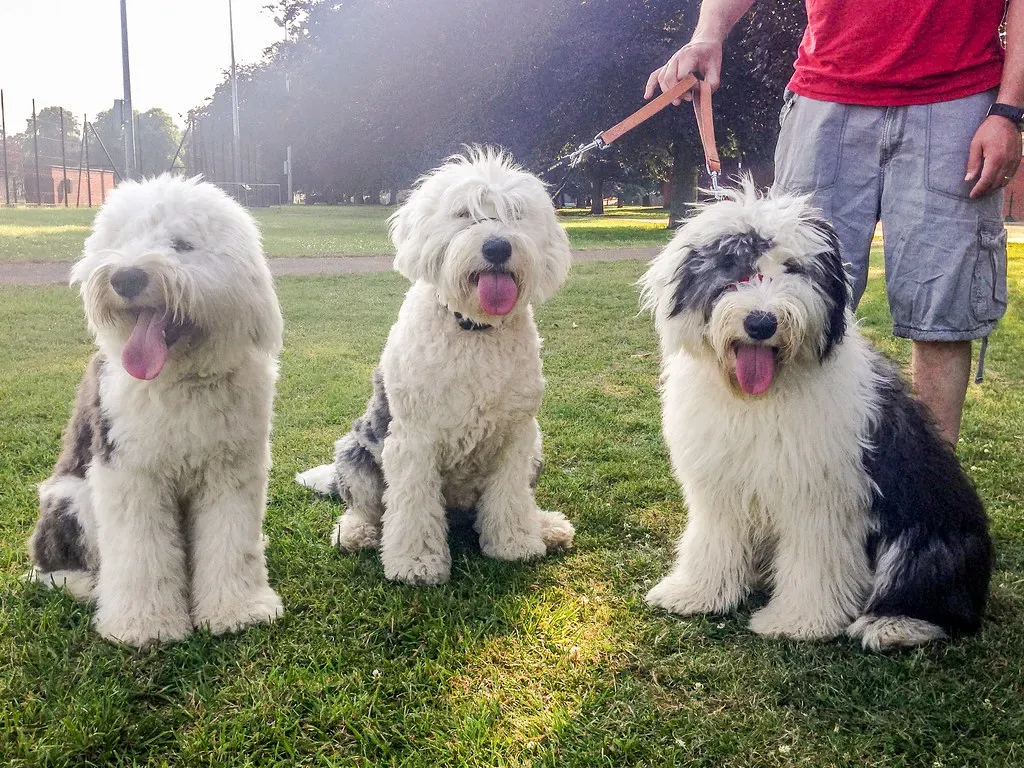
Your dog may keep a “missing you” file open far longer than you’d expect.
Research suggests dogs form strong attachments and can show signs of missing important people. Dogs also show stress markers when you leave and relief when you return. Researchers have even adapted a test designed for human infants and their caregivers to study this. Attachment is part of how dogs remember you.
That may explain why returning handlers get such a response. One source describes military dogs reuniting with handlers and reacting with full-body wiggles and tail tornadoes. Spivak adds that a dog’s refusal to let you out of their sight is another sign of recognition.
Dogs have been documented recognizing owners after separations of two years or more. That’s according to one pet-science source. Treat it as supporting evidence, not a guarantee, since controlled studies are scarce.
- Intense sniffing, tail wagging and following you around are common reunion signs
- Your dog may also remember other dogs it lived with, not only people
But one factor decides how long all of this lasts, and it isn’t time, as you’ll see in #1…
#1 – How Much You Mattered
🔥 Would you like to save this?
We'll email this post to you, so you can come back to it later!
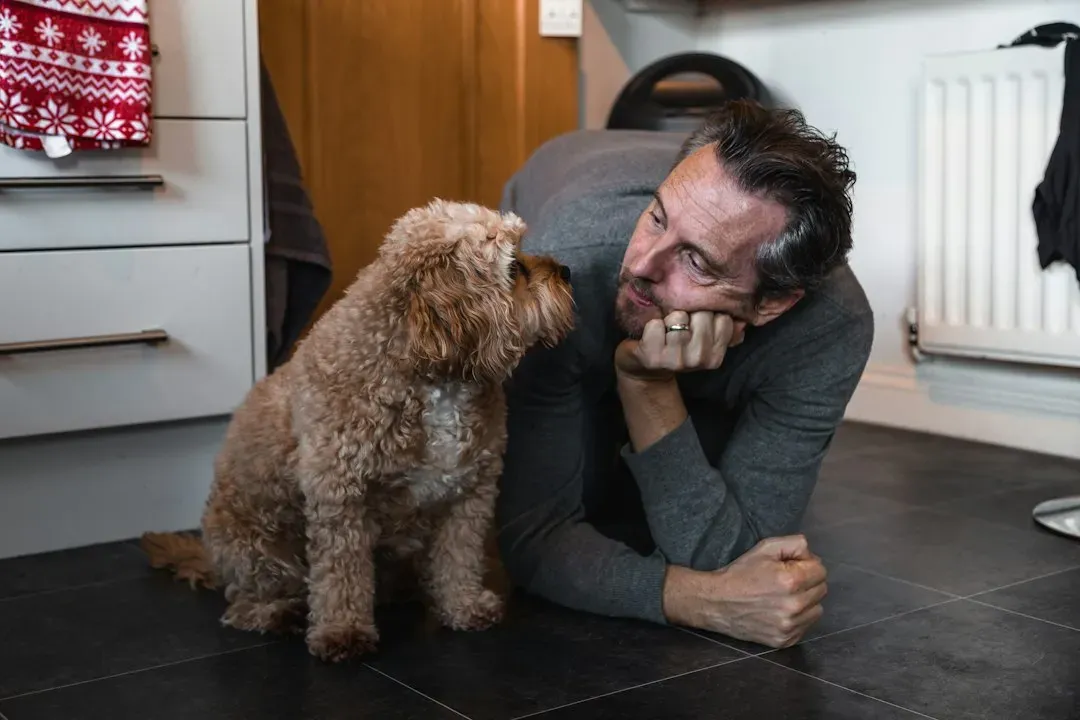
The strongest predictor of whether a dog remembers you isn’t how long you’ve been gone. It’s the depth of the bond.
Charles Darwin told a story that has become one of the most famous examples of a dog remembering a person after years apart. After roughly five years away, he called to his old dog in his usual manner. As he told it, the dog showed no wild joy. It simply followed him out for a walk and obeyed as if they had parted half an hour before. That quiet, unfussy recognition may be the most convincing kind.
Context matters, though. One source contrasts a puppy fostered briefly and rehomed at eight weeks with a dog that lived with one owner through years of routine. The first is unlikely to retain conscious recognition years later. The second almost always keeps at least scent-based and behavioral recognition.
Age plays a role too. Although aging can affect memory, many senior dogs continue to recognize familiar people from earlier stages of their lives. And there is no exact expiration date for a dog’s memory.

Earth Rated XL Dog & Puppy Pee Pads, Discreet Top, Max Absorbency
Check Price on AmazonAs an Amazon Associate, we earn from qualifying purchases.
10/7/2026 1:28 pm GMTi

Hand Blown Glass Hummingbird Feeders for Outdoors Hanging, 24oz Wild Bird Nectar Feeder
Check Price on AmazonAs an Amazon Associate, we earn from qualifying purchases.
10/7/2026 1:23 pm GMTi

2 Pcs Halloween Pet Hat Bandana Set, Witch Pumpkin Costumes for Dogs
Check Price on AmazonAs an Amazon Associate, we earn from qualifying purchases.
10/9/2026 2:45 pm GMTi

Portable Dog Water Bottle Foldable Dog Travel Water Bottle
Check Price on AmazonAs an Amazon Associate, we earn from qualifying purchases.
10/7/2026 1:29 pm GMTi
Worth Knowing
- Longer, calmer, more consistent relationships tend to leave stronger traces
- Brief or weak bonds are more likely to fade
- Scent-based and behavioral recognition tend to be the most durable layers
- Many senior dogs still recognize people from earlier chapters of their lives
So what does all of this add up to?
Your dog almost certainly remembers you, but not in the way you remember it. It carries your smell, your voice, your games, your routines and the feeling you left behind. The face you worry about may be the least important part of the file.
We think the “dogs forget” myth is simply lazy. The research on long separations is thin, so anyone promising an exact timeline is guessing. The evidence we do have points to recognition lasting years, especially after a strong bond.
If you’ve been away from a dog you loved, which of these signs did you see when you finally came back?

- 9 Things a Dog Remembers About a Person It Rarely Sees Now - November 8, 2026
- 14 Things a Cat Does at Night That Nobody Ever Sees - November 8, 2026
- 16 Things a Dog Does That Mark a Genuinely Settled Household - November 8, 2026