
Most gardeners don’t realize how much water quietly disappears into their yards every summer. Outdoor water use accounts for up to roughly seventy percent of total residential water use in some areas of the United States, and a good portion of that goes toward keeping non-native plants alive in climates they were never meant to endure. There’s a simpler path.
Native plants have adapted over time to local soils, rainfall patterns, and wildlife, which means they can tolerate conditions that other plants reject, including heavy clay soils and periods of drought interspersed with occasional heavy rain. Native plants generally require sixty to eighty percent less water than traditional landscaping plants, which makes them one of the most practical choices any homeowner can make heading into a dry summer. The fourteen plants below are well-established favorites, each one capable of thriving on a fraction of what their thirstier counterparts demand.
Purple Coneflower (Echinacea purpurea)
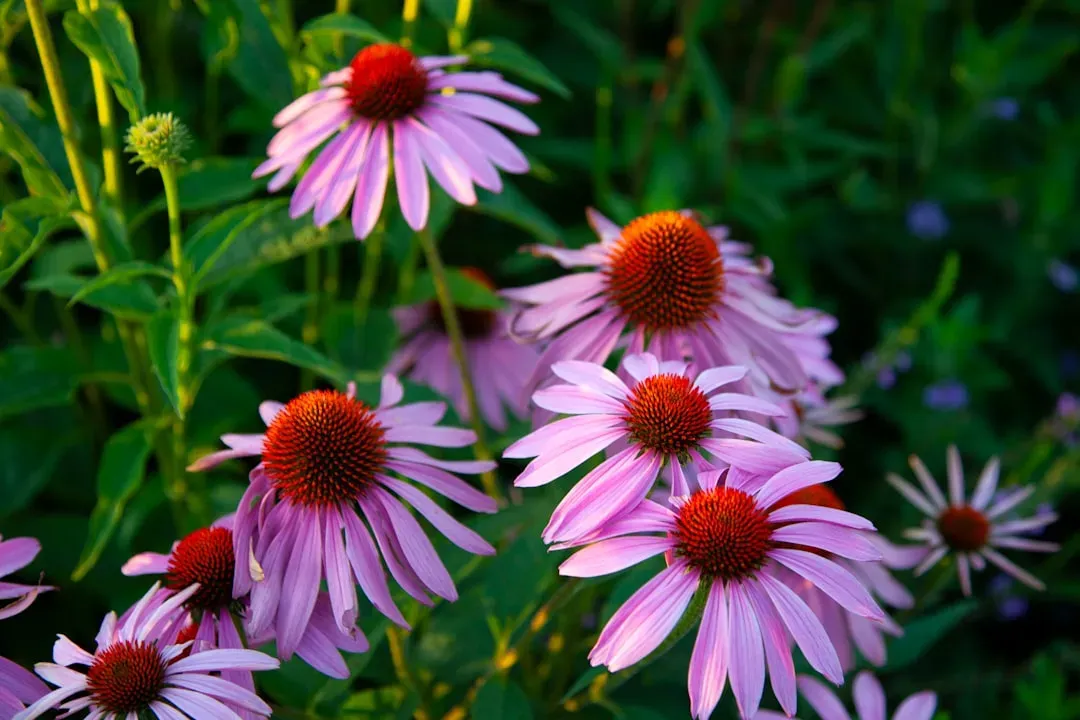
Purple coneflower is one of those plants that earns its place in a garden several times over. This drought-adapted perennial holds its seed heads well into late fall, giving finches and chickadees a reliable late-season feeding station packed with nutrient-rich seeds. It blooms broadly across summer, asks very little in return, and looks genuinely beautiful doing it.
Native plants like coneflower have evolved to thrive in local environments, requiring minimal supplemental watering once established, with adaptations such as deep root systems, waxy leaves, reduced leaf surfaces, and seasonal dormancy making them well-suited to varying and occasionally harsh conditions. For a mid-border perennial with genuine four-season presence, few plants come close.
Black-Eyed Susan (Rudbeckia hirta)
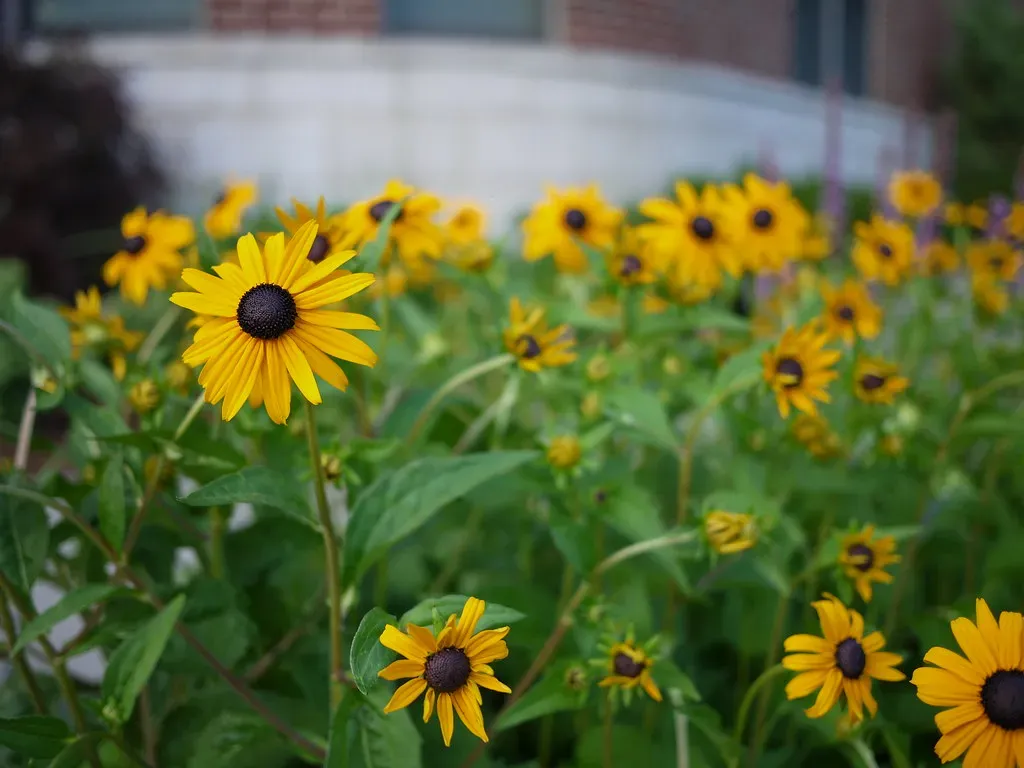
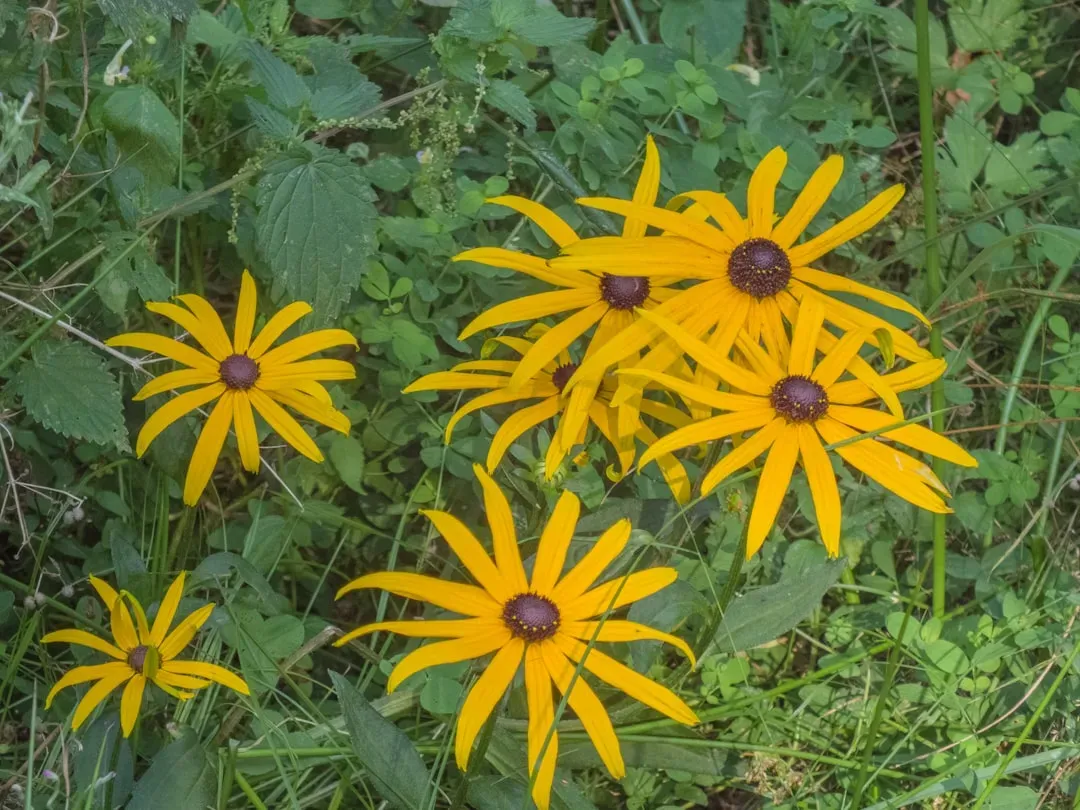
A top choice for mass plantings, mini meadows, and xeriscapes, Black-eyed Susan needs very little extra water once established. Its warm golden blooms stretch from midsummer right through early fall, making it one of the most dependable performers in a low-water garden. Like most wildflowers, black-eyed Susans are remarkably carefree, drought-tolerant, and disease resistant.
Its drought tolerance is rated high, and it thrives in moist to dry, well-drained soils. Black-eyed Susan can tolerate heat, salt, some drought, and a variety of soils as long as they drain well. That kind of resilience is rare in a plant that also happens to be this cheerful.
Little Bluestem (Schizachyrium scoparium)
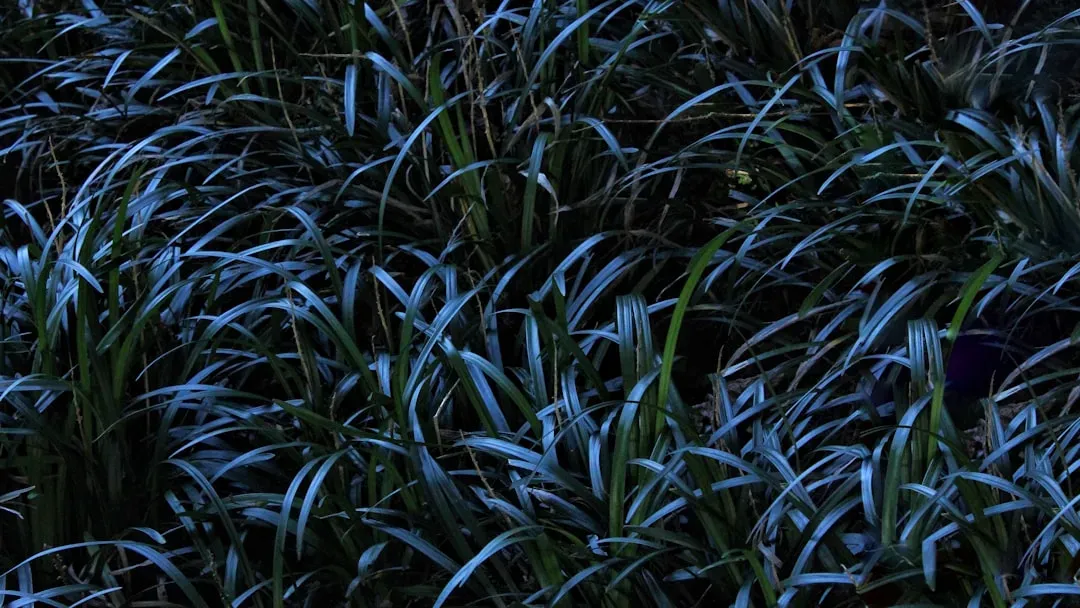
North America has a number of native grasses that can withstand dry soil, but little bluestem is one of the most popular picks. In summer it carries a soft blue-green color that shifts to rich copper and russet by fall, offering ornamental interest through multiple seasons. It’s the kind of plant that makes a garden look intentional without requiring much effort at all.
Little bluestem is one of the most popular drought-tolerant native grasses, and you can also try other perennial natives like big bluestem or blue fescue, or grow a mix of ornamental grasses for more color and variety. Many species of prairie plants have roots that extend four to eight feet into the soil, while cool-season non-native grasses such as Kentucky bluegrass extend only a few inches. That root depth is precisely what makes little bluestem so water-independent come July.
Blanket Flower (Gaillardia)
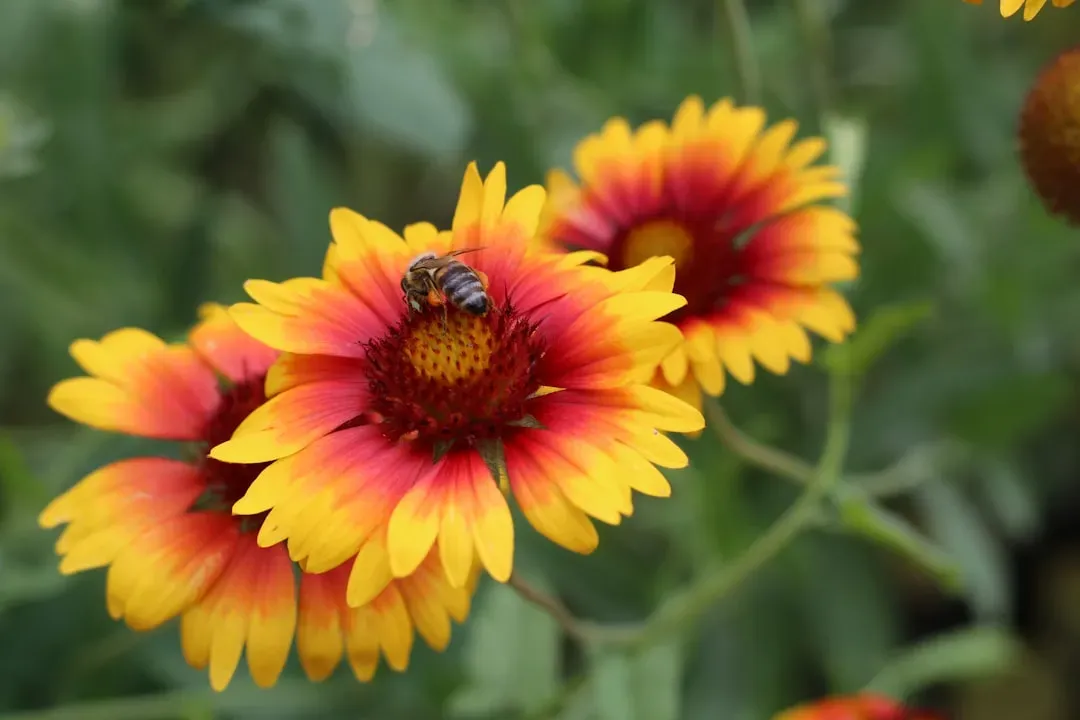
Native to North and South America, blanket flower’s yellow and red blooms are bright and showy, and they look best when grown in groups or drifts – earning the name from its habit of blanketing the earth with bright flowers all summer long. It thrives where other plants struggle, almost preferring neglect over fuss. Blanket flower thrives in dry sunny conditions and lean soil, and its flowers attract bees and other pollinators, while seed heads are a source of food for songbirds and other wildlife.
This is one of those plants that rewards the gardener who simply steps back. Once it settles into well-drained ground, it asks for almost nothing through the hottest months. This short-lived perennial is native to western U.S. prairies, dry meadows, and grasslands, which tells you everything you need to know about its heat and drought credentials.
Penstemon (Beardtongue)
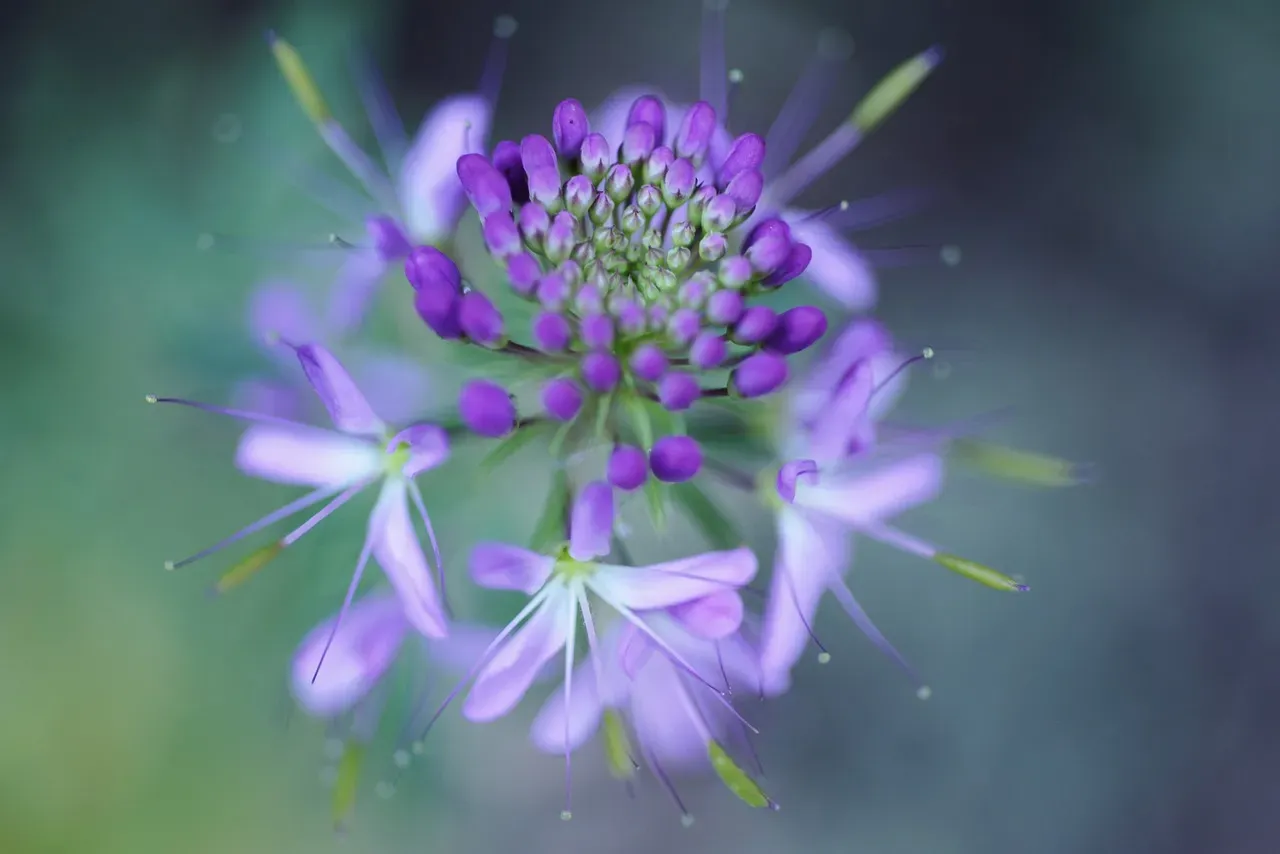
A diverse group of North American natives, penstemon produces clusters of nectar-rich tubular flowers that attract butterflies, bees, and hummingbirds, with flowers occurring in a wide range of colors. They bloom from spring into early summer, filling a gap when many other drought-tolerant plants haven’t yet hit their stride. Penstemons are invaluable for attracting hummingbirds and other pollinators with their vibrant tubular blooms, and many species exhibit excellent drought tolerance, thriving in full sun and well-drained soil.
Plants native to a region can help with landscape water conservation because they are adapted to the local dry climate and can be watered less frequently than landscape plants native to wetter climates. In practice, penstemon demonstration gardens have been maintained using a drip system set to irrigate only once per week, which illustrates just how little supplemental water these plants actually need in summer.
Autumn Sage (Salvia greggii)
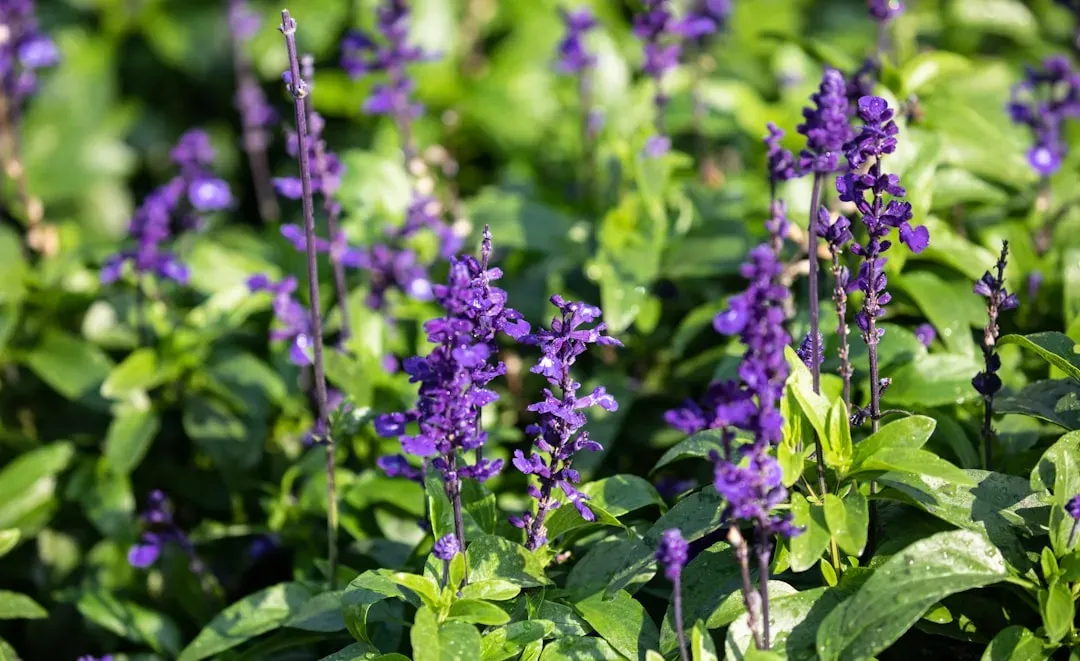
Autumn sage forms an upright, rounded shrub about two to two and a half feet tall and wide, with the crown and older branches developing a woody, slightly gnarled appearance and bark that peels off in long strips. It blooms prolifically from spring through fall, especially where summers are long and hot. The hummingbirds know it well.
Once established, autumn sage requires minimal watering; pruning helps keep it compact and encourages blooms, and it attracts hummingbirds, bees, and butterflies. In USDA Zones 7 through 9, where it is winter hardy, Salvia greggii is usually evergreen and therefore an attractive shrub in the winter landscape. Year-round structure with almost no summer irrigation is a genuine gardening win.
Red Yucca (Hesperaloe parviflora)
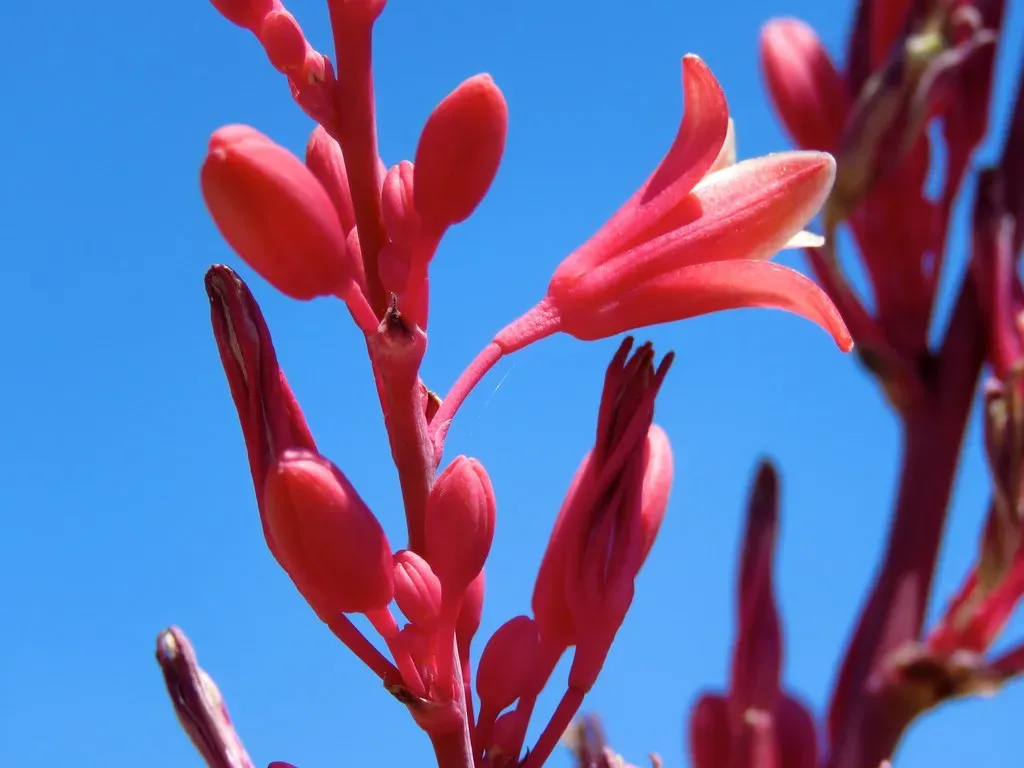
Red yucca is considered an exceptional plant for use in full sun and reflected heat situations such as along driveways and sidewalks, around swimming pools, and in parking lots, forming a mound of evergreen, stiff, fleshy leaves that are narrow and gracefully arch downward. Most plants would wither in those conditions. Red yucca thrives.
Striking flowering stalks rise four to six feet above the foliage from spring through fall, bearing coral-red bell-shaped flowers that attract hummingbirds, and once established, red yucca is extremely drought tolerant, hardy to twelve degrees Fahrenheit, and tolerates a wide range of soils as long as they are well-drained. Few native plants offer this combination of dramatic form and genuine toughness.
Manzanita (Arctostaphylos)
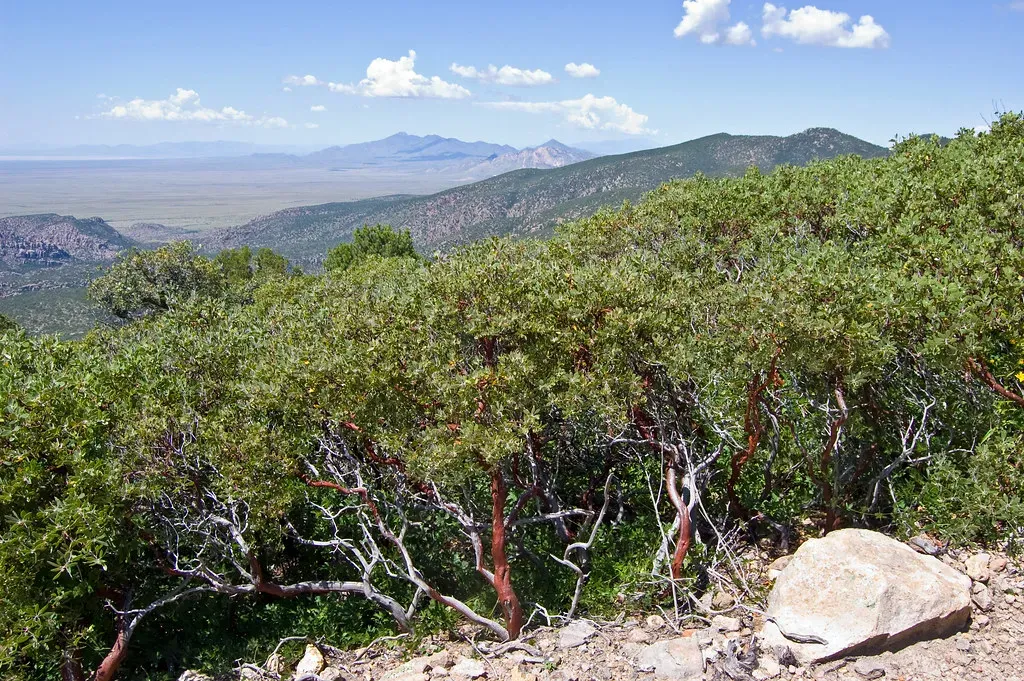
A true icon of the California landscape, manzanita functions more as an architectural element than just a plant, prized for its stunning smooth mahogany-red bark, sculptural branching, and evergreen foliage that provides year-round interest and structure. Manzanitas range from low-growing groundcovers like ‘Emerald Carpet’ to magnificent tree-like shrubs, making them one of the most versatile native drought-tolerant plants available.
Once established, most manzanita cultivars require no summer water at all. That’s not a typo. For gardens in Mediterranean-climate zones, this is one of the most water-efficient plants that exists in the native palette. The sculptural beauty it brings is simply a bonus.
Native Sages (Salvia apiana, S. mellifera, S. clevelandii)
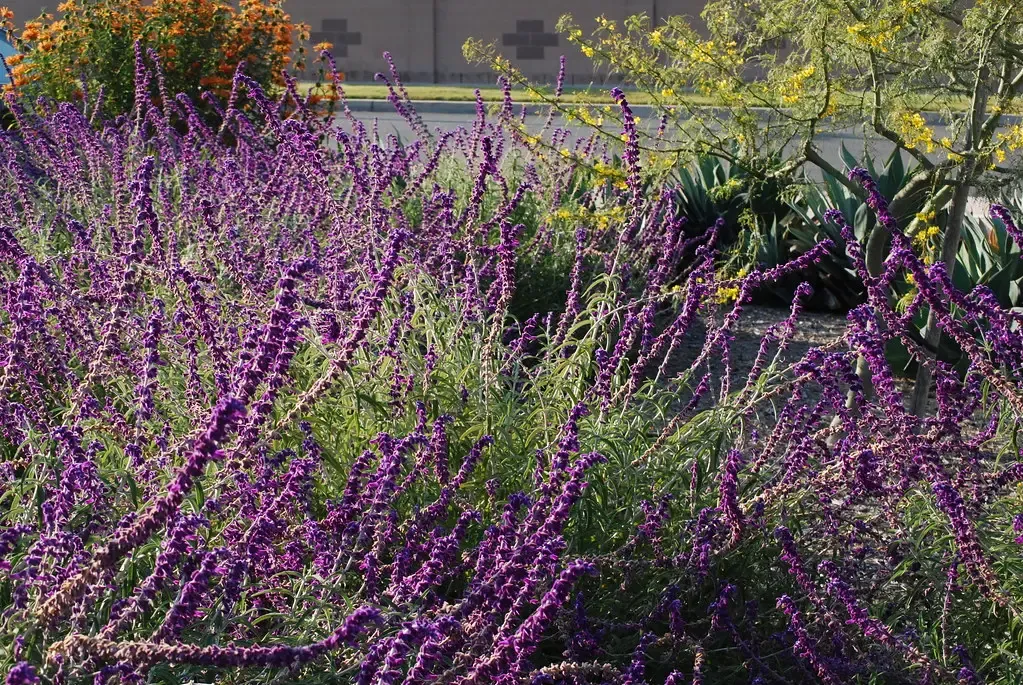
A cornerstone of California’s natural landscapes, native sages are essential for any authentic low-water garden design, with prominent species including white sage, black sage, and Cleveland sage, all fundamental to the state’s chaparral and coastal sage scrub ecosystems. They are incredibly tough and well-adapted to dry summers, thriving in full sun and requiring excellent drainage, making them perfect for sunny slopes or rocky parts of a yard.
From spring to early summer, native sages produce spikes of flowers in shades of white, blue, or purple that are highly attractive to hummingbirds, bees, and other vital pollinators. The fragrance alone makes them worth planting. Walk past a stand of Cleveland sage on a warm afternoon, and you’ll understand immediately why so many gardeners consider it irreplaceable.
Goldenrod (Solidago)
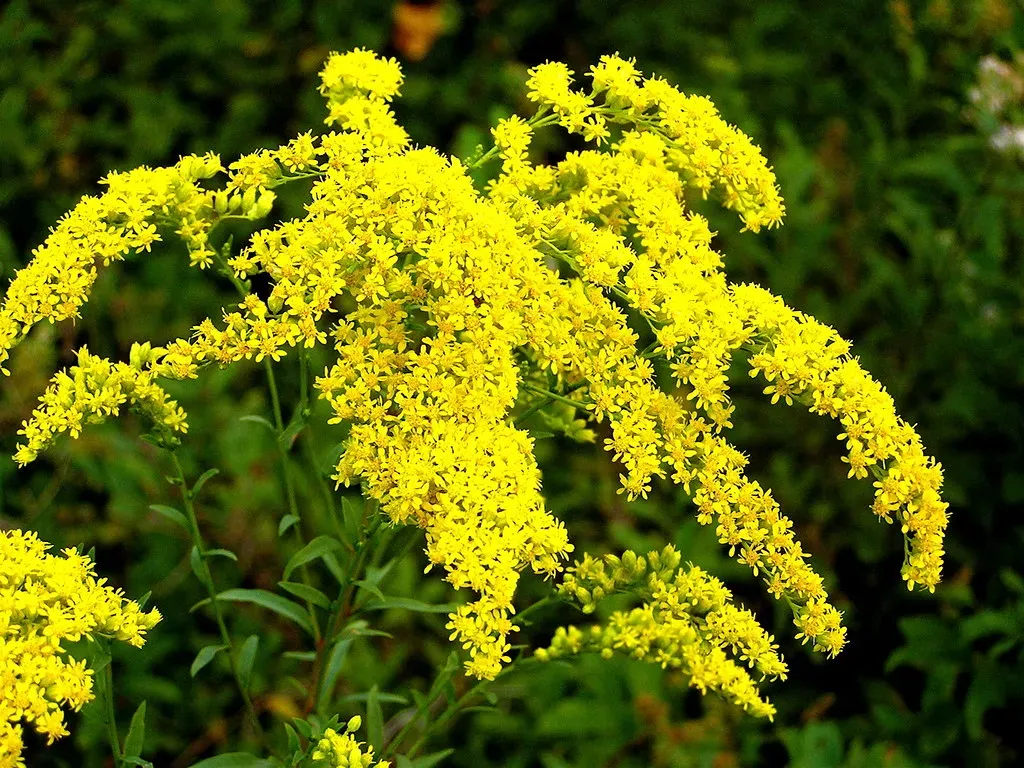
Although goldenrod is often blamed for hay fever symptoms, goldenrod pollen is actually too heavy to be airborne, and these easy-to-grow native plants bloom late in the season when most gardens could use a splash of gold, pairing nicely with other late bloomers like asters and coneflowers. It fills a critical late-summer window when drought stress is typically at its peak. Hardy native perennials like goldenrod not only withstand drought conditions but also attract a parade of pollinators throughout the summer and fall.
Goldenrod’s reputation has historically suffered from misplaced blame, but its ecological value is substantial. For a spectacular show, look for Solidago rugosa ‘Fireworks’, which has arching branches covered with yellow flowers, or dwarf S. sphacelata ‘Golden Fleece’, which blooms profusely and stays under fifteen inches high. Both varieties handle dry summer soil without complaint.
Wild Bergamot (Monarda fistulosa)
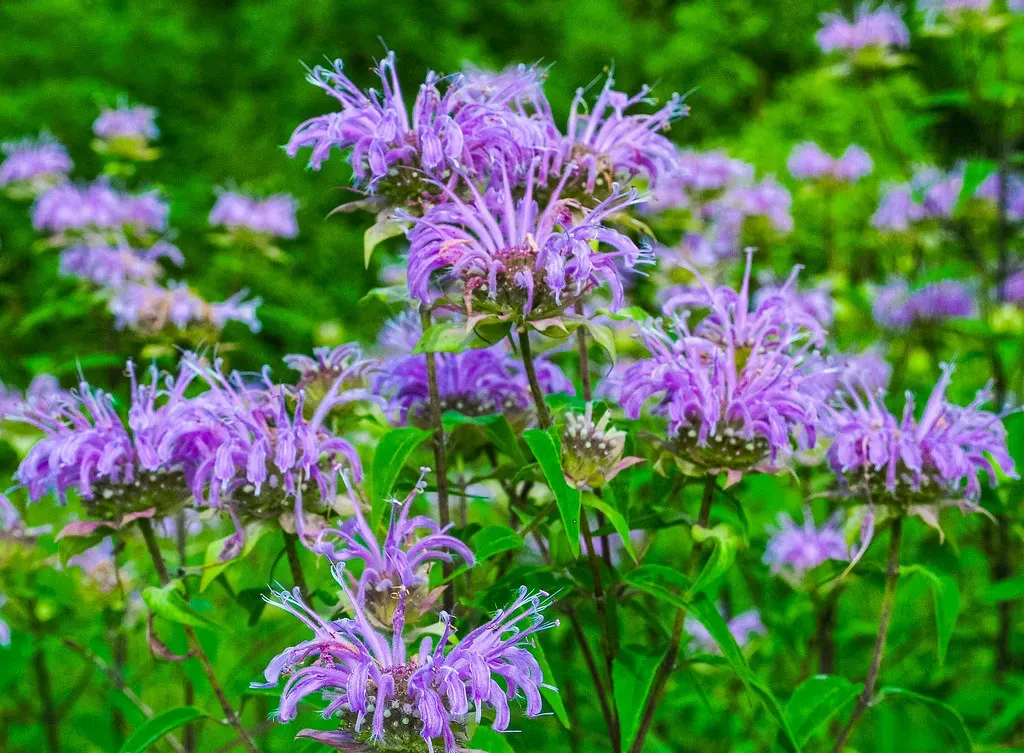
Wild bergamot is one of those native plants that quietly does a lot, delivering a seasonal nectar supply from July through September, then leaving behind seeds that become winter food for finches and chickadees. It carries a soft lavender-pink flower that looks striking in meadow-style plantings, and it handles summer heat without much fuss. The scent is something between oregano and mint.
Tolerating part shade to full sun, this clump-forming perennial produces lavender-pink blooms throughout the spring and summer and is a low-maintenance plant that can be at home in grassland or woodland-style plantings. Once it settles into a space, it spreads gently and asks for very little in return beyond decent drainage and occasional sunlight.
Coreopsis (Tickseed)
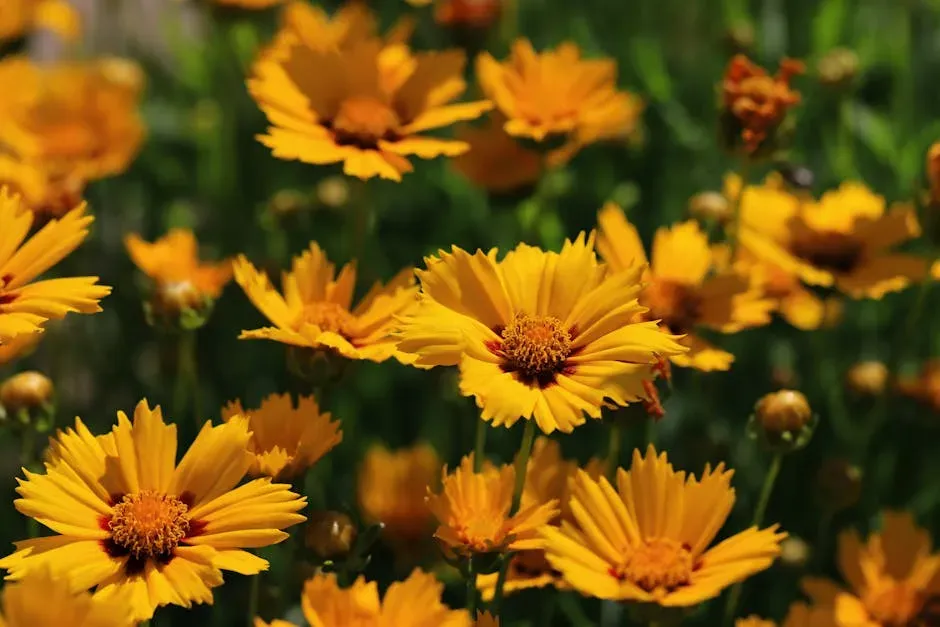
Coreopsis likes dry soil and will take all the sun it can get, and despite a delicate look, coreopsis plants are surprisingly rugged and dependable even in times of drought. Lance-leaf coreopsis is native to the Eastern and Central United States and works best in mass or group plantings, with its bright yellow flower pairing beautifully with other drought-tolerant natives like blanket flower and woodland sunflower.
Coreopsis is perhaps underrated in low-water gardens, partly because it looks too pretty to be this tough. The blooms keep coming all season with minimal deadheading, and the plant never demands extra water once it finds its footing. Many varieties are also native to coastal areas and are unfazed by salty soil, which extends its usefulness to a wider range of garden settings.
Butterfly Weed (Asclepias tuberosa)
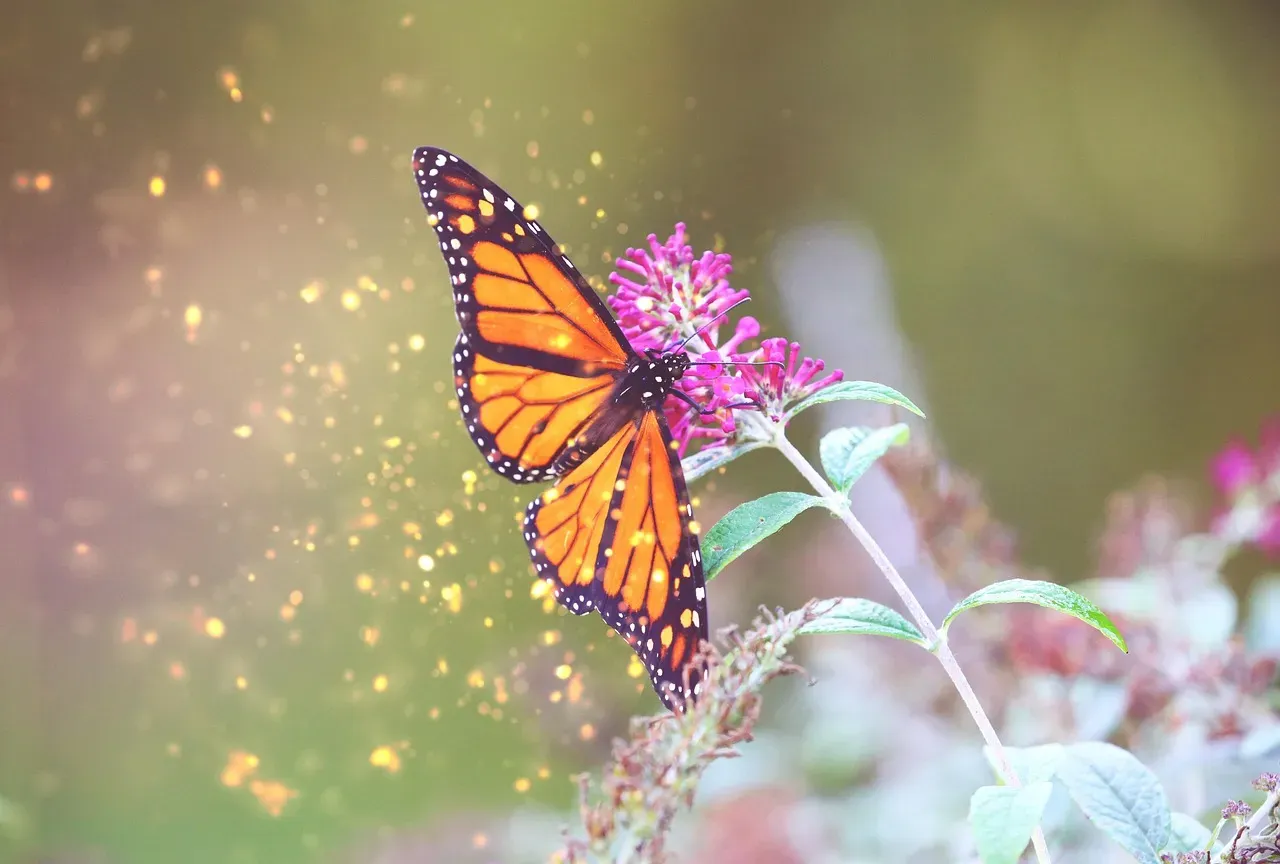
North America is home to many native milkweed species including butterfly weed, and these plants tolerate dry soil surprisingly well while being essential for monarch butterflies, as they are the only plants monarch butterflies lay their eggs on. That ecological significance is hard to overstate given the ongoing pressures monarch populations face. Planting butterfly weed is genuinely useful, not just decorative.
Native plants like butterfly weed often have deep roots that reach far into the soil, and these roots can access water that is deep underground, reducing the need for frequent watering. The vibrant orange clusters bloom through midsummer and attract everything from monarchs to native bees. It’s one of the few plants that earns its place in the garden on both aesthetic and ecological grounds simultaneously.
Texas Sage (Leucophyllum frutescens)
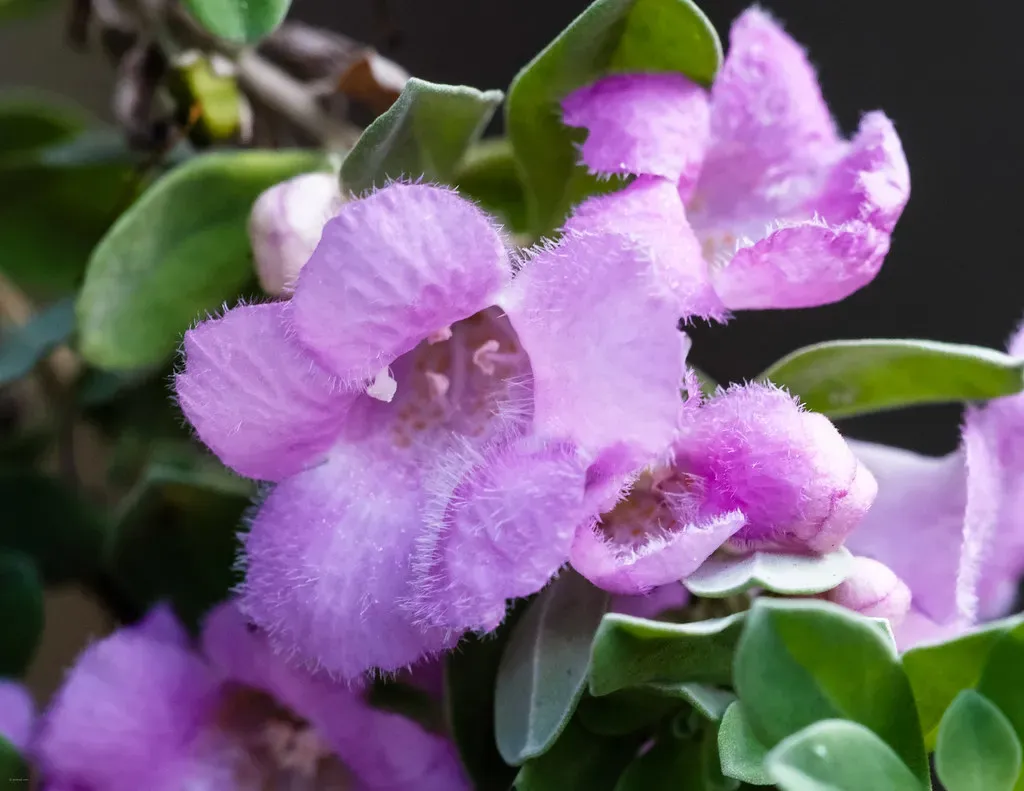
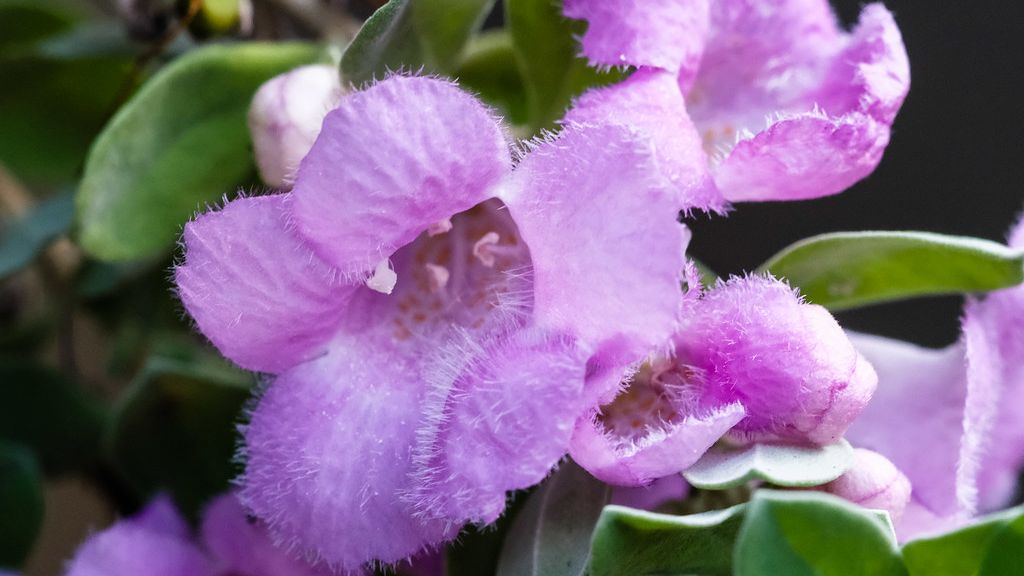
Texas sage is a striking, silver-leaved shrub with purple flowers that thrives in dry conditions. It’s sometimes called the “barometer bush” because it often blooms in response to high humidity preceding rainfall, which makes it a living weather indicator of sorts. These plants don’t need much water in the summer and have thrived in water-scarce conditions for thousands of years.
Plants like Texas sage require significantly less water, fertilizers, and pesticides compared to non-native species, and are naturally adapted to local rainfall patterns, requiring little to no supplemental watering once established. The silvery foliage provides year-round contrast in a border, and when it blooms after a storm, the purple flowers against silver-grey leaves is one of the more quietly stunning sights a dry garden can offer.
A Garden That Works With Summer, Not Against It
Research from the University of Florida found that native species outperformed non-native species throughout two years of study, regardless of water levels, suggesting that native plants are more resilient and water-efficient, which is important in areas with water restrictions or droughts. The data supports what experienced gardeners have observed for years: working with native plants simply produces better results with less effort.
The deep roots of drought-tolerant native plants improve soil health, and they contribute to a visually appealing garden that withstands changing climates. It’s important to remember that even drought-tolerant plants need regular water until they become established, which generally means a consistent watering schedule for the first dry season or two after planting. After that initial investment, the payoff compounds every year.
The shift to native plants isn’t about accepting a lesser garden. It’s about building one that genuinely belongs where it grows. These fourteen plants are proof that resilience and beauty aren’t in competition with each other – they’ve been growing side by side in North American landscapes for a very long time.

- 16 Things a Dog Only Ever Does Around the One Human It Has Truly Chosen for Life - July 31, 2026
- 19 Dog Breeds Disappearing From Family Homes Faster Than Almost Anyone Has Realised - July 31, 2026
- What Hummingbirds Do in a Storm Will Surprise You: 14 Behaviours Researchers Rarely Get to Film - July 31, 2026