


When we think of the animal kingdom, our minds often drift to the fierce and cunning creatures that inhabit it. Predators play a crucial role in the delicate balance of ecosystems, keeping populations of prey species in check and maintaining biodiversity. From the depths of the ocean to the soaring skies, predators are found in every habitat on Earth. In this article, we’ll explore 14 of the most formidable predators that rule the animal kingdom, uncovering their fascinating characteristics, behaviors, and ecological importance.
Apex predators are at the top of the food chain, and they have no natural predators. These mighty creatures regulate the populations of other species and shape their ecosystems. Examples include the majestic lion, the iconic tiger, and the stealthy jaguar. Their presence often indicates a healthy environment, as they require vast territories and abundant prey.
14. Lions: The Kings of the Savanna

Lions, often referred to as the kings of the jungle, actually rule the African savanna. Living in groups called prides, these social predators work together to hunt large herbivores like zebras and wildebeests. Their powerful roars can be heard from miles away, a testament to their dominance.
13. Tigers: Solitary Stalkers

Tigers are solitary hunters, known for their striking orange coats and black stripes. Found primarily in Asia, they stealthily stalk their prey through dense forests before launching a sudden attack. Their strength and agility make them one of the most formidable land predators.
12. Jaguar: The Jungle Phantom
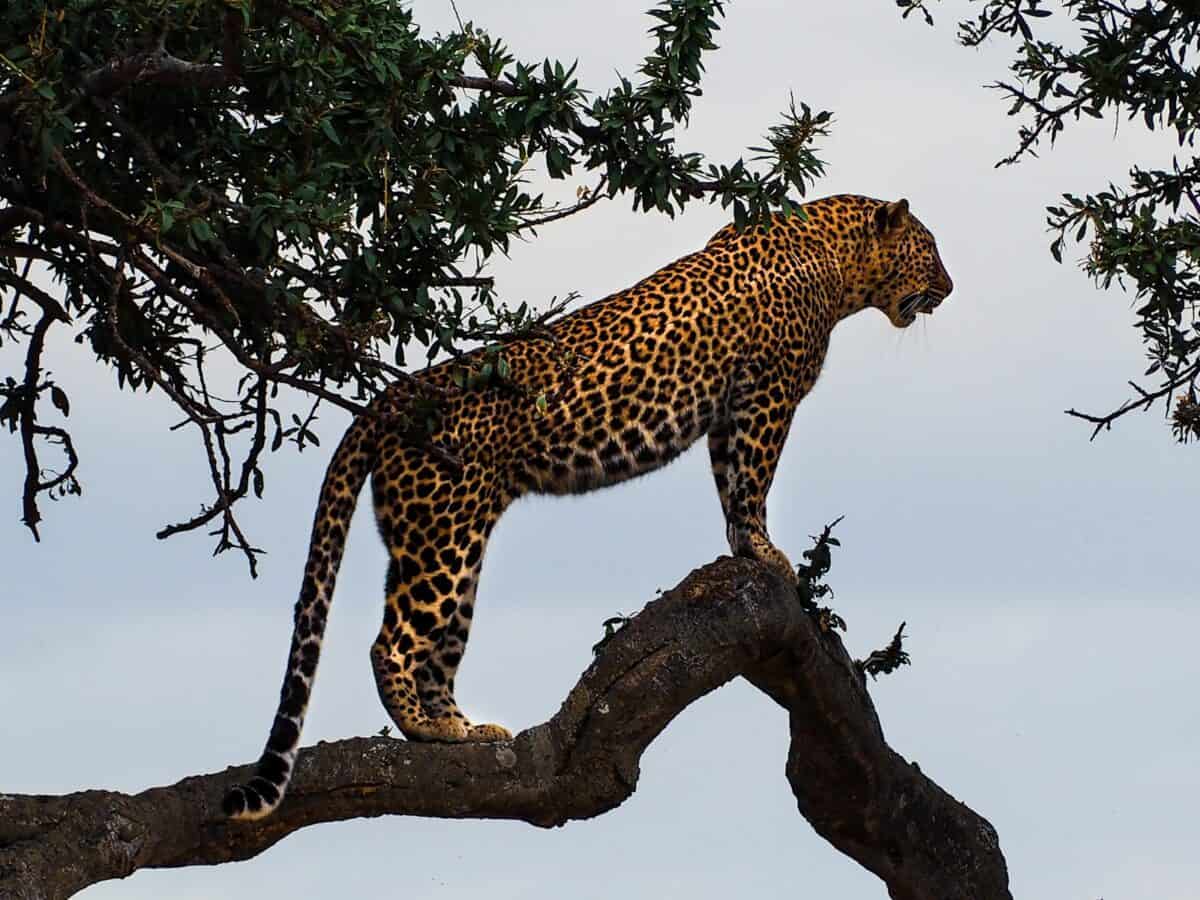
Jaguars are the apex predators of the Amazon rainforest. With a bite force stronger than any other big cat, they can pierce through the skulls of their prey. Known for their swimming prowess, jaguars are often found near water, silently awaiting their next meal.
11. Great White Sharks: Oceanic Overlords

The great white shark, with its menacing teeth and immense size, is the ultimate predator of the seas. These apex predators patrol the ocean for seals, dolphins, and other marine life using a combination of speed and surprise to capture their prey.
10. Orcas: The Wolves of the Sea
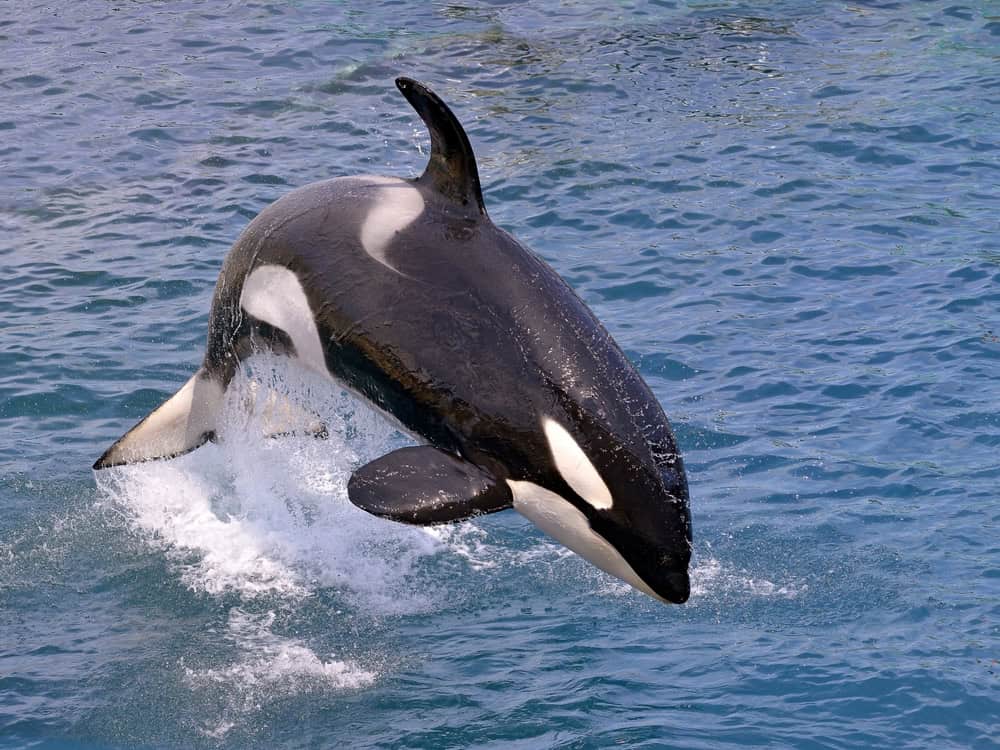
Orcas, or killer whales, are intelligent and highly social predators. Preferring to hunt in groups known as pods, they demonstrate complex hunting techniques and communication strategies. Orcas feed on a variety of prey, including fish, seals, and even other whales.
9. Polar Bears: Lords of the Arctic

The vast, icy expanses of the Arctic are home to polar bears, the largest land carnivores. These majestic creatures rely on their impressive swimming skills and acute sense of smell to hunt seals, their primary food source. As apex predators, they play a vital role in the Arctic ecosystem.
8. Crocodiles: Ancient Ambush Predators

Crocodiles are one of the oldest and most successful predators on Earth. These cold-blooded reptiles use their powerful jaws and stealthy approach to ambush unwary animals that come to the water’s edge. Their adaptability allows them to thrive in rivers, lakes, and marshes across the globe.
7. Golden Eagles: Masters of the Skies

Golden eagles are powerful birds of prey, renowned for their speed and precision. With acute vision, they soar high above landscapes, spotting and swooping down on rabbits and other small mammals with deadly accuracy. Their nests, or eyries, are built high to spot incoming threats and prey.
6. Praying Mantises: Insect Assassins

Praying mantises are the unexpected predators of the insect world, known for their long, articulated forelegs that capture unsuspecting prey. With lightning-fast reflexes and excellent camouflage, they are effective hunters of other insects, including butterflies and moths.
5. Komodo Dragons: Dominant Island Hunters

The Komodo dragon, native to a few Indonesian islands, is the largest living species of lizard. These formidable creatures hunt using a combination of stealth and power, capable of overpowering prey as large as deer. Their venomous bites lead prey to collapse, followed by a feast.
4. African Wild Dogs: Cooperative Killers
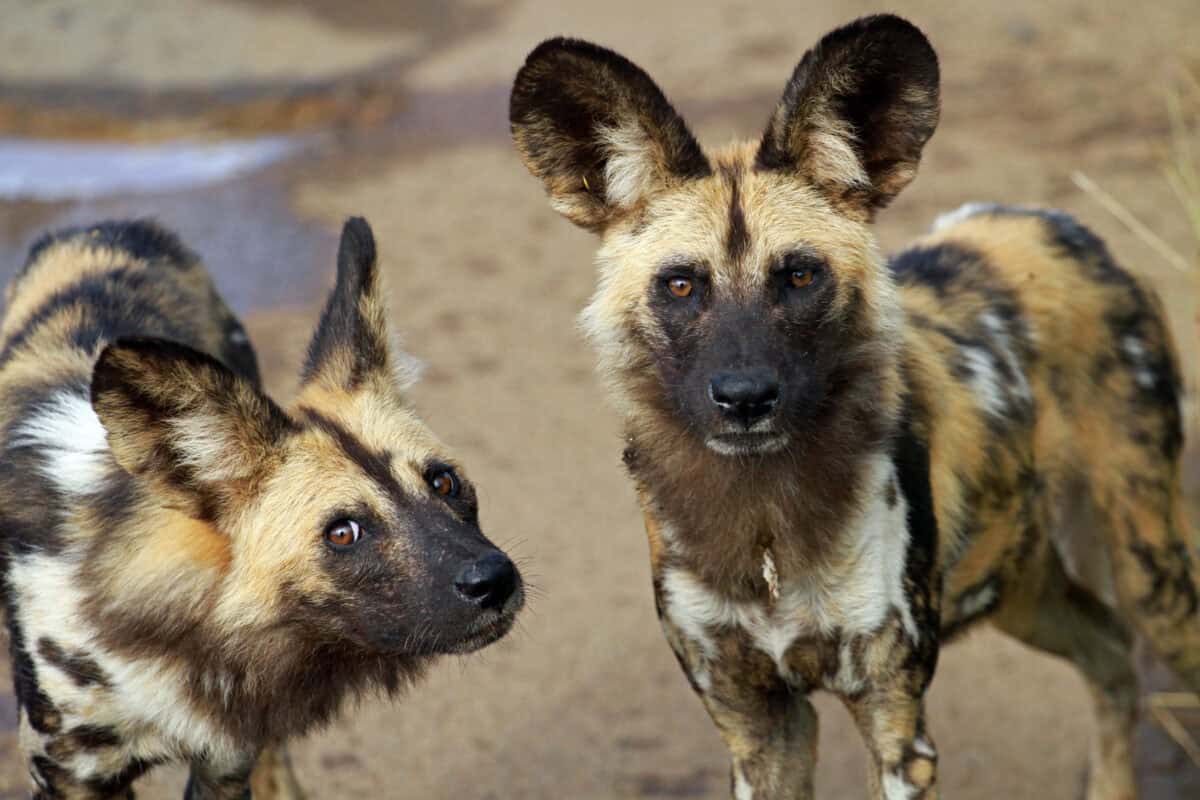
African wild dogs, also known as painted wolves, are highly social predators, relying on teamwork and endurance to capture prey. Known for their efficient and cooperative hunting techniques, they target animals such as antelopes, showcasing remarkable stamina and strategy.
3. Siberian Tigers: Giants of the Forest

Among the largest of the big cats, Siberian tigers occupy the snowy forests of Russia and China. Legendary for their powerful physique and beautiful coats, they prey on deer and wild boar, effectively using the tundra’s cover to ambush their targets.
2. Leopards: Adaptable Stealth Masters

Leopards are known for their adaptability, which allows them to thrive in diverse habitats from savannas to rainforests. Their spotted coats provide perfect camouflage, enabling them to stealthily approach and capture a wide range of prey from impalas to monkeys.
1. Hyenas: Opportunistic Scavengers and Hunters

While often thought of as scavengers, hyenas are also skilled hunters. Efficient and social, they hunt in packs, using their strong jaws and perseverance to take down large prey. Hyenas fulfill an important ecological role by cleaning up carcasses and reducing disease spread.
The animal kingdom’s predators are an awe-inspiring testament to the beauty and brutality of nature. Each species has adapted to its environment with specialized skills, from the collaborative tactics of African wild dogs to the solo stealth of tigers. These creatures not only captivate our imaginations but also maintain the balance within their respective ecosystems. Understanding and preserving these majestic predators ensures the continued health and diversity of our planet’s habitats, underscoring their critical importance in the natural world.

- 21 Scary Creatures You Might Run Into While Hiking In The U.S - June 3, 2026
- The Difference Between Turtles and Tortoises—Explained - June 3, 2026
- What Makes Owls the Silent Predators of the Night? - June 3, 2026