


Most people picture a ranger-led walk as a forced march: a stranger in a flat hat, a brisk pace, and a group that thins out by the first switchback. The actual park listings tell a very different story. Bryce Canyon’s guided rim walk covers about half a mile on pavement. Big Cypress has you wading through a swamp at a pace that is slow on purpose, and Everglades rangers lead you past alligators after dark.
These 14 walks are built for slowing down, not keeping up. But “ranger-led” is not a promise of “easy.” One park on this list schedules guided walks that stretch up to 10 miles, and another hides mountain climbs in its fine print. Keep reading to see which walks are truly gentle, which come with a catch, and which one we would book first.
#14 – The Bluestone River Walk That Most Travelers Never Plan Around
This is the most off-the-radar walk on the list, tucked into a corner of West Virginia that few people build a trip around.
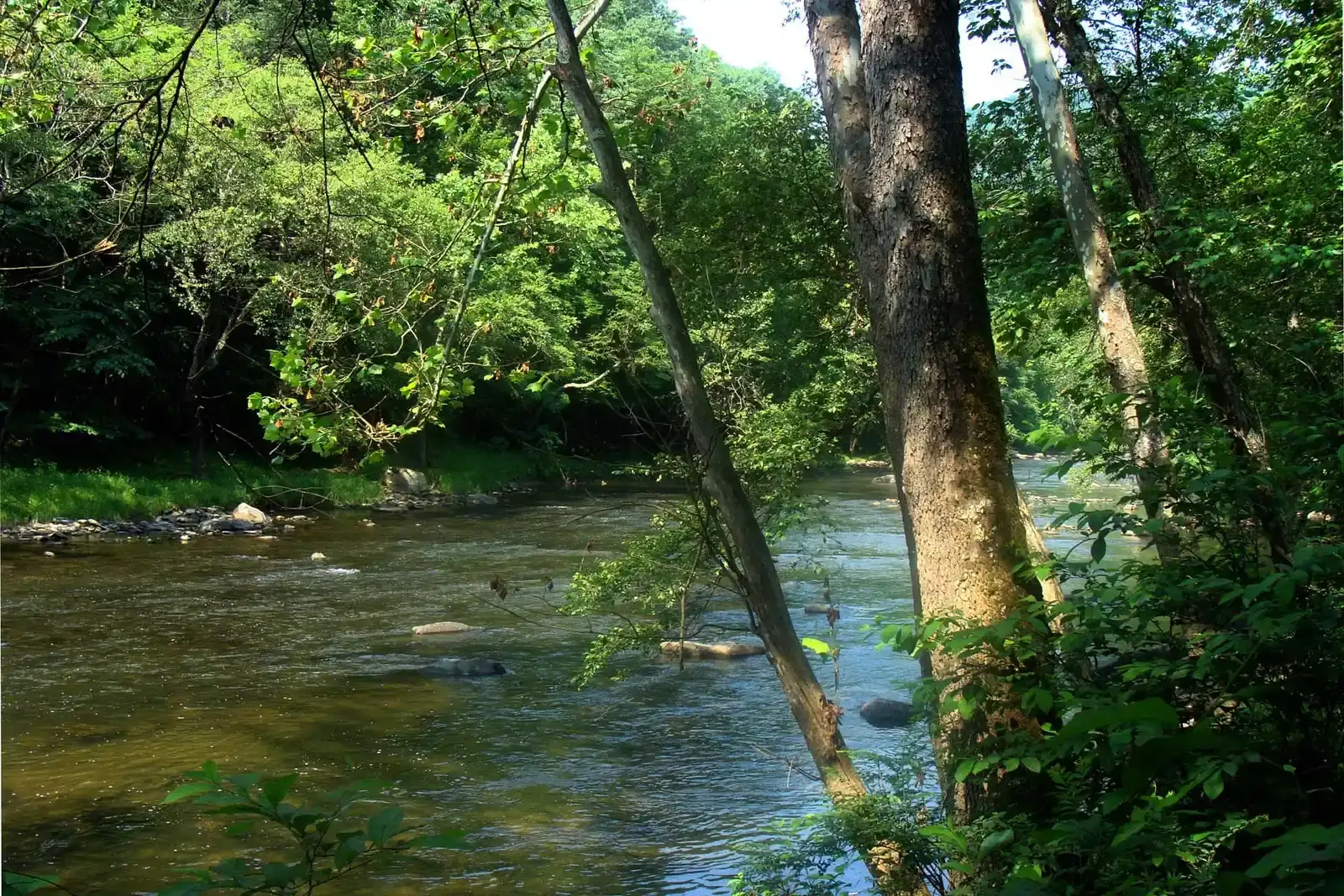
You meet a ranger at the bottom of the tramway at Pipestem Resort State Park. From there you walk about a mile along Bluestone National Scenic River and come back, for 2 miles round trip in roughly 1.5 hours.
The park calls it a fairly easy walk. It has a few small hills and some rough footing. Most people don’t realize that “easy” doesn’t always mean “paved,” so sturdy shoes matter here.
Along the way, the ranger talks about the flora, fauna and a little regional history. The pace is set by questions, not mileage. The walk is offered only intermittently through the summer and fall. That makes it one of the least predictable items on this list.
- Length: about 2 miles round trip
- Time: roughly an hour and a half
But a quiet riverside stroll is nothing compared to the walk waiting at #13, which happens above the longest known cave system on Earth.
#13 – Mammoth Cave’s Surface Program Is the Sleeper Pick
Everyone books the cave tour. The better-kept secret is on top of it.
Mammoth Cave offers cave tours, and it also runs programs on the surface, including talks, walks and junior ranger activities. If long staircases or tight passages worry you, this is the easier way into the park’s story.
The Evening Program is the standout. It is rated easy, lasts 45 minutes, covers 0.6 miles (1 km) and is wheelchair accessible. You spend the evening with a ranger talking about the park’s topics, outside rather than underground.
There’s also a ten-minute option. Rangers give exhibit talks inside the visitor center on the park’s cultural and natural history. The park also publishes a dedicated guide to accessible cave tours, ranger walks and talks. Self-guided options are listed there too.
Our opinion is that skipping the underground tour is not a failure. For plenty of visitors, the surface program is the smarter booking.
- Evening Program: 45 minutes, 0.6 miles
- Exhibit Talk: about 10 minutes
Next comes a Montana park whose “easy” walks hide behind some very long mileage numbers.
#12 – Glacier’s Shortest Ranger Walks Beat Its Famous Long Ones
Glacier has a reputation for hardcore mileage, but the ranger schedule tells a more flexible story.
Guided hikes and walks are offered in the Lake McDonald, St. Mary Valley, Many Glacier Valley and Two Medicine Valley areas. Here’s the trap. They range from 2 miles up to 10 miles. The label “ranger-led” tells you nothing about difficulty.
The easy way through is to read the length before you commit. Check at a visitor center or ranger station for the current schedule. Every walk starts at a pre-set location in its area.
Quick Compare
- Guided valley walks: 2 to 10 miles, so read the length first
- Apgar ranger talks: no mileage, held at the Visitor Center Plaza and Nature Center talk area
- Trail of the Cedars: accessible boardwalk, including for off-road wheelchairs
You can also get a ranger with no mileage at all. Short ranger talks are given at the Apgar Visitor Center Plaza and the Apgar Nature Center talk area. The Trail of the Cedars boardwalk is accessible, including for off-road wheelchairs.
Our take: a ranger on a 2-mile walk teaches more per step than a 10-mile slog does.
But the next stop is a desert where the easiest ranger walk lasts barely 45 minutes.
#11 – Death Valley’s Harmony Borax Works Is a One-Third-Mile History Lesson
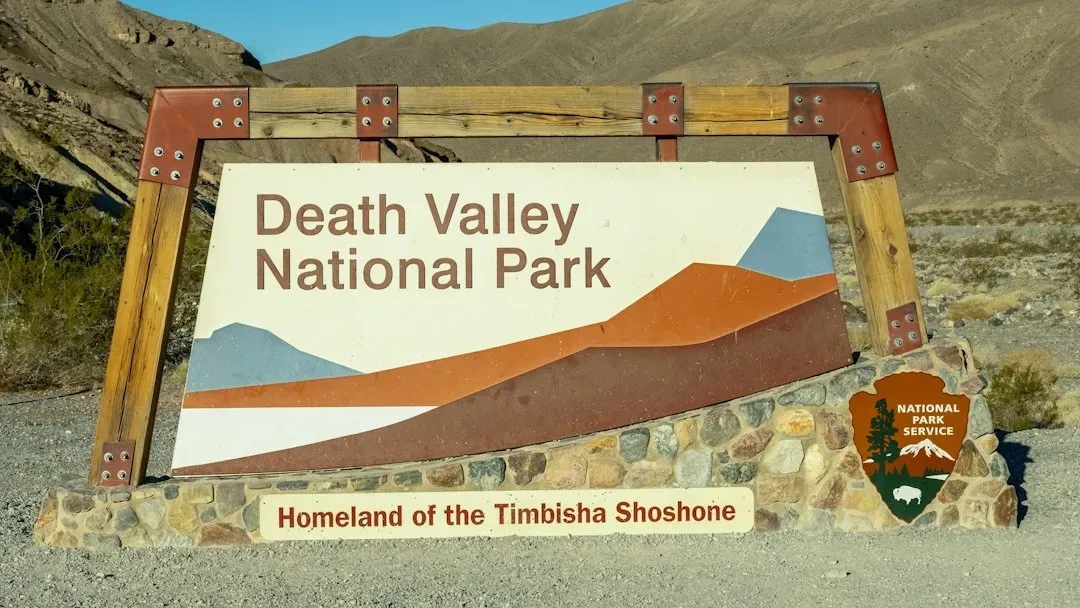
Death Valley’s gentlest ranger walk is about a third of a mile long, and it is the shortest on this list.
The Harmony Borax Works Ranger Walk covers borax and mining history on an easy 1/3-mile paved path. You meet at the Harmony Borax Works parking area, and the walk lasts 45 minutes. That is plenty of time to make a dusty ruin feel like a story instead of a roadside stop.
Timing is everything here. Ranger programs are offered daily during the winter season and cover topics from history to geology to space. Winter is when this park is most comfortable for a slow walk.
Most people don’t realize the park also runs talks, not just walks. The Badwater Ranger Talk explores the extremes of Death Valley below sea level. It lasts 45 minutes and meets at the Badwater parking area.
Most visitors see this park from the car window. We’d argue one slow 45-minute stop with a ranger is worth more than ten quick photo stops.
- Harmony Borax Works: easy, paved, about 1/3 mile
- Badwater talk: 45 minutes
Next up is the only walk on this list where you’re expected to get wet.
#10 – Big Cypress’s Wet Walk Moves Slowly on Purpose
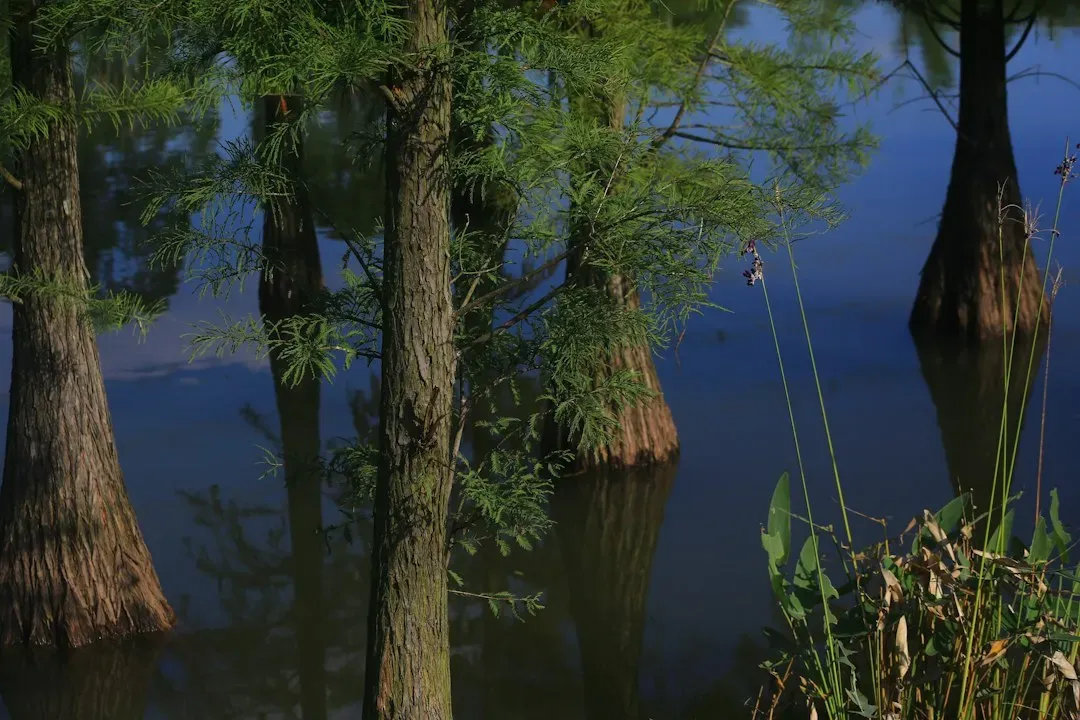
You will get wet on this walk, and that is exactly the point.
At Big Cypress National Preserve, the Wet Walk into the Cypress Swamp runs daily at 1:30 pm, lasts two hours and is guided by a ranger. You wade through the clear water of a cypress swamp. It sounds like a challenge, but the pace is gentle.
The preserve says easy and moderate walks are recommended for adults of all ages. The real difference is footing, not speed. Wading takes more care than a paved path, so go slowly and let the ranger set the tempo.
Planning matters. Reservations open only one month ahead, so a March 3 program opens on February 3. Ranger-guided programs begin in November for the 2026-2027 season. If you’re planning a winter trip, set a reminder.
But a glacier walk in Alaska is the next surprise on this list.
#9 – Exit Glacier Is Closer Than Most People Think
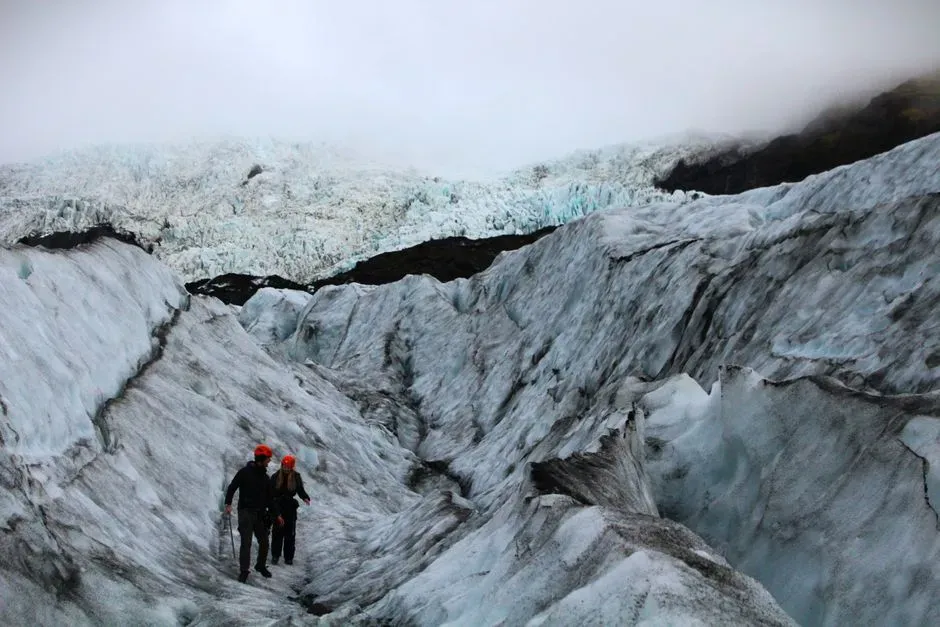
You can walk to a glacier overlook with a ranger in about an hour and a half. In Alaska, that sounds like it should take a bush plane and a lot of gear.
Guided walks at Exit Glacier, in Kenai Fjords National Park, run every day throughout the summer season. In summer 2026 they were scheduled twice daily, at 10:00 AM and 2:00 PM, from May 23 to September 7. You meet just outside the Exit Glacier Nature Center.
The walk lasts about 1 hour and 30 minutes and follows the trail to the Glacier Overlook. The ranger stops along the way, so the pace stays slow. Expect more talking than walking.
At a Glance
- Where: meet outside the Exit Glacier Nature Center
- Walk: about 1 hour 30 minutes to the Glacier Overlook
- 2026 schedule: 10:00 AM and 2:00 PM daily, May 23 to September 7
- Shorter option: Pavilion Talks, about 20 minutes
If you want less time on your feet, there’s another option. Exit Glacier Pavilion Talks are interactive presentations on topics important to the park. Most people don’t realize you can get a ranger without any walking at all.
Check next year’s dates before you book flights, since the 2026 window has closed.
Next is a Maine walk that skips the park’s biggest crowd magnets entirely.

Halloween Dog Collar with Bow, Orange Cute Ghost Collar,
Check Price on AmazonAs an Amazon Associate, we earn from qualifying purchases.
10/9/2026 2:43 pm GMTi

PetSafe Oasys Pet Fountain, 1/2 Gallon (64 oz), Small Dogs & Cats
Check Price on AmazonAs an Amazon Associate, we earn from qualifying purchases.
10/8/2026 8:14 am GMTi

Hand Blown Glass Hummingbird Feeders for Outdoors Hanging, 24oz Wild Bird Nectar Feeder
Check Price on AmazonAs an Amazon Associate, we earn from qualifying purchases.
10/7/2026 1:23 pm GMTi

Orthopedic Extra Large Dog Bed, Waterproof Washable XL Pet Bed 44"
Check Price on AmazonAs an Amazon Associate, we earn from qualifying purchases.
10/7/2026 1:32 pm GMTi

Dog Stairs for Bed 18" H, 4-Step Dog Steps for High Bed
Check Price on AmazonAs an Amazon Associate, we earn from qualifying purchases.
10/9/2026 2:42 pm GMTi
#8 – Acadia’s Quiet Carriage Road Walk Skips the Crowds
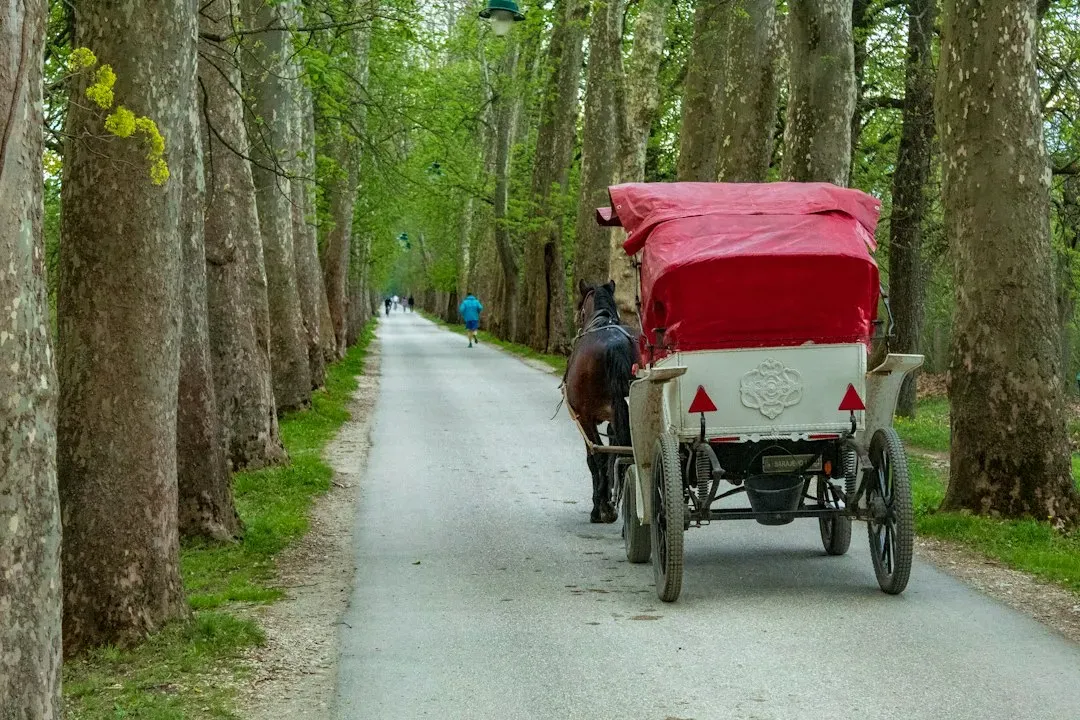
Acadia’s best easy walk avoids its most famous stops.
The program is called “A Quiet Dream.” It met Sundays at 9 a.m. outside the restrooms at the Jordan Pond House for a 90-minute, two-mile walk on the carriage roads to the oldest stone bridge in the system. Dates change each season, so confirm before you plan.
The setting does much of the work. The park has 45 miles of carriage trails. Motor vehicles are prohibited on the carriage roads. That means no engine noise and plenty of room to talk.
Read each description closely, though. Acadia’s walks cover topics from birds and plants to people, and they range in difficulty. Some include climbs up challenging mountains. All walks require proper footwear.
But the next stop is famous for crowds, and it turns out the ranger version has changed.
#7 – Yellowstone’s Old Faithful Stroll Comes With a Caveat
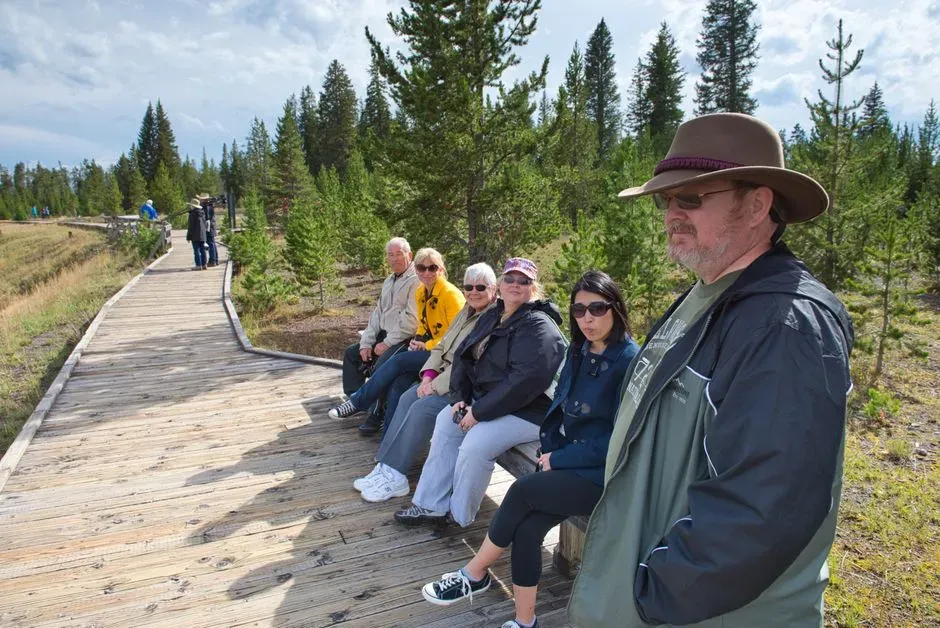
Yellowstone’s most famous geyser has its own easy ranger walk.
The Stroll around Old Faithful is an easy 3/4-mile walk with a ranger. You meet at the benches in front of Old Faithful, near the visitor center. The focus is the park’s active geology, which is a lot more interesting when someone explains what is happening under your feet.
At Mammoth Hot Springs, the Hot Springs Discovery Walk meanders around the terraces. A past schedule listed the terrace walk at about 1.5 hours. Confirm the current length before you go.
Here’s the caveat. One Tripadvisor forum poster says boardwalk ranger walks at Old Faithful, Norris, West Thumb and Mud Volcano were cut back because crowds were blocking other visitors. That’s one visitor’s account, not an official statement. Check the NPS schedule. Most ranger programs run Memorial Day to Labor Day, and most are free without reservations.
Our opinion: the midday geyser crowd is overrated, and a ranger walk is the better way to see it.
Another desert walk comes next, and its length is shorter than you’d expect.
#6 – Golden Canyon Proves a Short Walk Can Fill an Hour
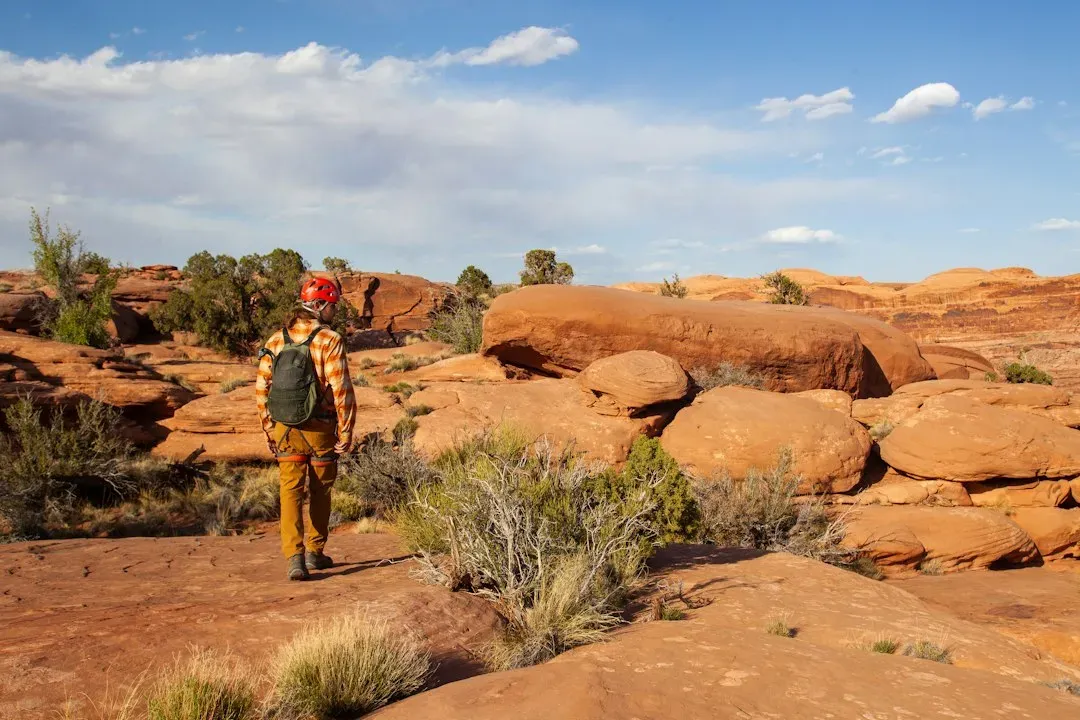
A three-quarter-mile walk can fill a full hour when the guide knows the rocks.
Death Valley’s Golden Canyon Hike is an easy walk of about 3/4 mile that lasts an hour. You meet at the Golden Canyon parking area. Bring sun protection, water and hiking shoes.
Why take a guide? The park describes its programs as covering history, geology and more. Daily programs in the winter season cover topics from history to geology to space. The ranger explains what you’re seeing, not just where to look.
There’s a flatter alternative. The Sand Dunes Walk is a one-hour stroll through Death Valley Wilderness that meets at the Mesquite Flat Sand Dunes parking lot. It’s a different landscape on the same slow footing.
Next is a mountain with two very different easy walks, and one of them involves snow.
#5 – Rainier’s Sunrise Walk Is Gentle, but Seasonal
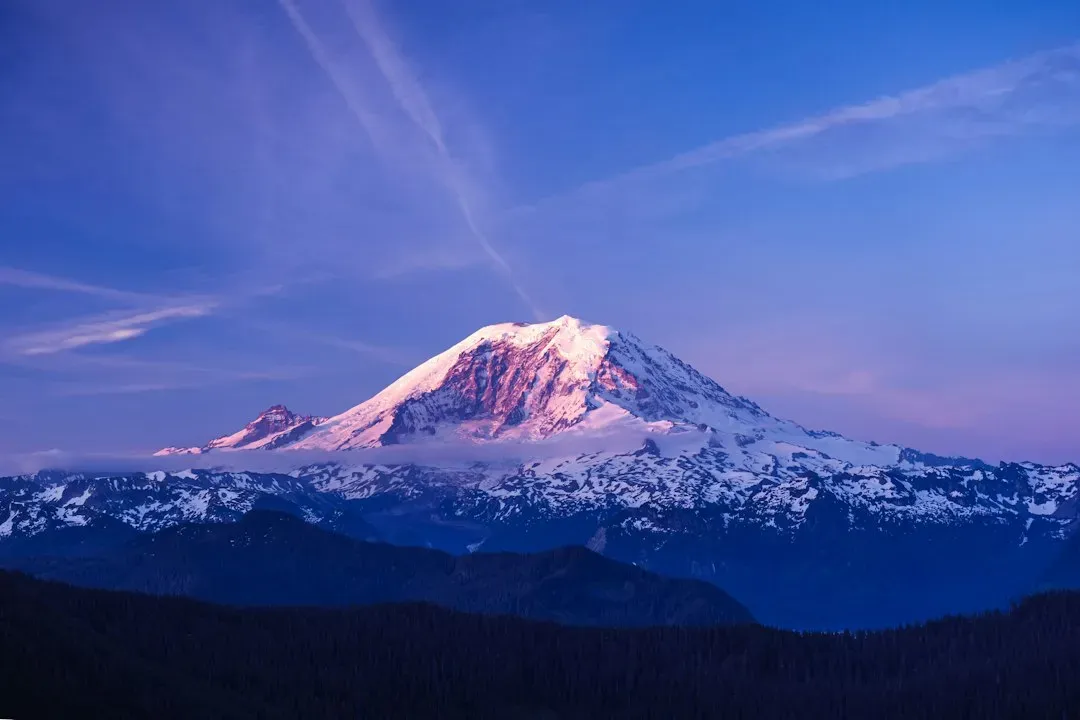
The easiest way into Mount Rainier’s high country is a one-mile guided hike.
The Sunrise guided hike covers 1 to 1.5 miles at easy difficulty and lasts 45 minutes to 1 hour. You meet at the flagpole outside the Sunrise Visitor Center.
Timing is the catch. Most ranger-led programs run in the summer months, typically July to September. The mountain’s high ground comes into season late, so aim for midsummer.
You get the same ranger perspective as on a longer hike, without the long hike. Here’s our take: if you only have one morning at Rainier, a one-mile walk with a guide beats a rushed solo route you can’t finish.
- Distance: 1 to 1.5 miles, easy
- Duration: 45 minutes to 1 hour
Mount Rainier has a second gentle option, and this one runs even in winter.
#4 – Paradise Offers a Paved Option and a Winter One
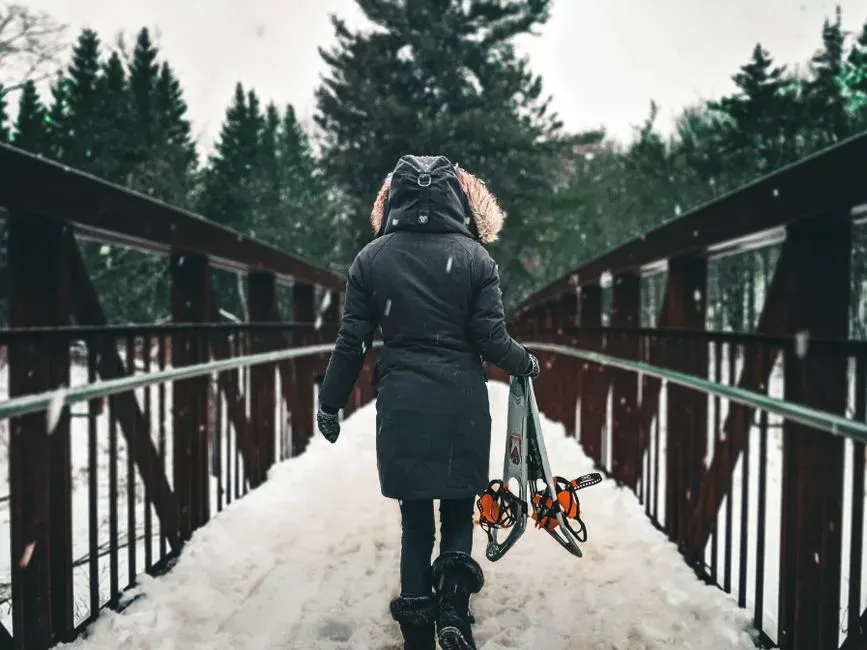
Paradise has a paved path for summer and snowshoes for winter.
The Ranger Guided Walk, “Discover Paradise,” explores the human and natural history of the park on an easy to moderate walk. You meet by the flagpole in the plaza next to the Jackson Visitor Center. The trail is paved.
The “moderate” part is worth respecting. Elevation can make a paved path feel steeper than it looks. The ranger’s stops build in rest without feeling like one.
In winter, the park offers a different kind of walk. Guided snowshoe walks at Paradise teach the art of snowshoeing and show how plants, animals and people adapt to winter conditions. Snowshoes for these ranger-led walks are provided by the park.
But the next walk is only half a mile long, in one of the best-known canyons in the West.

Earth Rated XL Dog & Puppy Pee Pads, Discreet Top, Max Absorbency
Check Price on AmazonAs an Amazon Associate, we earn from qualifying purchases.
10/7/2026 1:28 pm GMTi

Glass Hummingbird Feeder for Outdoors Hanging
Check Price on AmazonAs an Amazon Associate, we earn from qualifying purchases.
10/7/2026 1:21 pm GMTi

Air Purifiers for Home Pets Large Room Up to 3000 Ft²,HEPA Air Cleaner with Washable Double-Side Filter, PM2.5 Air Quality Monitor,15dB Sleep Mode for Bedroom Odor Dust Pollen,White
Check Price on AmazonAs an Amazon Associate, we earn from qualifying purchases.
10/8/2026 8:23 am GMTi

Halloween Cat Costume Cloak Witch Hat Pet Accessories
Check Price on AmazonAs an Amazon Associate, we earn from qualifying purchases.
10/9/2026 2:44 pm GMTi

Portable Dog Water Bottle Foldable Dog Travel Water Bottle
Check Price on AmazonAs an Amazon Associate, we earn from qualifying purchases.
10/7/2026 1:29 pm GMTi
#3 – Bryce Canyon’s Rim Walk Is Half a Mile of Hoodoos
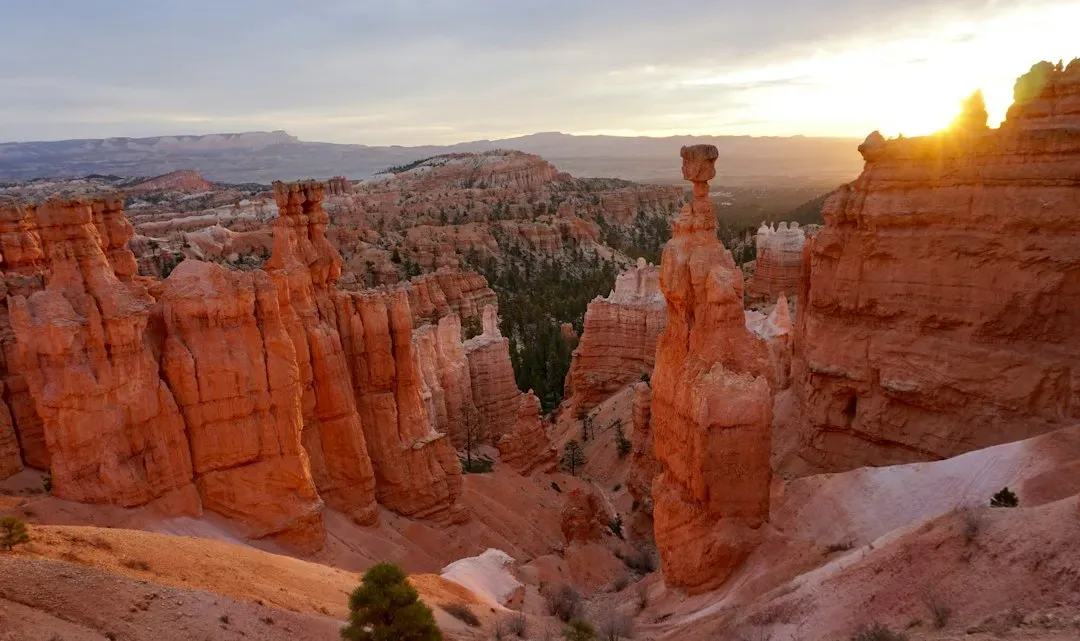
Bryce Canyon’s ranger walk is half a mile long, and it still manages to fill an hour.
The Rim Walk with a Ranger covers about half a mile on a paved path along the Rim Trail and lasts 45 minutes to an hour. It is suitable for all ages and wheelchair accessible.
Worth Knowing
- Season: typically Memorial Day through Labor Day
- Start: Sunset Point at 2:00 p.m.
- Surface: paved, wheelchair accessible, all ages
- Pets: allowed on pavement only
The ranger covers the hoodoos, the people who have passed through for thousands of years, and the ways plants and animals have adapted.
Inclement weather cancels the walk. Bryce is often treated as a quick photo stop, which we think is a mistake. A one-hour guided walk makes a better reason to stay.
Now to Florida, where the next two walks put you right next to alligators.
#2 – The Anhinga Amble Puts You Beside the Alligators
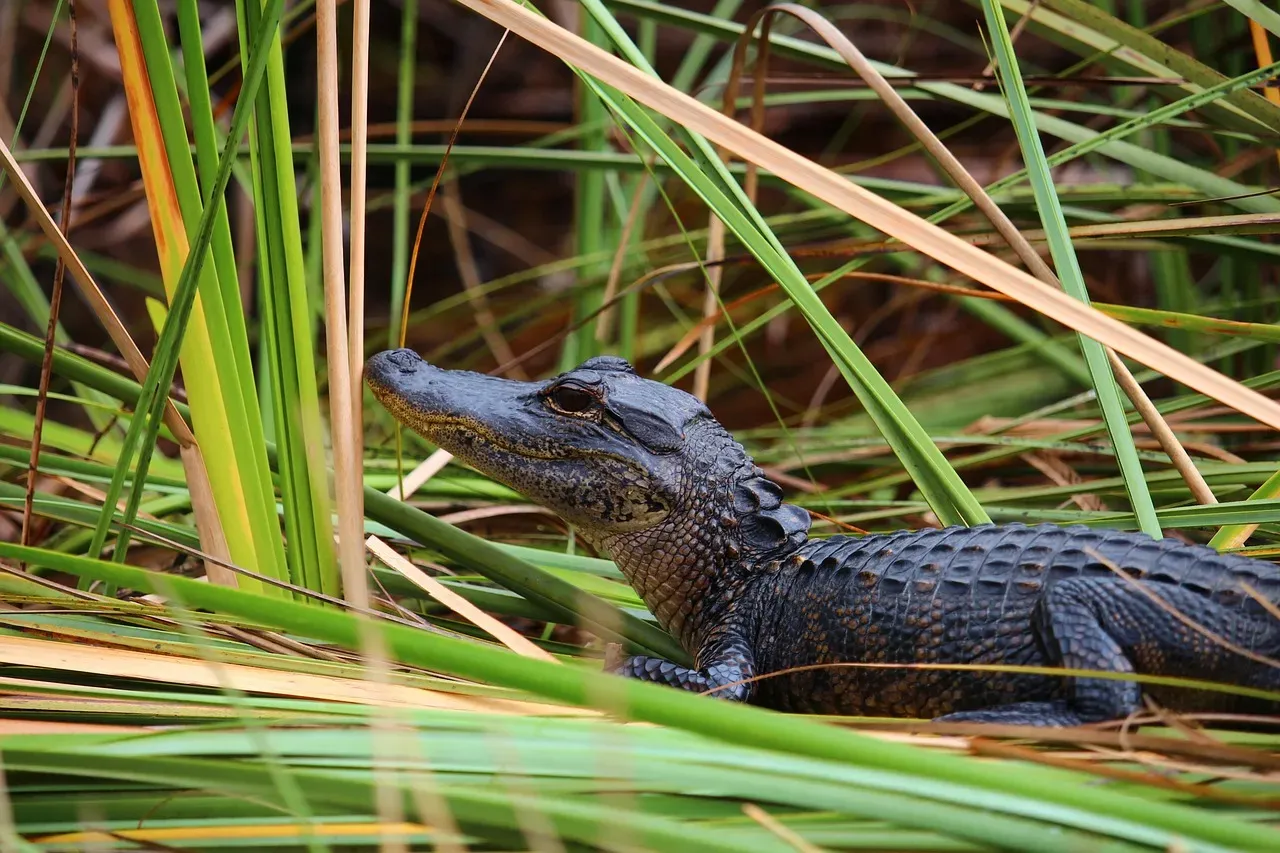
This 0.8-mile boardwalk in Everglades National Park is one of the surest places in the park to see an alligator.
The Anhinga Amble starts at 10:30 AM. It’s a stroll with a ranger on the Anhinga Trail, where alligators, wading birds and other wildlife are easily spotted. The trail is a paved walkway and boardwalk over Taylor Slough, a freshwater sawgrass marsh.
It has no elevation change and is stroller and wheelchair accessible. Rangers frequently lead walks here, so if the alligators worry you, a group is the sensible way to go.
One visitor wrote that the ranger pointed out a red-shouldered hawk directly overhead that they would have missed while watching alligators. That’s the real value of a guide. The trail is best for wildlife in the winter dry season. Schedules vary by season, so check the calendar.
But the most memorable version of this walk happens after dark.

Professional 7 in 1 Dog Paw Cleaner for Dogs & Cats - Includes 1 Portable Paw Washer, 1 Bath Brush
Check Price on AmazonAs an Amazon Associate, we earn from qualifying purchases.
10/7/2026 1:26 pm GMTi

2 Pcs Halloween Pet Hat Bandana Set, Witch Pumpkin Costumes for Dogs
Check Price on AmazonAs an Amazon Associate, we earn from qualifying purchases.
10/9/2026 2:45 pm GMTi

Glass Hummingbird Feeder for Outdoors Hanging, 16 oz Leak-Proof Nectar Feeder with Bee Guards & Ant Moat
Check Price on AmazonAs an Amazon Associate, we earn from qualifying purchases.
10/7/2026 1:22 pm GMTi

Smart Bird Feeder with Camera Solar Powered, 2K HD Live Video, 10,000+ Bird Species AI Identification
Check Price on AmazonAs an Amazon Associate, we earn from qualifying purchases.
10/7/2026 1:22 pm GMTi
#1 – The Anhinga Starlight Walk Is the Best Ranger Walk on This List
The best ranger walk on this list is the one that happens in the dark.
The park offers a walk with a ranger on the Anhinga Trail under the stars, to see what wildlife is most active at night. Programs vary by season and can be rescheduled or cancelled in bad weather.
One visitor review describes how it works. It starts around 7:30 PM and lasts a little over an hour. The rangers explain constellations first, then you follow the boardwalk to see alligators and learn about their nocturnal habits. Another reviewer said the only flashlight on their walk was the ranger’s.
Come prepared. One reviewer advised wearing sneakers at night because of the large spiders. Another recommends bug repellent no matter the season. The walk is easy on the legs, but it does take some preparation.
Across all 14 walks, one lesson keeps coming back: “ranger-led” doesn’t automatically mean easy. Glacier’s guided walks run from 2 to 10 miles, and Acadia’s include mountain climbs. Check the length and the difficulty label before you commit.
Our opinion is that the shortest walks deliver the most. A half-mile Bryce rim walk or a 0.8-mile boardwalk lets a guide show you details you’d otherwise miss. Schedules also change by season and year, so confirm current listings with each park before you travel.
If we had to pick one, we’d take the Anhinga night walk. Which walk would you add, and which of these would you cut?