


Your tidy garden may be quietly wiping out the wildlife you say you love. Most of us were taught that a big spring clean is the responsible way to start the season. The first warm weekend, the one that makes you dig out the rake, can do the most damage.
The animals you can’t see are only just waking up. Bees, butterflies, toads, hedgehogs and nesting birds all depend on the mess you’re itching to remove, and some of it is hiding in places you’d never think to check. Fourteen jobs on your list can wait, and a few can wait all year. Some of them will surprise you, and number #1 is the one almost everybody gets wrong.
#14 – Raking Every Leaf Off Your Beds and Borders
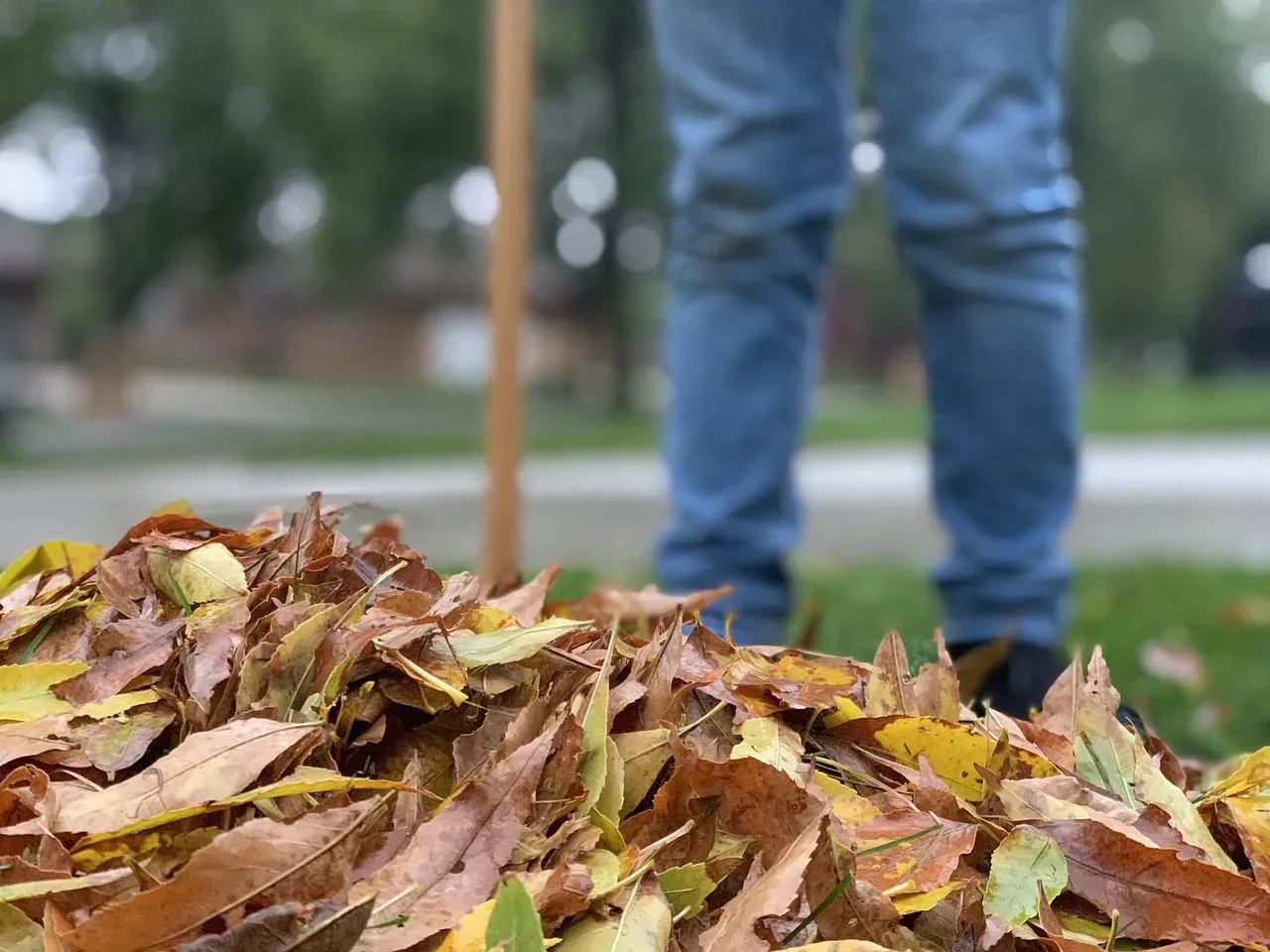
That “dead” leaf layer is actually a crowded winter hotel.
Fallen leaves look like rubbish, but to a lot of creatures they’re housing. Fritillary and woolly bear caterpillars shelter in leaf litter. Luna moths and swallowtails disguise their cocoons and chrysalises as dead leaves. Rake the lot into a bag and you are binning the next generation.
The soil beneath matters too. Mated bumble bee queens burrow only an inch or two down, and the leaves are their blanket. That means a queen could be sleeping a couple of inches under your rake.
Leaves also work as free garden infrastructure. They suppress weeds, hold moisture and return nutrients as they break down. Ground-feeding birds such as robins and thrushes also rummage through them for insects.
- Rake leaves into beds or under shrubs instead of bagging them
- Keep them whole, not shredded
- Skip a thick pile against tree trunks
If you really must clear some, wait until late in the season so you don’t destroy the life you’ve worked to protect.
But that’s nothing compared to what is standing in your borders right now, and it’s #13.
#13 – Cutting Every Perennial Stem to the Ground

Those brown, floppy stalks are secretly nurseries.
Plenty of bees don’t live in hives. About 30 percent of native bees nest in tunnels, and many use hollow stems, dead wood or brush piles. Cut every stalk to the ground and you remove their front doors.
Tiny species depend on this. Small, metallic blue-green Ceratina bees nest in the pithy stems of plants such as raspberry and blackberry canes, or aster stems. Some butterflies even spend the winter as chrysalids hanging on the stems you’re about to chop. They stay there until the weather warms and they can finish developing.
Here’s the contrarian take. A bare, close-cropped border isn’t the sign of a good gardener. It’s the sign of a gardener who hasn’t looked closely at what lives there.
When you do cut, don’t scalp. Xerces suggests leaving some stems standing roughly knee-high, which creates nesting opportunities for stem-nesting bees in the coming season.
And the next job, #12, could break the law in some places.
#12 – Trimming Hedges and Trees Once Birds Start Nesting
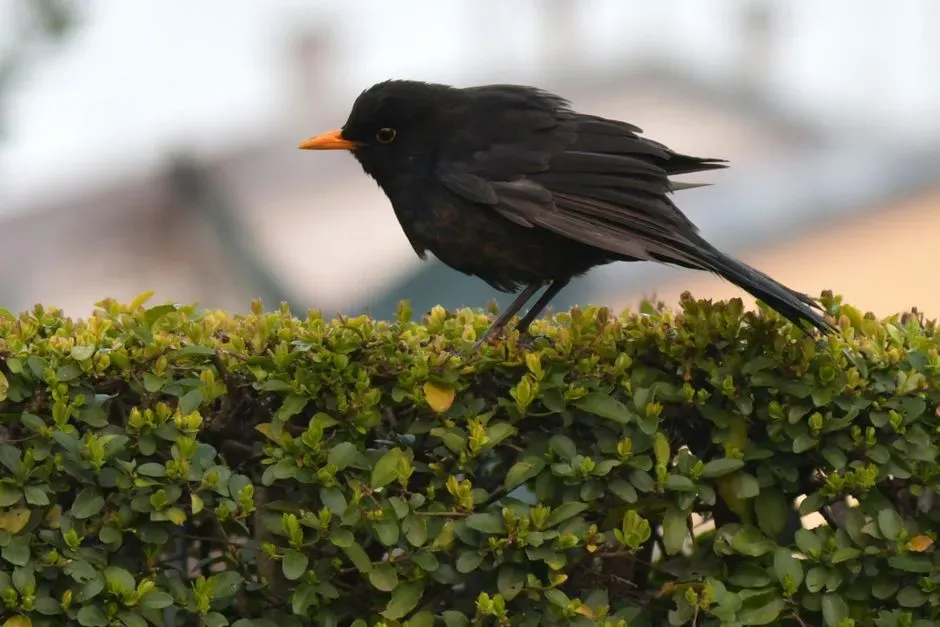
Your hedge is a bird apartment block, and the lease runs well into summer.
Dense hedges give birds shelter, food and nest sites in one package. Berries and seeds left on branches also feed birds through the hungry months. Cut them back early and you remove the pantry and the roof together.
Most people don’t realize that nesting can start before trees leaf out. Wrens, blackbirds and robins are among the garden birds that can begin building in spring. In the UK, it is an offence to intentionally damage or destroy an active wild bird nest. In the U.S., the Migratory Bird Treaty Act protects most native birds, their nests and their eggs. Rules differ elsewhere, so check your local ones.
Experts generally advise doing major hedge and tree work outside the nesting season. In the UK, that season is commonly treated as running from roughly March to August. Dates vary by region and species.
- Check for activity before any cut, not just at the start of the job
- Look for birds carrying twigs, moss or food
- If a nest is in use, leave that section alone
A wonky hedge for a few months is a small price. A neat one that abandons a clutch of eggs isn’t.
Fast Facts
- UK: intentionally damaging an active wild bird nest is an offence
- U.S.: the Migratory Bird Treaty Act covers most native birds, nests and eggs
- UK nesting season: commonly treated as roughly March to August
- Wrens, blackbirds and robins can start building before trees leaf out
So far we’ve been protecting things above ground. But #11 is about something you do every weekend.
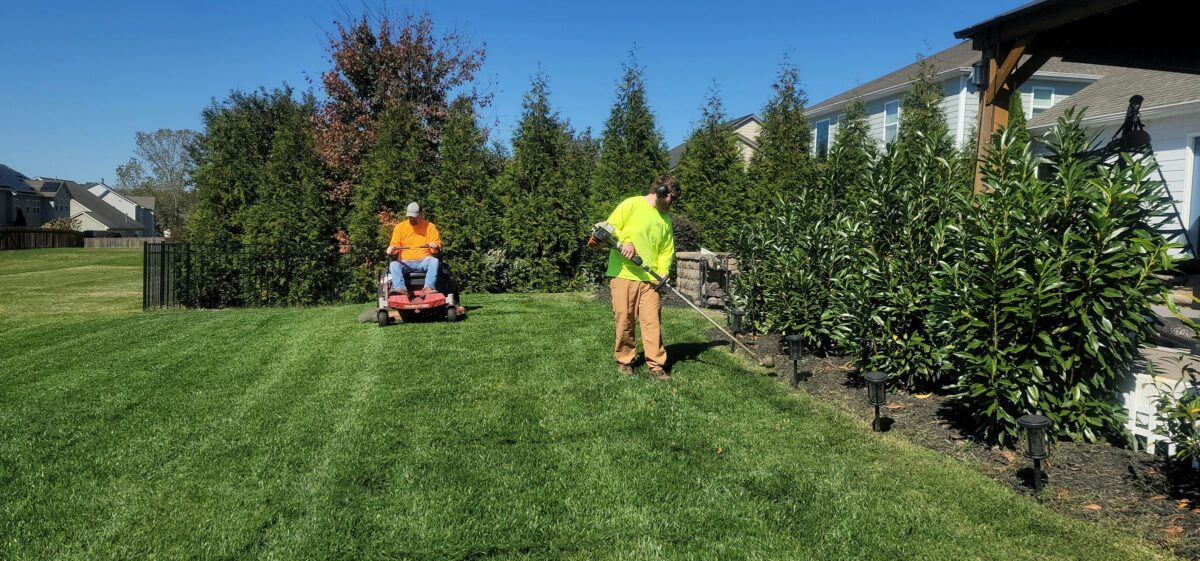
#11 – Mowing the Lawn at the First Hint of Growth
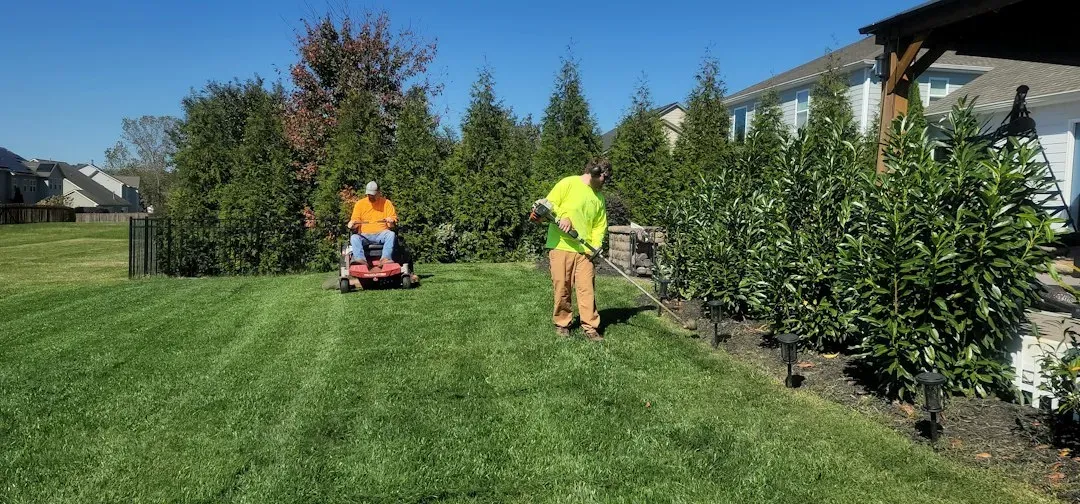
The first mow of the year can erase the season’s first meal.
Early pollinators wake up hungry. Delaying mowing as long as possible lets early flowers such as violets and clovers bloom and supply crucial early food. Even dandelions can provide some nutrients for early-emerging pollinators. That’s the thinking behind campaigns like “No Mow May.”
Many people hate this advice, and that’s fair. Still, a stripe-perfect lawn in March is one of the biggest wastes of a pollinator’s energy in the whole garden. It’s green, but it’s a food desert.
Mowing leaves is a separate mistake. Xerces advises against shredding leaves with a mower, because mowers can destroy the insects, eggs and cocoons inside them. A single pass can wipe out a whole winter’s worth of hidden life.
If you can’t stand an uncut lawn, compromise:
- Leave a patch or border strip unmown
- Raise the mower height
- Mow paths through longer grass
Next up is something many of us stack up every winter, and it’s #10.
#10 – Clearing the Brush Pile and Log Stack
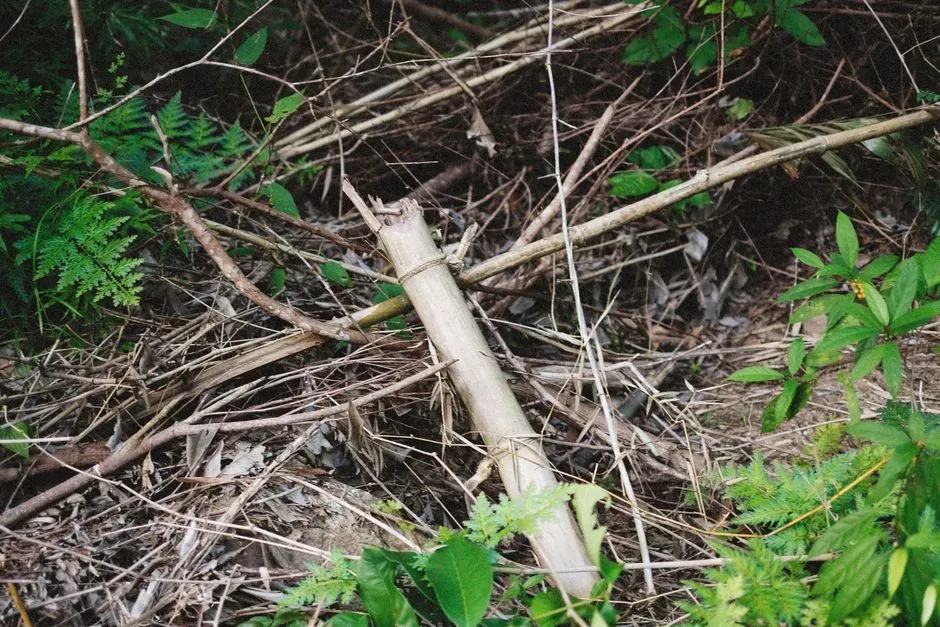
That heap of sticks is one of the most valuable corners you own.
To a gardener, a brush pile looks like unfinished business. To wildlife, it’s a ready-made shelter. Solitary-nesting species need narrow tunnels or tiny spaces in dead wood, hollow stems or brush piles.
It isn’t only insects. Depending on where you live, piles like this can shelter wrens, toads, beetles and sometimes hibernating hedgehogs. A pile that looks empty in March can be full of sleepers. Moving it, burning it or hauling it away wakes or destroys them.
Gardeners and extension advisers agree on the basics. Create small brush piles for shelter and leave some bare ground for nesting bees.
Why It Stands Out
- It’s a shelter, a nesting site and a hideaway in one low-effort feature
- The gaps between sticks suit insects, toads and small birds alike
- It costs nothing and needs no upkeep
- A single corner is enough to make a difference
If you plan a bonfire, don’t light an old pile. Build the fire material fresh, as close to the day as you can, so nothing has time to move in. Check the base before you light it.
- Keep one permanent pile in a quiet corner
- Pile branches loosely, with gaps
- Never relocate one in cold weather
Now to a heap that hides an even bigger secret, #9.
#9 – Turning and Emptying the Compost Heap
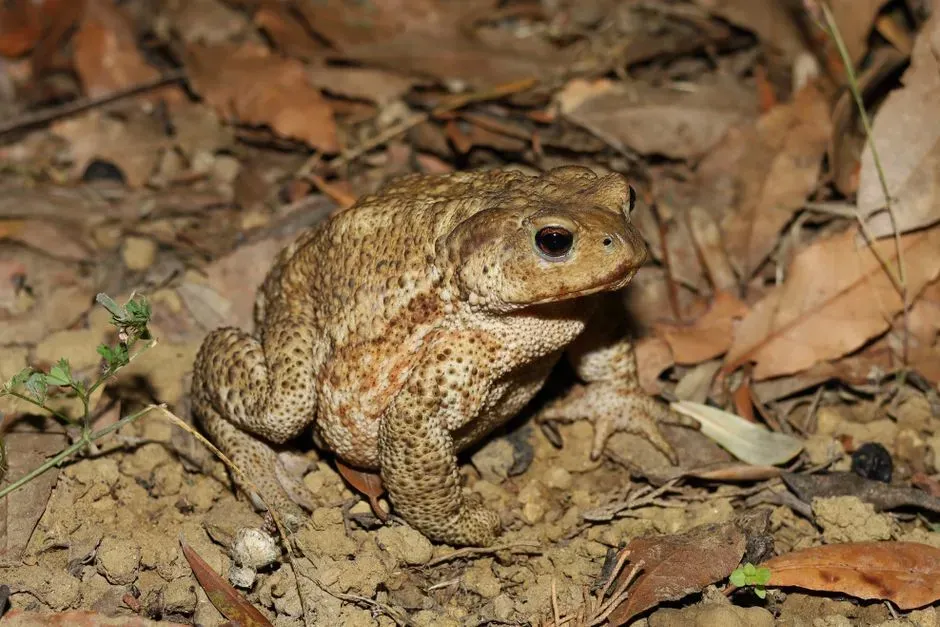
Your compost bin might be the warmest address in the garden.
Decomposition produces heat. That makes a heap a tempting winter refuge, and it’s why you may find surprise tenants in spring. Depending on your region, these can include toads, slow worms and sometimes hedgehogs. Grass snakes may use heaps for egg-laying later in the year.
Pitching in with a fork is a mistake. Fork tines can injure animals before you even see them. Hibernating creatures that get woken early also burn through energy reserves they can’t easily replace.
Xerces’ advice on leaves is a good model here. Add leaves gradually to your existing compost pile rather than doing a dramatic spring overhaul.
If you must dig in, go slowly:
- Start at the edges, not the middle
- Use a hand fork or spade rather than hard, deep thrusts
- Pause if you spot movement, and put it all back
Next, #8 is a job that looks like pure tidiness but starves birds.
#8 – Cutting Down Seed Heads and Ornamental Grasses
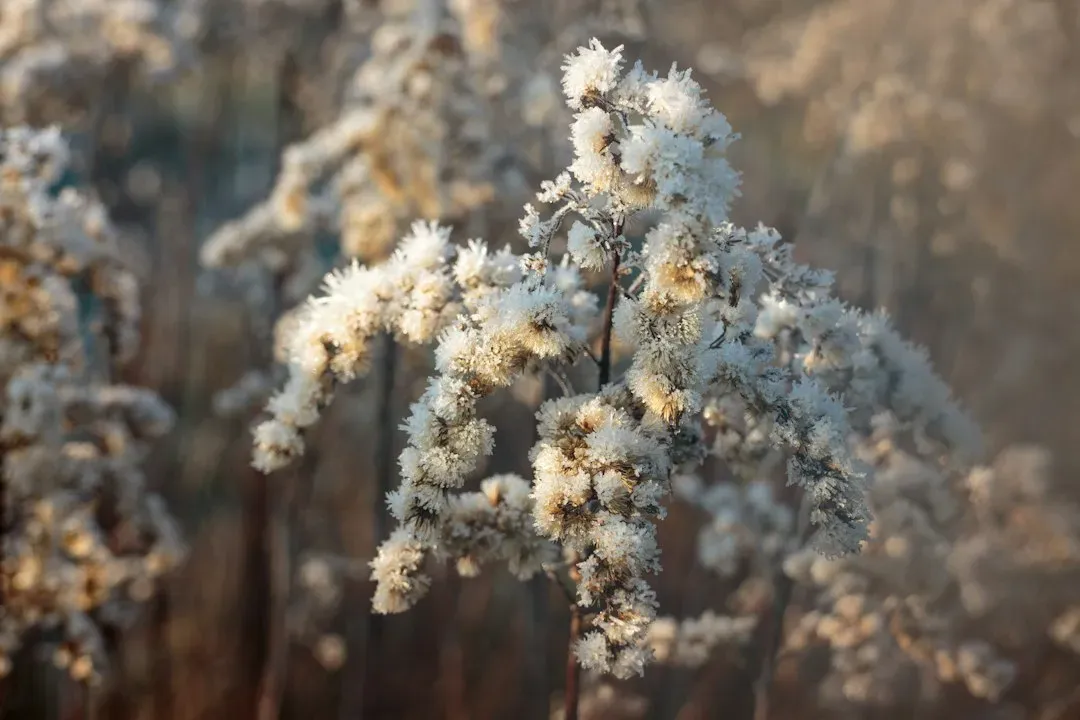
Those dried flower heads are a bird feeder you didn’t have to buy.
Seed heads of plants like teasel, coneflower and many grasses feed small birds when other food is scarce. Goldfinches are famous for picking over coneflower heads. Cut them in autumn and you remove a free buffet that birds often visit in frosty weather.
The structure matters as well. Xerces explains that stems, flower heads, fallen leaves and other organic debris provide important winter habitat for numerous invertebrates. Penn State Extension also advises resisting excessive fall cleanup, because beneficial insects may be overwintering in standing stems and surrounding leaves.
Here is the part most people miss. Frosted seed heads give your garden structure in the dullest months, and those months are when a lot of gardens look their worst.
Ornamental grasses also hold insects and give small animals windbreaks. Cutting them early removes shelter at the exact moment cold snaps hit hardest.
And #7 is about something you can’t see at all.

Smart Bird Feeder with Camera Solar Powered, 2K HD Live Video, 10,000+ Bird Species AI Identification
Check Price on AmazonAs an Amazon Associate, we earn from qualifying purchases.
10/7/2026 1:22 pm GMTi

Halloween Dog Collar with Bow, Orange Cute Ghost Collar,
Check Price on AmazonAs an Amazon Associate, we earn from qualifying purchases.
10/9/2026 2:43 pm GMTi
PetSafe Oasys Pet Fountain, 1/2 Gallon (64 oz), Small Dogs & Cats
Check Price on AmazonAs an Amazon Associate, we earn from qualifying purchases.
10/8/2026 8:14 am GMTi

Earth Rated XL Dog & Puppy Pee Pads, Discreet Top, Max Absorbency
Check Price on AmazonAs an Amazon Associate, we earn from qualifying purchases.
10/7/2026 1:28 pm GMTi
Glass Hummingbird Feeder for Outdoors Hanging
Check Price on AmazonAs an Amazon Associate, we earn from qualifying purchases.
10/7/2026 1:21 pm GMTi
#7 – Digging, Tilling and Covering Every Inch of Soil
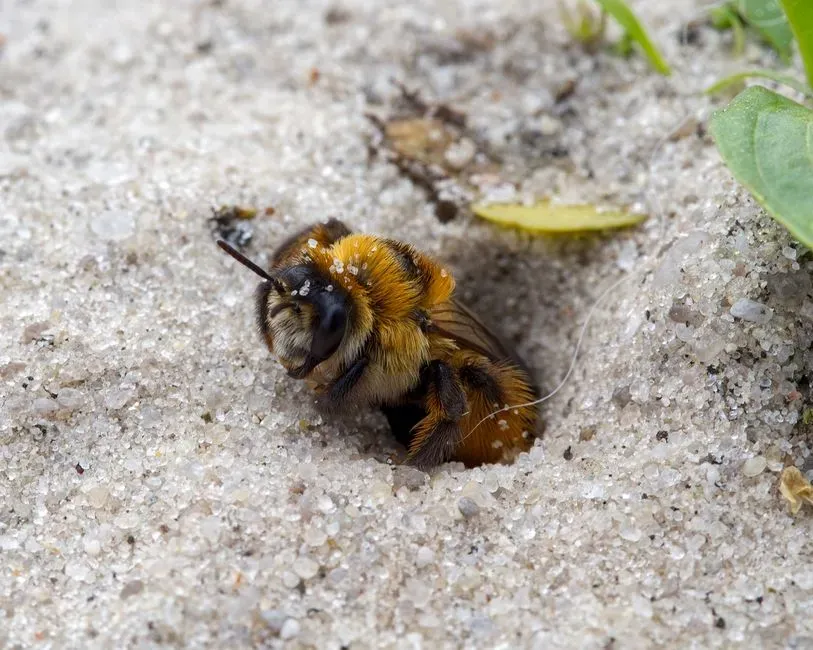
Some of your most important bees live underground.
It’s easy to forget that bees nest in the ground, but roughly 70 percent of native bee species do. Many solitary species dig small tunnels in sun-warmed bare soil. A polyester bee, for example, digs its nest in bare soil. Dig and till the same patch and you flatten the nursery.
Overwintering queens are in there too. Xerces specifically advises leaving the soil, and the sleeping bees in it, undisturbed. A single spade-width of digging can reach a queen that has been asleep since autumn.
Thick, wall-to-wall mulch is another quiet mistake. Gardeners love the tidy look, but a sealed surface leaves nowhere to burrow. Leaving some open ground is simple:
- Keep one sunny, well-drained patch bare
- Avoid tilling beds you don’t need to plant yet
- Use loose leaf mulch, not a dense carpet, around most plants
Experts recommend leaving some bare ground for nesting bees. It costs nothing, and it’s one of the easiest wins on this list.
At a Glance
- About 70 percent of native bee species nest in the ground
- About 30 percent nest in tunnels, such as hollow stems and dead wood
- Ground nesters favor sun-warmed bare soil
- Overwintering queens may be asleep in the soil right now
The next plant on our list has a terrible reputation, and #6 deserves a second look.
#6 – Hacking Back the Ivy
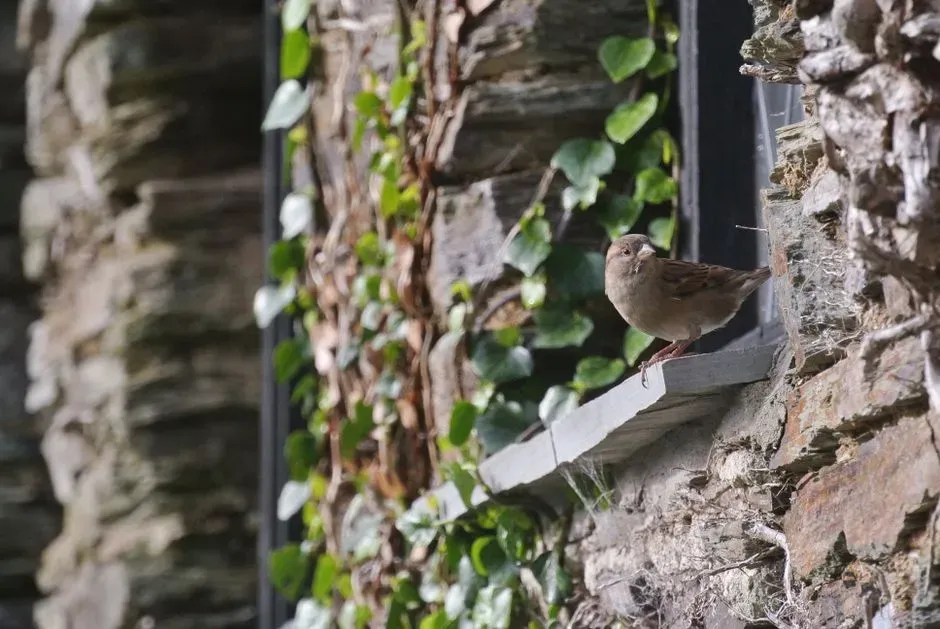
Ivy is the garden’s most hated climber and its best-kept winter secret.
Ivy is one of the few plants that flowers late in the year, giving late-flying insects nectar when most other plants have finished. Its berries then ripen over winter, feeding birds such as blackbirds and thrushes when little else is available.
It also shelters. Dense evergreen cover gives birds a place to roost and, in spring, to nest. A mature ivy wall can be one of the best bird habitats on a small plot. Cutting it back in winter or early spring can take away shelter and food in one go.
Ivy has a myth problem too. On sound walls and fences it is generally harmless. The real issues arise with damaged masonry, or when it smothers a young or weak tree. One caveat for U.S. readers: English ivy is considered invasive in parts of the country, so check local guidance before you welcome it in.
If you do need to trim it, do it carefully, and check for nests first. Trimming just the parts that cause problems is better than clearing the whole stand.
But what happens below the water line in #5 is even more surprising.
#5 – Scrubbing Out the Pond
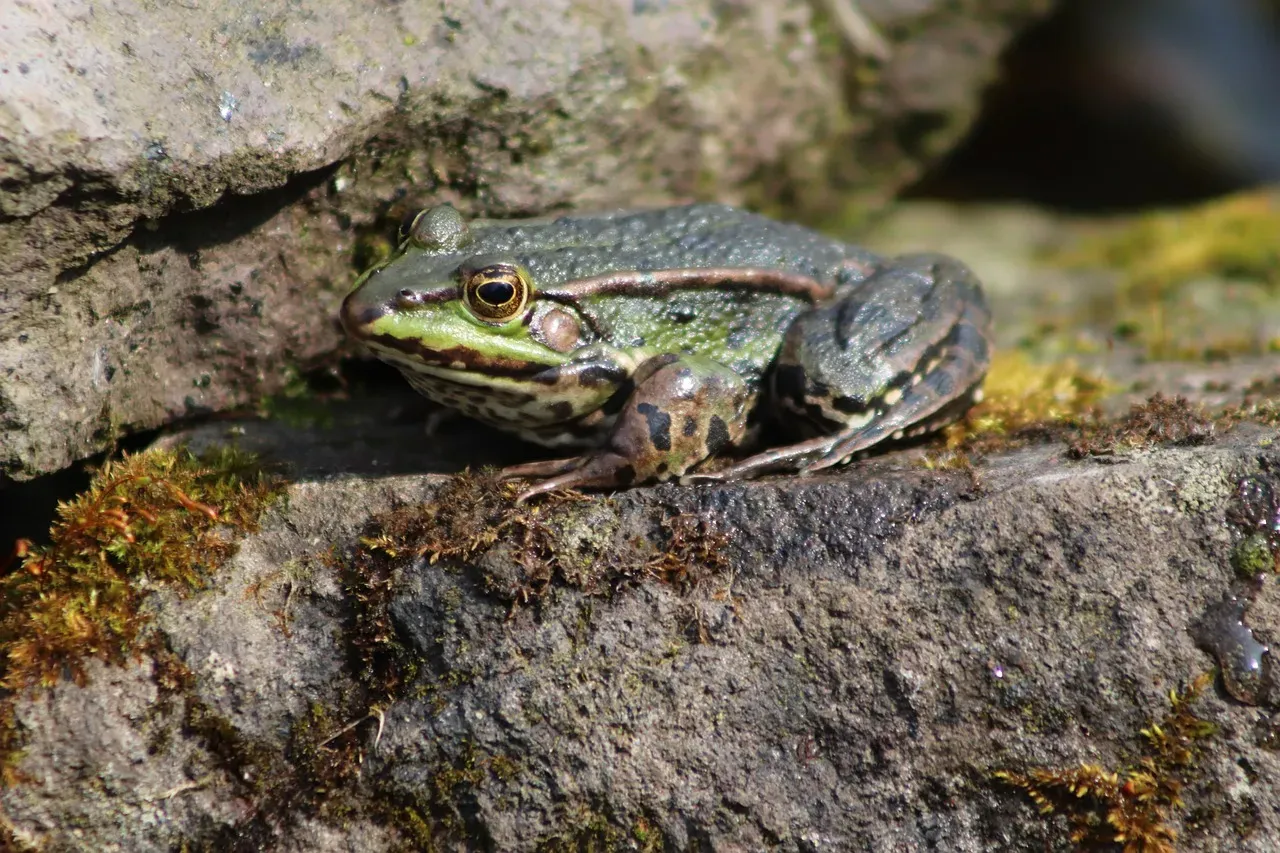
A clean pond is often an empty pond.
A pond gets a spring scrub because it looks murky. But the murk includes leaf litter, algae and decaying plant matter, and plenty of animals rely on all three. Frogs, newts and many aquatic insects shelter in the debris through winter.
Timing makes it worse. Frogs and toads can spawn early in the year, so a spring clear-out can remove spawn or cold-sluggish adults. A hard clean can destroy a whole season’s frogspawn in minutes. Where a clear-out is genuinely needed, experts usually suggest doing it in autumn, and doing it in sections.
A few other pond habits worth dropping:
- Don’t chip through ice with a hammer
- Skip algae treatments unless you’ve researched them
- Don’t top up with lots of tap water in one go
Leave a gentle slope or a stack of stones at the edge so animals can climb out. It’s a two-minute fix.
On dry land, #4 is about the dead things we keep removing.
#4 – Removing Dead Wood and Old Stumps
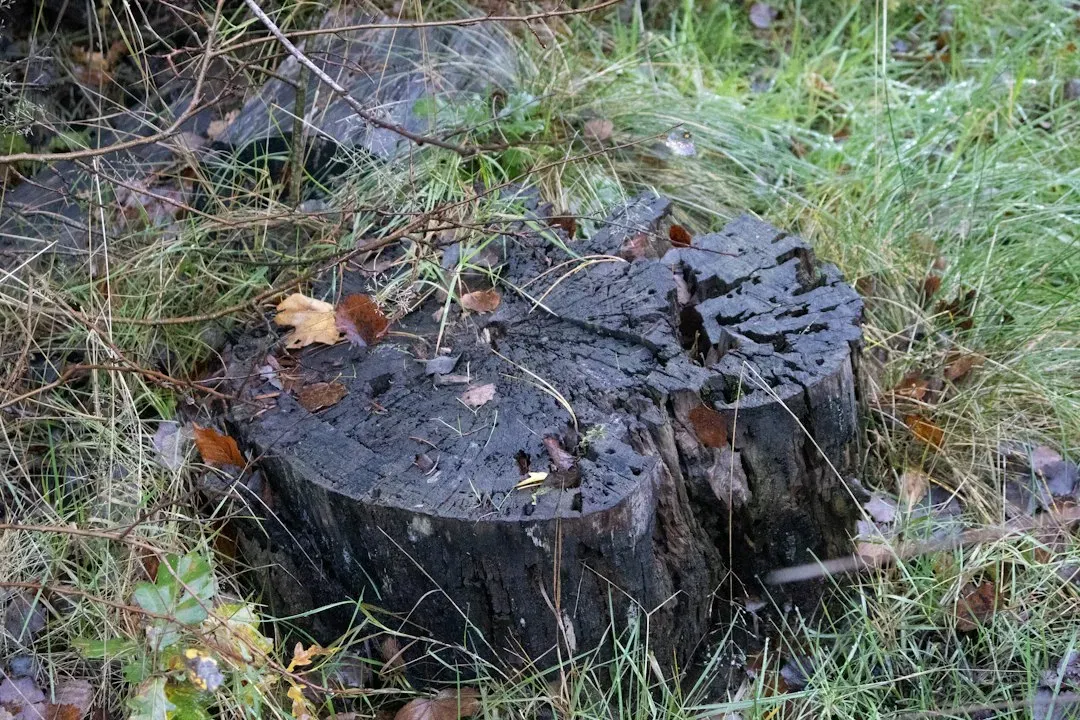
Dead wood is often more alive than the tree it came from.
Rotting wood is a habitat in itself. Solitary-nesting species need narrow tunnels or small spaces in dead wood. Beetles, fungi, woodpeckers and many other animals depend on it, and some beetle larvae feed inside rotting wood for years.
That’s the part most gardeners underestimate. A single old stump can support a whole community for several years. Remove it and the habitat disappears overnight.
You don’t need a graveyard. A lower stump, a fallen log in a shady corner or a few stacked logs does the job. Leave bark on where you can, since gaps beneath it give shelter.
Safety is the genuine limit. A dead branch hanging over a path or a play area needs to be removed. A dead stump at the back of a border doesn’t.
And what’s under your plant pots, #3, may stop you in your tracks.

Portable Dog Water Bottle Foldable Dog Travel Water Bottle
Check Price on AmazonAs an Amazon Associate, we earn from qualifying purchases.
10/7/2026 1:29 pm GMTi

Hand Blown Glass Hummingbird Feeders for Outdoors Hanging, 24oz Wild Bird Nectar Feeder
Check Price on AmazonAs an Amazon Associate, we earn from qualifying purchases.
10/7/2026 1:23 pm GMTi
Air Purifiers for Home Pets Large Room Up to 3000 Ft²,HEPA Air Cleaner with Washable Double-Side Filter, PM2.5 Air Quality Monitor,15dB Sleep Mode for Bedroom Odor Dust Pollen,White
Check Price on AmazonAs an Amazon Associate, we earn from qualifying purchases.
10/8/2026 8:23 am GMTi
Dog Stairs for Bed 18" H, 4-Step Dog Steps for High Bed
Check Price on AmazonAs an Amazon Associate, we earn from qualifying purchases.
10/9/2026 2:42 pm GMTi

Halloween Cat Costume Cloak Witch Hat Pet Accessories
Check Price on AmazonAs an Amazon Associate, we earn from qualifying purchases.
10/9/2026 2:44 pm GMTi
#3 – Tidying the Shed, Wood Stack and Flowerpots
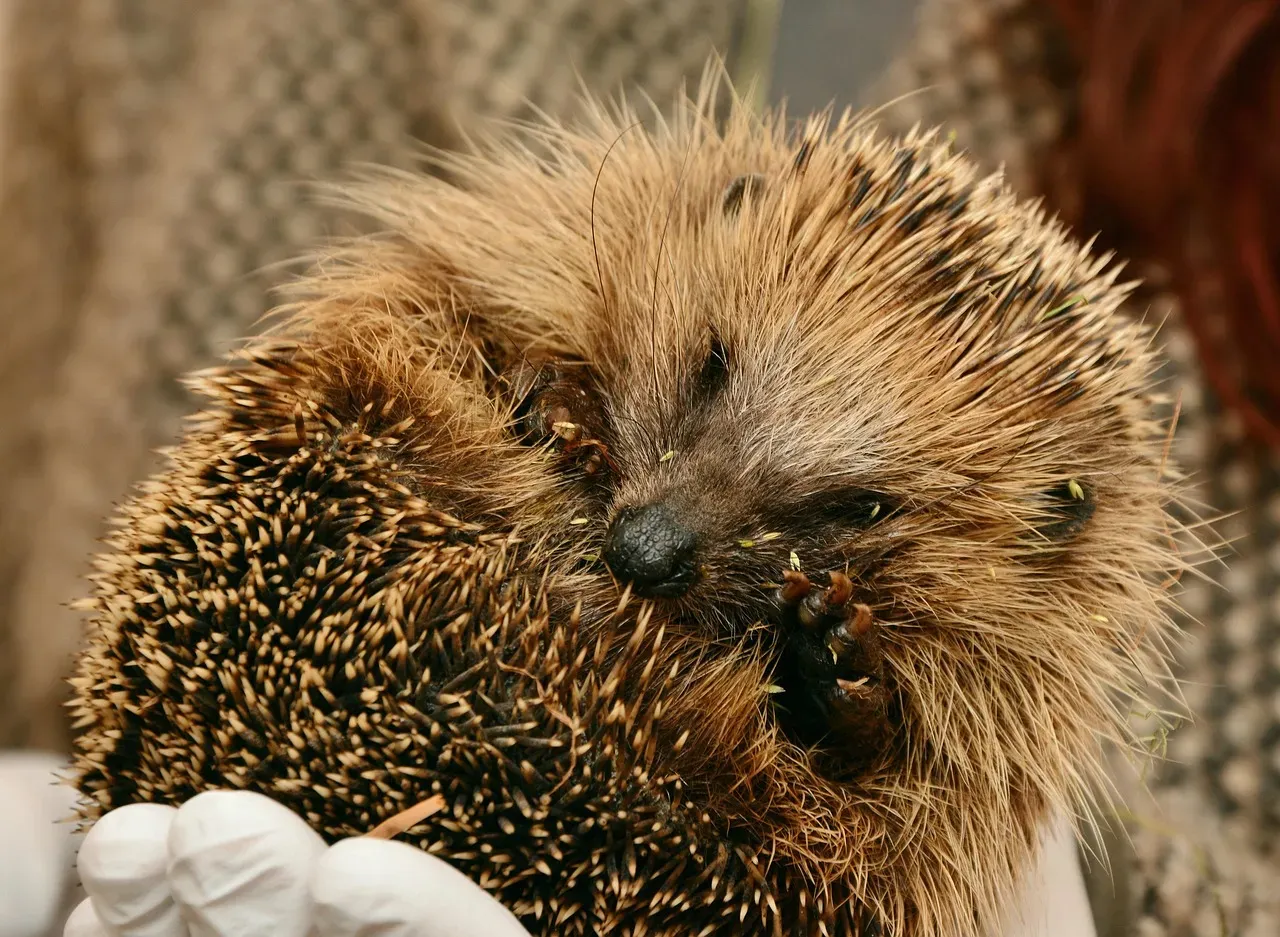
The shed clear-out can wait, because someone may be asleep in it.
Dry, sheltered corners are hot property in winter. Ladybirds and lacewings often cluster in crevices, and frogs and toads can tuck under stacked pots or planters. Hedgehogs may use quiet sheds and log stacks.
Disturbing a hibernating animal is a mistake. Waking one up costs energy it may not be able to replace, especially when food is still scarce. A cold-weather wake-up call can be a serious setback for a hibernating animal.
A few things are worth leaving until the weather has properly warmed:
- Stacked flowerpots and trays
- Log piles beside the shed
- Old tarps and sacks that animals may be sheltering beneath
When you do move things, lift slowly and look first. Put them back if something is inside, and try again a week later.
A tidy shed makes you feel organized. It rarely changes much for the garden itself. A bit of patience does.
Quick Compare
- Clear out now: a neater shed, but a real risk of waking sleepers in the cold
- Wait for settled warmth: a few more weeks of clutter, and ladybirds, toads and hedgehogs left undisturbed
The next job, #2, is one most gardeners do automatically.
#2 – Pulling Out Every Early “Weed”
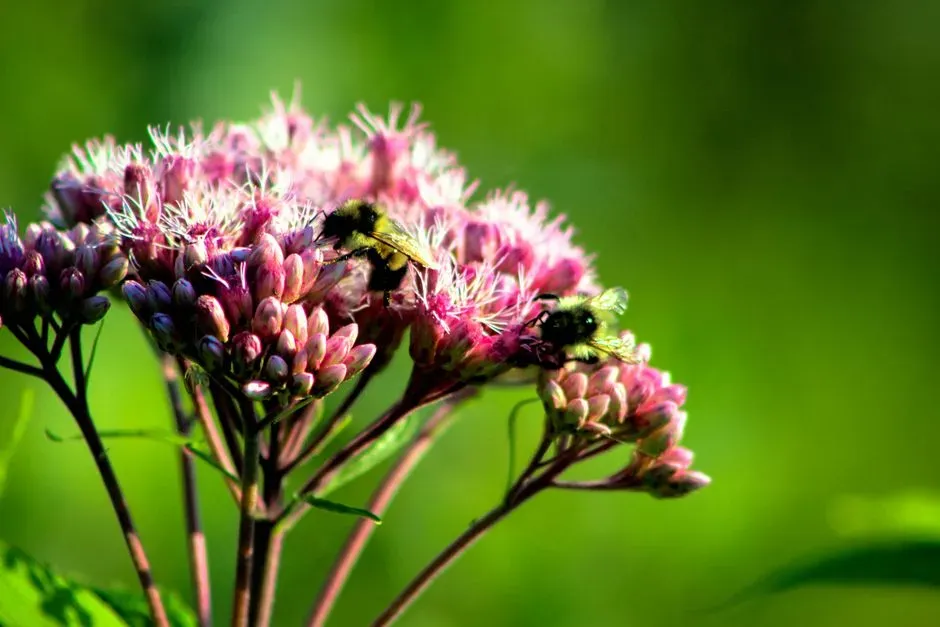
One person’s weed is a caterpillar’s entire food supply.
Many of the plants we pull first are some of the most useful for wildlife. Violets, clovers and dandelions feed early pollinators. Low-growing violets are an excellent source of pollen and nectar for early emerging pollinators.
Native plants earn their place too. Self-heal is an excellent, highly recommended native plant for pollinators. And a small nettle patch in a sunny corner can host the caterpillars of butterflies such as the small tortoiseshell, peacock and red admiral, in regions where those species live.
Here’s the contrarian view. Pulling every weed in March can remove the first meal of the year for dozens of species. Weeding is fine. Weeding everything, everywhere, early, is the problem.
If chemicals tempt you, think twice. If pesticides are necessary, spot-treat the weeds and apply them in the evening, when pollinators are less active.
But the biggest mistake of all isn’t a job. It’s #1.

2 Pcs Halloween Pet Hat Bandana Set, Witch Pumpkin Costumes for Dogs
Check Price on AmazonAs an Amazon Associate, we earn from qualifying purchases.
10/9/2026 2:45 pm GMTi

Orthopedic Extra Large Dog Bed, Waterproof Washable XL Pet Bed 44"
Check Price on AmazonAs an Amazon Associate, we earn from qualifying purchases.
10/7/2026 1:32 pm GMTi
Glass Hummingbird Feeder for Outdoors Hanging, 16 oz Leak-Proof Nectar Feeder with Bee Guards & Ant Moat
Check Price on AmazonAs an Amazon Associate, we earn from qualifying purchases.
10/7/2026 1:22 pm GMTi

Professional 7 in 1 Dog Paw Cleaner for Dogs & Cats - Includes 1 Portable Paw Washer, 1 Bath Brush
Check Price on AmazonAs an Amazon Associate, we earn from qualifying purchases.
10/7/2026 1:26 pm GMTi
#1 – Launching the Full Spring Clean on the First Warm Day

Doing everything on the first sunny weekend is the single most damaging thing on this list.
It feels right. The sun is out, the soil is thawing and you’re itching to get going. But a single warm afternoon doesn’t mean spring has arrived. Insects that survived the winter aren’t ready to lose their shelter on the first mild March day.
Experts give a clear signal. Hold off on spring cleanup until temperatures are consistently above 50 degrees Fahrenheit. Some advise waiting until daytime highs stay above 50°F for at least a week, which is about 10°C.
Even butterflies that emerge early may hide again if the cold returns. Mourning Cloaks, Question Marks and Commas emerge early in spring, then seek cover under leaves if the weather cools again. Remove that cover, and they have nowhere to go.
Xerces’ view is simple: if you decide you need to clear leaves and debris in spring, wait until late in the season.
So here’s the verdict, and we won’t soften it. Nearly everything on this list comes down to one habit: doing too much, too early. Leaves, stems, soil, brush, ponds and “weeds” are the working parts of a garden’s winter shelter, and taking them away at the first sign of sun is the mistake that matters most.
Our view is blunt. A perfectly tidy garden isn’t a better garden, and it’s certainly not a kinder one. Tidy a small, visible area, such as the patio, the path and the front edge, and let the rest stay wild until the weather has really settled.
The neighbors may raise an eyebrow at your messy borders in March. By June, when the bees are working, the butterflies are drifting through and fledglings are bouncing around your hedge, you’ll know who was right.