
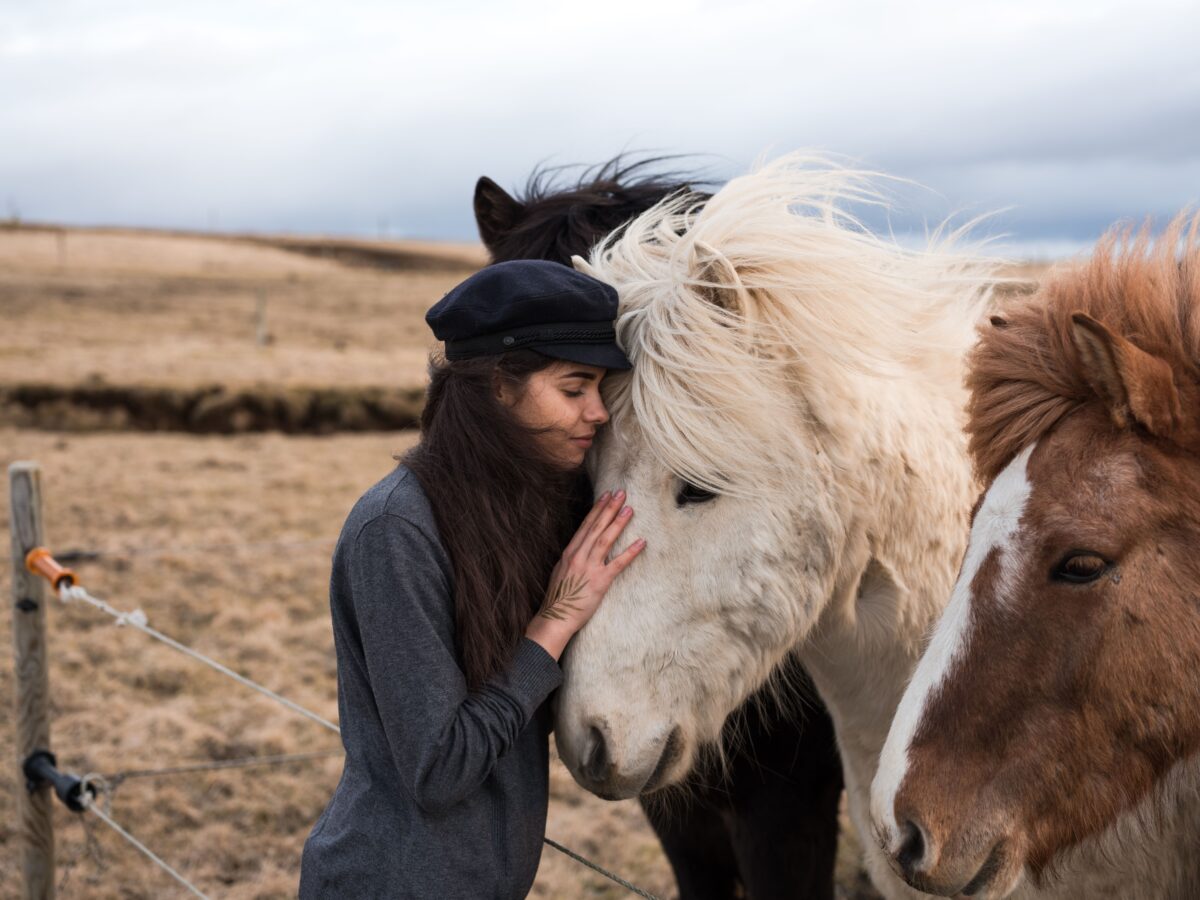
Most people assume a horse will “choose” whoever shows up first with a pocket full of treats. That’s not how it works, and any horse person who’s spent real time in a barn will tell you the truth stings a little: horses tolerate plenty of humans. They genuinely attach to almost none.
But every so often, on the very first day, something shifts. A horse quietly decides you’re different. It’s rarely a movie moment – no dramatic gallop across a field, no nuzzling on cue. It shows up in small, almost invisible behaviors that most beginners walk right past without noticing. If you know what to look for, you can actually tell the difference between polite tolerance and a real bond forming in real time. Here’s what experienced trainers watch for.
#1 – The Horse Watches You Before You Ever Step In
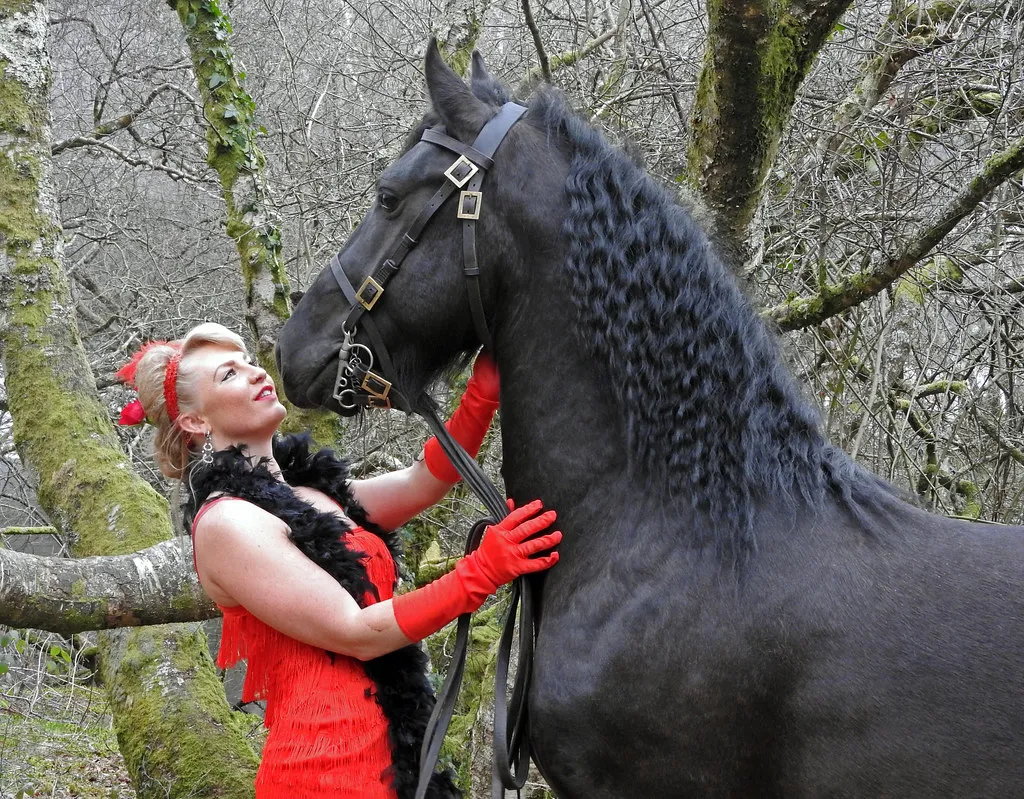
The first “click” usually happens before you’ve even touched the gate latch. A horse that might be choosing you will often lock eyes on you the second you appear, even in a crowd. They pause mid-bite, lift their head, and track you with quiet, focused interest instead of the usual bored pasture stare.
Watch the details: soft eyes, a relaxed lower lip, ears swiveling toward you more than toward everything else. This isn’t begging. It’s assessment. Horses are prey animals wired to sort every new thing into threat, neutral, or safe, so when one keeps re-checking your location and settles instead of tensing as you get closer, you’ve already landed in their “maybe safe” file. That unforced attention is the foundation everything else gets built on.
#2 – They Choose to Approach You Without Being Called
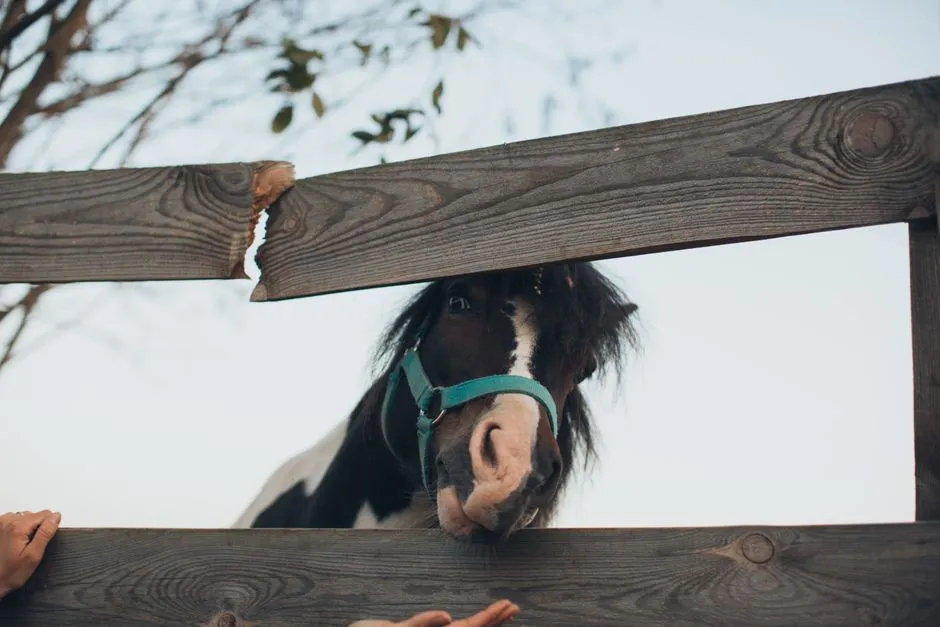
People love to whistle, cluck, or rattle a feed bucket to get a reaction. But when a horse is genuinely curious about you, they’ll often take the first step toward you before you make a sound. That voluntary walk-over is a big tell that your energy reads as safe and interesting rather than pushy.
Notice how they move. Do they walk a straight, confident line, or arc slightly, giving you space while still closing the gap? Do they stop just short of you and stretch their nose out, as if asking permission? Most horses won’t burn energy crossing a pasture for someone they don’t care about. When they do it on day one, unprompted, it’s not random – and plenty of trainers will freeze in place just to let that choice finish itself, because it says more than any training exercise could.
Quick Compare
- Tolerance: stays put, keeps grazing, ears flick away or stay flat sideways
- Genuine interest: lifts head, walks toward you first, ears point your way
- Tolerance: tenses or shifts weight away as you approach
- Genuine interest: softens, stretches nose out, closes the distance itself
#3 – Head Low, Not High: The “I Can Relax With You” Signal
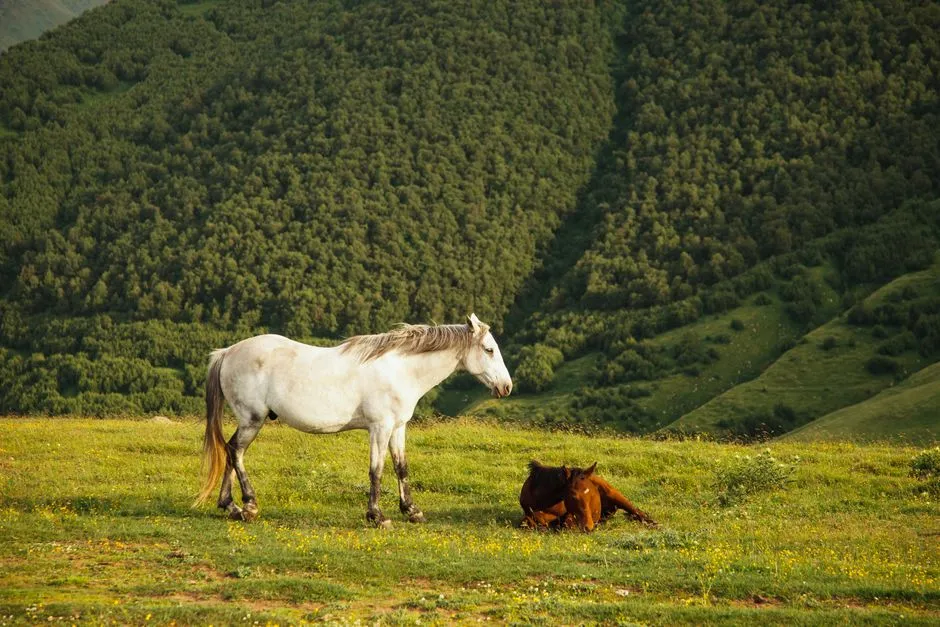
Hollywood loves the high-headed, snorting horse. Reality looks the opposite. A horse that feels safe with you will let their head and neck drop lower than it was when you arrived, and that drop is a nervous-system tell – their body is shifting out of “ready to bolt” and into “I can actually breathe here.”
Pay attention to the order things happen in. If the horse lifts its head to size you up, then slowly lowers it while you stand nearby or stroke their neck, that’s the body saying okay, this isn’t a threat. Plenty of horses who’ve met a lot of humans will stay half-tense and watchful instead. When one repeatedly drops its head around you, blows out softly, and half-closes its eyes, you’re watching trust get built in real time, not imagined after the fact.
#4 – Ears That Keep Coming Back to You
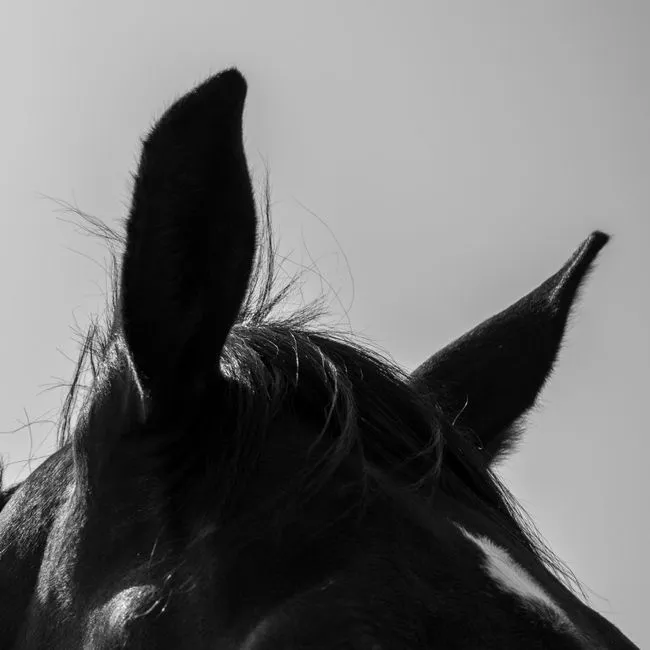
Everyone’s told to “watch the ears,” but most people only look for pinned-back anger. The real secret is subtler: a horse interested in you will have ears that keep flicking back toward you even while looking somewhere else, like you’re being kept on an internal radar screen.
Here’s the nuance – if you’re moving or talking, one ear might lock onto you like a satellite dish while the other scans the environment. That’s not distraction, that’s multitasking from an animal that still wants to track you specifically. Compare that to a horse whose ears never acknowledge you at all; that one is tolerating your presence, not connecting with it. When their ears soften and point at you, then relax sideways as you touch them, you’ve stopped being just another person to them.
#5 – They Mirror Your Movements Without Being Led
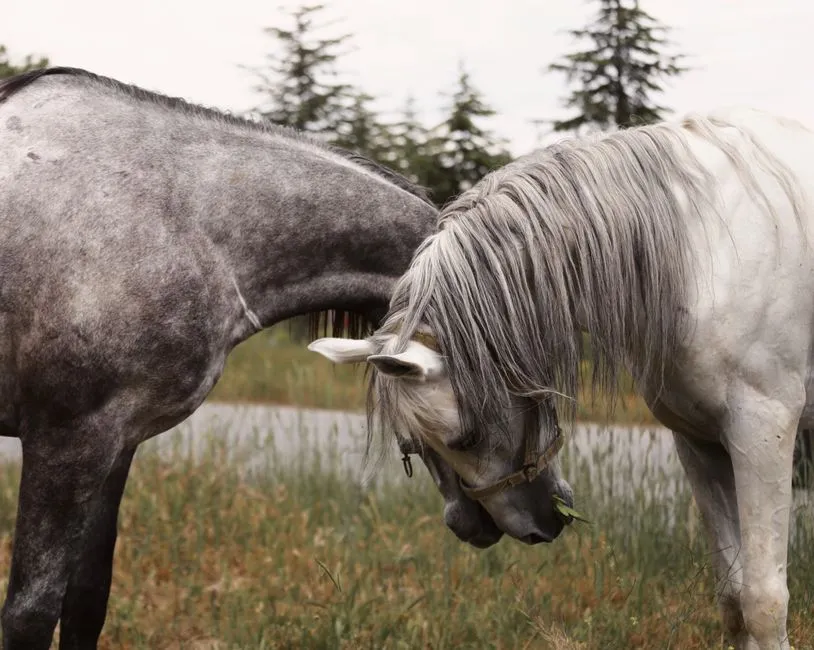
This is the one that quietly blows new owners’ minds. Before a lead rope ever gets clipped on, some horses will start matching your position and speed with startling accuracy. You walk a few steps along the fence line; they drift beside you. You stop; they stop. No training has happened yet – that’s exactly the point.
Horses sync with the herd for survival, so mirroring you is their way of quietly asking, “Are we moving together now?” A lot of barns write this off as coincidence, but it isn’t. When you change direction and the horse arcs its body to keep you in view, or falls back into step beside you, that’s an early, unmistakable sign of a bond forming. This is literally how liberty work begins for professionals – and it can start by accident, on day one, for you.
#6 – They Put Their Nose Right at Your Chest or Face
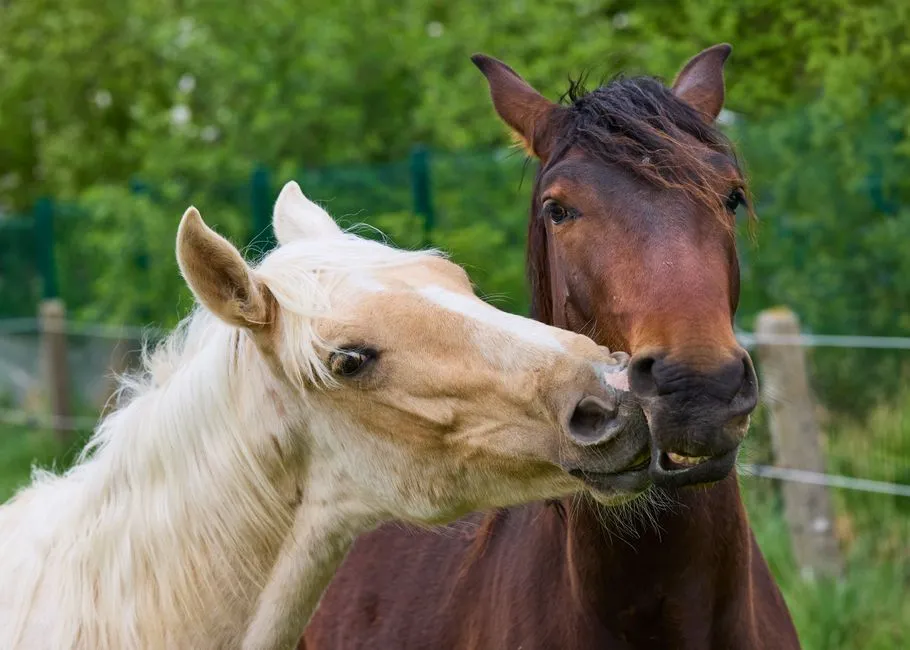
Not every horse is a snuggler. But when one is quietly testing whether you’re “theirs,” they’ll often aim their nose straight at your chest, shoulder, or cheek and just pause there. That’s more than a sniff – it’s a slow, deliberate investigation of some of the most vulnerable real estate on your body.
Horses can smell emotion: sweat, stress hormones, even traces of what you ate. If they linger there, breathing slowly against your shirt or jaw instead of yanking away or shoving, that’s trust. Owners who’ve experienced this will point to their own shoulder or chest and say, “he always puts his nose right here,” because the horse keeps returning to that same spot like it’s checking in. On day one, that repeated choice is a quiet confession.
#7 – The Deep Sighs, Licks, and Chews Start Around You
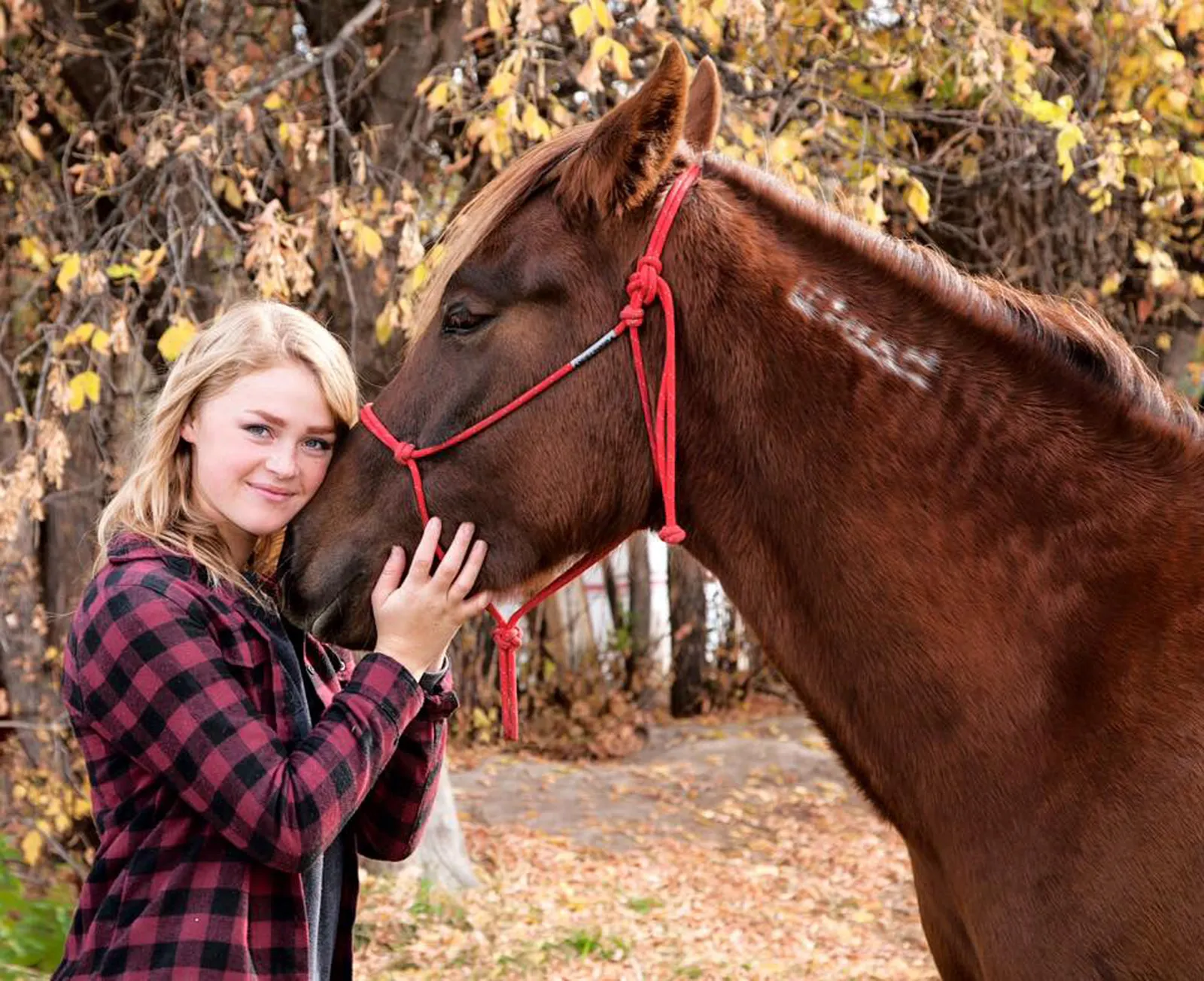
Ask any trainer what they wait for in a session and a lot of them will say “the lick and chew.” When a horse processes and releases tension, it will often lick, chew, or let out a big sigh or blow-out after a stressful moment. When that starts happening simply because you’re standing nearby, pay attention.
Some riders over-read every single lick, and that’s a mistake worth naming. But when there’s a clear pattern – stiff and watchful the moment you walk in, then repeatedly licking, blinking, or dropping the jaw while you quietly groom or stand there – that’s a nervous system unwinding with you as the trigger. Soft eyes, a lowered head, and those little mouth movements together basically translate to, “I can reset here.” Most horses won’t offer that to a total stranger on day one. When they do, it’s worth noticing.
Worth Knowing
- Licking and chewing is widely read by trainers as a release valve, not a random tic
- These signals usually cluster with a lowered head and softer eyes, not just one alone
- A single lick means little; a repeating pattern around one specific person means more
- The behavior tends to show up right after a moment of stillness, touch, or quiet standing
#8 – They Keep Choosing to Stand Near You When They Don’t Have To
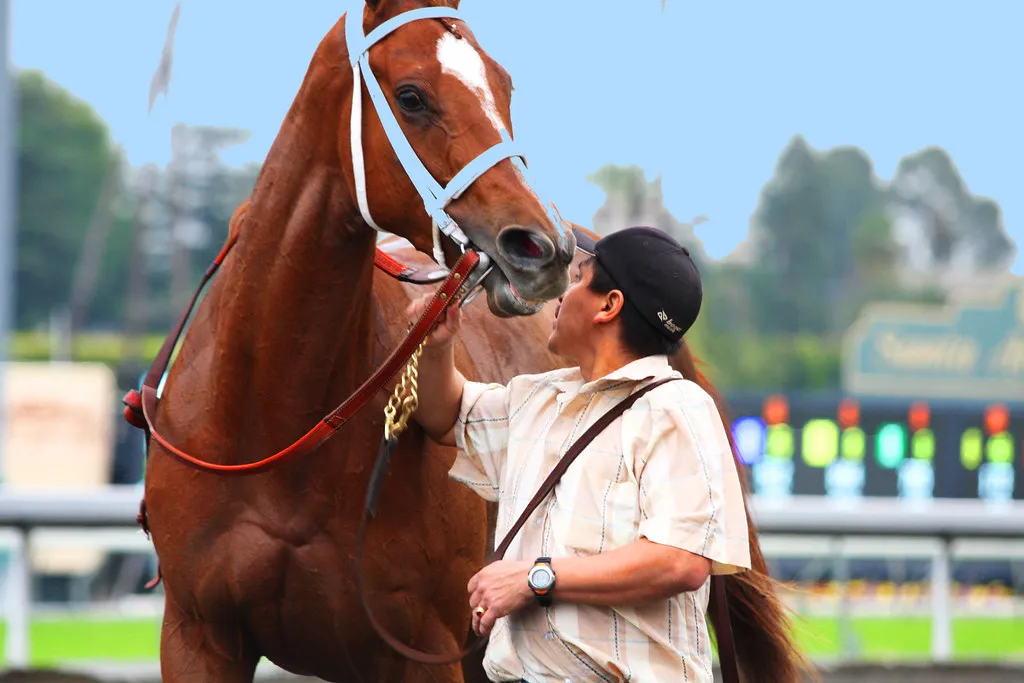
Forced time together isn’t attachment. The real test is what a horse does when it has options. One that’s quietly picked you will linger in your space even when the gate is open, the herd is calling, or hay is sitting somewhere else.
Maybe you turn them loose after grooming, and instead of trotting off, they circle back and settle a few feet away. Maybe you’re mucking a stall and they keep repositioning so they’re always near you, not crowding, just choosing proximity. A lot of horses drift off the second the “work” ends. The ones who stick around like being in your bubble – and that first-day shadowing is one of the strongest early signs you’re not just another human passing through.
#9 – They Let You Touch Their “No-Go” Spots Sooner Than Anyone Else
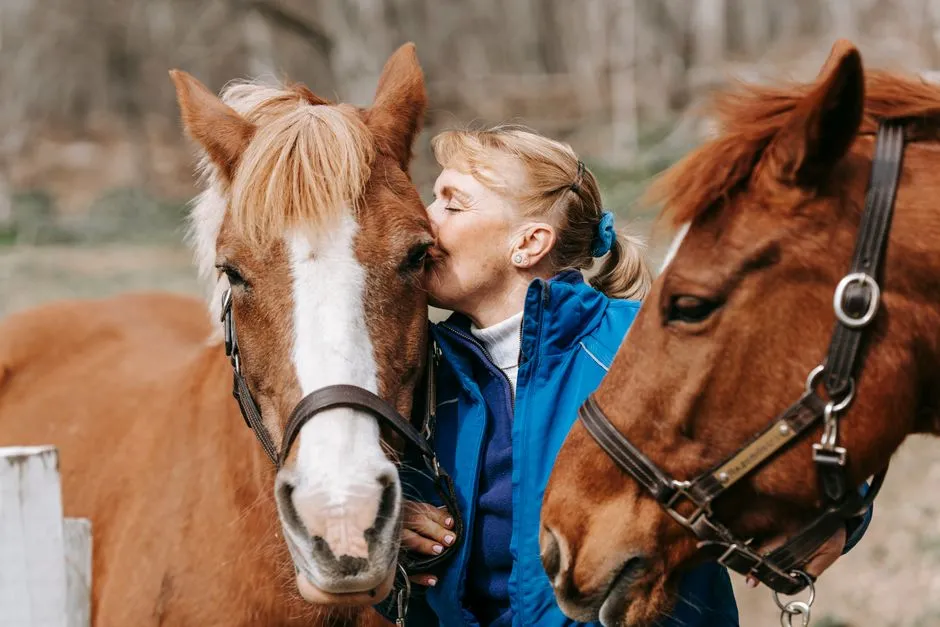
Every horse has zones they’re touchy about – ears, girth, hind legs, belly. What surprises a lot of owners is that a horse can let one specific person into those sensitive spots days or weeks before tolerating anyone else there. When that happens on day one, don’t shrug it off.
Barn staff might warn you, “he hates his ears touched,” and yet when you slowly reach up, he flinches once and then softens. Or you run a hand along the girth line and instead of pinning his ears, he leans into it. You didn’t magically fix five years of history in five minutes. But your scent, touch, and energy may register as different enough that his guard drops faster than usual – and in horse terms, that’s a big deal.
#10 – They Defend Your Space From Pushier Horses
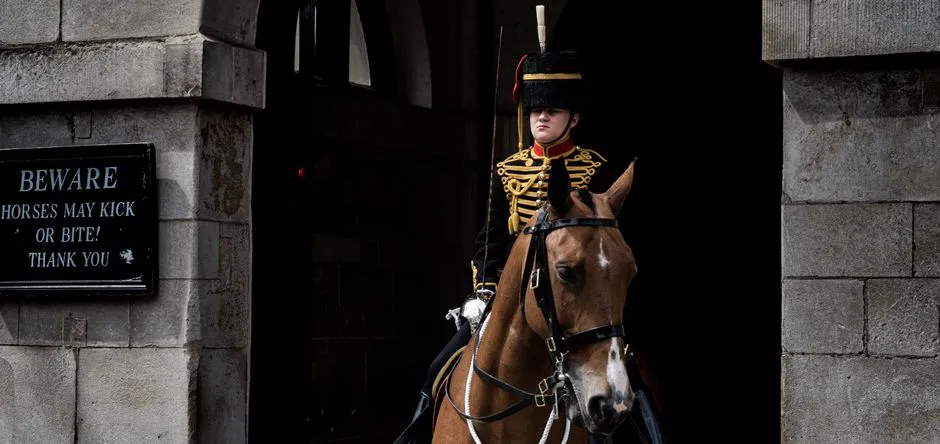
This is where some people get uneasy, but it’s one of the clearest herd-style signs there is. A horse that sees you as “theirs” will sometimes step between you and another horse, pin its ears at the intruder, or physically block them from crowding you. It’s textbook resource-guarding – except you’re the resource.
Trainers argue over whether this is protective or possessive, but either read is telling. If another horse barges into your space and yours swings its hindquarters to shove the intruder off, it’s including you in its social math. It can be dangerous if not managed carefully, but it’s also an unmistakable signal – most horses won’t spend that kind of social energy defending a stranger. They save it for herd members and things they value. On day one, that’s a loud statement.
Fast Facts
- Herd hierarchy is built around trust; protection is typically reserved for accepted members
- Resource-guarding behavior toward a person means you’ve been mentally filed as “herd”
- Ears pinned at another horse (not at you) is the key detail separating this from aggression
- This behavior should still be managed carefully – a possessive horse can crowd or push you too
#11 – They Match Your Emotional State, Not Just Your Movements
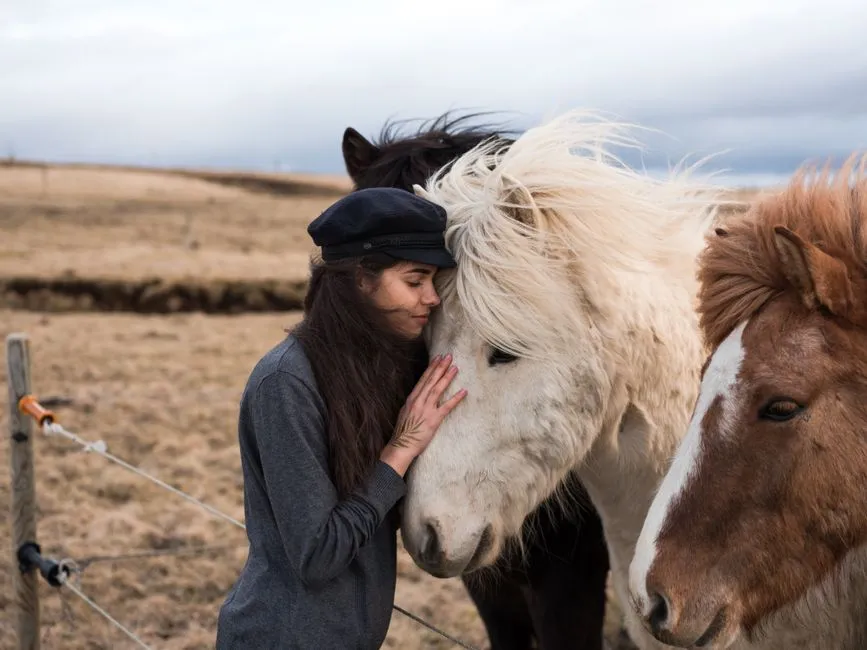
Some horses go further than mirroring your steps – they mirror your mood. A horse with zero interest in you stays locked in its own emotional lane no matter what you’re feeling. One that’s clicked with you will ramp up, calm down, or get curious in sync with your inner state, sometimes before you’ve even noticed the shift yourself.
You walk in frustrated, and suddenly they’re fidgety and wide-eyed. You consciously slow your breathing and drop your shoulders, and you watch their whole body soften right alongside you. It’s not mystical – it’s survival instinct. But when it happens tightly, specifically around you, that’s a nervous-system-level connection starting. On day one, it can be as small as a yawn right after your sigh, or a neck relaxing the second your jaw unclenches.
#12 – They Remember You Instantly the Second Time You Show Up
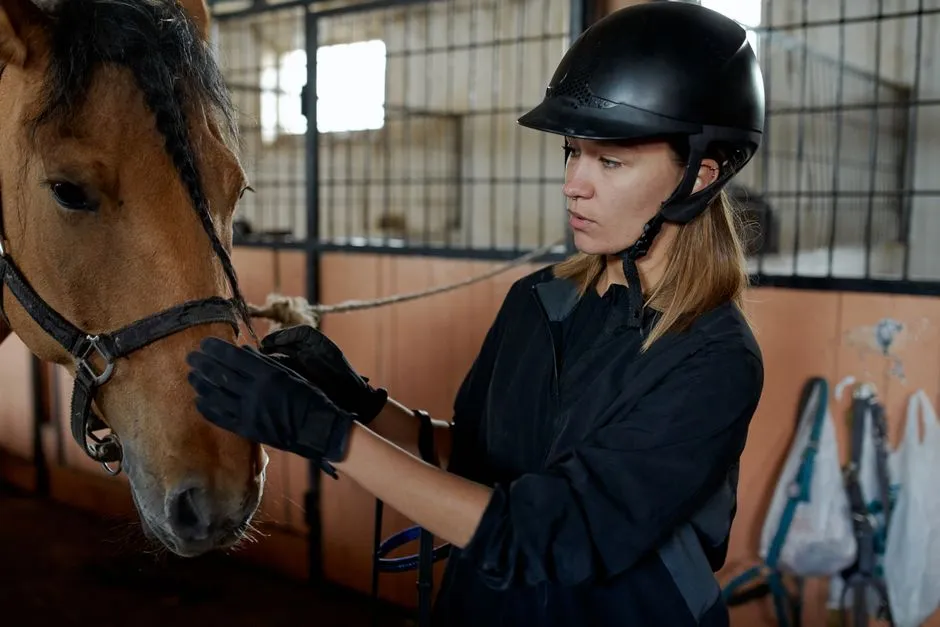
This is where a lot of people realize something real actually happened on day one. If, on your second visit, the horse spots you from across the barn, gives a soft nicker, and walks up with that same quiet focus as before, that’s not novelty anymore. That’s recognition.
Compare that to the horse who greets everyone identically – ears up for anyone holding a halter, begging from every passerby. The horse that’s chosen you shows consistency and specificity: ignoring someone else peeking over the stall door, then lighting up the moment you say its name. Horses don’t fake pattern recognition. If that first-day feeling repeats, or even grows stronger, you’re not imagining it.
#13 – They “Check In” With You Under Saddle or on the Lead
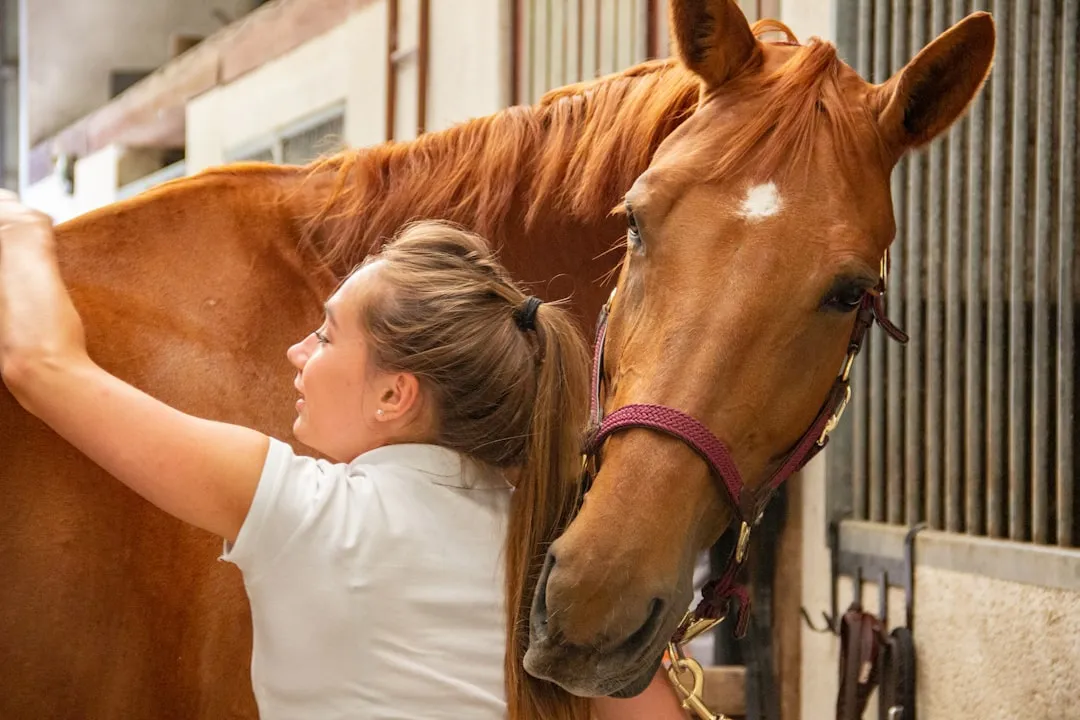
Most beginners are taught to obsess over heels and hands, and they miss this entirely. Even early on, a horse that’s chosen you will frequently flick an ear back, tilt an eye toward you, or hesitate slightly as if asking, “you still with me?” while being led or ridden. Those micro-pauses aren’t disobedience. They’re conversation.
Maybe you’re leading them and they slow slightly the moment they sense you lagging. Maybe you’re mounted, and between obstacles they keep softening their neck and mentally checking back in with you. Some riders get annoyed and dismiss it as “looky” behavior, but directed at you specifically, it’s partnership trying to take shape. On day one, this might look like the horse stopping beside you after a small spook instead of spinning away – searching for your input instead of just tolerating your direction.
#14 – You Feel Weirdly “At Home” Around Them (And They Act the Same)
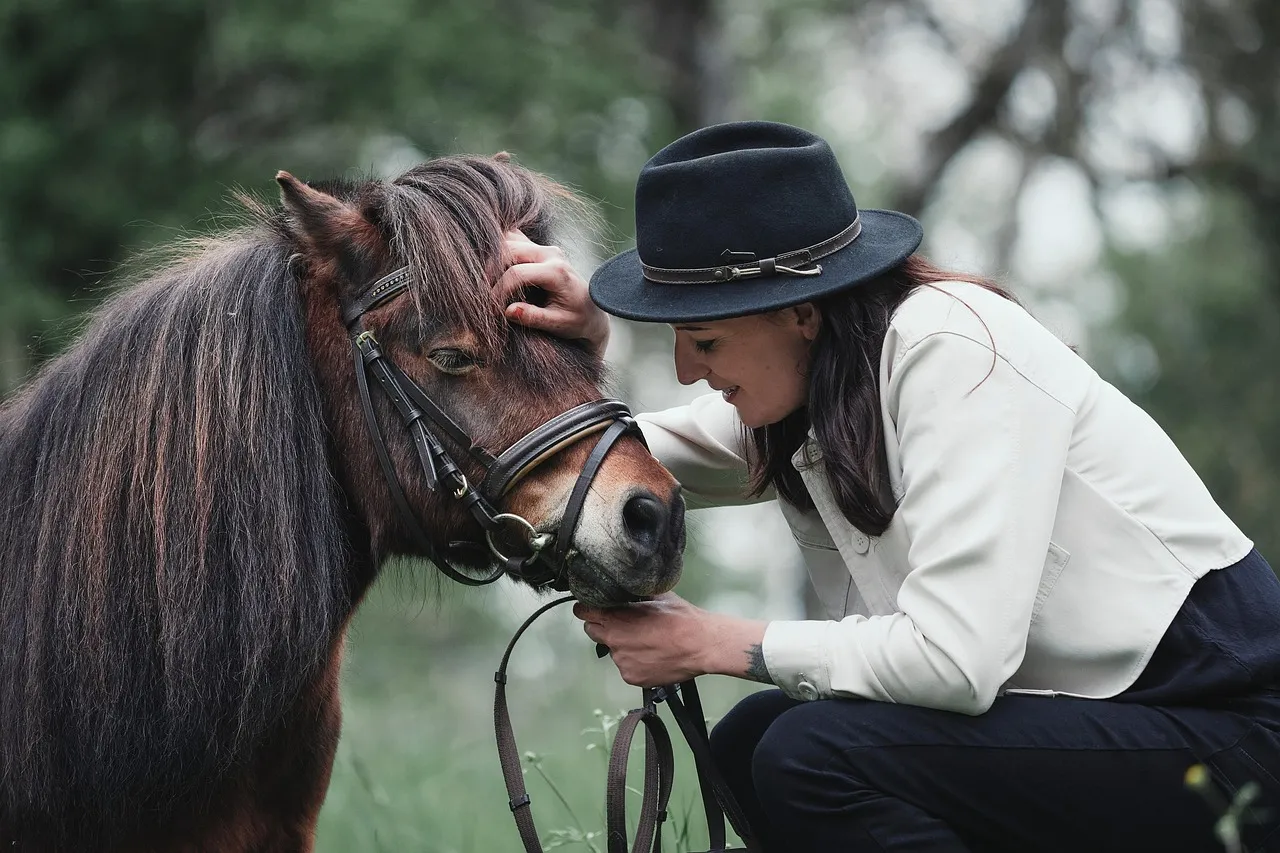
Here’s the part a lot of horse people are almost embarrassed to admit: sometimes the clearest sign a horse chose you on day one is that you both drop your guard faster than makes logical sense. Your body relaxes near them. Their body relaxes near you. Neither of you can fully explain why.
Maybe you’ve handled dozens of horses in your life, but with this one, you skip the usual edge of caution and feel oddly steady, like you’ve known them for years. Meanwhile, a horse with every reason to stay wary walks up, breathes on your chest, and stands there like an old friend. Some of it is explainable – body language, scent, nervous-system resonance. Some of it might just be chemistry. But in barns everywhere, people quietly admit the same thing: that first day, it was just different with this one.
The Bottom Line
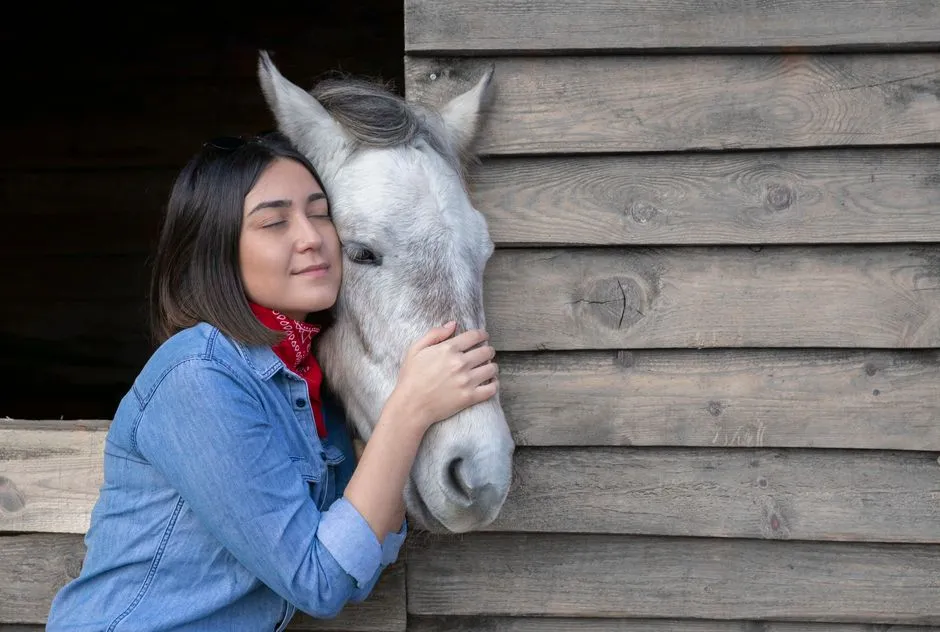
Most people wait months to decide whether “their” horse actually likes them. The truth is a lot of horses tip their hand on day one, if you know what you’re actually looking at. Voluntary approaches, softening bodies, nervous systems visibly unwinding, that eerie way they start mirroring your mood – none of that is random quirk. It’s a survival-driven animal deciding, very deliberately, that you’re safe enough to invest in.
Horses lend us the wings we lack.
Pam Brown
Can you over-romanticize this? Sure. A steady, trustworthy relationship still has to be earned over time, not assumed after one good afternoon. But ignoring these early signs is just as foolish as clinging to fairy tales. If a horse watched you, softened around you, and kept choosing you from the very first meeting – maybe believe them. Some of the best partnerships in the barn started exactly that quietly.

- 14 Signs a Horse Has Chosen You as Its Person the Very First Day You Met - July 28, 2026
- The Quiet Way a Siamese Bonds That Only Its Owner Ever Truly Sees - July 28, 2026
- 11 Ways a Horse Tells You It Would Follow You Anywhere - July 28, 2026