

Snakes often get a bad reputation, inspiring fear and anxiety in many people. However, most snake species in the United States are harmless to humans and actually play vital roles in their ecosystems. These misunderstood reptiles help control rodent populations, serve as prey for larger animals, and contribute to biodiversity. This article explores 14 snake species found across the United States that may look intimidating but are generally harmless, shy, and would rather avoid human interaction altogether. By learning more about these fascinating creatures, we can replace fear with appreciation and understanding.
Eastern Hognose Snake The Dramatic Bluffer

The Eastern Hognose Snake (Heterodon platirhinos) is perhaps nature’s most theatrical reptile. When threatened, this snake puts on an impressive defensive display—flattening its neck like a cobra, hissing loudly, and striking repeatedly with a closed mouth. If this drama doesn’t deter predators, the hognose takes its performance to Oscar-worthy levels by rolling onto its back, opening its mouth, and playing dead. Despite this intimidating behavior, hognose snakes are harmless to humans. Their upturned snout, which gives them their name, is specially adapted for digging and finding toads, their preferred prey. Found throughout the eastern United States, these snakes typically grow to 20-33 inches and display variable coloration including yellow, orange, brown, or gray with dark blotches.
Gopher Snake The Rattlesnake Impersonator

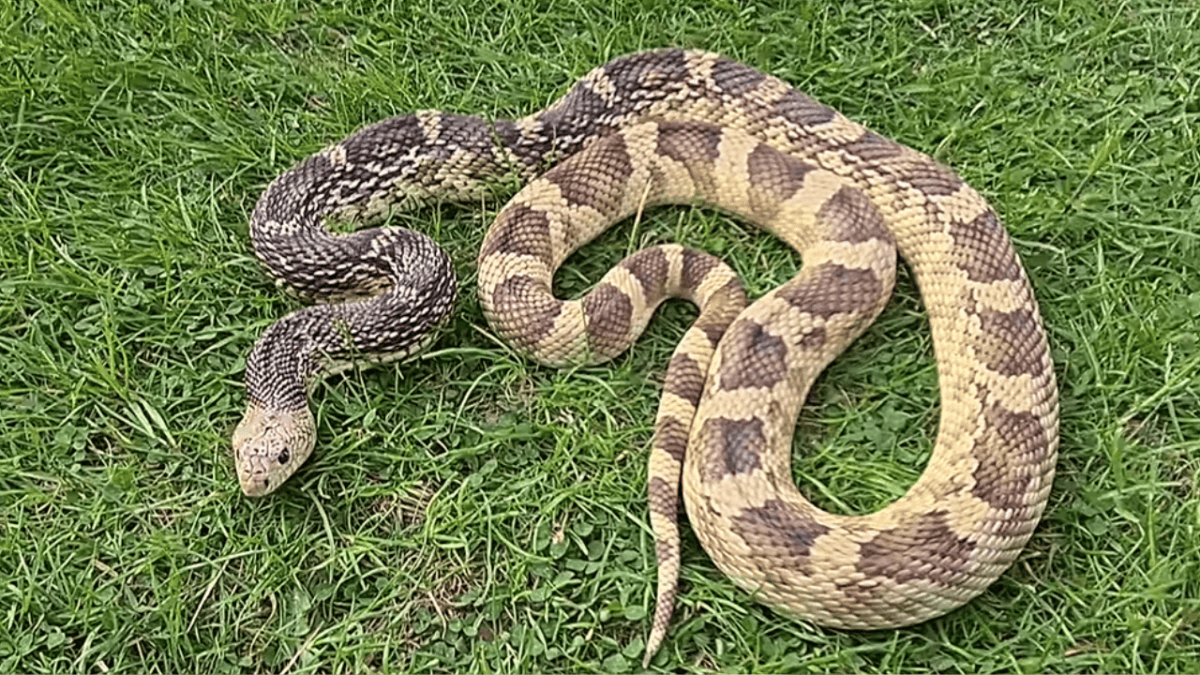
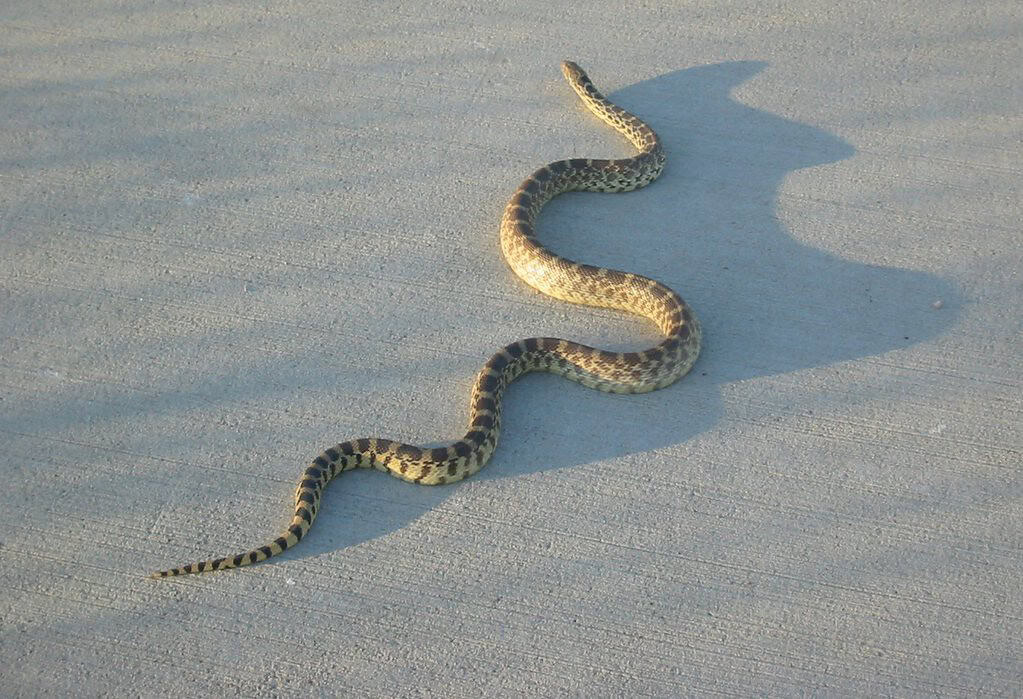
Gopher Snakes (Pituophis catenifer) are frequently mistaken for rattlesnakes due to their similar coloration and defensive behavior. When threatened, they flatten their heads, hiss loudly, and even vibrate their tails against dry leaves to mimic a rattlesnake’s warning. This masterful mimicry has unfortunately led to many gopher snakes being killed out of misplaced fear. In reality, these non-venomous constrictors are beneficial predators that help control rodent populations across their range, which spans much of western and central North America. Growing to an impressive 4-5 feet in length, gopher snakes are powerful constrictors that hunt rats, mice, gophers, and ground squirrels. Their distinctive blotched pattern varies from golden yellow to dark brown depending on their habitat region, allowing them to blend effectively into their surroundings.
Ringneck Snake The Colorful Miniature

The Ringneck Snake (Diadophis punctatus) is a diminutive species known for its striking appearance—dark body (usually black, gray, or olive) contrasted by a vibrant yellow, orange, or red ring around its neck and equally bright underside. Rarely exceeding 10-15 inches in length, these small snakes are among the least threatening serpents in North America. When disturbed, ringneck snakes might curl their tails into a tight spiral, displaying their brightly colored underside in a warning posture, but this is all for show. These secretive creatures spend most of their time hidden under rocks, logs, and leaf litter, where they hunt for salamanders, earthworms, and small lizards. Despite being mildly venomous, their toxin is only effective against their tiny prey, and they lack any means to effectively deliver venom to humans. Found in woodland habitats across much of the United States, these gentle snakes make valuable contributions to ecosystem health by controlling invertebrate populations.
Kingsnake The Snake-Eating Snake

Kingsnakes (genus Lampropeltis) earn their royal name from their remarkable ability to prey upon other snakes, including venomous ones like rattlesnakes and copperheads. Their immunity to the venom of pit vipers makes them valuable allies to humans in controlling venomous snake populations. The most recognized species, the Eastern Kingsnake (Lampropeltis getula), features a glossy black body adorned with vibrant yellow or white chains or bands. The California Kingsnake displays striking black and white bands, while the Scarlet Kingsnake mimics the coral snake’s red, black, and yellow pattern—though kingsnakes follow the rhyme “red touches black, friend of Jack.” Despite their powerful constricting abilities used to subdue prey, kingsnakes are non-venomous and generally docile around humans, often becoming calm when handled. Their adaptability allows them to thrive in diverse habitats across the United States, from forests and grasslands to deserts and suburban areas.
Garter Snake The Backyard Friend

Garter snakes (genus Thamnophis) are perhaps the most commonly encountered snakes in North America, recognized by their distinctive longitudinal stripes running along the length of their body. These adaptable reptiles can be found in a wide range of habitats, from gardens and parks to wetlands and forests across the continental United States. Typically growing to between 18-26 inches, garter snakes come in various colors including green, brown, and black, usually with yellow or white stripes. While they do possess a mild venom delivered through enlarged rear teeth rather than fangs, this toxin is harmless to humans and only used to subdue small prey like amphibians, worms, and fish. Garter snakes are known for their gentle temperament, though they may release a foul-smelling musk if handled. These beneficial predators help control garden pests and serve as important indicators of ecosystem health, as they’re sensitive to environmental changes and pollution.
Rat Snake The Rodent Controller

Rat snakes (genus Pantherophis) are large, powerful constrictors that excel at controlling rodent populations, making them valuable allies for farmers and homeowners alike. These impressive snakes can grow to lengths of 3-8 feet depending on the species and region. The Eastern Rat Snake (Pantherophis alleghaniensis), formerly known as the Black Rat Snake, is predominantly black with a white chin and belly, while the Western Rat Snake shows more patterned coloration with blotches on a lighter background. Remarkably adept climbers, rat snakes can scale trees, buildings, and other vertical surfaces in pursuit of prey or to reach bird nests. Despite their size and occasional defensive posturing—which may include vibrating their tails, striking, or emitting musk—rat snakes are non-venomous and generally retreat when encountered by humans. Their agricultural benefits are substantial; a single rat snake can consume dozens of rodents annually, providing natural pest control across their range, which spans most of the eastern and central United States.
Milk Snake The Coral Snake Mimic
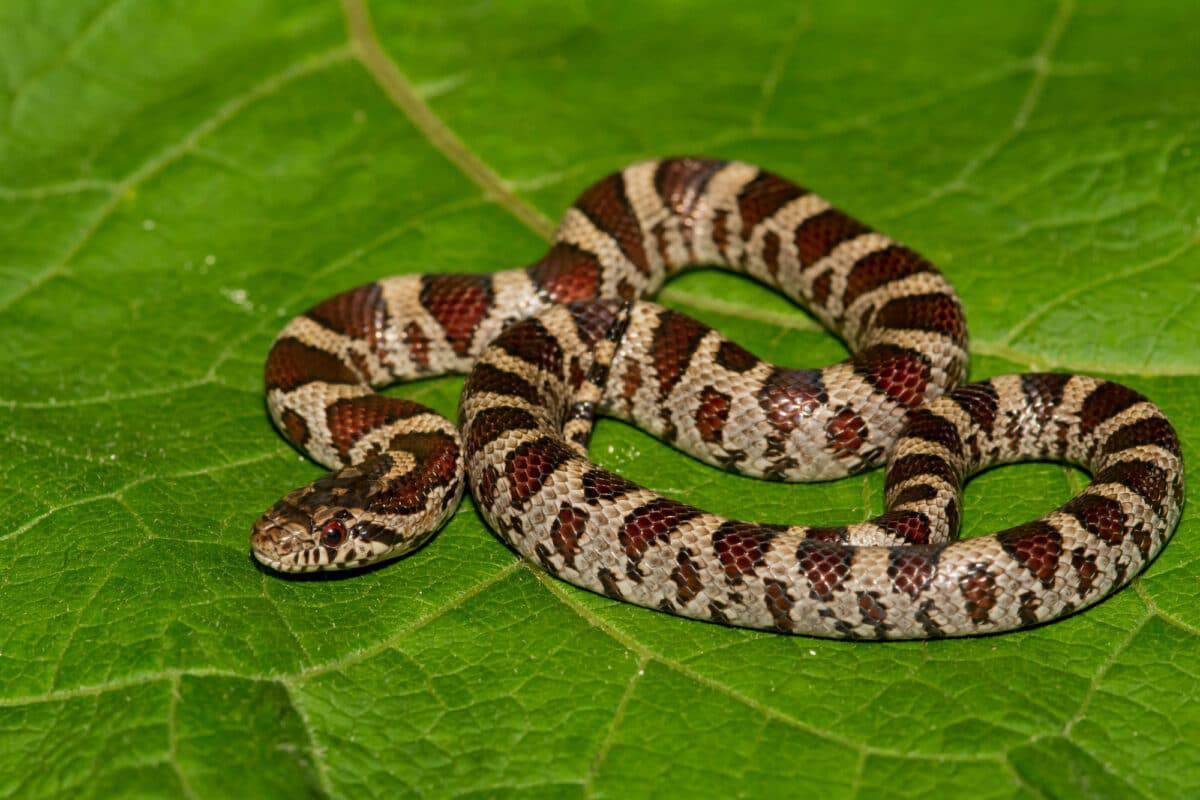
The Milk Snake (Lampropeltis triangulum) is renowned for its striking tricolored pattern of red, black, and white or yellow bands that mimics the venomous coral snake—a classic example of Batesian mimicry, where a harmless species evolves to resemble a dangerous one. Despite this intimidating appearance, milk snakes are completely harmless constrictors. The old rhyme “red touches black, friend of Jack; red touches yellow, kills a fellow” helps distinguish between the harmless milk snake and the venomous coral snake, though this rule applies only to North American species. Contrary to folk tales suggesting they milk cows (hence their name), these snakes actually earned their moniker from frequently being found in barns where they hunted mice attracted to spilled milk. Growing to about 2-3 feet in length, milk snakes are secretive and primarily nocturnal, spending much of their time hidden under rocks, logs, or in abandoned rodent burrows. Their diet consists mainly of rodents, lizards, and occasionally other snakes, making them beneficial predators throughout their wide range across North America.
Ribbon Snake The Slender Aquatic Hunter

Ribbon snakes (Thamnophis saurita) are elegant, slender members of the garter snake family that are closely associated with aquatic habitats. These graceful reptiles can be distinguished from their garter snake cousins by their more streamlined body, longer tail (comprising about one-third of their total length), and white labial scales (on their upper lip). Growing to about 16-28 inches, ribbon snakes display three distinct yellow or white stripes running along a dark brown or black body. Semi-aquatic by nature, they’re excellent swimmers and typically found near ponds, lakes, streams, and wetlands where they hunt for amphibians, small fish, and invertebrates. When startled, ribbon snakes rely on their exceptional speed to escape rather than confrontation, slipping away through water or vegetation. Though capable of releasing a musky odor when handled, they rarely bite and are considered among the most docile native snakes. Their presence often indicates healthy wetland ecosystems, making them important bioindicators across their range in the eastern and southeastern United States.
Racer The Speed Demon

The North American Racer (Coluber constrictor) lives up to its name as one of the fastest snakes in the United States, capable of traveling at speeds up to 3.5 miles per hour across open ground. These active, diurnal hunters rely on their excellent vision and speed to chase down prey rather than ambushing or constricting. Adult racers typically display a uniform coloration—usually solid black, blue, gray, or brown depending on the subspecies—while juveniles often exhibit a blotched pattern that fades as they mature. Growing to lengths of 3-5 feet, racers are found in diverse habitats from open fields and prairies to woodland edges across most of the continental United States. Despite their scientific name, racers rarely constrict their prey, instead typically pinning victims with body loops before consuming them alive. When cornered, racers can be defensive, vibrating their tails and sometimes striking repeatedly, but they’re non-venomous and generally flee from human encounters when possible. Their diet of rodents, lizards, insects, and even other snakes makes them beneficial controllers of pest populations.
Pine Snake The Loud Hisser

The Pine Snake (Pituophis melanoleucus) is notable for its impressive defensive display that includes some of the loudest hissing among North American snakes. This vocal performance is amplified by a specialized modification in the snake’s glottis that creates a distinctive resonating chamber. When threatened, pine snakes combine this loud hissing with vibrating tails and striking motions, often appearing quite intimidating despite being harmless to humans. These large constrictors typically grow to 4-6 feet in length and display bold black or brown blotches on a white, yellow, or gray background. Pine snakes are powerful burrowers that spend considerable time underground, using their pointed snouts to dig through sandy soils in search of prey or to create nesting chambers. Their diet consists primarily of rodents, including pocket gophers they pursue through underground tunnels, making them valuable for controlling agricultural pests. Found primarily in pine forests and sandy habitats of the southeastern and north-central United States, these snakes face significant habitat loss as pine forests are developed or converted to other land uses.
Water Snake The Misidentified Swimmer

Northern Water Snakes (Nerodia sipedon) are perhaps the most frequently misidentified snakes in the United States, often mistaken for venomous cottonmouths (water moccasins) due to their aquatic habitat preference and sometimes aggressive defensive behavior. These medium to large snakes typically grow to 2-4.5 feet in length and display variable coloration of dark crossbands or blotches on a brown, gray, or reddish background—patterns that often darken with age until older individuals appear almost uniformly dark. When threatened, water snakes may flatten their bodies and strike repeatedly, but they are non-venomous despite their intimidating display. Excellent swimmers, they’re commonly seen basking on rocks, logs, or branches overhanging water bodies, from which they’ll quickly drop when disturbed. Their diet consists mainly of fish and amphibians, which they swallow alive rather than constricting. Found throughout the eastern and midwestern United States near virtually any freshwater habitat, water snakes play vital roles in aquatic ecosystems by controlling fish and amphibian populations while serving as prey for larger predators like herons, raccoons, and larger snakes.
Rough Green Snake The Emerald Beauty

The Rough Green Snake (Opheodrys aestivus) stands out as one of the most visually striking non-venomous snakes in North America with its vibrant green dorsal coloration and yellowish-white belly. This slender, lightweight species typically grows to 2-3 feet in length and spends much of its time in shrubs and trees, where its coloration provides excellent camouflage among foliage. Unlike many other snakes that predominantly hunt on the ground, rough green snakes are primarily arboreal, expertly navigating branches in search of insects, spiders, and small amphibians. Their name derives from the keeled scales that give them a slightly rough texture compared to their smooth-scaled relative, the smooth green snake. When handled, these gentle reptiles rarely bite and instead rely on their camouflage and ability to remain motionless to avoid detection. Found throughout the southeastern United States in moist woodland areas, particularly near water, these beneficial insectivores help control garden and agricultural pests. Their bright coloration fades quickly after death, turning blue and eventually black, which explains why museum specimens fail to capture their living brilliance.
Bullsnake The Desert Guardian
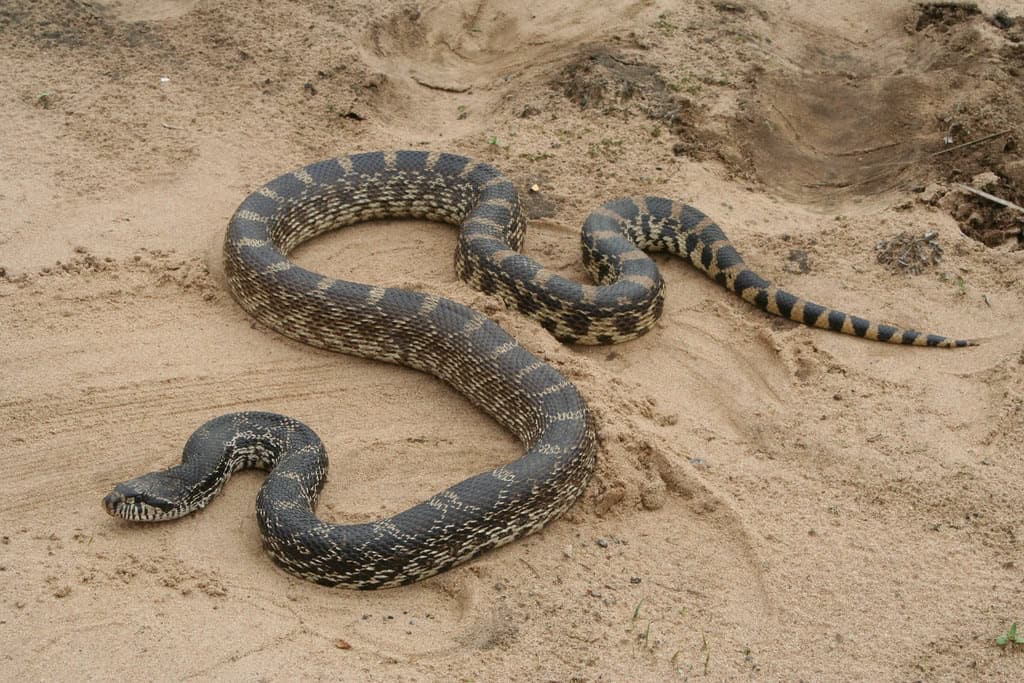
The Bullsnake (Pituophis catenifer sayi), a subspecies of the gopher snake, is one of the largest non-venomous snakes in North America, regularly reaching lengths of 4-6 feet. Their impressive size, combined with defensive behaviors that include loud hissing, tail rattling, and bluff strikes, often leads to mistaken identification as rattlesnakes. These powerful constrictors display a light brown or yellowish background color adorned with large brown or black blotches, and a distinctive facial pattern featuring dark stripes extending from the eyes to the jaw. Supremely adapted to their prairie and desert environments across the central United States, bullsnakes possess a specialized scale on their snout for digging and can survive in arid conditions where many other snakes cannot thrive. Their ecological value is immense; a single adult bullsnake can consume dozens of rodents annually, with particular effectiveness at controlling prairie dog and ground squirrel populations. Despite their intimidating size and defensive posturing, bullsnakes are beneficial predators that generally avoid human contact, preferring to patrol agricultural fields and grasslands where they provide natural rodent control.
Dekay’s Brownsnake The Garden Miniature
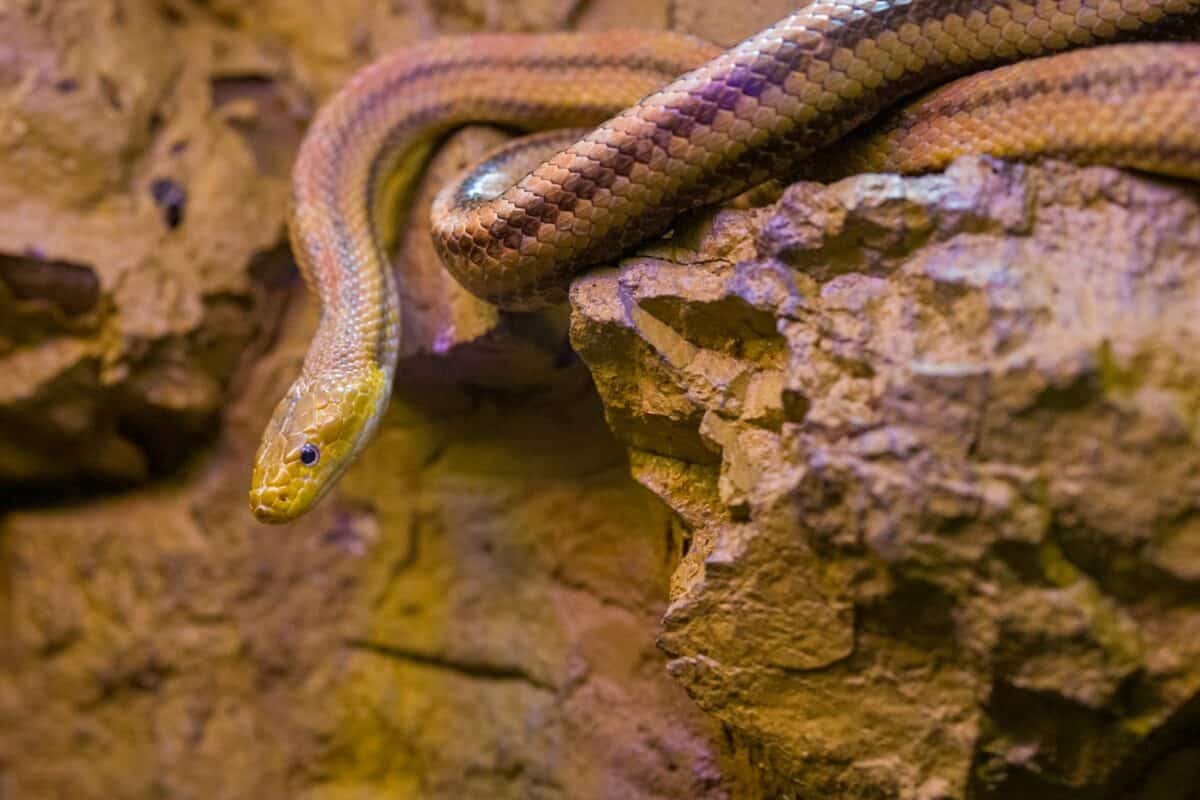
Dekay’s Brownsnake (Storeria dekayi), also known simply as the brown snake, is a diminutive species rarely exceeding 12-13 inches in length. Despite its small size and harmless nature, this snake sometimes triggers fear reactions simply because it’s a snake. The brownsnake displays varying shades of brown or gray with a light stripe running down its back, bordered by small dark spots. Two rows of black dots often adorn its sides, while its underside is typically pinkish or tan. These gentle creatures are commonly found in urban and suburban gardens, parks, and vacant lots throughout eastern and central North America, where they perform valuable ecosystem services by consuming slugs, snails, and earthworms. Their small size allows them to hide effectively under rocks, logs, mulch, or garden debris, making them excellent neighbors that control garden pests without being conspicuous. When handled, brownsnakes might release a musky odor, but they rarely attempt to bite. During colder months, they often seek shelter near human structures, sometimes entering basements or crawl spaces, contributing to their frequent encounters with humans despite their secretive nature.
Conclusion: Understanding America’s Harmless Serpents
The 14 snake species highlighted in this article represent just a fraction of the diverse, non-venomous serpents that inhabit the United States. Despite their sometimes intimidating appearances or defensive behaviors, these animals pose virtually no threat to humans and indeed provide numerous ecological benefits through pest control and as components of healthy ecosystems. Many snake populations face challenges from habitat loss, road mortality, and deliberate killing based on misidentification or generalized fear. Education about snake identification and behavior remains crucial for protecting these misunderstood reptiles.

As a little kid, I fell in love with nature, wildlife, and animals. Living in the USA, South Africa, Italy, China and Germany gave me the opportunity to discover the world's Wildlife. My favorite animals are Mountain Gorillas, Siberian Tigers, and Great White Sharks.
I'm a certified PADI Open Water Diver, went to Everest Base Camp and Trekked Gorillas in Uganda. I hold a Master of Science in Economics and Finance.
Please send any feedback to feedback@animalsaroundtheglobe.com
- 16 Creatures That Sleep With One Eye Open - August 10, 2026
- 14 Species Found Nowhere Else But Madagascar - August 10, 2026
- Can Pets Sense Earthquakes Before Humans? - August 10, 2026