
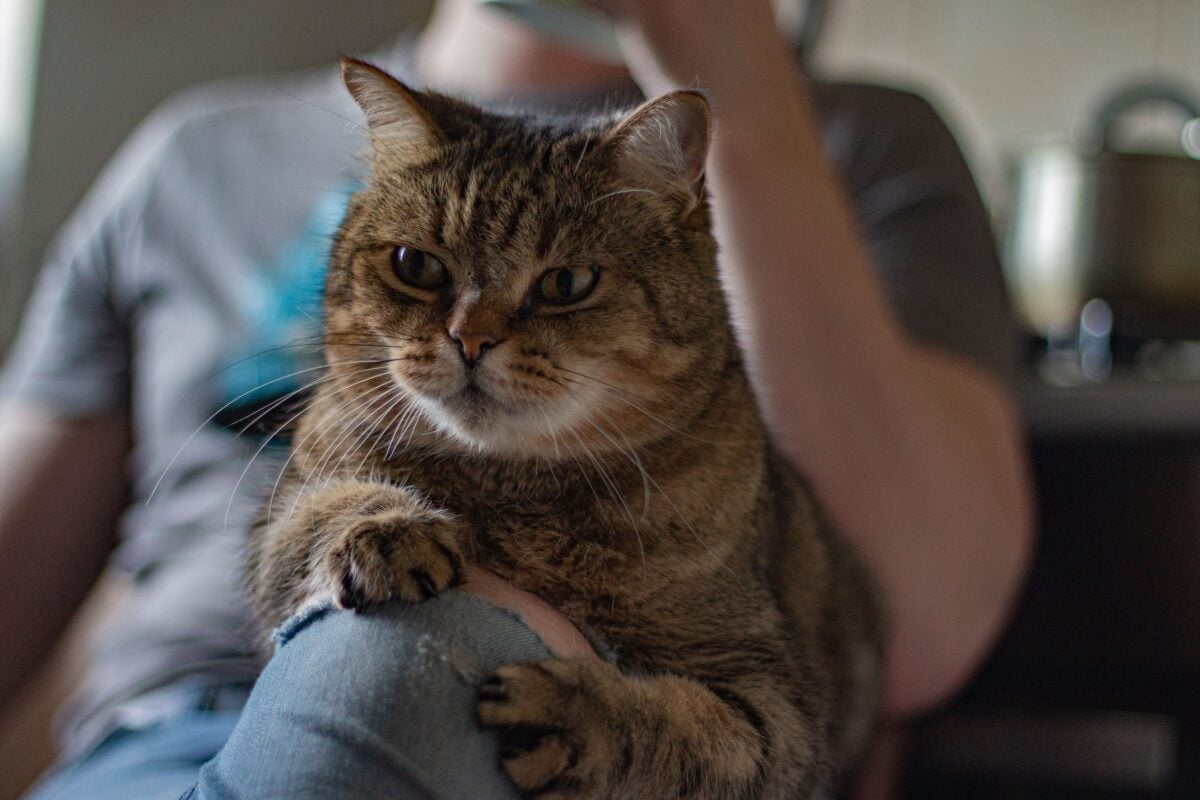
Your cat is keeping score, and you’re probably not winning for the reason you think. Most people assume a cat’s favorite human is whoever fills the food bowl. The research tells a much messier, and much more interesting, story.
Cats size up everyone in the house using smell, voice, body language, routine and a surprising amount of personal space. No two cats weigh those factors the same way. So why does the quiet roommate get the lap while the person who buys the treats gets a tail flick? Count down with us. The answer to that one is hiding near the end.
#9 – Whose Scent Reads as “Safe”
🔥 Would you like to save this?
We'll email this post to you, so you can come back to it later!
Before your cat decides anything about you, it has already sniffed you out. Scent is the first filter, and it works long before you say a word.
Research in PLOS One in 2025 reportedly showed that scent alone lets a cat tell people apart. Cats are built for this. Their noses are far more sensitive than ours, and they also have a special scent-sensing organ in the roof of the mouth. That means your cat may have filed you under “familiar” or “unknown” the moment you walked in the door.
There’s a catch. Scientists have long noted that olfaction is one of a cat’s most important senses, yet its exact role in recognizing humans remains unclear. Scent clearly matters, but nobody can yet tell you exactly how much.
Newcomers feel this most. Research from the University of Sussex found that cats act more hesitant and avoidant around strangers than around familiar people. A guest, a new partner or a new roommate starts the race a few steps behind.
The advice for anyone trying to climb the ranks is simple:
- Smell neutral, move slowly, speak softly and let the cat decide when contact happens.
- Expect a slow warm-up, not an instant verdict.
But that’s nothing compared to what your cat’s ears reveal about #8…
#8 – Whose Voice Makes Them Look Up
🔥 Would you like to save this?
We'll email this post to you, so you can come back to it later!
Your cat can pick your voice out of a lineup, and still choose to ignore it. That’s the humbling part.
The classic evidence comes from Japan. When cats heard a stranger’s voice and their owner’s voice, they showed a significantly stronger orienting response, meaning ear and head movement, to the owner. Your voice registers as special, even when your cat is pretending to be asleep.
The same experiment showed how cats handle strangers. Of 20 cats, 15 reacted less to the third stranger’s voice than to the first. Most cats quickly tune out unfamiliar voices that don’t mean anything to them.
Fast Facts
- Cats showed stronger ear and head movement to their owner’s voice than to a stranger’s.
- 15 of 20 cats reacted less to the third stranger’s voice than to the first.
- Unfamiliar voices tend to fade into background noise.
- Cats appear only modestly sensitive to human emotion.
Here’s the part owners get wrong. Recognizing a voice is not the same as obeying it. Many cats know exactly who is calling and decide the call isn’t worth answering.
Tone matters too. A soft, steady voice may be quietly working in your favor. One study also found that cats are only modestly sensitive to human emotion, especially when it comes from their owner, so don’t expect a perfect mood reader.
My take: the “my cat ignores me out of spite” theory is mostly human ego. Your cat heard you. It just filed the request under “optional.”
But food, surprisingly, doesn’t decide as much as #7 will show…
#7 – Who Fills the Bowl (and Why That’s Overrated)
🔥 Would you like to save this?
We'll email this post to you, so you can come back to it later!
The person who feeds the cat is not automatically the favorite. Sorry to everyone who has been serving breakfast at 5 a.m. for years.
Food still counts. Cats associate the person who feeds them with something positive. That earns you attention, and it doesn’t always earn you loyalty.
Researchers tested this directly. Pet and shelter cats were offered stimuli in four categories: human social interaction, food, toys and scent. Individual variability was clear, but social interaction with humans was the most-preferred category for most cats, followed by food.
A cat can happily eat what you give it and still curl up next to someone else. That someone often never forces contact.
Not every cat follows the pattern. Some cats really are food-first, and that’s not an insult. The honest reading is that the bowl-filler has an edge, not a guaranteed throne.
Unpopular opinion: treating mealtime as proof of love is the easiest mistake in cat ownership.
But the real winner is usually the person doing the opposite of what you’d expect in #6…
#6 – Who Lets Them Lead
🔥 Would you like to save this?
We'll email this post to you, so you can come back to it later!
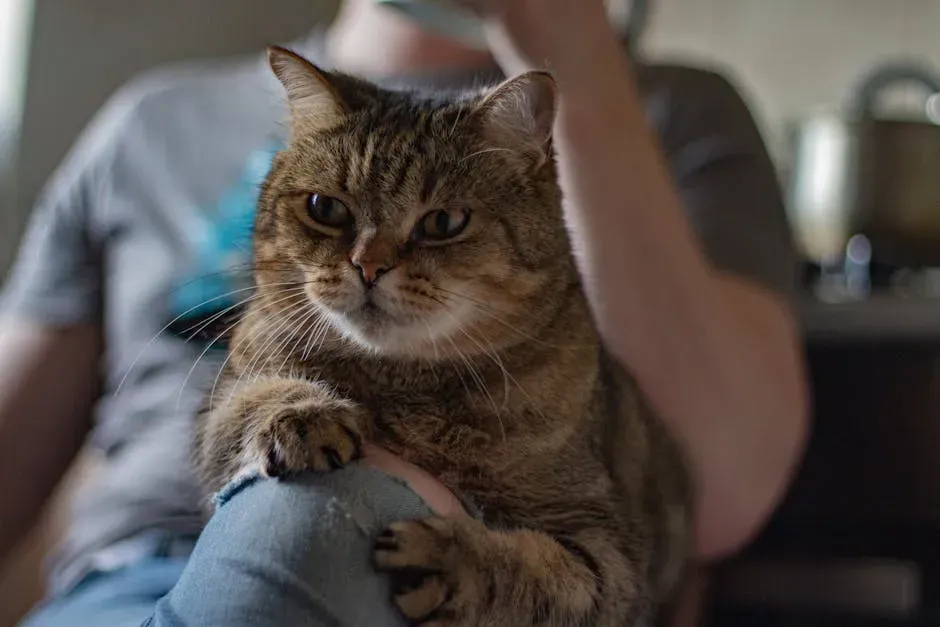
The person who waits usually beats the person who grabs. Picture the guest who never looks at the cat and somehow ends up with it on their lap. That scene isn’t random.
One study found a striking pattern of reciprocity. When a person went along with the cat’s wish to interact, the cat later went along with the person’s attempts. When the person ignored the cat’s bids for attention, the cat returned the favor.
The practical result is a pecking order built on manners. The favorite is often the one who waits for the cat to come over, responds when the cat starts things, and doesn’t force contact when the cat walks away.
Researchers at Nottingham Trent University have studied this. Their earlier work suggests that letting cats choose when to be petted is among the best ways to increase affection and reduce aggression.
Here’s the twist. A later study found that people who considered themselves the most knowledgeable and experienced with cats were more likely to touch areas cats often dislike, such as the base of the tail and the belly. Experience didn’t guarantee better manners.
Quick rules cats seem to reward:
- Respond when the cat starts the interaction.
- Let the cat leave without a fight.
But your cat is also quietly rating something else about you in #5…

Halloween Dog Collar with Bow, Orange Cute Ghost Collar,
Check Price on AmazonAs an Amazon Associate, we earn from qualifying purchases.
10/9/2026 2:43 pm GMTi

Smart Bird Feeder with Camera Solar Powered, 2K HD Live Video, 10,000+ Bird Species AI Identification
Check Price on AmazonAs an Amazon Associate, we earn from qualifying purchases.
10/7/2026 1:22 pm GMTi

Hand Blown Glass Hummingbird Feeders for Outdoors Hanging, 24oz Wild Bird Nectar Feeder
Check Price on AmazonAs an Amazon Associate, we earn from qualifying purchases.
10/7/2026 1:23 pm GMTi

Earth Rated XL Dog & Puppy Pee Pads, Discreet Top, Max Absorbency
Check Price on AmazonAs an Amazon Associate, we earn from qualifying purchases.
10/7/2026 1:28 pm GMTi

Glass Hummingbird Feeder for Outdoors Hanging, 16 oz Leak-Proof Nectar Feeder with Bee Guards & Ant Moat
Check Price on AmazonAs an Amazon Associate, we earn from qualifying purchases.
10/7/2026 1:22 pm GMTi
#5 – Who Is Calm and Predictable
🔥 Would you like to save this?
We'll email this post to you, so you can come back to it later!
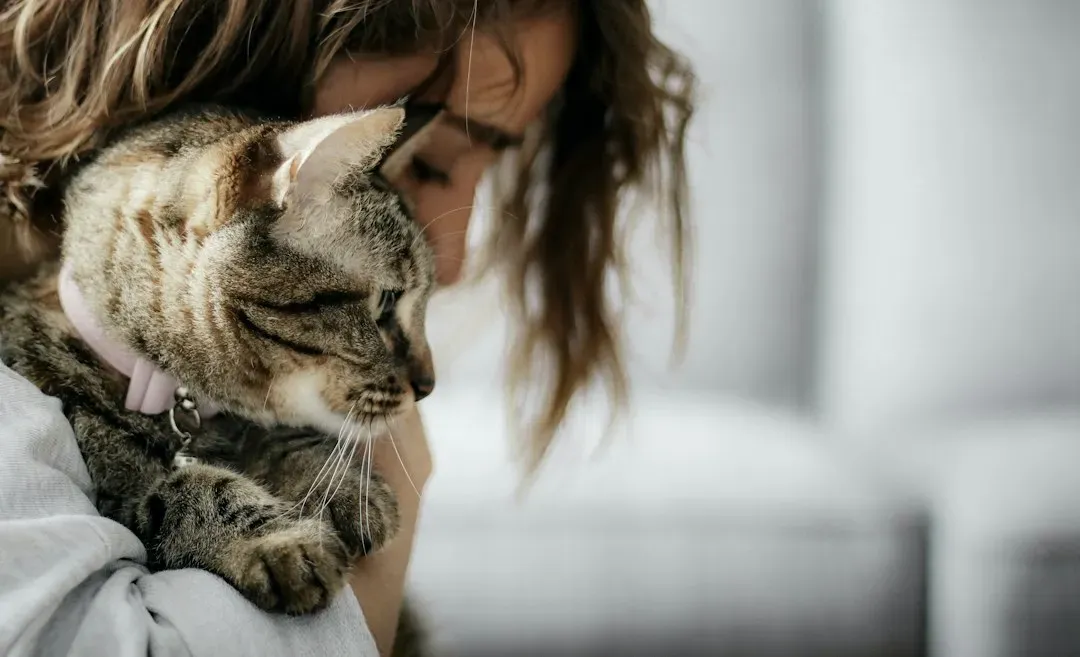
Cats are creatures of routine, and they rank people by how easy they are to read. A person who is hard to predict is a person worth watching from a distance.
Cats prefer people whose behavior they can predict. Someone who moves unpredictably, shouts or bursts into rooms is harder to file as safe. Sudden changes to a cat’s daily pattern can also be stressful, which is why steady habits help a person’s standing.
Temperament plays a role as well. Cats absorb the rhythm and energy of a household and drift toward the person whose pace and reactions match their own. A mellow cat will often seek out the calmest person in the room.
Think about what that means in a busy home:
- The quiet roommate may outrank the enthusiastic cat lover.
- Sudden, loud energy can work against even the most affectionate person.
- The kids’ chaos may not be the cat’s issue, but it can shape who the cat approaches.
A cat’s favorite can be the person who tries the least. Behaviorists often say the one who respects the cat’s pace tends to win, while the person who cuddles most isn’t necessarily the favorite either.
Quick Compare
- Slow, steady movement: easy for a cat to read, so it earns trust faster.
- Shouting or bursting into rooms: harder to file as safe, so the cat keeps its distance.
- Matching the cat’s pace: tends to draw mellow cats closer.
That’s the uncomfortable truth for people who want to be loved loudly. Cats read calm as competence.
But the next signal is one you’ve probably missed for years in #4…
#4 – Who Speaks Fluent Slow Blink
🔥 Would you like to save this?
We'll email this post to you, so you can come back to it later!
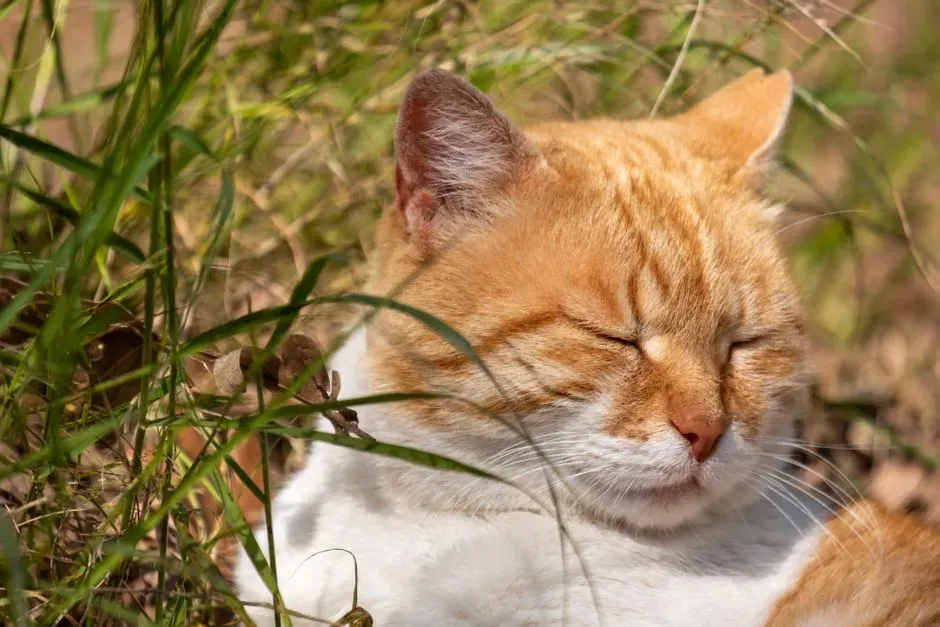
One of the strongest friendly signals in the cat world looks like sleepiness. If your cat has ever squinted at you from across the room, that wasn’t a nap. It was a message.
A 2020 University of Sussex study in Scientific Reports found that cats were more likely to slow-blink back at owners who slow-blinked first. They also approached an unfamiliar person’s outstretched hand more readily after that person slow-blinked.
The technique is simple. You let your eyes narrow gradually, then either close them for a moment or leave them half-shut. Many behaviorists suggest blinking slowly back, then looking away.
The steps:
- Narrow your eyes slowly.
- Close or half-close them briefly.
- Look away softly.
The same trick worked on strangers, which means it isn’t a secret handshake reserved for owners. It also doesn’t make you the favorite overnight. It makes you look safer.
The mistake most humans make is staring at the cat adoringly. To your cat, that can feel like a challenge.
But attention itself can backfire in #3, depending on how you give it…
#3 – Who Pays Attention at the Right Moment

🔥 Would you like to save this?
We'll email this post to you, so you can come back to it later!
Attentiveness beats enthusiasm every time. Being in the room is not the same as being available.
Cats track whether you’re actually paying attention. One earlier study found cats approached and begged significantly more toward an attentive human who gave both visual and auditory cues. Your phone-scrolling counts against you.
Training studies show the same thing. After six weeks of cat training classes with their owners, cats were significantly more responsive to their owner’s attentional cues and spent more time near the owner when the owner was attentive.
Play changes the ranking too. More playful cats tend to go for people who give them more playtime and attention. Cats’ play is tied to social interaction but also driven by predatory behavior. So a feather wand isn’t just a toy. It’s a social contract.
The person who engages fully for five minutes may outrank the one who is nearby all day. That’s a hard fact for work-from-home owners to accept.
But the real stress test of any relationship comes in #2, and it starts at your front door…

Portable Dog Water Bottle Foldable Dog Travel Water Bottle
Check Price on AmazonAs an Amazon Associate, we earn from qualifying purchases.
10/7/2026 1:29 pm GMTi

Air Purifiers for Home Pets Large Room Up to 3000 Ft²,HEPA Air Cleaner with Washable Double-Side Filter, PM2.5 Air Quality Monitor,15dB Sleep Mode for Bedroom Odor Dust Pollen,White
Check Price on AmazonAs an Amazon Associate, we earn from qualifying purchases.
10/8/2026 8:23 am GMTi

Dog Stairs for Bed 18" H, 4-Step Dog Steps for High Bed
Check Price on AmazonAs an Amazon Associate, we earn from qualifying purchases.
10/9/2026 2:42 pm GMTi

Professional 7 in 1 Dog Paw Cleaner for Dogs & Cats - Includes 1 Portable Paw Washer, 1 Bath Brush
Check Price on AmazonAs an Amazon Associate, we earn from qualifying purchases.
10/7/2026 1:26 pm GMTi

Orthopedic Extra Large Dog Bed, Waterproof Washable XL Pet Bed 44"
Check Price on AmazonAs an Amazon Associate, we earn from qualifying purchases.
10/7/2026 1:32 pm GMTi
#2 – Who Comes Back (and Gets Greeted)
🔥 Would you like to save this?
We'll email this post to you, so you can come back to it later!
Absence reveals the ranking more clearly than presence does. The moment the key turns in the lock, your cat’s real opinion shows.
One study found that cats and owners interact more intensely at reunion, with cats purring more after a longer separation. The purring seemed tied to the social aspect of the owner returning, not food.
Oregon State researchers went further, using a “strange situation” test borrowed from child psychology. Kittens (70) and adult cats (38) displayed either secure or insecure attachment toward their owner, and the majority (64 to 69%) were secure.
At a Glance
- 108 cats took part: 70 kittens and 38 adults.
- Roughly 64 to 69% showed secure attachment to their owner.
- Longer separations were followed by more purring at reunion.
The evidence isn’t unanimous. There is conflicting evidence on cats’ attachment when tested this way. In one pilot study, cats vocalized more when the owner left than when a stranger left, yet the bond didn’t clearly meet the criteria for secure attachment.
What that means in practice:
- Cats can tell their person from a stranger.
- Many cats show real attachment, even if they hide it well.
- Individual cats differ a lot.
The “cats don’t care when you leave” claim is outdated at best. Some cats clearly notice, and they’ve been keeping track of who walks back through that door.
But the biggest factor of all sits underneath everything else, in #1…

Glass Hummingbird Feeder for Outdoors Hanging
Check Price on AmazonAs an Amazon Associate, we earn from qualifying purchases.
10/7/2026 1:21 pm GMTi

Halloween Cat Costume Cloak Witch Hat Pet Accessories
Check Price on AmazonAs an Amazon Associate, we earn from qualifying purchases.
10/9/2026 2:44 pm GMTi

2 Pcs Halloween Pet Hat Bandana Set, Witch Pumpkin Costumes for Dogs
Check Price on AmazonAs an Amazon Associate, we earn from qualifying purchases.
10/9/2026 2:45 pm GMTi

PetSafe Oasys Pet Fountain, 1/2 Gallon (64 oz), Small Dogs & Cats
Check Price on AmazonAs an Amazon Associate, we earn from qualifying purchases.
10/8/2026 8:14 am GMTi
#1 – Who Makes Them Feel Safest
🔥 Would you like to save this?
We'll email this post to you, so you can come back to it later!
Under every other ranking sits one question: does this person feel safe? Everything else on this list is just evidence your cat uses to answer it.
Cats seem to choose through smell, routine, body language and a sense of safety, usually before you notice a decision was made. And the favorite isn’t always the biggest cat fan.
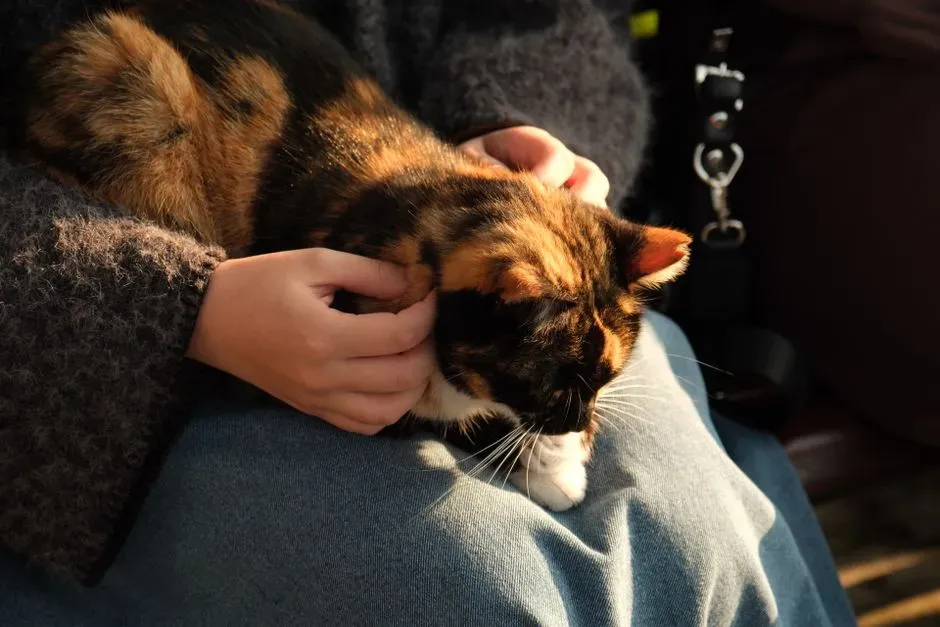
The clearest sign is voluntary closeness. A cat could nap in a sunbeam in another room, but instead settles on your lap. That’s especially telling when there’s no direct benefit like food or treats.
Cats also look to people for cues. Research suggests cats may use “social referencing,” checking an owner’s reactions when they meet something new. The person your cat watches when it’s unsure is probably high on the list.
The ranking isn’t permanent. Research hasn’t shown that cats bond with only one person forever, and many bond with several. Feline preferences do shift, and even picky cats can adopt a new favorite.
The Bottom Line
Your cat isn’t running a popularity contest. It’s running a safety audit. Scent, voice, routine, attention and respect all feed the score, and food is only one input among many. The evidence also isn’t as tidy as the internet makes it look. Cats vary, studies conflict, and preferences change.
Here’s my opinion: the person who loves the cat loudest usually loses to the person who gives it room. If you want a better ranking, stop chasing affection and start earning trust. Which of these nine habits are you worst at?

- 9 Ways a Cat Ranks Everybody Living in a House - November 8, 2026
- 8 Things a Formerly Feral Cat Keeps Doing for Life - November 8, 2026
- 14 Things a Dog Still Remembers From the Day It Was Collected - November 8, 2026