

Picture the moment at the Yellowstone gate. A ranger glances at your card, nods, and waves you through. Most senior pass holders feel they’ve cashed in right there, and that’s exactly where they stop paying attention. That’s actually the smallest part of the deal.
Behind the gate sits a patchwork of discounts at campgrounds, boat ramps, swim beaches and lakes you may not realize are federal. Some perks are bigger than the entrance waiver. One is oversold. One hides a trap that hits families hardest. Here’s what the fee rules actually say, starting with the one most people never claim.
#9 – The Day-Use Fees That Vanish at Places Without “Park” on the Sign

🔥 Would you like to save this?
We'll email this post to you, so you can come back to it later!
Your pass works at places that never print the word “park” on the sign.
The pass covers entrance fees at national parks and wildlife refuges. It also covers standard amenity fees, which are day-use fees, at national forests, grasslands, and lands run by the Bureau of Land Management, Bureau of Reclamation, and U.S. Army Corps of Engineers. That means the trailhead lot, the picnic area and the lakeside day-use spot.
The program reaches more than 2,000 federal recreation sites. Many holders only ever use it at the famous gates. They drive past a “National Forest” trailhead or a “Reservoir Recreation Area” fee box and pay without a second thought, because nothing on the sign says national park.
Here’s the part that surprises people. Standard day-use fees are waived, not halved. Camping and tours are expanded amenity fees, which get the 50 percent discount instead.
- Day-use fees: waived
- Extras like camping, tours and boat launches: usually half off, depending on the site
One boundary matters. The pass doesn’t cover state parks or privately held properties. A sign that looks official isn’t always federal, so a quick look at the agency name on the fee board saves you an awkward moment at the window.
But the next perk is one most boaters have never even asked about, and it’s #8.
#8 – Half Off at the Boat Ramp
🔥 Would you like to save this?
We'll email this post to you, so you can come back to it later!
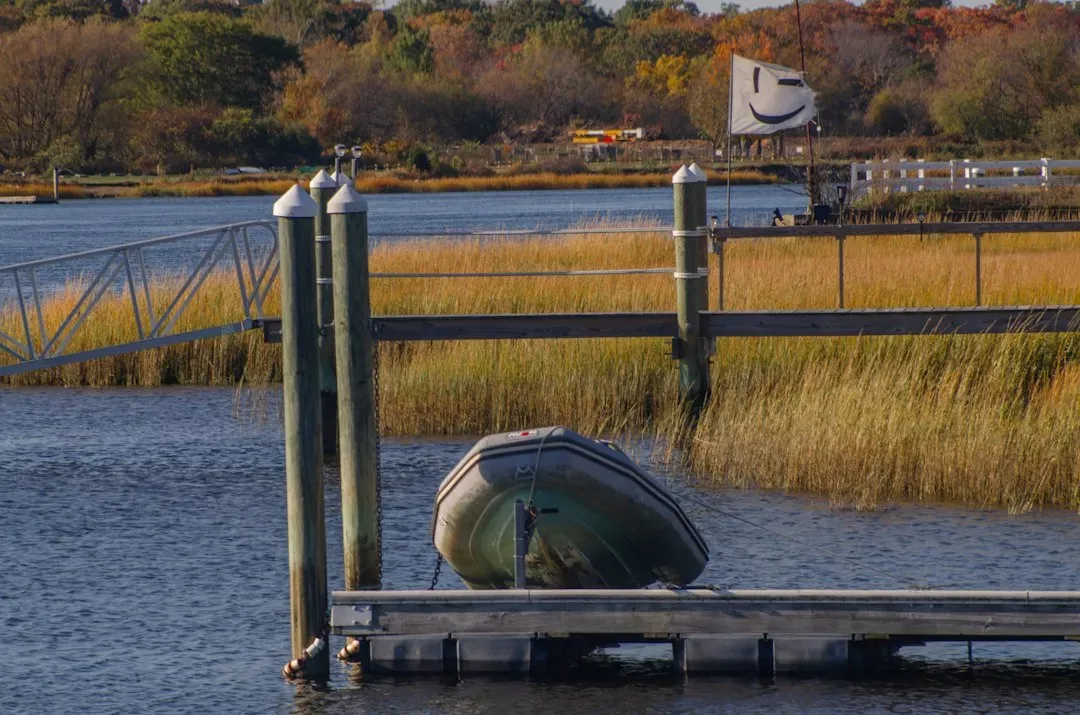
You can pay half price just to put a boat in the water.
The National Park Service says the pass can take 50 percent off some amenity fees, including swimming and boat launches. A single launch fee looks tiny at the ramp. But if you’re out on the water every weekend from Memorial Day to Labor Day, those small charges quietly turn into a real summer expense.
One example is documented. At Chickasaw National Recreation Area in Oklahoma, senior pass holders get 50 percent off camping and boat launch permits. A single stop can discount both the ramp and the campsite.
Now the fine print. The word “some” is doing real work. A discount at one lake may not exist at the next, because each site sets its own amenity fees.
- Check the posted fee board before you pay
- Ask the staff or fee station if the card applies
- Keep your pass in the vehicle, not at home
But the water perk gets even stranger at the beach, and that’s #7.
#7 – The Beach Where Entry Is Free and Parking Isn’t
🔥 Would you like to save this?
We'll email this post to you, so you can come back to it later!
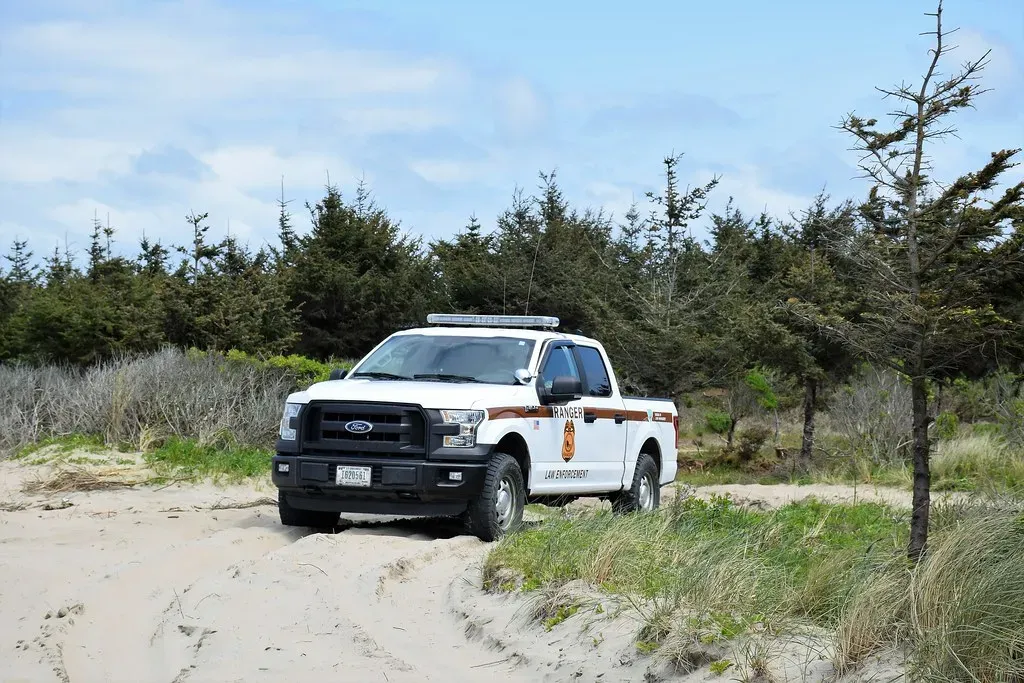
Some beaches let you in free, then charge you to park.
The pass can also cut swimming fees. The Senior Pass may provide 50 percent off amenity fees for facilities and services such as camping, swimming, boat launch, and specialized interpretive services. The key word again is “may.”
Here’s a twist most visitors miss. One guide reports that Gateway National Recreation Area has no entrance fees but charges for beach parking, where Senior Pass holders get 50% off. The gate is free, but the real cost sits in the parking lot.
That’s a good example of why “beyond the gate” matters. A pass that only helped at the entrance would do nothing at a place with no entrance fee. Instead, the discount shows up at the fee you actually face, and that’s a different kind of value than a simple gate waiver.
Quick Compare
- Standard day-use fees: waived with the pass
- Amenity fees (camping, swimming, boat launch): often 50 percent off, site by site
- Concessionaire and special permit fees: generally not discounted
I’d treat that single guide’s report as a lead, not a promise. Confirm the current rate with the site before you plan a beach day around it. Fees change, and so do the places that honor discounts.
The habit worth building is simple. At any recreation area, read every fee line on the board, not just the one by the entrance.
But the next perk has a reputation it may not deserve, and that’s #6.
#6 – Ranger-Led Tours: The Overrated Perk
🔥 Would you like to save this?
We'll email this post to you, so you can come back to it later!
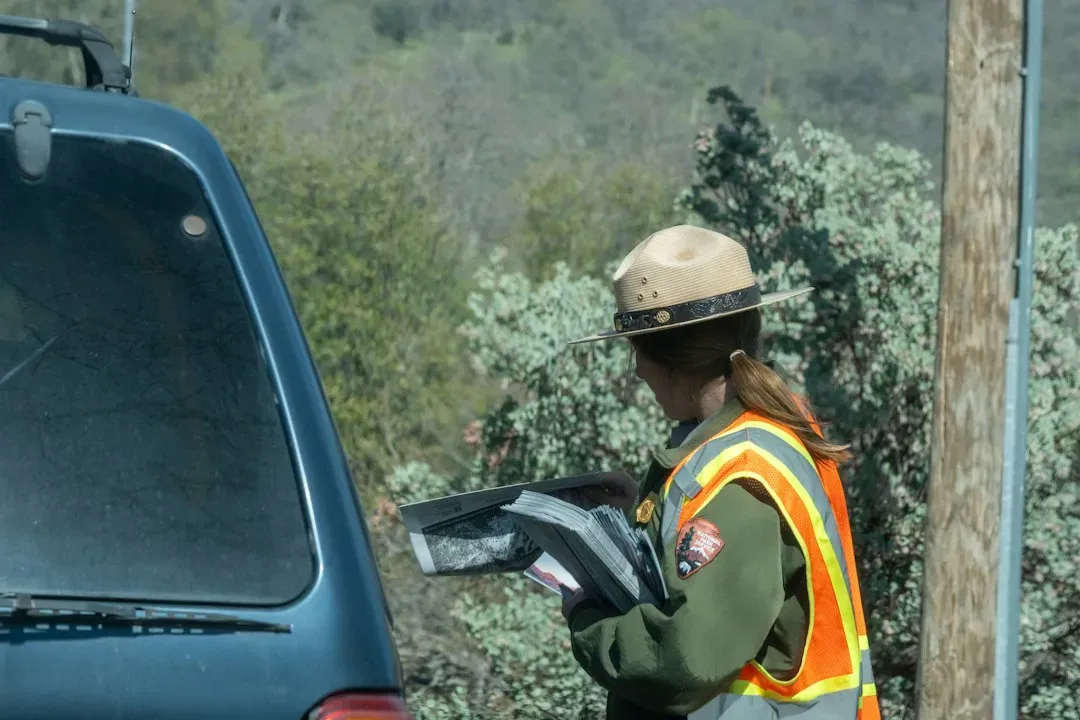
The tour discount is real, but it may be the most oversold item on the list.
The Senior Pass may provide a 50 percent discount on some amenity fees, including camping, boat launches and interpretive services such as ranger-led tours. Sounds great on paper.
Here’s the truth. The word “some” matters, because it depends on the site. Many parks run their best tours as free ranger programs or through private operators. A free program has no fee to cut in half, and a private operator isn’t bound by the pass at all.
The pass also stops at the concessionaire’s door. The Senior Pass generally does not cover or reduce special recreation permit fees or fees charged by concessioners. Lodges, private guides and operator-run tours usually fall outside it.
- Federal-run, fee-based programs: ask about the discount
- Concessionaire-run tours: usually no discount
- Special recreation permits: generally no discount
But there’s a booking trick that saves you from awkward conversations at the desk, and it’s #5.

PetSafe Oasys Pet Fountain, 1/2 Gallon (64 oz), Small Dogs & Cats
Check Price on AmazonAs an Amazon Associate, we earn from qualifying purchases.
10/8/2026 8:14 am GMTi

Hand Blown Glass Hummingbird Feeders for Outdoors Hanging, 24oz Wild Bird Nectar Feeder
Check Price on AmazonAs an Amazon Associate, we earn from qualifying purchases.
10/7/2026 1:23 pm GMTi

Dog Stairs for Bed 18" H, 4-Step Dog Steps for High Bed
Check Price on AmazonAs an Amazon Associate, we earn from qualifying purchases.
10/9/2026 2:42 pm GMTi

Smart Bird Feeder with Camera Solar Powered, 2K HD Live Video, 10,000+ Bird Species AI Identification
Check Price on AmazonAs an Amazon Associate, we earn from qualifying purchases.
10/7/2026 1:22 pm GMTi

Orthopedic Extra Large Dog Bed, Waterproof Washable XL Pet Bed 44"
Check Price on AmazonAs an Amazon Associate, we earn from qualifying purchases.
10/7/2026 1:32 pm GMTi
#5 – The Online Checkout Shortcut

🔥 Would you like to save this?
We'll email this post to you, so you can come back to it later!
You don’t always have to argue for your discount at a campground window.
Online booking has changed how the pass works. One camping guide says Recreation.gov lets you attach your pass to your account, with the 50 percent discount taken at checkout for eligible sites. That’s a real convenience for popular sites that book out early, because you never have to wait in line to explain yourself.
The detail most holders miss is “eligible.” The discount is applied only where the site is set up to honor it. Always read the final total before you confirm, because a missing discount is much easier to fix before you pay than after.
If you’re booking by phone or in person, the same logic holds. Have your pass number ready. Many forms and fee envelopes have a spot for it, right next to the line for a 50 percent discount on the overnight camping fee.
That’s a small detail with a real payoff. Fill out the pass number line carefully, or the clerk may charge the full rate by default.
But one federal agency hides its discounts better than any other, and it’s #4.
#4 – The Army Corps Lakes Nobody Counts

🔥 Would you like to save this?
We'll email this post to you, so you can come back to it later!
The agency that builds dams also runs campgrounds that cut your rate in half.
Most travelers don’t think of the Corps as a recreation agency. But it runs lakes and reservoirs that are covered by the pass, and many come with campgrounds, boat ramps and swim areas. They’re often quieter and less crowded than the headline parks.
The rule is simple. A Fort Worth District pass page states Senior and Access passes give a 50% discount for camping fees for the campsite that the cardholder is occupying. The discount follows the person who’s actually sleeping there.
Now the catch. A Corps district page says no other documentation is accepted as proof of age for these discounts, so your driver license alone won’t do it. Bring the physical pass, and don’t leave it in a drawer at home.
Worth Knowing
- The cardholder has to be the one occupying the campsite
- The physical pass is your proof of age, and a driver license alone won’t do
- The discount applies only at sites run directly by a federal agency
- The 50% is the final rate and doesn’t stack with other discounts
Each agency handles the pass a little differently, so don’t expect a second coupon on top. A quick call to the lake office before you book can save you a surprise at check-in.
But the forest campsites hold a surprise for anyone traveling with a crowd, and it’s #3.
#3 – Forest Service Campsites (and the Group Trap)

🔥 Would you like to save this?
We'll email this post to you, so you can come back to it later!
National forest camping was already cheap, and now it’s half price.
The Forest Service says Senior and Access Pass holders receive 50 percent off single-family campsites. For solo travelers, couples and small families, that’s a strong deal.
Then comes the surprise. The card isn’t a group pass. Group campsites and other group facilities that charge a flat fee get no discount, so the perk is built for camping on your own or with a small family, not the whole reunion.
The same card can behave differently from one district to the next. On the Hoosier National Forest, the 50% discount covers base camping at five named recreation areas. Not every campground there is included.
- Single-family campsites: half off
- Group sites with flat fees: no discount
- Always ask which areas qualify
I’ll say it plainly. If you’re organizing a family trip, price out several single sites against one big group site. That’s my opinion, not a rule, and it only works where the sites are close enough to share a campfire. Compare both totals before you reserve.
But the biggest campground savings of all come from a group of agencies most people forget, and that’s #2.

Professional 7 in 1 Dog Paw Cleaner for Dogs & Cats - Includes 1 Portable Paw Washer, 1 Bath Brush
Check Price on AmazonAs an Amazon Associate, we earn from qualifying purchases.
10/7/2026 1:26 pm GMTi

Halloween Cat Costume Cloak Witch Hat Pet Accessories
Check Price on AmazonAs an Amazon Associate, we earn from qualifying purchases.
10/9/2026 2:44 pm GMTi

Halloween Dog Collar with Bow, Orange Cute Ghost Collar,
Check Price on AmazonAs an Amazon Associate, we earn from qualifying purchases.
10/9/2026 2:43 pm GMTi

Glass Hummingbird Feeder for Outdoors Hanging, 16 oz Leak-Proof Nectar Feeder with Bee Guards & Ant Moat
Check Price on AmazonAs an Amazon Associate, we earn from qualifying purchases.
10/7/2026 1:22 pm GMTi

Earth Rated XL Dog & Puppy Pee Pads, Discreet Top, Max Absorbency
Check Price on AmazonAs an Amazon Associate, we earn from qualifying purchases.
10/7/2026 1:28 pm GMTi
#2 – Half-Price Camping Across Parks, BLM and Reclamation Land

🔥 Would you like to save this?
We'll email this post to you, so you can come back to it later!
Only two federal passes get you half-price camping, and this is one of them.
Only the Senior Pass and the Access Pass take 50% off federal camping fees. The standard $80 pass for the general public doesn’t. That’s why seniors who skip this perk are leaving real money behind.
The reach is wide. At many Forest Service, BLM, Reclamation, and National Park Service sites, the pass triggers a 50 percent discount on standard camping fees. Camping, not entry, is where holders save the most.
But read the fine print on hookups. One RV guide notes that if a campsite has improvements, such as water or electric hookups, you pay full price for the improvements and get 50 percent off the basic campground fee only. Rules vary by site, so confirm before you book a full-hookup spot.
- Basic campsite fee: often half off
- Hookups and other improvements: may be full price
- Only the holder’s site counts
But the real prize sits behind the price tag itself, and that’s #1.
#1 – A Lifetime of Discounts for $80
🔥 Would you like to save this?
We'll email this post to you, so you can come back to it later!
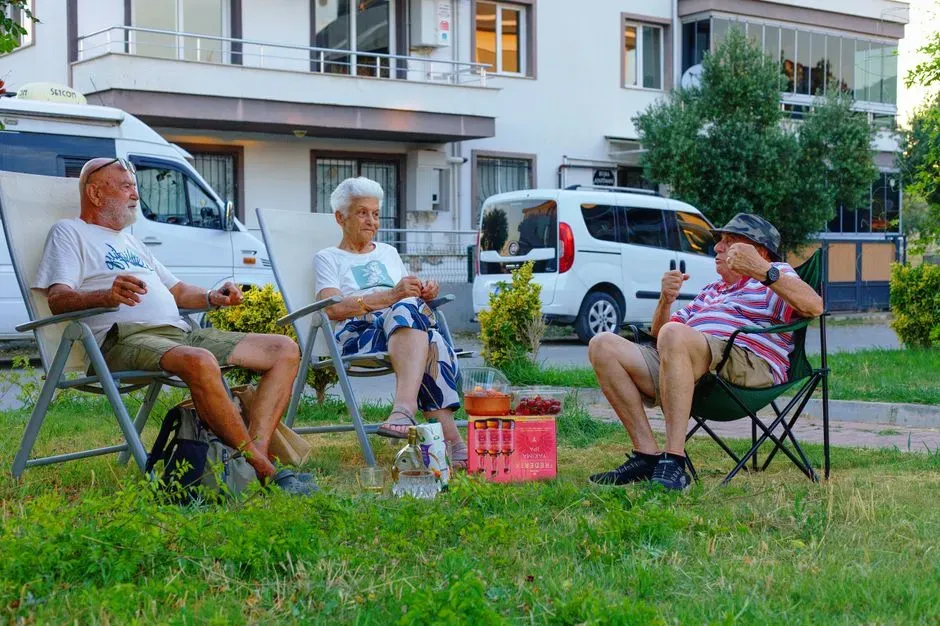
The most valuable thing the pass gets you isn’t a single discount. It’s the fact that you’ll never pay for it again.
Senior pass prices are unchanged for 2026, at $80 for a lifetime pass and $20 for an annual one. Only non-resident pricing increased. Eligibility is simple. You must be a U.S. citizen or permanent resident aged 62 or older on the date of purchase, with proof of age and residency.
The math is lopsided. The standard annual pass for the general public is also $80, so a senior buying the lifetime pass pays what a non-senior pays for one year. The lifetime pass can pay for itself in about one week of federal camping. One guide puts the break-even at about 7 nights.
Here’s a loophole worth knowing. Four purchased annual Senior Passes can be exchanged for a lifetime pass at no extra charge. If you don’t want to pay $80 upfront, you can spread it over four years.
I’ll give you my take. If you’ll visit fee sites in more than one year, skip the annual pass and buy the lifetime version. Most people who don’t are paying extra for no reason.

Glass Hummingbird Feeder for Outdoors Hanging
Check Price on AmazonAs an Amazon Associate, we earn from qualifying purchases.
10/7/2026 1:21 pm GMTi

2 Pcs Halloween Pet Hat Bandana Set, Witch Pumpkin Costumes for Dogs
Check Price on AmazonAs an Amazon Associate, we earn from qualifying purchases.
10/9/2026 2:45 pm GMTi

Air Purifiers for Home Pets Large Room Up to 3000 Ft²,HEPA Air Cleaner with Washable Double-Side Filter, PM2.5 Air Quality Monitor,15dB Sleep Mode for Bedroom Odor Dust Pollen,White
Check Price on AmazonAs an Amazon Associate, we earn from qualifying purchases.
10/8/2026 8:23 am GMTi

Portable Dog Water Bottle Foldable Dog Travel Water Bottle
Check Price on AmazonAs an Amazon Associate, we earn from qualifying purchases.
10/7/2026 1:29 pm GMTi
Fast Facts
- Lifetime pass: $80 in person
- Annual pass: $20
- Online or by mail: about $90 for the lifetime version after a $10 processing fee
- Eligibility: U.S. citizen or permanent resident, age 62 or older at purchase
- Four annual passes can be swapped for one lifetime pass
Buy in person if you can, and you’ll skip the processing fee entirely.
The senior pass isn’t really a gate pass. It’s a fee-reduction card that works at forests, lakes, campgrounds, boat ramps and beaches, often far from the famous entrances. Day-use fees are waived. Camping, boat launches and some tours are usually cut in half, depending on the site.
The catches are real. The discount is personal, doesn’t reach concessionaires or state parks, and may skip hookups and group sites. Those limits are exactly why the pass rewards people who read the fee board instead of just flashing the card at the gate.
My verdict: at $80 for life, it’s the best-value federal travel purchase most people over 62 never fully use. If yours has only ever opened a park gate, you’ve been playing with a fraction of it. What’s the best discount you’ve ever claimed with yours?

- 9 Things a Senior Pass Gets You Beyond Park Entry Gates - November 8, 2026
- 9 Ways a Cat Ranks Everybody Living in a House - November 8, 2026
- 8 Things a Formerly Feral Cat Keeps Doing for Life - November 8, 2026