
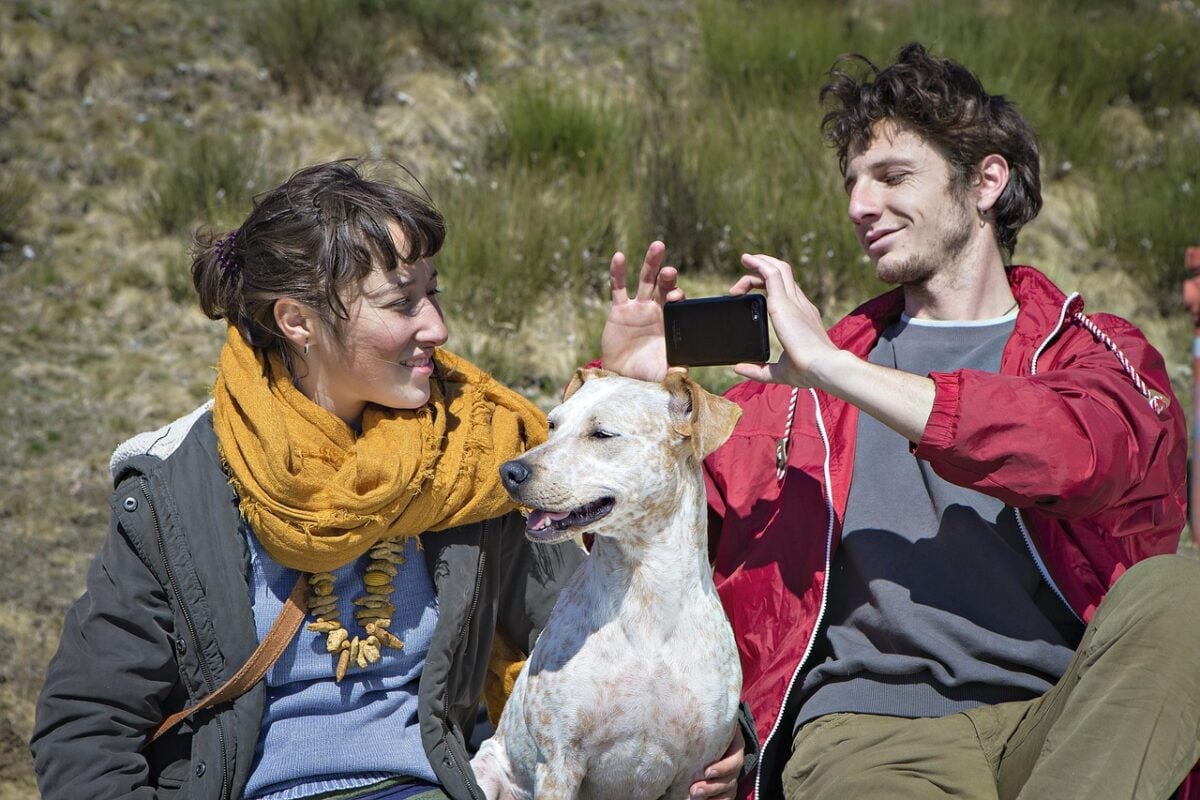
If your dog could talk, you’d hear a very different version of pickup day than the one you tell at dinner parties. You remember the leash, the paperwork and the nervous grin. Your dog remembers something else entirely, and researchers say it’s stranger and more emotional than most owners guess.
Below are 14 things a dog may still be carrying from the day it was collected, counted down from the quiet clues to the one that matters most. Most people assume a dog’s life starts the second it walks through the front door. It doesn’t. Dogs don’t keep photo albums, but they hold on to smells, sounds and emotional states for a long time, and pickup day delivered all three at once: strange hands, a moving car and a brand-new door.
One caveat first. Nobody can read a dog’s mind, so some of this is evidence and some is informed inference, and we’ll flag which is which. One of the sweetest stories owners tell about this day also doesn’t hold up, and you’ll meet it before the end.
#14 – The Smell of the Place It Came From
🔥 Would you like to save this?
We'll email this post to you, so you can come back to it later!
Your dog’s first record of pickup day is probably a smell, not a picture.
Humans build memories mostly through vision. Dogs lean on scent far more heavily when they encode memories. The shelter, breeder or foster home had its own chemical signature, and your dog was standing in it the whole time.
Picture the layers: disinfectant, other animals, old bedding and the food bowl. Researchers studying odor-evoked memory say findings point to the possibility that an odor becomes strongly tied to a specific event. That’s a possibility, not a proven fact about pickup day.
It could explain some odd reactions, though. Some dogs stiffen outside one particular building, or relax in one particular spot. Nobody can say which memory is behind it, but a smell-led memory is a better bet than a picture-led one.
- Cleaning products and kennel bedding
- The animals that were nearby
- Whatever food it was eating at the time
But that’s nothing compared to what we found about #13…
#13 – Your Scent, Logged in the First Handshake
🔥 Would you like to save this?
We'll email this post to you, so you can come back to it later!
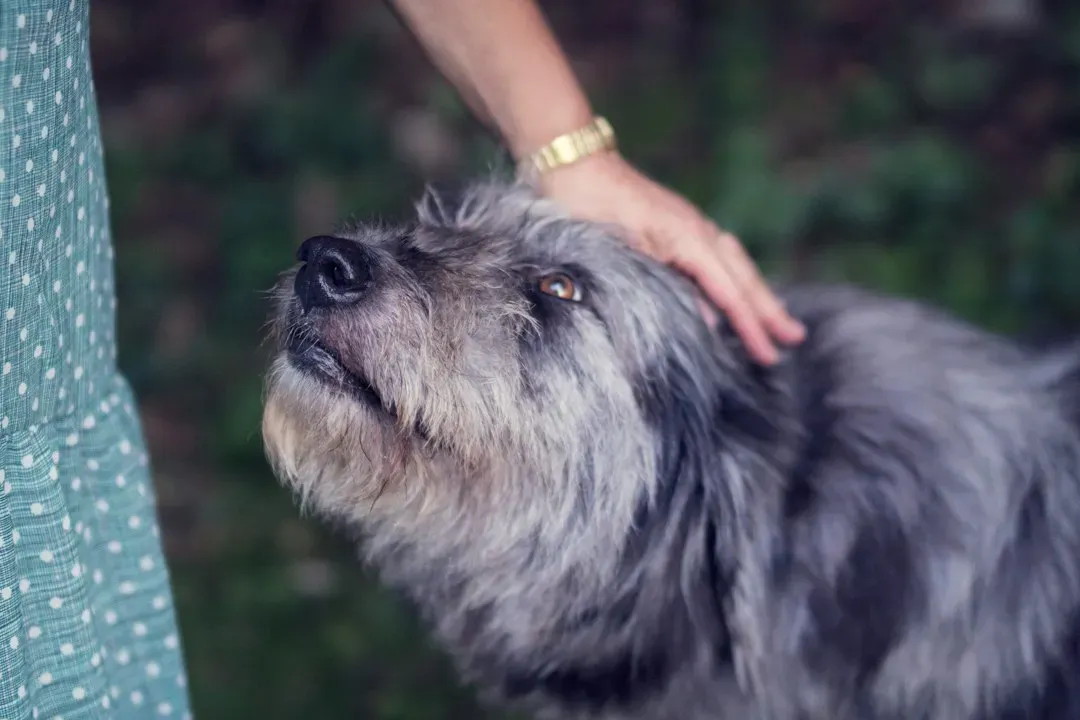
Before your dog understood a single word, it had already filed you under “smell.”
Research suggests dogs remember people primarily by smell, which is tied to long-term memory. Your face and voice matter. Your scent is the signature that does the heavy lifting.
Your dog also learns what that scent means. A dog relates your scent to how you made it feel while you were around. A calm, gentle first meeting writes a very different label than a rushed, loud one.
Your day-one scent was a whole bundle: your laundry detergent, your car, your hands and whatever you’d touched that morning. That part is an informed guess, but a reasonable one given how dogs process odor.
- Your scent was new and unfiltered on day one
- Its emotional label depended on how the meeting felt
- The label updates daily as you keep showing up
That’s your scent. Now for the thing that traveled across the room faster than you did, at #12…
#12 – The Sound of Your Voice
🔥 Would you like to save this?
We'll email this post to you, so you can come back to it later!
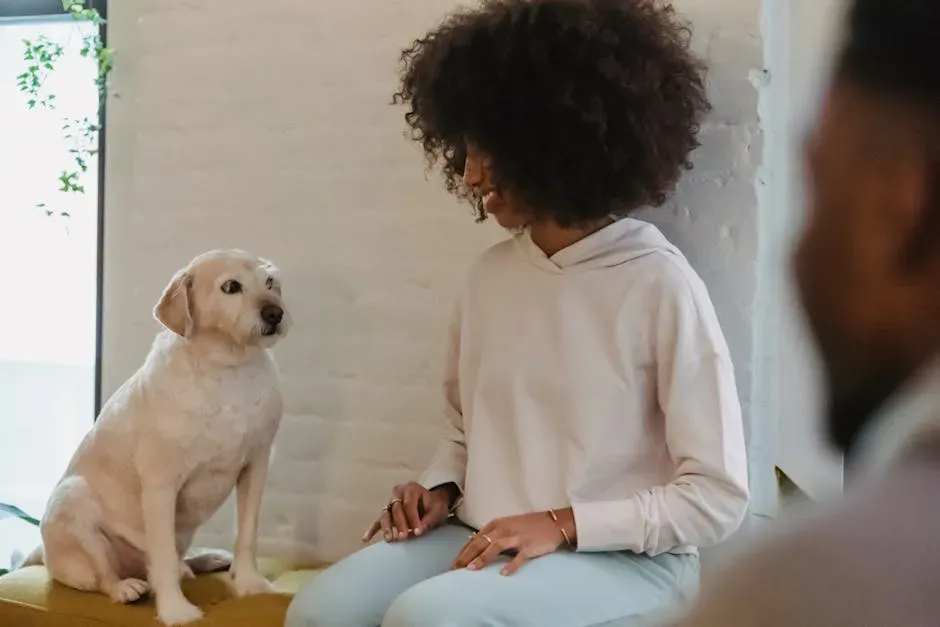
Your voice may have been the first familiar-feeling thing your dog could hold on to in a world of unfamiliar things.
Dogs come to know your face, your voice and your scent. On pickup day, though, your voice was the only one of those three that could reach the dog from across a room. It carried tone long before it carried meaning.
Many owners slip into high-pitched baby talk at pickup. Research on dog-directed speech suggests young puppies respond to it more than adult dogs do. So the “who’s a good boy” routine may work on a puppy but mean far less to a nervous adult.
How you speak probably matters more than what you say. A soft, steady voice is a safer bet than a chirpy one for a stressed dog. Whether your dog can recall the exact sound of that first “hello” is unknown, but the emotional tone is the better candidate.
Quick Compare
- Young puppy: baby talk may land, since puppies respond to it more than adults do
- Nervous adult: a low, slow, steady voice is the safer bet
- Chirpy performance: fun for you, but easy for a stressed dog to misread
The safest rule: speak low, speak slow, and skip the performance.
And the next one doesn’t involve you speaking at all. It starts with an engine, at #11…
#11 – The Car Ride That Changed Everything
🔥 Would you like to save this?
We'll email this post to you, so you can come back to it later!
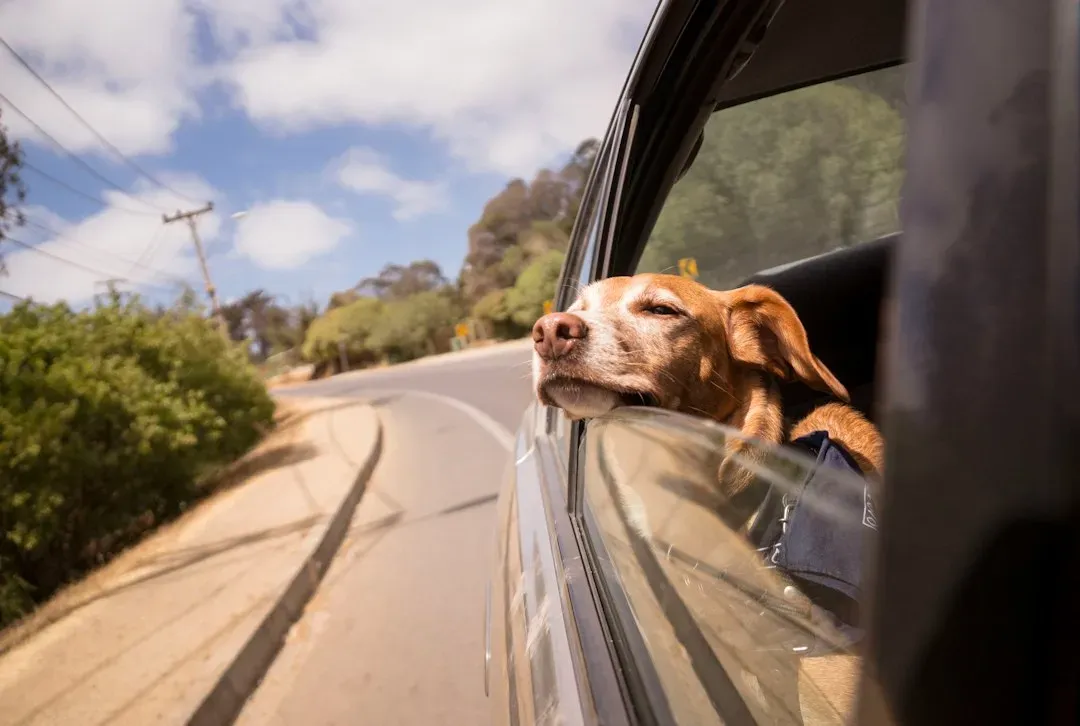
For many dogs, the ride home is the first time their whole world moves without their consent.
Dogs learn by association. Memory consolidation in animals is reinforced by repetition, emotional salience and multisensory input such as combined scent, sound and touch cues. A car ride has all of that: engine hum, vibration, new smells and a sudden loss of familiar ground.
A single ride isn’t repetition, but it is emotionally loaded. That’s why the first trip can set a tone. If it was frightening, the car itself may become a cue for worry. If it ended with a calm arrival and a treat, the cue may soften.
Here’s the mistake many new owners make: they repeat the scary version. They only drive the dog to places it dislikes, like the vet or the groomer, and the car keeps its bad label.
- Short, easy trips to somewhere pleasant help rewrite the association
- Familiar bedding in the car adds a familiar smell
The ride ended. The door opened. What happened next is #10, and it might sting a little…
#10 – The Threshold of Your Home
🔥 Would you like to save this?
We'll email this post to you, so you can come back to it later!
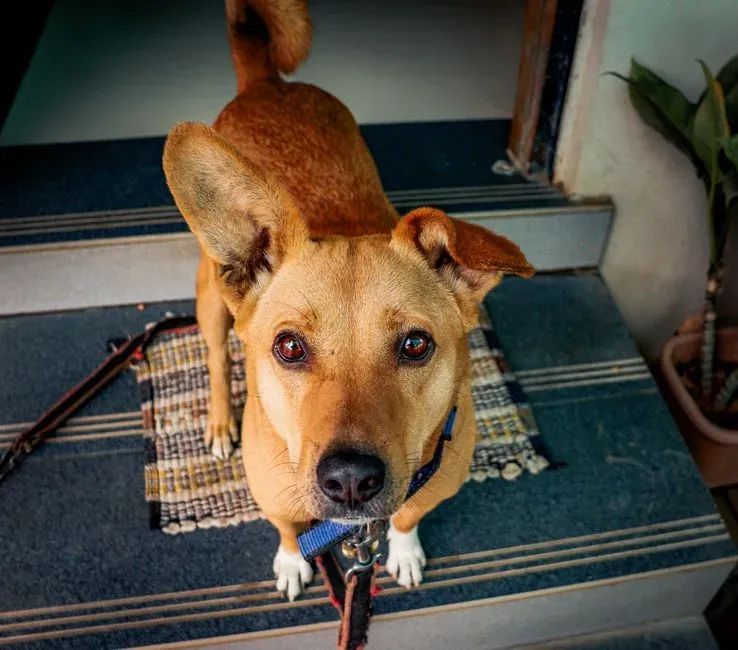
The moment your dog crossed your doorstep was probably one of the most stressful of its life.
Research confirms that cortisol levels spike when dogs enter new environments and typically take several days to normalize. Every smell in your home was new. So were the floors, the echoes and the routines.
Here’s the unpopular opinion. Most people throw a welcome party with visitors, toys and photos, and many trainers argue it’s the biggest mistake of the first week. Rescue guidance tells owners to keep things calm and quiet, with no visitors, no pet store trips and no dog park introductions.
The party is for the humans. A dog in that first hour is mapping exits, hiding spots and which people are safe. It has no idea it’s being celebrated.
Stress shows up in the body fast, and one of the first signs is sitting in a bowl at #9…
#9 – The Meal It Couldn’t Eat

🔥 Would you like to save this?
We'll email this post to you, so you can come back to it later!
Plenty of dogs refuse food on pickup day, and it isn’t about the food.
Refusing to eat is common because stress hormones like cortisol suppress appetite. A dog may also shut down, seem eerily calm or hide. Others do the opposite and pace or pant. Neither response is the “real” dog.
The timeline is slower than most people expect. One classic shelter study found cortisol stayed high through the first three days, with no significant decline until day four or five. So a dog that skips breakfast on day two is behaving normally.
A dog’s body may register these early hours more strongly than its mind does. That doesn’t prove the dog “remembers” the stress as an event. It does mean the physical state of day one can echo into day three.
- Skipped meals are common and usually temporary
- Offer food at the same times, without pressure
- Call the vet if a dog refuses food for longer than expected
If the first day is hard, the first night is harder. That’s #8…
#8 – The First Night
🔥 Would you like to save this?
We'll email this post to you, so you can come back to it later!
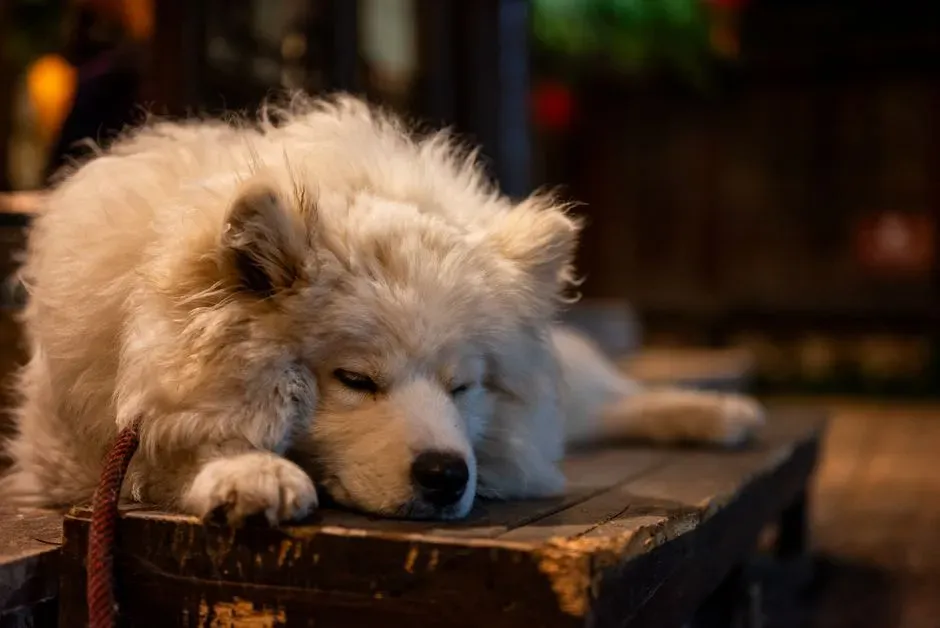
Night one is the part of pickup day most likely to leave a mark.
Darkness, unfamiliar sounds and an unfamiliar bed are a rough combination for a dog already running on stress hormones. In the 2023 study, restless nighttime activity dropped from the first night to the second, a “rebound of resting.” That suggests many dogs finally caught up on sleep once they realized the place was calm.
The first night is when a dog learns whether its new place is safe. Whether it can tell that story later is a different question. The evidence points to the feeling being stored, not a night-by-night diary.
The sleeping spot matters more than the bed. A consistent spot gives the dog a fixed point in a strange house, which is one reason rescue guidance recommends a designated sleeping area from the start.
Many owners see “let them sleep in your bed on night one” as the kind thing to do. Some experts argue it’s a mistake, because it can set expectations the household can’t keep. It’s a real debate, and the best choice depends on the dog.

Glass Hummingbird Feeder for Outdoors Hanging
Check Price on AmazonAs an Amazon Associate, we earn from qualifying purchases.
10/7/2026 1:21 pm GMTi

Portable Dog Water Bottle Foldable Dog Travel Water Bottle
Check Price on AmazonAs an Amazon Associate, we earn from qualifying purchases.
10/7/2026 1:29 pm GMTi

Earth Rated XL Dog & Puppy Pee Pads, Discreet Top, Max Absorbency
Check Price on AmazonAs an Amazon Associate, we earn from qualifying purchases.
10/7/2026 1:28 pm GMTi

Professional 7 in 1 Dog Paw Cleaner for Dogs & Cats - Includes 1 Portable Paw Washer, 1 Bath Brush
Check Price on AmazonAs an Amazon Associate, we earn from qualifying purchases.
10/7/2026 1:26 pm GMTi

PetSafe Oasys Pet Fountain, 1/2 Gallon (64 oz), Small Dogs & Cats
Check Price on AmazonAs an Amazon Associate, we earn from qualifying purchases.
10/8/2026 8:14 am GMTi
At a Glance
- Night one: stress hormones are still running high
- Night two: restless activity dropped in the 2023 study
- Best anchor: one consistent sleeping spot
- Open debate: bed-sharing on night one depends on the dog
Next up is a figure from that day most of us never think about again, at #7…
#7 – The Person Who Handed It Over
🔥 Would you like to save this?
We'll email this post to you, so you can come back to it later!
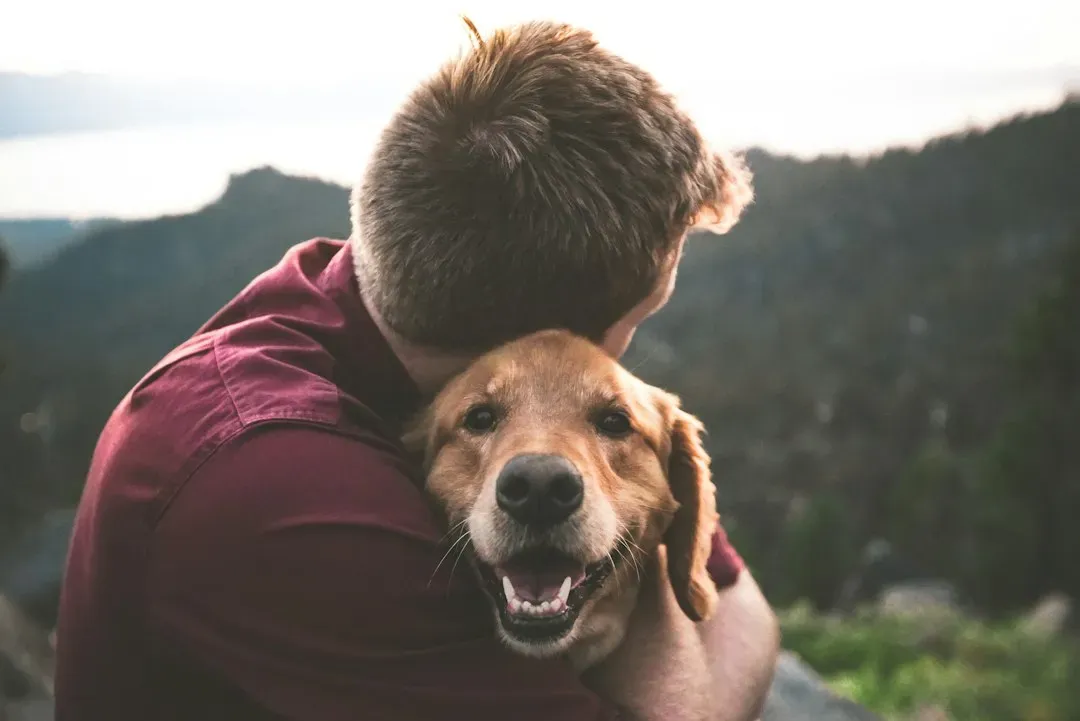
Dogs can recognize previous owners, and the recognition is emotional.
One source on canine behavior says dogs show the strongest signs of recognition with previous owners who treated them well or who treated them poorly. The memory isn’t neutral. It carries a verdict.
Dogs associate scent with the emotions they felt around previous owners, so detecting that scent can bring back how they were treated. Whoever handed the dog over on pickup day may now be a smell with a feeling attached.
Here’s the controversial part. Many owners believe their rescue dog “knows” it was saved. The evidence doesn’t support gratitude. It supports something simpler: the dog remembers how safe it felt, not why.
Some dogs also move on fast. One rescue writer described a dog that didn’t seem to have any deep attachment to her past life and bonded quickly. Dogs vary, so don’t read too much into either extreme.
And what about the ones who didn’t get to leave with you? That’s #6, and the honest answer is messy…
#6 – The Other Dogs It Left Behind
🔥 Would you like to save this?
We'll email this post to you, so you can come back to it later!
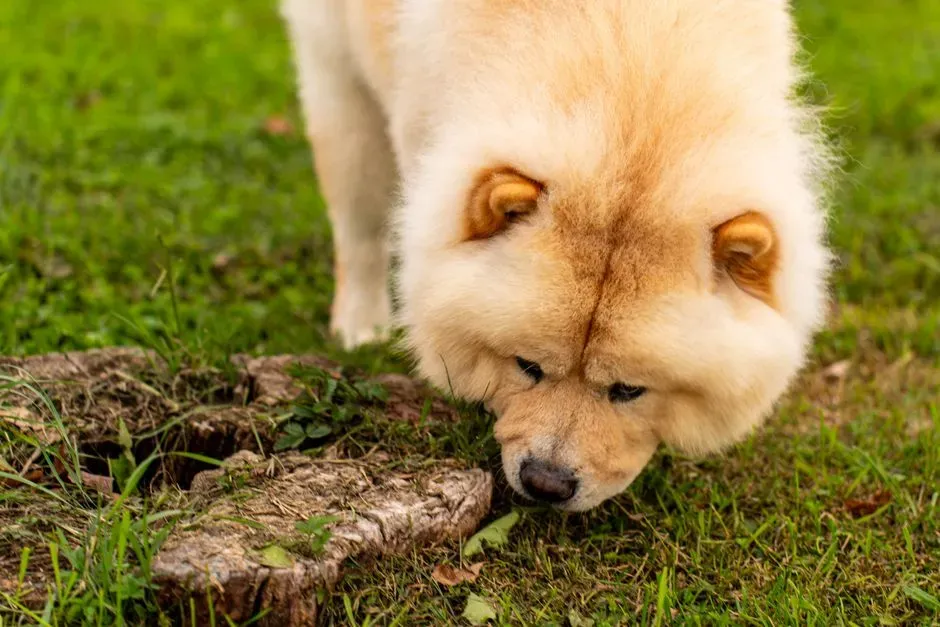
Your dog may carry a smell-memory of other animals from that day, but this is where the evidence gets thin.
Scientists have studied canine brain responses to familiar and unfamiliar human and dog odors using fMRI. Dogs clearly treat the smell of other dogs as meaningful information. Whether they hold specific memories of a particular kennel-mate is much harder to prove.
Our best reading is cautious. A dog that spent weeks beside another animal probably built a scent association with it. But research on lasting recognition after separation is limited, and it varies by dog.
It’s easy to overreach here. Viral stories about dogs “pining” for kennel friends are touching, but a single story isn’t a study.
- Strong evidence: dogs respond to the scent of familiar animals
- Weak evidence: that they recall specific individuals after long gaps
An honest answer beats a romantic one. We don’t know exactly what your dog recalls about the animals it left behind.
Now to the moment everyone photographs, which may not have gone the way the photo suggests. That’s #5…
#5 – The First Time You Looked at Each Other
🔥 Would you like to save this?
We'll email this post to you, so you can come back to it later!
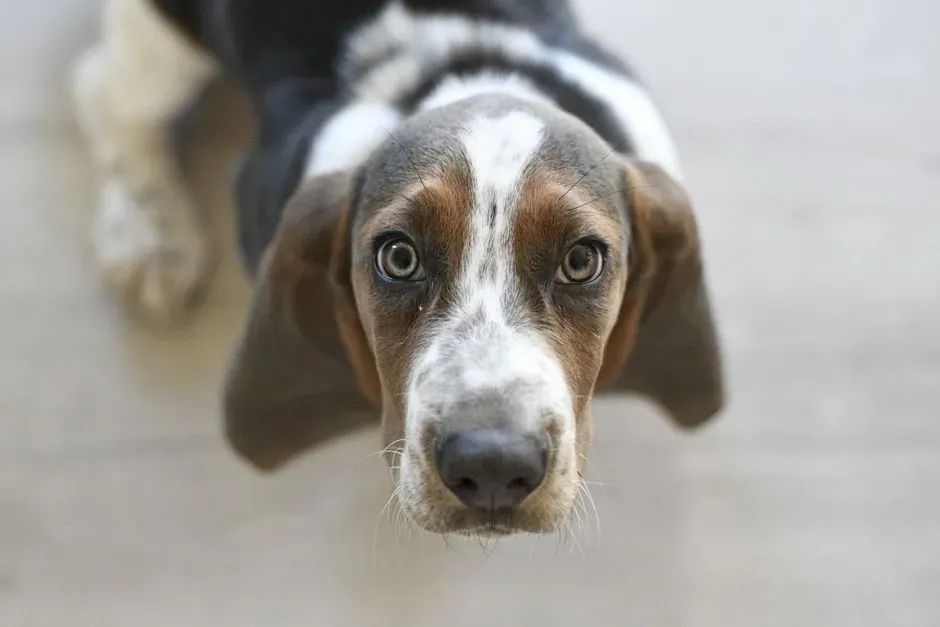
Eye contact between dogs and their people does something measurable, but the first stare may not have been what you think.
Studies have found that when dogs and owners stare into each other’s eyes, oxytocin levels rise significantly in both species. Researchers interpreted this as evidence of bonding at a biochemical level. But that’s the established relationship, built over time.
Pickup day is different. Your dog didn’t know you. Many behaviorists warn that a long, direct stare at a nervous dog can feel threatening, not friendly. Many owners treat the staged “look at me” photo as a sweet moment, while many trainers call it the first mistake.
The bond-building gaze comes later. It happens after trust, not before. A soft glance and a turned shoulder may be better first moves.
- Early on: soft, brief, sideways looks
- Later: longer mutual gaze as the dog seeks it out
Your dog was reading more than your eyes. It may have been reading your whole mood, at #4…
#4 – Your Mood on That Day
🔥 Would you like to save this?
We'll email this post to you, so you can come back to it later!
You weren’t just carrying a leash. You were carrying a mood, and your dog may have noticed.
One source says studies suggest dogs can recognize people based on scent and emotion. That makes your state on pickup day more relevant than you’d think. Excited, anxious and tense all have physical signatures.
Nerves change how people move and speak. They also may change how people smell. A dog doesn’t need to understand why you were wound up to register that you were.
Nobody has tested whether your nerves on pickup day lingered in your dog’s memory. That specific question is unanswered. What we can say is that emotion and scent are tightly linked in how dogs form memories.
That’s an argument for calm, not performance. Take a breath before you walk in. Move slowly. Let the dog decide how fast the first interaction goes.
- Move slowly and keep your voice low
- Skip the big emotional reunion if the dog seems unsure
- Let the dog approach you
The next one is where the science gets genuinely surprising, at #3…

Halloween Dog Collar with Bow, Orange Cute Ghost Collar,
Check Price on AmazonAs an Amazon Associate, we earn from qualifying purchases.
10/9/2026 2:43 pm GMTi

Dog Stairs for Bed 18" H, 4-Step Dog Steps for High Bed
Check Price on AmazonAs an Amazon Associate, we earn from qualifying purchases.
10/9/2026 2:42 pm GMTi

2 Pcs Halloween Pet Hat Bandana Set, Witch Pumpkin Costumes for Dogs
Check Price on AmazonAs an Amazon Associate, we earn from qualifying purchases.
10/9/2026 2:45 pm GMTi

Halloween Cat Costume Cloak Witch Hat Pet Accessories
Check Price on AmazonAs an Amazon Associate, we earn from qualifying purchases.
10/9/2026 2:44 pm GMTi

Hand Blown Glass Hummingbird Feeders for Outdoors Hanging, 24oz Wild Bird Nectar Feeder
Check Price on AmazonAs an Amazon Associate, we earn from qualifying purchases.
10/7/2026 1:23 pm GMTi
#3 – The Odd Little Details Nobody Noticed
🔥 Would you like to save this?
We'll email this post to you, so you can come back to it later!
The detail your dog kept may be the one you didn’t think mattered.
In a famous experiment, researchers trained dogs to copy human actions. Then they asked for a copy when the dogs didn’t expect to be tested. The researchers concluded the dogs were using episodic-like memory to repeat their owner’s actions, even an hour later.
That matters for pickup day because most of what happened was incidental. Nobody told your dog, “Remember this.” The study’s design suggests dogs may store events they weren’t trying to store.
Now the caveat. The tests ran for minutes to an hour, not years. And it’s up for debate whether dogs possess this type of memory at all. Treat this as “plausible,” not “proven.”
If that’s plausible, then the next question is whether your dog remembers what it did, not just what was done to it. That’s #2…
#2 – What It Did, Not Just What Happened
🔥 Would you like to save this?
We'll email this post to you, so you can come back to it later!
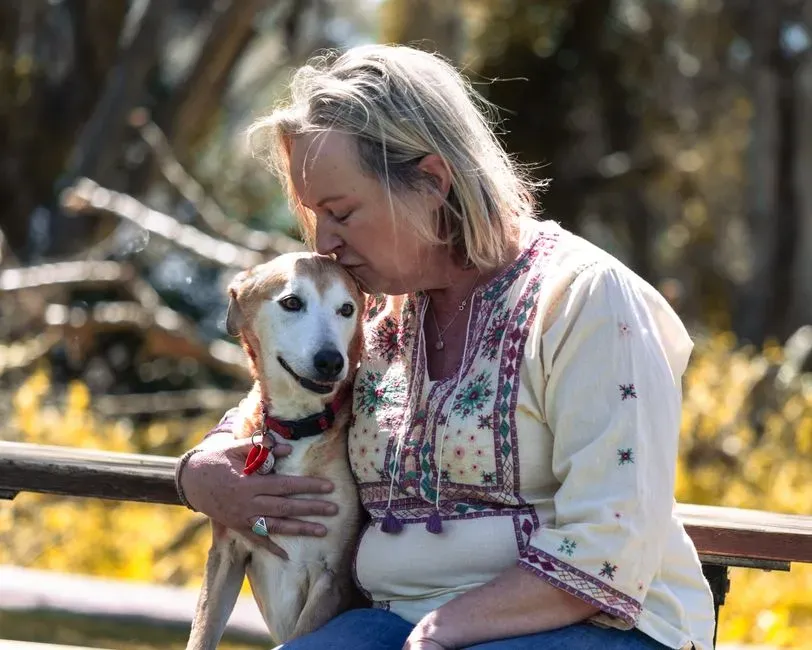
Your dog may remember its own actions from that first day, not only what was done to it.
Researchers in a Scientific Reports study tested this directly. They concluded that dogs can display episodic-like memory of incidentally encoded information about their own actions. The dogs’ own behavior had been stored.
On pickup day, your dog was busy. It sniffed corners, tested the floor, hid, paced or froze. Those actions were part of its experience, and the research suggests that actions can leave a trace.
That changes how we think about early behavior. It’s not just your dog reacting. It’s your dog learning from what it did and how that went. A hiding spot that felt safe may stay a hiding spot.
Even so, scientists use the term “episodic-like” for a reason. We can’t measure whether a dog mentally relives an event. We can only measure whether it acts on stored information.
Every clue so far points toward one answer, and it’s #1…

Glass Hummingbird Feeder for Outdoors Hanging, 16 oz Leak-Proof Nectar Feeder with Bee Guards & Ant Moat
Check Price on AmazonAs an Amazon Associate, we earn from qualifying purchases.
10/7/2026 1:22 pm GMTi

Air Purifiers for Home Pets Large Room Up to 3000 Ft²,HEPA Air Cleaner with Washable Double-Side Filter, PM2.5 Air Quality Monitor,15dB Sleep Mode for Bedroom Odor Dust Pollen,White
Check Price on AmazonAs an Amazon Associate, we earn from qualifying purchases.
10/8/2026 8:23 am GMTi

Orthopedic Extra Large Dog Bed, Waterproof Washable XL Pet Bed 44"
Check Price on AmazonAs an Amazon Associate, we earn from qualifying purchases.
10/7/2026 1:32 pm GMTi

Smart Bird Feeder with Camera Solar Powered, 2K HD Live Video, 10,000+ Bird Species AI Identification
Check Price on AmazonAs an Amazon Associate, we earn from qualifying purchases.
10/7/2026 1:22 pm GMTi
#1 – The Feeling of Being Safe

🔥 Would you like to save this?
We'll email this post to you, so you can come back to it later!
The part of pickup day most likely to last isn’t a scene. It’s a feeling.
Dogs build memories differently than people, relying heavily on scent, routine and emotional association rather than a mental timeline of events. That’s the heart of it. Your dog probably doesn’t replay the day like a film.
The same principle works in reverse. Rescue guidance notes that a mistreated dog may remember the feeling of fear tied to a smell or object, rather than a detailed memory of a specific incident. Fear sticks that way. So does safety.
Here’s the hopeful part. By the three-month mark, most rescue dogs have developed a genuine sense of security in their new home. Some need longer, and some take six months to a year to fully decompress. That is normal.
Fast Facts
- Days 1 to 3: cortisol stayed high in one classic shelter study
- Day 4 or 5: the first significant decline showed up
- Within 7 days: urinary cortisol fell significantly in the 2023 study of adopted dogs
- About 3 months: most rescue dogs feel genuinely secure at home
- 6 to 12 months: full decompression for some dogs
So what does a dog actually carry forward from all those days? Mostly this bundle:
- The smells of the place it left
- Your scent, voice and mood
- The emotional tone of the first hours
- The routine that taught it the house was safe
Add it all up and you get the story of how your dog first learned to trust you. It also says something about how we should do pickup day.
Your dog almost certainly doesn’t remember pickup day as a story. It remembers a bundle of smells, sounds and feelings. The most striking finding is how much of that bundle came from you: your scent, your voice, your calm and your routine.
In my opinion, the welcome party and the staged first photo are mostly for the humans. A quiet room and a steady schedule are the real gift.
The “he knows I rescued him” story is a comfortable myth, and the truth is better. He remembers feeling safe with you.
So what did your dog do in its first hour that you still can’t explain?

- 14 Things a Dog Still Remembers From the Day It Was Collected - November 8, 2026
- 19 Quiet Habits a Dog Builds Around One Person’s Daily Routine - November 8, 2026
- 8 Things a Cat Remembers About Someone It Has Not Seen in Years - November 8, 2026