
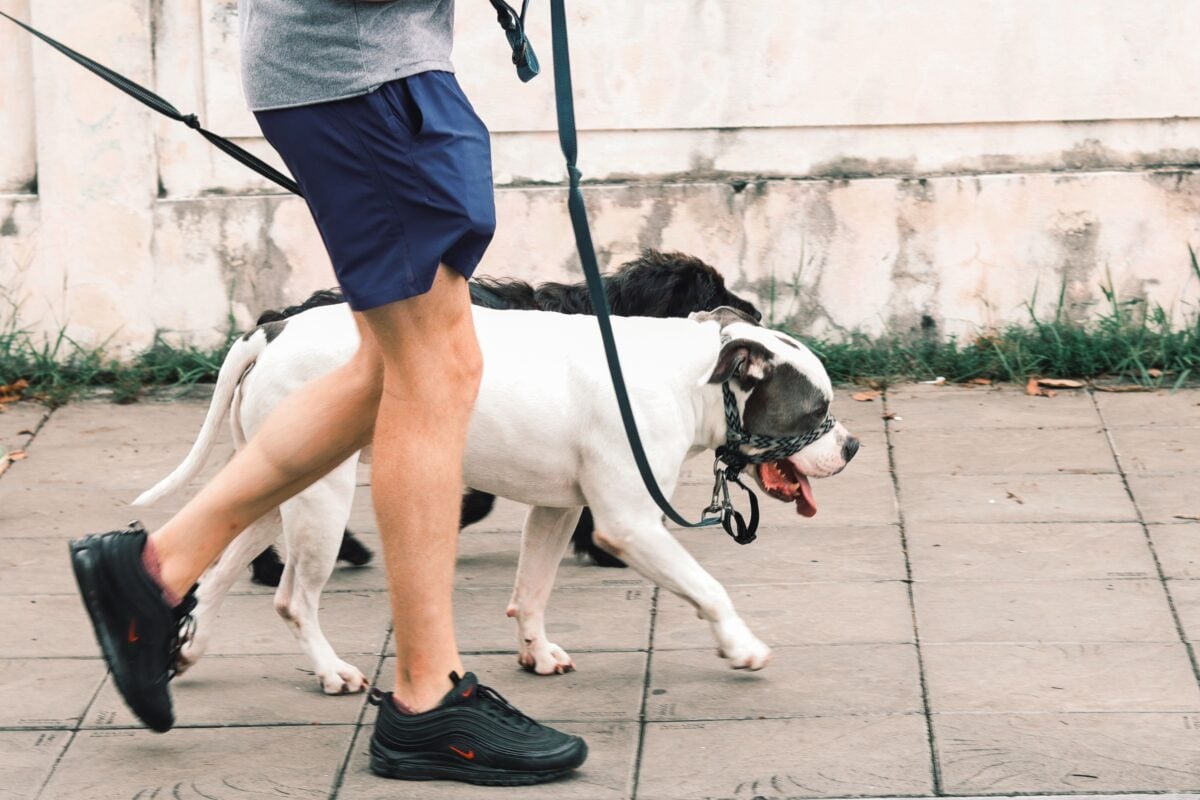
Your dog isn’t just living in your house. It has been quietly studying you inside it. The nudge a few minutes before your alarm, the stolen sock, the way it shows up in the doorway the moment you sigh: you’ve probably filed all of it under “just how he is.” Most of it isn’t random.
Here are 19 quiet habits, counted down from the ones you’ll spot right away to the ones that only show up once you know where to look. Some are backed by solid research and some are still debated. The first one explains why your dog wakes you at “work time” on a Saturday, but the habit waiting at #1 is the one that surprises even seasoned dog people.
#19 – Your Dog’s Body Clock Is Secretly Set by You
🔥 Would you like to save this?
We'll email this post to you, so you can come back to it later!
Your dog probably wakes up on your schedule, not nature’s.
Dogs aren’t born knowing when breakfast happens. Their daily rhythms are flexible, and feeding times, walks and household noise all help shape them. After a few weeks, the pattern sets.
That’s why a dog may nudge you minutes before your alarm. It isn’t reading a clock. It’s reading a sequence: light, pipes, footsteps, the creak of the bed.
Weekends expose the whole system. A dog that learned your weekday routine may still wake you at “work time” on Saturday, because the cue it follows is the habit, not the calendar.
Common anchors dogs lock onto:
- Meal timing
- The first walk of the day
- The sounds you make waking up
And that’s only your dog tracking the time of day. At #18, it starts tracking where you’re going.
#18 – It Reads Your “Leaving” Signals Before You Do
🔥 Would you like to save this?
We'll email this post to you, so you can come back to it later!
Long before you reach the door, your dog has already worked out that you’re about to disappear.
Dogs are experts at predicting events from tiny, repeated cues. Keys, a particular pair of shoes, a bag zipped shut. Each one becomes a signal through simple association.
This is classic conditioning, the same learning principle Pavlov made famous. Your dog doesn’t need to understand “work.” It only needs to learn that shoes plus keys usually means you vanish.
It works in reverse too. A familiar engine sound or a certain set of footsteps in the hallway can set off a welcome long before the door opens.
Some owners credit a mysterious sixth sense. The simpler explanation is more impressive: your dog has memorized your routine in sequence, and it notices the moment one step changes.
If your dog pants or paces when you grab your keys, it’s reacting to the cue, not the clock. Mixing up the order of your routine can soften that reaction.
Next is the habit owners argue about most, and it’s #17.
#17 – It Follows You From Room to Room
🔥 Would you like to save this?
We'll email this post to you, so you can come back to it later!
The “Velcro dog” habit is either devotion or a warning sign, depending on who you ask.
In attachment research, dogs have been shown to treat their person as a “secure base,” a safe anchor they use to feel confident exploring. Staying near you is part of that bond.
Routine makes it stronger. Every time you move around the house, something interesting often happens: food, a walk, a pat. Your dog learns that following you pays off.
Here’s the contrarian part. Many owners read constant shadowing as pure love, but some behaviorists argue it can signal anxiety, especially if the dog panics when a door closes between you.
A quick way to tell the difference:
- Relaxed shadowing: settles quickly once you stop moving
- Anxious shadowing: pants, whines or can’t settle when you’re out of sight
Where your dog sleeps may say even more, which brings us to #16.
#16 – It Claims the Same Spot Near You, Every Night
🔥 Would you like to save this?
We'll email this post to you, so you can come back to it later!
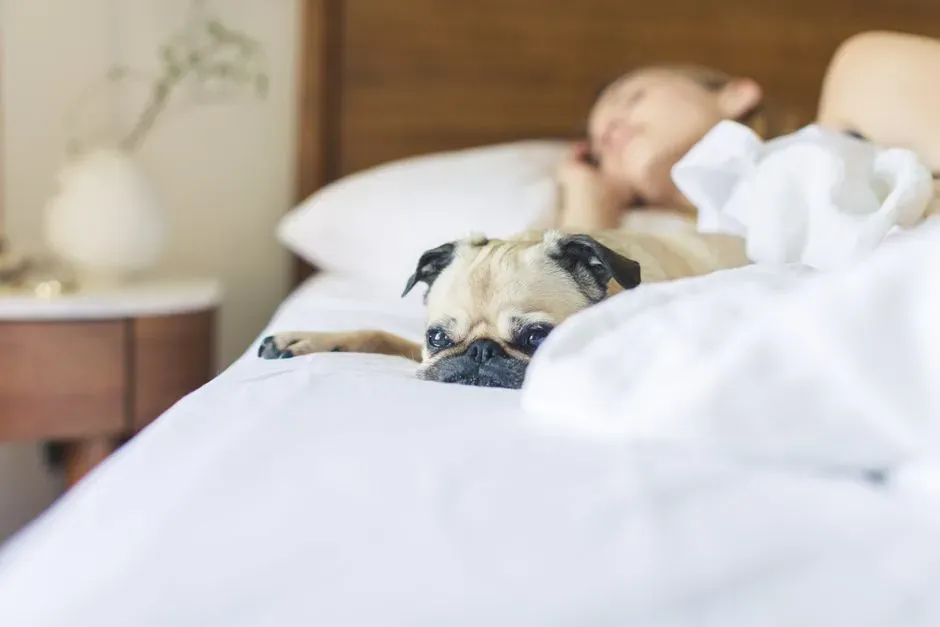
That “random” sleeping spot is almost never random.
Dogs tend to settle where they can sense your presence while resting. That could be the bedside, the hallway outside your door, or the end of the sofa nearest you.
Over time, the spot becomes part of your shared routine. It’s close enough for scent and sound, and far enough to feel secure. The dog repeats it because it works.
Sleep science adds a twist. In a small Mayo Clinic study of healthy adults, a dog in the bedroom didn’t automatically wreck people’s sleep, though a dog on the bed was linked to less restful nights.
Quick Compare
- Dog on the floor beside you: close enough for scent and sound, with less movement on your mattress
- Dog in the hallway: still within earshot, but you may hear every sigh and shuffle
- Dog on the bed: the most closeness, and the setup linked to less restful sleep for people
Experts are split on the bed question. Some say co-sleeping builds closeness. Others call it the biggest sleep mistake dog owners make. The honest answer depends on your dog and on how you sleep.
Sleeping close is only half the story, because #15 happens while you’re wide awake.
#15 – It Rests a Paw, Chin or Back Against You
🔥 Would you like to save this?
We'll email this post to you, so you can come back to it later!
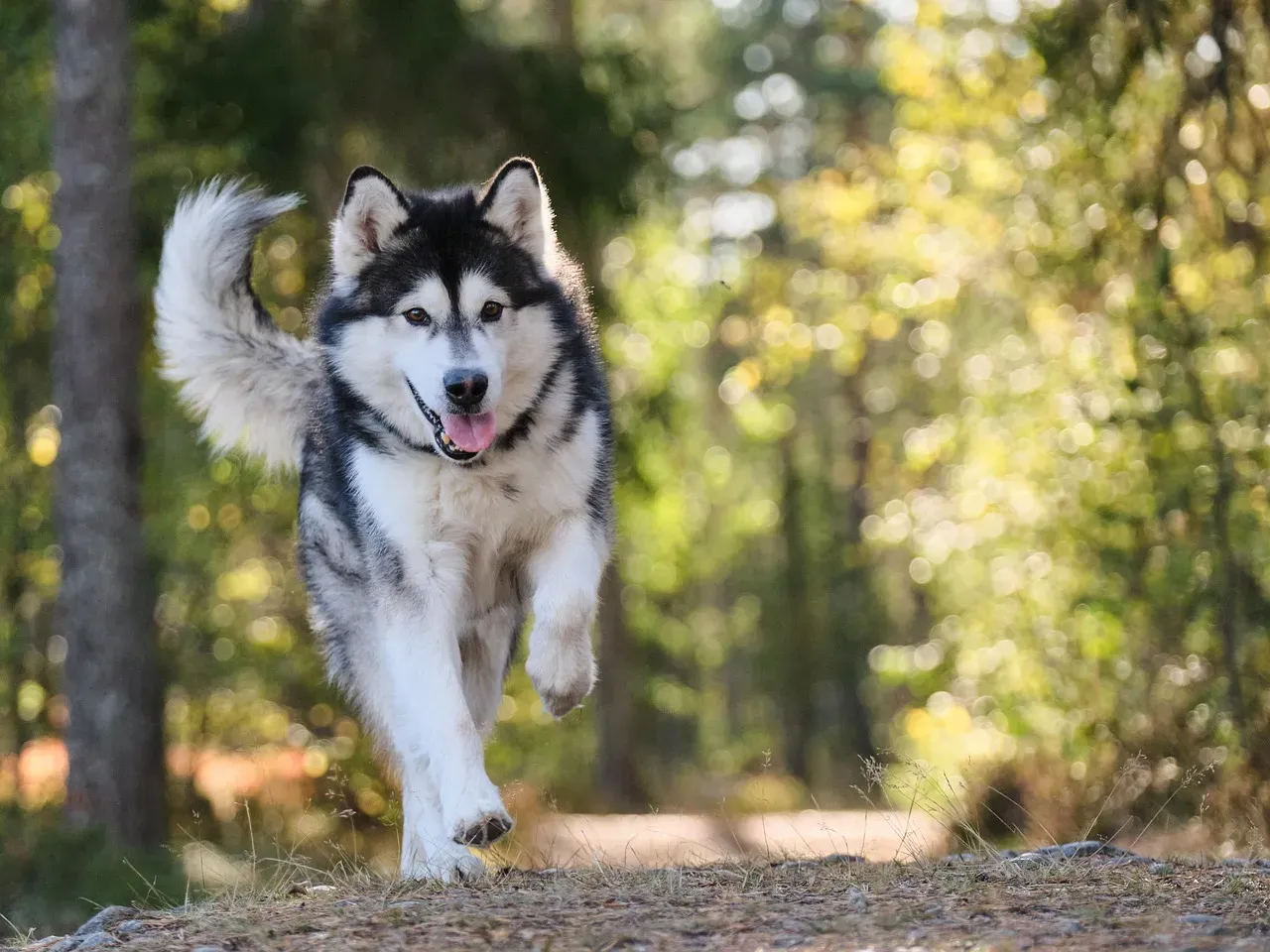
Dogs rarely touch you by accident.
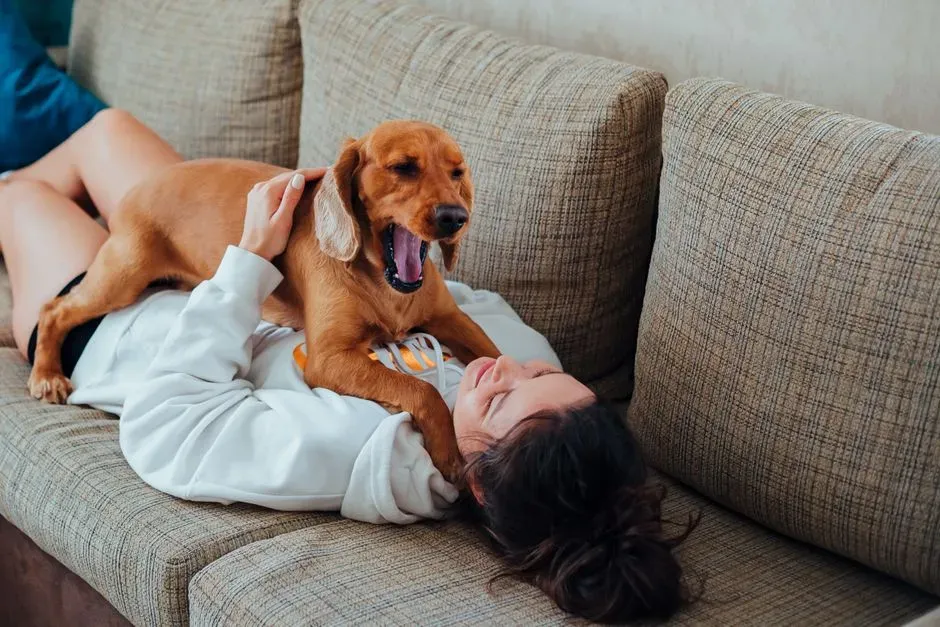
Physical contact is one of the quietest ways a dog says “I’m here.” A chin on your knee, a back pressed against your leg, a paw on your foot. These are deliberate contact habits, usually built around the moments you’re sitting still.
Most were reinforced early. If leaning got a scratch, your dog learned that leaning works. Repeat that for a year and it becomes automatic.
Contact also seems to help dogs relax. A dog that chooses to touch you while resting is usually showing comfort, not making a demand.
Not every nudge is affection, though. A paw tap while you’re eating often means “give me some.” Context tells you the difference.
Signs a touch is about comfort:
- Soft body and loose posture
- Slow blinking or a sigh
- No pushing, pawing or whining
The next habit looks like staring. It turns out to be something much more powerful, at #14.
#14 – It Checks In With You on Every Walk
🔥 Would you like to save this?
We'll email this post to you, so you can come back to it later!
Watch closely and you’ll see your dog glance back at you far more often than you realize.
On walks, many dogs make quick check-ins: a look over the shoulder, a pause at a corner, an ear flick toward your voice. Each glance is a way of referencing you.
That’s the secure-base idea in action. Your dog explores, then briefly confirms you’re still there and still on the same plan.
Pace matters too. Dogs often adjust to the speed and direction of the person they walk with most. Over time, your routine becomes the map.
Dogs that never check in aren’t necessarily cold. They may be very distracted, very excited or under-trained. But frequent check-ins are a good sign the connection is working.
A glance is nothing compared to the next habit: the eye contact at #13.
#13 – It Holds Your Gaze in a Way Wolves Don’t
🔥 Would you like to save this?
We'll email this post to you, so you can come back to it later!
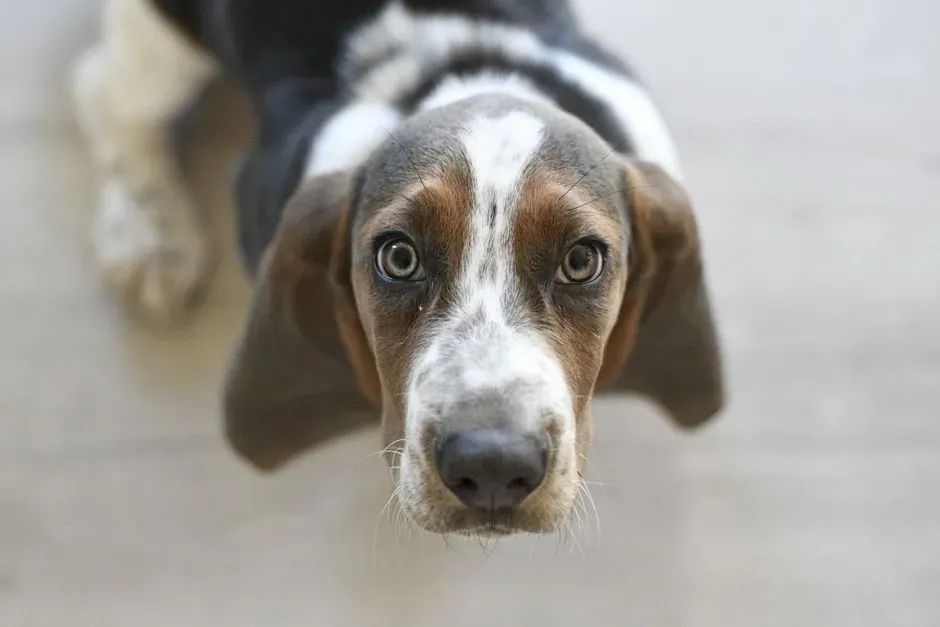
Eye contact between dogs and humans is stranger than it looks.
In a well-known 2015 study published in Science, Japanese researchers found that mutual gazing raised oxytocin levels in both dogs and their owners. Oxytocin is a hormone linked to bonding.
That suggests a feedback loop. You look, your dog looks, and both brains get a small bonding signal. A daily routine full of calm eye contact may reinforce it.
Context matters, though. A soft, relaxed gaze is different from a hard stare, which can feel like a threat to an unfamiliar dog.
Experts also caution against over-reading the findings. The study was small, and the loop showed up in pairs that already gazed at each other a lot. It doesn’t mean forced staring will do the same thing.
Your dog isn’t just looking at you. It’s also watching what you look at, and that’s #12.
#12 – It Follows Where You Point and Look

🔥 Would you like to save this?
We'll email this post to you, so you can come back to it later!
Your dog is reading your attention like a spotlight.
Dogs are unusually good at following human pointing and gaze. Studies comparing species have found that dogs often outperform wolves and even some great apes at using a human point to find hidden food.
That skill seems to come from living alongside people for thousands of years. In your home, it’s sharpened daily. You point at a toy, glance at the door, nod toward the couch, and your dog responds.
Worth Knowing
- Research on young puppies suggests pointing skills show up early, before much formal training.
- Dogs facing an unsolvable task often look back at a person’s face, as if asking for help.
- Results for wolves vary between studies, so the “dogs beat wolves” story is a trend, not a rule.
Over time, it learns your personal signals. It might know that your glance toward the leash means a walk, even when you haven’t said a word.
You’re teaching this constantly without noticing. Every time a look or gesture leads to something, your dog files it away.
- Pointing at food or toys
- Looking at the door before leaving
- Nodding toward a spot on the sofa
The next habit is tied to your voice, and it’s at #11.
#11 – It Tracks Both What You Say and How You Say It
🔥 Would you like to save this?
We'll email this post to you, so you can come back to it later!
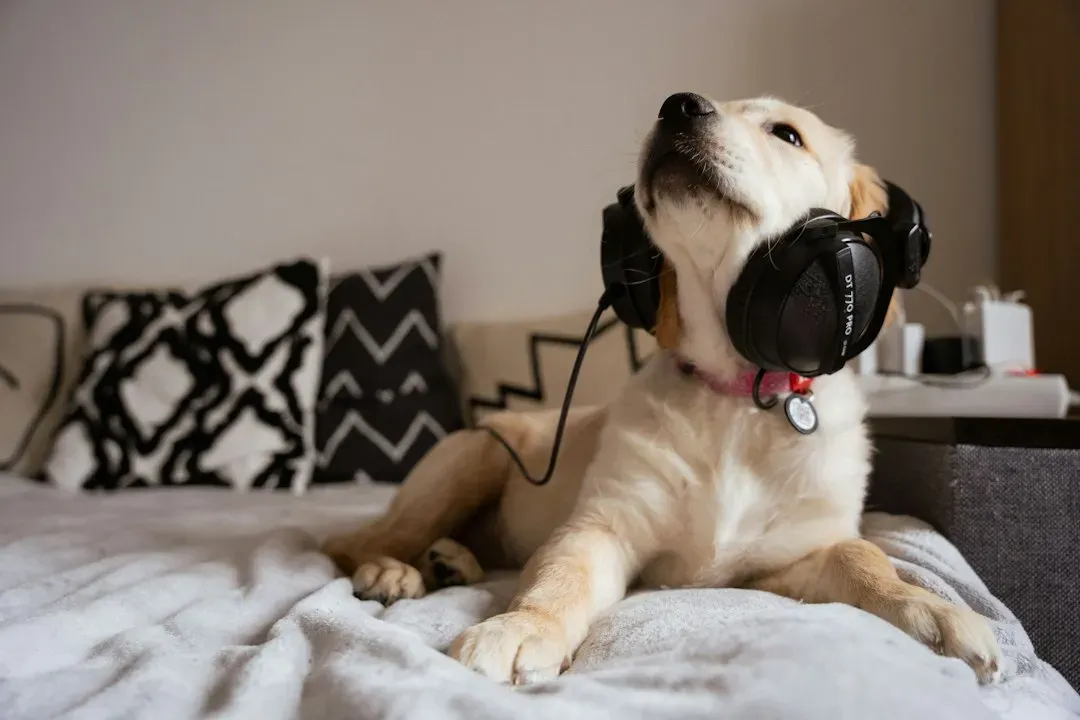
Your dog hears two messages in every sentence.
In a 2016 study in Science, Hungarian researchers scanned dogs’ brains while they heard praise words. They found that dogs’ brains processed both the words and the tone, and reward areas lit up most when praise words came in a praising tone.
Words alone weren’t enough. A neutral tone with praise words didn’t have the same effect.
That means your daily chatter matters. The cheerful way you greet your dog, the flat way you say “no,” the soft voice before bed. All of it is being read.
Here’s the opinion that annoys some owners. If you talk to your dog constantly in a flat, distracted tone, you may be teaching it that your voice is mostly background noise.
Your voice isn’t the only signal your dog tracks. The one at #10 is even more personal.

Portable Dog Water Bottle Foldable Dog Travel Water Bottle
Check Price on AmazonAs an Amazon Associate, we earn from qualifying purchases.
10/7/2026 1:29 pm GMTi

PetSafe Oasys Pet Fountain, 1/2 Gallon (64 oz), Small Dogs & Cats
Check Price on AmazonAs an Amazon Associate, we earn from qualifying purchases.
10/8/2026 8:14 am GMTi

Dog Stairs for Bed 18" H, 4-Step Dog Steps for High Bed
Check Price on AmazonAs an Amazon Associate, we earn from qualifying purchases.
10/9/2026 2:42 pm GMTi

Halloween Cat Costume Cloak Witch Hat Pet Accessories
Check Price on AmazonAs an Amazon Associate, we earn from qualifying purchases.
10/9/2026 2:44 pm GMTi

Smart Bird Feeder with Camera Solar Powered, 2K HD Live Video, 10,000+ Bird Species AI Identification
Check Price on AmazonAs an Amazon Associate, we earn from qualifying purchases.
10/7/2026 1:22 pm GMTi
#10 – It Sniffs, Steals or Sleeps on Your Clothes
🔥 Would you like to save this?
We'll email this post to you, so you can come back to it later!
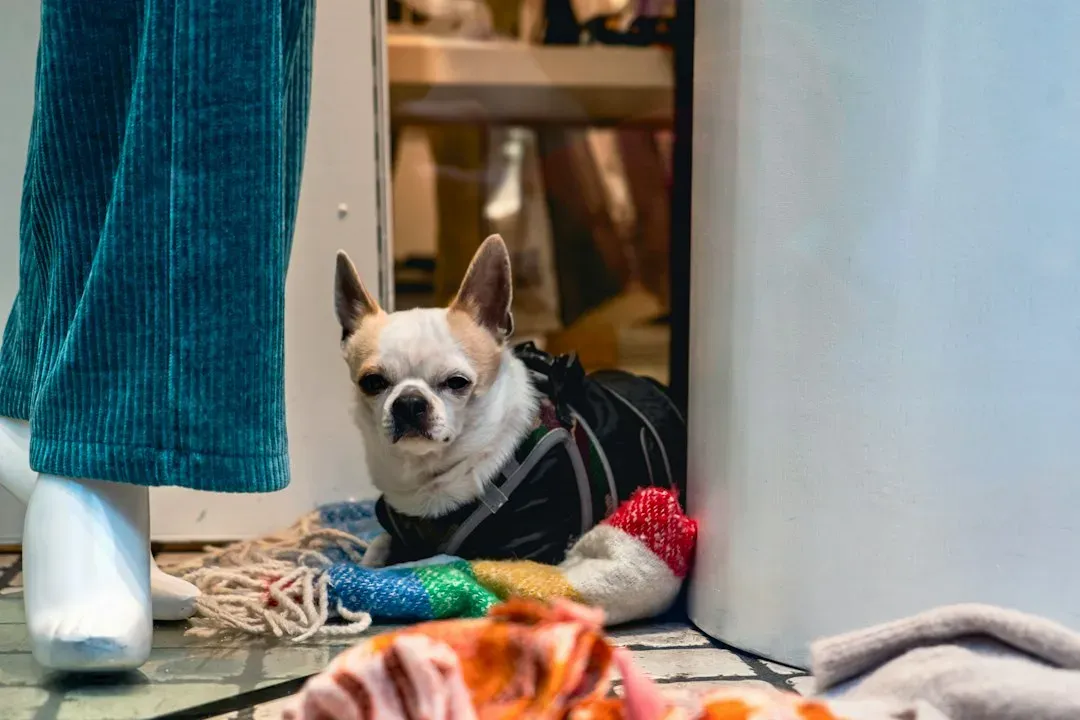
The sock thief in your house isn’t just being naughty.
Dogs live in a world of scent. In a 2015 brain-imaging study led by Gregory Berns, the scent of a familiar person triggered strong reward-related brain activity in dogs.
So a worn T-shirt in the dog’s bed isn’t strange. It’s a concentrated dose of you.
Fast Facts
- A dog’s nose is often estimated to hold up to about 300 million scent receptors. People have roughly 6 million.
- A much larger share of a dog’s brain is devoted to analyzing smells than in humans.
- Your scent changes with sleep, food, stress and mood, so a worn shirt carries a lot of information.
Dogs often seek out your clothes when you’re away. For some, it’s a comfort habit. For others, it’s attention-seeking, because grabbing a sock reliably gets you moving.
Vets add a practical warning. Dogs that chew and swallow fabric can end up with a serious blockage, so any comfort item should be safe.
Safer options:
- A worn shirt that can be washed and replaced
- A sturdy toy rubbed with your scent
- A blanket kept where you sit
Now for a habit that happens every single time you come home, at #9.
#9 – It Performs the Same Greeting Ritual Every Time
🔥 Would you like to save this?
We'll email this post to you, so you can come back to it later!
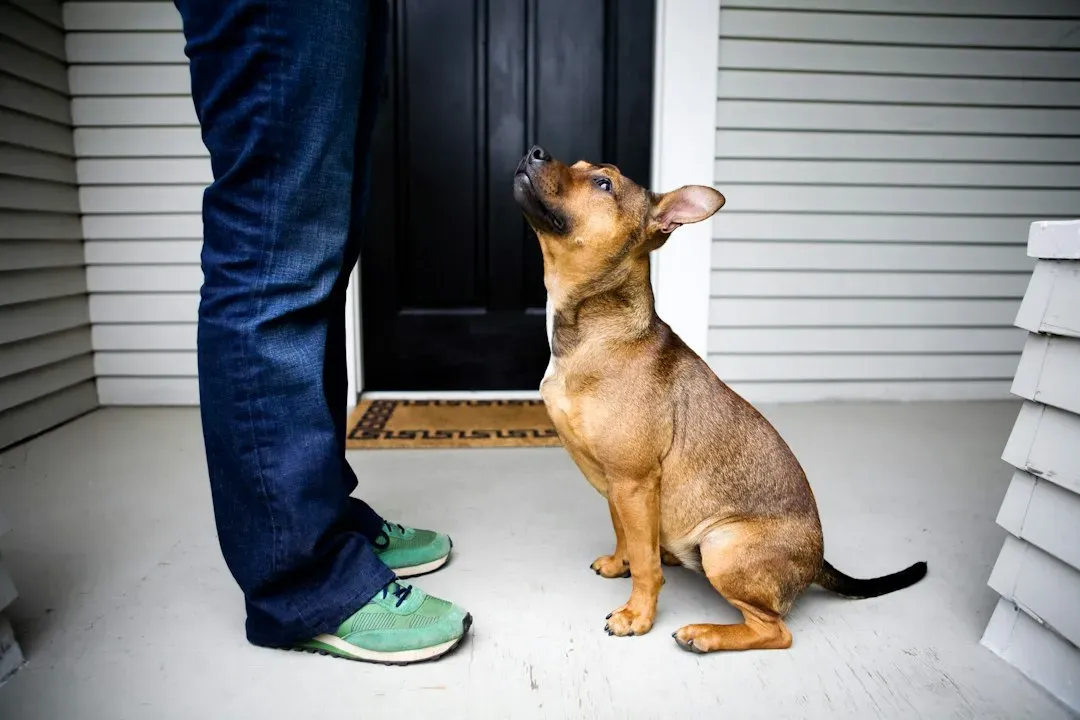
Your dog’s welcome isn’t random. It’s a routine it has rehearsed hundreds of times.
Many dogs develop a signature greeting: a toy brought to the door, a spin, a specific sound. Once it earns attention, it sticks.
A 2011 study by Rehn and Keeling compared how dogs greeted owners after short and long absences. Dogs greeted their owners more intensely after a longer absence, which suggests they’re sensitive to how long you’ve been away.
That doesn’t mean dogs tell time like we do. It does mean your return is a meaningful event with a built-in sense of scale.
Greeting habits are also easy to shape. Calmly ignoring a frenzied welcome and rewarding quiet often shifts it within a few weeks.
What happens after the greeting is even stranger, and it’s #8.
#8 – It Quietly Absorbs Your Stress
🔥 Would you like to save this?
We'll email this post to you, so you can come back to it later!
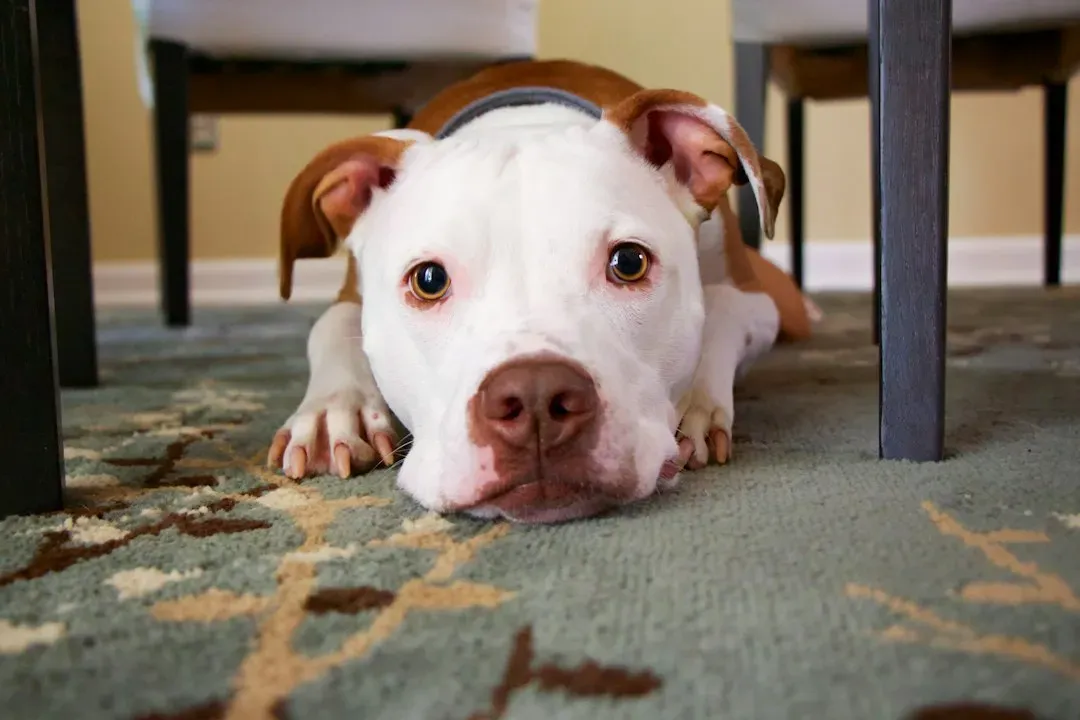
Your dog may know you’re stressed before you do.
In a 2019 study in Scientific Reports, Swedish researchers measured long-term cortisol in the fur of dogs and their owners. They found that the dogs’ stress levels tended to mirror their owners’ over time.
Cortisol is a stress hormone. Fur testing gives a long-term snapshot, not a moment-to-moment reading.
The pattern pointed mostly one way, from owner to dog. A tense, rushed household may shape a dog’s baseline more than we assume.
Here’s the uncomfortable opinion. Some experts argue that “my dog is anxious” is sometimes a mirror, not a diagnosis. That doesn’t mean it’s always your fault, but it’s worth asking.
And it doesn’t stop at stress. The next habit is as small as a yawn, at #7.
#7 – It Yawns When You Do
🔥 Would you like to save this?
We'll email this post to you, so you can come back to it later!
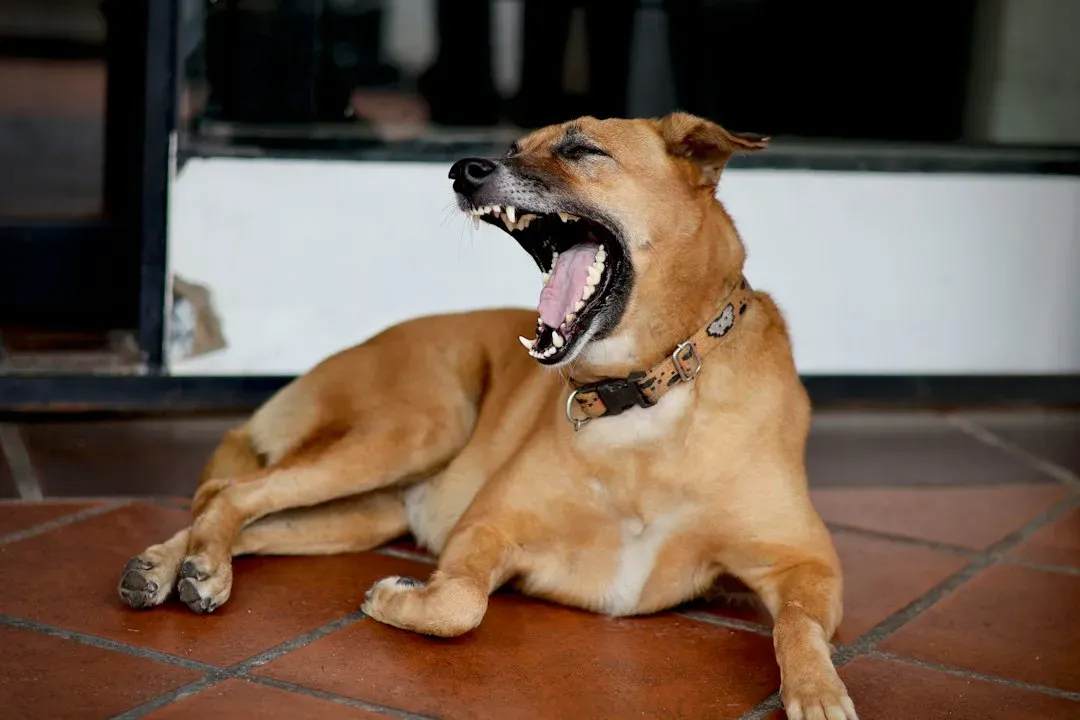
A yawn might be the smallest shared habit in your home.
Researchers have documented contagious yawning in dogs, meaning a dog may yawn after watching a person yawn. One 2012 study found dogs yawned more often in response to their owner than to a stranger.
That sounded like empathy, and the idea spread quickly.
But the science is still being debated. Later work didn’t always find a clear effect of familiarity, so experts are cautious about calling it proof of emotional connection.
What we can say is that your dog is watching you closely enough to copy a tiny gesture. In a routine full of evening yawns, it’s a sign the two of you are tuned to each other.
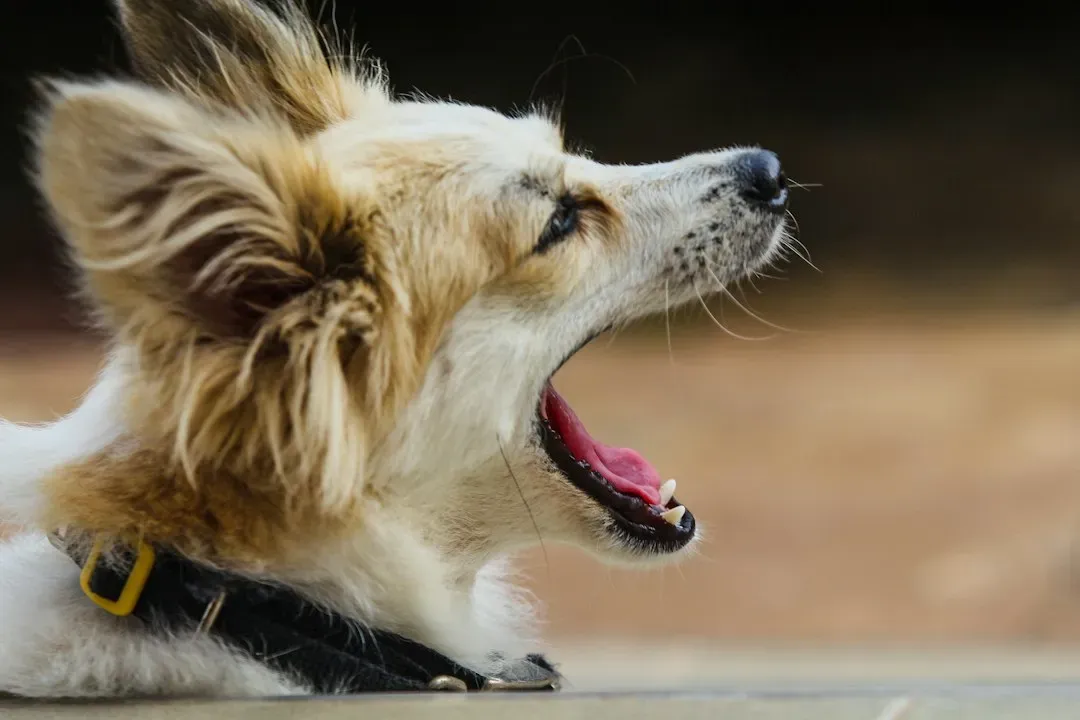
One catch: dogs also yawn when they’re stressed. If the yawn comes with lip-licking or turning away, it’s likely tension, not sleepiness.
Next is a habit that looks like obedience but is something more specific, at #6.
#6 – It Copies What You Do
🔥 Would you like to save this?
We'll email this post to you, so you can come back to it later!
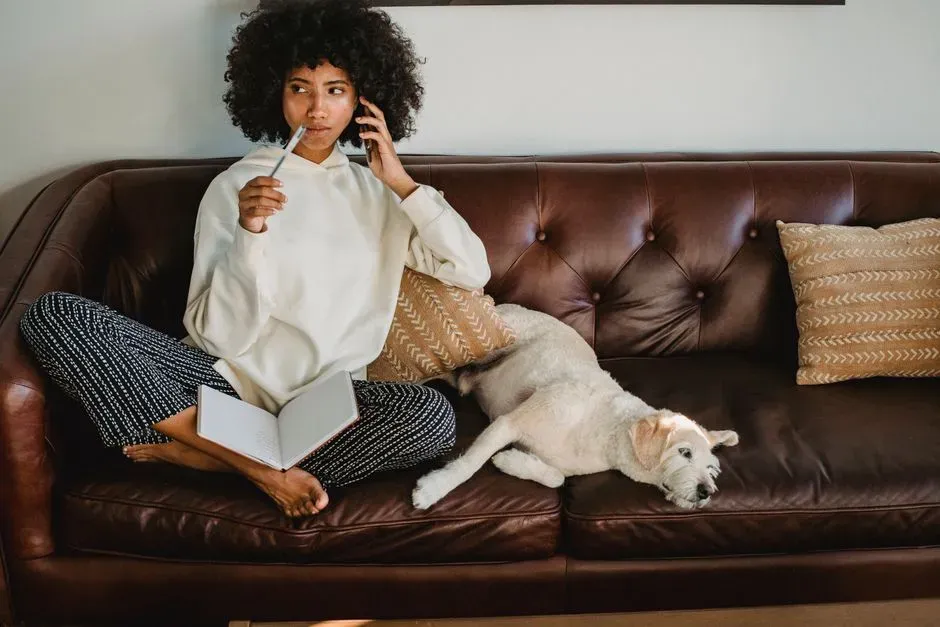
Your dog is watching your hands more than you think.
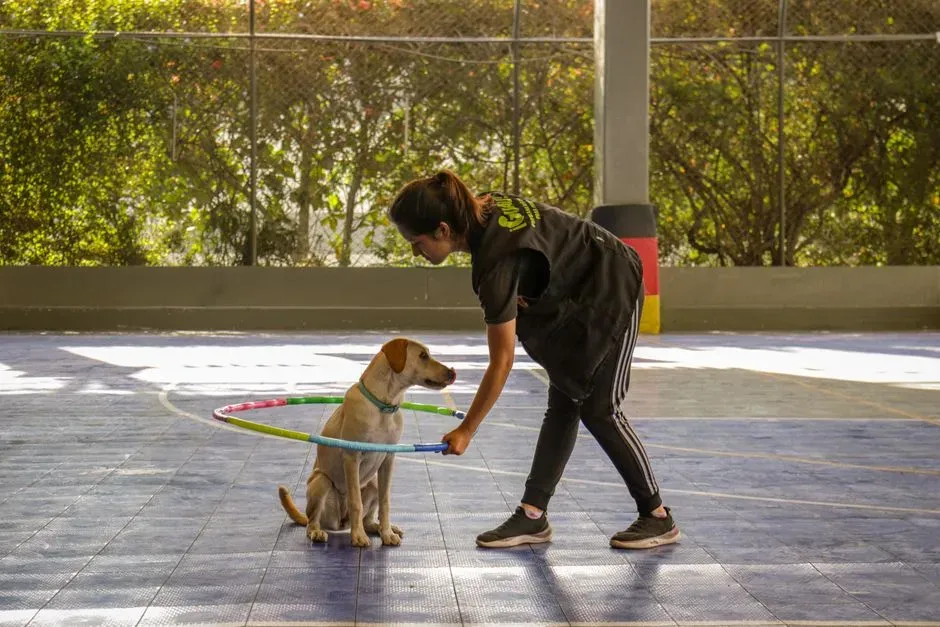
In “Do as I do” studies, dogs trained to copy a demonstrated action were able to imitate human actions they had never been taught, sometimes even after a delay. That’s a surprisingly flexible skill.
In everyday life, it’s softer. A dog might learn to open a gate by watching you, or settle at your feet when you sit down to read.
Imitation shows up most with the person your dog watches most. Your routine becomes a script it can follow.
That has a downside. If you stand at the fridge at midnight, your dog notices, and it may start joining you.
Habits dogs often pick up by watching:
- Where you put your shoes and keys
- Which door you use
- What you do before sitting down
If copying you seems impressive, wait until you see what your dog does with your face at #5.

2 Pcs Halloween Pet Hat Bandana Set, Witch Pumpkin Costumes for Dogs
Check Price on AmazonAs an Amazon Associate, we earn from qualifying purchases.
10/9/2026 2:45 pm GMTi

Halloween Dog Collar with Bow, Orange Cute Ghost Collar,
Check Price on AmazonAs an Amazon Associate, we earn from qualifying purchases.
10/9/2026 2:43 pm GMTi

Air Purifiers for Home Pets Large Room Up to 3000 Ft²,HEPA Air Cleaner with Washable Double-Side Filter, PM2.5 Air Quality Monitor,15dB Sleep Mode for Bedroom Odor Dust Pollen,White
Check Price on AmazonAs an Amazon Associate, we earn from qualifying purchases.
10/8/2026 8:23 am GMTi

Hand Blown Glass Hummingbird Feeders for Outdoors Hanging, 24oz Wild Bird Nectar Feeder
Check Price on AmazonAs an Amazon Associate, we earn from qualifying purchases.
10/7/2026 1:23 pm GMTi

Professional 7 in 1 Dog Paw Cleaner for Dogs & Cats - Includes 1 Portable Paw Washer, 1 Bath Brush
Check Price on AmazonAs an Amazon Associate, we earn from qualifying purchases.
10/7/2026 1:26 pm GMTi
#5 – It Reads Your Mood From Your Face
🔥 Would you like to save this?
We'll email this post to you, so you can come back to it later!
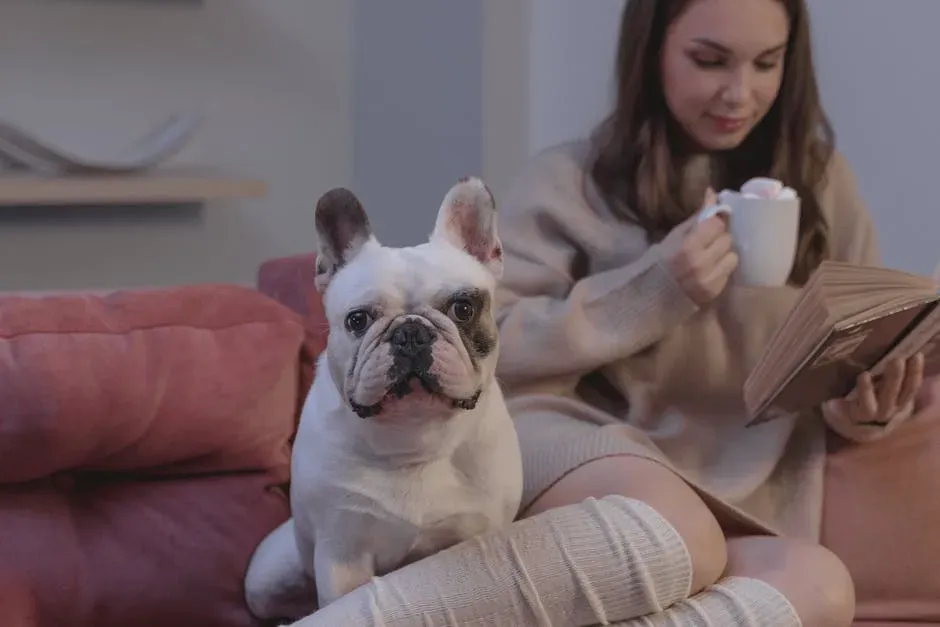
Your dog can tell when you’re annoyed, and it knows before you say a word.
In a 2015 study in Current Biology, researchers showed dogs photos of happy and angry human faces. They found that dogs could tell the expressions apart, without any prior training for the task.
That ability likely comes from a lifetime of watching you. Your face during mornings, meals and evenings becomes a detailed reference library.
Why It Stands Out
- The dogs in that study weren’t taught the task first, so the skill looks like it comes from everyday life.
- Some research suggests dogs scan human faces with a left-side bias, much like people do.
- Your dog reads the face alongside your tone, posture and scent, not in isolation.
It explains why dogs avoid you after a bad day, or sit closer when you’re relaxed. They don’t understand the reason, but they notice the pattern.
Experts add a caution. Reading a face isn’t the same as understanding it. Your dog sees the signal, not the story behind it. That’s why the “guilty look” so many owners swear by is probably a response to your tone and posture, not proof of remorse.
Next is the habit that shapes the entire house, and it’s at #4.
#4 – It Slowly Takes On Your Personality
🔥 Would you like to save this?
We'll email this post to you, so you can come back to it later!
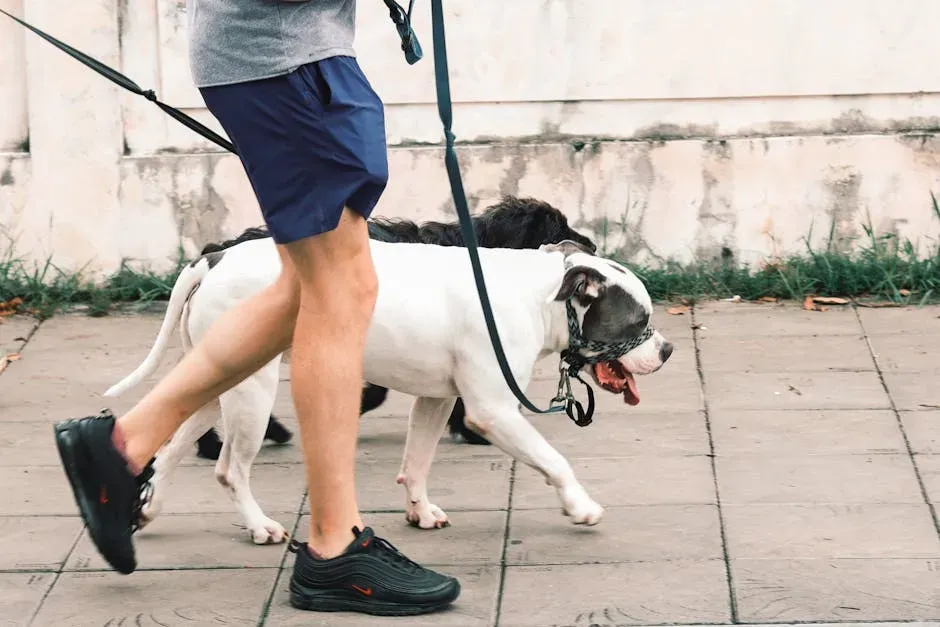
After a few years, dogs and owners often start to seem alike.
Studies of dog-owner pairs have found links between an owner’s personality traits and their dog’s behavior. For example, research in 2019 reported associations between owners’ traits and dogs’ trainability and boldness.
That doesn’t prove you’ve changed your dog. People also pick dogs that suit them, so both directions probably play a role.
Daily routines matter, though. A calm, predictable owner tends to create a calm, predictable day, and a chaotic one does the opposite. The dog expects certain things at certain times, and responds to how you handle them.
Here’s the debate. Some trainers insist that “breed explains it all.” The research suggests that’s too simple, and who feeds, walks and talks to the dog matters a lot.
But the quietest habit of all is the next one, at #3.
#3 – It Learns When Not to Bother You
🔥 Would you like to save this?
We'll email this post to you, so you can come back to it later!
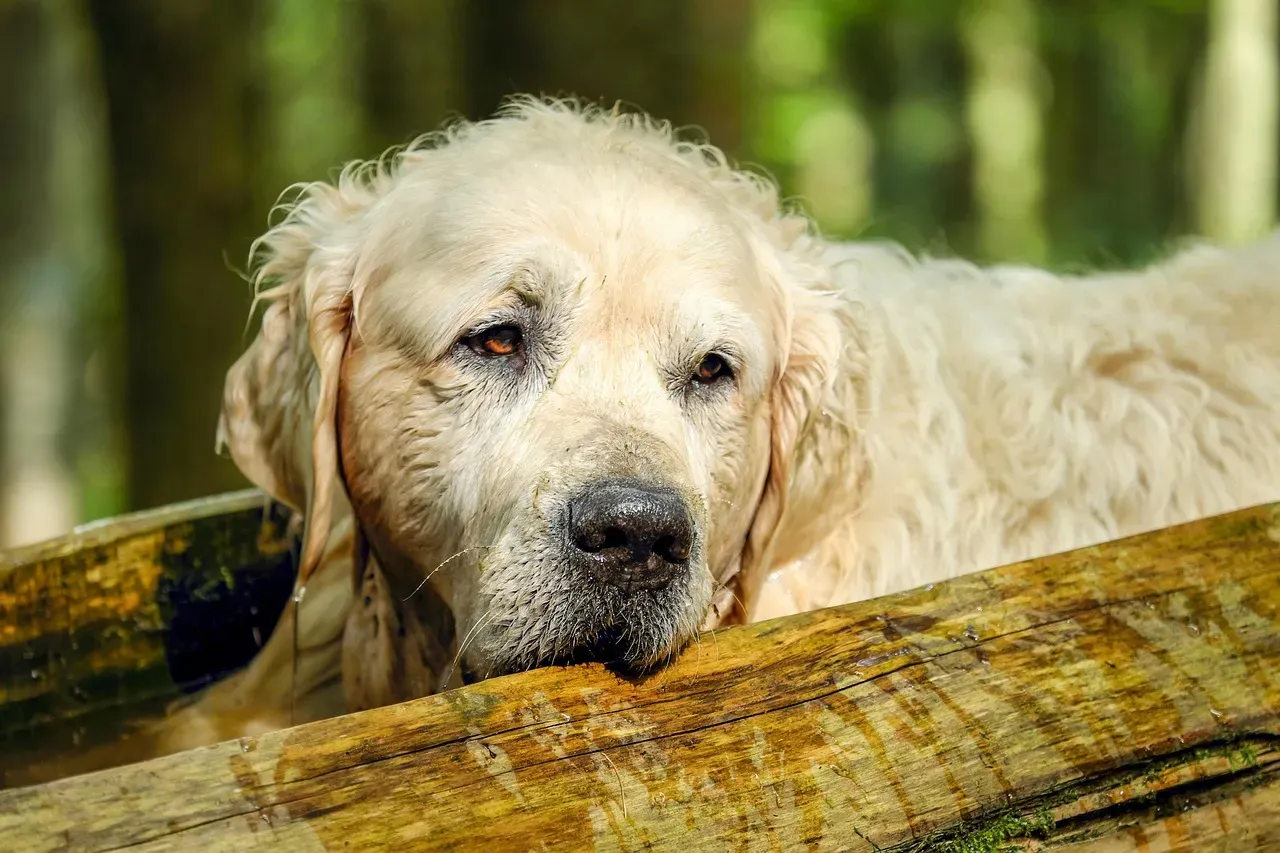
Some of the most loyal behavior is a dog doing nothing at all.
Dogs learn when you’re busy. A laptop on your lap, headphones on, a certain chair. Over time, many dogs settle quietly during these periods rather than demand attention.
That isn’t an accident. Dogs repeat what works, and they quickly notice that nudging during work calls doesn’t pay off, while settling beside you does.
Owners often call this “good behavior.” It’s more accurate to say your dog has decoded your signals and adjusted.
It works best when the rules are consistent. If you sometimes respond to pestering and sometimes ignore it, you teach your dog to try harder.
Ways to make quiet time easier:
- Give a chew or puzzle toy at the start of your work block
- Reward calm settling, not just tricks
- Keep your “busy” cues consistent
Still, how your dog behaves when you leave tells you even more, and that’s #2.

Orthopedic Extra Large Dog Bed, Waterproof Washable XL Pet Bed 44"
Check Price on AmazonAs an Amazon Associate, we earn from qualifying purchases.
10/7/2026 1:32 pm GMTi

Earth Rated XL Dog & Puppy Pee Pads, Discreet Top, Max Absorbency
Check Price on AmazonAs an Amazon Associate, we earn from qualifying purchases.
10/7/2026 1:28 pm GMTi

Glass Hummingbird Feeder for Outdoors Hanging
Check Price on AmazonAs an Amazon Associate, we earn from qualifying purchases.
10/7/2026 1:21 pm GMTi

Glass Hummingbird Feeder for Outdoors Hanging, 16 oz Leak-Proof Nectar Feeder with Bee Guards & Ant Moat
Check Price on AmazonAs an Amazon Associate, we earn from qualifying purchases.
10/7/2026 1:22 pm GMTi
#2 – It Waits for You When You’re Gone
🔥 Would you like to save this?
We'll email this post to you, so you can come back to it later!
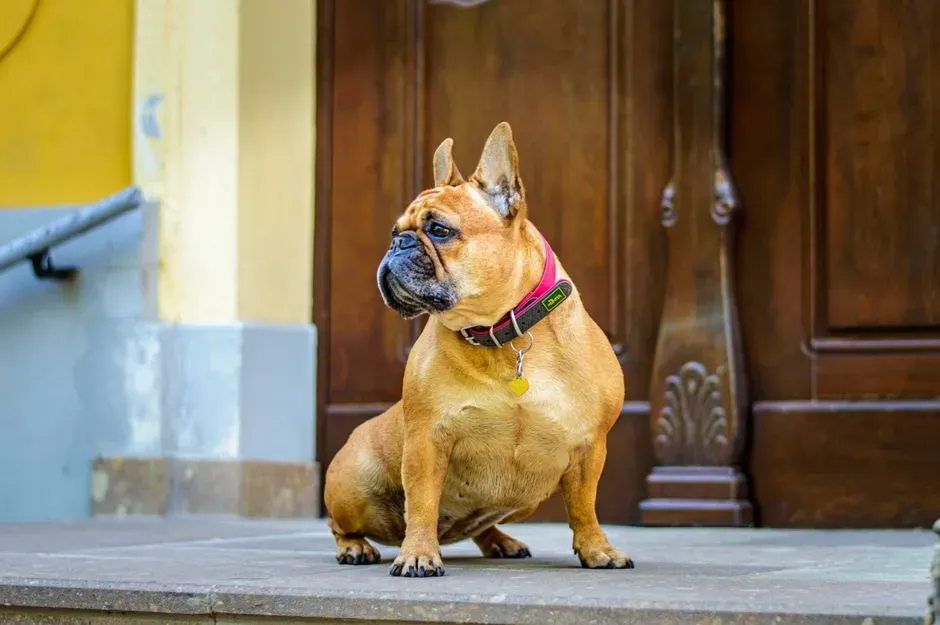
What your dog does while you’re out is the real test of its bond.
In classic attachment research, dogs have been observed to show different reactions to their owner leaving and returning, much like young children do. That finding helped establish the secure-base idea.
Many dogs simply rest. Others wait near the door, sniff where you last sat, or perk up at distant sounds.
Separation-related problems are well documented in dogs, and they include pacing, destruction and excessive vocalization. A dog that does this isn’t being spiteful. It’s in distress.
Here’s the blunt part. Punishing a dog for what it does when it’s alone is one of the most common mistakes owners make, and it usually makes things worse.
The habit at #1 is the one that surprises even experienced dog people.
#1 – It Quietly Stays Close When You’re Having a Bad Day
🔥 Would you like to save this?
We'll email this post to you, so you can come back to it later!
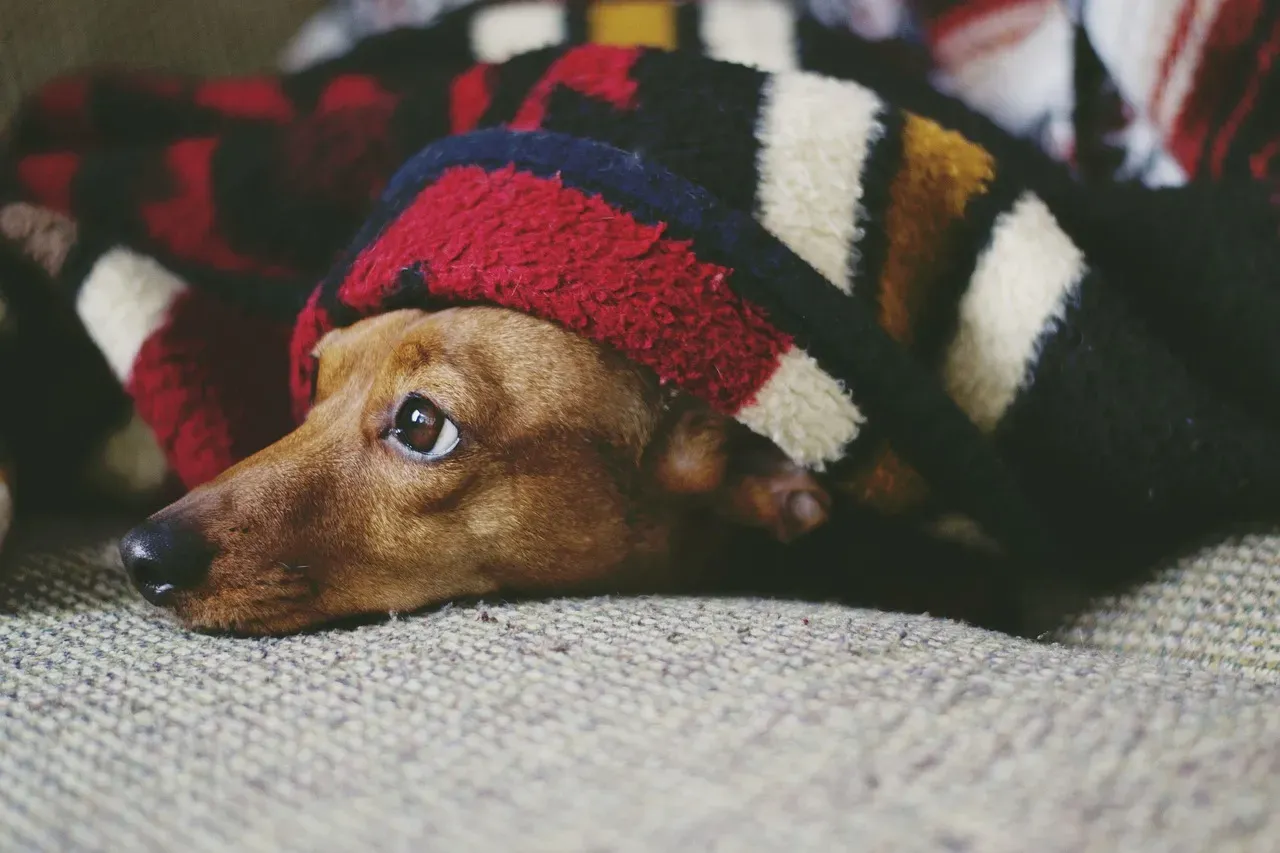
The most telling habit is the one your dog never gets credit for.
In a 2012 study, researchers found that dogs approached a person who was crying more than one who was humming or talking. They often responded with gentle, submissive behavior rather than playful behavior.
Dogs may also detect changes in your scent when you’re stressed. A 2022 study found they could reliably tell stressed from calm human samples by smell.
None of this proves a dog understands sadness the way you do, and researchers are careful about that. It’s still a response that’s hard to ignore.
Over time, your dog learns your low moods the way it learns your schedule. It might sit nearer, rest its head on you, or just stay in the room. It’s not a trick. It’s years of watching one person.
So here’s my take: stop filing these habits under “cute.” Your dog’s quirks are a running record of how you actually live, your rushed mornings, your tense evenings, your quiet nights. The research behind some of them is stronger than others, and yawning is still up for debate, but the pattern is hard to miss.
The kindest thing you can do is notice what your dog has been noticing about you all along. The next time it parks itself at your feet or glances back on a walk, ask what it’s picking up. Then ask which of these habits your dog does that didn’t make this list.

- 19 Quiet Habits a Dog Builds Around One Person’s Daily Routine - November 8, 2026
- 8 Things a Cat Remembers About Someone It Has Not Seen in Years - November 8, 2026
- 8 Things Backyard Birds Do Differently Once Snow Arrives - November 8, 2026