
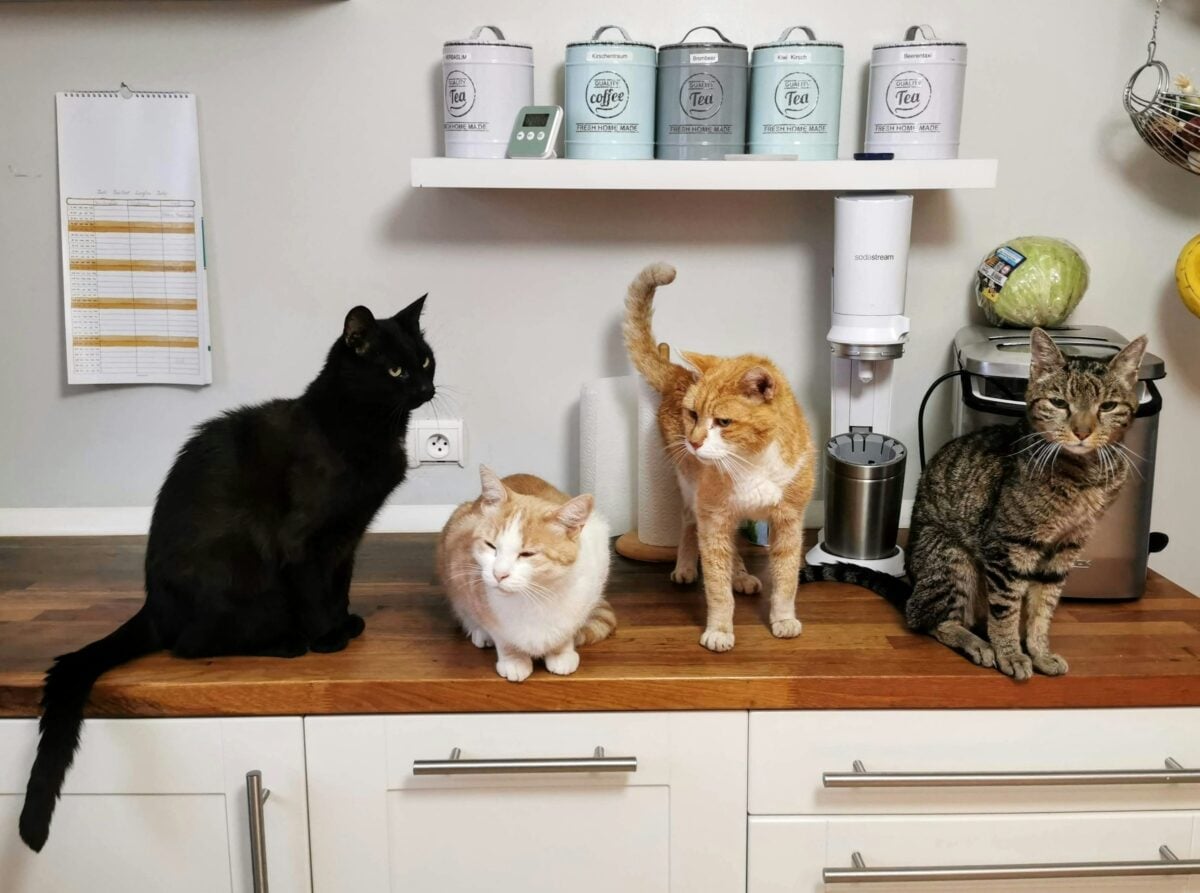
Picture it: you walk out the door, the years pass, and somewhere a cat is supposedly wiping you from its mind like a whiteboard. That’s the popular story, and the claim that a cat’s memory lasts only 16 hours has helped keep it alive. That number doesn’t hold up against current research. What scientists have found instead is stranger, quieter and a lot more touching.
Below are eight things a cat may still carry about a person it hasn’t seen in years, counted down from #8 to #1, along with the spots where the science honestly runs out. Your cat’s memory of you probably isn’t built the way you’d guess. And the most surprising part may be that a cat who remembers you perfectly can act exactly like it doesn’t.
#8 – The Sound of Your Voice
🔥 Would you like to save this?
We'll email this post to you, so you can come back to it later!
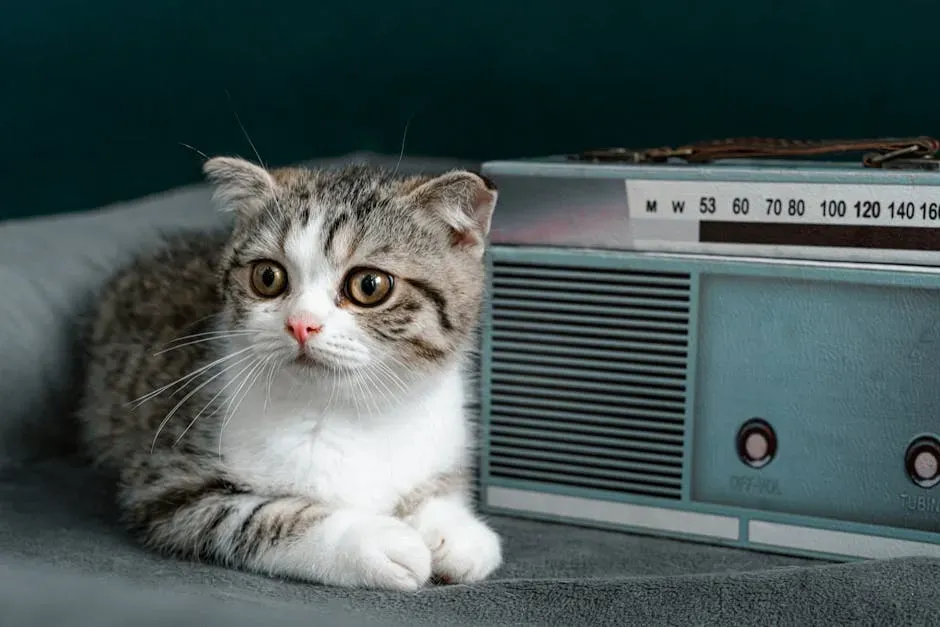
Your voice may be the first thing to snap back into focus.
A 2013 University of Tokyo study in Animal Cognition found that cats can pick their owner’s voice out from strangers’ voices. In the experiment, cats grew less and less reactive as different strangers called their names. Then they responded more strongly when the owner’s voice played.
Here’s the catch most headlines skip. The reactions were subtle. The cats moved their heads and ears more for their owners, but they didn’t meow or walk toward the speaker. The cats also still lived with those owners, so the study shows that a voice is stored as an individual signature. It does not prove that a voice survives years of silence.
Names seem to add another layer:
- Cats responded more strongly to their own names than to similar-sounding words.
- A 2022 team including the same researcher reported that cats seem to learn the names of other cats in their household, and even of the people they live with.
- A separate research group reported that cats tell apart their own owner’s high-pitched, cat-directed talk from a stranger’s attempt at the same thing.
So the way you said your cat’s name, and the sing-song tone you used with it, may be part of the file. Researchers can’t yet say which features of your voice matter most, whether pitch, rhythm or pronunciation. A blank stare when you call isn’t proof of amnesia. It may just be feline policy.
At a Glance
- Proven: cats can tell their owner’s voice from a stranger’s.
- How it showed: small ear and head movements, not a dramatic greeting.
- Still unknown: whether that voice memory holds after years apart.
- Takeaway: a quiet response can still mean recognition.
But your voice is only the runner-up, and the next sense is the one cats lean on even harder…
#7 – Your Scent
🔥 Would you like to save this?
We'll email this post to you, so you can come back to it later!
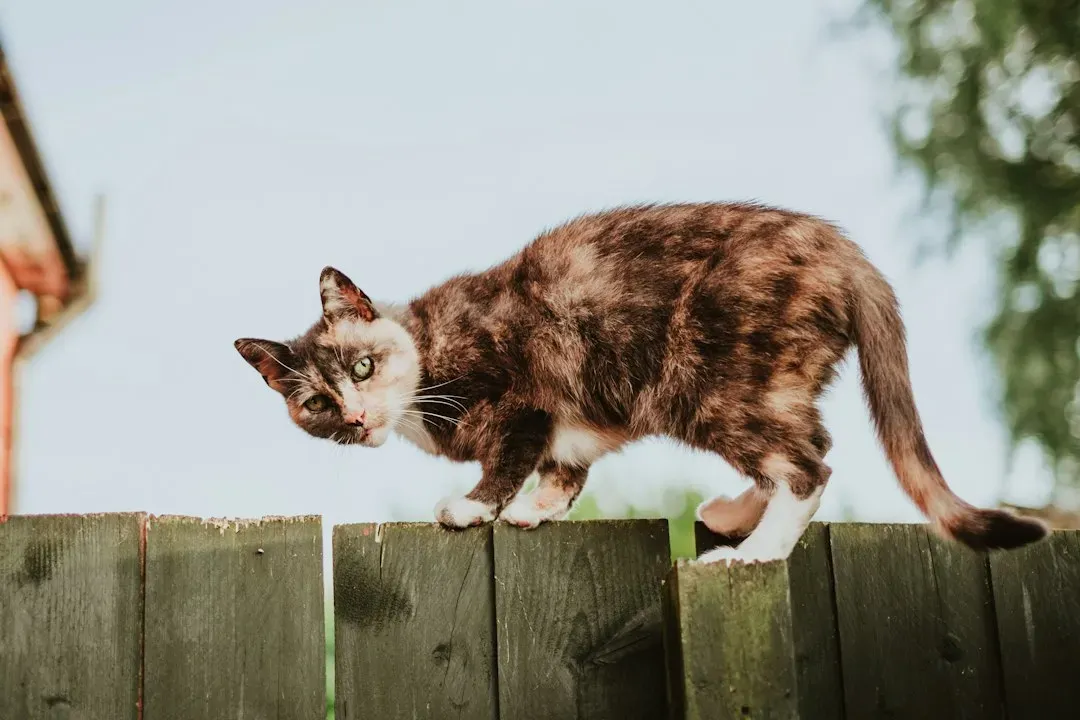
Your smell may be a stronger ID badge than your face.
Most people don’t realize how chemical a cat’s world is. Cats most likely recognize us through smell and sound, the senses they rely on most. Your blend of laundry soap, skin, shampoo and home is a signature no photograph can capture.
Scent also does a job that sight can’t. Scent-marking (rubbing, scratching, spraying) works as a kind of external memory, and each mark carries information about who left it and roughly when. When your cat dragged its cheek along your leg, it wasn’t just being affectionate. It was labeling you as part of its territory, like a name tag only other cats could read.
The evidence for long-term scent memory comes mostly from other relationships. Kittens raised together form strong early bonds and can recognize littermates after being separated, largely through scent. That’s indirect support for years-long scent memory in cats, not a direct test on owners.
A new haircut can’t fake your scent, and a few extra years can’t easily erase it. That may be why it matters so much. And the next memory is built from something even more ordinary.
#6 – Your Daily Routine
🔥 Would you like to save this?
We'll email this post to you, so you can come back to it later!
Your cat may remember you less as a face and more as a schedule.
A cat’s long-term memory is associative. Your cat doesn’t store you like a photograph. It stores you as a web of associations: your scent, your voice, your habits and the emotional quality of your time together. That’s a very different filing system from ours.
Think about what you were to that cat. You were the person who opened the food cupboard, sat in a certain chair or made a certain sound at a certain hour. Cats link specific people with safety, food or comfort, sometimes for years. Nobody has tested which exact routines survive a long absence, but feeding and play rituals are the likeliest candidates.
Routine cues that probably carry weight:
- The sound of your footsteps or keys
- Who fed them, and when
- Your habits at wake-up and bedtime
Many people assume cats only love whoever fills the bowl, the old “cupboard love” idea. We think that’s lazy. Food is one thread in a larger web, and the research points to scent, voice and emotion working together.
Quick Compare
- How you remember them: replayed scenes, a face, a timeline of years.
- How they may remember you: a web of scent, sound and feeling that switches on when a cue appears.
There’s one more wrinkle. Cats probably don’t revisit memories of you the way you replay them, because they live in the moment and don’t track time as we do. Your cat likely isn’t sitting at the window counting the years. The memory switches on when a cue shows up.
And the cue everyone obsesses over may be the most overrated of all…
#5 – Your Face (Weaker Than You Think)
🔥 Would you like to save this?
We'll email this post to you, so you can come back to it later!
The one thing everybody worries about is probably the least important.
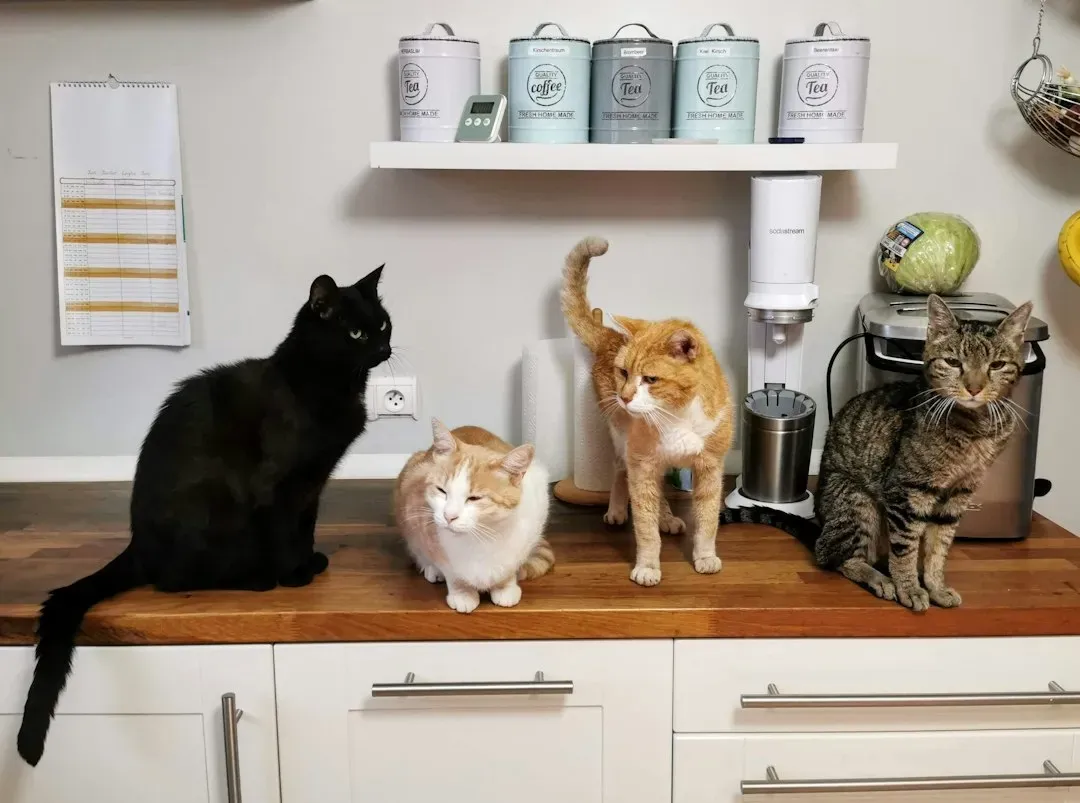
Here’s the mistake people make when they fear a reunion: they assume the cat has to recognize their face. Some smaller studies do suggest cats can identify their owners from a face, for example in a photo. But the way cats recognize us is more likely to run through smell and sound.
Faces still get filed, though. Researchers have reported that cats seem to predict the owner’s face when they hear the owner’s voice. That suggests voice and face are linked in memory rather than stored separately. Your face may work more as a confirmation than a first identifier.
Cats are also built differently from us. They handle motion and dim light beautifully, but they don’t see fine detail as sharply as people do. Nobody has run a study on whether a beard, new glasses or a different hair color throws a cat off after years, so we can’t claim to know. But because scent and voice carry most of the load, it’s reasonable to expect them to cover for a changed appearance.
Faces fade. The next memory is the kind that tends to stick.

Air Purifiers for Home Pets Large Room Up to 3000 Ft²,HEPA Air Cleaner with Washable Double-Side Filter, PM2.5 Air Quality Monitor,15dB Sleep Mode for Bedroom Odor Dust Pollen,White
Check Price on AmazonAs an Amazon Associate, we earn from qualifying purchases.
10/8/2026 8:23 am GMTi

Glass Hummingbird Feeder for Outdoors Hanging
Check Price on AmazonAs an Amazon Associate, we earn from qualifying purchases.
10/7/2026 1:21 pm GMTi

Professional 7 in 1 Dog Paw Cleaner for Dogs & Cats - Includes 1 Portable Paw Washer, 1 Bath Brush
Check Price on AmazonAs an Amazon Associate, we earn from qualifying purchases.
10/7/2026 1:26 pm GMTi

PetSafe Oasys Pet Fountain, 1/2 Gallon (64 oz), Small Dogs & Cats
Check Price on AmazonAs an Amazon Associate, we earn from qualifying purchases.
10/8/2026 8:14 am GMTi

Halloween Dog Collar with Bow, Orange Cute Ghost Collar,
Check Price on AmazonAs an Amazon Associate, we earn from qualifying purchases.
10/9/2026 2:43 pm GMTi
#4 – How You Treated Them

🔥 Would you like to save this?
We'll email this post to you, so you can come back to it later!
A cat may remember your behavior long after it forgets your birthday gifts.
Emotion is the glue in feline memory. Specialists agree that cats form genuine long-term memories, especially when emotions are involved. That cuts both ways.
On the negative side, the ASPCA notes that past trauma can shape a cat’s behavior for years, which is indirect evidence of powerful long-term memory. One source on feline memory adds that a person who once handled a cat roughly gets avoided, sometimes for years. If you were the one who cornered the cat for the carrier, that memory can last.
On the positive side, cats can retain information about familiar people, especially when strong emotional connections, routines and positive experiences are involved. Gentle play, patient handling and calm voices all count. A thousand quiet evenings on the couch may be doing more work than you ever realized.
Cats can be sociable and affectionate, as long as the people around them earn it. Your cat doesn’t owe you a warm welcome. It keeps a running tally of how you made it feel.
So the quality of a relationship matters more than its length. And the next memory is where that quality tends to live.
#3 – The Places and Things Tied to You
🔥 Would you like to save this?
We'll email this post to you, so you can come back to it later!
Your cat’s memory of you may be stored partly in rooms and objects.
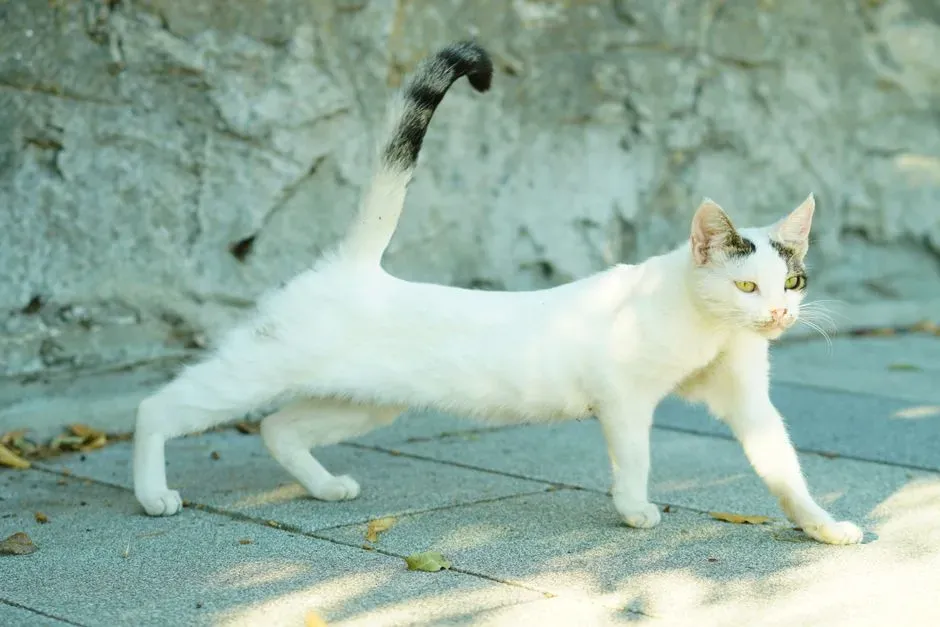
Long-term place memory is durable, which is one reason a move can unsettle a cat until it builds a new mental map. If you shared a home with a cat, you’re probably woven into that map. Your side of the bed, your coat on the hook and your favorite chair are all part of the picture.
There are anecdotes of cats returning to a childhood home and moving through it as if they’d never left. Those come from case reports rather than controlled experiments, so treat them as suggestive, not settled.
What changes when the cat has moved on? A cat well adjusted to a new home may act relaxed and curious rather than desperate for the old owner. That isn’t a sign of forgetting. It means the cat’s current life has its own anchors.
Things that can act as memory cues:
- Familiar furniture, bedding or blankets
- The layout of rooms you shared
- Objects that carry your scent
Researchers haven’t tested whether an old blanket can trigger recognition of a person after years. But scent is a documented memory channel, so the idea is plausible.
Worth Knowing
- Cats have scent glands on their cheeks, which is why they rub their faces on furniture corners and doorframes.
- Those rubs leave a chemical “this is familiar” signal, so a home can hold your scent long after you’ve left.
- A move can unsettle a cat because the mental map and the scent map both have to be rebuilt.
- Stories of cats revisiting old homes are charming, but they are anecdotes, not experiments.
Now for the question sitting under all of this: how did the bond itself feel to the cat?

2 Pcs Halloween Pet Hat Bandana Set, Witch Pumpkin Costumes for Dogs
Check Price on AmazonAs an Amazon Associate, we earn from qualifying purchases.
10/9/2026 2:45 pm GMTi

Hand Blown Glass Hummingbird Feeders for Outdoors Hanging, 24oz Wild Bird Nectar Feeder
Check Price on AmazonAs an Amazon Associate, we earn from qualifying purchases.
10/7/2026 1:23 pm GMTi

Smart Bird Feeder with Camera Solar Powered, 2K HD Live Video, 10,000+ Bird Species AI Identification
Check Price on AmazonAs an Amazon Associate, we earn from qualifying purchases.
10/7/2026 1:22 pm GMTi

Earth Rated XL Dog & Puppy Pee Pads, Discreet Top, Max Absorbency
Check Price on AmazonAs an Amazon Associate, we earn from qualifying purchases.
10/7/2026 1:28 pm GMTi

Halloween Cat Costume Cloak Witch Hat Pet Accessories
Check Price on AmazonAs an Amazon Associate, we earn from qualifying purchases.
10/9/2026 2:44 pm GMTi
#2 – How Safe You Made Them Feel
🔥 Would you like to save this?
We'll email this post to you, so you can come back to it later!
Your cat may remember you as a secure base, and the science says most cats do exactly that.
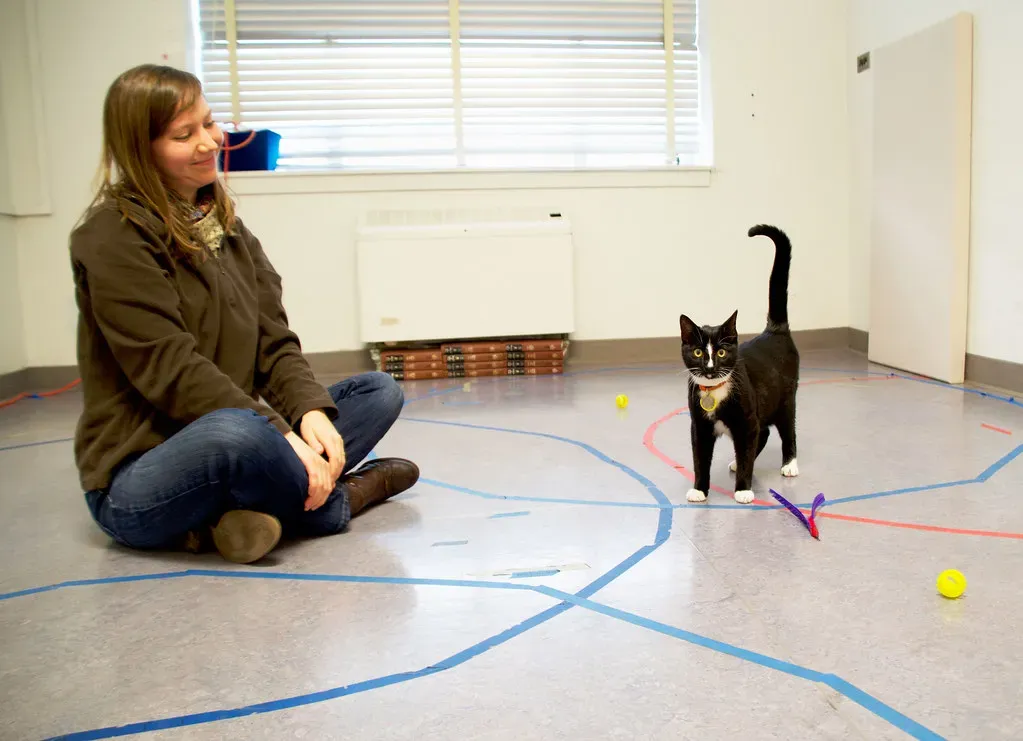
In 2019, Oregon State University researchers ran a “secure base” test, a version of the test used for infants and dogs. An adult cat or kitten spent two minutes in a novel room with its caregiver, followed by two minutes alone. The cat’s reaction at the reunion revealed its attachment style.
The result goes against the aloof stereotype. About 64 percent of the cats were classified as securely attached. When a caregiver returns, secure cats quickly go back to relaxed exploring, while insecure ones cling excessively or avoid.
The style also appears to last. Once an attachment style is established, it seems to stay relatively stable over time, even after a training and socialization intervention.
Be careful about the leap, though. The test measured minutes of separation, not years, and no study has shown that a secure cat greets a long-lost owner more warmly. What it does show is that for most cats, you weren’t furniture. You were a source of security.
That brings us to the biggest mystery of all, and the one most owners get wrong.
#1 – That You Were Theirs, Even If They Act Like a Stranger
🔥 Would you like to save this?
We'll email this post to you, so you can come back to it later!
The coldest reunion can hide the warmest memory.
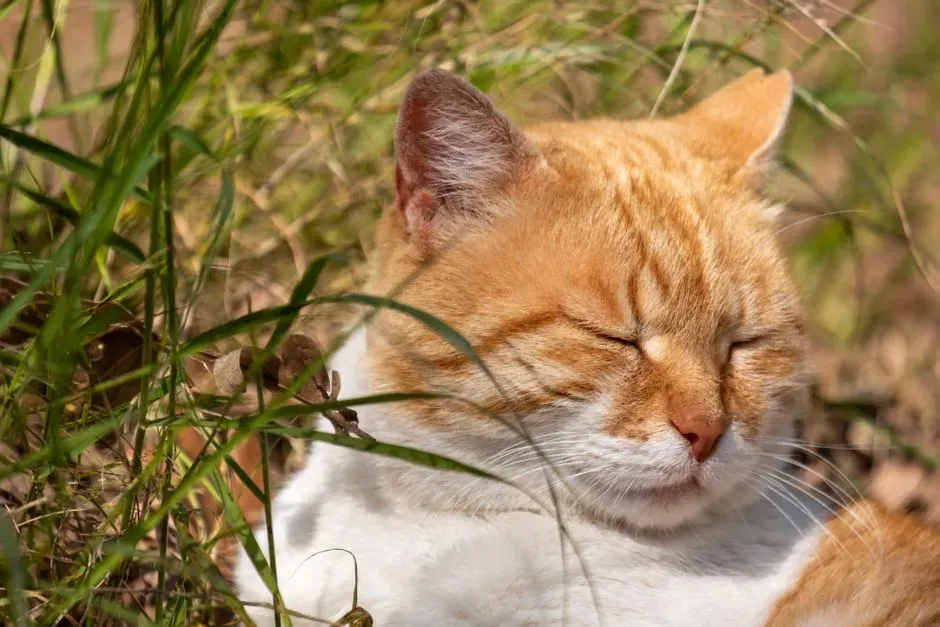
Here’s the truth most people don’t want to hear: a cat that remembers you may look like it doesn’t. In the voice study, the reactions were more “where is that voice coming from?” than “I must respond.” Recognition happened. Enthusiasm didn’t.
Researchers link this to history. Cats are widely believed to have essentially domesticated themselves, drawn to farms where grain attracted rats. They were never bred to jump when called, and a shy cat may recognize its owner perfectly while appearing to ignore them.
The reaction also depends on life since you parted. A rehomed cat’s response to a former owner varies widely: some warm up fast, some stay cautious and some seem indifferent. None of those reactions on its own proves the memory is gone.

Orthopedic Extra Large Dog Bed, Waterproof Washable XL Pet Bed 44"
Check Price on AmazonAs an Amazon Associate, we earn from qualifying purchases.
10/7/2026 1:32 pm GMTi

Glass Hummingbird Feeder for Outdoors Hanging, 16 oz Leak-Proof Nectar Feeder with Bee Guards & Ant Moat
Check Price on AmazonAs an Amazon Associate, we earn from qualifying purchases.
10/7/2026 1:22 pm GMTi

Portable Dog Water Bottle Foldable Dog Travel Water Bottle
Check Price on AmazonAs an Amazon Associate, we earn from qualifying purchases.
10/7/2026 1:29 pm GMTi

Dog Stairs for Bed 18" H, 4-Step Dog Steps for High Bed
Check Price on AmazonAs an Amazon Associate, we earn from qualifying purchases.
10/9/2026 2:42 pm GMTi
How long can it last? Honestly, nobody knows exactly. No study pins down an expiry date for a cat’s memory of a person. Researchers believe long-term memory may span a decade or longer, though no controlled experiment has measured the upper limit. Treat that as an informed estimate, not a guarantee.
A slow blink from across the room, the kind cats use with people they trust, is a gentle extra move. Research from the University of Sussex found that cats are more likely to approach a person who slow-blinks at them. The research can’t promise a joyful reunion. It can only say you’re probably not a stranger.
The big lesson isn’t that cats have perfect memories. They don’t, and no one has proved they do. It’s that your cat most likely filed you under scent, voice, routine and feeling, not under a face and a date. Those cues can last for years, and the “16-hour memory” claim is a myth.
Our opinion: the “aloof cat” label is the real mistake. Cats are quiet about what they know, and we’ve been reading silence as forgetting. A species that evolved to keep its feelings close to the chest was never going to throw a parade for you.
So if a cat greets you after years apart with a flick of the ear and one long, thoughtful sniff, don’t take it personally. That may be its version of a hug. Has a cat ever greeted you after years apart, and did it play it cool?

- 8 Things a Cat Remembers About Someone It Has Not Seen in Years - November 8, 2026
- 8 Things Backyard Birds Do Differently Once Snow Arrives - November 8, 2026
- 13 Things a Vet Reads From How an Animal Sits Still - November 8, 2026