
You walk into the exam room thinking the appointment is about an itchy ear or a strange limp. Meanwhile, the veterinary team has been quietly collecting evidence since you pushed open the door. Within minutes, they can pick up clues about your feeding habits, your routines, your floors and even your stress levels. That’s far more than most people expect from a ten-minute checkup.
None of it is a verdict. Good vets read these clues to help, not to judge, and most have seen every kind of household imaginable. Still, some of the signals are surprisingly hard to hide, and one of them has nothing to do with medicine at all. Here’s the countdown, from the sneaky clues to the one that may tell them the most.
#14 – Your Pet’s Waistline Tells the Feeding Story
🔥 Would you like to save this?
We'll email this post to you, so you can come back to it later!
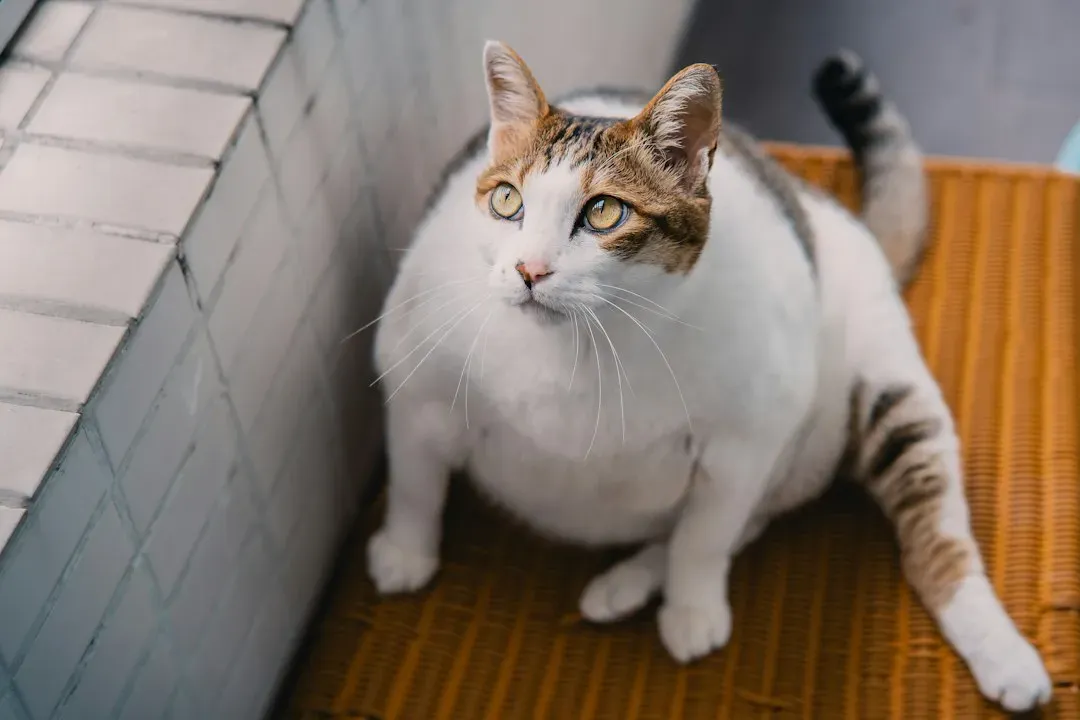
The first thing a vet checks is the one thing most owners can’t see.
Vets use a body condition score, a hands-on rating of fat cover over the ribs, spine and belly. It’s more reliable than the number on the scale. Two dogs can weigh exactly the same and score very differently, because a muscular athlete and a soft, round couch cruiser can land on the same number.
Surveys from the Association for Pet Obesity Prevention have repeatedly found that a majority of dogs and cats in the US are overweight or obese. That creates a strange blind spot. A heavy pet looks “normal” next to other heavy pets, so a healthy-weight dog at the park can start to look too skinny.
Extra weight isn’t harmless padding. It’s linked to arthritis, diabetes and reduced mobility, and it can shorten a pet’s life. To a vet, a waistline is really a feeding story about portions, treats and how often the bowl gets topped up. Most of the time it’s love, not neglect, written in kibble.
- A visible tuck behind the ribs is a good sign
- Ribs you can’t feel under the padding are a red flag
But the next clue sits right inside the mouth…
#13 – Teeth Reveal What Never Happens at Home

🔥 Would you like to save this?
We'll email this post to you, so you can come back to it later!
Bad breath isn’t a personality trait, and vets know it.
The mouth is where daily care, or the lack of it, shows up fastest. Tartar, red gums and loose teeth tell a vet how long dental care has been on the back burner. Dental disease is very common in adult dogs and cats, so vets see it every single day.
Owners often call it “just doggy breath.” Vets hear that a lot, and most of the time it signals bacteria building up under the gumline. A healthy mouth shouldn’t smell strong enough to make you lean away.
Dental infection can be linked to problems beyond the mouth, because bacteria can enter the bloodstream through inflamed gums. That’s why vets take it seriously, even when the pet seems perfectly happy.
Cats are the hardest to read. They often keep eating through serious mouth pain, so the only clue may be a slightly odd chewing style, dropped kibble or a pet who favors one side of the mouth.
And what vets see on the paws is even more telling…
#12 – Nails Expose Your Floors and Your Walks
🔥 Would you like to save this?
We'll email this post to you, so you can come back to it later!
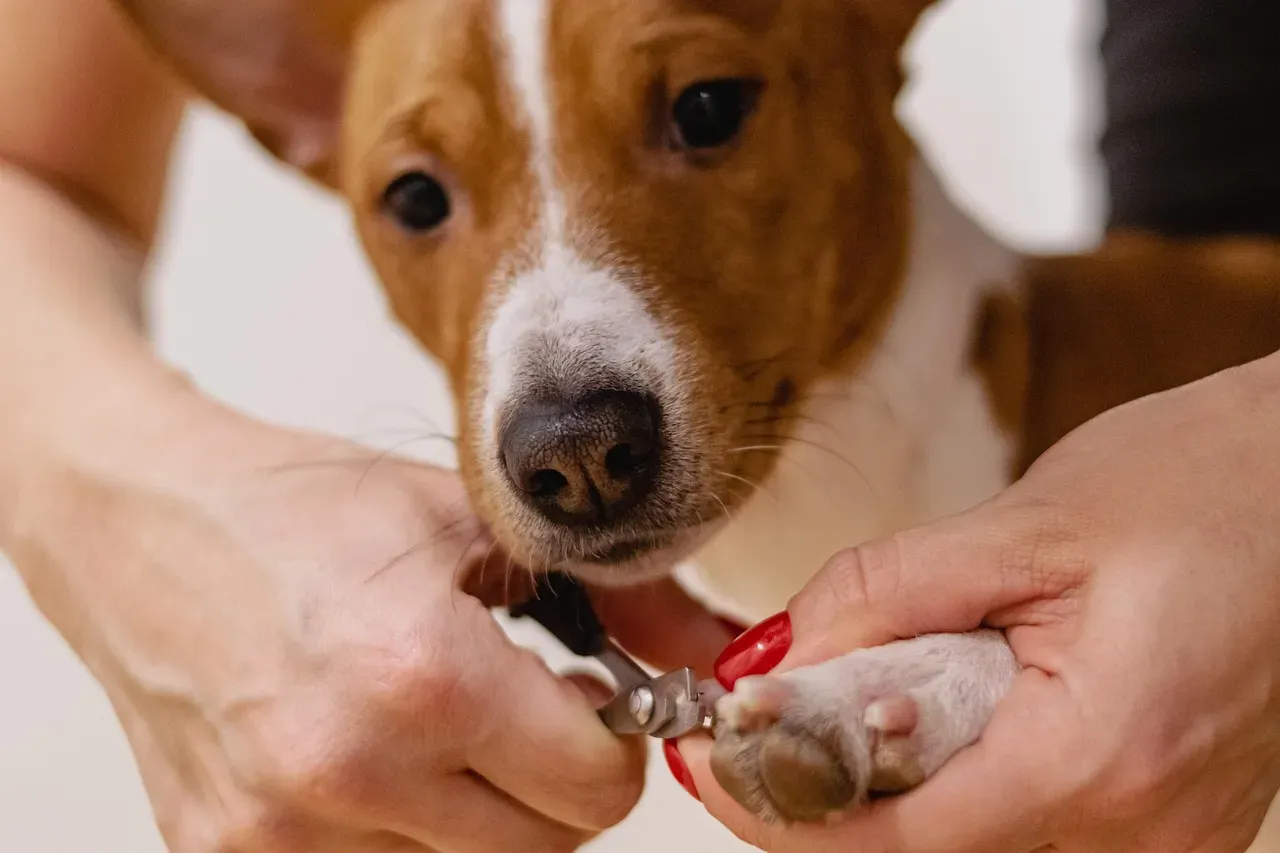
Nail length is a quiet record of how your pet actually lives.
Dogs who walk mostly on pavement wear their nails down naturally. Dogs who live on soft carpet and get short outings usually don’t. One glance at the paws gives a vet a rough picture of whether your dog’s life is mostly sidewalks or mostly sofa.
Overgrown nails change how a dog stands. They push the toes upward and shift weight onto the wrong parts of the foot, and over time that can strain joints. If you hear constant clicking on your hardwood floors, the nails are probably touching the ground when they shouldn’t be.
Neglected nails can curl and grow into the paw pad, which is painful. It’s more common in cats and in dewclaws, the small nails higher up the leg, because they never touch the ground to wear down.
Vets also read wear patterns. Uneven wear can point to a limp the owner hasn’t noticed yet.
Fast Facts
- Standing on a hard floor, a dog’s nails shouldn’t touch the ground
- Many dogs need a trim roughly every 3 to 4 weeks, depending on surfaces and activity
- Dewclaws are easy to forget and can curl into the leg
- Dark nails hide the quick, so small snips are safer than one big cut
Here’s a hot take: nail trims are among the most skipped pet care jobs, and plenty of owners would rather pay a groomer than learn it themselves. Neither choice is wrong, but skipping it entirely is.
And the coat says even more…
#11 – The Coat Is a Report Card for the Whole Environment
🔥 Would you like to save this?
We'll email this post to you, so you can come back to it later!
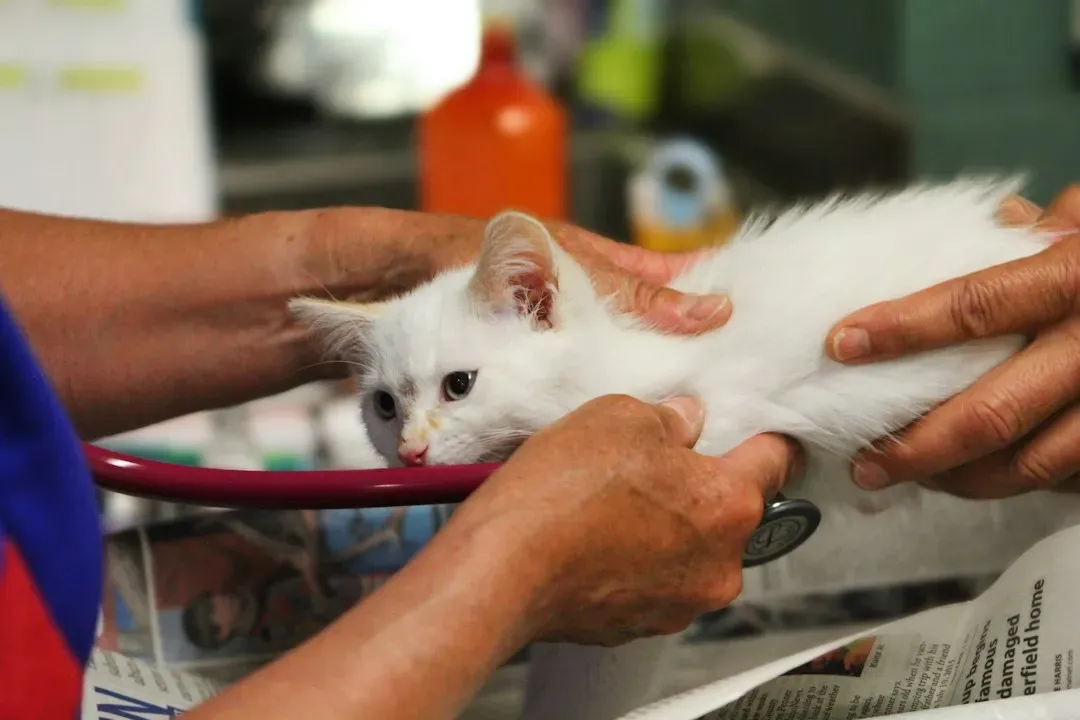
Skin and fur show problems long before owners spot them.
A dull coat, flaky skin or patchy hair can point to allergies, parasites, hormone problems or poor nutrition. A vet runs a hand through the fur and reads it like a chart, checking for texture, oiliness, bumps and bald spots.
Fleas leave “flea dirt,” tiny dark specks that turn reddish when wet. Finding it tells a vet that the home, not just the pet, has a parasite problem.
Most of a flea infestation lives off the pet. Eggs, larvae and pupae hide in carpets and bedding while only the adults ride along on your dog or cat. That’s why a single treatment often fails.
Matting tells another story. Heavy mats close to the skin can hide sores and are painful to pull. They suggest grooming has slipped, or that the pet has stopped tolerating handling.
But ears often give away even more…
#10 – Ears Point to Allergies, Moisture and Routine
🔥 Would you like to save this?
We'll email this post to you, so you can come back to it later!
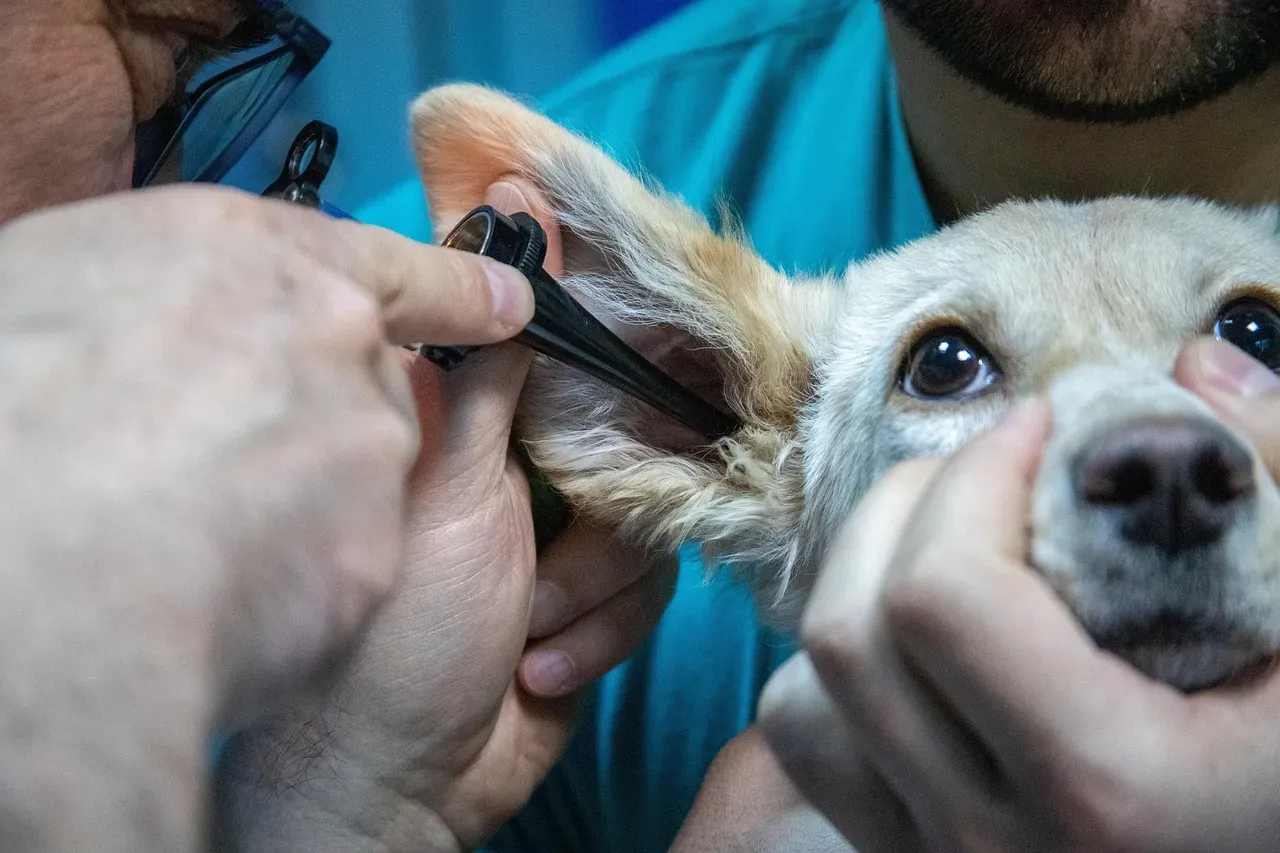
Ear problems are rarely just about the ears.
A vet looks for redness, discharge and odor. Waxy brown debris, a yeasty smell and constant head shaking all suggest infection or inflammation. Many dogs also tilt their heads or paw at the ear, which owners tend to write off as a quirk.
Here’s what most owners miss. Recurrent ear infections are often a symptom of an underlying allergy, whether food-related or environmental. Treating the ear alone can leave the real cause untouched, so the infection keeps coming back.
Lifestyle matters too. Swimming dogs and dogs with floppy ears trap moisture, which helps bacteria and yeast grow. A vet who hears “he loves the lake” already has a clue.
- Repeated infections often point to allergies
- Over-cleaning can irritate the canal
- Cotton swabs can push debris deeper
Many owners clean too aggressively because they want to help. Vets would rather you ask first.
Now for the moment the pet walks in the door…
#9 – How the Pet Arrives Says Everything About Past Visits
🔥 Would you like to save this?
We'll email this post to you, so you can come back to it later!
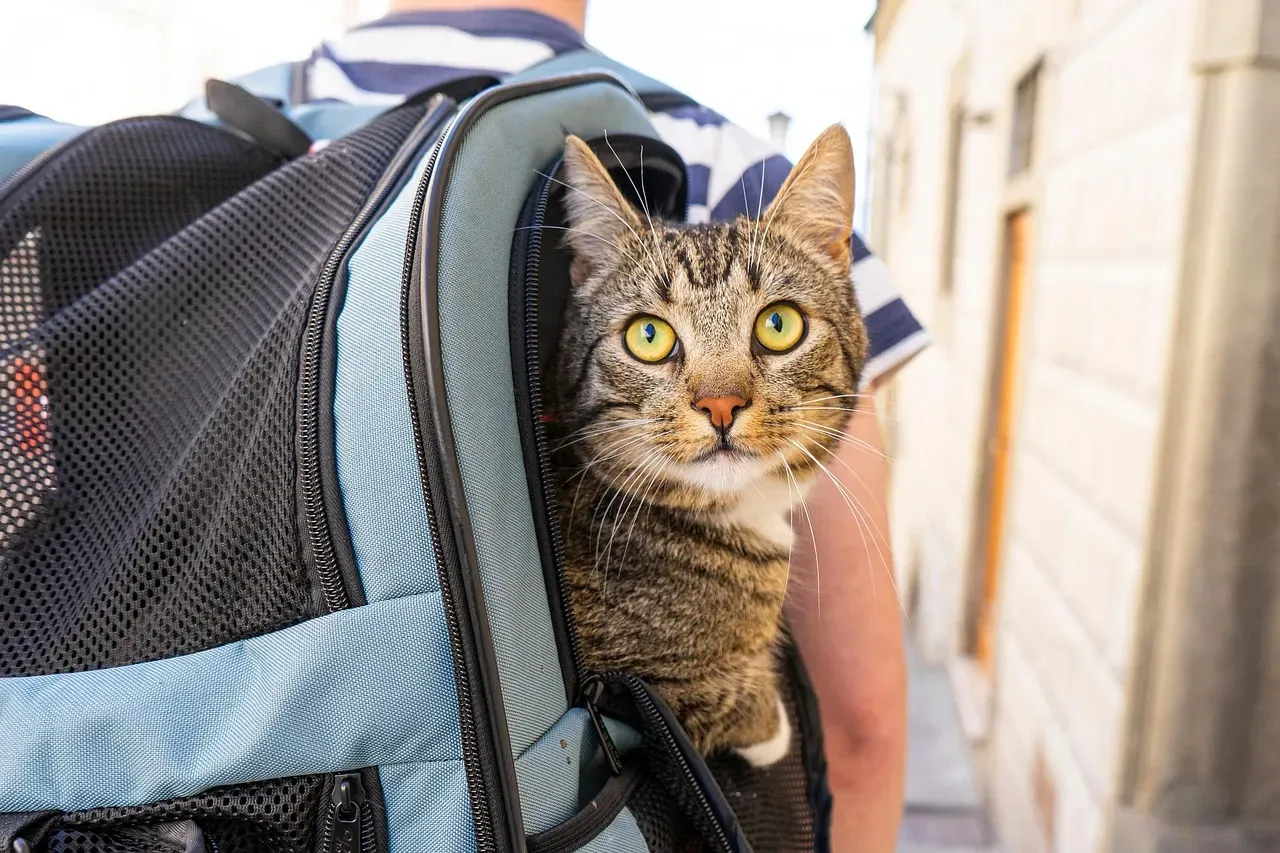
The carrier or the leash often tells a vet more than the chart.
A cat who arrives in a battered cardboard box, or wrapped in a towel, is telling a story. So is a cat pulled out of a carrier by force. Staff can often tell how many bad trips came before this one.
Feline specialists, including the American Association of Feline Practitioners, encourage owners to leave the carrier out at home all year. That way it becomes a normal piece of furniture, maybe even a nap spot.
Many cats only see their carrier right before a stressful trip, so they learn to hate it. The cat isn’t being difficult. It’s connecting two dots.
Dogs show it in different ways. A dog who pulls hard, freezes or refuses to enter the building has often had bad experiences, or simply hasn’t had practice with new places.
Body language adds another layer…
#8 – Body Language Shows Handling History
🔥 Would you like to save this?
We'll email this post to you, so you can come back to it later!
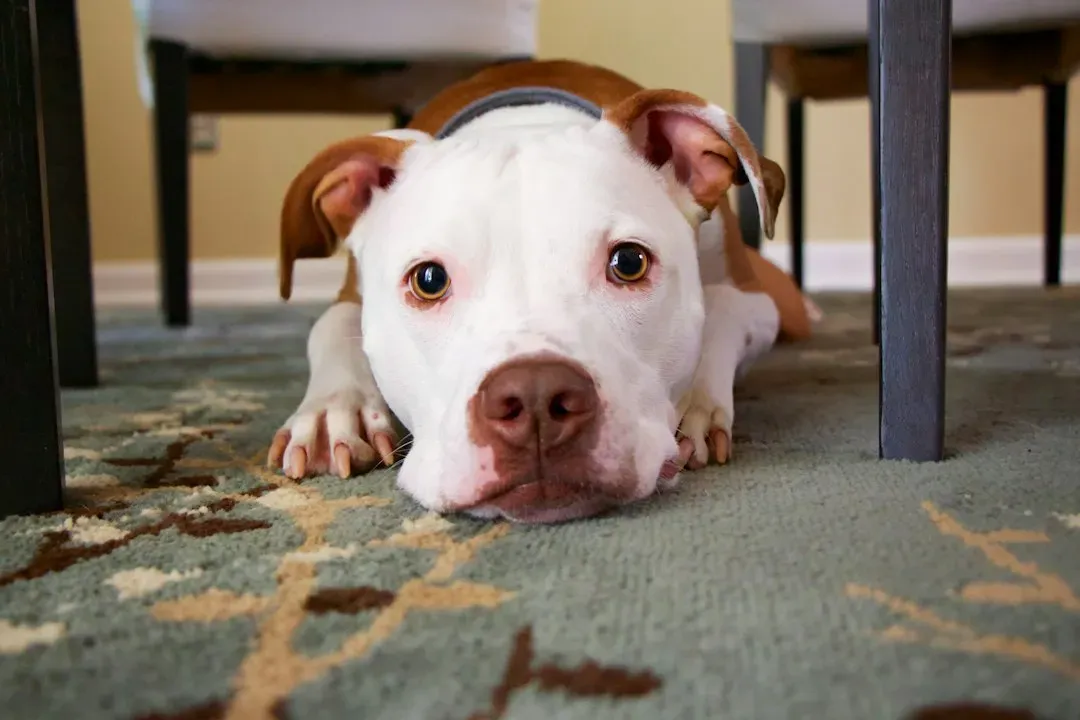
A pet’s reaction to touch reveals how it has been handled.
Vets watch the first few seconds closely. Is the pet loose and curious, or stiff with a tucked tail and pinned ears? Those first moments are rarely an act.
Fearful pets often show it quietly: lip licking, yawning, turning away, freezing or showing the whites of their eyes. Many owners read those signals as “he’s just being shy.”

Halloween Cat Costume Cloak Witch Hat Pet Accessories
Check Price on AmazonAs an Amazon Associate, we earn from qualifying purchases.
10/9/2026 2:44 pm GMTi

PetSafe Oasys Pet Fountain, 1/2 Gallon (64 oz), Small Dogs & Cats
Check Price on AmazonAs an Amazon Associate, we earn from qualifying purchases.
10/8/2026 8:14 am GMTi

Smart Bird Feeder with Camera Solar Powered, 2K HD Live Video, 10,000+ Bird Species AI Identification
Check Price on AmazonAs an Amazon Associate, we earn from qualifying purchases.
10/7/2026 1:22 pm GMTi

Professional 7 in 1 Dog Paw Cleaner for Dogs & Cats - Includes 1 Portable Paw Washer, 1 Bath Brush
Check Price on AmazonAs an Amazon Associate, we earn from qualifying purchases.
10/7/2026 1:26 pm GMTi

Glass Hummingbird Feeder for Outdoors Hanging
Check Price on AmazonAs an Amazon Associate, we earn from qualifying purchases.
10/7/2026 1:21 pm GMTi
Quick Compare
- Relaxed: loose body, soft eyes, curious sniffing
- Uneasy: lip licking, yawning, head turned away
- Overwhelmed: frozen stance, tucked tail, pinned ears, trembling
A pet who tolerates having its paws, ears and mouth touched at home is usually far easier to examine. That’s not luck. It’s practice.
Fear Free certification programs teach staff to read these cues and work with them. It’s one reason many clinics now use treats, quiet rooms and slower handling.
Here’s a mildly controversial view: a “bad patient” is usually an unprepared patient. A pet who has never had paw-handling practice is being asked to do something very unnatural.
Some clues hit the nose first…
#7 – Smell Carries Secrets About the Household

🔥 Would you like to save this?
We'll email this post to you, so you can come back to it later!
Vets learn a lot before they touch a thing.
A pet’s coat holds onto smells from the home. Cigarette smoke, heavy cooking, damp basements and strong air fresheners can all cling to fur. To a trained nose, your living room walks in with your dog.
Studies have linked secondhand smoke to health risks in pets, including respiratory problems and, in cats, certain cancers. Cats groom themselves, so they swallow what settles on their coats.
A pet’s own scent can also flag a medical problem. A sweet or fruity odor, a sharp urine smell or a rotten-mouth smell can each point in a different direction.
Not every smell is a mystery. A greasy coat with a musty odor often points to skin infection or yeast overgrowth.
And then there’s the question of food…
#6 – The Diet Is Written All Over the Pet
🔥 Would you like to save this?
We'll email this post to you, so you can come back to it later!
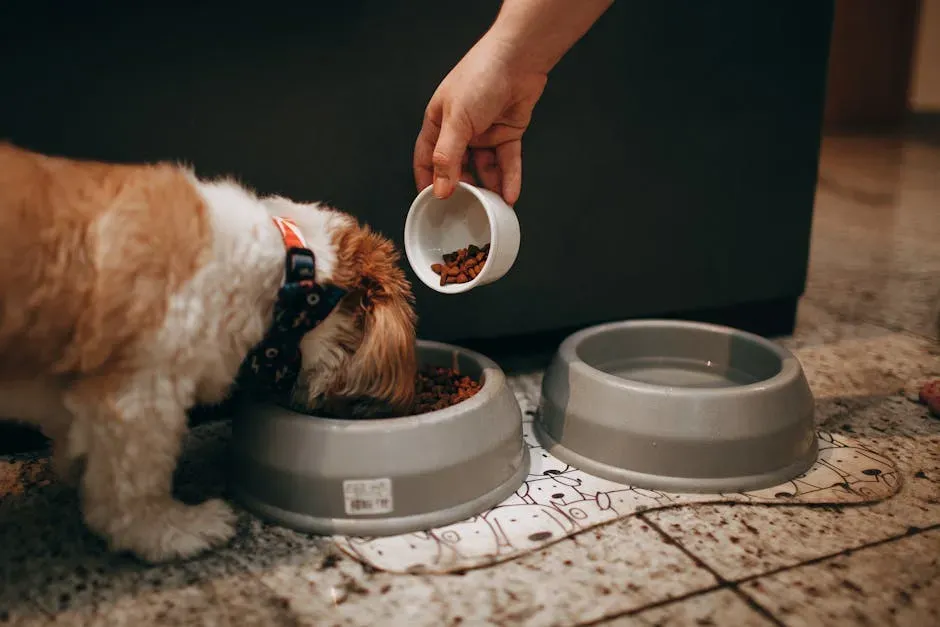
What’s in the bowl matters less than what’s around it.
Vets usually ask for a specific brand, amount and treat list. Vague answers like “a scoop” or “whatever’s left over” already tell them something. It’s not a gotcha. Those details change the whole picture.
Treats and table scraps are the sneaky calories. They’re also where danger lurks. Chocolate, grapes, raisins, onions and xylitol sweetener are all well-known toxins for dogs.
Lilies are highly toxic to cats, even in small amounts. A bouquet on the table can be a real risk, which is why vets often ask about plants.
Worth Knowing
- Xylitol hides in sugar-free gum, some baked goods and certain nut butters
- Darker chocolate is generally more dangerous to dogs than milk chocolate
- Grapes and raisins can harm dogs even when the amount seems small
- The ASPCA Animal Poison Control Center is reachable at (888) 426-4435, and a consultation fee may apply
The diet debate gets heated. Grain-free diets, for example, were investigated by the FDA over a possible link to heart disease in dogs, and the picture remains complicated.
My view: trendy diet marketing deserves more skepticism than it gets. Ask your vet before switching.
Next, a clue hidden in the records…
#5 – Records Reveal Whether Prevention Is Actually Happening

🔥 Would you like to save this?
We'll email this post to you, so you can come back to it later!
A chart can tell a vet more than a conversation.
Gaps in vaccines, missed heartworm tests and long breaks between visits show a pattern. Vets don’t need a lecture to read it. Life gets busy, and the paper trail simply reflects that.
The American Heartworm Society recommends year-round prevention in the US. Many owners stop in winter, assuming mosquitoes vanish. That gap can leave a dog unprotected.
Heartworm prevention only works when given on schedule, and the disease is far easier to prevent than to treat.
- Missed doses create gaps in protection
- Flea and tick products aren’t interchangeable between species
- Dog products can be dangerous for cats
Mobility tells yet another story…

Hand Blown Glass Hummingbird Feeders for Outdoors Hanging, 24oz Wild Bird Nectar Feeder
Check Price on AmazonAs an Amazon Associate, we earn from qualifying purchases.
10/7/2026 1:23 pm GMTi

Orthopedic Extra Large Dog Bed, Waterproof Washable XL Pet Bed 44"
Check Price on AmazonAs an Amazon Associate, we earn from qualifying purchases.
10/7/2026 1:32 pm GMTi

Halloween Dog Collar with Bow, Orange Cute Ghost Collar,
Check Price on AmazonAs an Amazon Associate, we earn from qualifying purchases.
10/9/2026 2:43 pm GMTi

Dog Stairs for Bed 18" H, 4-Step Dog Steps for High Bed
Check Price on AmazonAs an Amazon Associate, we earn from qualifying purchases.
10/9/2026 2:42 pm GMTi

Portable Dog Water Bottle Foldable Dog Travel Water Bottle
Check Price on AmazonAs an Amazon Associate, we earn from qualifying purchases.
10/7/2026 1:29 pm GMTi
#4 – The Way a Pet Moves Reveals the Layout of Your Home

🔥 Would you like to save this?
We'll email this post to you, so you can come back to it later!
Slippery floors and stairs leave a footprint on the body.
Vets watch gait closely. Stiff rising, bunny-hopping or hesitant steps can suggest joint pain, especially in older pets.
Muscle loss in the hind legs is a classic clue. Pets favoring sore limbs often use them less, so the muscles shrink.
Many pets hide pain for years, because instinct tells them not to look weak. Owners often chalk it up to age.
At a Glance
- Slow, stiff rising after naps
- Hesitating at stairs or before jumping on the couch
- Short strides or a bunny-hop run
- Thinner hind legs than front legs
- Licking or chewing at one joint
Home setups make it worse or better. Hardwood and tile floors can be tough on dogs with arthritis, and jumping onto high beds adds strain.
A candid opinion: “he’s just getting old” is one of the most expensive phrases in pet care. Pain can often be managed.
Cats keep their secrets even better…
#3 – Cats Reveal the Litter Box Truth

🔥 Would you like to save this?
We'll email this post to you, so you can come back to it later!
For cats, the litter box is basically a diagnostic tool.
Vets ask about frequency, clumps and location. Changes can signal urinary trouble, kidney disease, diabetes or stress.
Cats are masters at hiding illness, so owners often notice only by accident. A box that’s suddenly avoided isn’t spite. It’s a message.
Stress alone can trigger painful bladder inflammation in some cats. It’s called feline idiopathic cystitis, and household changes are a well-known trigger.
Setup matters too:
- One box per cat, plus one extra, is the common guideline
- Boxes should sit in quiet, accessible spots
- Tiny covered boxes may not suit every cat
The next clue comes from you, not the pet…
#2 – Your Questions Show What You’ve Already Tried
🔥 Would you like to save this?
We'll email this post to you, so you can come back to it later!
Vets learn plenty from the first thing you say.
“I looked it up online” is a phrase every clinic hears. It isn’t always bad, but home fixes can cloud the picture.
The riskiest ones involve human medication. Ibuprofen and acetaminophen can be dangerous for pets, and cats are especially sensitive to acetaminophen.
Giving a human painkiller “just once” is a common way pets end up in emergency care. Vets would far rather you call first.
Owners who arrive with a symptom timeline, photos and a list of food and medications get faster answers. Specific notes beat vague worry.
- When it started
- What changed at home
- What you’ve already given
Dr. Google isn’t the enemy. Unfiltered confidence is.
And the last clue is the most telling of all…

Earth Rated XL Dog & Puppy Pee Pads, Discreet Top, Max Absorbency
Check Price on AmazonAs an Amazon Associate, we earn from qualifying purchases.
10/7/2026 1:28 pm GMTi

Air Purifiers for Home Pets Large Room Up to 3000 Ft²,HEPA Air Cleaner with Washable Double-Side Filter, PM2.5 Air Quality Monitor,15dB Sleep Mode for Bedroom Odor Dust Pollen,White
Check Price on AmazonAs an Amazon Associate, we earn from qualifying purchases.
10/8/2026 8:23 am GMTi

2 Pcs Halloween Pet Hat Bandana Set, Witch Pumpkin Costumes for Dogs
Check Price on AmazonAs an Amazon Associate, we earn from qualifying purchases.
10/9/2026 2:45 pm GMTi

Glass Hummingbird Feeder for Outdoors Hanging, 16 oz Leak-Proof Nectar Feeder with Bee Guards & Ant Moat
Check Price on AmazonAs an Amazon Associate, we earn from qualifying purchases.
10/7/2026 1:22 pm GMTi
#1 – The Bond Between You Says More Than Any Test

🔥 Would you like to save this?
We'll email this post to you, so you can come back to it later!
The clearest signal isn’t medical. It’s how your pet looks at you.
Vets notice whether a pet seeks its owner for reassurance, whether the owner reads the pet’s cues and whether touch is calm or tense. These small moments show a lot about daily life.
A pet who relaxes at your touch has usually learned that handling is safe. A pet who flinches may need work, or may simply be anxious.
Strong routines, from feeding times to exercise, tend to show up as calmer, healthier pets.
None of this means vets are grading you. Most clinic staff are on your side and have seen every kind of household. What they want is information, honesty and a team approach.
So what does all of this add up to…
One visit can’t reveal your whole home, but it can reveal patterns. Weight, teeth, nails, coat, mobility and behavior all point back to daily habits. The biggest finding is that most red flags are fixable.
Here’s the opinionated part: the trendiest products matter far less than boring basics like portion control, dental care, prevention and honest conversations. If you’ve been skipping annual checkups, that’s the one habit worth changing first.
Which of these clues surprised you most, and is there a habit you’d change after reading it?

- 14 Things Veterinary Staff Can Tell About a Home in One Visit - November 8, 2026
- 9 Quiet Signs a Cat Settled In - November 8, 2026
- 9 Things a Dog Recalls From Its First Week in a Home - November 8, 2026