
Most people believe a cat has the moment it stops hiding under the bed. That’s only the first checkpoint, and plenty of owners stop watching right when the real story begins.
Cats don’t announce comfort with fanfare. They show it through small habits: how they eat, where they sleep, what they do with their tail. Some are relaxed within days, while others quietly take weeks or months. Here are nine signs, counted down from #9 to #1, and one of them hinges on a simple eye trick that researchers actually tested. The last one is the one that makes owners emotional.
#9 – Your Cat Eats Without Looking Over Their Shoulder
🔥 Would you like to save this?
We'll email this post to you, so you can come back to it later!
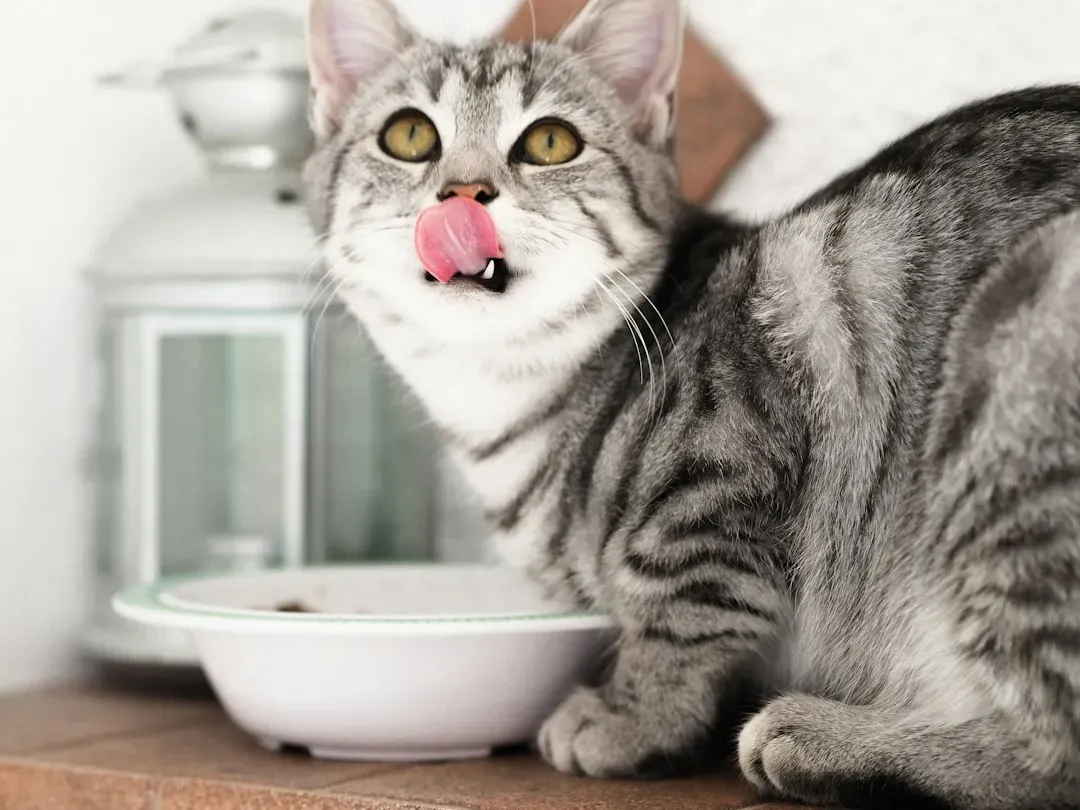
A cat who eats calmly is telling you far more than you’d think. Appetite is often the first thing stress switches off, and many newly arrived cats skip meals or only eat when the room is empty.
So when your cat starts eating while you move around the kitchen, that’s real progress. Cats naturally prefer several small meals through the day, so a steady rhythm of nibbling and returning is a good sign in itself.
Watch how they eat. A settled cat doesn’t snatch food and bolt, and doesn’t freeze at every noise. Eating in the open, with their back to a doorway, is one of the strongest early trust signals, because cats are both predators and prey. Turning your back on the room is a real risk for them.
Look for these markers:
- Eating while you’re in the room
- Returning for several small meals a day
- Finishing food without scanning the room between bites
Here’s the part most people don’t realize. A cat that refuses food entirely for a day or two isn’t “just adjusting.” Cats that stop eating can develop serious liver problems, so call a vet instead of waiting it out.
But the next sign is far less glamorous, and it reveals even more…
#8 – The Litter Box Becomes Boring
🔥 Would you like to save this?
We'll email this post to you, so you can come back to it later!
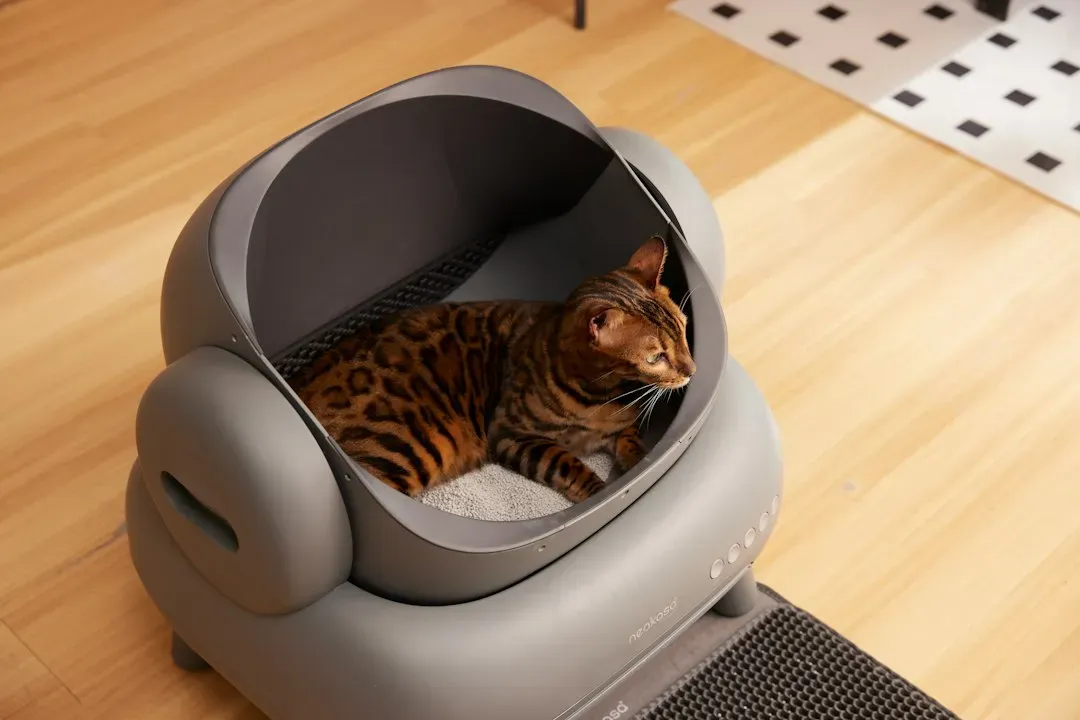
The litter box is the most honest feedback form your cat will ever fill out. Cats are meticulous about where they toilet, and a cat who uses the box reliably, without hesitation, has decided the space is safe enough to let their guard down.
Boring is exactly what you want here. No lingering at the edge, no sniffing around the room first, no dramatic scratching at the wall instead of the litter.
Toileting outside the box is often a stress or medical signal, not “bad behavior.” Urinary problems can look like a behavior issue, so a vet check is the first step. Punishing accidents is a mistake that usually makes the stress worse, because it teaches the cat that you are the unpredictable part of the house.
Good signs include:
- Using the box every time
- Normal digging and covering
- Choosing the same spot consistently
Here’s a point that divides opinion. Many owners love hooded litter boxes for hiding mess. Some behaviorists argue they’re a mistake for certain cats, since a hood can trap odor and take away the cat’s view of an escape route.
A common guideline is one box per cat, plus one extra, placed in quiet spots. That’s easy to apply in a new home, and it removes a major source of tension before it starts.
Worth Knowing
- Many vets suggest a box roughly one and a half times your cat’s body length, so turning around feels easy.
- Scooping at least once a day matters, since cats can be picky about a dirty box.
- Strong scented litters can put cats off, so plain and unscented is the safer starting point.
- Keep boxes in separate calm spots, not lined up side by side, or your cat may treat them as one big box.
Still, the next sign is one you’ve probably seen without understanding it…
#7 – They Groom Right in Front of You
🔥 Would you like to save this?
We'll email this post to you, so you can come back to it later!
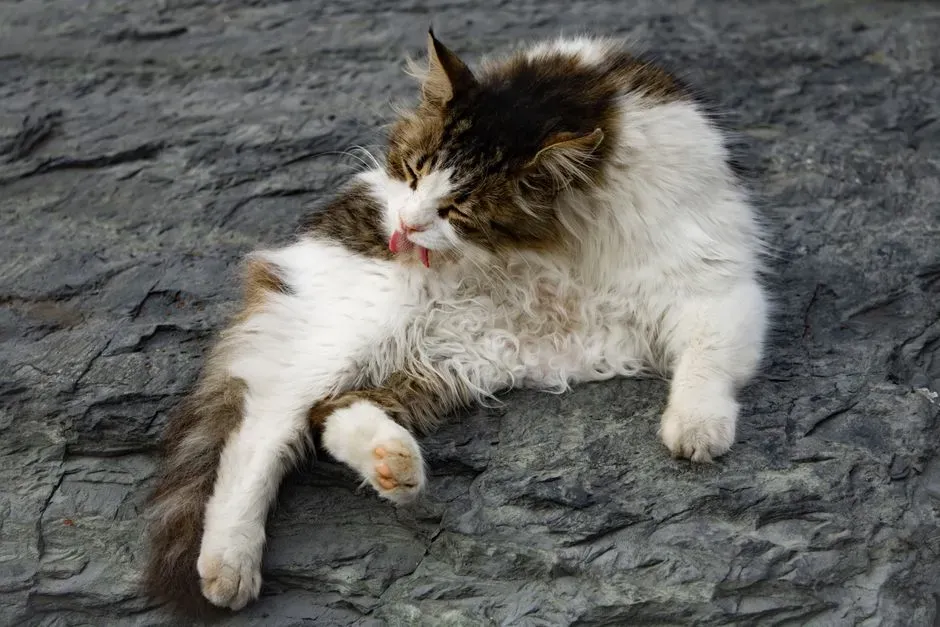
A cat who washes up in your presence has quietly decided you’re not a threat. Grooming leaves a cat distracted and exposed, and most cats won’t do it properly while anxious.
So when your cat starts a full wash on the sofa beside you, that’s a notable shift. It’s the feline version of kicking off your shoes.
Cats also use grooming to self-soothe. Both too little grooming and too much can point to stress, from a scruffy coat to bald patches caused by over-licking. Persistent over-grooming is worth a vet conversation, since pain and skin issues can look similar.
Don’t overlook what happens when the licking is aimed at you. In cats that live together, mutual grooming is a social behavior between animals that are close. A gentle lick on your hand or hair is often a sign you’ve been included.
Watch for:
- Calm, unhurried washing in common areas
- A tidy, well-kept coat
- Occasional licks directed at you
But the next sign comes from a study that surprised even researchers…
#6 – They Slow-Blink at You
🔥 Would you like to save this?
We'll email this post to you, so you can come back to it later!
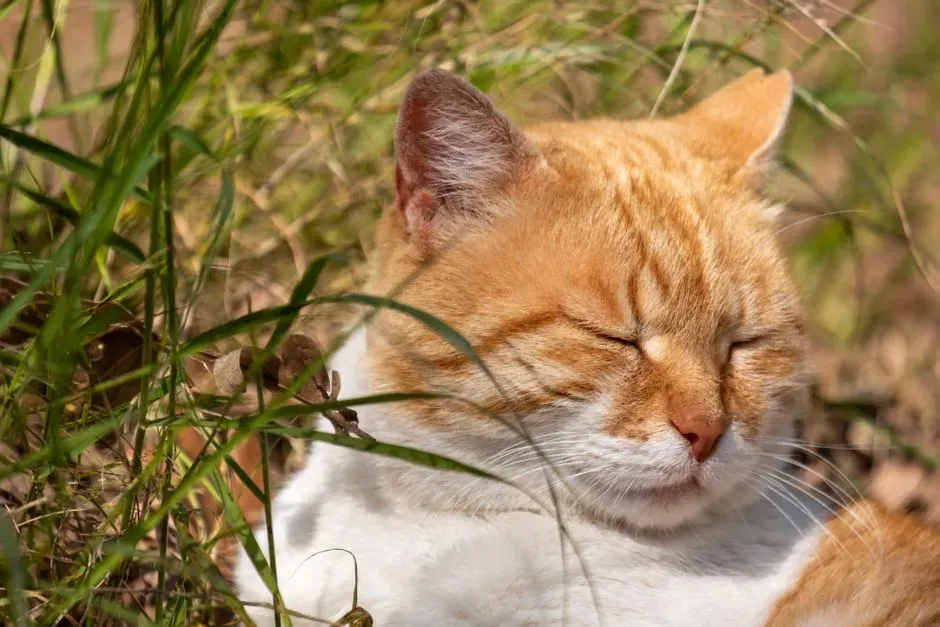
That sleepy squint isn’t drowsiness. It’s one of the friendliest things a cat can do.
A 2020 study in Scientific Reports, from researchers at the Universities of Sussex and Portsmouth, tested this behavior. Cats were more likely to slow-blink back at owners who slow-blinked at them first. They were also more likely to approach an unfamiliar person’s hand after a slow blink than after a neutral expression.
The signal is easy to recognize. The eyes narrow, then half-close, then open again slowly. It looks relaxed because it is.
Researchers describe it carefully as a positive communication signal. The popular “cat kiss” nickname goes a bit further than the evidence does. Still, the pattern held up across more than one test, which is rare enough in cat research to be worth celebrating.
Try the exchange yourself:
- Soften your face and narrow your eyes
- Close them slowly, then reopen
- Look away gently instead of staring
Meanwhile, the next signal is visible from across the room…

Smart Bird Feeder with Camera Solar Powered, 2K HD Live Video, 10,000+ Bird Species AI Identification
Check Price on AmazonAs an Amazon Associate, we earn from qualifying purchases.
10/7/2026 1:22 pm GMTi

Portable Dog Water Bottle Foldable Dog Travel Water Bottle
Check Price on AmazonAs an Amazon Associate, we earn from qualifying purchases.
10/7/2026 1:29 pm GMTi

Air Purifiers for Home Pets Large Room Up to 3000 Ft²,HEPA Air Cleaner with Washable Double-Side Filter, PM2.5 Air Quality Monitor,15dB Sleep Mode for Bedroom Odor Dust Pollen,White
Check Price on AmazonAs an Amazon Associate, we earn from qualifying purchases.
10/8/2026 8:23 am GMTi

Professional 7 in 1 Dog Paw Cleaner for Dogs & Cats - Includes 1 Portable Paw Washer, 1 Bath Brush
Check Price on AmazonAs an Amazon Associate, we earn from qualifying purchases.
10/7/2026 1:26 pm GMTi

Earth Rated XL Dog & Puppy Pee Pads, Discreet Top, Max Absorbency
Check Price on AmazonAs an Amazon Associate, we earn from qualifying purchases.
10/7/2026 1:28 pm GMTi
#5 – The Tail Goes Up Like a Question Mark

🔥 Would you like to save this?
We'll email this post to you, so you can come back to it later!
A raised tail is a greeting, and it says more than most people realize. Kittens hold their tails up when approaching their mothers, and adult cats keep using the same gesture with people and cats they trust.
A tail held high, often with a slight curve or quiver at the tip, generally reads as a friendly hello. If your cat now greets you at the door with a tall tail, they’ve begun treating your home as theirs.
Context still matters. Tail language works alongside ears, whiskers, and posture. A raised tail on a relaxed, forward-moving cat means something different from a stiff tail on a tense, frozen one.
Here’s the common mistake. Most people assume a swishing tail means happiness, as with a wagging dog. A thumping or lashing tail usually signals irritation or overstimulation, and it’s often the moment right before a swat.
A quick guide:
- Held up, loosely curved: confident, friendly
- Low or tucked: uneasy or fearful
- Lashing or thumping: overstimulated, give space
At a Glance: Read the Whole Cat
- Ears forward and upright: interested and relaxed
- Ears flattened or turned sideways: anxious or annoyed
- Soft, half-closed eyes: calm and comfortable
- Loose, rounded body: at ease, not braced to run
The next sign shows how deep that feeling of ownership runs…
#4 – They Sleep in the Open
🔥 Would you like to save this?
We'll email this post to you, so you can come back to it later!
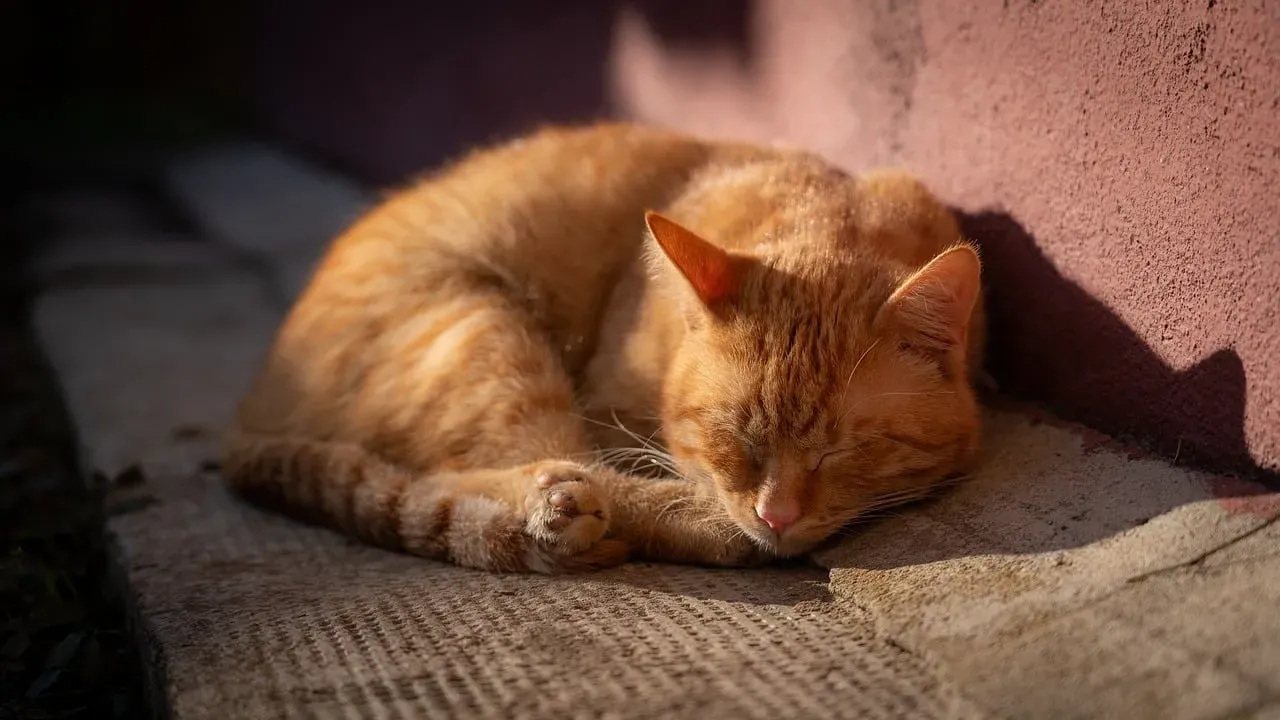
A cat who naps in plain sight has made a serious risk assessment, and you passed. Adult cats commonly sleep around half the day or more, and they spend much of it in light dozing.
A new cat usually picks hidden spots, such as under beds or behind furniture. Sleeping in the living room is a clear step up.
Sleep is when a cat is least able to defend itself, so choosing an exposed spot says a lot. A cat who flops on the sofa or in the middle of the rug has decided the surroundings are predictable.
Then there’s the belly. A cat rolling over to show it is communicating comfort and trust. It is not automatically an invitation to rub.
Here’s an opinion that gets heated. Many owners treat the belly as a petting zone. Many cat behaviorists argue that’s the biggest mistake new owners make, since plenty of cats respond with claws. Respecting that boundary builds trust faster.
But the next sign shows up when your cat is wide awake…
#3 – They Explore and Play Like They Own the Place
🔥 Would you like to save this?
We'll email this post to you, so you can come back to it later!
Play is a luxury, and cats only indulge when they feel safe. A cat on high alert has no energy for games.
So when yours starts investigating cupboards, climbing shelves, or checking every window, stress is dropping. Curiosity is a comfort signal.
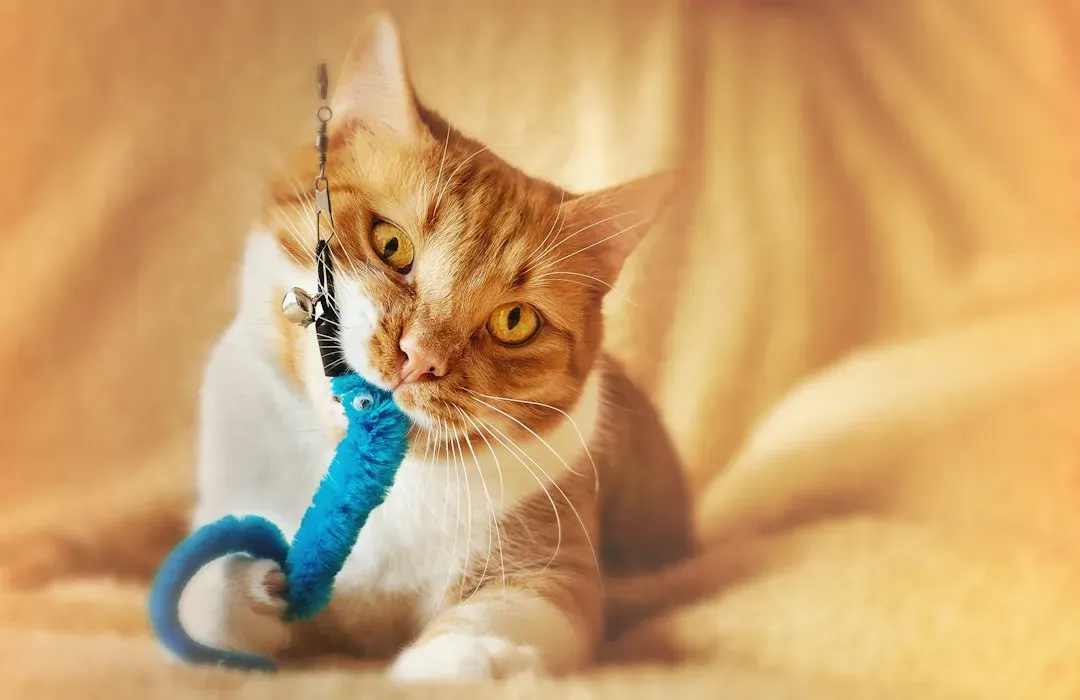
Cats often do their most energetic play in short bursts, mimicking the hunting sequence of stalking, chasing, and pouncing. A settled cat may suddenly sprint through the house or ambush a shoelace. That’s normal and healthy.
Here’s a myth worth correcting. Many owners assume adult cats outgrow play. In reality, they often just need the right toy at the right time, such as wands, balls, or feather toys that move like prey.
Signs to look for:
- Exploring rooms beyond their first safe space
- Investigating new objects with a curious posture
- Stalking and pouncing on toys
A few short play sessions a day usually work better than one long one. Let your cat “catch” the toy now and then, since a hunt that never ends can frustrate them.

Orthopedic Extra Large Dog Bed, Waterproof Washable XL Pet Bed 44"
Check Price on AmazonAs an Amazon Associate, we earn from qualifying purchases.
10/7/2026 1:32 pm GMTi

Halloween Dog Collar with Bow, Orange Cute Ghost Collar,
Check Price on AmazonAs an Amazon Associate, we earn from qualifying purchases.
10/9/2026 2:43 pm GMTi

Halloween Cat Costume Cloak Witch Hat Pet Accessories
Check Price on AmazonAs an Amazon Associate, we earn from qualifying purchases.
10/9/2026 2:44 pm GMTi

Glass Hummingbird Feeder for Outdoors Hanging, 16 oz Leak-Proof Nectar Feeder with Bee Guards & Ant Moat
Check Price on AmazonAs an Amazon Associate, we earn from qualifying purchases.
10/7/2026 1:22 pm GMTi

Dog Stairs for Bed 18" H, 4-Step Dog Steps for High Bed
Check Price on AmazonAs an Amazon Associate, we earn from qualifying purchases.
10/9/2026 2:42 pm GMTi
Fast Facts
- Timing: Playing before a meal mirrors the natural hunt, eat, groom, sleep cycle.
- Movement: Toys that skitter, hide, and dart hold attention better than ones waved in the open.
- Rotation: Swapping toys every few days keeps old favorites feeling new.
- Finish: Ending with a treat or small meal gives the hunt a satisfying payoff.
Still, the next sign is one of the most misunderstood…
#2 – Kneading and Purring Start Together
🔥 Would you like to save this?
We'll email this post to you, so you can come back to it later!
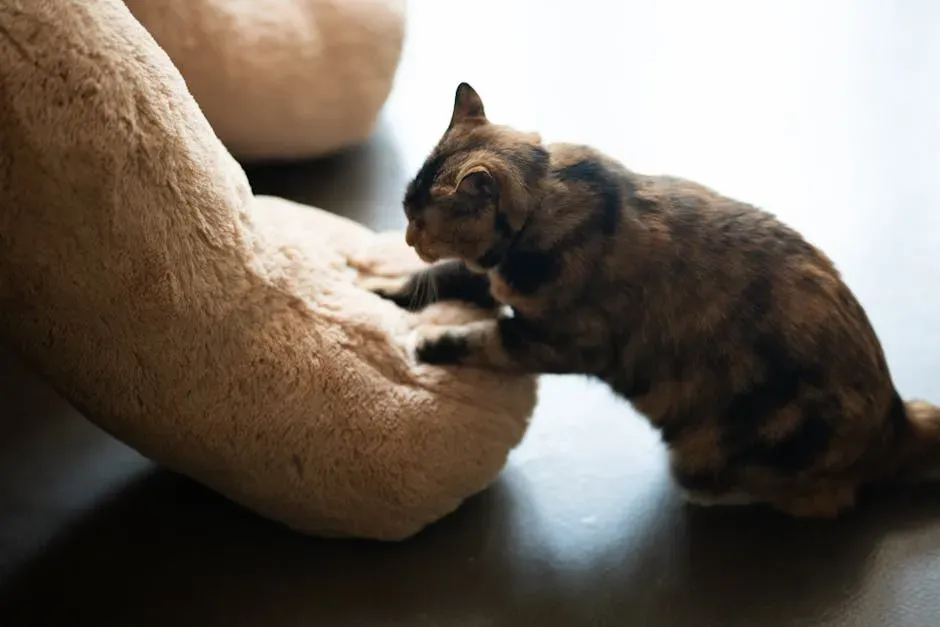
Kneading looks odd, but it’s a throwback to kittenhood. Kittens knead their mother’s belly to stimulate milk flow, and many adult cats keep the habit as a comfort behavior.
When a cat treats your lap like a nursing nest, they’re linking you with safety. It’s about as close to a cat saying “this feels like home” as you’ll get.
Purring is trickier. Cats purr when content, but they may also purr when stressed, unwell, or in pain. That’s why a purr alone isn’t proof of happiness. It’s a low-frequency vibration that appears to serve more than one purpose.
Read the whole picture instead. A purr with soft eyes, a loose body, and kneading paws points toward real contentment. A purr with flattened ears and tension doesn’t.
Quick checks:
- Relaxed posture plus purr suggests comfort
- Tense body plus purr suggests you should look closer
- Hiding plus purr may call for a vet visit
But the strongest sign of all is the one that makes owners emotional…

PetSafe Oasys Pet Fountain, 1/2 Gallon (64 oz), Small Dogs & Cats
Check Price on AmazonAs an Amazon Associate, we earn from qualifying purchases.
10/8/2026 8:14 am GMTi

Glass Hummingbird Feeder for Outdoors Hanging
Check Price on AmazonAs an Amazon Associate, we earn from qualifying purchases.
10/7/2026 1:21 pm GMTi

Hand Blown Glass Hummingbird Feeders for Outdoors Hanging, 24oz Wild Bird Nectar Feeder
Check Price on AmazonAs an Amazon Associate, we earn from qualifying purchases.
10/7/2026 1:23 pm GMTi

2 Pcs Halloween Pet Hat Bandana Set, Witch Pumpkin Costumes for Dogs
Check Price on AmazonAs an Amazon Associate, we earn from qualifying purchases.
10/9/2026 2:45 pm GMTi
#1 – They Choose You
🔥 Would you like to save this?
We'll email this post to you, so you can come back to it later!
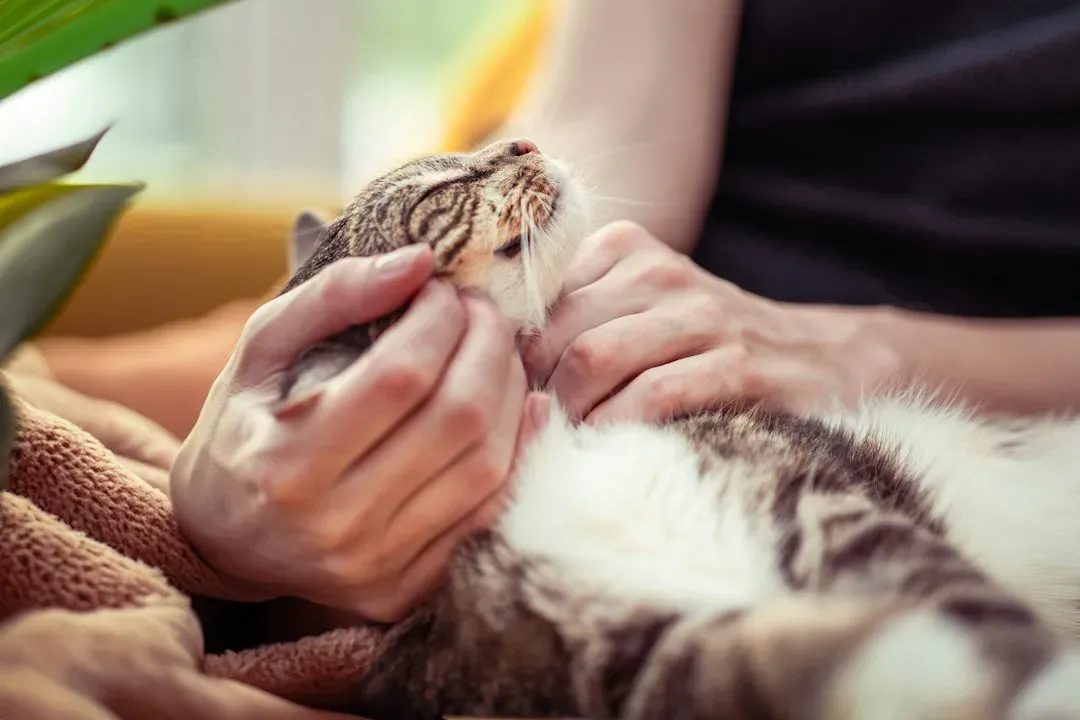
The clearest sign a cat has is that they start seeking you out. Notice the small things: following you room to room, sitting near your feet, and pressing their head into your hand.
That head-rubbing is called bunting. Cats have scent glands around their cheeks and face, and rubbing against you leaves their scent on you. In other words, your cat is blending your scent with their own.
It’s a way of making a shared, familiar territory. Experts see it as a sign of social bonding, not mere affection for its own sake.
Research backs up the bond. A 2019 study in Current Biology found that about 64% of the cats tested showed secure attachment to their owners. That’s comparable to patterns seen in dogs and human infants. Cats aren’t as aloof as their reputation suggests.
Evidence of the bond:
- Following you around the home
- Head-butting and cheek-rubbing
- Choosing to sit or sleep near you
Every sign on this list has one thing in common, and it’s easy to miss: your cat decided it, not you.
Settling in isn’t a single moment. It’s a slow stack of small, quiet signals: eating, toileting, grooming, sleeping, playing, and finally choosing you. No timeline is universal, and the popular “three days, three weeks, three months” rule is really a rough guide borrowed from dog advice.
Our view: stop counting days and start reading behavior. Let your cat set the pace, and don’t mistake a purr or a tail twitch for the whole story. If appetite or litter habits fall apart, call a vet before assuming it’s attitude.
Which of these signs did your cat show first, and how long did it take?

- 9 Quiet Signs a Cat Settled In - November 8, 2026
- 9 Things a Dog Recalls From Its First Week in a Home - November 8, 2026
- 8 Shelter Changes That Help Backyard Animals Through a Cold Snap - November 8, 2026