
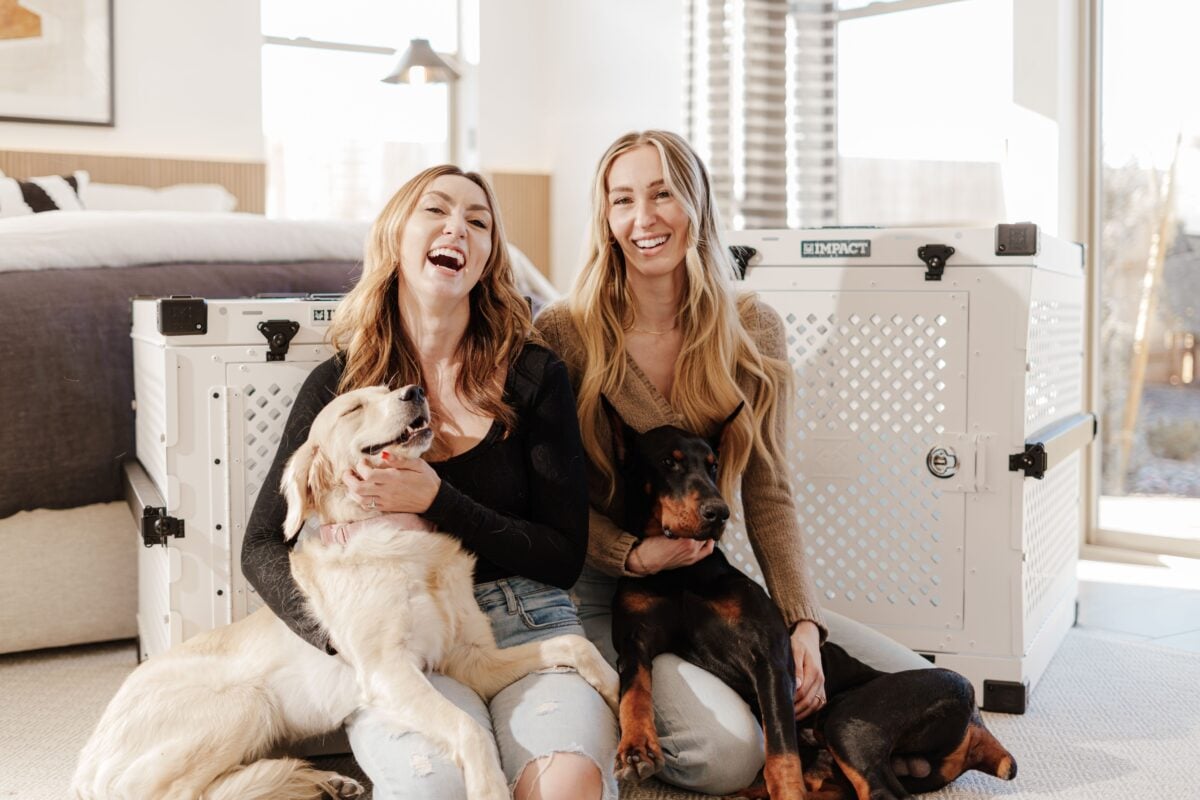
Most of us assume a dog’s first week in a new home dissolves into a blur of strange smells, odd noises and nervous pacing, and that it’s all forgotten once the dog settles in. That’s the comfortable version. The research points to something messier and far more interesting: dogs learn constantly, and those first days pack scent, sound, routine and raw emotion into a very short window.
Some of what your dog took away from that week, you taught on purpose. Some of it you taught by accident, with a startled flinch at the vacuum or a hug you thought was welcome. One of these memories explains why your dog still checks the same corner every morning, and the one at #1 isn’t about the house at all.
#9 – The Smell Map of Your Whole House

🔥 Would you like to save this?
We'll email this post to you, so you can come back to it later!
Your dog “read” your home with its nose long before it understood a single house rule.
Nobody can read a dog’s mind, so “recall” here means what behavior and lab research suggest dogs retain. Smell is the best-supported channel, which is why it opens the list.
In those first hours, a new dog sniffs floors, doorways, furniture, shoes and you. It is building a chemical map of who lives here, where the food is and which spots matter. Dogs devote a far larger share of their brain to smell than people do, so that map is richer than anything you could build by looking around.
You were probably the most thoroughly sniffed object in the house. Your hands, your pant legs and your shoes were all part of the first impression.
The map likely includes:
- Your scent on clothes, bedding and shoes
- The kitchen and feeding areas
- Doors and windows where outdoor smells drift in
- Spots where visitors, or earlier pets, have been
Scent memory is durable, which is why a dog keeps rechecking the same corners. It isn’t being nosy. It’s reading the local news and updating the file.
Here is a mildly controversial opinion. Some trainers argue that scrubbing every blanket and sofa cover the day the dog arrives is a mistake. Familiar smells can be reassuring, and new dogs often settle faster around things that smell like their people.
But that’s nothing compared to the sounds your dog caught at #8, and some of them you can’t even hear.
#8 – The Sounds That Made Them Flinch
🔥 Would you like to save this?
We'll email this post to you, so you can come back to it later!
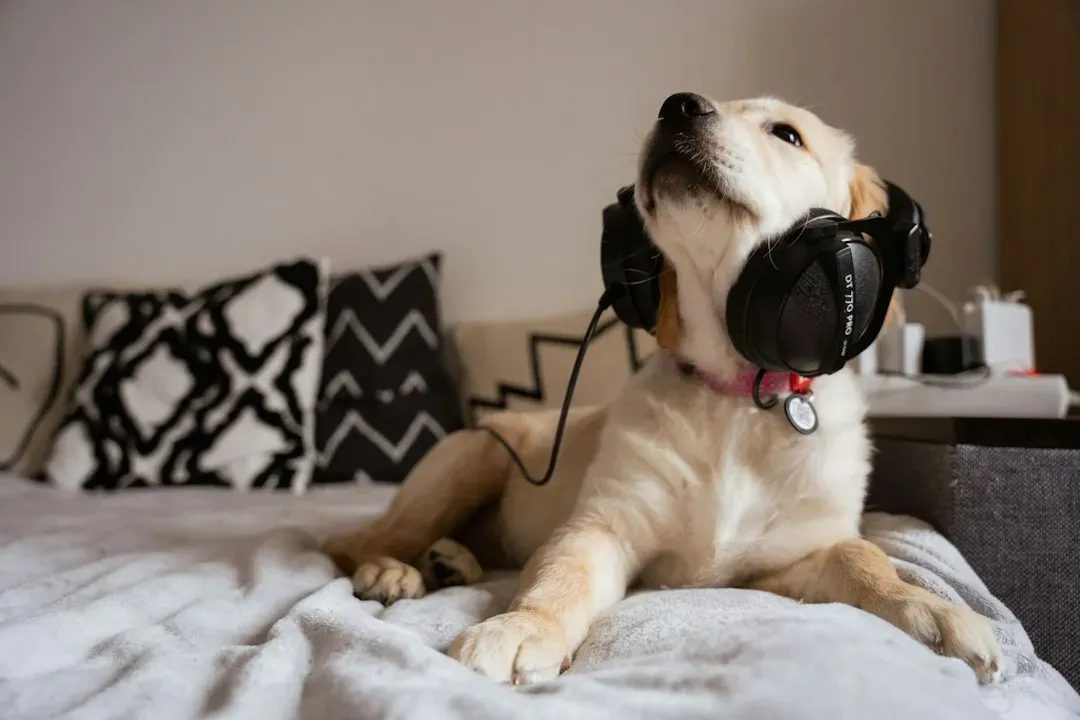
Your house is far louder to your dog than it is to you.
Dogs hear much higher frequencies than people do. The commonly cited upper limit is around 45,000 Hz, against roughly 20,000 Hz for humans. Some chargers, appliances and electronic devices give off a high-pitched whine that never reaches your ears but may be hard to ignore if you’re a dog.
Dogs also link sounds to events very quickly. In week one, your dog is quietly sorting your household noises into “good,” “bad” and “ignore.” It’s doing this in a place where it doesn’t yet know what’s normal, so every new noise is a question mark.
Sound-event pairs dogs often learn first:
- The rattle of the leash means a walk
- The food container opening means a meal
- Keys in the door mean someone is leaving or arriving
- The doorbell means visitors and noise
Here’s the catch. A sound heard at a scary moment can stay linked to fear long after the moment passes. A vacuum that roars to life while a dog is already nervous can leave a stronger impression than a hundred quiet days.
Behaviorists generally agree on one point. Repeated, low-key exposure helps ordinary sounds fade into the background, while a sudden scare can do the opposite. How you introduce the washing machine, the blender and the front door matters more than most owners think.
Fast Facts
- Commonly cited upper hearing limit: about 45,000 Hz for dogs, roughly 20,000 Hz for people
- Dogs can move each ear independently, which helps them pinpoint where a sound came from
- A silent-to-you electronic whine may be very noticeable to your dog
- One loud scare can outweigh many quiet exposures, so go slow with new appliances
The sound your dog learned the most from, though, was one you made on purpose. Before that, #7 is where plenty of owners go wrong on day one.
#7 – Exactly Where the Bathroom Is
🔥 Would you like to save this?
We'll email this post to you, so you can come back to it later!
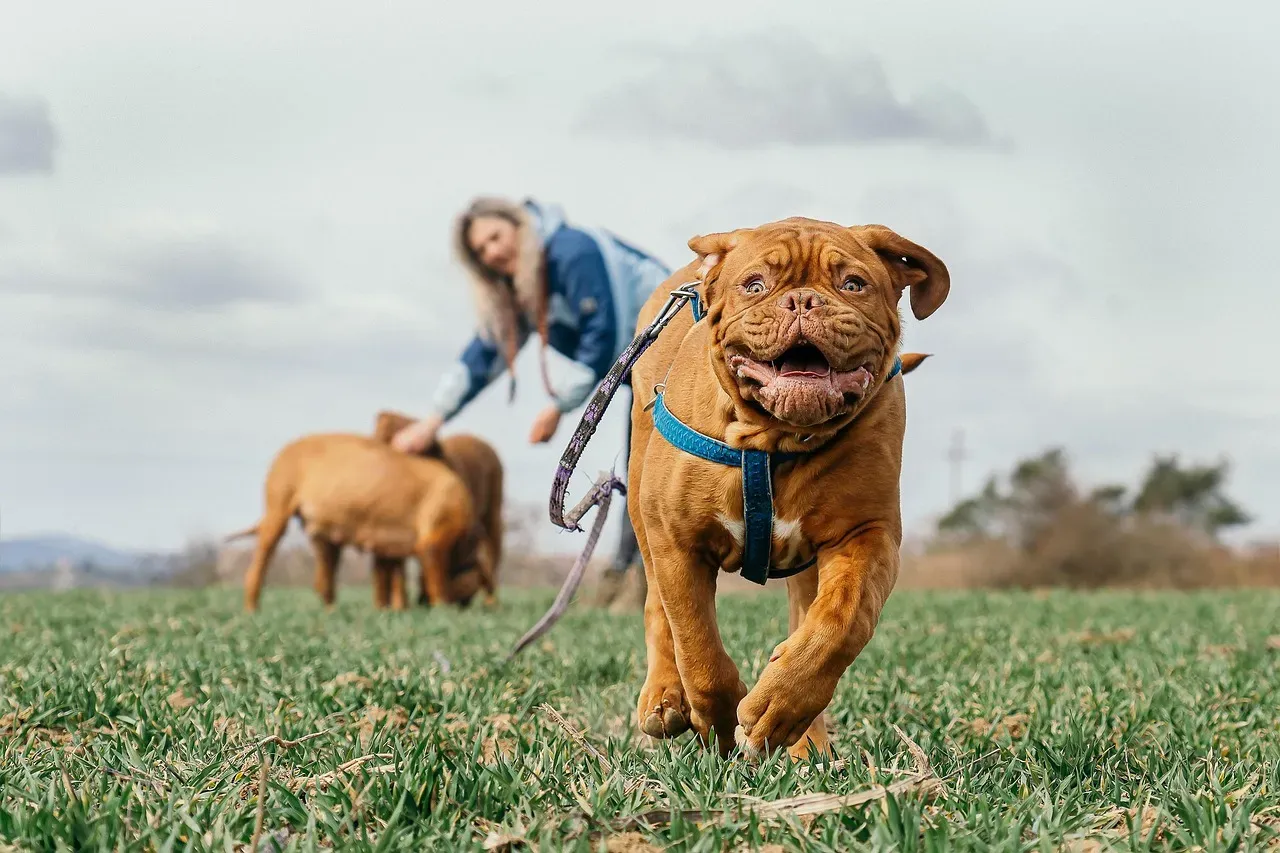
Your dog probably learned the toilet spot faster than any command, and not always the spot you meant.
Dogs link places with behaviors through repeated experience and scent. If an accident happens indoors, the lingering odor can pull the dog back to the same patch. A spot can become a bathroom simply because it already smells like one.
That is why vets and trainers commonly recommend enzymatic cleaners for accidents. They are designed to break down odor compounds rather than mask them, so the spot stops sending the “go here” signal.
Here is the friction point. Many trainers argue that handing a new dog free run of the house on day one is the biggest early mistake. It feels welcoming, but it gives the dog more places to guess wrong, and every wrong guess becomes a memory.
Timing matters too. Dogs link consequences that arrive within seconds, so a reward right after they finish outdoors teaches the lesson. Scolding after an accident is generally considered ineffective, because the dog can’t connect your reaction to something it did minutes ago. It may simply learn to hide when it needs to go.
The next memory runs on a clock your dog built without telling you, and it’s #6.
#6 – The Rhythm of Your Day
🔥 Would you like to save this?
We'll email this post to you, so you can come back to it later!
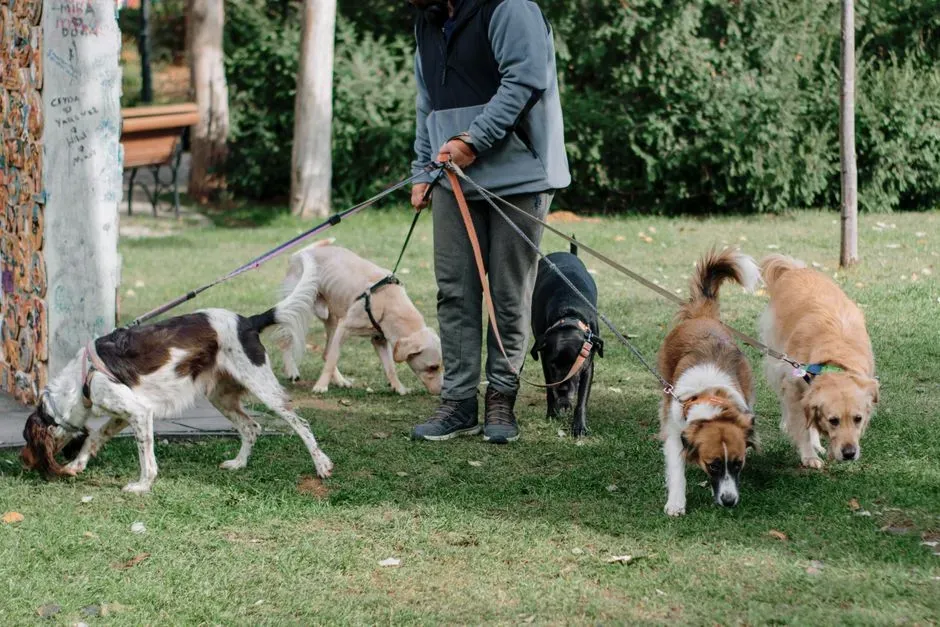
Dogs secretly keep a schedule, and the first week is when they write it.
Your dog is tracking when meals appear, when the door opens, when the lights go off and when you leave. Each repeated event becomes a predictor of what comes next. For a dog dropped into a brand-new life, that kind of pattern is a lifeline.
Dogs often key in on sequences as much as on clock time. Shoes go on, the leash comes off the hook, the door opens. The order of events can become the cue, not the time on the clock. That is why many dogs seem to know a walk is coming before you’ve said a word.
Behaviorists commonly recommend consistent anchors for newly adopted dogs:
- Meals at set times
- Regular toilet trips
- A predictable walk
- A quiet rest period
- A steady bedtime
Opinion time. Many trainers argue that free-feeding a new dog is a wasted opportunity. Mealtimes are some of the best teaching moments you get, and leaving food out all day hands that over.
The routine doesn’t need to be perfect. It needs to be repeatable enough for your dog to start guessing right.
Routine is one kind of language. At #5, the one you speak turns out to be even more revealing.

Earth Rated XL Dog & Puppy Pee Pads, Discreet Top, Max Absorbency
Check Price on AmazonAs an Amazon Associate, we earn from qualifying purchases.
10/7/2026 1:28 pm GMTi

Hand Blown Glass Hummingbird Feeders for Outdoors Hanging, 24oz Wild Bird Nectar Feeder
Check Price on AmazonAs an Amazon Associate, we earn from qualifying purchases.
10/7/2026 1:23 pm GMTi

Orthopedic Extra Large Dog Bed, Waterproof Washable XL Pet Bed 44"
Check Price on AmazonAs an Amazon Associate, we earn from qualifying purchases.
10/7/2026 1:32 pm GMTi

Glass Hummingbird Feeder for Outdoors Hanging
Check Price on AmazonAs an Amazon Associate, we earn from qualifying purchases.
10/7/2026 1:21 pm GMTi

Professional 7 in 1 Dog Paw Cleaner for Dogs & Cats - Includes 1 Portable Paw Washer, 1 Bath Brush
Check Price on AmazonAs an Amazon Associate, we earn from qualifying purchases.
10/7/2026 1:26 pm GMTi
#5 – The Sound of Your Voice and Your Tone
🔥 Would you like to save this?
We'll email this post to you, so you can come back to it later!
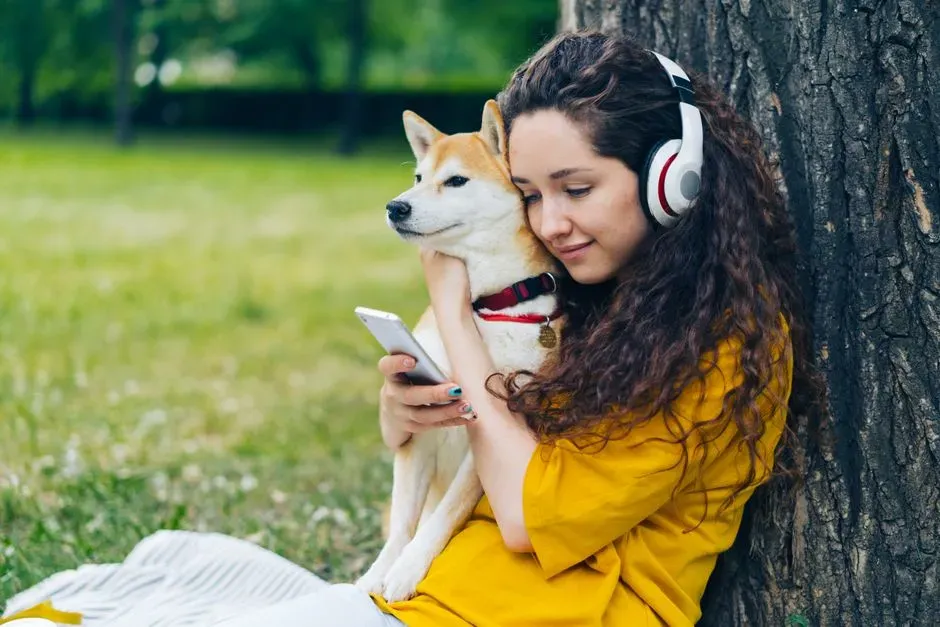
Your dog didn’t just hear your words. It analyzed how you said them.
A 2016 brain-imaging study in the journal Science found that dogs process the meaning of words and the tone of voice in different brain regions. A praise word said in a flat tone didn’t trigger the reward response the way the same word said warmly did. Both had to match.
An earlier brain-imaging study found that dogs have voice-sensitive areas, much like people. Your dog has likely been sorting your voice from other sounds since the very first day, and it may have decided how you sound before it learned what you say.
Names stick through association. A name followed by something good, such as food, a pat or a game, becomes meaningful fast. Dogs can learn a surprising number of words, too. One famous border collie named Chaser was trained on over a thousand object names.
The “baby talk” debate is mixed. Researchers have found that puppies seem to pay more attention to dog-directed speech, but the picture for adult dogs is less clear. Experts disagree on whether the high-pitched voice helps or is just habit.
What does hold up is consistency. If one person says “off” and another says “down” for the same thing, your dog is left guessing.
Worth Knowing
- Word meaning and tone are handled in different brain regions, and the strongest reward response needed both to line up
- Dogs have voice-sensitive brain areas, much like people
- Chaser the border collie learned more than 1,000 object names
- Dog-directed speech seems to grab puppies’ attention, but the evidence for adult dogs is less clear
- Easy win: agree on one word per cue before the dog comes home
Words and tone matter, but #4 is the memory that can quietly outlast all of them.
#4 – The First Thing That Scared Them
🔥 Would you like to save this?
We'll email this post to you, so you can come back to it later!
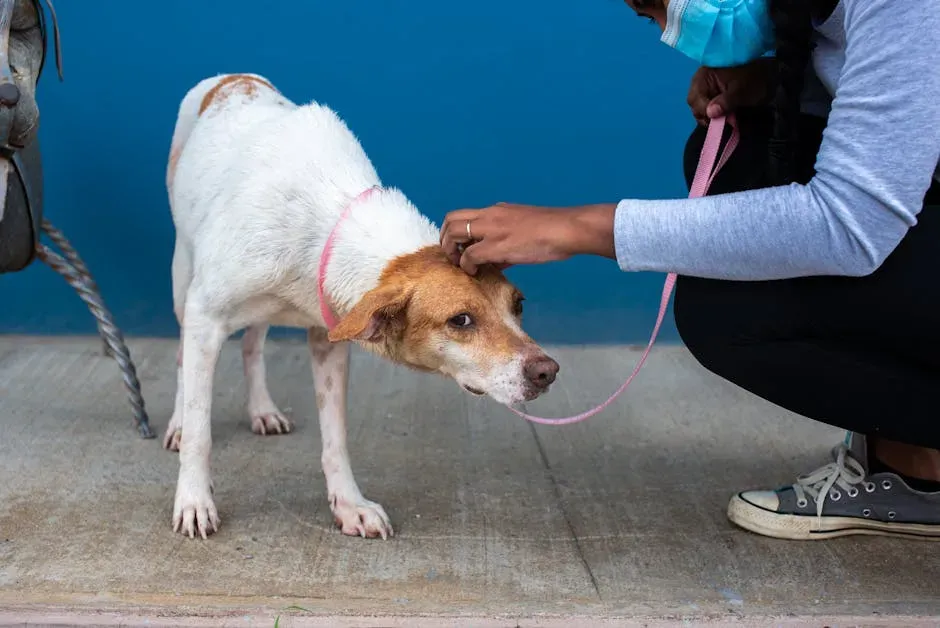
A single frightening moment can outweigh a dozen ordinary ones.
A new dog is on alert in a place it doesn’t know. Stress hormones such as cortisol are often elevated when dogs enter unfamiliar environments like shelters, and for many dogs they settle over days to weeks.
Emotionally charged events tend to be remembered more strongly across mammals. Fear learning can happen after a single experience. That is a survival feature, not a flaw. It also means week one has high stakes.
Common first-week stress triggers:
- A loud appliance starting up nearby
- Being cornered or crowded by children or guests
- Grabbing, restraining or sudden hugs
- Being left alone before feeling safe
Here is another opinion some behaviorists share. Hugging a brand-new dog often serves the human more than the dog. Many dogs tolerate hugs rather than enjoy them, and a stressed newcomer may be pushed past what it can handle.
The good news is that learning runs both ways. Calm, repeated, positive experiences can reshape those early associations. It just takes patience.
What helped your dog get over that first scare? It wasn’t a treat. It’s #3.
#3 – How Much Space You Gave Them

🔥 Would you like to save this?
We'll email this post to you, so you can come back to it later!
The kindest thing you did may have been doing less.
Rescue groups often call the early days “decompression,” a stretch of quiet while the dog adjusts. A dog that can retreat to a quiet spot, and finds it stays quiet, is learning that this place is safe. Choice and control are generally linked with lower stress in animals.
Many dogs seem easy in week one, then show quirks later. Behaviorists often explain this as a cautious “honeymoon” phase. The dog isn’t being fake. It is feeling out the new place, and the real personality arrives as it gets comfortable.

Portable Dog Water Bottle Foldable Dog Travel Water Bottle
Check Price on AmazonAs an Amazon Associate, we earn from qualifying purchases.
10/7/2026 1:29 pm GMTi

2 Pcs Halloween Pet Hat Bandana Set, Witch Pumpkin Costumes for Dogs
Check Price on AmazonAs an Amazon Associate, we earn from qualifying purchases.
10/9/2026 2:45 pm GMTi

PetSafe Oasys Pet Fountain, 1/2 Gallon (64 oz), Small Dogs & Cats
Check Price on AmazonAs an Amazon Associate, we earn from qualifying purchases.
10/8/2026 8:14 am GMTi

Air Purifiers for Home Pets Large Room Up to 3000 Ft²,HEPA Air Cleaner with Washable Double-Side Filter, PM2.5 Air Quality Monitor,15dB Sleep Mode for Bedroom Odor Dust Pollen,White
Check Price on AmazonAs an Amazon Associate, we earn from qualifying purchases.
10/8/2026 8:23 am GMTi

Dog Stairs for Bed 18" H, 4-Step Dog Steps for High Bed
Check Price on AmazonAs an Amazon Associate, we earn from qualifying purchases.
10/9/2026 2:42 pm GMTi
Quick Compare
- Week one: often quiet, careful and eager to avoid trouble
- Weeks later: more habits, preferences and opinions on display
- The takeaway: judge your dog by the long run, not the first few days
The famous 3-3-3 rule says a dog needs about three days to decompress, three weeks to learn the routine and three months to feel at home. It’s a popular rule of thumb from the rescue world, not a scientific law. Some dogs relax in days, and others take far longer. Treating it like gospel can leave owners worried when their dog doesn’t fit it.
But the real test of that safe space comes after dark, at #2.
#2 – The First Night Alone
🔥 Would you like to save this?
We'll email this post to you, so you can come back to it later!
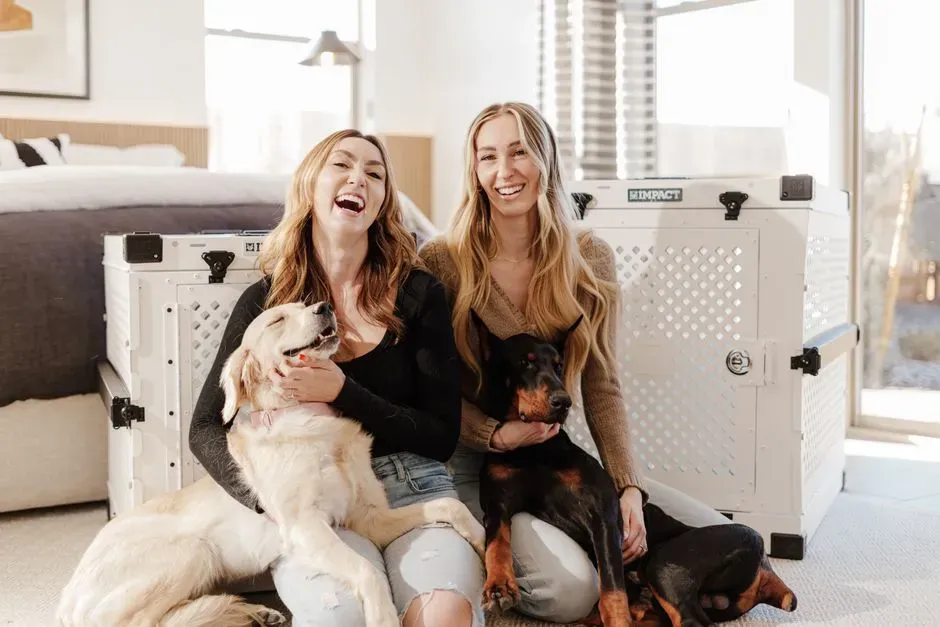
Night one is when your dog learned whether this new place is safe.
Dogs are social animals. Being alone in an unfamiliar room, away from the only people it has just met, is hard. Many dogs whine, pace or stay awake that first night, and that is common.
Adult dogs commonly sleep around 12 to 14 hours a day, and sleep matters for memory. In a 2017 study, dogs that learned new commands showed changes in their sleep brain activity afterward. Sleep after learning is linked to how well dogs retain what they just learned.
Night-one choices that tend to help:
- Settling near you so your dog can hear and smell you
- Leaving a worn T-shirt in the bed
- Keeping the sleeping spot in the same place each night
- Taking a last toilet trip right before bed
The crate-versus-bed debate is real, and trainers disagree. Some say a crate gives a dog a den. Others say a newly adopted dog shouldn’t be shut in on night one. Either way, a dog that feels safe tends to sleep. A dog that sleeps tends to learn.
And the one memory behind every other one is waiting at #1.

Smart Bird Feeder with Camera Solar Powered, 2K HD Live Video, 10,000+ Bird Species AI Identification
Check Price on AmazonAs an Amazon Associate, we earn from qualifying purchases.
10/7/2026 1:22 pm GMTi

Halloween Cat Costume Cloak Witch Hat Pet Accessories
Check Price on AmazonAs an Amazon Associate, we earn from qualifying purchases.
10/9/2026 2:44 pm GMTi

Halloween Dog Collar with Bow, Orange Cute Ghost Collar,
Check Price on AmazonAs an Amazon Associate, we earn from qualifying purchases.
10/9/2026 2:43 pm GMTi

Glass Hummingbird Feeder for Outdoors Hanging, 16 oz Leak-Proof Nectar Feeder with Bee Guards & Ant Moat
Check Price on AmazonAs an Amazon Associate, we earn from qualifying purchases.
10/7/2026 1:22 pm GMTi
#1 – You

🔥 Would you like to save this?
We'll email this post to you, so you can come back to it later!
Everything your dog remembers about week one is filtered through how you made it feel.
Dogs recognize individual people by voice, smell and face. A well-known study found that dogs can tell happy from angry human faces. Dogs also show attachment behavior toward people, and research on adult shelter dogs suggests they can bond with new owners, too.
A 2015 study published in Science found that mutual gazing between dogs and owners raised oxytocin in both. The look you traded in those early days may have been changing both your brains.
The honest limit is that a dog probably doesn’t recall “the week I was adopted” as a story. It more likely holds a collection of associations and feelings: this person’s smell, this voice, this safe corner. There is some evidence for episodic-like memory, though. In a 2016 study, dogs trained to copy human actions could still do so after an unexpected test, even after a delay of an hour.
At a Glance
- Most likely stored: scents, sounds, routines and emotional associations
- Less likely: a neat, story-style replay of the week
- Strongest signals: a scare, a safe night and a familiar voice
- Your biggest lever: calm, repeatable behavior from you
So the first week isn’t a movie your dog replays. It’s closer to a feeling it carries, and you built most of it.
Here’s our take: stop treating week one as a test your dog has to pass. The first week is not forgotten, but it also isn’t a verdict. Don’t hug it, parade it or hold it to the 3-3-3 rule. Give it quiet, repetition and a calm voice, and let the rest come later.
What was the first thing your dog did in your home that you still remember?

- 9 Things a Dog Recalls From Its First Week in a Home - November 8, 2026
- 8 Shelter Changes That Help Backyard Animals Through a Cold Snap - November 8, 2026
- 16 Habits Veterinary Teams Recognise in Owners Who Have Kept Animals Decades - November 8, 2026