
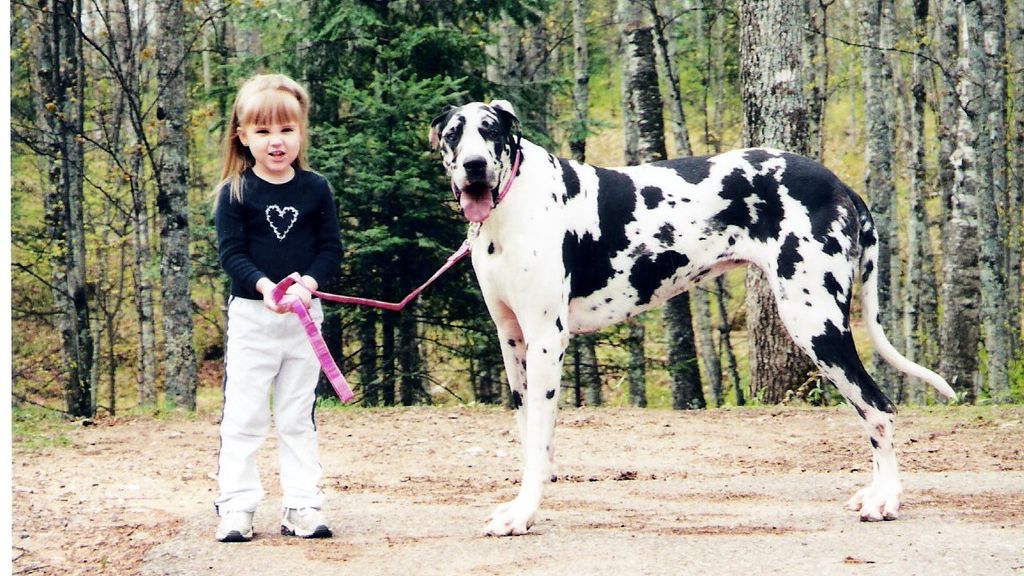
Ever looked at a dog and thought it seemed almost surreal? Like nature decided to experiment with textures, patterns, and a wild sense of color theory? Well, you’re not alone. The canine world is filled with breeds that defy convention, sporting coats that look more like works of art than fur.
Some dogs look like they’ve been styled by a professional groomer since birth, while others appear as though they wandered straight out of a fantasy novel. From living mop heads to spotted masterpieces and hairless wonders with tufts of silky hair in all the right places, these breeds challenge what we think dogs should look like. Their unusual appearances aren’t just for show, though. Many of these coats evolved for practical reasons, offering protection from harsh climates, predators, or even helping them blend into their working environments.
So let’s dive in. You’re about to meet some of the most visually fascinating breeds on the planet.
Puli: The Walking Dreadlock
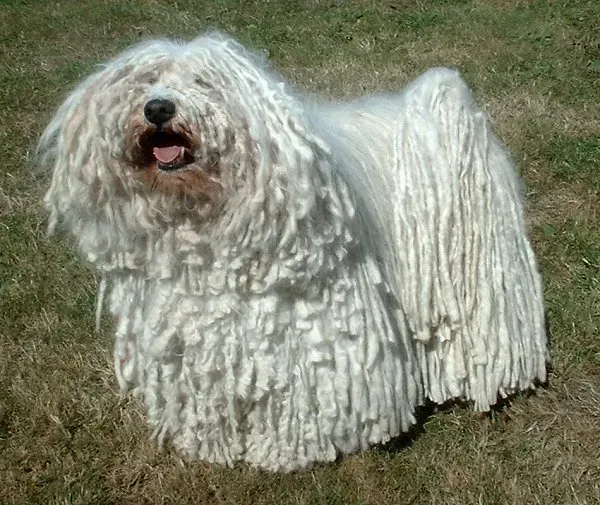
The Puli is a small to medium breed of Hungarian herding dog known for its long, corded coat, where tight curls appear similar to dreadlocks. Honestly, when you first see one, it’s hard to tell which end is the head and which is the tail. The coat is the result of a controlled matting process, and it’s not something that happens overnight.
Pulis aren’t born with corded coats; shedding and tangling give the Puli’s coat its distinctive corded appearance over time, with the undercoat starting to grow at nine to ten months old, but a full corded coat can take five years to develop. Think about that for a moment. Five years. These cords can eventually reach the ground, creating a look that’s both majestic and slightly bewildering. The Puli is usually black, though other less common coat colors are white, gray, or cream.
What’s fascinating is how low maintenance this coat actually becomes once the cords are established. This unique coat requires a great deal of grooming to keep it clean and attractive; it is not a coat for beginners, as even many professional groomers do not know how to properly care for a corded coat. The Puli is also remarkably agile and athletic despite appearing like a sentient bath mat. Their personality? The Puli is a herding breed known for his intelligence, energy, resourcefulness and high spirits.
Bergamasco Shepherd: The Flocked Wonder
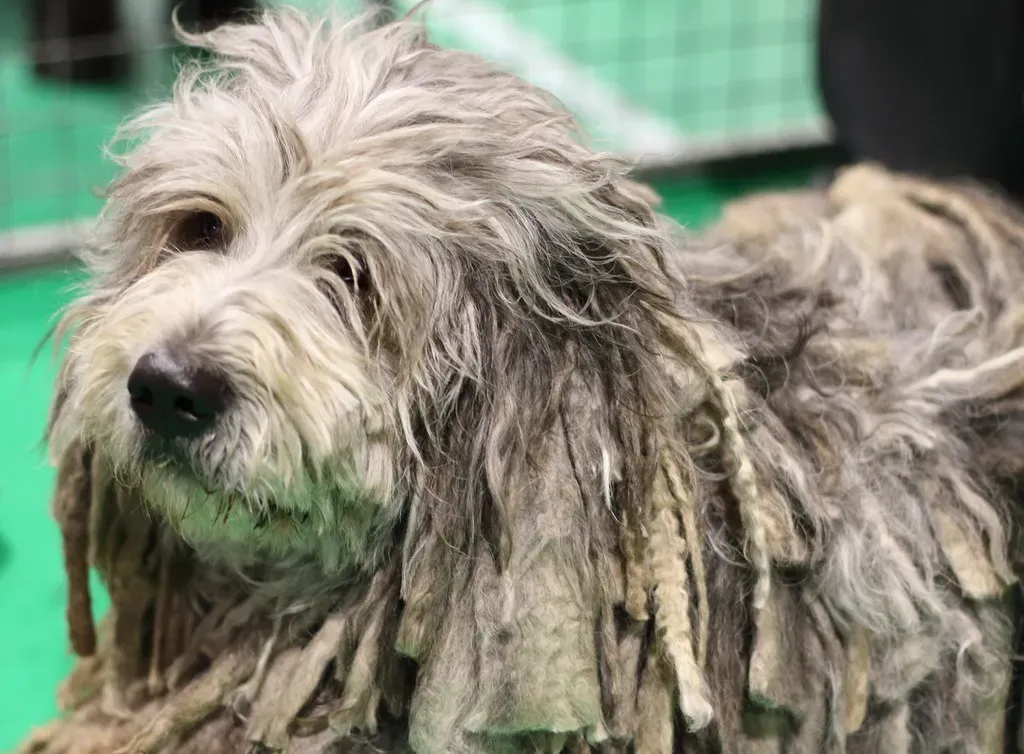
The Bergamasco dog hails from northern Italy and is famed for its dense, matted coat composed of three hair types – dog hair, wool, and goat hair – which form irregular mats or flocks. I know it sounds like something from a textile factory, but that’s genuinely how their coat works. These aren’t your typical dog mats either.
Unlike the corded coat of the Puli or Komondor, the Bergamasco’s coat consists of flocks, which are large, irregular dense mats of felted hair that are often flat in shape. The Bergamasco’s coat is its most striking physical feature, as three kinds of hair combine to form dense, flat, felt-like mats that continue to grow over the course of the dog’s life, reaching the ground at approximately five years. The texture is unlike anything you’ve probably touched before.
What surprises most people is how practical this coat actually is. The coat is striking and unusual in appearance, but is actually a very efficient protection system for the dog, as the mats protect from cold and wet and also act as a thermo regulator, keeping the dogs cooler in the heat of summer and protecting them from sunburns. Imagine having a built-in heating and cooling system. Bathing is not required more than one to three times a year, and as the coat gets longer, it takes longer to dry, but a crate surrounded by box fans does an excellent job of drying.
These dogs are intelligent problem solvers, originally bred to work independently with flocks in the harsh Italian Alps. Their ability to make decisions without constant human direction makes them both fascinating and occasionally stubborn companions.
Chinese Crested: The Hairless Enigma
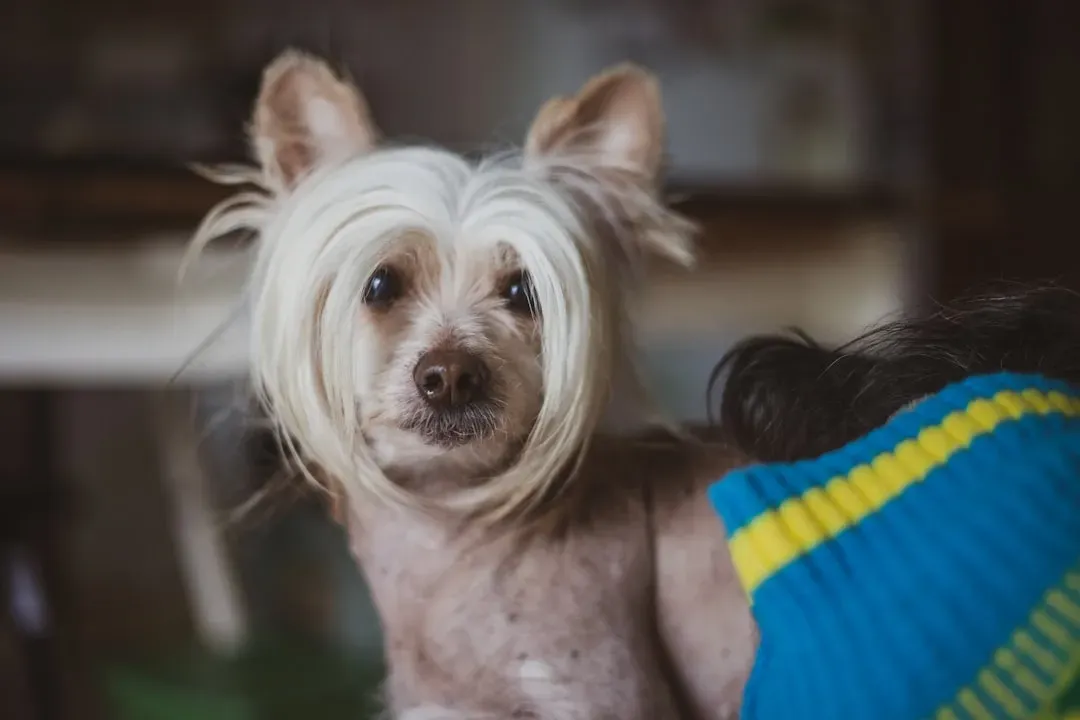
The Chinese Crested Dog is a hairless breed of dog that comes in two varieties, without hair and with hair, which can be born in the same litter: the hairless and the powderpuff. It’s wild to think both varieties can appear from the same parents, right? The Hairless has soft, humanlike skin, as well as tufts of hair on its paws called socks, tail called plume, and long, flowing hair on its head called crest.
Their skin truly does feel remarkably human. Maintenance of the hairless variety’s skin is similar to maintaining human skin and as such it can be susceptible to acne, dryness, and sunburn; hypoallergenic or oil-free moisturizing cream can keep the skin from becoming too dry when applied every other day or after bathing, and burning can occur in regions that are subject to strong UV radiation, especially in lighter-skinned dogs. So yeah, you’ll be applying sunscreen to your dog.
Let’s be real, these dogs look otherworldly. With their spotted pink skin, spiky crested hairdo, furry socks and feathery tail, you can’t mistake the sweet and slender Chinese Crested for any other breed. The Powderpuff variety, on the other hand, is completely covered in soft, silky hair. A powderpuff has a long, soft coat, and both hairless and powderpuff varieties can appear in the same litter.
They’re incredibly affectionate little companions, often described as velcro dogs because they want to be near their humans constantly. Their unique appearance makes them conversation starters wherever they go.
Catahoula Leopard Dog: Nature’s Canvas
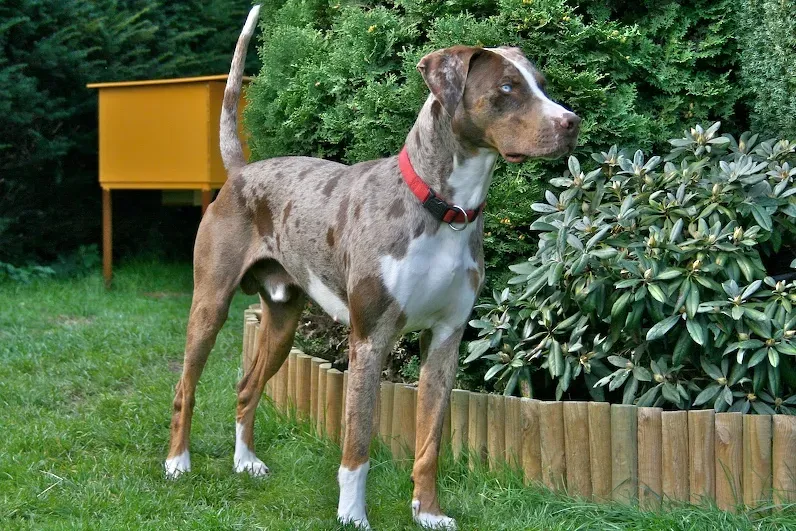
The Catahoula Leopard Dog, the state dog of Louisiana, is famous for its remarkable leopard-like spotted coat, with spots that can vary in size and color, ranging from black and brown to red or blue, often with a merle or brindle pattern. Every single Catahoula looks different. No two are alike, which is part of their incredible appeal.
While this breed is sometimes a solid color with patches of white on their chest, face or legs, the Catahoula’s short to medium-length single coat can have up to five different colors, consisting of one base color covered with multicolored spots and trim. Five colors on one dog. It’s like someone spilled a paint palette and created something stunning.
Their eyes are equally mesmerizing. The Catahoula dog’s eyes are just as striking; although some have brown eyes, it’s more common to see glass eyes that are a very pale blue, almost white in appearance. Often, two colors exist in the same eye, as either a cracked appearance, in which the eye is split into two different colors, or as a spotted appearance. Imagine looking into eyes that seem to hold shattered glass or galaxies within them.
These are working dogs through and through, originally bred to hunt wild hogs in Louisiana swamps. They’re intelligent, independent, and need experienced handlers who can provide them with plenty of physical and mental challenges.
Dalmatian: The Classic Spotter
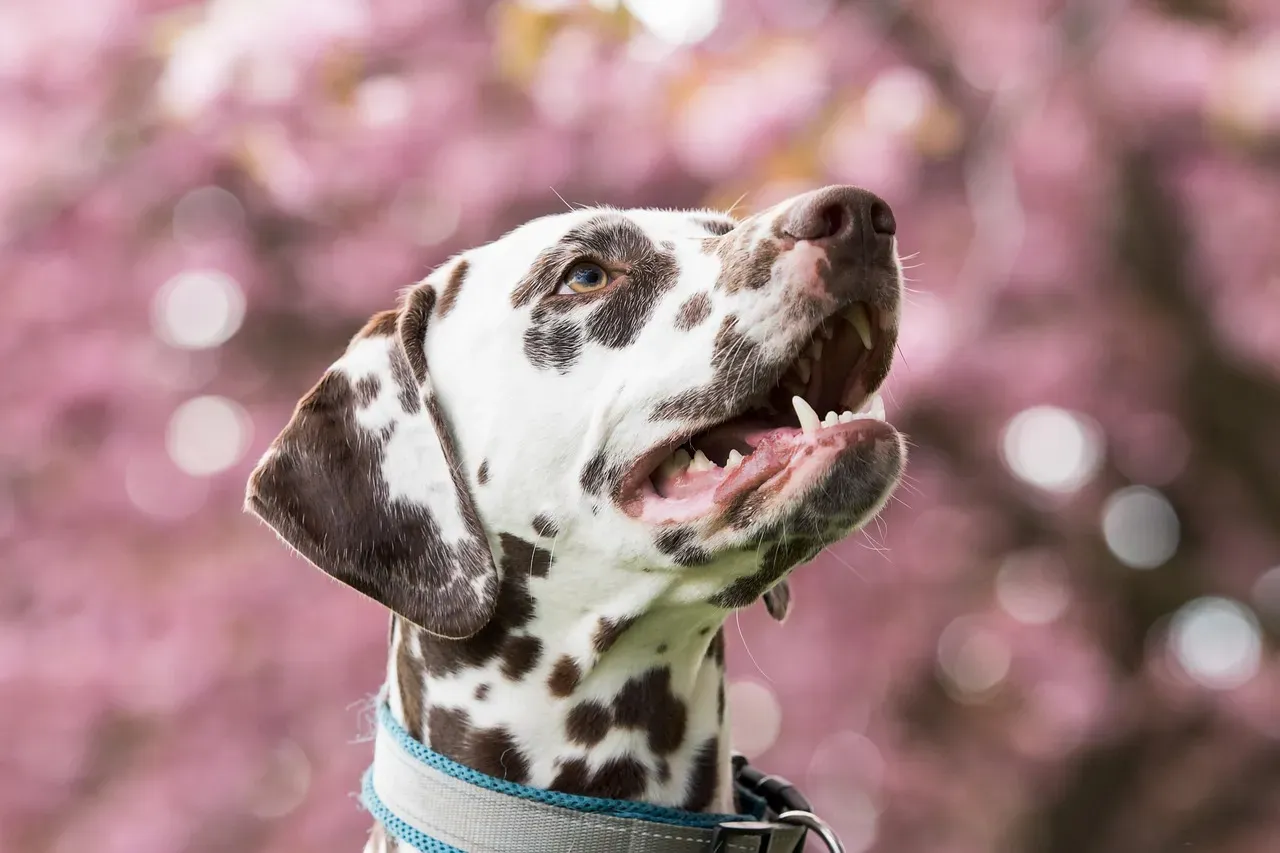
Dalmatians are famed for their unique spotted coat, a defining feature of the breed, with spots that are usually black or liver-colored against a white background, and these spots are random in size and placement, making each Dalmatian’s coat pattern unique. Sure, everyone knows Dalmatians, but have you ever really stopped to appreciate how genuinely unusual their spotting pattern is?
Dalmatian puppies are actually born completely white. The spots develop as they grow, appearing over the first few weeks of life. Each spot is like a fingerprint, utterly unique to that individual dog. The randomness is what makes them so visually captivating.
This list wouldn’t be complete without the infamous Dalmatian; there’s no way this spotted beauty can blend in with the crowd, often associated with bright red firetrucks, this breed also has a track record of guarding horses and accompanying royal caravans. They’re energetic, athletic dogs with a surprising amount of stamina. Their history as carriage dogs means they were bred to run alongside horses for miles.
Temperament-wise, they can be a bit aloof with strangers but are incredibly loyal to their families. They need a lot of exercise and mental stimulation, or they’ll find creative ways to entertain themselves, which you probably won’t appreciate.
Harlequin Great Dane: The Gentle Patchwork Giant
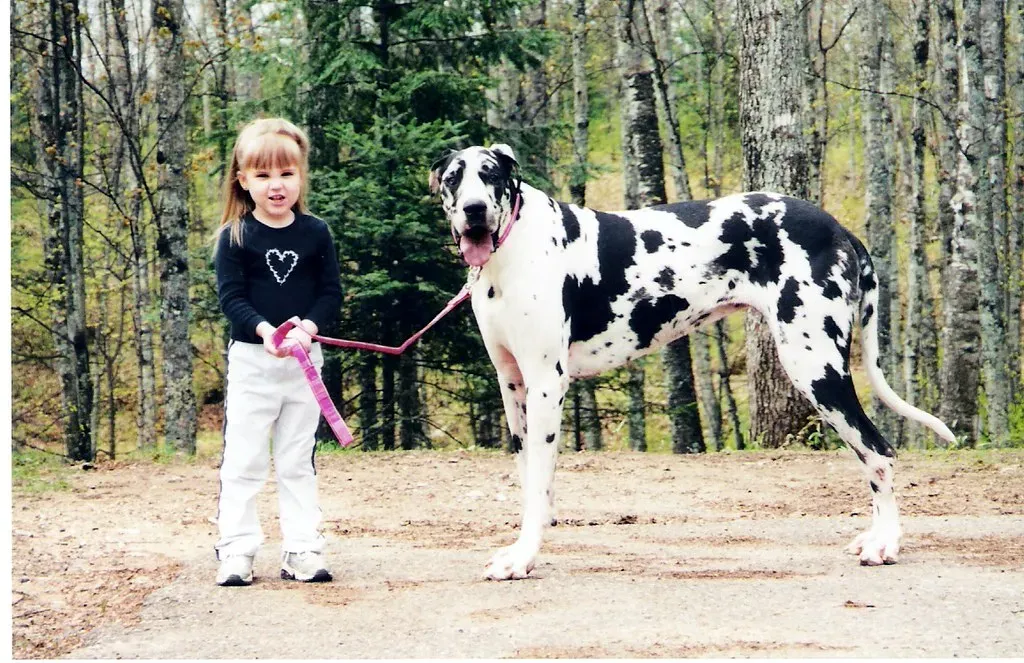
The Harlequin Great Dane strays from the pack, as these giant sized doggos have a gorgeous coat with a patchwork pattern of white and black. When you see one in person, the sheer size combined with that striking pattern is genuinely breathtaking. The Harlequin coat pattern is often a result of the complex interaction of the Harlequin gene and Merle gene, and this attractive pattern is among the seventeen officially recognized coat colors of the Great Dane breed by the American Kennel Club.
These aren’t your average spotted dogs. The pattern is bold, dramatic, with large irregular patches of black on a pure white base. It looks almost painted on. What’s interesting is the genetics behind it require both the harlequin and merle genes working together in a specific way.
Great Danes already command attention just by their size alone. Males can stand over 30 inches tall at the shoulder and weigh upwards of 175 pounds. Add that harlequin patterning, and you’ve got a dog that stops traffic. Even though Harlequin Great Danes differ from the rest in appearance, they still possess the same traits that standard Great Danes have; Harlequins are gentle, loving, friendly and highly trainable, making them wonderful family pets for families that can handle their massive sizes.
Their temperament is often described as gentle giants. Despite their imposing stature, they’re typically affectionate, patient, and surprisingly good with children when properly socialized.
Bluetick Coonhound: The Speckled Hunter
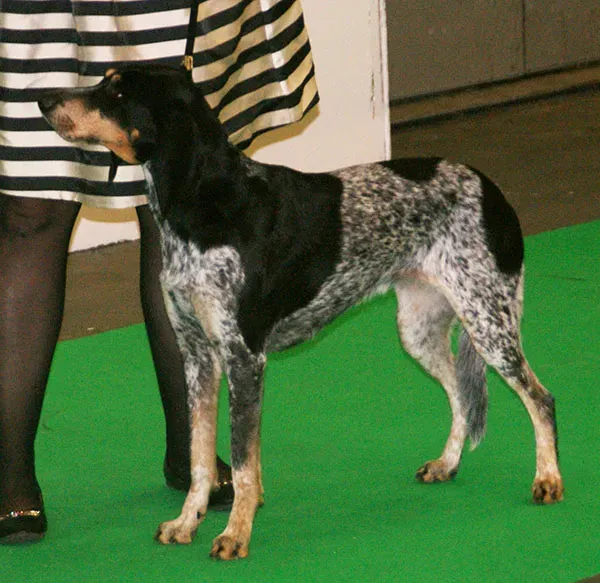
This breed has pretty impressive markings and is named after the blue and black tick pattern of their coat, and these good looking pups can also have large patches of black across their backs. The ticking creates this incredibly distinctive speckled effect that’s both functional and beautiful.
The Blue Tick Coonhound sports a distinctive coat pattern with dark blue coloration and ticking, where ticking refers to small, even spots that cover their body and create a speckled effect, and this coat pattern is unique and functional, providing camouflage during hunting. That’s what’s so clever about many of these unusual coats – they weren’t bred purely for aesthetics but served real purposes.
These dogs were purpose-built for tracking and treeing raccoons and other game. They have incredible noses and stamina that seems almost endless. Their long, droopy ears and soulful eyes add to their charm. They’re vocal dogs, with a distinctive baying howl that hunters love but neighbors might not appreciate.
Temperament-wise, they’re friendly and affectionate with their families. They can be a bit stubborn and independent, traits that served them well when working but require patient, consistent training in a pet home.
Merle Border Collie: The Marbled Genius
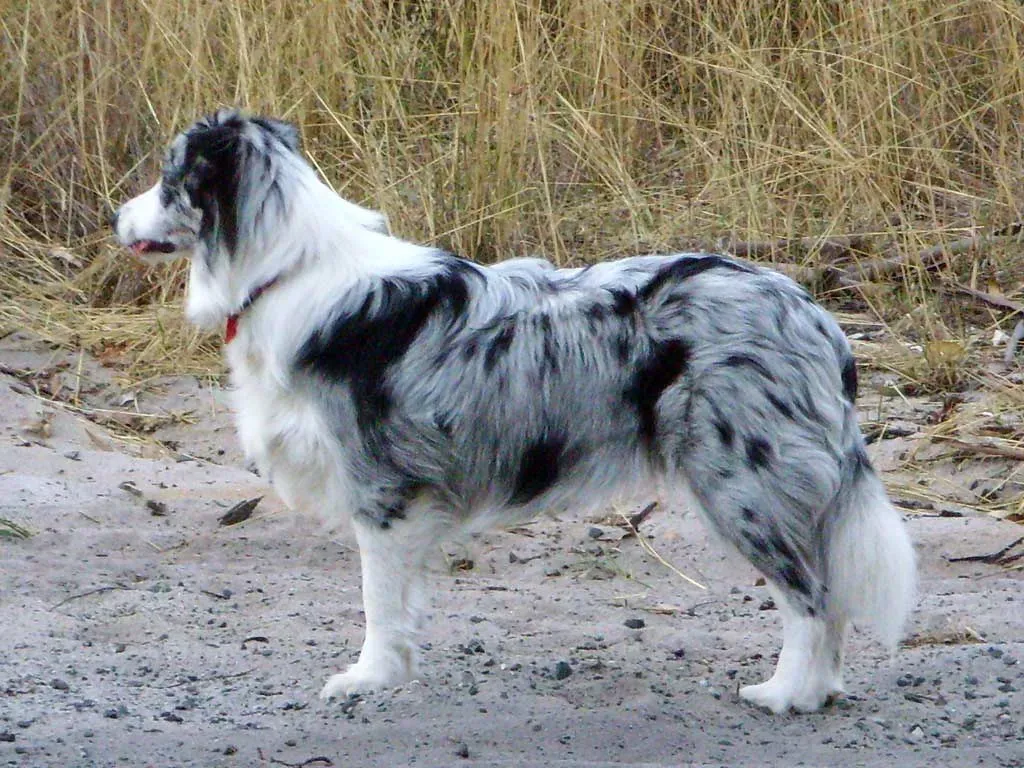
Unlike the standard Border Collies, Merle Border Collies come in mesmerizing color patterns that are hard not to obsess over. The merle gene creates this beautiful marbled effect, with lighter and darker patches swirling together in unpredictable ways. Every merle Border Collie looks like a unique piece of art.
The merle pattern can appear in various colors – blue merle with gray, black, and white, or red merle with cinnamon, tan, and white tones. The Merle gene also influences a dog’s eye color, so it’s not unusual for a Merle to have either two blue eyes or heterochromatic eyes with one blue eye and the other of a darker color. Those piercing blue eyes against a merled coat are absolutely stunning.
Here’s the thing about Border Collies in general: they’re widely considered the smartest dog breed. They’re intense, driven, and need jobs to do. A bored Border Collie, merle or otherwise, is a destructive Border Collie. They excel at dog sports, herding work, and any activity that challenges their brilliant minds.
Their work ethic is legendary. They can seem almost obsessive about their tasks, which makes them incredible working dogs but demanding pets for the average family.
Piebald Dachshund: The Cow-Spotted Sausage
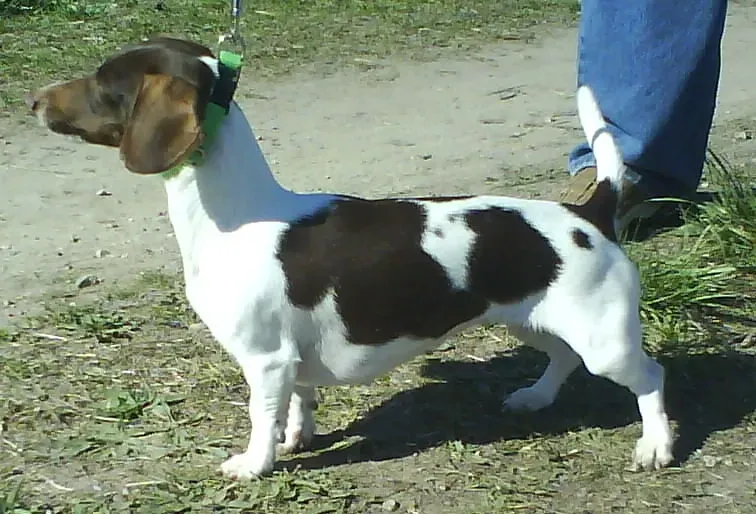
Piebald Dachshunds have the Piebald gene that gives their coat an unusual Piebald pattern, often characterized by a darker base coat color with random white patches, and this gene gives Piebald-patterned Dachshunds a cow-like appearance. It’s an amusing description, but genuinely accurate. They look like miniature dairy cows squeezed into a sausage shape.
Piebald Dachshunds have a distinct coat pattern characterized by white spots or patches over a primary color, such as black, red, or chocolate. The white patches can be large or small, creating endless variety. Some have just a few spots, while others are predominantly white with colored patches.
Dachshunds were originally bred to hunt badgers, which explains their elongated bodies and fearless personalities. They’re much tougher than their small size suggests. Piebald Dachshunds retain all the typical Dachshund traits – they’re clever, stubborn, loyal, and surprisingly loud for their size.
Their long backs do make them prone to spinal issues, so jumping from furniture should be discouraged. Despite their small stature, they have big personalities and often think they’re much larger than they actually are.
Dapple Merle Dachshund: The Double Pattern Marvel
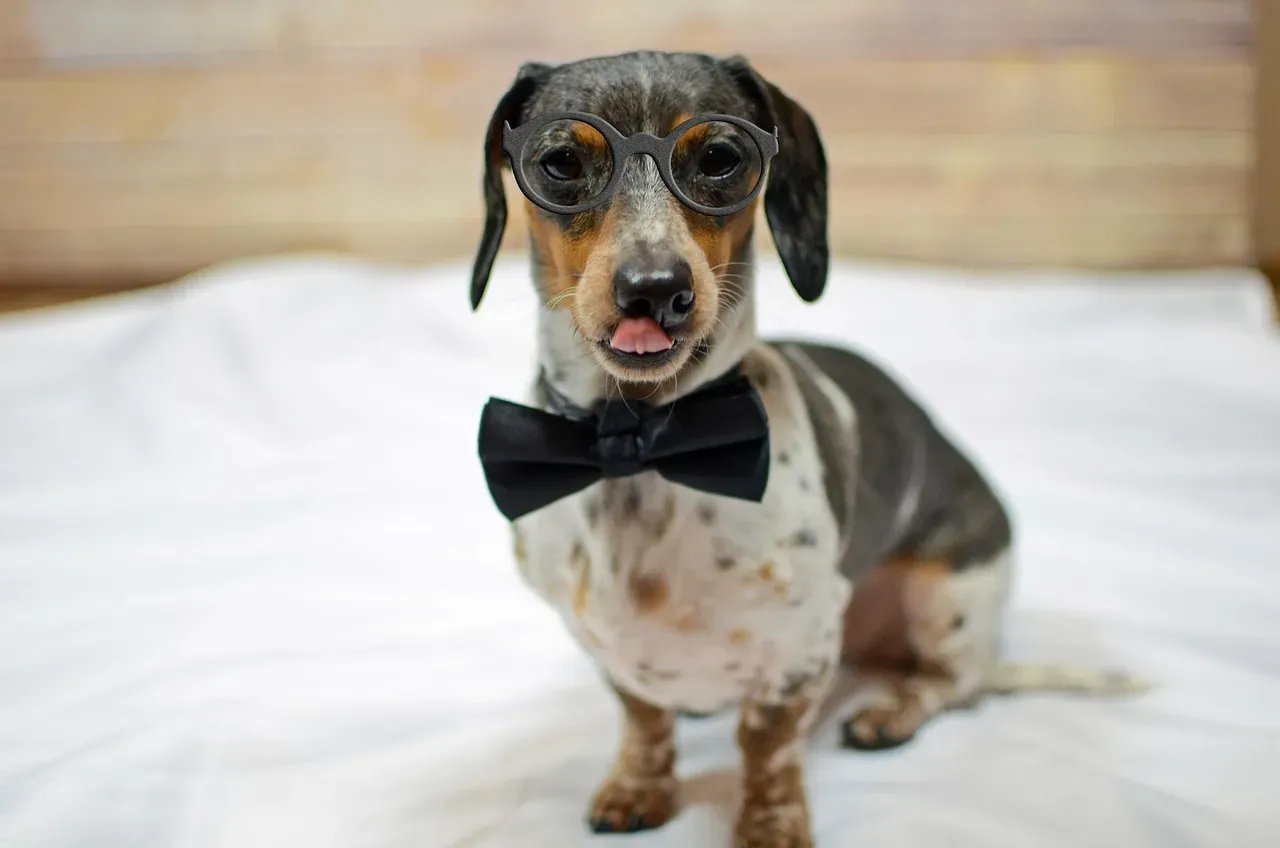
Dapple Merle Dachshunds are simply Dachshunds with the Merle gene, which translates to random blotches of lighter or darker color shades on a contrasting solid base coat color. The dapple pattern creates a mottled, spotted appearance that’s softer and more blended than the bold piebald pattern.
Dapple Merle Doxies are the outcome of breeding one Dapple Merle Dachshund with a non-Dapple Dachshund, and breeding a Dapple Merle Doxie with another Dapple Merle isn’t advisable, as this breeding practice results in an offspring called Double Dapple Dachshund with life-changing health issues such as deafness or blindness. This is crucial information for anyone considering breeding or purchasing one.
The dapple pattern can appear in various color combinations – silver dapple, chocolate dapple, black and tan dapple, and more. Each one looks completely different. The lighter patches distributed across the darker base create a beautiful, complex pattern.
Dapple Merle Dachshunds aren’t any different from the standard Dachshund temperament-wise; these Merle beauties are still loving, lively, curious, playful, friendly, and courageous, just like the non-Dapple Doxies. So while they look different, their personality remains quintessentially Dachshund – which means stubborn, entertaining, and deeply devoted to their people.
Brindle Boxer: The Tiger-Striped Athlete
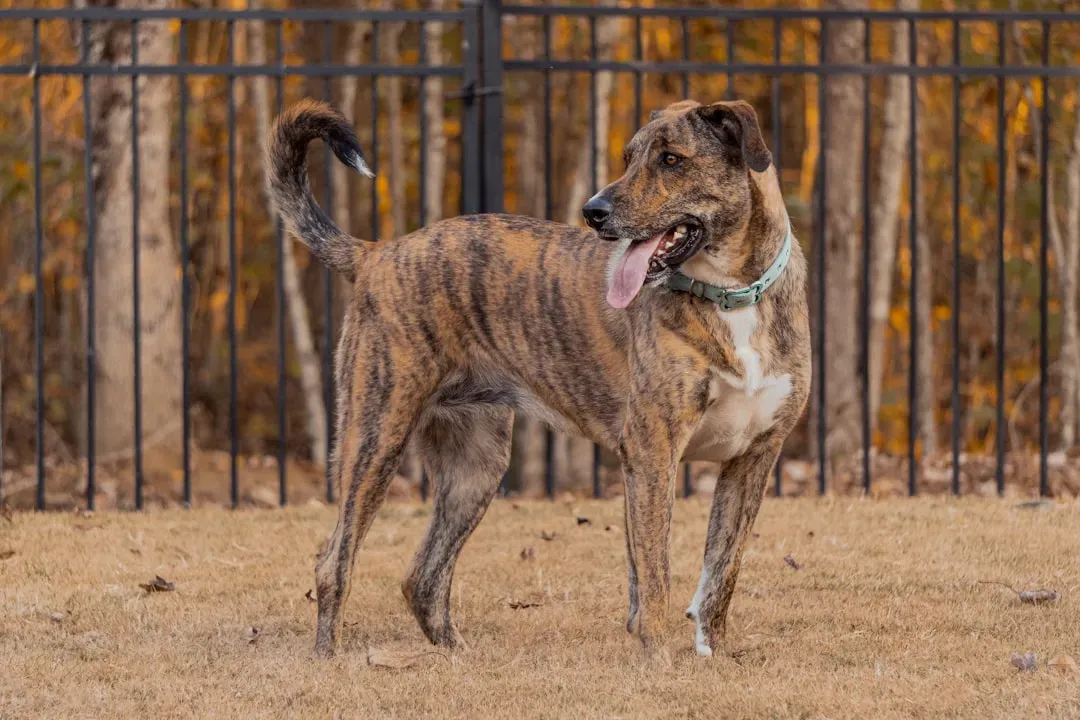
Brindle Boxers display a striking coat pattern characterized by a mix of dark stripes on a fawn or tan background, and the brindle design gives the appearance of a tiger-striped coat, which varies from subtle to very pronounced markings. Some brindle Boxers have such heavy striping that they appear almost black, while others have just faint traces creating a subtle effect.
The brindle gene creates irregular dark stripes over a lighter base, and the pattern is completely unique to each dog. It’s one of those coats that photographs beautifully because the striping creates such visual interest and depth.
Boxers are athletic, energetic dogs with goofy personalities. They remain puppy-like well into adulthood, which can be both endearing and exhausting. They’re loyal, protective, and excellent with families, especially children. Their expressive faces and animated body language make them incredibly entertaining companions.
They do need substantial exercise and mental stimulation. A bored Boxer will find ways to entertain themselves, usually involving destruction of your belongings. They’re also prone to jumping and can be quite exuberant in their affection.
Bernese Mountain Dog: The Tricolor Beauty
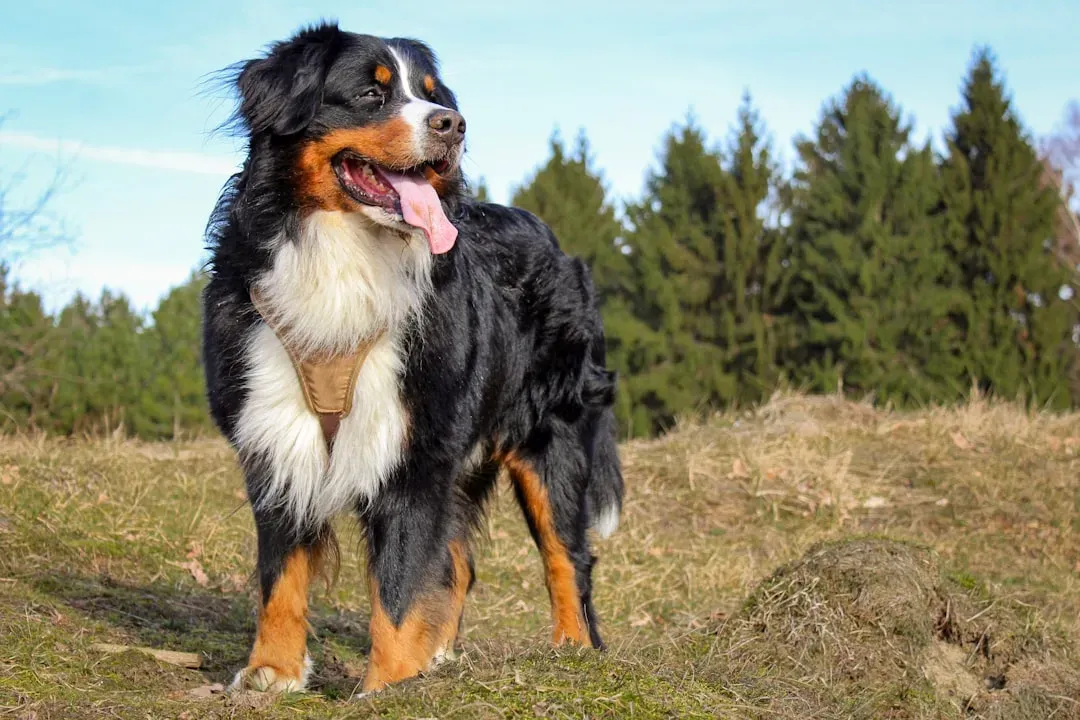
Bernese Mountain Dogs are known for their gorgeous tricolor coat pattern, featuring black, white, and rust markings, with the black coat being dominant and symmetrical white and rust markings on the face, chest, legs, and tail. The symmetry is what makes them so visually striking – that white blaze down the face, the rust eyebrows, the perfect white chest.
This tricolor pattern is a hallmark of the breed and adds to their majestic appearance. They genuinely look regal, especially when their thick, silky coat is well-groomed. These are large dogs, with males weighing upwards of 100 pounds, and that size combined with their coloring makes them incredibly impressive.
Temperamentally, Bernese Mountain Dogs are gentle, affectionate, and eager to please. They’re wonderful family dogs, typically excellent with children, and surprisingly sensitive for their size. They thrive on companionship and don’t do well when left alone for long periods.
The downside? Their lifespan is tragically short, typically around seven to ten years. They’re also prone to various health issues, particularly cancer. It’s heartbreaking given how wonderful they are as companions.
Sable Border Collie: The Multi-Toned Herder
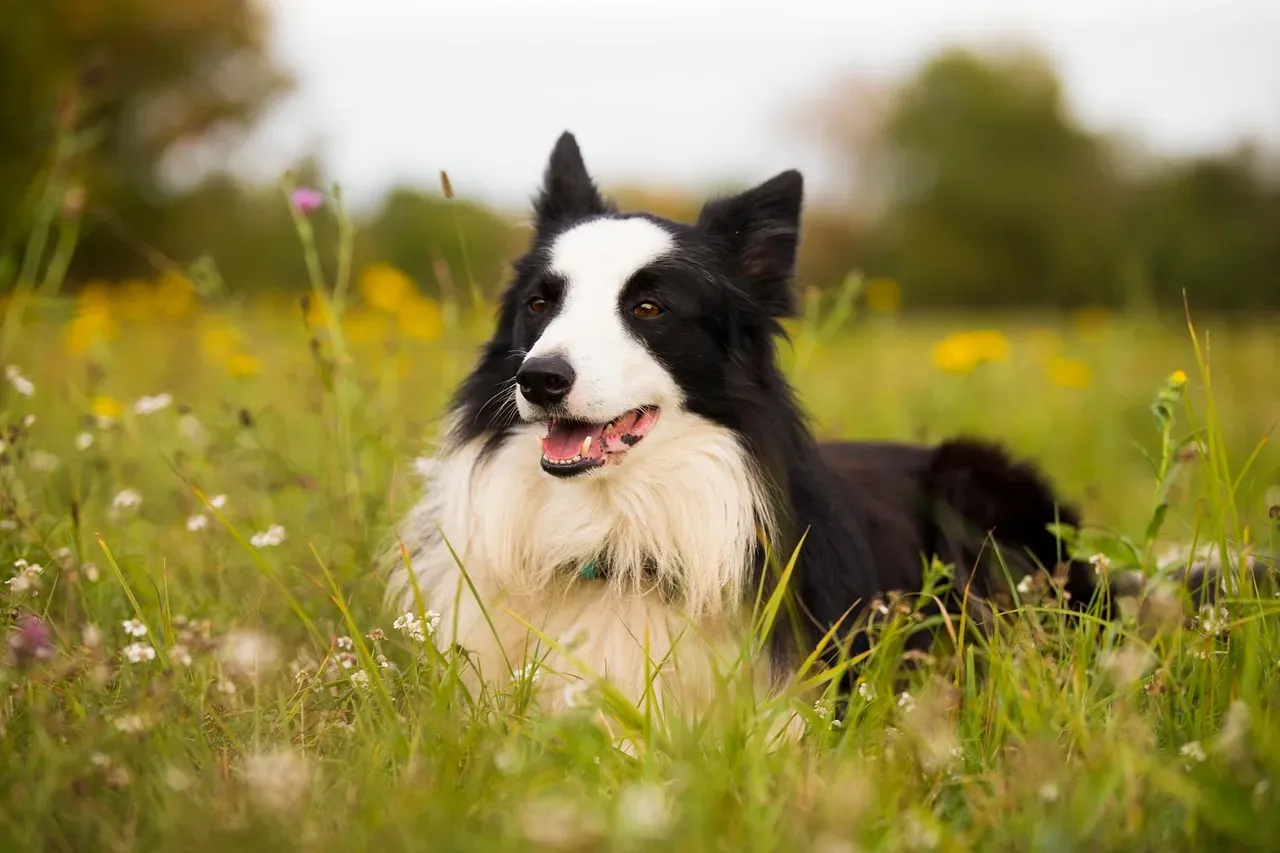
Sable Border Collies have a coat pattern where each hair is multi-colored, typically with black tips and a lighter base color such as gold or gray, and this creates a shaded or sable effect, which can vary in intensity and distribution, giving each dog a unique look. It’s a subtle, sophisticated pattern that changes appearance depending on the light and the dog’s movement.
The sable effect creates depth and dimension to the coat that solid colors simply can’t match. Each individual hair being banded with different colors means the overall appearance shifts and shimmers as the dog moves. It’s genuinely beautiful to watch.
Like all Border Collies, the sable variety is intensely intelligent and driven. They’re not dogs for casual pet owners. They need jobs, whether that’s herding livestock, competing in dog sports, or complex training routines. Without adequate mental and physical stimulation, they become neurotic and destructive.
Their intense stare, crouched stalking posture, and explosive speed make them incredible to watch when working. They’re poetry in motion when doing what they were bred for.
Vitiligo-Affected Dogs: The Changing Canvas
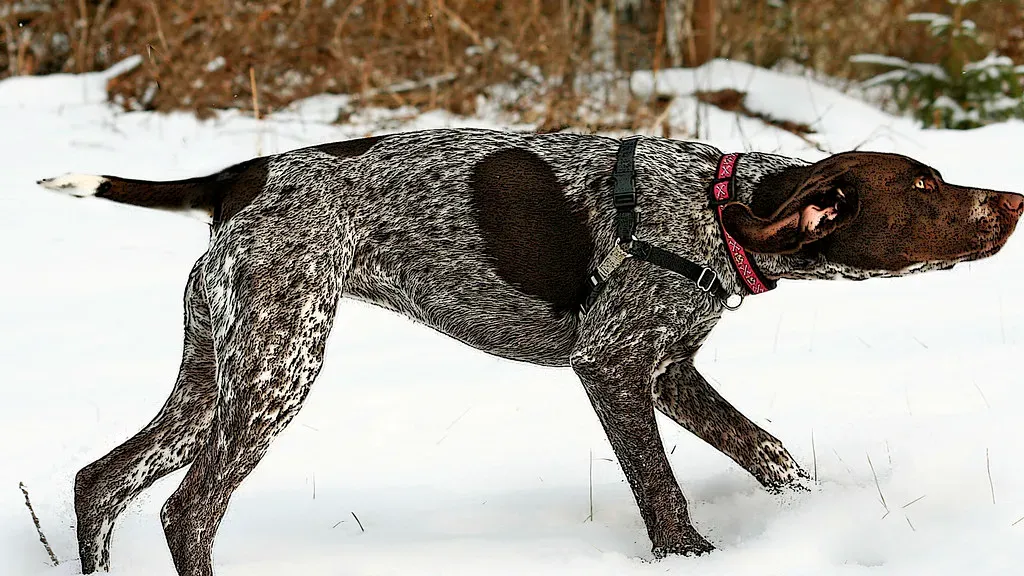
Dogs can develop vitiligo, a painless, progressive autoimmune disease characterized by random unpigmented blotches on a solid base coat color, as vitiligo in dogs results from the damage of melanocyte cells responsible for pigmentation, leading to the loss of natural pigment in different areas of the fur. While technically not a breed characteristic, vitiligo creates such unique and striking patterns that it deserves recognition.
Dogs with vitiligo develop white patches that spread over time, often appearing around the face, particularly around the eyes and muzzle. The pattern is completely unpredictable and unique to each affected dog. Some develop just a few white spots, while others become predominantly white over time.
What’s remarkable is that unlike humans who sometimes struggle with the cosmetic aspects of vitiligo, dogs don’t care at all. They’re not self-conscious about their changing appearance. The condition is painless and doesn’t affect their quality of life.
Many vitiligo-affected dogs become social media sensations because their patterns are so distinctive and beautiful. They challenge our expectations of what dogs should look like and remind us that uniqueness is something to celebrate.
Conclusion: Celebrating Canine Diversity
These fourteen breeds represent just a fraction of the incredible diversity in the canine world. From corded coats that take years to develop, to spotted patterns that look hand-painted, to hairless varieties that challenge everything we think dogs should be – they’re all remarkable in their own ways.
What strikes me most is how many of these unusual coats served practical purposes. The Bergamasco’s flocks protected them in harsh alpine conditions. The Catahoula’s spotted coat provided camouflage. The Puli’s cords shielded them from predators and weather. Evolution and selective breeding created these visual marvels with function in mind.
Yet in our modern world, most of these dogs are companions first and working animals second. Their unusual appearances make them conversation starters, Instagram stars, and unforgettable additions to families lucky enough to share their lives with them. Each breed comes with specific care requirements, temperaments, and challenges that potential owners need to understand and respect.
What’s your take on these unusual coats? Would you choose a dog based on their unique appearance, or does temperament trump looks every time? Drop your thoughts in the comments below.
