

When we think about longevity in the animal kingdom, tortoises and parrots might come to mind. However, the world is full of surprising creatures whose lifespans far exceed what most people would imagine. From the depths of the ocean to remote forests, numerous wild animals have evolved remarkable abilities to extend their lives, sometimes outliving humans by decades or even centuries. These extraordinary organisms challenge our understanding of aging and mortality, offering fascinating insights into the biological mechanisms that govern lifespan. Let’s explore fifteen wild animals whose impressive longevity might just leave you astonished.
14. Greenland Shark The Ocean’s Ancient Wanderer

The Greenland shark (Somniosus microcephalus) holds the record as the longest-living vertebrate on Earth, with an estimated lifespan of 250-500 years. Scientists determined this remarkable age using radiocarbon dating of eye lens nuclei, which revealed that some specimens were born in the early 1600s. These slow-moving predators grow at an incredibly sluggish rate of less than one centimeter per year, which contributes to their exceptional longevity. Living primarily in the cold, deep waters of the North Atlantic and Arctic Oceans, Greenland sharks don’t even reach sexual maturity until around 150 years of age. Their extraordinary lifespan is thought to be linked to their extremely slow metabolism, an adaptation to the frigid waters they inhabit, allowing them to survive through multiple human generations while silently patrolling the ocean depths.
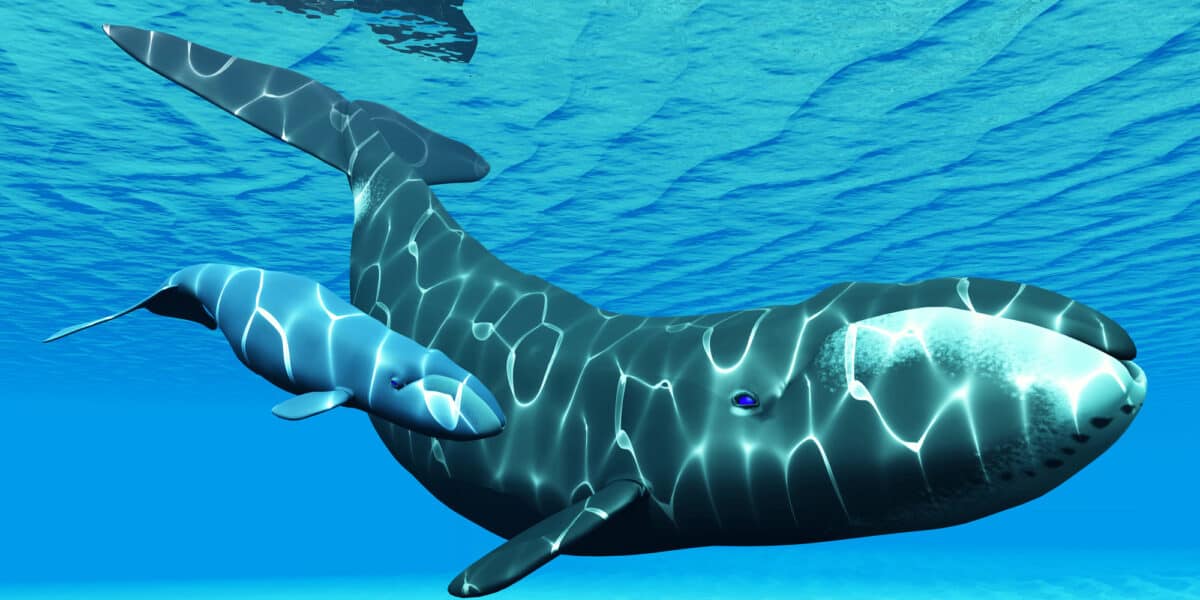
13. Bowhead Whale The Arctic’s Bicentennial Marvel

Bowhead whales (Balaena mysticetus) are among the longest-living mammals, with documented lifespans exceeding 200 years. These Arctic dwellers have provided remarkable evidence of their longevity through surprising means—aboriginal hunters have discovered 19th-century harpoon heads embedded in the blubber of recently killed whales, indicating the animals survived whaling attempts from generations past. Scientists believe their longevity is connected to several adaptations, including extremely efficient DNA repair mechanisms that prevent cellular aging. Bowheads also possess specialized anti-cancer genes and temperature regulation abilities that help them thrive in harsh Arctic environments. Their massive bodies, reaching up to 60 feet in length and weighing up to 100 tons, maintain surprisingly low rates of disease and metabolic stress despite their extended lifespans, making them fascinating subjects for aging research.
12. Giant Tortoise Centuries of Slow Living

Giant tortoises, particularly the Galápagos (Chelonoidis nigra) and Aldabra (Aldabrachelys gigantea) species, are renowned for their exceptional longevity, routinely living well beyond 100 years. The most famous example was Lonesome George, the last Pinta Island tortoise, who was estimated to be about 100 years old when he died in 2012. Currently, an Aldabra giant tortoise named Jonathan living on St. Helena island is considered the oldest known living land animal, hatched around 1832 and now approaching 190 years old. The secret to tortoise longevity appears to be multifaceted—their slow metabolism, efficient oxygen use, and exceptional resistance to cellular damage all contribute to their extended lifespans. Additionally, their shells protect them from predators, allowing them to avoid the stress of the constant threat that shorter-lived animals experience. Their remarkably slow pace of life gives them the ability to outlive multiple human generations.
11. Ocean Quahog Clam The Millennium Mollusk
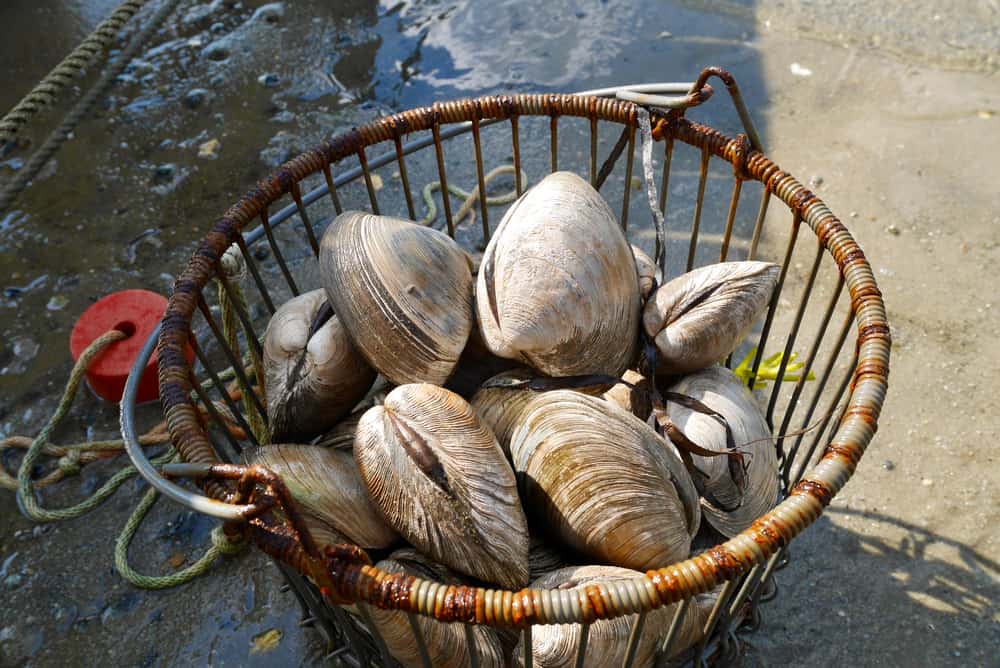
The ocean quahog clam (Arctica islandica) holds an astonishing record among animals. In 2006, scientists discovered a specimen nicknamed “Ming” off the coast of Iceland that was 507 years old when collected, making it one of the oldest individual animals ever documented. These unassuming bivalves grow annual rings in their shells similar to trees, allowing researchers to accurately determine their age. Ocean quahogs achieve their remarkable longevity through extremely efficient cellular maintenance systems that prevent oxidative damage and telomere shortening—two key factors in aging. They also possess remarkable metabolic flexibility, able to survive long periods with minimal oxygen consumption. While externally unremarkable, these clams have become vital to scientists studying the biological mechanisms of aging and longevity, as they show minimal signs of senescence even after centuries of life, suggesting potential insights for human aging research.
10. Red Sea Urchin Ageless Spiny Survivors
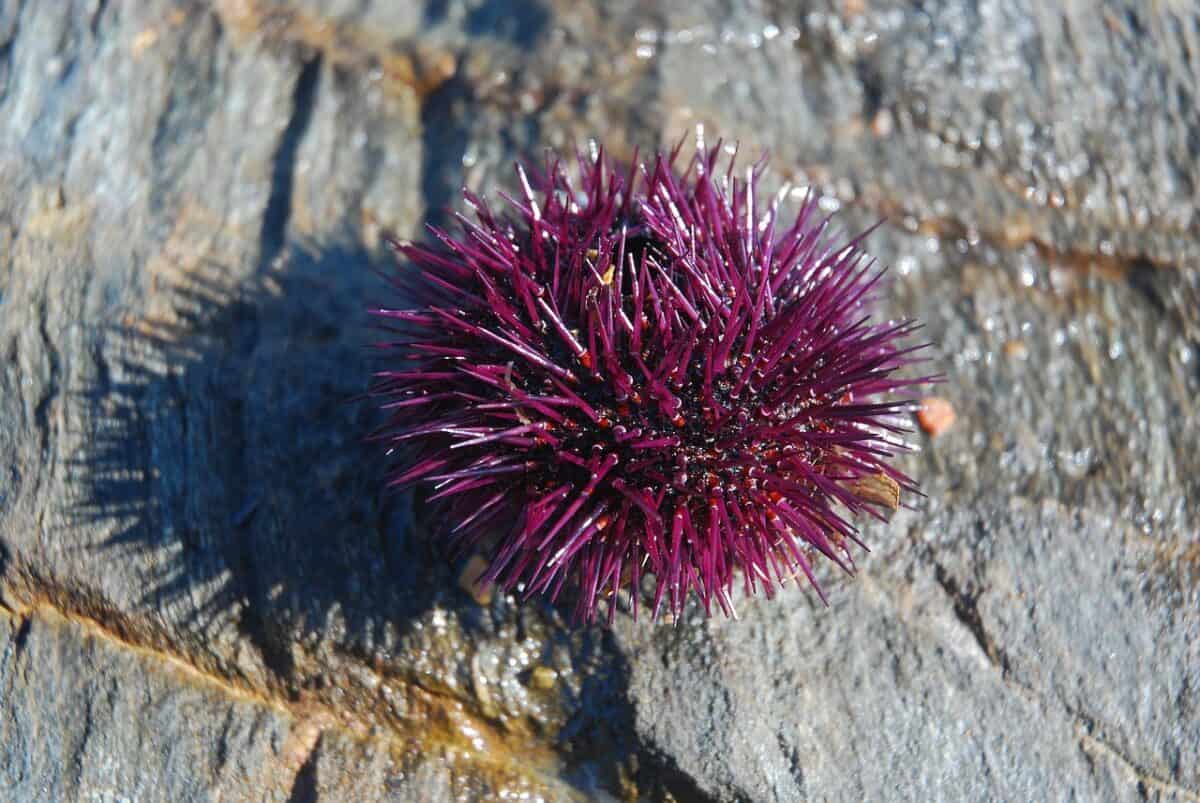
Red sea urchins (Strongylocentrotus franciscanus) demonstrate extraordinary longevity, with many individuals living over 100 years and some potentially reaching 200 years or more. These spiny marine invertebrates show almost no signs of aging as they grow older—a phenomenon scientists call negligible senescence. Unlike most animals, red sea urchins maintain reproductive viability throughout their entire lives without decline, producing the same quantity and quality of eggs or sperm at age 100 as they do at sexual maturity. Their cells appear to have exceptional abilities to repair DNA damage and resist oxidative stress, preventing the deterioration typically associated with aging. Additionally, red sea urchins continually renew their body tissues and maintain their impressive defensive spines throughout their extended lifespans. Living along the Pacific Coast from Alaska to Baja California, these remarkable creatures serve as excellent models for understanding how organisms can potentially resist the aging process entirely.
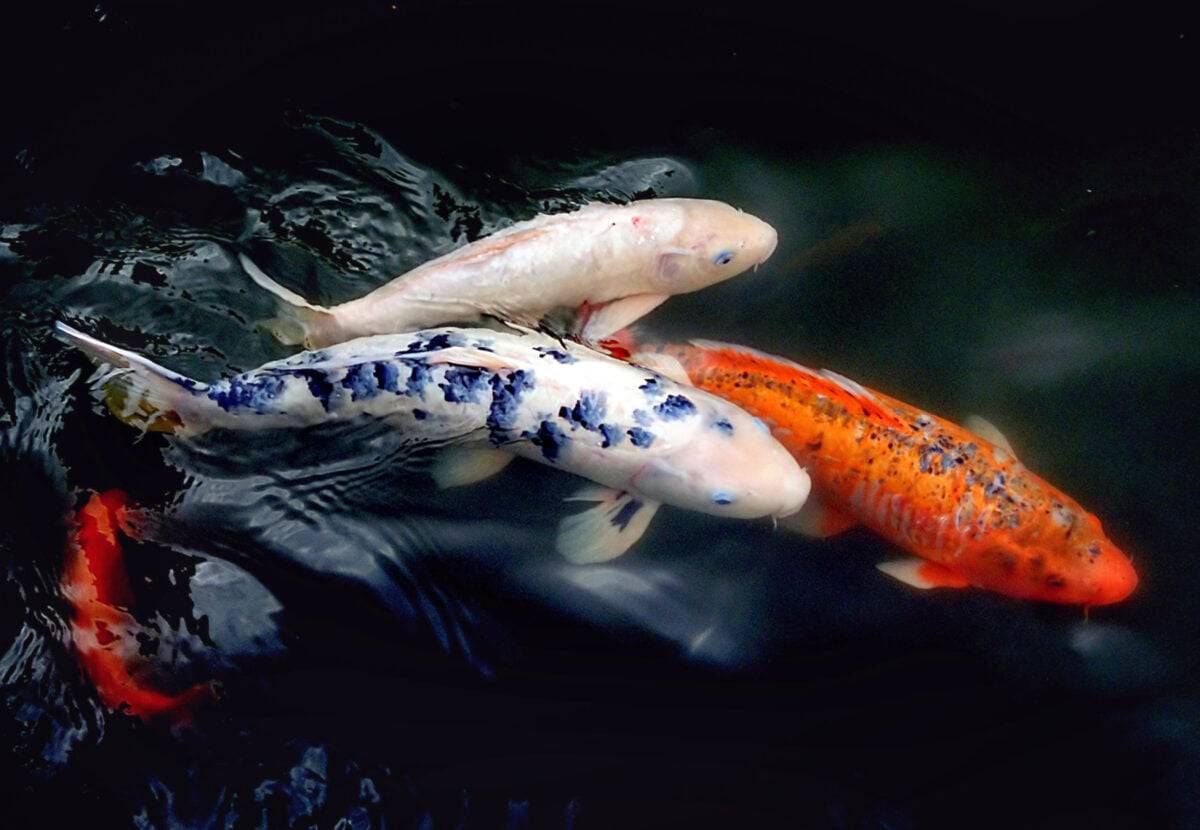
9. Koi Fish The Colorful Centenarians

Koi fish (Cyprinus carpio) have earned worldwide fame not only for their striking colors and patterns but also for their exceptional longevity, regularly living 50-70 years when properly cared for. The most famous koi, a scarlet-colored female named Hanako from Japan, was reportedly 226 years old when she died in 1977, making her the longest-lived koi on record. Age verification came from counting the growth rings on her scales, similar to counting tree rings. Wild carp typically live 15-20 years, but the domesticated koi’s extraordinary lifespan represents one of the most dramatic extensions of longevity through selective breeding in vertebrates. Koi achieve their remarkable lifespans through several adaptations, including efficient metabolism, excellent disease resistance, and the ability to thrive in changing environmental conditions. Their cellular repair mechanisms also appear highly effective, allowing them to maintain bodily functions over many decades. The dramatic difference between wild and domesticated koi lifespans demonstrates how selective breeding can significantly influence longevity genes.
8. Rougheye Rockfish The Deep-Sea Methuselah
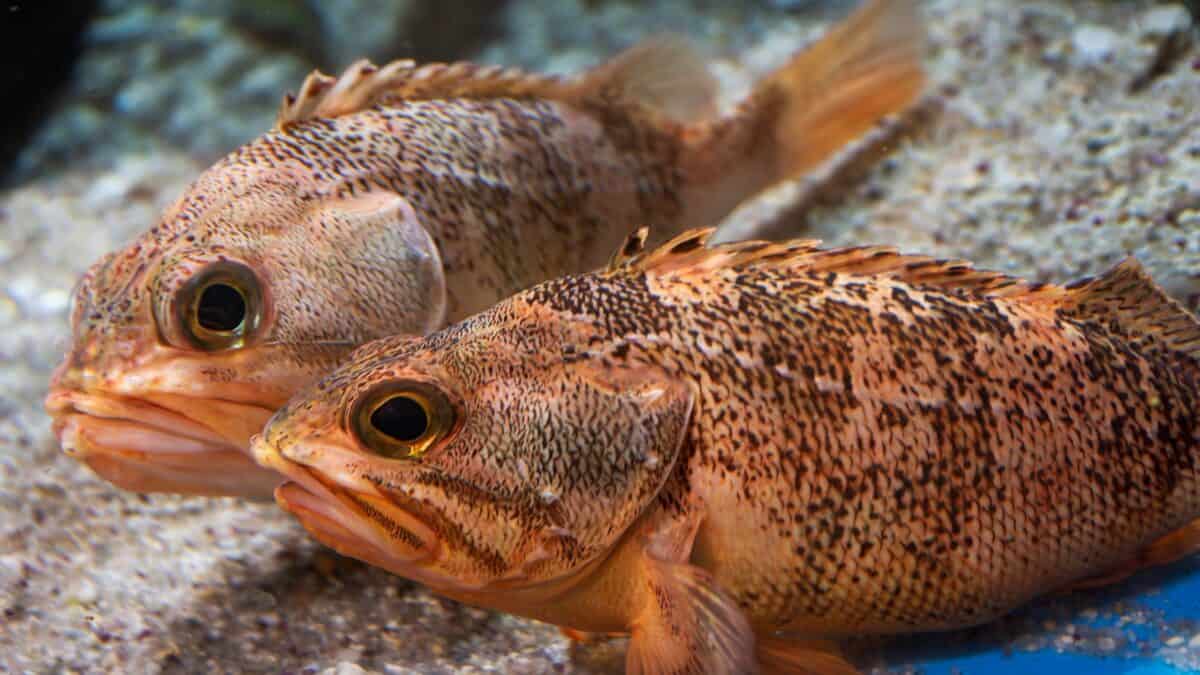
The rougheye rockfish (Sebastes aleutianus), dwelling in the cold, deep waters of the North Pacific, can live over 200 years, making it one of the longest-living fish species. These reddish-brown fish, growing to about 38 inches in length, achieve their exceptional longevity through several biological adaptations. Scientists determine their age by counting growth rings in their ear bones (otoliths), similar to tree rings. Rougheye rockfish have evolved remarkably efficient antioxidant systems that protect their cells from damage caused by free radicals, a major contributor to aging. They also possess specialized proteins that maintain DNA integrity and repair damage that accumulates over their centuries-long lives. Their slow growth rate and late sexual maturity (around 20-25 years) further contribute to their extended lifespan. Living at depths between 500-2,700 feet, their cold, stable environment with minimal predators allows them to focus metabolic resources on maintenance rather than rapid growth or reproduction, essentially trading fast living for long lives.
7. Tuatara The Living Fossil With Extended Lifespans

The tuatara (Sphenodon punctatus), native exclusively to New Zealand, is often called a “living fossil” as the sole survivor of an order of reptiles that otherwise went extinct 60 million years ago. These remarkable creatures can live well over 100 years, with some potentially reaching 200 years of age. Henry, a famous tuatara at the Southland Museum in New Zealand, became a father for the first time at the estimated age of 111 years in 2009. Unlike most reptiles, tuataras have adapted to cold climates, with body temperatures as low as 41°F (5°C), contributing to their extremely slow metabolism. This metabolic slowdown extends to everything from heartbeat (one beat per minute while resting) to growth and aging processes. Tuataras grow extremely slowly throughout their lives and continue reproducing well into old age. They also possess unique biological features including a third eye (a photoreceptive organ on the top of the head) and distinctive dental structures not found in any other living animals, making them both living time capsules and examples of extreme longevity.
6. American Lobster The Crustacean That Grows Stronger With Age

The American lobster (Homarus americanus) defies conventional aging patterns by potentially living 100 years or more while continuing to grow throughout its life. Unlike most animals, lobsters don’t experience declining fertility or physical deterioration with age—in fact, older lobsters remain reproductively viable and become more fertile as they grow larger. Their biological clocks seem to work differently due to the continuous production of telomerase, an enzyme that repairs the protective caps on chromosomes (telomeres) that typically shorten with age in most animals. Lobsters also maintain the ability to regenerate damaged tissues and lost limbs regardless of age. Scientists have discovered that lobsters produce increasing amounts of protective proteins as they age, helping them resist cellular stress and damage. Their tough exoskeletons, which they molt throughout life to accommodate growth, provide additional protection from environmental hazards. The oldest documented American lobster was estimated to be 140 years old when caught, weighing 44 pounds—a testament to how this species actually grows stronger rather than weaker with advancing age.
5. Orange Roughy The Slow-Growing Ocean Elder

The orange roughy (Hoplostethus atlanticus), also known as the slimehead, is a deep-sea fish that can live an astonishing 150-250 years. These slow-growing fish, found primarily in the cold waters around New Zealand, Australia, and the Northeast Atlantic, don’t even reach sexual maturity until 20-40 years of age. Scientists determine their age using growth bands in their ear bones (otoliths), which revealed their surprising longevity only after commercial fishing had already depleted many populations. Orange roughy grow exceptionally slowly, adding less than a centimeter per year, and possess extremely efficient metabolisms adapted to the nutrient-poor environments of the deep sea (600-1,500 meters below the surface). Their cells contain high concentrations of specialized lipids that provide buoyancy and help protect against oxidative damage that typically accumulates with age. The orange roughy’s remarkable longevity has serious conservation implications—their extremely slow reproductive rate means populations can take decades or even centuries to recover from overfishing, making them particularly vulnerable despite their ability to live for hundreds of years.
4. Lake Sturgeon Ancient River Giants

Lake sturgeon (Acipenser fulvescens), a prehistoric-looking fish native to North America’s Great Lakes and Mississippi River basin, can live well over 100 years, with some individuals reportedly reaching 150 years of age. These living fossils have remained largely unchanged for over 200 million years, outlasting the dinosaurs while maintaining their distinctive armored appearance and cartilaginous skeletons. Female lake sturgeon don’t reach sexual maturity until 14-33 years old, and then only spawn every 4-9 years thereafter—a remarkably slow reproductive strategy that contributes to their extended lifespans. Their longevity is supported by exceptional cellular repair mechanisms and efficient metabolism that allows them to maintain bodily functions for decades. Lake sturgeon grow throughout their lives, with the oldest specimens reaching over 8 feet in length and weighing up to 300 pounds. Unfortunately, their long life cycles made them particularly vulnerable to overfishing and habitat destruction during the 19th and 20th centuries, leading to severe population declines. Today, conservation efforts focus on protecting these living time capsules, some of which were born before the American Civil War and have witnessed the transformation of North America’s waterways over more than a century.
3. Naked Mole Rat The Cancer-Resistant Underground Survivor

The naked mole rat (Heterocephalus glaber) defies expectations for a rodent by living up to 30+ years—nearly 10 times longer than similarly sized mice. These hairless, subterranean mammals native to East Africa possess extraordinary resistance to cancer, with researchers documenting virtually no spontaneous cases in colony observations spanning decades. Their remarkable longevity stems from several unique adaptations, including specialized hyaluronan (a type of sugar molecule) in their tissues that prevents cells from overcrowding and becoming cancerous. Naked mole rats also maintain exceptional protein integrity throughout their lives through enhanced cellular quality control mechanisms. Despite living in oxygen-poor underground environments, they’ve evolved specialized hemoglobin that extracts oxygen more efficiently and can survive up to 18 minutes without any oxygen by switching their metabolism to use fructose instead of glucose. They experience almost no decline in fertility, bone health, or cognitive function well into their third decade of life. Their eusocial colony structure (similar to bees or ants) with a breeding queen and worker roles may also contribute to their longevity by reducing predation risk and distributing reproductive stress across the colony.
2. African Elephant The Long-Memoried Land Giant

African elephants (Loxodonta africana) can live 60-70 years in the wild, with documented cases of individuals reaching their mid-80s. These intelligent giants possess remarkable longevity for such large land mammals, defying the typical correlation between body size and lifespan. Female elephants remain fertile into their 60s, experiencing one of the longest reproductive periods of any land mammal. African elephants’ long lives are supported by several biological adaptations, including specialized tumor-suppressing genes called TP53 that provide exceptional protection against cancer—solving what scientists call “Peto’s paradox” (larger animals with more cells should theoretically develop more cancers, yet don’t). Their extraordinary cognitive abilities and complex social structures allow knowledge accumulation and transfer across generations, with older matriarchs remembering water sources from decades past during droughts. The famous “elephant memory” is not just metaphorical—studies show that older elephants remember specific humans, migration routes, and threats over spans of 50+ years. This combination of biological protections and valuable accumulated knowledge makes older elephants particularly important for herd survival, creating evolutionary pressure for extended lifespans in this remarkable species.
1. Macaw The Rainbow-Hued Centenarian
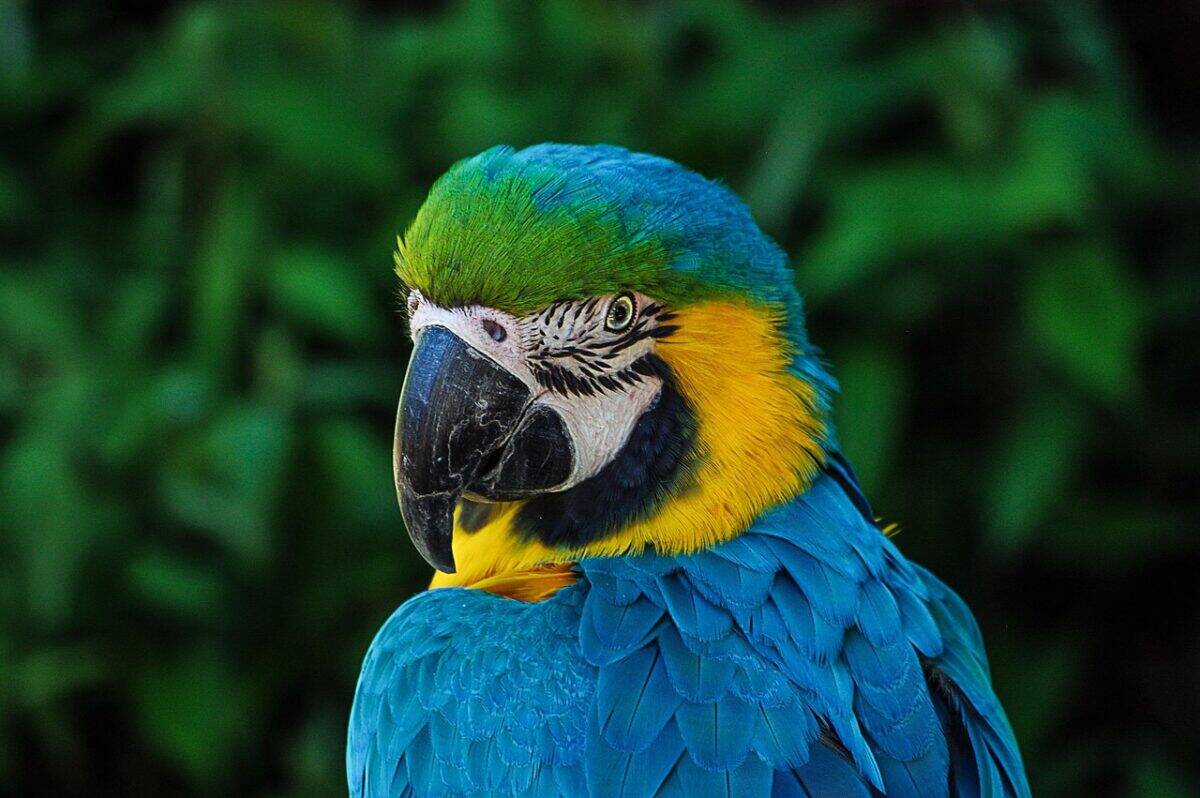
Macaws, particularly large species like the Hyacinth (Anodorhynchus hyacinthinus), Scarlet (Ara macao), and Blue-and-yellow (Ara ararauna), are among the longest-living birds, regularly surviving 50-70 years in the wild and potentially reaching 80-100 years in captivity. These colorful New World parrots demonstrate remarkable cognitive abilities throughout their long lives, with minimal cognitive decline even in advanced age. Their exceptional longevity stems from efficient respiratory systems that reduce oxidative stress, specialized liver enzymes that detoxify a wide range of potentially harmful compounds from their varied diets, and remarkably efficient DNA repair mechanisms. Charlie, a Blue-and-yellow macaw reportedly owned by Winston Churchill, lived to 114 years, though documentation for such extreme cases is often incomplete. Macaws’ long lifespans are thought to be evolutionarily connected to their complex social structures and extended learning periods—young macaws spend years learning foraging techniques, predator recognition, and communication skills from older birds. Their remarkable memory allows them to remember seasonal fruit locations and migratory patterns for decades, creating selection pressure favoring longer lifespans. This combination of biological resilience and valuable accumulated knowledge makes macaws among the longest-lived birds on the planet.
Conclusion:
In conclusion, the animal kingdom is full of remarkable surprises when it comes to longevity. While we often associate long life with creatures like tortoises or parrots, many lesser-known species—from deep-sea fish to subterranean rodents—defy expectations and challenge our understanding of aging. These animals, some of which can live for centuries, reveal just how diverse and adaptable life on Earth can be. Their unique biological mechanisms—such as slow metabolisms, efficient DNA repair, and disease resistance—offer profound insights into the science of aging, not only expanding our appreciation of nature but also inspiring potential breakthroughs in human health and longevity. These long-lived species remind us that nature’s blueprint for a long life is far more varied and extraordinary than we might imagine.

As a little kid, I fell in love with nature, wildlife, and animals. Living in the USA, South Africa, Italy, China and Germany gave me the opportunity to discover the world's Wildlife. My favorite animals are Mountain Gorillas, Siberian Tigers, and Great White Sharks.
I'm a certified PADI Open Water Diver, went to Everest Base Camp and Trekked Gorillas in Uganda. I hold a Master of Science in Economics and Finance.
Please send any feedback to feedback@animalsaroundtheglobe.com
- Why the Great Barrier Reef Is the Best Place to Spot Sea Turtles - June 3, 2026
- 2 Animals With Super Sized Body Parts and What They are For - June 3, 2026
- Explore The Azores - June 3, 2026