

Your ageing cat isn’t just “slowing down.” More often, it’s telling you, in the only way it can, that your house has become harder to live in. Cold floors, stiff joints and a dark hallway at 3 a.m. can reshape a senior cat’s whole day, and most of us never notice. This list counts down 22 comforts that make a real difference, and most cost very little.
Some are almost embarrassingly simple. A few will make you look at your own living room differently. And one of them, sitting near the very top, is something nearly every owner has but almost nobody thinks to use. Start at the bottom, because the first comfort is already shining through your window.
#22 – The Sunbeam Perch
🔥 Would you like to save this?
We'll email this post to you, so you can come back to it later!
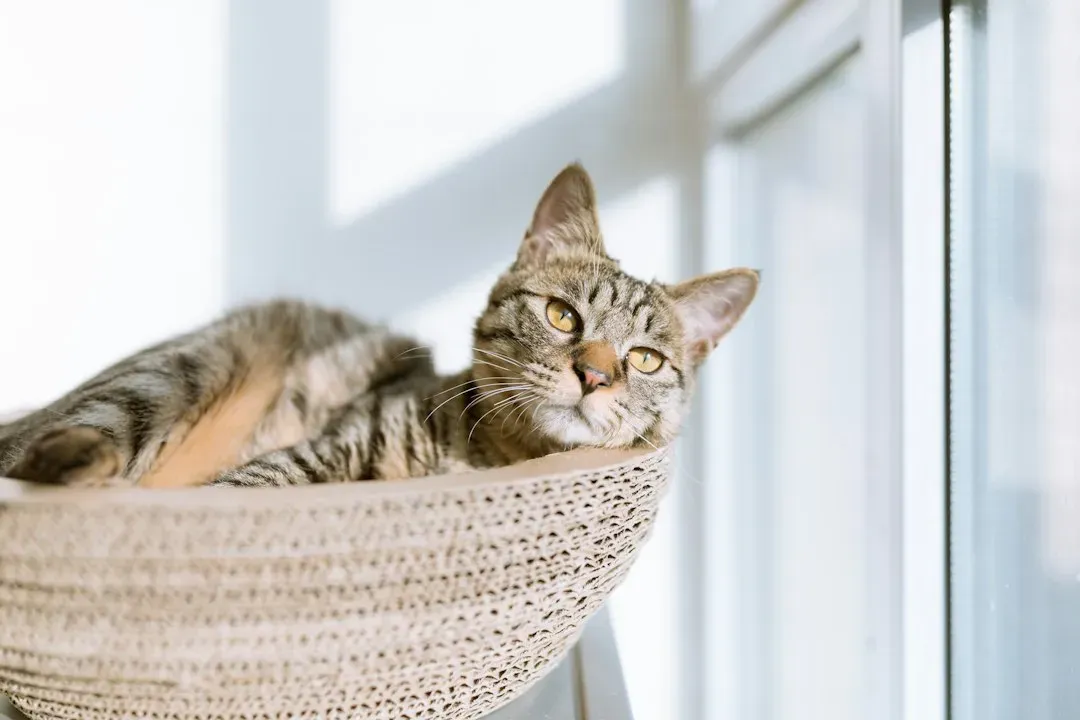
The cheapest heater in your home is already shining through the window.
Older cats often carry less muscle and body fat than they did in their prime. That makes them feel the cold sooner than you do. A sunny perch gives them free, gentle warmth with no cord and no switch.
Cats are commonly said to be most comfortable at roughly 86–100°F (30–38°C), far warmer than most living rooms. That’s why your cat parks itself on the one bright square of carpet and refuses to budge. It isn’t a quirk. It’s your cat trying to reach its comfort zone.
A few tweaks make the spot work even better:
- Choose a perch low and wide enough to step onto easily.
- Lay down a folded blanket so cold glass or sill never touches the body.
- Move it as the sun moves through the seasons.
But the sunbeam clocks out the moment the sun goes down. That’s where #21 comes in…
#21 – Draft-Proofed Floor Level
🔥 Would you like to save this?
We'll email this post to you, so you can come back to it later!
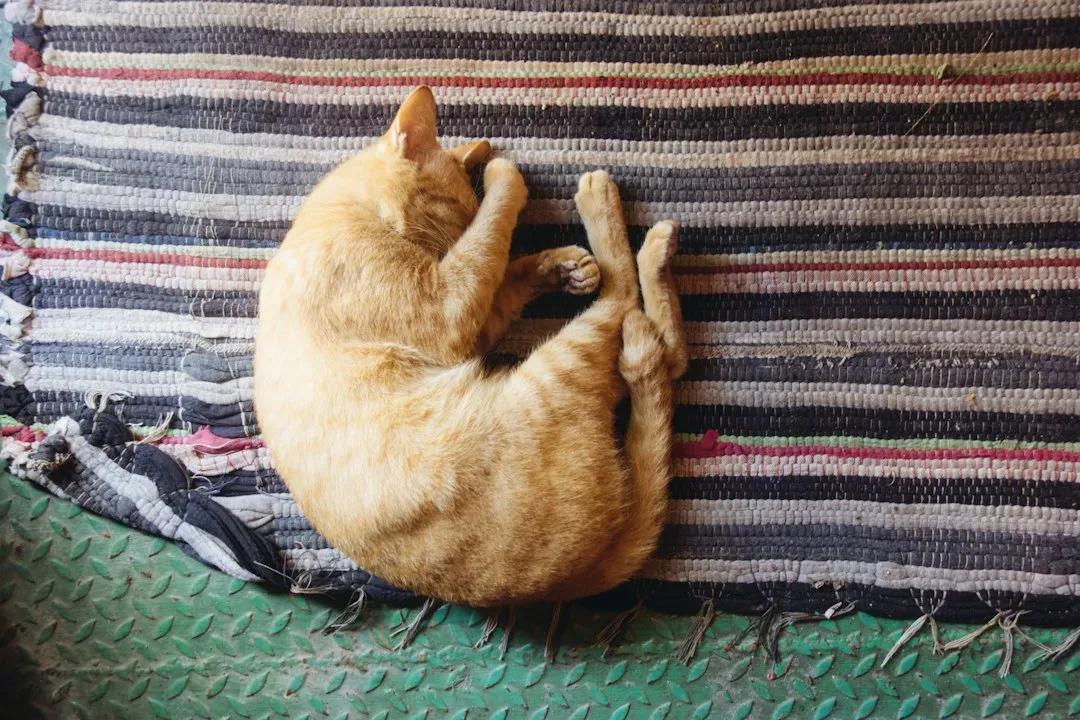
Your cat lives in the coldest layer of air in the house.
Warm air rises. Cold air pools near the floor, right where a cat sleeps. Most owners check the thermostat on the wall and never think about the height their cat actually lives at.
Kneel down instead. Feel for air creeping under doors and along skirting boards. A rolled towel or a draught excluder costs almost nothing and can change the feel of a whole room.
Tiled and laminate floors are secretly the worst offenders, because they pull heat out of a lying cat faster than carpet does. A rug under the favorite napping spot helps more than you’d expect.
Here’s the unpopular opinion: cranking up the whole house is often wasteful. Heating one cozy cat zone can do more good for less money.
Once the floor is sorted, the next upgrade is the one most owners buy first, and also the one most often chosen wrong, at #20…
#20 – A Pet-Safe Heated Bed
🔥 Would you like to save this?
We'll email this post to you, so you can come back to it later!
Not every “heated” bed deserves a place in your home.
Purpose-made pet heating beds run at low wattage and are designed to stay warm rather than hot. Human heating pads are a different matter. They can run too hot and often lack safeguards for animals.
Look for chew-resistant cords and a stated pet-safe design. Place the bed so your cat can step off it whenever it wants.
Cats with thinner skin and less body fat can still be burned by surfaces that feel merely pleasant to you. If your cat sleeps on heat for long stretches, check its fur and skin regularly.
- Cover the heated surface with a blanket layer.
- Keep one unheated bed nearby as an alternative.
- Retire any bed with frayed wiring or damaged covers.
And if electricity makes you nervous, there’s a cordless option at #19 that’s cleverer than it sounds…
#19 – The Microwavable Warming Disc
🔥 Would you like to save this?
We'll email this post to you, so you can come back to it later!
Some of the best cat heaters have no plug at all.
Microwavable discs hold heat for hours when tucked inside a fleece cover. They’re popular because they take cords and thermostats out of the equation. Many owners swear by them for cold winter nights.
The key is a thick cover. A bare disc can feel too hot against the skin. Always test it against your own wrist first, and never put a disc that feels uncomfortably hot into the bed.
A warm disc stays safe only if it cools gradually, so a fleece or towel wrap isn’t optional. Check the disc for cracks or leaks every time you reheat it.
I’ll say it plainly: for a cat that rarely moves, this is a far more forgiving choice than any mains-powered pad.
But warmth alone isn’t what your cat is really sniffing out. The next comfort is about scent, at #18…
#18 – Blankets That Smell Like Home
🔥 Would you like to save this?
We'll email this post to you, so you can come back to it later!
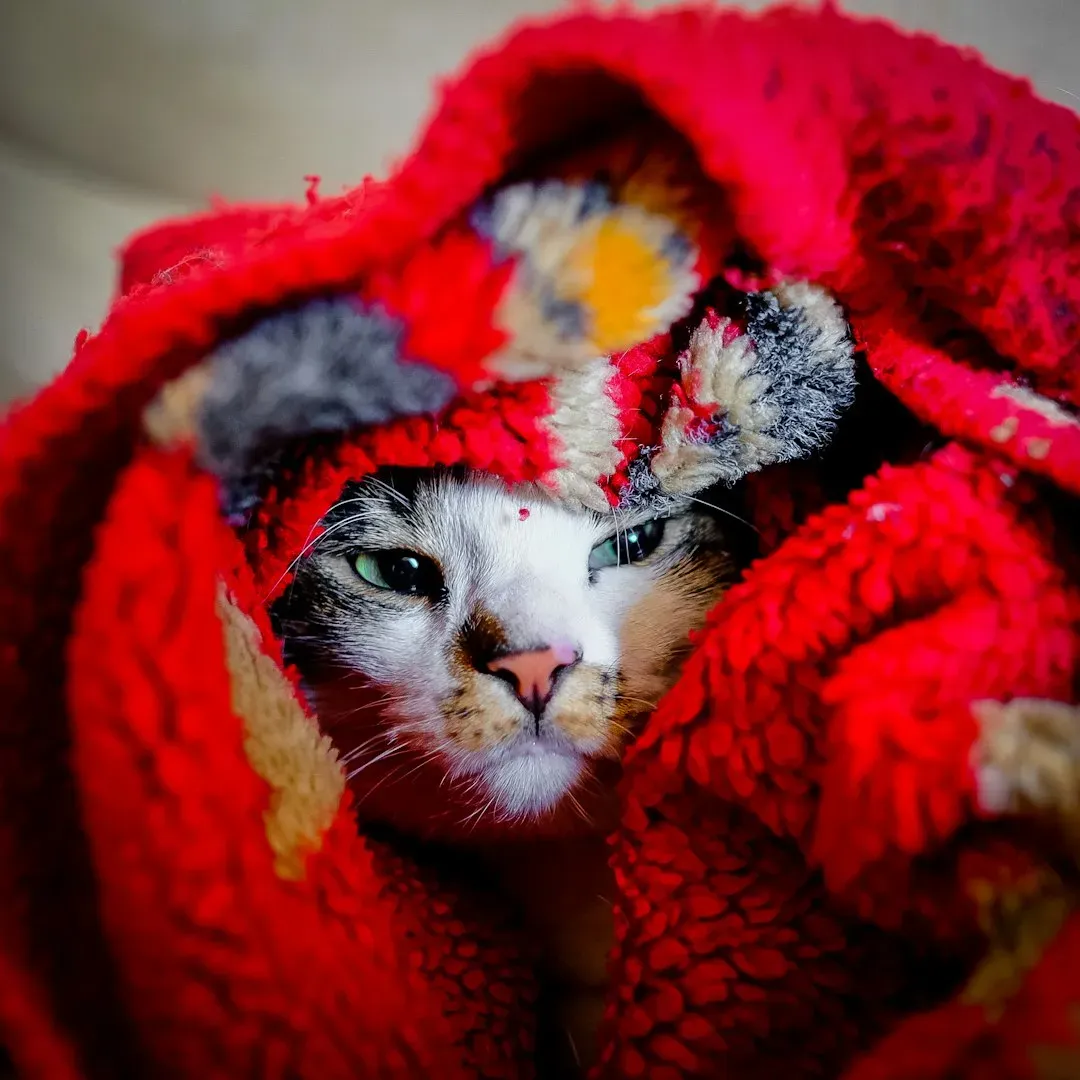
A cat’s nose decides whether a bed is “safe” before its body does.
Cats rely heavily on scent to feel secure. A blanket that smells like your cat, and like you, tells it the territory is familiar. That matters even more as hearing, sight and mobility start to fade.
Resist the urge to wash every blanket every few days. A fresh set of bedding that smells of detergent can feel like a stranger’s. Rotate rather than replace.
A worn T-shirt of yours can calm a stressed senior more than a brand-new luxury bed. There’s no magic in the fabric. It’s the familiar smell.
- Wash bedding when needed, but keep one item unwashed for a while.
- Choose soft, tight-knit fleece with no loose threads.
- Avoid strongly scented detergents.
Soft fabric helps, but what’s underneath it matters even more. See #17…
#17 – An Orthopedic Bed That Actually Supports
🔥 Would you like to save this?
We'll email this post to you, so you can come back to it later!
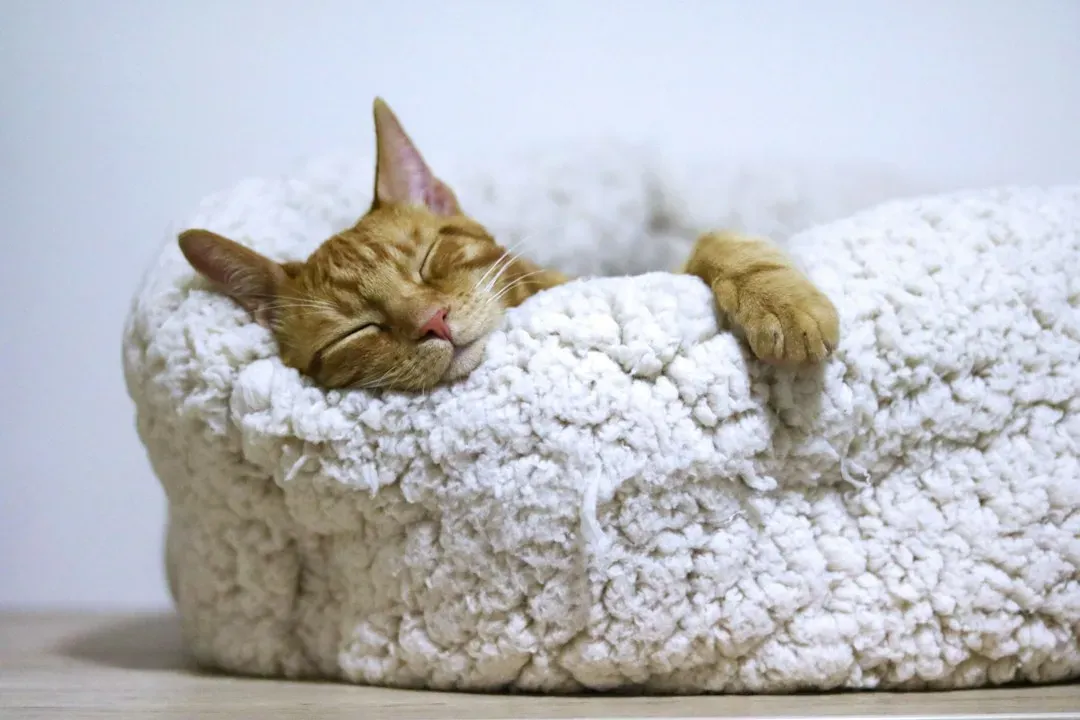
A thin cushion can feel like sleeping on a plank to an arthritic cat.
Joint disease is extremely common in older cats, and it often goes unnoticed because cats hide discomfort so well. Instead of limping, they sleep in odd spots, stop jumping or groom less.
Memory foam or thick, supportive padding spreads weight across stiff hips and shoulders. Choose a low-sided design so your cat doesn’t have to climb into it.
Research on cats over 12 has repeatedly found that a large majority show signs of degenerative joint disease on X-rays. Many of those cats showed few obvious signs at home.
Fast Facts
- One well-known X-ray study found joint changes in roughly 9 out of 10 cats older than 12.
- Cats rarely limp. Shorter jumps and skipped shelves are the usual clues.
- Missing the litter box and a scruffy coat can both point to sore joints.
- Treatment options exist, so it’s worth raising with your vet.
Here’s a controversial take: that trendy high-sided “cat cave” can be a mistake for a stiff cat if the entrance is too tall or narrow.
Supportive bedding is only half of the comfort equation, though. The other half is privacy, at #16…
#16 – A Covered Hideaway
🔥 Would you like to save this?
We'll email this post to you, so you can come back to it later!
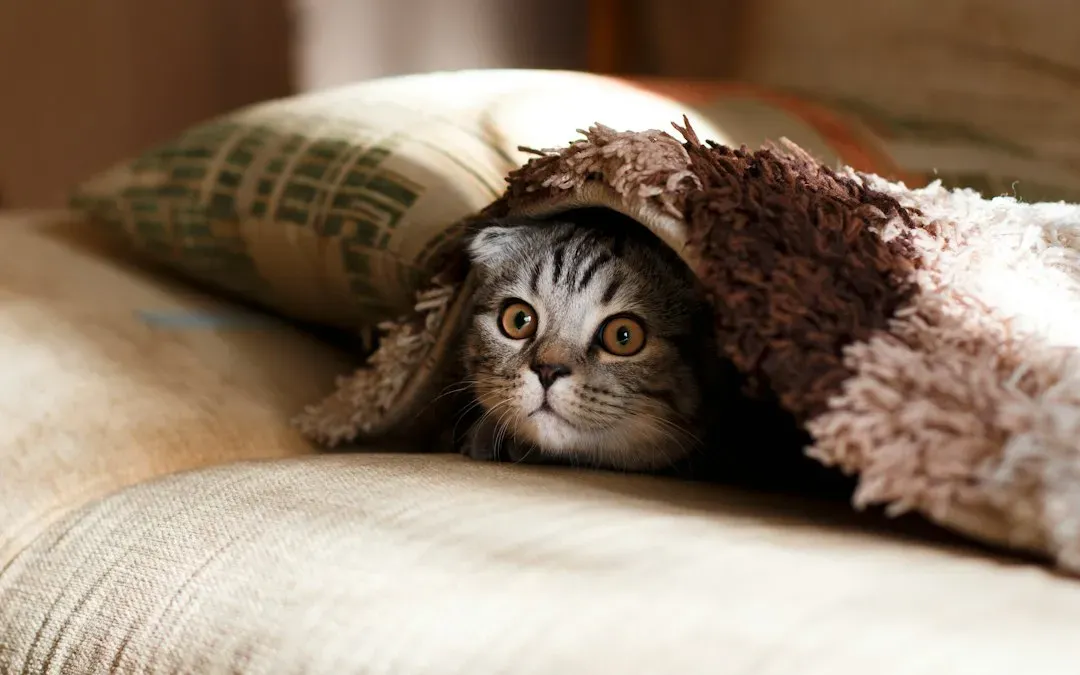
Even the most social senior cat needs somewhere to disappear.
As cats age, noise, visitors and busy households can feel overwhelming. A covered bed, a box on its side or a quiet cupboard shelf gives them a retreat. It isn’t antisocial. It’s self-protection.
Position the hideaway away from foot traffic, but not so far that your cat can’t reach it easily. Avoid putting it up high or behind awkward obstacles.
A plain cardboard box lined with a blanket often beats a pricey designer cave. Cats love tight, snug spaces that hold in body heat. Cut a low entrance so your cat can step in without climbing.
But hiding places only help if your cat can reach them, and that brings us to #15…
#15 – Ramps and Pet Steps
🔥 Would you like to save this?
We'll email this post to you, so you can come back to it later!
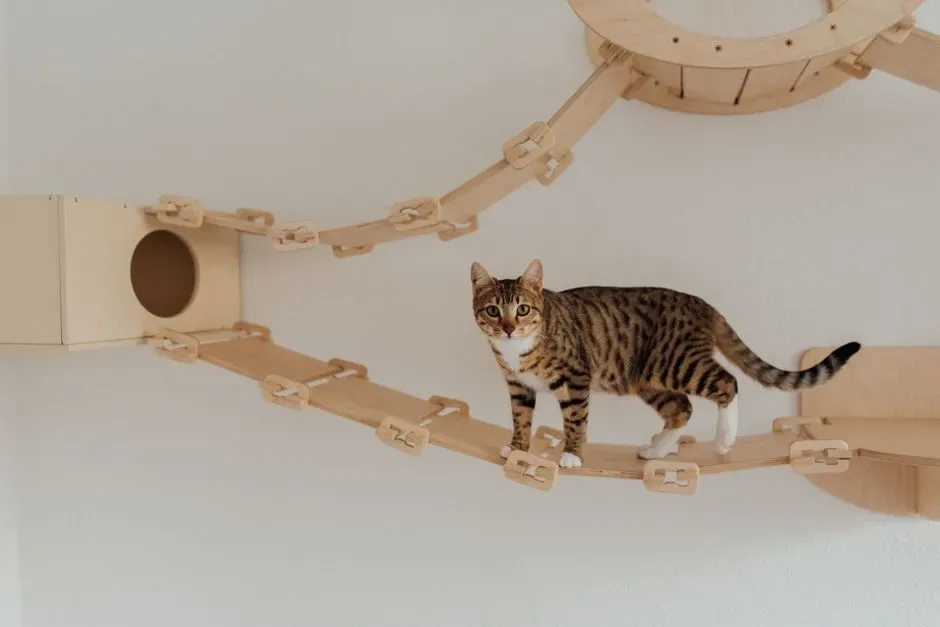
Your cat didn’t stop climbing because it got lazy.
A leap that used to be effortless can become painful. Many cats quietly give up the sofa, the bed or their favorite shelf with no dramatic sign. Owners often mistake this for a change in personality.
Ramps and sturdy steps restore access. Pick a gentle slope with a non-slip surface, and place the base against a wall so it doesn’t wobble.
Some cats will use a ramp within a day, while others need weeks of gentle encouragement. Treats at the top help build confidence.
- Aim for a shallow incline rather than a steep one.
- Choose carpeted or textured surfaces.
- Add a mid-step for high furniture.
Climbing isn’t the only everyday movement that gets harder. The next one is even more personal, at #14…
#14 – A Low-Entry Litter Box
🔥 Would you like to save this?
We'll email this post to you, so you can come back to it later!
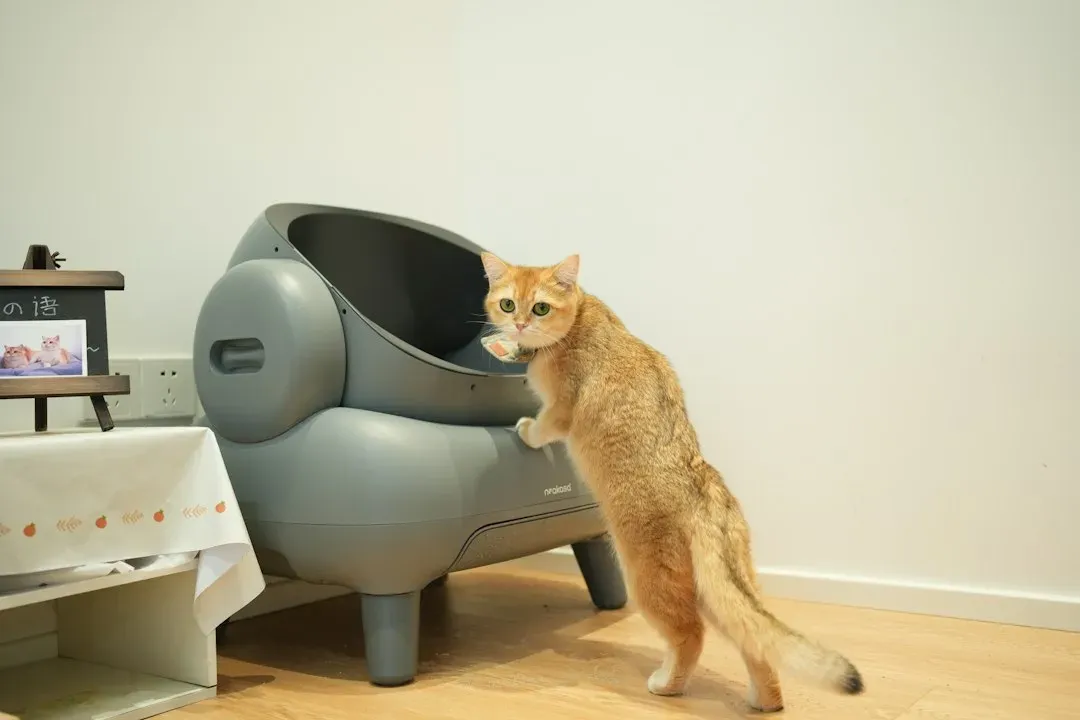
A “litter box problem” in a senior cat is rarely a behavior problem.
High sides are a real barrier for stiff hips and knees. Cats who struggle to step in may start going next to the box. Owners often assume it’s spite when it’s usually pain.
Switch to a shallow tray or a box with a cut-down entrance. Add a second box on each floor so your cat never has to climb stairs to use one.
Quick Compare
- Standard high-sided box: Good for privacy, but a tough step for stiff joints.
- Shallow tray: Easy entry, though litter may scatter more.
- Cut-down entrance: A low doorway on a familiar box, and a cheap DIY fix.
Sudden changes in toilet habits are among the most important early warning signs worth a vet visit. Don’t wait to see if it passes.
Keep litter soft and unscented. Rough or deep litter can be uncomfortable on sore paws.
The bathroom is sorted. Now for the comfort that wins the most hearts, at #13…
#13 – Gently Warmed Meals
🔥 Would you like to save this?
We'll email this post to you, so you can come back to it later!
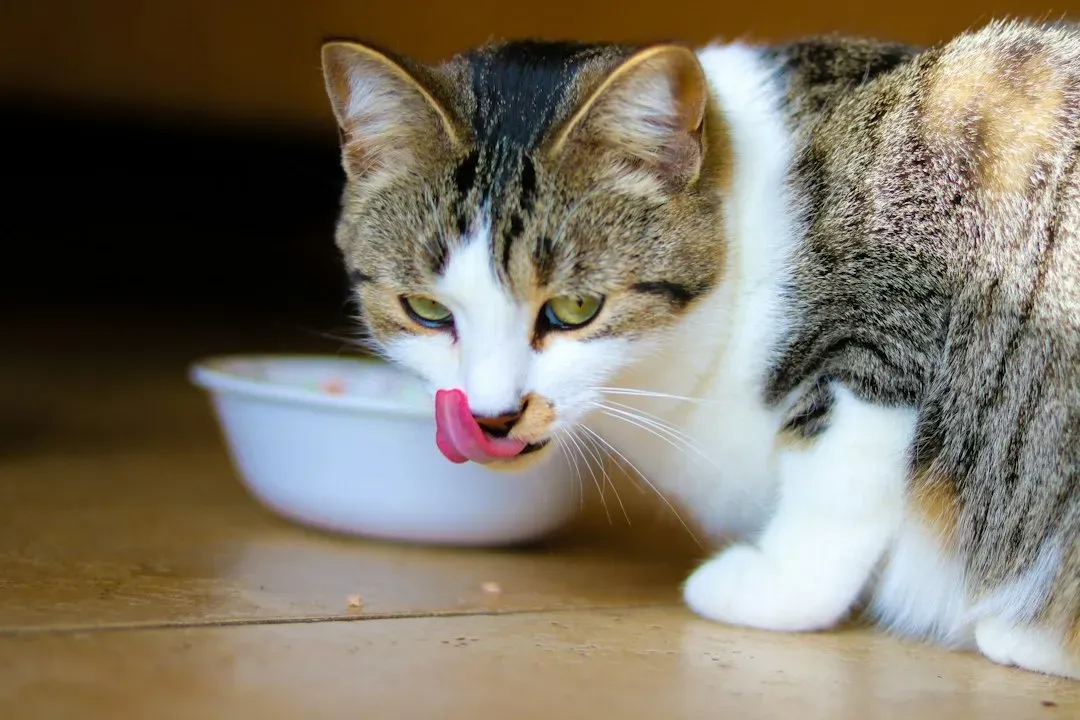
Cold food from the fridge can smell like nothing at all to an older cat.
Aroma drives appetite in cats, and ageing can dull the sense of smell. Warming wet food slightly releases scent and makes it more appealing. Even a short stint in a warm-water bath can help.
Aim for roughly body temperature. If it feels hot to your finger, it’s too hot. Stir well to remove hot spots, and discard leftovers rather than reheating them repeatedly.
A cat that suddenly refuses food may be unwell, and fasting for even a day or two can become serious. Call your vet if appetite changes.
But the temperature of the food is only part of the story. Texture matters too, at #12…

Halloween Cat Costume Cloak Witch Hat Pet Accessories
Check Price on AmazonAs an Amazon Associate, we earn from qualifying purchases.
10/9/2026 2:44 pm GMTi

PetSafe Oasys Pet Fountain, 1/2 Gallon (64 oz), Small Dogs & Cats
Check Price on AmazonAs an Amazon Associate, we earn from qualifying purchases.
10/8/2026 8:14 am GMTi

Glass Hummingbird Feeder for Outdoors Hanging, 16 oz Leak-Proof Nectar Feeder with Bee Guards & Ant Moat
Check Price on AmazonAs an Amazon Associate, we earn from qualifying purchases.
10/7/2026 1:22 pm GMTi

Glass Hummingbird Feeder for Outdoors Hanging
Check Price on AmazonAs an Amazon Associate, we earn from qualifying purchases.
10/7/2026 1:21 pm GMTi

Professional 7 in 1 Dog Paw Cleaner for Dogs & Cats - Includes 1 Portable Paw Washer, 1 Bath Brush
Check Price on AmazonAs an Amazon Associate, we earn from qualifying purchases.
10/7/2026 1:26 pm GMTi
#12 – Soft Food for Sore Mouths
🔥 Would you like to save this?
We'll email this post to you, so you can come back to it later!
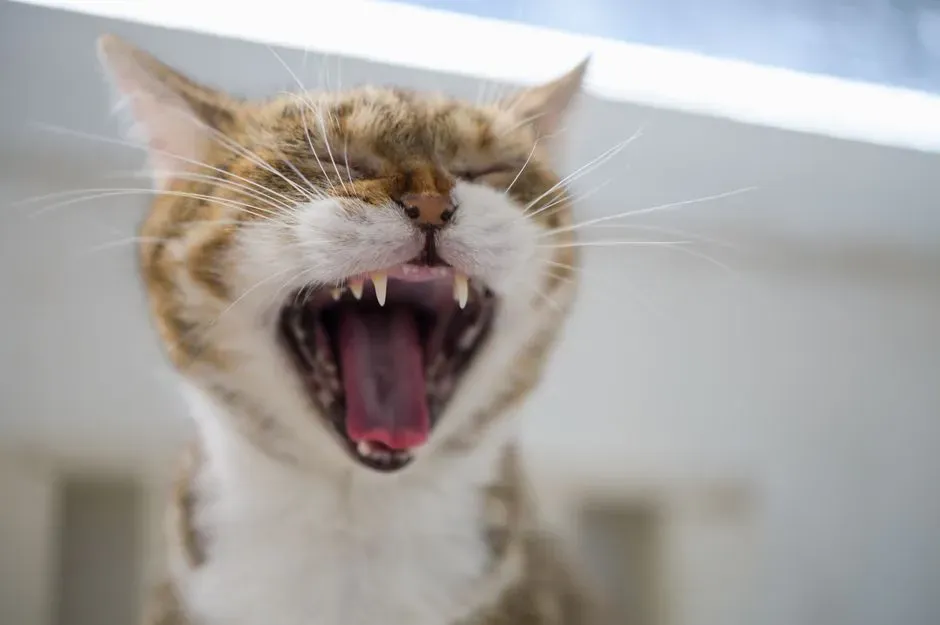
Dental pain is one of the most overlooked reasons a senior cat stops eating.
Cats rarely show mouth pain openly. Instead they chew on one side, drop food or approach the bowl and walk away. Owners tend to blame fussiness.
Softer food, such as pâté or finely minced wet food, can make meals more comfortable. A vet can check for gum disease, tooth resorption and other causes behind the pickiness.
Switching to soft food without a check-up can hide the problem rather than solve it.
- Offer small, frequent portions.
- Use shallow, wide dishes.
- Watch for drooling, bad breath or pawing at the mouth.
Opinion time: dental care in older cats is regularly postponed because of anesthetic worries. Many vets argue that untreated pain is the bigger risk, and that a proper pre-anesthetic assessment makes treatment far safer than owners fear.
And if your cat is eating but still not thriving, check the next comfort at #11…
#11 – Water Stations Everywhere
🔥 Would you like to save this?
We'll email this post to you, so you can come back to it later!
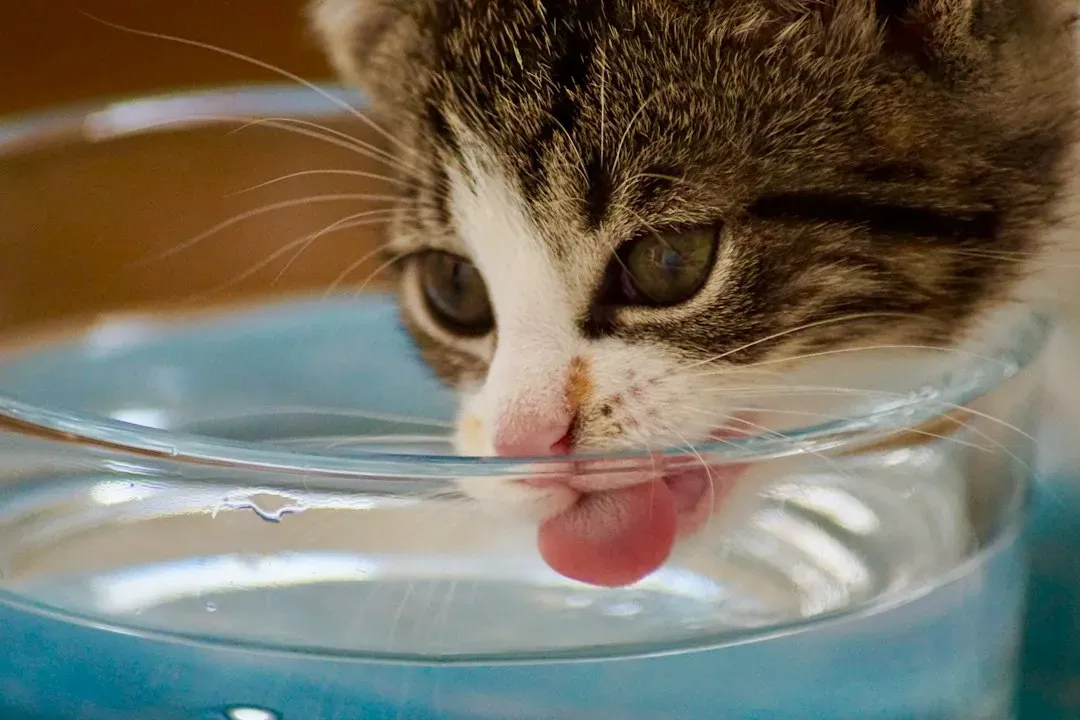
One water bowl in the kitchen is not enough for an older cat.
Hydration matters, especially for cats prone to kidney problems. A cat that struggles to walk to the kitchen may drink less than it should. Spreading bowls around the home puts water within easy reach.
Place bowls where your cat already spends time, such as near its bed and the sunny perch. Use wide, shallow dishes that don’t press against whiskers.
Worth Knowing
- Canned cat food is typically around 75–80% water, while dry kibble is only about 10%.
- Cats descend from desert-dwelling ancestors, so their thirst drive is naturally modest.
- A mix of wet food and extra bowls is often easier than coaxing a cat to drink more.
Many cats prefer their water separate from their food, a habit that goes back to wild instincts. Some enjoy running water from a fountain, though preferences vary widely.
- Refresh water daily.
- Wash bowls often.
- Add water to wet food for a hydration boost.
Hydration helps the body, but the next comfort works on the coat. Find out at #10…
#10 – Slow, Soft Brushing
🔥 Would you like to save this?
We'll email this post to you, so you can come back to it later!
Your cat may have quietly stopped grooming itself.
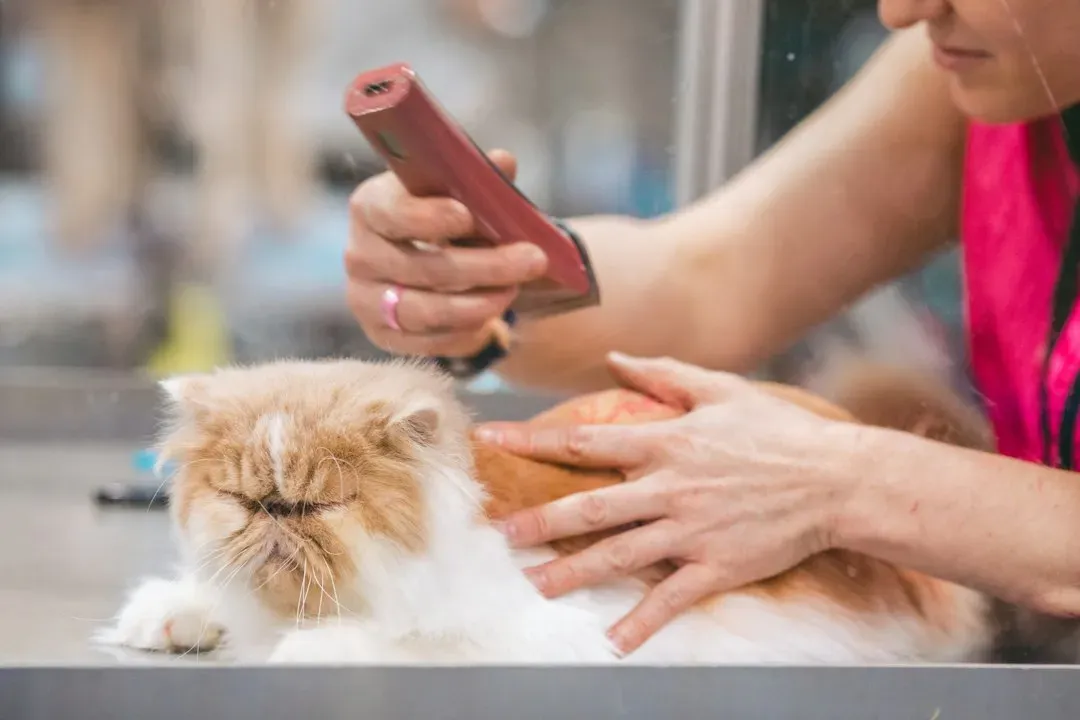
Stiff spines and sore hips make it hard to reach the back, flanks and base of the tail. The result is greasy, matted or flaky fur. A scruffy coat is often a pain signal, not a hygiene lapse.
Short, gentle brushing sessions fix the practical problem. They also give you a chance to check for lumps, sore spots and skin changes.
Mats can pull painfully on thin, aged skin, and cutting them out yourself with scissors risks serious cuts. Ask a groomer or vet to handle stubborn ones.
Use a soft brush and keep sessions to a few minutes. Stop the moment your cat shows it’s had enough.
But brushing misses one part of the body that quietly causes real trouble. See #9…
#9 – Regular Nail Trims
🔥 Would you like to save this?
We'll email this post to you, so you can come back to it later!
Older cats’ claws can grow into their own paws.
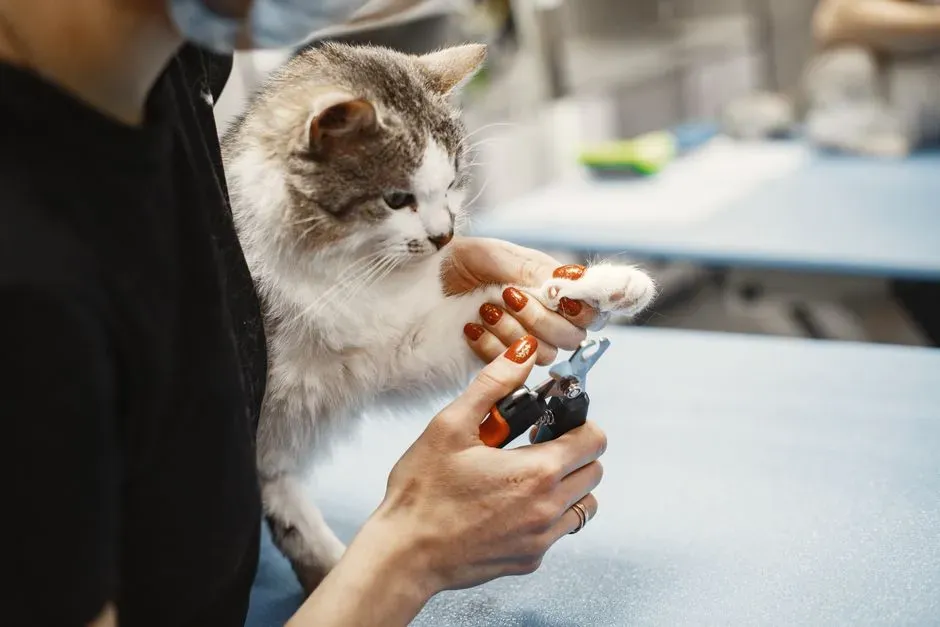
Ageing cats scratch less, and their claws can become thicker and more brittle. Without regular wear, nails may curl and press into the pad. Many owners only notice once the paw is sore.
Check the claws every few weeks. Trim just the sharp tip, avoiding the pink quick that contains blood vessels and nerves. If you’re unsure, a vet nurse can show you how.
Overgrown claws can also snag on bedding, making a cat reluctant to settle.
- Use sharp cat-specific clippers.
- Trim one or two paws at a time.
- Reward with a treat afterward.
Paws sorted, let’s turn to what happens when the lights go out, at #8…
#8 – Night Lights in the Hallway
🔥 Would you like to save this?
We'll email this post to you, so you can come back to it later!
Darkness is harder for an older cat than most people assume.
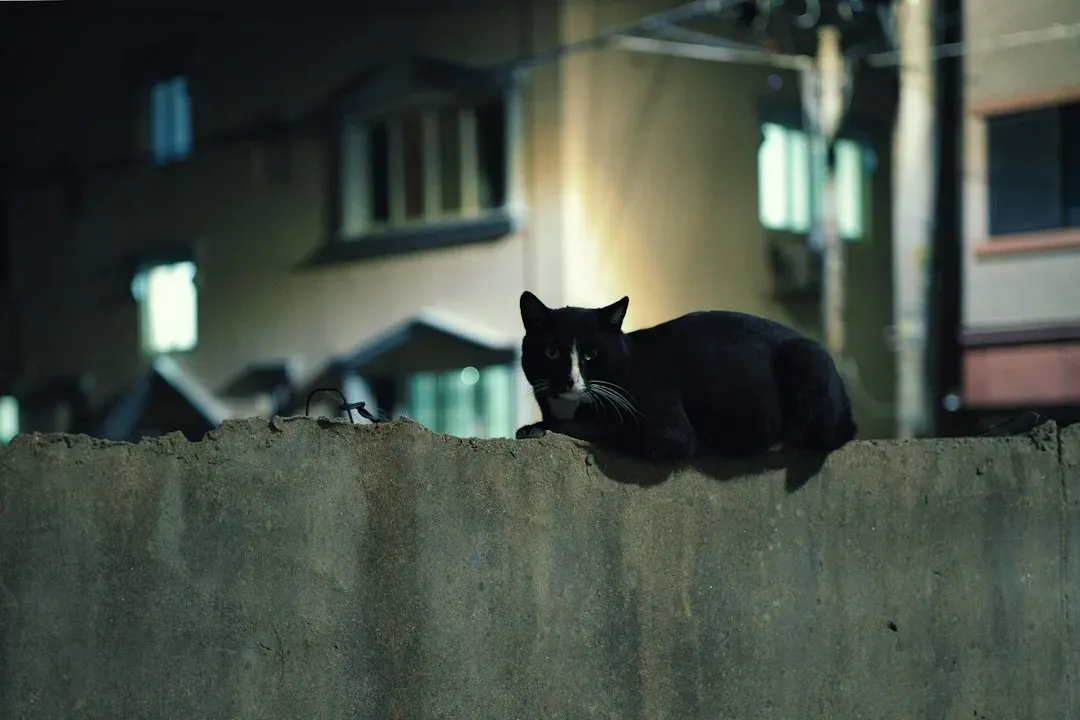
Cats see far better than we do in dim light, but ageing eyes can still struggle. Changes in the lens and retina, combined with joint pain, make navigating a dark house riskier. Missing a step can mean a painful fall.
A plug-in night light near stairs, litter boxes and water bowls gives your cat a clear route. Choose a soft, warm glow rather than a harsh bulb.
Confusion at night is a recognized feature of feline cognitive dysfunction, which can cause wandering and loud calling after dark. If this sounds familiar, speak to your vet.
Light helps with the dark. But something else helps with confusion even more, at #7…
#7 – A Predictable Routine
🔥 Would you like to save this?
We'll email this post to you, so you can come back to it later!
Ageing cats crave sameness more than excitement.
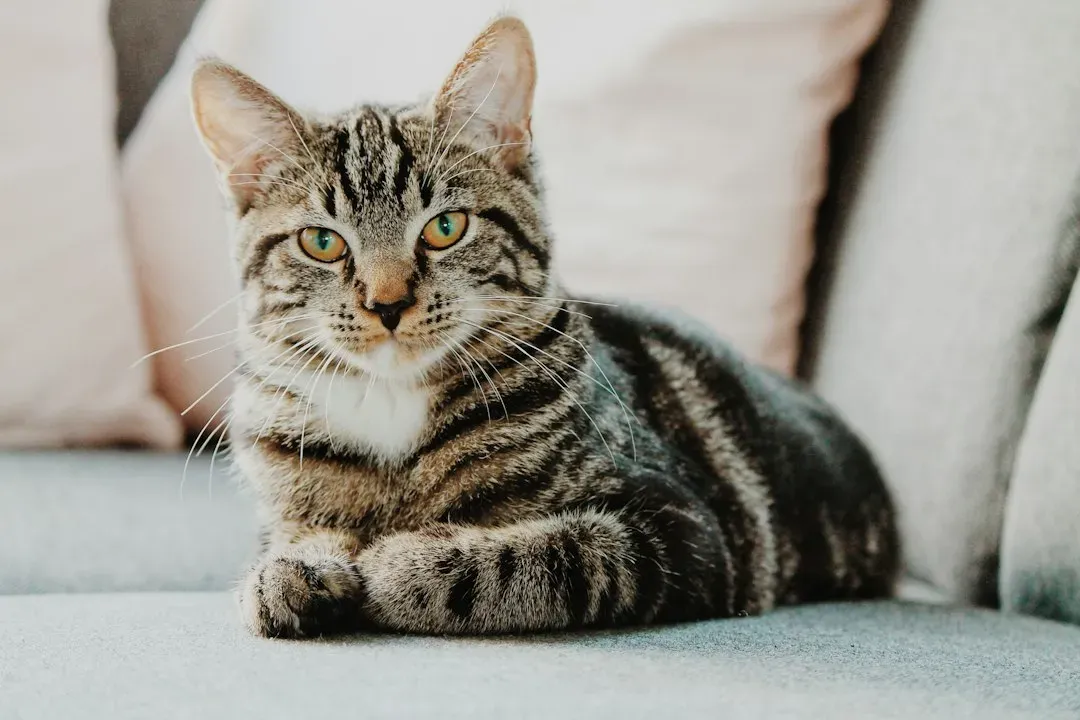
Regular mealtimes, a steady furniture layout and consistent bedtimes all reduce uncertainty. When memory and senses fade, predictability becomes a form of comfort. A cat that knows what happens next is a calmer cat.
Move furniture as little as possible. If you must rearrange, keep key resources, such as beds, litter boxes and bowls, in familiar spots.
Even a small change, such as a new feeding time, can unsettle a senior cat. Owners commonly describe sudden clinginess or hiding after small household shifts.
- Feed at the same times each day.
- Keep resources in the same places.
- Introduce changes gradually.
Now here’s a take that will divide opinion: a new kitten is rarely the “fresh energy” an ageing cat needs. It often brings stress instead of joy.
Speaking of other animals, the next comfort is all about space, at #6…

2 Pcs Halloween Pet Hat Bandana Set, Witch Pumpkin Costumes for Dogs
Check Price on AmazonAs an Amazon Associate, we earn from qualifying purchases.
10/9/2026 2:45 pm GMTi

Hand Blown Glass Hummingbird Feeders for Outdoors Hanging, 24oz Wild Bird Nectar Feeder
Check Price on AmazonAs an Amazon Associate, we earn from qualifying purchases.
10/7/2026 1:23 pm GMTi

Smart Bird Feeder with Camera Solar Powered, 2K HD Live Video, 10,000+ Bird Species AI Identification
Check Price on AmazonAs an Amazon Associate, we earn from qualifying purchases.
10/7/2026 1:22 pm GMTi

Dog Stairs for Bed 18" H, 4-Step Dog Steps for High Bed
Check Price on AmazonAs an Amazon Associate, we earn from qualifying purchases.
10/9/2026 2:42 pm GMTi

Portable Dog Water Bottle Foldable Dog Travel Water Bottle
Check Price on AmazonAs an Amazon Associate, we earn from qualifying purchases.
10/7/2026 1:29 pm GMTi
#6 – A Quiet Retreat Away from Other Pets
🔥 Would you like to save this?
We'll email this post to you, so you can come back to it later!
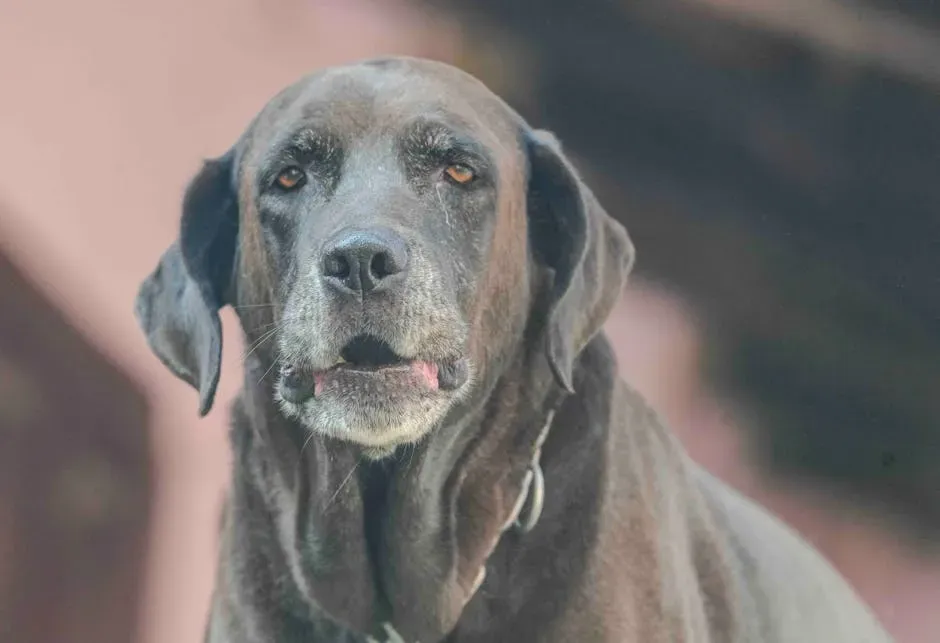
Sharing a house is much harder when you’re stiff and tired.
A younger dog or cat may bounce, chase or guard resources. An older cat that once held its own can now be bullied simply because it can’t move quickly. The tension is often silent.
Give your senior its own zone with food, water, a bed and a litter box. A baby gate, a spare room or a high-sided pen can make this practical.
Cats can block each other from key resources without any visible fighting. A stare in a doorway can be enough.
A safe zone matters. But there’s a gentler form of activity that still helps, at #5…
#5 – Short, Gentle Play
🔥 Would you like to save this?
We'll email this post to you, so you can come back to it later!
Retirement doesn’t mean your cat wants to stop playing.
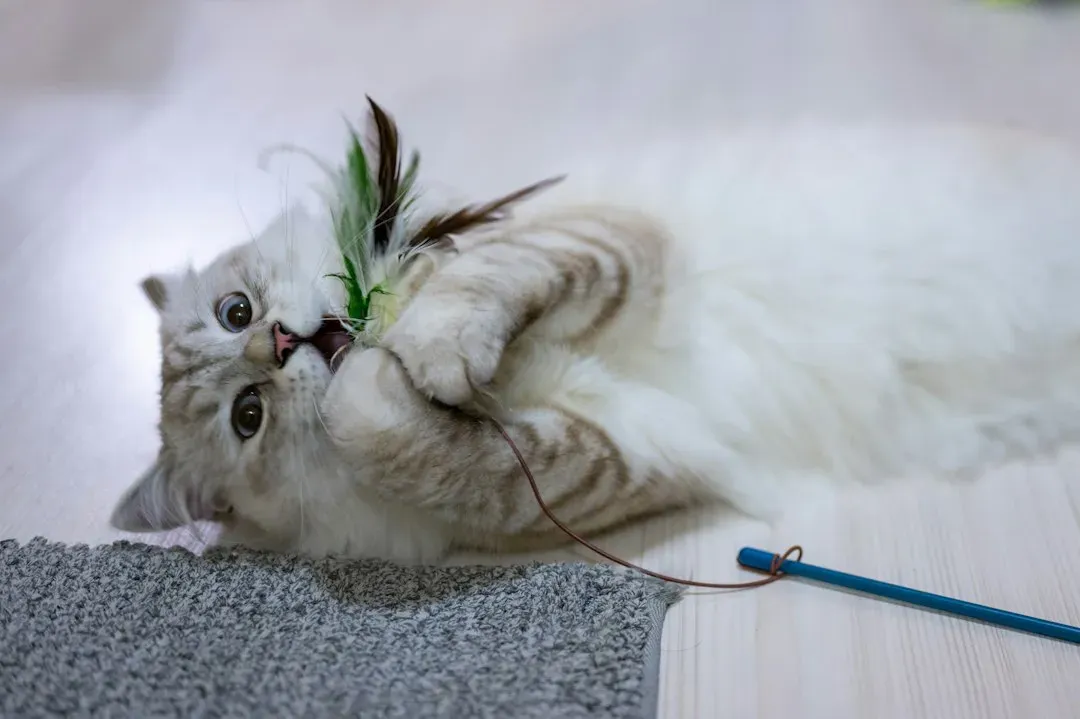
Play keeps muscles engaged and the mind active. Older cats simply need a softer version. Slow wand toys, rolling balls and low-effort puzzle feeders suit stiffer bodies.
Keep sessions brief, a few minutes at a time, and let your cat set the pace. Aim for movement at ground level rather than leaps and twists.
Cats in pain often hide how much they want to play, so a sudden loss of interest deserves attention. It might not be age at all.
- Drag a toy slowly along the floor.
- Offer treat-dispensing toys.
- Finish with a small snack to complete the “hunt.”
Here’s what gets overlooked: play isn’t only exercise. It’s a chance for your cat to feel capable, which is a real comfort in later life.
But the next comfort needs no toys at all. It only needs you, at #4…
#4 – Your Lap, On Their Terms
🔥 Would you like to save this?
We'll email this post to you, so you can come back to it later!
Many older cats become clingier, and that’s not a quirk.
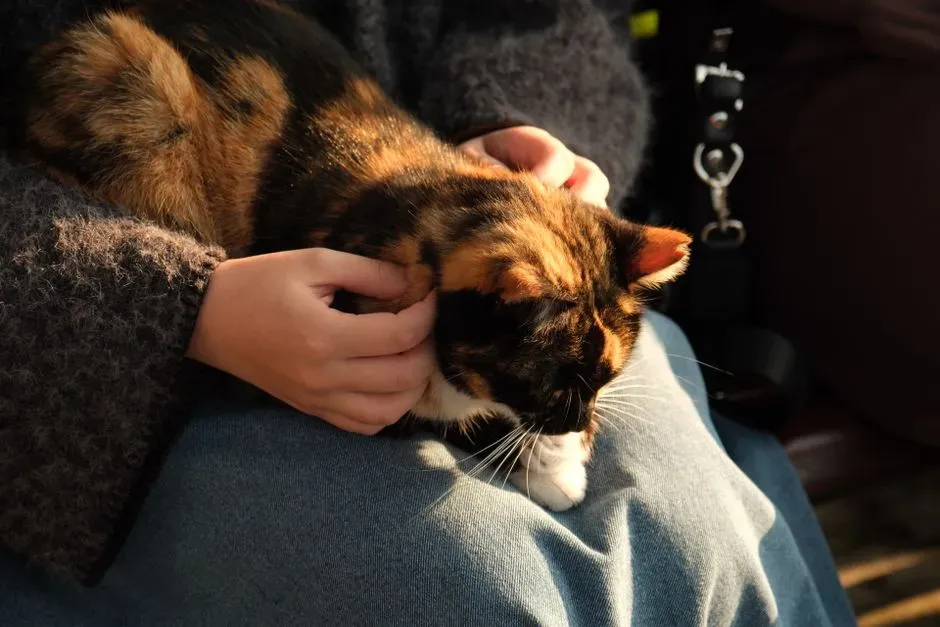
As senses dim and joints ache, your presence can feel like a safe anchor. Some cats seek more warmth and contact, while others want less. The key is to read your individual cat.
Offer your lap, but don’t pull. Let your cat approach, settle and leave at will. A folded blanket over your knees spreads warmth and cushions bony hips.
Sudden clinginess can sometimes be linked to medical issues, such as pain, thyroid problems or cognitive changes. Mention it to your vet.
Your presence matters, and so does your voice. The next comfort is subtle, at #3…
#3 – A Soft Voice and Slow Blinks
🔥 Would you like to save this?
We'll email this post to you, so you can come back to it later!
Cats understand more of your tone than you might think.
A calm, low voice can ease worry, especially in a cat that’s losing hearing or sight. Speak before you touch, so your cat isn’t startled. Approach from the front and keep movements slow.
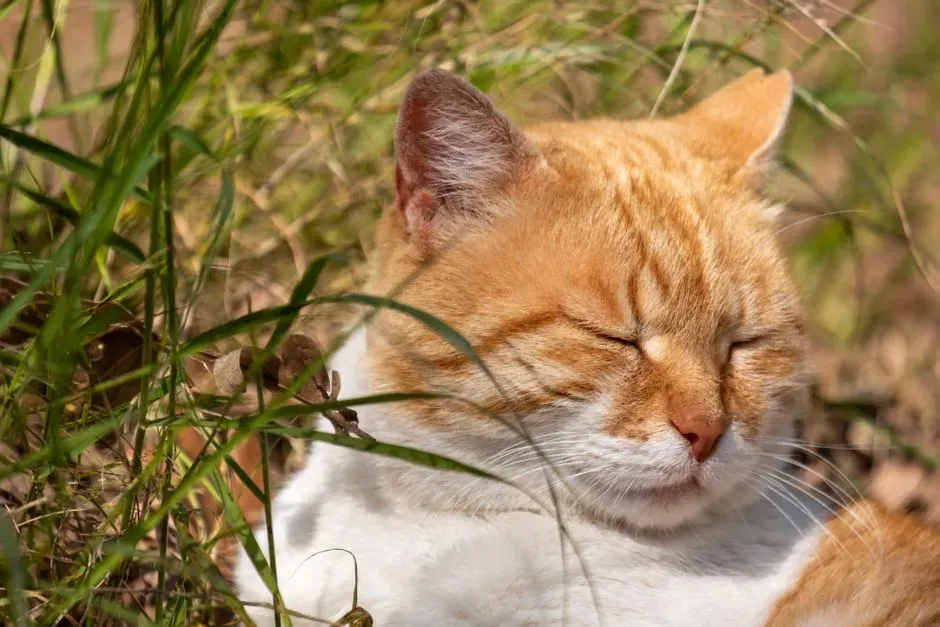
Slow blinking is also a recognized friendly signal between cats and people. Research has suggested that cats may respond more positively to humans who slow-blink at them.
At a Glance
- Speak first: A soft word before any touch.
- Approach head-on: No sneaking up from behind.
- Blink slowly: Think relaxed eyes, not a stare.
- Tap the floor: A gentle vibration warns a deaf cat you’re near.
Deaf cats can’t hear you coming, so a gentle footstep tap or a visible approach can prevent a fright.
There’s no gadget required. It’s free, instant and costs only a little patience.
Many owners say this is the most underrated comfort on the whole list, and it’s hard to disagree. A calm presence reassures in a way no product can.
But no amount of comfort fixes everything. The next item is the one that matters most medically, at #2…

Orthopedic Extra Large Dog Bed, Waterproof Washable XL Pet Bed 44"
Check Price on AmazonAs an Amazon Associate, we earn from qualifying purchases.
10/7/2026 1:32 pm GMTi

Earth Rated XL Dog & Puppy Pee Pads, Discreet Top, Max Absorbency
Check Price on AmazonAs an Amazon Associate, we earn from qualifying purchases.
10/7/2026 1:28 pm GMTi

Air Purifiers for Home Pets Large Room Up to 3000 Ft²,HEPA Air Cleaner with Washable Double-Side Filter, PM2.5 Air Quality Monitor,15dB Sleep Mode for Bedroom Odor Dust Pollen,White
Check Price on AmazonAs an Amazon Associate, we earn from qualifying purchases.
10/8/2026 8:23 am GMTi

Halloween Dog Collar with Bow, Orange Cute Ghost Collar,
Check Price on AmazonAs an Amazon Associate, we earn from qualifying purchases.
10/9/2026 2:43 pm GMTi
#2 – Pain Relief and Regular Vet Check-ups
🔥 Would you like to save this?
We'll email this post to you, so you can come back to it later!
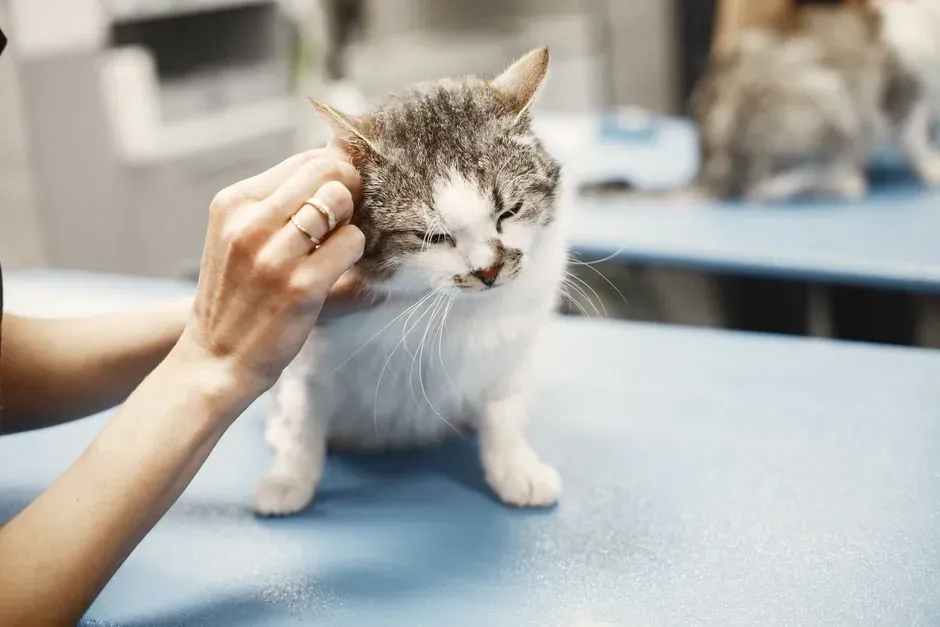
The kindest comfort may be the one you can’t see.
Cats are masters at hiding discomfort. Most owners only notice problems once they’ve been building for months. Regular examinations can catch arthritis, dental disease, kidney changes and thyroid problems early.
Vets can also prescribe pain relief that’s safe for cats. Never give human painkillers. Some, including paracetamol (acetaminophen), are dangerous for cats.
What looks like “just getting old” is frequently a treatable condition. Better mobility, appetite and mood can follow.
And the final comfort is the one every cat is secretly asking for, at #1…
#1 – Time Beside You
🔥 Would you like to save this?
We'll email this post to you, so you can come back to it later!
The most powerful comfort has no price tag.
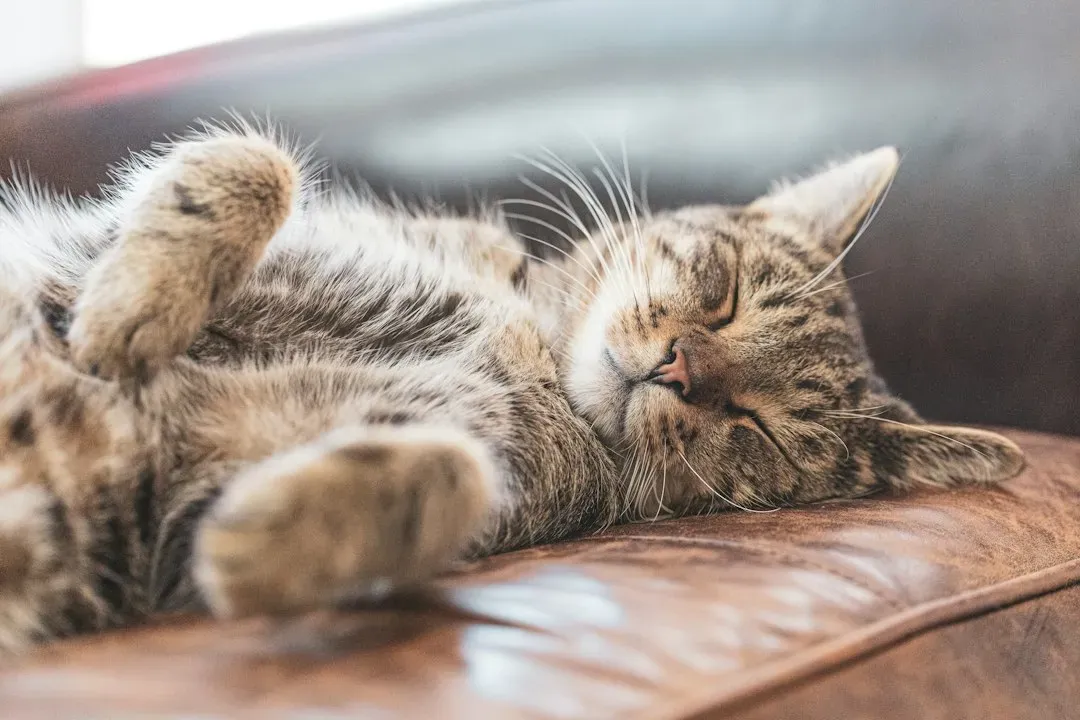
A cold house is only half the problem. The other half is quieter: an ageing cat spends more hours resting, and many of those hours are better with company. Sitting nearby while it dozes counts.
Watch your cat. Notice where it sleeps, when it eats and how it moves. Small changes tell a story long before a crisis does. Few tools are better than an attentive owner.
The bond many senior cats show in their later years is something owners often describe as the most rewarding stage of living with a cat.
You don’t need to do everything on this list at once. Start with warmth, access and kindness, then adjust.
Here’s the truth: an ageing cat rarely asks for much. It wants warmth at floor level, a soft bed that supports stiff joints, food it can smell and chew, a litter box it can step into, and a quiet corner of its own.
The most striking thing about this list is how often “just old age” turns out to be pain, cold or fear that can be eased. My opinion? A senior-friendly home beats any luxury cat gadget, and a vet visit beats both. Which of these comforts did your cat pick first?

- 22 Gentle Comforts an Ageing Cat Seeks Once a House Grows Colder - November 6, 2026
- 13 Things Shelters Quietly Stopped Telling People Adopting a First Dog - November 6, 2026
- 13 Things Ragdoll Owners Notice That No Other Cat Owner Will Recognise - November 6, 2026