
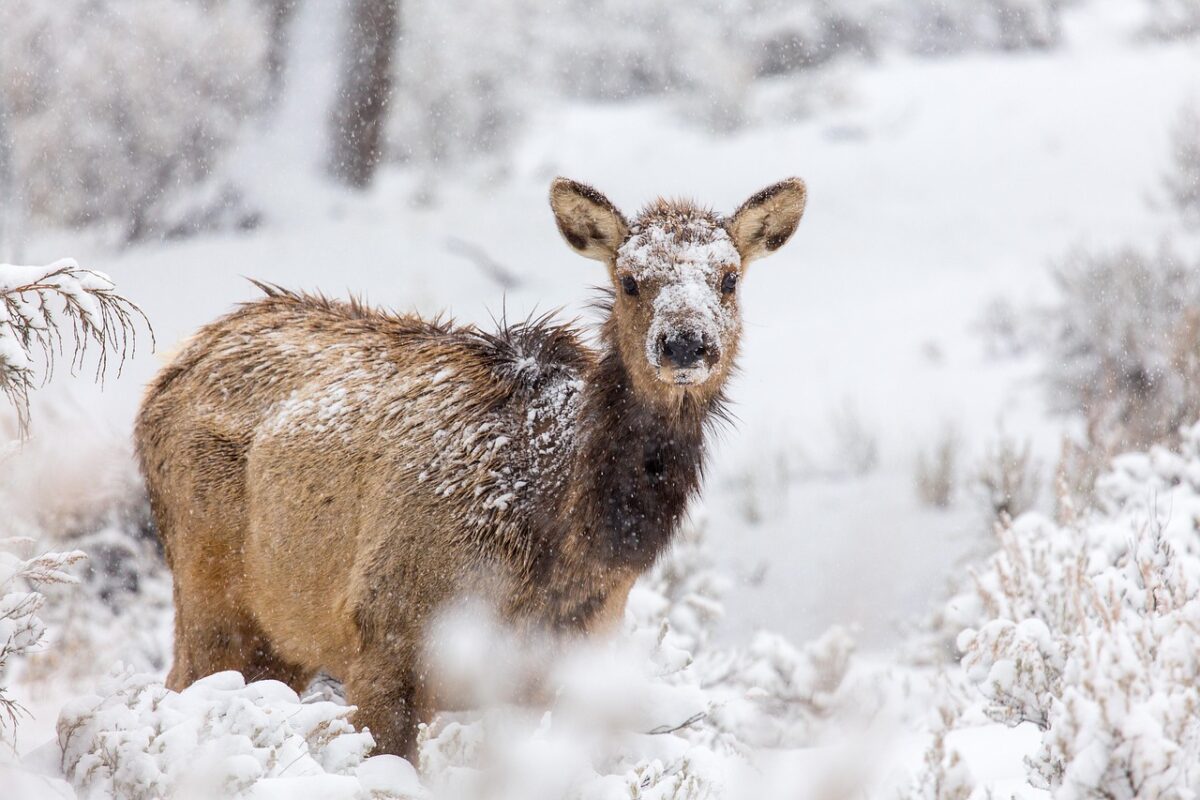


Picture the scene: brake lights stacked outside a famous park gate, the lot full by 9 a.m., and one distant bison surrounded by forty raised phones. Now picture a marsh, prairie or swamp just down the road where the wildlife is every bit as wild and you can hear your own footsteps. That second place is usually a national wildlife refuge. The National Wildlife Refuge System includes more than 570 refuges, with at least one in every state and U.S. territory, and many sit right beside the parks everyone is queuing for.
This countdown runs from #15 to #1, and it gets stranger as it goes. You’ll meet a former weapons site turned bison range, a swamp where the ground trembles, and a desert pool holding a fish found nowhere else on Earth. One entry shares a fence line with a rocket launch site. Another is bigger than some entire states.
#15 – Rachel Carson National Wildlife Refuge, Maine
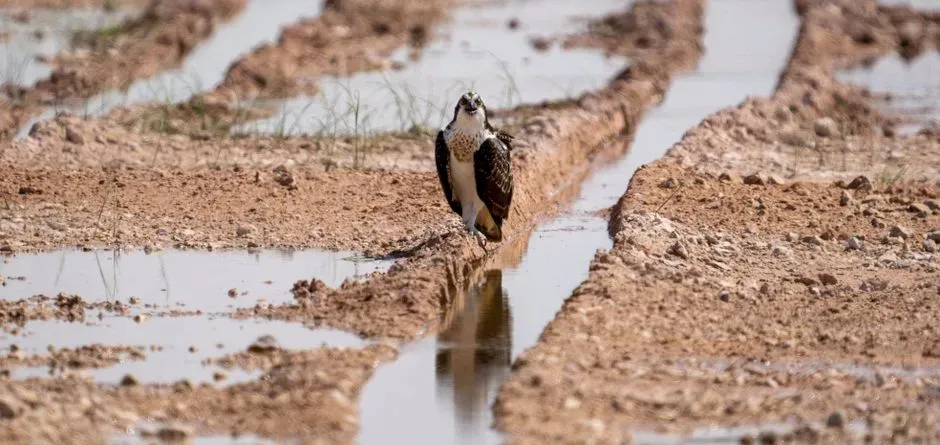
The refuge named for the woman who helped launch the modern environmental movement is tucked along the Maine coast, and plenty of drivers pass it without a glance.
Rachel Carson isn’t one giant block of land. It’s a string of coastal parcels in southern Maine protecting salt marsh, estuary and shoreline. It honors the author of Silent Spring, who worked as a biologist and writer for the Fish and Wildlife Service before her book changed how Americans thought about pesticides and nature.
Salt marsh is the real star here. These marshes act as nurseries for fish and shellfish and as refueling stops for migrating shorebirds. Most people see mud and grass. Ecologists see one of the most productive habitats on the coast, where tiny crabs, snails and fish feed a chain that reaches all the way up to herons and egrets.
Expect a different pace from a park overlook:
- Short, easy walking loops
- Shorebirds and wading birds, especially during migration
- Better light for photos at low tide
Here’s the unpopular take. A quiet marsh trail like this can teach you more about coastal ecology than a packed scenic pullout at a famous park. Nobody is jostling you for the view, so you actually notice the tide pulling water through the grass.
But the next stop sits inside a major metro area, and its wildlife story is far stranger than you’d guess.
#14 – Minnesota Valley National Wildlife Refuge, Minnesota
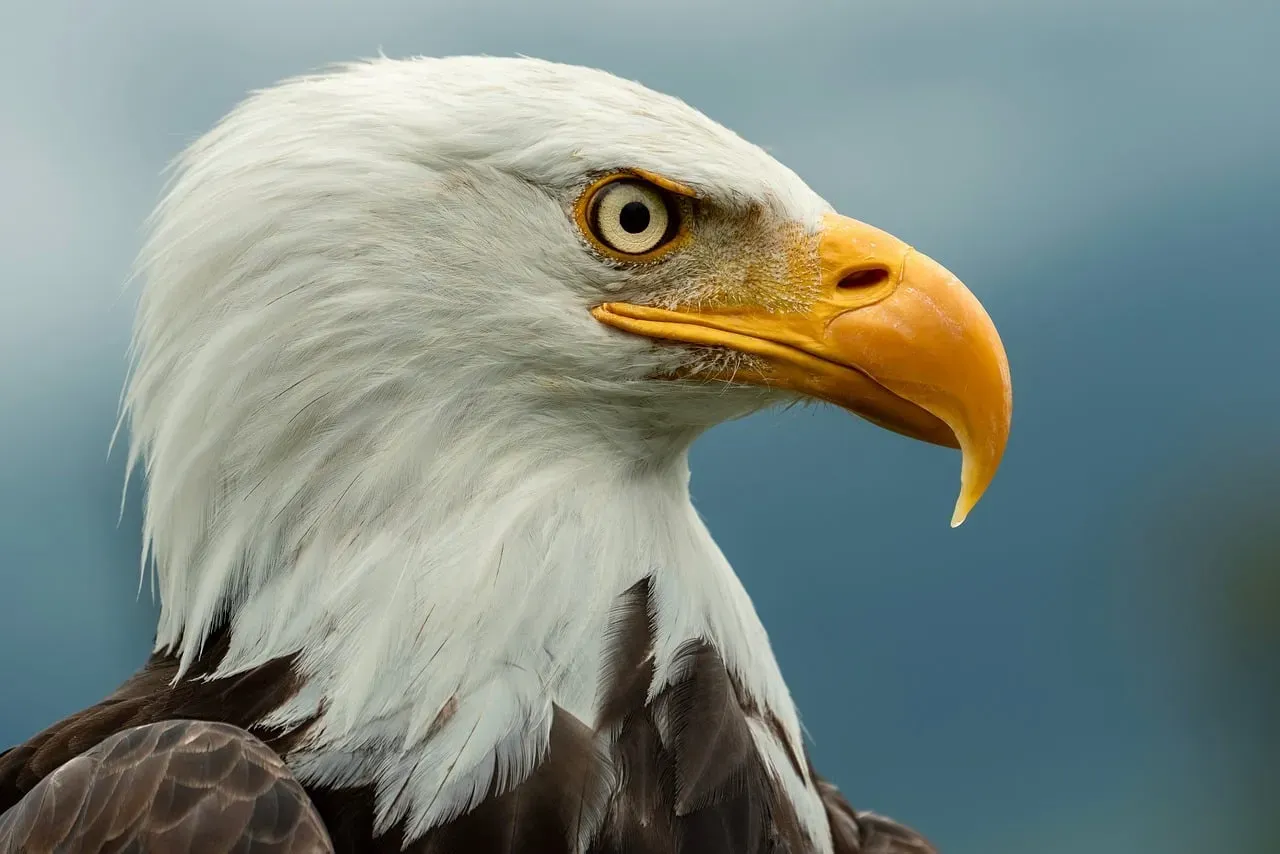
You can watch eagles and migrating waterfowl within sight of one of the Midwest’s biggest metro areas.
Minnesota Valley follows the Minnesota River through the Twin Cities region. It’s one of the clearest examples of how many federal refuges sit a stone’s throw from major cities. National Geographic included it among refuges that make idyllic alternatives to urban life.
The river valley works as a natural highway for birds. Wetlands, floodplain forest and remnant prairie sit side by side, and each habitat draws different species through the year. Waterfowl pass through in migration, while eagles hunt the open water.
Most visitors skip this kind of urban refuge because it doesn’t look “wild enough.” That’s the mistake. Wildlife doesn’t care about the nearest skyline. It cares about water, cover and food, and this valley has all three.
Why it beats a long road trip:
- Quick visits fit around work or school
- Seasonal change is easy to track
- Low cost compared with a multi-day park trip
Birders often rank remote parks as the only “real” wildlife destinations. Plenty of local regulars, who’ve watched the same valley change through every season, would disagree.
But the next refuge turned one of the most contaminated sites in the country into a bison range.
#13 – Rocky Mountain Arsenal National Wildlife Refuge, Colorado
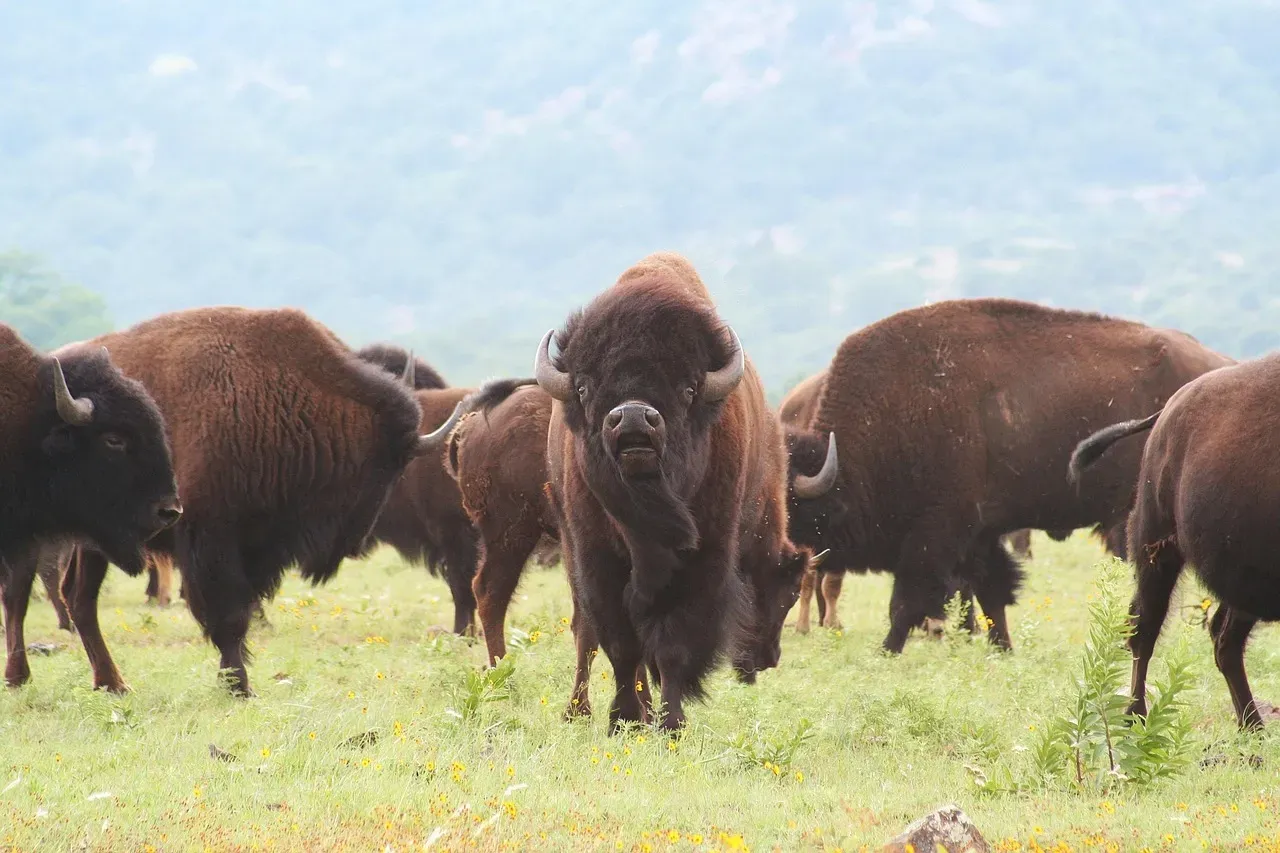
A former weapons and chemical production site is now one of Colorado’s best wildlife-watching bargains.
The Rocky Mountain Arsenal sits near Denver. Rocky Flats and Rocky Mountain Arsenal were once sites for manufacturing weapons and agricultural chemicals, and both moved from Superfund sites to wildlife refuges. That’s a remarkable cleanup story, and the public sees only the areas deemed safe and open.
Today the open prairie is home to bison, prairie dogs, deer and wintering raptors. Bald eagles are a seasonal draw. The refuge shows that restored habitat can recover faster than most people assume, and that animals will move back in once someone gets out of the way.
At a Glance
- Size: roughly 15,000 acres of restored prairie and wetland
- Location: just northeast of downtown Denver
- Past life: weapons and chemical production, then a Superfund cleanup
- Headliners: bison, prairie dogs and winter eagles
The practical angle matters too. The National Wildlife Federation points out that refuges near Denver are free alternatives that let you beat the crowds and skip timed entry. Three refuges sit within 30 minutes of the Denver metro area.
Ask yourself an uncomfortable question. If a site like this can recover, how many “ruined” landscapes are we writing off too early?
But if you think a refuge has to be wild to be worth visiting, wait until you see the next stop on the East Coast.
#12 – Bombay Hook National Wildlife Refuge, Delaware
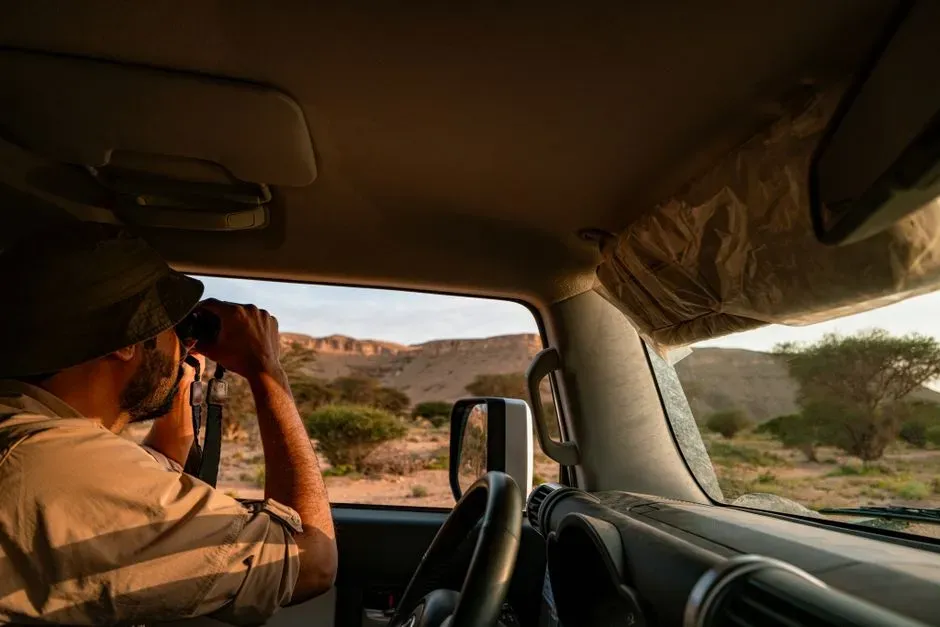
This refuge lets you watch thousands of birds without ever leaving your car.
Bombay Hook is a Delaware coastal refuge built around tidal salt marsh and impoundments, which are managed ponds whose water levels can be adjusted to attract birds. Its design is a gift to casual visitors. A National Wildlife Federation writer notes that many refuges are easy to explore by car, including Bombay Hook and Blackwater, where your vehicle serves as a moving blind.
That “moving blind” idea is real. Birds tolerate vehicles far better than people on foot. Stay inside and you’ll often get closer views, with no scrambling over trails and no scaring the flock off the water.
Timing is everything here:
- Spring and fall migration bring the biggest concentrations
- Snow geese can gather in large flocks in the cooler months
- Shorebirds peak around spring migration
A slow drive can out-perform a long hike, and that’s a hard sell to hardcore hikers. But the evidence from birders is consistent. Patience beats mileage.
Here’s a bold claim. Bombay Hook is a better choice for a first-time birder than most marquee parks, because you can’t get lost, tired or overwhelmed.
But its Maryland cousin has a much darker secret hiding in the marsh.
#11 – Blackwater National Wildlife Refuge, Maryland
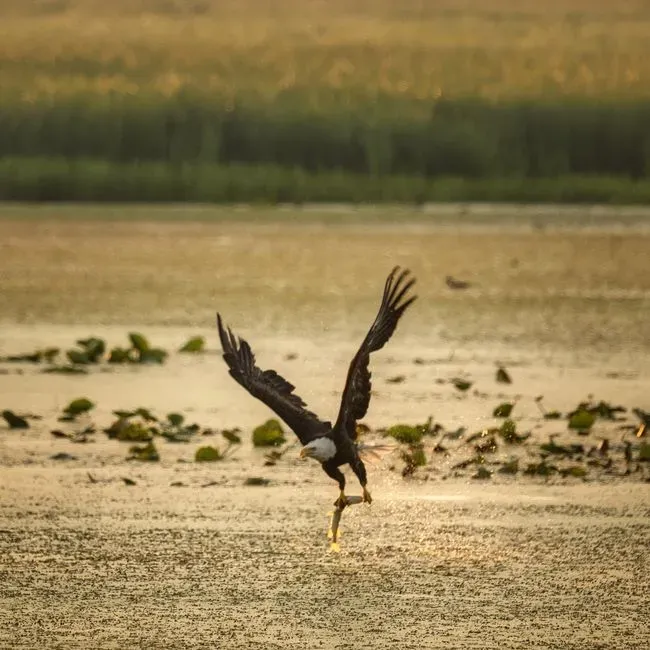
Blackwater is both a wildlife paradise and a front-row seat to sea level rise.
Blackwater sits on Maryland’s Eastern Shore, a vast mix of tidal marsh, forest and open water. Like Bombay Hook, it’s one of the Mid-Atlantic refuges that are easy to explore from your car. Bald eagles are a major draw, and the area is widely known for strong nesting numbers.
Here’s what most people don’t realize. The marsh itself is shrinking. Rising water, sinking land and saltwater intrusion have converted large areas of marsh to open water over the decades. Stands of dead and dying trees at the marsh edge are one visible sign.
That makes Blackwater a living classroom for climate-driven habitat change. Conservation teams have worked on restoration and marsh-building projects there for years, trying to give the land a fighting chance against the rising water.
You’ll find:
- Eagles and ospreys overhead
- Herons and egrets in shallow water
- Waterfowl in the colder months
Some visitors want only pristine scenery. But a place that shows both beauty and loss is more honest, and arguably more memorable.
But the next refuge lives on a road that the ocean keeps trying to take back.
#10 – Pea Island National Wildlife Refuge, North Carolina
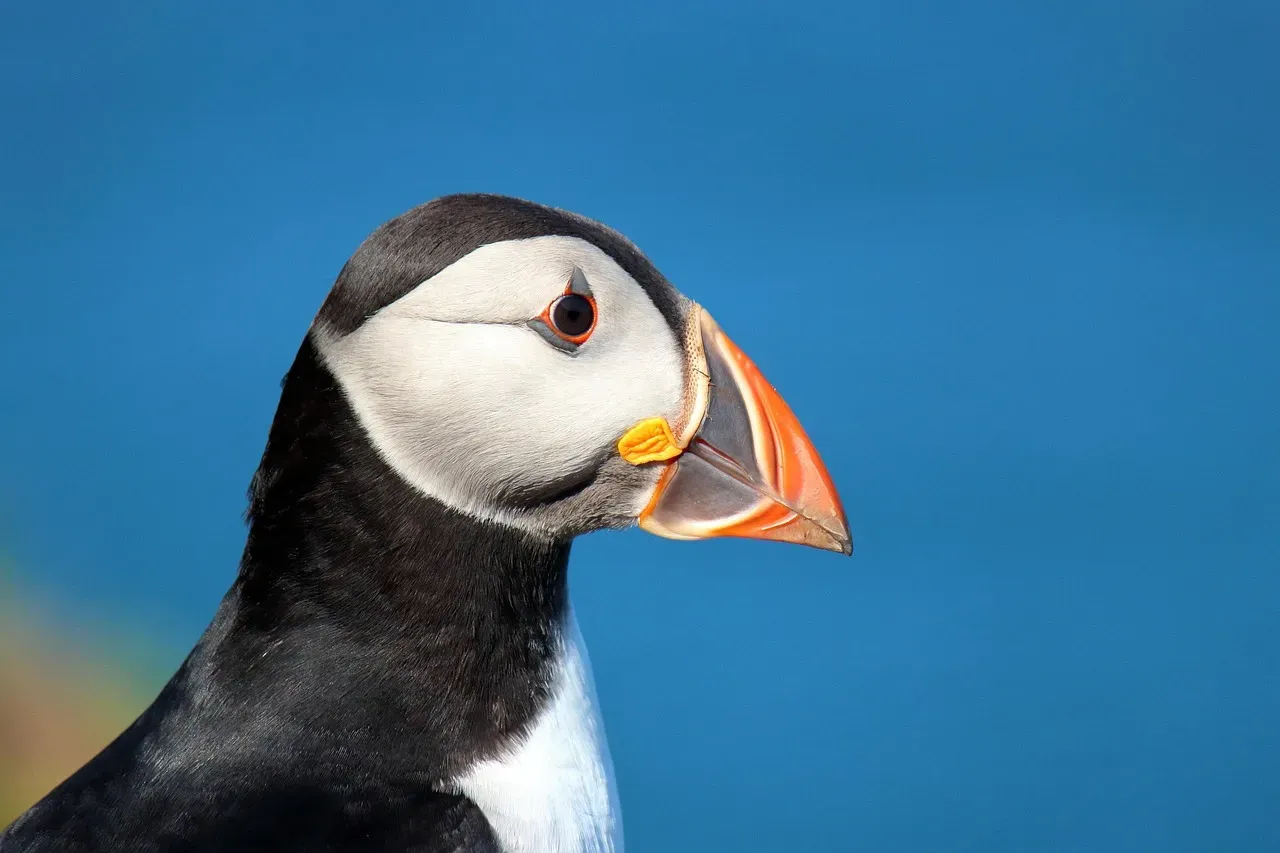
Pea Island is a thin strip of sand where birds outnumber beachgoers for much of the year.
Pea Island sits on the Outer Banks, and the Fish and Wildlife Service notes it is next door to Cape Hatteras National Seashore. If the beaches there feel packed, this refuge offers a quieter, wildlife-first alternative. A single coastal highway, NC 12, runs along the island, and storms regularly bury it in sand and water.
The barrier island setting is the whole story. Ponds and marsh on one side face the Atlantic on the other. That creates a magnet for migrating waterfowl and shorebirds, and a narrow island means you can see a lot of habitat in a short stretch.
Highlights include:
- Wetland trails with views over open water
- Strong fall and winter birding
- Beach habitat used by nesting sea turtles in summer
Barrier islands move. Storms push sand, flood roads and rearrange the shoreline. That’s why Pea Island doesn’t feel like a fixed postcard. It feels alive.
Many visitors treat the Outer Banks as strictly a beach trip. Honestly, that’s missing the best part.
But the next stop is home to one of the most famous animal events in America, and it’s not what you think.
#9 – Chincoteague National Wildlife Refuge, Virginia
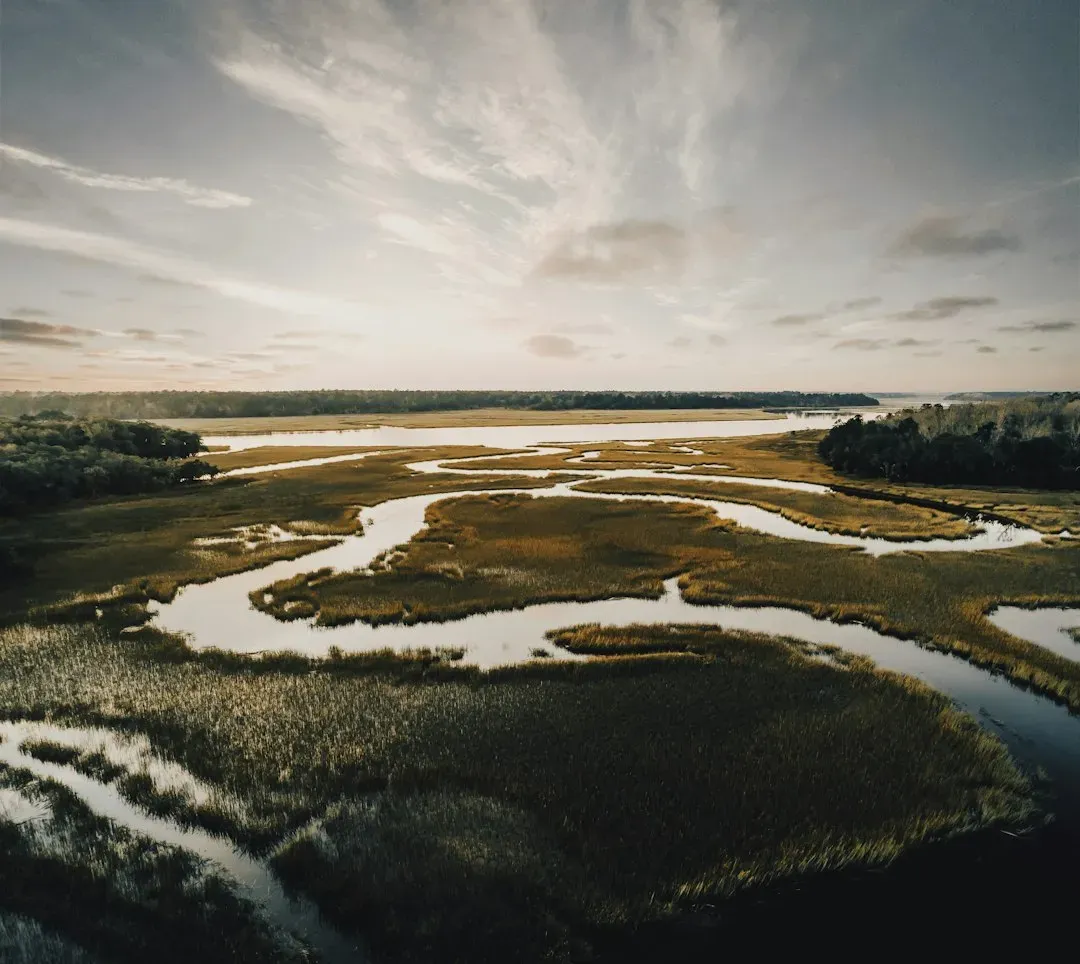
The wild ponies are famous, but the real wildlife story is the marsh behind them.
Chincoteague, on Virginia’s Eastern Shore, was made a national wildlife refuge in 1943. It sits just south of Assateague Island National Seashore. Many visitors know it from the ponies and the classic children’s book Misty of Chincoteague.
Here’s the part that surprises people. The ponies on the Virginia side are managed by a volunteer fire company, and the herd is kept to a limited size. They’re feral animals descended from domestic horses, not native wildlife in the strict sense.
The ecology is the deeper draw. Salt marsh, maritime forest and beach support shorebirds, waterfowl and migrating songbirds. The ponies actually help tell the story, because they graze a marsh that is far more crowded with life than it looks.
Quick planning notes:
- Spring and fall migrations are strong seasons
- The refuge works best for early morning visits
- Check current rules on pony viewing and beach access
An unpopular opinion: the ponies get the fame, but the birds deserve it.
But the next stop trades ocean views for something much stranger: a swamp the size of a small county.
Glass Hummingbird Feeder for Outdoors Hanging, 16 oz Leak-Proof Nectar Feeder with Bee Guards & Ant Moat
Check Price on AmazonAs an Amazon Associate, we earn from qualifying purchases.
10/7/2026 1:22 pm GMTi

Earth Rated XL Dog & Puppy Pee Pads, Discreet Top, Max Absorbency
Check Price on AmazonAs an Amazon Associate, we earn from qualifying purchases.
10/7/2026 1:28 pm GMTi

Halloween Cat Costume Cloak Witch Hat Pet Accessories
Check Price on AmazonAs an Amazon Associate, we earn from qualifying purchases.
10/9/2026 2:44 pm GMTi
Glass Hummingbird Feeder for Outdoors Hanging
Check Price on AmazonAs an Amazon Associate, we earn from qualifying purchases.
10/7/2026 1:21 pm GMTi

Smart Bird Feeder with Camera Solar Powered, 2K HD Live Video, 10,000+ Bird Species AI Identification
Check Price on AmazonAs an Amazon Associate, we earn from qualifying purchases.
10/7/2026 1:22 pm GMTi
#8 – Okefenokee National Wildlife Refuge, Georgia
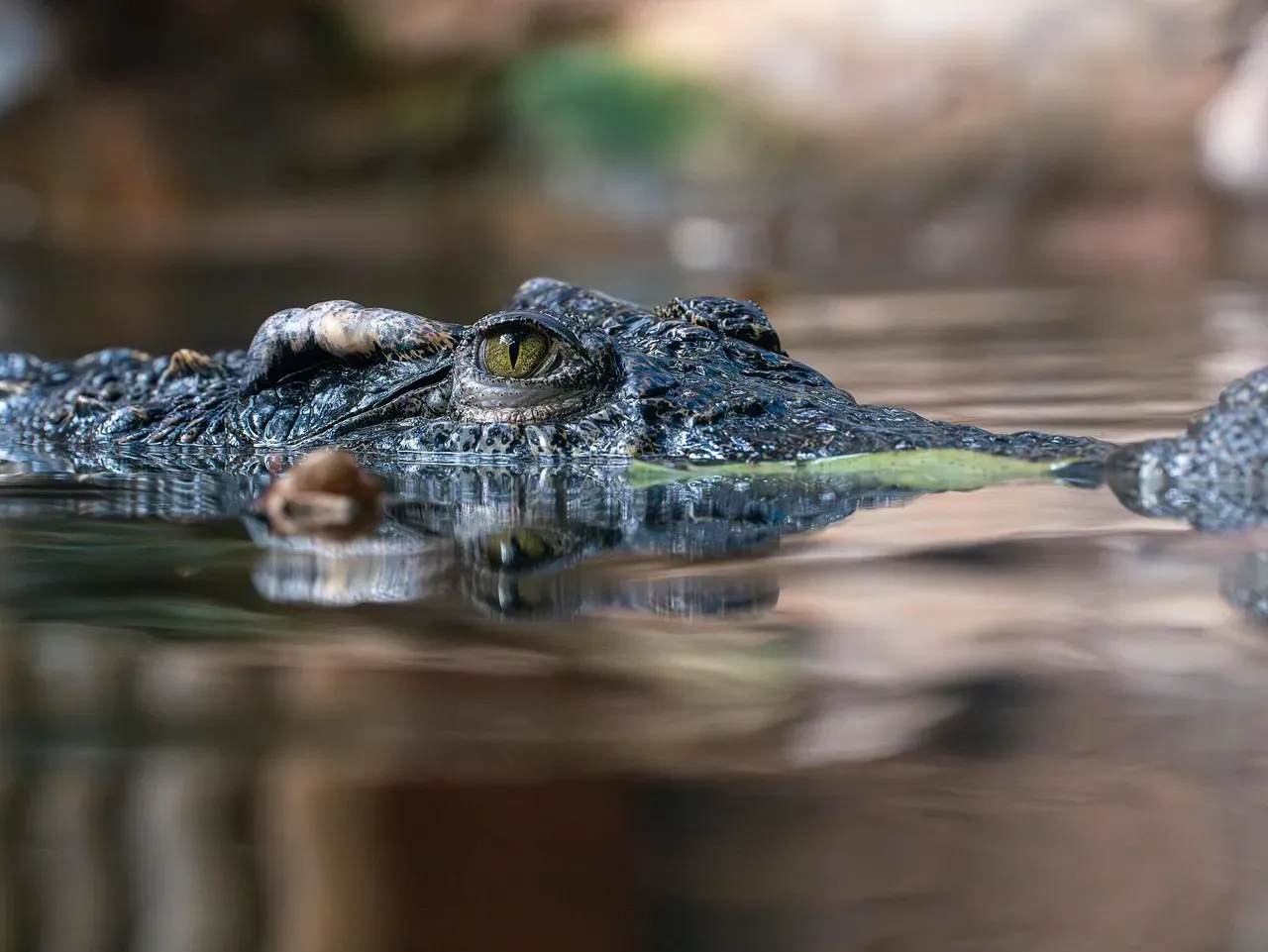
Okefenokee is a blackwater swamp where the ground literally quivers underfoot.
The Okefenokee Swamp spans the Georgia–Florida border region, and the refuge protects roughly 400,000 acres of it. The name is often translated as “trembling earth,” a nod to floating peat mats that can shake when you step near them. It’s the kind of detail that makes you stop talking and listen.
The water looks like tea. That color comes from tannins released by decaying plants. It’s not pollution. It’s chemistry at work, and it turns the surface into a dark mirror for the cypress trees.
Fast Facts
- Size: roughly 400,000 acres protected
- Established: 1937
- Name meaning: often translated as “trembling earth”
- Water color: tea-brown, thanks to natural tannins
Wildlife here includes alligators, wading birds and sandhill cranes. Boardwalks and paddling routes give very different views of the swamp. Many visitors spot more alligators from a quiet canoe than from any boardwalk.
Good to know:
- Summer heat and insects can be intense
- Water levels shape how far you can paddle
- Guided tours can be a smart choice for first-timers
A controversial thought: this swamp offers a wilder feel than some better-known wetlands, simply because few people think to visit.
But the next refuge is named for a cartoonist, and he changed American conservation more than most politicians.
#7 – J.N. “Ding” Darling National Wildlife Refuge, Florida
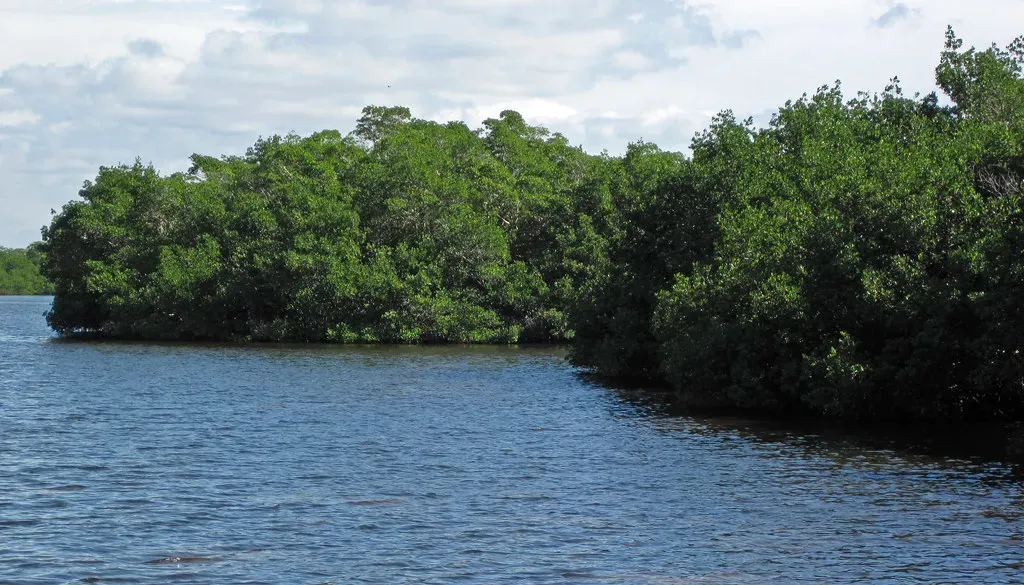
A Pulitzer Prize–winning cartoonist helped save this stretch of Sanibel Island from development.
Jay Norwood “Ding” Darling used his editorial cartoons to push for conservation. He later headed the federal Biological Survey and designed the first federal Duck Stamp, whose sales still fund habitat. The refuge on Sanibel Island carries his name, and AARP’s list of 15 recommended refuges includes it.
The mangroves are the real attraction. They protect shorelines and shelter young fish, while wading birds like egrets, herons and roseate spoonbills feed in the shallows. Low tide often brings the best bird activity, because exposed mudflats concentrate the food.
The Wildlife Drive is the classic way to explore. Pull over, stay quiet and let the birds ignore you.
But here’s an honest warning. The idea that refuges are always uncrowded doesn’t hold in Florida’s peak winter season. This one can get busy.
Planning basics:
- Go early or late in the day
- Check current road and facility status, since hurricanes have affected the area
- Bring binoculars, not just a phone camera
But the next refuge shares a fence line with a rocket launch site, and the wildlife doesn’t seem to mind.
#6 – Merritt Island National Wildlife Refuge, Florida
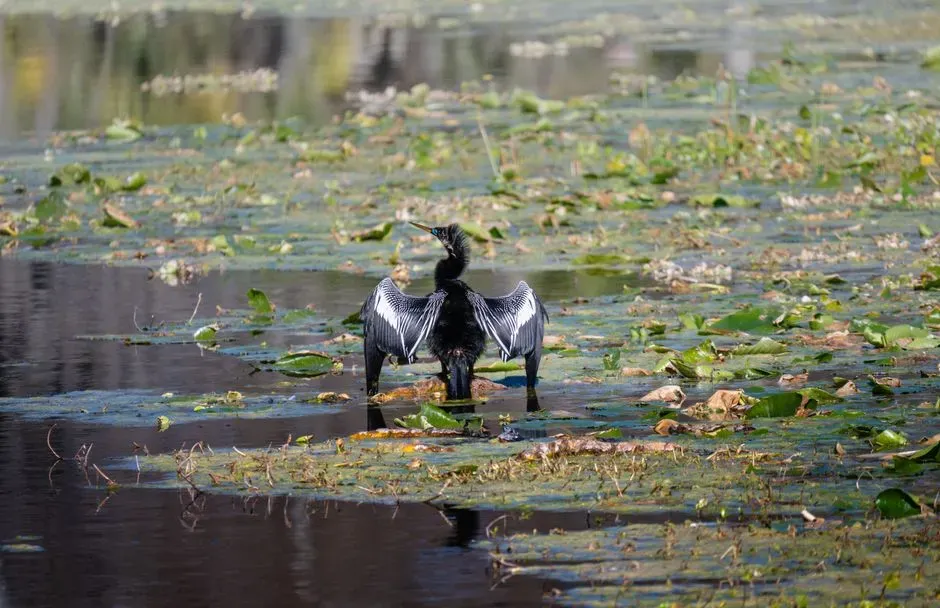
Some of Florida’s best wildlife viewing sits right beside the Kennedy Space Center.
The refuge was created in the 1960s on land NASA set aside as a buffer for the space program. Today Merritt Island is co-managed with Canaveral National Seashore. That odd origin story protected a huge stretch of coastal habitat from development.
The mix of lagoon, marsh, hammock and scrub supports manatees, alligators, bald eagles and wading birds. It’s often cited as having more threatened and endangered species than almost any other refuge in the lower 48. Rocket launches and wildlife share the same sky.
You can combine both on one trip. Check launch schedules and local access notices first, because closures can happen.
Why it’s worth a detour:
- Drive-through wildlife routes
- Strong winter birdwatching
- Lagoon views that feel remote despite nearby highways
Here’s a strong opinion. If you’re choosing between a crowded theme-park week and a day here, the refuge is the better bet for anyone who loves animals.
But the next refuge sits on a very different coast, where the tide reshapes everything twice a day.
#5 – Billy Frank Jr. Nisqually National Wildlife Refuge, Washington
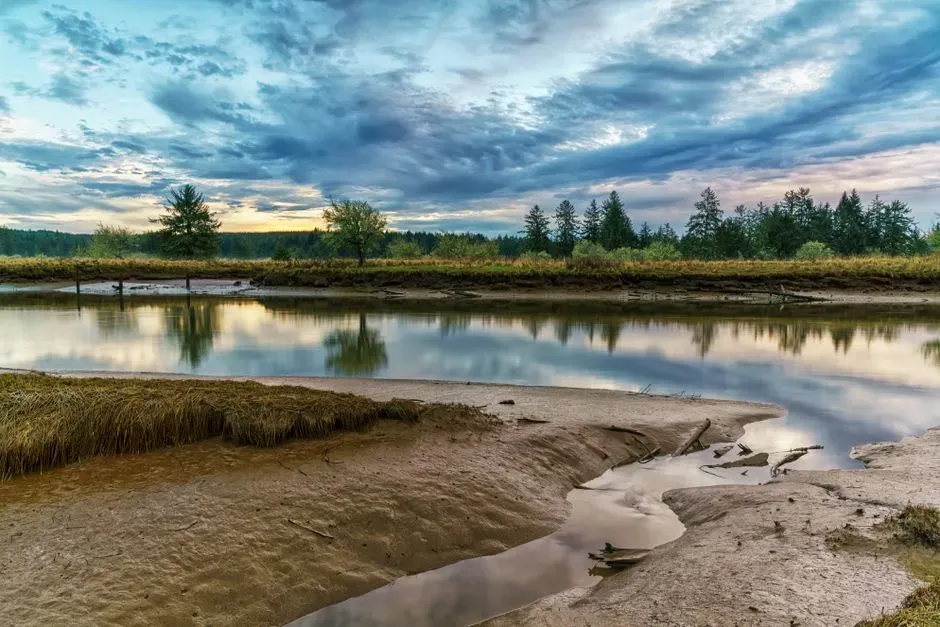
Here, a river delta was given back to nature, and the fish noticed fast.
The Fish and Wildlife Service pairs Nisqually with Olympic National Park for travelers around Puget Sound. It sits between Olympia and Tacoma and is easy to reach from I-5. It’s named for Billy Frank Jr., a Nisqually tribal leader and treaty-rights advocate.
The refuge is known for a major estuary restoration, where dikes were removed so tides could flood the delta again. Estuaries matter because they’re nurseries for salmon and feeding grounds for birds. Opening the dikes let the river and the sea mingle again, and the habitat rebuilt itself around that mixing.
Worth Knowing
- The dikes came down in 2009, reconnecting roughly 760 acres of delta to the tides
- It’s often described as the largest estuary restoration in the Pacific Northwest
- The refuge was established in 1974
- Low and high tide can make the same boardwalk view look completely different
A boardwalk lets you walk out over the tidal flats. You might see raptors, ducks, herons and harbor seals, depending on the season.
What to look for:
- Waterfowl in winter
- Salmon-driven food webs
- Tidal change that transforms the view in hours
Here’s the surprising part. The best wildlife day here might be a rainy one, when the crowds vanish.
But the next refuge protects an animal found nowhere else on Earth, and it nearly vanished.

Hand Blown Glass Hummingbird Feeders for Outdoors Hanging, 24oz Wild Bird Nectar Feeder
Check Price on AmazonAs an Amazon Associate, we earn from qualifying purchases.
10/7/2026 1:23 pm GMTi
PetSafe Oasys Pet Fountain, 1/2 Gallon (64 oz), Small Dogs & Cats
Check Price on AmazonAs an Amazon Associate, we earn from qualifying purchases.
10/8/2026 8:14 am GMTi

Halloween Dog Collar with Bow, Orange Cute Ghost Collar,
Check Price on AmazonAs an Amazon Associate, we earn from qualifying purchases.
10/9/2026 2:43 pm GMTi

Orthopedic Extra Large Dog Bed, Waterproof Washable XL Pet Bed 44"
Check Price on AmazonAs an Amazon Associate, we earn from qualifying purchases.
10/7/2026 1:32 pm GMTi

Air Purifiers for Home Pets Large Room Up to 3000 Ft²,HEPA Air Cleaner with Washable Double-Side Filter, PM2.5 Air Quality Monitor,15dB Sleep Mode for Bedroom Odor Dust Pollen,White
Check Price on AmazonAs an Amazon Associate, we earn from qualifying purchases.
10/8/2026 8:23 am GMTi
#4 – San Luis National Wildlife Refuge, California
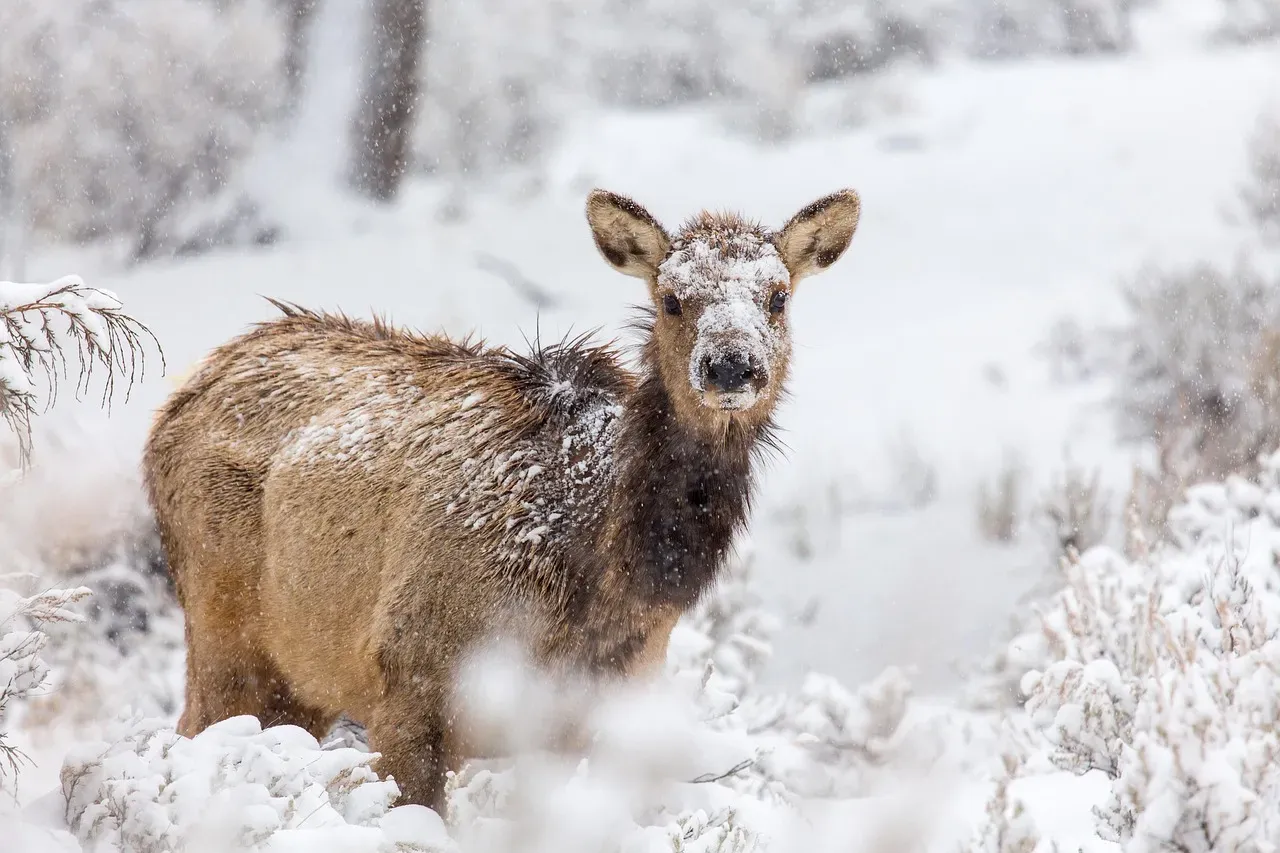
You can see California’s own elk here, a species that was once pushed to the brink.
The Fish and Wildlife Service points travelers from Yosemite National Park toward San Luis National Wildlife Refuge in the Central Valley. If Yosemite Valley feels like a parking lot in summer, this is a very different experience. Tule elk are found only in California.
The elk were reduced to a tiny remnant in the 1800s. Conservation and reintroduction efforts helped them rebound, and refuges play a key role. A species saved from near-extinction is now viewable from a short drive.
The refuge also supports the Pacific Flyway. Most of the Central Valley’s historic wetlands have been lost, so the surviving wetlands act as critical winter habitat for ducks, geese and cranes. In a valley known for farmland, they’re the last stretch of the old landscape.
Best bets:
- Tule elk in open grassland areas
- Waterfowl in cooler months
- Cranes during seasonal migration
Some travelers want only “iconic” landscapes. This refuge argues for something better: iconic recovery.
But the next refuge sits in the middle of the desert, and it hides a fish with a worldwide reputation.
#3 – Ash Meadows National Wildlife Refuge, Nevada
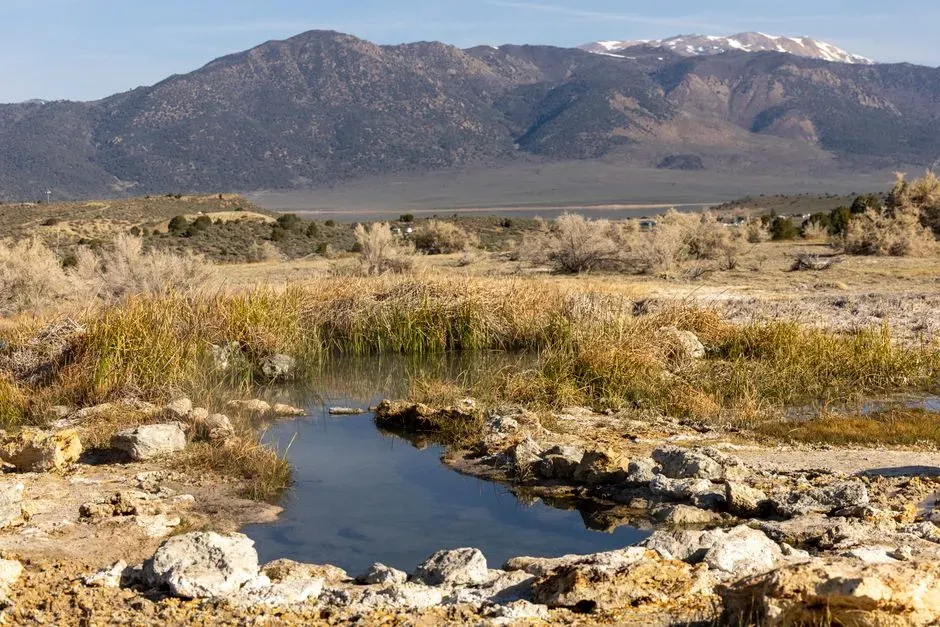
An oasis in the Mojave Desert hosts species that exist nowhere else on the planet.
The Fish and Wildlife Service notes that Ash Meadows is 48 miles east of Death Valley National Park. Death Valley draws huge visitor numbers. Ash Meadows draws far fewer, yet its biological value is enormous.
Quick Compare
- Death Valley National Park: about 3.4 million acres, famous for extreme heat and vast views
- Ash Meadows refuge: a small fraction of that size, famous for spring-fed pools and rare species
- The twist: the smaller place holds more than two dozen species found nowhere else
Springs here bubble up in a landscape that otherwise looks lifeless. Over thousands of years, isolated fish, insects and plants evolved separately in each pool. That’s why the refuge is often described as having an unusually high number of endemic species, more than two dozen found nowhere else.
The Devils Hole pupfish lives in a single, water-filled cavern. Its population has swung from dozens to a few hundred, which makes it one of the rarest fish on Earth. Strangely, Devils Hole itself is a detached piece of Death Valley National Park sitting inside the refuge.
You can see boardwalks and spring pools, but access to some sensitive spots is restricted for good reason.
Plan for:
- Extreme summer heat
- Limited services nearby
- Strict rules in sensitive habitat
But the next stop is even more remote, and its desert mountains hide something most visitors never expect.
#2 – Kofa National Wildlife Refuge, Arizona
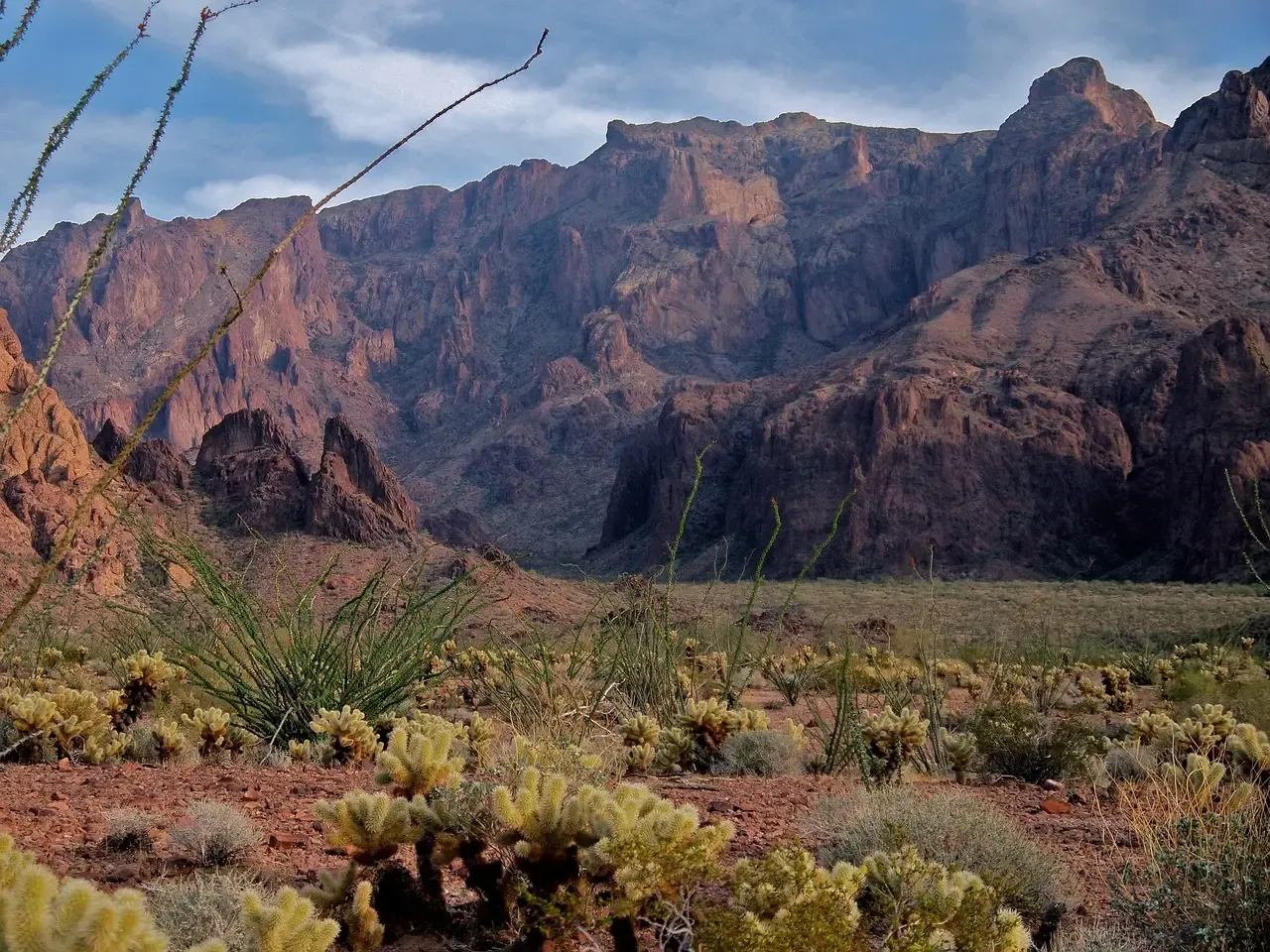
Kofa is one of the wildest, loneliest places you can reach in the Lower 48.
Camping and RV blogs list it among the quiet refuges worth a detour. The refuge covers hundreds of thousands of acres of desert mountain and wash, and most of it is rugged backcountry. The name comes from the old King of Arizona mine.
The big draw is desert bighorn sheep. They’re shy, so binoculars and patience matter. Palm Canyon holds one of Arizona’s few native palm stands, a surprise in the middle of dry rock.
Services are minimal. That’s the point, but it requires preparation.
Essential prep:
- Carry extra water and fuel
- Check road conditions, and consider high-clearance vehicles
- Avoid summer heat, which can be dangerous
Now the contrarian opinion. If you only want easy scenery, skip it. Kofa rewards people who want silence, not convenience.
But the final entry is bigger than some entire states, and it’s where the bears are.

Portable Dog Water Bottle Foldable Dog Travel Water Bottle
Check Price on AmazonAs an Amazon Associate, we earn from qualifying purchases.
10/7/2026 1:29 pm GMTi

2 Pcs Halloween Pet Hat Bandana Set, Witch Pumpkin Costumes for Dogs
Check Price on AmazonAs an Amazon Associate, we earn from qualifying purchases.
10/9/2026 2:45 pm GMTi

Professional 7 in 1 Dog Paw Cleaner for Dogs & Cats - Includes 1 Portable Paw Washer, 1 Bath Brush
Check Price on AmazonAs an Amazon Associate, we earn from qualifying purchases.
10/7/2026 1:26 pm GMTi

Dog Stairs for Bed 18" H, 4-Step Dog Steps for High Bed
Check Price on AmazonAs an Amazon Associate, we earn from qualifying purchases.
10/9/2026 2:42 pm GMTi
#1 – Kenai National Wildlife Refuge, Alaska
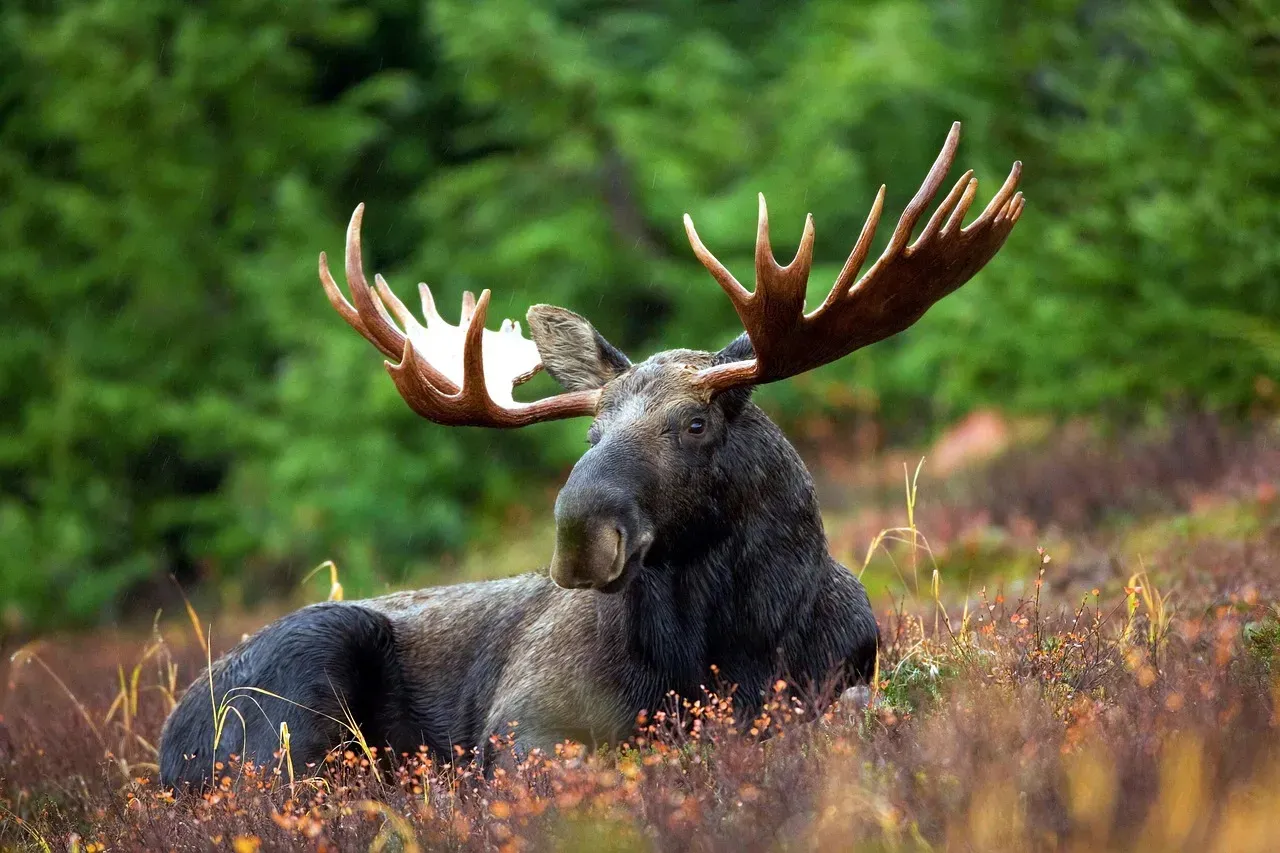
If you want the “big wild” experience without chasing a permit, this is the refuge to know.
Kenai covers roughly two million acres on Alaska’s Kenai Peninsula, and it’s reachable by road from Anchorage. It began in 1941 as a moose range. Among Alaska’s many refuges, it’s one of the most accessible.
Moose are the classic sight, but the refuge also supports bears, wolves, Dall sheep, loons and salmon runs. Few places combine mountains, lakes, rivers and wildlife this close to a major city.
Trails, canoe routes and roadside viewing all work here. Bear safety is non-negotiable. Carry bear spray, make noise and keep food secured.
Why it ranks first:
- Huge range of habitats
- Wildlife encounters that feel unscripted
- Road access without park-style crowds
Here’s the final opinion. If you’ve been planning a once-in-a-lifetime Alaska trip around one famous park, consider whether a refuge could deliver more wildlife for less stress.
And that brings us to the real takeaway behind all 15.
Crowded parks are not the only way to see America’s wildlife. National wildlife refuges are home to roughly 700 bird species, 220 mammal species, 250 reptile and amphibian species, and more than 1,000 fish species. Quiet doesn’t mean second-rate. It often means better.
Our take: the “crowd-free” label is never guaranteed. Florida in February proves it. Refuges also close roads, restrict areas and run hunting seasons, so check each refuge’s official page before you go.
The winners here aren’t the most famous. They’re the ones that fit your season, your budget and your patience. Which refuge on this list would you defend as the best, and which one doesn’t deserve its spot?