


Picture the classic Yellowstone moment. One bison wanders onto the road, brake lights ripple back for a mile, and a few hundred people lean out their windows for the same blurry photo. About 4.5 million people visit each year, and on a July afternoon it can feel like all of them are in that line. These 19 parks prove you can see more animals with a fraction of the crowd.
Here’s the twist: a famous name doesn’t guarantee a better wildlife show. Sightings depend on animal density, habitat and how many cars sit between you and the animal, and plenty of lesser-known parks win on all three. One park on this list has a fox found nowhere else on Earth. Another built an entire bus system to protect its animals. And the park at #1 has the most famous wildlife photo in America, along with one honest catch. A few spots still get busy in peak months, and we’ll flag those as we go.
#19 – Theodore Roosevelt National Park, North Dakota
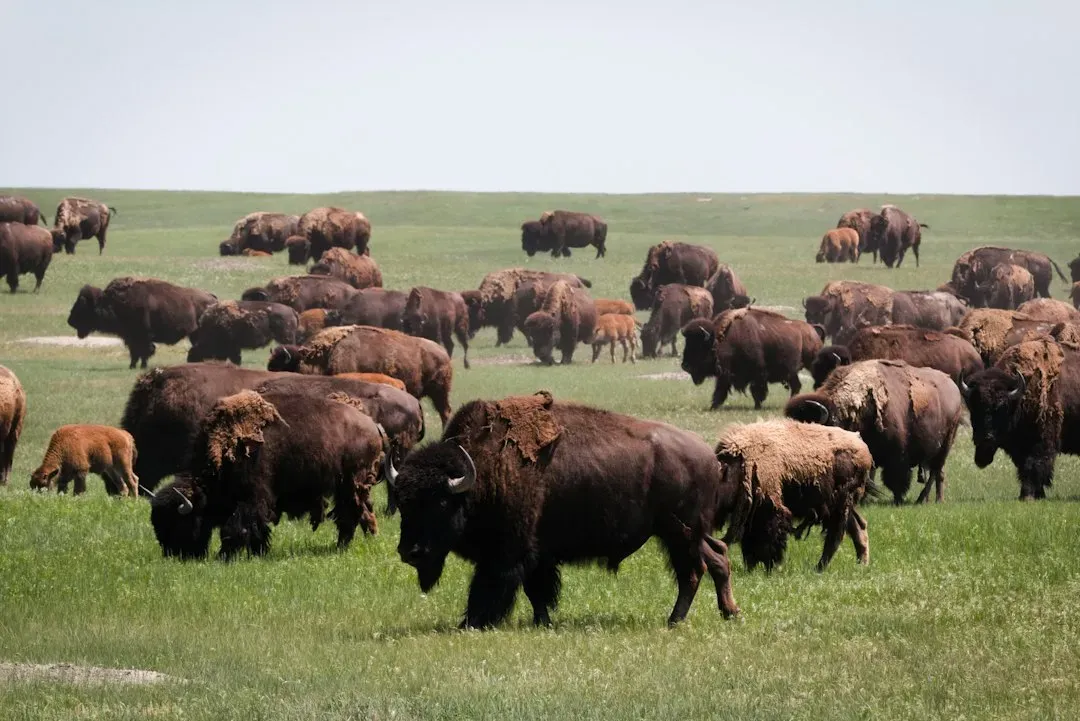
Bison watching here doesn’t require a roadside standoff. Bison weigh roughly a ton apiece, making them North America’s largest land mammals, and these North Dakota badlands hold hundreds of them.
The South Unit’s 36-mile Scenic Loop Drive winds past prairie dog towns, grassy flats and river breaks. Bison, elk, wild horses and prairie dogs can all turn up within the same few miles. Mule deer bound along the ridges while prairie dogs bark warnings from their mounds.
When traffic does stop, it’s usually one unhurried bison parked on the pavement. You may be the only car waiting. Most travelers never consider North Dakota, and that’s exactly why the animals feel like they belong to you.
- Best bets: bison, prairie dogs, wild horses
- Best timing: early morning and near sunset
But the next park hands you a bison herd with a wildlife loop built just for you…
#18 – Custer State Park, South Dakota
This one isn’t a national park, and that’s why it flies under the radar. South Dakota runs Custer as a state park, and it’s one of the richest wildlife spots in the country.
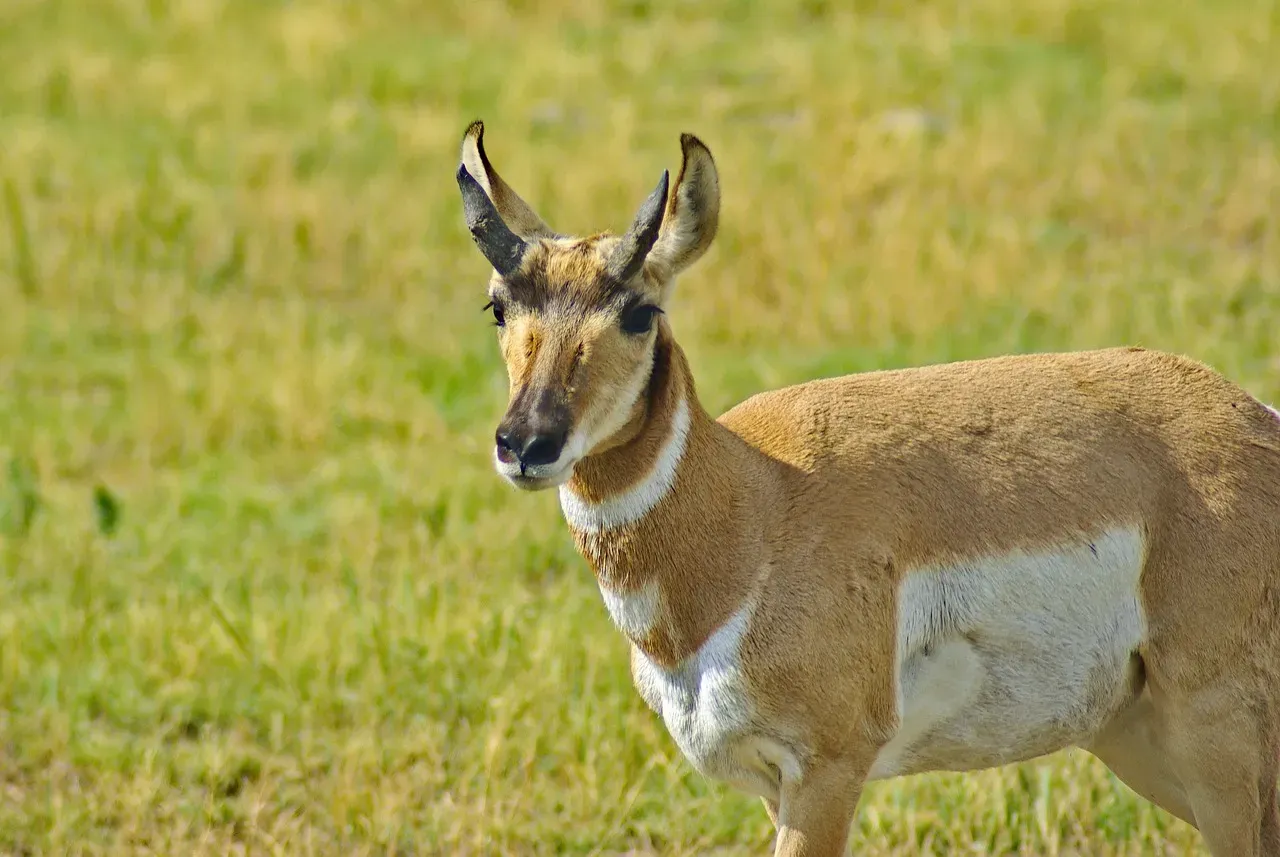
The 18-mile Wildlife Loop Road passes pronghorn, elk, mountain goats, prairie dogs and one of the largest bison herds in the country. You can see five or six species before your coffee gets cold. Sometimes the bison simply surround your car and walk on by.
Then there are the burros. Free-roaming “begging burros,” descended from pack animals once used in the area, walk right up to car windows. Few other parks have wildlife this relaxed around vehicles.
Please don’t feed them. The burros get pushy, and human food is bad for them. Roll up your window, take the photo and move on. One caution: the late-September Buffalo Roundup draws big crowds, so skip that weekend if solitude is the goal.
Next, a park where the animals are the ones with the island all to themselves…
#17 – Isle Royale National Park, Michigan
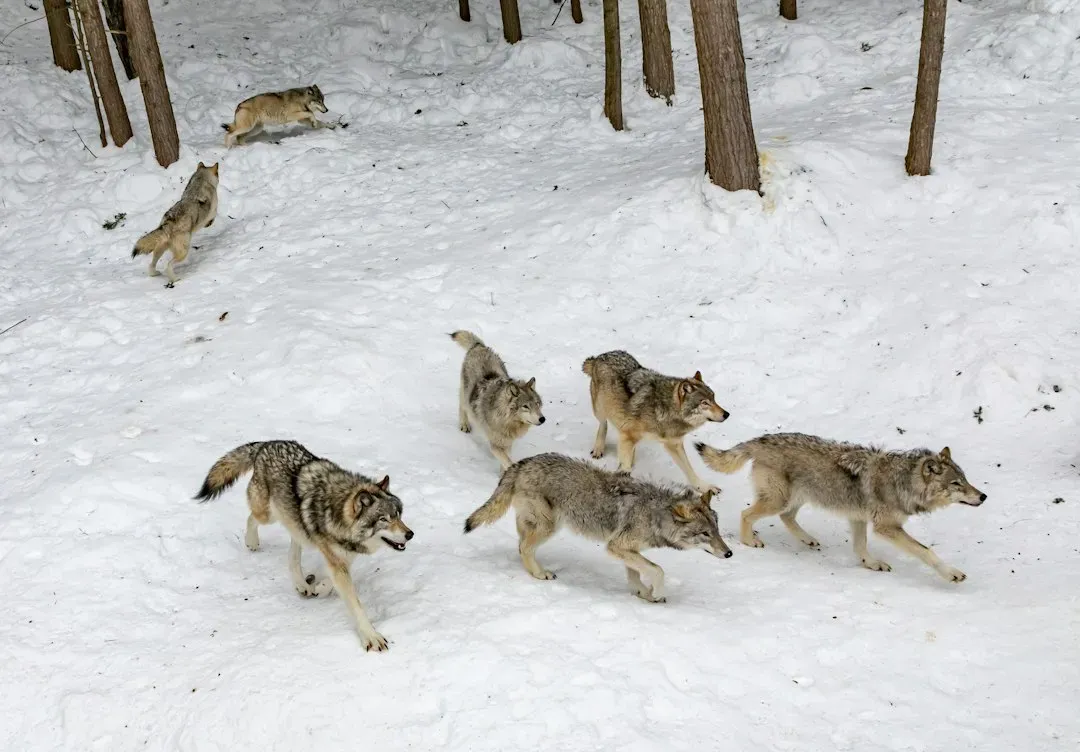
Here’s an unpopular opinion: wolves are the wrong reason to go.
This roadless island in Lake Superior is Michigan’s largest wilderness area, and its wolves and moose anchor a famous long-running wildlife study. Isle Royale hosts one of the longest-running predator-prey studies on Earth. Wolves nearly vanished from the island, and the park brought in new ones starting in 2018.
But wolves are elusive everywhere, and they’re no easier here. Moose are the realistic target. They wade through lakeshores and wetlands, and hikers often round a bend and find one chewing lily pads.
The island is reachable only by boat or seaplane, which caps the crowds. The park closes for the winter, and ferry schedules fill, so plan ahead.
At a Glance
- Size: about 45 miles long and 9 miles wide at its widest
- Wolf and moose research here has been running since 1958
- Ferries leave from Michigan and Minnesota, and seaplanes fly from Michigan
- Season: roughly mid-April through October
Go for the moose, the loons, the foxes and the silence. Any wolf is a bonus, not a promise.
Next up, an island with a fox you can’t see anywhere else on Earth…
#16 – Channel Islands National Park, California
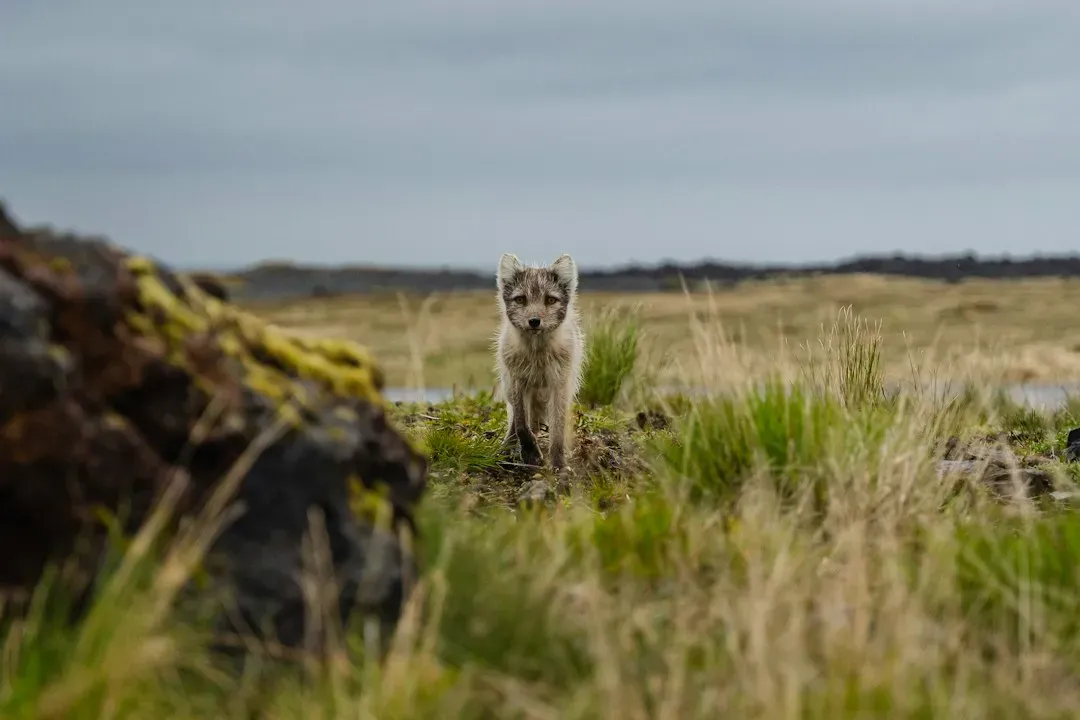
The “California’s Galapagos” label is earned. These islands offer outstanding wildlife viewing just off the mainland coast, and plenty of their residents exist nowhere else.
The star is the island fox, a pint-sized predator found on the Channel Islands and nowhere else. It’s roughly the size of a house cat, bold and unbothered by hikers. Island foxes evolved to be much smaller than their mainland relatives.
Sea life rounds out the show. Expect sea lions, seals and seabirds, with dolphins and whales possible on the boat ride out.
- Access: boat or plane only
- Highlights: island foxes, pinnipeds, seabirds
The next stop has horses nobody owns…
#15 – Cumberland Island National Seashore, Georgia
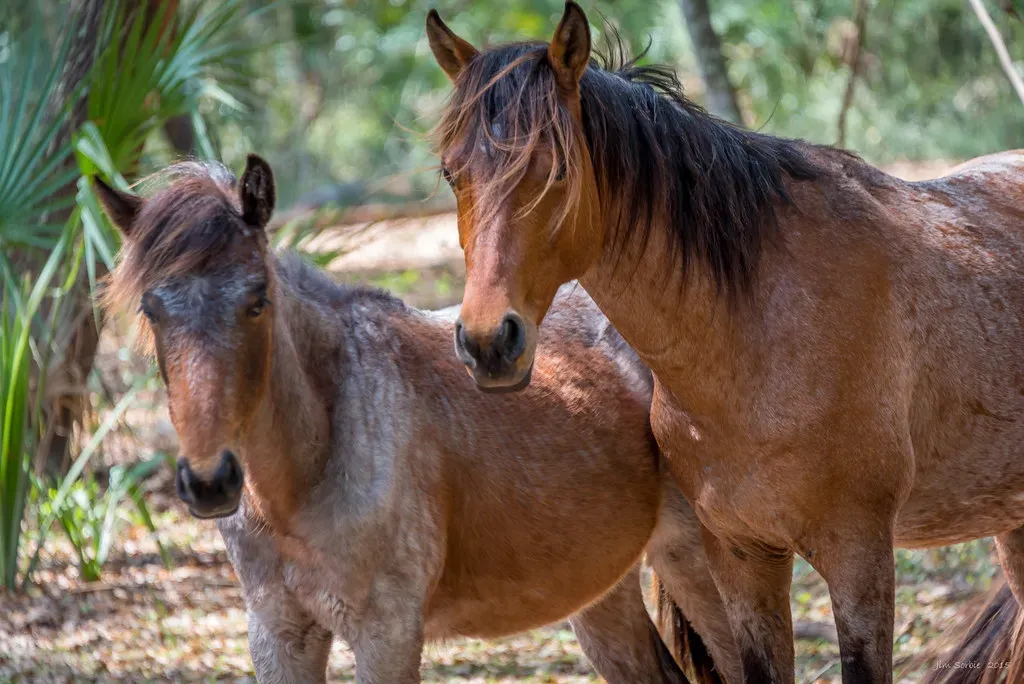
Most visitors drive past Georgia’s coast without knowing this place exists.
The island is reachable only by ferry, and the park limits how many people come each day. On the beaches and in the live-oak forest, feral horses graze like they own the place. Armadillos, wild turkeys and shorebirds share the same dunes.
Sea turtles nest on these beaches in summer. Loggerhead nesting season runs roughly from late spring through the summer, which makes this a rare case where peak season actually helps.
Don’t expect Yellowstone-style megafauna. Expect quieter, more intimate encounters. One horse grazing in the dunes at sunrise can beat an hour of bison traffic.
Next, we cross the continent to a place where the whales do the sightseeing too…
#14 – Glacier Bay National Park, Alaska
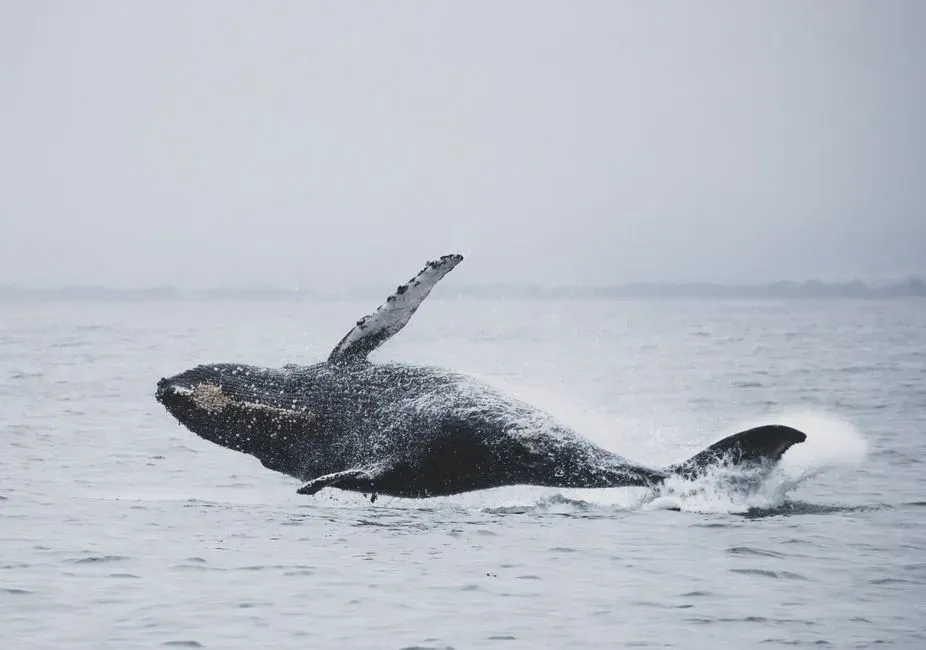
Denali gets the fame. Glacier Bay’s 3.3 million acres of coast and ice offer something Denali doesn’t: a true mix of land and marine animals.
You can see humpback whales, sea otters, harbor seals, puffins, brown bears and mountain goats in one trip. Few parks in the country let you spot both a whale and a bear in the same day. Most visitors see the park from the water, and vessel limits keep the bay from feeling like a highway.
The scenery is a bonus. Glaciers calve into the bay while otters float on their backs below, cracking shellfish on their bellies.
- Best bets: humpbacks, sea otters, seals, seabirds
- Bonus: bears and goats along the shorelines
The next park is mostly water, so don’t pack hiking boots…
#13 – Biscayne National Park, Florida

Here’s the twist: you won’t see most of the wildlife from land. About 95% of this park is water, and the best animals live beneath the waves.
That makes it a snorkeler’s park. The coral reef supports colorful fish, sea turtles and, with luck, manatees. A national park a short drive from Miami has more marine life than land animals.
You can even snorkel past old shipwrecks on the park’s Maritime Heritage Trail. Mangrove shorelines add herons, egrets and pelicans for anyone who stays above the surface.
Boat access limits how many people get in, which helps explain why it feels so quiet. If you skip the boat, you skip the park. Book a tour or rent a vessel.
- Best for: snorkeling and boat-based viewing
- Best time: calm, clear days with good visibility
Next, a desert park where the real action starts when the sun goes down…
#12 – Big Bend National Park, Texas
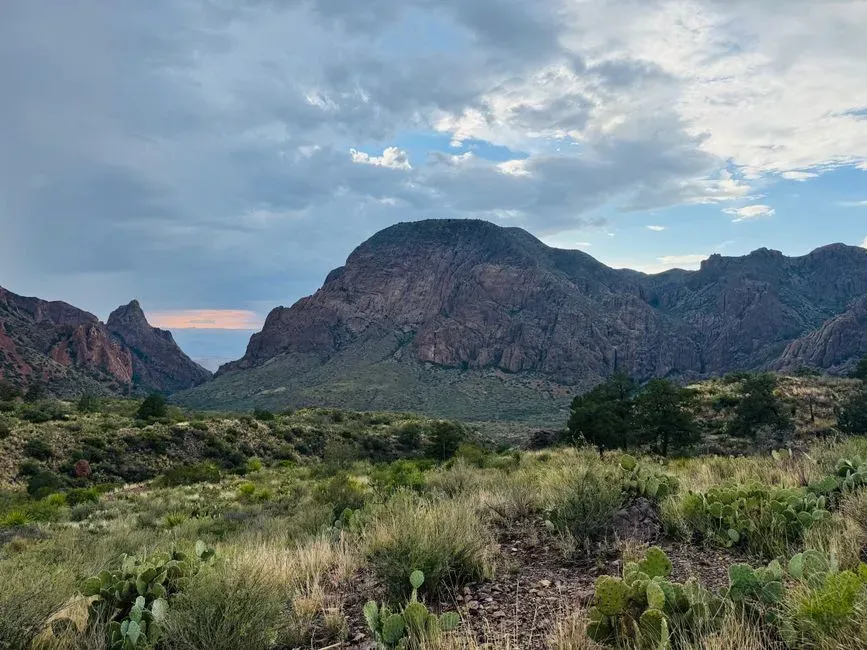
Deserts look empty at noon. That’s the mistake.
Most desert wildlife avoids the blazing midday sun, so the best time to see many animals is at night or early morning. Big Bend rewards the early riser with javelinas, roadrunners, coyotes and, more rarely, black bears and mountain lions.
Big Bend is also known for exceptional birding, with more than 450 species recorded. The Chisos Mountains, river corridors and desert scrub all draw different birds. The Colima warbler, a Mexican species, nests in the U.S. almost exclusively in the Chisos.
The remote location means fewer people. It’s a long drive from anywhere, and summer heat keeps many visitors away. The night sky is a bonus, since the park is a designated International Dark Sky Park.
Next, a mountain park with black bears right off the scenic drive…
#11 – Shenandoah National Park, Virginia
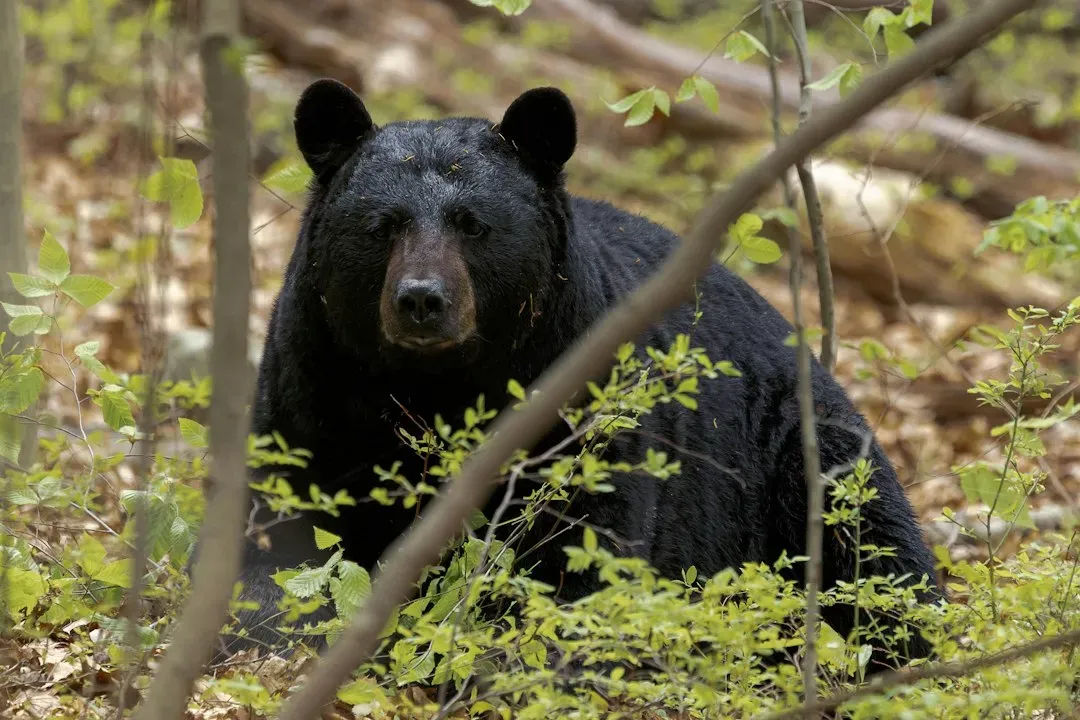
Everyone heads to the Smokies. Shenandoah quietly offers similar wildlife with far fewer people.
The Smokies regularly top 12 million visitors a year, and Shenandoah sees only a small fraction of that. You still get waterfalls, ridgeline views and plenty of animals. The difference shows up on the road.
Black bears and white-tailed deer are the regulars along 105-mile Skyline Drive and the trails. Black bear sightings here are common enough that rangers regularly give bear-safety advice. Take it seriously.
Glass Hummingbird Feeder for Outdoors Hanging, 16 oz Leak-Proof Nectar Feeder with Bee Guards & Ant Moat
Check Price on AmazonAs an Amazon Associate, we earn from qualifying purchases.
10/7/2026 1:22 pm GMTi

Halloween Dog Collar with Bow, Orange Cute Ghost Collar,
Check Price on AmazonAs an Amazon Associate, we earn from qualifying purchases.
10/9/2026 2:43 pm GMTi

Professional 7 in 1 Dog Paw Cleaner for Dogs & Cats - Includes 1 Portable Paw Washer, 1 Bath Brush
Check Price on AmazonAs an Amazon Associate, we earn from qualifying purchases.
10/7/2026 1:26 pm GMTi

PetSafe Oasys Pet Fountain, 1/2 Gallon (64 oz), Small Dogs & Cats
Check Price on AmazonAs an Amazon Associate, we earn from qualifying purchases.
10/8/2026 8:14 am GMTi
Glass Hummingbird Feeder for Outdoors Hanging
Check Price on AmazonAs an Amazon Associate, we earn from qualifying purchases.
10/7/2026 1:21 pm GMTi
Fast Facts
- Skyline Drive has a 35 mph speed limit, so animals get a fair chance to be noticed
- Shenandoah draws roughly 1.5 million visitors a year, versus 12 million-plus for the Smokies
- Four entrance stations make it easy to jump on and off the drive
- Deer are almost guaranteed. Bears take a little more patience
Fall brings foliage crowds, so go in late spring or on a weekday for the best balance.
- Best bets: black bears, deer, wild turkeys
- Best timing: early morning and late afternoon
Next, a prairie park where a tiny, nearly vanished weasel is making a comeback…
#10 – Badlands National Park, South Dakota
Most people rush through the loop road and miss the best part.
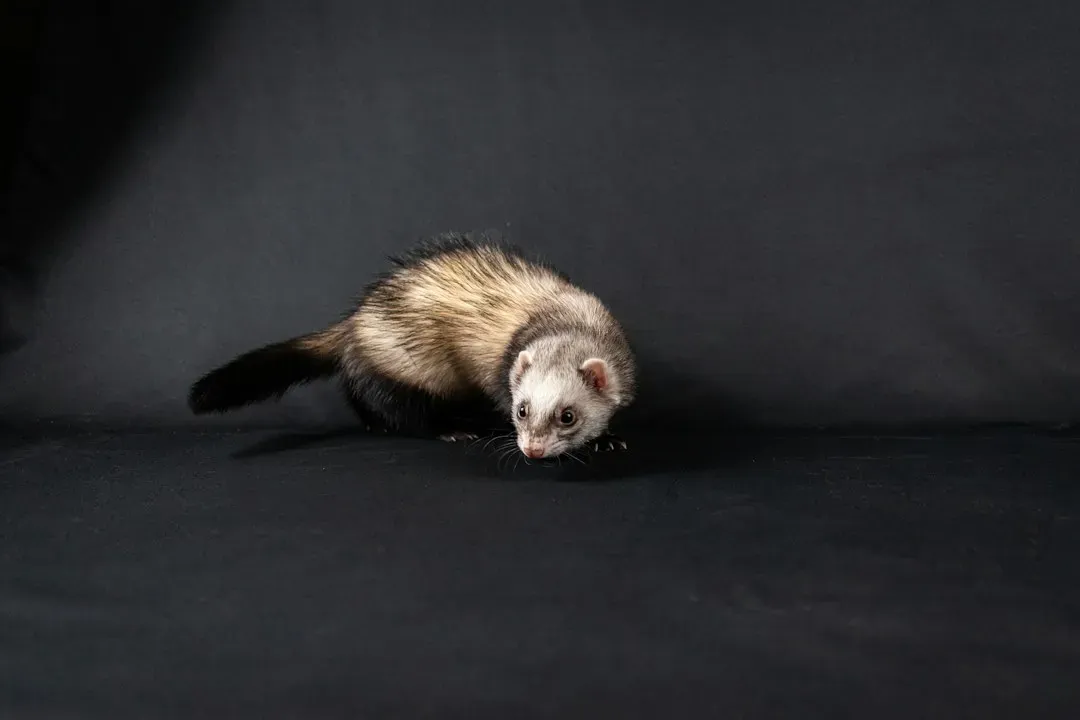
Badlands holds bison, bighorn sheep, pronghorn and prairie dog towns. Black-footed ferrets, one of North America’s rarest mammals, have been reintroduced in the area. They were once feared extinct. They’re nocturnal, so sightings are rare, but their comeback is a conservation highlight.
Bighorn sheep cling to the rugged formations. Bison graze the grasslands, and prairie dogs yip from their burrows. Everything out here has a lookout post.
Next, a park where the prairie sits on top of a famous cave…
#9 – Wind Cave National Park, South Dakota
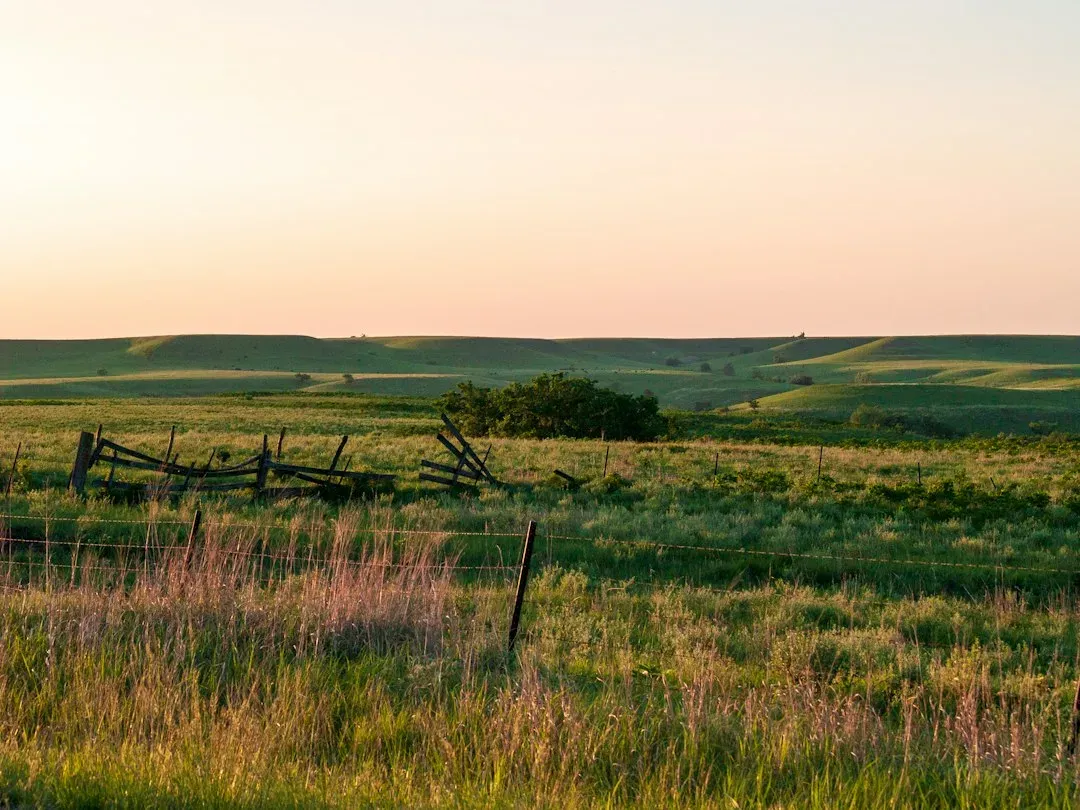
Most people come for the cave. Smart travelers stay for what’s above it.
The park protects one of the few remaining stretches of mixed-grass prairie. Its bison herd is prized by wildlife managers as one of the few considered free of cattle genes. Elk, pronghorn and prairie dogs fill out the cast.
The prairie above the cave is wilder than most visitors expect. Rolling grass, ponderosa pine edges and open sky make animals easy to spot at a distance. Because the park is less famous than its neighbors, you often get it to yourself.
- Best bets: bison, elk, pronghorn, prairie dogs
- Pair it with Custer State Park next door
It’s an easy add-on if you’re already in the Black Hills.
Next, a Seward harbor town with a fjord full of marine life…
#8 – Kenai Fjords National Park, Alaska
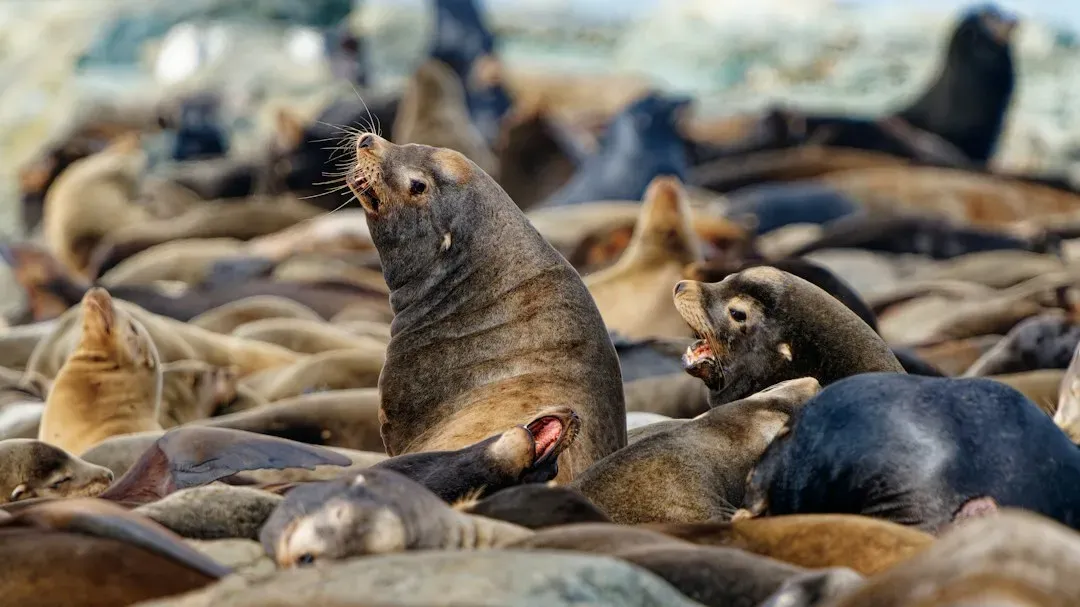
Forget land animals. This park’s wildlife swims.
Boat tours out of Seward cruise past orcas, humpback whales, sea otters, Steller sea lions and puffins. Steller sea lions are the largest of the eared seals. Big males can weigh around a ton, and they haul out on rocky ledges in noisy colonies.
The scenery is dramatic, but the animals are the draw. Tidewater glaciers calve into the water as seabirds wheel overhead.
- Best bets: whales, sea otters, sea lions, puffins
- Access: day boat tours from Seward
Next, a redwood forest with a surprising herd of giants…
#7 – Redwood National and State Parks, California
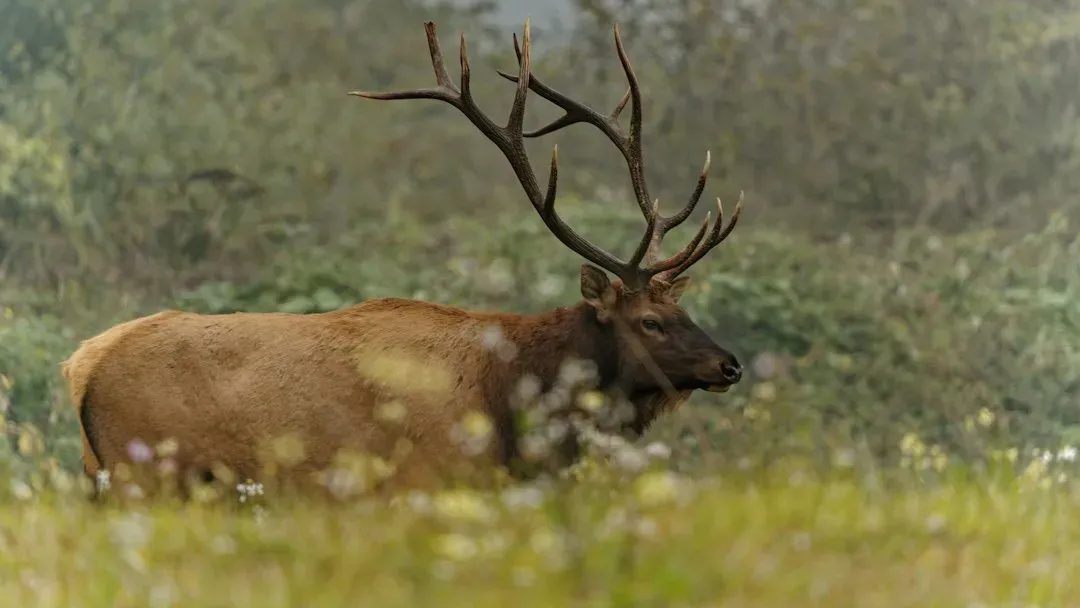
You come for the trees. You leave talking about the elk.
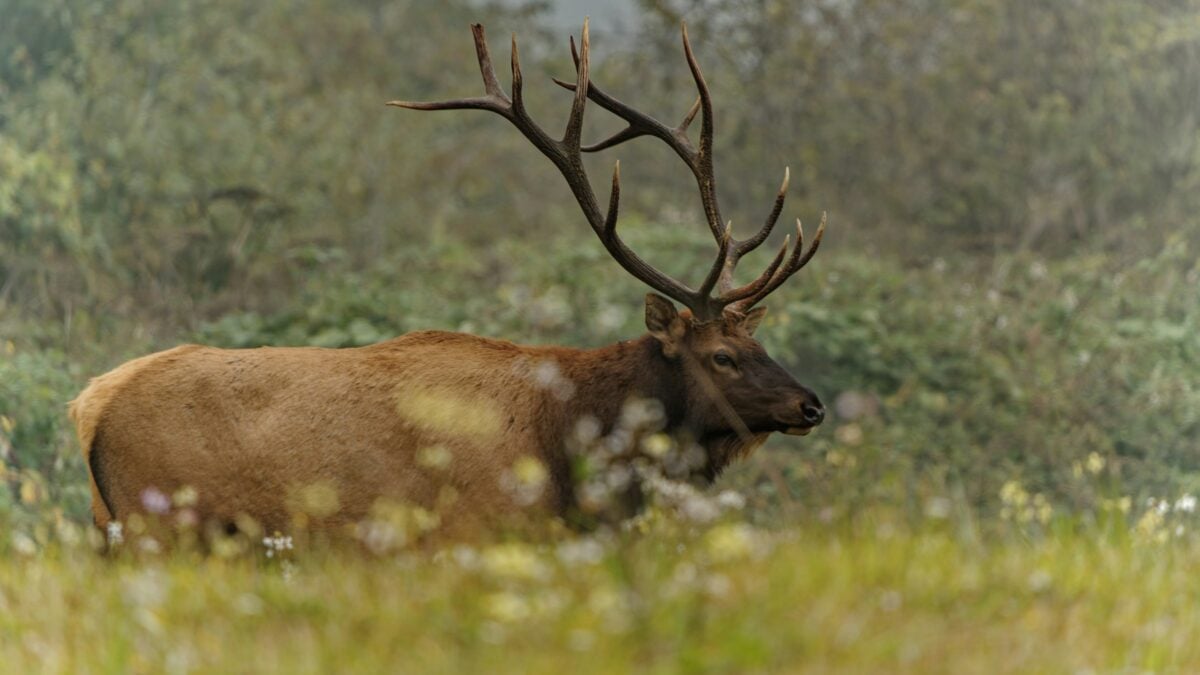
Roosevelt elk graze in the open meadows of Elk Prairie, framed by towering trees. These are the largest elk subspecies in North America, standing among trees that are the tallest on Earth. It’s a surreal combination.
The coast adds seabirds, sea lions and, in season, migrating whales. It’s a strangely rich mix for a place most people visit just to look up.
Why It Stands Out
- Roosevelt elk bulls can reach about 1,000 pounds
- The tallest known tree, a coast redwood, tops roughly 380 feet
- The parks protect a large share of the world’s remaining old-growth coast redwoods
- It’s a UNESCO World Heritage Site
Fog and rain keep some travelers away. That’s fine with the elk.
Elk here are often seen right beside the road. Park well off the pavement and stay a respectful distance, because bulls can be dangerous in the fall.
Next, a park where the stars of the show have nine-foot wingspans…
#6 – Pinnacles National Park, California
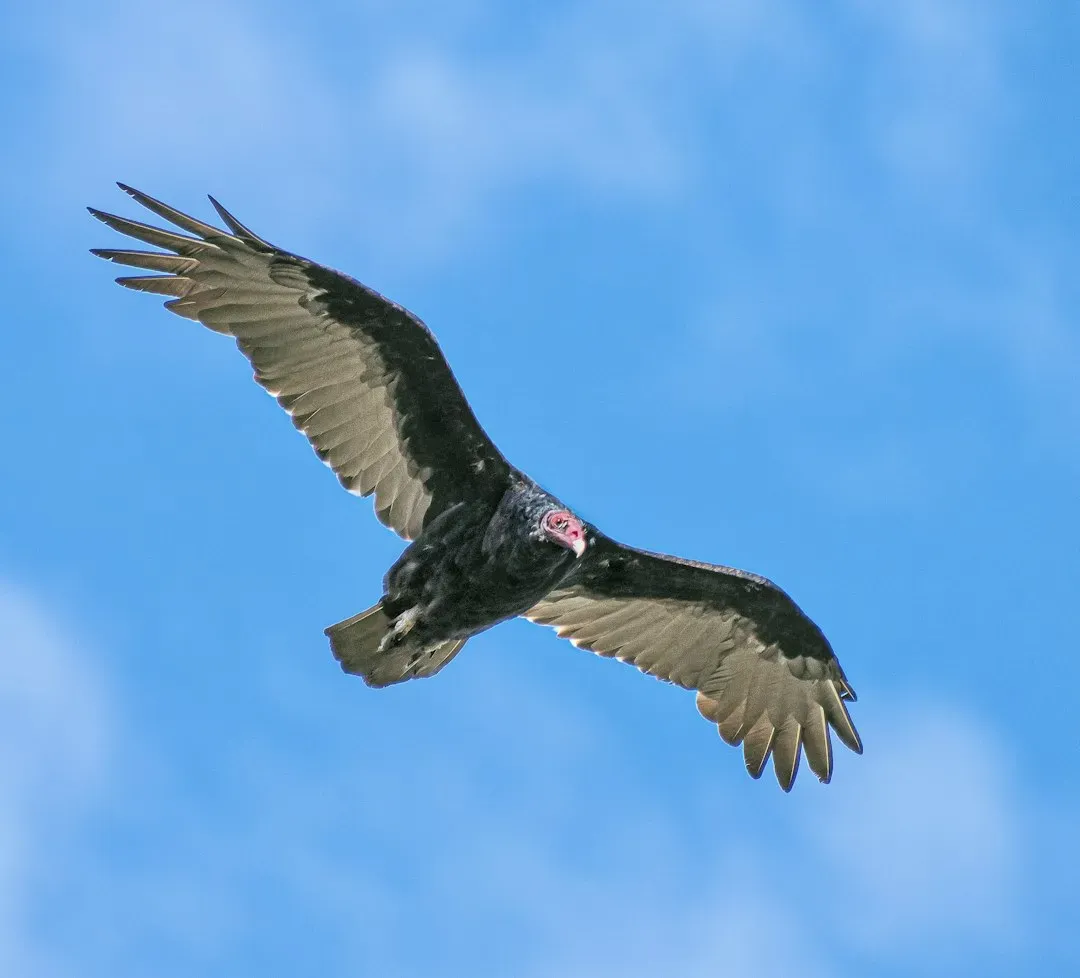
Imagine a bird the size of a small child gliding over a rock spire. That’s a California condor.
Pinnacles is one of the best places to see these giants in the wild. Condors here soar on wings that span roughly nine feet. They ride thermals above the rocky peaks, often at eye level from a trail.
The park also hosts hundreds of native bee species, plus bobcats, canyon wrens and prairie falcons. Look down and you’ll find bees. Look up and you’ll find a prehistoric-looking bird that nearly disappeared.
Next, the park Alaska built a whole bus system around…

Dog Stairs for Bed 18" H, 4-Step Dog Steps for High Bed
Check Price on AmazonAs an Amazon Associate, we earn from qualifying purchases.
10/9/2026 2:42 pm GMTi

Smart Bird Feeder with Camera Solar Powered, 2K HD Live Video, 10,000+ Bird Species AI Identification
Check Price on AmazonAs an Amazon Associate, we earn from qualifying purchases.
10/7/2026 1:22 pm GMTi

Earth Rated XL Dog & Puppy Pee Pads, Discreet Top, Max Absorbency
Check Price on AmazonAs an Amazon Associate, we earn from qualifying purchases.
10/7/2026 1:28 pm GMTi

Halloween Cat Costume Cloak Witch Hat Pet Accessories
Check Price on AmazonAs an Amazon Associate, we earn from qualifying purchases.
10/9/2026 2:44 pm GMTi

2 Pcs Halloween Pet Hat Bandana Set, Witch Pumpkin Costumes for Dogs
Check Price on AmazonAs an Amazon Associate, we earn from qualifying purchases.
10/9/2026 2:45 pm GMTi
#5 – Denali National Park, Alaska
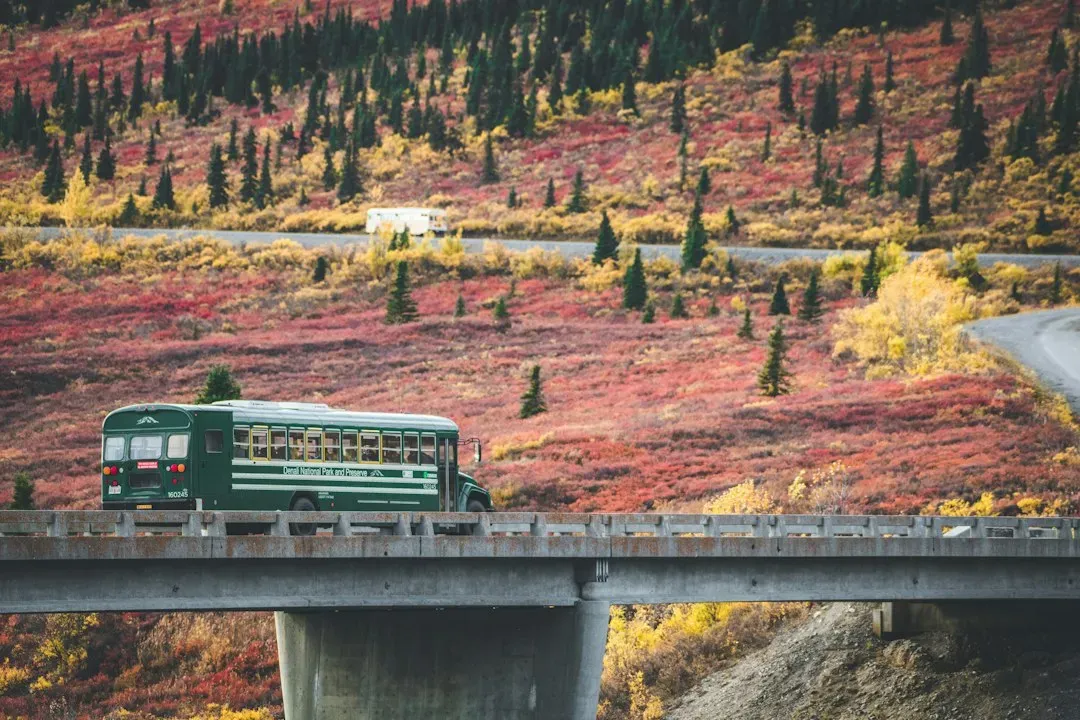
Denali is the classic. It still belongs here because of how it manages traffic.
The park’s single road is closed to most private cars beyond the early miles, so buses carry visitors deeper. That means almost no traffic jams. Drivers also pull over when passengers spot animals.
Denali’s famous “Big Five” are grizzly bears, moose, caribou, Dall sheep and wolves. Wolves are the hardest to find, and most visitors never see one. The park’s working sled dog kennels are a fun consolation prize.
Here’s a take that will annoy some people: the bus ride can feel long. But the bus system is what keeps the wildlife wild.
Next, Anchorage’s backyard turns out to be a wildlife hotspot…
#4 – Chugach State Park, Alaska
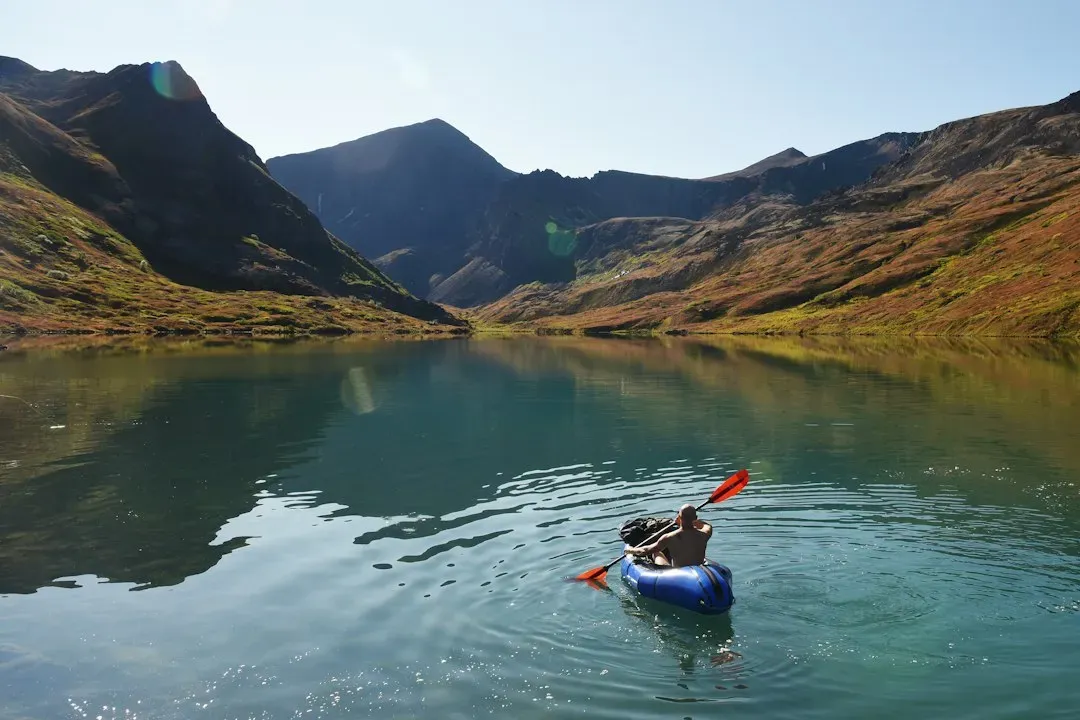
Most travelers pass this one on the way to somewhere else. Where Rocky Mountain National Park has timed entry, Chugach State Park has open landscapes for the taking.
More than 280 miles of maintained trails lead to high mountain vistas, ocean waves and massive glaciers and icefields. Moose, bears and Dall sheep all live within reach of the city.
This is wildlife viewing minutes from a major city. You don’t need a bush plane to get started.
Along the Turnagain Arm, you can also scan the water for beluga whales from roadside pullouts.
- Best bets: moose, Dall sheep, bears
- Access: roadside pullouts and day hikes
Next, a coast where elk and elephant seals share the same headlands…
#3 – Point Reyes National Seashore, California
Here’s a controversial one. While many visitors treat the elk as the star, others argue cattle ranching on the same land is the real story.
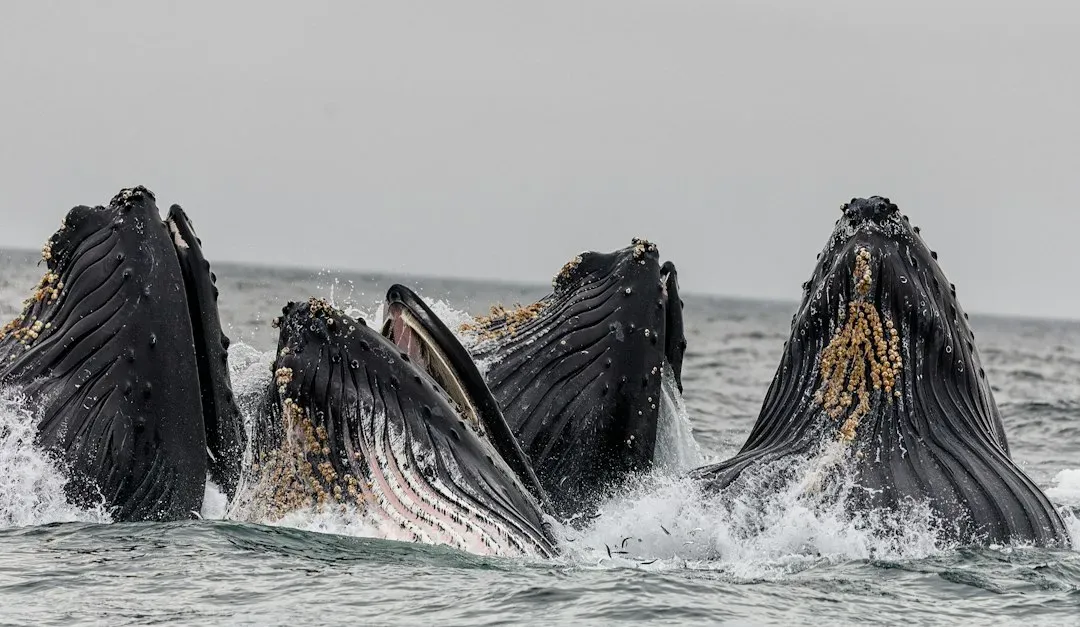
Point Reyes hosts tule elk, a species found only in California. Its elk herds roam the same coastline where seals haul out and whales pass. Elephant seals gather in the winter months, with massive males roaring and sparring on the beach.
In winter and spring, gray whales migrate past the headlands. Bring binoculars and patience. Yes, the winter weather can be wild, and so can the viewing.
Next, a swamp where the odds are almost stacked in your favor…
#2 – Everglades National Park, Florida
The best time to go is when most people don’t.
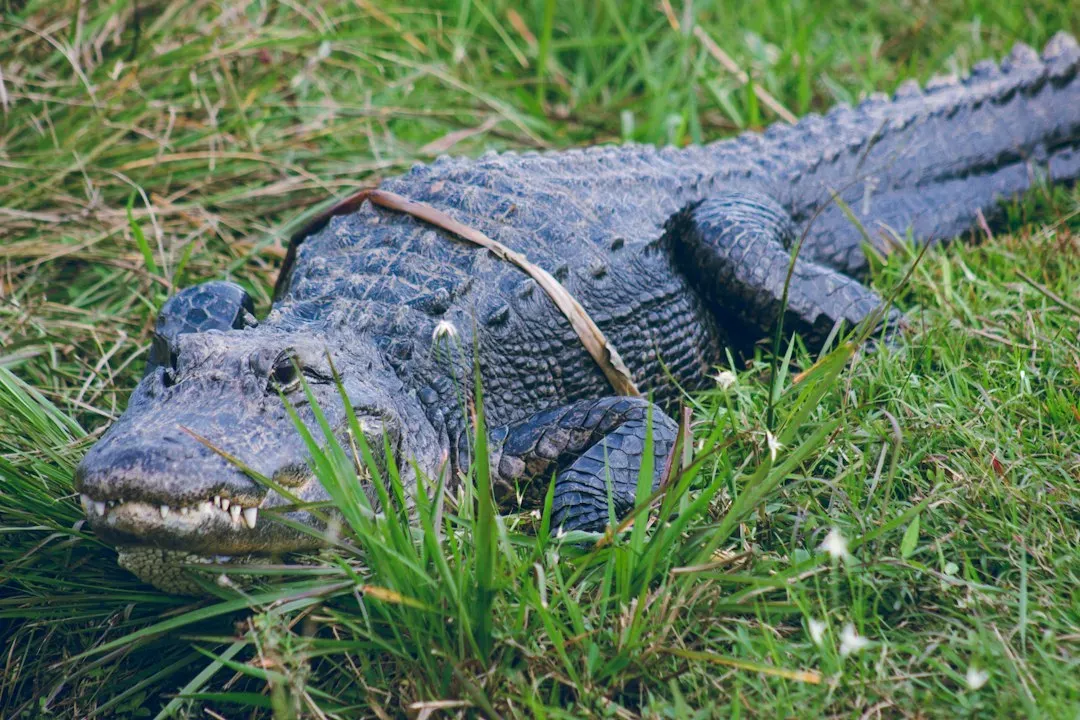
Summer is hot, humid and buggy, so visitors skip it. But the dry season, roughly December through April, concentrates animals near water. Alligators are among the easiest large animals to see anywhere in the country.
Wading birds, turtles and manatees round out the show. The Anhinga Trail is famous for close-up views of birds and gators from a boardwalk. The 15-mile Shark Valley loop adds even more gators basking beside the path.
The Everglades is also the only place where alligators and crocodiles coexist. That alone sets it apart.

Orthopedic Extra Large Dog Bed, Waterproof Washable XL Pet Bed 44"
Check Price on AmazonAs an Amazon Associate, we earn from qualifying purchases.
10/7/2026 1:32 pm GMTi

Air Purifiers for Home Pets Large Room Up to 3000 Ft²,HEPA Air Cleaner with Washable Double-Side Filter, PM2.5 Air Quality Monitor,15dB Sleep Mode for Bedroom Odor Dust Pollen,White
Check Price on AmazonAs an Amazon Associate, we earn from qualifying purchases.
10/8/2026 8:23 am GMTi

Portable Dog Water Bottle Foldable Dog Travel Water Bottle
Check Price on AmazonAs an Amazon Associate, we earn from qualifying purchases.
10/7/2026 1:29 pm GMTi

Hand Blown Glass Hummingbird Feeders for Outdoors Hanging, 24oz Wild Bird Nectar Feeder
Check Price on AmazonAs an Amazon Associate, we earn from qualifying purchases.
10/7/2026 1:23 pm GMTi
Quick Compare
- Alligator: broad, rounded snout, darker body, mostly freshwater
- American crocodile: narrower, pointed snout, grayer color, comfortable in salty coastal water
- Where to look: gators on the boardwalks, crocs along the park’s southern coast
Don’t expect Yellowstone-style megafauna. Do expect near-guaranteed sightings.
And now, the park that ends this list with the most iconic wildlife photo in America…
#1 – Katmai National Park, Alaska
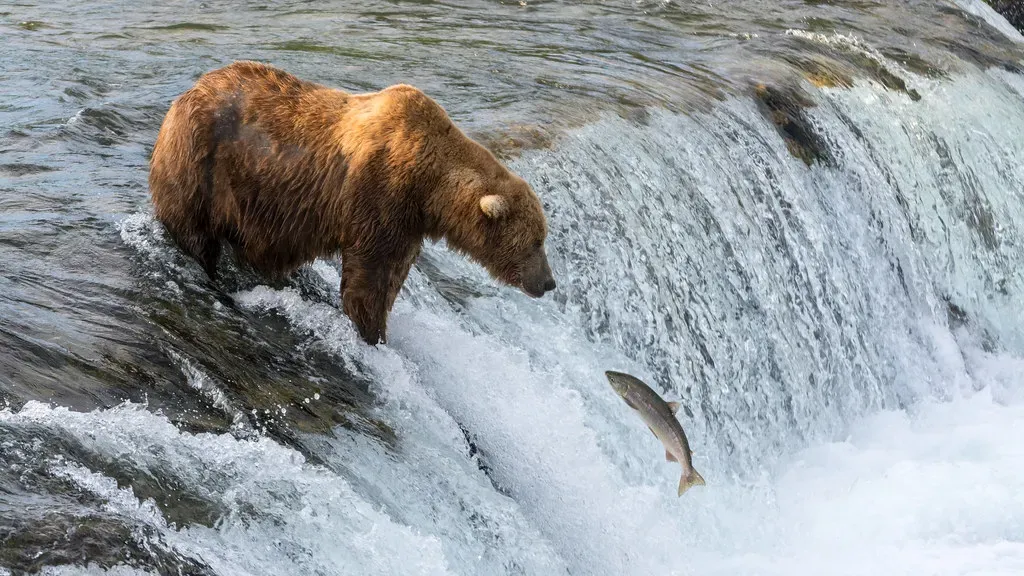
Bears at the edge of a waterfall, catching salmon mid-air. That’s Katmai.
Peak bear viewing runs from June to September. To be honest, Brooks Falls gets busy in July. That’s the one entry on this list where you’ll share the view, from elevated platforms with limited capacity.
Katmai is home to roughly 2,200 brown bears. Brooks Camp isn’t the only viewing spot, so you can avoid some of the crowds. Coastal sites like Hallo Bay offer quieter alternatives, where bears graze sedge meadows and dig for clams.
The park is fly-in only, so plan early. The reward is worth the logistics.
Yellowstone is still a wildlife giant, and no list changes that. But fame isn’t the same as odds. For bison, try Theodore Roosevelt or Custer. For marine life, Glacier Bay and Kenai Fjords win. For guaranteed gators, the Everglades is hard to beat.
Our take: Yellowstone’s wolves are overhyped for casual visitors, while the bears at Katmai are underrated. If you value solitude over bragging rights, skip the most famous park. Which of these would you trade your next Yellowstone trip for?