

Worried about unexpected vet bills?
Pet insurance can cover thousands in unexpected vet costs. Get a free quote from Lemonade in under 2 minutes.
Get My Free Quote →Sponsored · Opens Lemonade.com
Those adorable cat videos flooding your social media feed make every fluffy feline look like the perfect companion. The reality hits differently when you’re a first-time owner struggling with a high-maintenance breed that demands expert-level care.
Veterinarians see it all the time – new cat parents who fell for striking looks without understanding what they were signing up for. Some breeds require extensive grooming, others have complex health issues, and many need experienced handling that overwhelms beginners. Let’s explore the breeds that look absolutely irresistible but might leave first-time owners feeling completely out of their depth.
Scottish Fold
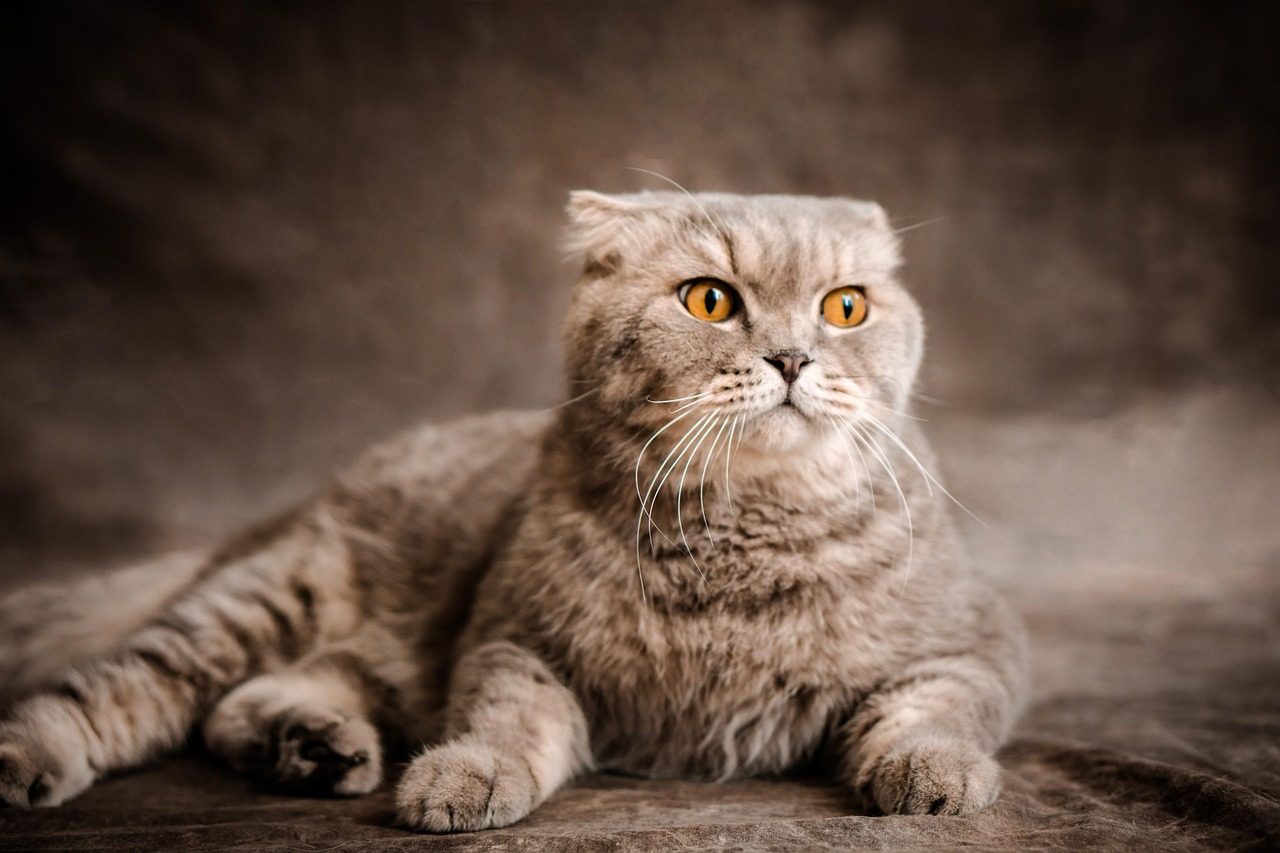
Those impossibly cute folded ears make Scottish Folds look like living teddy bears, which explains why they’re Instagram darlings. However, those same adorable ears that steal hearts are actually the result of a genetic mutation that causes serious health problems, including joint and cartilage issues.
First-time owners often find themselves facing expensive veterinary bills and complex care routines they never anticipated. The breed’s tendency to bond with only one or two people can create behavioral challenges in multi-person households, making them unsuitable for families hoping for a sociable pet.
Persian Cat
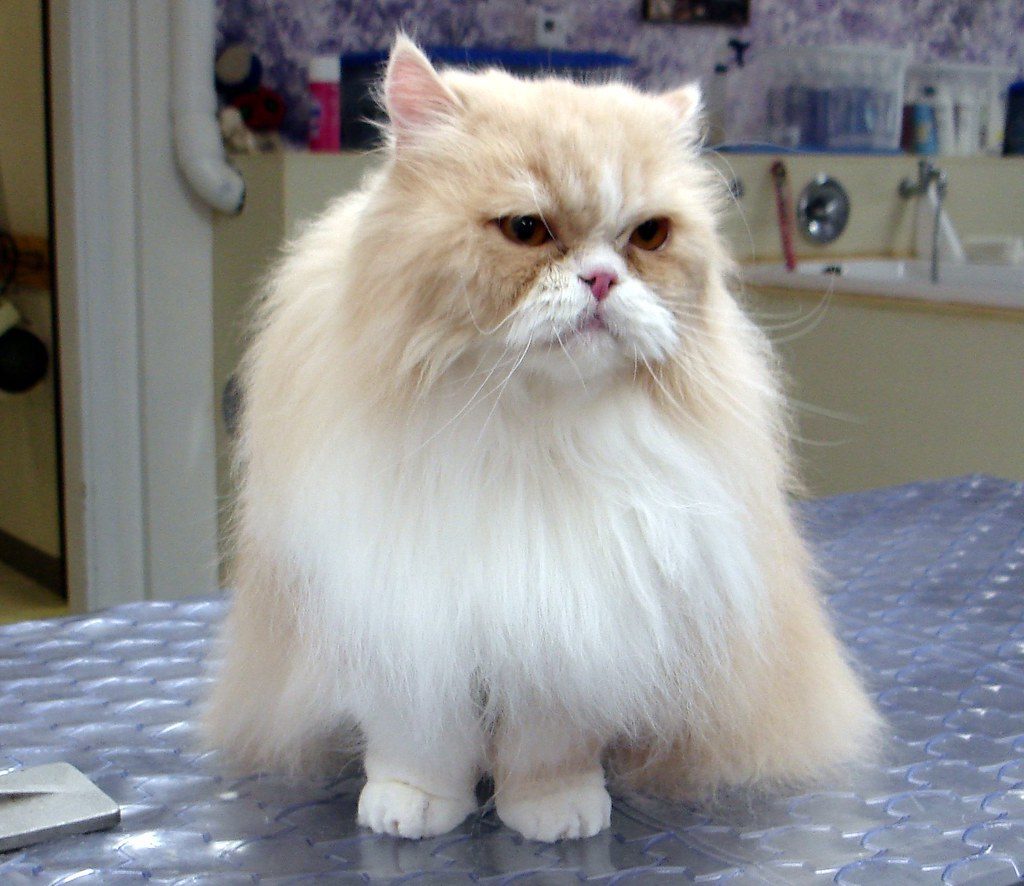
Persians are renowned for their luxurious long coats, but that beauty demands daily grooming to prevent matting and excessive shedding. Their flat faces can cause breathing difficulties and require regular veterinary monitoring, something that catches many new owners off guard.
Due to their long hair, they’re not the best choice for owners who are always on the go. The combination of high-maintenance grooming and potential respiratory issues makes them a challenging choice for anyone without prior cat experience or unlimited time for daily care routines.
Bengal Cat
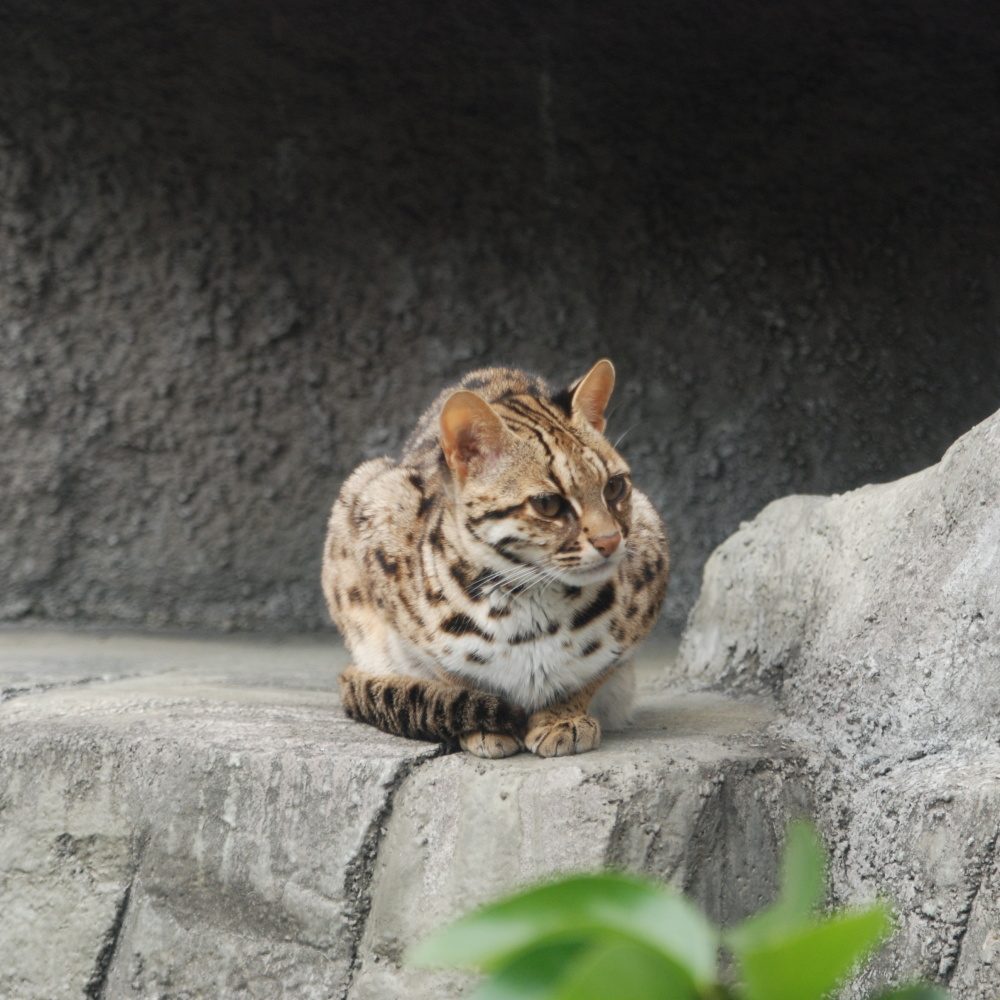
Bengals are hybrids between wildcats and domestic breeds, so they retain quite wild behavior and temperament. These cats are known for their striking coat patterns and energetic nature, requiring extensive mental and physical stimulation that can overwhelm someone new to cat ownership.
Their wild heritage makes them potentially aggressive during veterinary visits and challenging to handle. Unlike easygoing breeds, Bengals require far more attention and stimulation, making them a high-maintenance option for active households that many first-time owners simply aren’t prepared for.
Sphynx Cat
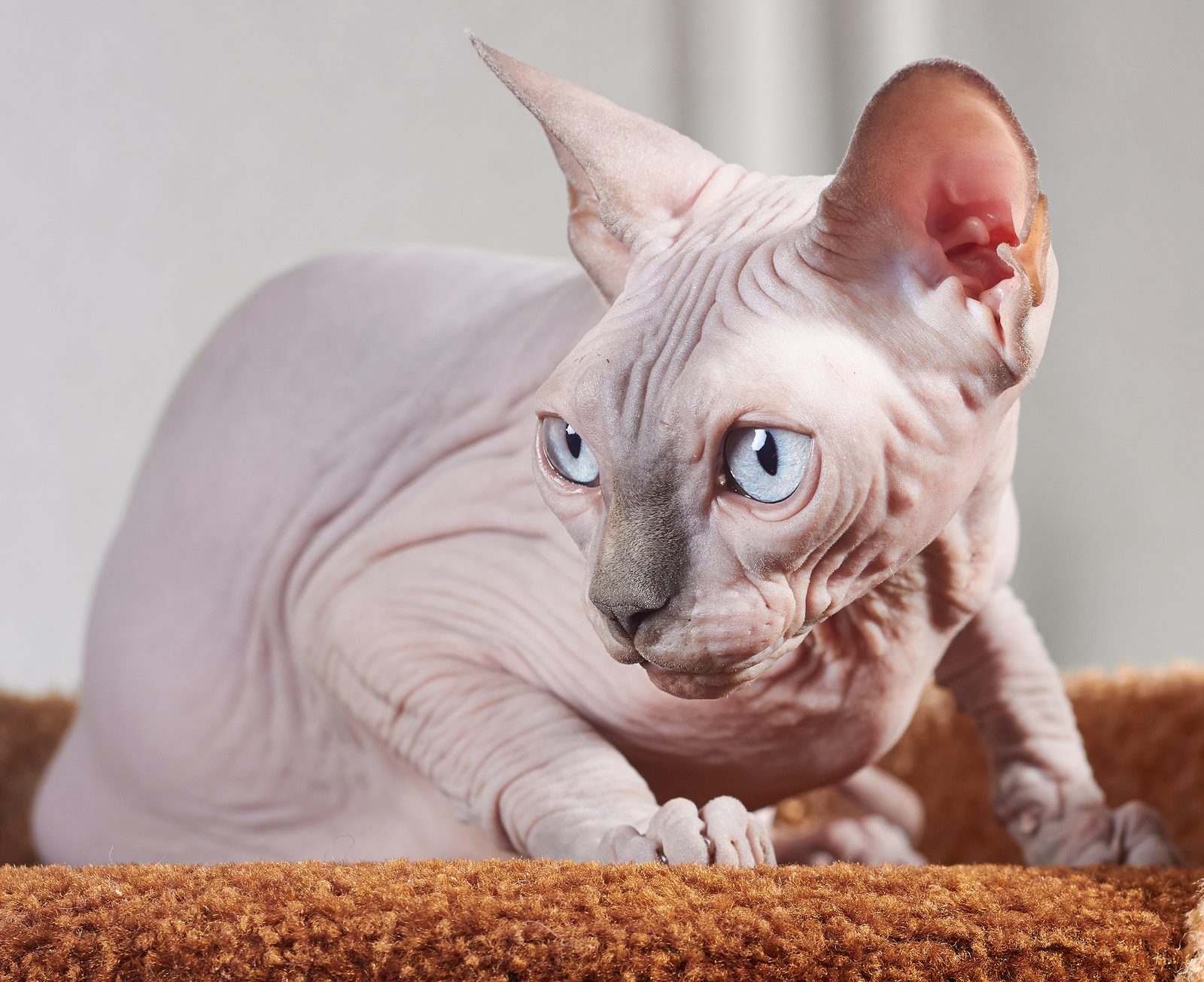
The Sphynx’s lack of fur means their skin requires regular bathing to prevent oil buildup, which transforms grooming from optional to absolutely essential. Their hairless condition makes them susceptible to temperature changes and requires extra care in colder climates, creating grooming and temperature maintenance challenges for new owners.
They’re extremely outgoing, crave attention, and want involvement in everything you do, potentially becoming irritating and intrusive. While they make wonderful companions for the right owner, their high maintenance needs and attention-seeking behavior can overwhelm first-time cat parents who expected a more independent pet.
Maine Coon Cat
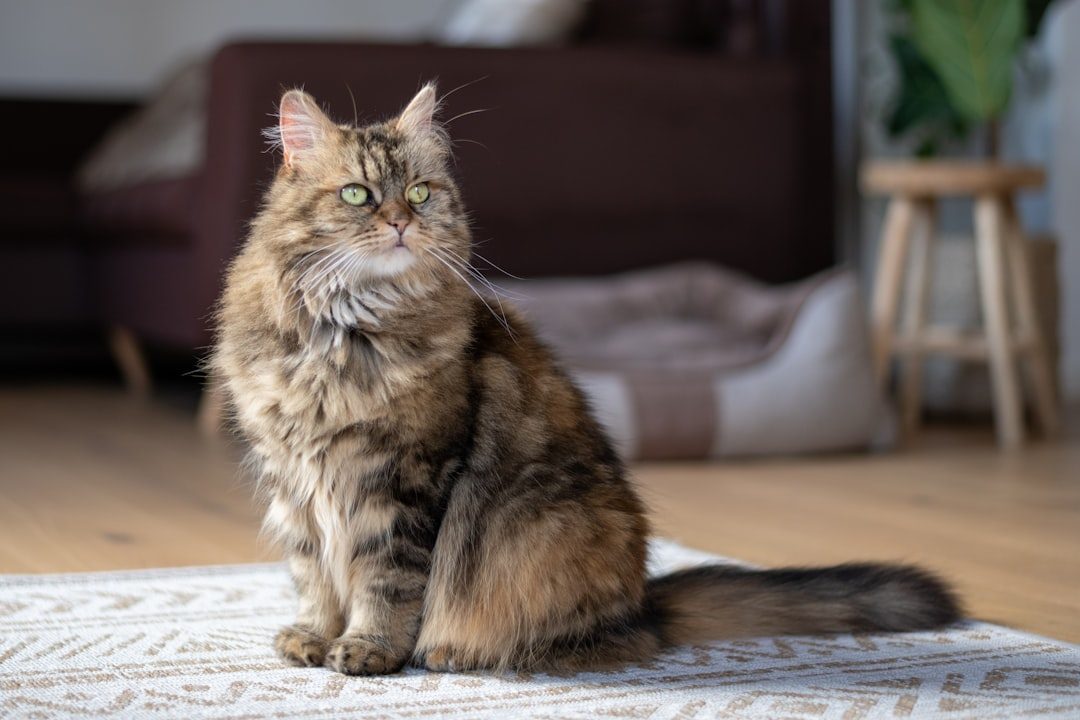
Maine Coons are one of the largest domesticated cat breeds, and while affectionate, their size means they need more space and extra grooming due to their thick fur. They’re prone to hip dysplasia due to their large size, which can lead to discomfort and mobility issues as they age.
Like Ragdolls, Maine Coons are at risk for hypertrophic cardiomyopathy, requiring routine heart screenings during annual exams. Their combination of significant space requirements, extensive grooming needs, and potential health complications makes them better suited for experienced cat owners who understand large breed management.
Siamese Cat
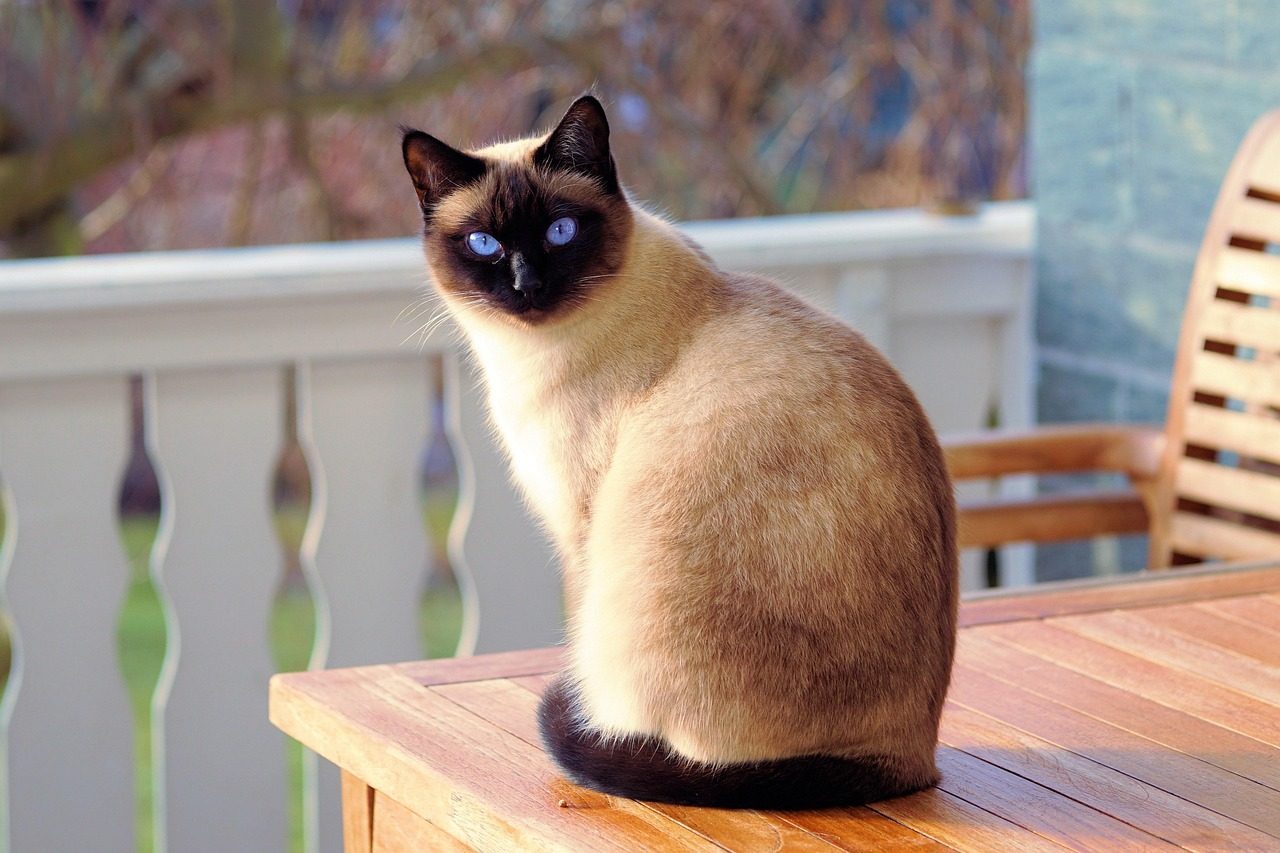
Siamese cats are demanding and vocal, requiring extensive attention and interaction, with highly intelligent minds that need mental stimulation to prevent boredom. They’re prone to dental problems, requiring regular veterinary check-ups to prevent gum disease and tooth decay.
Their high intelligence and social nature mean they need constant mental stimulation and attention, potentially becoming destructive if left alone too long or without interactive play. First-time owners often underestimate how much time and energy these vocal, attention-seeking cats demand daily.
Savannah Cat
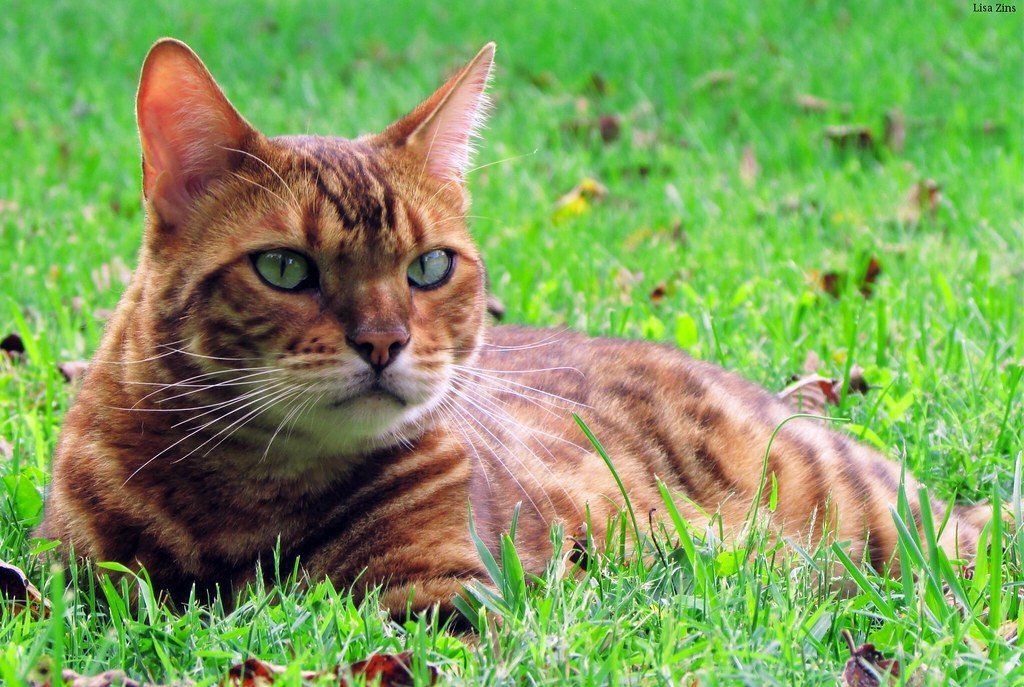
Savannah cats are hybrids with wild ancestry, making them highly energetic and difficult to train while exhibiting more challenging behaviors compared to other breeds. These cats were developed by crossing African servals with domestic cats, with earlier generations being less predictable and more challenging as pets.
They have extremely high energy levels and need extensive mental stimulation and physical activity, requiring owners ready for the extra care these unusual breeds demand. Their wild genetics and unpredictable temperament make them unsuitable for anyone without significant experience managing high-energy, potentially challenging feline behaviors.
Abyssinian Cat
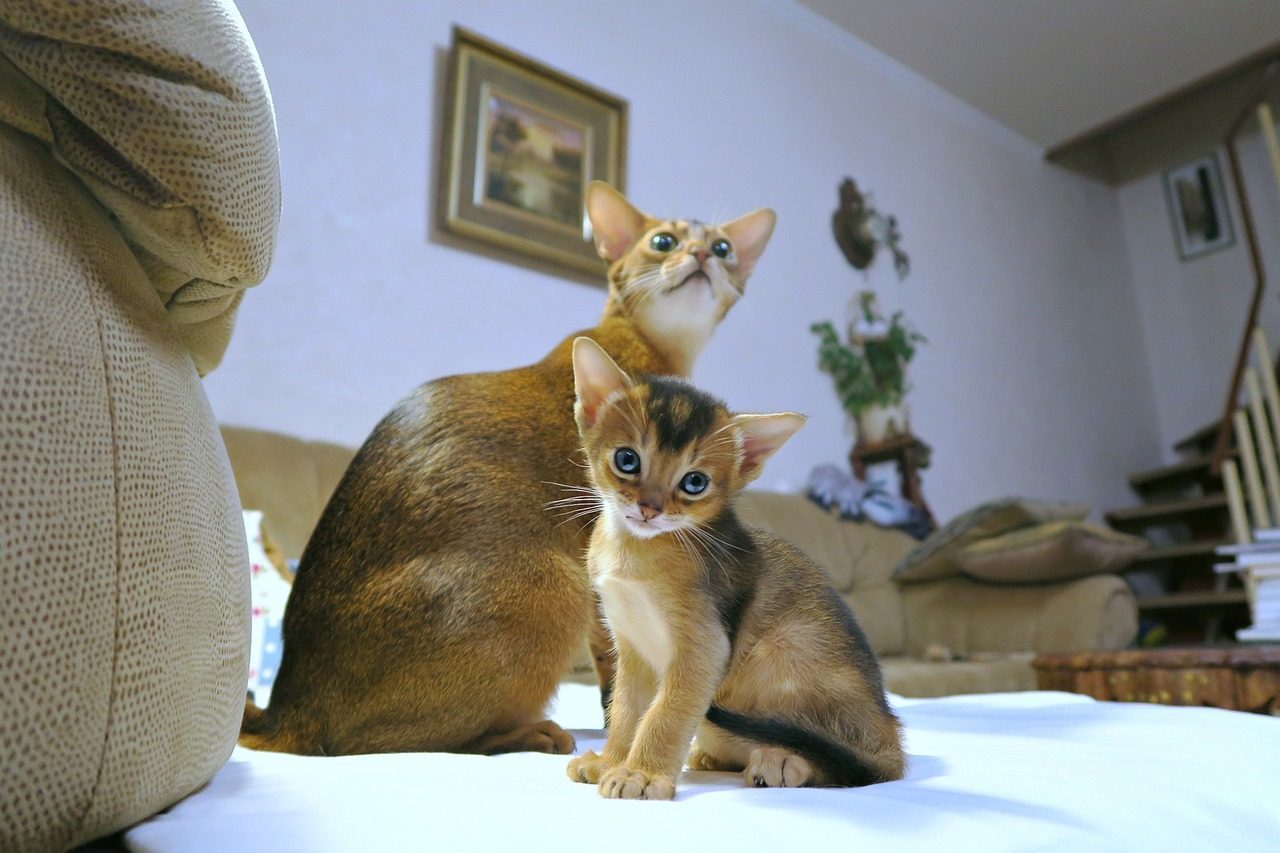
Abyssinians have high energy levels that may overwhelm first-time owners, and they love adventure through exploring, jumping, chewing, and chasing, becoming bored and potentially destructive or aggressive without adequate exercise opportunities.
They’re susceptible to pyruvate kinase deficiency, which can cause hemolytic anemia, with some cats experiencing severe anemic episodes requiring specialized veterinary care. Progressive retinal atrophy affects this breed along with others, leading to vision problems, adding health monitoring complexity that inexperienced owners might struggle to manage.
Ocicat
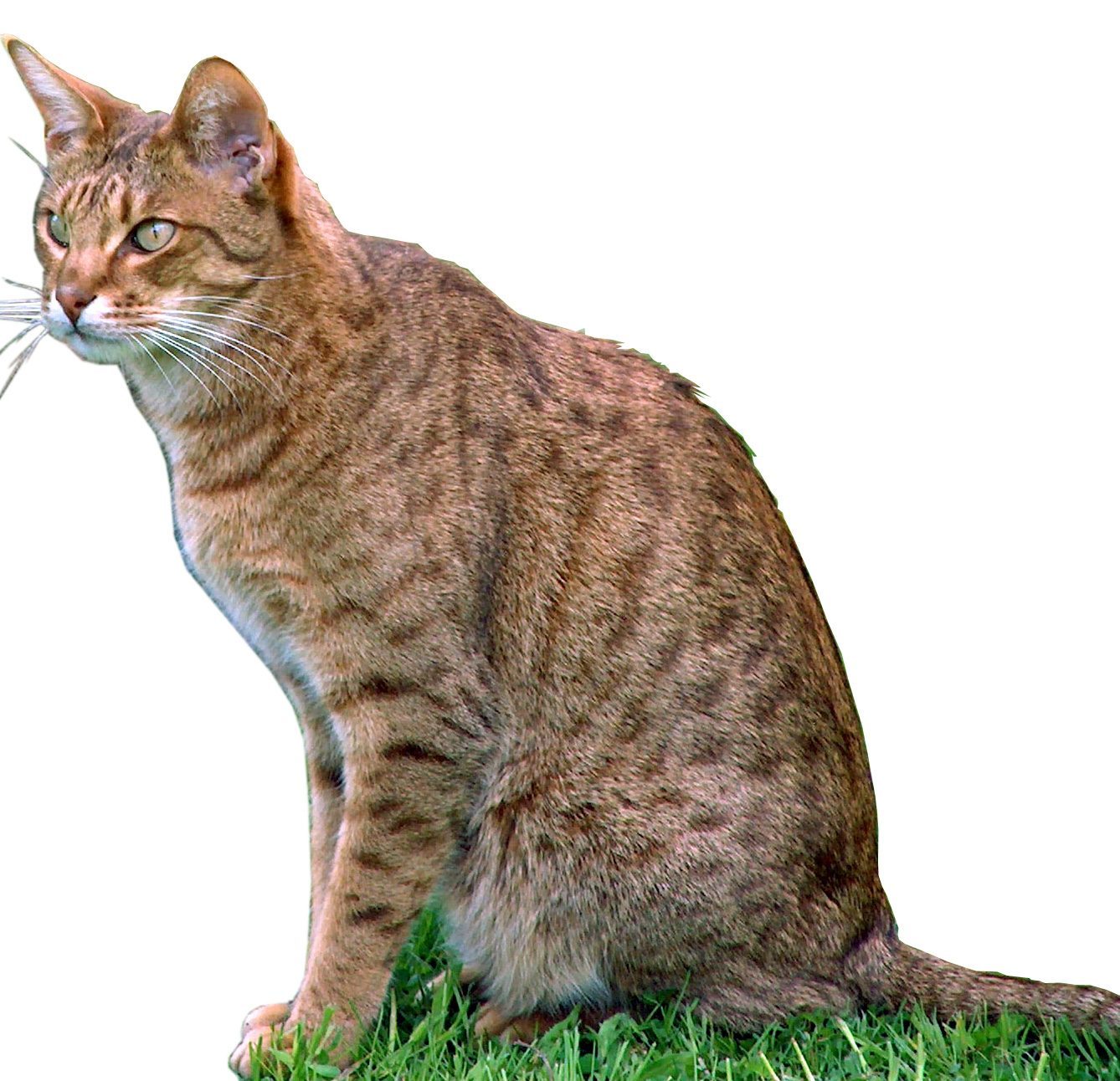
Ocicats are friendly, playful, and outgoing cats that need plenty of stimulation and play, but this inquisitive nature requires significant time investment. They can be quite vocal when seeking attention or interaction, though they’re generally less vocal than breeds like Siamese or Burmese.
They’re susceptible to amyloidosis, where abnormal protein deposits affect organ function and can lead to kidney or liver failure, plus progressive retinal atrophy causing gradual vision loss. The combination of high vocalization, extensive exercise needs, and serious health concerns makes them challenging for beginners.
Russian Blue
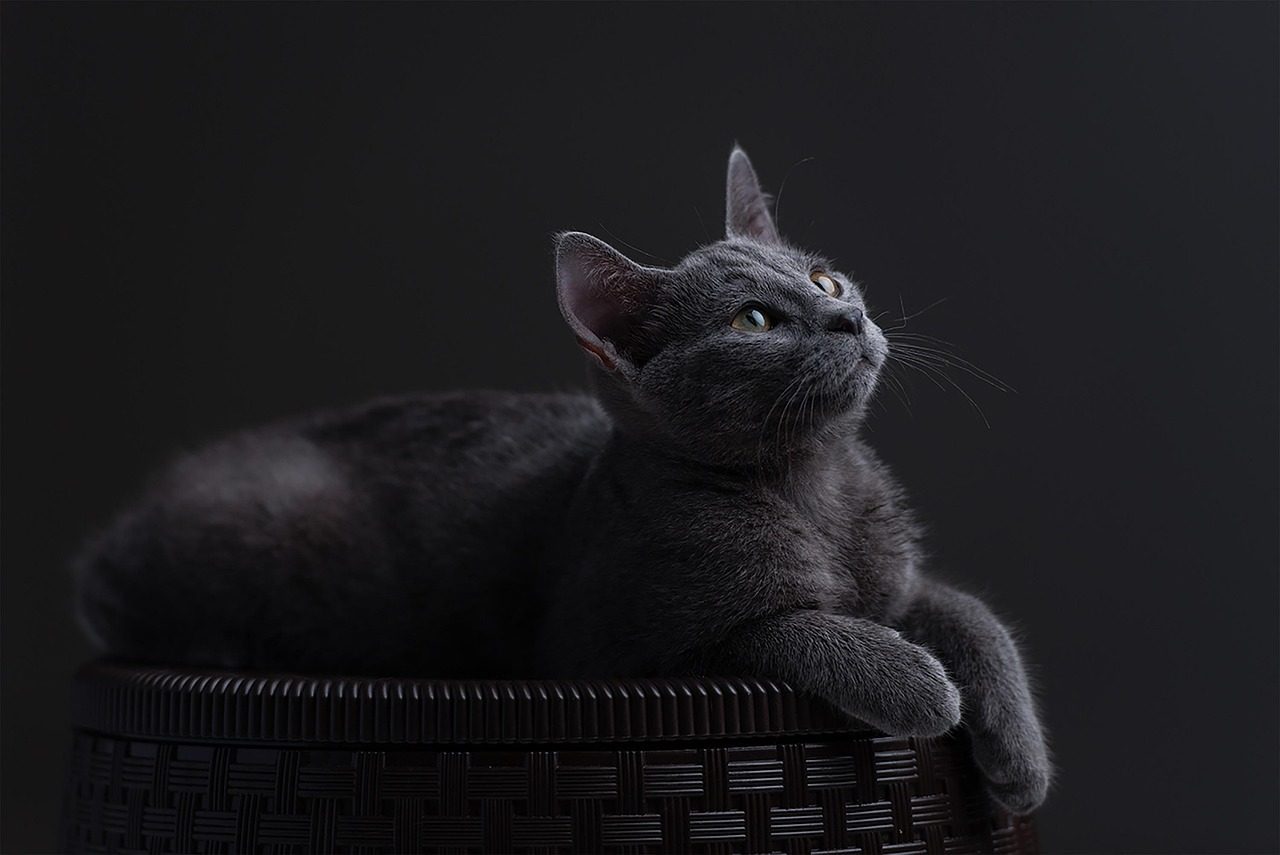
Russian Blues are known for being as aloof as cats on hot tin roofs, with reputations for loyalty to their chosen human but maintaining mysterious, slightly intimidating demeanors. They can be shy and reserved, needing significant time to warm up to new people and environments.
Their tendency toward aloofness and selectivity with human bonding can be disappointing for first-time owners expecting affectionate, social companions. The patience required to build trust with these reserved cats often exceeds what newcomers to cat ownership are prepared to invest.
Exotic Shorthair
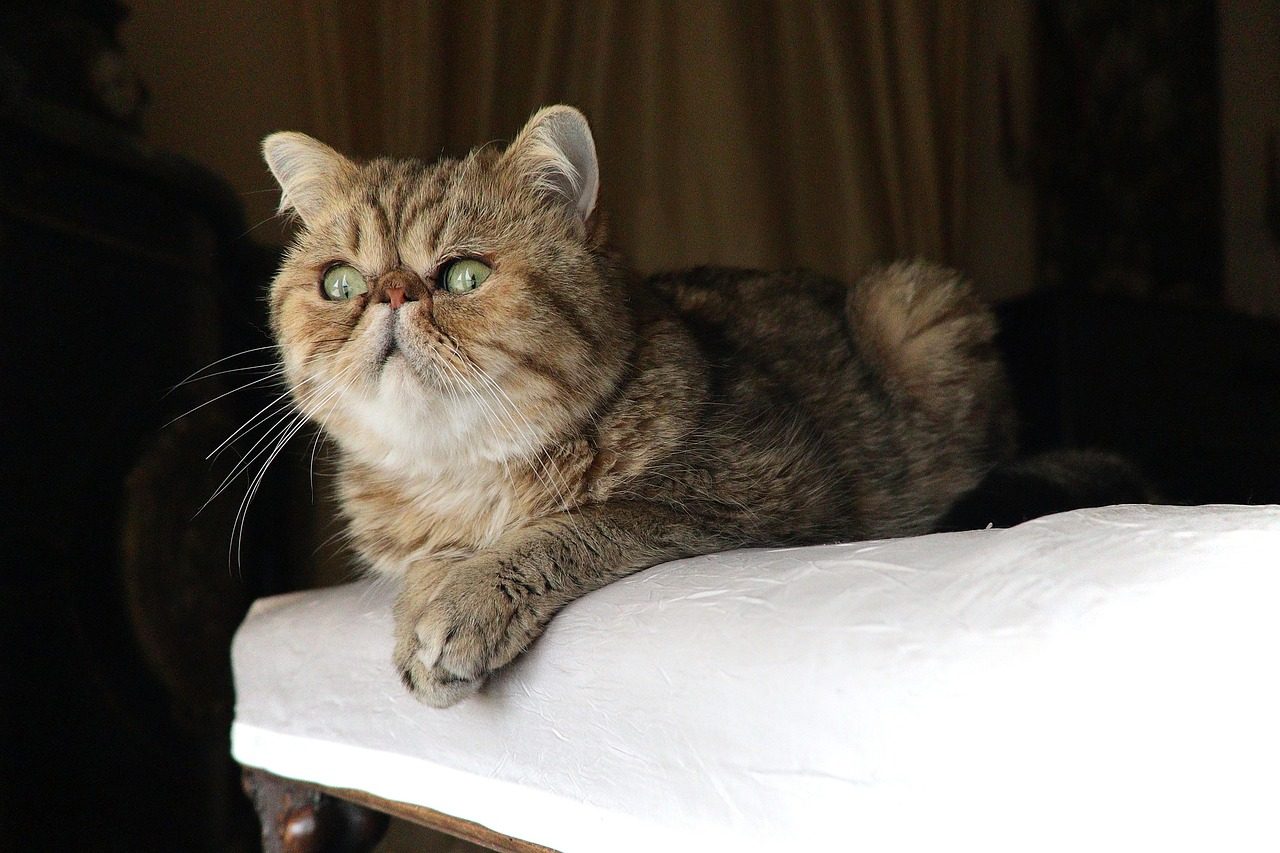
Exotic Shorthairs may have breathing difficulties due to their flat faces and require extra care, similar to their Persian relatives but with shorter coats. They’re sensitive cats that need time to become accustomed to having heavy-handed and curious youngsters around.
While they’re essentially short-haired Persians, they still inherit the respiratory challenges associated with flat-faced breeds. Their sensitivity to handling and potential breathing problems create care complexities that first-time owners might not anticipate when choosing what appears to be a lower-maintenance alternative to Persians.
Burmese Cat
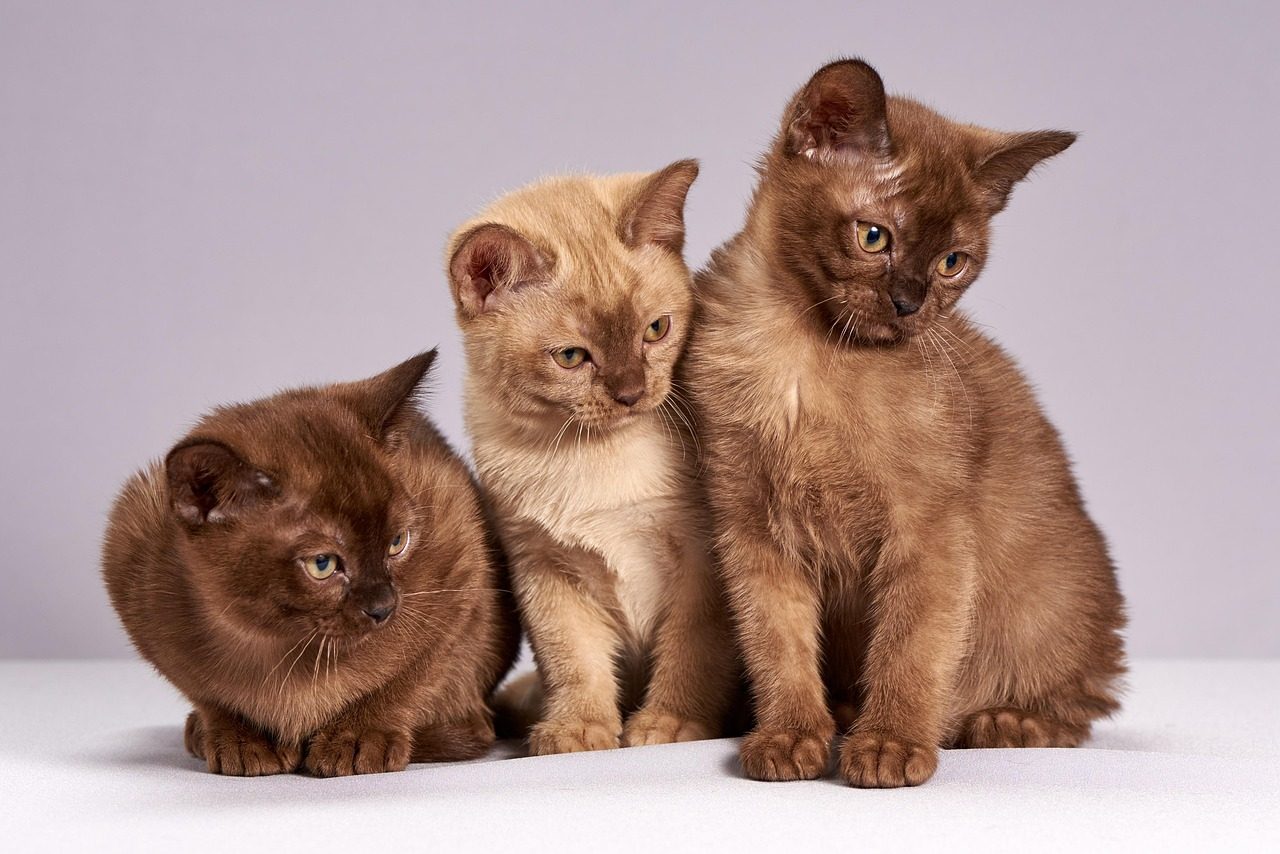
Burmese cats can be quite demanding and may become anxious if left alone for long periods. Their need for constant companionship and attention makes them unsuitable for owners with busy lifestyles or frequent travel schedules.
These cats form incredibly strong bonds with their humans, which sounds wonderful until you realize they can develop separation anxiety. First-time owners often underestimate how much emotional support and daily interaction these clingy cats require to remain mentally healthy and behaviorally stable.
Cornish Rex
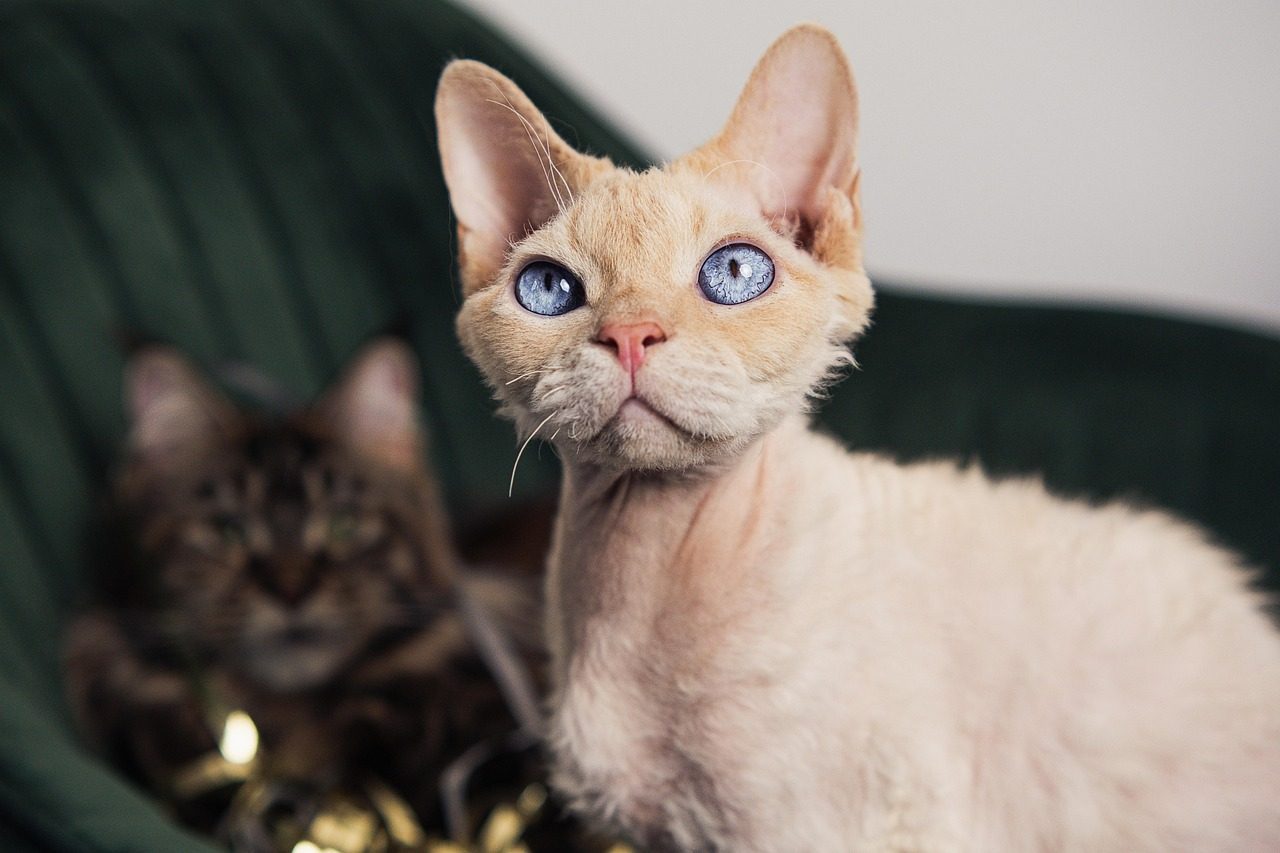
Cornish Rex cats have high energy levels and need plenty of playtime and mental stimulation. Their unusual curly coat requires special grooming techniques that differ significantly from typical cat care routines.
The combination of hyperactive personality traits and specialized grooming needs creates a double challenge for inexperienced owners. These cats don’t just want attention – they demand it constantly, and their unique coat texture means standard cat care knowledge doesn’t apply to their grooming requirements.
Manx Cat
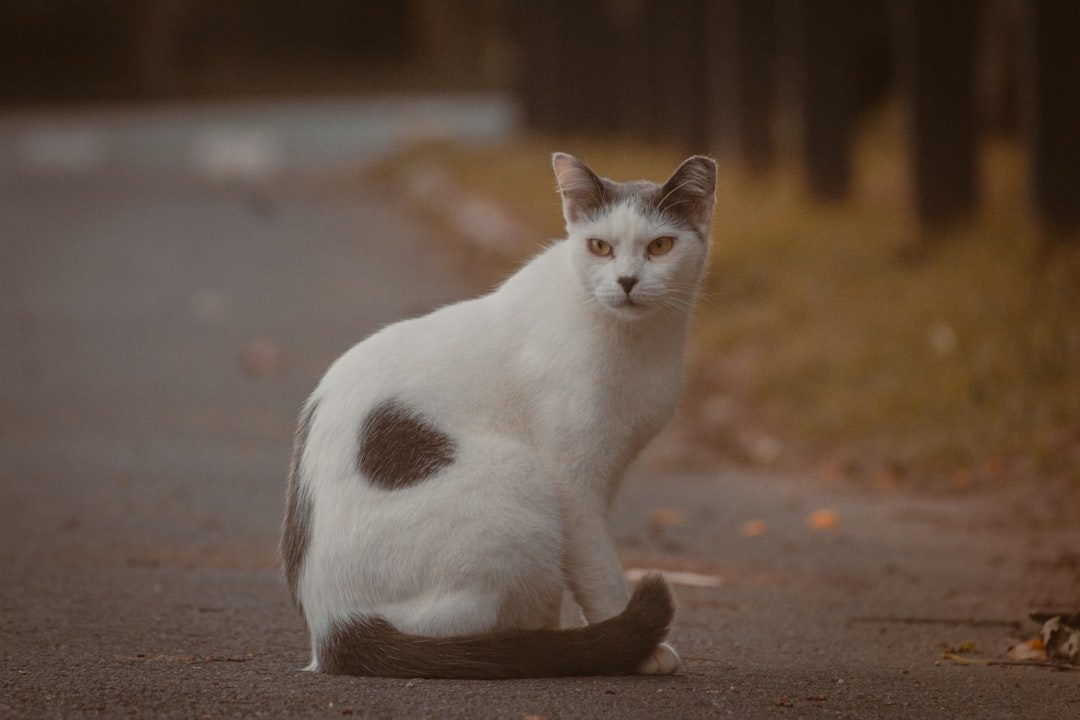
Manx cats may have spinal issues due to their lack of tail and require special attention. The genetic mutation that creates their distinctive tailless appearance can lead to serious neurological and mobility problems.
Their potential spinal complications can result in bladder and bowel control issues, mobility problems, and chronic pain management needs. First-time cat owners rarely anticipate the specialized veterinary care and potential daily health management these unique cats might require throughout their lives.
Ragdoll Cat
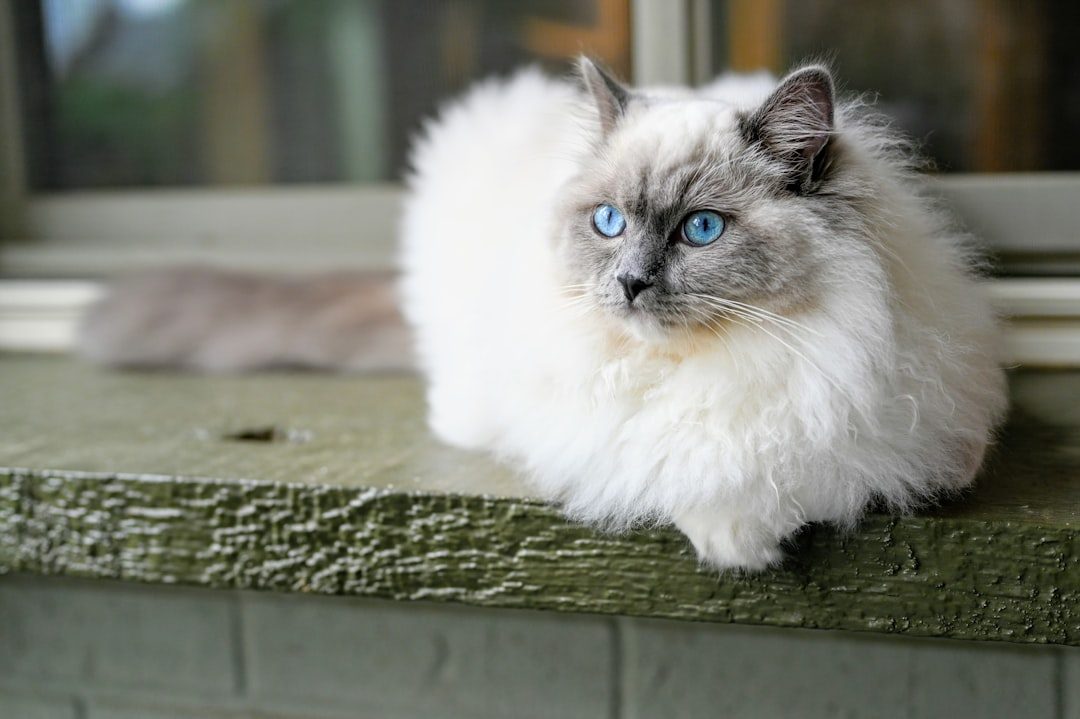
Ragdolls are prone to hypertrophic cardiomyopathy, where heart walls thicken and can lead to heart failure over time, requiring regular veterinary monitoring for heart health. They’re highly affectionate but can become overly attached, developing separation anxiety when left alone for extended periods.
While their docile nature seems perfect for beginners, their potential heart problems require ongoing veterinary surveillance that can become expensive. Their emotional neediness means they’re not suitable for people with demanding work schedules or frequent travel, despite appearing to be low-maintenance lap cats.
Conclusion
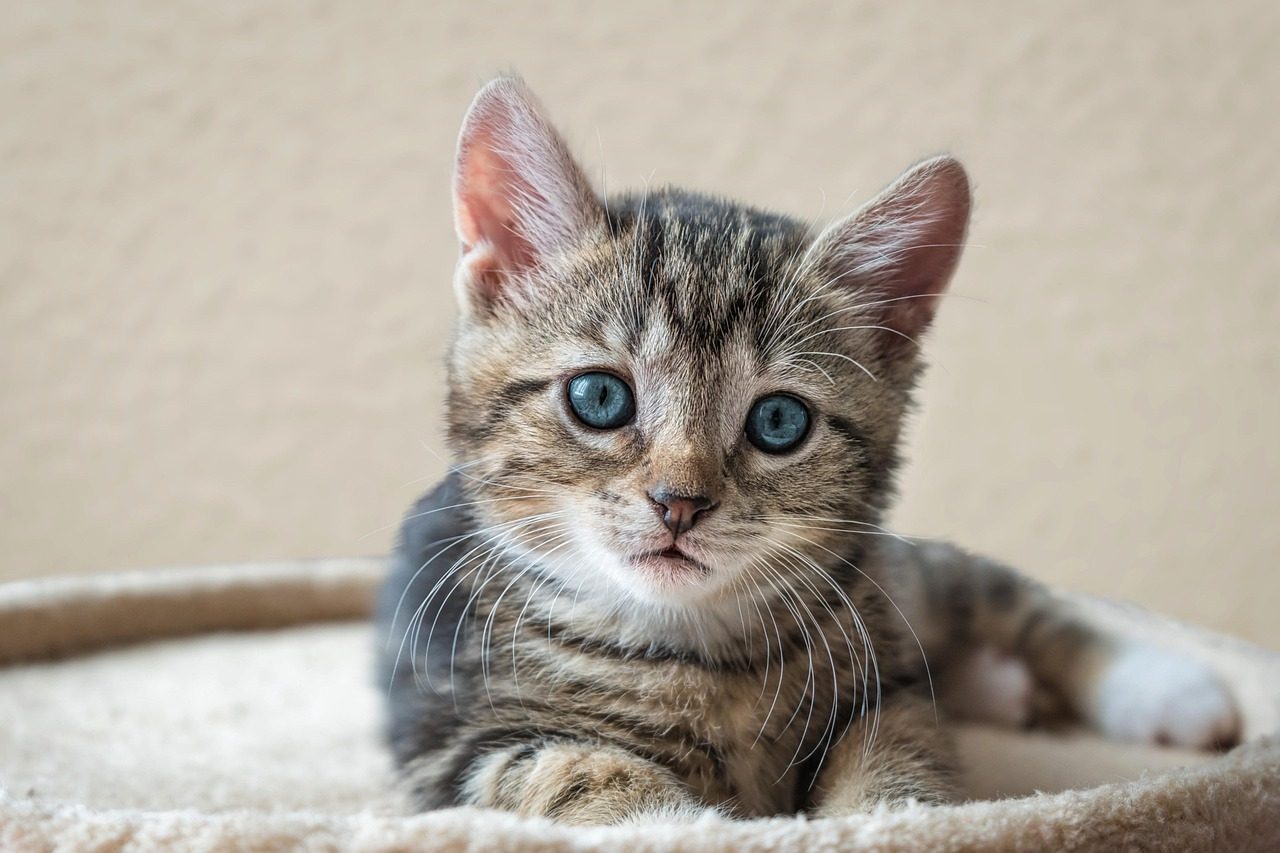
Choosing your first cat shouldn’t be based solely on appearance or viral video cuteness. These fifteen breeds each bring unique challenges that can overwhelm inexperienced owners, from complex health issues requiring specialized care to behavioral traits demanding expert handling.
The most successful first-time cat owners start with breeds known for being forgiving, healthy, and relatively low-maintenance. Remember that every cat deserves an owner who can meet their specific needs throughout their entire lifetime. What do you think about these challenging breeds? Have you had experience with any of them?
Worried about unexpected vet bills?
Pet insurance can cover thousands in unexpected vet costs. Get a free quote from Lemonade in under 2 minutes.
Get My Free Quote →Sponsored · Opens Lemonade.com
