

America’s lakes are teeming with life, much of it hidden beneath the surface or tucked away in secluded shorelines. While most people are familiar with common lake dwellers like bass, trout, and turtles, there’s a fascinating array of lesser-known creatures that call U.S. lakes home. From microscopic organisms to surprisingly large predators, these bodies of water host ecosystems far more diverse than many realize. In this exploration of America’s freshwater habitats, we’ll discover 17 remarkable creatures that might surprise even the most avid nature enthusiasts. These animals represent the incredible biodiversity present in our nation’s lakes and demonstrate the importance of freshwater conservation efforts.
15. Freshwater Jellyfish (Craspedacusta sowerbii)

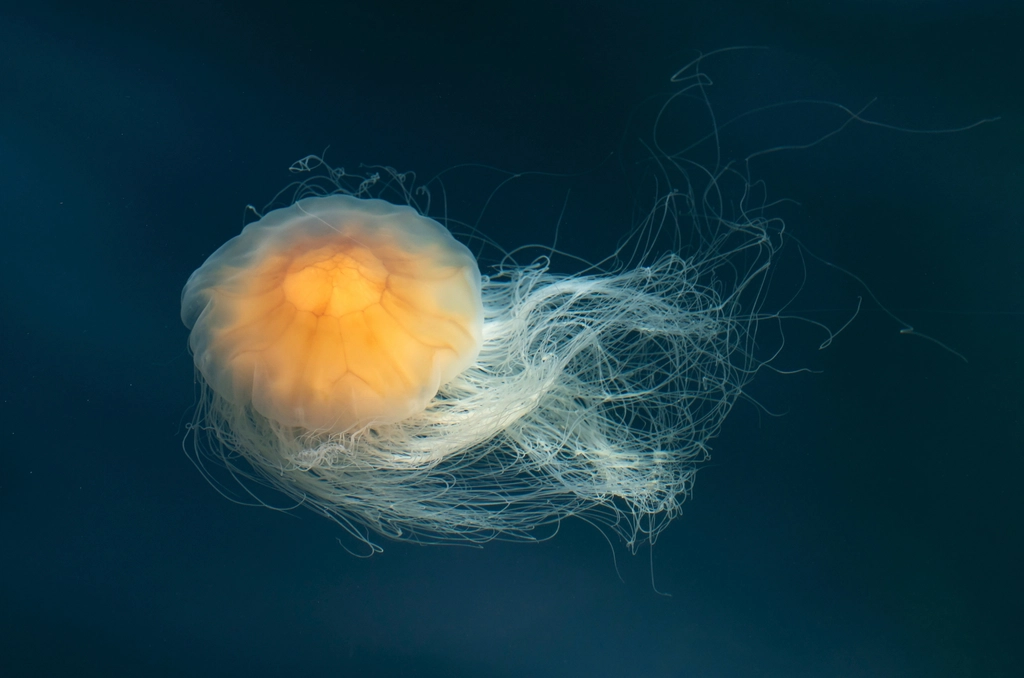
Many Americans would be shocked to learn that jellyfish don’t just live in the ocean—they can be found in lakes across the United States. The freshwater jellyfish (Craspedacusta sowerbii) is a non-native species that has established itself in still bodies of water throughout the country. These translucent creatures typically measure less than an inch in diameter, making them difficult to spot. Unlike their ocean-dwelling relatives, freshwater jellyfish deliver a sting too mild to be felt by humans. They spend most of their lives in a polyp stage attached to submerged objects before transforming into the more recognizable medusa form during warm summer months. First discovered in the U.S. in the early 1900s, these fascinating invertebrates have now been documented in lakes across 44 states.
14. Giant Hellbender Salamander (Cryptobranchus alleganiensis)

The hellbender is North America’s largest salamander, reaching lengths of up to 29 inches. These remarkable amphibians inhabit clear, rocky, swift-flowing sections of streams and rivers that feed into larger lakes throughout the Appalachian region. With their flat bodies, wrinkled skin, and tiny eyes, hellbenders have earned unflattering nicknames like “snot otter” and “devil dog.” Despite their intimidating appearance, they’re completely harmless to humans. These nocturnal creatures breathe primarily through their skin, absorbing oxygen directly from the water. Unfortunately, hellbender populations have declined significantly due to water pollution, habitat destruction, and collection for the pet trade. Currently listed as near threatened, conservation efforts are underway to protect these unique salamanders that have remained virtually unchanged for millions of years.
13. Freshwater Sponges (Spongilla lacustris)
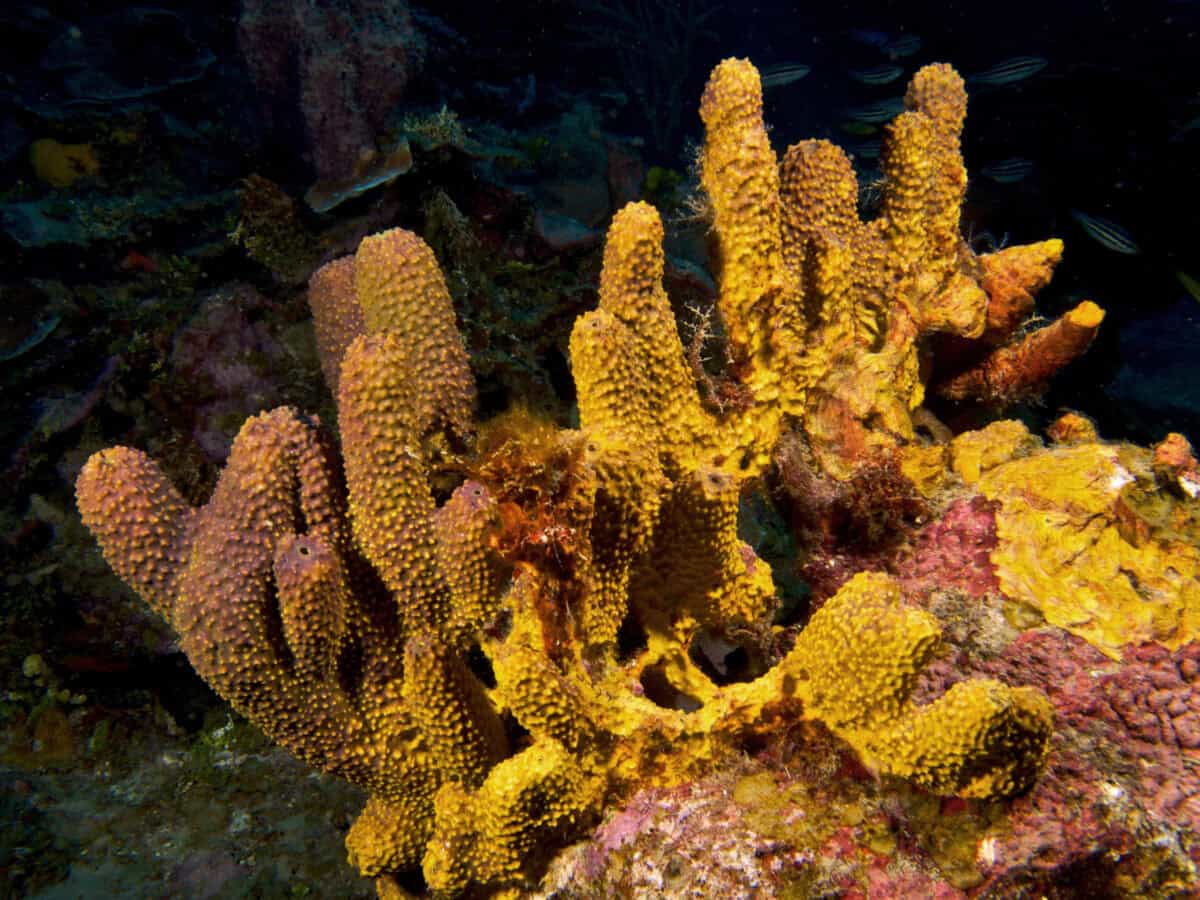
While most people associate sponges with oceans or kitchen sinks, freshwater sponges thrive in clean lakes throughout the United States. The most common species, Spongilla lacustris, forms green or brown masses on submerged logs, rocks, and plants. These simple animals filter water through their porous bodies, capturing microscopic food particles and contributing to water clarity. Unlike marine sponges, freshwater varieties produce specialized survival structures called gemmules that allow them to withstand freezing temperatures and drought. These resistant capsules contain cells that can regenerate an entire new sponge when conditions improve. Freshwater sponges serve as environmental indicators, as they’re highly sensitive to pollution. Their presence typically signals good water quality, making them valuable but unappreciated components of healthy lake ecosystems.
12. American Paddlefish (Polyodon spathula)
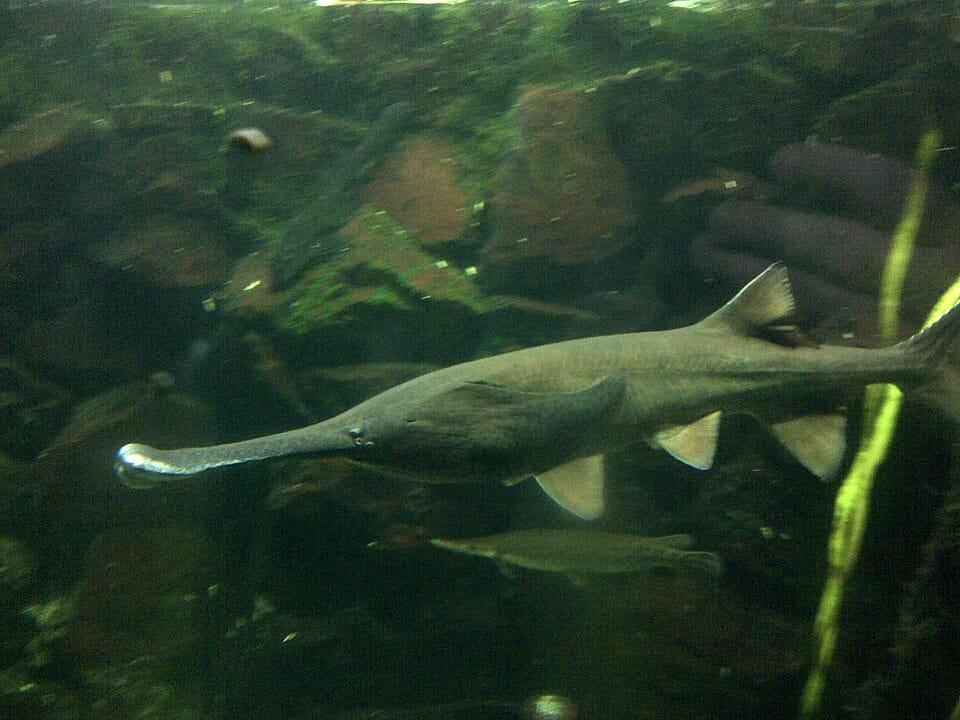
With its distinctive paddle-shaped snout and shark-like appearance, the American paddlefish is one of North America’s most unusual freshwater fish. These prehistoric-looking creatures can grow up to 7 feet long and weigh over 200 pounds. Found primarily in the Mississippi River basin and connecting lake systems, paddlefish have inhabited Earth’s waters for over 125 million years, earning them the nickname “living fossils.” Unlike most fish, they don’t hunt by sight but instead use electroreceptors on their elongated snouts to detect zooplankton, their primary food source. Paddlefish swim continuously with their mouths open, filtering food from the water. Unfortunately, these remarkable fish face numerous threats, including dam construction that blocks migration routes, water pollution, and overfishing for their valuable roe, which is sold as caviar. Several states have established protected status for these ancient swimmers.
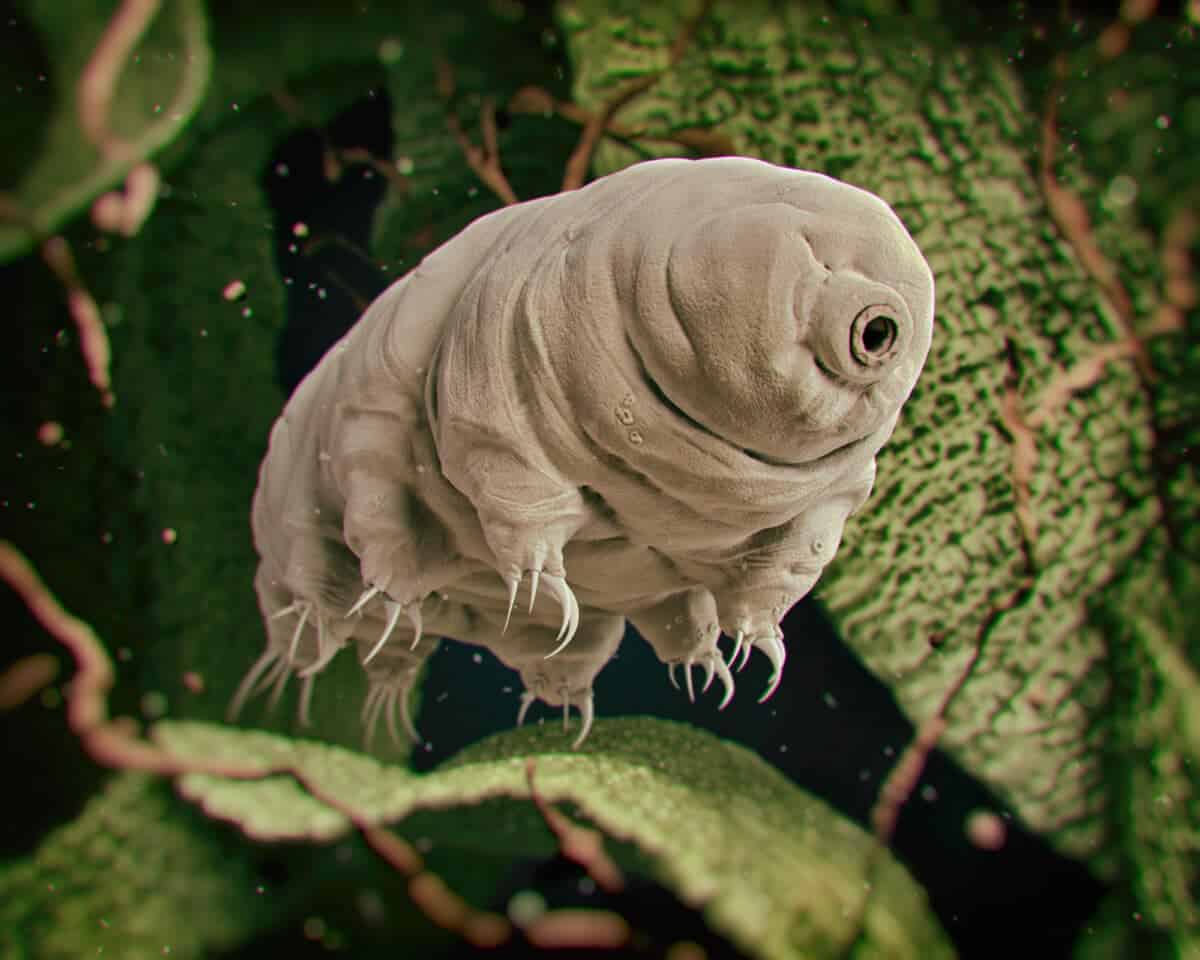
11. Water Bears (Tardigrades)

Though invisible to the naked eye, microscopic tardigrades—commonly known as water bears—are perhaps the toughest creatures in U.S. lakes. These eight-legged micro-animals, typically measuring less than 1 millimeter in length, possess nearly supernatural survival abilities. Tardigrades can withstand extreme temperatures from near absolute zero to well above boiling, survive radiation levels thousands of times what would kill a human, endure the vacuum of space, and even revive after decades of dehydration. In lakes, they inhabit the thin films of water surrounding aquatic plants, sediment, and shoreline moss. When examining lake water under magnification, these slow-moving creatures resemble tiny bears walking on stubby legs. Despite their remarkable resilience, tardigrades are peaceful micrograzers, feeding on plant cells, algae, and smaller microorganisms. Scientists study these exceptional survivors to understand mechanisms that might protect human cells from environmental stresses.
10. Freshwater Bryozoans (Pectinatella magnifica)
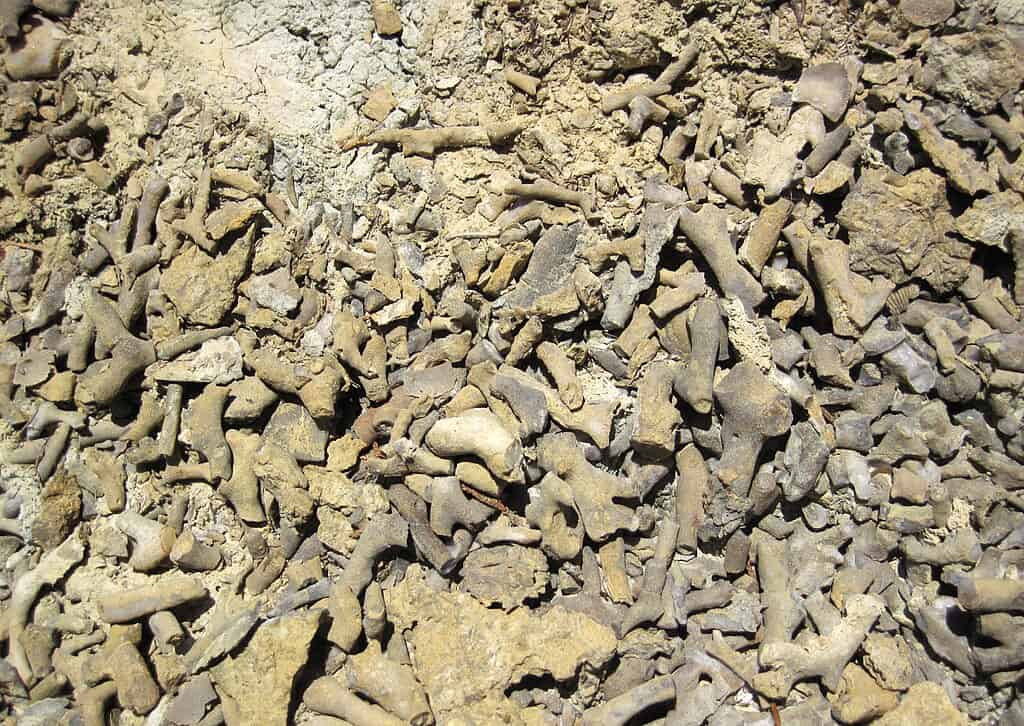
Resembling something from a science fiction film, freshwater bryozoans form gelatinous colonies that can grow to the size of basketballs in lakes throughout the United States. The species Pectinatella magnifica creates particularly striking formations—jelly-like masses dotted with rosette patterns formed by individual zooids (tiny invertebrate animals). These colonies typically attach to submerged branches, dock pilings, or underwater vegetation. Each zooid extends tentacles to filter feed, capturing microscopic algae and bacteria from the water. Though alarming in appearance, bryozoans are harmless to humans and actually help improve water quality through their filtering activities. These unusual colonies are most visible during summer months in clear, nutrient-rich waters. When water temperatures drop in fall, the colonies produce resistant seed-like structures called statoblasts that survive winter before developing into new colonies the following spring.
9. American Water Shrew (Sorex palustris)
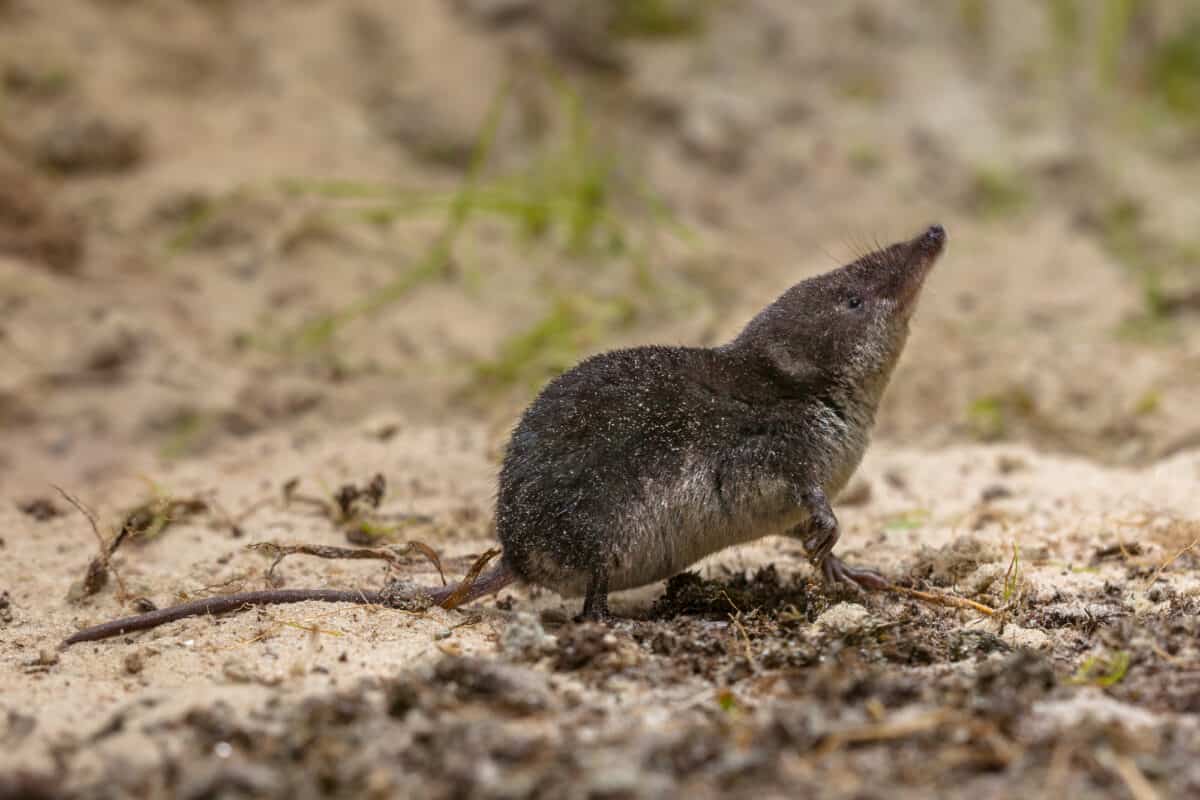
The American water shrew is a semi-aquatic mammal that inhabits the shorelines of cold, clear lakes and streams across the northern United States. Despite being one of North America’s most aquatically adapted land mammals, these diminutive predators remain largely unknown to the public. Measuring just 5-7 inches long including their tail, water shrews possess several remarkable adaptations for their semi-aquatic lifestyle. Their water-repellent fur traps air bubbles, providing insulation and buoyancy. Specialized fringes of stiff hairs on their feet act like miniature paddles, while their keel-shaped tail serves as a rudder during underwater pursuits. These voracious hunters can dive for up to 20 seconds, chasing aquatic insects, small fish, and crustaceans. Water shrews have such high metabolic rates that they must consume more than their body weight in food daily or risk starvation within hours.
8. Lake Sturgeon (Acipenser fulvescens)

Lake sturgeon are living relics that have remained largely unchanged for over 150 million years. These ancient fish can grow to impressive dimensions—sometimes exceeding 7 feet in length and 200 pounds—in the Great Lakes and Mississippi River basin. With their armor-like scales called scutes, shark-like tails, and barbels (whisker-like sensory organs), sturgeon bear little resemblance to more familiar fish species. Perhaps most remarkable is their longevity; lake sturgeon can live over 100 years, with females not reaching sexual maturity until age 20-25. These bottom-feeders use their extendable, tube-like mouths to vacuum up insect larvae, crayfish, snails, and other invertebrates from lake beds. Though once abundant, commercial overharvesting in the late 1800s and early 1900s, primarily for their eggs (caviar), coupled with pollution and dam construction, devastated sturgeon populations. Today, these impressive prehistoric fish are protected in most states, with restoration efforts showing promising results in some areas.
7. Fishfly Larvae (Chaoboridae)
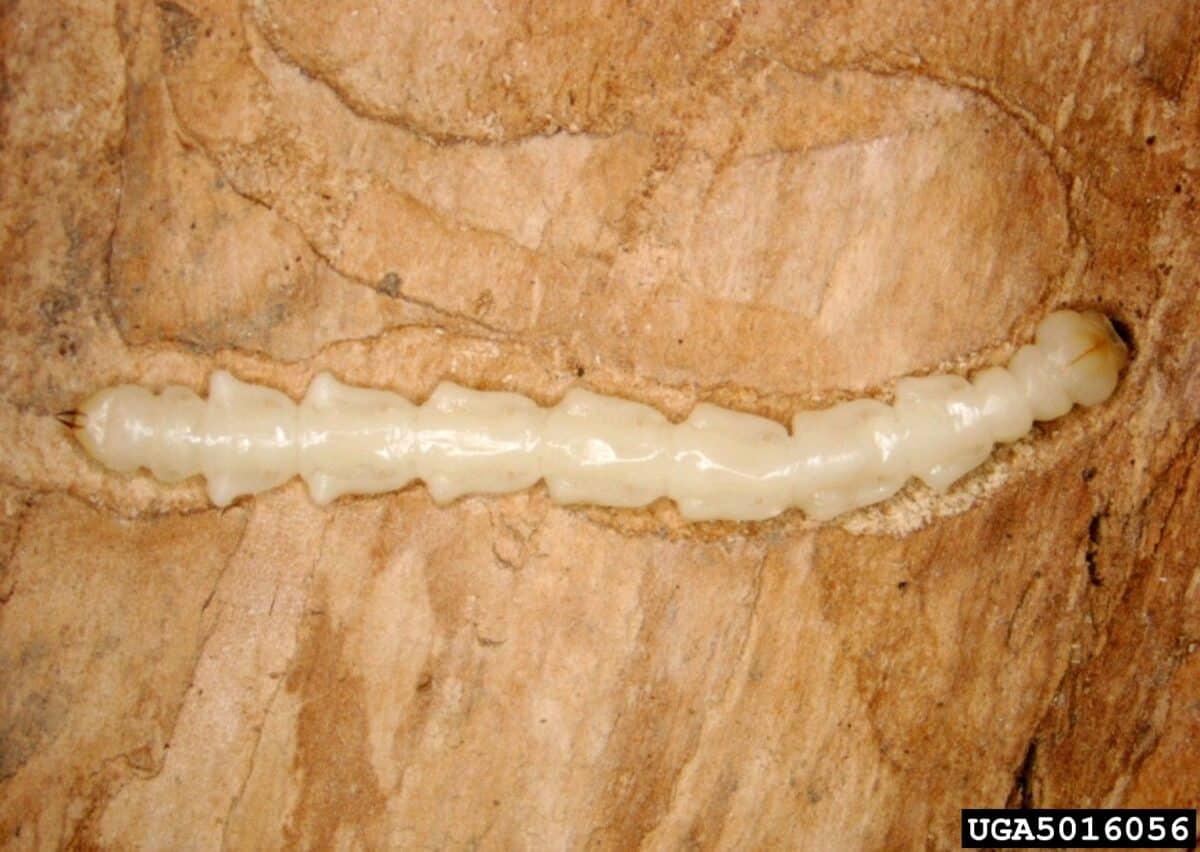
Known by the intimidating nickname “phantom midge larvae,” these transparent aquatic insects inhabit lakes throughout the United States. Fishfly larvae possess a unique ability that seems almost supernatural—they’re completely transparent except for two small air sacs that appear as dark spots. These air-filled structures function as hydrostatic organs, allowing the larvae to control their buoyancy and hover motionless in the water column. During daylight hours, they descend to deeper, darker waters to avoid predators, rising to surface waters at night to feed. Despite their ghostly appearance, phantom midge larvae are voracious predators, capturing small zooplankton and even tiny fish fry with their grasping antennae. After metamorphosis, they emerge from lakes as flying adults that somewhat resemble mosquitoes but don’t bite. These adults typically live just long enough to mate and lay eggs—sometimes only a few days—continuing the aquatic cycle that plays an important role in lake food webs.
6. Alligator Snapping Turtle (Macrochelys temminckii)

The prehistoric-looking alligator snapping turtle is the largest freshwater turtle in North America and among the heaviest in the world, with records of specimens weighing over 200 pounds. Found in lakes, rivers, and swamps throughout the southeastern United States, these impressive reptiles possess several distinctive features that set them apart from common snapping turtles. Their most notable adaptation is a fleshy, worm-like appendage on their tongue that they use as bait to lure fish directly into their powerful jaws. This unique form of aggressive mimicry allows them to hunt while barely moving—they can remain motionless underwater for up to 50 minutes. With their heavily armored shells featuring three pronounced ridges, powerful beaked jaws, and dinosaur-like appearance, alligator snappers are often called the “dinosaurs of the turtle world.” These long-lived reptiles can survive 70 years or more in the wild but face threats from habitat loss, water pollution, and illegal collection. Several states now protect these remarkable aquatic predators.
5. Water Mites (Hydrachnidiae)
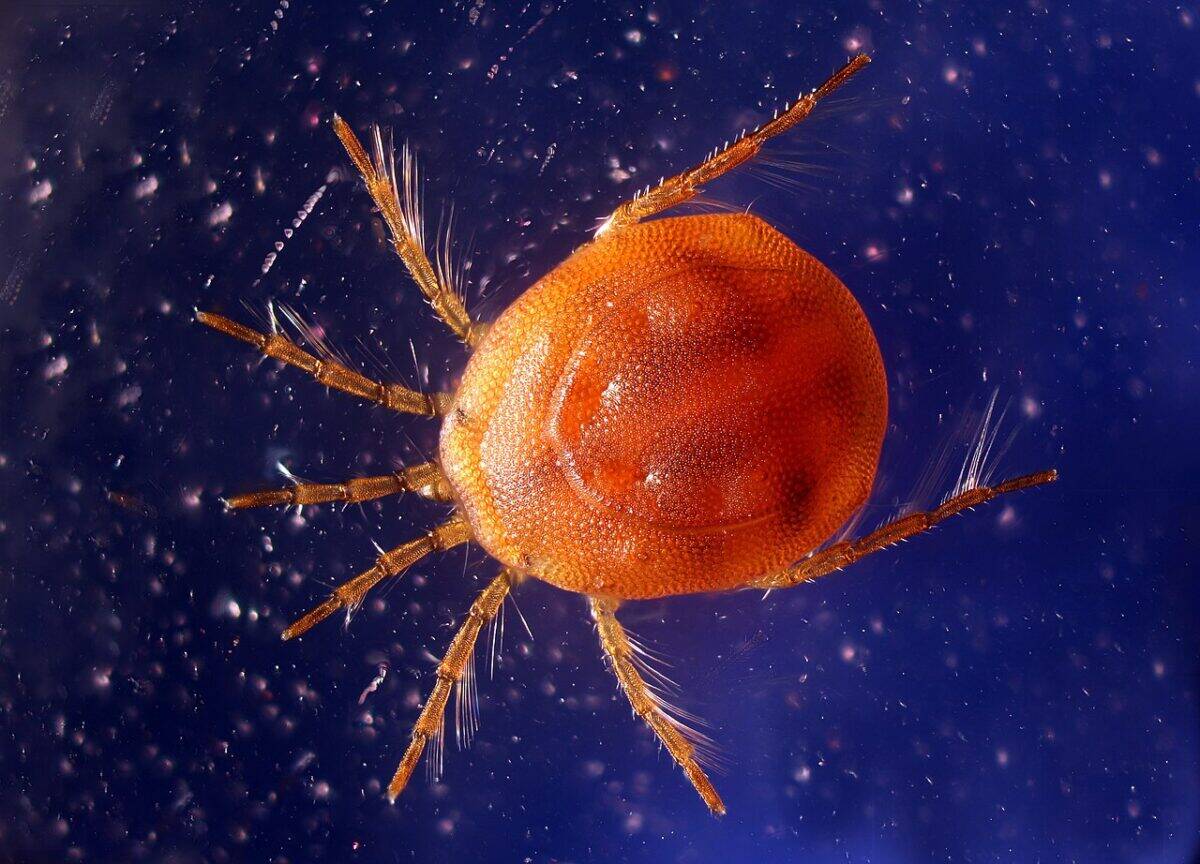
Water mites represent one of the most colorful and diverse groups of aquatic invertebrates in U.S. lakes, yet remain virtually unknown to most people. These tiny arachnids—relatives of spiders and ticks—come in vibrant hues of red, orange, blue, and green, serving as living jewels of the underwater world. Despite measuring just 0.5-5mm, water mites play crucial roles in lake ecosystems as both predators and parasites. Many species begin life as parasites attached to aquatic insects before transitioning to free-swimming predators that hunt small crustaceans and insect larvae. These diminutive hunters are remarkably efficient swimmers, using their hairy legs to propel themselves in jerky, rapid movements. Scientists have identified over 5,000 water mite species worldwide, with hundreds inhabiting U.S. lakes. Their presence and diversity often serve as bioindicators of water quality, as many species are highly sensitive to pollution and environmental changes.
4. Spiny Softshell Turtle (Apalone spinifera)

With its pancake-flat shell, elongated snout, and surprising speed in water, the spiny softshell turtle differs dramatically from typical turtles found in U.S. lakes. These unique reptiles have abandoned the hard, protective shell of most turtles in favor of a leathery carapace that enhances their swimming ability and allows them to bury themselves in sandy or muddy lake bottoms within seconds. Their long, snorkel-like snouts enable them to breathe while remaining mostly buried, with only the tip exposed. Spiny softshells are incredibly fast swimmers that can outpace many fish species, using their powerful, paddle-like feet to propel themselves through the water. These highly aquatic turtles rarely bask on logs like other turtle species, preferring to sunbathe in shallow water. Though primarily residing in rivers, they’re common in connected lake systems throughout the central and eastern United States. Despite their somewhat intimidating appearance and defensive nature when handled, spiny softshells are valuable components of lake ecosystems, helping control populations of crayfish, insects, and small fish.
3. Freshwater Eels (Anguilla rostrata)

The American eel undertakes one of the most remarkable migrations of any creature in U.S. lakes. These snake-like fish begin life in the Sargasso Sea, a region of the Atlantic Ocean, before traveling thousands of miles to reach freshwater lakes and rivers throughout eastern North America. Young eels (called elvers) make this incredible journey, gradually transforming from transparent “glass eels” to yellow-brown juveniles as they move upstream. They may spend 5-20 years maturing in freshwater before returning to the Sargasso Sea to spawn and die. During their freshwater phase, eels are primarily nocturnal predators that hunt crustaceans, insects, mollusks, and small fish. With their slender bodies and specialized gill structures, they can even travel short distances over damp ground between bodies of water. Despite their remarkable life cycle and ecological importance, American eel populations have declined significantly due to dams blocking migration routes, habitat degradation, and commercial harvesting. These fascinating fish now receive increasing conservation attention in many states.
2. Giant Water Bug (Lethocerus americanus)

Often mistaken for cockroaches or small turtles, giant water bugs rank among the largest true bugs in North America, reaching lengths of up to 2.5 inches. These formidable predators lurk in vegetation-rich areas of lakes and ponds across the United States, where they hunt an astonishing variety of prey, including small fish, amphibians, snakes, and invertebrates. Giant water bugs capture victims with their powerful front legs before injecting digestive enzymes through their beak-like mouthparts, liquefying their prey’s internal tissues for consumption. These ambush hunters have earned the nickname “toe-biters” for their painful bite, which they can inflict when handled carelessly by humans. One of their most fascinating behaviors involves parental care—in many species, females glue eggs onto the backs of males, who then carry and protect the developing offspring until they hatch. Giant water bugs are strong fliers that occasionally leave water bodies, especially when attracted to artificial lights, leading to their alternate name “electric light bugs.”
1. Bowfin (Amia calva)

The bowfin represents another “living fossil” that swims in lakes across the eastern United States. These primitive fish have remained virtually unchanged for over 100 million years, retaining ancestral features like a gas bladder that functions as a primitive lung, allowing them to gulp air and survive in poorly oxygenated waters where most fish would perish. Bowfins can grow to over 30 inches long and are immediately recognizable by their long dorsal fin, muscular body, and rounded tail. Males develop a distinctive eyespot on their tail that may confuse predators or serve a role in mating displays. During breeding season, male bowfins turn a vibrant blue-green while guarding nests and young with fierce dedication. Though often considered “trash fish” by anglers seeking game species, bowfins serve crucial ecological roles as opportunistic predators that help maintain balanced fish populations. Their ability to thrive in diverse conditions, including stagnant backwaters that would be lethal to most fish, demonstrates the remarkable adaptability that has ensured their survival for millions of years.
Conclusion:
America’s lakes are far more than scenic retreats—they are vibrant, complex ecosystems brimming with life both familiar and strange. From the nearly indestructible water bear to the ancient, armored lake sturgeon, these freshwater habitats host an astonishing variety of creatures, many of which remain unseen and underappreciated. Each species, whether a microscopic bryozoan or a powerful alligator snapping turtle, plays a vital role in maintaining the ecological balance of these waters. Their presence reminds us that even the most overlooked environments can harbor incredible biodiversity. As we continue to explore and learn more about these hidden inhabitants, it’s clear that protecting our lakes is not just about preserving natural beauty—it’s about safeguarding the intricate web of life that thrives beneath the surface. Freshwater conservation isn’t merely an environmental issue—it’s a commitment to preserving some of the most fascinating and resilient life forms on Earth.

As a little kid, I fell in love with nature, wildlife, and animals. Living in the USA, South Africa, Italy, China and Germany gave me the opportunity to discover the world's Wildlife. My favorite animals are Mountain Gorillas, Siberian Tigers, and Great White Sharks.
I'm a certified PADI Open Water Diver, went to Everest Base Camp and Trekked Gorillas in Uganda. I hold a Master of Science in Economics and Finance.
Please send any feedback to feedback@animalsaroundtheglobe.com
- Why the Great Barrier Reef Is the Best Place to Spot Sea Turtles - June 3, 2026
- 2 Animals With Super Sized Body Parts and What They are For - June 3, 2026
- Explore The Azores - June 3, 2026