
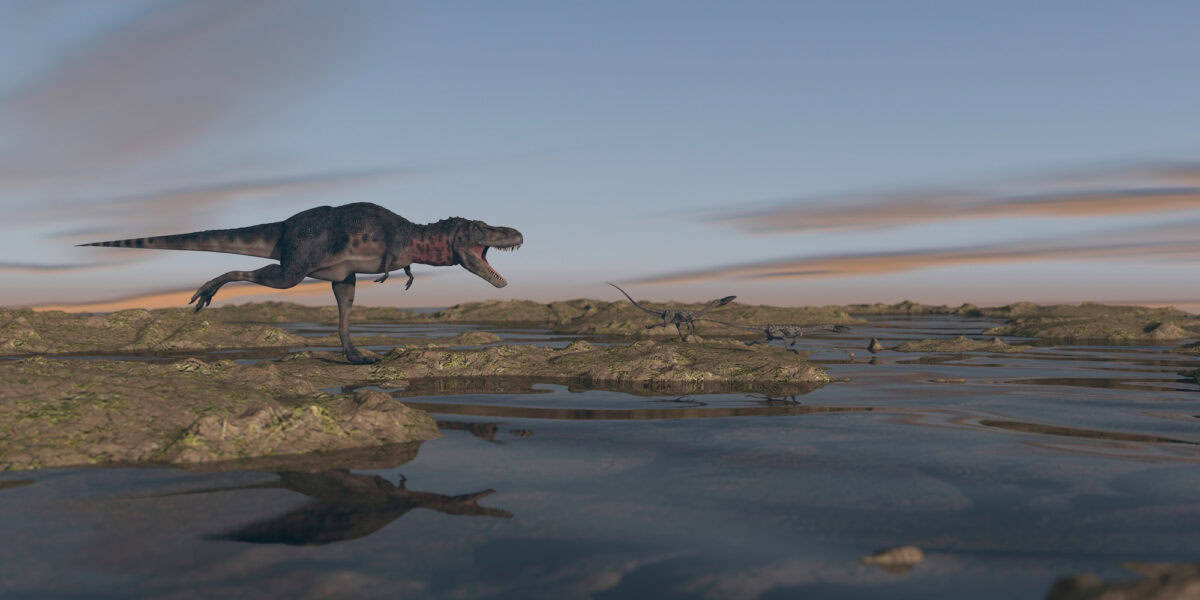


Long before humans charted the oceans, a fascinating array of marine reptiles dominated the prehistoric seas. Often misclassified as “marine dinosaurs,” these fearsome creatures were not true dinosaurs but rather distinct forms of reptiles adapted to life in the water. Through millions of years, a wide variety of these reptiles emerged, each exhibiting unique adaptations that made them formidable predators. This article explores 15 of the deadliest marine reptiles that once roamed our planet’s oceans.
1. Mosasaurus
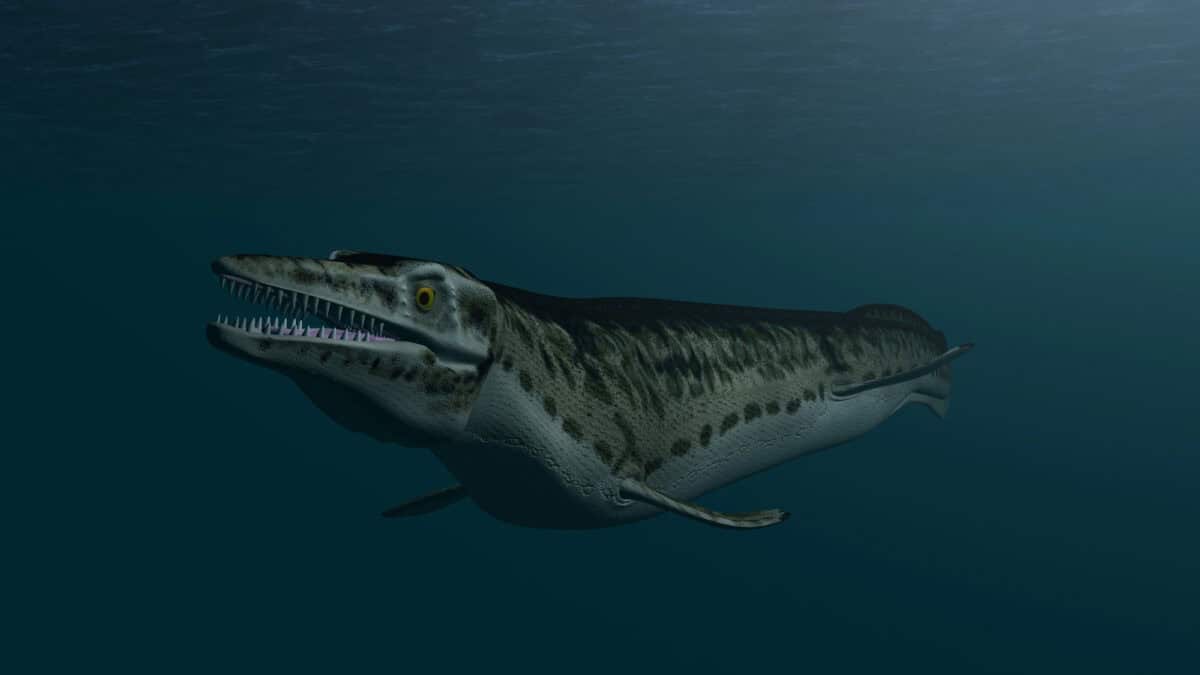
Mosasaurus was an apex predator of the late Cretaceous period, growing up to 50 feet in length. Equipped with powerful jaws and conical teeth, this marine reptile could easily crush the shells of ammonites and turtles or grasp slippery prey such as sharks and other marine reptiles. Its serpentine body and strong tail allowed it to move swiftly through the water, making it one of the deadliest hunters of its time.
2. Plesiosaurus

Famed for its long neck and small head, Plesiosaurus was a highly efficient hunter. Though not as large as some marine reptiles, its voracious appetite and ability to ambush prey from a distance made it particularly deadly. Its limbs had evolved into paddles, granting it graceful mobility to pursue fish and squid-like creatures in Jurassic waters.
3. Liopleurodon

This fearsome predator of the Jurassic seas was characterized by its enormous size, with estimates ranging up to 25 meters (82 feet) in length. Liopleurodon’s massive, toothy jaws could exert immense force, allowing it to tackle large prey, including other marine reptiles. Its streamlined body and immense flippers made it an adept swimmer, capable of quick bursts of speed to capture elusive prey.
4. Kronosaurus

Kronosaurus was one of the largest pliosaurs, estimated at 30 to 33 feet long. Named after the leader of the Greek Titans, this reptile boasted an impressive set of teeth, about 30 centimetres (12 inches) long. Its massive head comprised nearly a third of its body length, making it a lethal predator that could take down other marine reptiles and fish with relative ease.
5. Tylosaurus

Tylosaurus was another giant member of the mosasaurs, comparable in size to the Mosasaurus itself. With a sleek body and powerful flippers, it could pursue fast-swimming prey, and its elongated snout was ideal for snatching fish, birds, and other reptiles from the water. Fossil evidence suggests a diet that included nearly everything in its habitat, highlighting its role as an apex predator.
6. Ichthyosaurus

Ichthyosaurus resembled modern dolphins in shape but held a more frightening reputation. Although typically smaller in comparison to the monstrous pliosaurs and mosasaurs, they were fast swimmers with a streamlined body ideal for pursuing fish and squid. Their conical teeth were expert at capturing slippery prey.
7. Pliosaurus
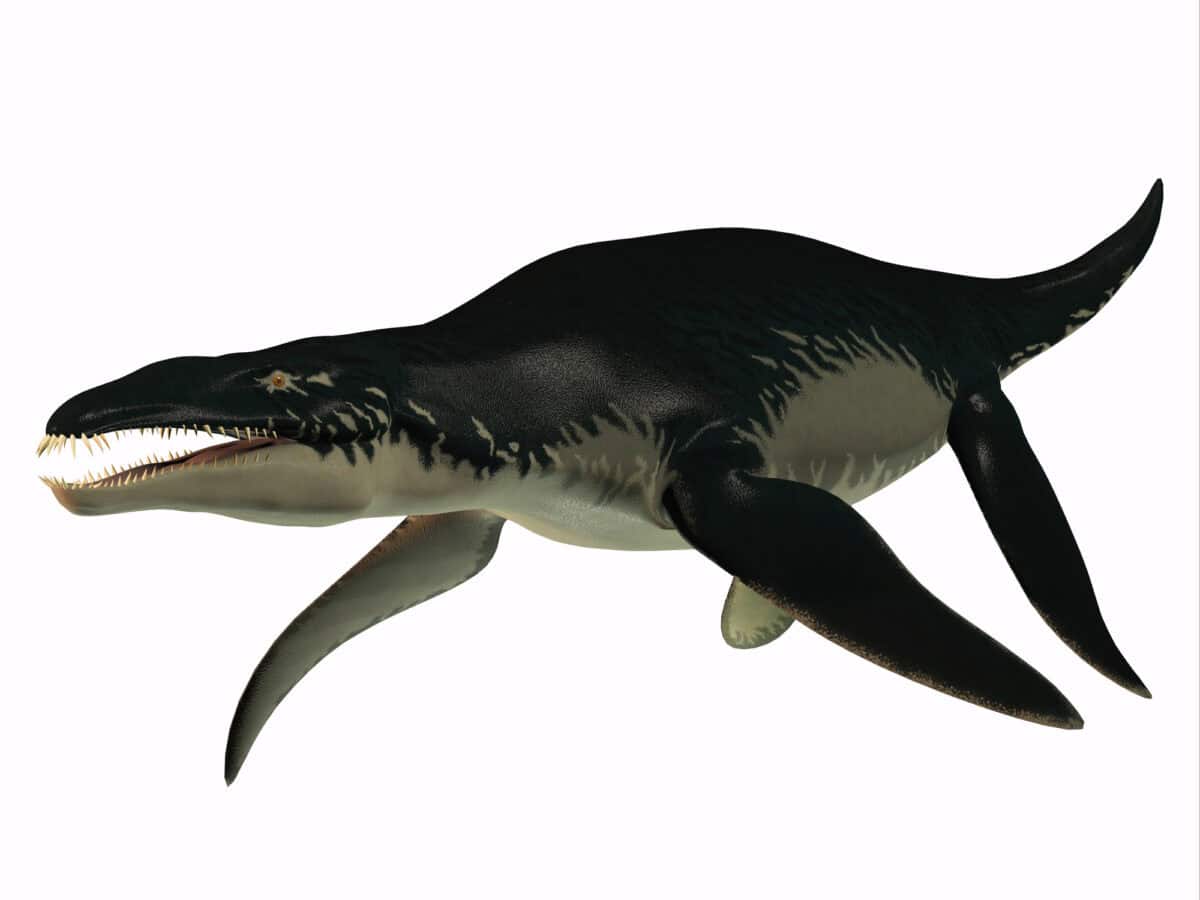
Keenly adapted for ambushing prey, Pliosaurus boasted a large, aerodynamic skull with massive jaw strength. While estimates of its size vary, some species could reach lengths of up to 40 feet or more. Pliosaurus fed on large prey, including other marine reptiles, leveraging its immense size and jaw power to secure dominance in mid-Jurassic seas.

Dog Stairs for Bed 18" H, 4-Step Dog Steps for High Bed
Check Price on AmazonAs an Amazon Associate, we earn from qualifying purchases.
10/9/2026 2:42 pm GMTi

Halloween Dog Collar with Bow, Orange Cute Ghost Collar,
Check Price on AmazonAs an Amazon Associate, we earn from qualifying purchases.
10/9/2026 2:43 pm GMTi

Glass Hummingbird Feeder for Outdoors Hanging, 16 oz Leak-Proof Nectar Feeder with Bee Guards & Ant Moat
Check Price on AmazonAs an Amazon Associate, we earn from qualifying purchases.
10/7/2026 1:22 pm GMTi

Halloween Cat Costume Cloak Witch Hat Pet Accessories
Check Price on AmazonAs an Amazon Associate, we earn from qualifying purchases.
10/9/2026 2:44 pm GMTi

Smart Bird Feeder with Camera Solar Powered, 2K HD Live Video, 10,000+ Bird Species AI Identification
Check Price on AmazonAs an Amazon Associate, we earn from qualifying purchases.
10/7/2026 1:22 pm GMTi
8. Basilosaurus

Although technically a primitive whale rather than a reptile, Basilosaurus deserves mention due to its predatory dominance and unusual proportions during the late Eocene epoch. Reaching lengths of 59 to 66 feet, it had elongated serpentine bodies and razor-sharp teeth, suggesting it was a top predator that fed on large fish and other sea creatures.
9. Mauisaurus
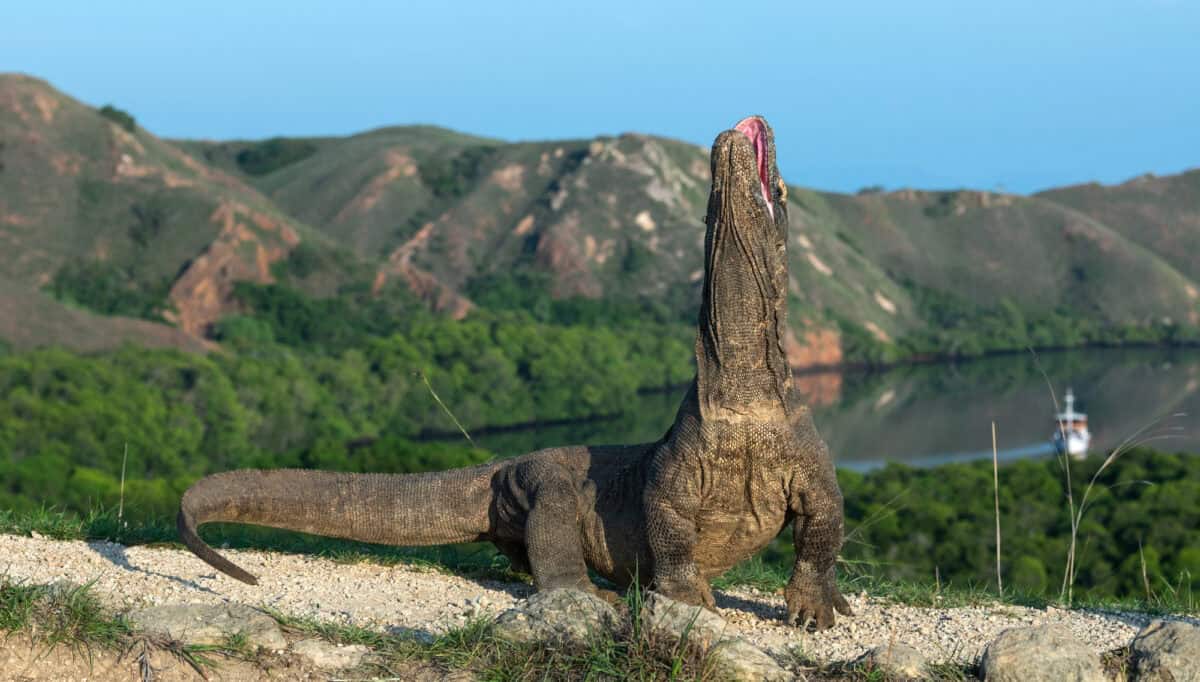
Named after the Maori god Maui, Mauisaurus inhabited the seas around modern-day New Zealand. It possessed an elongated neck similar to that of Plesiosaurus but was considerably larger, reaching around 26 feet in length. Its impressive neck allowed Mauisaurus to surprise prey from a distance, emerging as a proficient predator in the marine ecosystem.
10. Shonisaurus

Among the largest ichthyosaurs, Shonisaurus exhibited a length exceeding 50 feet and thrived primarily in the Triassic period. Despite its size, its toothless beak was more suited for suction feeding, ingesting smaller prey like fish and cephalopods, suggesting a specialized yet powerful niche in its marine environment.
11. Elasmosaurus

Famed for its extraordinarily long neck, which could consist of nearly 50 vertebrae, Elasmosaurus measured around 34 feet in length. Its neck allowed it to stealthily approach prey in the Cretaceous seas. This piscivorous reptile utilized rapid strike tactics to capture fish and small marine creatures.
12. Temnodontosaurus

Temnodontosaurus, a member of the ichthyosaur family, was a dominant predator of the early Jurassic period. With a substantial size of up to 39 feet, it possessed a robust skull and large eyes, enhancing its predatory efficiency in the dim light of deeper waters. Its varied diet likely included fish, ammonites, and smaller marine reptiles.

Professional 7 in 1 Dog Paw Cleaner for Dogs & Cats - Includes 1 Portable Paw Washer, 1 Bath Brush
Check Price on AmazonAs an Amazon Associate, we earn from qualifying purchases.
10/7/2026 1:26 pm GMTi

PetSafe Oasys Pet Fountain, 1/2 Gallon (64 oz), Small Dogs & Cats
Check Price on AmazonAs an Amazon Associate, we earn from qualifying purchases.
10/8/2026 8:14 am GMTi

2 Pcs Halloween Pet Hat Bandana Set, Witch Pumpkin Costumes for Dogs
Check Price on AmazonAs an Amazon Associate, we earn from qualifying purchases.
10/9/2026 2:45 pm GMTi

Portable Dog Water Bottle Foldable Dog Travel Water Bottle
Check Price on AmazonAs an Amazon Associate, we earn from qualifying purchases.
10/7/2026 1:29 pm GMTi

Glass Hummingbird Feeder for Outdoors Hanging
Check Price on AmazonAs an Amazon Associate, we earn from qualifying purchases.
10/7/2026 1:21 pm GMTi
13. Prognathodon

A cousin to the more renowned Mosasaurus, Prognathodon displayed unique adaptations such as blunt, crushing teeth. Ranging around 30 feet in length, it was capable of crushing hard-shelled prey like ammonites and turtles, making it a different but equally lethal presence in the Late Cretaceous seas.
14. Nothosaurus

This relatively smaller Triassic marine reptile, typically around 10 feet, was one of the early representatives of what would become the mighty plesiosaurs. Though smaller, its agility and dual-purpose limb adaptations for swimming and crawling enabled it to hunt both in water and possibly nearshore areas, feeding on fish and small reptiles.
15. Dakosaurus

Dakosaurus retained a morphology akin to prehistoric crocodiles but adapted for life in marine environments during the late Jurassic. Its large, serrated teeth facilitated a diet of fish and marine reptiles, where it exhibited hunting strategies paralleling those of large terrestrial predators. Its powerful tail and streamlined body made it an expert swimmer.

Hand Blown Glass Hummingbird Feeders for Outdoors Hanging, 24oz Wild Bird Nectar Feeder
Check Price on AmazonAs an Amazon Associate, we earn from qualifying purchases.
10/7/2026 1:23 pm GMTi

Orthopedic Extra Large Dog Bed, Waterproof Washable XL Pet Bed 44"
Check Price on AmazonAs an Amazon Associate, we earn from qualifying purchases.
10/7/2026 1:32 pm GMTi

Air Purifiers for Home Pets Large Room Up to 3000 Ft²,HEPA Air Cleaner with Washable Double-Side Filter, PM2.5 Air Quality Monitor,15dB Sleep Mode for Bedroom Odor Dust Pollen,White
Check Price on AmazonAs an Amazon Associate, we earn from qualifying purchases.
10/8/2026 8:23 am GMTi

Earth Rated XL Dog & Puppy Pee Pads, Discreet Top, Max Absorbency
Check Price on AmazonAs an Amazon Associate, we earn from qualifying purchases.
10/7/2026 1:28 pm GMTi
Conclusion: The Legacy of Prehistoric Marine Reptiles

The diversity and adaptations of prehistoric marine reptiles reflect a world where survival demanded fierce predation and remarkable evolution. These formidable creatures, ranging from the massive Mosasaurus to the serpentine Elasmosaurus, highlight the awe-inspiring variety of life that once thrived in the Earth’s oceans. Understanding these ancient predators provides valuable insight into the evolutionary pressures and environmental conditions that shaped life in the sea throughout Earth’s history.

As a little kid, I fell in love with nature, wildlife, and animals. Living in the USA, South Africa, Italy, China and Germany gave me the opportunity to discover the world's Wildlife. My favorite animals are Mountain Gorillas, Siberian Tigers, and Great White Sharks.
I'm a certified PADI Open Water Diver, went to Everest Base Camp and Trekked Gorillas in Uganda. I hold a Master of Science in Economics and Finance.
Please send any feedback to feedback@animalsaroundtheglobe.com
- 15 Deadliest Marine Dinosaurs that Roamed Prehistoric Seas - November 11, 2026
- 12 Marine Predators That Use Camouflage - November 11, 2026
- 16 Animal Species That Teach Their Young Just Like Humans - November 11, 2026
Leave a comment
You must be logged in to post a comment.