


Massachusetts, with its diverse ecosystems from coastal beaches to inland forests, is home to a surprising number of potentially dangerous animals. While the Bay State isn’t known for deadly predators like bears or mountain lions, several species can pose significant health risks or even prove fatal under certain circumstances. This comprehensive guide explores 18 deadly animals found across Massachusetts, detailing where they live and the specific dangers they present to humans. Whether you’re hiking in the Berkshires, exploring Cape Cod, or simply enjoying your backyard, understanding these animals’ habitats and behaviors is essential for safely coexisting with Massachusetts’ wildlife.
1. Northern Black Widow Spider (Latrodectus variolus)
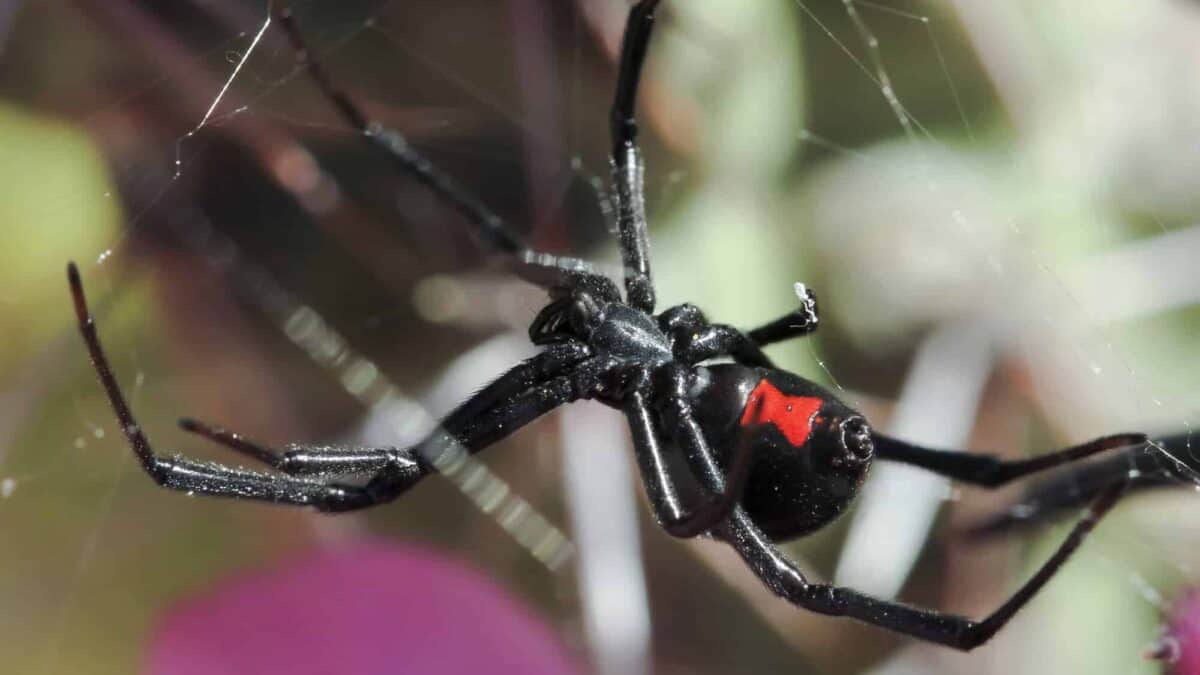
The Northern Black Widow spider is one of Massachusetts’ most venomous residents. Characterized by its glossy black body and distinctive red hourglass marking on the underside of its abdomen, this spider inhabits dark, undisturbed areas throughout the state. They’re commonly found in woodpiles, stone walls, outdoor sheds, and dense vegetation, particularly in the central and western regions of Massachusetts.
While not aggressive by nature, Black Widows deliver a potent neurotoxic venom when threatened. Their bite can cause severe muscle pain, abdominal cramps, and in rare cases, can be fatal to young children, elderly individuals, or those with compromised immune systems. Massachusetts has seen an increase in Black Widow populations as warming temperatures expand their viable habitat northward, making encounters more common than in previous decades.
2. Eastern Timber Rattlesnake (Crotalus horridus)
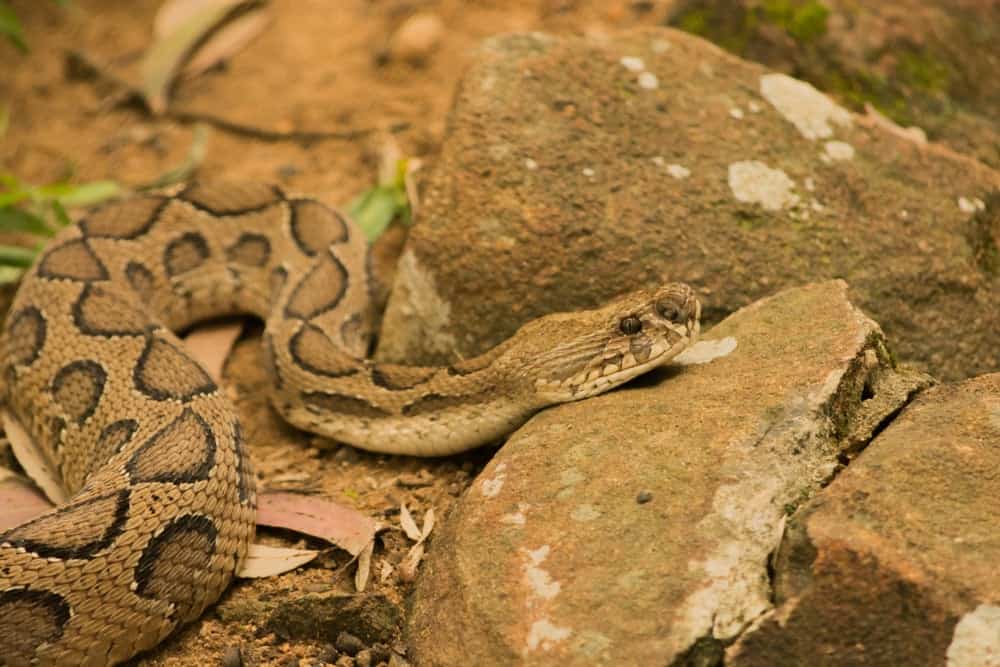
The Eastern Timber Rattlesnake represents Massachusetts’ only venomous snake species and is currently endangered within the state. These reptiles are primarily restricted to the Blue Hills south of Boston, the Connecticut River Valley, and isolated populations in the Berkshires. They favor rocky, forested habitats with south-facing slopes that provide essential basking areas and den sites for winter hibernation.
Growing up to five feet long, these rattlesnakes possess hemotoxic venom that destroys tissue and prevents blood clotting. While human fatalities are extremely rare in Massachusetts, their bites require immediate medical attention. Conservation efforts have focused on protecting the remaining populations, with fewer than 200 individuals estimated to remain in the state. The Massachusetts Division of Fisheries and Wildlife actively monitors these snakes and has established protected areas to prevent further population decline.
3. Brown Recluse Spider (Loxosceles reclusa)
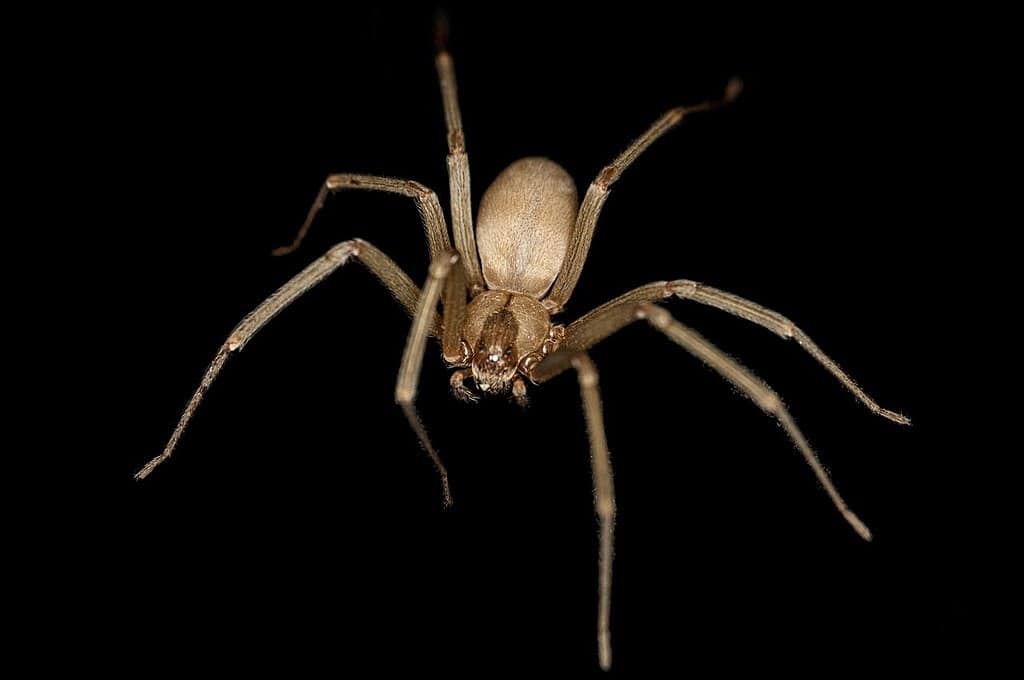
Though not native to Massachusetts, the Brown Recluse spider has been occasionally found in shipments and rarely establishes temporary populations in heated buildings. These spiders are identified by their light brown color and distinctive violin-shaped marking on the cephalothorax. When found in Massachusetts, they typically inhabit dark, undisturbed areas like closets, attics, and storage spaces, particularly in urban areas where goods are shipped from southern states.
The Brown Recluse’s bite contains a necrotizing venom that can cause severe tissue damage, creating a characteristic “crater” as flesh around the bite dies. While Massachusetts’s climate is generally too cold for these spiders to establish permanent outdoor populations, climate change and heated indoor environments have enabled occasional infestations. Anyone suspecting a Brown Recluse bite should seek immediate medical attention, as proper treatment can prevent serious complications including extensive scarring.
4. Yellow Jacket Wasps (Vespula spp.)
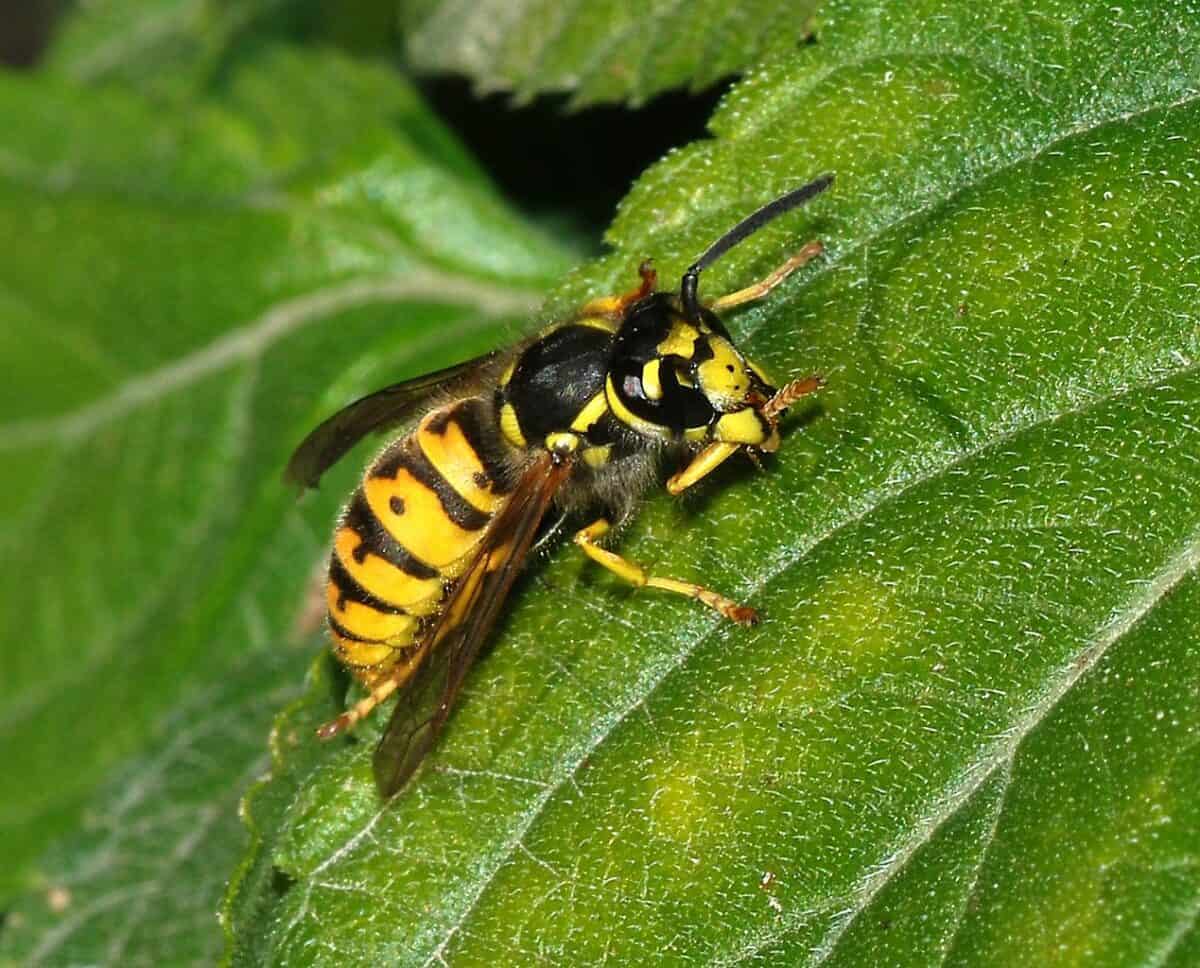
Yellow Jackets are among the most aggressive stinging insects in Massachusetts, responsible for numerous painful encounters each year. These black and yellow social wasps build colonies throughout the state, with nests commonly found in the ground, wall voids, attics, and hollow trees. Their populations peak in late summer and early fall, making August and September particularly dangerous months for encounters, especially in suburban areas across eastern Massachusetts.
Unlike honeybees, Yellow Jackets can sting multiple times, injecting venom that causes intense pain, swelling, and potentially life-threatening allergic reactions in sensitive individuals. Each year, Massachusetts emergency rooms treat hundreds of cases of anaphylaxis resulting from Yellow Jacket stings. These wasps are particularly problematic during outdoor activities like picnics and sporting events, as they’re attracted to sweet foods, meats, and garbage. Professional removal is recommended for nests located near homes, particularly for individuals with known allergies.
5. Great White Sharks (Carcharodon carcharias)
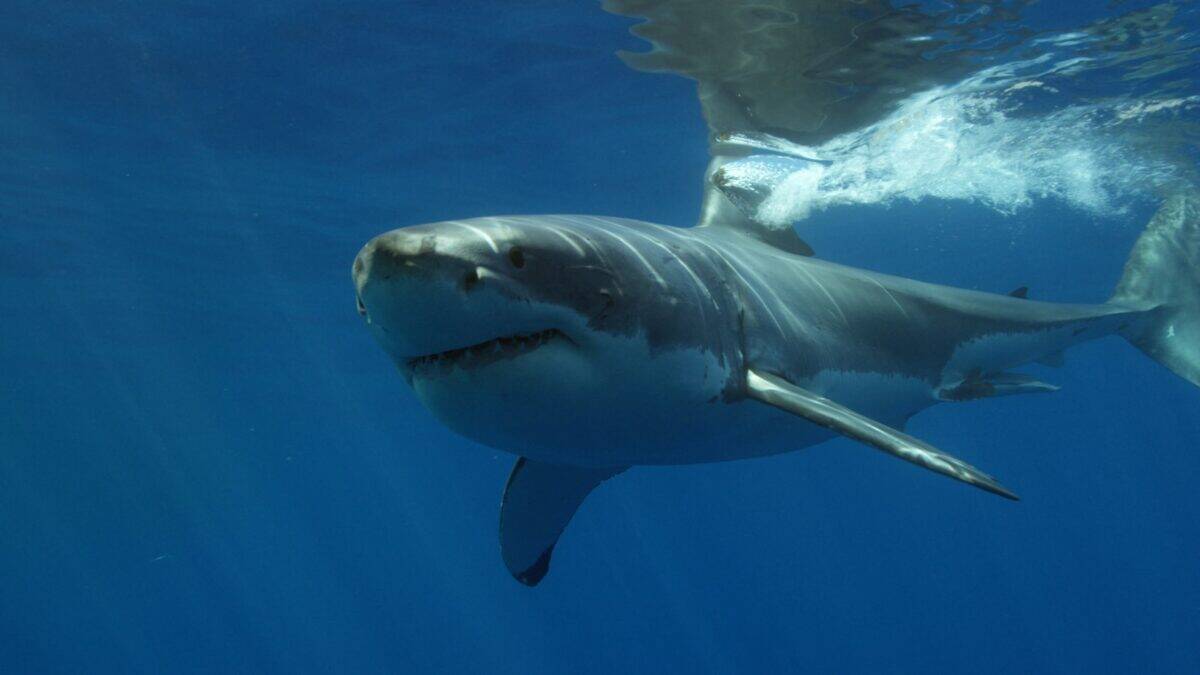
The waters off Cape Cod have become a notable hotspot for Great White Sharks, drawn by the rebounding gray seal population. These apex predators typically appear from late May through October, with the highest concentrations observed near Chatham, Provincetown, and Nauset Beach. Marine biologists from the Atlantic White Shark Conservancy have documented over 300 individual sharks in recent years, revealing a significant population increase since seal hunting was prohibited.
While rare, shark attacks in Massachusetts have occurred, including a fatal incident in 2018—the state’s first in over 80 years. Great Whites typically don’t target humans but may mistake swimmers or surfers for seals, especially in murky water. Massachusetts has implemented extensive safety measures in coastal areas, including spotting planes, real-time alert systems, and emergency response protocols. Beachgoers are advised to avoid swimming at dawn or dusk, stay close to shore, and heed all warning flags and announcements.
6. Deer Tick (Ixodes scapularis)

Perhaps the smallest yet most consistently dangerous animal in Massachusetts is the deer tick, prevalent throughout the state but especially concentrated on Cape Cod, the Islands, and in wooded suburban areas. These tiny arachnids, no larger than a sesame seed when unfed, thrive in leaf litter, tall grasses, and shrubby areas where deer and small mammals provide blood meals and transportation to new habitats. Population densities are highest in Plymouth, Barnstable, and Dukes counties, though no region of Massachusetts is free from their presence.
Deer ticks transmit Lyme disease, anaplasmosis, babesiosis, and other serious illnesses that can cause long-term health complications and, in rare cases, death if left untreated. Massachusetts consistently ranks among the top states for Lyme disease cases, with thousands of confirmed diagnoses annually. The greatest risk periods are late spring through early summer when nymphal ticks are active, and again in fall when adult ticks seek final hosts before winter. Public health officials recommend thorough tick checks after outdoor activities, wearing protective clothing, and using repellents containing DEET or permethrin when venturing into tick habitat.
7. Portuguese Man-of-War (Physalia physalis)
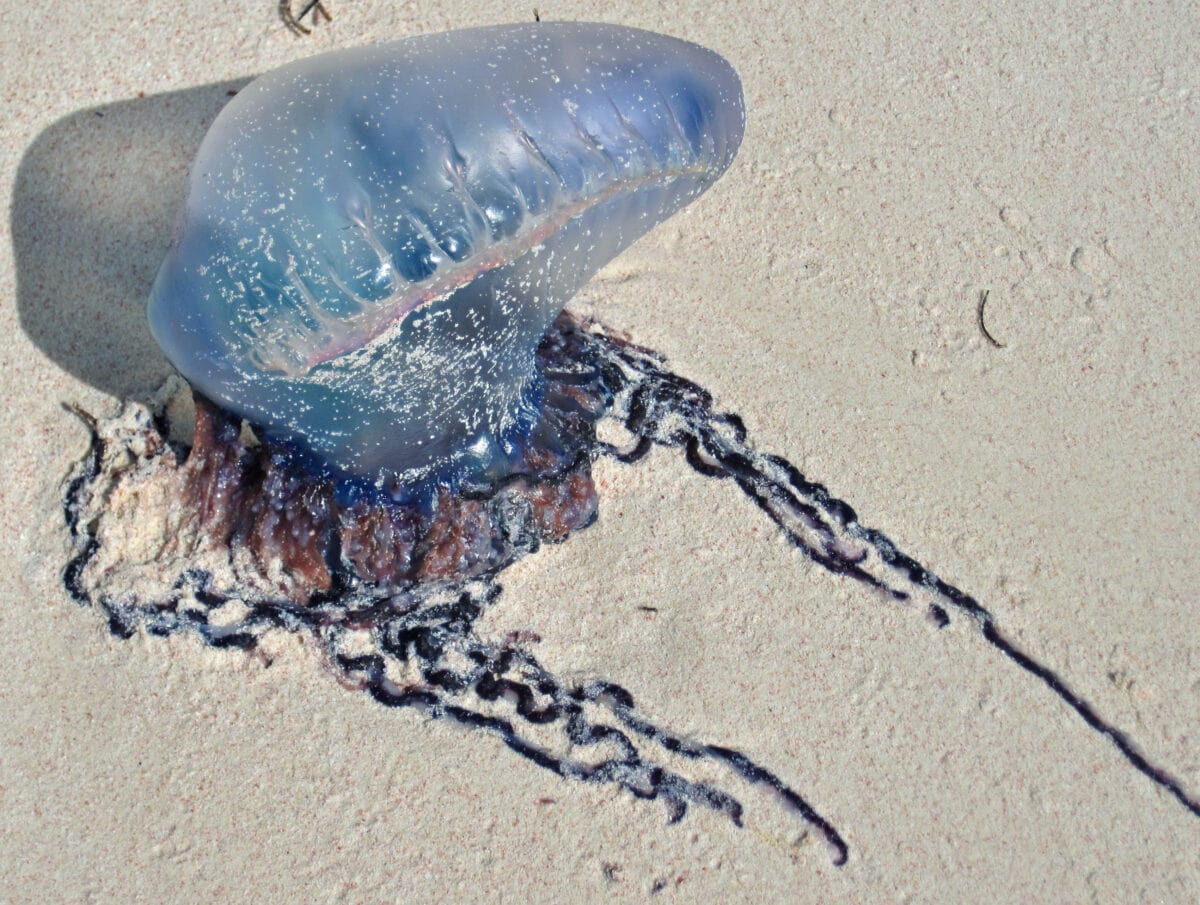
Though not a regular resident, the Portuguese Man-of-War occasionally appears along Massachusetts coastlines, particularly on the south-facing beaches of Cape Cod, Martha’s Vineyard, and Nantucket. These colonial marine organisms, often mistaken for jellyfish, are actually siphonophores—collections of specialized animals working together. Their distinctive purple-blue gas-filled float is visible above the water, while venomous tentacles that can extend up to 100 feet trail below the surface.
Contact with Man-of-War tentacles causes immediate, excruciating pain, welts, and in severe cases, can lead to shock, respiratory distress, and cardiac complications. Even detached tentacles washed ashore remain venomous for days. When southern ocean currents and persistent southwest winds coincide, usually in late summer, these creatures can appear in Massachusetts waters, prompting beach closures. Climate change and warming ocean temperatures may be contributing to more frequent sightings in recent years, with marine biologists documenting increased occurrences along the entire New England coast.
8. Northern Copperhead (Agkistrodon contortrix)

The Northern Copperhead is Massachusetts’ second venomous snake species, found primarily in the Connecticut River Valley and scattered localities in the central part of the state. These medium-sized pit vipers, recognizable by their coppery-red heads and hourglass-patterned bodies, prefer rocky wooded hillsides, forest edges, and wetland margins. Specific populations have been documented in the Holyoke Range, Mount Tom, and isolated pockets in Worcester County.
While less dangerous than rattlesnakes, Copperhead venom can cause significant tissue damage, intense pain, and systemic effects including decreased blood pressure and impaired clotting. Massachusetts has recorded no fatalities from Copperhead bites in modern times, but several hospitalizations occur annually. Like the Timber Rattlesnake, Copperheads face population pressures from habitat fragmentation and development. They’re a protected species in Massachusetts, making it illegal to kill or collect them. Researchers note that Copperheads are generally non-aggressive and prefer to remain hidden, striking only when directly threatened or accidentally stepped on.
9. Bald-faced Hornet (Dolichovespula maculata)
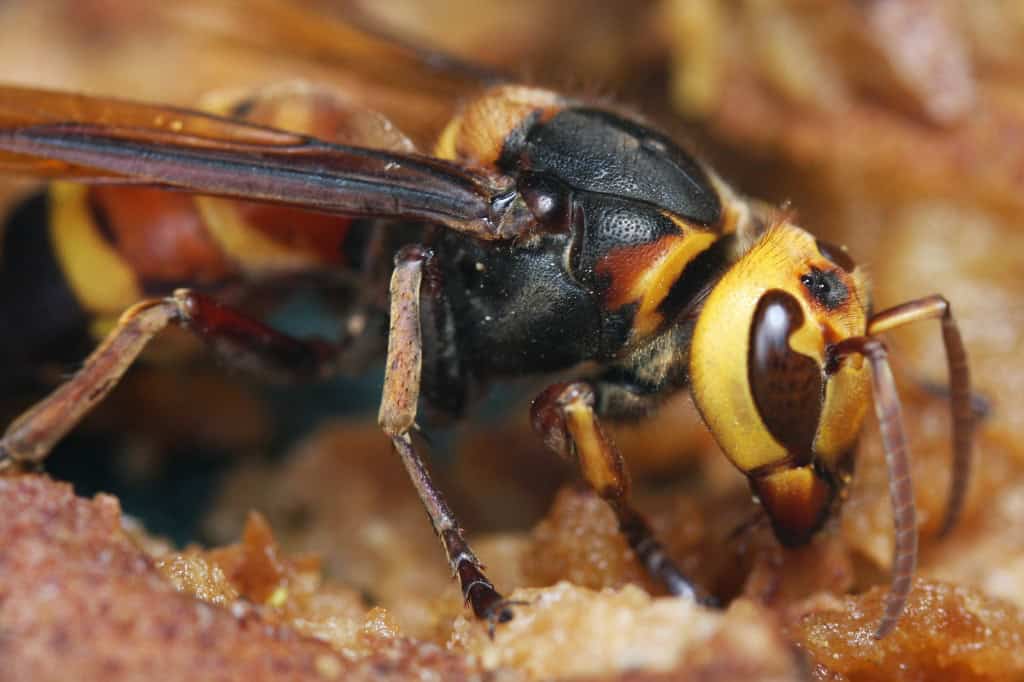
The Bald-faced Hornet, despite its name, is actually a large species of yellowjacket wasp found throughout Massachusetts. These distinctive black and white insects construct large, paper-like aerial nests that can reach the size of a basketball or larger, typically in trees, shrubs, or under building eaves. They’re particularly common in suburban and rural areas across all Massachusetts counties, with nests becoming most noticeable by mid-summer.
Extremely territorial and aggressive when their nest is threatened, Bald-faced Hornets possess a smooth stinger that allows for multiple painful stings. Their venom contains higher concentrations of acetylcholine than other wasps, making their stings exceptionally painful and potentially dangerous for allergic individuals. Each year in Massachusetts, these hornets are responsible for numerous emergency room visits for severe allergic reactions. Unlike some other stinging insects, they can recognize and remember human faces, potentially targeting individuals who have disturbed their nest previously. Professional removal is strongly recommended, as disturbed colonies can mount coordinated attacks involving dozens of hornets.
10. Blue-ringed Octopus (Hapalochlaena spp.)

Though not native to Massachusetts waters, the deadly Blue-ringed Octopus has occasionally been found in aquarium shops and private collections throughout the state. These small cephalopods, native to the Pacific Ocean, contain enough tetrodotoxin to kill several adult humans, making them one of the world’s most venomous marine animals. In Massachusetts, they appear exclusively in artificial environments like home aquariums and professional displays, primarily in the Greater Boston area where exotic pet trade is more established.
The Massachusetts Department of Fish and Game periodically issues warnings about these animals, as they’re sometimes sold to inexperienced hobbyists unaware of their deadly potential. Their venom causes rapid paralysis, respiratory arrest, and potentially death within minutes if not treated immediately. No antivenom exists, making supportive care the only treatment option. State regulations now restrict their importation and sale, though enforcement remains challenging. The blue rings that give these octopuses their name only appear when they feel threatened, serving as a warning display before they might strike.
11. American Black Bear (Ursus americanus)
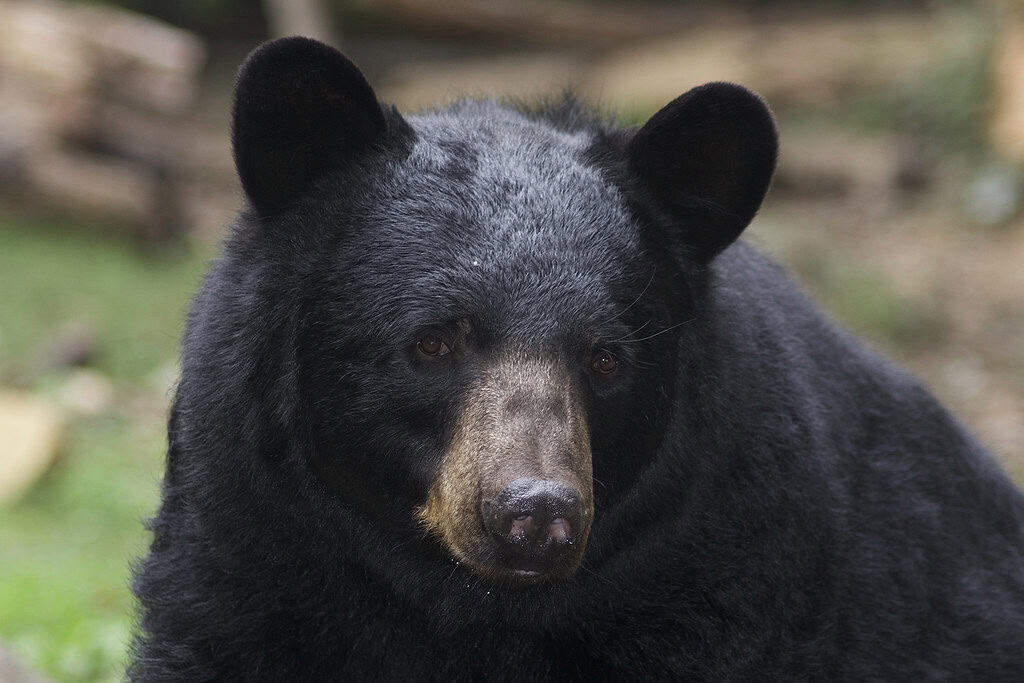
The American Black Bear population has been steadily increasing in Massachusetts, with an estimated 4,500 bears now inhabiting the state. These large mammals are primarily found in the western and central regions, with the highest densities in Berkshire, Franklin, Hampshire, and Hampden counties. Recent years have seen their range expanding eastward, with occasional sightings now reported in Middlesex and Worcester counties as young bears seek new territories.
While rarely aggressive toward humans, black bears possess the physical capability to cause serious injury or death. Massachusetts has recorded several serious injuries from bear encounters, though no confirmed fatalities in modern times. Bears become particularly dangerous when protecting cubs, when surprised at close range, or when habituated to human food sources. The Massachusetts Division of Fisheries and Wildlife responds to approximately 150 bear-related complaints annually, most involving property damage or concerns about bears accessing bird feeders, trash, or agricultural crops. Wildlife officials emphasize that preventative measures—securing food attractants and making noise while hiking—are the most effective ways to reduce dangerous encounters.
12. Coyote (Canis latrans)
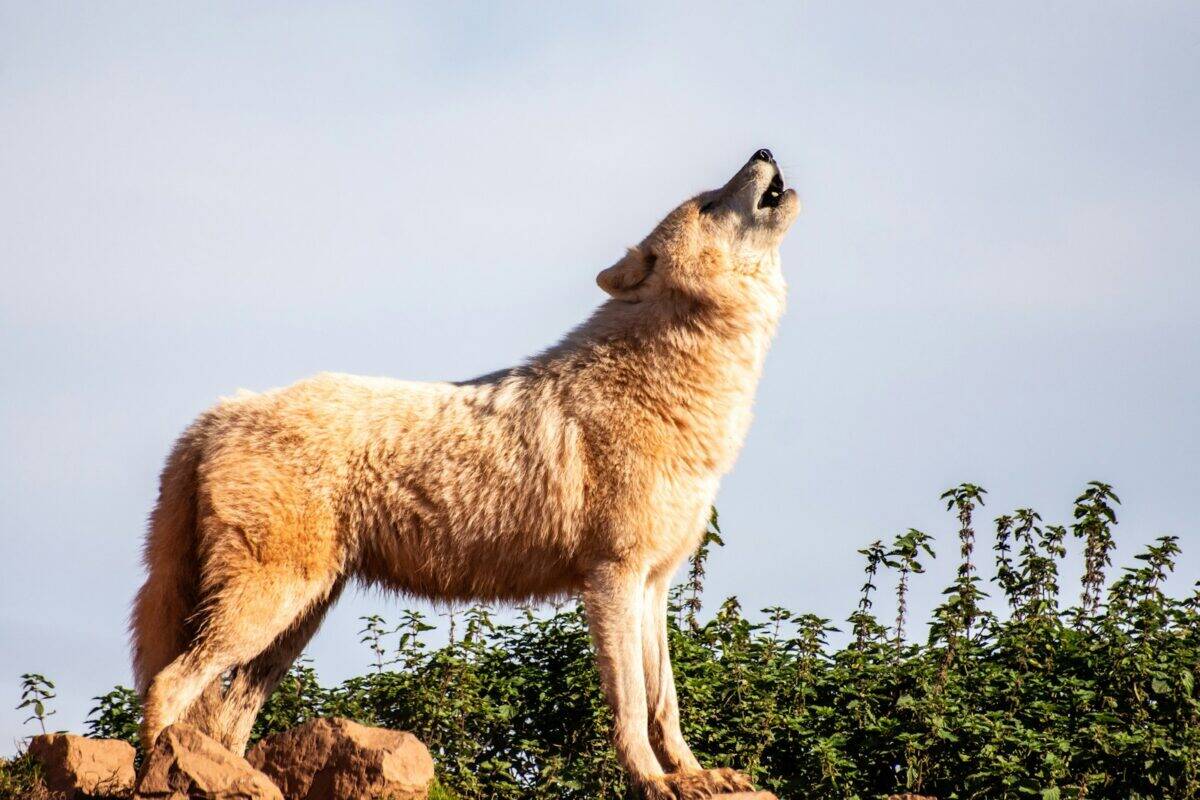
Coyotes have successfully adapted to virtually every habitat in Massachusetts, from the remote forests of the Berkshires to suburban neighborhoods and even urban areas like Boston. These highly adaptable canids have filled the ecological niche left by wolves, becoming the state’s top predator. Their ability to utilize small green spaces and travel along transportation corridors has enabled them to establish territories throughout all Massachusetts counties, with particularly high densities noted in suburban areas with abundant food resources.
While attacks on humans remain rare, Massachusetts has documented increasing incidents of aggressive coyote behavior, particularly toward small pets and occasionally small children. Coyotes can carry rabies and other diseases transmissible to humans and domestic animals. Wildlife officials attribute most problematic encounters to habituation—coyotes losing their natural fear of humans after being inadvertently fed or finding accessible food sources like unsecured garbage or pet food. The Massachusetts Division of Fisheries and Wildlife responds to hundreds of coyote complaints annually, with seasonal peaks during spring when they’re raising pups and during winter when natural food sources become scarcer.
13. Lionfish (Pterois spp.)
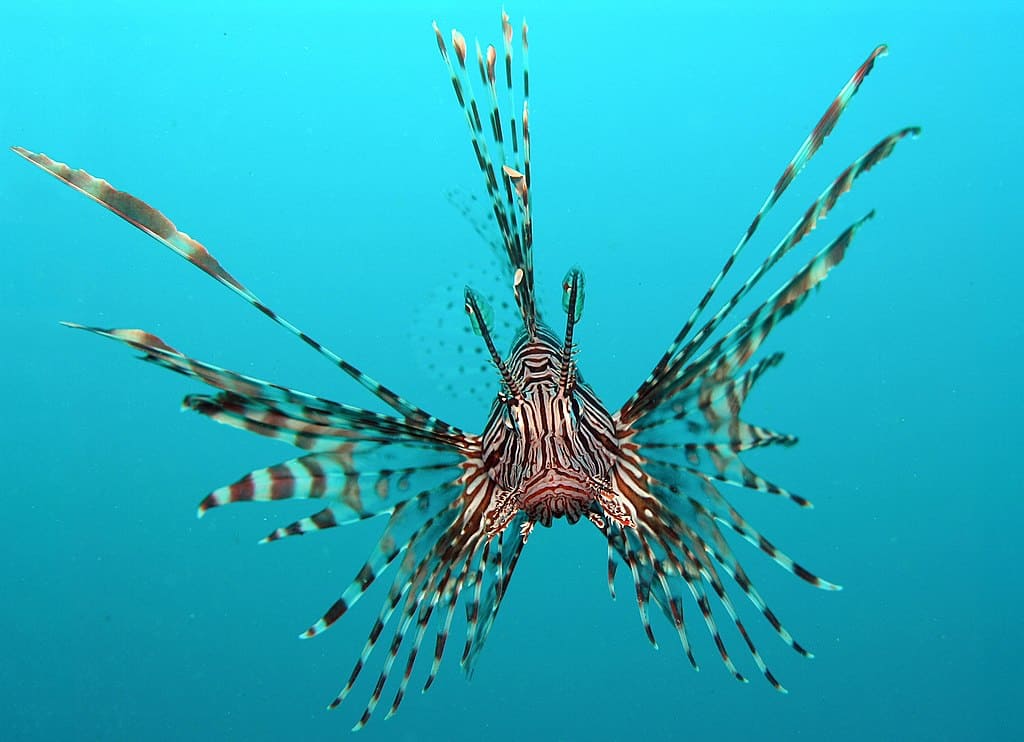
The invasive Lionfish has been occasionally documented in Massachusetts waters, particularly during warmer months when Gulf Stream eddies can transport these tropical fish northward. While primarily established in southern Atlantic waters, individual specimens have been found as far north as Cape Cod Bay, with most Massachusetts sightings occurring around the Elizabeth Islands and Buzzards Bay. Marine biologists monitor these occurrences closely, as rising ocean temperatures could potentially allow these invasive predators to survive year-round in the future.
Lionfish possess venomous spines that deliver an extremely painful sting causing intense localized pain, swelling, and in severe cases, cardiovascular complications including changes in blood pressure and heart rate. While rarely fatal to healthy adults, their stings can cause serious medical emergencies, particularly for individuals with allergies or compromised immune systems. Massachusetts encourages fishermen to report any lionfish sightings immediately. Unlike in their native Indo-Pacific habitat, these fish have no natural predators in Atlantic waters, allowing them to reproduce rapidly and devastate local marine ecosystems by consuming native fish species and disrupting established food webs.
14. Moose (Alces alces)
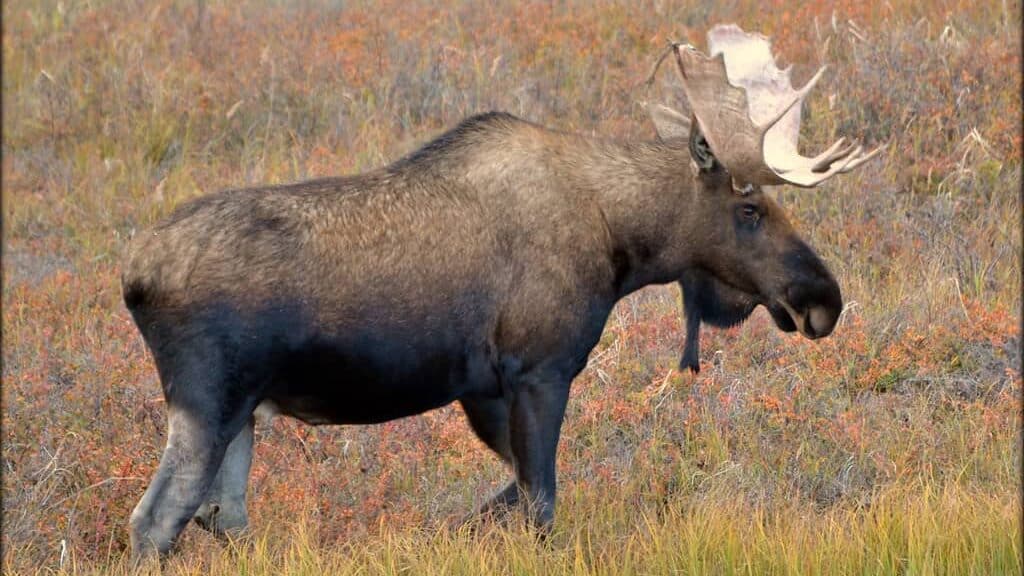
The moose population in Massachusetts has grown significantly since their natural return to the state in the 1980s, with approximately 1,000 individuals now residing primarily in the northern and central regions. These massive mammals—the largest members of the deer family—favor mixed hardwood-conifer forests with nearby wetlands and are most concentrated in Worcester, Franklin, and Berkshire counties. Moose activity increases during their fall breeding season, when bulls become more aggressive and less cautious around roads and human settlements.
Despite their generally peaceful nature, moose pose significant dangers due to their immense size and unpredictable behavior. Standing up to 6.5 feet tall at the shoulder and weighing up to 1,500 pounds, a charging moose can cause catastrophic injuries. Massachusetts records approximately 50 vehicle collisions with moose annually, which, unlike deer collisions, frequently result in human fatalities due to the moose’s high center of gravity causing it to crash through windshields. The Massachusetts Environmental Police respond to dozens of incidents yearly involving aggressive moose, particularly during mating season or when cows are protecting calves. Wildlife officials advise maintaining at least 50 yards distance when encountering these impressive but potentially dangerous animals.
15. Fire Ants (Solenopsis invicta)
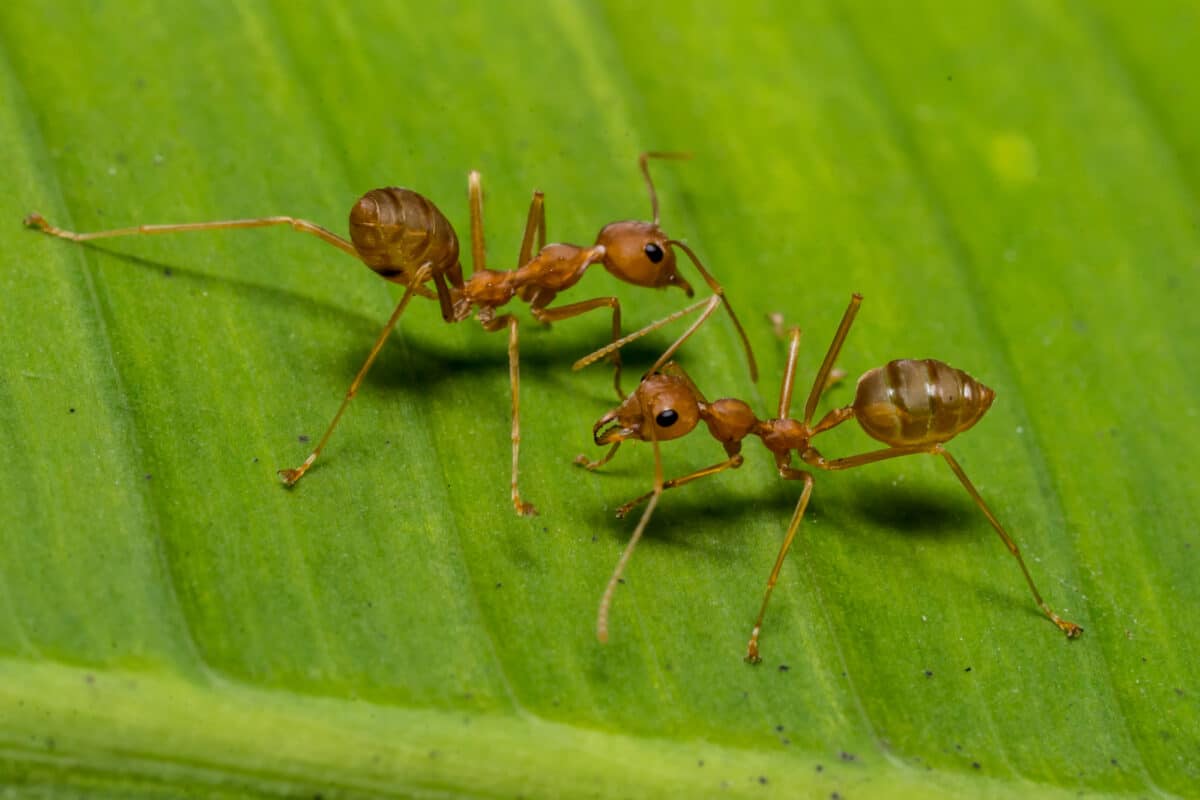
Invasive fire ants have been detected in isolated locations in Massachusetts, primarily in nursery plants shipped from southern states and occasionally establishing temporary colonies during warmer months. While not yet permanently established due to harsh winters, climate change models suggest portions of southeastern Massachusetts, particularly Cape Cod and the Islands, may become hospitable to these aggressive insects within coming decades. Currently, most encounters occur in greenhouse environments and recently landscaped commercial properties that have received plant shipments from infested regions.
Fire ants attack en masse when their nests are disturbed, with each ant capable of delivering multiple painful stings that develop into fluid-filled blisters. For allergic individuals, these stings can trigger serious reactions, including anaphylaxis, requiring immediate medical attention. Even for those without allergies, fire ant stings can result in days of itching, swelling, and discomfort. Their aggressive swarm behavior and ability to rapidly colonize disturbed areas make them a significant concern not only for human health but also for native wildlife and agricultural systems.
In ecosystems where they establish, fire ants displace native ant species, disrupt ground-nesting bird populations, and pose a threat to small mammals and reptiles. Their presence in Massachusetts—even if limited for now—warrants ongoing monitoring and preventative action. Residents and landscapers should inspect soil and potted plants imported from fire ant-infested states, report any suspicious mounds, and follow best practices for limiting spread. As the region warms, vigilance will be key to preventing these destructive invaders from gaining a permanent foothold in New England’s natural and urban landscapes.
Conclusion: Danger in the Details, Not the Headlines

While Massachusetts might not seem like a hotspot for deadly wildlife, the state is home to several creatures that can pose serious risks under the right (or wrong) circumstances. From venomous copperheads and aggressive wasps to ticks that spread dangerous diseases and marine animals like jellyfish and sharks, many of these threats are hidden in plain sight. Most, however, are not actively dangerous unless provoked, mishandled, or accidentally encountered.
Understanding where these animals are typically found—be it wooded trails, salt marshes, coastal waters, or even backyards—empowers residents and visitors to stay informed rather than afraid. With knowledge and caution, dangerous encounters are rare, and most wildlife can be observed safely and respectfully. In the end, Massachusetts’s wild residents remind us that even in a densely populated and highly developed state, nature still thrives—and deserves our respect as much as our curiosity.

From exploring the marine wonders in the Azores and witnessing the vast savannas of Kenya, to delving deep into the rich biodiversity of South Africa and traversing iconic landscapes in Australia and the US like Yellowstone, Chris's experiences are vast.
With a penchant for diving alongside sharks, the ocean holds a special place in his heart.
Through his academic insights, he champions wildlife conservation, striving with 'Animals Around The Globe' to cultivate a profound connection between humans and animals, enhancing our mutual appreciation.
Connect with him at Feedback@animalsaroundtheglobe.com.
- Why Spiders Don’t Get Stuck in Their Own Webs - July 20, 2026
- What Scientists Found in a 10,000-Year-Old Beehive - July 20, 2026
- This Spider Builds Fake Decoys of Itself - July 20, 2026