

There’s something both terrifying and magnificent about creatures that answer to no one in the wild. In a world where survival is a constant struggle, these animals have reached the pinnacle of their food chains. They don’t need to look over their shoulders or sleep with one eye open. What makes them so unstoppable, and could their reign at the top be threatened by forces beyond their control?
Let’s explore the apex predators and extraordinary creatures that fear nothing in their natural environments. You might be surprised by some of the contenders on this list.
1. The Orca – Ocean’s Ultimate Superpredator

Orcas are apex predators, meaning that they themselves . These striking black and white marine mammals dominate every ocean they inhabit, from polar waters to tropical seas. The orca, colloquially (and fittingly) known as the killer whale. These black-and-white apex predators of the ocean can be 32 feet long and weigh around 6 tons, which gives them a distinct size advantage over virtually every other creature in the sea.
What makes orcas truly formidable is their intelligence and social hunting strategies. They tend to live in groups called pods that can have as many as 40 members, and they’re intelligent enough to communicate and use group tactics when they hunt. Killer whales are also the only known predators of great white sharks. They’re not just surviving at the top – they’re thriving there with sophisticated teamwork that few predators can match.
2. The Saltwater Crocodile – Ancient Terror of Coastal Waters
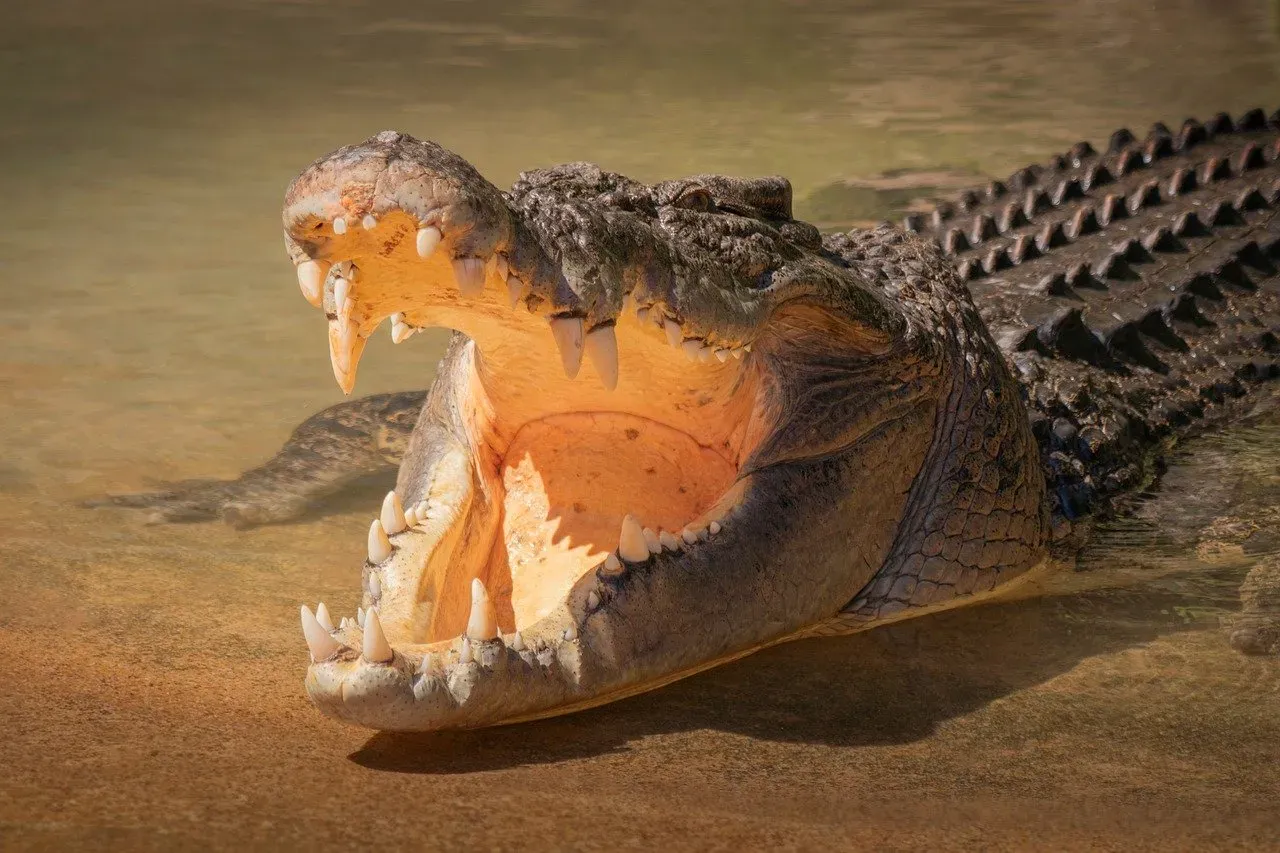
The saltwater crocodile is the largest living reptile. These massive reptiles have existed relatively unchanged for millions of years, perfecting their predatory skills through evolution. The species is considered an apex predator, which means it is at the top of the food chain in its habitat and has no natural predators.
The saltwater crocodile is the apex predator across its range and will eat almost any animal available, including other traditional apex predators such as the shark. Their hunting technique involves patient ambush tactics and explosive bursts of power. Saltwater crocodiles are extremely successful apex predators thanks to their huge bite force, which is the strongest of any living animal. In their domain, nothing challenges a fully grown saltwater crocodile except, unfortunately, humans who hunt them for their valuable skin.
3. The Polar Bear – Arctic’s Undisputed Champion
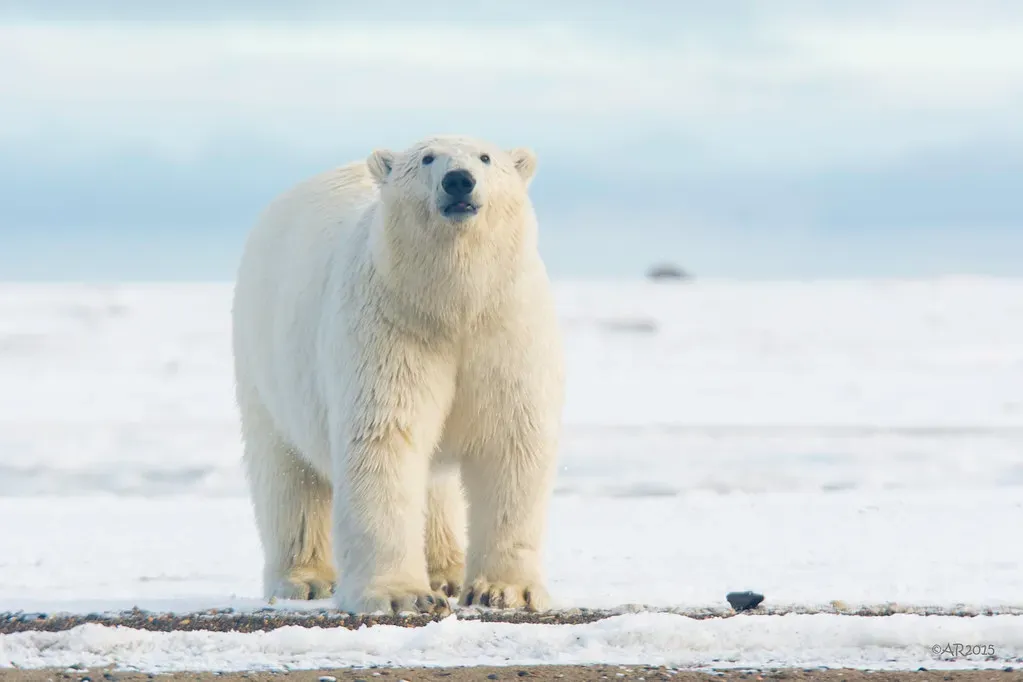
As apex predators, polar bears are on top of the Arctic food chain. These magnificent white giants rule the frozen north with an iron paw. It’s one thing for an animal to be the apex predator of its habitat, but completely another when it’s still true after you include humans in the equation. This is the case with the polar bear, which is considered to be above Homo sapiens in the Arctic food chain.
Polar bears are perfectly adapted to their harsh environment with thick layers of fat and fur that protect them from brutal Arctic conditions. Polar bears are high on the food web and have no natural predator, though humans and climate change pose a threat to polar bears’ lives, as well as walruses, which can cause fatal injuries to them. Their primary diet consists of seals, which they hunt with remarkable patience and skill on the sea ice. The sad reality is that climate change represents the greatest threat to these fearless predators, not any other animal.
4. The African Lion – Majestic King of the Savanna
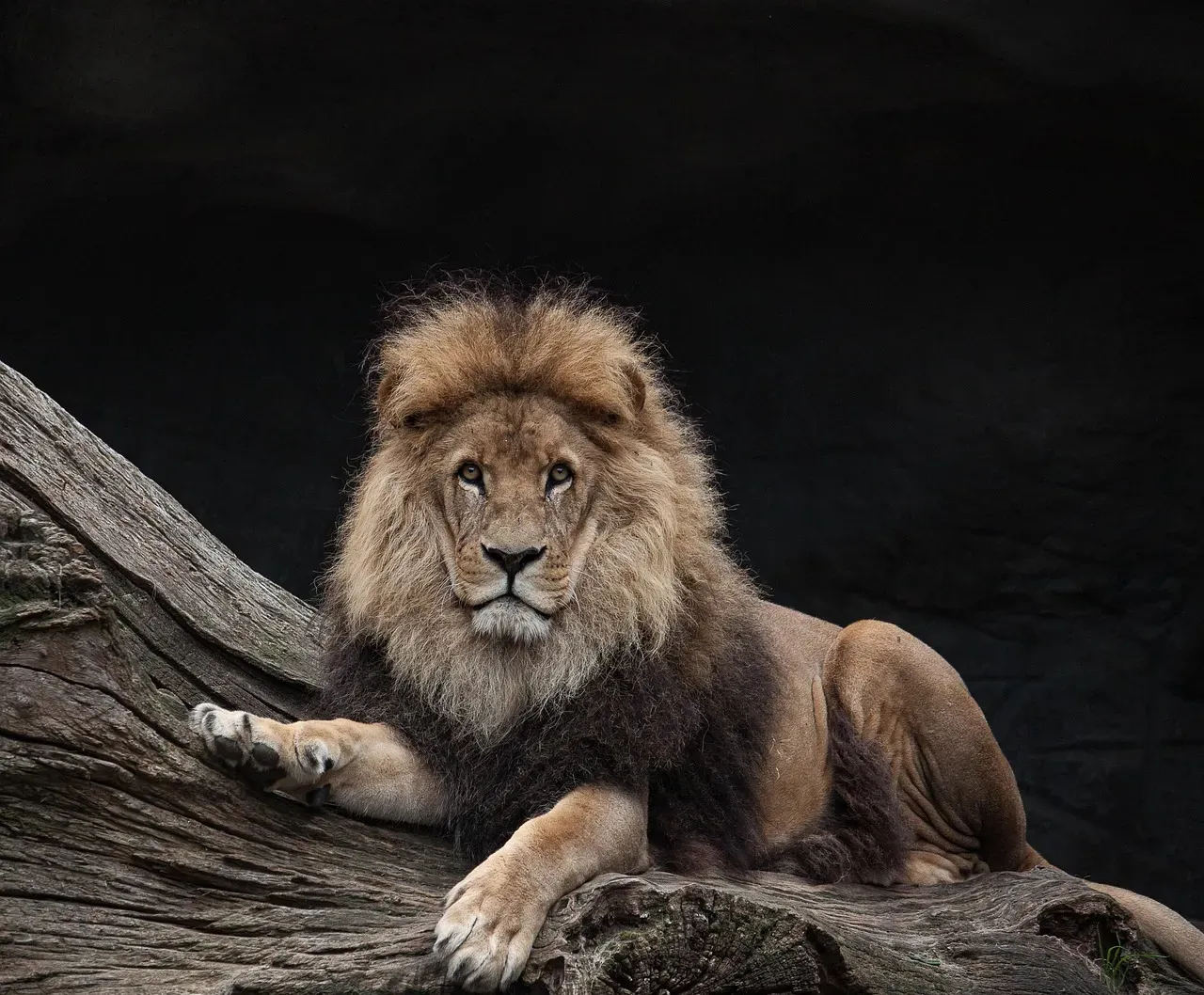
Known as the king of the jungle with good reason, lions occupy the highest trophic level as one of Earth’s most impressive apex predators. These powerful cats dominate Africa’s grasslands with their imposing presence and formidable hunting abilities. A lion’s life is a dangerous one, however, and while non-human animals actively hunting them is relatively unheard of, they do sometimes die from injuries sustained while trying to take down large or dangerous prey. Their biggest threat, other than other lions, is humans due to poaching and habitat loss.
Lions are unique among big cats because they live and hunt in groups called prides. This social structure gives them a significant advantage when taking down large prey like buffalo and zebras. Their top spot means they are a vital keystone species for ensuring healthy ecosystems. Perhaps their most obvious ecosystem service is that they balance out predator and prey populations by occasionally killing them. Without lions, entire ecosystems would collapse as prey populations exploded out of control.
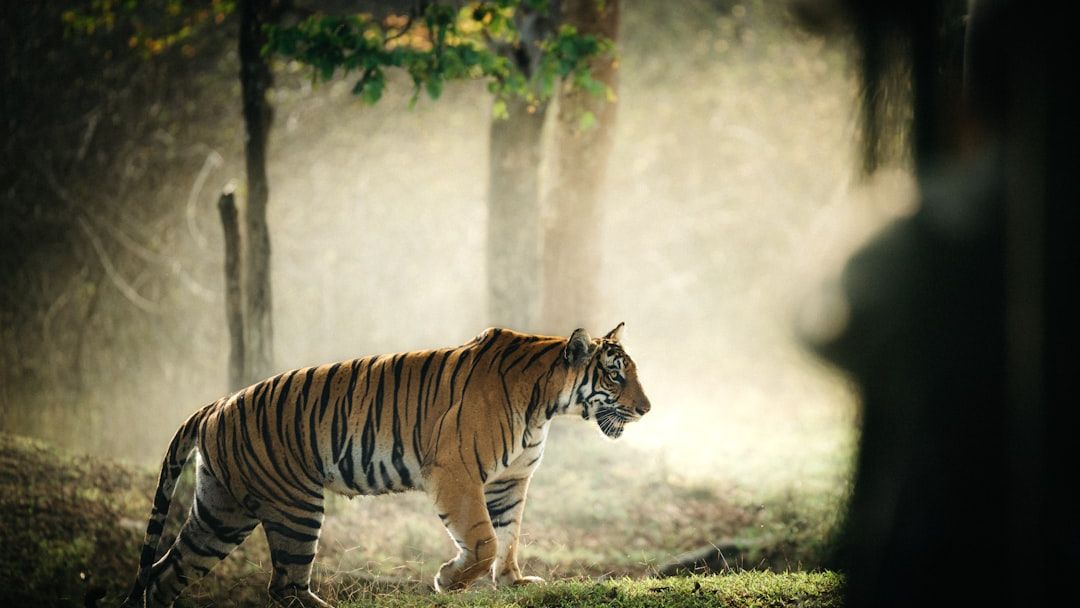
5. The Bengal Tiger – Solitary Striped Assassin
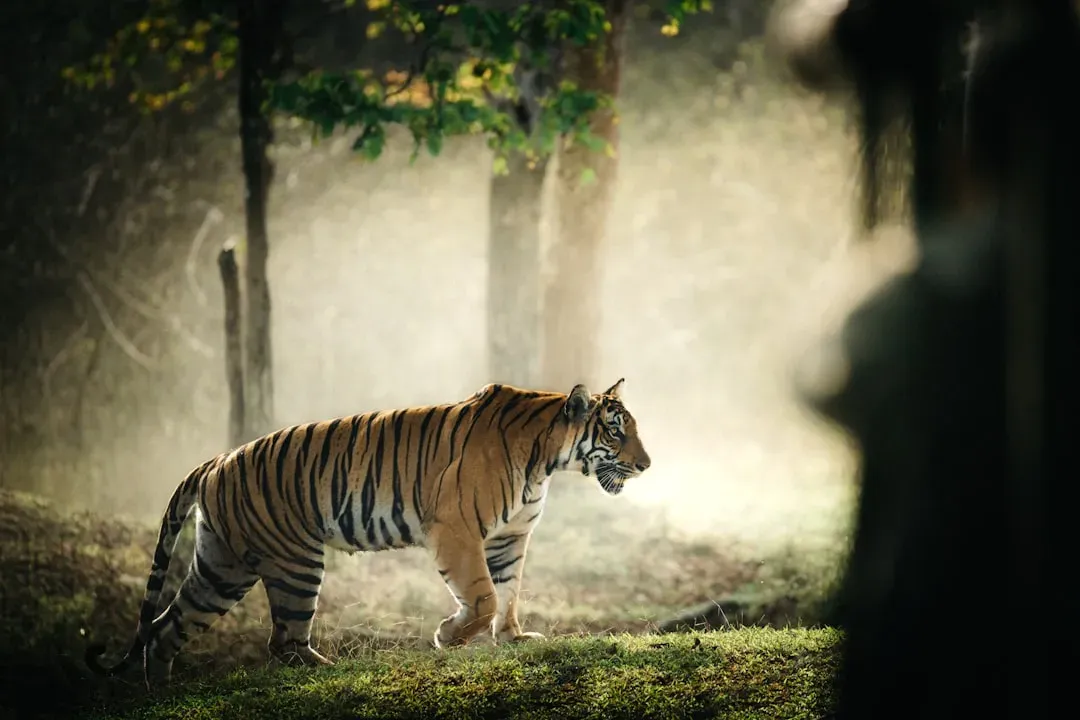
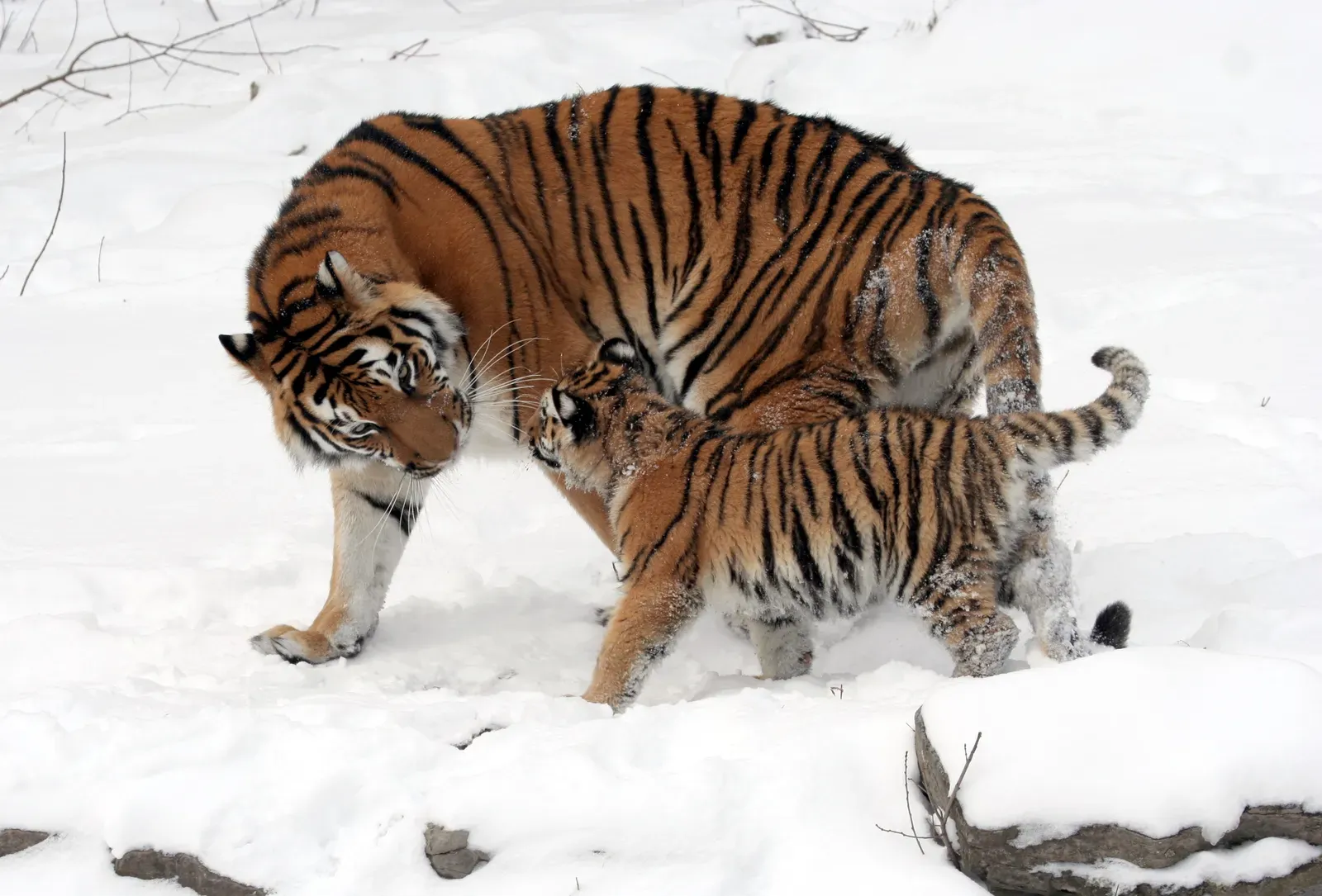
Tigers are the biggest of the big cats and they too curl up comfortably at the top of the food chain. As apex predators, tigers don’t have any natural predators. These magnificent striped hunters prowl the forests and grasslands of Asia with unmatched stealth and power. Their solitary nature and impressive camouflage make them among the most effective predators on the planet.
However, they are at risk from human hunting and can be vulnerable to larger predators as cubs. An adult tiger has virtually nothing to fear in its territory, capable of taking down prey much larger than itself. Their powerful jaws, sharp claws, and muscular build make them perfectly designed killing machines. Unfortunately, habitat loss and poaching have dramatically reduced tiger populations, making humans their only real threat.
6. The Komodo Dragon – Venomous Island Giant
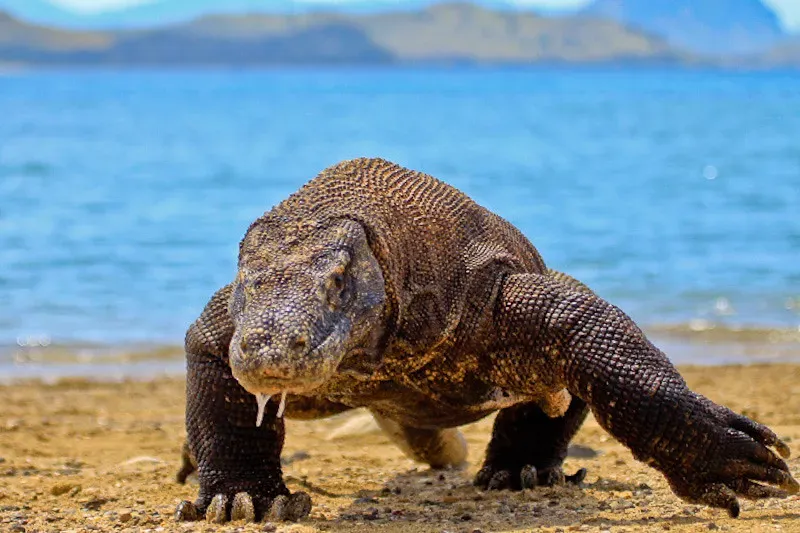
The only predators a Komodo dragon (Varanus komodoensis) has to worry about are other Komodo dragons. These prehistoric-looking lizards are the largest reptiles still walking the earth today. As a result of their size, Komodo dragons are apex predators, and dominate the ecosystems in which they live. Komodo dragons hunt and ambush prey including invertebrates, birds, and mammals.
What makes Komodo dragons particularly fearsome is their venomous bite combined with powerful jaws lined with serrated teeth. They can grow to be 10 feet long with over 60 razor-sharp teeth. Komodo dragons also have venom. However, since this species is immune to its own venom, they cannot be killed by another dragon’s bite. They hunt with patience and stealth, lying in wait for unsuspecting prey before launching devastating attacks. Their isolation on remote Indonesian islands has allowed them to evolve without competition from other large predators.
7. The Grizzly Bear – North America’s Powerful Omnivore
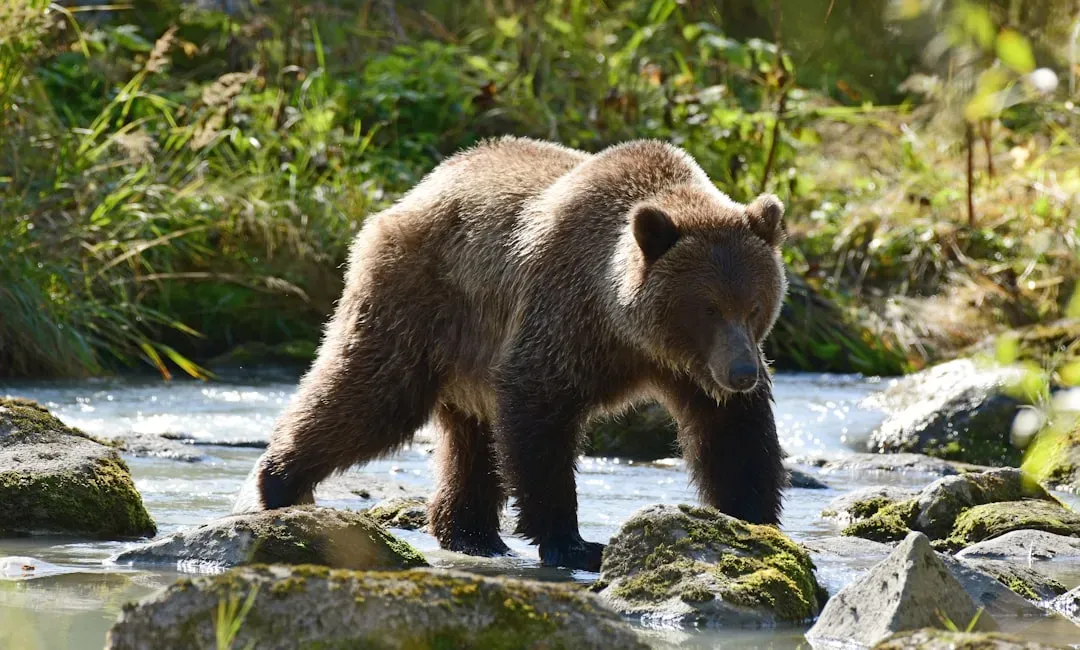
Grizzly bears command respect throughout their territories in North America. These massive bears can weigh over half a ton and stand nearly eight feet tall when upright. Their sheer size, combined with incredible strength and surprising speed, makes them virtually untouchable in their environment.
While grizzlies are omnivores and spend considerable time foraging for berries and plants, they’re also formidable predators when they choose to be. They can take down elk, moose, and even bison when the opportunity arises. However, the bear does have one major natural enemy: Human hunters and poachers, who have done a number on grizzly bear populations over the years. These days, 48 U.S. states protect the grizzly as a threatened species. In the wild, adult grizzlies aside from larger grizzlies competing for territory or mates.
8. The Great White Shark – Ocean’s Fearsome Hunter
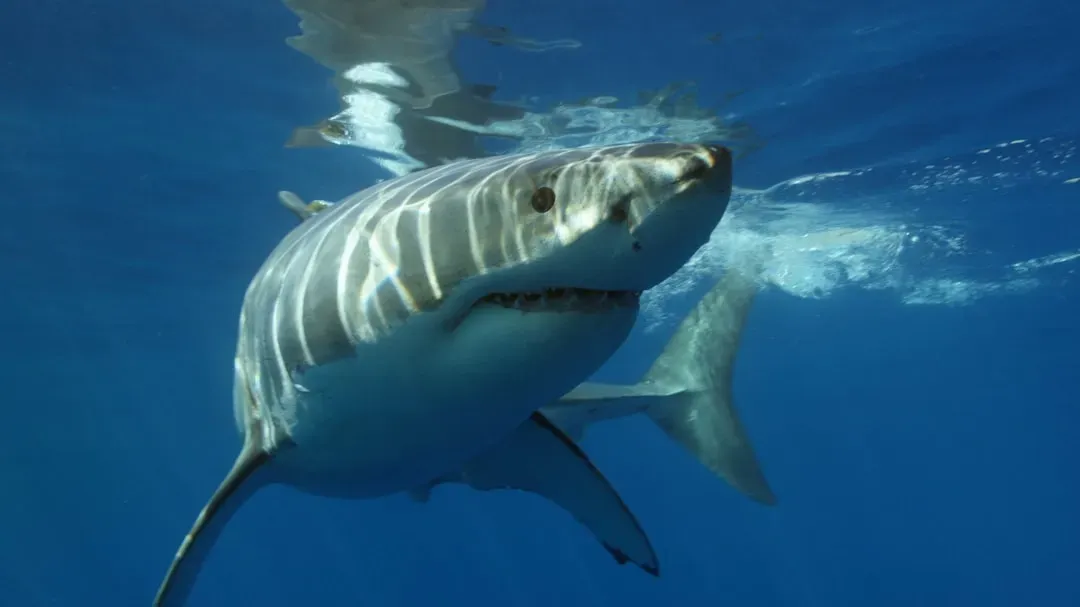
Great white sharks have terrorized human imagination for decades, but in reality, these magnificent fish are sophisticated hunters perfectly adapted to marine environments. They patrol the world’s oceans with keen senses and explosive bursts of speed that make them nearly impossible to escape.
Interestingly, great whites aren’t quite at the absolute top of the food chain. Though great white sharks are apex predators, killer whales are their only natural predators. Still, for almost every other creature in the ocean, encountering a great white means potential death. Their powerful jaws can exert tremendous pressure, and their rows of serrated teeth are constantly replaced throughout their lives. They’re built for one purpose: hunting with ruthless efficiency.
9. The American Alligator – Armored Aquatic Predator
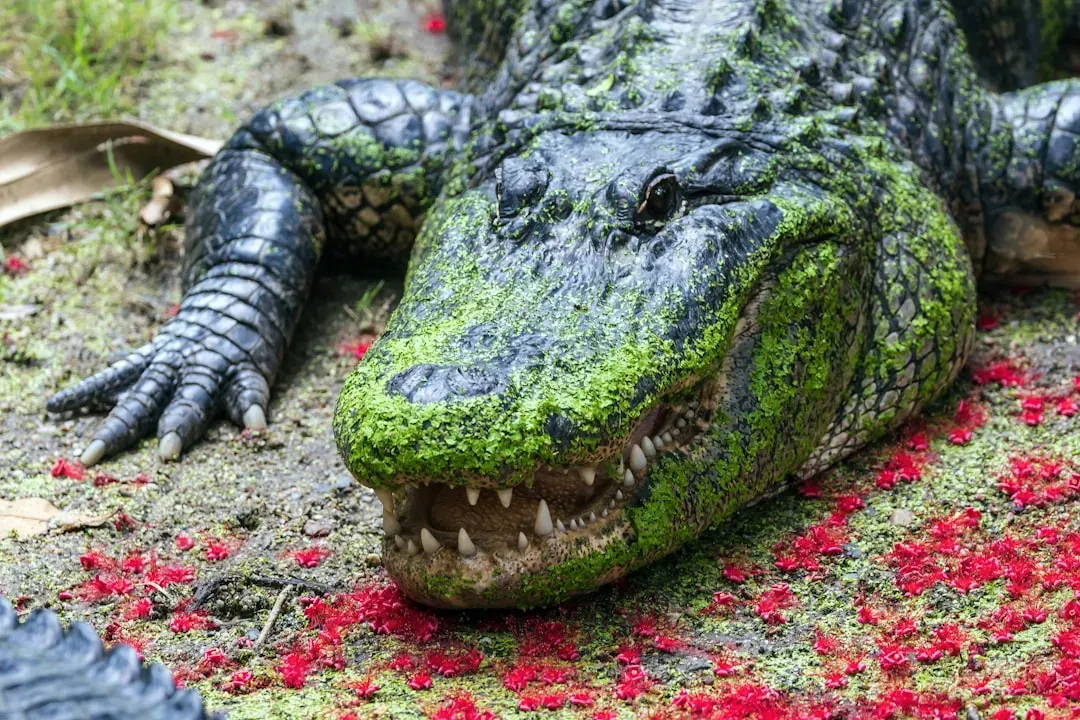
The American alligator has a small range, but it is an apex predator in its habitat. American alligators (Alligator mississippiensis) are impressive carnivores that can find prey equally as well on land as they can in the water. The lack of natural predators for these animals can be attributed to their success in hunting, as well as their armored bodies that make them very difficult for other animals to hunt and kill.
These prehistoric-looking reptiles lurk in the swamps and rivers of the southeastern United States. Alligators will eat anything they can, for the most part. As opportunistic hunters, this means they might eat birds, turtles, fish, or even dogs that make the unfortunate mistake of crossing this beast’s path. Their patience is legendary – they can remain motionless for hours, waiting for the perfect moment to strike. Once conservation efforts brought them back from the brink of extinction, alligators have reclaimed their position as undisputed rulers of southern waterways.
10. The Bald Eagle – Aerial Apex Predator
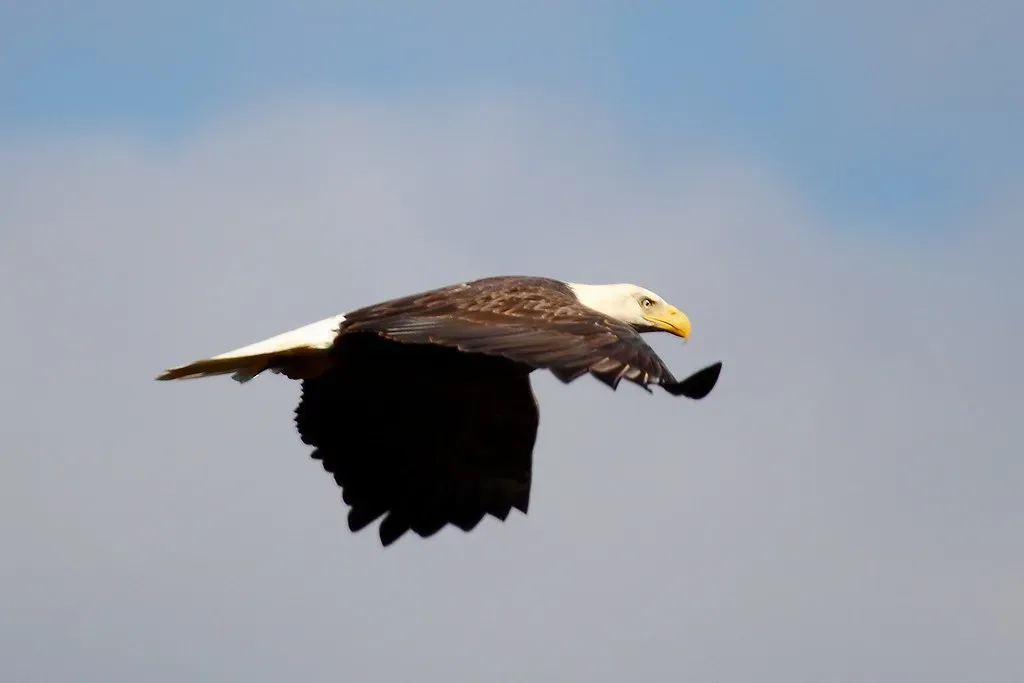
Like the great horned owl, the bald eagle (Haliaeetus leucocephalus) is another raptor species that is an apex predator in its kingdom. These majestic birds soar across North American skies with incredible vision and hunting prowess. Their keen eyesight allows them to spot prey from tremendous distances, diving at speeds that give their targets little chance of escape.
They’re extremely savvy birds, sometimes hunting with another to help flush out prey. This bird usually hunts for fish and other sea animals, like waterfowl and turtles. Their powerful talons can crush bones, and their hooked beaks tear flesh with ease. As symbols of strength and independence, bald eagles embody the fearlessness that comes with having no natural enemies. Once endangered due to pesticide use, their remarkable recovery demonstrates the resilience of apex predators when given protection.
11. The Electric Eel – Shocking Underwater Menace
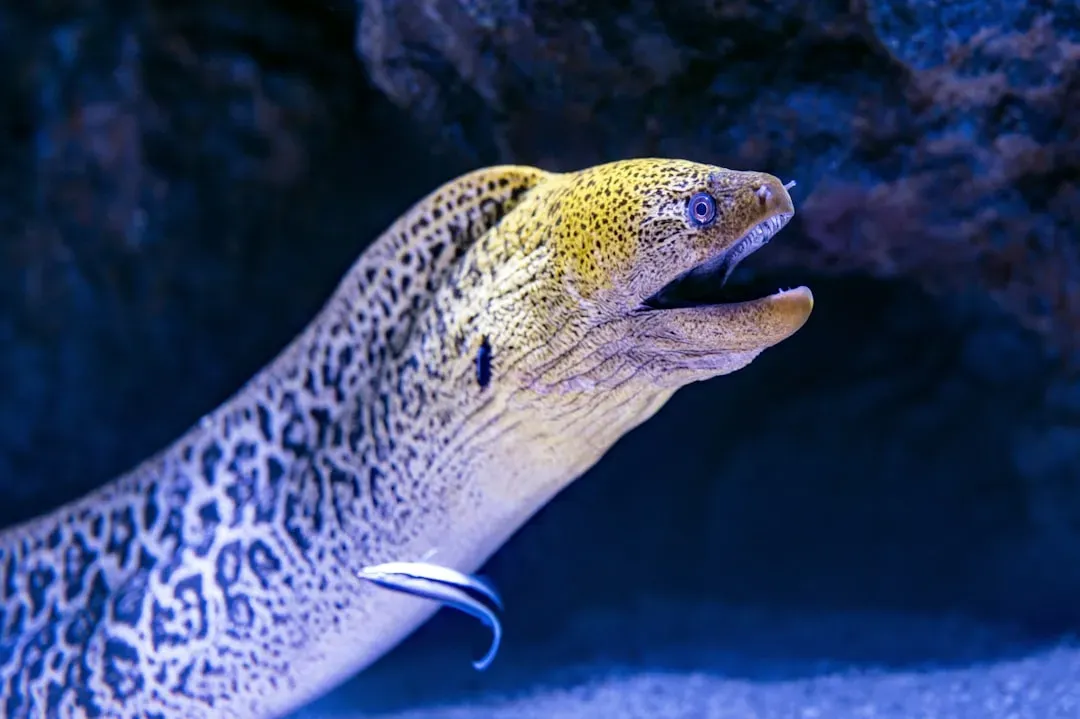
Electric eels (Electrophorus electricus), though essentially blind and mostly confined to caves or muddy waters, don’t have much in the way of predators. These bizarre creatures from South America have evolved one of nature’s most unusual defense mechanisms – the ability to generate powerful electrical shocks.
Their electrical discharge can stun or kill prey and deter virtually any predator foolish enough to attack them. This incredible adaptation means they can hunt effectively despite poor vision and navigate murky river waters where sight is nearly useless anyway. The voltage they produce is strong enough to injure humans, making them one of the Amazon’s most respected inhabitants. Their combination of offensive and defensive electrical capabilities essentially makes them untouchable in their aquatic environment.
12. The African Elephant – Gentle Giant With No Fear
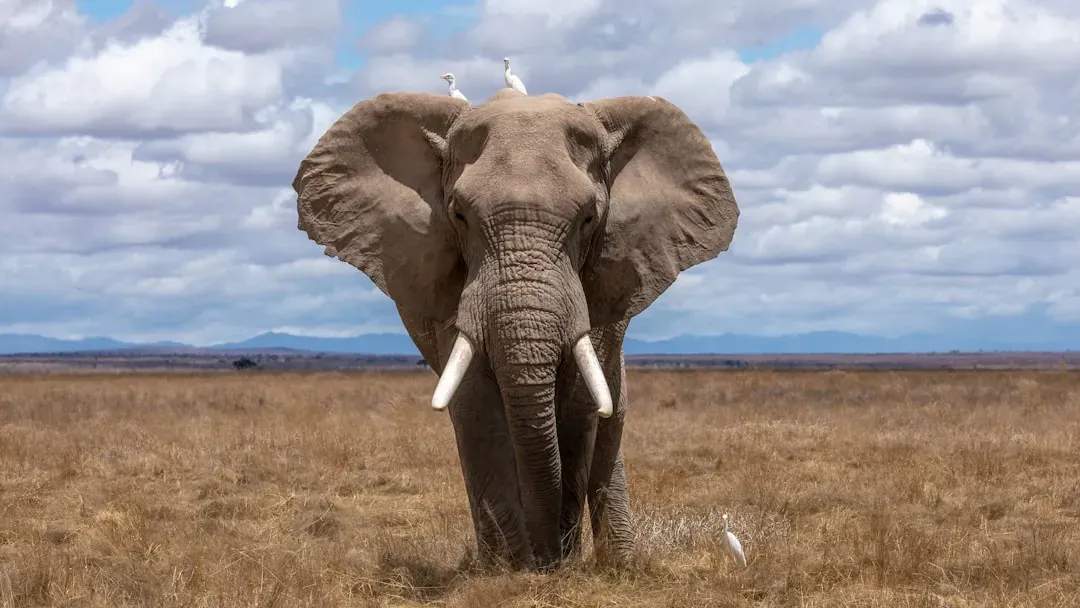
African elephants are the largest land animals on earth, and their sheer size alone makes them virtually immune to predation as adults. While young calves can fall victim to lions or hyenas, a full-grown elephant has nothing to fear from any predator. Their intelligence, social bonds, and massive strength create an impenetrable defense.
These magnificent creatures can weigh several tons and stand over ten feet tall at the shoulder. Their trunks are versatile tools capable of delicate manipulation or devastating force. When threatened, elephants can charge at surprising speeds, and their tusks can gore any attacker. Even lions give wide berth to a protective elephant herd. The only real danger to adult elephants comes from humans seeking ivory – a tragic reality that has decimated populations across Africa.
13. The Rhinoceros – Tank of the African Plains
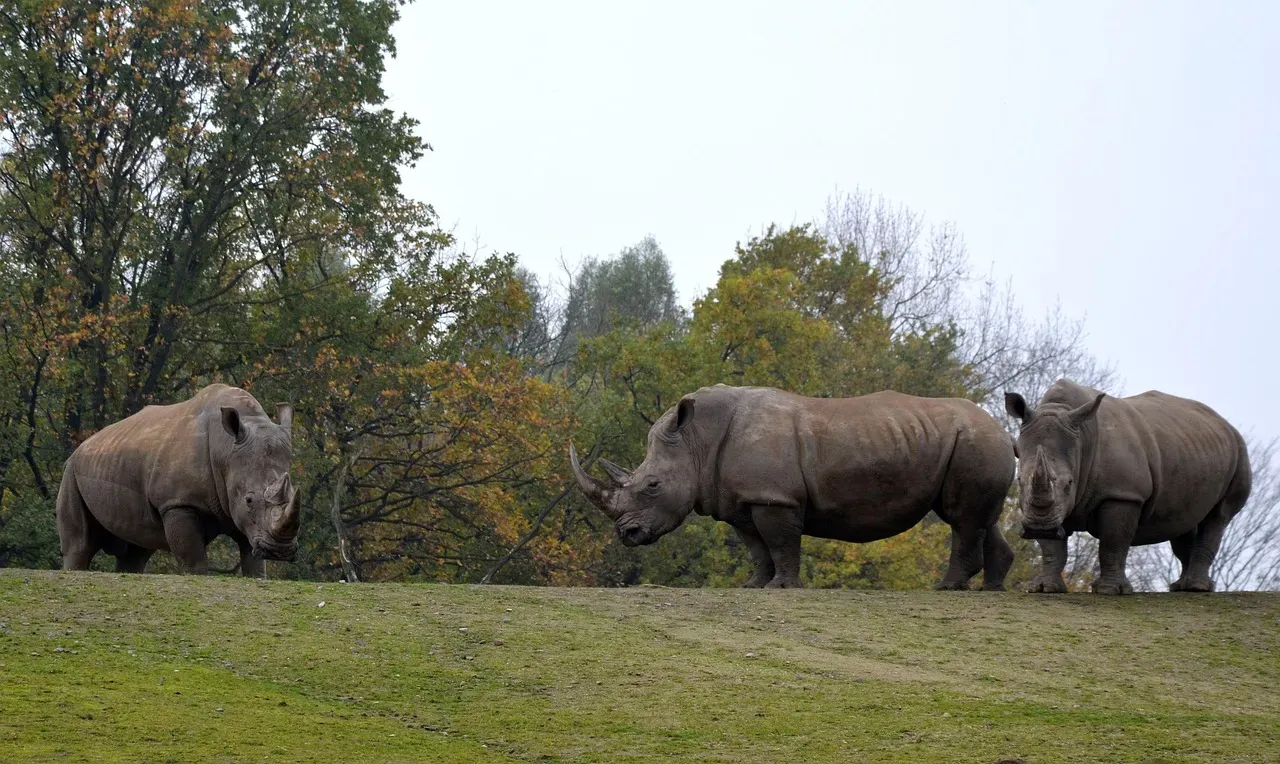
White rhinos are the largest of the five species of rhinoceros. Both white and black rhinos (Ceratotherium simum and Diceros bicornis, respectively) lack natural predators in the wild. For an herbivorous animal, it might be surprising they . Their thick, armor-like skin and massive horns make them nearly invulnerable to attack.
Rhinoceroses might seem slow and cumbersome, but they can charge at speeds exceeding thirty miles per hour when provoked. Their poor eyesight is compensated by excellent hearing and sense of smell. A rhino’s horn, made of keratin like human fingernails, can inflict devastating injuries. Weighing several thousand pounds with an attitude to match, these herbivores command respect from every predator on the savanna. Sadly, poaching for their horns has pushed several rhino species to the brink of extinction – proof that humans remain the deadliest predator of all.
14. The Hippopotamus – Deceptively Dangerous River Dweller
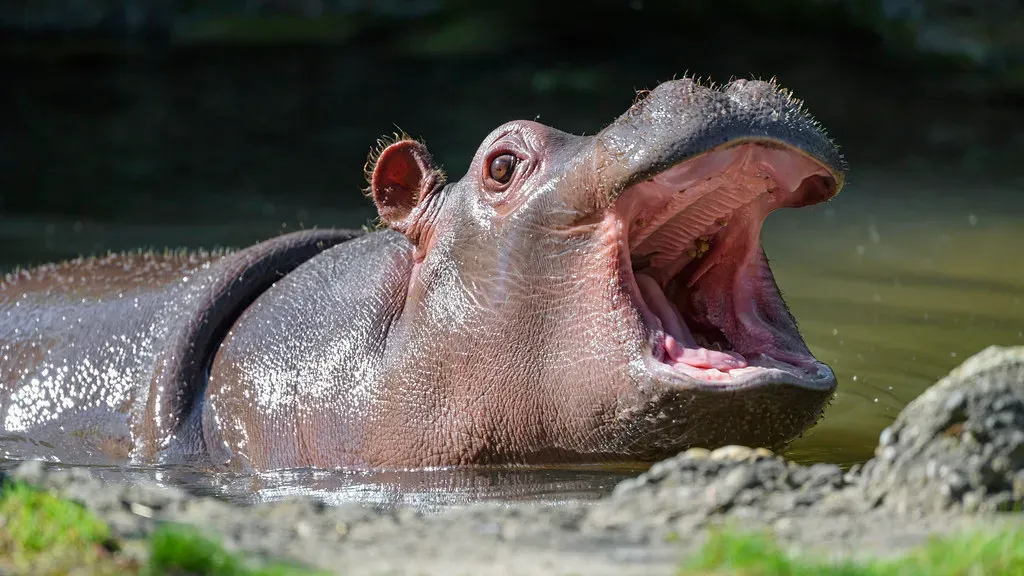
Hippos might look docile and even comical, but they’re actually among Africa’s most dangerous animals. These semi-aquatic giants are incredibly territorial and aggressive, responsible for more human deaths in Africa than many predators. Adult hippos have essentially no natural predators due to their size, powerful jaws, and aggressive nature.
A hippo’s bite force is legendary, capable of crushing a crocodile or snapping a boat in half. Their massive canine teeth can reach over a foot long and are used primarily for fighting rather than eating – since hippos are herbivores. They spend their days lounging in water to keep cool, then emerge at night to graze on grass. Despite their bulk, hippos can run faster than humans over short distances. Lions occasionally attempt to take down young or weak hippos, but a healthy adult is virtually untouchable.
15. The Gray Wolf – Pack Hunting Perfection
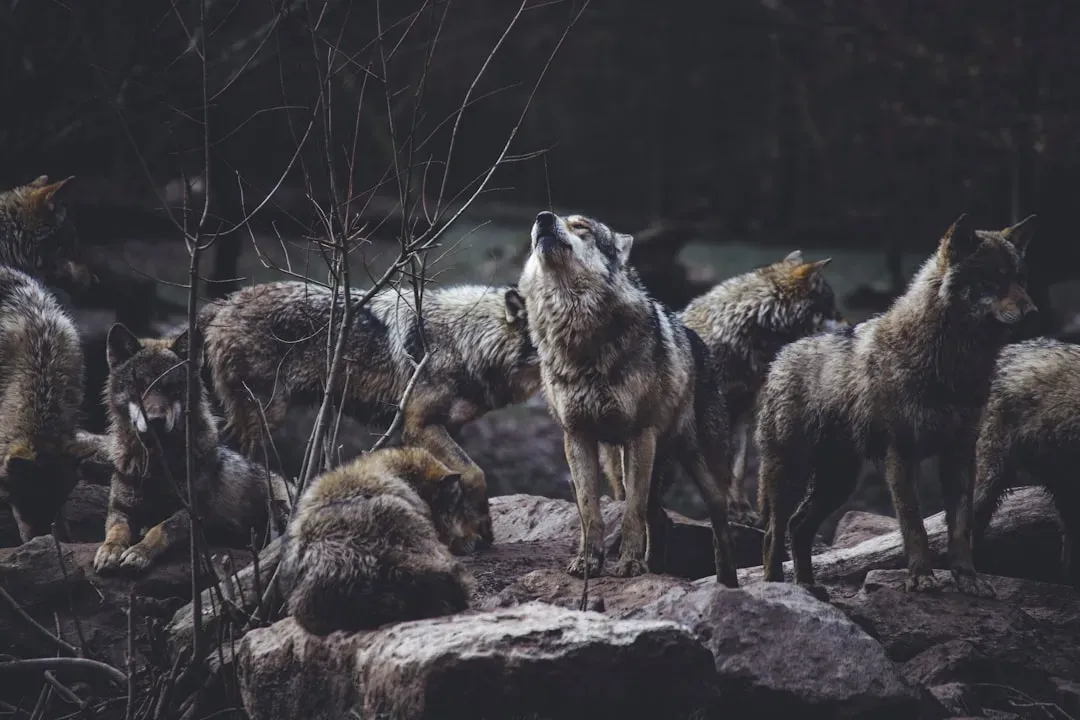
Food chains are often far shorter on land, usually limited to being secondary consumers – for example, wolves prey mostly upon large herbivores (primary consumers), which eat plants (primary producers). Gray wolves are apex predators throughout much of their range, dominating ecosystems through coordinated pack hunting strategies that few animals can rival.
Wolves hunt cooperatively, using complex communication and strategy to bring down prey much larger than themselves, including elk, moose, and bison. Their endurance is remarkable – they can travel vast distances in search of prey and maintain pursuits for hours if necessary. While individual wolves face dangers, a healthy wolf pack has virtually no natural enemies except humans. Their reintroduction to places like Yellowstone National Park has dramatically demonstrated how apex predators shape entire ecosystems, controlling prey populations and even altering vegetation patterns through cascading ecological effects.
Conclusion
These fearless animals represent nature’s most successful evolutionary designs – creatures so well adapted to their environments that nothing can challenge them. Yet their dominance comes with vulnerability. Nearly every apex predator faces its greatest threat not from another animal, but from human activity through habitat destruction, climate change, and poaching.
The balance of ecosystems depends on these top predators maintaining their roles. When apex predators decline, entire food webs can collapse in unpredictable ways. Protecting these magnificent creatures isn’t just about preserving individual species – it’s about maintaining the health of the wild places they inhabit. What do you think about these incredible animals? Which one surprised you the most?

- 17 Dog Breeds That Are Smarter Than You Think – Is Yours On The List? - June 26, 2026
- 19 Dog Breeds That Thrive Well Into Their Senior Years - June 26, 2026
- 15 Dog Breeds Known for Stubborn Housebreaking Habits - June 26, 2026