
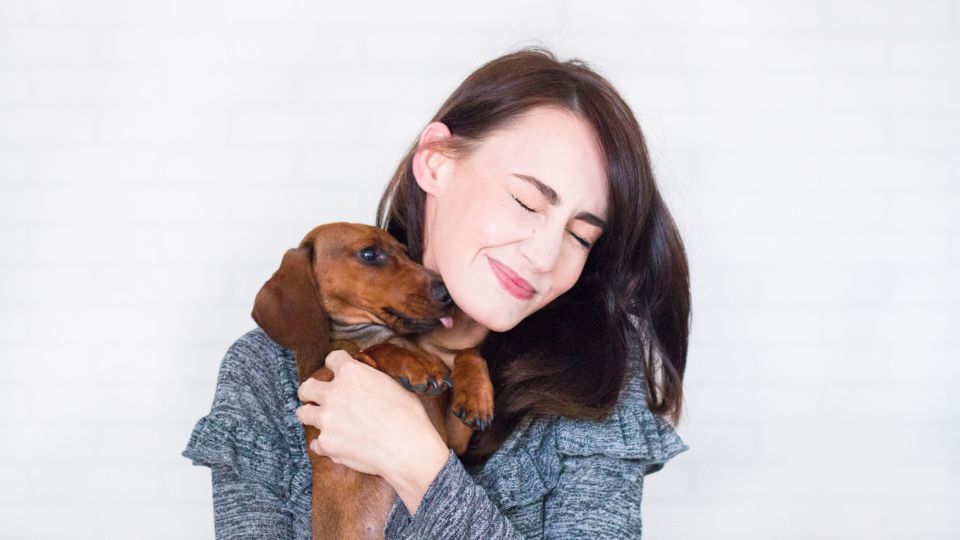
Walk into almost any animal shelter in America right now, and you’ll notice something quietly unsettling. The kennels aren’t filled with unknown strays. They’re packed with dogs you recognize, breeds you’ve seen on TV, in movies, on social media feeds, sitting in the arms of celebrities. These are dogs that, at some point, everyone seemed to want. Now, many of them are waiting for weeks, sometimes months, for a family that may never show up.
The issue of dogs ending up in shelters is complex, influenced by overbreeding, owner surrender, and changing life circumstances. While all breeds can find themselves in shelters, some are more commonly seen due to their popularity, specific breed traits, or misconceptions about their behavior. The harder truth is that popularity itself can be part of the problem. When a breed goes viral or gets a celebrity endorsement, demand surges fast, and then the reality of ownership sets in just as quickly. The 15 breeds below tell that story plainly.
#1. American Pit Bull Terrier
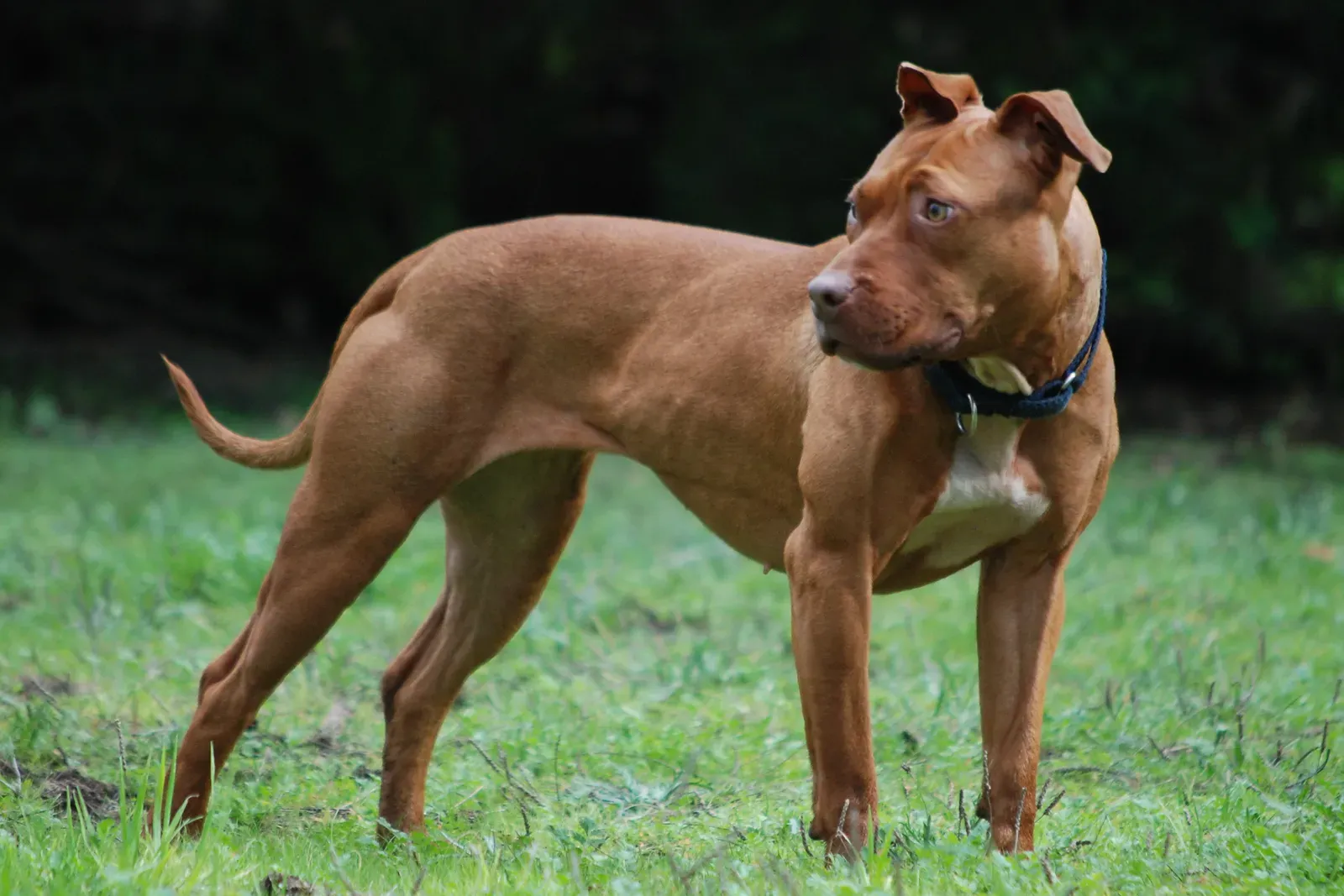
The Pit Bull Terrier is the most common dog breed in shelters across America’s largest cities, accounting for nearly 22% of all dog adoption listings. They are the most frequently found shelter breed in 29 of the 50 cities analyzed across the U.S. That kind of dominance in shelter numbers doesn’t reflect a dangerous breed. It reflects a deeply misunderstood one.
Pit Bulls are one of the most common breeds found in shelters and rescues, largely due to breed-specific legislation and the dogs’ misperceived reputations. Despite their loving and loyal nature, many people are hesitant to adopt Pit Bulls due to unfounded assumptions that they’re dangerous. In reality, Pit Bulls tend to be affectionate, gentle, and playful. Unfortunately, misconceptions about them, coupled with housing restrictions and legal bans, result in a high number of Pit Bulls in shelters.
#2. German Shepherd
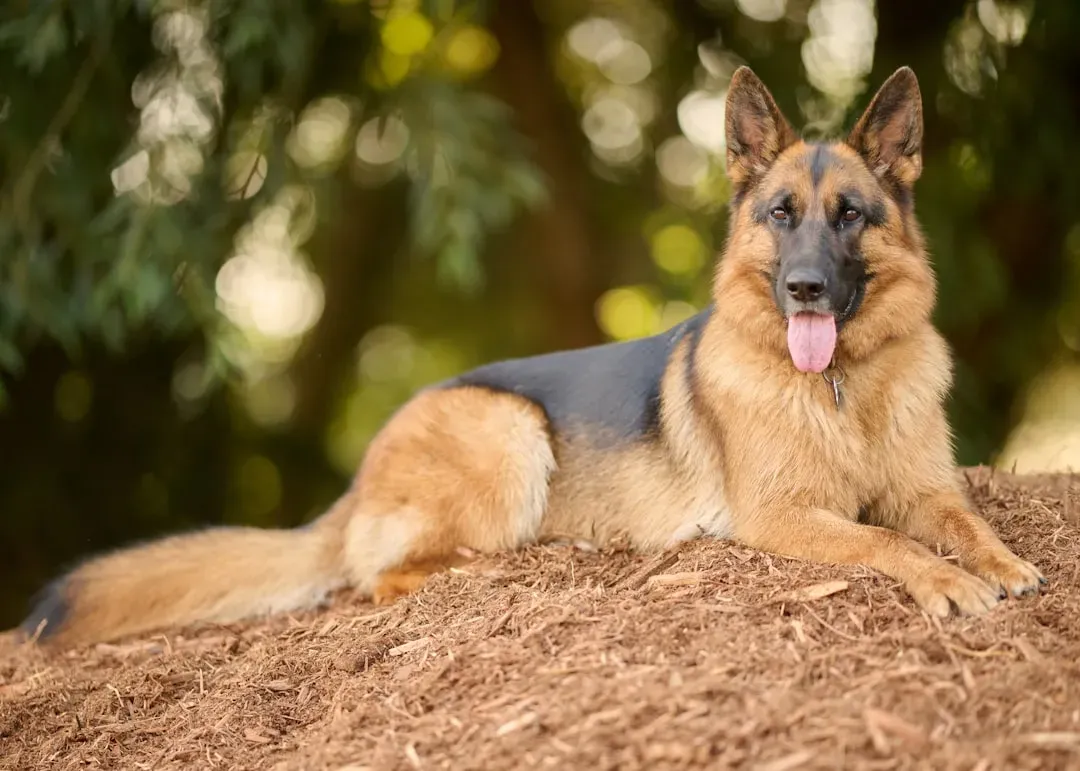
German Shepherds are one of the most popular dog breeds in the US, which also makes them one of the most surrendered. Popularity and high volume always come with a cost. They’re working dogs through and through. Without a job to do or serious mental stimulation, German Shepherds develop anxiety, destructive behavior, and sometimes aggression. Families often fall in love with the idea of a loyal, intelligent companion and underestimate just how much work that actually requires day to day.
They bond intensely with their families, which sounds great until you realize that bond can tip into separation anxiety and reactivity if it’s not balanced with proper training. Many German Shepherds arrive at shelters with behavioral issues that developed because their owners weren’t prepared for the commitment. They’re also prone to hip dysplasia and other health conditions that can lead to surrender when veterinary costs become overwhelming.
#3. Labrador Retriever
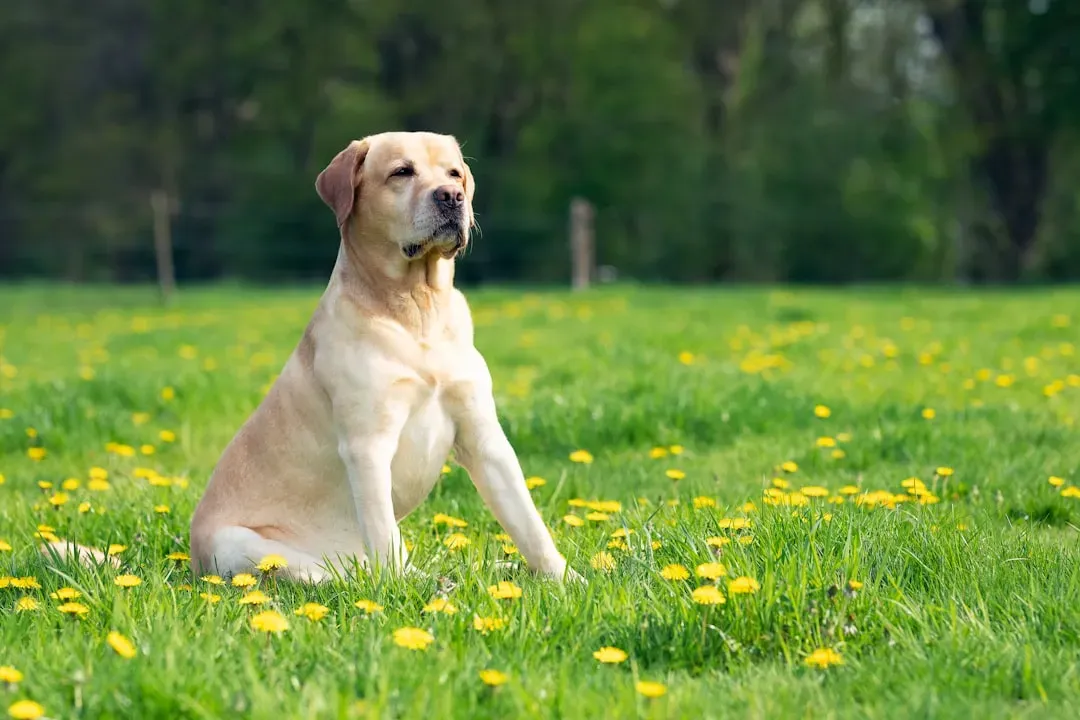
The Labrador Retriever, one of America’s most beloved dog breeds, is also one of the most common dog breeds in shelters all over the country. Their excellent reputation as loving and loyal pets could be their downfall, due to overbreeding to meet demand. The Labrador has just about as many dogs listed on Petfinder’s website as Pit Bulls do. Labradors are the most popular breed of dog in the United States and it’s no surprise that puppy mills and irresponsible breeders are constantly producing puppies for money and selling them into the wrong homes.
Labs are loyal, playful, and full of energy, but their enthusiasm can be overwhelming for unprepared owners. Frustration from chewing or jumping often leads to surrender, yet these intelligent dogs thrive in active homes where they receive the structure and training they deserve. While they can come in different colors, the black-coated Labs are the victims of what some call “Big Black Dog Syndrome.” Many are passed over by adopters in favor of lighter-colored dogs, which leads to more black dogs being overlooked or euthanized.
#4. Siberian Husky
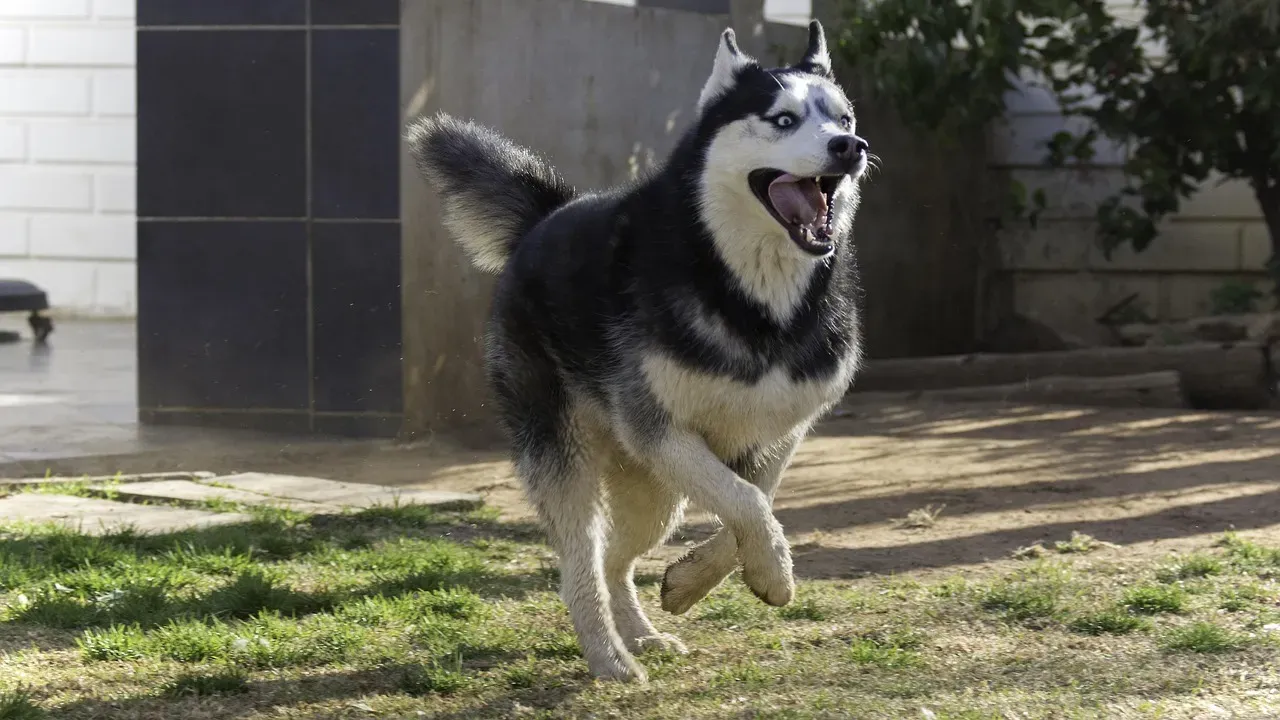
The number of Siberian Huskies in shelters has doubled since 2020. Like other breeds on this list, Huskies have a striking appearance and have stood in the Hollywood spotlight more than once. With superficial popularity comes a misunderstanding of the breed’s true nature: high energy, vocal, independent, and intelligent. The Husky is a dog tailor-made for the frozen tundra, not a city apartment or a warm suburban yard.
Siberian Huskies show up often in shelters in warmer cities like Los Angeles, Riverside, CA, and Orlando. Their need for constant exercise and thick double coats can make them challenging for first-time dog owners in warmer climates. They are often found in shelters due to their strong prey drive, tendency to escape, and need for extensive exercise. Huskies are independent and can be stubborn, making them challenging for inexperienced owners.
#5. Chihuahua

In California alone, Chihuahuas make up roughly 30% of the dog population in shelters. This breed is extremely popular, especially in urban areas. Many are seen as a “fashion statement” as opposed to an animal one has to care for. The tiny size fools people into thinking they’re a low-maintenance pet. The opposite is often true.
Tiny but full of personality, Chihuahuas require more attention than many expect. Their small size doesn’t mean they need less care because, without proper training and socialization, they quickly develop fear-based aggression. As a result, many shelters see them returned for excessive barking or not being as laid-back as owners had hoped. Chihuahuas also have long lifespans; some people who adopt a young dog may not expect them to live past the next decade, which catches many owners off guard.
#6. Boxer

With their fun personalities, Boxers can make great family dogs. They are loyal and willing to please. However, many times owners don’t anticipate the amount of activity this breed needs. They can become destructive without a large amount of exercise and training. In these cases, their strength and outgoing nature can get them into trouble and they wind up in shelters.
Without proper training, Boxers may struggle with commands and develop destructive habits. Their strength and enthusiasm can also overwhelm first-time owners who are unprepared for their energy levels. In active households that provide structure and engagement, they flourish as affectionate and loyal companions. The Boxer is not a difficult dog. It’s simply a dog that demands more than many people plan for.
#7. Beagle

Since the debut of Snoopy, America’s most famous Beagle, the popularity of this breed has remained strong. Beagles are friendly, curious dogs known for their strong sense of smell and hunting instincts. While they make loving pets, their independent nature and tendency to follow their noses can be challenging for some people to handle. That little nose will take them right under a fence if given the chance.
Too often, Beagles are left in shelters for being labeled “stubborn” when, in reality, they need consistent training and engagement. Born to follow their nose, they are expert escape artists, chasing scents for miles. Their independence and signature howling can be challenging for inexperienced owners, but they become affectionate companions with proper guidance. Beagles are popular little dogs that are brought home because of their adorable puppy looks. As these dogs age, owners often learn that they are prone to barking and howling and don’t want to manage the dog the way it needs to be managed.
#8. Dachshund

Once bred to hunt small animals down tunnels, today the Dachshund is more common as a household companion. However, some of their ancestral instincts haven’t been left behind. Due to their high prey drives, Dachshunds can be a problematic fit for households with small animals or even cats. That tiny body carries a surprisingly fierce and stubborn spirit, which catches many first-time owners off guard.
Dachshunds are very popular pets and very often get turned into shelters because of their behavior. Dachshunds are badger hunting dogs and despite their size are filled with a strong personality that can be troublesome for the uneducated or inexperienced owner. Those familiar with the breed, however, should have no problems at all. Many owners struggle with Dachshunds’ excessive barking and digging tendencies, often underestimating their bold personalities. Although small, Dachshunds have a strong prey drive and require training to stay well-behaved.
#9. Australian Shepherd
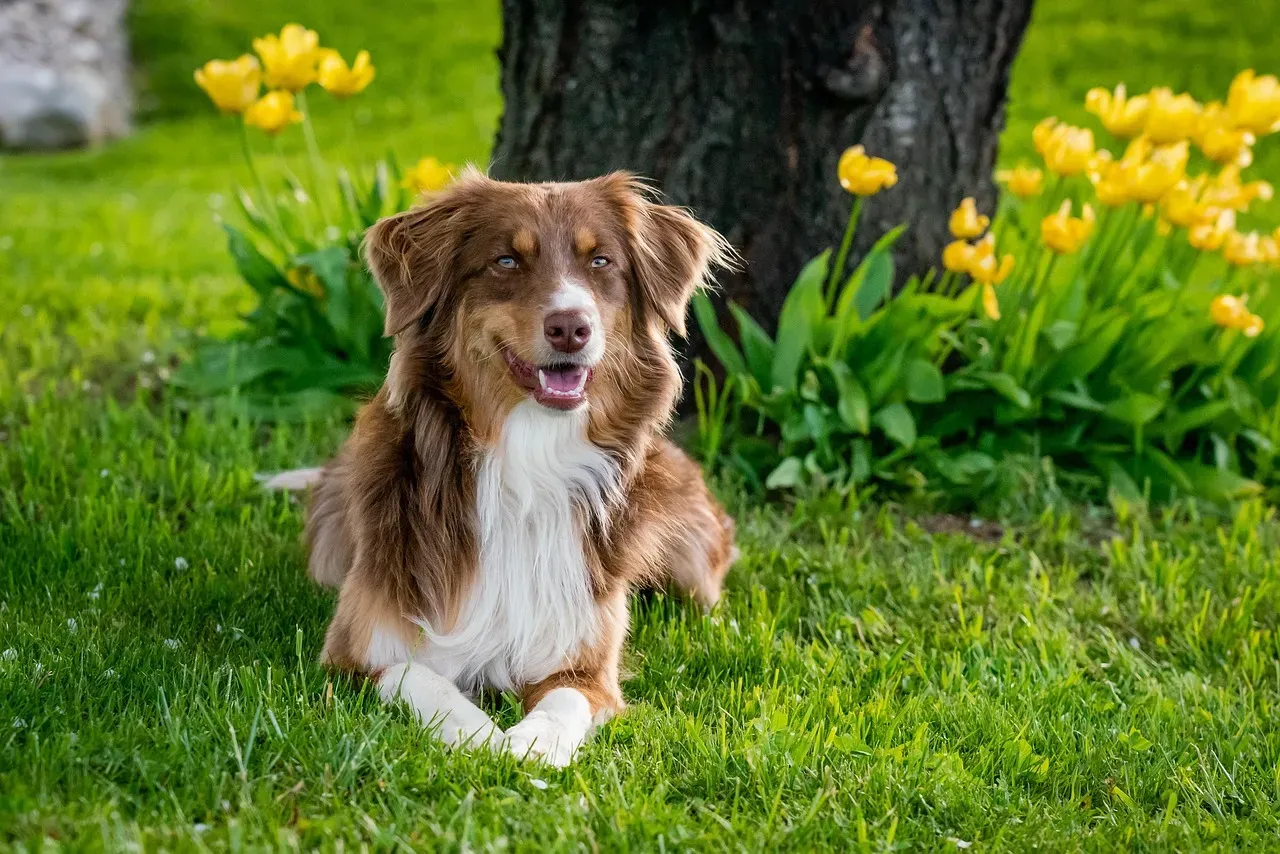
Endless energy defines the Australian Shepherd, a breed built for all-day work. Their need for physical and mental challenges makes them thrive in agility and advanced obedience training. Owners who provide structure and engagement will have a devoted, hardworking companion, and those who don’t may be overwhelmed by their unstoppable drive. This breed isn’t wired for lazy Sunday mornings. It’s wired to herd livestock from dawn to dusk.
Australian Shepherds are super-smart, agile, driven dogs who often excel in activities such as agility or herding. However, this breed requires a high level of physical and mental stimulation, which is something their parents need to understand. When their needs aren’t met, Australian Shepherds can become bored and develop behavioral issues like excessive barking or destructive tendencies, which leads them to shelters and rescues. Chicago and Denver both have Australian Shepherds near the top of their shelter lists, a sobering indicator of how widespread the problem has become.
#10. Rottweiler
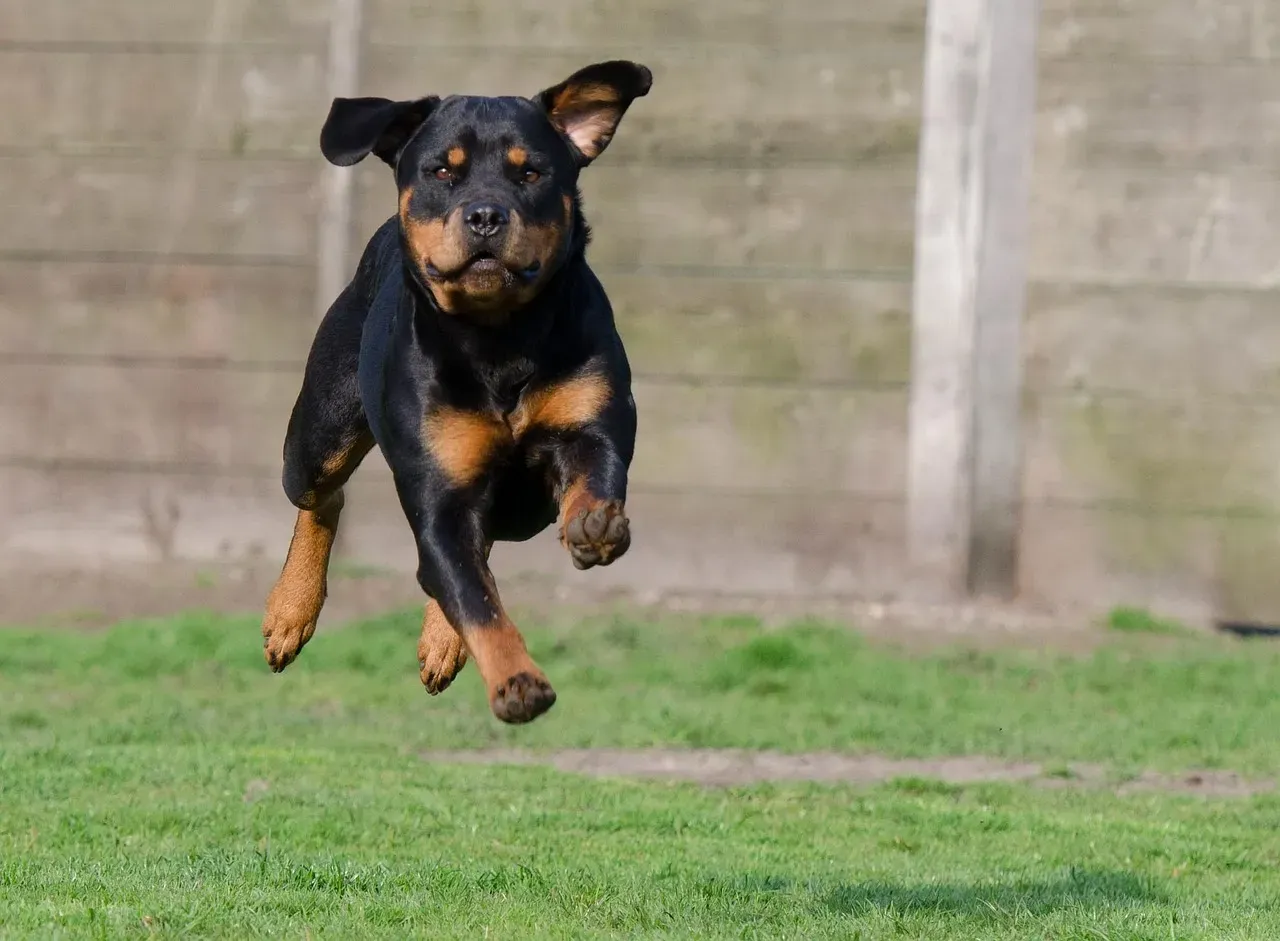
Rottweilers are powerful and confident, often misconceived due to their imposing look. They are incredibly loyal and protective, needing proper training and socialization. With a strong leader, Rottweilers are gentle giants and wonderful family pets. They require mental stimulation and exercise to prevent boredom. The problem isn’t the dog. It’s the gap between expectation and reality that shows up about six months after adoption.
Due to their imposing build, Rottweilers often face breed discrimination, especially in rental housing. Moreover, strong protective instincts demand experienced leadership, and when owners struggle to provide structure, territorial tendencies may develop, making rehoming more likely. Rottweilers can face many of the same adoption hurdles as Pit Bulls due to similar breed stigma and housing restrictions. These barriers can keep well-behaved, loving dogs in shelters longer, not because of their temperament, but because of misconceptions and rules that limit where they can live.
#11. American Bulldog
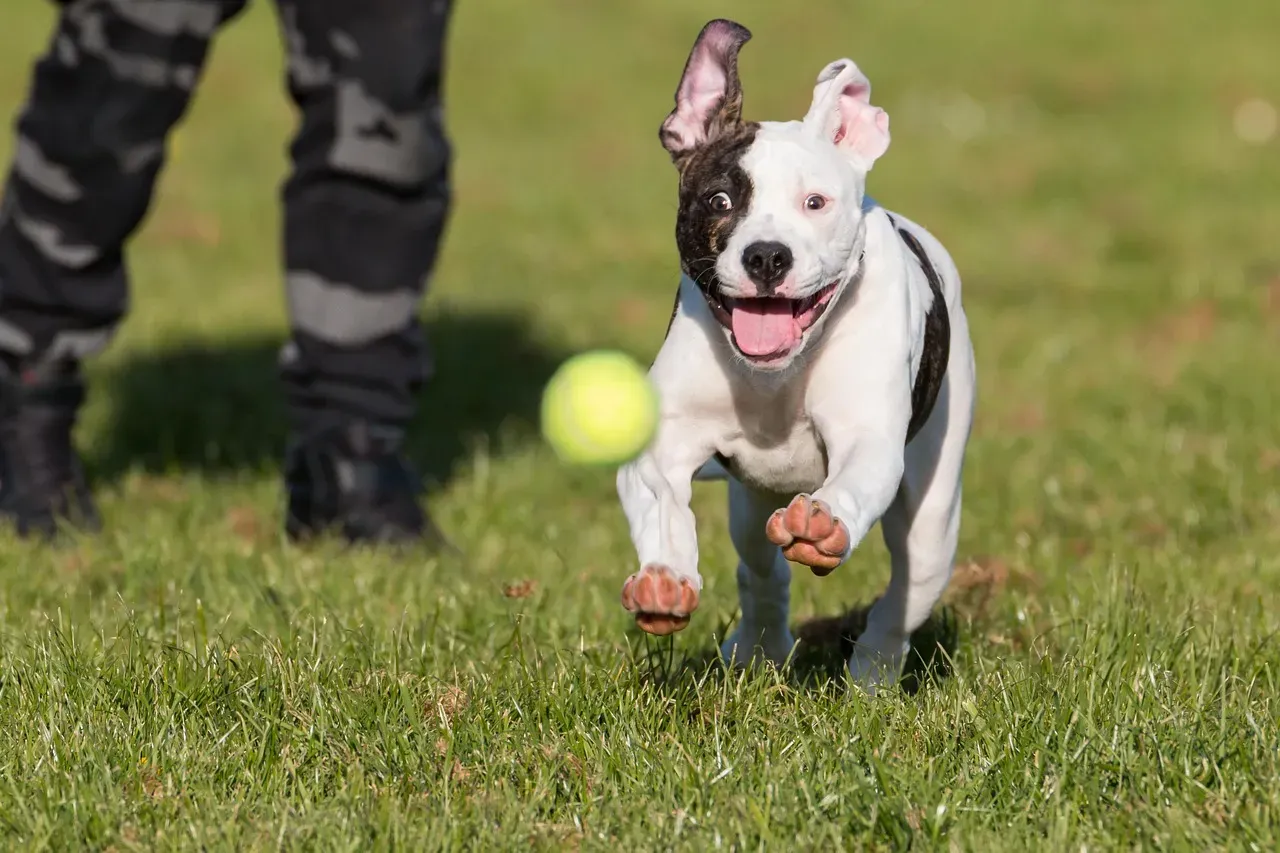
The American Bulldog is a strong-willed but loyal breed that is equally adept at being a watchdog and a family pet. Their high exercise requirements and stubborn dispositions can be too much for some dog owners. American Bulldogs are large, powerful dogs that many people don’t realize will become quite so big and strong. They are very sweet dogs but have strong temperaments that need to be managed from an early age. When owners don’t seek proper puppy training, they will end up with an uncontrollable animal.
American Bulldogs are muscular and bursting with energy, but they need consistent training from an early age. Without proper guidance, their strong-willed nature can lead to unruly behavior. Moreover, their high activity level requires an engaged owner, and owners who can’t provide proper exercise routines and structure often leave them back at shelters. In cities like Miami, shelters consistently rank American Bulldogs among their most common residents, as they do best with attentive, experienced owners who understand what they’re committing to.
#12. Cocker Spaniel
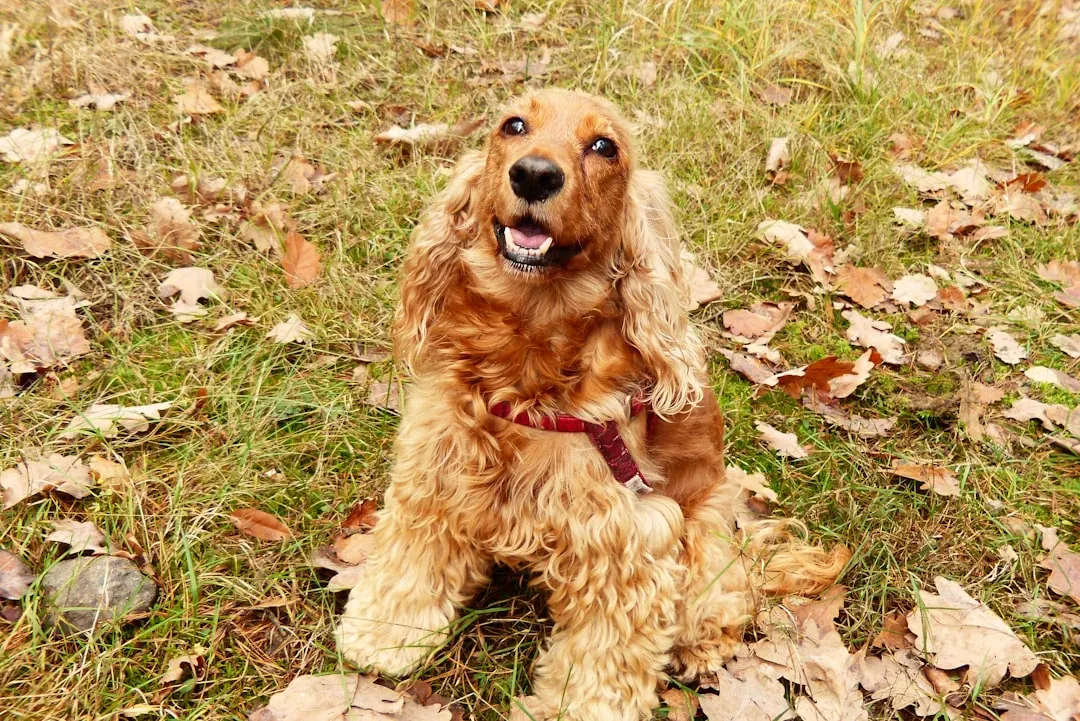
Cocker Spaniels are affectionate and playful dogs known for their beautiful coats and friendly disposition. Despite their popularity as family pets, they are often found in shelters due to grooming needs, health issues, and behavioral challenges. A Cocker Spaniel’s luxurious coat requires constant grooming, yet many adopters overlook this essential responsibility. Without regular maintenance, their fur becomes painfully matted, leading to discomfort and potential health issues. Behavioral challenges like resource guarding and separation anxiety often result in high return rates.
Cocker Spaniels are adored for their gentle and loving personalities. However, their need for companionship can lead to separation anxiety. They thrive in homes where someone is often present, enjoying activities like walks and playtime. They’re not a breed that does well left alone for long hours in an empty home, which in the modern working world has quietly become one of the most common reasons for their surrender.
#13. Doberman Pinscher
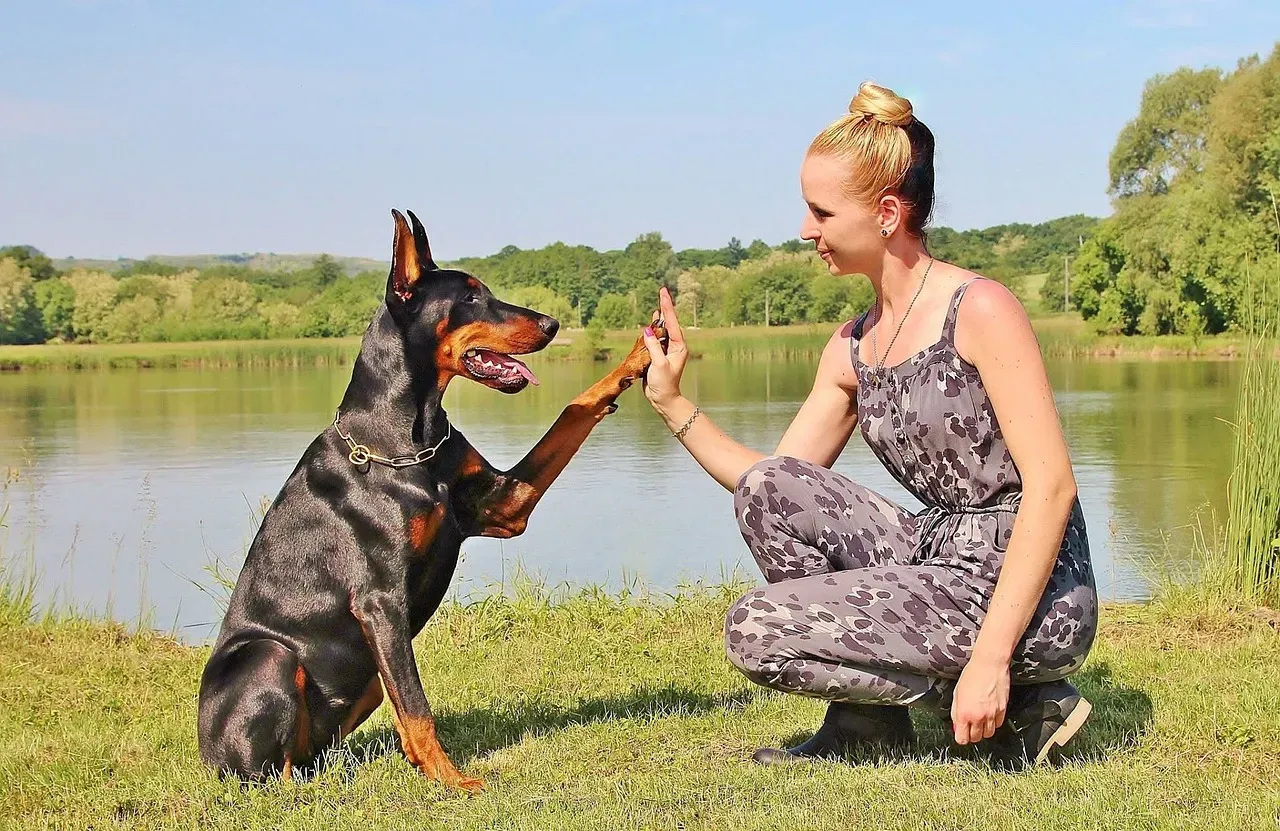
A Doberman’s protective traits make great owner families feel safe and supported, but some adopters who don’t realize this hallmark of the breed get scared by the “aggression” shown by their dog when defending their home. Dobermans remain powerful, intelligent, and agile dogs with athleticism to spare. They need exercise and training to become well-socialized and well-behaved dogs. Owners who don’t understand the personality traits and training needs of their Doberman may surrender their dog to the shelter, or simply abandon it because they no longer want to care for the dog.
Less frequently, shelters will receive Dobermans due to owner relocations to apartments or housing complexes that have breed restrictions against Doberman Pinschers. If Dobermans don’t get the right care and their owners don’t learn enough about the traits of the breed and their requirements, they often end up in shelters. The Doberman is one of the most misread breeds in the shelter system, loyal to the core but often wearing a reputation it didn’t earn.
#14. Border Collie
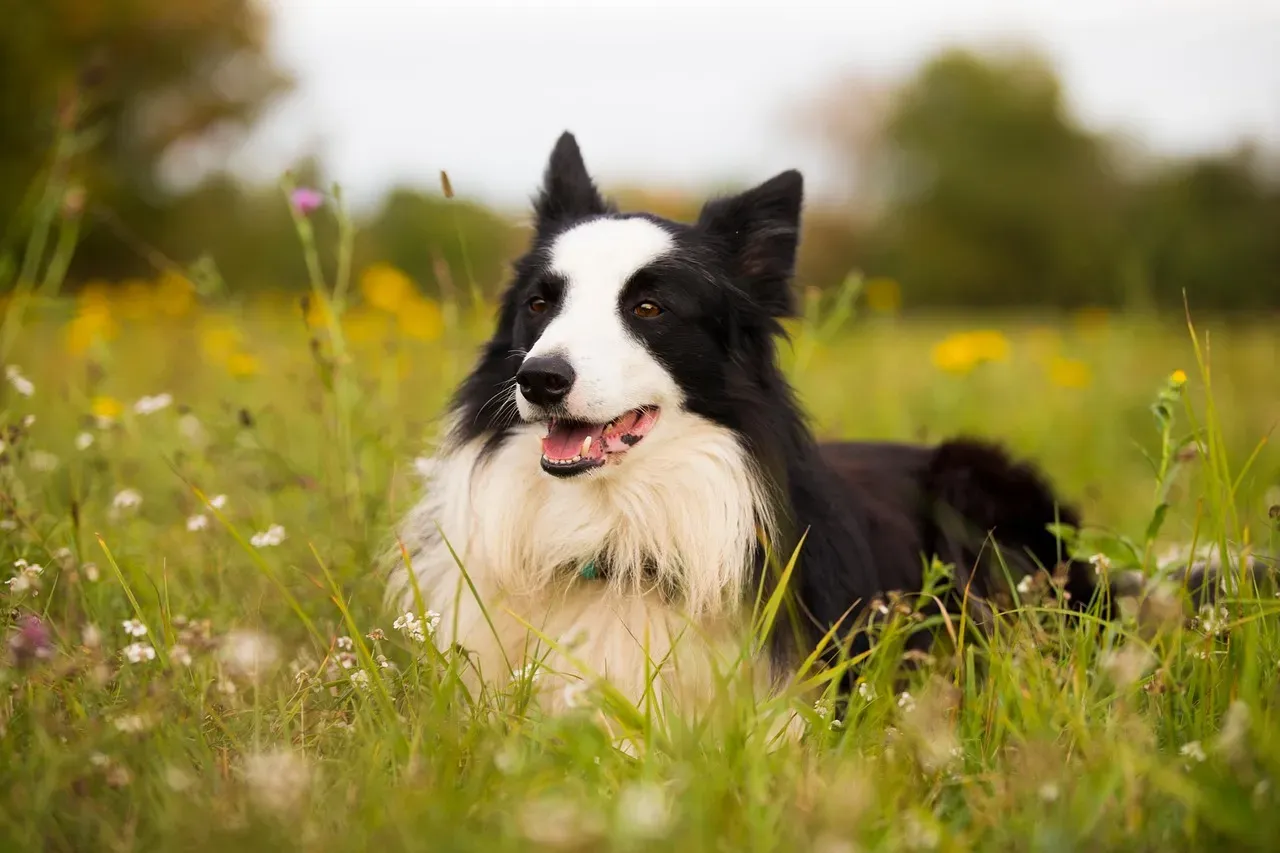
Seen as one of the most intelligent dog breeds, Border Collies are sheepdogs at heart who love nothing more than running. They need lots of exercise and mental stimulation, and in the right hands, they can be extremely easy to train. While this loveable breed may seem to be the perfect choice for a family pet, their need for high levels of activity can make them very demanding on owners who aren’t able to give them the right level of exercise. Sadly, this is why Border Collies often end up needing to be rescued from shelters.
Few breeds match the intelligence and energy of a Border Collie. Designed for herding, they need a job to stay content. Many owners underestimate their demands, and without enough activity, these dogs may develop compulsive habits like excessive barking or pacing. Their intelligence is genuinely extraordinary, but it works against them in a low-stimulation home. A bored Border Collie is a Border Collie that re-invents the meaning of “destructive.”
#15. Chow Chow
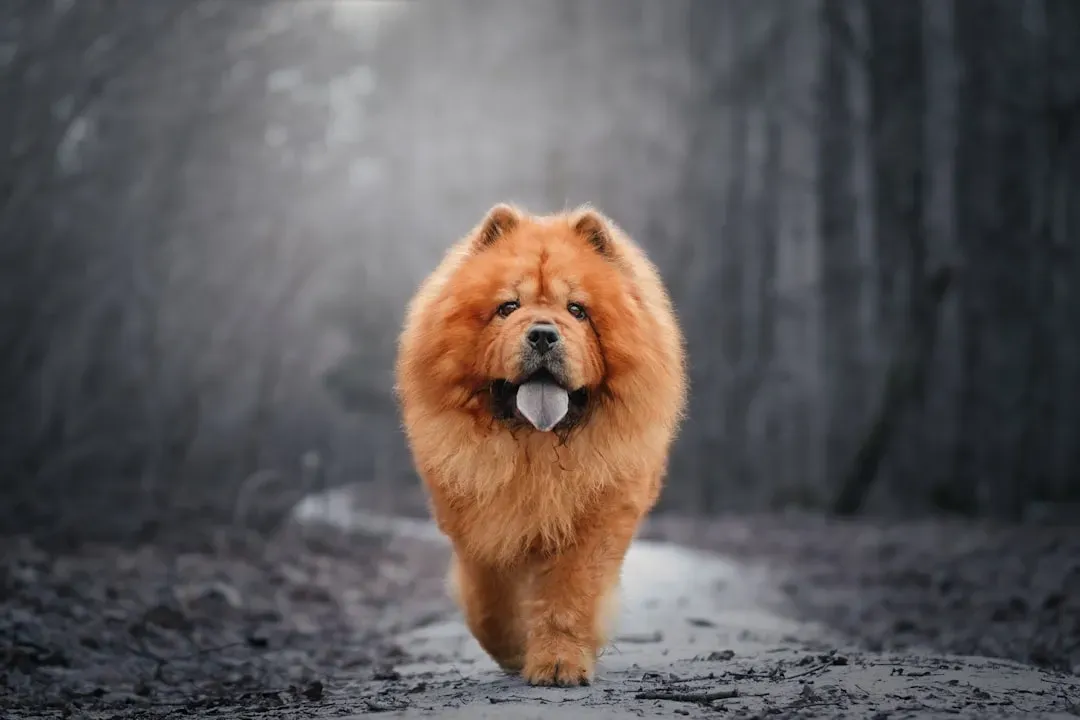
The Chow Chow is believed to be a difficult breed to understand and evaluate. Many shelters, doing their best to provide people with safe, friendly pets and avoid liability problems, refuse to offer Chows for adoption at all. That alone tells you something meaningful about the position this breed occupies in the shelter world. They’re not just hard to adopt out. They’re sometimes not even listed.
An owner-surrendered Chow usually takes longer to “come around” than a stray Chow. Left at a shelter, the average Chow is confused and unhappy at first and doesn’t understand why he’s there. Since he’s sure that his owner will be coming back to get him very soon, he isn’t interested in making new friends just yet. The noise of the shelter, confinement to a kennel run and being stared at by strangers offends and irritates him. A Chow has the mind and independent spirit of a cat locked inside the body of a creature that looks like a cross between a lion and a bear, and most adopters simply aren’t prepared for that.
The Bigger Picture
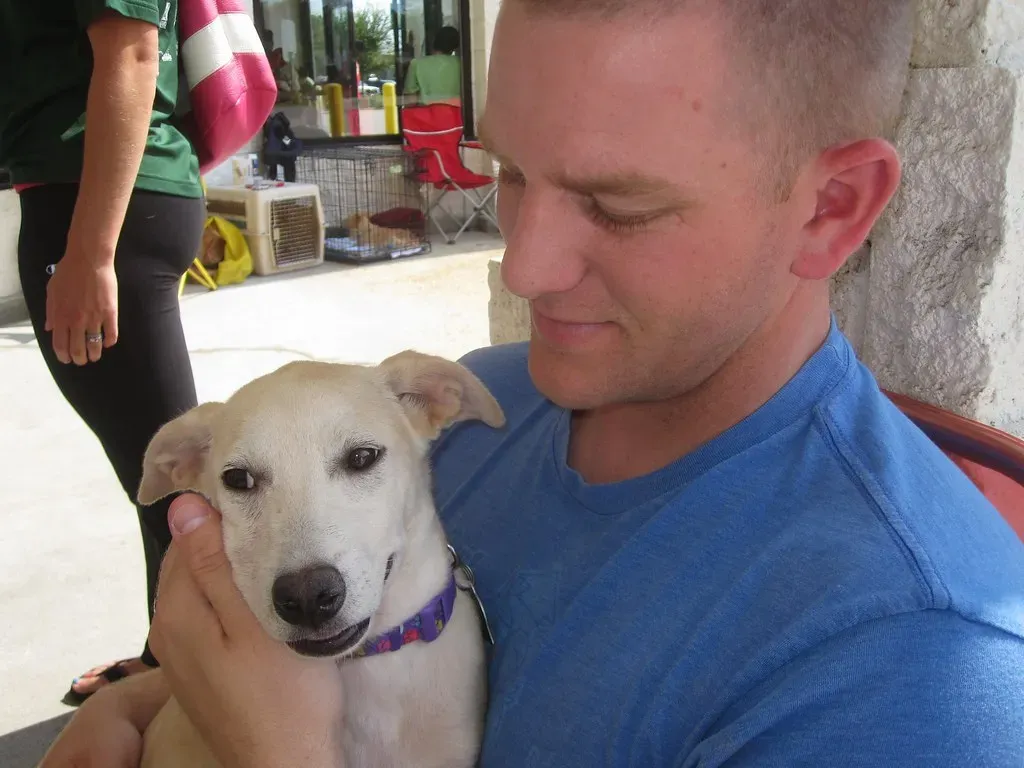
Animal shelters across the U.S. are sounding the alarm as more dogs arrive and fewer are adopted. Overcrowded shelters, housing challenges, and post-pandemic surrenders are leaving some pets waiting weeks or even months for a home. Large dogs in particular are having a hard time finding adoptive homes, now staying in shelters twice as long as they were before the pandemic. Because of this, some shelters are having to make more heartbreaking euthanasia decisions.
Popular breeds often suffer from overbreeding, especially by unregulated and irresponsible breeders and puppy mills looking to make a quick profit. The sheer number of puppies produced due to overbreeding can flood the market, leading to more dogs than there are homes to take them in. Every year, roughly 3.1 million dogs enter US shelters, according to the ASPCA, and a striking number of them are the same breeds that once topped everyone’s wish list. The dogs haven’t changed. Our preparation for them has.
Every breed on this list is, at its core, a good dog in the wrong situation. The common thread isn’t aggression or failure. It’s a mismatch between what people imagine owning a dog will look like and what it actually demands. Before choosing a breed based on how it looks on a screen, it’s worth sitting with the harder question: what does this dog actually need, and can I genuinely provide it? That single honest conversation, before the adoption rather than after, would change the lives of thousands of dogs who are waiting right now for someone to finally say yes.

- 9 Things Wildlife Trackers Notice in the First 60 Seconds in Any Forest That Most People Walk Past Their Entire Lives - July 18, 2026
- 5 Dog Breeds That Vets Say Are Consistently Misread as Aggressive – and the Behavioral Signals That Actually Explain What They Are Doing - July 18, 2026
- 7 Facts About Octopus Intelligence That Marine Biologists Say Should Change the Way We Think About What Counts as a Mind - July 18, 2026