


Imagine standing on the deck of a ship, feeling the salty spray on your face, when suddenly a massive shadow rises from the deep blue ocean. It’s a whale—majestic, mysterious, and utterly captivating. Whales have lived on this planet for millions of years, yet most of us only know the basics: they’re big, they live in the sea, and they sometimes leap dramatically from the water. But beneath the surface, whales are full of secrets, surprises, and stories that could fill an entire ocean. Whether you’re an ocean lover or just a little curious, prepare to be amazed by these fifteen astonishing whale facts that will change the way you think about these gentle giants forever.
15. Whales Used to Walk on Land

It might sound like something out of a science fiction movie, but the ancestors of modern whales actually walked on four legs. Millions of years ago, these early creatures roamed the earth, wading in shallow waters like oversized otters. Fossil discoveries in Pakistan show that the first whales, called Pakicetus, lived about 50 million years ago and resembled furry crocodiles more than today’s ocean giants. Over time, these animals adapted to life in the water, their legs evolving into flippers and their bodies streamlining for swimming. It’s a wild thought: today’s whales are actually distant relatives of hippos! Their journey from land to sea is one of evolution’s most extraordinary transformations—and you’d never guess it just by looking at a whale swimming gracefully today.
14. The Blue Whale is the Largest Animal Ever

Forget dinosaurs, elephants, or even the mighty T. rex—the blue whale beats them all in size. A fully grown blue whale can reach lengths of over 100 feet and weigh as much as 200 tons. That’s heavier than 30 adult elephants combined! Even their tongues alone can weigh as much as an elephant. What’s even more mind-blowing is that despite their enormous size, blue whales feed mostly on krill, which are tiny shrimp-like creatures. Watching a blue whale open its mouth to gulp down thousands of gallons of water (and krill) is like witnessing a living skyscraper in motion. No animal, living or extinct, has ever rivaled the sheer bulk of these gentle titans.
13. Whales Communicate with Songs that Travel for Miles

If you’ve ever heard a recording of a whale’s song, you know how haunting and beautiful it can be. But did you know these songs can travel for hundreds, even thousands of miles underwater? Male humpback whales, in particular, are known for their complex melodies, which can last for hours and change year to year. Scientists believe these songs may help with mating or navigation. The low frequency of whale calls moves effortlessly through the ocean, like a secret language echoing between continents. It’s one of the most enchanting mysteries of the animal kingdom—and proof that whales are more than just big bodies in the sea; they’re poets in their own right.
12. Some Whales Can Hold Their Breath for Over an Hour

Imagine diving underwater and not coming up for air for over an hour. For whales, that’s just another day at the office! Sperm whales are the true champions, able to hold their breath for up to 90 minutes while hunting for squid deep in the ocean. Their bodies are specially adapted for these epic dives—they slow their heart rate, store extra oxygen in their muscles, and can even shut down non-essential organs. This incredible superpower allows them to explore the darkest depths of the sea, where almost no other animals can go. It’s a reminder that whales are not just survivors—they’re true explorers.
11. Whales Have Finger Bones Inside Their Flippers

Underneath a whale’s smooth, powerful flippers lies a surprising secret: finger bones, just like ours. If you looked at an X-ray of a whale’s flipper, you’d see a set of bones arranged in a pattern that looks a lot like a giant, webbed hand. These bones are leftovers from their land-dwelling ancestors, a hidden clue to their evolutionary past. The next time you see a whale’s flipper slicing through the water, remember—it’s not so different from your own hand, just adapted for a life in the sea.
10. The Oldest Known Whale Was Over 200 Years Old

Most of us dream of living a long, full life, but bowhead whales take longevity to a whole new level. Some individuals have been discovered with ancient harpoons embedded in their blubber, dating back almost two centuries. Scientists estimate that bowhead whales can live for more than 200 years, making them some of the oldest mammals on earth. Imagine what a bowhead whale has seen in its lifetime—the rise and fall of empires, countless migrations, and perhaps even the first ships crossing the Arctic. Their long lives are a testament to the resilience and mystery of these magnificent animals.
9. Whales Have Big Brains and Complex Emotions

With brains weighing up to 20 pounds, sperm whales have the largest brains of any animal on the planet. But it’s not just about size—whale brains are wired for social connection, emotion, and even culture. Whales are known to mourn their dead, form lifelong friendships, and teach each other skills, like unique hunting techniques. Some researchers believe that whales might have emotional lives as rich and complicated as humans. When you see a pod of whales moving gracefully together, you’re witnessing a family with deep bonds and maybe even a sense of community that rivals our own.
8. Whales Play and Have Fun

It’s not all serious business in the world of whales. These creatures love to play, whether it’s leaping out of the water in spectacular breaches, slapping their tails, or blowing bubbles just for fun. Young whales, in particular, are known for their playful antics, often rolling, chasing, and even playing games of tag with each other. Some scientists think play is an important way for whales to learn and bond with their pod. Watching whales at play is a joyful reminder that even the largest animals on earth know how to have a good time.
7. Some Whales Eat Up to 4 Tons of Food a Day
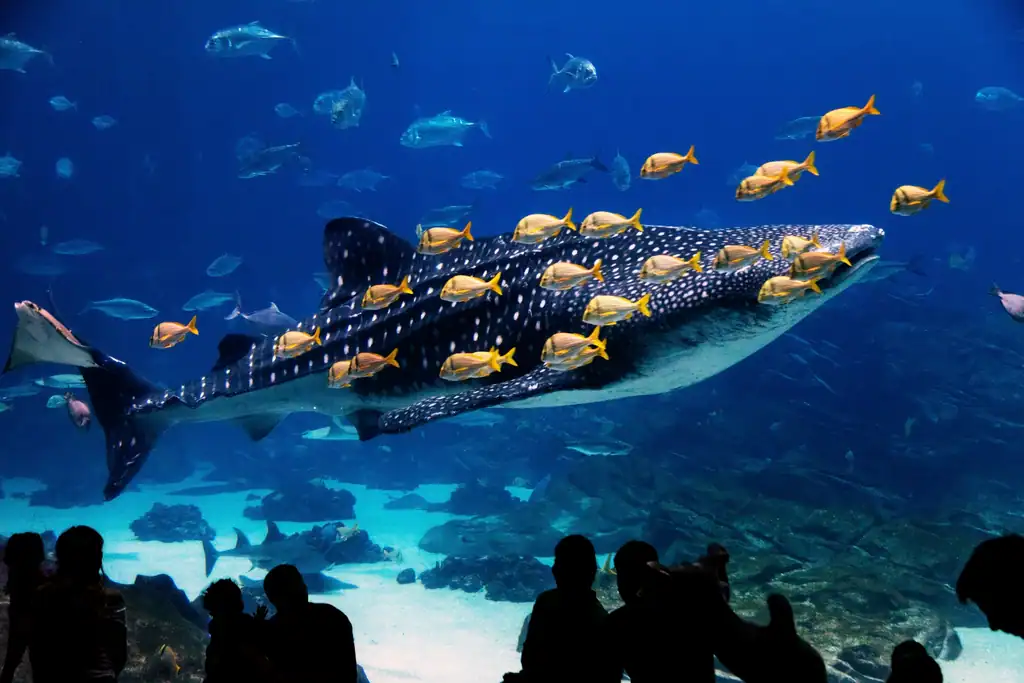
Feeding a body as big as a whale takes a lot of food. In fact, a blue whale can eat up to 4 tons of krill every single day during feeding season. That’s about the weight of a fully loaded pickup truck—every day! Whales use special feeding techniques, like bubble-net feeding, where they blow bubbles to herd krill or fish into tight balls before gulping them down in one massive bite. Their incredible appetites help shape the entire ecosystem, keeping the food chain in balance and the ocean healthy.
6. Whales Help Fight Climate Change
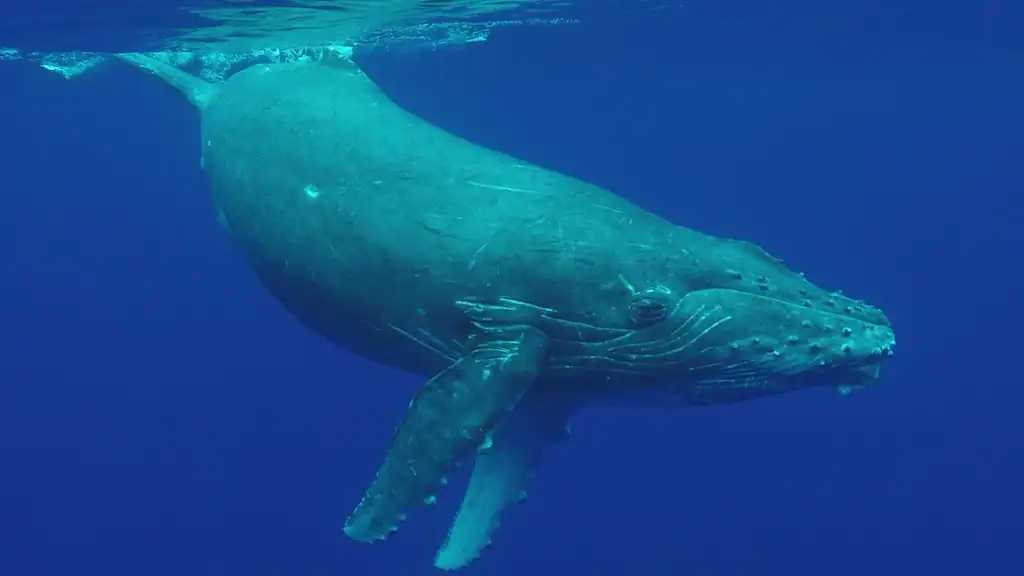
It might sound unbelievable, but whales play a surprising role in keeping our planet cool. When whales feed at depth and then surface to breathe, they release nutrient-rich waste that helps microscopic plants called phytoplankton grow. These tiny plants absorb huge amounts of carbon dioxide from the atmosphere, acting as a natural carbon sink. In fact, scientists estimate that whales help remove millions of tons of CO2 every year, just by doing what comes naturally. It’s an inspiring reminder that protecting whales isn’t just good for them—it’s good for us, too.
5. Whales Sleep with Half Their Brain Awake

Have you ever tried sleeping with one eye open? For whales, it’s a necessity. Because they need to come up for air, whales let only one half of their brain sleep at a time, while the other half stays alert to control breathing and watch for danger. This unique way of sleeping, called unihemispheric slow-wave sleep, means whales are always half-awake, even when they’re resting. It’s one of the many ways whales have adapted perfectly to life in the ocean.
4. Whales Can Dive Deeper Than Most Submarines
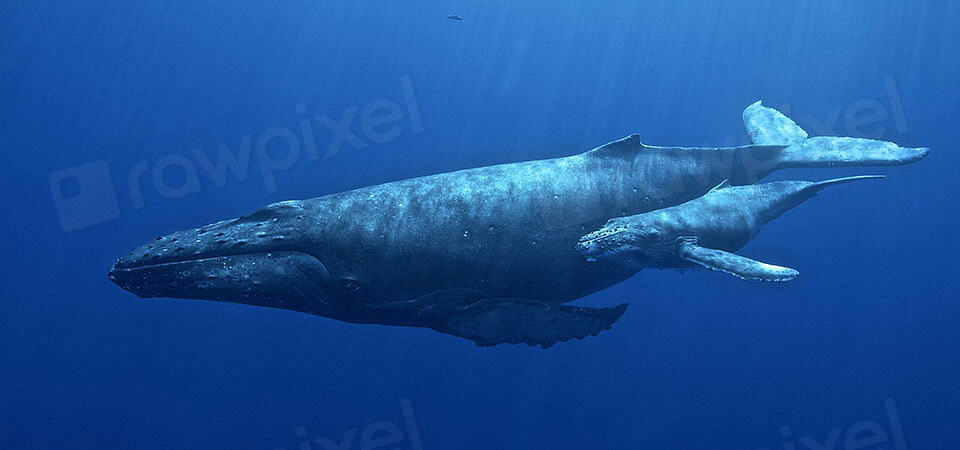
The ocean has depths so dark and mysterious, it’s almost like another world. Amazingly, sperm whales can dive over 3,000 meters (nearly 10,000 feet) deep—far deeper than most modern submarines. Down there, it’s cold, pitch-black, and the pressure is crushing, but whales are built to handle it. They hunt giant squid and other elusive prey in the inky darkness, using echolocation to find their way. Their deep dives are a true testament to the toughness and adaptability of these ocean explorers.
3. Whales are Found in Every Ocean on Earth
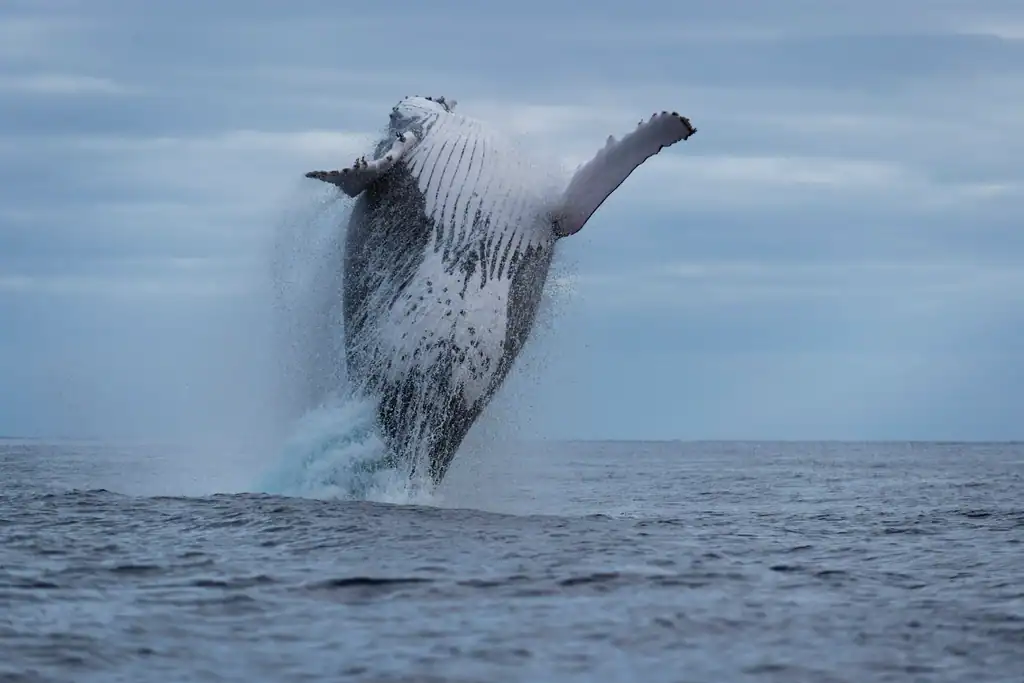
No matter where you go—from the icy waters of the Arctic to the warm tropics—you’ll find whales. Some species migrate thousands of miles every year, traveling from feeding grounds in the polar regions to breeding grounds in warmer seas. The gray whale holds the record for the longest migration of any mammal, traveling up to 14,000 miles round trip. Whales’ incredible journeys connect oceans, continents, and cultures, making them true citizens of the world’s waters.
2. Whales Have Unique “Voices” Like a Fingerprint
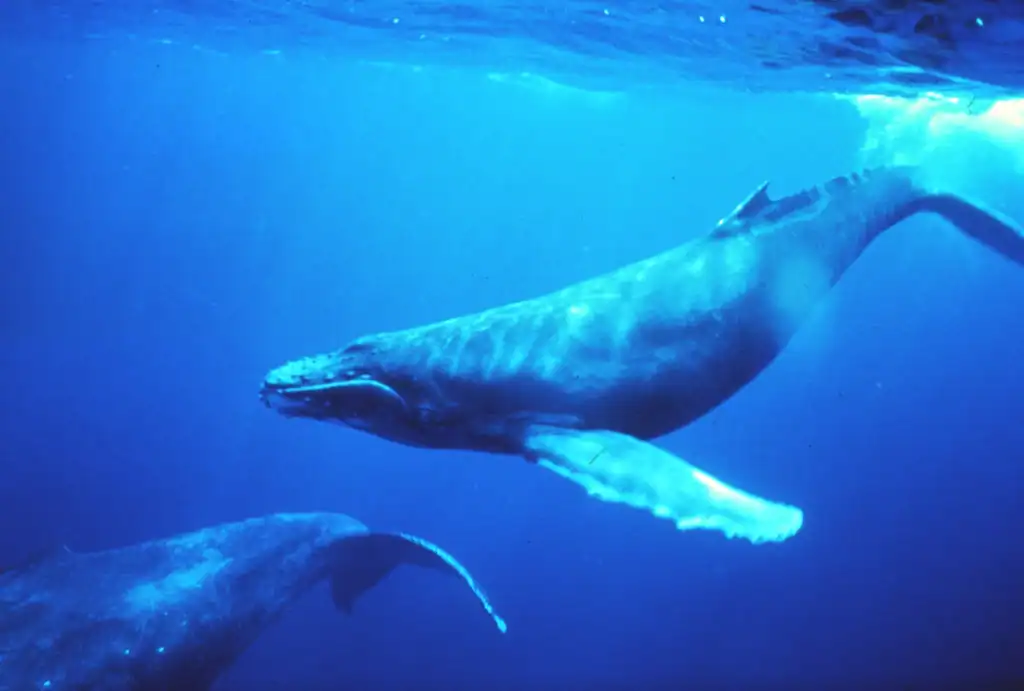
Just as every person has a unique voice or fingerprint, every whale has its own distinctive call or song. Scientists use these unique sounds to identify individuals and track their movements across vast stretches of ocean. In some species, family groups even have their own dialects—like regional accents in human language. This individuality helps whales recognize each other and maintain complex social relationships. The next time you hear a whale song, remember: you’re listening to a one-of-a-kind voice echoing through the sea.
1. Whales Still Face Serious Threats Today

Despite their size and resilience, whales face many dangers in our modern world. Pollution, ship strikes, entanglement in fishing gear, and climate change all threaten whale populations. Some species, like the North Atlantic right whale, are critically endangered, with only a few hundred individuals left. But there’s hope—conservation efforts, international protection, and growing public awareness are helping to turn the tide. Every action we take, no matter how small, can help ensure that these magnificent creatures continue to thrive for generations to come.
Conclusion
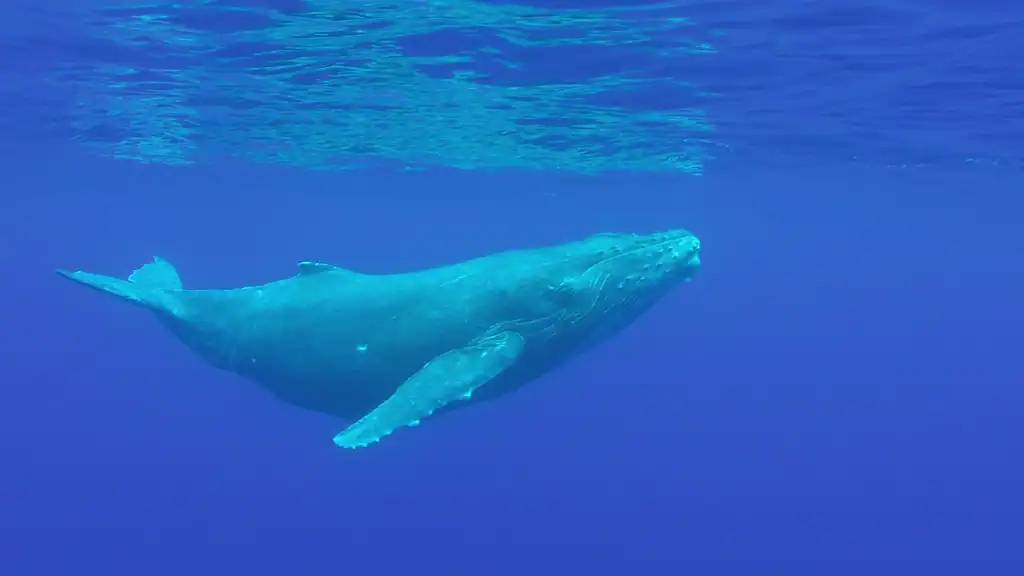
Whales are more than just ocean giants—they’re storytellers, explorers, and even climate heroes. From their ancient past as land animals to their complex songs and vital role in ocean health, whales have a world of secrets waiting to be discovered. Next time you spot a whale or hear their haunting songs, remember just how extraordinary—and important—these creatures truly are. Did any of these facts surprise you?

As a little kid, I fell in love with nature, wildlife, and animals. Living in the USA, South Africa, Italy, China and Germany gave me the opportunity to discover the world's Wildlife. My favorite animals are Mountain Gorillas, Siberian Tigers, and Great White Sharks.
I'm a certified PADI Open Water Diver, went to Everest Base Camp and Trekked Gorillas in Uganda. I hold a Master of Science in Economics and Finance.
Please send any feedback to feedback@animalsaroundtheglobe.com
- 8 Dogs That Are Natural Protectors of American Farms and 3 That Are not - July 19, 2026
- 14 Stunning Animals You Can See in India - July 18, 2026
- The Most Enormous Lobster Ever Pulled From Maine Waters - July 18, 2026