

Climate change is a pressing reality, altering ecosystems and the natural environment profoundly. Among the creatures most visibly impacted are backyard birds. As weather patterns shift, these avian visitors experience challenges that affect their survival and behavior. Understanding these changes is crucial for bird enthusiasts and environmentalists alike. This article explores 15 significant ways weather changes are impacting these feathered friends and offers insights into how we can help protect them.
Changing Migration Patterns

One of the most direct impacts of weather changes on backyard birds is the alteration in their migration patterns. As temperatures rise, some species are starting their journeys earlier or delaying their departure. For instance, milder winters might discourage migration altogether, leading to shifts in local avian populations and potentially disrupting the ecosystems in which they play crucial roles.
Food Scarcity
Weather changes significantly affect the availability of natural food sources for birds. Warmer climates can lead to mismatched timing between birds’ breeding periods and the peak availability of their food, such as insects and seeds. This mismatch can result in food scarcity, affecting the health and reproductive success of bird populations.
Breeding Disruptions

Climate shifts can lead to earlier springs, prompting birds to begin nesting sooner. While this might seem advantageous, early breeding can result in nest failure if unexpected cold snaps occur. Additionally, changes in food availability can mean that even if birds breed successfully, their chicks may not survive without abundant resources.
Loss of Habitat
As weather patterns shift, so too do the habitats that birds rely upon. Rising temperatures and changing precipitation can lead to habitat degradation, such as the transformation of grasslands to desert or the loss of wetlands. This can force birds to relocate, increase competition for remaining suitable habitats, and threaten their long-term survival.
Increased Predation
Warmer temperatures can sometimes lead to increased predation risks for birds. For instance, changes in weather can favor predators like snakes, which thrive in warmer climates. As such, bird populations face heightened threats, requiring them to adapt quickly or face declines.
Disease Spread

Changing weather patterns can facilitate the spread of diseases that affect birds. Warmer temperatures and increased moisture create optimal conditions for pathogens to thrive and spread more rapidly. Diseases such as West Nile Virus are more easily transmitted, posing significant threats to bird populations.
Altered Vocalizations and Behavior
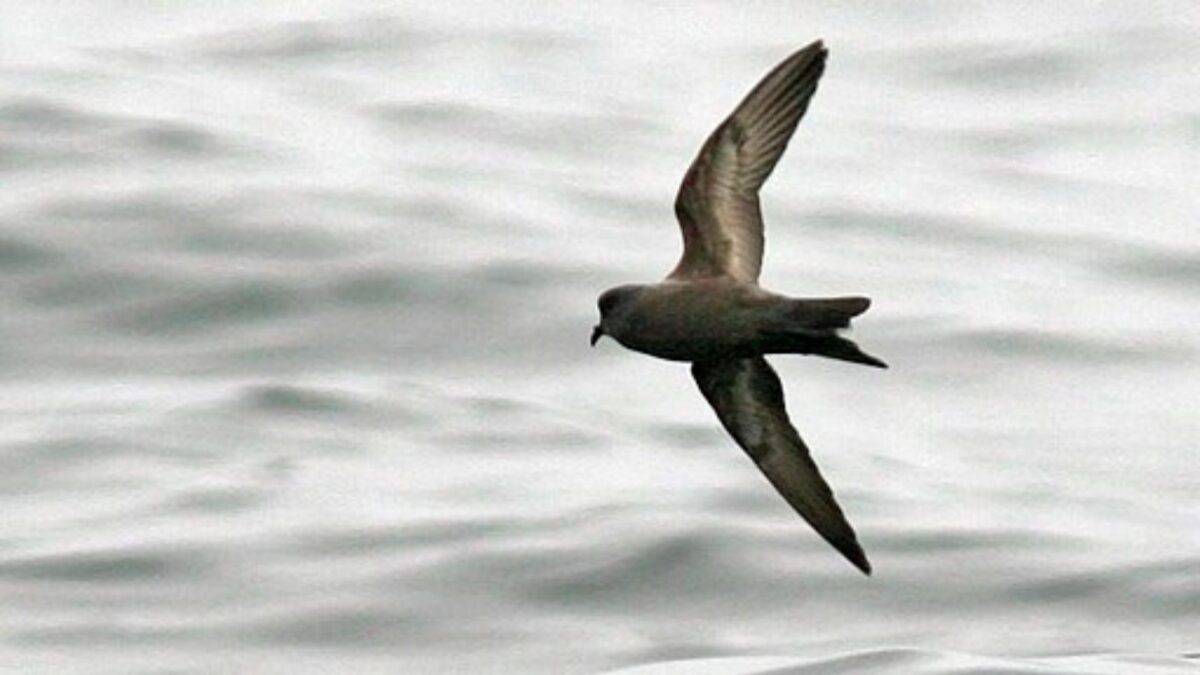
Some research suggests that the changing climate affects birds’ vocalizations and behaviors. With shifts in the timing of ecological events and habitat changes, birds may alter their songs and communication methods to adapt to new environments or to compete in changed acoustic spaces.
Water Availability

As some areas experience increasing droughts while others face flooding, the availability of fresh water becomes a concern for birds. Water is essential for drinking and bathing, and extreme weather events can severely restrict access, impacting bird health and hygiene.
Phenology Shifts
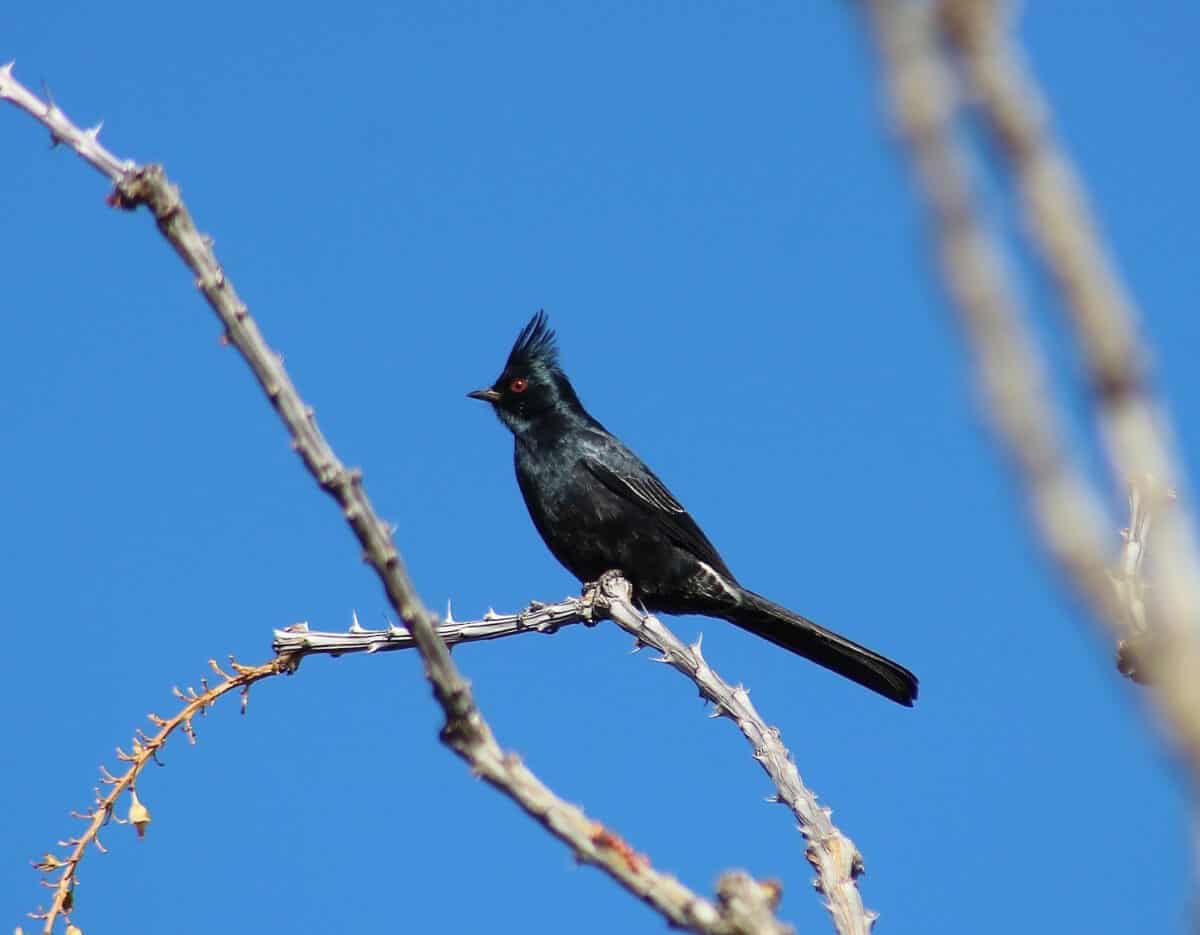
Phenology, the study of cyclic and seasonal natural phenomena, significantly affects birds. Climate-driven shifts in the timing of plant blooming and insect emergence can disrupt symbiotic relationships, leading birds to miss critical peaks in food availability, affecting their survival and reproduction.
Competition with Invasive Species
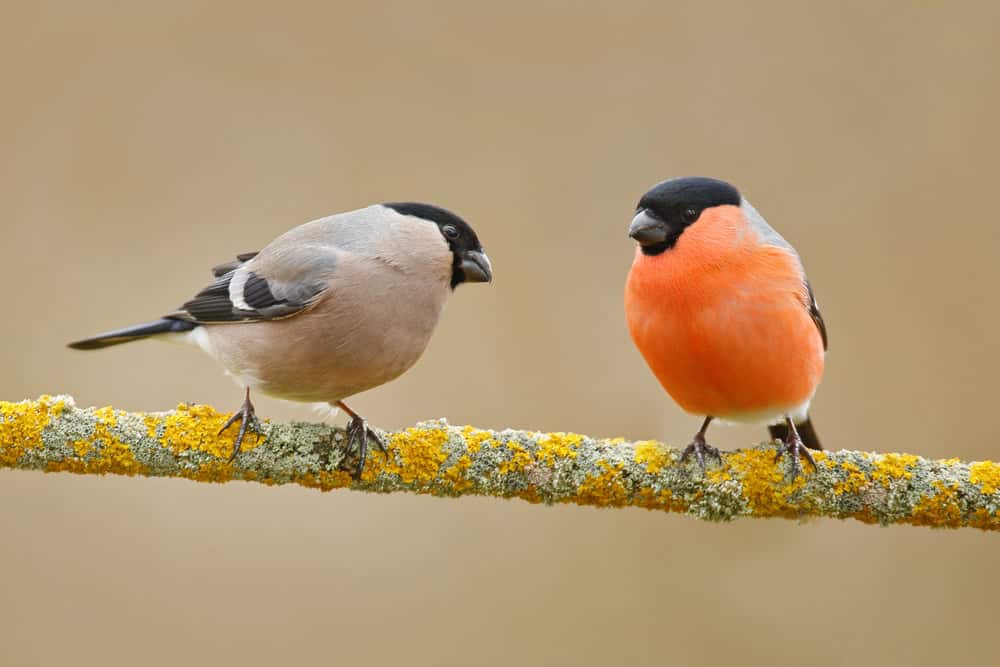
Changes in climate can lead to the introduction or expansion of invasive species, which compete with native birds for food and nesting areas. This additional competition can strain local populations and alter established ecosystems, often to the detriment of native bird species.
Altered Bird Size and Morphology

Adaptation to changing climates can lead to physical changes in birds over generations. Researchers have observed changes in size and wing shape in some bird populations, as they adapt to more frequent temperature extremes and changing habitat conditions.
Change in Bird Population Dynamics
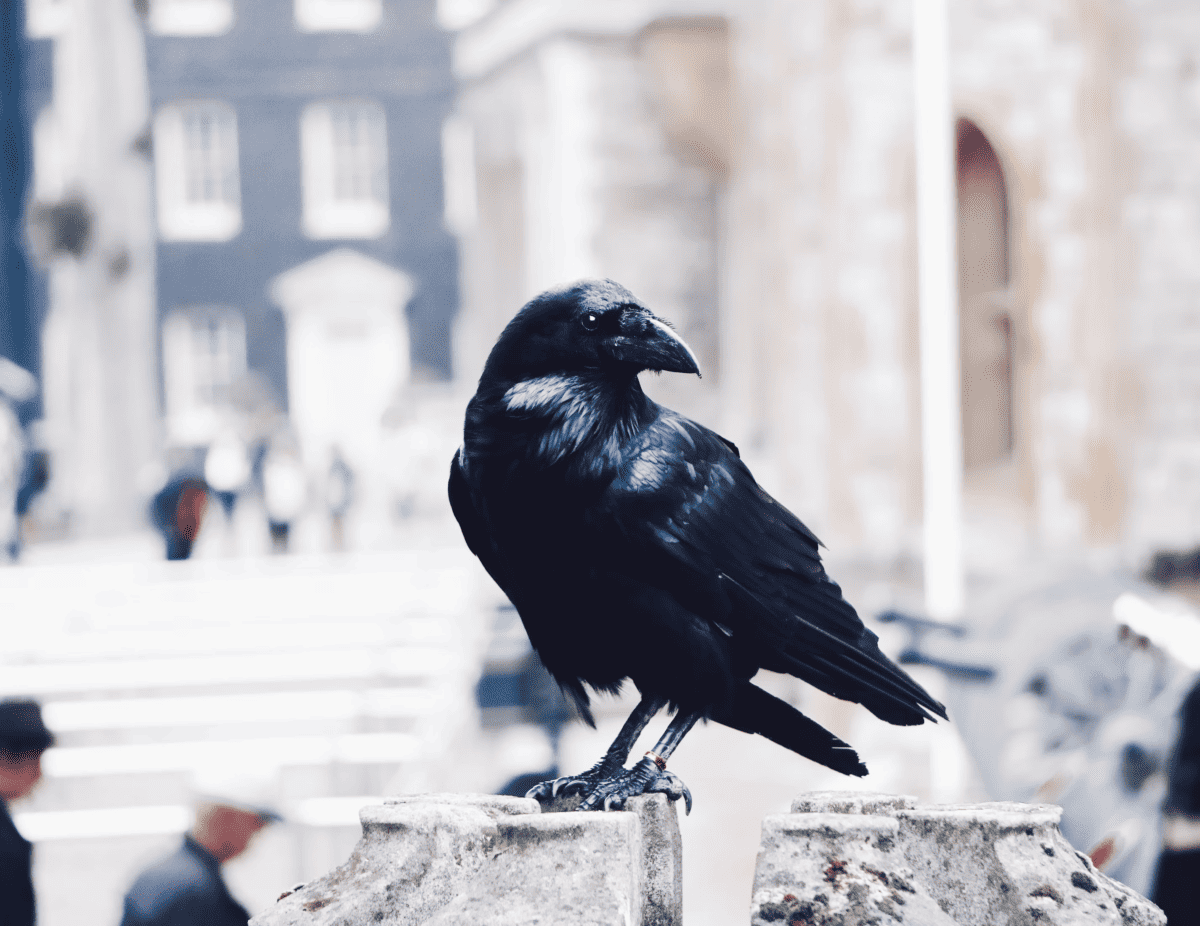
As weather changes, bird populations may also change in size and distribution. Certain areas may see a decline in bird numbers, while others might experience an increase. These shifts can have cascading effects on the ecosystem, affecting everything from insect populations to plant growth.
Increased Stress Levels
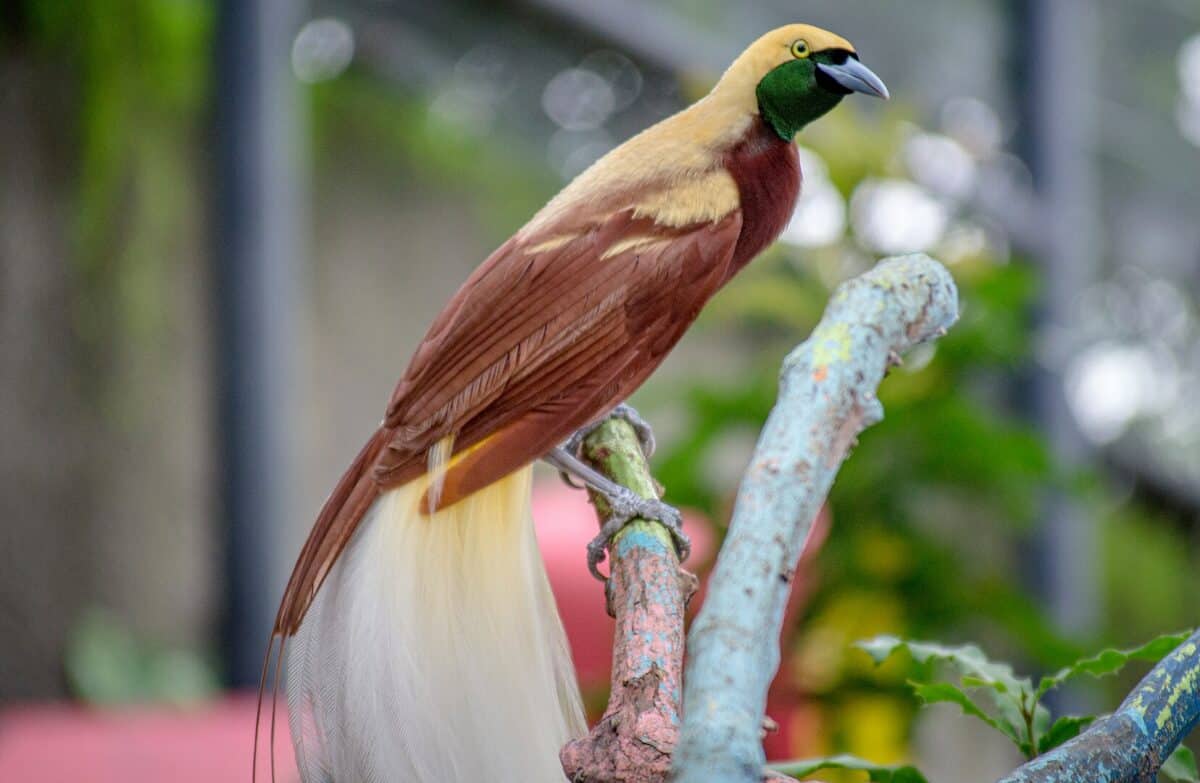
The constant need to adapt to changing climates places significant stress on birds. This stress can affect their immune systems and overall health, making them more susceptible to disease and potentially shortening their lifespans.
Impact on Birdsong
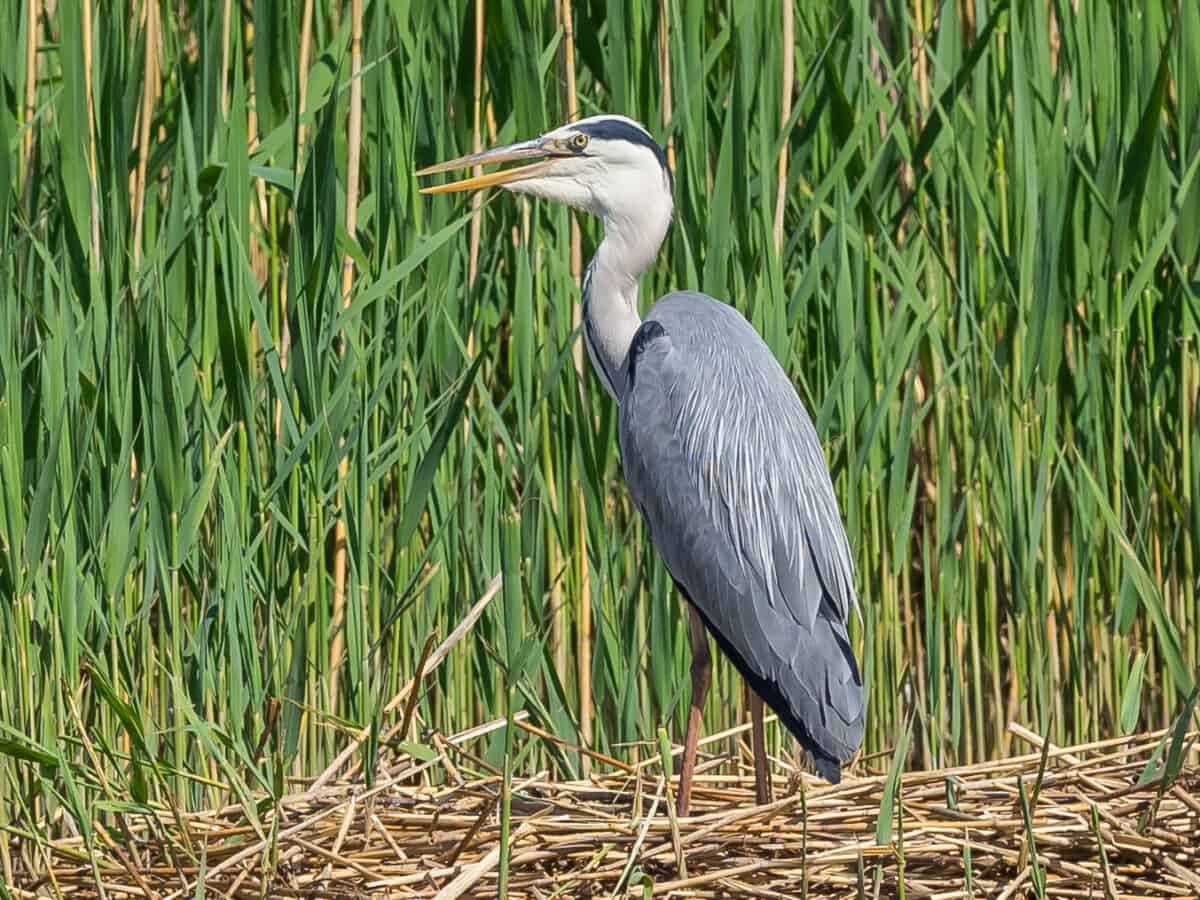
Climate change can lead to acoustic changes in habitats, affecting how birds communicate. Changes in vegetation density or increased ambient noise from weather events can cause birds to alter their songs, which are vital for mate attraction and territory defense.
Community Engagement and Conservation Efforts
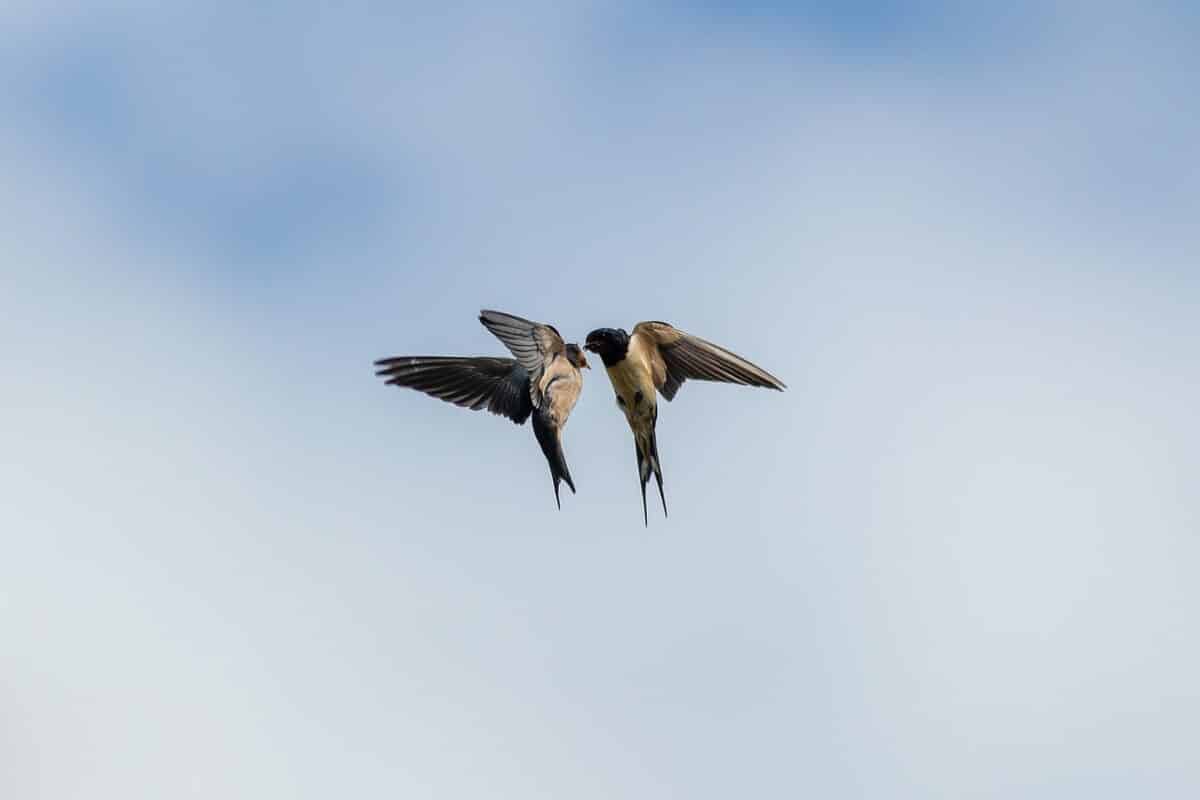
In response to these challenges, bird enthusiasts and conservationists are increasingly turning to community engagement efforts. Backyard bird watchers can support these efforts by providing food, water, and habitats, and participating in citizen science projects to monitor bird populations and inform conservation strategies.
Conclusion

In conclusion, the effects of weather changes on backyard birds are multifaceted and significant. Understanding these impacts can guide us to act responsibly and support conservation efforts. By adapting our practices, we can help protect the vibrant diversity of bird life that so many cherish in their own backyards.

As a little kid, I fell in love with nature, wildlife, and animals. Living in the USA, South Africa, Italy, China and Germany gave me the opportunity to discover the world's Wildlife. My favorite animals are Mountain Gorillas, Siberian Tigers, and Great White Sharks.
I'm a certified PADI Open Water Diver, went to Everest Base Camp and Trekked Gorillas in Uganda. I hold a Master of Science in Economics and Finance.
Please send any feedback to feedback@animalsaroundtheglobe.com
- Why the Great Barrier Reef Is the Best Place to Spot Sea Turtles - June 3, 2026
- 2 Animals With Super Sized Body Parts and What They are For - June 3, 2026
- Explore The Azores - June 3, 2026