


Dogs have been our companions for thousands of years, evolving alongside humans in a unique relationship that has made them incredibly attuned to our behaviors, emotions, and social cues. While we often marvel at their loyalty and affection, many dog owners might be surprised to discover just how much their canine companions actually comprehend. Beyond the basic commands of “sit” and “stay,” dogs possess a remarkable ability to understand nuanced human behaviors and intentions. Their cognitive abilities extend far beyond what many of us realize, allowing them to interpret our actions and emotions in ways that sometimes seem almost human-like. In this article, we’ll explore fifteen surprisingly weird things that your dog actually understands, revealing the depth of canine cognition and the sophisticated communication that exists between humans and their four-legged friends.
15. Your Emotional State

Dogs possess an uncanny ability to understand your emotional state, often before you’ve fully expressed it. Research from the University of Lincoln has shown that dogs can distinguish between happy and angry human facial expressions, and they respond differently to each. When you’re feeling sad, your dog may approach more cautiously, offer comfort through physical contact, or become more subdued in their behavior. Conversely, when you’re happy, dogs often mirror that energy with increased playfulness. This emotional intelligence extends beyond mere observation—dogs can actually smell chemical changes in your body that occur with different emotional states. Studies have detected that dogs’ brains process human emotions in specialized regions similar to those in human brains, suggesting they empathize with us on a neurological level. This emotional understanding forms the foundation of the human-canine bond and explains why dogs are so effective as emotional support animals.
14. Your Intentions Through Body Language
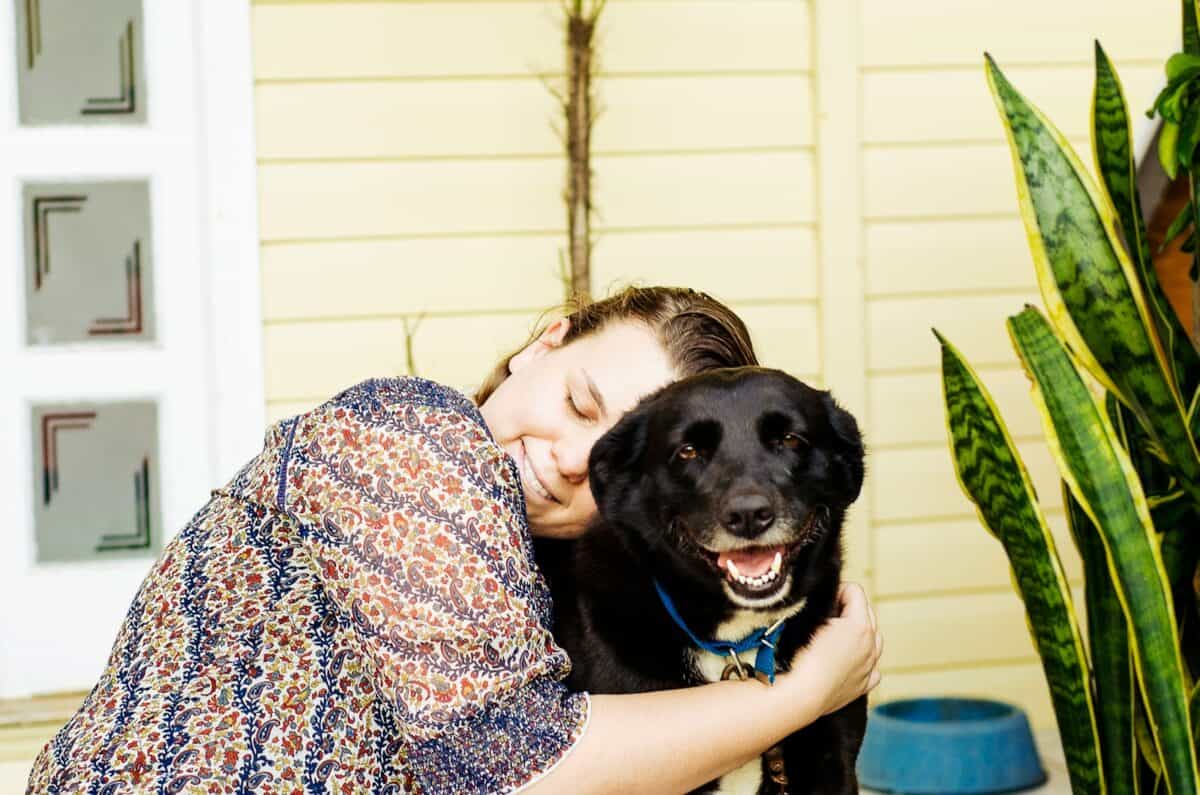
Your dog is constantly reading your body language, understanding your intentions often before you’ve taken action. When you reach for your car keys, put on certain shoes, or even subtly shift your weight toward the door, your dog has already decoded your plan to leave the house. Dogs are particularly attuned to eye movements, with research from the University of Portsmouth demonstrating that dogs follow human gaze direction to locate hidden food or toys. Even more fascinating is how dogs understand pointing gestures—a cognitive skill that even chimpanzees struggle with. When you point to something, your dog understands you’re directing their attention, not just moving your finger randomly. This ability to interpret human directional cues develops naturally in dogs without specific training and indicates a deep co-evolutionary history with humans. Your dog’s comprehension of your body language extends to subtle signals you may not realize you’re giving, such as tensing before disciplining them or relaxing when play is about to begin.
13. Time Patterns and Schedules

Despite having no concept of minutes or hours as humans understand them, dogs demonstrate a remarkable ability to track time patterns. Your dog knows precisely when dinner time approaches or when you typically return from work, often positioning themselves by the door minutes before your scheduled arrival. This isn’t merely coincidence—researchers at Northwestern University have discovered that dogs possess an “episodic-like memory” that allows them to anticipate recurring events. Their internal clock is likely linked to circadian rhythms and environmental cues, but also to subtle changes in scent. As the day progresses, your scent at home gradually dissipates, and dogs can gauge how long you’ve been gone based on scent strength. This time perception explains why dogs with separation anxiety often begin showing signs of distress at specific times of day or why they start getting excited for walks at the same time each day. Even more intriguing, dogs can distinguish between longer and shorter periods of time, showing more excitement when reuniting with owners after longer absences compared to shorter ones.
12. Fairness and Inequity

In a finding that might surprise many dog owners, research published in the Proceedings of the National Academy of Sciences reveals that dogs possess a basic understanding of fairness. When one dog receives a better reward than another for performing the same task, the dog receiving the lesser reward often becomes visibly agitated, refusing to participate further. This recognition of inequity has been observed across multiple studies and suggests dogs have expectations about fair treatment. Even more fascinating is that dogs particularly notice unfairness when comparing their rewards to other dogs’, rather than to humans’. This sensitivity to fairness appears to develop naturally and is stronger in dogs with more training or those living in multi-dog households. The next time your dog seems upset when their canine sibling receives a better treat, remember they’re not just being difficult—they genuinely understand they’re getting an unfair deal. This understanding of fairness demonstrates sophisticated social cognition that was once thought exclusive to primates and some birds.
11. Individual Human Voices and Names

Dogs can distinguish between different human voices with remarkable accuracy, even when hearing them through a speaker or over the phone. Research using MRI brain scans at Emory University has shown that dogs have specialized regions in their brains that light up when processing familiar human voices versus unfamiliar ones. Even more impressively, dogs can identify specific words across different speakers, recognizing commands regardless of who gives them. Beyond recognizing voices, many dogs actually understand their owner’s name and the names of family members. When you say, “Where’s Mom?” or “Find Sarah,” dogs with sufficient exposure to these names can connect the name with the specific person. This ability extends to some dogs recognizing the names of their canine housemates or favorite toys. A Border Collie named Rico famously demonstrated the ability to learn and remember the names of over 200 different objects, retrieving specific toys when asked. This linguistic discrimination ability varies by breed and individual dog, but demonstrates cognitive abilities far beyond what we typically assume.
10. When You’re Watching Them
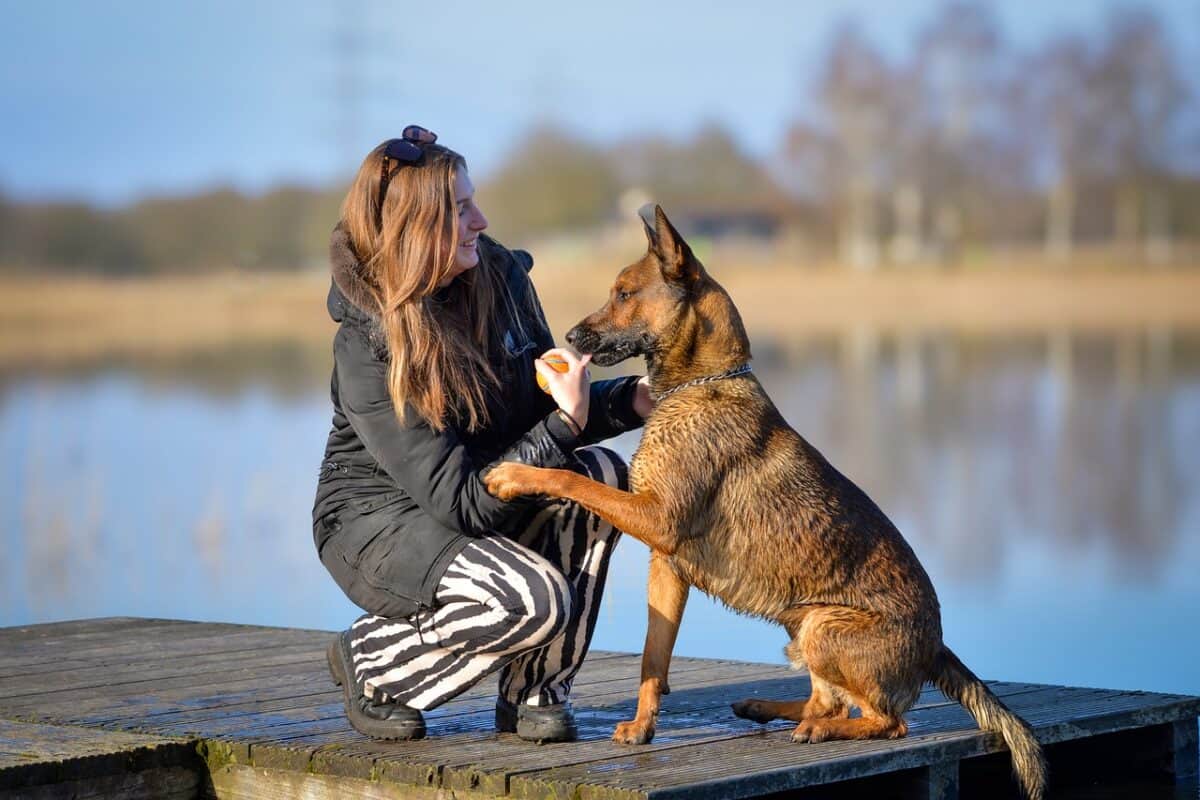
Dogs possess a sophisticated understanding of when they’re being observed, often behaving differently when they know you’re watching versus when they think they’re alone. Research from the University of Portsmouth found that dogs are four times more likely to steal forbidden food when a human’s eyes are closed or their back is turned than when they’re being watched. This awareness extends to understanding the concept of attention—dogs can tell when you’re distracted by a phone or television versus when you’re fully focused on them. They’re also more likely to follow commands when you’re looking at them directly. Even more fascinatingly, dogs can follow a human’s gaze to understand what you’re looking at, suggesting they comprehend not just that you’re watching, but what you’re watching. This ability to track human attention helps explain why your dog may wait until you’re engrossed in a movie before attempting to sneak onto the forbidden couch or why they might bring toys directly into your line of sight when seeking play. This understanding of human visual attention demonstrates complex theory of mind capabilities once thought unique to primates.
9. Deception and Trickery

In what might be their most surprising cognitive skill, dogs can understand and even engage in deliberate deception. Studies from the University of Zurich have documented dogs leading humans away from hidden food to prevent the humans from finding it, essentially lying by misdirection. Dogs quickly learn which humans are reliable food-givers versus those who withhold treats, and adjust their behavior accordingly. This manipulative behavior requires a sophisticated understanding of what others know or don’t know—what scientists call “theory of mind.” Perhaps you’ve witnessed your dog pretending to see something interesting outside to distract another dog from a toy, or feigning interest in one area of the yard while actually being focused on something else entirely. These aren’t just random behaviors but calculated deceptions that require understanding others’ perceptions. Dogs living in multi-dog households typically display more deceptive behaviors, suggesting this skill develops through social complexity. The ability to engage in deception requires not only intelligence but also an understanding that others have different knowledge than they do—a cognitive milestone that human children typically don’t reach until around age four.
8. Different Types of Human Laughter

Dogs can differentiate between genuine human laughter and forced or nervous laughter, responding differently to each. Authentic laughter often triggers positive reactions in dogs, including relaxed body language or even joining in with play-related behaviors. Research from the University of California has shown that dogs can distinguish the acoustic patterns of sincere emotional expressions from fake ones. This sensitivity extends to other positive vocalizations as well—dogs respond more enthusiastically to high-pitched, friendly speech (often called “dog-directed speech” or “baby talk”) than to normal adult conversation. What makes this ability particularly remarkable is that dogs seem to understand the emotional content behind the sounds rather than just responding to volume or pitch. In multi-cultural studies, dogs have shown the ability to correctly interpret emotional vocalizations from humans speaking languages they’ve never been exposed to before, suggesting an innate ability to decode human emotional signals regardless of linguistic or cultural context. The next time your dog seems confused by your forced laughter at a bad joke, remember they likely know you didn’t genuinely find it funny.
7. The Meaning Behind Different Touches

Dogs possess a nuanced understanding of different types of human touch and what each communicates. They can distinguish between affectionate petting, examination touches (like checking for ticks), perfunctory handling, and touches that precede medical procedures. Research from the University of Lincoln found that dogs show different physiological responses to touches in different body regions and contexts. Even more impressively, dogs understand the intention behind touch—they know when you’re trying to help them versus when you’re playing or examining them. This is why a dog might resist having their paws handled during nail trimming but freely offer those same paws when engaging in a learned handshake behavior. Dogs are particularly sensitive to touch pressure, with firm, confident handling typically producing calmer responses than hesitant, light touches which can increase anxiety. They also understand physical guidance—when you gently press on their hindquarters, most dogs understand you’re asking them to sit, even without verbal commands. This tactile communication system has evolved over thousands of years of domestication, creating an intricate language of touch between humans and canines.
6. When You’re Sick or Pregnant

Dogs demonstrate an uncanny ability to detect changes in human health conditions, including illness and pregnancy, often before clinical symptoms appear. Their powerful olfactory system—up to 100,000 times more sensitive than humans’—allows them to detect subtle metabolic changes in your body. Research has documented dogs accurately detecting cancers, diabetes, epileptic seizures before they occur, and even COVID-19 infections through scent alone. During pregnancy, dogs often exhibit changed behavior toward their owners, becoming more protective, attentive, or occasionally more distant as hormone levels shift dramatically. What’s particularly fascinating is that dogs don’t just detect these conditions—they understand something significant has changed about your health status. Medical detection dogs can be trained to alert diabetic owners to dangerous blood sugar levels, but many untrained family pets naturally alert to health changes without specific training. This health-monitoring ability explains why some dogs become extremely clingy or protective when their owners are ill, or why they might begin guarding a pregnant owner’s abdomen. While dogs don’t comprehend the medical details of what’s happening, they clearly understand when something unusual is occurring with your physical state.
5. Human Relationships and Social Structures
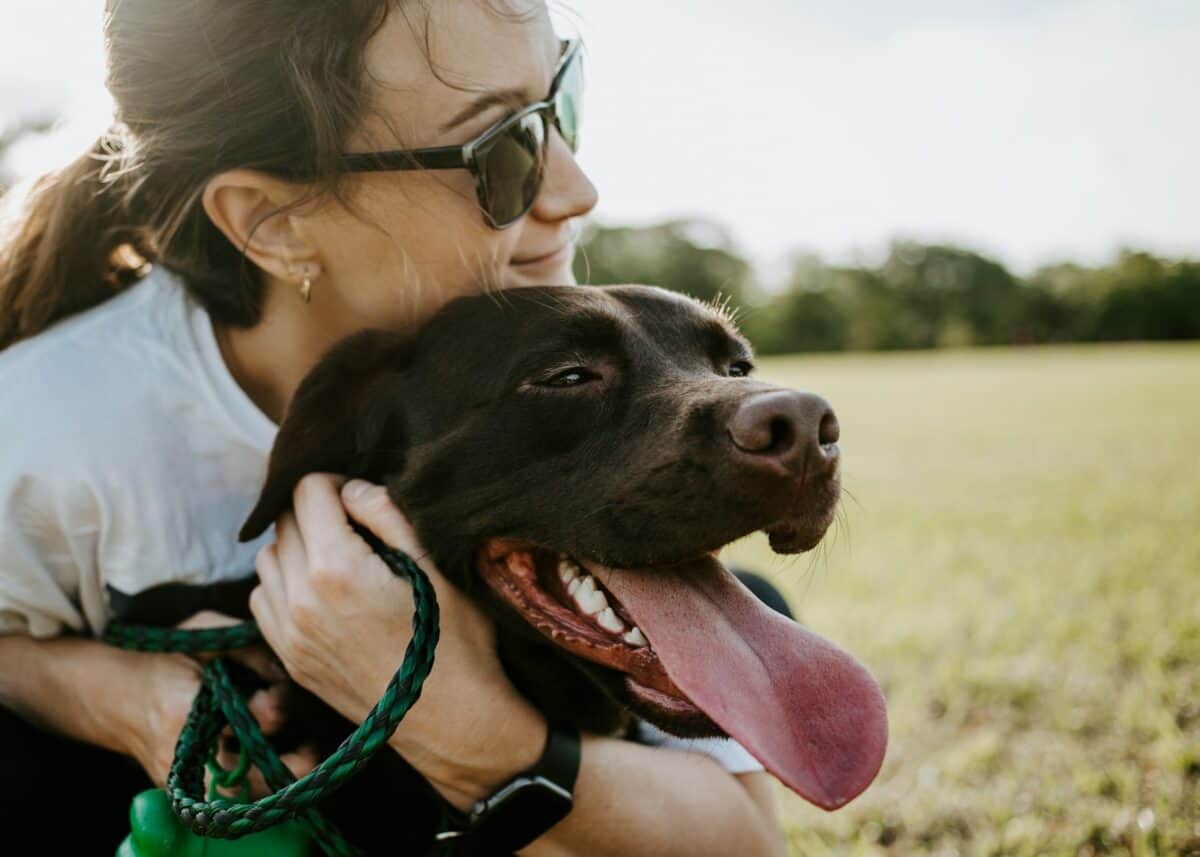
Dogs possess a sophisticated understanding of human social relationships and hierarchies, often adjusting their behavior based on observed social dynamics. Research from the University of Milan has shown that dogs can identify family relationships between humans, behaving differently toward people they perceive as family units versus unrelated individuals. Dogs also understand authority structures within households, often responding differently to commands from different family members based on perceived authority rather than just familiarity. Even more fascinating is dogs’ ability to form opinions about humans based on observed social interactions—studies have demonstrated that dogs preferentially approach people who have helped their owners versus those who have refused help or acted negatively toward them. This social intelligence extends to recognizing conflicts between humans, with many dogs showing stress signals during household arguments or attempting to intervene. Dogs living in households with multiple people develop complex maps of social relationships, understanding, for instance, that children might need protection but don’t have full authority, or that certain adults can overrule others’ commands. This nuanced comprehension of human social structure demonstrates cognitive abilities far beyond basic conditioning.
4. When Something Is Wrong With Their Environment
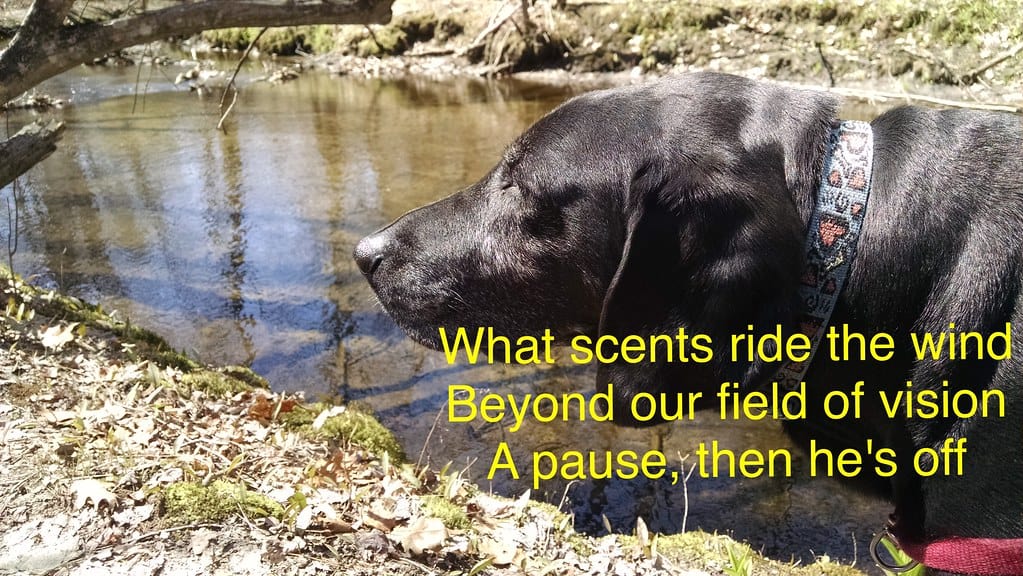
Dogs possess a remarkable ability to detect when something in their environment is unusual, dangerous, or simply “not right.” They can identify intruders, unusual objects, or structural problems that humans might overlook. This environmental awareness extends beyond obvious threats to subtle changes—many dogs become agitated before earthquakes, storms, or other natural disasters, sensing barometric pressure changes or low-frequency sounds imperceptible to humans. Research from the University of Lincoln has shown that dogs can remember the normal configuration of their environment and will investigate when objects have been moved or added, demonstrating a clear understanding of what’s normal versus abnormal. Even more impressively, dogs can differentiate between routine environmental changes (like furniture rearrangement) and potentially threatening ones (like a broken window). This awareness explains why some dogs bark at seemingly nothing—they’re often detecting sounds, scents, or vibrations outside human perception. Some service dogs are specifically trained to alert to environmental hazards, but this ability appears innately in most dogs to varying degrees. Their instinctual understanding of environmental normalcy provides an additional layer of security for their human families.
3. The Significance of Eye Contact

Dogs comprehend the profound meaning behind eye contact with humans, understanding it as communication rather than confrontation. Research published in Science revealed that mutual gazing between humans and dogs increases oxytocin levels in both species—the same bonding hormone released between human mothers and infants. Unlike wolves or many other animals that interpret direct eye contact as threatening, dogs have evolved to understand human gaze as connective and informative. They recognize when eye contact is an invitation to engage versus a command to stop a behavior. Even more fascinatingly, dogs understand the difference between intentional and accidental eye contact, responding more strongly to deliberate gazing. They also use eye contact strategically—studies from the University of Portsmouth found that dogs make more eye contact when they need help solving a problem, essentially asking for human assistance. The intensity and duration of a dog’s gaze can communicate different messages, from affection to anxiety, and most dogs become skilled at reading similar nuances in human gaze. This sophisticated understanding of eye communication represents one of the most remarkable aspects of canine-human co-evolution, creating a silent language that strengthens attachment between species.
2. Your Specific Smell Changes

Dogs possess an extraordinary comprehension of human scent profiles and can detect minute changes in your personal odor. With up to 300 million olfactory receptors compared to our mere 6 million, dogs can identify when your scent changes due to stress, fear, disease, or even changes in diet. Research from the University of Bristol has demonstrated that dogs can detect stress hormones like cortisol and adrenaline in human sweat and breath, understanding when you’re anxious even if you’re hiding it outwardly. They can distinguish between your normal everyday scent and the slight variations that occur with illness, intoxication, or after visiting certain locations like hospitals or restaurants. Particularly fascinating is dogs’ ability to understand that these scent changes are meaningful—they don’t just detect them, but respond to them appropriately, often becoming more protective or attentive when they smell illness or stress indicators. Dogs can even track how your scent changes throughout the day and across different emotional states, creating a complex olfactory map of your typical patterns. This scent comprehension helps explain why borrowed clothing items with your scent can comfort an anxious dog during separation—they understand that your smell represents your essence, even in your absence.
1. Human Age Differences

Dogs demonstrate a remarkable ability to distinguish between humans of different ages and adjust their behavior accordingly. Research from the University of Veterinary Medicine in Vienna has shown that dogs can differentiate between children, adults, and elderly individuals, interacting with each age group distinctly. With children, most dogs display increased patience and gentleness, often tolerating handling that they might not accept from adults. They understand that elderly individuals may move more slowly or be more fragile, frequently moderating their play style and energy level around senior citizens. This age-based behavioral adjustment isn’t merely learned—even dogs with limited exposure to certain age groups often display innate understanding of appropriate interaction styles. Dogs also understand developmental stages, treating human babies with special caution and gradually adjusting their behavior as children grow. Perhaps most fascinating is dogs’ comprehension that younger humans have different authority levels than adults, sometimes testing boundaries with children while remaining obedient to adults in the same household. This social intelligence regarding human age differences helps explain why properly socialized dogs can be trusted with family members of all ages and why many dogs naturally take on a protective role toward the youngest members of their human “pack.”
The cognitive abilities of our canine companions extend far beyond what many dog owners realize, encompassing emotional intelligence, social comprehension, and even manipulation that rivals that of young human children.

- 21 Scary Creatures You Might Run Into While Hiking In The U.S - June 3, 2026
- The Difference Between Turtles and Tortoises—Explained - June 3, 2026
- What Makes Owls the Silent Predators of the Night? - June 3, 2026