


Picture this: you’re sitting in a luxury restaurant, perusing a menu where a single fish dish costs more than your monthly rent. Your eyes widen as you see prices that would make your car payment look like pocket change. Welcome to the wild, expensive world of premium seafood, where some fish command jaw-dropping prices that leave even seasoned food lovers questioning their sanity.
#15 Bluefin Tuna: The Million-Dollar Fish That Changed Everything
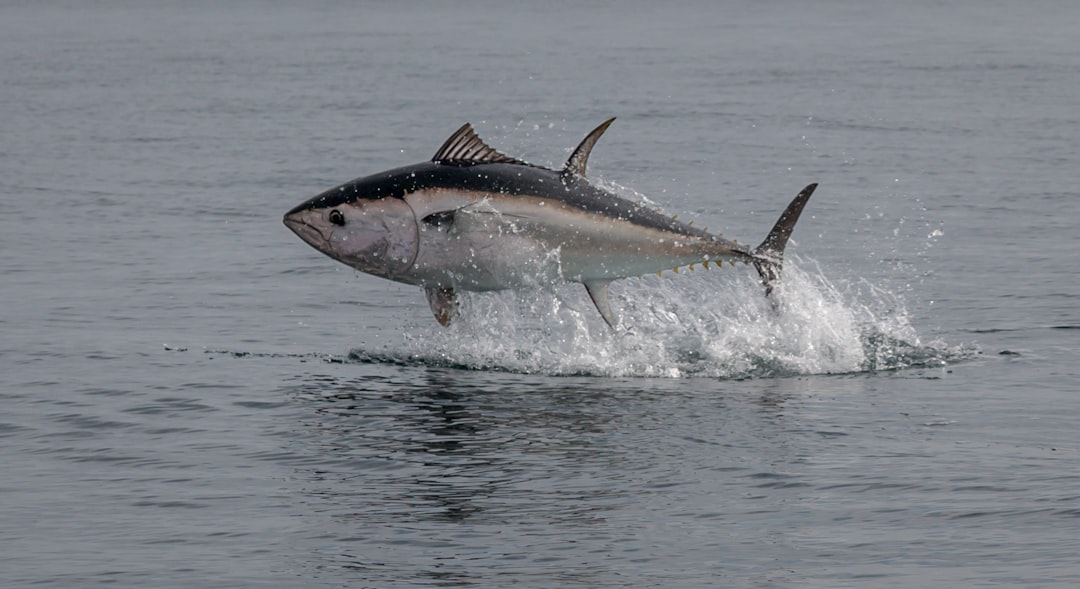
The Bluefin Tuna is the most expensive fish at a drastic price of $3.1 million, making it the undisputed king of expensive seafood. This isn’t just about one record-breaking fish – it’s about a species that has captivated the culinary world with its buttery richness and melt-in-your-mouth texture.
What makes this fish so incredibly valuable goes beyond just taste. This price can be attributed to their scarcity, with overfishing causing their numbers to plummet. The Japanese market’s insatiable appetite for high-quality sushi has transformed this magnificent ocean predator into liquid gold. It’s the fat content that sets it apart, with the extra fatty otoro belly cuts delivering an unparalleled melt-in-the-mouth butteriness.
#14 Almas Caviar: The Diamond-Studded Delicacy of the Sea
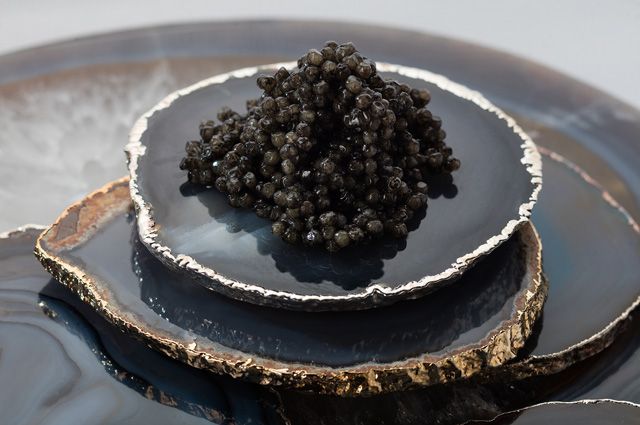
The most expensive of all caviar, and indeed the world’s most expensive food is ‘Almas’, from the Iranian Beluga fish – 1 kg (2 lb 3 oz) of this ‘black gold’ is regularly sold for £20,000 (then $34,500). But that’s not even the ceiling – The price of Almas caviar ranges from $25,000 to $35,000 per kilogram.
This isn’t your average fish eggs situation. As if the rare Iranian Beluga wasn’t difficult enough to find and fish, Almas caviar must come from a female albino of the species, an exceptionally rare occurrence. Beluga typically live for a long time, but that 60-100-year range is crucial for Almas caviar production. Imagine waiting a century just for the perfect eggs!
#13 Fugu (Pufferfish): The Deadly Delicacy That Thrills Diners
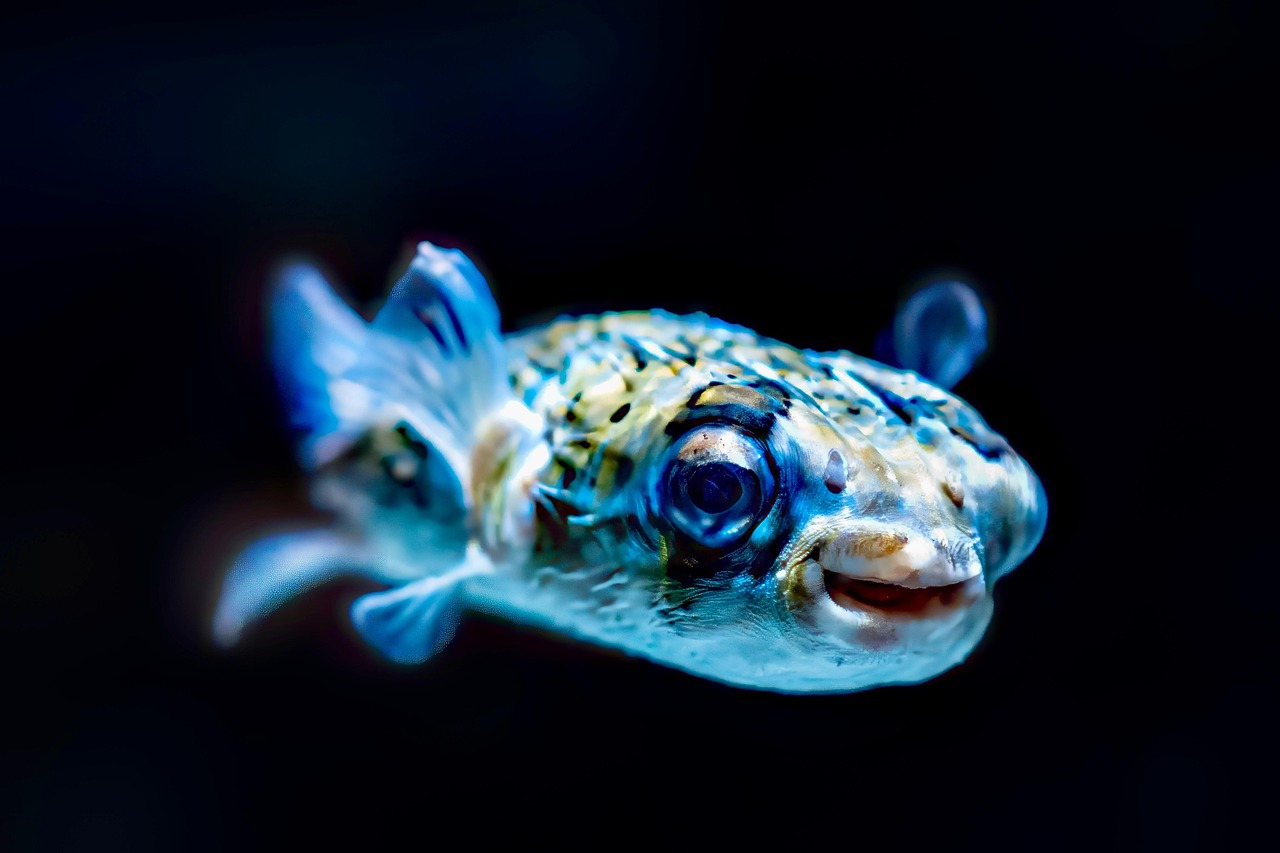
Talk about dining with danger! Fugu, better known as pufferfish in the U.S., is particularly revered in Japan. But there’s a catch: Fugu is deadly if not prepared correctly. Fugu contains a toxin called tetrodotoxin, which is lethal to humans. This isn’t some marketing gimmick – people have literally died from improperly prepared fugu.
In order to prepare pufferfish to eat, chefs are legally required to train for between two and three years, at a cost of thousands of dollars, to obtain the required license. Even with this training, there are reportedly around 20-40 cases of poisoning each year, some of them resulting in death. Fugu can cost up to $100 a pound; the price is driven by the extensive training required to prepare the meat for consumption and the thrill of eating something so reportedly deadly.
#12 Wild King Salmon: The Golden Standard of Pacific Waters
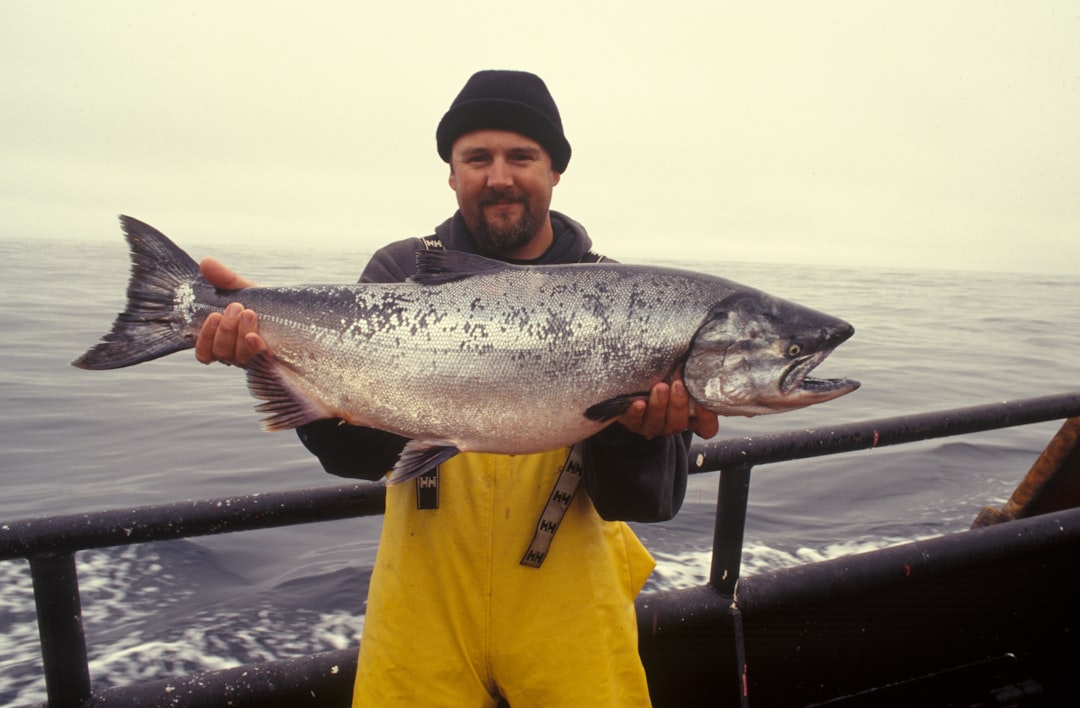
Wild king salmon, also called Chinook, is celebrated for its vibrant orange flesh and velvety texture. Known as the richest-tasting of all salmon species, it’s caught in limited quantities compared to farmed varieties, which drives up its value. This fish has earned its reputation as the royalty of salmon for good reason.
The price reflects its premium status in the seafood world. In specialty seafood markets, premium fillets often sell for about $36 per pound, while certain restaurant-grade or luxury-packaged offerings can reach as high as $75 per pound. Chefs love its high fat content, which gives it a naturally buttery flavor. When you taste wild king salmon, you understand why it commands such respect – and such prices.
#11 Swordfish: The Oceanic Gladiator on Your Plate
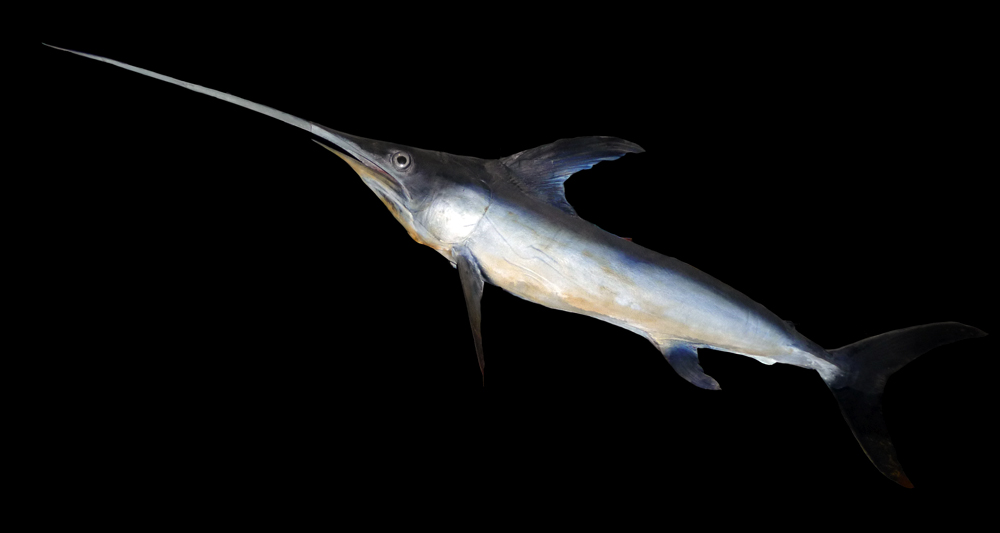
The swordfish gets its name from the long, blade-like protrusion sticking out from its head. It’s been a treasured catch among anglers for centuries, but it’s also prized for its meaty filets and mild flavor. This isn’t your typical flaky fish – swordfish has the texture of a good steak.
Average prices for swordfish land somewhere around $30 to $40 per pound, which make swordfish a delicacy and one of the most expensive fish to eat. That’s likely due to the fact that it’s quite tricky to catch this fish. At anywhere from 50 to 200 pounds, it’s a real fighter in the water. Every bite represents a battle between fisherman and fish that could last hours.
#10 Dover Sole: The Royal Fish Fit for Kings
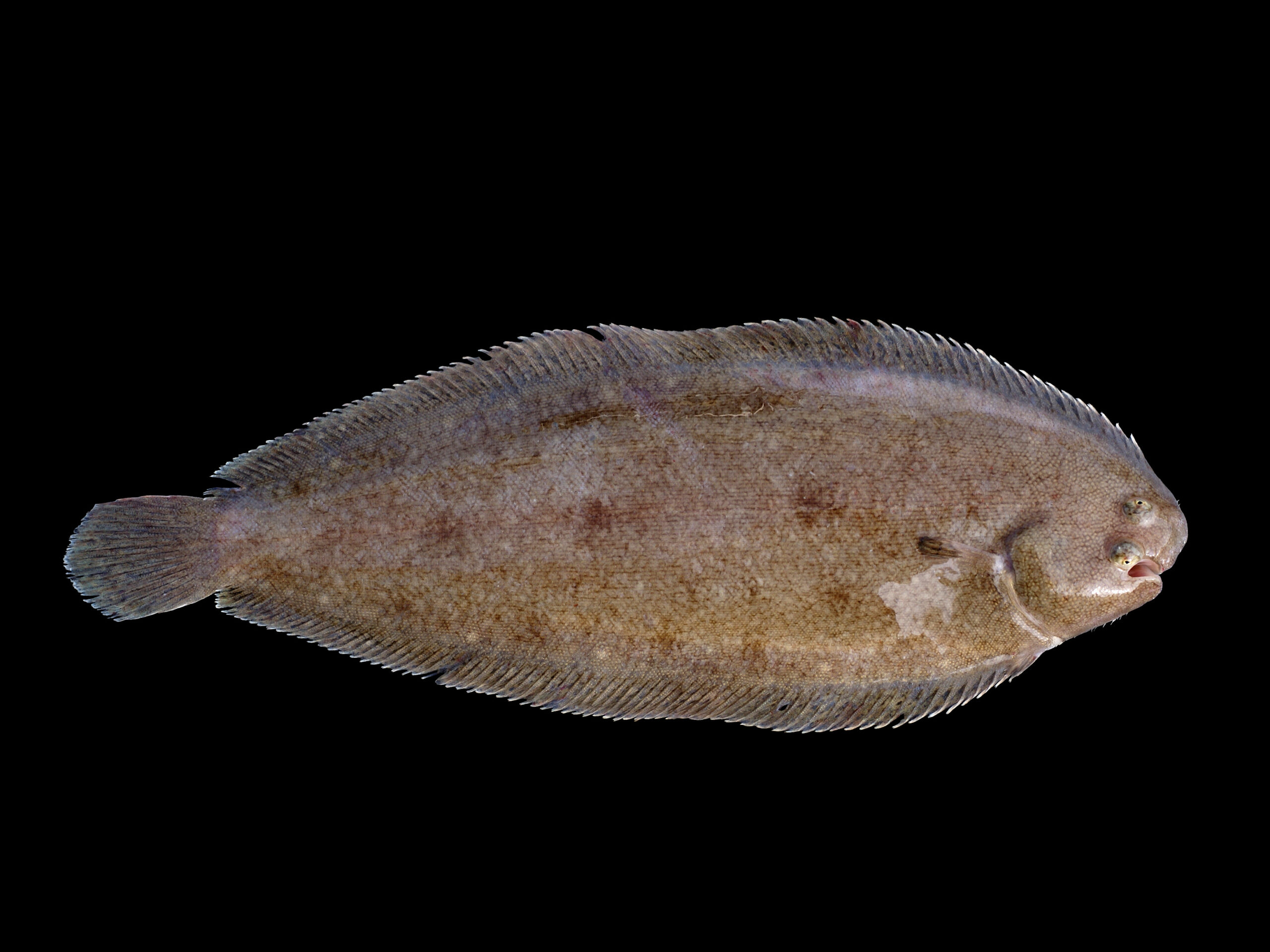
Dover sole is, quite literally, fish fit for a king. In the 19th century, dover was prized above all other fish, and the size of dover sole you were served for your meal was directly related to your status in society. In 2024, dover sole was named King Charles’ coronation dish and labelled “fit for a king.”
It sells from as little as $22 a pound all the way up to $180 a pound. Dover sole can be found in the North Sea and the English Channel, but overfishing means depleted stocks and the resulting sustainable fishing guidelines mean they are more labor-intensive to catch. Dover sole has a delicate, mild, sweet taste and flaky texture. Its mildness is what makes it so attractive.
#9 Yellowfin Tuna: The Ahi Alternative That Delivers
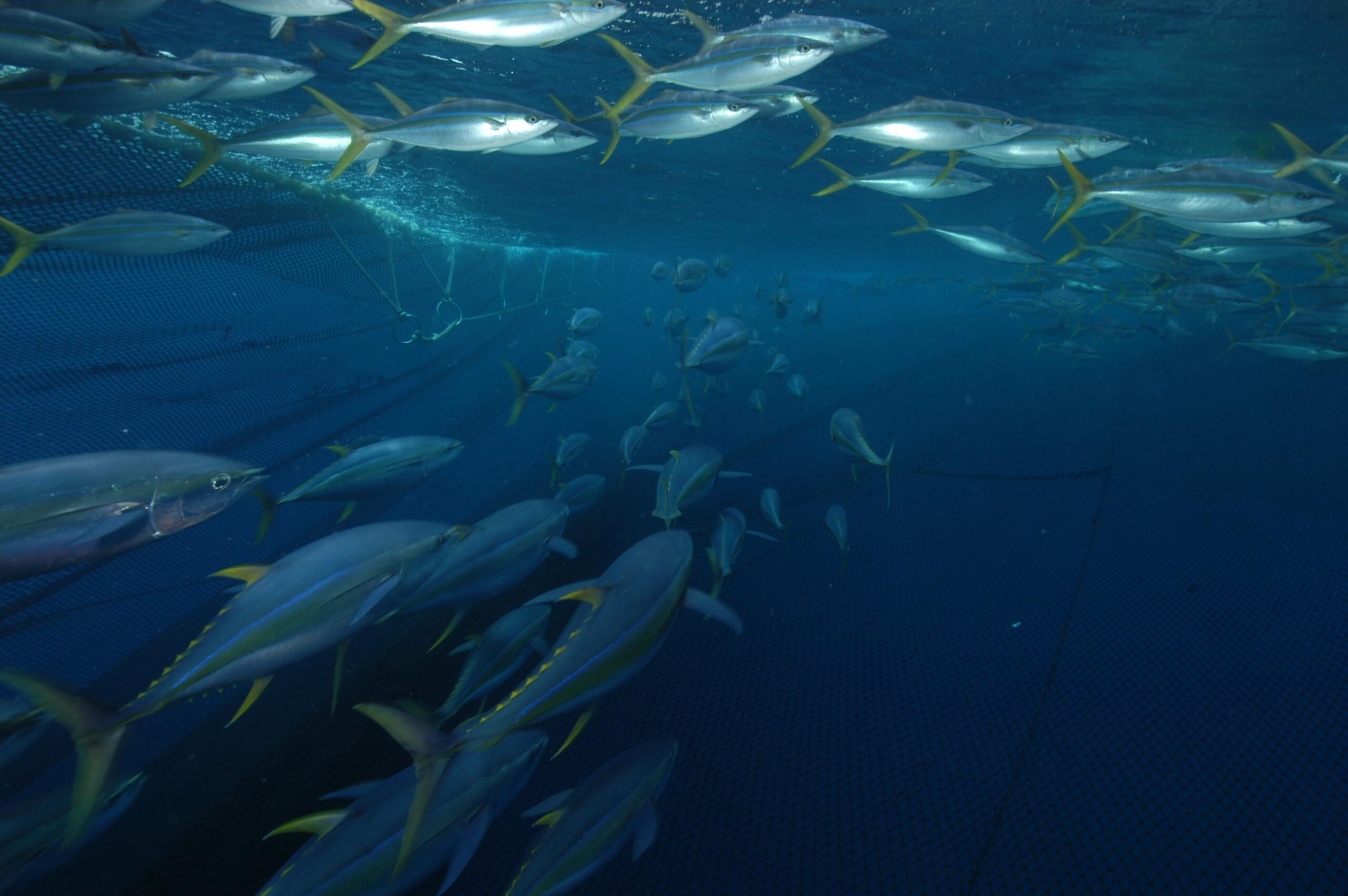
Coming in at number four is the yellowfin tuna, also known as the ahi tuna, a tasty alternative to the bluefin tuna. This particular species of fish has a strong and flaky texture. Yellowfin tuna is also a popular choice among professional chefs and home cooks alike, courtesy of its unique flavour profile and versatility.
The price of Yellowfin Tuna can vary depending on factors such as size, grade, and location. Premium cuts of Yellowfin Tuna, especially those destined for sashimi and sushi, can reach remarkable prices, ranging from $15 to $30 or more per pound. While it might live in the shadow of its bluefin cousin, yellowfin tuna has carved out its own prestigious niche in the luxury seafood market.
#8 Turbot: The Flatfish Worth Its Weight in Gold

Turbot, a type of flatfish similar in appearance to halibut or flounder, is exceedingly rare in the wild, with only around 5,000 tonnes caught each year. Turbot can be farmed, which has made it more accessible, but the prices remain high at around $50 per pound.
Turbot can be found in the North Sea and throughout the Mediterranean but is classed as Near Threatened by the IUCN (International Union for the Conservation of Nature). Prices for farmed turbot typically range from $10.73 to $15.16 per kilogram, while wild-caught specimens can command much more – up to about $30.81 per kilogram for large fish – placing it firmly among the more expensive options in gourmet markets. The wild specimens are where the real treasure lies.
#7 Halibut: The Giant of Expensive Flatfish

Halibut is also a type of flatfish, but they can grow to jaw-dropping sizes, making full-grown Dover sole fish look like babies. For example, Pacific halibut can weigh more than 400lbs, and their Atlantic cousins often weigh in at more than 300lbs. When a single fish can feed a small army, you know you’re dealing with something special.
This species is also notable for its low fat content and sweet taste. Many people compare the taste of halibut to tilapia, but milder and thicker. As a result, halibut filets are ideal for fish burgers or filling fish dinners. However, wild-caught halibut isn’t as common as it once was, making it one of the pricier types of edible fish. Generally, you can expect to spend about $30 per pound to enjoy this saltwater fish.
#6 Beluga Caviar: The Traditional Crown Jewel

Beluga caviar is the most expensive type of caviar, with market prices ranging from $7,000 to $22,000/kg ($3,200 to $10,000/lb). This represents the traditional luxury that has graced royal tables for centuries. Think of it as the Rolls-Royce of fish eggs.
The beluga sturgeon is currently considered to be critically endangered, causing the United States Fish and Wildlife Service to ban in 2005 the importation of beluga caviar which originated in the Caspian Sea and Black Sea basin. Sturgeon eggs are better known as caviar, and no caviar is more coveted than Beluga, whose eggs sell for around $4,000 a pound. Beluga sturgeon eggs are the largest of all sturgeon eggs, sized between 3 and 4 millimeters. The greenish-black eggs are little pearls of gorgeousness, a world apart from cheaper varieties.
#5 Mahi Mahi: The Tropical Beauty with Premium Appeal
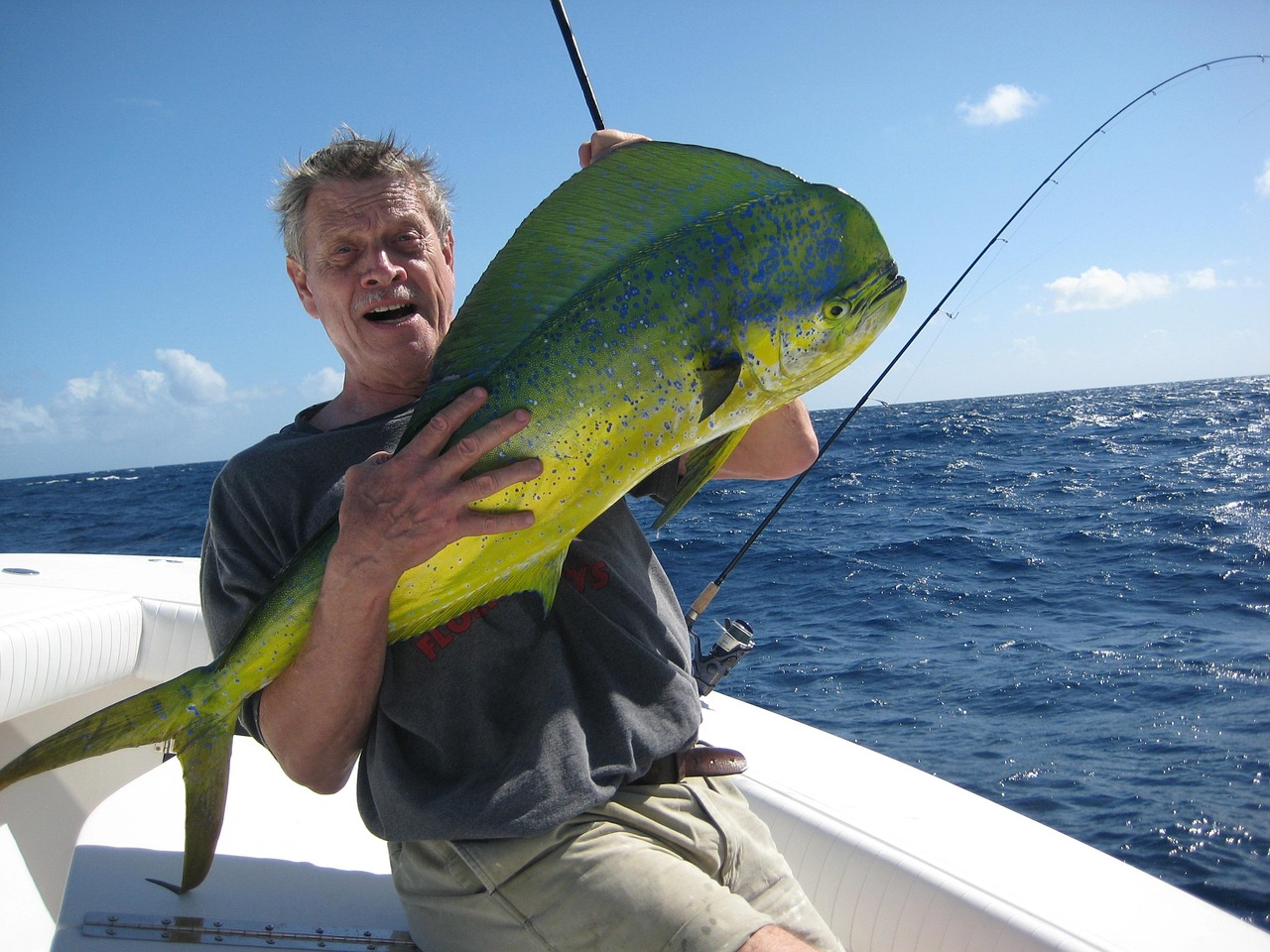
Mahi mahi, with its dazzling golden-green skin and firm, slightly sweet meat, is a tropical favorite. Despite being more common than some species on this list, it commands a premium because of its freshness, appealing texture, and versatility in cooking. Sometimes the most beautiful fish are also the most delicious.
The best-quality mahi mahi comes from carefully managed fisheries, which helps maintain its value, with prices reaching about $21.99 per pound – or roughly $48.50 per kilogram – in specialty seafood markets. While it might not reach the astronomical heights of bluefin tuna, mahi mahi represents accessible luxury for those seeking a premium fish experience without breaking the bank entirely.
#4 Wild Atlantic Salmon: The Ocean’s Premium Package
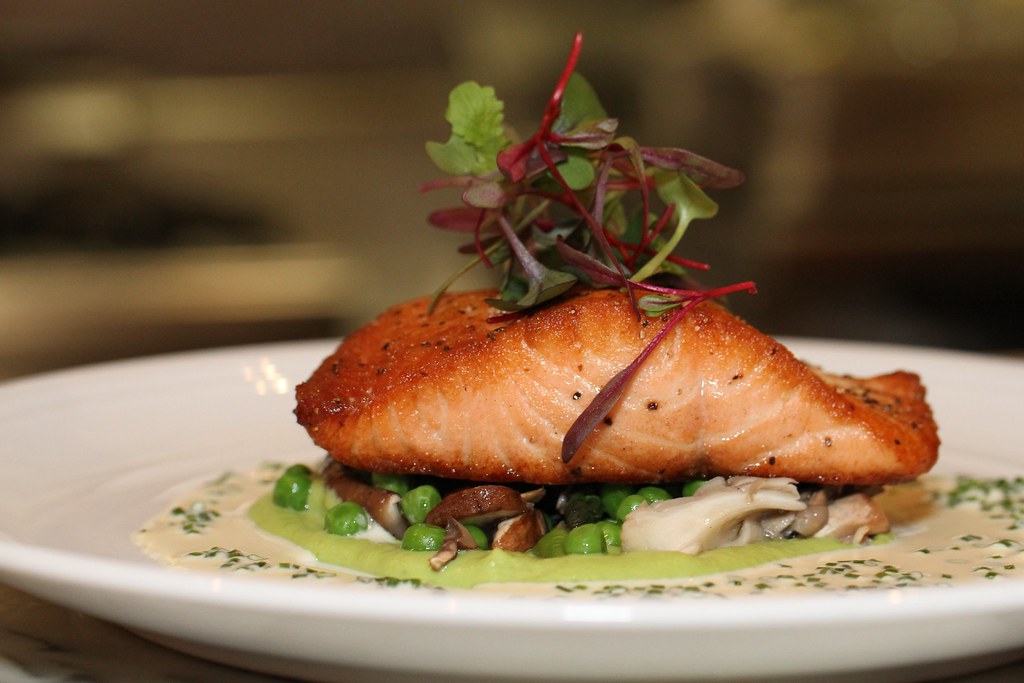
Wild Atlantic salmon represents one of nature’s most perfect packages – combining incredible flavor, beautiful appearance, and nutritional powerhouse qualities. Unlike its farmed cousins, wild Atlantic salmon has fought ocean currents and lived a natural life, developing the complex flavors and firm texture that chefs prize.
The price reflects both its scarcity and superior quality. Wild Atlantic salmon typically commands prices between forty to sixty dollars per pound at premium markets. The fish’s natural diet of krill and small fish creates that distinctive deep orange color and rich, complex flavor profile that farmed salmon simply cannot replicate. When you taste wild Atlantic salmon, you’re experiencing the ocean in its purest form.
#3 John Dory: The Underrated European Delicacy
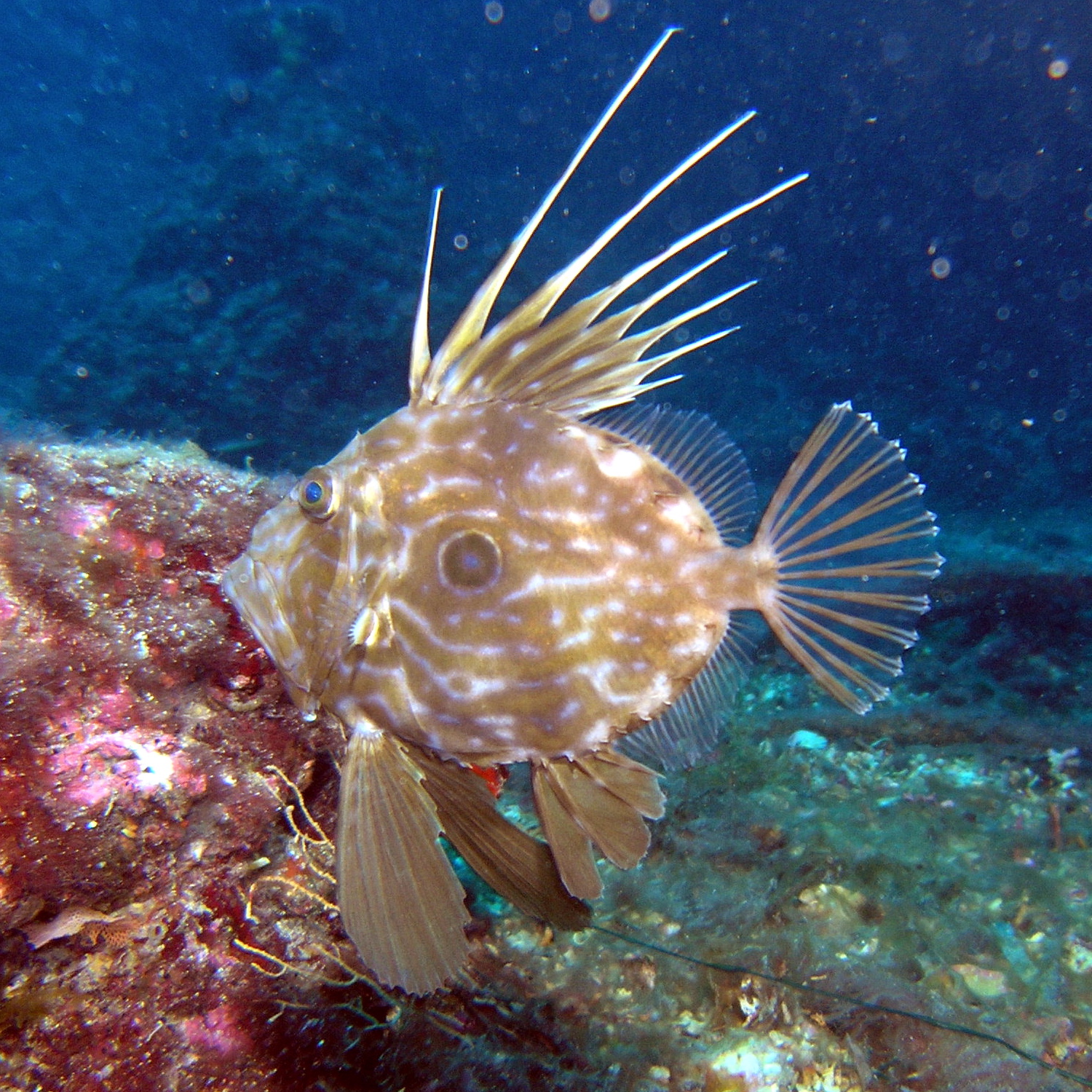
John Dory might not be a household name, but among European chefs, this peculiar-looking fish is absolute gold. With its distinctive flat body, large head, and that famous dark spot on its side, John Dory looks more like a character from a children’s book than a luxury ingredient. But don’t let appearances fool you.
The flesh of John Dory is incredibly delicate, with a texture so fine it almost melts on your tongue. Prices typically range from thirty-five to fifty dollars per pound, making it a serious investment for any seafood lover. The fish is notoriously difficult to fillet due to its unusual body shape, which means you’re paying not just for the fish, but for the skill required to prepare it properly.
#2 Wild Striped Bass: America’s Premium Catch
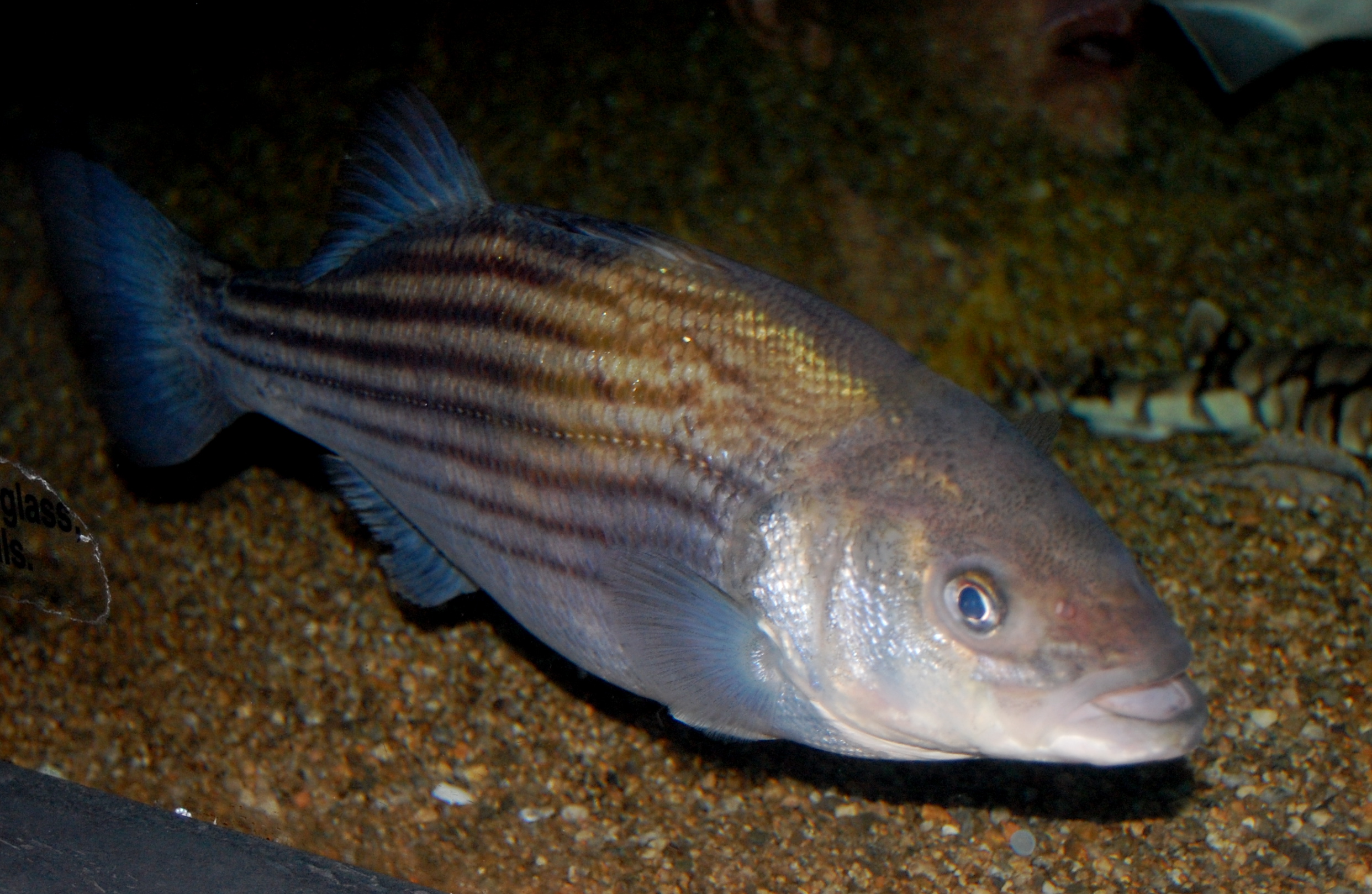
Wild striped bass represents American luxury seafood at its finest. These magnificent fish can grow to impressive sizes, sometimes exceeding fifty pounds, and their meat offers a perfect balance of flavor and texture that has made them a favorite among discerning chefs across the country.
The seasonal nature of striped bass fishing drives up demand and price. During peak season, premium wild striped bass can cost anywhere from twenty-eight to forty-five dollars per pound. The fish’s clean, slightly sweet flavor and firm, flaky texture make it incredibly versatile – equally at home grilled whole, pan-seared in fillets, or prepared as elegant sashimi. Fishing regulations ensure sustainability, but also keep supplies limited and prices high.
#1 Wild Chilean Sea Bass: The Antarctic Treasure
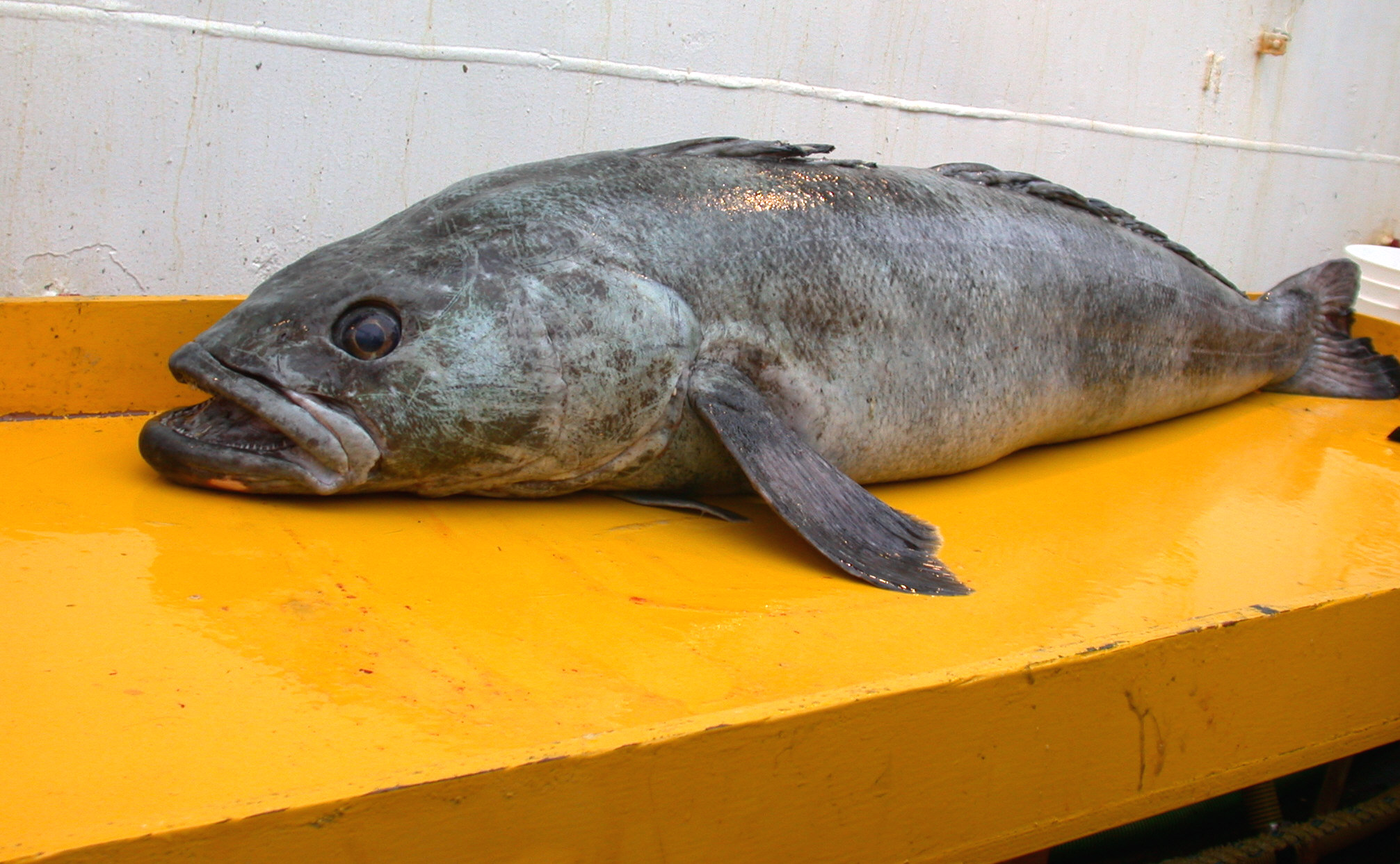
Wild Chilean sea bass, despite its name, isn’t actually a bass at all – it’s a Patagonian toothfish that has been brilliantly rebranded. This fish lives in the frigid waters around Antarctica, where the extreme conditions create incredibly rich, buttery flesh that has made it a darling of fine dining establishments worldwide.
The remoteness of its habitat and the challenging conditions required to catch it contribute to prices that often exceed forty dollars per pound for the finest specimens. The fish’s incredibly high fat content gives it an almost lobster-like richness, while its flaky texture makes it incredibly forgiving to cook. When prepared properly, wild Chilean sea bass practically melts in your mouth, justifying every penny of its premium price tag.
Conclusion
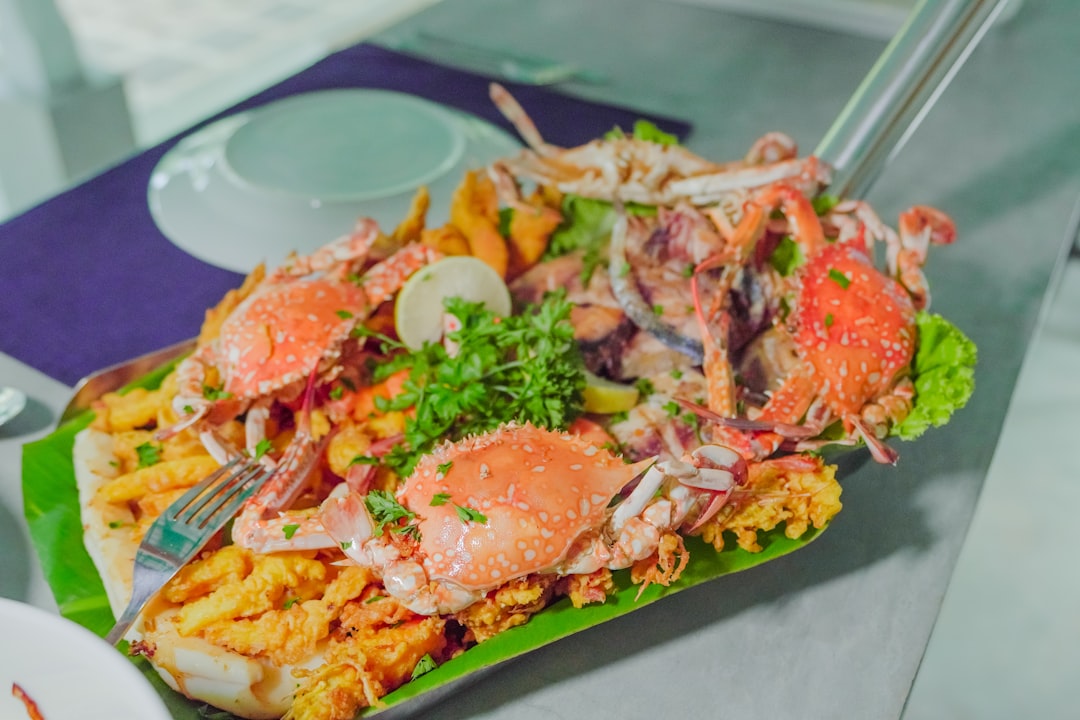
The world of expensive fish reveals a fascinating intersection of rarity, flavor, tradition, and pure human desire for the extraordinary. From the record-breaking millions paid for a single bluefin tuna to the life-threatening thrill of fugu, these aquatic treasures represent more than just food – they’re experiences, status symbols, and connections to ancient culinary traditions.
Whether driven by scarcity, preparation complexity, or simply exceptional taste, these fifteen fish prove that when it comes to luxury dining, the sky – or perhaps the ocean depths – is the limit. Each carries its own story of oceanic adventure, culinary mastery, and the eternal human quest to taste something truly exceptional.
Did you expect a fish to cost more than a luxury car?

As a little kid, I fell in love with nature, wildlife, and animals. Living in the USA, South Africa, Italy, China and Germany gave me the opportunity to discover the world's Wildlife. My favorite animals are Mountain Gorillas, Siberian Tigers, and Great White Sharks.
I'm a certified PADI Open Water Diver, went to Everest Base Camp and Trekked Gorillas in Uganda. I hold a Master of Science in Economics and Finance.
Please send any feedback to feedback@animalsaroundtheglobe.com
- 10 Patriotic Animals Associated With U.S. History - June 30, 2026
- 14 Reasons Chickens Make Surprisingly Great Pets - June 30, 2026
- 15 Creepiest Creatures Found in Caves - June 30, 2026