


Worried about unexpected vet bills?
Pet insurance can cover thousands in unexpected vet costs. Get a free quote from Lemonade in under 2 minutes.
Get My Free Quote →Sponsored · Opens Lemonade.com
Who hasn’t gazed out their window hoping to catch a glimpse of that vibrant flash of red darting between branches? Cardinals have this magical ability to transform any ordinary backyard into something special. But here’s the thing – you don’t need to empty your savings account to enjoy their company. The truth is, these gorgeous birds are surprisingly easy to please once you know their secrets.
#16 Offer Budget-Friendly Black Oil Sunflower Seeds

Here’s a little secret that seasoned bird watchers swear by: safflower seeds and black oil sunflower seeds are among a Northern Cardinal’s favorite seed options. Black-oil sunflower is one of the most popular feeds used for attracting cardinals. The beauty of black oil sunflower seeds lies not just in their appeal to cardinals, but in their incredible value for money.
Instead of splurging on fancy mixed bags that often contain filler seeds birds ignore anyway, you can get more for your money by purchasing large bags of black-oil sunflower, cracked sunflower, safflower seed or nyjer seed. Most of the popular backyard birds actually prefer the pure seeds instead of mixes. This single seed type will attract not only cardinals but also chickadees, nuthatches, and finches – talk about getting your money’s worth!
#15 Create a Simple DIY Platform Feeder
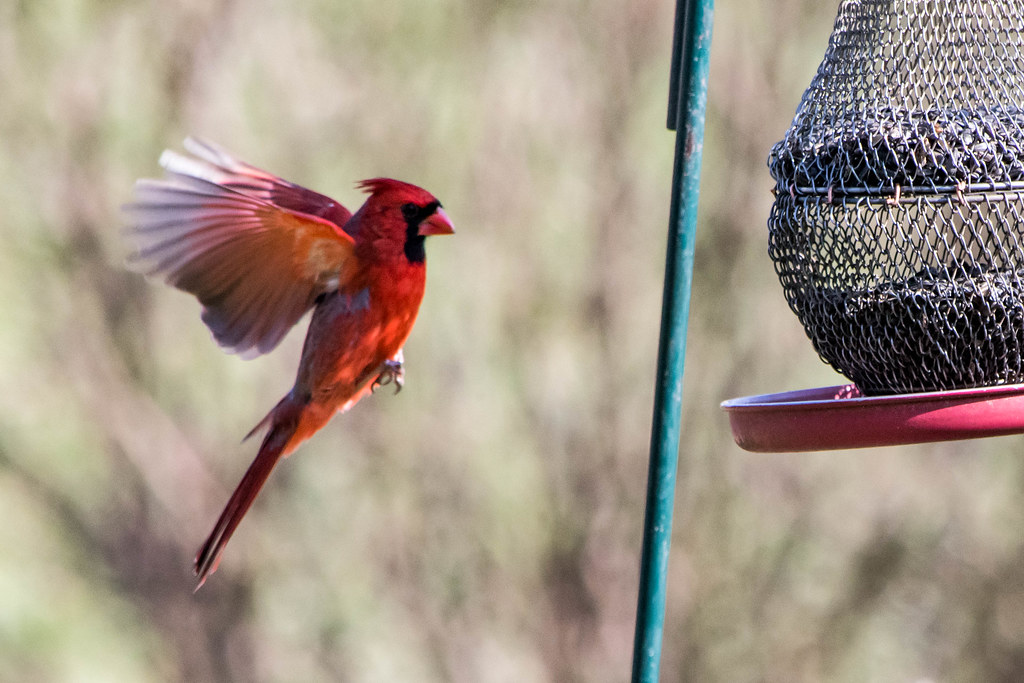
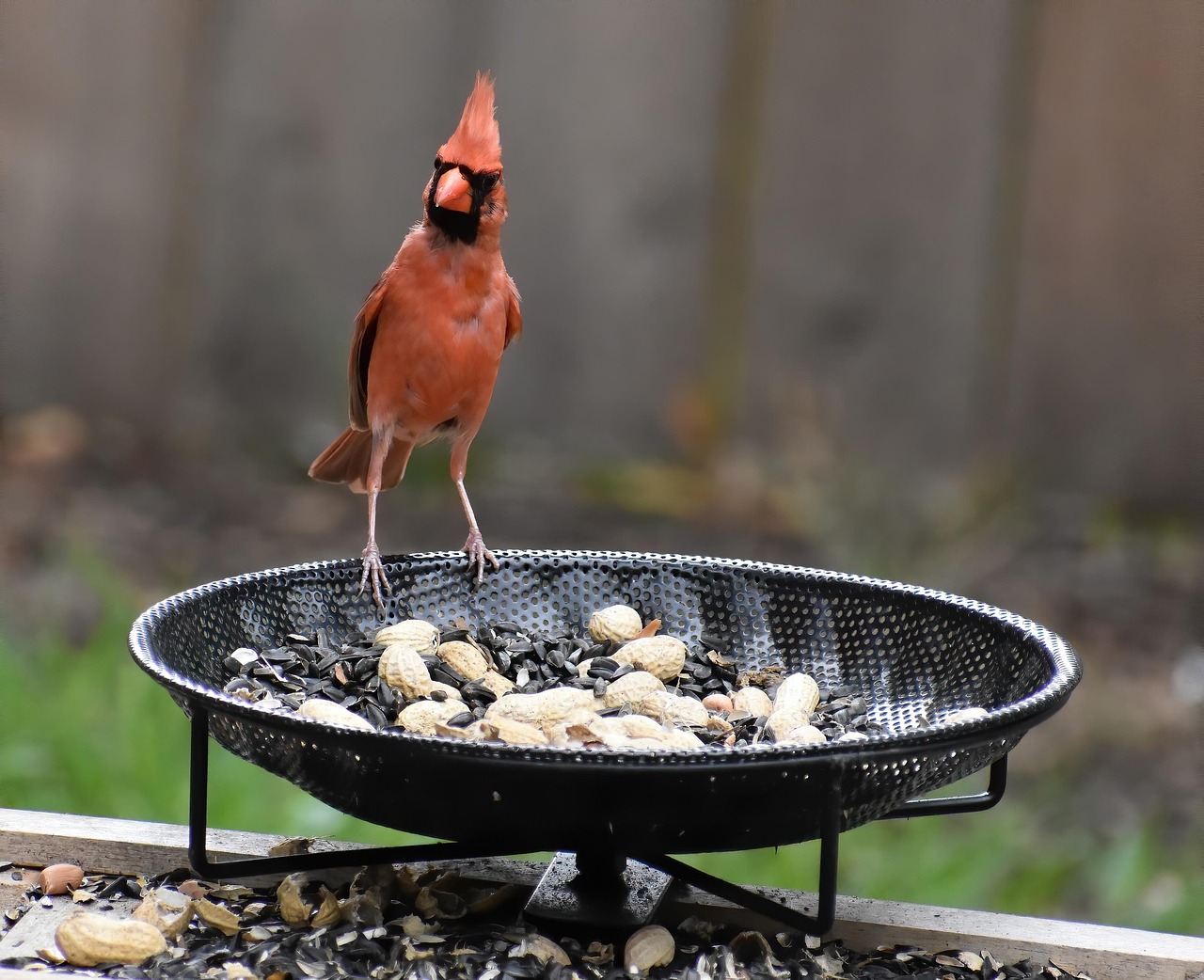
The most expensive feeder isn’t always the best feeder, and cardinals actually prefer simple platform-style feeders anyway. This budget-friendly DIY simple platform bird feeder will attract cardinals, chickadees, woodpeckers, mourning doves and more. You can build one using scrap wood, old plates, or even repurpose a shallow planter from the dollar store.
Shallow and wide bowls make excellent platform feeders. They provide ample space for multiple birds and are easy for ground-feeding species like cardinals, jays, and doves to access. The key is ensuring it has drainage holes to prevent water buildup and keeping the edges low enough for easy access. You’ll be amazed how such a simple creation can become the neighborhood’s cardinal hotspot.
#14 Scatter Seeds on the Ground for Natural Feeding
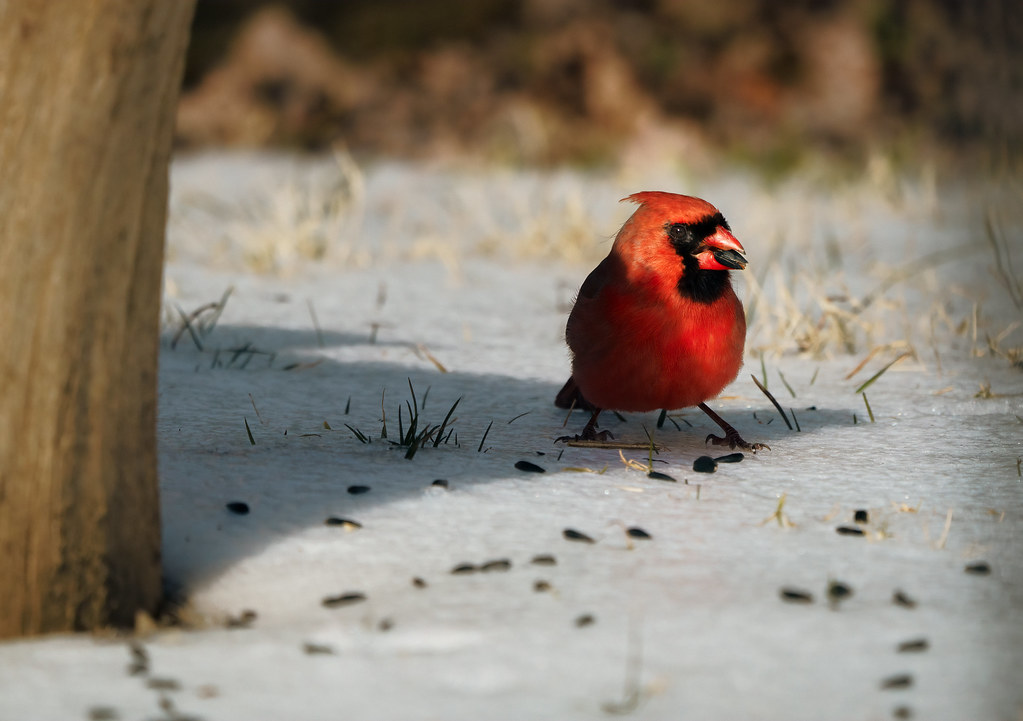
You don’t even need a bird feeder for Cardinals. They’re naturally inclined to eat seed straight from the ground. This is perhaps the most budget-friendly approach of all – simply scatter some sunflower seeds or safflower seeds directly on the ground near shrubs or trees where cardinals feel safe.
The trick is choosing the right spot and being consistent with your offerings. If squirrels aren’t a problem in your yard, you can also scatter seed on the ground for the shyest Cardinals to enjoy. Just remember to start with small amounts and only put out what will be consumed in a day or two to avoid attracting unwanted pests or creating waste.
#13 Position Feeders Near Natural Shelter
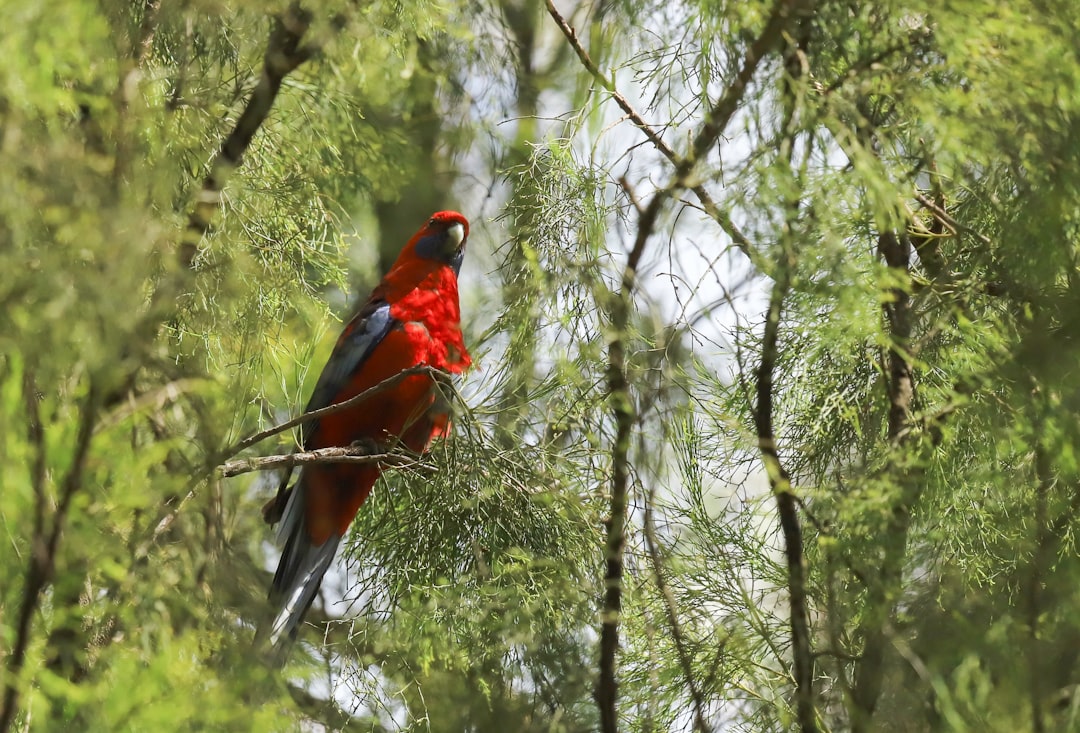
Location can make or break your cardinal-attracting efforts, but the good news is that strategic placement costs absolutely nothing. Because Northern Cardinals prefer to have protective cover when feeding, you should place food sources near trees and shrubbery in your backyard. They will enjoy the foliage and feel safer with these hiding spots nearby.
Think of it like setting up a cozy restaurant with a view – cardinals want to feel secure while they dine. Place your feeder roughly 10 feet from a natural shelter such as trees or shrubs to offer a resting place for birds between feedings and quick refuge from any predators. This sweet spot gives them the confidence to visit regularly while keeping squirrels from using nearby branches as launching pads.
#12 Shop Smart for Seeds in Bulk
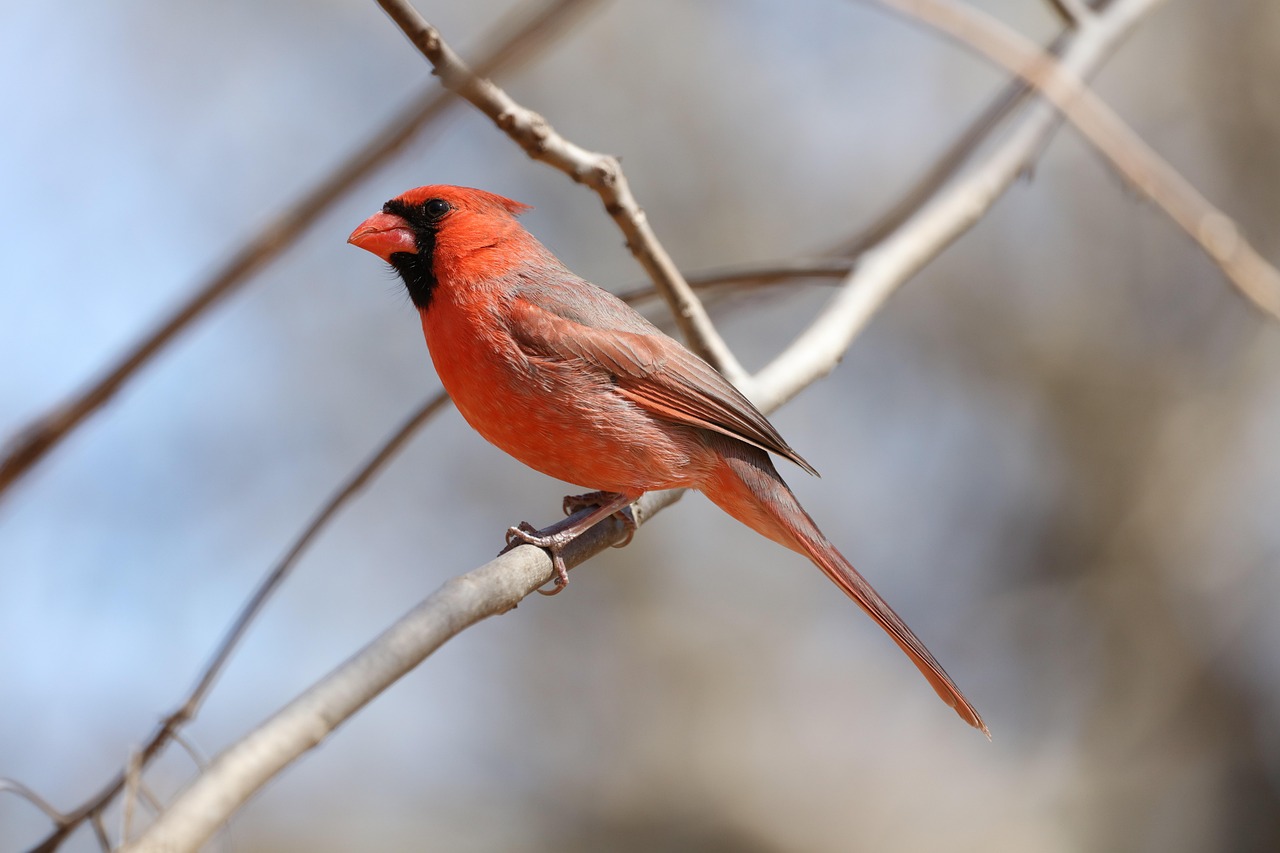
Every penny-pinching bird enthusiast needs to master the art of bulk buying. These are often available at farm supply or warehouse stores, and can make feeding birds much more economical. The per-pound cost drops dramatically when you buy larger quantities, and dry seeds store well for months when kept in airtight containers.
Black oil sunflower seed and white millet are the two cheapest quality bird seeds that draw in the widest variety of birds. Stock up in bulk on these seeds. Keep any eye out for sales! Watch for end-of-season sales at garden centers, and don’t be afraid to split large orders with neighbors who also enjoy feeding birds – everyone saves money this way.
#11 Repurpose Household Items as Feeders
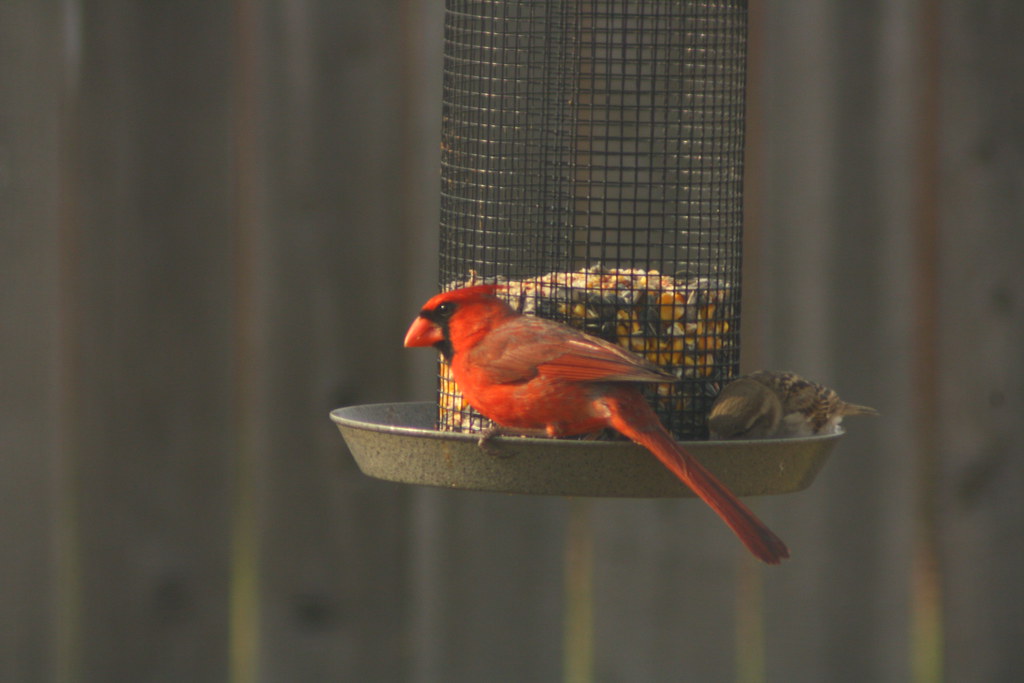
Before you head to the store, take a look around your house with fresh eyes. This clever bird feeder, made from a bowl and a plate, costs less than $8 to assemble. Old colanders, mesh produce bags, and even clean yogurt containers can be transformed into functional bird feeders with a little creativity.
The secret is understanding what cardinals need: stable surfaces, drainage, and easy access to food. First, planters, especially plastic or terracotta ones, can be incredibly cheap. You can often find them at dollar stores, discount retailers, thrift stores, or during end-of-season sales. A shallow planter turned upside down with holes drilled in the sides makes an excellent hopper-style feeder that rivals expensive store-bought versions.
#10 Provide Fresh Water in Simple Containers
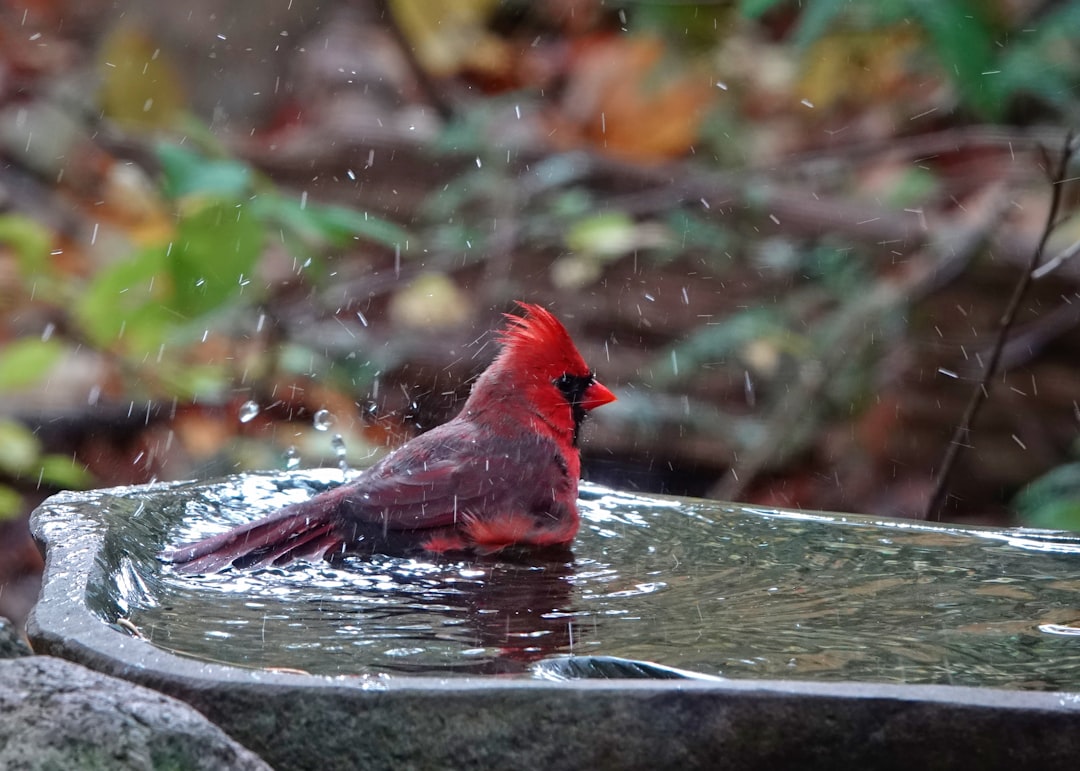
Cardinals need easy access to water for both drinking and bathing. Providing birdbaths or bird waterers is the perfect way to satisfy this need. But here’s the beautiful part – you don’t need an elaborate stone birdbath to make cardinals happy. A simple shallow dish, garbage can lid, or even an old pie pan will do the trick perfectly.
A garbage can lid, discarded saucer, bowl or pan will do the job. Just keep it filled with fresh water at a depth of no more than a couple of inches so that the birds can stand while they drink and bathe. The key is keeping the water fresh and positioning it near your feeding area – cardinals often prefer to have both food and water sources in the same general vicinity.
#9 Time Your Feeding for Maximum Impact
Smart timing can make your bird seed budget stretch much further while actually attracting more cardinals. At dawn, cardinals are among the early birds to arrive at a backyard feeder and the last to leave at dusk. Sometimes they can only be identified by their silhouettes and soft calls during these low-light conditions.
Put it out at the same time each morning! Even if the birds empty your feeders before the next day, they will quickly learn the timing and will flock to it at your regularly scheduled time each day. This strategy allows you to control exactly how much seed you use daily while ensuring cardinals know exactly when and where to find their meal. It’s like running a drive-through restaurant for birds – consistency builds loyalty!
#8 Add Crushed Peanuts for Extra Appeal
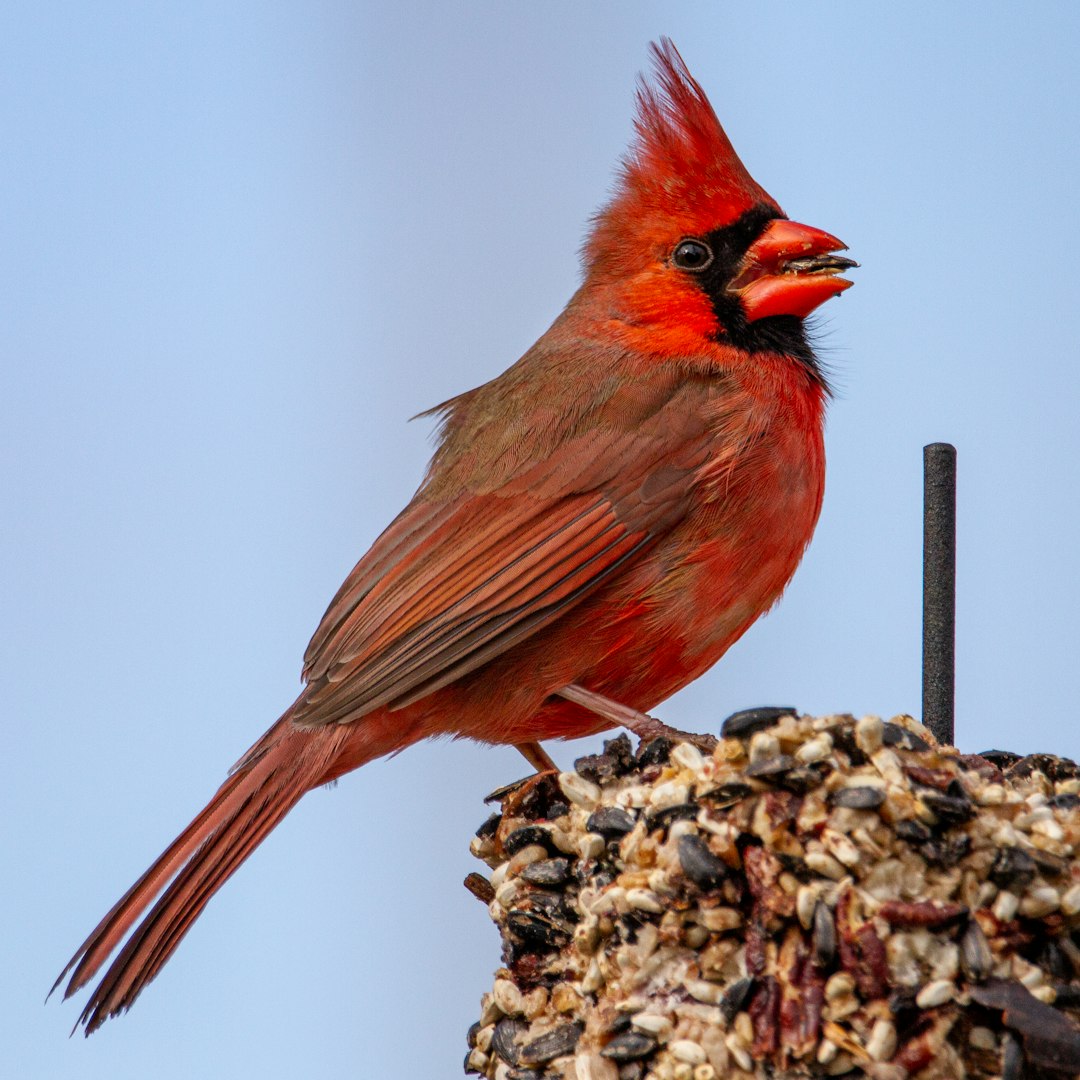
In addition to large seeds, Cardinals enjoy eating crushed peanuts, cracked corn, and berries. Here’s where you can get creative with budget-friendly protein additions. Instead of buying expensive bird-specific peanut products, purchase unsalted peanuts from the grocery store when they’re on sale and crush them yourself.
I add raisins, unsalted peanuts and chopped walnuts from the supermarket or discount store to black oil sunflower seeds. You can stretch your more expensive nuts by mixing them with cheaper sunflower seeds – cardinals will appreciate the variety, and you’ll appreciate the savings. Just remember to avoid salted nuts, which can be harmful to birds.
#7 Plant Seed-Bearing Flowers for Natural Food
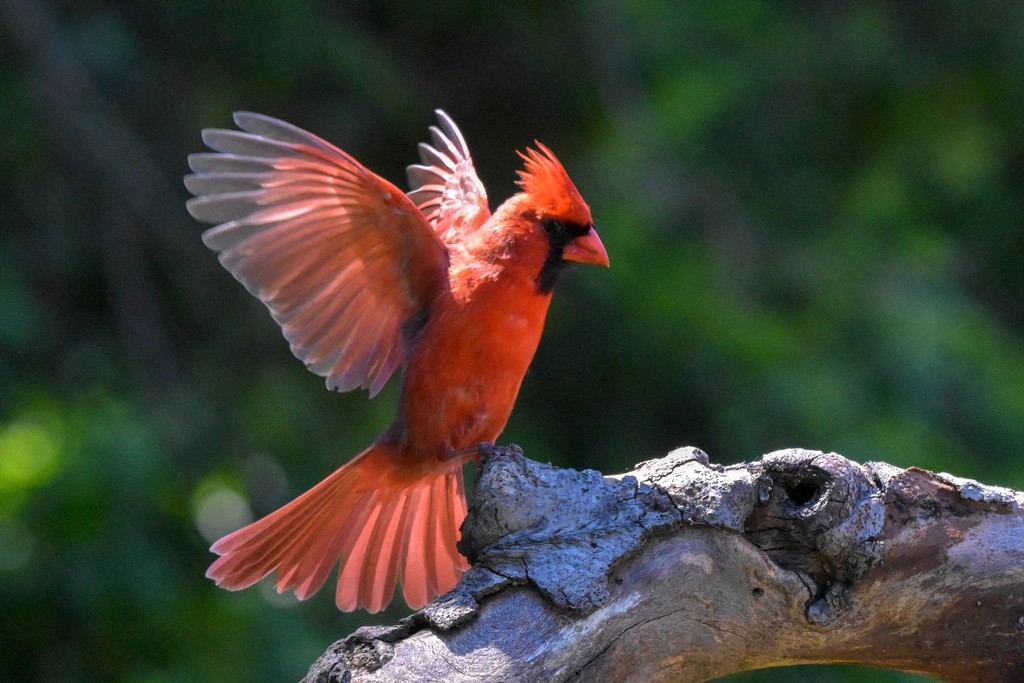
Why keep buying seeds when you can grow your own cardinal cafeteria? Seed-bearing plants to try include Purple Majesty millet, nasturtium, purple coneflower, safflower, sunflower and sweet pea. The initial investment in seeds or plants pays dividends for years, and there’s something deeply satisfying about watching cardinals feast on flowers you’ve grown.
Be sure to leave the seed heads on some of your perennials like sunflowers, coneflowers and black-eyed Susans. Birds will feed on the seed heads throughout the year. This approach not only saves money but creates a more natural environment that cardinals instinctively prefer. Plus, you’ll enjoy beautiful flowers during growing season and natural bird food during fall and winter.
#6 Use Safflower Seeds to Deter Squirrels
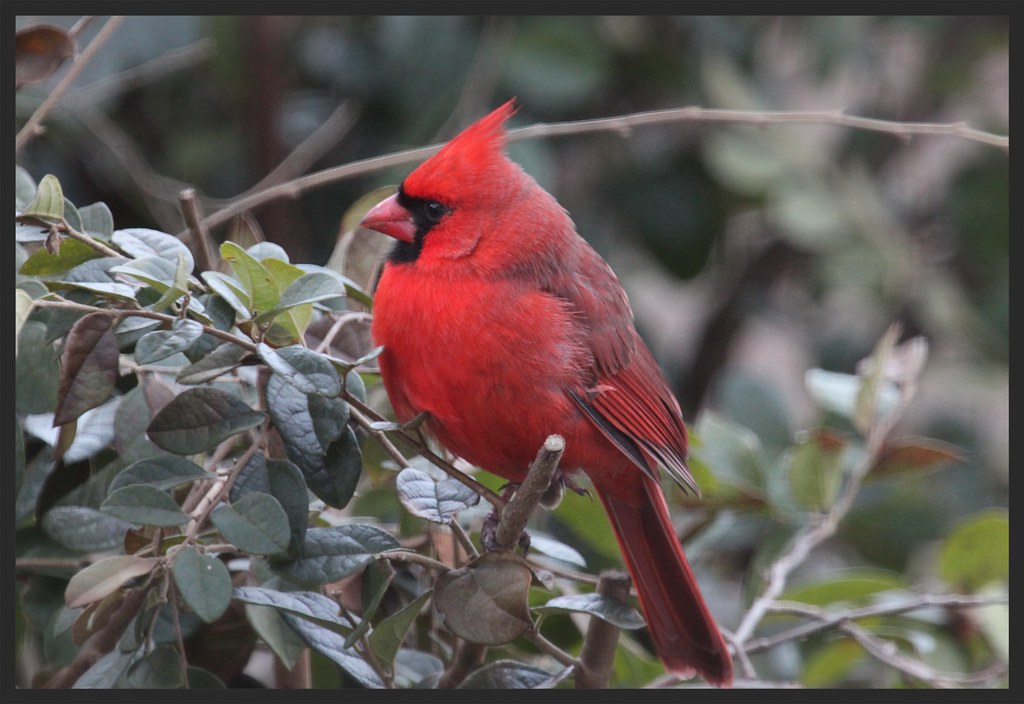
Nothing drains a bird feeding budget faster than hungry squirrels, but there’s a clever solution that cardinals absolutely love. Safflower, a white seed often ignored by other birds and squirrels, is a favorite of the Cardinal and can be combined with sunflower seeds to create your own Cardinal specific blend. While initially more expensive per pound than sunflower seeds, safflower actually saves money by reducing waste from squirrel raids.
The brilliant part about safflower seeds is that they taste bitter to squirrels and most other animals, but cardinals find them delicious. Use foods that Northern Cardinals like but squirrels don’t. Two examples include safflower seeds and seeds that have been coated in hot pepper. This natural squirrel deterrent means more food actually reaches your intended feathered guests instead of disappearing into squirrel bellies.
#5 Create Pine Cone Bird Feeders
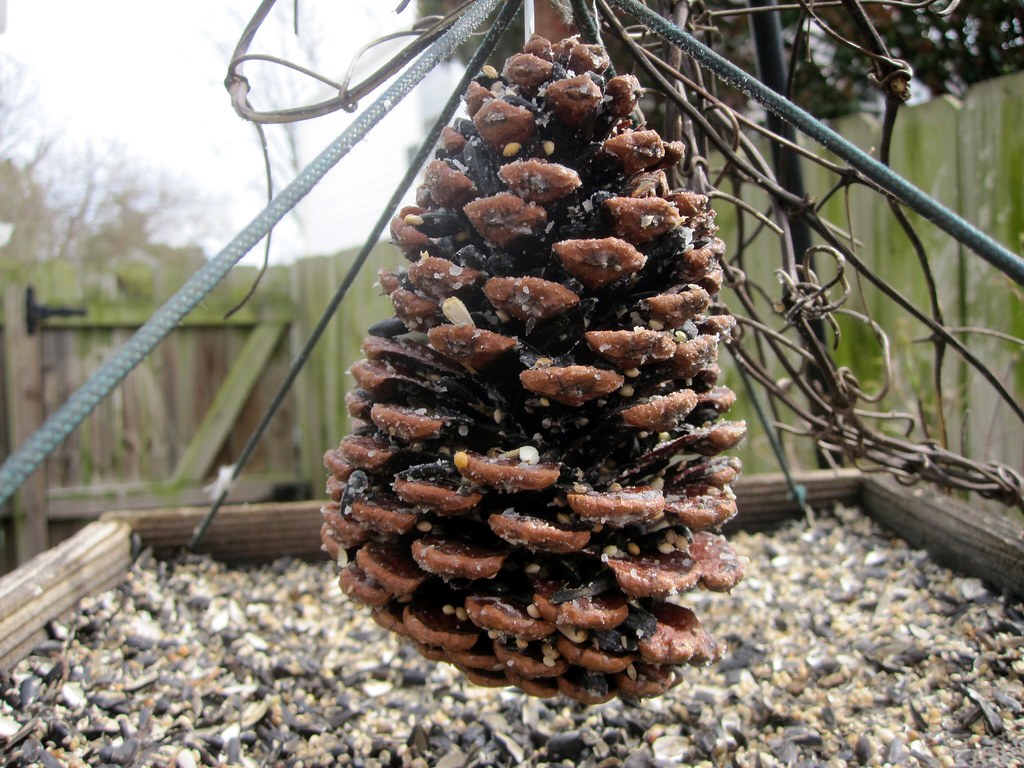
Nothing beats the nostalgic charm and budget-friendliness of pine cone feeders, and cardinals absolutely love them. Wrap a length of string around the top stem of the pine cone. Fill the opening of the pine cone with peanut butter then roll the whole pine cone in bird seed. Hang outside from a tree branch. This classic craft project costs less than a couple of dollars per feeder and provides hours of entertainment.
The beauty of pine cone feeders lies in their simplicity and effectiveness. In the fall, pairing pine cones with peanut butter and seeds makes for a quick and fun feeder the whole family can make together. Kids love making these, and you can often find pine cones for free in parks or wooded areas. Just ensure you’re using natural peanut butter without added salt or sugar for the birds’ health.
#4 Invest in Quality Over Quantity
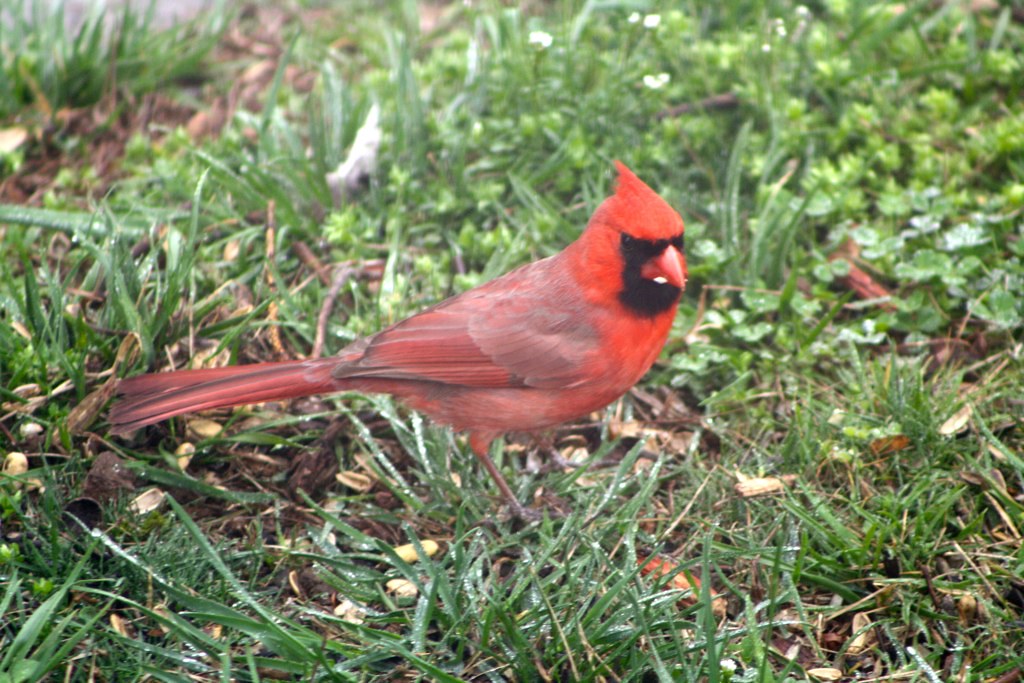
Sometimes spending a little more upfront actually saves money in the long run, especially when it comes to squirrel-proof feeders. This may seem counterintuitive as squirrel-proof feeders are more expensive versus regular bird feeders. BUT, if you’re in an area where squirrels are harassing your feeders and eating a bunch of bird seed, this is a good up-front investment to save money long-term.
Basic platforms start under $30 for beginners, while premium squirrel-proof models range $50-100 for advanced features like solar lights or large capacities. Invest in quality to save on replacements and wasted seed. A well-made feeder that actually keeps the food available for cardinals rather than squirrels can pay for itself within a few months through reduced seed costs.
#3 Offer Seasonal Treats from Your Kitchen
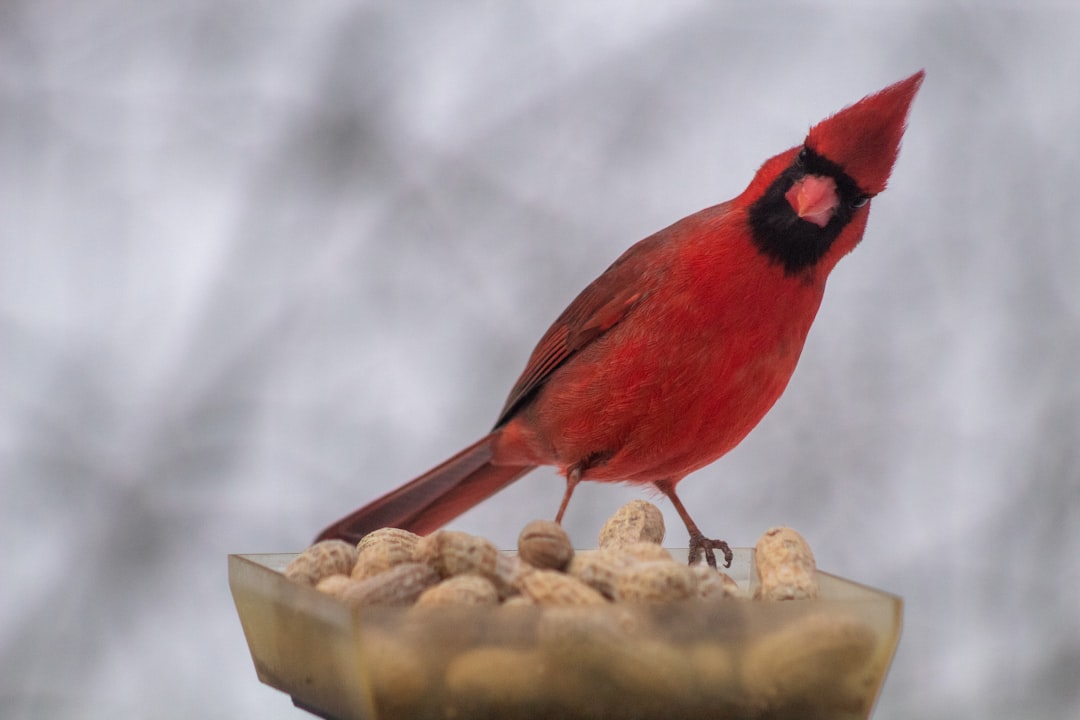
Your kitchen likely contains several cardinal-approved treats that cost far less than specialty bird foods. I also save cantaloupe seeds for cardinals. Instead of throwing away melon seeds, rinse and dry them for a free bird treat that cardinals find irresistible. Apple pieces, berries past their prime, and even small amounts of cooked rice can supplement their diet affordably.
You can feed cardinals many different kinds of fruit too, including apple slices and fresh berries. A wild bird feeder that has a place for grape jelly or fresh fruit is sure to attract fruit-eating birds like the northern cardinal. Remember to offer these treats in moderation and remove any uneaten portions before they spoil – fresh offerings show cardinals that your backyard is a reliable food source worth visiting regularly.
#2 Make Your Own Suet Blocks
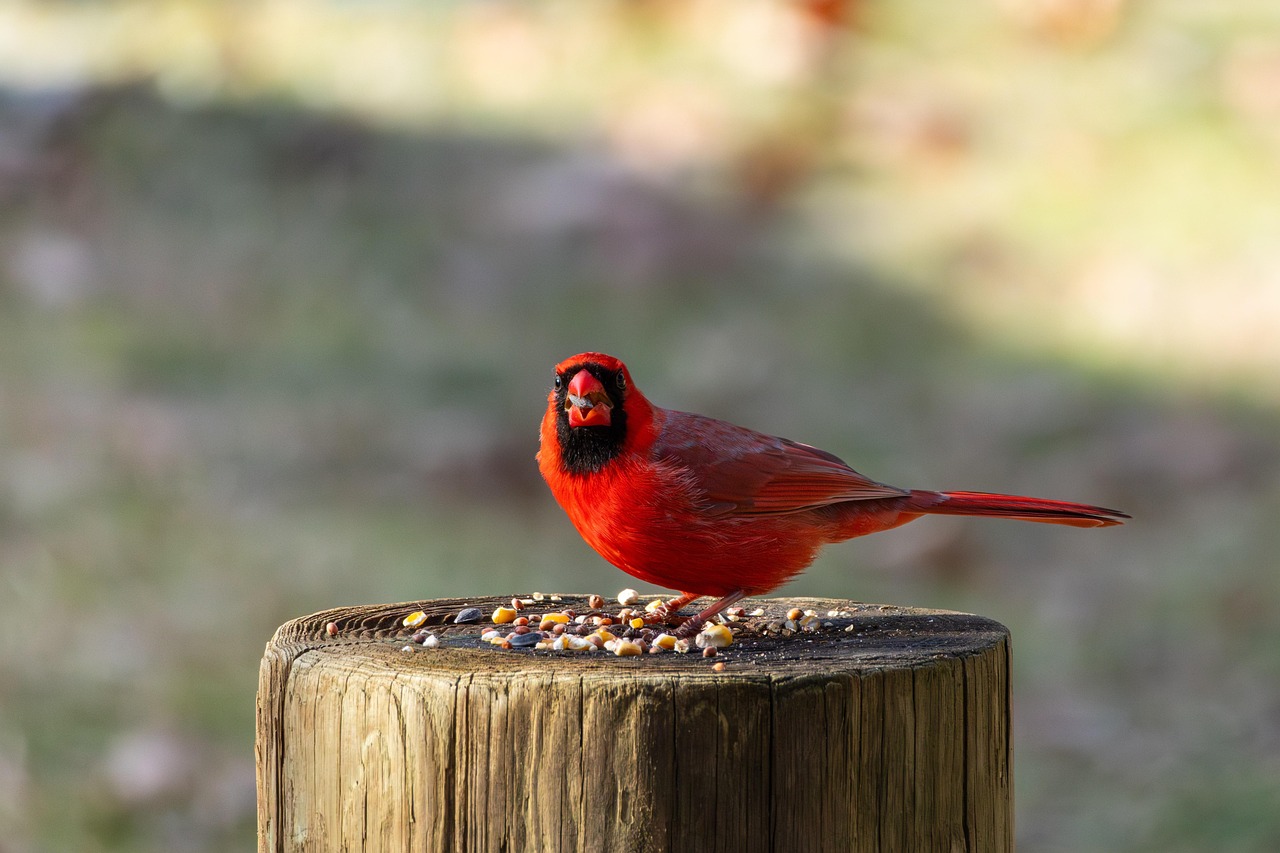
During the winter, small chunks of suet are another great choice. Store-bought suet blocks can be expensive, but making your own is surprisingly simple and cost-effective. Another inexpensive food source is suet (fat from around the beef kidney). If you can’t get it free from your local butcher, then you can usually purchase it at a low cost.
Mix the rendered suet with cornmeal, peanut butter, and bird seeds to create custom blocks that cardinals love. Suet nuggets for my nugget feeder are pricey, so I cut suet cakes of different flavors into slices to save money. You can freeze homemade suet blocks for months, making large batches when time allows. This winter treat provides essential fats that help cardinals maintain their energy during cold months.
#1 Cardinal-Friendly Winter Water Solutions
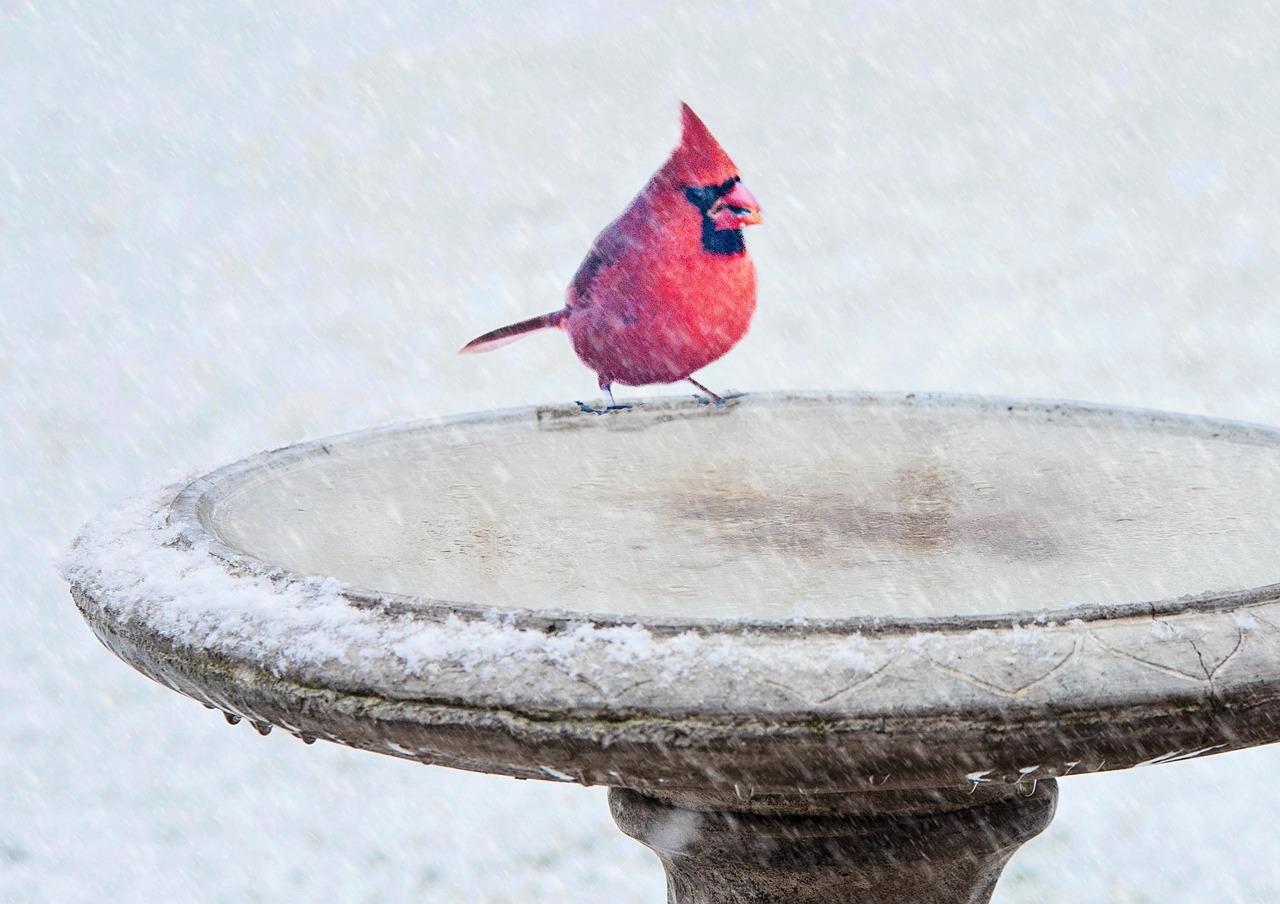
Cardinals will look for running water, especially in the winter months when non-frozen water is hard to find. Since Cardinals do not migrate, make your yard a resource for them all year long, even on those cold days! While heated birdbaths can be expensive to purchase and operate, there are budget-friendly alternatives that work just as well.
A simple dark-colored shallow pan placed in a sunny spot often stays unfrozen longer than you’d expect. If you live in an area with harsh winters like I do, a heated bird bath is especially welcome by Cardinals when it’s cold out and open water is hard to come by. You can also place a small floating device in your water source to keep it moving slightly, which prevents freezing and creates the movement that attracts cardinals. Even adding warm water twice daily during freezing weather shows remarkable results in cardinal visits.
Conclusion
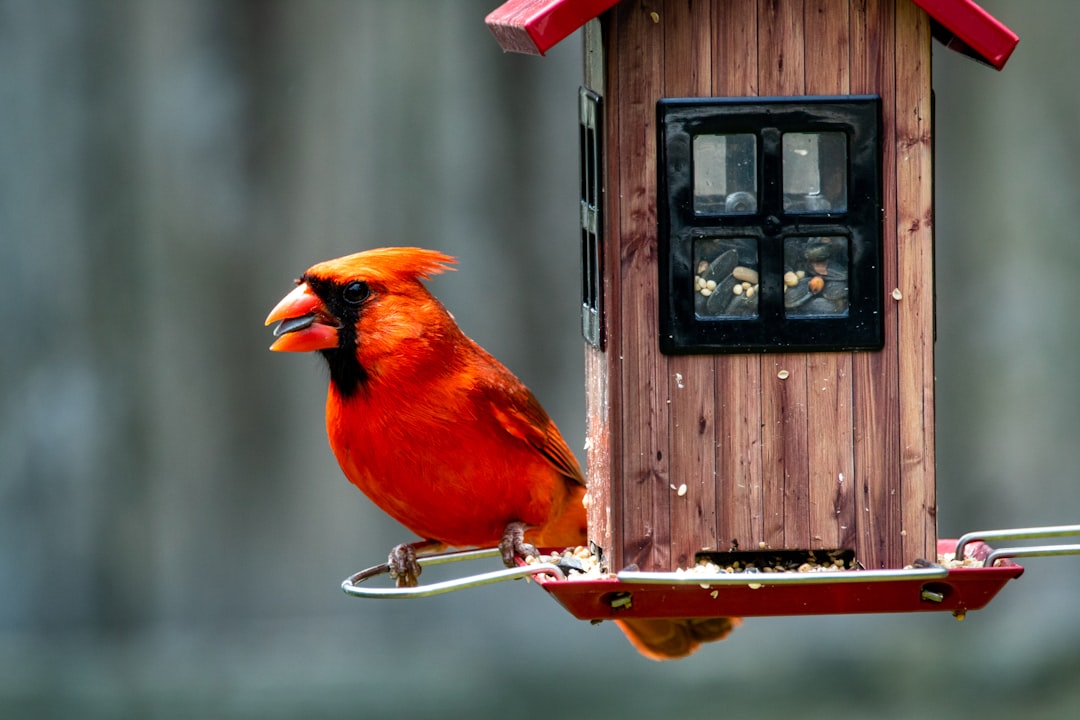
Attracting cardinals to your backyard doesn’t require a fortune – it requires understanding what these magnificent birds truly need and getting creative with how you provide it. From scattering seeds on the ground to crafting pine cone feeders with the kids, the most effective approaches are often the simplest and most budget-friendly ones.
The secret lies not in expensive gadgets or premium bird food blends, but in consistency, proper placement, and working with cardinals’ natural preferences. Whether you’re building a DIY platform feeder from scrap wood or strategically timing your daily seed offerings, each small effort builds toward creating an irresistible cardinal paradise in your own backyard.
Remember, cardinals are creatures of habit who value reliability over luxury. Once you’ve established their trust with consistent food sources, fresh water, and safe feeding locations, they’ll likely become year-round residents rather than occasional visitors. What started as a budget-conscious bird feeding adventure might just become one of your most rewarding daily rituals – and isn’t it amazing how the best things in life really don’t have to cost much at all?
Worried about unexpected vet bills?
Pet insurance can cover thousands in unexpected vet costs. Get a free quote from Lemonade in under 2 minutes.
Get My Free Quote →Sponsored · Opens Lemonade.com

As a little kid, I fell in love with nature, wildlife, and animals. Living in the USA, South Africa, Italy, China and Germany gave me the opportunity to discover the world's Wildlife. My favorite animals are Mountain Gorillas, Siberian Tigers, and Great White Sharks.
I'm a certified PADI Open Water Diver, went to Everest Base Camp and Trekked Gorillas in Uganda. I hold a Master of Science in Economics and Finance.
Please send any feedback to feedback@animalsaroundtheglobe.com
- 12 Differences Between Old World and New World Monkeys - June 10, 2026
- 6 Creatures That Can Survive Being Frozen Solid - June 10, 2026
- Why Botswana Okavango Delta Is the Best Place to See Elephants - June 10, 2026