


Worried about unexpected vet bills?
Pet insurance can cover thousands in unexpected vet costs. Get a free quote from Lemonade in under 2 minutes.
Get My Free Quote →Sponsored · Opens Lemonade.com
Throughout human history, certain animals have emerged as potent symbols across diverse civilizations, and few have captured the human imagination quite like the bull. With its impressive physique, formidable strength, and agricultural importance, the bull has been venerated and mythologized across cultures, becoming a universal emblem of power, fertility, and divine authority. Among the many civilizations that incorporated bull symbolism into their spiritual and cultural narratives, the Minoan civilization of Bronze Age Crete and the ancient Hindu tradition of India stand out for their particularly profound and enduring bull mythologies.
Despite being separated by thousands of miles and developing independently, these two cultures shared a remarkable reverence for the bull, weaving this powerful animal into their religious practices, art, literature, and daily life. The striking parallels between Minoan and Hindu bull symbolism offer fascinating insights into how different human societies interpreted and represented power through animal imagery. This exploration will delve into the rich tapestry of bull symbolism in these two distinctive cultural traditions, examining how the bull came to represent divine authority, kingship, fertility, and cosmic order in both the ancient Mediterranean and the Indian subcontinent.
Bulls in Minoan Crete: The Foundation of a Civilization

The Minoan civilization, which flourished on the island of Crete from approximately 3000 to 1100 BCE, placed the bull at the very center of its cultural and religious life. Archaeological evidence from Minoan palaces, particularly the famous complex at Knossos, reveals an extraordinary preoccupation with bull imagery. The bull was not merely an important animal for the Minoans; it was arguably the defining symbol of their entire civilization. The massive palace at Knossos, with its labyrinthine architecture, was adorned with numerous frescoes depicting bulls and bull-leaping ceremonies, where athletic young men and women performed acrobatic feats over the backs of charging bulls.
Sir Arthur Evans, who excavated Knossos in the early 20th century, was so struck by the omnipresence of bull imagery that he named the civilization “Minoan” after the mythical King Minos, who according to Greek legend kept the bull-headed Minotaur in a labyrinth beneath his palace. For the Minoans, the bull represented not only physical power but also economic prosperity through agriculture and trade. Bull iconography appeared on seals, pottery, jewelry, and ceremonial objects, underscoring its central importance to Minoan identity and suggesting that the animal embodied the very essence of Minoan conceptions of power, prestige, and divine favor.
The Minoan Bull-Leaping Ritual: Power Through Mastery
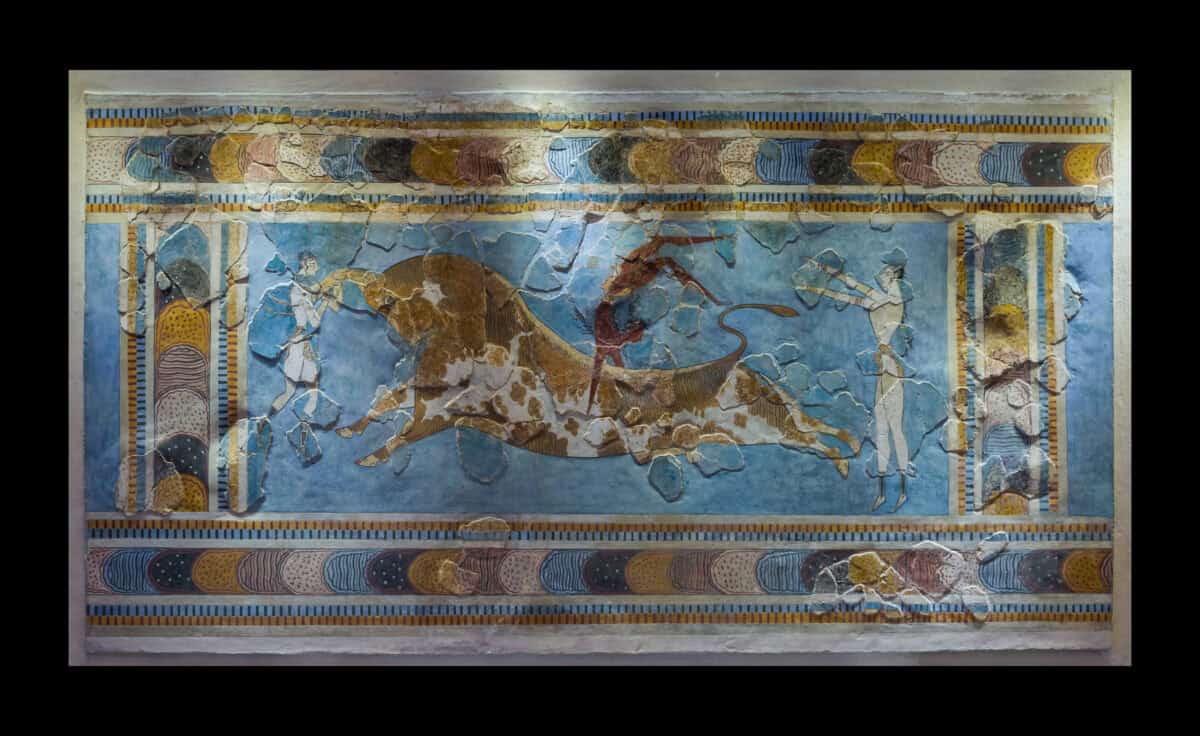
Perhaps the most captivating expression of Minoan bull veneration was the practice of bull-leaping or taurokathapsia. This dangerous ritual, depicted in numerous Minoan frescoes and figurines, involved athletes performing acrobatic feats with live bulls. The most famous representation is the “Bull-Leaping Fresco” from Knossos, which shows a figure somersaulting over a charging bull while other participants stand ready to assist. Scholars debate whether these images represent actual practices or symbolic rituals, but they undeniably demonstrate the Minoans’ fascination with the idea of human mastery over bull power.
The bull-leaping ritual likely served multiple purposes in Minoan society. On one level, it demonstrated the courage and skill of the participants, possibly marking rites of passage or establishing social status. On a deeper level, it symbolized humanity’s relationship with natural forces—acknowledging the bull’s tremendous power while asserting human ability to harness and direct that power through skill rather than brute force. This complex relationship with bull symbolism suggests that for Minoans, true power lay not merely in strength but in the intelligent management of powerful forces. The ritual may have also had religious significance, perhaps honoring a bull deity or serving as a sacrificial substitute that allowed the bull’s power to be captured without killing the sacred animal.
The Bull and Minoan Religion: Divine Connections
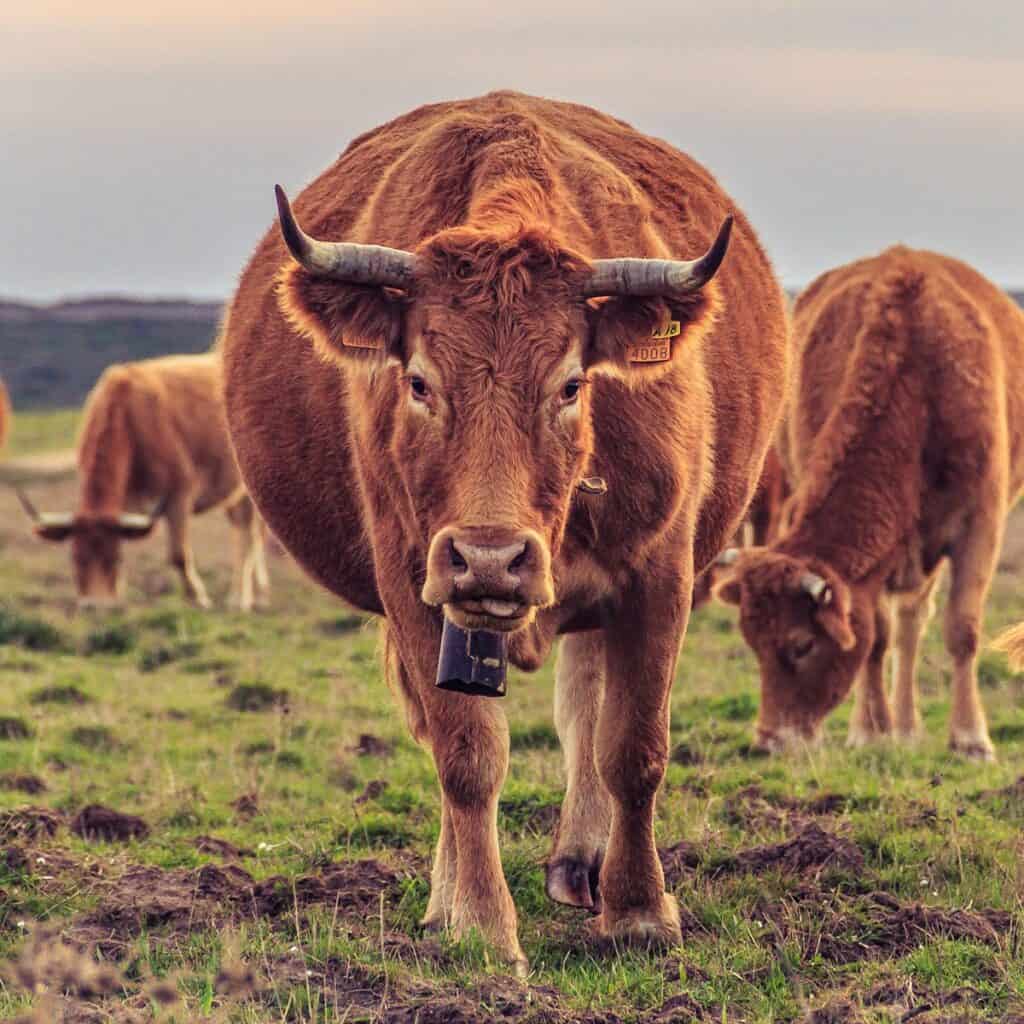
While much about Minoan religious beliefs remains mysterious, archaeological evidence strongly suggests that the bull held significant religious importance. Bull horns, known as “horns of consecration,” adorned Minoan religious structures and appeared on altars and sacred objects. These stylized horns became a ubiquitous symbol of Minoan religious architecture, marking sacred spaces and possibly invoking divine protection. Some scholars believe the Minoans worshipped a bull deity or a deity with bull attributes, possibly connected to astronomical phenomena like the constellation Taurus.
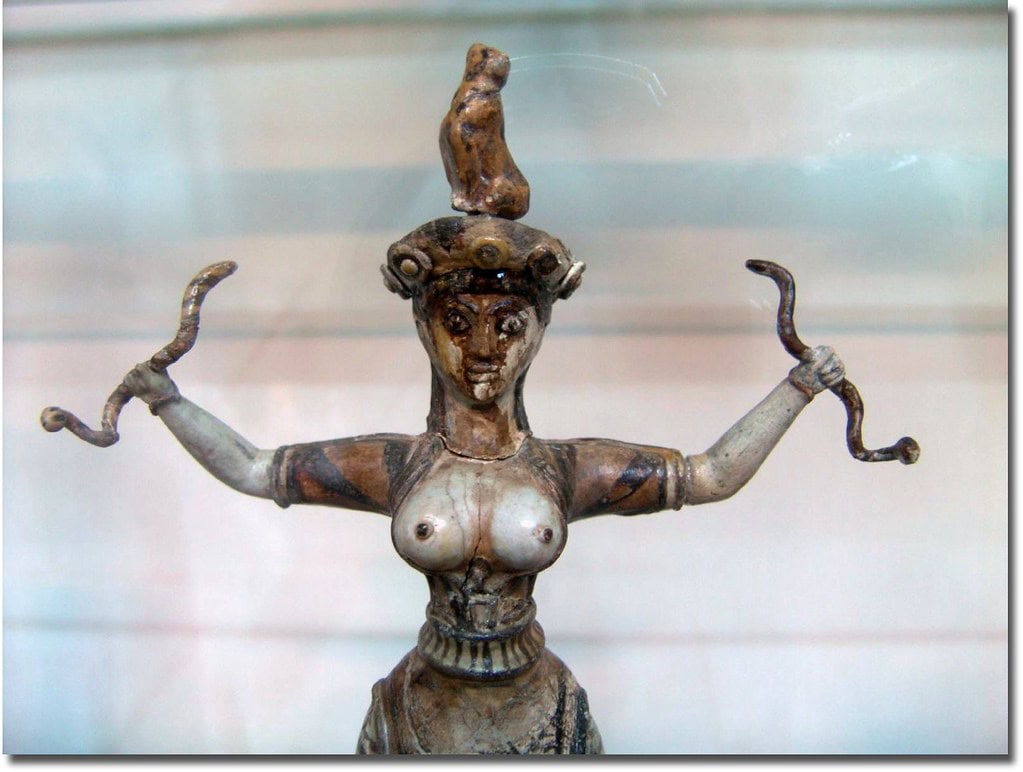
The connection between bulls and Minoan religious practice is further evidenced by findings of bull sacrifices at sanctuaries and the discovery of rhyta (ceremonial vessels) shaped like bull heads, which were likely used in libation rituals. The famous “Snake Goddess” figurines, depicting female figures holding serpents, are sometimes associated with bull imagery, suggesting a complex pantheon where the bull represented masculine power complementing feminine divine energy. This religious dimension transformed the bull from merely an impressive animal into a conduit for divine power—a living embodiment of cosmic forces that could be accessed through proper ritual. For Minoans, the bull thus represented not just earthly power but a connection to supernatural realms and divine authority.
The Legacy of the Minoan Bull in Greek Mythology

The power of Minoan bull symbolism was so profound that it survived the fall of their civilization and was incorporated into Greek mythology, albeit transformed through the Greek cultural lens. The most famous example is the myth of the Minotaur—a creature with a human body and the head of a bull, born from the unnatural union of Queen Pasiphae and a sacred white bull sent by Poseidon. Imprisoned in the labyrinth beneath King Minos’ palace, the Minotaur received regular sacrifices of Athenian youths until the hero Theseus slew it with the help of Minos’ daughter Ariadne.
Other bull-related myths in Greek tradition include Zeus taking the form of a white bull to abduct Europa, the story of Heracles capturing the Cretan Bull as one of his twelve labors, and the tale of Poseidon sending a bull from the sea to punish Minos for breaking his vow. These stories reflect how the earlier Minoan bull symbolism was reinterpreted through Greek cultural values, often presenting the bull as a force to be conquered rather than revered. Despite this transformation, the enduring presence of bull mythology in Greek culture testifies to the powerful impression left by Minoan bull symbolism on the Mediterranean imagination, creating a legacy that would influence Western conceptions of power for millennia to come.
The Sacred Bull in Hindu Tradition: Nandi and Divine Authority

Thousands of miles from Crete, in the Indian subcontinent, bull symbolism developed along parallel yet distinctive lines within Hindu tradition. The most prominent bull figure in Hindu mythology is Nandi, the sacred bull who serves as the mount (vahana) and devoted gatekeeper of Lord Shiva, one of the principal deities of Hinduism. Nandi, whose name means “joyful” or “happy,” is far more than a mere animal in Hindu conception—he is a divine being in his own right, often depicted as a white bull with human features who embodies loyalty, strength, and righteousness.
Statues of Nandi typically guard the entrances to Shiva temples throughout India, positioned facing the main shrine, eternally gazing upon his master with devotion. Unlike the wild, untamed bulls of Minoan imagery, Nandi represents disciplined power placed in service to divine authority. This reflects a fundamental Hindu concept that true strength lies not in unbridled force but in power that is properly channeled and directed toward spiritual ends. Nandi is both immensely powerful and completely devoted, illustrating the Hindu ideal that the greatest power comes through surrender to the divine. His white color symbolizes purity and the sattvic (pure, balanced) qualities that devotees strive to cultivate.
Bulls in Vedic Sacrifice: Cosmic Power and Regeneration
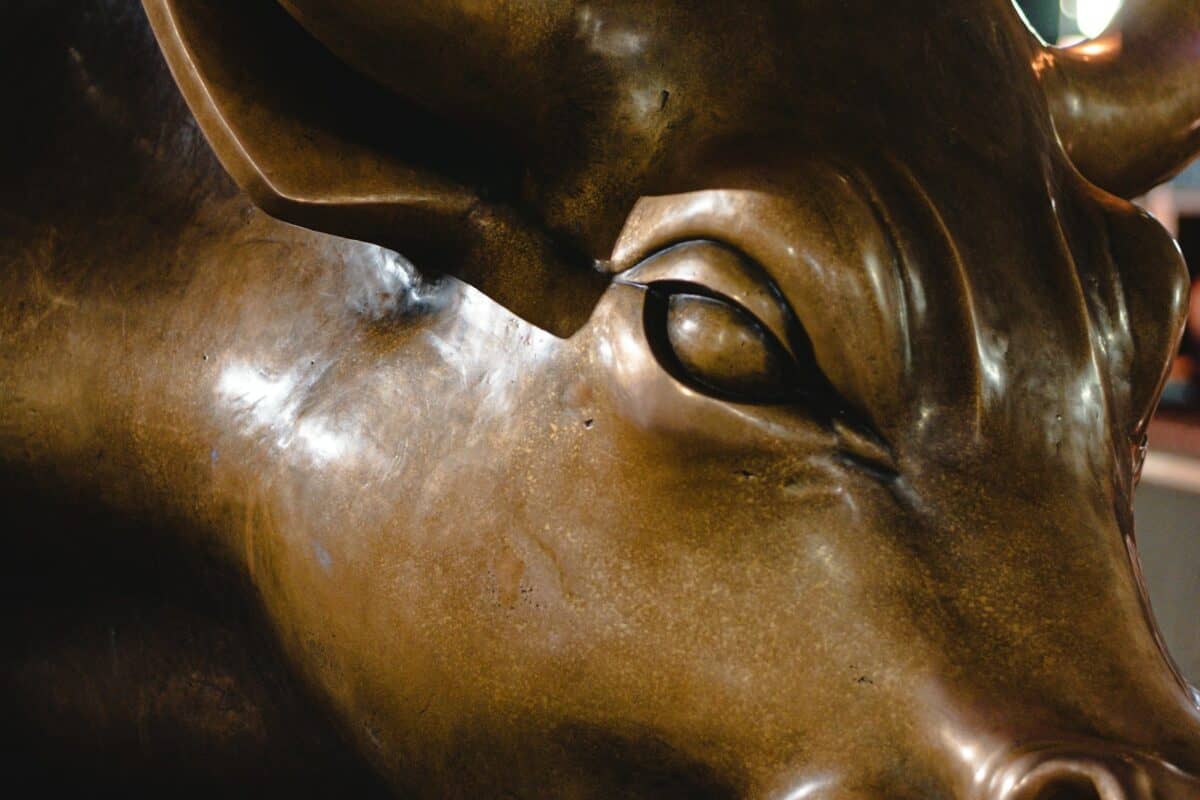
In the earliest Hindu texts, the Vedas (composed approximately 1500-500 BCE), the bull occupied a position of tremendous symbolic importance within sacrificial rituals. The Vedic sacrificial complex included elaborate rituals where bulls represented cosmic creative power. The bull was associated with Indra, the Vedic king of gods and wielder of thunderbolts, and with Prajapati, the lord of creatures and creator deity. In some hymns, the bull symbolizes the year, with its legs representing the seasons, connecting bull symbolism to concepts of cosmic time and regeneration.
The symbolic importance of the bull in Vedic tradition stemmed partly from its agricultural significance in early Indian society, where cattle represented wealth, prosperity, and sustenance. The Sanskrit word “go,” meaning both “cow” and “bull,” appears hundreds of times in the Rigveda, underscoring the centrality of cattle to Vedic conceptions of value. However, as Hindu thought evolved over centuries, particularly with the rise of ahimsa (non-violence) values in later traditions, actual bull sacrifice gradually gave way to symbolic substitution and eventual prohibition of animal sacrifice in mainstream Hindu practice. This evolution reflects how bull symbolism in Hindu tradition maintained its association with power while the expression of that power transformed from physical sacrifice to spiritual symbolism.
Vrisha: The Bull as Dharma Incarnate
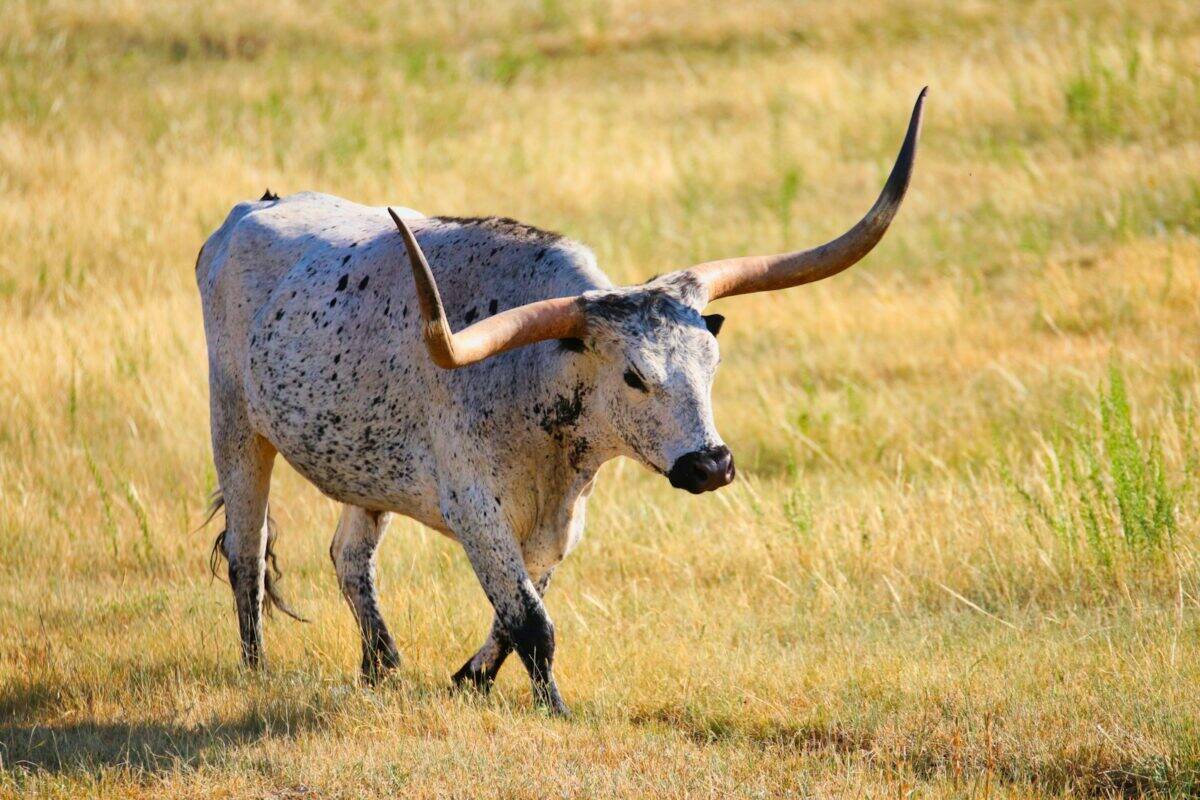
In Hindu tradition, the bull (vrisha) is closely associated with the concept of dharma—the cosmic law that upholds the universe and governs proper conduct. According to Hindu texts, dharma is often visualized as a bull standing on four legs, representing the four pillars of righteous living: truth (satya), purity (shaucha), compassion (daya), and charity (dana). In the Kali Yuga, the current degenerate age according to Hindu cosmology, the bull of dharma is described as standing on only one leg, symbolizing the decline of righteousness in the world.
This powerful metaphor transforms the bull from merely a symbol of physical strength into an embodiment of moral and spiritual power. It suggests that true power in the Hindu worldview derives not just from physical might but from alignment with cosmic order and ethical principles. Kings in ancient India were often compared to bulls, not simply because of their authority but because they were expected to uphold dharma as the foundation of their rule. This conception of the bull as the very incarnation of cosmic law reveals how, in Hindu thought, the ultimate form of power is moral authority—the strength that comes from living in accordance with universal principles rather than merely exercising force.
The Bull and Sacred Rivers: Fertility and Life-Giving Power
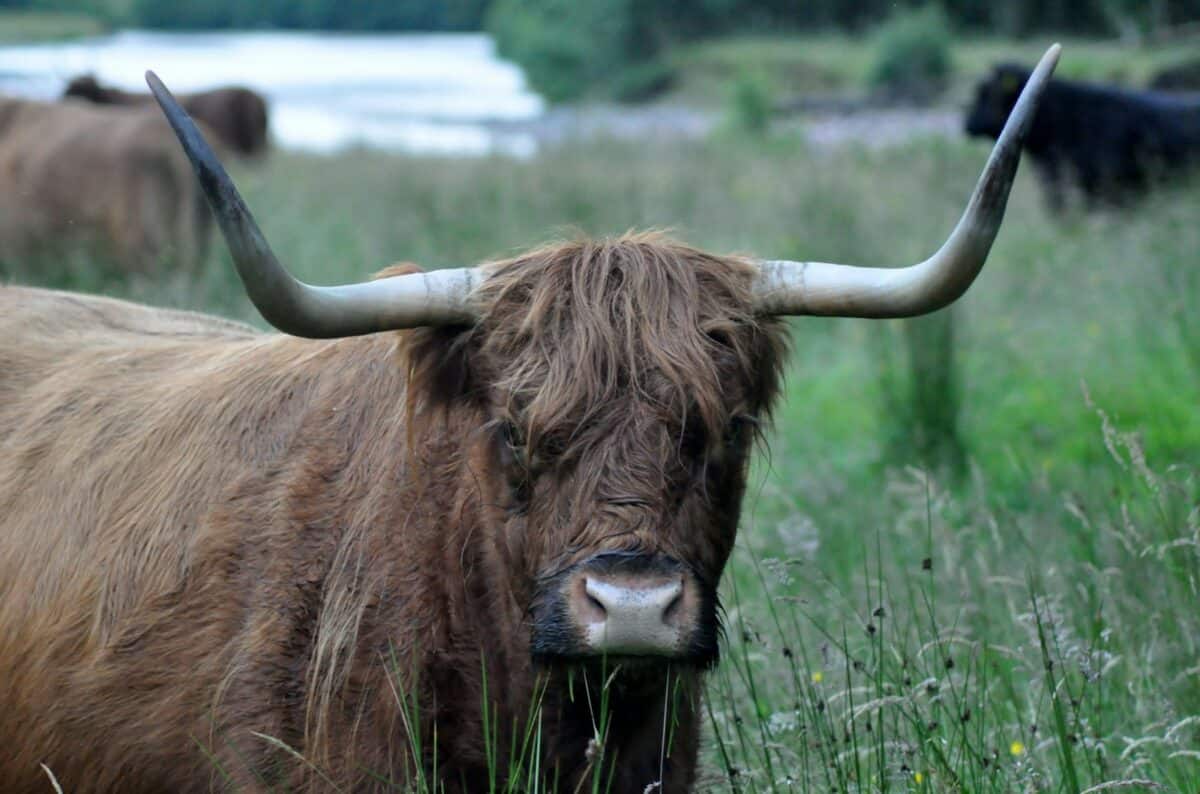
In Hindu mythology, bulls are frequently associated with sacred rivers, particularly the Ganges (Ganga), which is considered the most holy river in Hinduism. According to legend, when the Ganges descended from heaven to earth, its tremendous force threatened to destroy the world. To mitigate this danger, Lord Shiva captured the river in his matted locks, releasing it gradually to flow across the land. In artistic representations, the river Ganga is often depicted flowing from Shiva’s hair in the form of a bull’s head or with bull imagery, symbolizing the controlled power of the life-giving waters.
This association between bulls and sacred rivers underscores the bull’s connection to fertility, regeneration, and life-sustaining power in Hindu thought. Just as rivers bring water that nourishes crops and sustains communities, the bull represents the generative power that ensures continuity and abundance. River goddesses in Hindu iconography are sometimes shown riding bulls, further cementing this symbolic connection. The bull thus embodies not just brute strength but the creative power that perpetuates life—a force that must be both respected for its potency and properly channeled to benefit humanity, much like the sacred rivers themselves.
The Bull in Hindu Astrology: Cosmic Power and Time
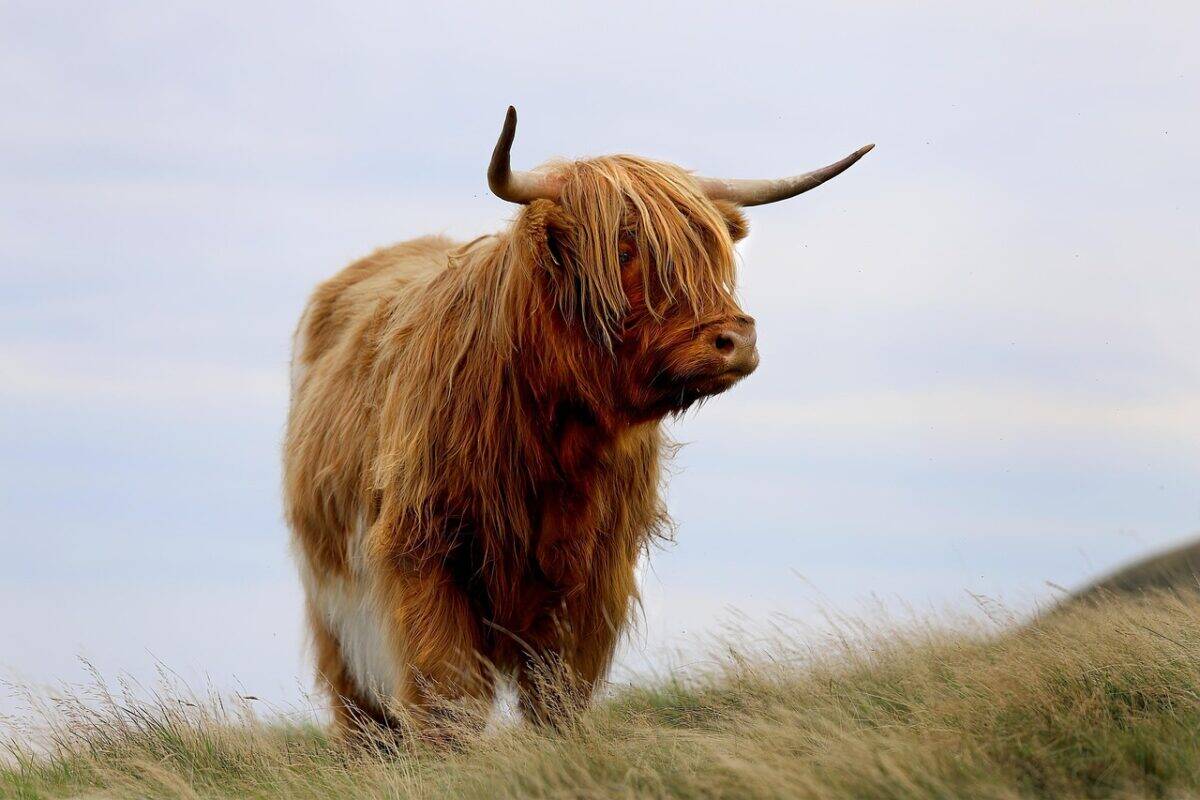
The bull features prominently in Hindu astrology (Jyotisha), where Taurus (Vrishabha) is the second sign of the zodiac, ruled by Venus (Shukra), the planet associated with luxury, beauty, and prosperity. In Hindu astrological tradition, those born under the sign of Taurus are said to possess bull-like qualities: strength, determination, patience, and sometimes stubbornness. The constellation’s association with the season of spring in the Northern Hemisphere connects bull symbolism to regeneration, growth, and the cyclical power of nature.
Beyond the zodiac, bulls appear in Hindu astronomical traditions as representations of cosmic time and celestial movement. In some texts, the stars are described as a herd of celestial cattle, with the moon as their shepherd. The Pleiades star cluster is known as Krittika, the “star of fire,” and is depicted as a group of nurses who raised Kartikeya, the son of Shiva and Parvati, who is sometimes portrayed riding a bull like his father. These celestial associations elevate bull symbolism from the earthly realm to the cosmic, suggesting that the power embodied by the bull extends throughout the universe, governing not just human affairs but the very movements of the heavens and the progression of time itself.
Comparative Analysis: Bull Symbolism Across Cultures

When examining bull symbolism in Minoan and Hindu traditions side by side, striking parallels emerge despite the vast geographical and temporal distance between these cultures. Both traditions recognized the bull as an embodiment of tremendous physical power, but both also transcended this simple equation to develop complex symbolic systems where the bull represented cosmic forces, divine authority, and the proper relationship between humans and power. In both cultures, bull symbolism extended beyond mere veneration of strength to encompass sophisticated ideas about how power should be channeled, directed, and integrated into social and religious frameworks.
However, important differences also appear in how these cultures interpreted bull symbolism. Minoan bull imagery, particularly the bull-leaping rituals, emphasized human interaction with and mastery over bull power through skill and agility rather than brute force. Hindu tradition, especially through the figure of Nandi, stressed devotional surrender to divine authority, with bull power placed in service to higher spiritual purposes. Where Minoan culture seemed to celebrate the dynamic tension between human and bull, Hindu tradition developed more elaborate conceptual frameworks connecting bull symbolism to cosmic order, ethical principles, and metaphysical concepts. These differences reflect the distinct cultural contexts and philosophical orientations of these civilizations, even as they demonstrate the universal human tendency to find meaning in the impressive power of the bull.
Modern Echoes: Bull Symbolism in Contemporary Culture

The ancient bull symbolism of Minoan and Hindu traditions continues to reverberate in contemporary culture, though often in transformed or secularized forms. The bull remains a powerful symbol in modern India, where cow protection is a significant political and religious issue, and statues of Nandi continue to be worshipped at Shiva temples throughout the country. The annual bull-taming sport of Jallikattu in Tamil Nadu, despite controversy and legal challenges, preserves elements of ancient bull rituals in a modern context, demonstrating the enduring cultural significance of human-bull interactions in Indian tradition.
In Western culture, bull symbolism persists in various forms, from the running of the bulls in Pamplona, Spain (which some scholars suggest may have distant connections to Minoan bull-leaping), to the widespread use of bull imagery in corporate logos and sports team mascots to convey strength and dominance. The bull market in financial terminology represents economic optimism and growth, while expressions like “taking the bull by the horns” reflect ancient ideas about confronting and mastering powerful forces. Even as societies have become increasingly removed from direct agricultural connections to bulls, the animal’s symbolic power continues to permeate language, imagery, and cultural practices, testifying to the remarkable staying power of bull symbolism across millennia of human history.
Conclusion: The Enduring Power of Bull Symbolism
The remarkable parallels between Minoan and Hindu bull symbolism reveal how different human societies, separated by vast distances, independently recognized and elaborated upon the bull’s natural qualities to create profound symbolic systems. In both traditions, the bull transcended its biological reality to become a complex symbol encompassing physical might, fertility, cosmic order, and the proper use of power. These symbolic traditions demonstrate how ancient cultures grappled with fundamental questions about power: how it should be wielded, channeled, respected, and integrated into religious and social frameworks.
The bull’s symbolic journey from Minoan palaces to Hindu temples illustrates the universal human impulse to find meaning in the natural world and to project cultural values onto powerful creatures. Despite the differences in context and expression, both civilizations elevated the bull into a mediator between the earthly and the divine, reflecting humanity’s search for balance between strength and restraint, chaos and order, life and death. This enduring symbolism speaks to the timeless relevance of the bull as a metaphor for the forces that shape our world and our place within it.
Today, the bull continues to hold cultural, religious, and artistic significance, reminding us that ancient symbols still resonate in modern times. Whether in mythology, ritual, or popular culture, the bull’s image invites us to reflect on our relationship with nature, power, and the sacred. Its enduring presence across millennia and continents affirms that, while human societies evolve, our fascination with the mysteries of strength and vitality remains constant, echoing through the ages in the form of the mighty bull.
Worried about unexpected vet bills?
Pet insurance can cover thousands in unexpected vet costs. Get a free quote from Lemonade in under 2 minutes.
Get My Free Quote →Sponsored · Opens Lemonade.com

From exploring the marine wonders in the Azores and witnessing the vast savannas of Kenya, to delving deep into the rich biodiversity of South Africa and traversing iconic landscapes in Australia and the US like Yellowstone, Chris's experiences are vast.
With a penchant for diving alongside sharks, the ocean holds a special place in his heart.
Through his academic insights, he champions wildlife conservation, striving with 'Animals Around The Globe' to cultivate a profound connection between humans and animals, enhancing our mutual appreciation.
Connect with him at Feedback@animalsaroundtheglobe.com.
- Why Sea Turtles Return to the Same Beach to Lay Eggs - June 10, 2026
- Why Pangolins Are the Most Trafficked Mammals on Earth - June 10, 2026
- 10 Animals with the Craziest Defensive Mechanisms in the Wild - June 10, 2026