
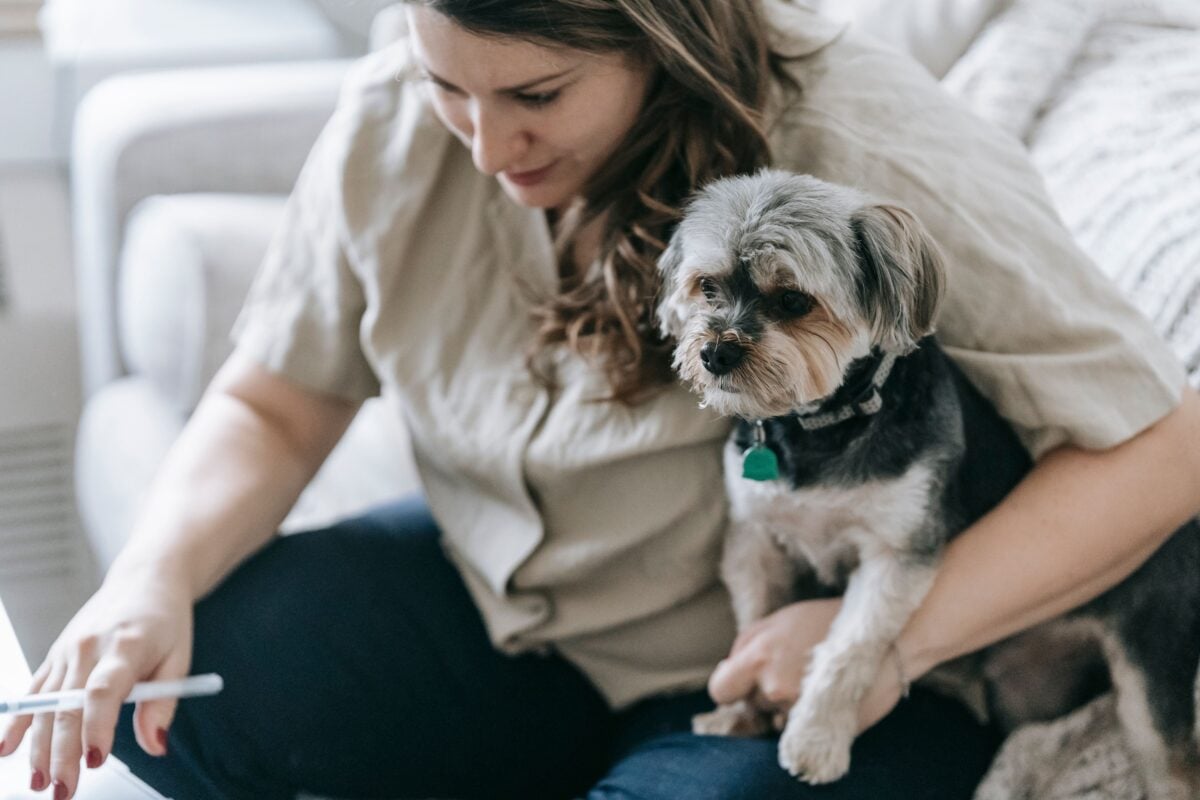
Ask most people why a cat made it to 19 or a dog to 16, and you’ll hear the same answer: good genes and good luck. Ask the veterinary teams who watch those animals walk in year after year, and the story changes. The owners of the oldest pets tend to share a quiet set of repeatable habits, and almost none of them involve expensive gadgets or miracle supplements.
Some habits on this list sound almost too simple to matter. One is a sentence that makes vets wince, one is a test many owners treat as optional, and one is a conversation almost nobody wants to have until it’s too late. Counting down from #16, here’s what vets say they actually see.
#16 – They Book the Check-Up When Nothing Seems Wrong
🔥 Would you like to save this?
We'll email this post to you, so you can come back to it later!
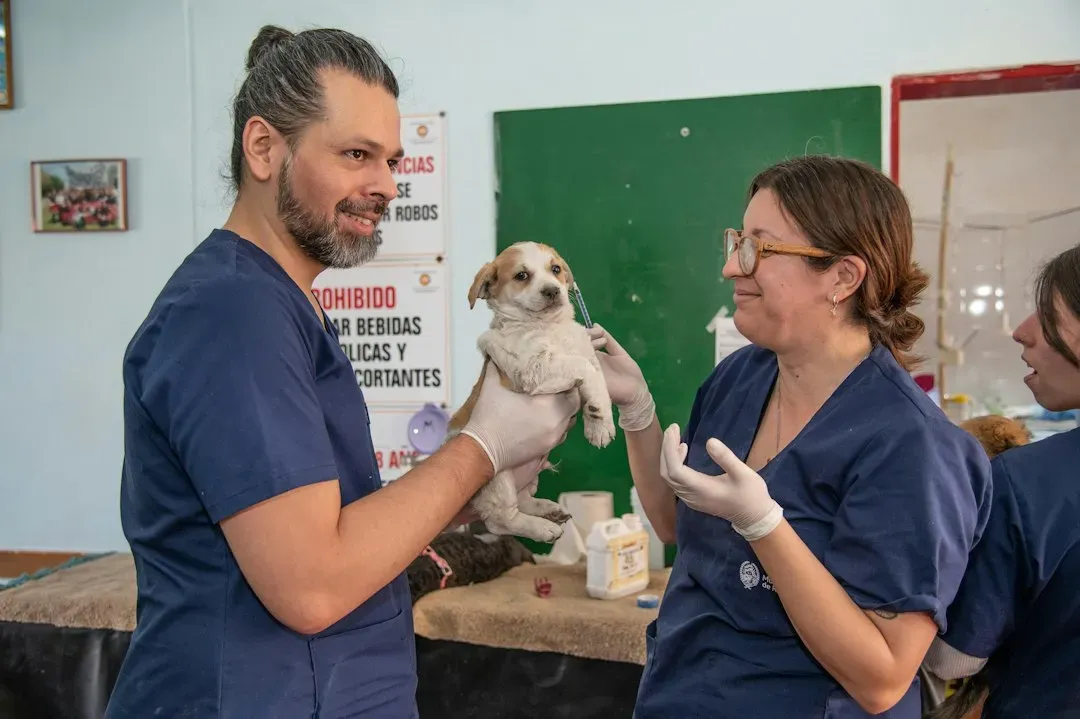
Long-lived pets are usually the ones who visit the clinic while healthy.
Many owners only call the vet when something is obviously broken. Veterinary teams say the long-haul owners do the opposite. They treat the yearly exam as maintenance, the way you’d service a car before the warning light comes on.
Animals are experts at hiding illness. That instinct is rooted in survival, because showing weakness once made an animal a target. By the time many pets look unwell, the disease may have been building for months.
A routine exam gives the vet a chance to check:
- Heart and lung sounds
- Teeth, gums and eyes
- Joints and spine
- Weight and body condition
- Skin, coat and lumps
Older pets are often advised to be seen more often than once a year. Your vet can tell you what suits your animal’s age and breed.
But that’s nothing compared to the mistake about teeth waiting at #15…
#15 – They Treat Teeth as Medicine, Not Cosmetics
🔥 Would you like to save this?
We'll email this post to you, so you can come back to it later!
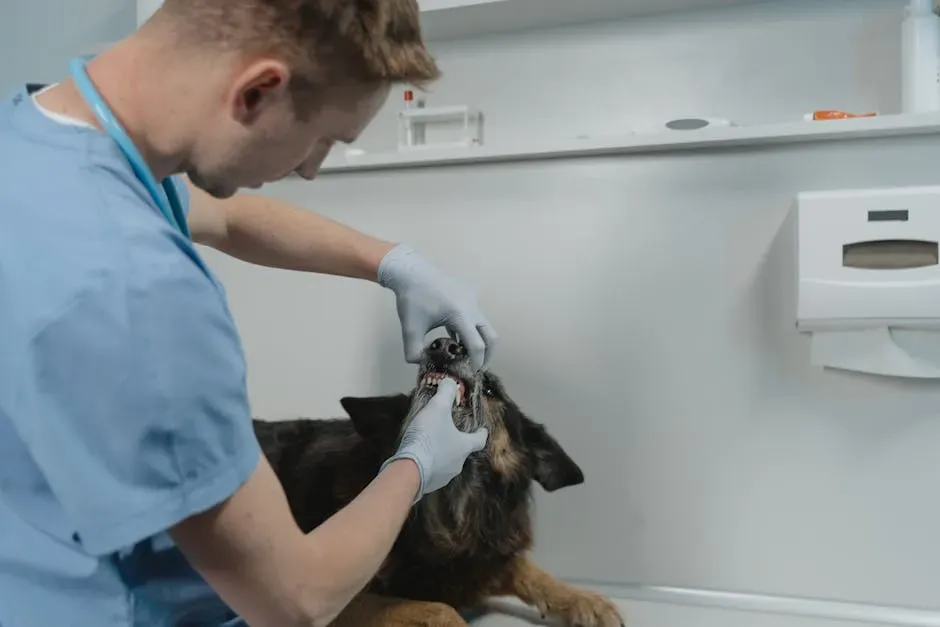
Bad breath is not a “dog thing” or a “cat thing.” It’s usually a warning.
Dental disease is one of the most common problems vets diagnose in adult dogs and cats. Owners of long-lived pets take it seriously early. They know that infected gums are not just a mouth problem.
Bacteria from diseased gums can enter the bloodstream. Vets have long linked severe dental disease to wider health concerns, with the heart and kidneys often discussed. Pain from rotten teeth also makes pets eat less and withdraw, and owners often misread that as “just getting old.”
Here’s where opinions split. Many owners swear by dental chews as a substitute for brushing. Many vets argue that chews are a helper at best, and that daily brushing and professional cleanings do the real work.
Quick Compare
- Daily brushing: removes plaque before it hardens into tartar, and it is the gold standard at home.
- Dental chews and diets: a useful extra, not a replacement. Look for the Veterinary Oral Health Council seal.
- Professional cleaning: the only way to treat disease under the gumline, and it is done under anesthesia.
The cruel part is how quietly it happens. A pet with a painful tooth will often keep eating, because hunger beats discomfort. The owner sees a hungry animal and assumes everything is fine.
Wait until you see which habit vets call the quiet lifespan lever at #14…
#14 – They Keep Their Pets Lean (Even When It’s Hard)

🔥 Would you like to save this?
We'll email this post to you, so you can come back to it later!
The most unpopular habit on this list may be the most powerful.
Vets will tell you that excess weight is among the most common preventable problems they see. It strains joints, and it is associated with diabetes, breathing difficulty and reduced mobility. Yet “he’s just big-boned” remains one of the most common things heard in clinics.
Long-term owners measure food instead of eyeballing it. They count treats as part of the daily ration. They also learn to feel the ribs under a light covering of fat, rather than trusting how the pet looks from above.
Many clinics score body condition on a scale, often 1 to 9, where the ideal sits near the middle. Asking your vet where your pet lands takes the guesswork out of it. It also takes some of the guilt out, because the number isn’t a judgment.
Free-feeding, which means leaving a bowl full all day, is a mistake for many animals. Some pets self-regulate, but plenty do not. Nobody puts it more bluntly than the data: lean dogs in a famous long-term study lived measurably longer than their heavier littermates.
And what these owners notice in the water bowl is something most people miss at #13…
#13 – They Notice the Small Changes Everyone Else Misses
🔥 Would you like to save this?
We'll email this post to you, so you can come back to it later!
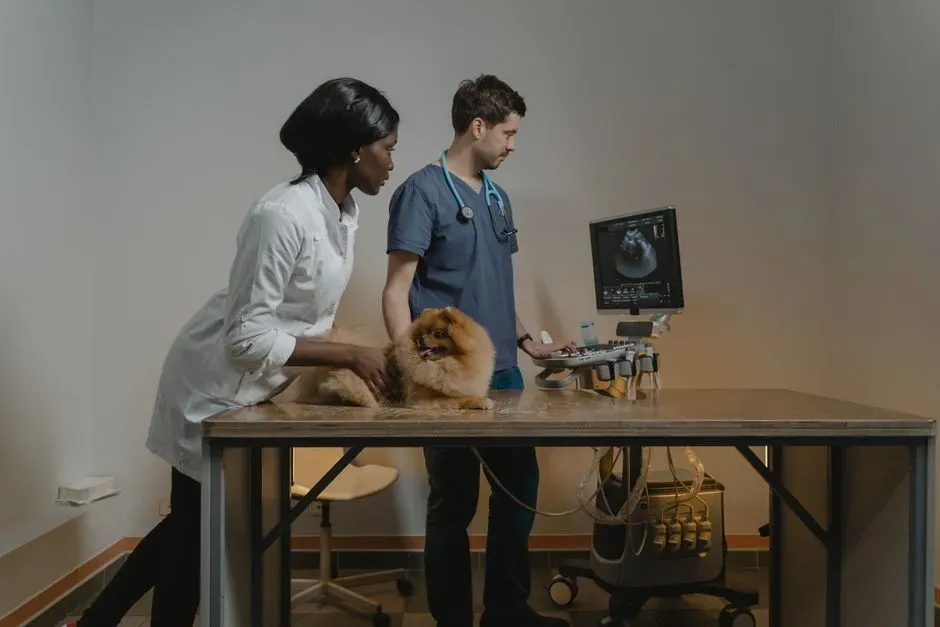
Long-term owners are secretly amateur detectives.
They know what their pet’s normal looks like. That means how much water gets drunk, how quickly the bowl empties, and how often the litter tray or the yard gets used. A change in any of these can be an early sign of illness.
Increased thirst and urination, for example, can point to conditions such as kidney disease or diabetes. Many of the earliest signs of disease are changes owners could spot at home, weeks before the pet looks sick. The trouble is that gradual shifts are easy to explain away.
Some vets even ask owners of pets with heart conditions to count resting breaths at home, because a creeping change can show up there first. It takes a minute and costs nothing.
Vets say the most useful observations are specific:
- “She’s drinking more” is helpful
- “She refilled the bowl twice a day instead of once” is far better
- Dates and patterns help even more
The next habit involves a test most owners think is optional at #12…
#12 – They Get Baseline Bloodwork Before There’s a Problem
🔥 Would you like to save this?
We'll email this post to you, so you can come back to it later!
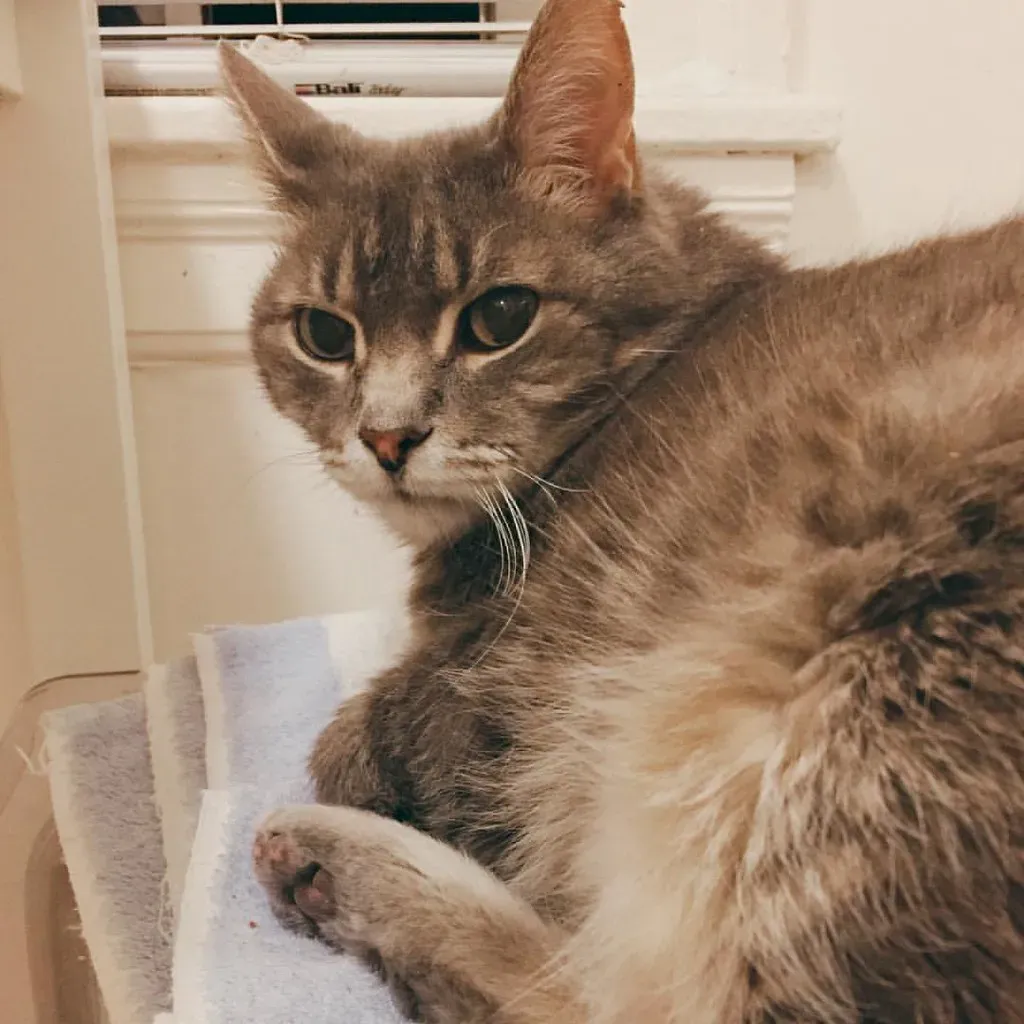
The best time for a blood test is when your pet is perfectly healthy.
Owners of long-lived animals tend to say yes when a vet suggests screening bloodwork and urine tests, especially as pets reach middle and senior age. They understand that a single result is less useful than a pattern over several years.
Every animal has its own normal range. A value that looks acceptable on paper may actually be a clear shift for that individual. Without earlier results to compare, subtle trends can go unnoticed until they become serious.
Screening can also help guide decisions about anesthesia, medication choices and diet. That means problems like early kidney changes can be managed sooner. Early management often gives pets more comfortable years.
Next up is a habit that seems boring but quietly prevents serious disease at #11…
#11 – They Never Skip Parasite Prevention
🔥 Would you like to save this?
We'll email this post to you, so you can come back to it later!
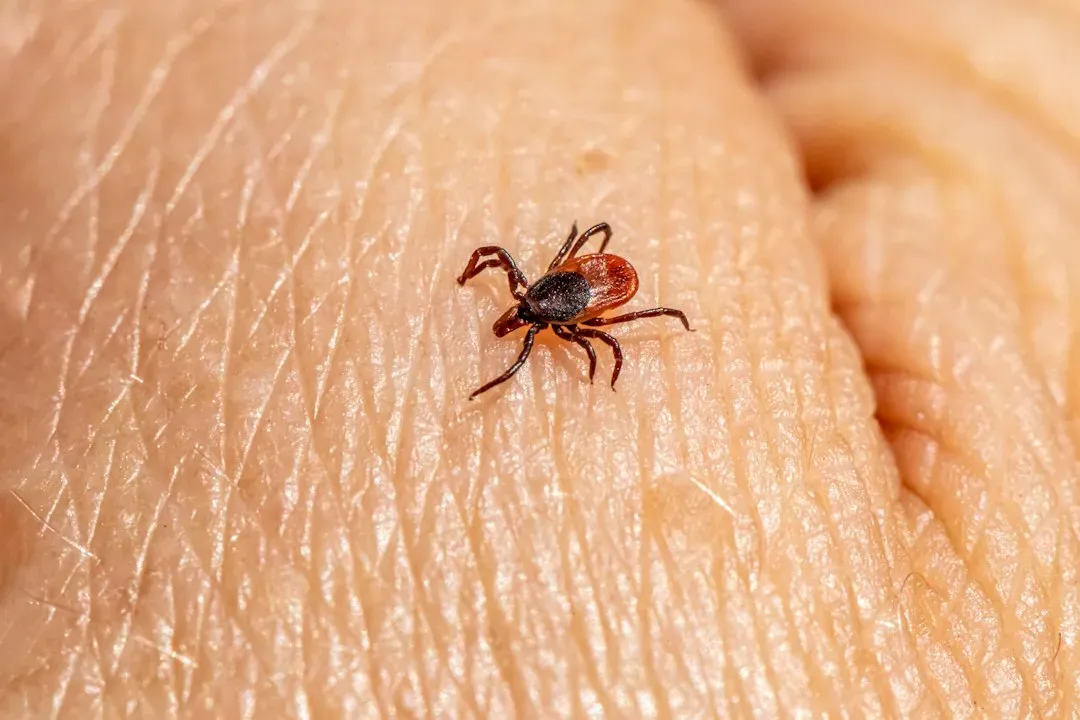
Fleas, ticks and worms are not seasonal problems in many homes.
Veterinary teams see the damage when prevention is dropped “because it’s winter.” Parasite risk varies by region, but many vets recommend year-round protection because pests can survive indoors and in mild weather.
Heartworm is a prime example. It is spread by mosquitoes, and treatment in an infected dog is far more complicated than prevention. Indoor cats are not automatically safe, since mosquitoes and fleas can come inside.
Long-term owners also stay consistent with doses. A missed month can leave a gap in protection. They follow the vet’s advice for their area, because the risks differ widely between regions.
Worth Knowing
- Flea pupae can survive in carpets and cracks, so an infestation can flare up again after the adults seem gone.
- Ticks can stay active on mild winter days, not just in summer.
- Heartworm prevention works by stopping early infection, so late or missed doses matter.
- Some dog flea products contain ingredients, such as permethrin, that are dangerous to cats.
Here’s the thing: the right product depends on species, weight and local conditions. Never use a dog product on a cat without veterinary advice, since some ingredients can be dangerous to cats.
Which brings us to a vaccination debate that divides owners at #10…
#10 – They Tailor Vaccines Instead of Guessing
🔥 Would you like to save this?
We'll email this post to you, so you can come back to it later!
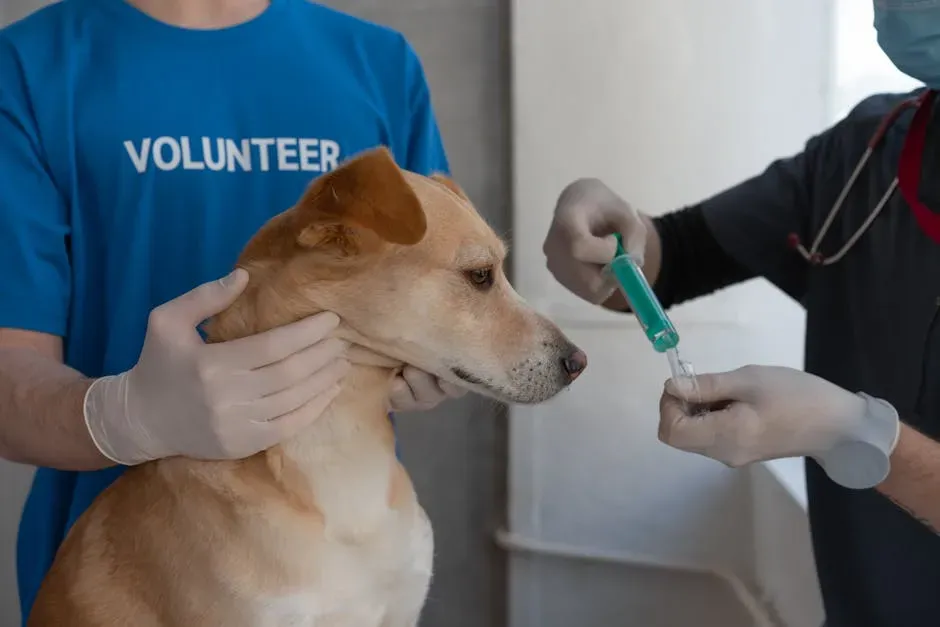
Vaccination isn’t “all or nothing,” and the best owners know it.
Some owners vaccinate everything annually without asking questions. Others skip shots entirely because they think an indoor pet doesn’t need them. Vets say both approaches can be a mistake.
Core vaccines protect against serious diseases that are widespread or severe. Other vaccines depend on lifestyle: boarding, grooming, hiking, contact with wildlife or travel. Long-term owners talk through their pet’s actual risks with the vet each year.
Many guidelines now recommend that some core vaccines be given at longer intervals once the initial series is complete. Your vet will know which schedules apply where you live. Rules also vary by region, and rabies vaccination is legally required in many places.
Even the best plan can fail without this next habit at #9…

Halloween Cat Costume Cloak Witch Hat Pet Accessories
Check Price on AmazonAs an Amazon Associate, we earn from qualifying purchases.
10/9/2026 2:44 pm GMTi

Professional 7 in 1 Dog Paw Cleaner for Dogs & Cats - Includes 1 Portable Paw Washer, 1 Bath Brush
Check Price on AmazonAs an Amazon Associate, we earn from qualifying purchases.
10/7/2026 1:26 pm GMTi

Dog Stairs for Bed 18" H, 4-Step Dog Steps for High Bed
Check Price on AmazonAs an Amazon Associate, we earn from qualifying purchases.
10/9/2026 2:42 pm GMTi

Earth Rated XL Dog & Puppy Pee Pads, Discreet Top, Max Absorbency
Check Price on AmazonAs an Amazon Associate, we earn from qualifying purchases.
10/7/2026 1:28 pm GMTi

PetSafe Oasys Pet Fountain, 1/2 Gallon (64 oz), Small Dogs & Cats
Check Price on AmazonAs an Amazon Associate, we earn from qualifying purchases.
10/8/2026 8:14 am GMTi
#9 – They Give Medication Exactly as Prescribed
🔥 Would you like to save this?
We'll email this post to you, so you can come back to it later!
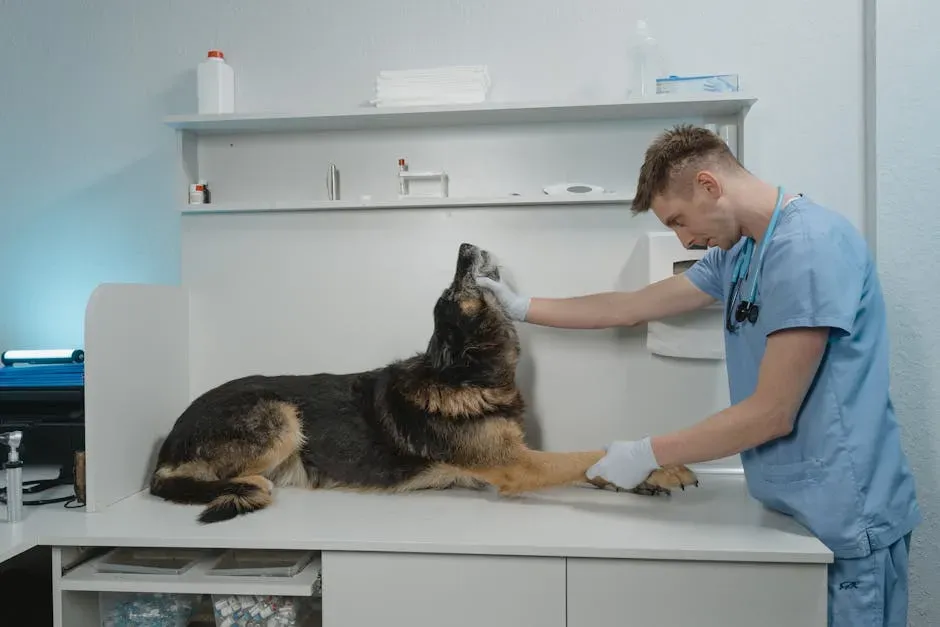
Half-finished prescriptions are one of the biggest frustrations in veterinary practice.
Owners who keep pets for decades treat a prescription as a plan, not a suggestion. They give the full course of antibiotics, even when the pet looks better after a few days. Stopping early can allow infection to return.
They also ask practical questions before leaving the clinic. What should I watch for? What if I miss a dose? Should this be given with food? Many medication problems come from an unasked question, not from the drug itself.
For pets that fight pills, they ask for alternatives:
- Liquid or chewable formulations
- Pill pockets or compounded flavors
- Demonstrations of how to give tablets safely
They also never give human painkillers without veterinary direction. Several common ones are toxic to dogs and cats.
Next is a phrase that makes vets wince at #8…
#8 – They Never Say “He’s Just Old”
🔥 Would you like to save this?
We'll email this post to you, so you can come back to it later!
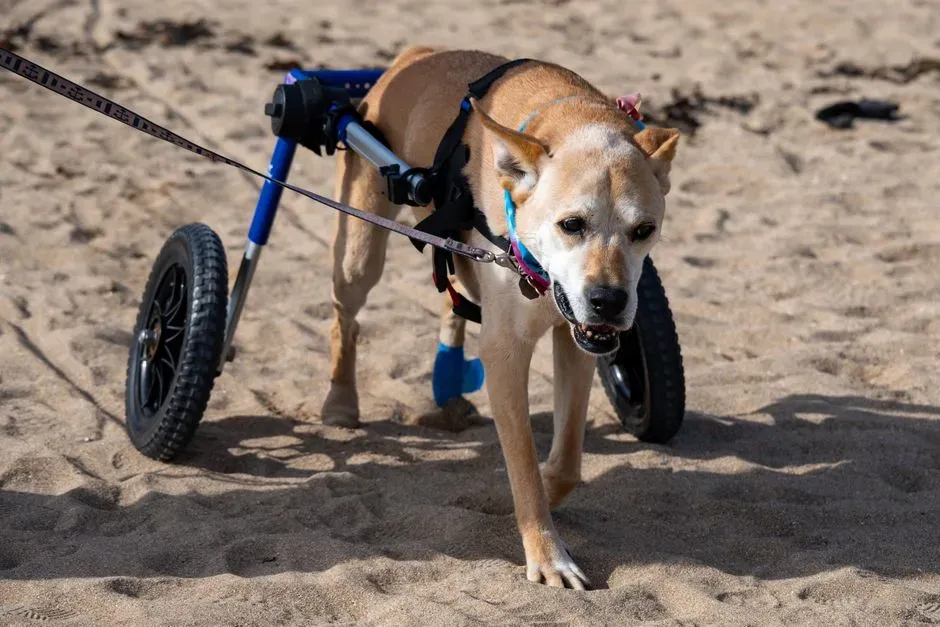
Age is not a diagnosis.
This is the phrase vets say they hear most when an older pet is slowing down. Often it hides a treatable problem, and arthritis is a major one. Owners of long-lived pets treat stiffness as a medical issue.
Pain in animals is easy to miss. Dogs may slow on walks or hesitate on stairs. Cats rarely limp, and many simply stop jumping, which owners often mistake for laziness.
Signs vets ask about include:
- Reluctance to jump onto furniture
- Trouble with stairs or the car
- Irritability when touched
- Changes in grooming or litter box habits
Treatments exist, from weight management and joint-friendly exercise to prescribed pain relief. These owners ask for them.
And the next one could literally be a life-or-death habit at #7…
#7 – They Pet-Proof the Home Like a Toddler’s Room
🔥 Would you like to save this?
We'll email this post to you, so you can come back to it later!
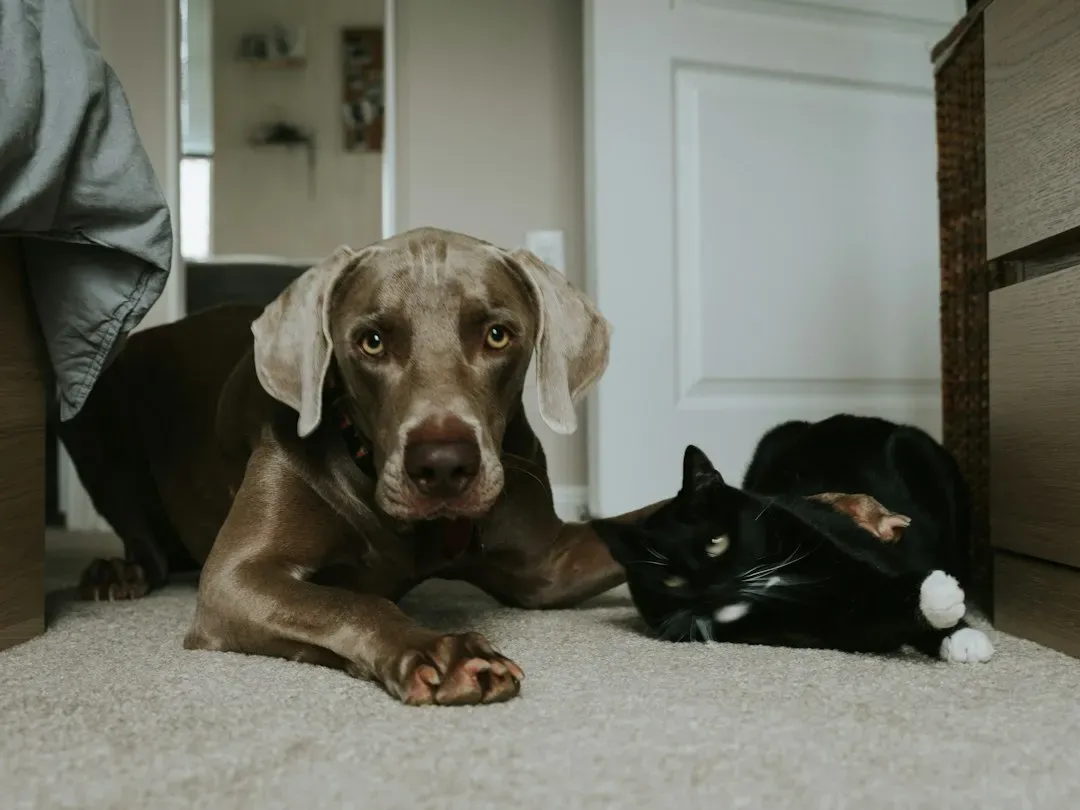
A surprising share of emergencies start in the kitchen.
Long-term owners learn what’s dangerous before it happens. Chocolate, grapes and raisins, onions, and the sweetener xylitol are all known hazards for dogs. Xylitol turns up in some gum, baked goods and even certain peanut butters, so reading labels matters.
For cats, lilies are a serious concern. Even small exposures to some lily species can be dangerous for cats, including pollen licked off the fur. Many vets would argue that no lily should be in a home with a cat.
They also secure bins, medications and cleaning products, and they wipe up antifreeze spills right away, since its sweet taste can tempt animals. Then there are the less obvious hazards: string, hair ties and corn cobs, which can cause intestinal blockages.
The next habit isn’t about danger at all, but vets say it changes everything at #6…
#6 – They Stick With a Vet They Trust
🔥 Would you like to save this?
We'll email this post to you, so you can come back to it later!
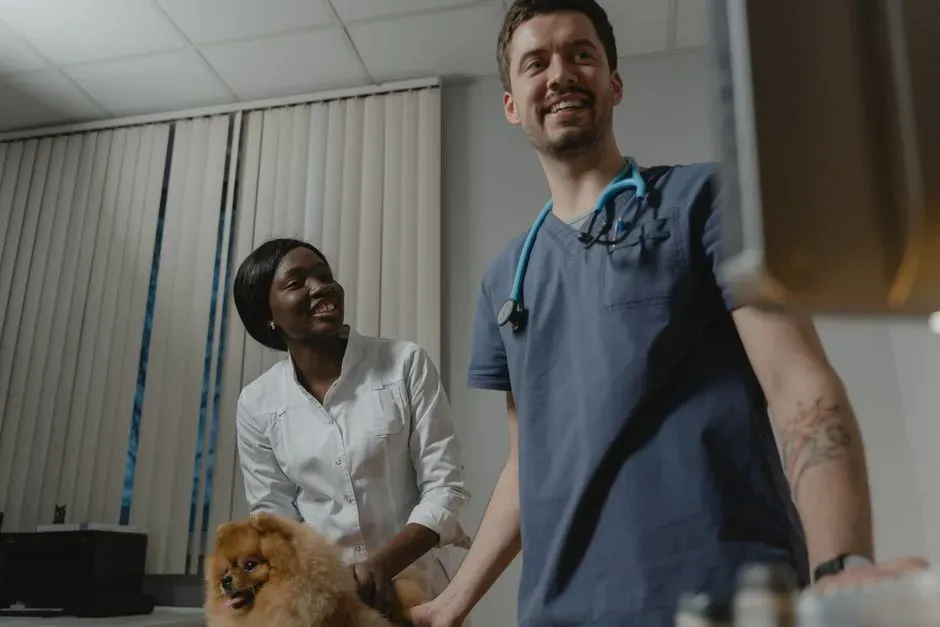
Continuity of care is secretly one of the strongest advantages a pet can have.
A vet who has known your animal for years remembers more than the chart. They know how your dog behaves when scared and what your cat looked like at a healthy weight. That history makes small changes stand out.
Long-term owners also keep their own records. They hold vaccination certificates, test results, medication lists and notes on past reactions. When an emergency happens at a clinic that has never seen the pet, those records can save valuable time.
At a Glance
- Vaccination and rabies certificates
- Recent bloodwork results and weight history
- Current medications, doses and start dates
- Notes on allergies and past reactions
- Microchip number and insurance details
None of this means you can never seek a second opinion. Good vets welcome one for complex cases. The difference is that these owners get a second opinion as an addition to the relationship, not a replacement for it.
They also tell their vet the truth. Admitting that the pet gets table scraps, or that you skipped doses, helps the vet help your animal.
Now for a tiny piece of tech that brings pets home at #5…
#5 – They Microchip and Keep the Details Current
🔥 Would you like to save this?
We'll email this post to you, so you can come back to it later!
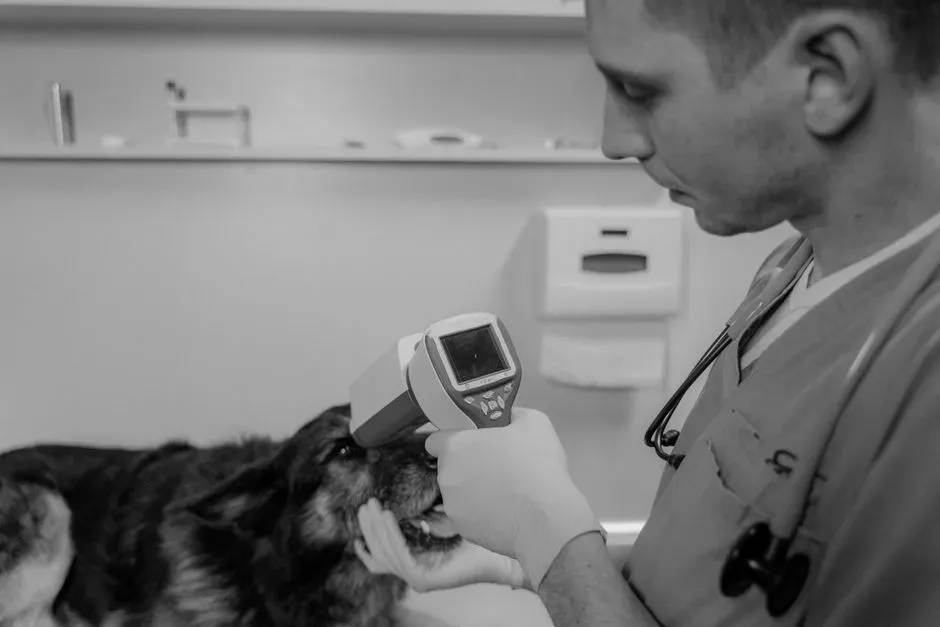
A microchip with old contact details is close to useless.
Veterinary teams and shelters see lost pets constantly. Owners of long-lived animals take identification seriously. They microchip early, add a collar tag, and update the registry whenever they move or change phone numbers.
Indoor cats escape too. A door left open, a startled bolt through a gap, or a damaged window screen is all it takes. Many reunions depend entirely on whether the chip’s registered details are correct.
They also ask the vet to scan the chip at check-ups. Chips can occasionally migrate, and it’s worth confirming it still reads.
The next habit surprised even some vets in how simple it is at #4…

Portable Dog Water Bottle Foldable Dog Travel Water Bottle
Check Price on AmazonAs an Amazon Associate, we earn from qualifying purchases.
10/7/2026 1:29 pm GMTi

Orthopedic Extra Large Dog Bed, Waterproof Washable XL Pet Bed 44"
Check Price on AmazonAs an Amazon Associate, we earn from qualifying purchases.
10/7/2026 1:32 pm GMTi

Hand Blown Glass Hummingbird Feeders for Outdoors Hanging, 24oz Wild Bird Nectar Feeder
Check Price on AmazonAs an Amazon Associate, we earn from qualifying purchases.
10/7/2026 1:23 pm GMTi

Air Purifiers for Home Pets Large Room Up to 3000 Ft²,HEPA Air Cleaner with Washable Double-Side Filter, PM2.5 Air Quality Monitor,15dB Sleep Mode for Bedroom Odor Dust Pollen,White
Check Price on AmazonAs an Amazon Associate, we earn from qualifying purchases.
10/8/2026 8:23 am GMTi

Smart Bird Feeder with Camera Solar Powered, 2K HD Live Video, 10,000+ Bird Species AI Identification
Check Price on AmazonAs an Amazon Associate, we earn from qualifying purchases.
10/7/2026 1:22 pm GMTi
#4 – They Match Exercise and Enrichment to Age
🔥 Would you like to save this?
We'll email this post to you, so you can come back to it later!
A brain left unchallenged ages too.
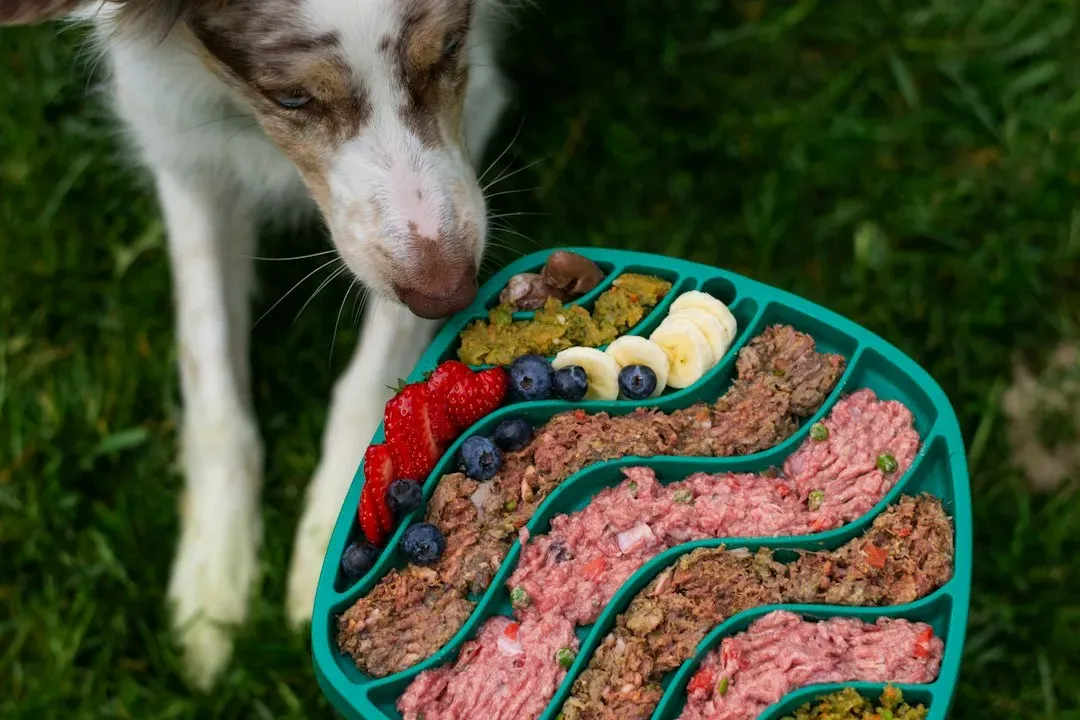
Long-term owners adjust activity as their pets change. A young retriever may need long runs. A senior version may do better with shorter, more frequent, low-impact walks. Swimming and gentle hills can help some older dogs, depending on their health.
Mental work matters as much. Puzzle feeders, scent games and short training sessions give animals purpose, and vets often recommend them for older pets. For cats, climbing spaces, window perches and play sessions mimic natural hunting behavior.
Owners also watch for signs that confusion is setting in. Older pets can develop cognitive changes, such as night waking or getting lost in familiar rooms. If you see them, tell your vet, since management options exist.
Good enrichment doesn’t need to be expensive. A cardboard box and ten minutes of attention can do plenty.
Why It Stands Out
- It costs very little compared with most other habits on this list.
- It works for dogs and cats, and it scales down gently as pets slow.
- Sniff-heavy walks and food puzzles tire the mind without punishing stiff joints.
- Regular play makes sudden behavior changes easier to spot.
But the next habit is the one many owners avoid talking about at #3…
#3 – They Plan for the Cost Before It Arrives
🔥 Would you like to save this?
We'll email this post to you, so you can come back to it later!
Vets say money is often the hidden cause behind a hard decision.
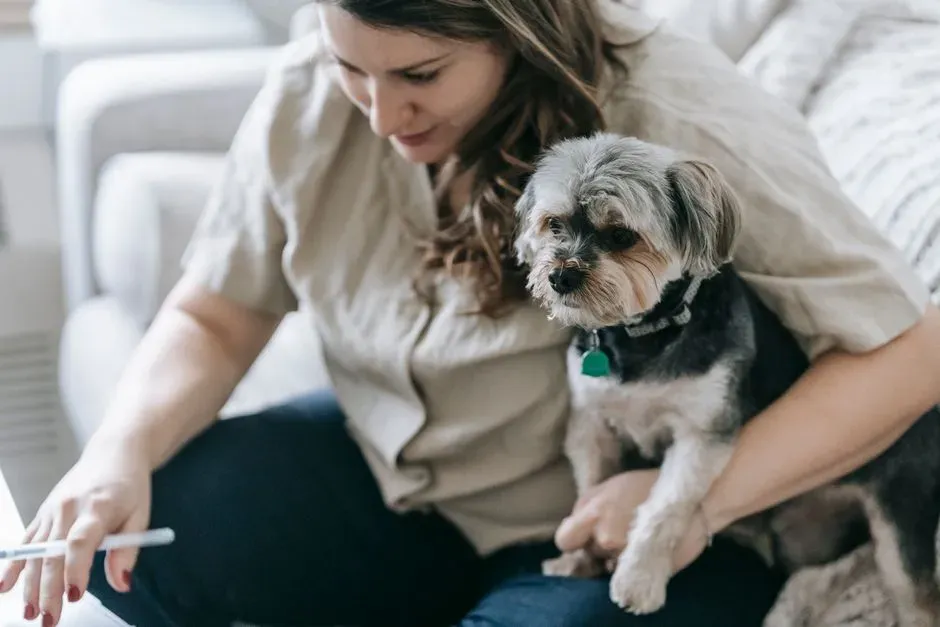
Veterinary care can be expensive, particularly when emergencies hit. Owners who keep pets for decades usually have a plan. That might be pet insurance, a dedicated savings fund, or a mix of both.
Insurance policies vary widely. Many exclude pre-existing conditions, so the best time to enroll is often when the pet is young and healthy. Reading the terms matters more than the headline price.
Here’s an opinion that splits owners. Some argue that a savings account is enough. Many vets would say that a single serious emergency can outpace savings quickly, and that planning for it beats hoping for it.
Up next is a two-minute habit that can catch trouble early at #2…
#2 – They Check Every Lump the Day They Find It
🔥 Would you like to save this?
We'll email this post to you, so you can come back to it later!
Waiting to see if it grows is a gamble.
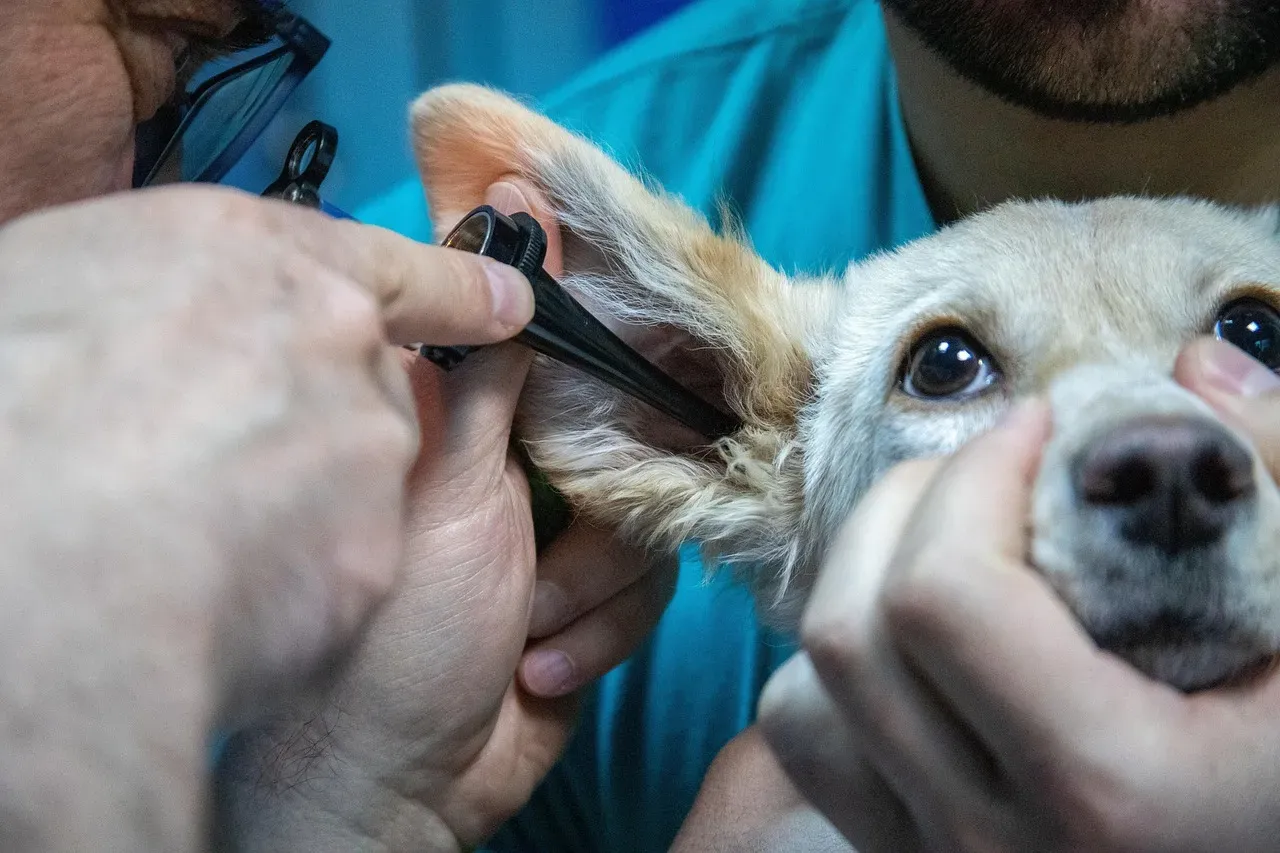
Long-term owners run their hands over their pets regularly. They know the usual bumps, and they notice new ones. Many lumps turn out to be harmless, such as fatty deposits, but you can’t tell by touch.
A vet can often sample a lump with a quick needle test. Looks and feel alone can’t reliably separate a harmless lump from a serious one. That is why vets would rather check a hundred harmless lumps than miss one dangerous one.
Other changes worth reporting include:
- Wounds that don’t heal
- Unexplained weight loss
- Persistent coughing or vomiting
- Bleeding or discharge
- Changes in the size or color of a skin growth
And the final habit is the one vets say separates good owners from truly great ones at #1…

2 Pcs Halloween Pet Hat Bandana Set, Witch Pumpkin Costumes for Dogs
Check Price on AmazonAs an Amazon Associate, we earn from qualifying purchases.
10/9/2026 2:45 pm GMTi

Glass Hummingbird Feeder for Outdoors Hanging
Check Price on AmazonAs an Amazon Associate, we earn from qualifying purchases.
10/7/2026 1:21 pm GMTi

Halloween Dog Collar with Bow, Orange Cute Ghost Collar,
Check Price on AmazonAs an Amazon Associate, we earn from qualifying purchases.
10/9/2026 2:43 pm GMTi

Glass Hummingbird Feeder for Outdoors Hanging, 16 oz Leak-Proof Nectar Feeder with Bee Guards & Ant Moat
Check Price on AmazonAs an Amazon Associate, we earn from qualifying purchases.
10/7/2026 1:22 pm GMTi
#1 – They Plan for the Last Chapter With Honesty
🔥 Would you like to save this?
We'll email this post to you, so you can come back to it later!
The hardest habit is the one that comes from love.
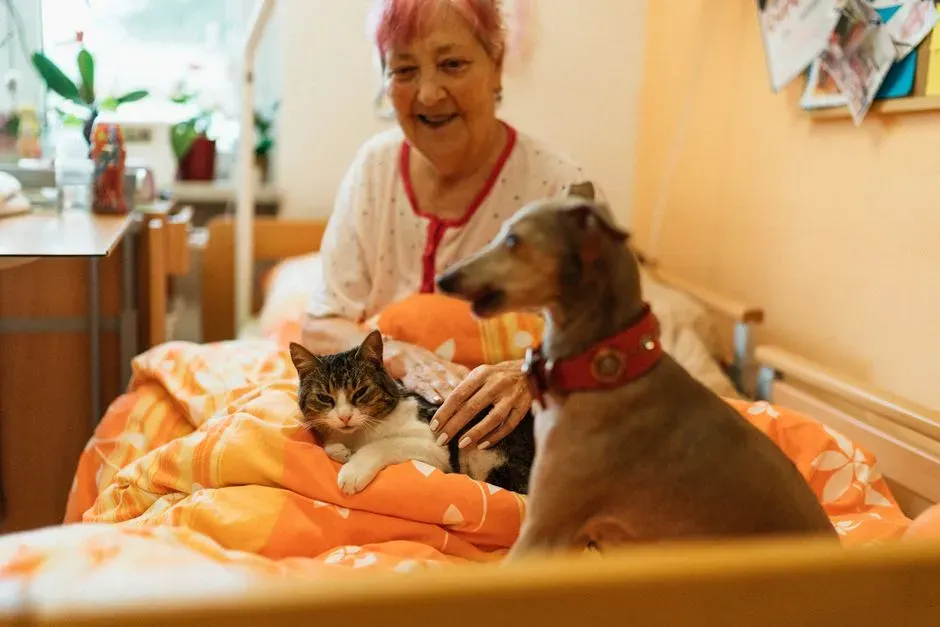
Veterinary teams say the owners who are most at peace tend to think about the end before it arrives. They talk to their vet about what quality of life means for their animal. They don’t wait for a crisis to ask.
Many clinics use quality-of-life scales that look at pain, appetite, hydration, mobility and the number of good days versus bad days. Vets often describe the goal as a good day over one more day. A written checklist can help when emotion makes judgment difficult.
These owners also know that palliative care and hospice support exist for some pets. They ask about pain control and comfort at home. When the time comes, they choose a gentle goodbye over a prolonged decline.
Truth is, this habit is not about giving up. It’s about making sure the final chapter honors the years that came before.
Here’s the opinionated truth: none of these habits is glamorous. The owners whose pets live longest aren’t lucky, and they aren’t wealthy by default. They’re observant and consistent, and they act early. Weight control, dental care and the lump check beat any fancy supplement.
We also think “he’s just old” is the most damaging sentence in pet ownership. It turns treatable pain into an accepted fate. Even if you only adopt one habit, make it noticing change and acting on it.
Which of these 16 habits do you think owners underestimate most, and which one would you argue isn’t worth the effort?

- 16 Habits Veterinary Teams Recognise in Owners Who Have Kept Animals Decades - November 8, 2026
- What It Means When a Black Cat Crosses Your Path – and Why Some Cultures See It as Good Luck - November 7, 2026
- Marine Biology Says Leatherback Sea Turtles Can Dive Deeper Than 1,000 Meters and Cross Entire Oceans to Feed on Jellyfish - November 7, 2026